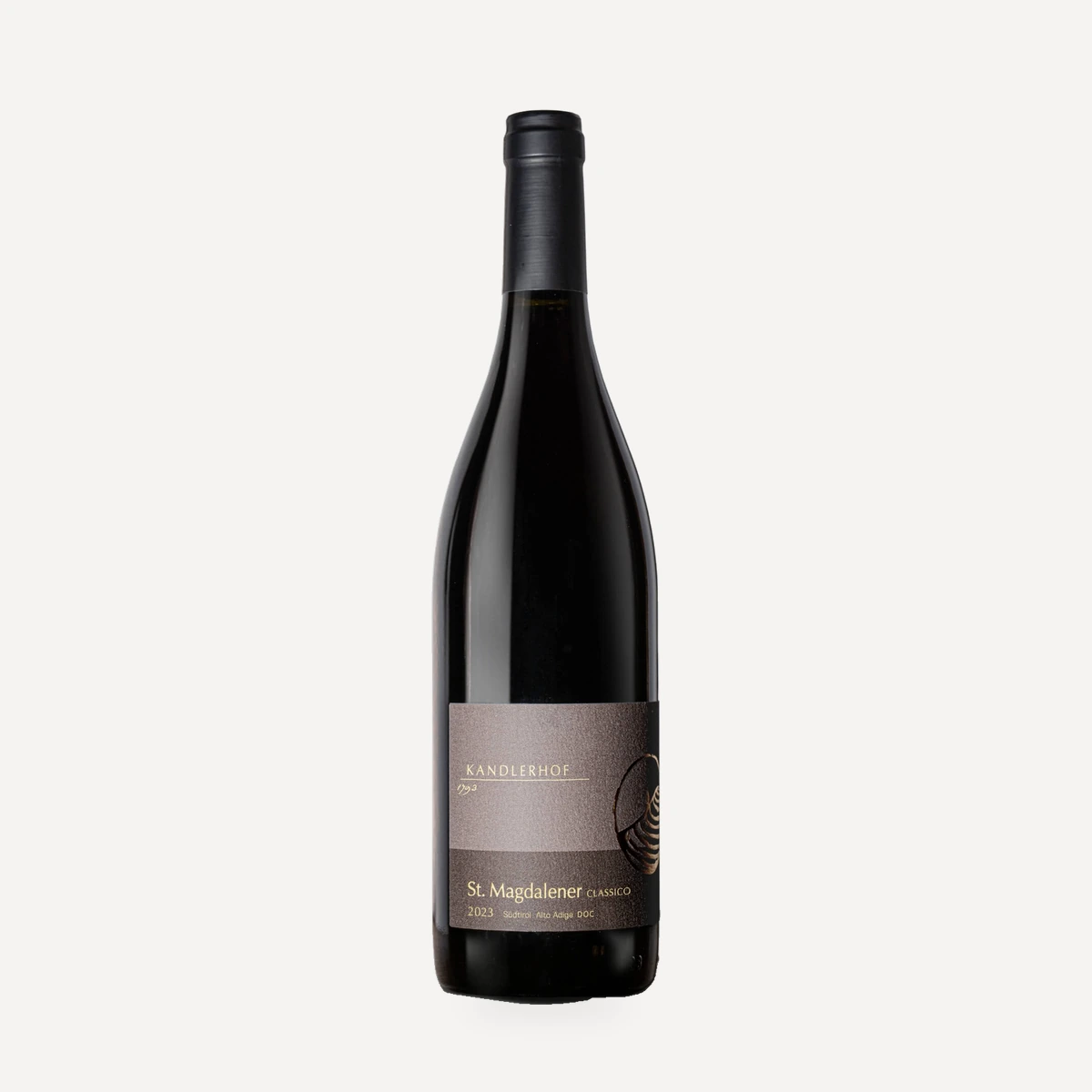
Storia
Dornhof and the earliest record
The farm was already known as Dornhof in 1278, when Frederici Dorn was its owner.
The origin of the Kandlerhof name
In 1777 the property belonged to Josef Anton Schloterpöck. He was known as a Kandler, the German term used here for a tinsmith or pewterer, and this occupational name gave the estate its present identity.
The Spornberger family
Johann Spornberger acquired the farm in 1793. Kandlerhof has consequently remained in the Spornberger family for more than two centuries, with successive generations shaping the property and its winegrowing activity.
Bottling at the estate
At the end of the 1960s, Gregor Spornberger began bottling wine at Kandlerhof for the first time. He also became a pioneer of the period’s mechanization of the wine sector.
Recognition as an Erbhof
In 1993, Land Südtirol formally conferred the title Erbhof on Kandlerhof, recognizing its longstanding continuity as a hereditary family farm.
Kandlerhof today
The estate is currently run by Hannes Spornberger together with his wife, Nicole, and his parents, Martin and Irene. The family combines its inherited winegrowing tradition with a progressively more sustainable approach to the vineyards, while Hannes seeks to unite longstanding practices with new ideas in the cellar.
Terroir
Kandlerhof’s vineyards occupy two contrasting elevations and soil environments.
Kandlerhof
The Kandlerhof vineyard covers 2 ha between 360 and 450 metres above sea level. Its hillside soils include light, well-aerated weathered sand derived from porphyry, granite and limestone. The south-facing slope beneath the Rittner Berg has very fertile, clay-bearing soils lying over porphyry rock.
Picklhof
Picklhof lies considerably higher, between 680 and 800 metres above sea level, and covers just under 2.5 ha. The vineyard faces south. Its strongly calcareous soils combine river gravel, clay and Flinz.
Vinificazione
Cultivation is moving progressively toward greater sustainability and is guided by organic principles. The family’s objective is to restore vitality to the soils and old vines, allowing agriculture to develop in harmony with nature. This approach is also intended to preserve and shape the inherited vineyard land so that it can remain productive for future generations.
Training reflects the conditions of the two holdings: the 2 ha Kandlerhof vineyard uses the traditional Pergl or pergola system, while the higher Picklhof vineyard, covering just under 2.5 ha, is cultivated on Guyot-trained trellises.
Vinification and maturation take place in Kandlerhof’s old vaulted cellar. The wines are developed to retain the character of both their grape variety and their site. White wines are matured in stainless-steel tanks, while red wines are matured in wooden casks. Most of the resulting wines are classified as Südtiroler D.O.C. quality wines.
The cellar approach is framed around craftsmanship, tradition and sustainability, with particular attention to detail and regional identity. Its stylistic objectives are character, elegance and the capacity to mature, joining the estate’s longstanding tradition with innovative ideas.
Filosofia
Kandlerhof’s philosophy brings together craftsmanship, tradition and sustainability. Vineyard work is being reshaped around increasingly sustainable, organically informed principles, with the aim of restoring vitality to soils and old vines while maintaining harmony with nature. The inherited land is treated as something to preserve and develop for future generations rather than merely a present-day resource.
Hannes Spornberger’s stated objective is to make wines that express their site, grape variety and the estate’s philosophy as clearly as possible. He seeks character, elegance and maturation potential, combining the family’s longstanding tradition with innovative ideas. The cellar’s emphasis on site- and variety-appropriate maturation follows the same principle of regional connection and attention to detail.
Vini
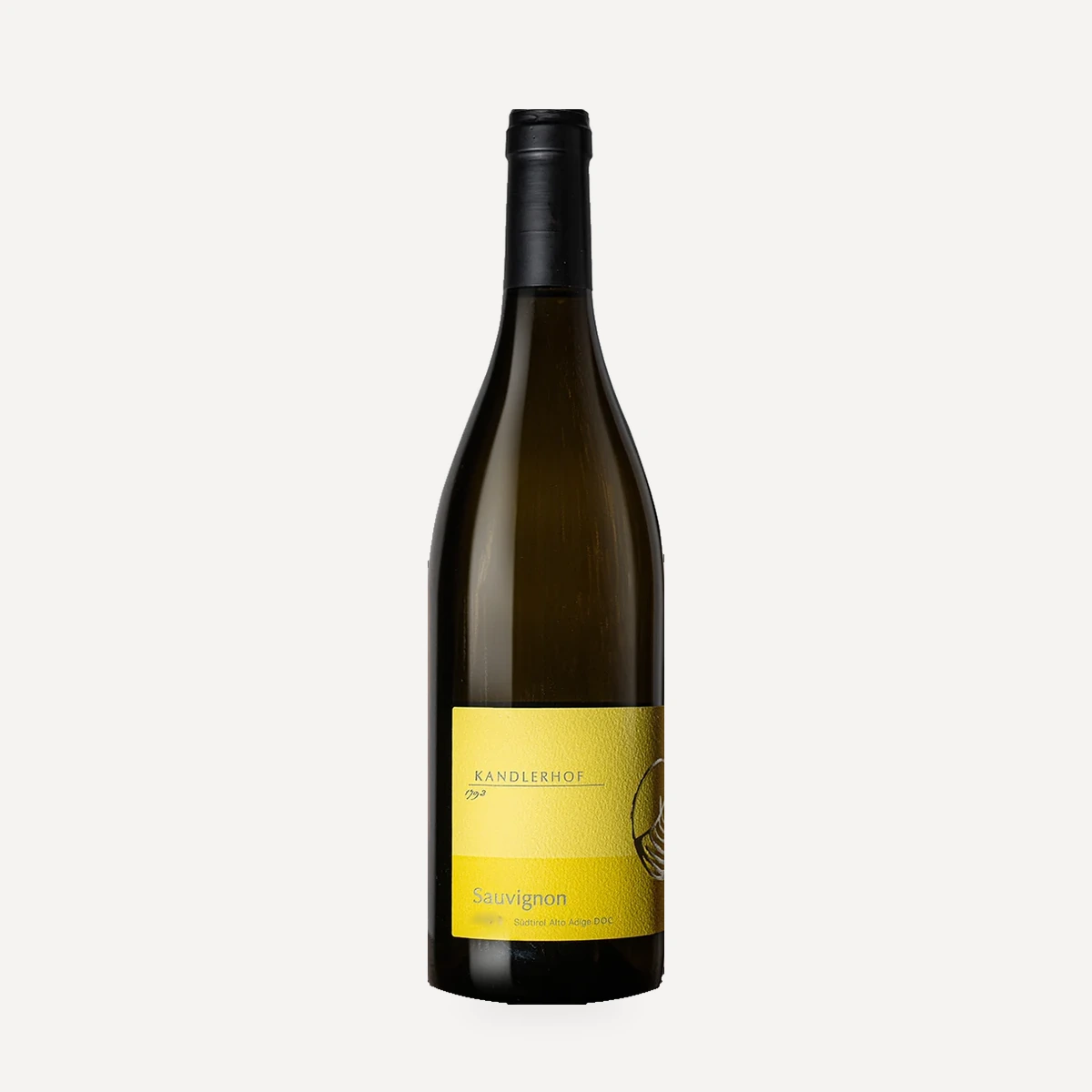
Sauvignon
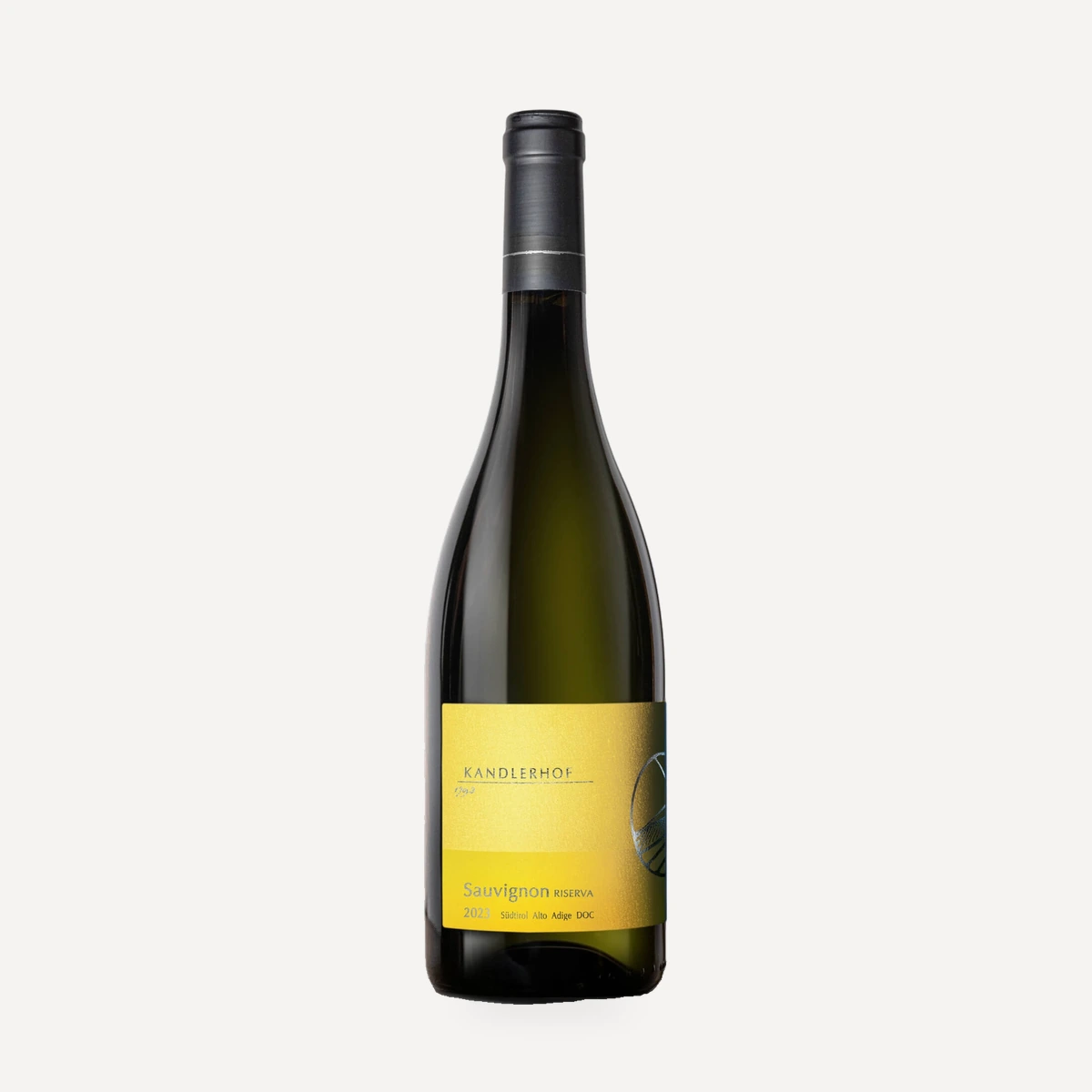
Sauvignon Riserva Pickl
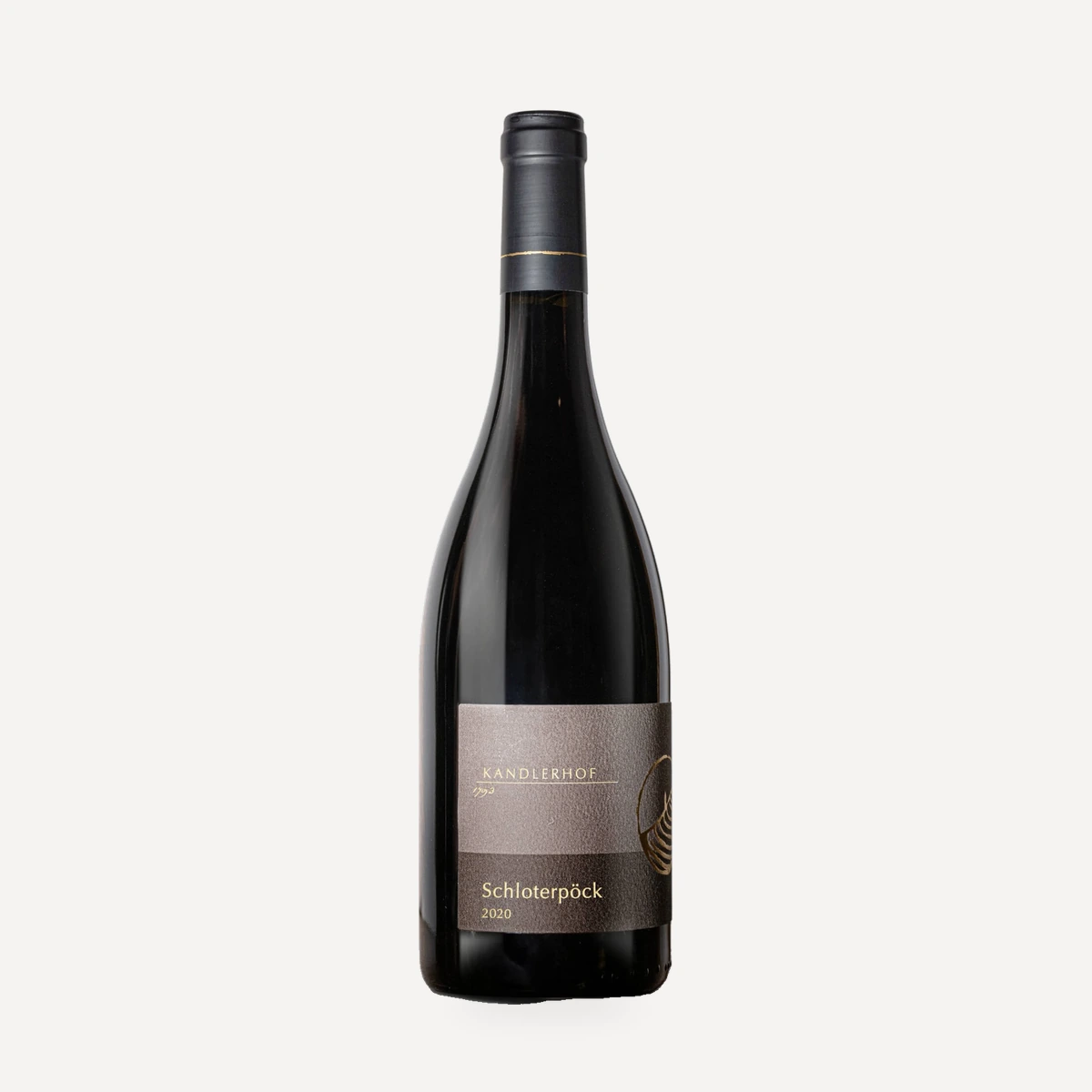
Schloterpöck