Storia
Family land before La Vedetta
Marco Viglino grew up among the hills and family vineyards around Barbaresco. His grandfather, Lorenzo Cillario, also cultivated the Cà Grossa valley floor: in the 1950s he planted hazelnut groves there and delivered the crop directly to Giovanni Ferrero. The groves, together with woodland and other uncultivated surfaces, remain part of the site's biodiversity.
Marco initially followed a different path. After humanistic studies, he earned a degree in Economics, completed an internship abroad and worked for multinational companies. During this period, the Langhe changed from the rural province of his childhood into an international destination for wine and truffles, while its vineyard landscape received UNESCO World Heritage recognition.
Meeting in Germany and planning a return
Marco met Swantje Rausch while living in Germany. Together they began planning his return to the Langhe and the recovery of his family's vineyards. Swantje had grown up in the rural Vogelsberg area of Germany, studied Economics, earned a master's degree in International Management and worked in Asia before exchanging office life for work in the vineyard.
2016: the project begins
In 2016 Marco left his previous employment and committed himself to the vineyards. He began studying and experimenting, supported by his uncle Michele, whose close knowledge of the land helped guide the new project. Marco and Swantje created La Vedetta as both a shared enterprise and a new home, making decisions and managing the work together.
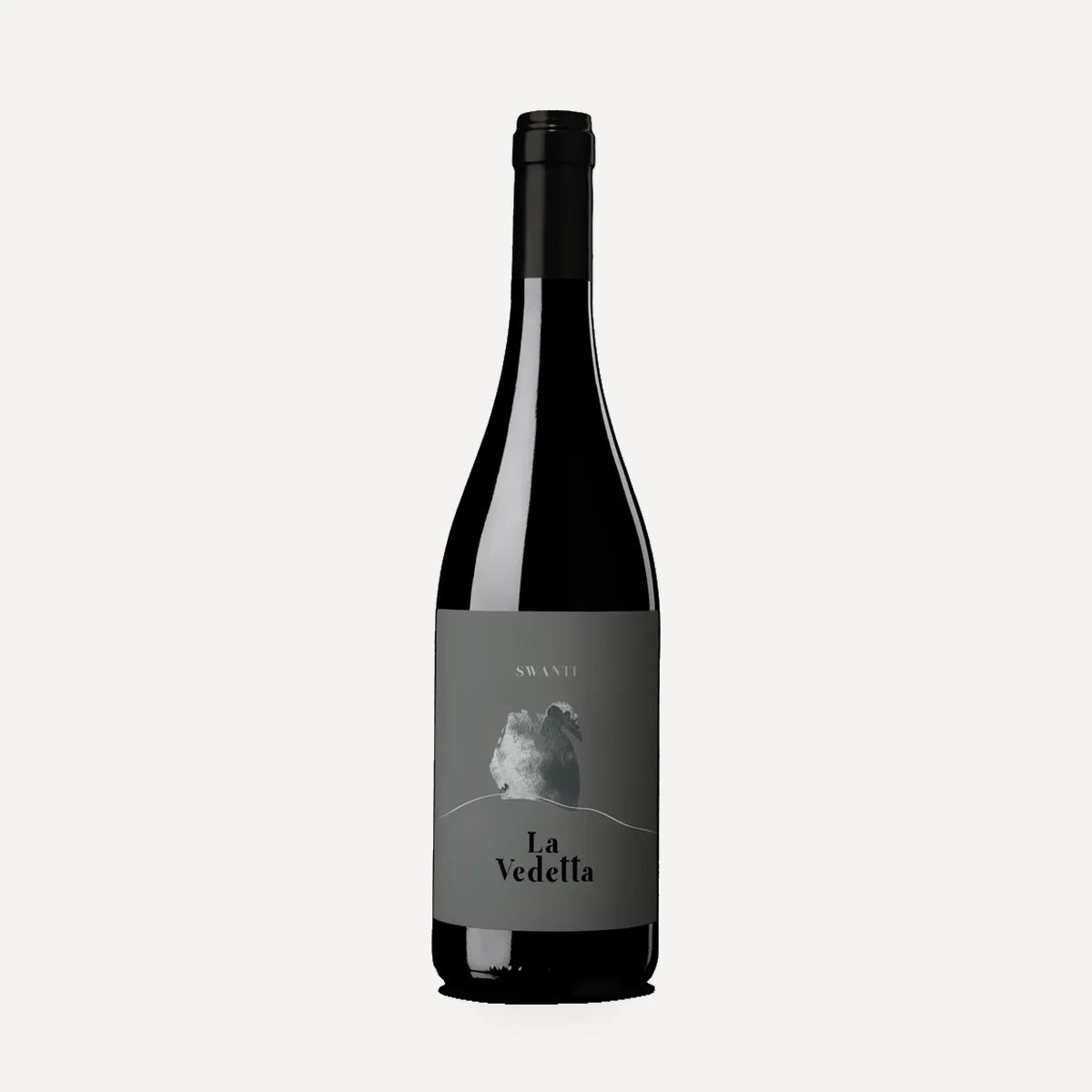
The estate developed around 3.5 ha of vineyards divided between Cà Grossa in Barbaresco and Sarasino in Castagnole delle Lanze. Michele also helped return Freisa—an old Piedmontese variety—to the cellar. The resulting range grew to include Barbaresco DOCG, a separately selected Barbaresco Cà Grossa, Langhe DOC Nebbiolo, Freisa d’Asti DOC, Barbera d’Asti DOCG, Barbera d’Asti DOCG Superiore and the changing red blend Swanti.
Continuing development
La Vedetta evaluates Cà Grossa separately in every vintage, selecting grapes from chosen vines when the harvest is suitable for a dedicated Barbaresco Cà Grossa. Across the range, the project continues to combine organic viticulture, experimentation and an intentionally restrained approach to extraction and élevage.
Terroir
Barbaresco setting
La Vedetta occupies a hill position in Barbaresco overlooking the Martinenga amphitheatre, the curving rows of Asili and the steep slope of Rabajà. Its vineyards are divided principally between Cà Grossa in Barbaresco and Sarasino in Castagnole delle Lanze, with the Tanaro River influencing both settings.
Cà Grossa
Cà Grossa lies between Roncagliette and Rio Sordo. The MGA encompasses 17 ha, but only 2 ha are planted to vines, on the better-exposed east to south-east-facing ground. The soils are Marne di Sant’Agata Fossili: clay-calcareous marl mixed with sandstone of varying grain size. Sandstone accounts for approximately 15% of the soil, while wine-specific descriptions give a fine-sand proportion of 15–20% in selected blocks.
The site's eastern orientation, proximity to the Tanaro and surrounding woodland and hazelnut groves create a comparatively fresh microclimate. These conditions preserve acidity and contribute freshness, savouriness and ageing capacity. The broader vineyard description places Cà Grossa at 200 m above sea level, while selected Tre Stelle blocks are identified at 250 m.
Sarasino
Sarasino is a 1.5 ha hill site in Castagnole delle Lanze. Its strip of land follows the Tanaro and forms the southern boundary between the Barbera d’Asti denomination and the Barbaresco area represented here by the Starderi and Serracapelli MGAs. The vineyards lie at approximately 200 m and face south to south-east.
The microclimate is warm and well ventilated. Its Marne di Sant’Agata Fossili soils are clay-calcareous and contain a significant sandstone component, closely resembling those described at Barbaresco. The combination supports fruit intensity and structure while retaining freshness, savouriness and aromatic delicacy.
Vinificazione
La Vedetta follows certified organic viticulture with the stated objective of respecting and sustaining its land for future generations. Its 3.5 ha of vines are trained to Guyot.
Biodiversity is particularly visible at Cà Grossa, where vineyard land is interspersed with uncultivated surfaces, woodland and hazelnut groves. The trees and groves are also part of the site's cooler microclimate. Vineyard densities are 4,400 vines/ha in the Barbaresco–Tre Stelle blocks and 5,000 vines/ha at Castagnole delle Lanze, with respective row layouts of 2.50 × 0.90 m and 2.50 × 0.80 m. The technical specifications consistently set yields at 7,000 kg/ha.
Harvest timing varies by variety and site: Barbera is collected around the third week of September, while Nebbiolo and Freisa are generally picked in the first week of October. Grapes are selected in the vineyard during harvest before entering the cellar.
Production begins with grape selection in the vineyard. Current cellar specifications use spontaneous yeasts across the range. Fermentations take place in either stainless-steel or concrete tanks, followed by malolactic fermentation.
Maceration and fermentation regimes vary with the intended style. The estate’s Nebbiolo-based wines use approximately 10–20 days of skin contact or fermentation, while Freisa and Barbera commonly undergo approximately 15 days. Stainless steel is used for the Barbaresco, Freisa and structured Barbera fermentations; concrete is used for the fresher Langhe Nebbiolo and for the variable Swanti blend.
Élevage is adapted to each wine. The two Barbaresco bottlings mature for about 20 months in oak: 25 hl casks for Barbaresco and a combination of 25 hl and 15 hl casks for Cà Grossa. They are bottled in summer and receive minimum bottle maturation of eight and ten months respectively. Freisa spends three months in small used barriques. The current Barbera d’Asti Superiore specification uses small used barriques for 16 months. The unoaked Barbera d’Asti and Langhe Nebbiolo spend six months in concrete, while Swanti matures in stainless steel. These wines are bottled in spring.
Filosofia
La Vedetta presents wine as a means of communicating the lives, decisions and landscape of Marco Viglino and Swantje Rausch. Their declared starting point is freedom: without an inherited stylistic burden, they feel able to experiment, explore and make wine without preconceptions.
That freedom is balanced by one central obligation—the preservation and expression of Barbaresco’s viticultural heritage and the Cà Grossa terroir. Their chosen method is simplicity. Rather than constructing deliberately imposing wines, they seek to remove excess and reach elegance, composure and clarity.
The estate calls the result “naked wines”: wines intended to express place and variety without superstructure, dogma or unnecessary embellishment. Tradition remains under close observation, but it is approached with curiosity and a willingness to create. Vintage variation is embraced most visibly in Swanti, whose blend changes according to what each harvest offers, and in the annual decision over whether selected Cà Grossa vines will produce a dedicated bottling.
Vini
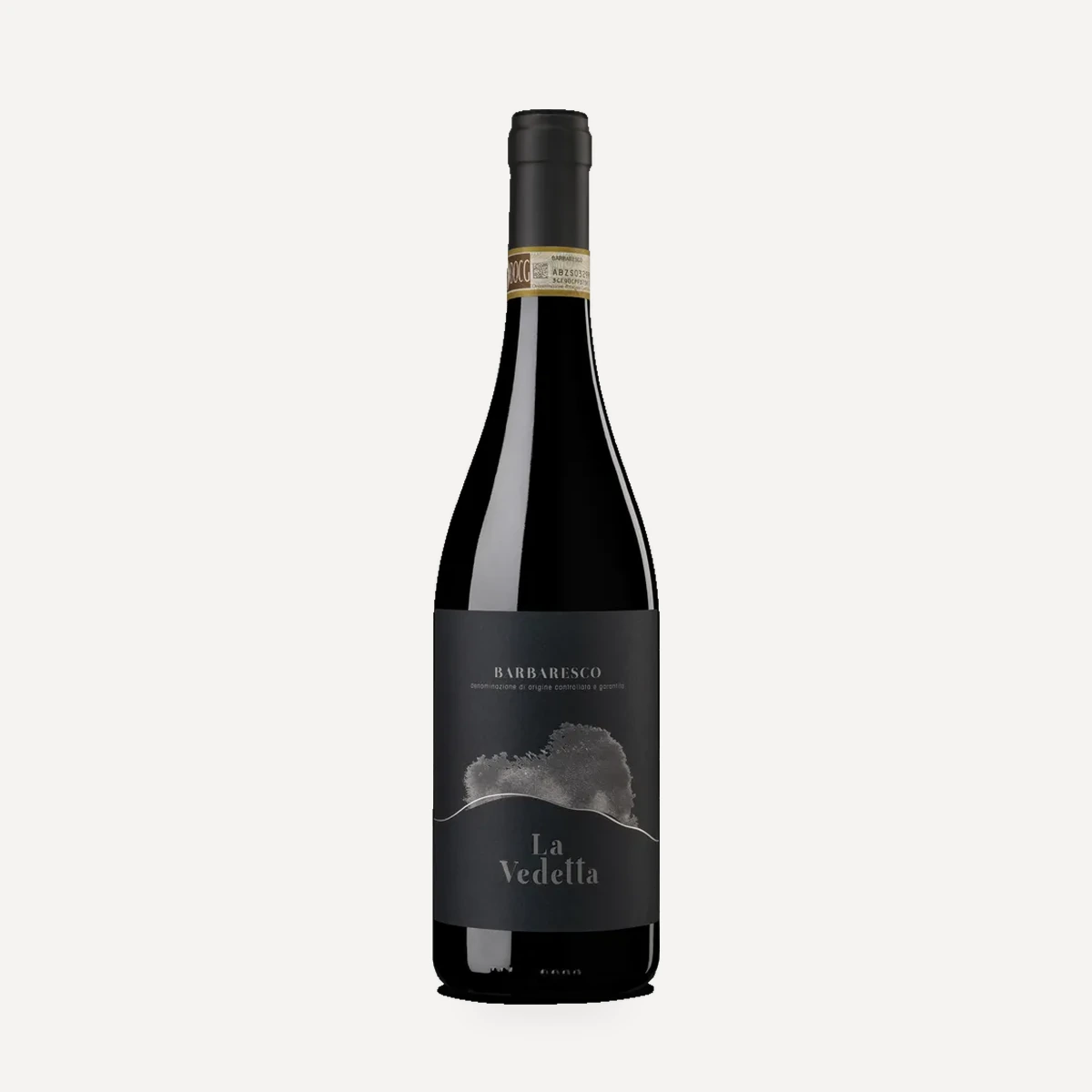
Barbaresco DOCG
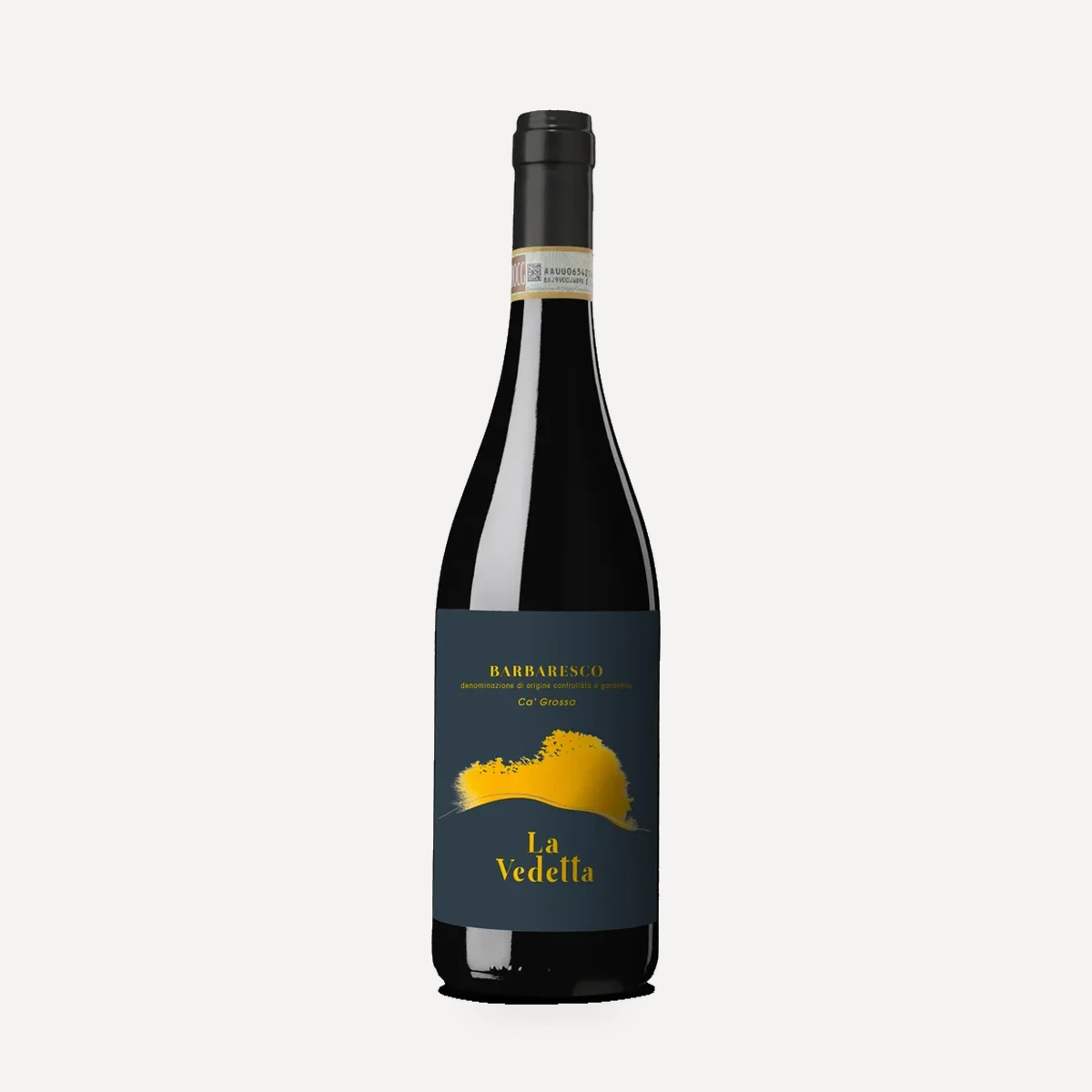
Barbaresco DOCG Cà Grossa
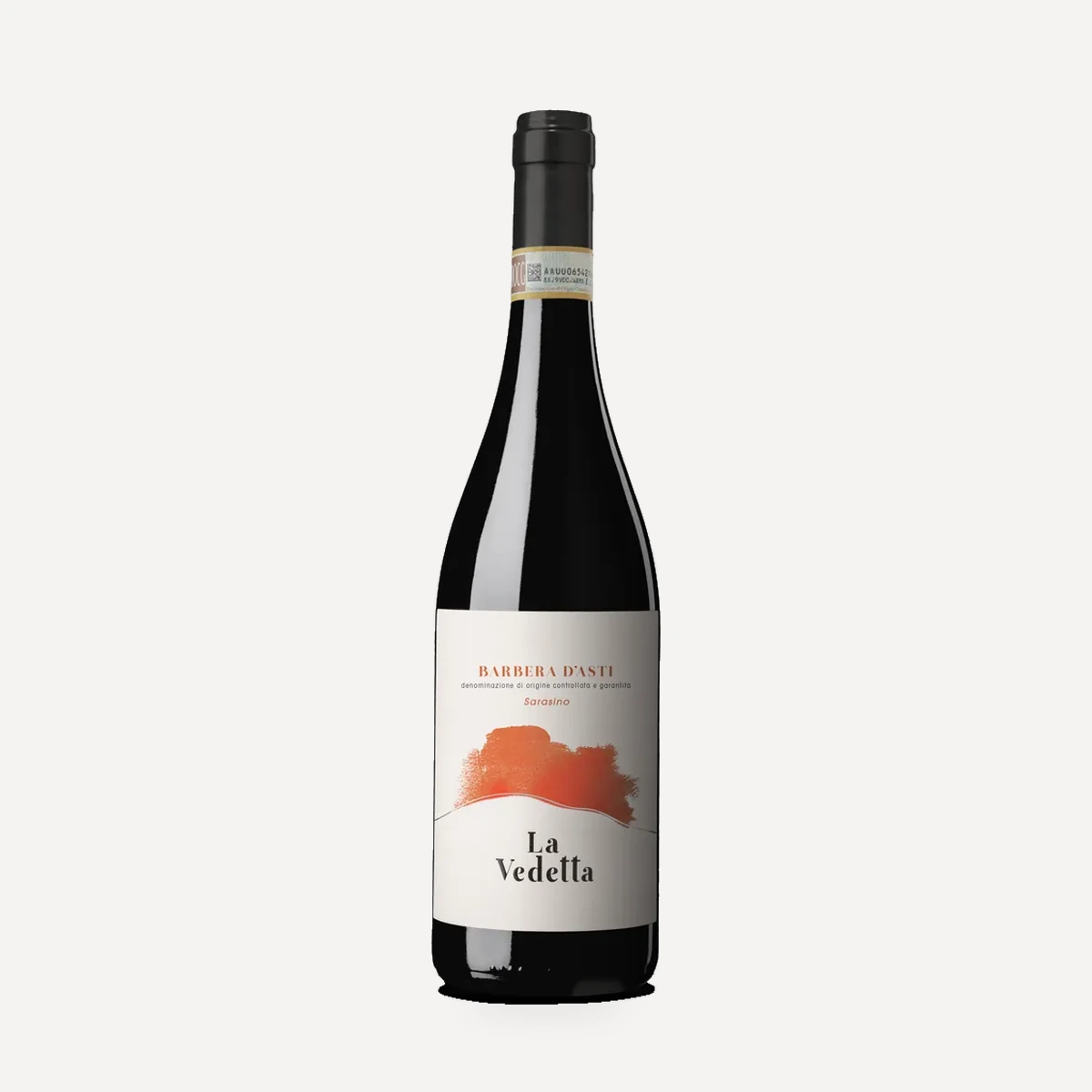
Barbera d’Asti DOCG Sarasino
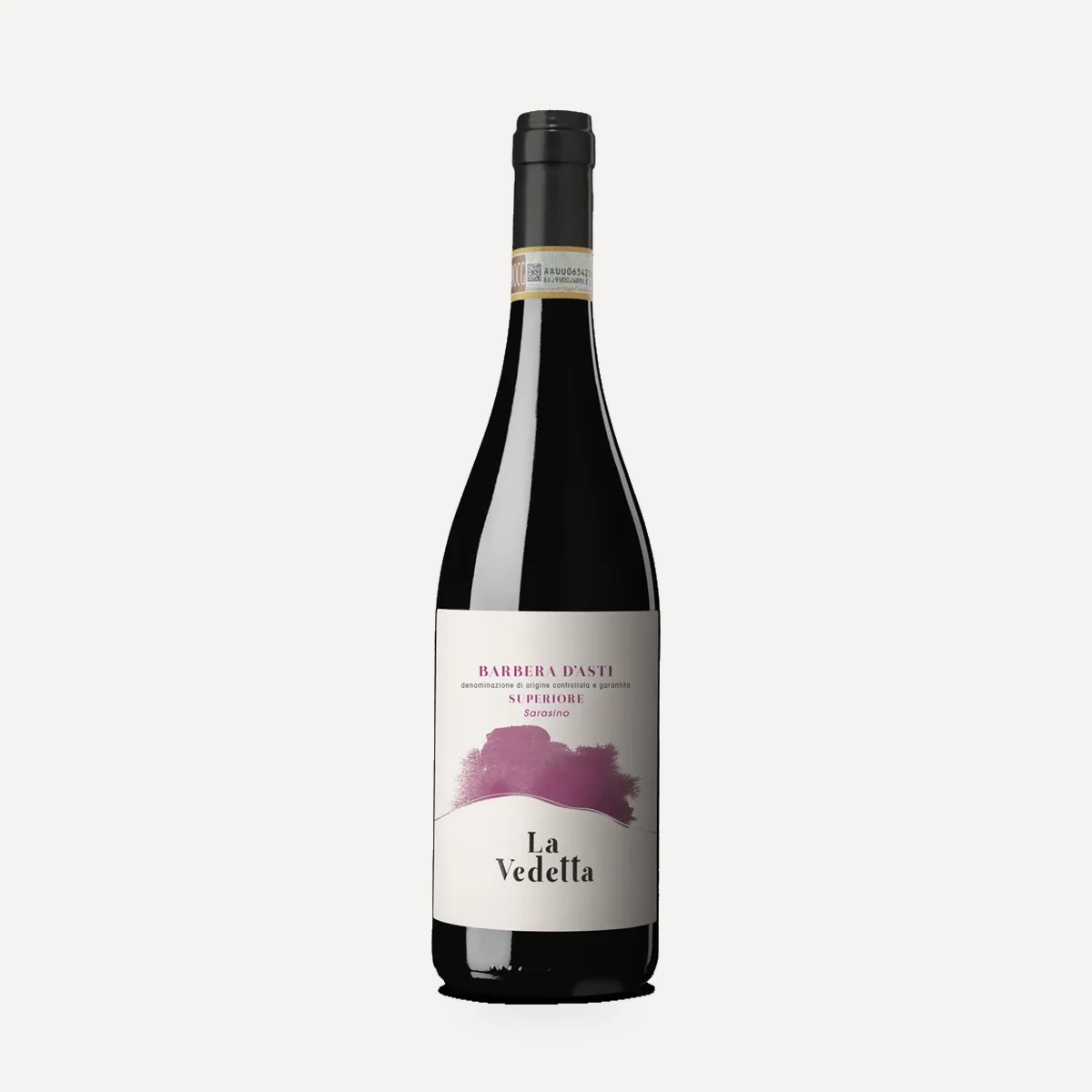
Barbera d’Asti DOCG Superiore Sarasino
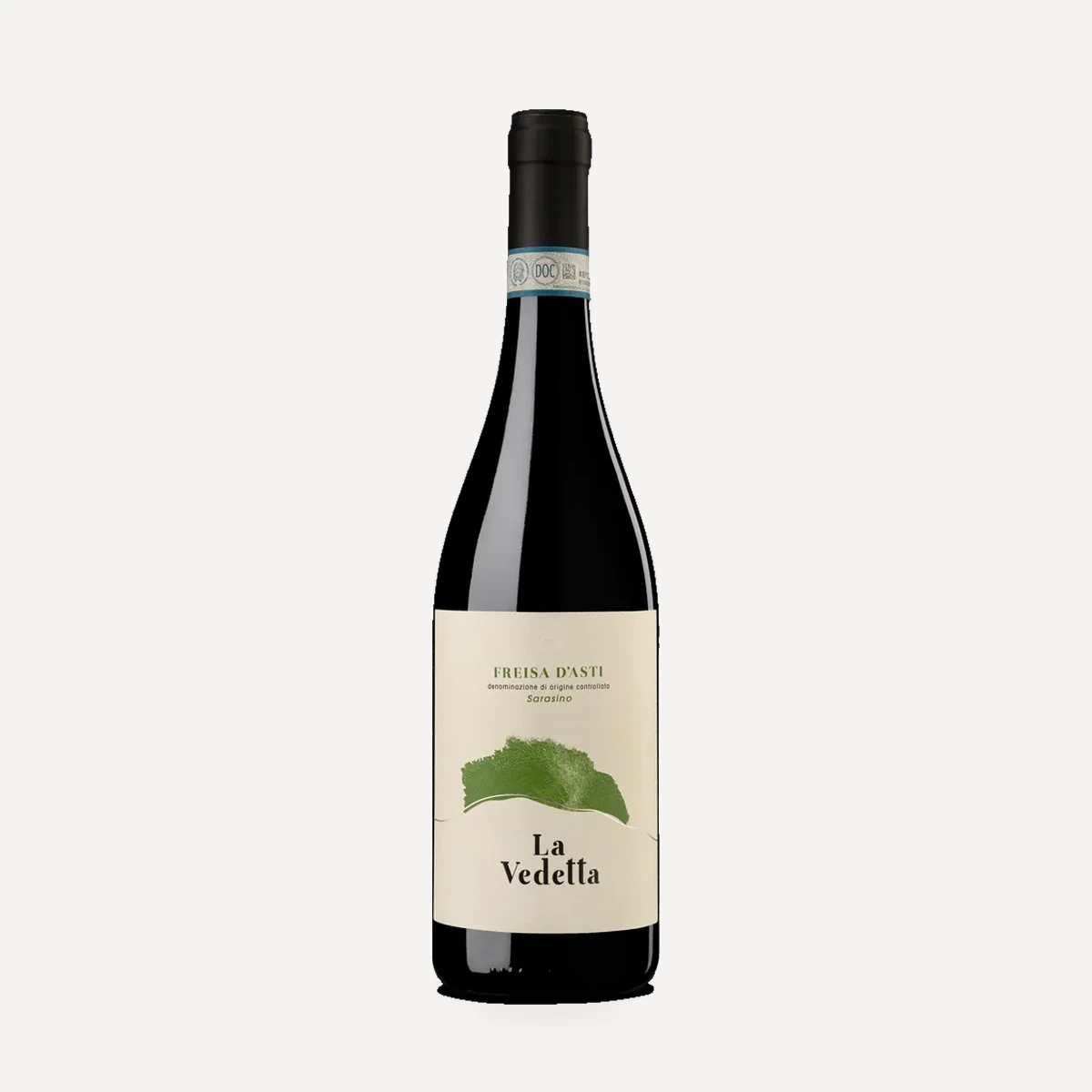
Freisa d’Asti DOC Sarasino
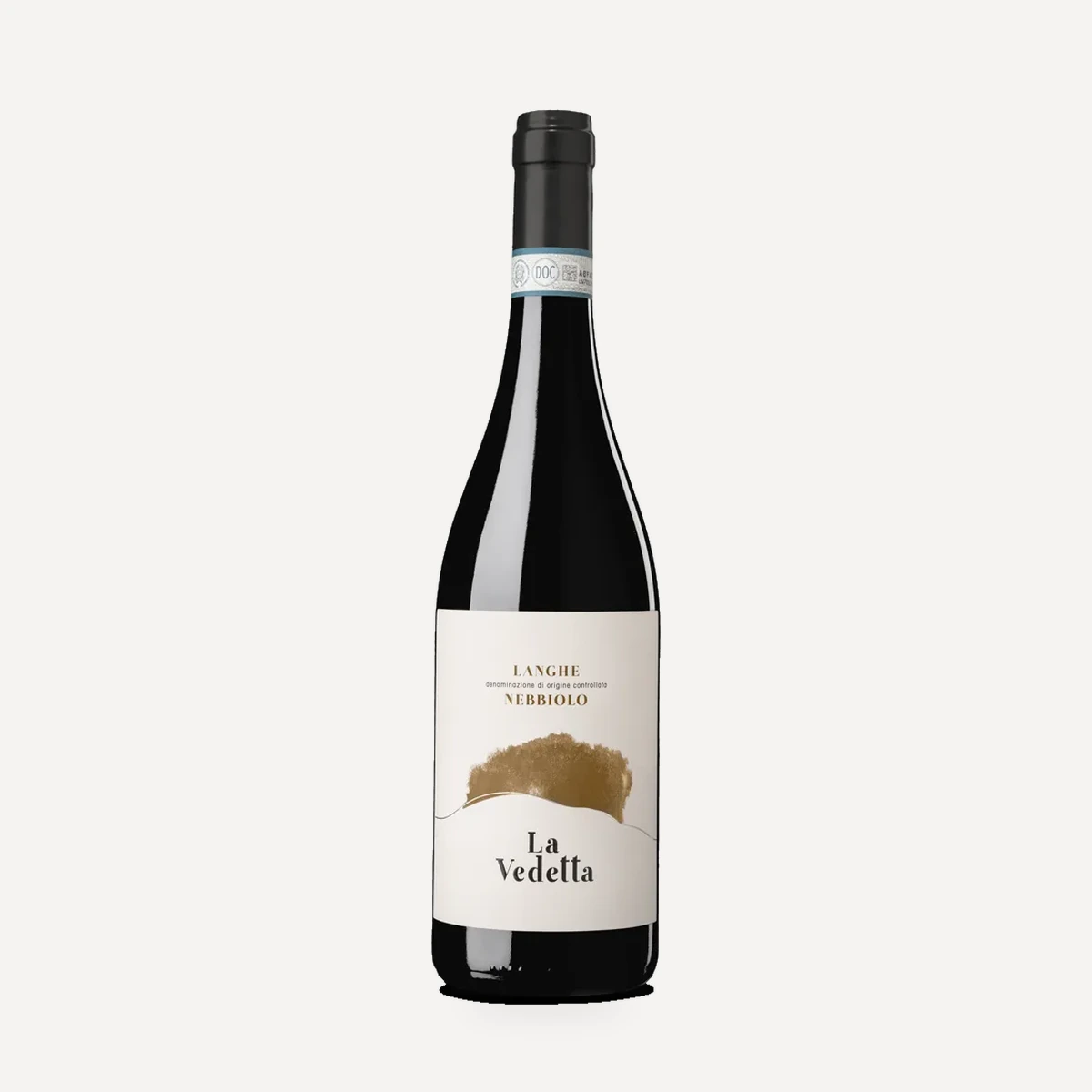
Langhe DOC Nebbiolo