Storia
Experimental origins and foundation
Viticultural work at Laimburg predates the formal creation of the winery. From 1962, the estate conducted trials with low-growing training systems, began selecting clones and tested grape varieties and rootstocks. The first experimental fields followed in 1968.
Laimburg dates the winery to 1975, the year in which the “Laimburg Centre for Agricultural and Forestry Research” was formally established under Provincial Law No. 53 of 3 November 1975. From 1977 to 1979, former stables on the Laimburg Estate were converted to provide the Research Centre with its first premises. The winery developed as the production arm of this research environment: experimental findings from viticulture and enology could be applied to estate-grown grapes and translated into commercially produced wines representative of Alto Adige.
Expansion of the agricultural base
In 1980, the estate took over former state-owned ONC farms in Freiberg/Merano and acquired Ölleiten near Lago di Caldaro for fruit-growing and viticultural trials. The geographically dispersed holdings gave Laimburg access to markedly different elevations, soils and microclimates.
Between 1995 and 2005, Laimburg selected several clones, including the quality-oriented Lagrein clones Lb 25, Lb 26 and Lb 3 and the loose-bunched Sauvignon Blanc clones Lb 36 and Lb 50. Work during this period also developed measures intended to limit Botrytis and sour rot through looser bunch architecture.
From 2002 to 2005, part of the Viesi/Piglon holding was acquired, improved and planted with vineyards; a forestry nursery was also established there.
Creation and expansion of the Rock Cellar
By the end of the 1980s, the winery needed more room for barrels and bottled wine. The solution was to excavate directly into the red porphyry of the adjacent Mitterberg. In 1989–1990, approximately 4,000 m³ of rock was removed with 5,000 kg of dynamite. The resulting complex provided a barrique cellar and bottle-storage areas with a naturally constant ambient temperature, as well as a 300 m² vaulted reception hall.
The Rock Cellar was inaugurated in 1990. Its production and storage areas were expanded again in 2003–2004, including facilities associated with white-wine production. It subsequently developed a dual role as a working cellar and as an official reception, tasting and knowledge-transfer venue for Alto Adige.
Production model and changing scale
By 2014, Laimburg was described as working with about 45 ha of estate vineyards and producing approximately 180,000 bottles in two ranges. Later information records a substantially smaller scale: approximately 20 ha and 100,000 bottles in 2016–2017, followed by roughly 90,000 bottles in 2018–2019. The current estate presentation retains the figure of 20 ha.
The original two-tier structure comprised Estate Wines—varietal, vintage-led wines matured in stainless steel or large oak—and Manor Selection, consisting of more individual selections, frequently matured in oak and named after figures from Ladin mythology. By 2018–2019, a third category, Special Wines, had been added.
Collaborative wines and cultural projects
Beginning with the 2016 vintage, Laimburg cooperated with the Silberberg Professional School for Fruit Growing and Viticulture in Styria and the State Education and Research Institute for Viticulture and Pomology in Weinsberg, Baden-Württemberg. Each institution vinified a Pinot Blanc, after which the three wines were blended in equal proportions and bottled at Silberberg as the first “Network wine.”
For the 2017 vintage, the partners produced “Network wine XVII,” combining 45% Sauvignon Blanc from Silberberg, 40% Riesling from Weinsberg and 15% Gewürztraminer from Laimburg. Further editions followed from the 2018 vintage.
A ten-year collaboration with the Organization of South Tyrolean Provincial Museums also linked wine production with regional culture. Each annual wine was dedicated to a different provincial museum. The 2018 Pinot Blanc, grown at the Schloss Tirol estate, honoured the South Tyrol Museum of Culture and Provincial History; the 2019 edition was dedicated to the South Tyrol Museum of Mining. The 2018 wine was presented as Pinot Blanc MUSIS in April 2019.
Recent role
During 2022 and 2023, 20,245 visitors entered the Rock Cellar, 164 events were staged in its 300 m² reception hall, and 253 guided tastings featured Laimburg wines. The cellar opened for 268 guided visits during the same two-year period.
In 2025, the Rock Cellar hosted 74 events and 124 guided tours. Laimburg continued to combine commercial production with public research, representation and education, using tastings and guided visits to communicate grape varieties, viticulture, vinification, sensory evaluation, regional wine history and current enological research.
Terroir
Laimburg works with 20 ha of vineyards distributed across the wine-growing zones of Alto Adige. The sites span elevations from approximately 200 to 750 m and were selected to provide different soils, positions and microclimates. This geographic range allows individual varieties to be matched with contrasting growing conditions rather than being treated as the product of a single contiguous estate.
The principal winery and Rock Cellar stand at the foot of the remains of Castel Laimburg in Vadena, beside the Mitterberg. The cellar itself is excavated into the mountain’s red volcanic porphyry, whose mass provides a naturally constant storage temperature.
A detailed 2014 register illustrates the breadth of the agricultural holdings then associated with Laimburg. Viticultural sites extended from Ora and Vadena at approximately 200–250 m through Bolzano, Caldaro, Termeno and Merano, and up to Fragsburg at 700 m. The winery’s current vineyard total is smaller than the historical figure, so the register documents the geographic structure of the estate at that time rather than a current 20 ha parcel breakdown.
Vinificazione
The vineyards serve both production and experimental purposes. Laimburg’s approach is to identify an appropriate microclimate for each variety and use the diversity of Alto Adige sites to preserve and refine varietal character.
The wider agricultural holdings have been managed predominantly under integrated-production guidelines, with organic methods applied in part according to the aims of individual trials. Ölleitenhof, Baron Winery and Sella were specifically described as particularly organic. No estate-wide organic or biodynamic certification is identified.
Viticultural research began with training-system, variety, rootstock and clone trials. Between 1995 and 2005, the program selected Lagrein clones Lb 25, Lb 26 and Lb 3 and loose-bunched Sauvignon Blanc clones Lb 36 and Lb 50. The loose-bunch work was linked to measures designed to reduce Botrytis and sour rot.
All grapes used by the winery are grown in Laimburg’s own vineyards. One documented late-harvest technique is used for Vernacius solemnis: at the normal harvest date, the main shoot is cut for approximately two-thirds of the grapes, which remain hanging for a further 10–14 days. The berries dry naturally and their must constituents become more concentrated before vinification.
The winery and research teams also investigate relationships between vineyard practices and wine flavour, compare varieties and sites, evaluate new clones for wine quality, study hail damage and work on the recovery of vines affected by Esca. Sensor-assisted separation of berries by quality after reception has also formed part of the cellar’s collaborative research program.
Laimburg functions simultaneously as a production winery and as a practical application point for viticultural and enological research. Its wines are made exclusively from estate-grown grapes.
Estate Wines are conceived as traditional, variety-led vintage wines and mature in stainless-steel tanks or large oak casks. Manor Selection wines are individual selections, generally matured in oak or produced from more rigorously selected grapes. The names of this range are drawn from Ladin mythology of the Dolomites. The Special Wines category accommodates less conventional products, including wines from fungus-resistant varieties and wines made with specialised harvest techniques.
The Rock Cellar is the principal maturation and storage complex. Excavated into Mitterberg’s red porphyry, it maintains a naturally constant temperature. Its barrique rooms hold the red reserves of the Manor Selection. White wines in the Estate Wines range are also produced in the so-called white-wine cellar, where large 38 hl casks are used.
A purpose-built 12 hl cask made from South Tyrolean oak is used for Vernacius solemnis. For this wine, part of the crop undergoes natural concentration on the vine for 10–14 days after the main shoots are cut; the resulting wine then matures in large wood.
Enological trials examine how maturation can improve varietal and site typicality, mouthfeel and shelf life. Experimental lots are matured under different conditions, analysed chemically and assessed by sensory panels. The Laimburg Sensory Library links this work with the winery, the Vinification and Viticultural Techniques group, the Laboratory of Flavours and Metabolites and the Laboratory for Wine and Beverages Analysis.
The winery’s working spaces are complemented by bottle storage and a wine archive. The Rock Cellar’s reception hall supports guided tastings and the transfer of practical and scientific wine knowledge.
Filosofia
Laimburg’s central principle is to understand the character of each variety and create the conditions in which it can express its strongest qualities. The winery seeks an appropriate microclimate for every grape and treats Alto Adige’s diversity of sites as a practical tool for refining varietal and territorial identity.
Production is inseparable from the Research Centre’s work. Scientific findings from viticulture, enology, analytical chemistry and sensory research are translated into wines, while production provides a practical environment in which new techniques can be tested and demonstrated.
The stated objective is to unite the character of Alto Adige grape varieties and their sites with the region’s established wine-growing traditions. This combines stainless steel and large-format oak for traditional varietal wines with barrique maturation, selected lots and research-driven special wines where a different method better serves the intended expression.
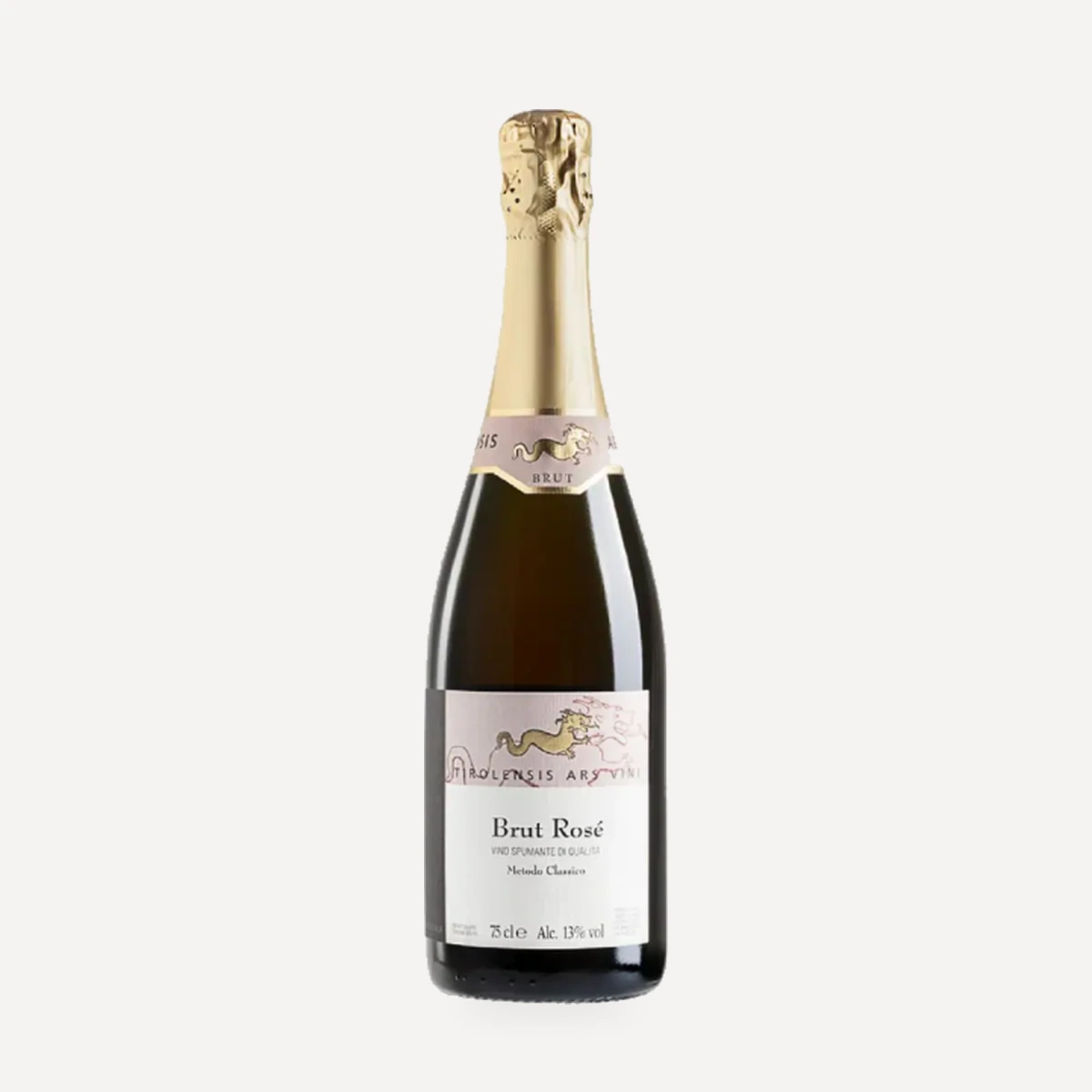
As a public winery, Laimburg also assigns wine a representative and educational role. The Rock Cellar is used for tastings, professional exchange, official events and the communication of regional wine culture. Membership in Tirolensis Ars Vini reflects a declared commitment to high quality, symbolised by the association’s Tatzelwurm emblem.
Vini
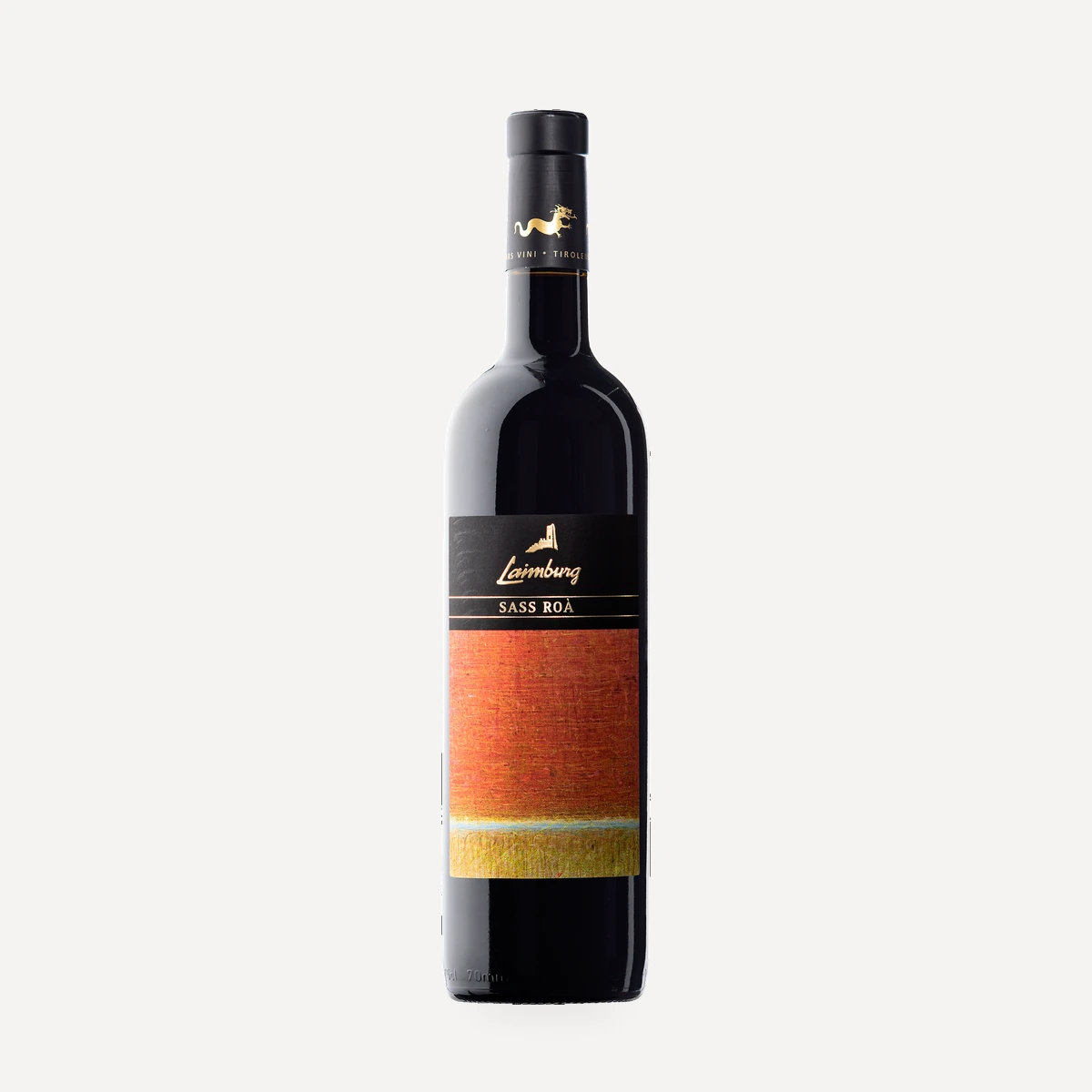
Alto Adige Cabernet Sauvignon Riserva DOC Sass Roà
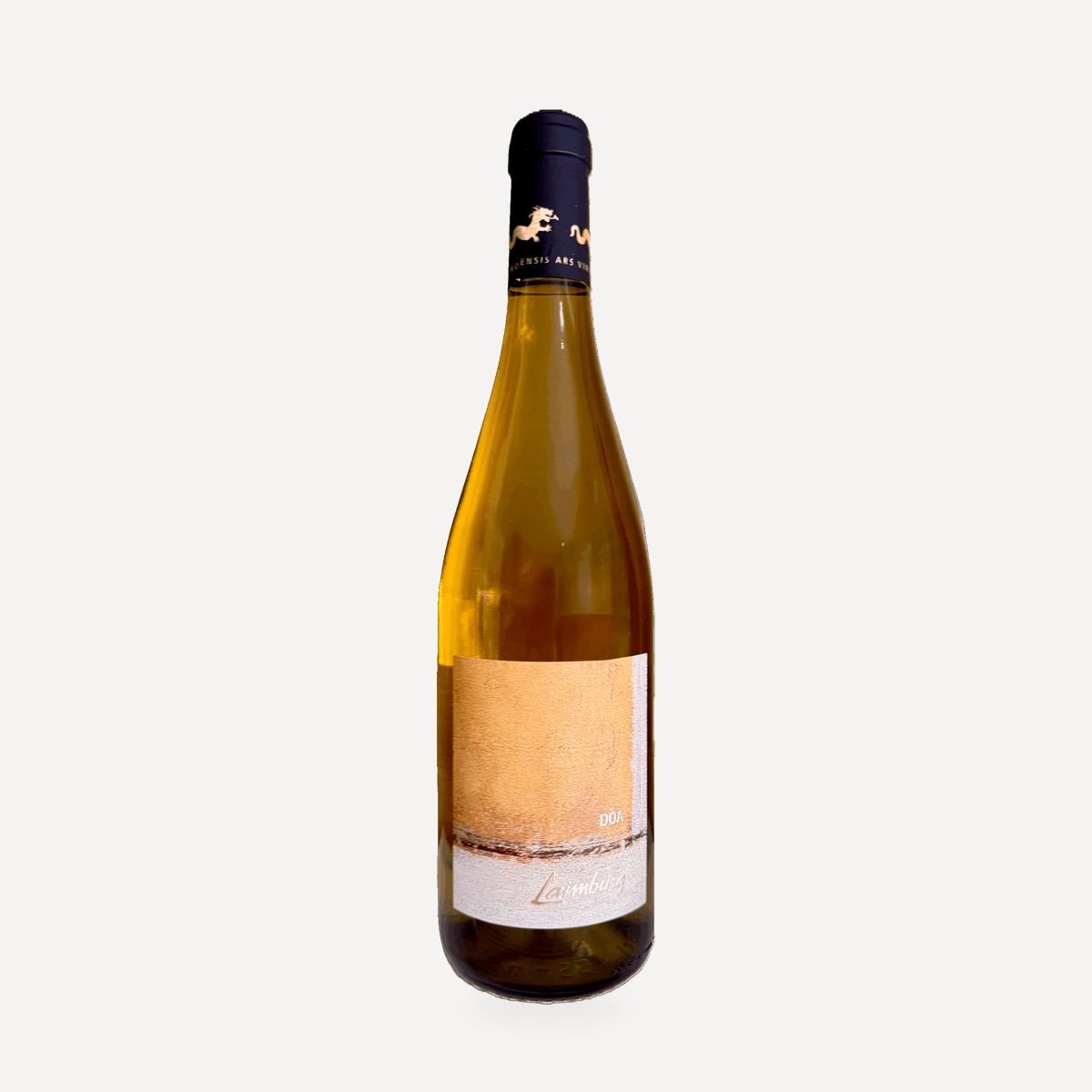
Alto Adige Chardonnay Riserva DOC Dòa
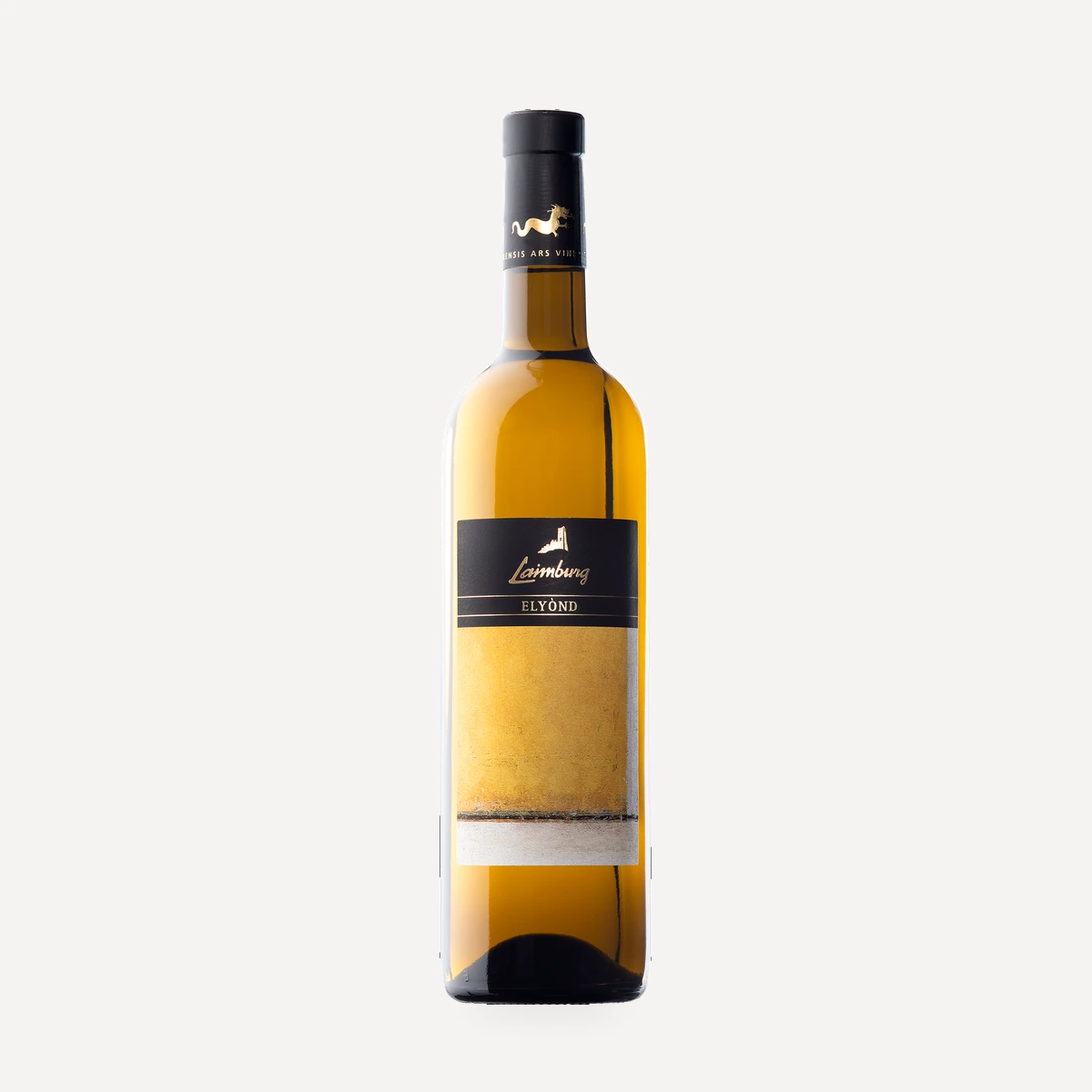
Alto Adige Gewürztraminer Riserva DOC Elyònd
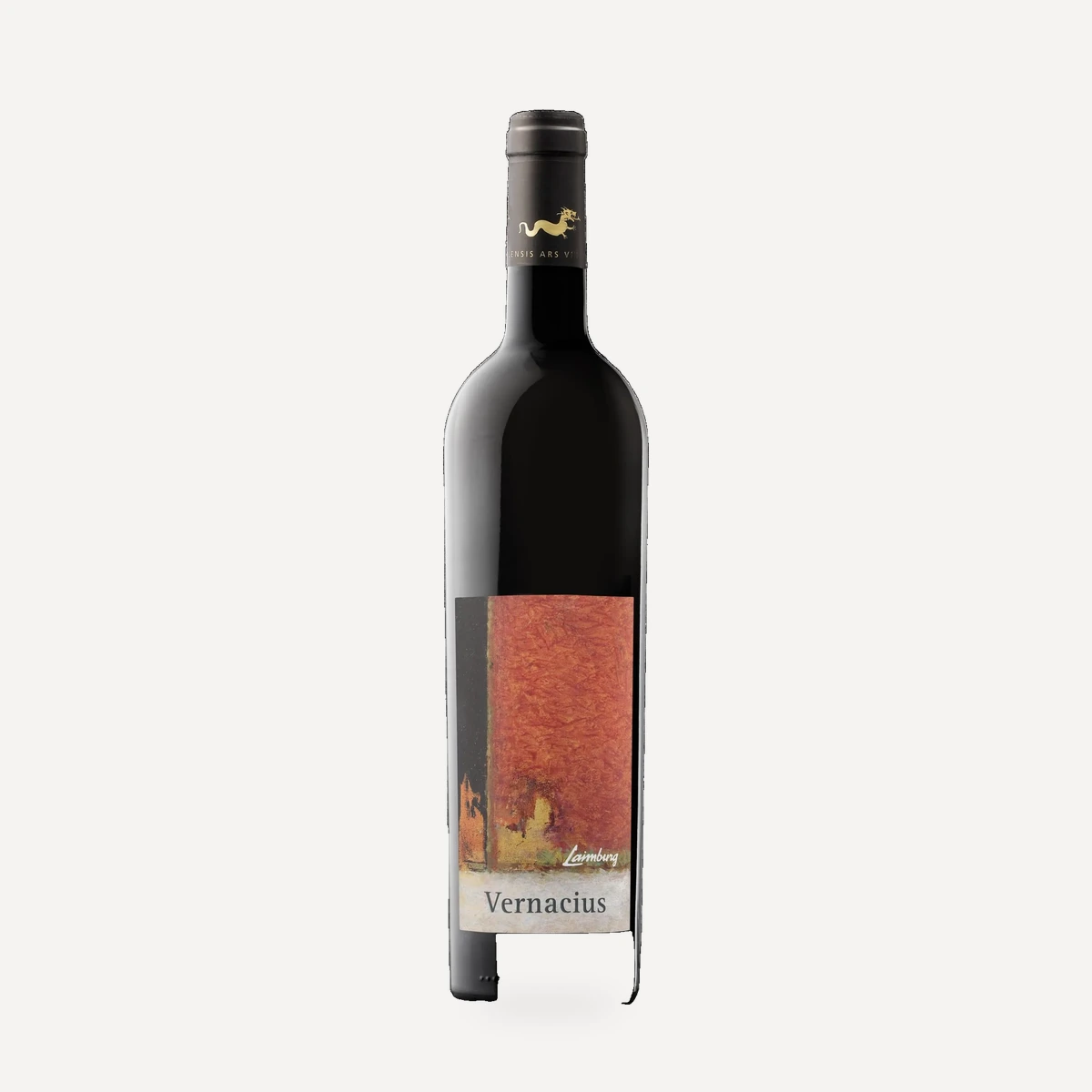
Alto Adige Kalterersee Classico Superiore DOC Vernacius Solemnis
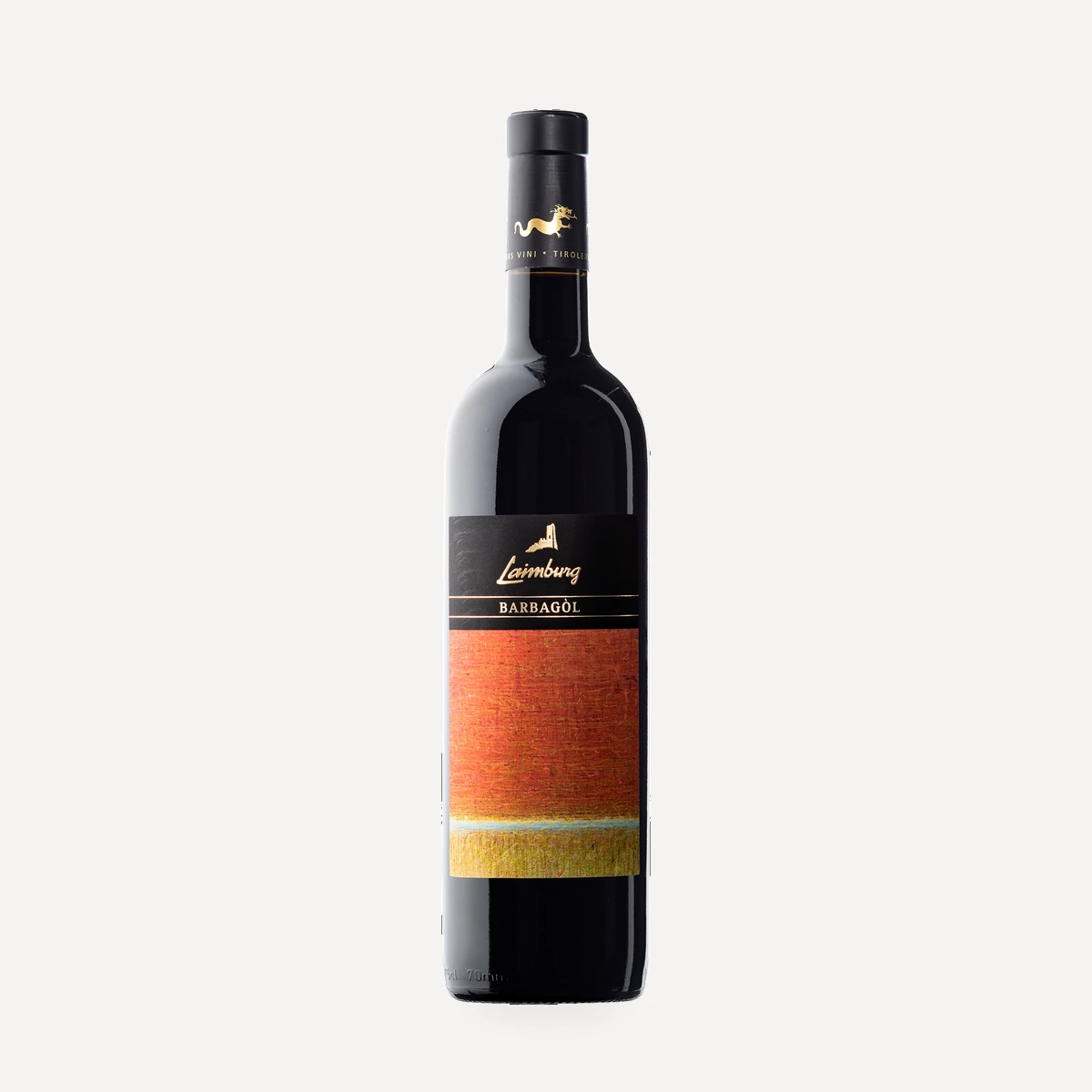
Alto Adige Lagrein Riserva DOC Barbagòl
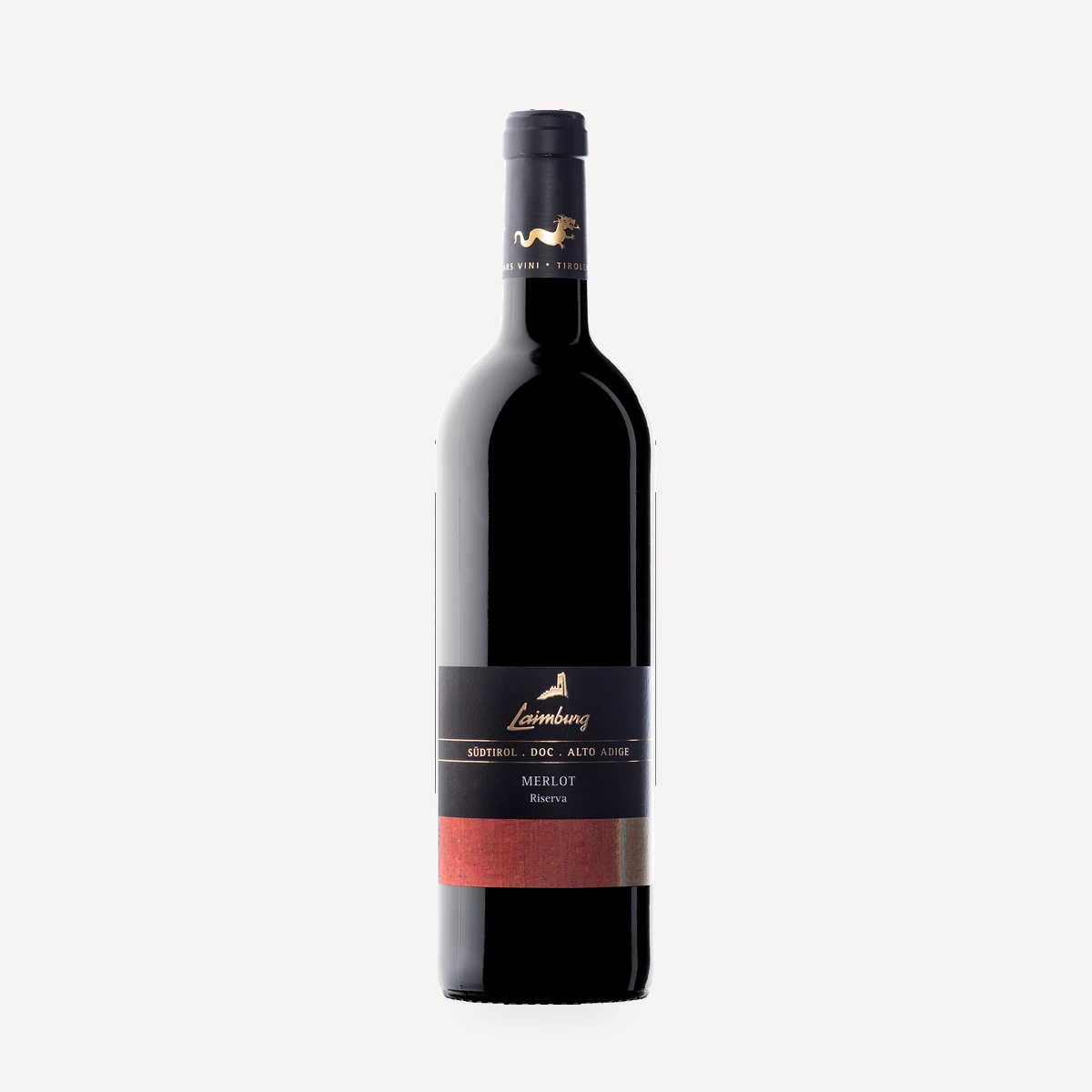
Alto Adige Merlot Riserva DOC
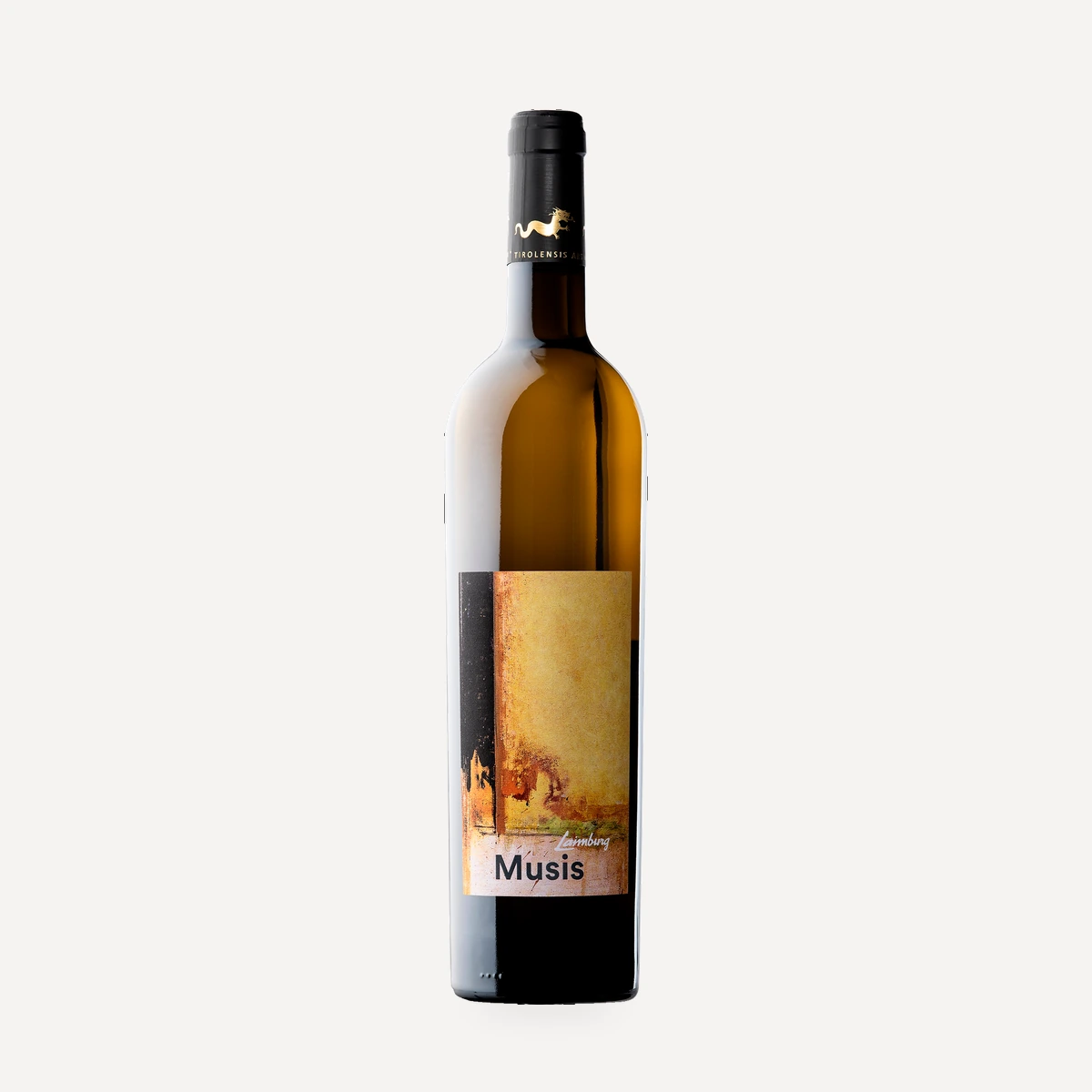
Alto Adige Pinot Bianco DOC MUSIS
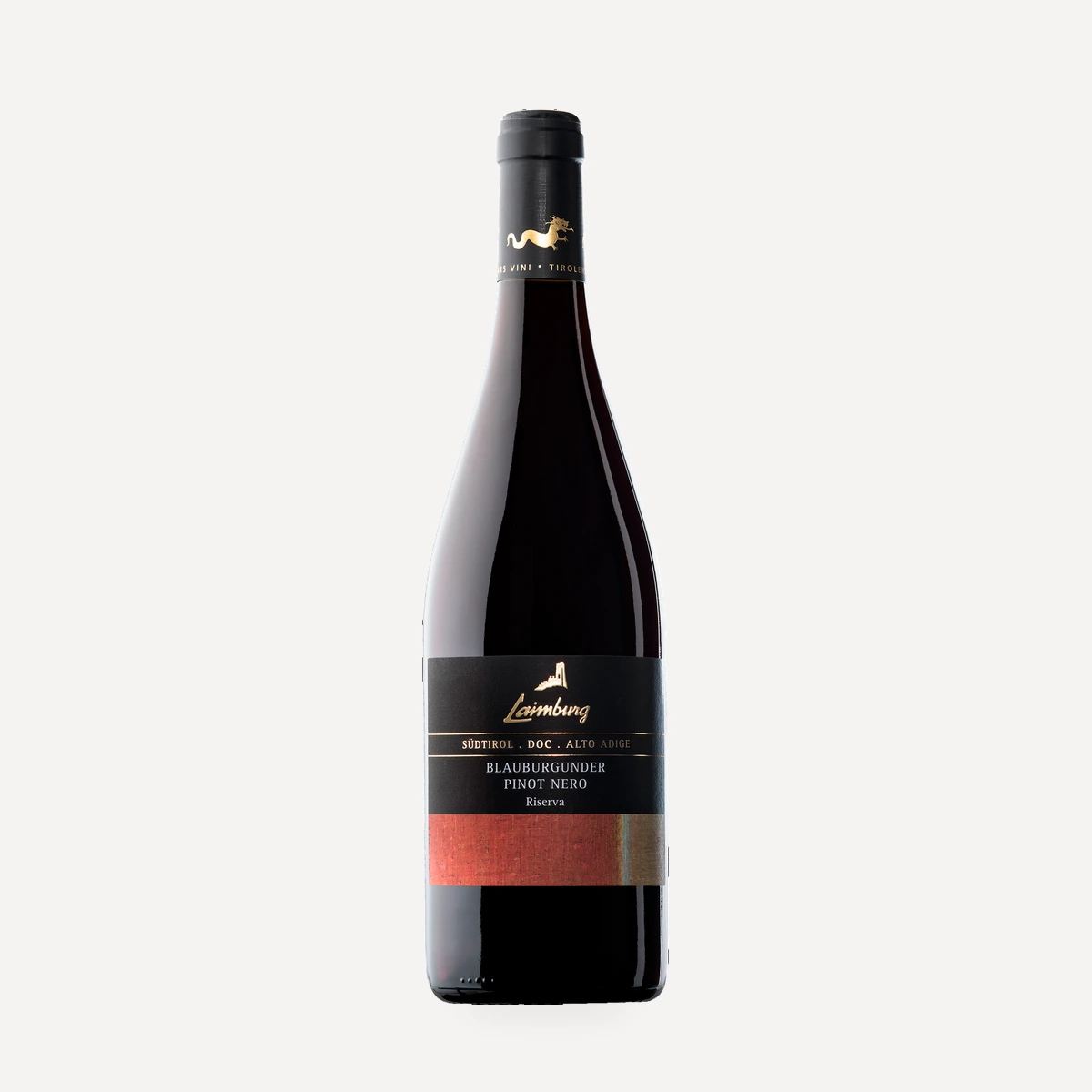
Alto Adige Pinot Nero Riserva DOC
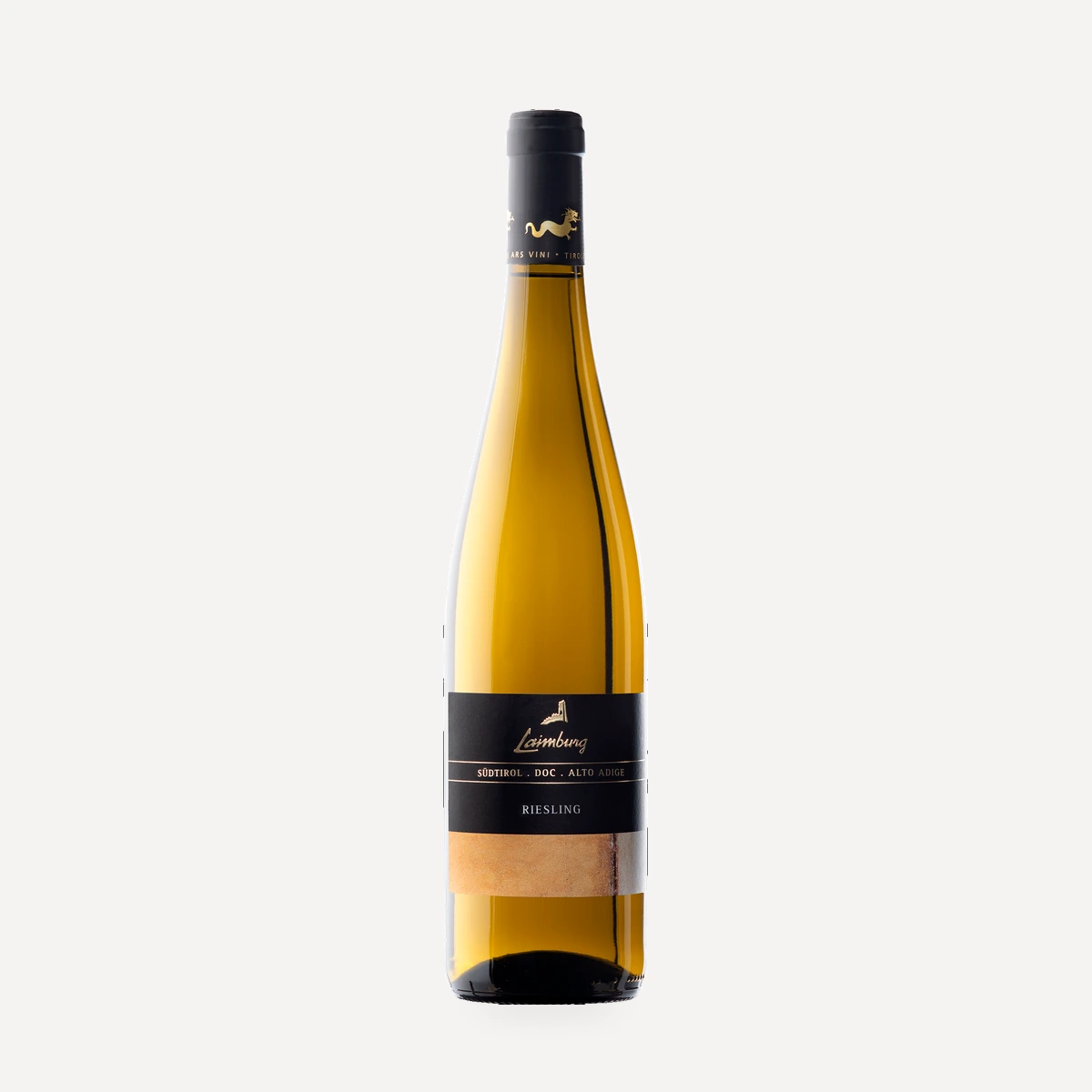
Alto Adige Riesling DOC
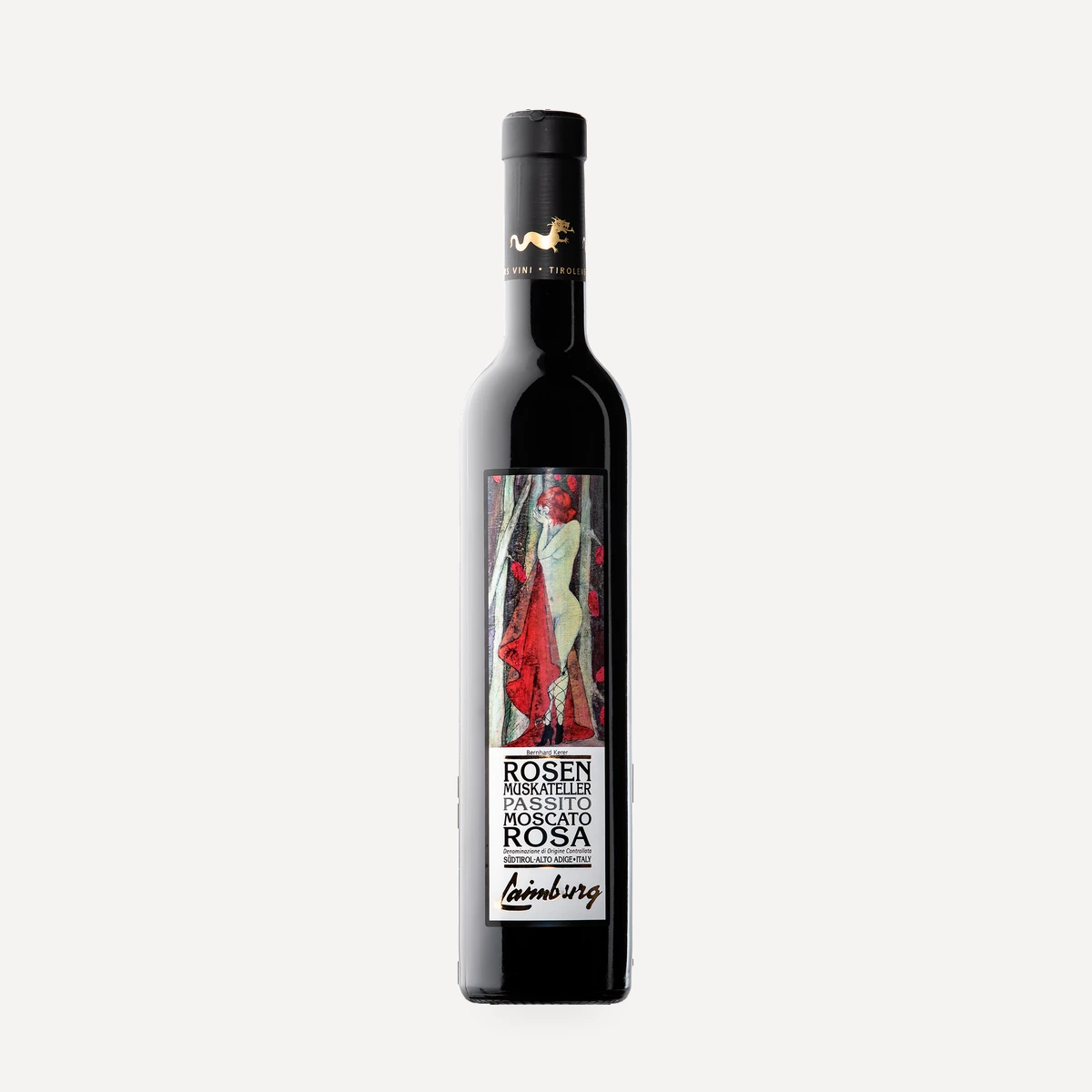
Alto Adige Rosenmuskateller Passito DOC
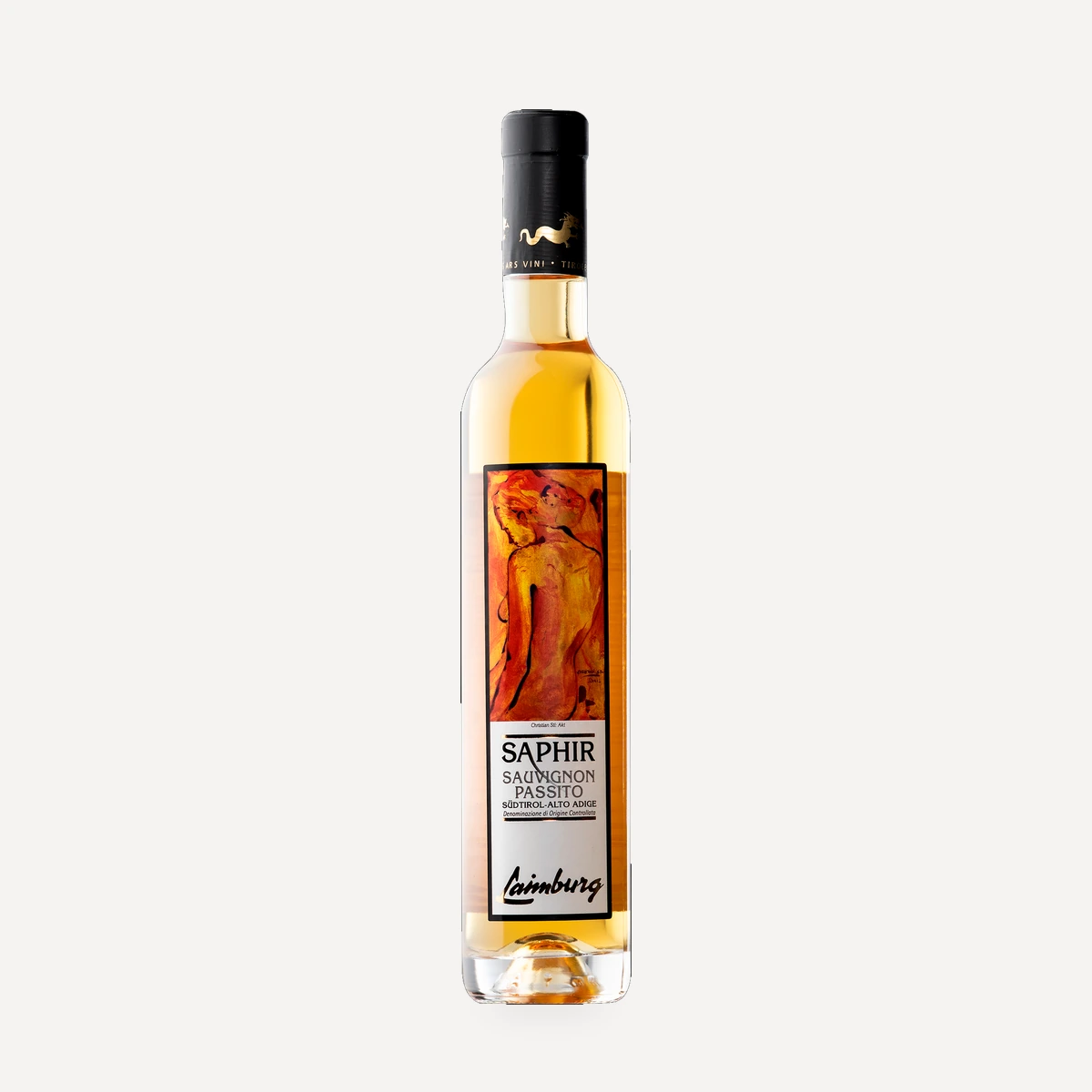
Alto Adige Sauvignon Blanc Passito DOC Saphir
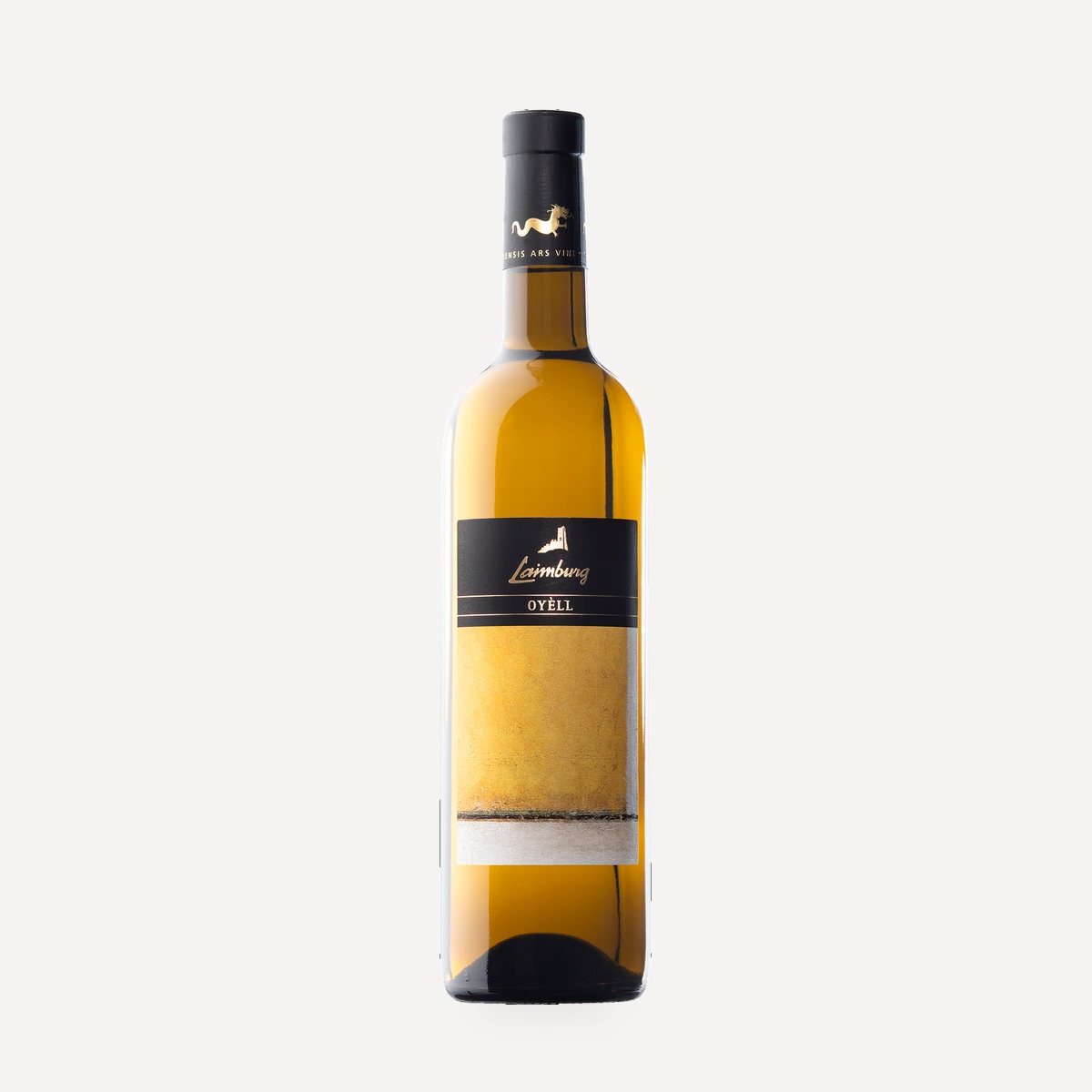
Alto Adige Sauvignon Blanc Riserva DOC Oyèll
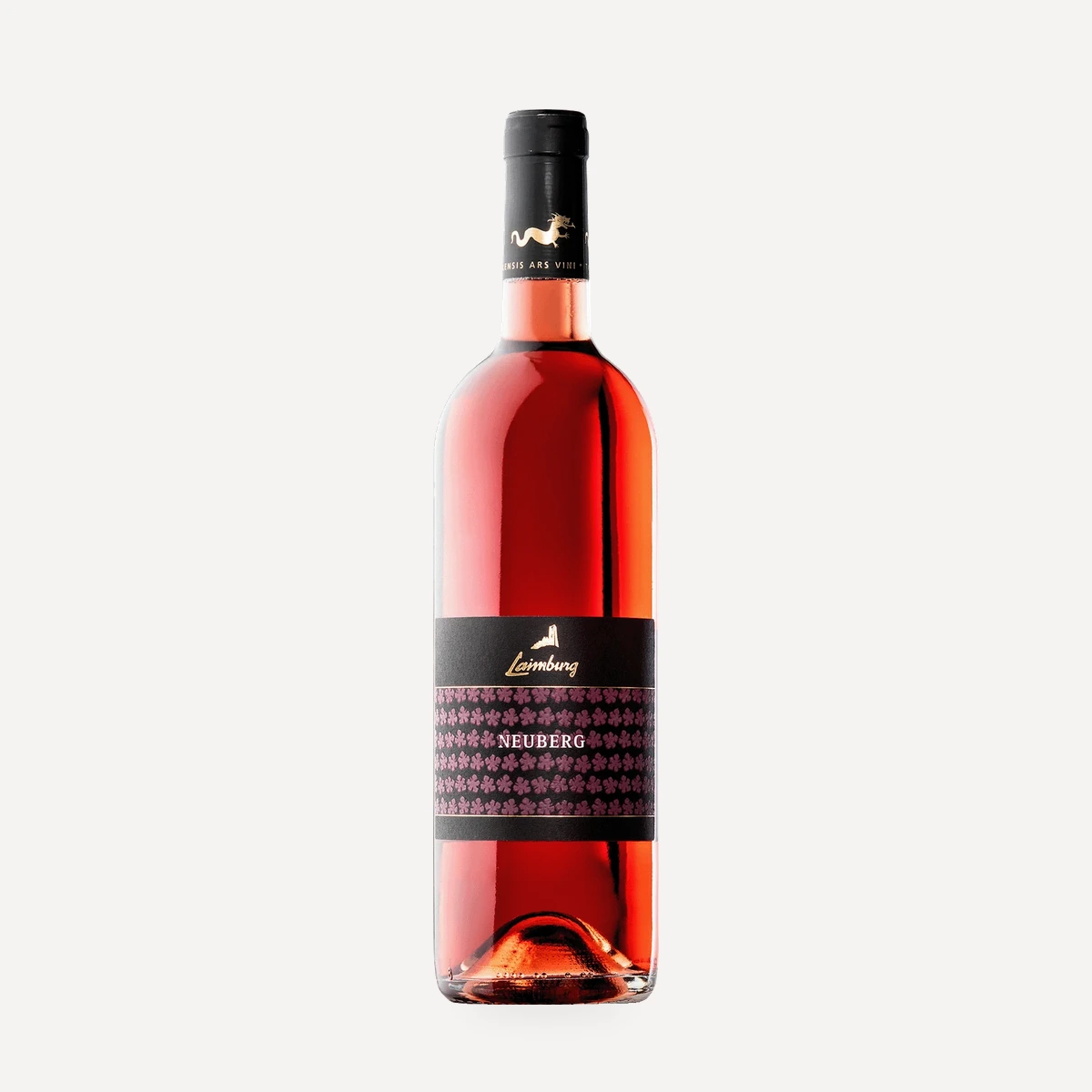
Cabernet Cortis Neuberg
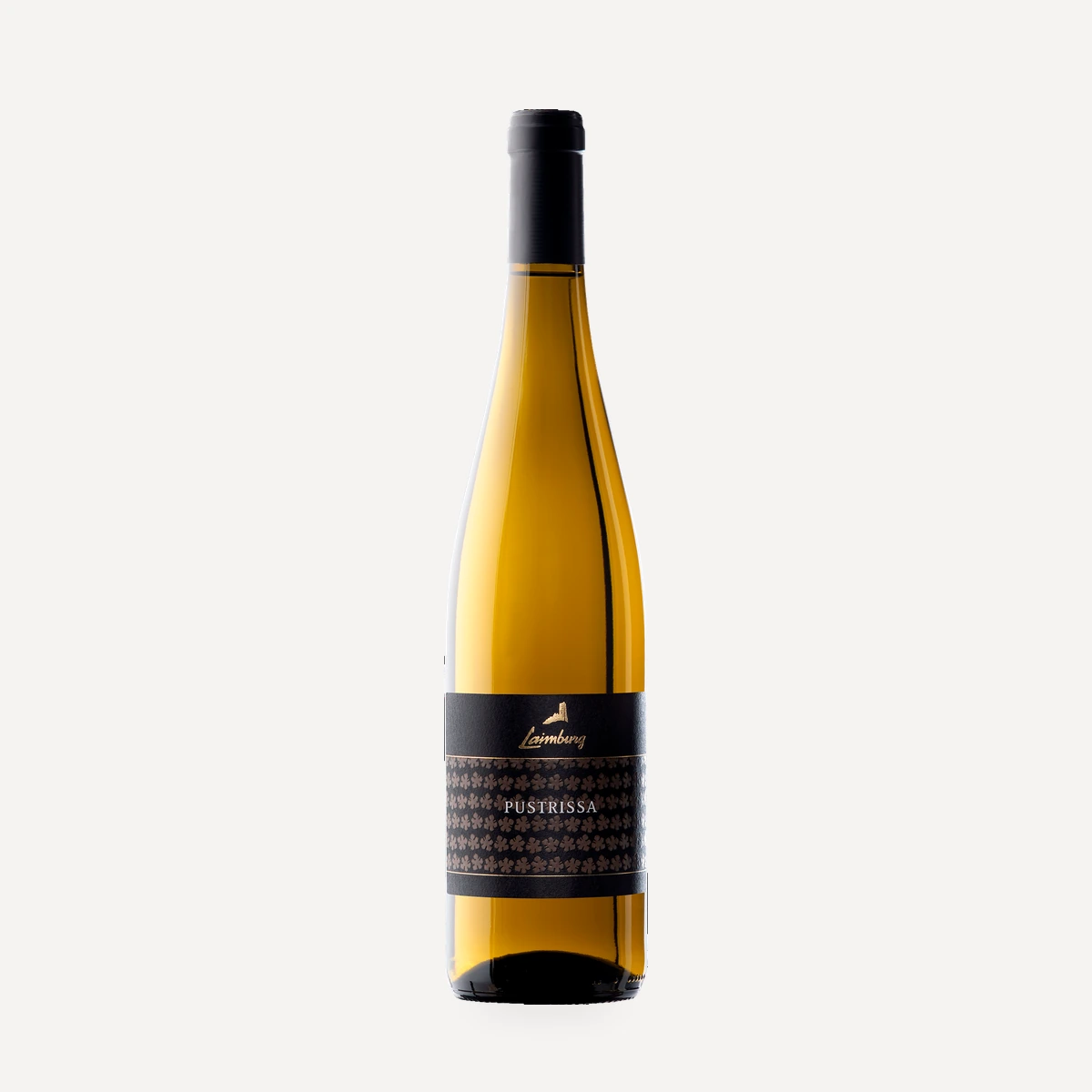
Solaris Pustrissa
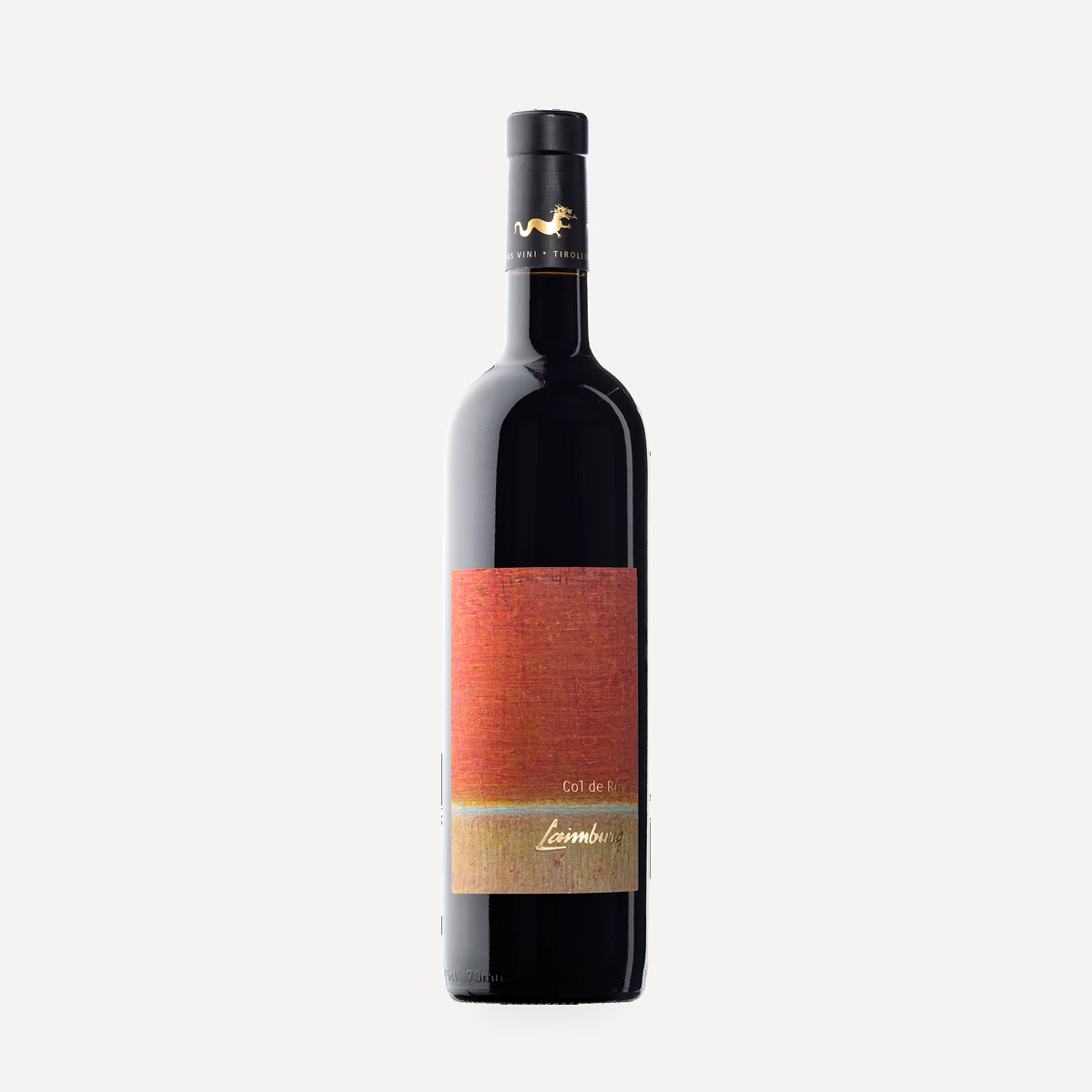
Vigneti delle Dolomiti Rosso Cuvée IGT Col de Réy
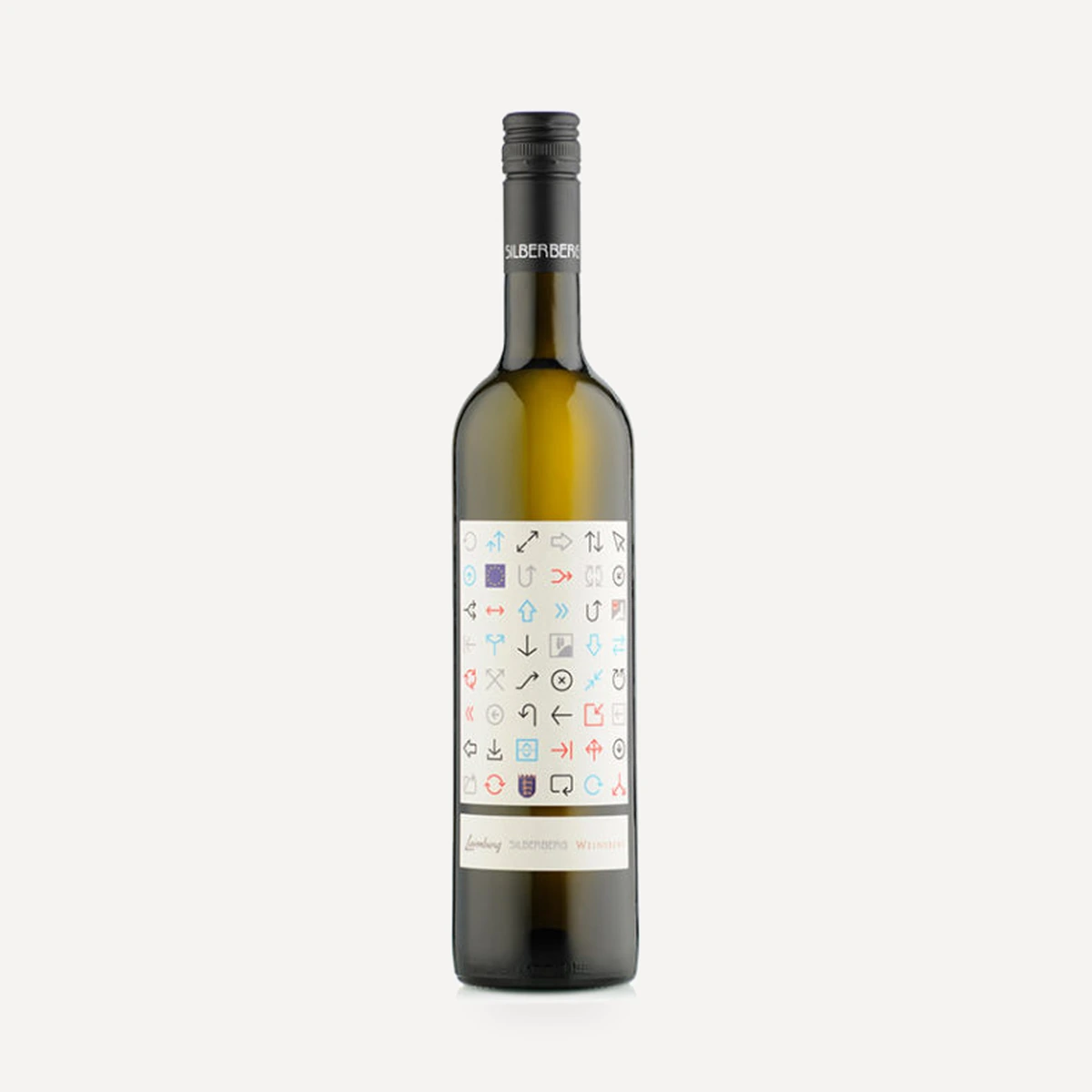
Netzwerkwein
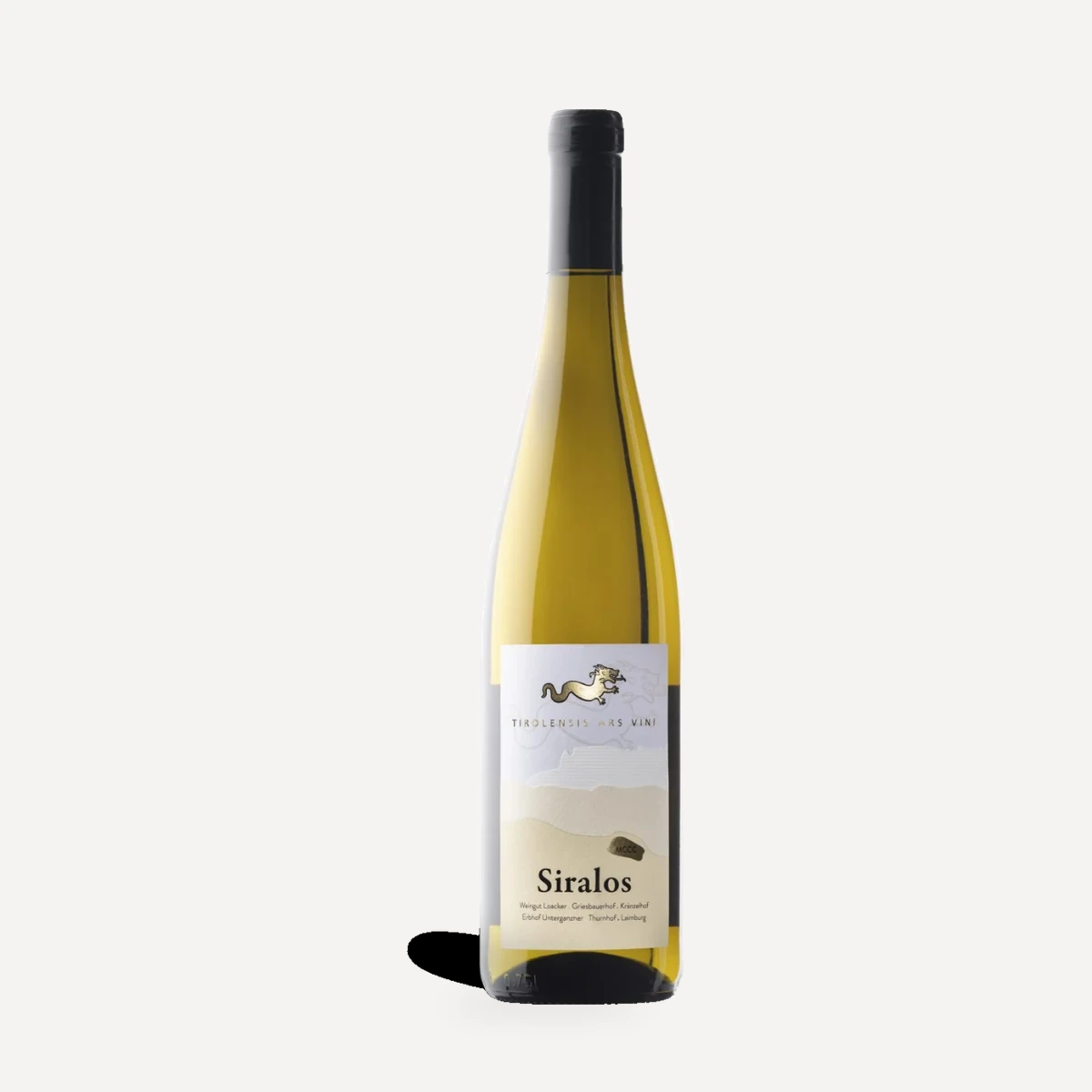
Siralos
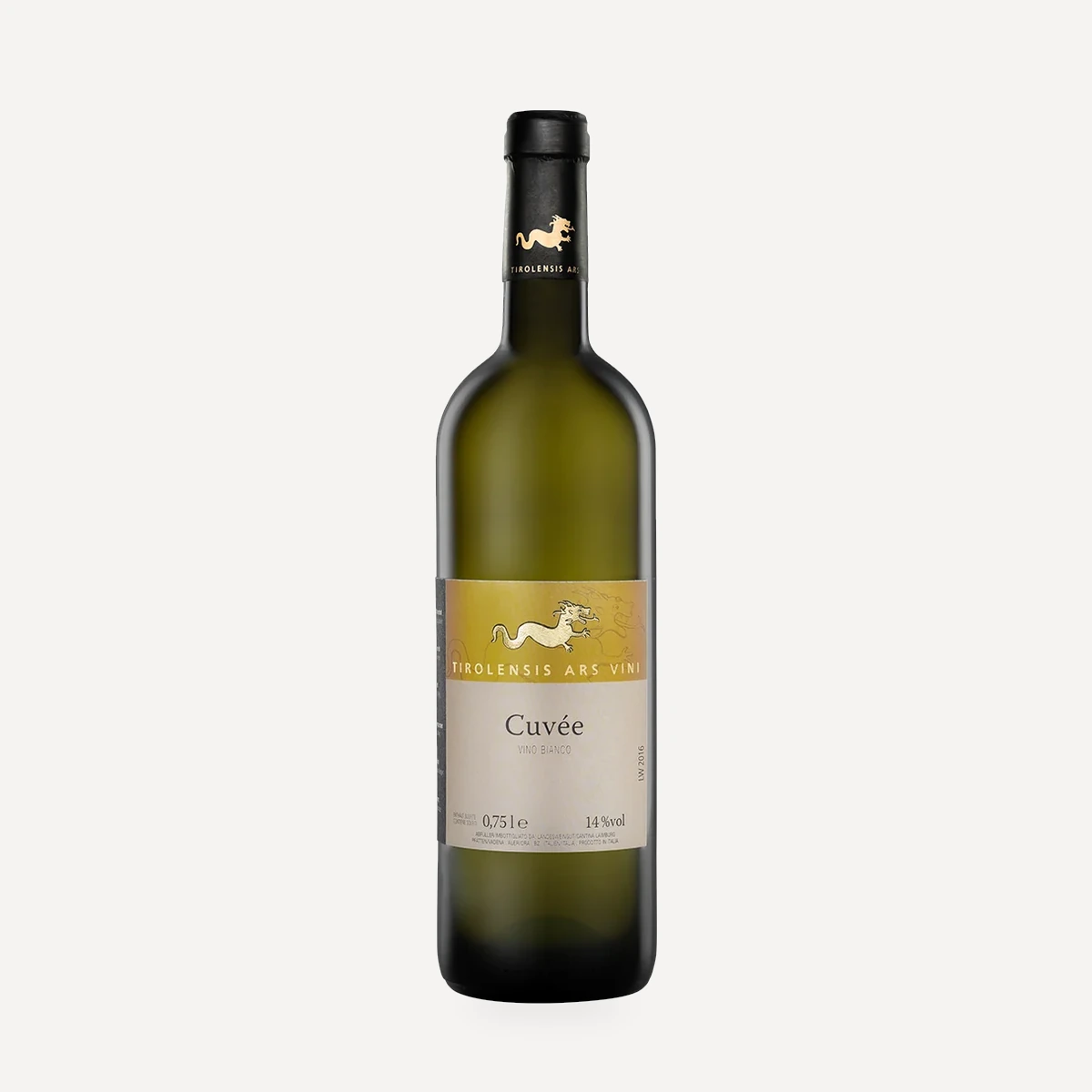
Cuvée Bianco Tirolensis Ars Vini
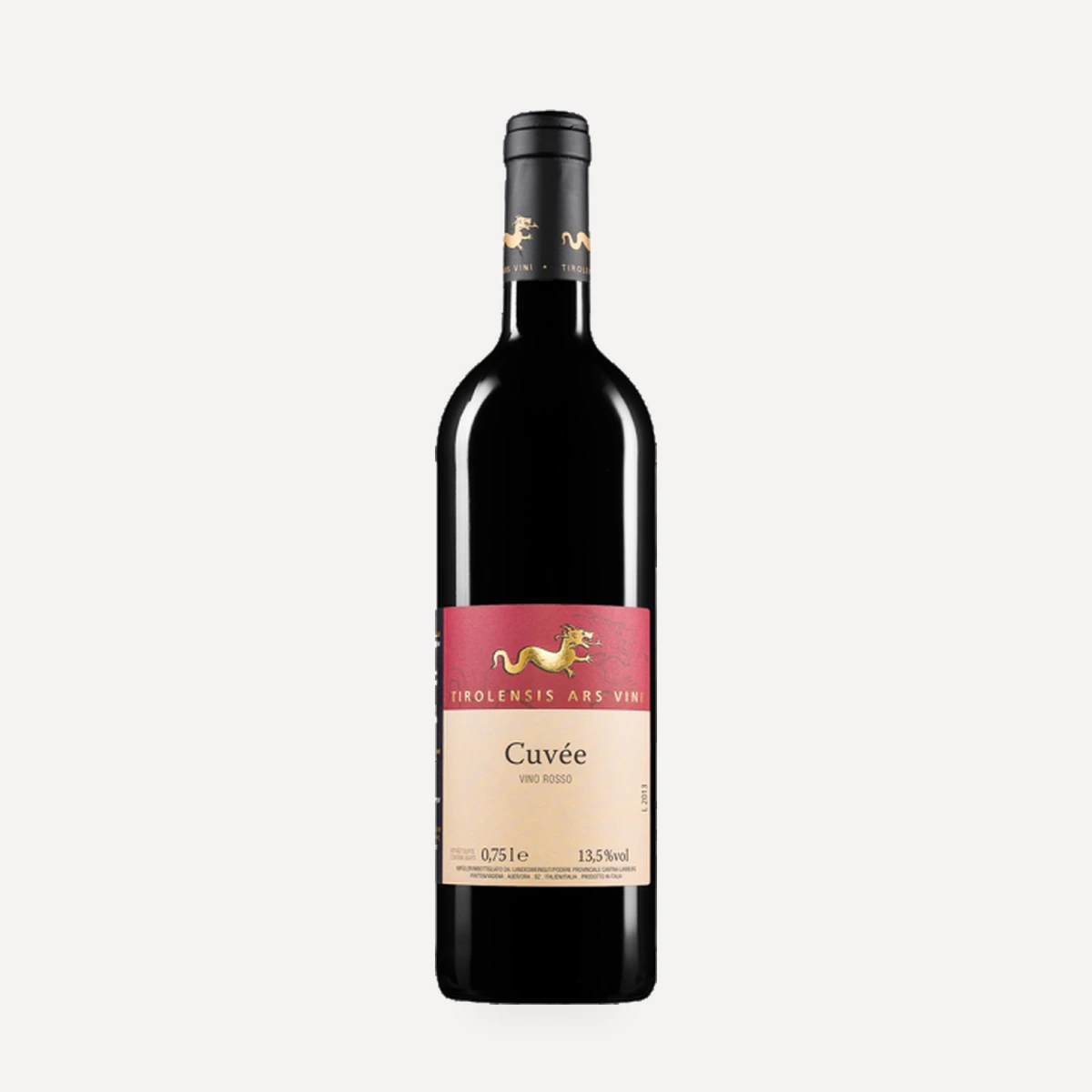
Cuvée Rosso Tirolensis Ars Vini