Storia
A family tradition spanning three generations
Lavarini is a family-run agricultural estate whose winegrowing experience extends across three generations. The family has worked in viticulture for more than two generations, and Massimo Lavarini now represents the third generation. He continues the work of his father and grandfather and personally oversees the complete production cycle, from the vineyards to the finished bottle.
Massimo’s grandfather planted vines that were between 30 and 50 years old when described in 2019. These old plants remain scattered through the vineyards. Although they naturally produce fewer bunches, their fruit prompted the family to begin selecting and vinifying old-vine grapes separately.
Modernization without abandoning inherited practices
Several years before the current cellar description was published, Massimo began a substantial technological and structural renovation intended to improve and optimize quality. The modernization included a new-generation drying room with controlled ventilation and humidity. Traditional wooden crates were retained for drying Amarone and Recioto grapes because Massimo considered them important to a slow, natural appassimento and to the safe handling of delicate fruit.
The renovation was conceived as a synthesis of innovation and the teachings passed down by Massimo’s father and grandfather. Traditional pergola veronese training, hand harvesting, wooden drying crates and oak maturation were maintained alongside controlled-environment drying and temperature-controlled stainless-steel fermentation.
The difficult 2014 season
The 2014 growing season became a significant test for the estate. Conditions were relatively favorable until June, but July and August were cold and rainy, with limited sunlight, persistent humidity and temperatures below the seasonal norm. Ripening slowed, while molds, downy mildew and pests threatened vineyards throughout Valpolicella.
Lavarini’s predominantly hillside vineyards benefited from their sun exposure and from soils that suffer during excessively dry summers. Massimo inspected the vineyards daily and adjusted his work to prevent disease and pests from spreading. Pergola veronese training improved airflow around the bunches and became an important defense against the wet conditions.
Sun and seasonally normal temperatures returned from the second half of September through the end of October. The warm autumn particularly benefited the hillside sites, which are normally harvested later. Fruit quality recovered, but the number of bunches remained substantially below normal. The weakened grapes required especially careful hand selection and handling during harvest. Traditional wooden crates protected their thinner skins through appassimento, enabling Lavarini to produce Amarone in a year when some Valpolicella producers chose not to do so. The resulting 2014 Amarone was later awarded 96 points and a gold medal at the 2019 International Wine & Spirit Competition.
Old vines and the creation of Maximus
Several years before May 2019, Massimo began isolating bunches from the vines planted by his grandfather. The grapes were selected by hand and vinified separately. The resulting quantity filled exactly three barriques, leading him to mature the wine entirely in barriques for three full years rather than follow the estate’s usual Amarone regime of about 30 months, divided between large oak casks and barriques.
This separate old-vine selection became Amarone della Valpolicella “Maximus,” a name derived from Massimo’s own name. Production continued only when the maturing wine proved sufficiently distinctive through repeated tastings, limiting Maximus to selected vintages and small quantities. The last vintage before its 2019 presentation had been 2009; in 2019, Lavarini introduced the 2012 vintage.
Sustainability certifications from 2018
Lavarini progressively reduced chemical inputs, adopted carefully managed copper and sulfur treatments and eliminated herbicides. The estate joined the Valpolicella RRR sustainability protocol and sought certification for its production. Its grapes were certified under both the RRR Protocol and the Sistema di Qualità Nazionale di Produzione Integrata (SQNPI) beginning with the 2018 vintage, with RRR conformity continuing in subsequent vintages.
A new hillside vineyard and Petrinus
Several years before September 2023, the family acquired an additional hillside parcel in Valpolicella with the intention of planting a vineyard. The ground proved too rocky to plant directly. The surface limestone was crushed and mixed with the topsoil, creating a more homogeneous rooting environment enriched by mineral salts released from the rock. This preparation also helped distribute rainfall more evenly and retain soil moisture for longer.
Once the vines were established and reached their first harvest, their grapes were picked and vinified separately. This parcel became the origin of Valpolicella Superiore “Petrinus” DOC, introduced as a small-production wine and as the newest addition to the cellar.
Terroir
Lavarini is based at Arbizzano in the commune of Negrar di Valpolicella, within Valpolicella Classica. Its grapes come from vineyards in the communes of Negrar, Marano and Verona.
Most of the vineyards occupy hillside positions. Their exposure improves access to sunlight and supports the ripening required for wines intended for long aging. The value of these sites became particularly evident in 2014: despite a cold, rainy summer, hillside exposure allowed the vines to make better use of limited sunlight, while the soils benefited from summer rainfall because they are susceptible to excessively dry conditions.
One newer hillside parcel is distinguished by a shallow, highly rocky limestone substrate. Before planting, the surface rock was crushed and incorporated into the topsoil. The resulting mixture produced a more homogeneous rooting medium enriched by mineral salts released from the limestone, improved the distribution of rainfall and helped the soil retain moisture for longer.
Vinificazione
Lavarini personally manages its production from vineyard to bottle and harvests exclusively by hand. Manual picking makes it possible to select the strongest and best-quality bunches, a particularly important step for grapes destined for appassimento. During the difficult 2014 harvest, rain-weakened bunches were selected and handled with exceptional care to avoid damage.
Pergola veronese is the estate’s preferred training system. It supports even ripening and maintains ventilation around the vines and bunches, providing natural phytosanitary protection. In 2014, that airflow helped the fruit withstand persistent rain, humidity and disease pressure.
The sustainability program combines reduced chemical use with carefully managed copper and sulfur, both permitted in organic cultivation. Herbicides have been eliminated. Vineyard positioning and soils are studied closely, while continuous canopy care is used to optimize ventilation and naturally limit disease pressure.
The estate participates in the Valpolicella RRR Protocol, developed by the Consorzio Tutela Vini Valpolicella to reduce chemical use, protect environmental and public health, and conserve natural and farm resources. Lavarini’s grapes have been RRR-certified since the 2018 vintage and in every subsequent vintage described. The 2018 crop also obtained SQNPI certification under Italy’s national integrated-production quality system, a scheme recognized at European level under EU Regulation 1974/2006.
Appassimento
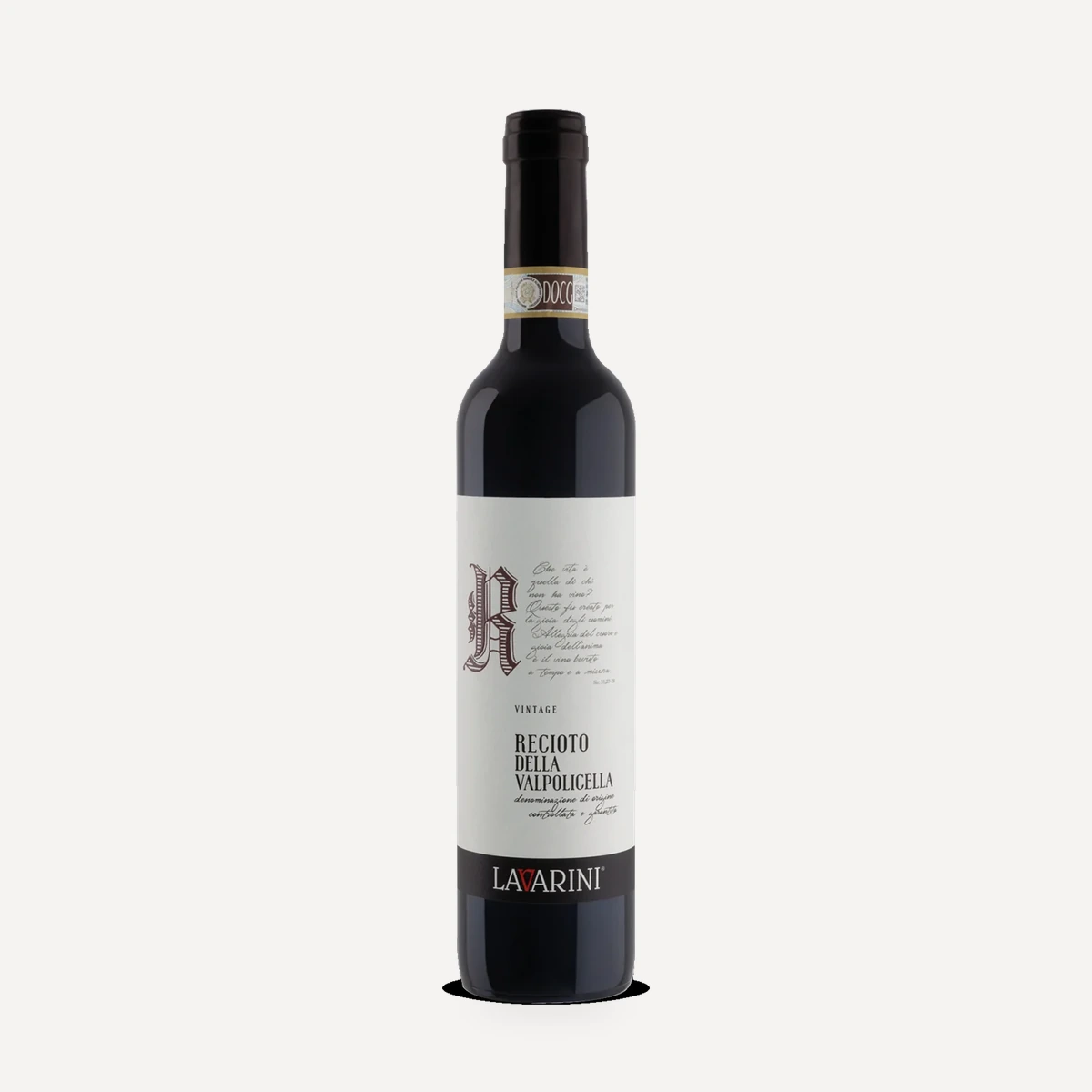
Grapes intended for Amarone and Recioto are dried after harvest in a modern fruttaio equipped to control ventilation and ambient humidity. The bunches are placed exclusively in traditional wooden crates. Although more labor-intensive, the crates support a slow, natural drying process and protected the unusually fragile, thin-skinned grapes of the wet 2014 vintage.
Fermentation and extraction
Fermentation takes place in temperature-controlled stainless-steel tanks. A délestage system is used to improve the extraction of aroma, color and body from the grapes.
Oak maturation
After fermentation, wines mature in oak. The cellar uses traditional 25 hl and 7.5 hl casks made from Slavonian and French oak, together with 225 L French- and American-oak barriques. Extended oak maturation provides controlled micro-oxygenation; the combination of oxygen and wood-derived tannins supports color development and a more balanced, evolved aromatic profile.
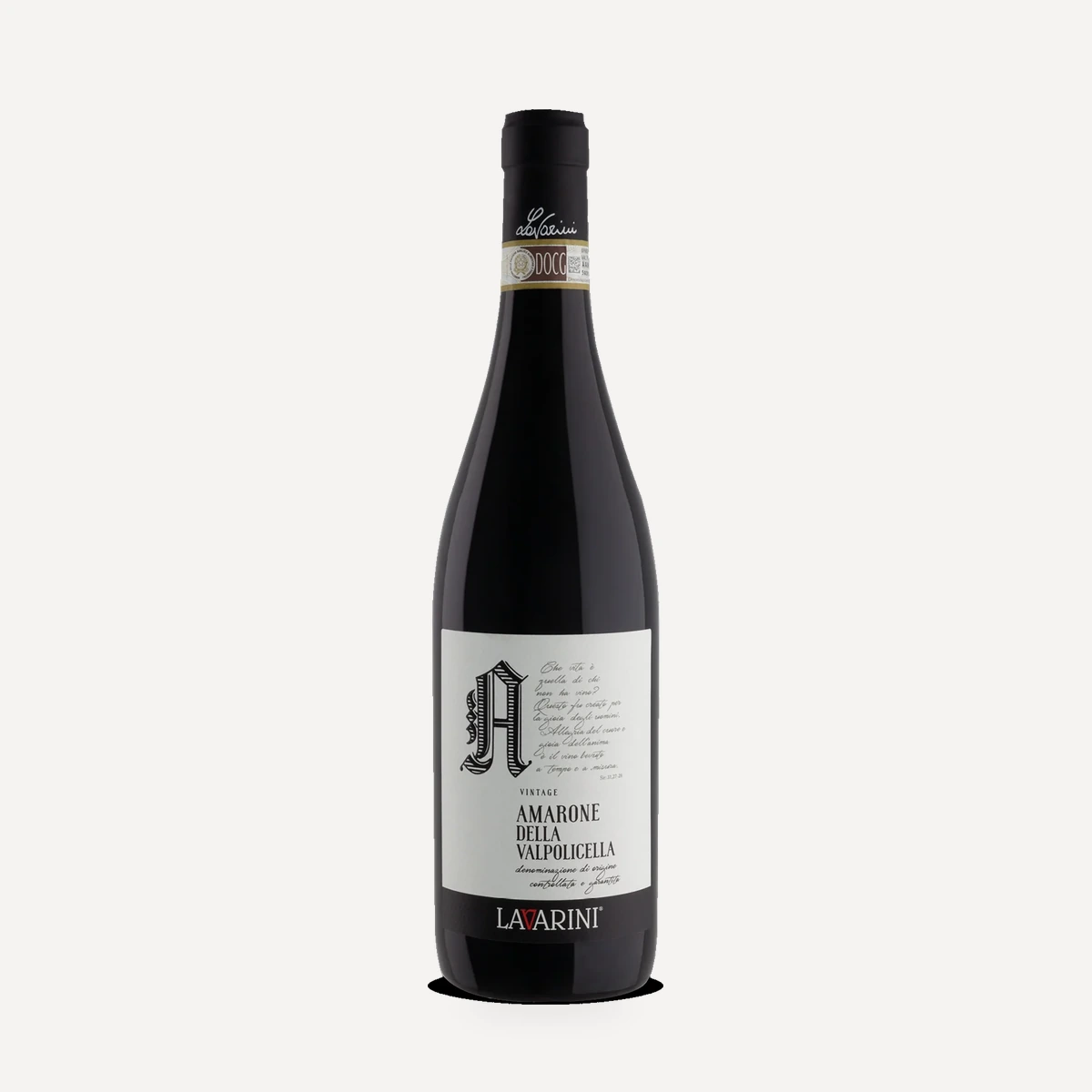
The estate’s standard Amarone requires at least five years from fruit to finished wine. Its stated maturation regime is 30 months in oak, divided between 80% in 25 hl large casks and 20% in new barriques, followed by one year in bottle. This is longer than the minimum two years of aging required for Amarone beginning on 1 January after harvest.
Maximus follows a distinct regime. Fruit from the oldest vines is selected and vinified separately, and the wine is repeatedly tasted during maturation. It receives the Maximus name only in suitable vintages. The initial lot filled exactly three barriques and was matured entirely in barrique for three years.
Finishing and bottle aging
Lavarini avoids albumin and all other animal-derived processing products and keeps sulfite levels low. Every wine receives an appropriate period of bottle maturation before release.
Filosofia
Lavarini defines quality as the cumulative result of care at every stage, rather than as the product of one cellar operation. Massimo Lavarini therefore supervises the entire cycle from vineyard to bottle and treats wine as an agricultural product inseparably connected to its place of origin.
The estate’s approach deliberately combines tradition with technological improvement. Controlled drying conditions, temperature-controlled fermentation and structural renovation are used alongside pergola veronese, hand harvesting, traditional wooden appassimento crates and the knowledge passed down by Massimo’s father and grandfather.
For Amarone, producer decisions are considered central to the finished identity of the wine. Bunch selection, drying conditions and duration, fermentation and maturation are adjusted to the character of Lavarini’s own grapes. The estate arrived at its approach through inherited experience, repeated trials and patience.
Environmental sustainability is framed as a responsibility to the land, the family, customers and future generations. This principle underlies the reduction of chemical inputs, abandonment of herbicides, adoption of integrated-production certification and participation in the RRR Protocol.
Vini
Amarone della Valpolicella DOCG
Valpolicella Classico Superiore DOC
Valpolicella Ripasso Superiore DOC
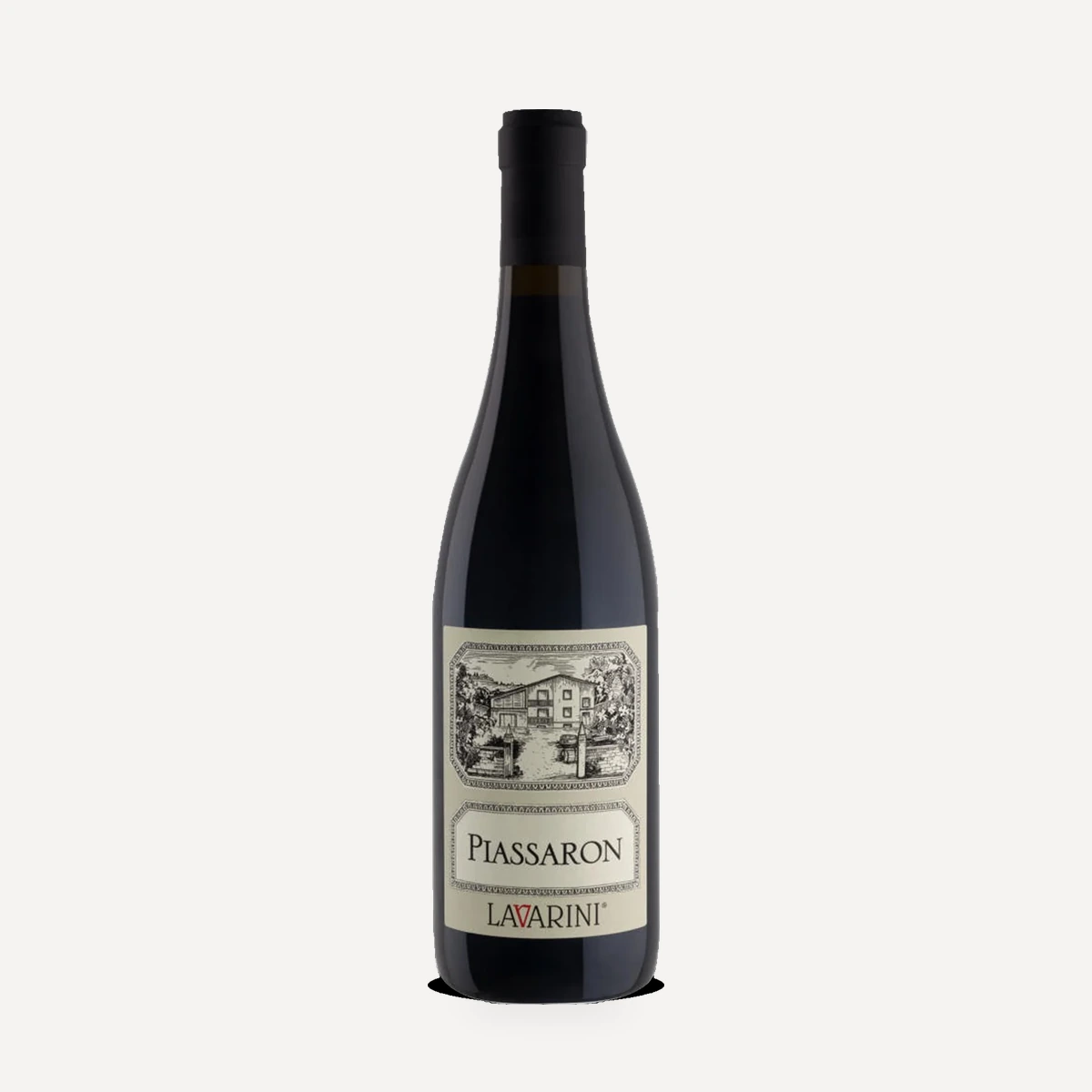
"PIASSARON" Rosso Verona IGT