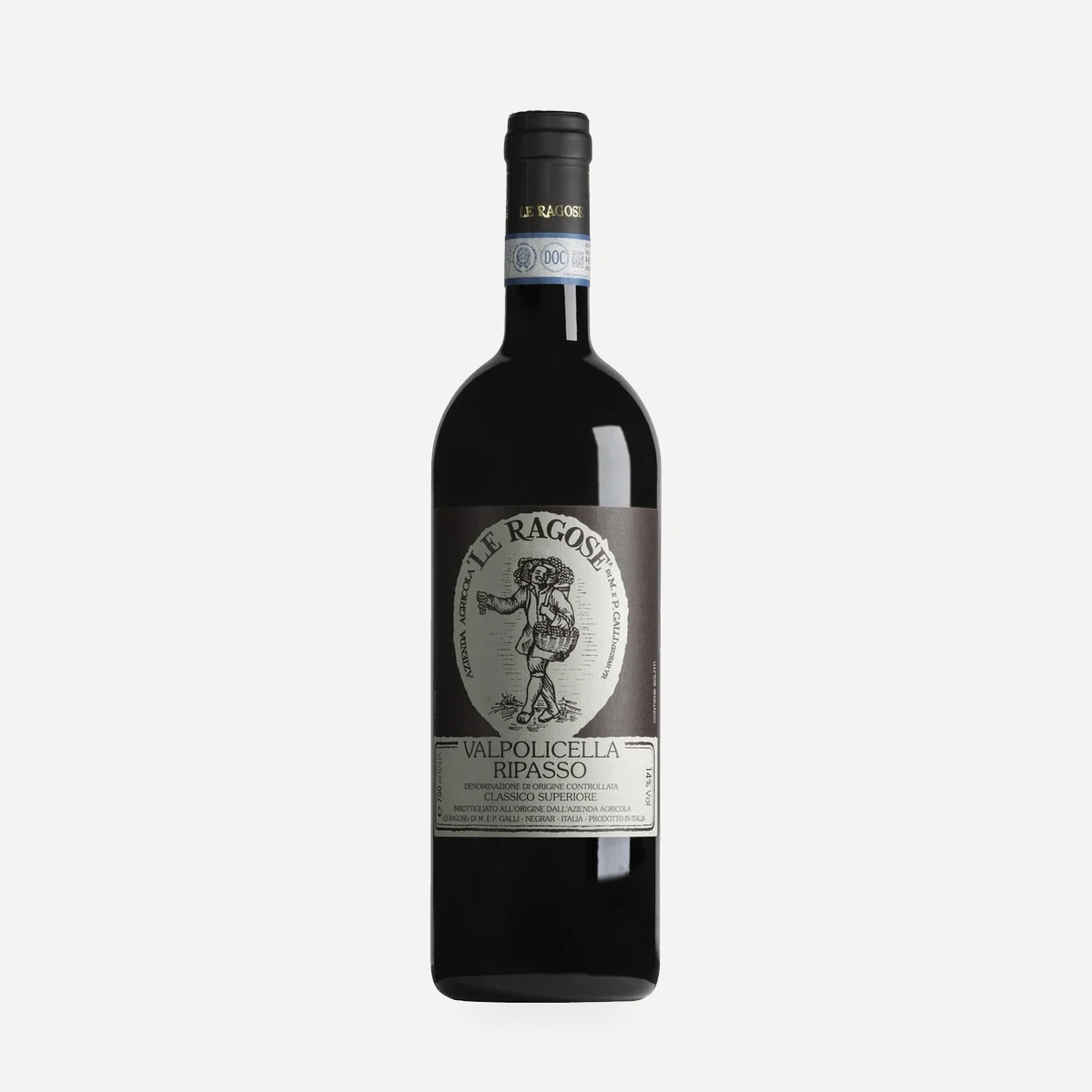
Storia
Earlier viticultural history
Documents discovered after the Galli family’s arrival attest that vineyards had existed at Le Ragose for at least 400 years. A surviving farmhouse on the property dates from the seventeenth century. The continuity of viticulture is particularly significant to the family because the earliest growers worked without irrigation and therefore had to select naturally suitable land.
1969: acquisition and revival
In 1969, oenologist Arnaldo Galli and his wife Marta acquired Le Ragose after its 31 hectares had been abandoned for years. They chose to recover elevated hillside sites at a time when many vineyards were being moved to plains that were easier to cultivate. The couple replanted the vineyards and began producing Amarone and Valpolicella, making quality rather than volume the estate’s guiding priority.
Arnaldo and Marta combined respect for Valpolicella’s traditions with research and experimentation in both viticulture and winemaking. Their approach included the revival of local varieties, dry farming and the use of Pergola Trentina Semplice, alongside cellar technology where it could improve precision without obscuring the origin of the grapes.
Development of the vineyards
A 1.64-hectare Cabernet Sauvignon vineyard was planted in 1987. Elsewhere, old local Veronese varieties were preserved and propagated from mother vines already growing on the property. The estate also identified the named areas Sassine, Leon and Caloetto as particularly well suited to long-lived Amarone; Caloetto occupies the highest, southwest-facing terraces.
Marta Galli and recognition in 1990
Marta Galli became known as “La Signora del Vino.” In 1990, her peers voted her “Wine Maker of the World,” recognition linked in part to her work in restoring Valpolicella’s standing as a classic Italian wine and supporting its DOC identity. She was a founding member of VIDE, an association of small family estates devoted to typicity and excellence, and of Le Donne del Vino, the international organization for women working in wine.
Second and third generations
The founders’ sons, Paolo and Marco Galli, continued the family programme of research and experimentation. Paolo graduated in Economics and Business Management. Marco graduated in Agriculture in 1994, specializing in viticulture and oenology and completing an experimental thesis on the microvinification of local grape varieties.
Paolo and Marco now own and manage Le Ragose. Paolo serves as manager, while Marco directs the technical work as agronomist and oenologist. They retain their parents’ objective of making even the estate’s simpler wines capable of developing over time.
Paolo’s daughter Marta represents the third generation. She holds a doctorate in Management and Innovation, oversees marketing and sales, and conducts research into sustainability in the Italian and international wine business at Università Cattolica del Sacro Cuore in Milan.
Terroir
Le Ragose lies north of Verona at Arbizzano, in the municipality of Negrar di Valpolicella. The estate occupies elevated terrain in Valpolicella Classica, with altitudes extending from approximately 250 to 400 metres above sea level. Its steep, terraced vineyards principally face west and southwest; the Caloetto terraces occupy the property’s highest point and face southwest.
The vineyards rise above the winter nebbia that frequently settles at lower elevations. This position provides low humidity, good sunlight and exposure to winds. These conditions assist ripening, including that of minor indigenous varieties, and create a favourable environment for drying grapes after harvest.
The deepest geological layer is Eocene sandstone, described as retaining moisture around the roots like a sponge. This water-holding capacity helps make irrigation unnecessary. Above it are red and brown clays, mineral-bearing volcanic material locally called toar, and Eocene limestone. Clay components are associated with magnesium, calcium and iron, while the tufaceous subsoil provides drainage.
Climate, soils, exposure, grape varieties, history, tradition and the Galli family’s work are treated as inseparable components of the estate’s terroir. Historical evidence of viticulture on this land for at least four centuries reinforces the continuity between the site and wine production.
Vinificazione
Le Ragose is dry-farmed: the vineyards receive no irrigation. Deep Eocene sandstone retains moisture around the roots, while the elevated site’s lower humidity and wind exposure help maintain healthy fruit. The steep slopes prevent mechanization of many operations, so vineyard work is performed by hand.
Pergola Trentina Semplice is the estate’s principal training system. Planting density, rootstocks, row orientation and the inclination of each pergola are selected deliberately. The canopy shelters bunches naturally from excessive sun, rain, hail and wind and is considered particularly appropriate for the principal indigenous varieties of Valpolicella.
Vineyard management includes fertilization, winter pruning, green pruning, leaf removal and cluster thinning. Herbicides have been eliminated. Organic residues are recovered and composted on the property, then returned to the vineyards as a supplement to fertilization. Mating disruption is used against tignoletta, the grapevine moth regarded as the vineyard’s principal pest.
Plantings follow the proportions required by the applicable production rules, but the destination of the grapes—whether for Amarone, Valpolicella or Ripasso—is decided each year according to fruit quality and the course of the growing season. Harvesting and selection are manual. Grapes intended for drying are placed directly into shallow trays in the vineyard.
The estate follows the Sistema di Qualità Nazionale Produzione Integrata (SQNPI), whose standards govern integrated agricultural and agro-industrial production and impose technical and phytosanitary requirements for winegrowing. Environmental measures extend beyond the vineyard to the use of predominantly lightweight glass bottles. Sustainability is also treated as an economic and social commitment, with continuing staff education and research.
Grapes are processed with a destemmer-crusher, and fermentations are conducted with indigenous yeasts in stainless-steel tanks. The exact path is determined by the grape selection and intended wine: fresh fruit may be processed immediately, while selected bunches for dried-grape wines are laid in shallow plastic or wooden trays and held in a drying room under controlled temperature and humidity until December or January.
The elevated, windy and relatively dry position above the winter fog supports appassimento by reducing humidity. For Amarone-style production, the dried grapes are destemmed and fermented in stainless steel for approximately 20–30 days; extended storage in steel may precede maturation. Valpolicella destined for Ripasso is fermented in autumn and refermented in winter on Amarone pomace containing residual sugar. Other selections receive a shorter, light appassimento before fermentation.
Maturation is conducted principally in Slavonian oak casks of different ages and capacities ranging from 10 to 60 hectolitres. Large casks are preferred where the aim is to preserve the wine’s site-derived aromas and flavours. The cellar also uses new, first-use and second-use French tonneaux from Allier, Tronçais and Vosges, with differing toast levels. These smaller vessels are employed experimentally or for particular selections; some regimes combine approximately 30% new with 70% used wood.
Steel tanks are also used for storage, maturation and final blending. Depending on the style, cellar operations can include repeated rackings, filtration before bottling and subsequent bottle maturation. The family’s objective is not a uniform house recipe but the preservation of vintage, vineyard and varietal distinctions within wines built to develop over time.
Filosofia
The Galli family defines wine quality as inseparable from the place where the grapes grow and the people who produce them. Since 1969, its stated priority has been quality rather than volume.
Tradition is treated as a working foundation rather than a restriction. The family seeks to preserve the characteristic grapes, training systems and cellar practices of Valpolicella while continuing to research and test modern viticultural and winemaking techniques. Even the simplest wines are intended to evolve well rather than serve only for immediate consumption.
The estate’s approach to terroir encompasses climate, soil, exposure, varieties, history, traditions and family stewardship. Large Slavonian casks are favoured when they allow those elements to remain recognizable, while smaller French oak vessels are used selectively rather than as a universal stylistic device.
Sustainability is understood as environmental, economic and social responsibility. Protecting the whole surrounding ecosystem is considered a prerequisite for wines connected to the land, traditions and history of Valpolicella Classica. This includes dry farming, eliminating herbicides, composting estate waste, integrated pest management, lighter packaging and continuing education.
Vini
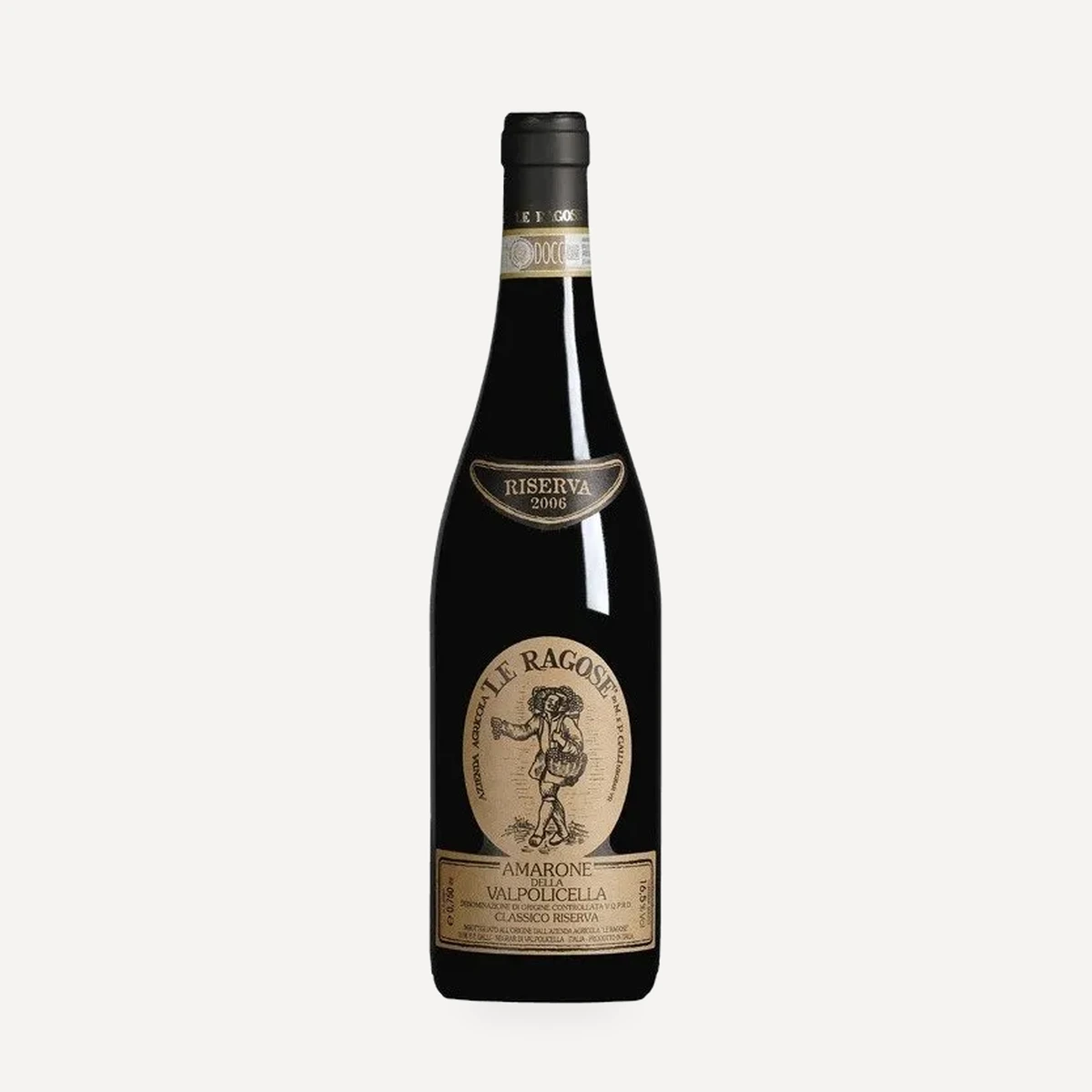
Amarone Riserva 2006
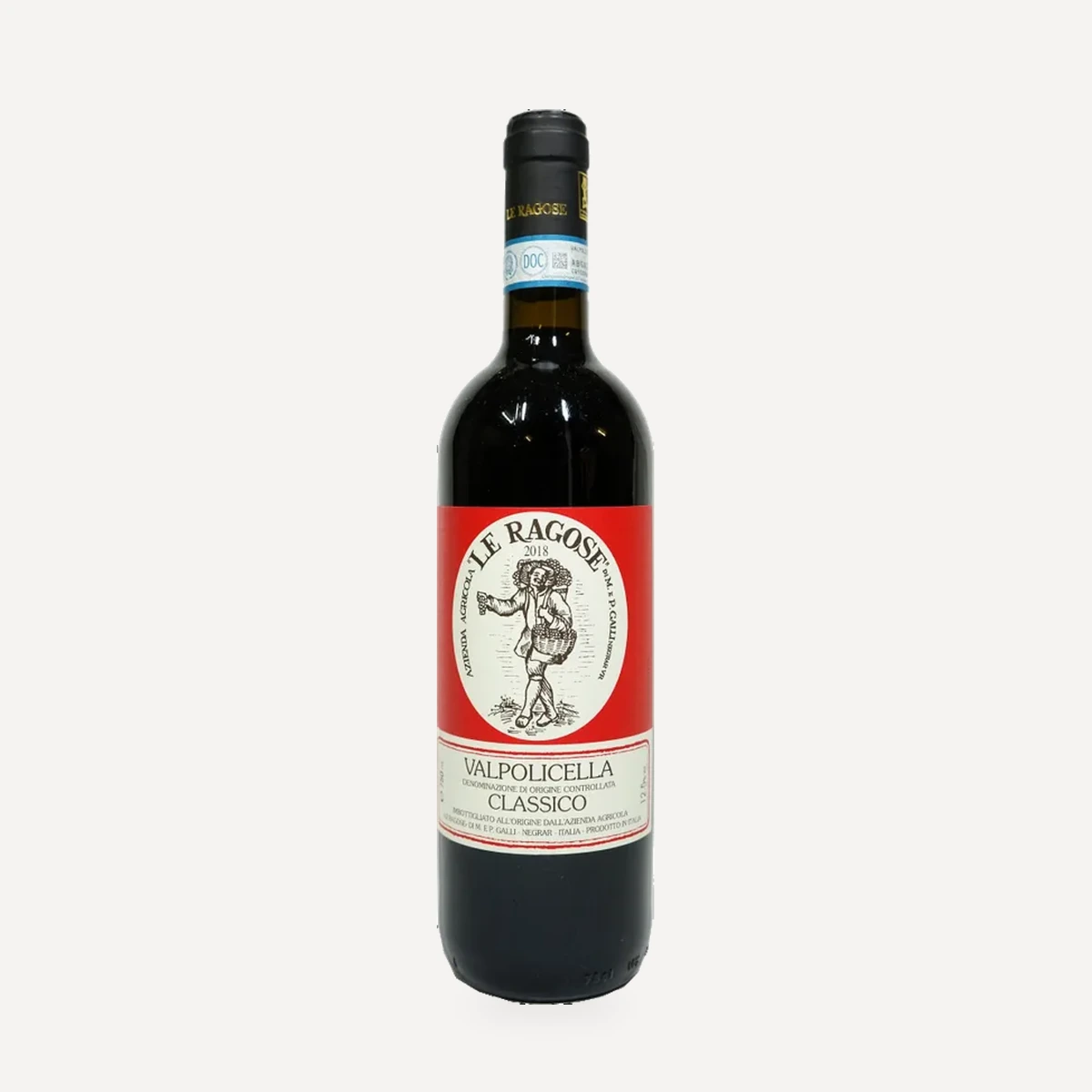
Valpolicella Classico
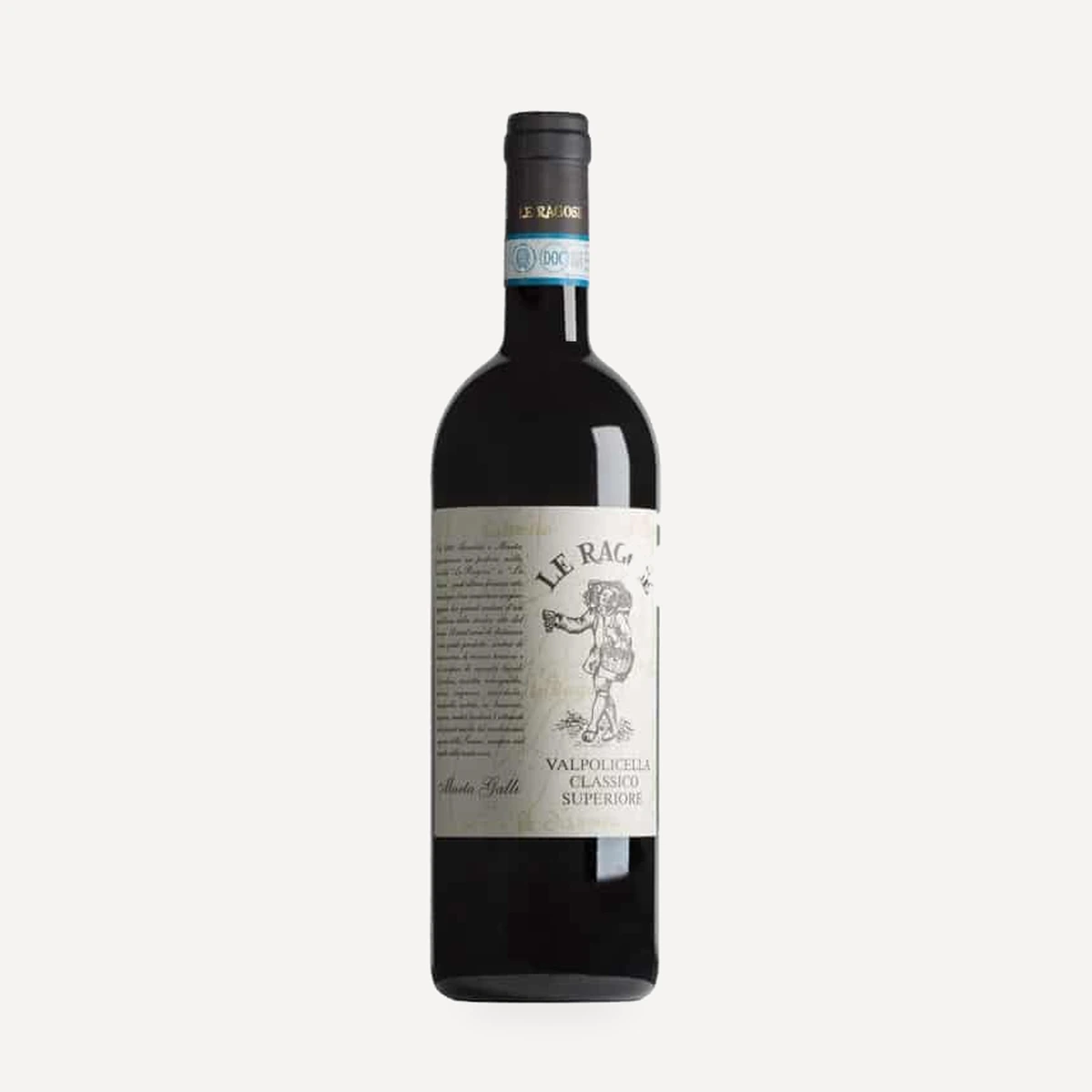
Valpolicella Superiore “Marta Galli”
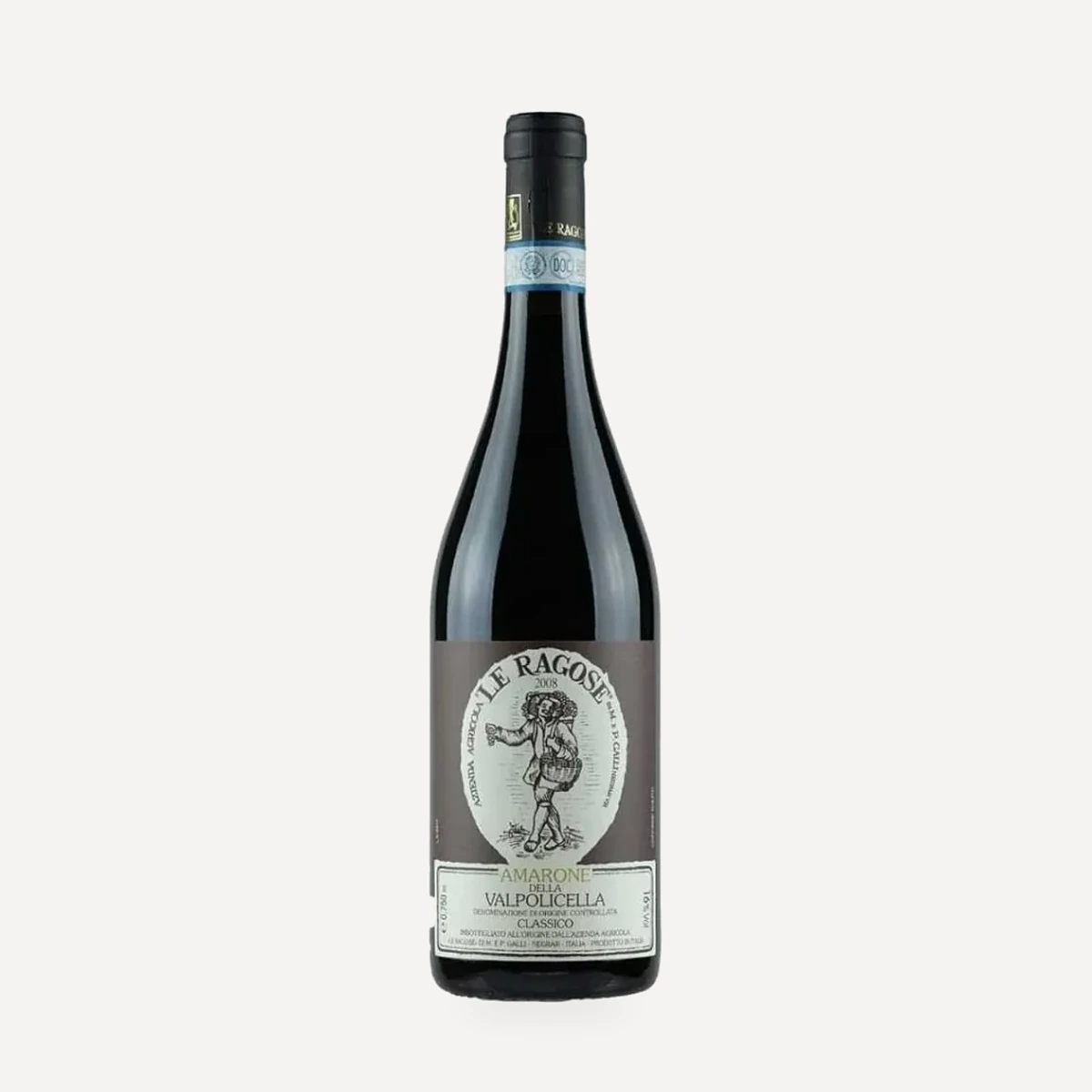
Amarone Classico Riserva D.O.C.G.
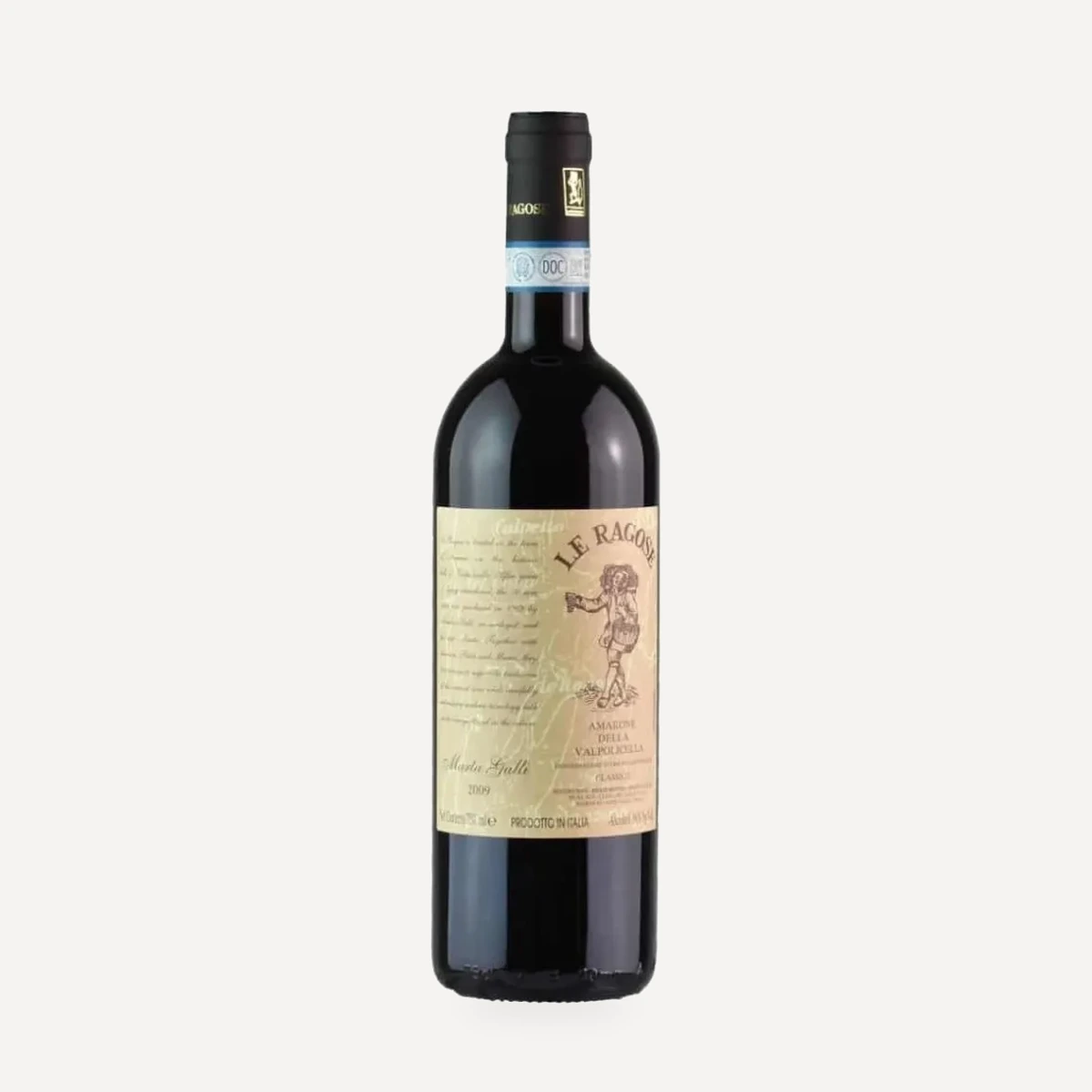
Amarone Classico Riserva “Marta Galli” D.O.C.G.
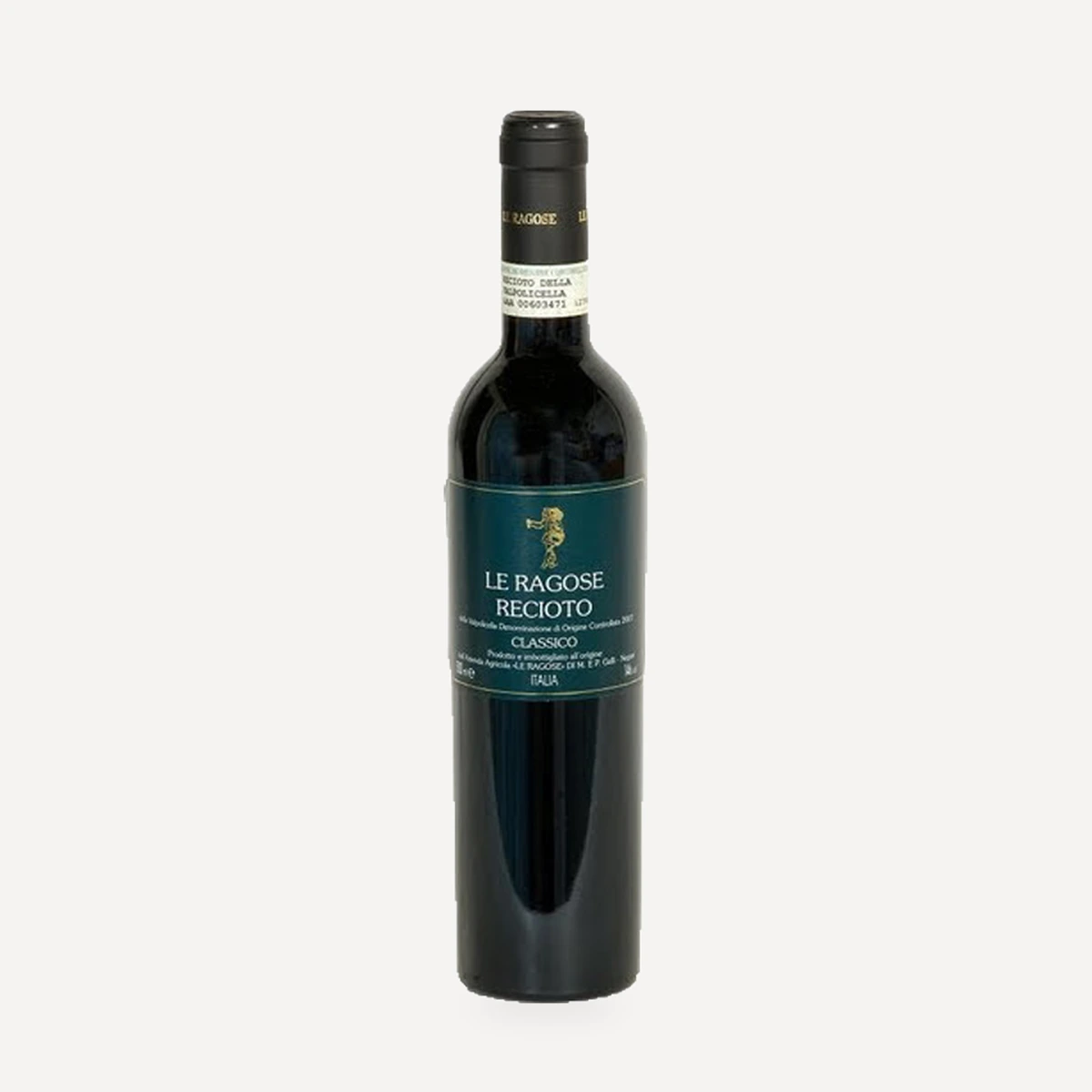
Recioto Classico