Storia
Villa Le Tende and the historic estate
The vineyards originated within a large property that once extended throughout the valley. At its centre stood Villa Le Tende, the building from which the winery takes its name. The Veneto-style villa was built in 1880. The Counts Bevilacqua-Lazise lived there from the beginning of the twentieth century, after which the property changed hands several times. German forces occupied the villa during the Second World War.
The villa is now accompanied by approximately 2 ha of parkland, distinguished by mature linden trees and two groups of centuries-old cedars. Eight hectares of Le Tende's vineyards lie at the foot of the villa; a further 6 ha are cultivated at Cavaion Veronese in the heart of the Bardolino Classico production area.
Formation of Le Tende
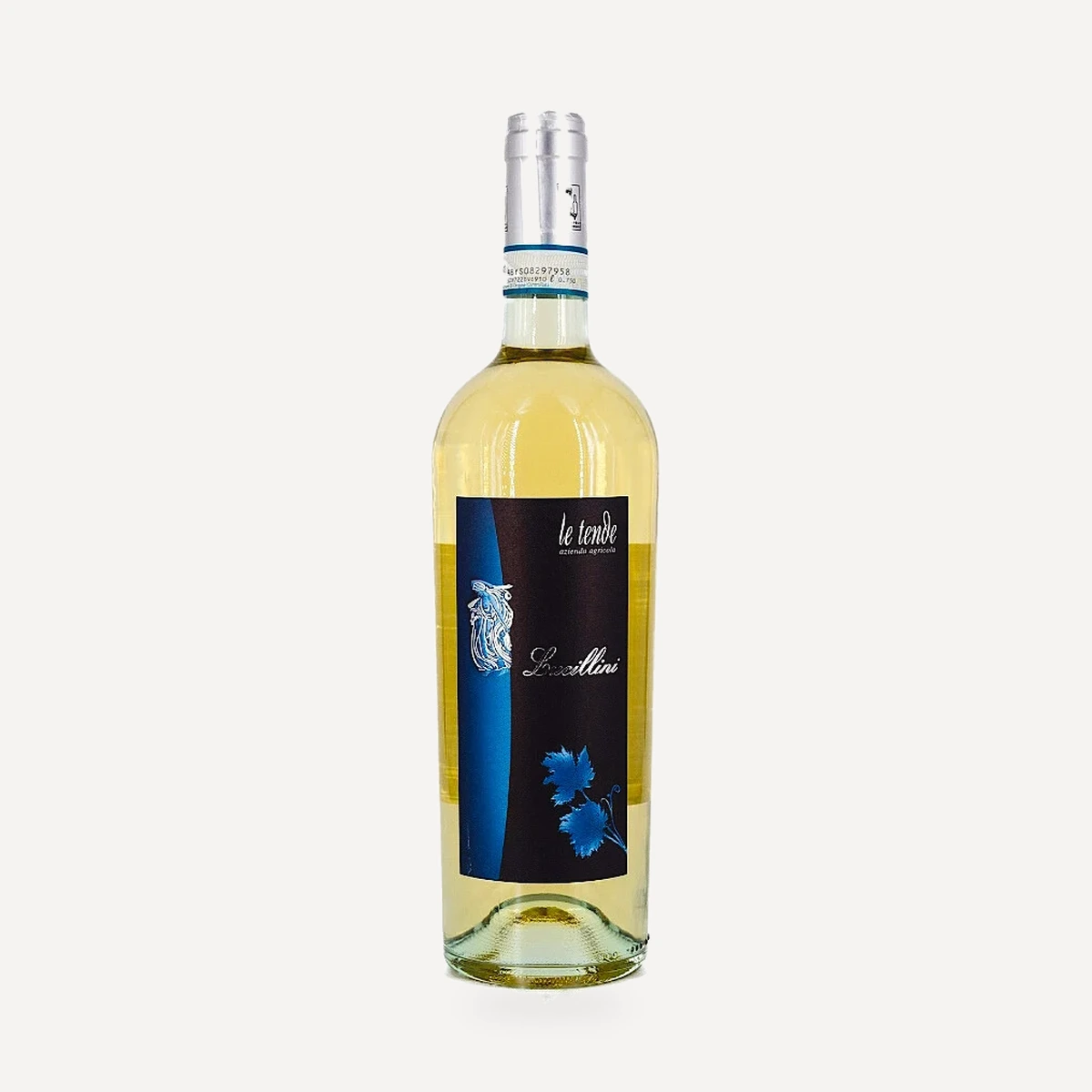
The Fortuna and Lucillini families created Le Tende on the slopes of the area's gently undulating morainic hills. Their collaboration began in the 1990s, founded on a shared interest in wines with a clearly defined personality. Mauro Fortuna came to lead the work in the vineyards and wine production, combining accumulated experience with modern winemaking techniques. Franco Lucillini, an entrepreneur and poet, assumed responsibility for the visual identity of the bottles and designed the labels.
Vineyard development
The oldest planting year identified within the current holdings is 1975, in the Cavaion Veronese vineyard associated with Cabernet Sauvignon and Merlot. Other surviving planting dates include 1978 in the white-grape vineyards at Colà di Lazise; 1985 in both the Bardolino Superiore and Sabia Rosso holdings; 2000 in Bardolino Superiore; 2002 in the Chiaretto vineyards; 2003 in several white- and red-grape holdings; 2008 in the Colà vineyards; 2015 in Bardolino Classico; and 2017 in the Pinot Grigio parcel.
Organic conversion
In 2012 Le Tende adopted organic cultivation and organic wine production as an ethical choice. The system is certified by ICEA and excludes synthetic chemicals for plant protection as well as herbicides. The German-language description explicitly includes glyphosate among the excluded inputs.
Present scale and direction
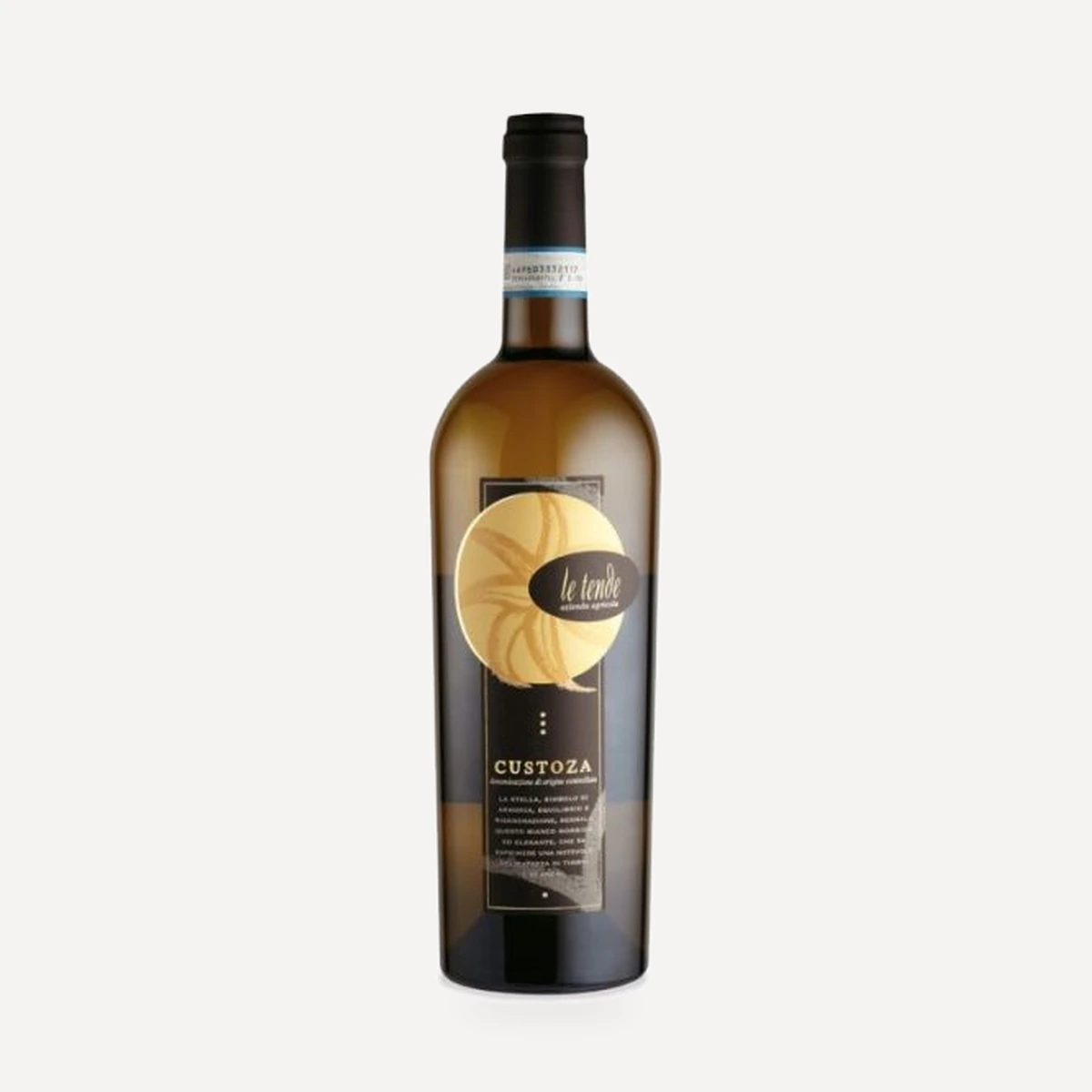
The estate now farms 14 ha of certified-organic vineyards divided between Colà di Lazise and Cavaion Veronese. Average annual output is approximately 100,000 bottles. Its production is built around knowledge of Corvina and Rondinella for Bardolino and Garganega, Trebbiano, Trebbianello and Cortese for Custoza, alongside Pinot Grigio, Sangiovese, Merlot and Cabernet Sauvignon. The stated objective is to make wines distinguished by fidelity to their place of origin, originality and elegance.
Terroir
Le Tende farms vineyards between Colà di Lazise and Cavaion Veronese, among the morainic hills separating Lake Garda from the countryside around Verona. The holdings occupy two principal elevations: approximately 120 m above sea level at Colà di Lazise and 220 m at Cavaion Veronese.
The Colà vineyards lie around 5 km from the shore of Lake Garda. This sector includes the estate's position on the northernmost boundary of the Custoza DOC production area. Its soils are described as sandy and strongly calcareous, conditions associated with aromatic expression, freshness and mineral character. The named Sabbionara site is likewise of morainic origin, with a sandy, highly calcareous texture.
At Cavaion Veronese, the vineyards occupy hilly land of morainic origin in the Bardolino Classico zone. Parts of this sector have mixed clay soils deposited by the glaciers that shaped the landscape around Lake Garda. The area lies at the foot of Monte Baldo and has a breezy climate, comparatively greater rainfall and pronounced temperature variation, allowing late-ripening grapes to reach maturity before the end-of-October harvest.
Lake Garda moderates the local climate. The Colà sector is described as mild and lightly ventilated, while the Cavaion holdings benefit from airflow, rainfall and day-to-night temperature changes. Across the estate, the combination of lake influence, morainic relief and contrasting sandy-calcareous and mixed-clay soils creates the principal differentiation between the two vineyard areas.
Vinificazione
All 14 ha are cultivated under certified-organic practices. Le Tende began following an organic cultivation and organic wine-production system in 2012, with certification by ICEA. Synthetic plant-protection chemicals and herbicides are excluded; the German-language account also expressly excludes glyphosate.
Harvest practice varies with the material and intended production. Grapes for the amphora-aged Chiaretto are harvested by hand in early October. Corvina and Merlot for Sabia Rosso are hand-picked at optimal phenolic maturity, while Cabernet Sauvignon and Merlot for the estate's latest-picked red are harvested at the end of October. Reported average production in most individually described vineyards is 9,000 kg/ha.
The estate presents organic farming as an ethical commitment and connects it with respect for the soil and the expression of each vineyard's place of origin.
Le Tende combines traditional experience with modern winemaking techniques across a cellar repertoire that includes steel, concrete, ceramic vessels and oak barrels.
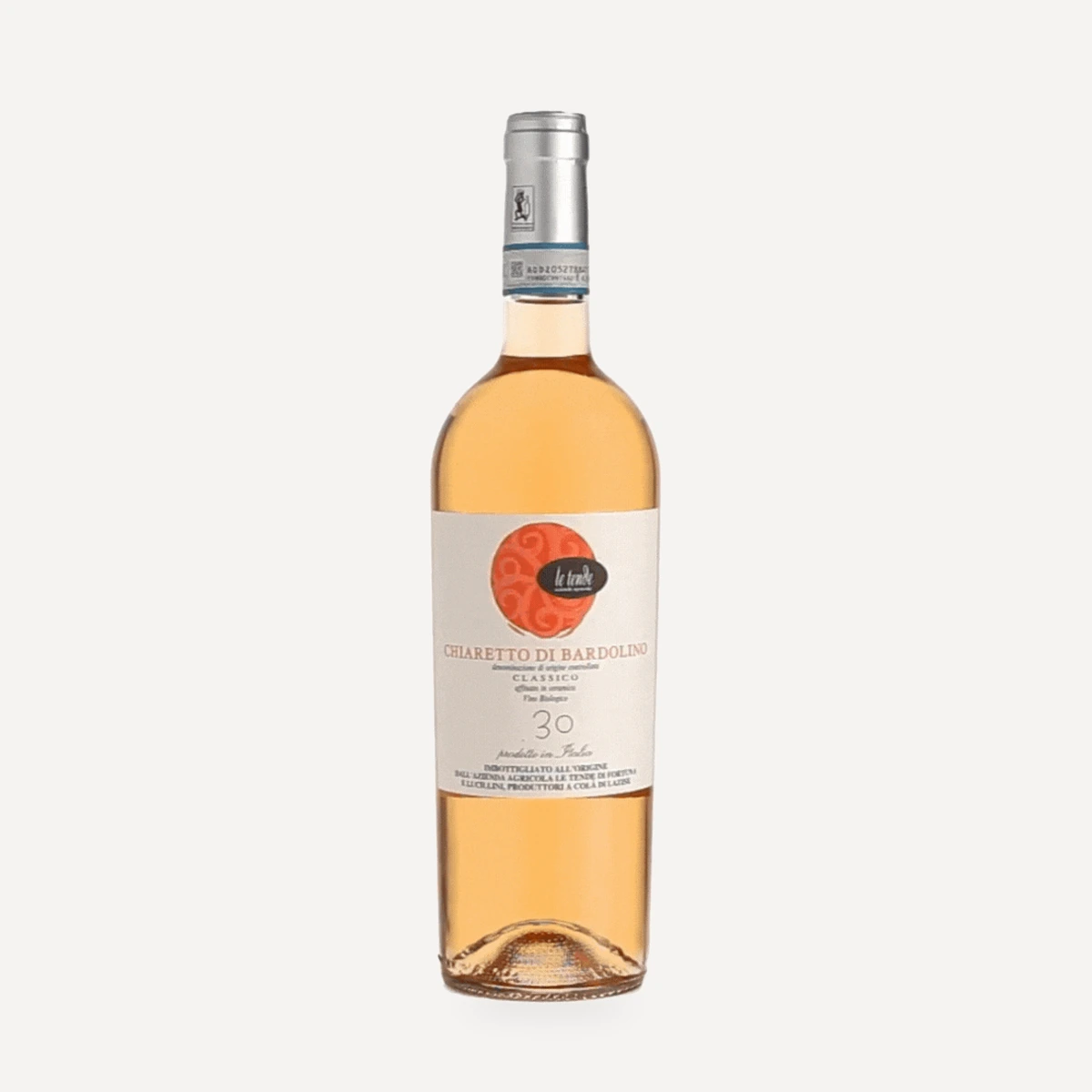
Rosé production includes vinification of red grapes as white wine. For the limited .30 Chiaretto, hand-picked grapes harvested in early October are vinified in white and fermented in concrete tanks. The wine then matures for one year in ceramic vessels. Ceramic is selected for its slow exchange with oxygen and thermal insulation, supporting gradual development during maturation.
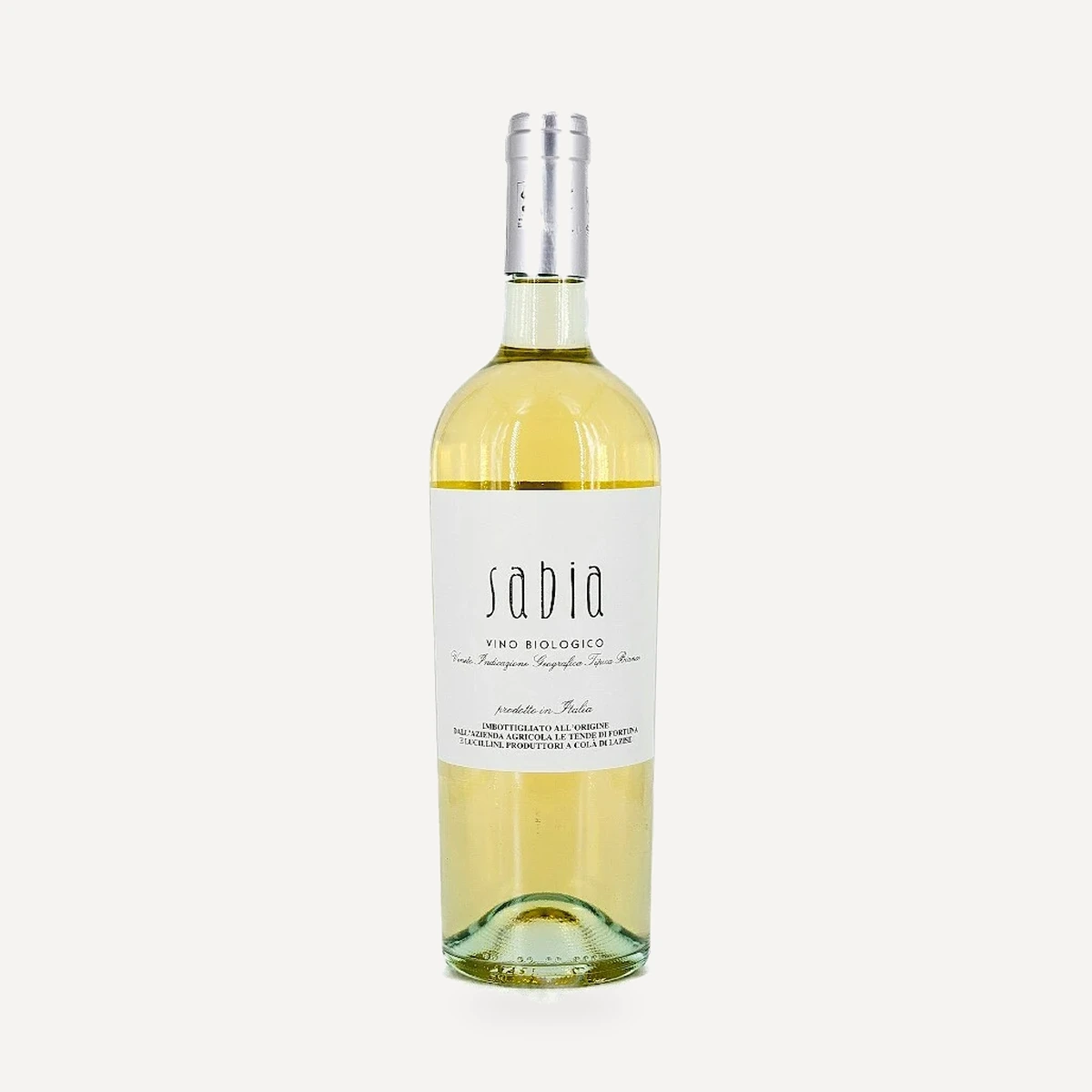
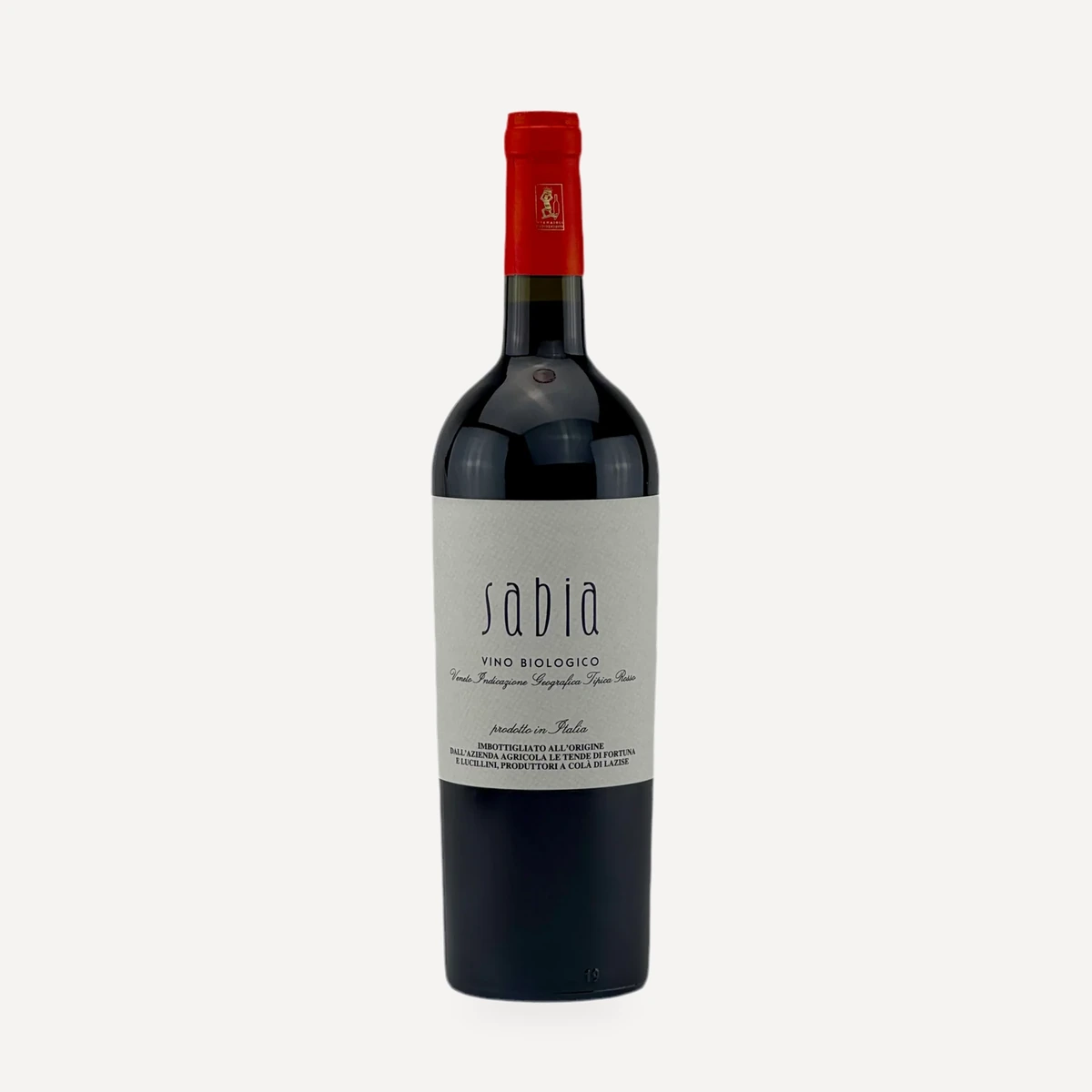
The Garganega-based Sabia receives an extended rest on its own lees. Sabia Rosso is matured in steel and concrete, a combination used to soften the wine while retaining Corvina's varietal character.
After racking, Bardolino Superiore is divided between concrete and oak: 80% matures in concrete tanks for one year and 20% in third-use barriques for the same period. For the Cabernet Sauvignon–Merlot red, grapes are harvested at the end of October; the wine enters second- and third-use oak barrels in spring, matures there for 12 months and then spends a further four months in bottle.
The production approach therefore ranges from protective steel and concrete handling to measured oxygen exchange in ceramic and restrained use of seasoned oak. Across these methods, the objective is to preserve territorial identity while achieving originality and elegance.
Filosofia
Le Tende presents organic farming as a natural ethical choice rather than solely a technical production system. Respect for the land is paired with the exclusion of synthetic plant-protection chemicals and herbicides, while the farming and cellar teams seek to retain the identity of the two principal vineyard areas.
The production philosophy combines accumulated experience with modern winemaking techniques. The stated goal is to create carefully made wines recognizable for fidelity to their territory, originality and elegance. The Fortuna and Lucillini families' collaboration is rooted in a shared interest in wines with a distinct personality, while Mauro Fortuna emphasizes the direct relationship created when visitors return to the cellar after first encountering the wines.
A recurring principle in the visitor experience is that wine is best understood through knowledge of the land from which it comes: the morainic landscape, the influence of Lake Garda, the organically farmed rows and the work inside the cellar are presented as a single narrative.
Vini
Sabia
Sabia Rosso
Custoza
Pinot Grigio