Storia
Origins in Borghetto all’Adige
The Letrari family’s documented agricultural story begins in 1647 at Borghetto d’Avio, on the banks of the Adige. The family moved over time from river-rafting work to commerce and then to agricultural innovation. Stefano Letrari’s will records him first as a man-at-arms and later as the winegrower of a very small holding in Borghetto all’Adige.
Emilio Letrari and the return to farming
In 1922, Emilio Letrari returned from a long wartime ordeal. He had served in the Tyrolean Kaiserjäger in the trenches of Galicia and was subsequently held as a prisoner of war in Siberia. Back in Trentino, he devoted himself to his small farm and established a family with Pierina. Their son Leonello Letrari was born in 1931.
Leonello and the development of Trentino sparkling wine
By 1950, Leonello Letrari had qualified as an oenologist at the Edmund Mach Institute in San Michele all’Adige and embarked on his professional career. In the immediate post-war period, his work helped Trentino wines gain recognition beyond the region. He developed early blends and subsequently turned his attention to fine sparkling wines.
In 1961, Leonello created one of Italy’s early Bordeaux-style blends and produced his first sparkling-wine bottles. In 1963, he became a pioneer of the Trentino Metodo Classico through the Equipe5 brand.
Foundation of the present family winery
Leonello Letrari and his wife, Maria Vittoria Aste, founded the present family wine business in 1976. Their partnership joined family life with the entrepreneurial project represented by the first Letrari label.
Lucia Letrari joins the business
In 1987, Lucia Letrari obtained her oenology diploma from the Edmund Mach Foundation and immediately began working with her father. Leonello encouraged her to develop a personal interpretation of Trentino and Trentodoc. This period brought the first Trentodoc cuvée bearing the Letrari name and the concept of a selected Marzemino bottling designed to distinguish small, high-quality lots.
In 1997, Lucia and Leonello created Ballistarius. The red wine combined Leonello’s professional experience with Lucia’s decision to bring international varieties together with native local grapes.
The Rovereto winery
In 2000, Letrari constructed a new, more functional winery and moved from its historic premises to Rovereto. The building stands within a small vineyard that had belonged to the maternal grandfather. Although modern in function, its exterior follows the rural architectural character of Trentino, and it is surrounded by an extensive garden planted with Mediterranean species.
Reorganisation and technological development
On 30 December 2011, Letrari Società Agricola Semplice di Letrari Lucia & C. was constituted, absorbing the Azienda Agricola Letrari created in 1976. Its registered and administrative headquarters were established at the production facility at Via Monte Baldo 13/15 in Rovereto. The company manages vineyards owned by its members as well as vineyards operated under lease. Lucia Letrari assumed responsibility for the business’s management and technical and administrative direction.
A later investment programme modernised the existing vinification, processing and wine-storage areas. A new cooling system was installed to maintain constant controlled temperatures during must fermentation, permit Trentodoc disgorgement throughout the year and keep the finished-wine warehouse at an appropriate temperature during increasingly warm summers.
Succession and the next generation
Leonello Letrari died in 2017. Responsibility passed to Lucia, an oenologist like her father, with her daughter Margherita joining her in the family business.
Margherita Arlanch Letrari completed her studies at LIA Linguistic High School and earned a degree in Communication Sciences in Bologna. In 2025, she formally entered the company alongside her mother, concentrating from the outset on sales and winery hospitality while contributing a forward-looking perspective.
Fifty years of Letrari
In 2026, Letrari marked the fiftieth anniversary of the business founded by Leonello and Maria Vittoria. The anniversary was framed around the values of family, territory, innovation and quality that have guided the company since 1976.
Terroir
Letrari’s vineyards are distributed among several sites in Vallagarina and Terra dei Forti, including areas around Borghetto all’Adige and Nogaredo. Lower Vallagarina and the Borghetto all’Adige enclave form a coherent landscape and climatic area with a long-established winegrowing tradition.
The Adige River is a defining environmental feature. The valley is also influenced by the Ora del Garda, a wind that creates a Mediterranean-type microclimate. Temperate conditions allow vines and olive trees to grow alongside one another and also support a small production of extra-virgin olive oil.
The vineyard soils are described as poor and rocky. Favourable exposures support regular ripening and an appropriate crop load per vine. Combined with qualitative selection and low yields per hectare, these conditions underpin the production of grapes with pronounced varietal identity.
Vallagarina’s winegrowing landscape remains substantially intact. Its documented viticultural history reaches back to the Roman period, while its more recent history as the southernmost part of the Habsburg Empire included a reputation for structured, characterful red wines capable of ageing.
Vinificazione
Letrari follows the SQNPI eco-sustainability programme developed by the Consorzio Vini del Trentino. Its approach to vineyard protection emphasises healthier and more sustainable agricultural practices, maximum grape quality and reduced environmental impact.
Disease management begins with identifying the best vineyard soils both for grape quality and for their susceptibility to vine diseases. Lucia Letrari applies techniques intended to produce healthy grapes with the smallest practicable quantity of phytosanitary products. The programme uses active ingredients with a high margin of safety and seeks to minimise copper applications, including copper permitted in organic and biodynamic plant protection.
Environmental risk reduction and protection of workers and consumers form explicit objectives of the programme. In the vineyard, careful qualitative selection and low yields per hectare complement the favourable exposures and regular ripening conditions. All grapes from owned and leased vineyards are processed by Letrari.
Letrari produces both traditional-method Trentodoc sparkling wine and still wine at its Rovereto facility. All grapes harvested from vineyards owned by the company or its members, together with fruit from leased vineyards, are processed internally.
Sparkling-wine production includes vinification of the base-wine grapes, storage and preservation of the base wines until tirage, when the secondary fermentation in bottle begins. Time on the lees is treated as an important component of the Trentodoc range, with the portfolio divided into classic cuvées, longer-aged vintage and reserve wines, late-disgorged bottlings and an anniversary collection.
The production areas incorporate cooling plates within the tanks, linked to a refrigeration unit. This system maintains constant, controlled temperatures during must fermentation, a measure considered fundamental to the sensory quality of both still wines and sparkling-wine bases.
Temperature-controlled production and storage rooms allow disgorgement to be scheduled throughout the year, including the warmer period from late spring to early autumn. The system also helps optimise maturation schedules, finished-wine stock rotation and continuity of supply. The warehouse is maintained at an appropriate temperature during summer to protect finished wines as seasonal temperatures rise.
The winery itself was built in 2000 as a modern, functional production structure. Its outward form follows Trentino’s rural architecture, while its technical installations support vinification, transformation, ageing, disgorgement and finished-wine storage.
Filosofia
Letrari’s motto is “Nothing happens by chance.” The phrase expresses a belief that Trentodoc quality results from the interaction of multiple carefully managed elements rather than from a single technique.
The family’s philosophy places the study of soils and vineyard positions at the beginning of fine-wine production. Vineyard exposure, regular ripening, appropriate production per vine, low yields and qualitative grape selection are considered essential to translating Vallagarina and Terra dei Forti into wines with clear varietal identity.
The company presents tradition and innovation as complementary principles. Knowledge accumulated across generations is paired with modern agronomic practices and technical investment in the winery. The aim is to preserve the family’s experience while allowing Lucia and Margherita to develop the business through a new generation.
Quality, family, territory and innovation are the four values associated with Letrari’s fiftieth anniversary. The company seeks to transmit both its terroir and its own interpretation of winemaking through sparkling and still wines, balancing the winegrower’s knowledge with the discipline and determination of cellar work.
Vini
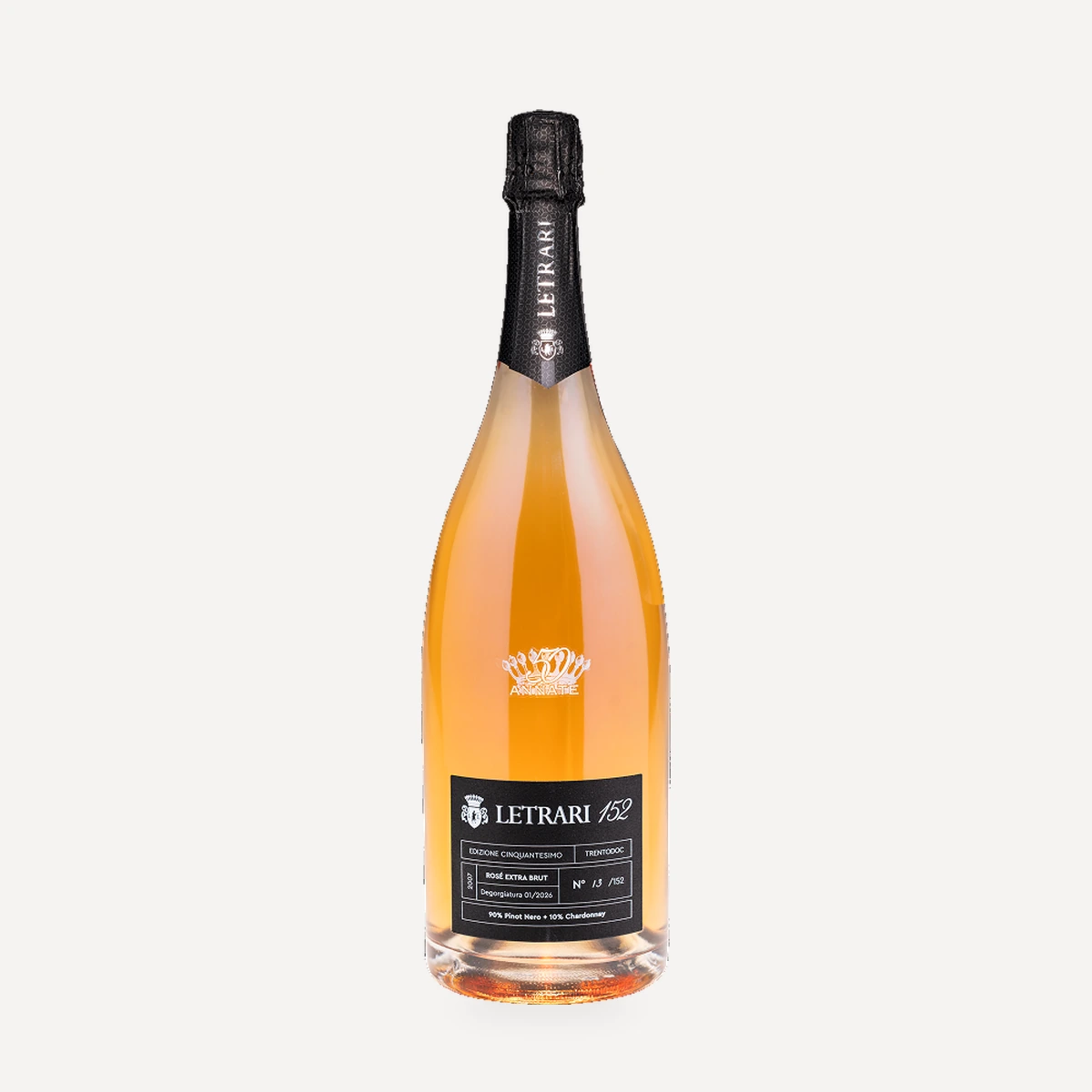
Letrari 152 – Edizione Cinquantesimo
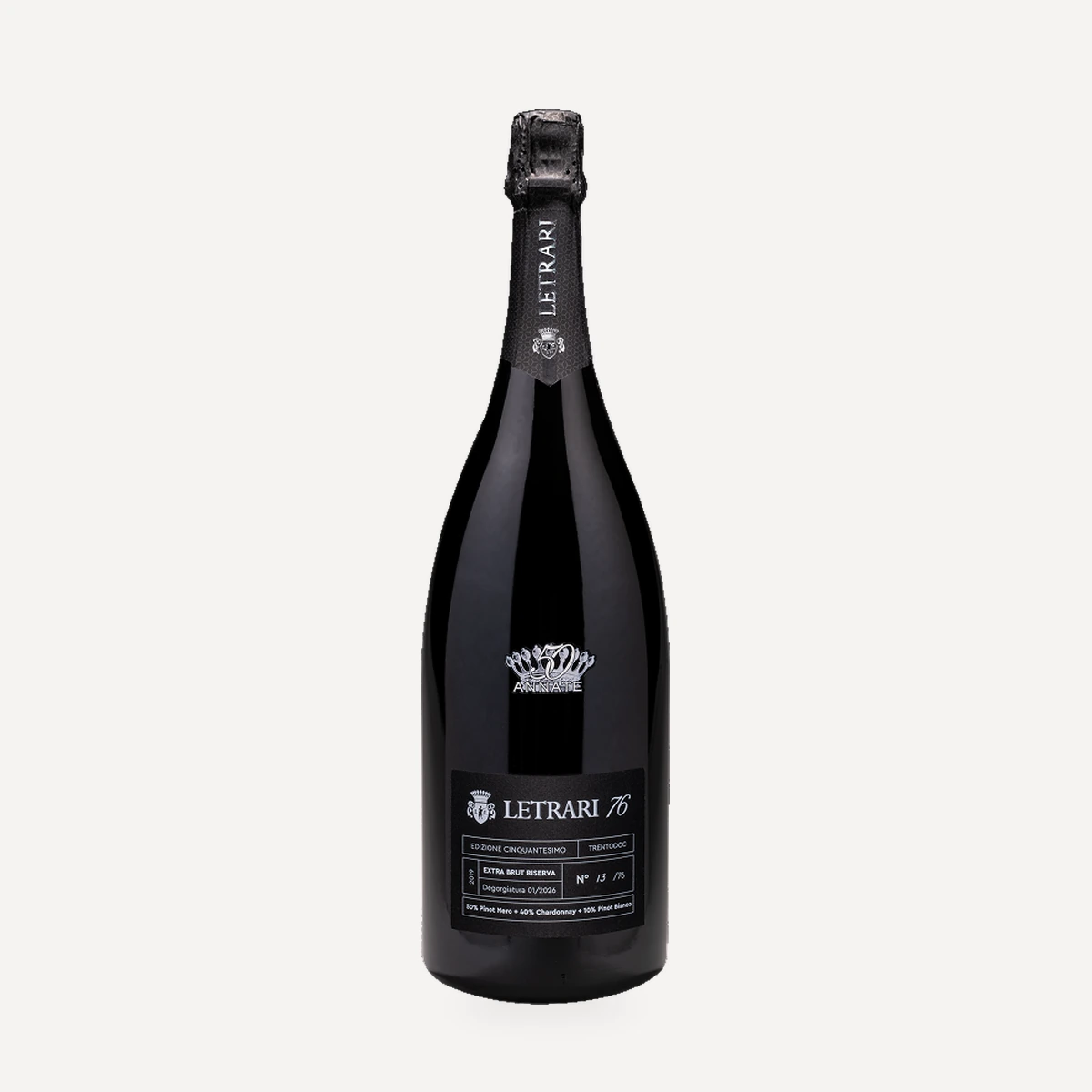
Letrari 76 – Edizione Cinquantesimo
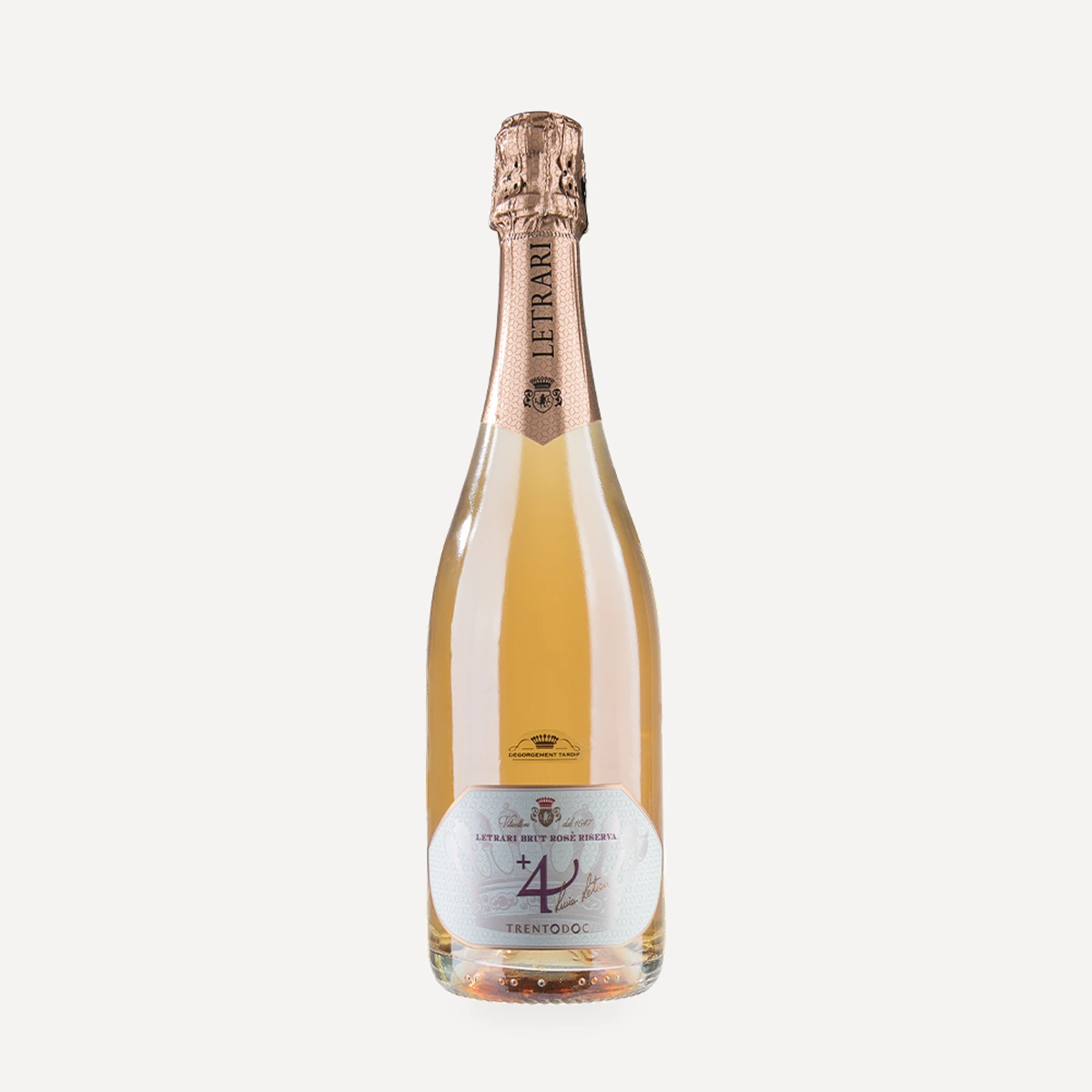
+4 Rosé Riserva Trentodoc
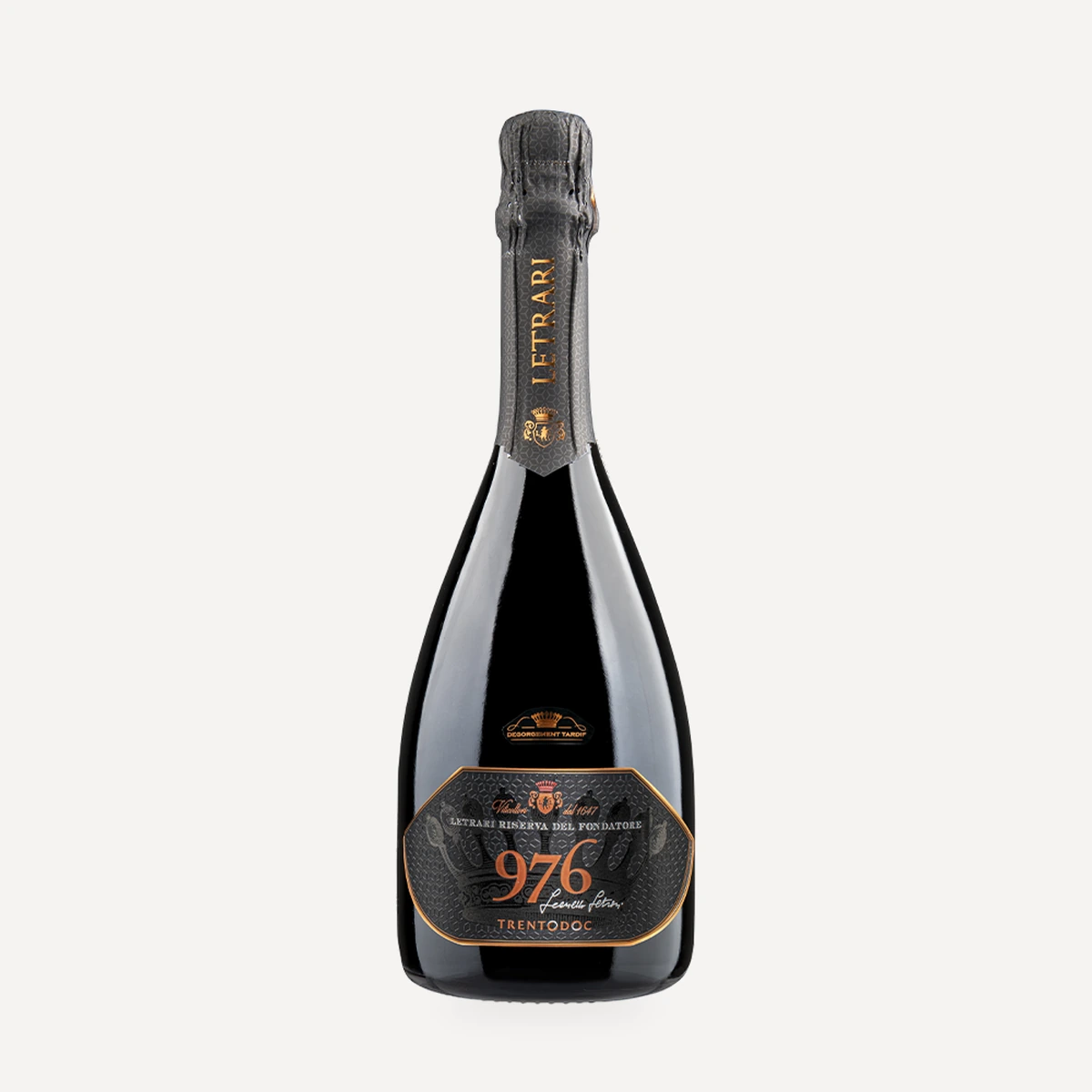
976 Riserva del Fondatore Trentodoc
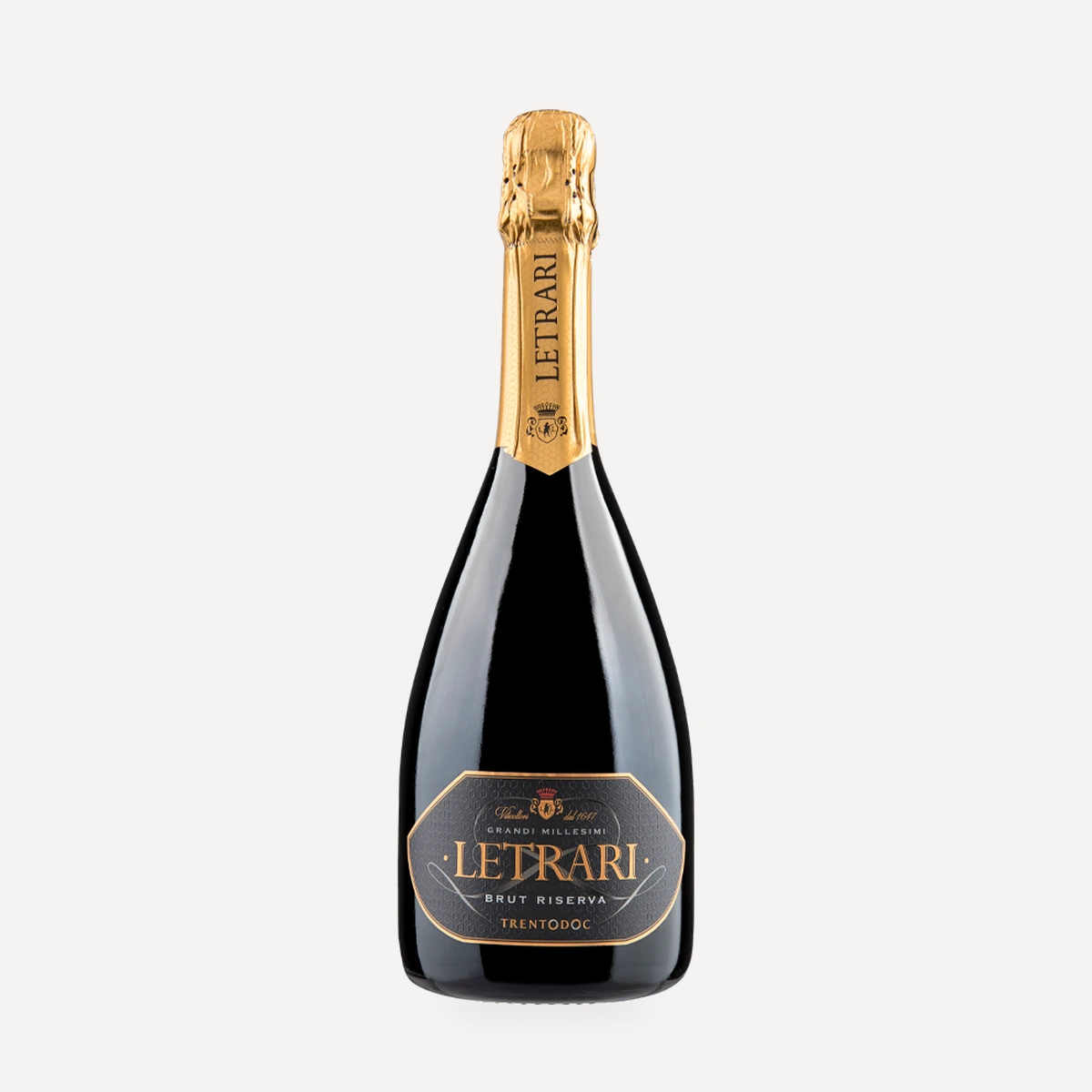
Brut Riserva Trentodoc
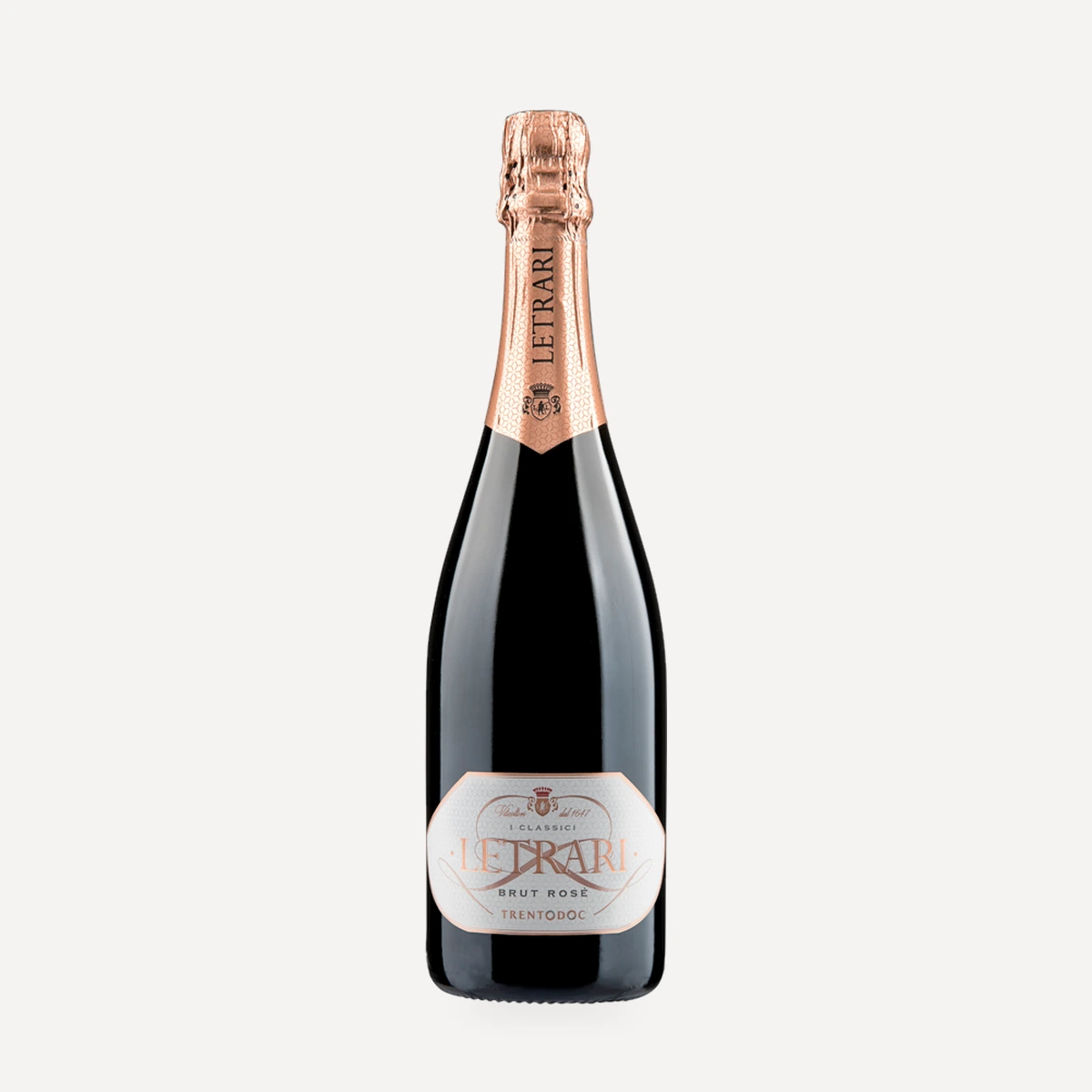
Brut Rosé Trentodoc
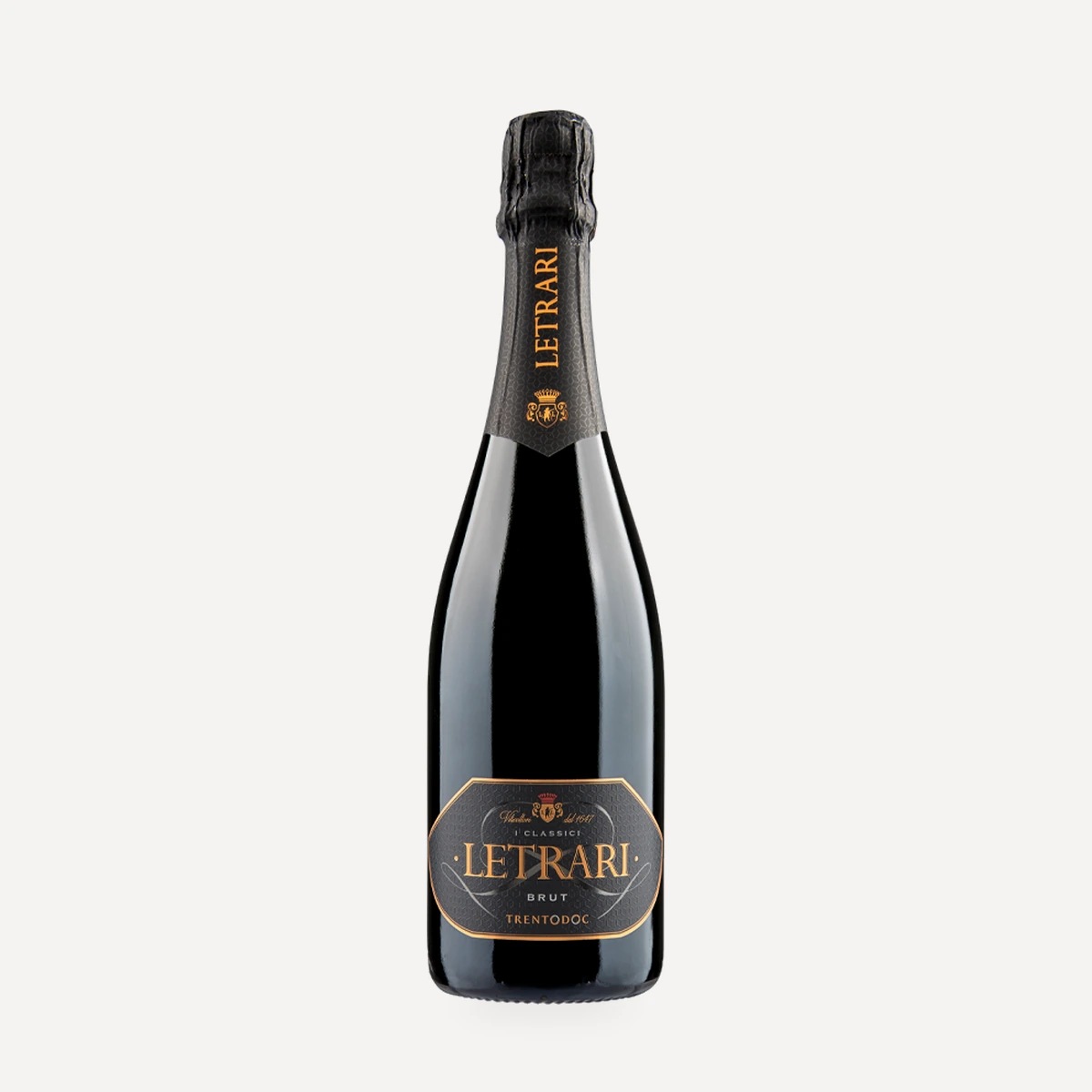
Brut Trentodoc
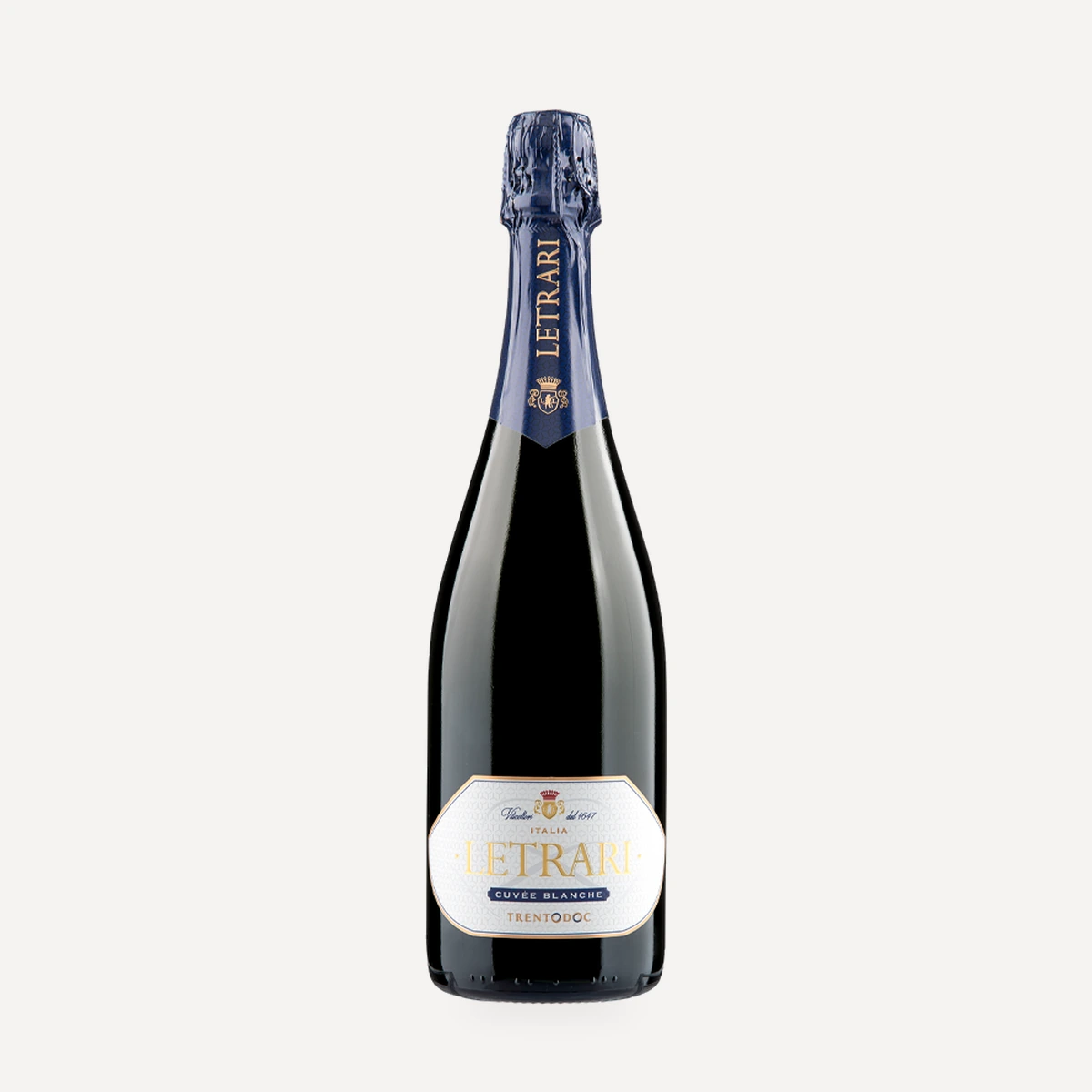
Cuvée Blanche Trentodoc
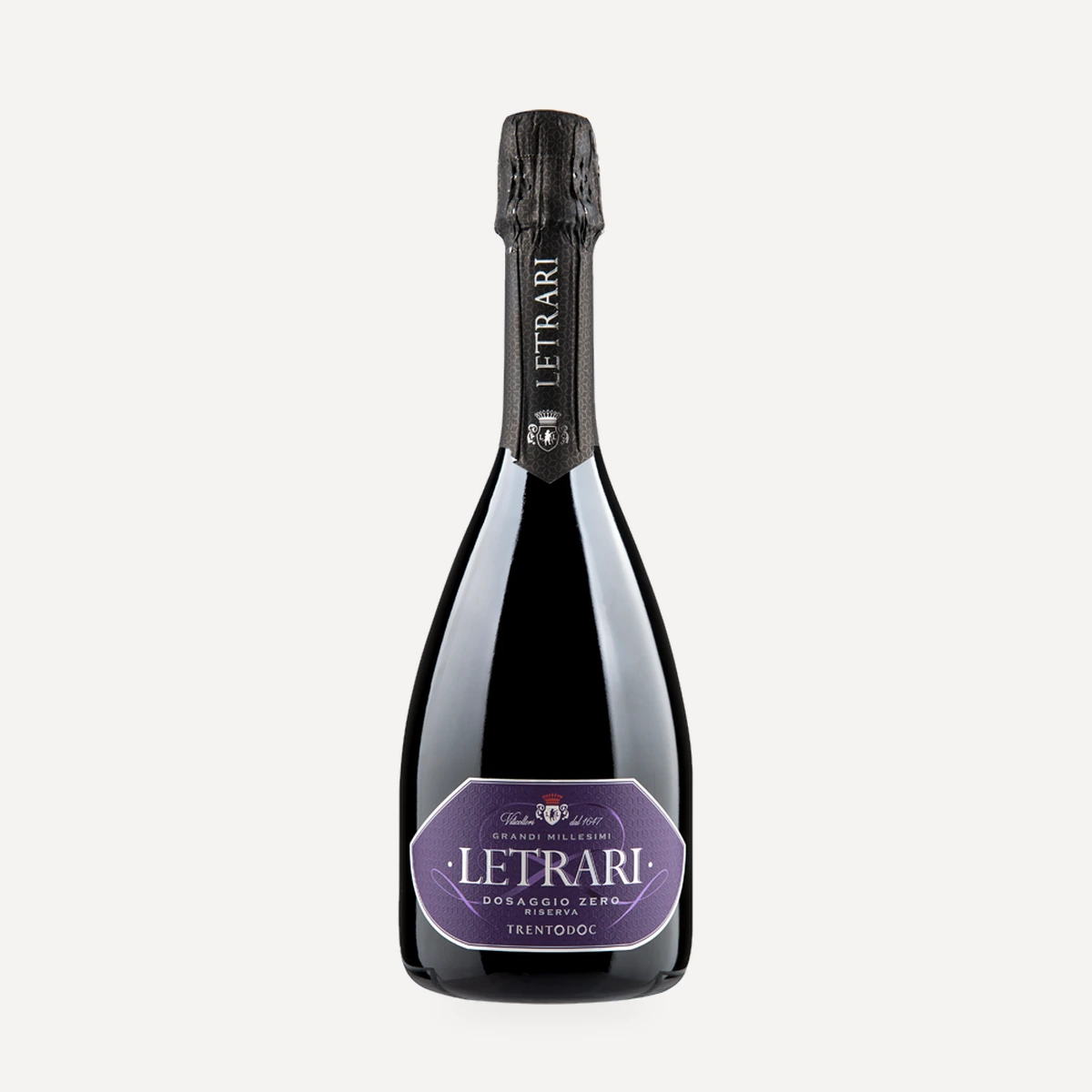
Dosaggio Zero Riserva Trentodoc
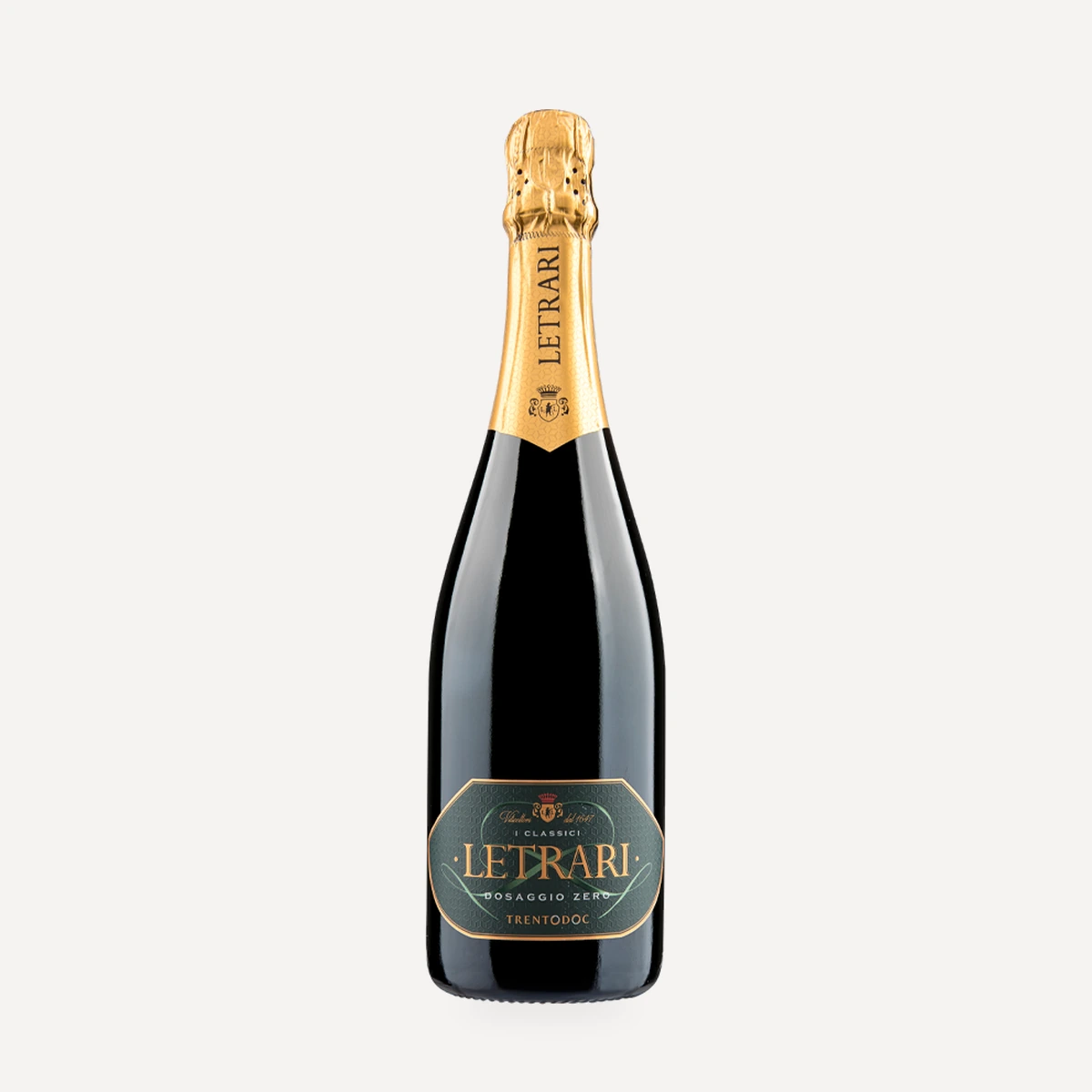
Dosaggio Zero Trentodoc
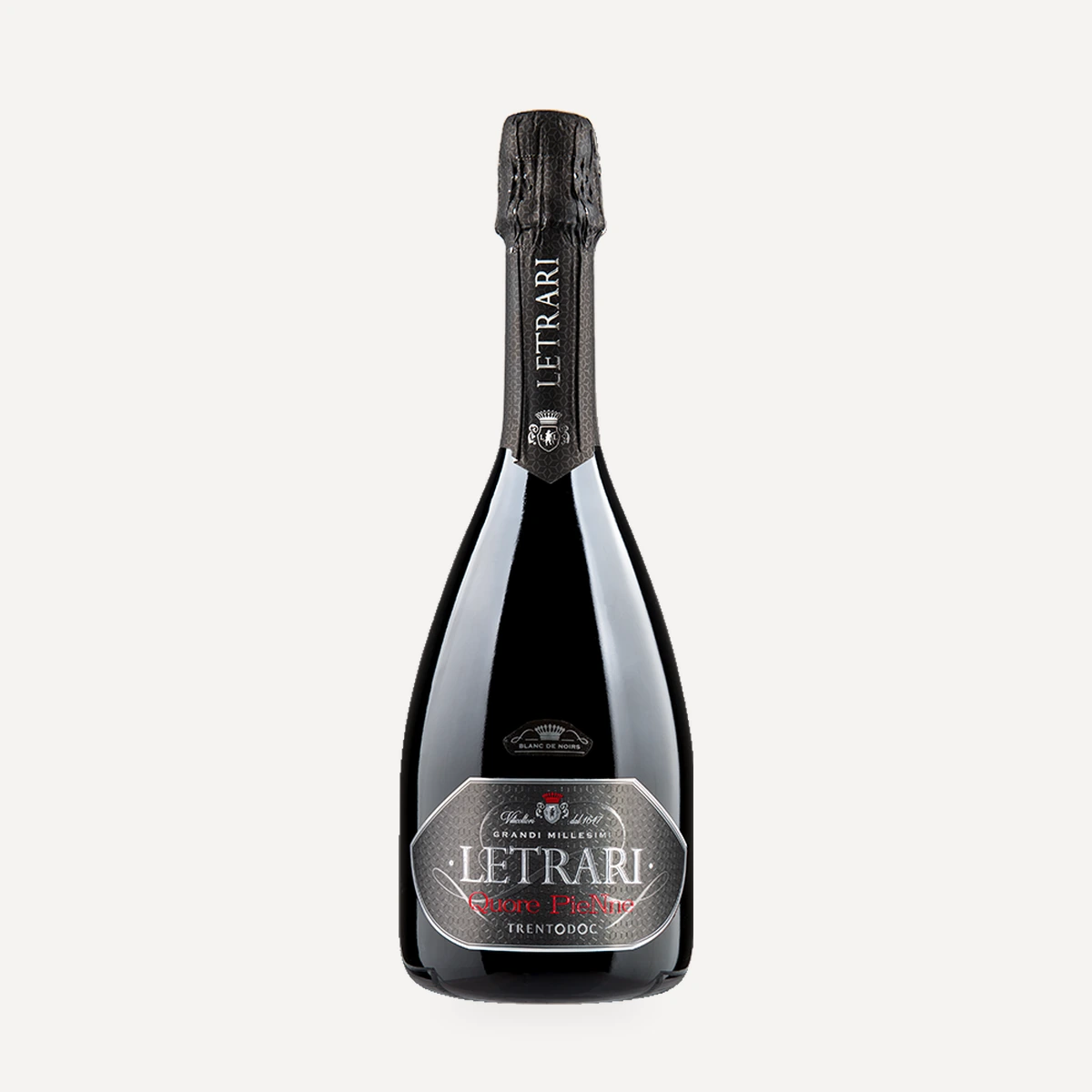
Quore Pienne Riserva Trentodoc
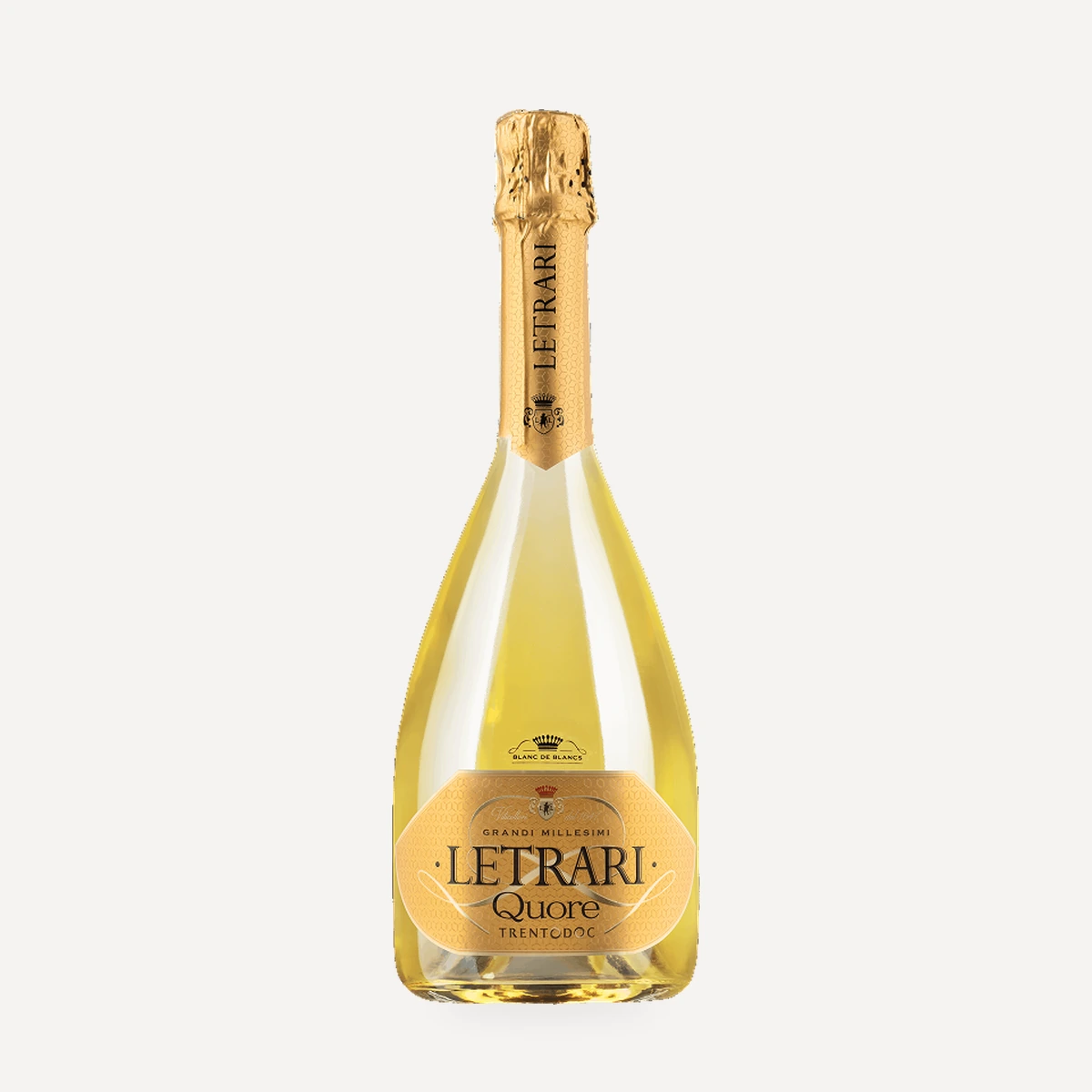
Quore Riserva Trentodoc
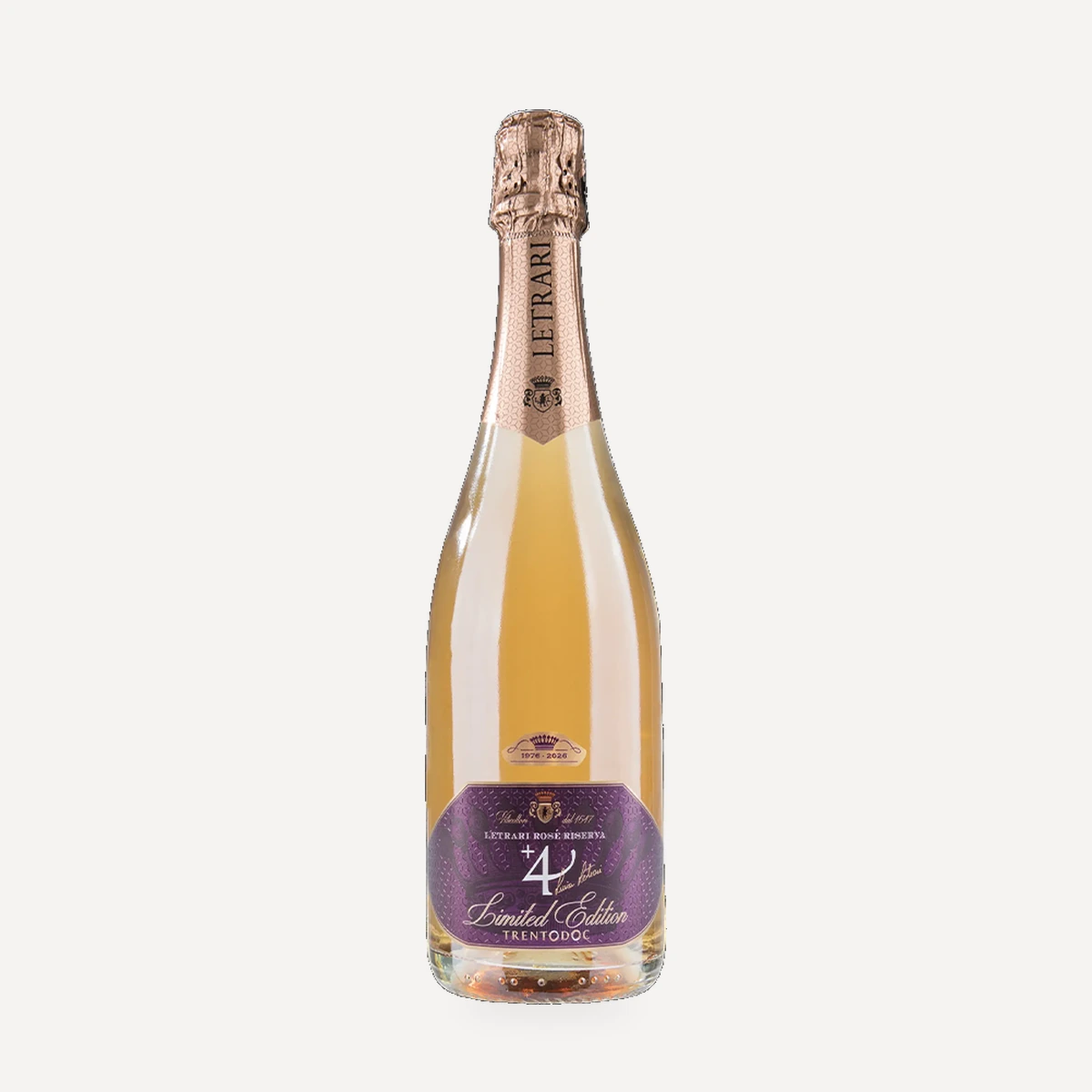
+4 Rosé Riserva Limited Edition Trentodoc
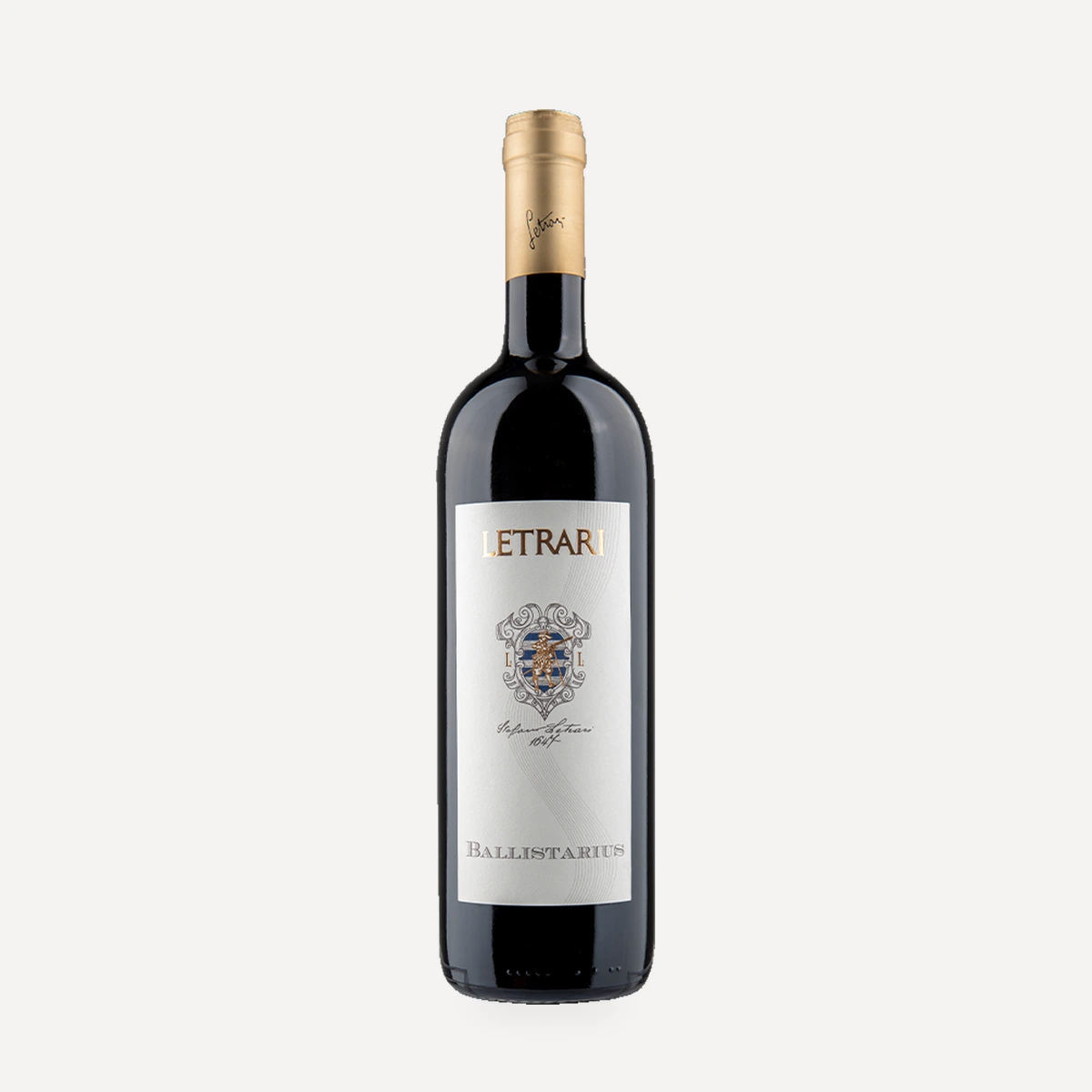
Ballistarius
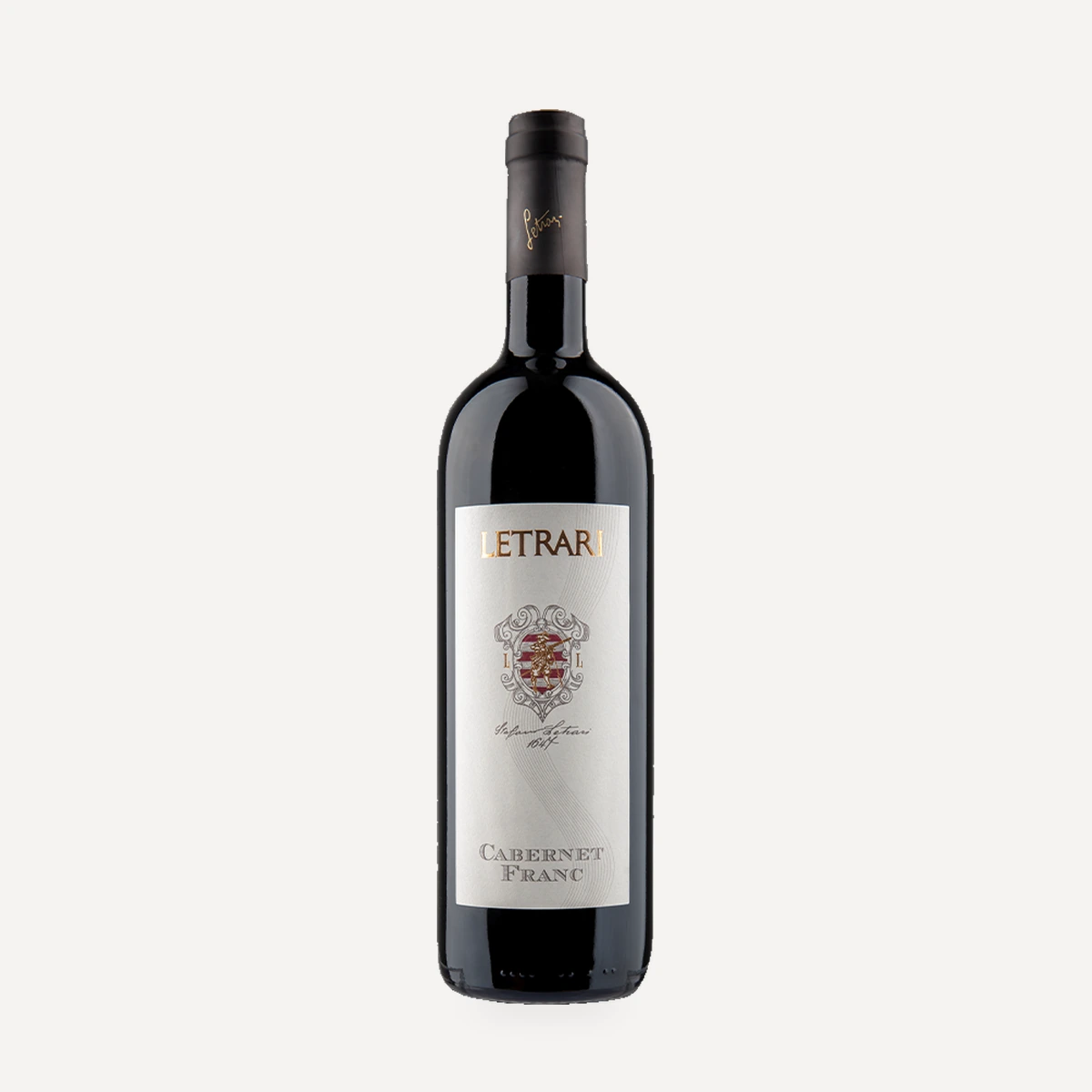
Cabernet Franc
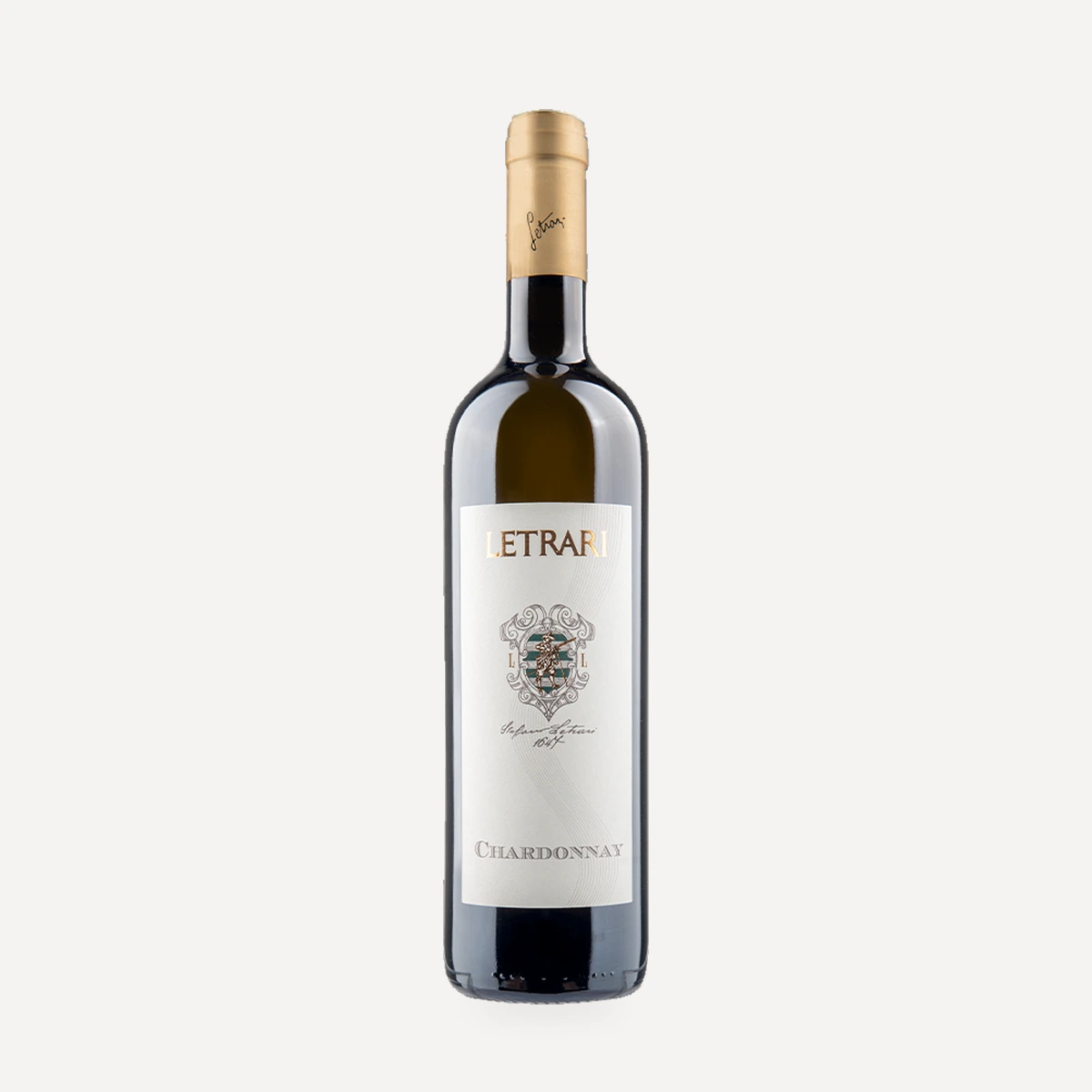
Chardonnay
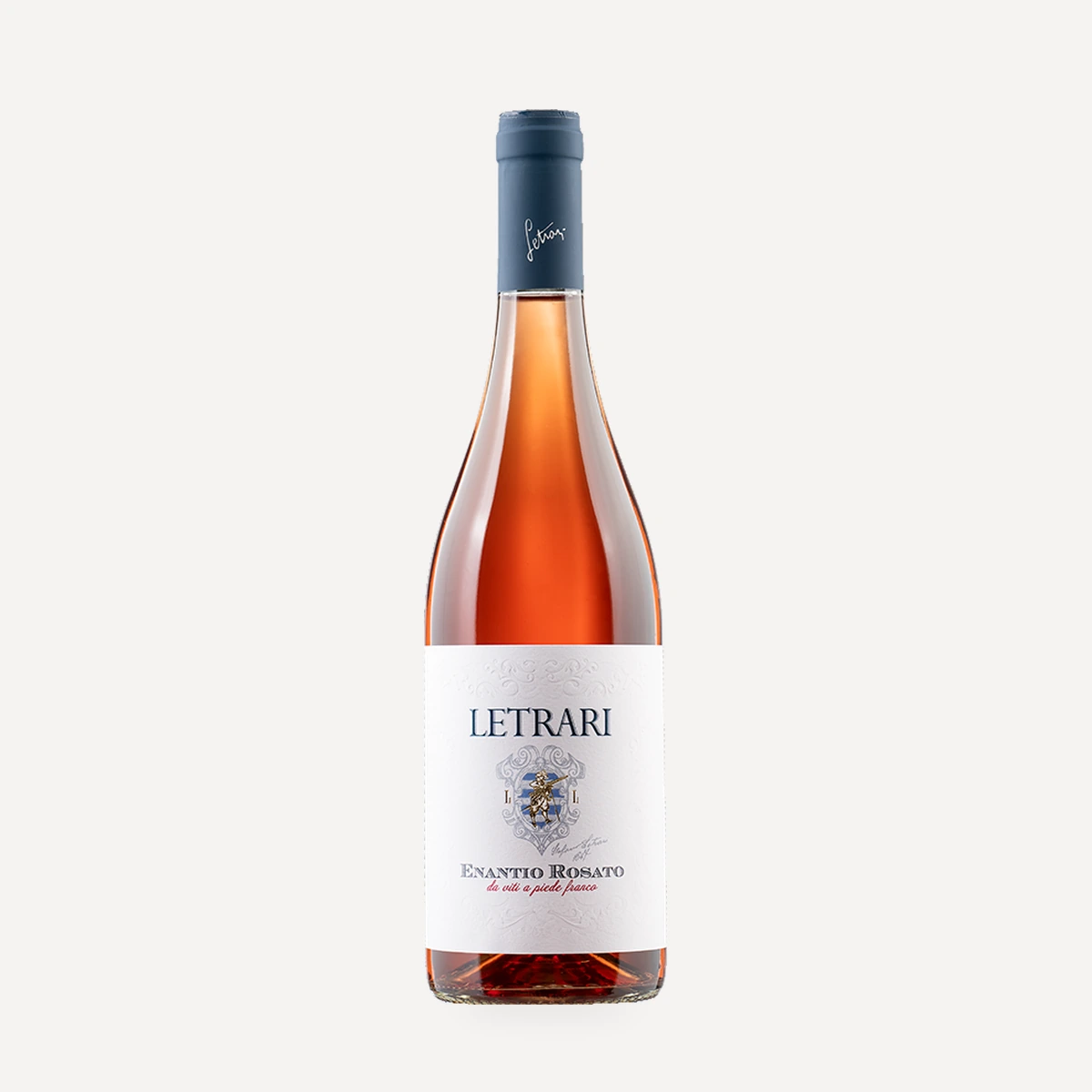
Enantio Rosato
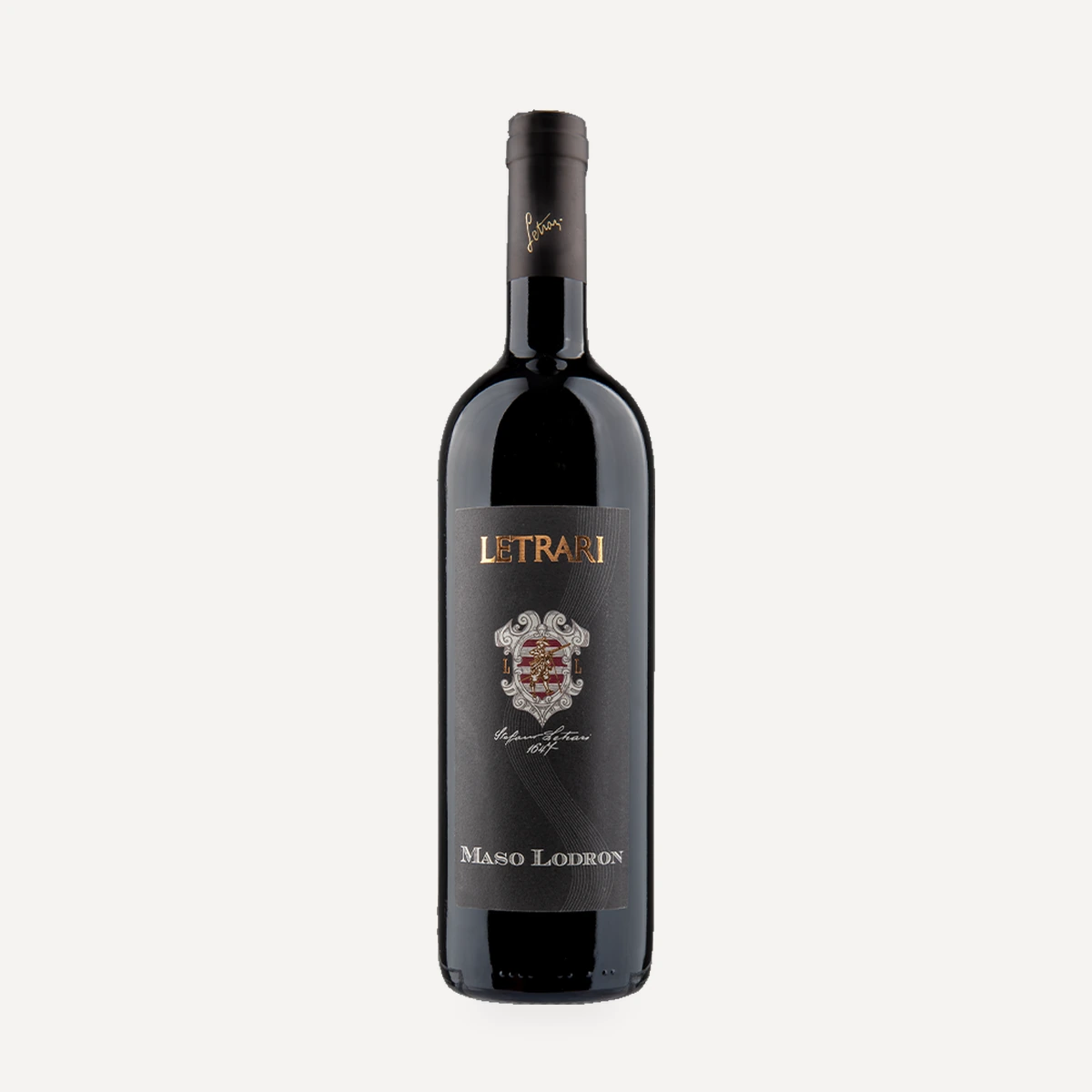
Maso Lodron
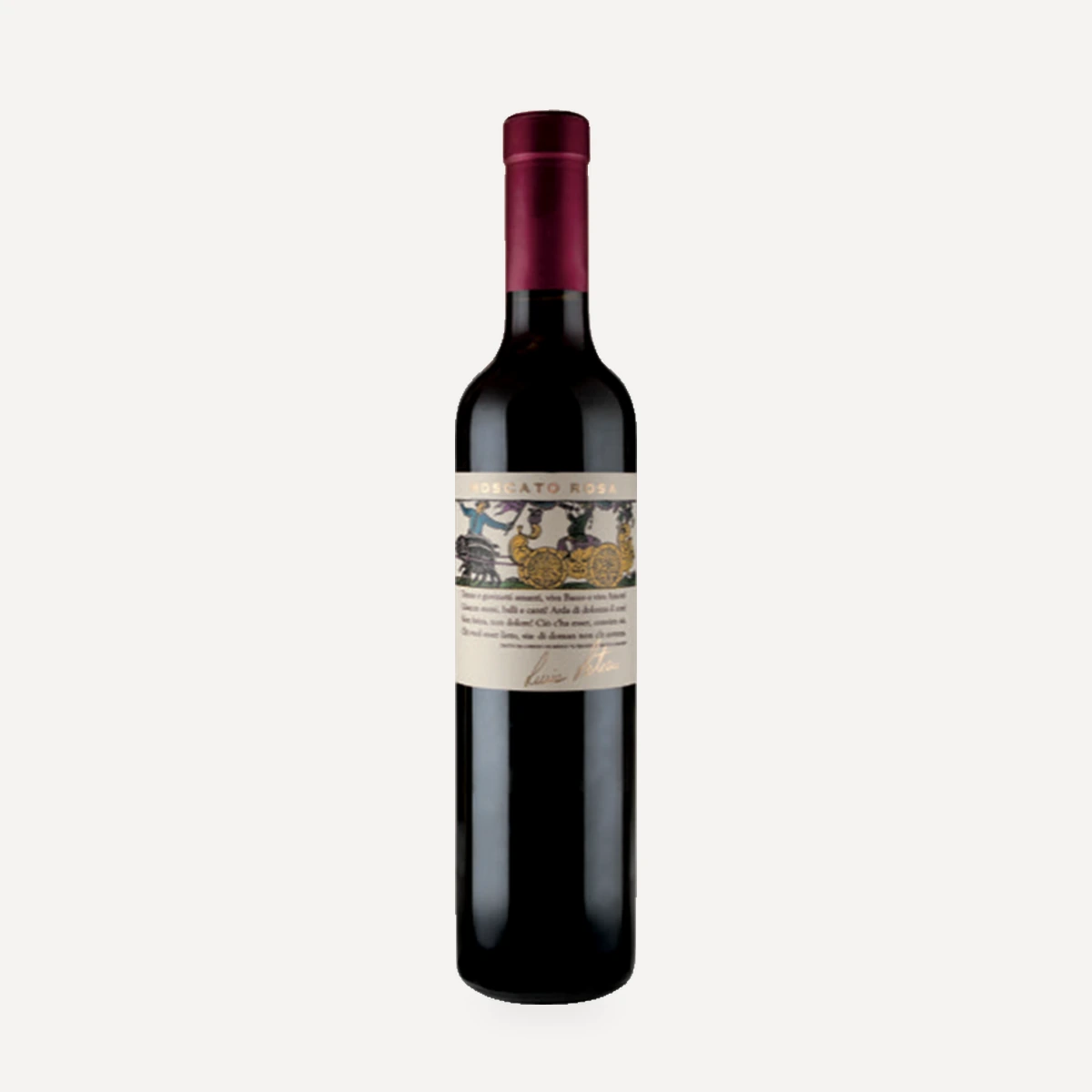
Moscato Rosa
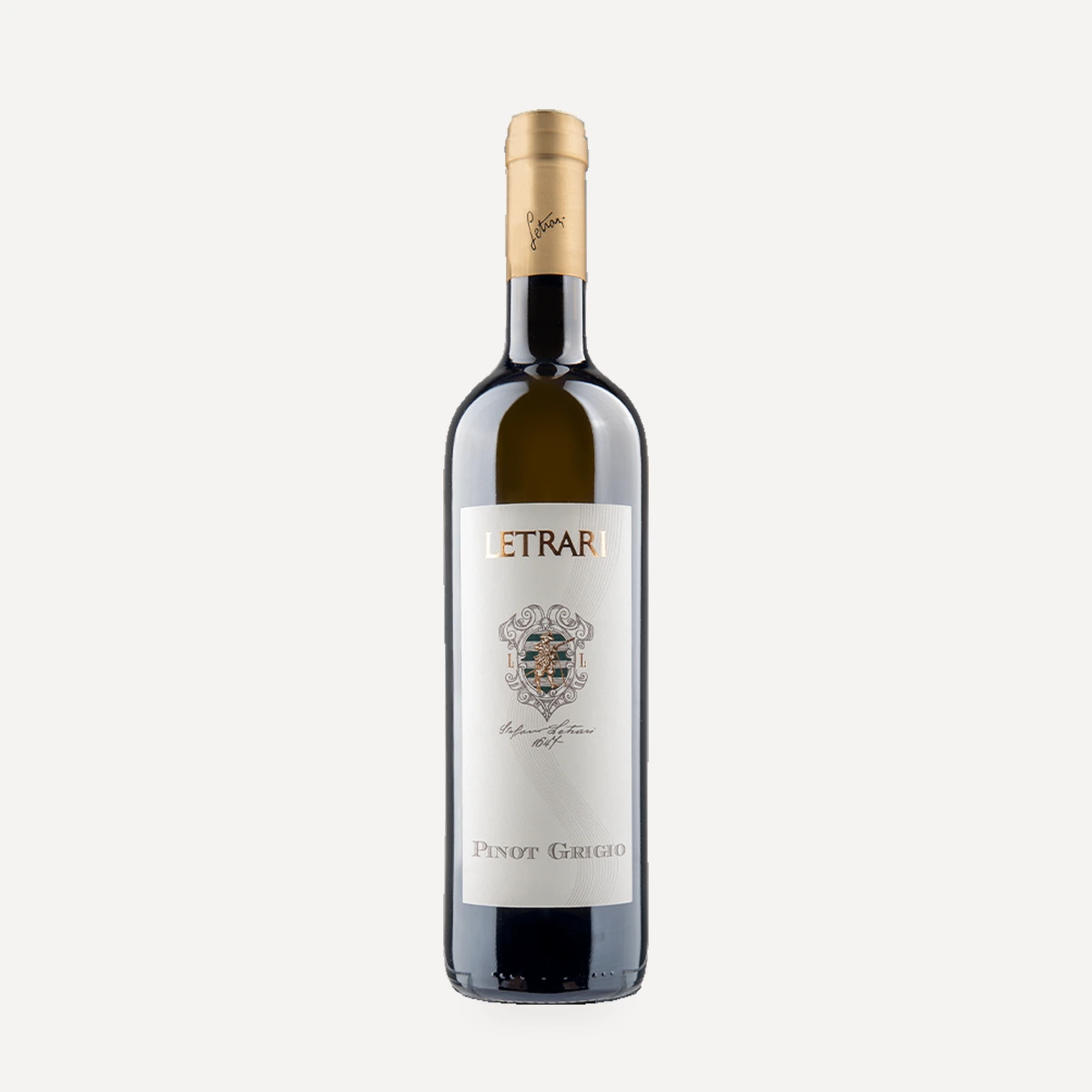
Pinot Grigio
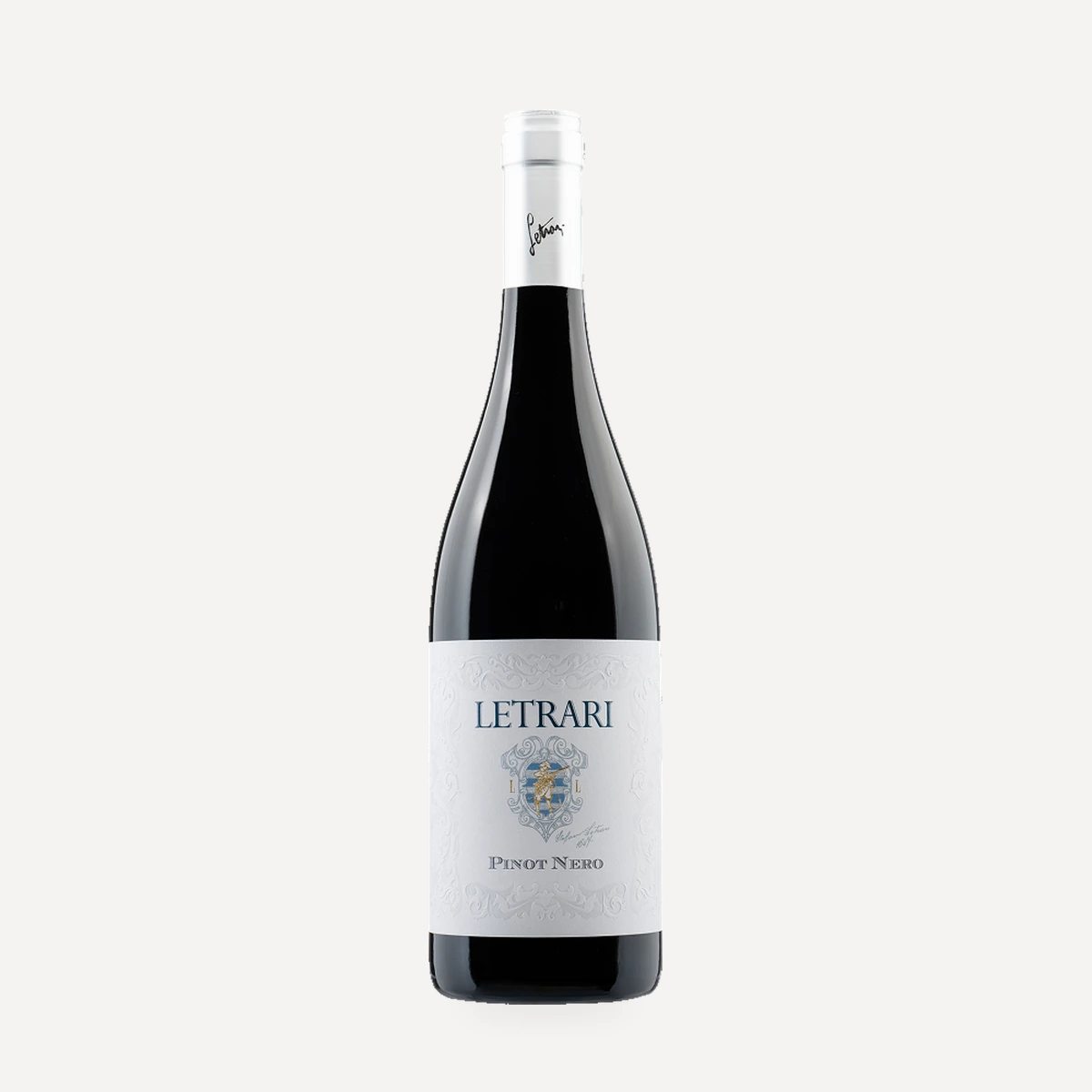
Pinot Nero
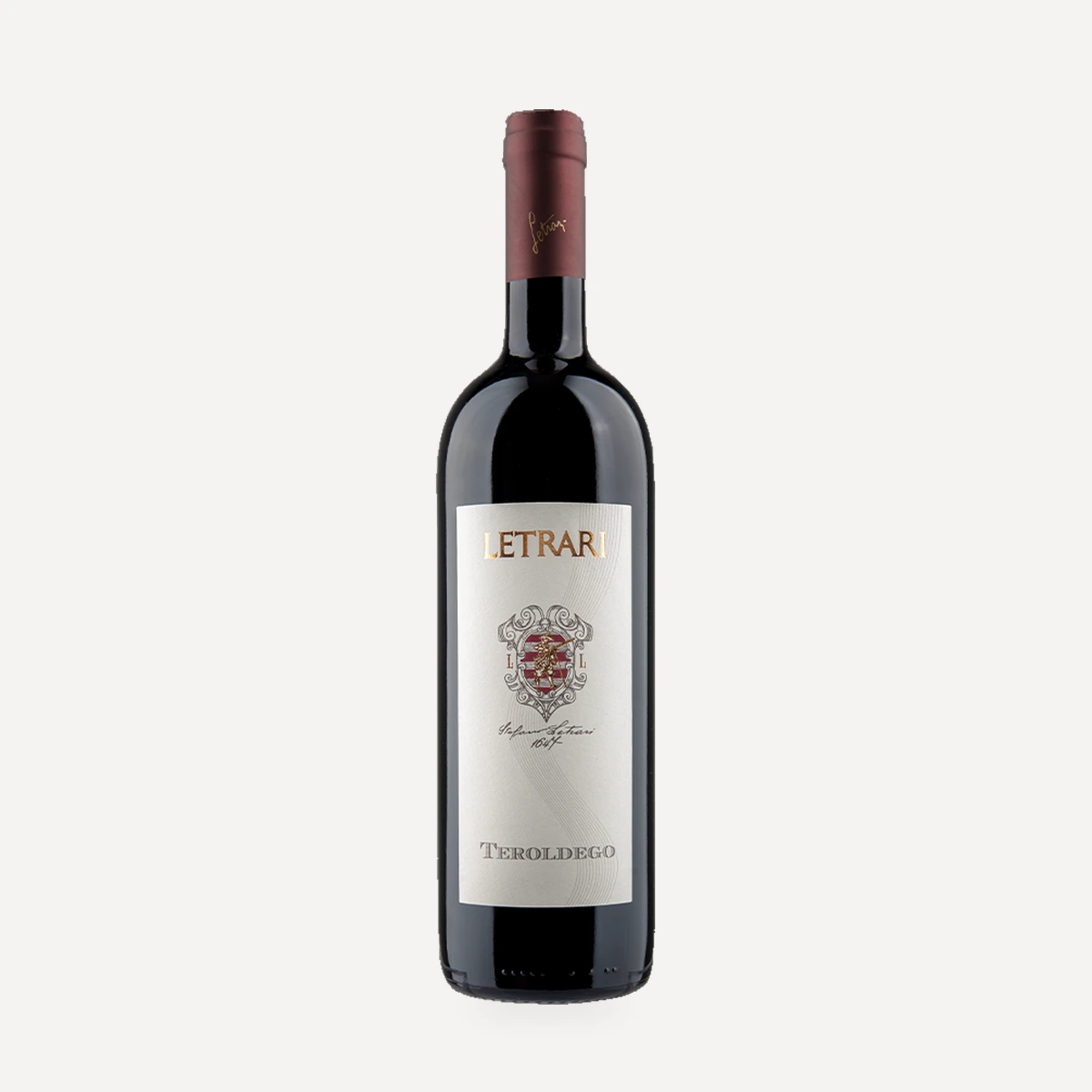
Teroldego