Storia
Vineyards before the winery
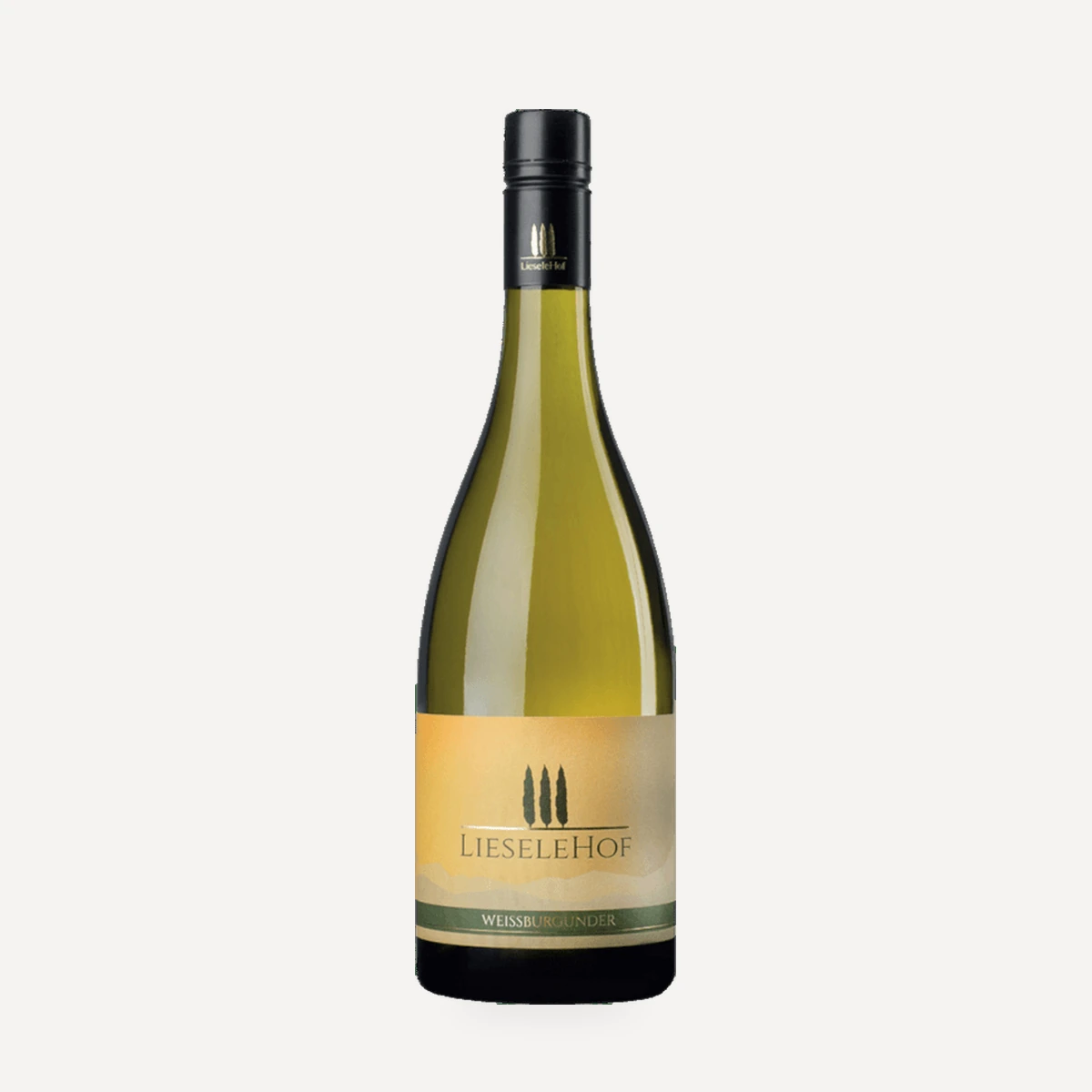
Parts of today’s vineyard base predate Lieselehof itself. The Weissburgunder vines in Kardatsch were planted under a pergola system in the mid-1980s, while the Cabernet Sauvignon, Cabernet Franc and Carmenère used for Feldherr were planted in 1992.
Foundation in 1993
Werner Morandell founded Lieselehof in 1993 with quality and sustainability as its guiding principles. After a lengthy search for suitable conditions, he chose the Kardatsch site beneath the steep Mendola Mountains and built the winery there. The site’s geography and climate provided the setting for his project.
Sustainable farming and resistant varieties
During the 1990s, Morandell investigated more sustainable forms of viticulture and began tending all the vineyards with biologically gentle methods. The decisive change came around the turn of the millennium, when Lieselehof began planting resistant hybrid varieties. Their natural resistance to fungal disease made it possible to reduce plant-protection treatments drastically and, in normal years, dispense with them altogether.
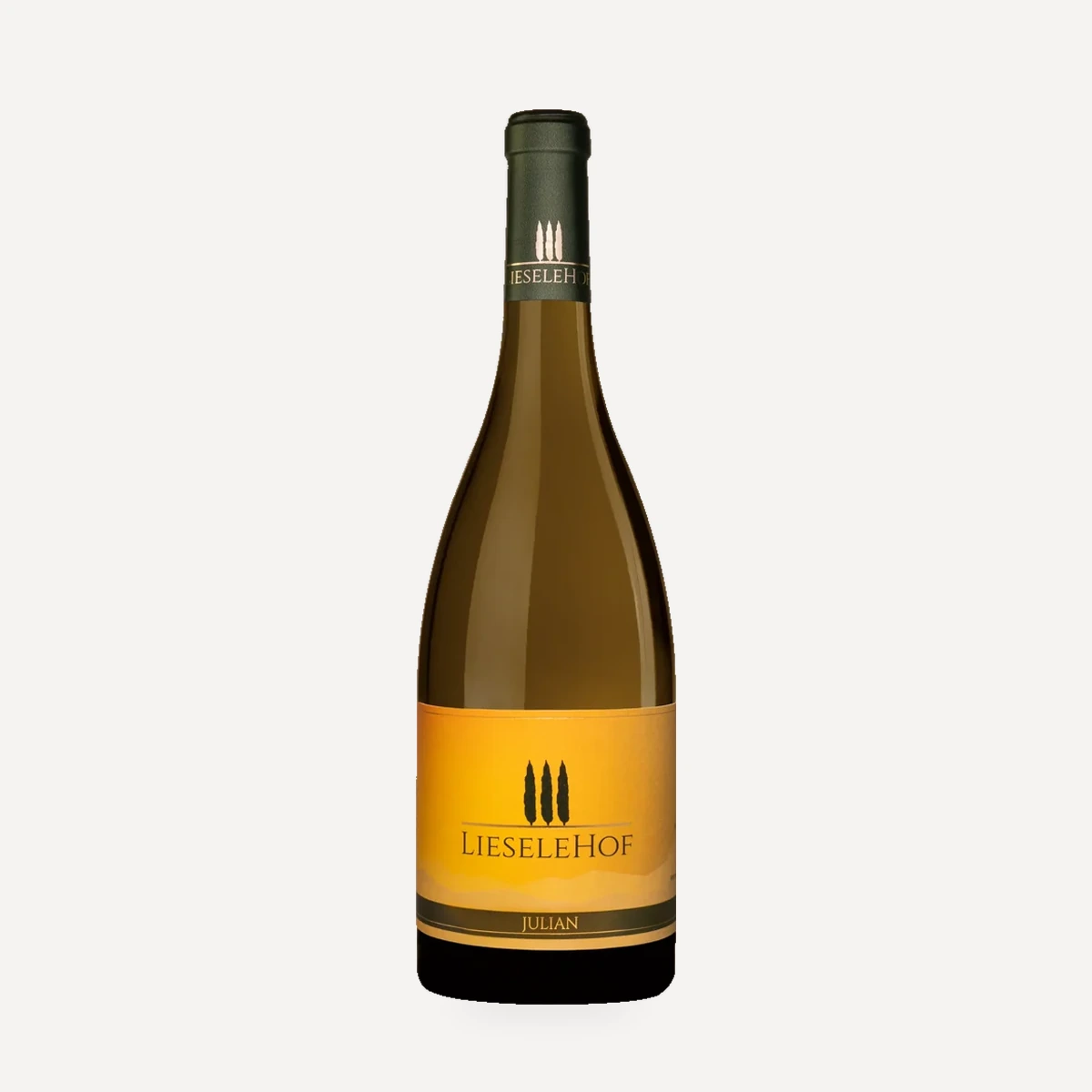
Bronner was planted in the higher vineyards in 2002–2003. It became the basis of Julian, Julian Orange and the Sweet Claire passito wines. Weissburgunder and Bronner vineyards at Kardatsch and Lavardi established a high-elevation white-wine base at roughly 450–500 metres.
Expansion from Lake Caldaro to the Mendola Pass
In 2008, Solaris was planted in an alpine meadow on the historic Mendola Pass at approximately 1,200–1,300 metres. This cold-resistant variety extended the estate’s vineyards to an exceptional alpine site surrounded by coniferous forest and rock. Low yields at this altitude—no more than 0.4–0.5 kg per vine—became the foundation of Vino del Passo.
In 2012, new Souvignier Gris and Pinot Noir vineyards were established. A Souvignier Gris parcel near Lake Caldaro, at about 250 metres, was planted on gravelly red clay and farmed organically from the outset without herbicides or pesticides. Souvignier Gris subsequently became central to the sparkling-wine program.
Second generation
Thirty years after the foundation, twin sons Julian and Maximilian assumed responsibility for continuing Lieselehof as its second generation. The family enterprise now presents four family members across two generations, united by an emphasis on sustainability, low yields, hand harvesting, resistant varieties and long-lived wines.
Terroir
Lieselehof’s vineyards form a steep altitudinal sequence around Caldaro, from the Mediterranean-influenced shores and sunny red-wine slopes of Lake Caldaro at approximately 200–250 metres to St. Anton and Kardatsch at about 500 metres. The highest parcel lies on the historic Mendola Pass at roughly 1,200–1,300 metres.
Kardatsch occupies a position below the steep Mendola Mountains. At about 500 metres, its early-morning sunlight quickly dries evening dew from the grapes. The higher sites around Kardatsch, Lavardi and St. Anton support white varieties and Pinot Noir. Their soils are described as rocky or gravelly clay and loam penetrated by limestone; the Bronner site at Lavardi is also moisture-retentive and sunny.
Near Lake Caldaro, the named soils vary by parcel: Souvignier Gris grows on gravelly red clay; Lagrein favours calcareous clay over a gravelly subsoil; and the Cabernet-based parcel is described as sandy, calcareous soil with rounded granite stones. These lower, warmer slopes are associated principally with red varieties and Souvignier Gris for sparkling wine.
The Mendola Pass site is an alpine meadow surrounded by coniferous forests and rock walls. Its lime-bearing, moisture-retentive soil and elevation of 1,200–1,300 metres provide conditions for cold-resistant Solaris. The combination of alpine and Mediterranean weather beneath the Mendola Mountains is also credited with shaping the Pinot Noir and Souvignier Gris grown at approximately 500 metres.
Vinificazione
Lieselehof is a certified organic operation controlled by Bio Garantie Srl under code IT-BIO-001-BZ. Biological vineyard management began during the 1990s, followed around the turn of the millennium by the adoption of PIWI and other resistant hybrids. Bronner resists powdery and downy mildew; Solaris also resists both diseases; and Souvignier Gris has natural resistance to fungal disease. These varieties normally require no chemical spraying or plant-protection treatment.
The 2012 Souvignier Gris planting near Lake Caldaro has been organically managed since planting and has never come into contact with herbicides or pesticides. It is additionally associated with Green Mountain Wine and EU sustainability and organic recognition. Across the estate’s resistant-variety program, herbicides are excluded and pesticide use is avoided.
Yield restriction is a central quality measure. Bronner is limited to approximately 1.2 kg per vine for Julian and the Sweet Claire wines, or 1.5 kg for Julian Orange. Pinot Noir is held to 1.5 kg, Souvignier Gris and Lagrein to 1.8 kg, and high-altitude Solaris to only 0.4–0.5 kg. The latter produces just one or two tiny clusters per shoot, requiring fruit from at least two vines for a bottle.
The best grapes are harvested by hand each autumn. The Souvignier Gris used for Special Edition Gold is individually selected and hand-picked in early September. Pinot Noir and sparkling-wine Souvignier Gris are also picked in early September; Bronner generally follows from early or mid-September through the end of the month; Weissburgunder is harvested in the second half of September; and Solaris is picked from mid- to late October.
For passito production, only the best fully ripe Bronner clusters are selected and carefully placed in food-safe crates. Quintessenz can be made only when autumn, winter and spring are sufficiently dry and cold.
Still wines
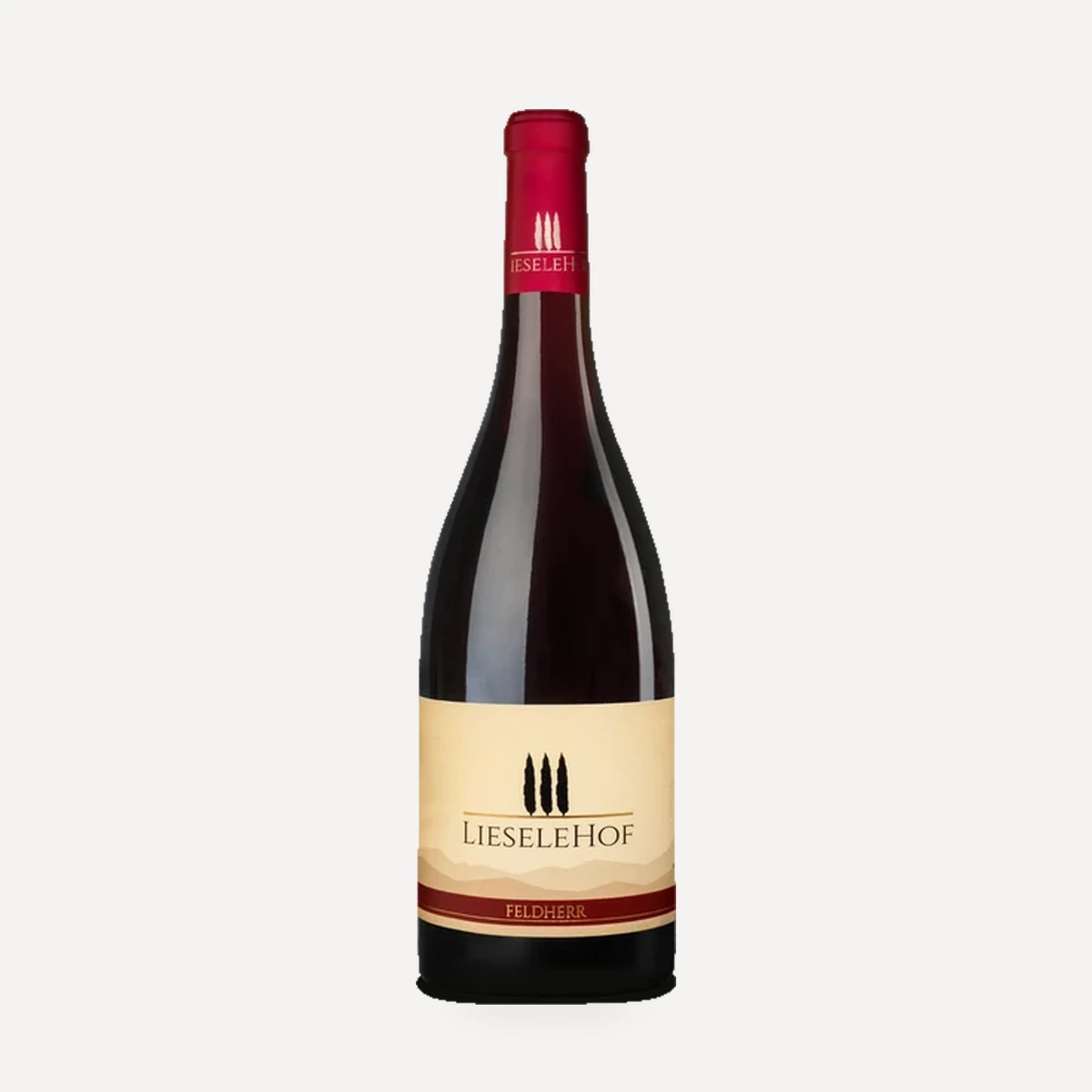
The PIWI cuvée Nine is vinified in stainless steel. Julian Orange is fermented on its skins with spontaneous fermentation and matured in wood; the current English description specifies French oak. Feldherr, a Cabernet Sauvignon–Cabernet Franc–Carmenère cuvée, matures for two years in oak and a further year in bottle and is bottled without filtration.
Sparkling wines
The sparkling range uses the estate’s “Méthode rurale” with disgorgement and no addition of cane or beet sugar. For Extra Brut 75, the second fermentation takes place in bottle. Lees ageing varies by cuvée: the current technical materials give 75 months for Extra Brut 75 and 55 months for Special Edition Gold, while Brut Junior and Brut Junior Rosè are presented with shorter bottle ageing. Extra Brut 75 was based on the 2018 vintage and disgorged in March 2025.
Passito wines
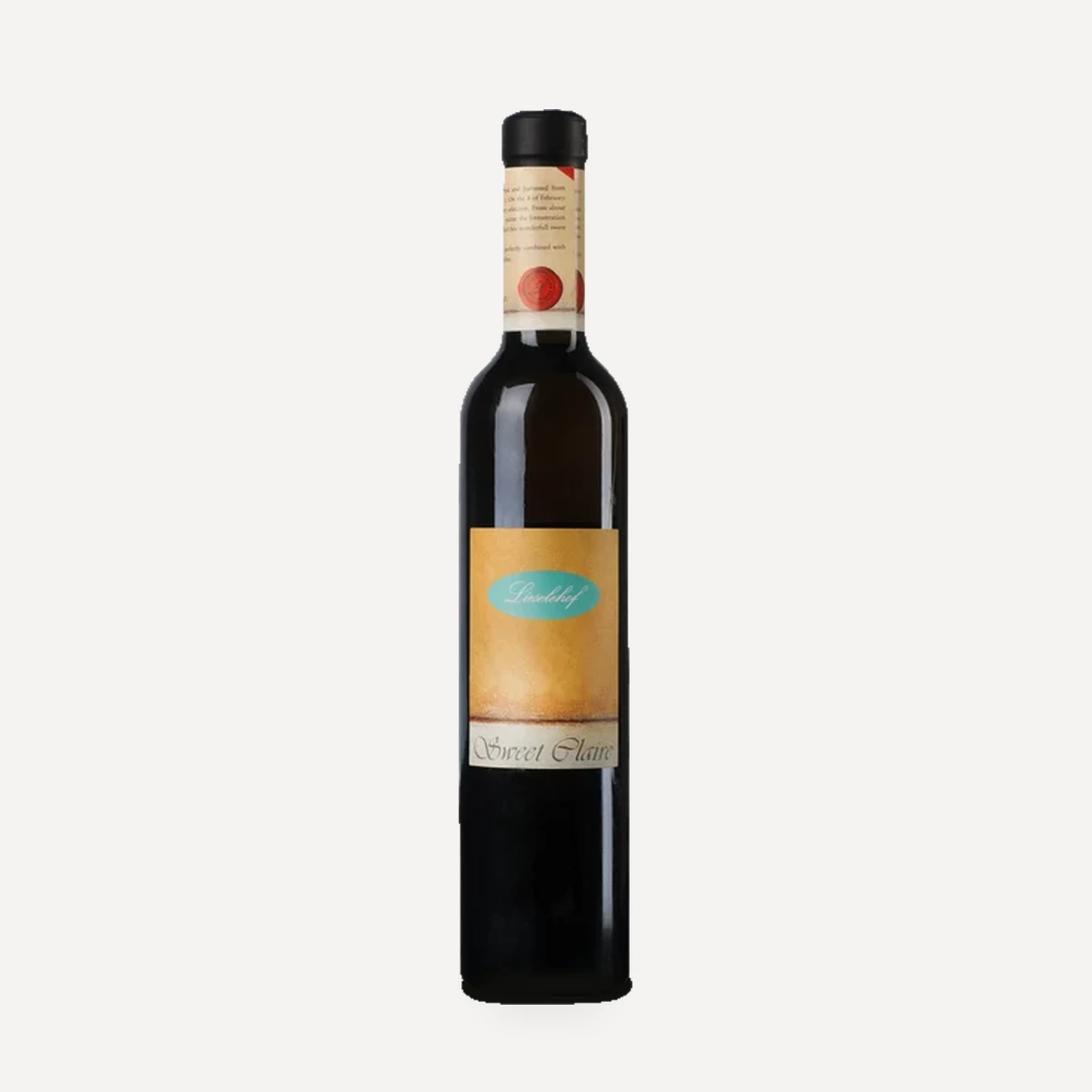
For Sweet Claire and Sweet Claire R., the best mature Bronner clusters are selected before the main harvest, placed carefully in white food-grade crates and air-dried through winter. The fruit loses approximately 75% of its weight before pressing in February; about 500 litres of concentrated must remain from 2,000 kg of grapes. Fermentation then proceeds over several months.
Sweet Claire Quintessenz is possible only once every five to ten years and requires a dry, cold autumn, winter and spring. The grapes lose approximately 85% of their weight. Pressing 2,000 kg yields about 195 litres of concentrated must, followed by a fermentation lasting several months.
Filosofia
Lieselehof’s stated aim joins quality with sustainability. The family treats low yields, detailed vineyard work and hand harvesting as prerequisites for wines defined by elegance, power and vision, with longevity as an explicit ambition.
Innovation is centred on resistant grape varieties rather than intensive plant protection. PIWI cultivars allow the family to pursue high quality while avoiding herbicides and, in normal years, vineyard treatments. This approach combines established sites and practices—including pergola-trained Weissburgunder, hand selection, wood maturation and long bottle ageing—with resistant cultivars, organic certification and an unusually high alpine vineyard.
The family also frames the estate as a two-generation project. Julian and Maximilian’s succession continues Werner Morandell’s original focus on site selection, biological vineyard care and experimentation with varieties suited to low-input cultivation.
Vini
Sweet Claire R.
Feldherr
Julian
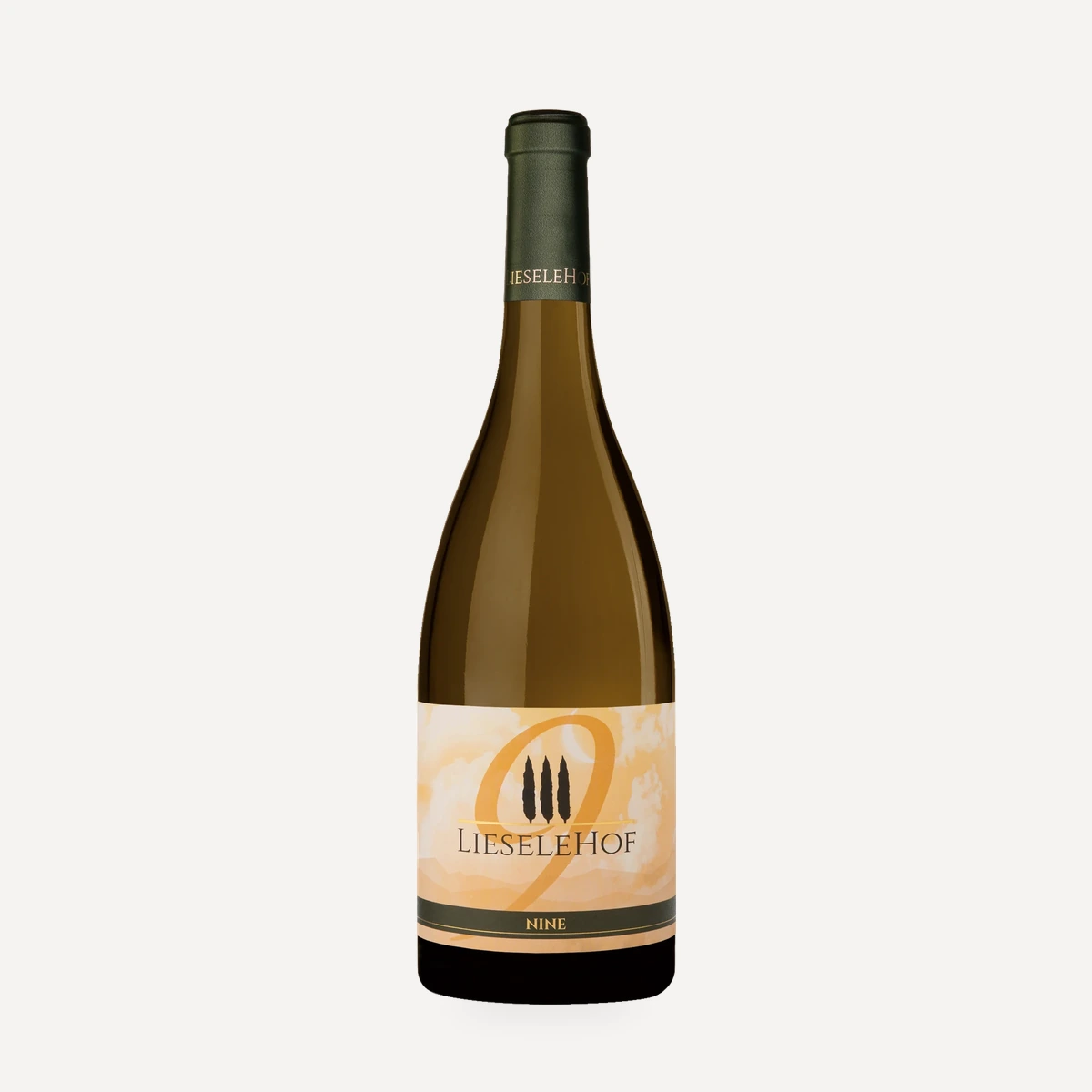
Nine – 9% vol.
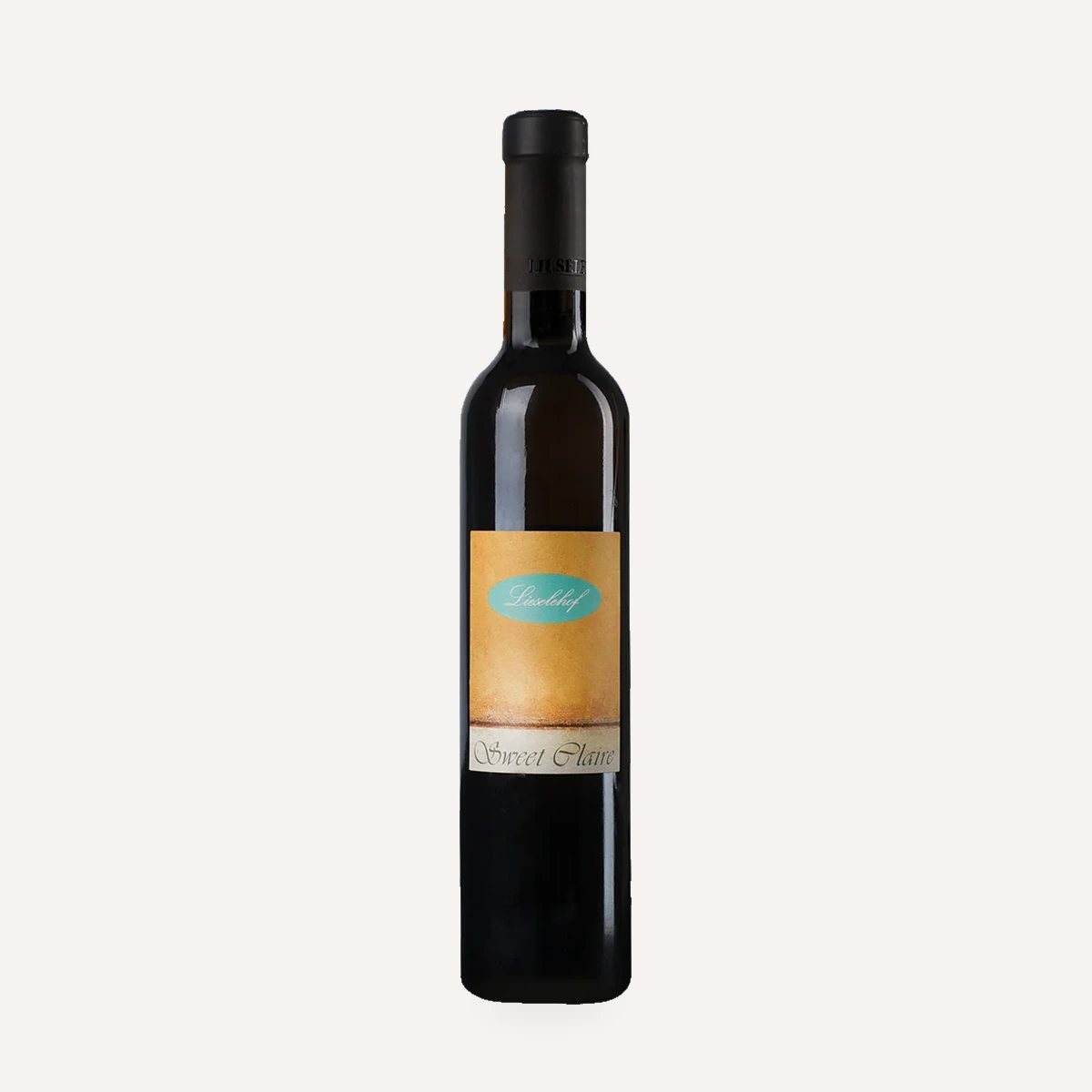
Sweet Claire
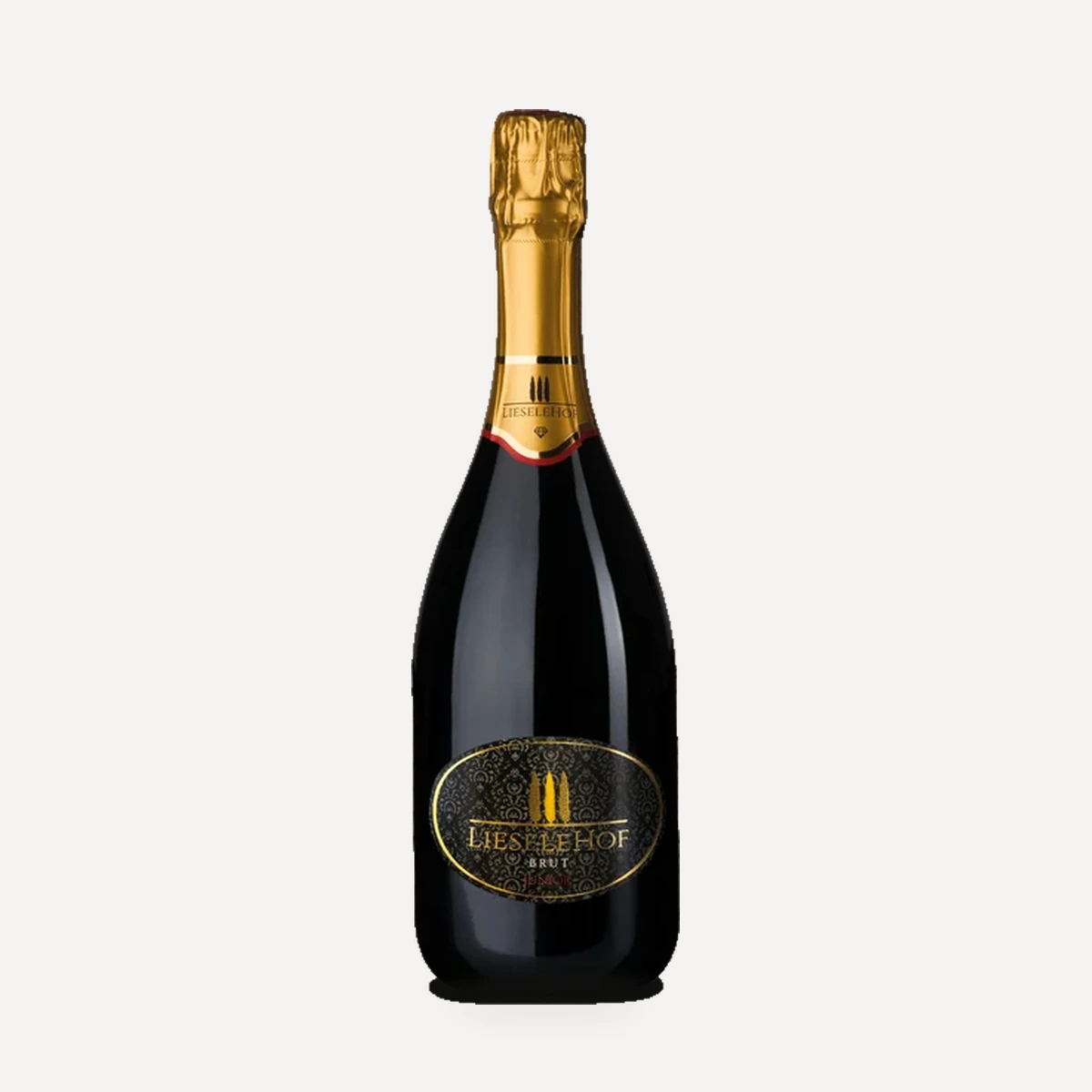
Brut Junior
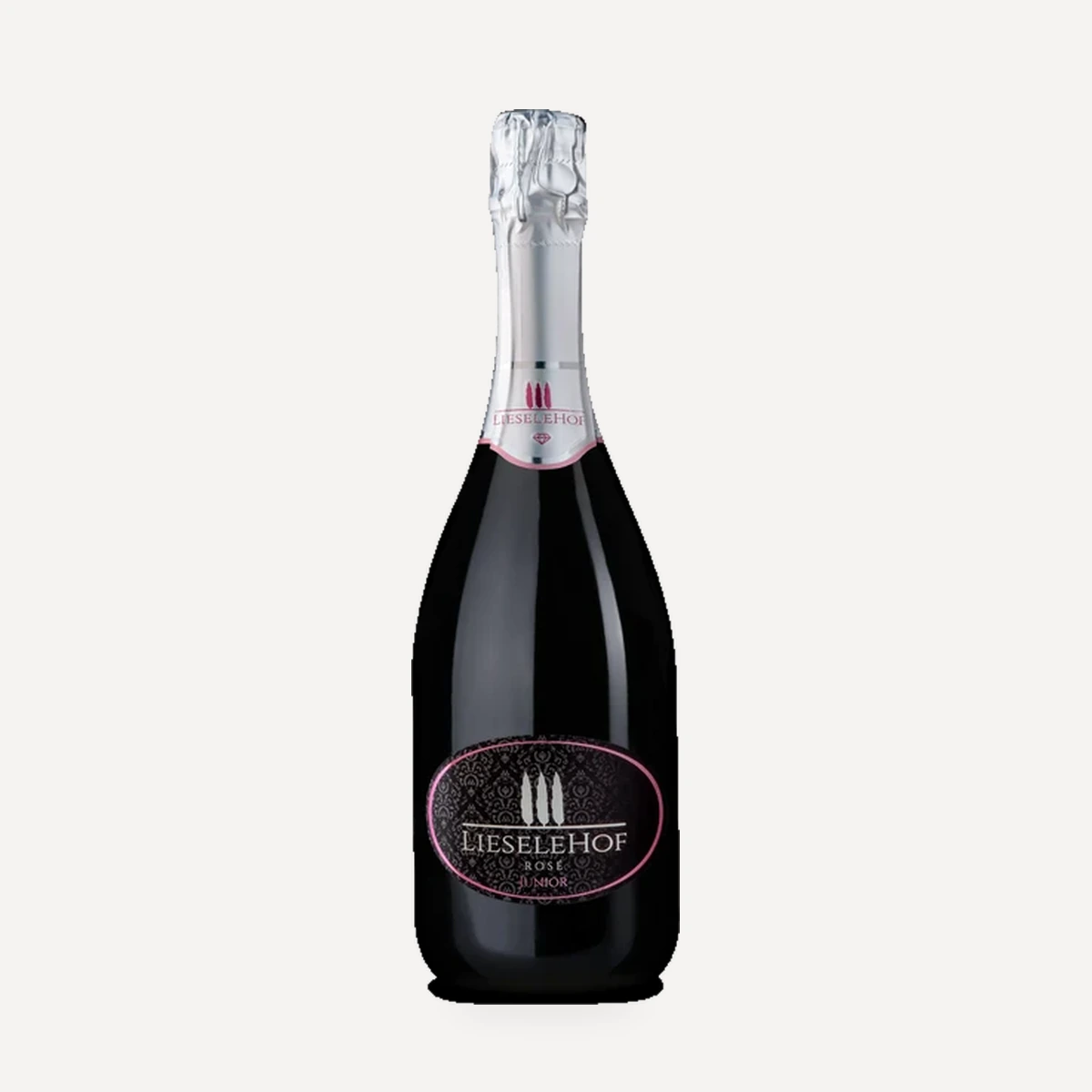
Brut Junior Rosè
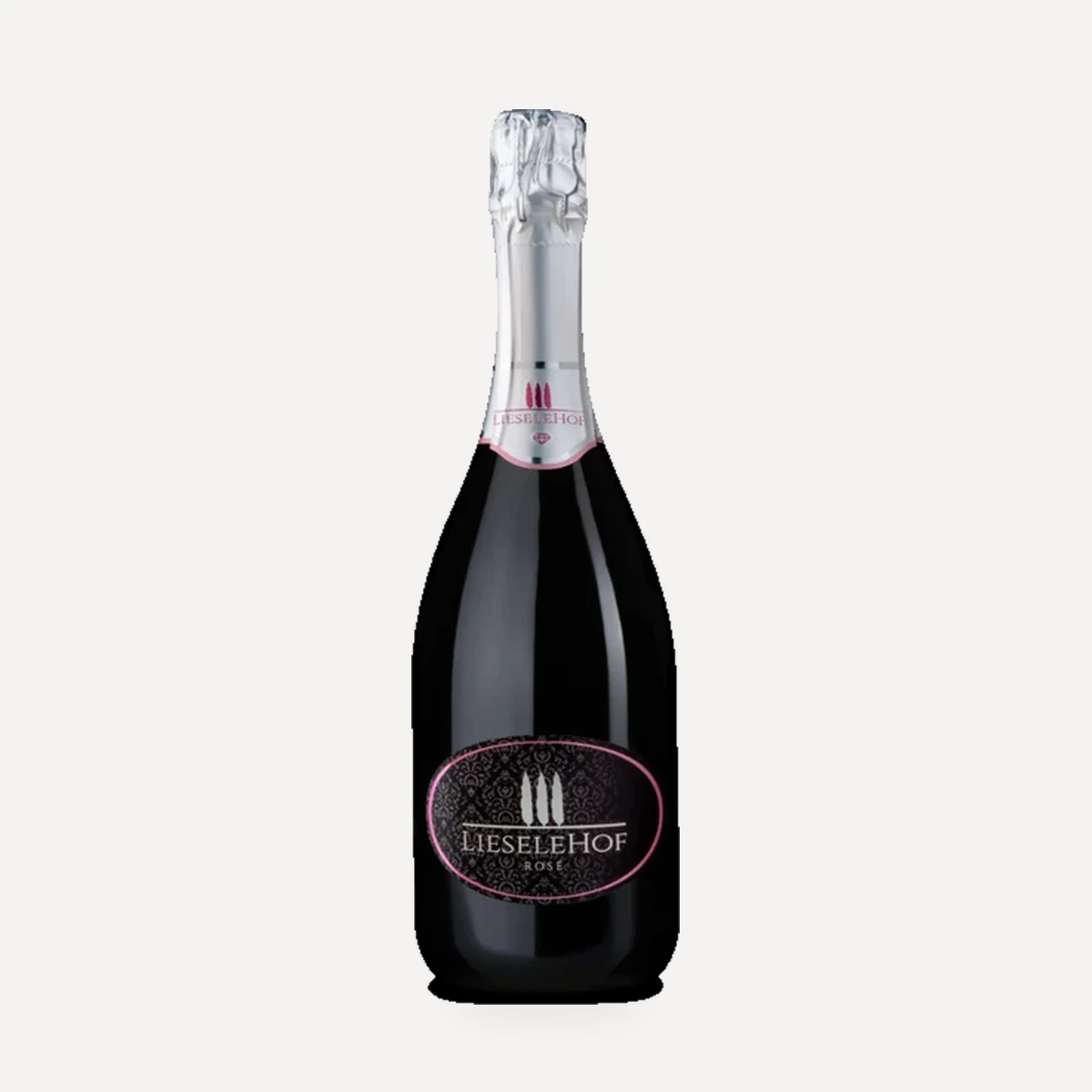
Brut Rosè Special Vintage
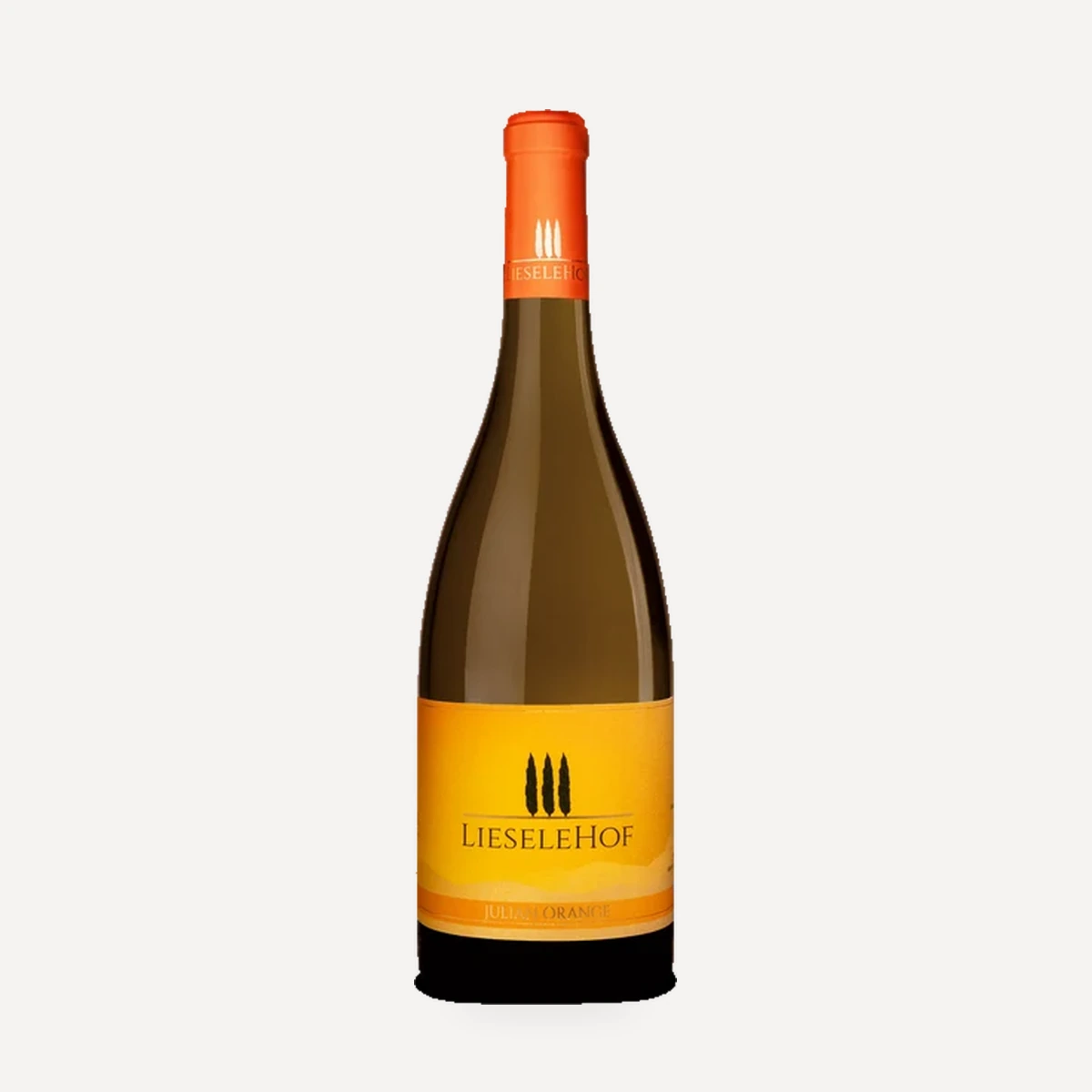
Julian Orange
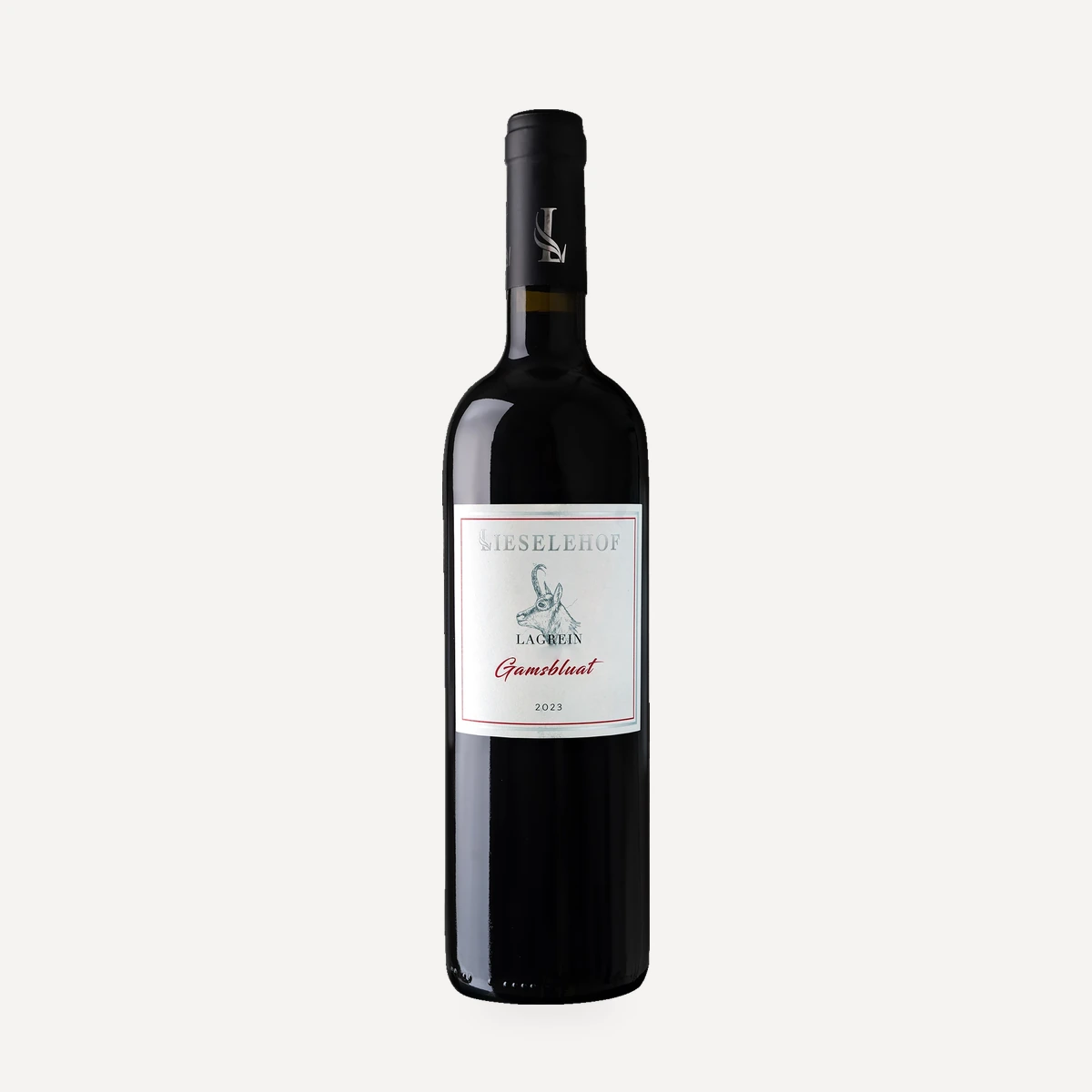
Lagrein Gamsbluat
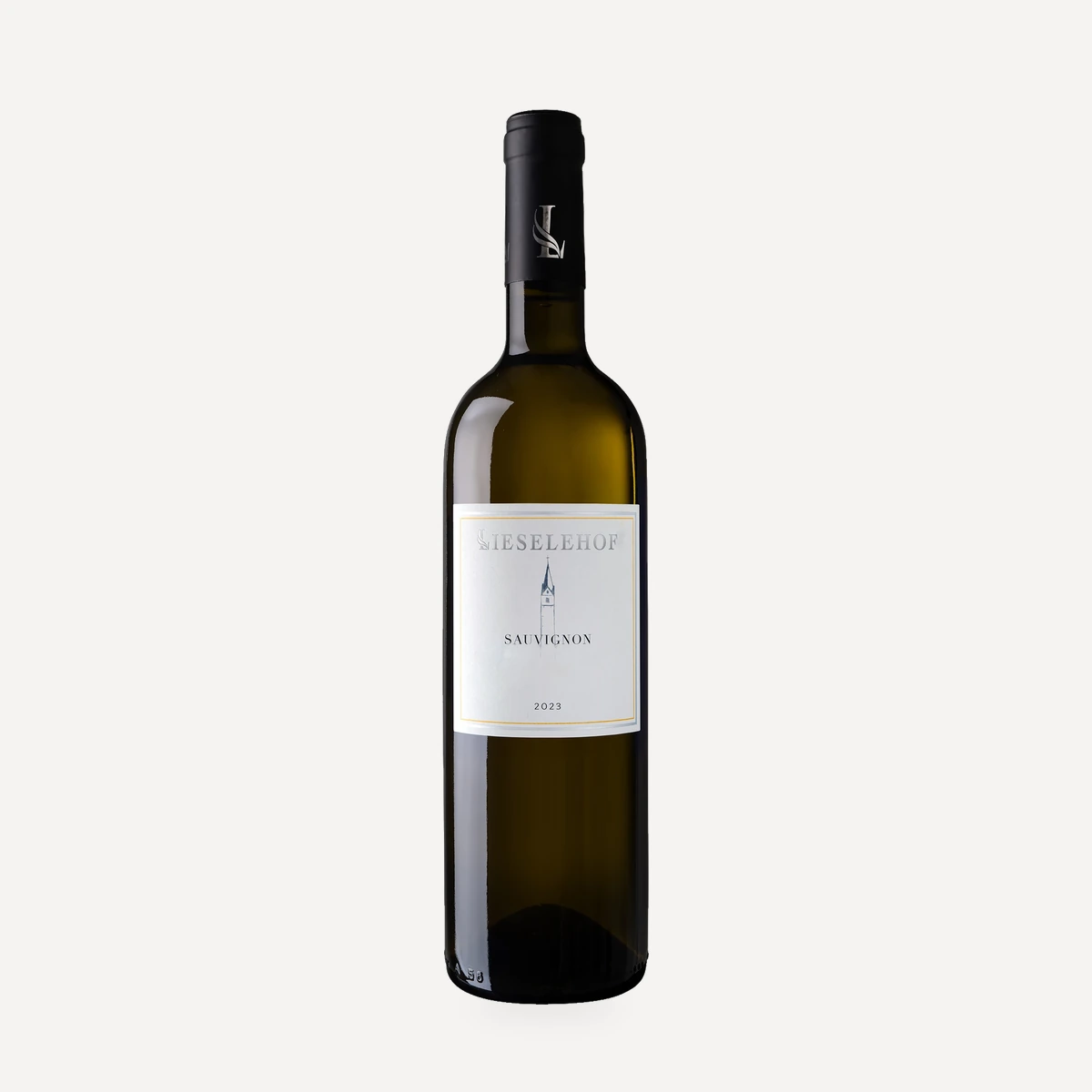
Sauvignon Blanc
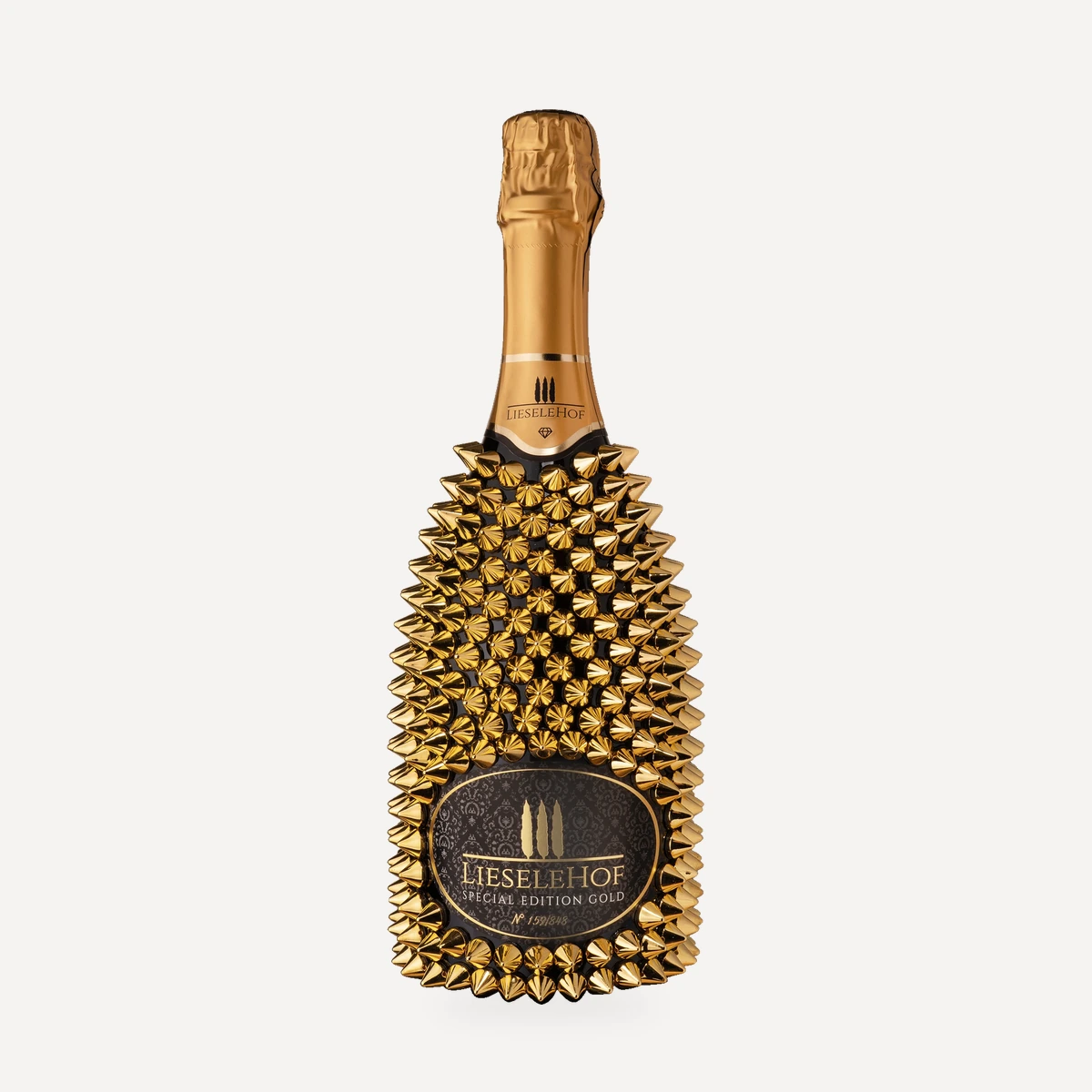
Special Edition Gold
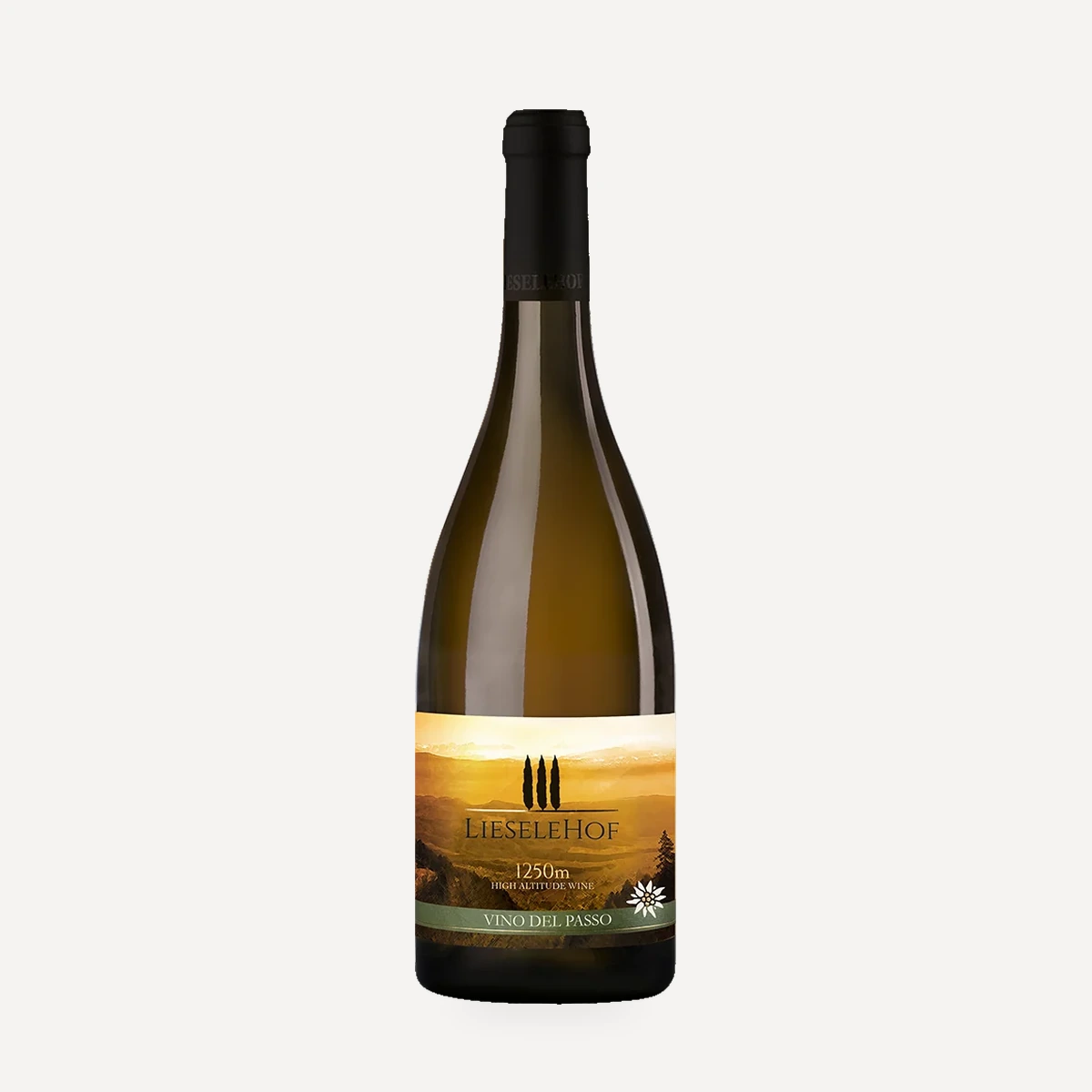
Vino del Passo