Storia
A family tradition extending over more than a century
Locatelli Caffi describes its winegrowing tradition as more than a century old. The commitment to making wine has passed through successive generations of the family and continues in the present day. No individual founder, founding date or dated succession is identified.
Development across the Bergamo foothills
The family established its activity in the foothills of the Province of Bergamo, west of Lake Iseo. Its vineyards now include three named areas: Badia at Valle del Fico in Chiuduno, Negrone in Scanzorosciate and Brusaporto. Badia accommodates both red- and white-wine varieties, while Negrone includes Moscato di Scanzo alongside Merlot and Cabernet Sauvignon.
Across generations, Merlot and Cabernet were selected and planted for the estate’s red-wine production. The current portfolio extends beyond Valcalepio into Moscato di Scanzo DOCG, Terre del Colleoni DOC, Bergamasca IGT and sparkling-wine categories. Production remains deliberately limited in scale, with Valcalepio—particularly the red blend—at the centre of the range.
Terroir
Locatelli Caffi lies in the foothills of the Province of Bergamo, in Lombardy, west of Lake Iseo and between Milan and the Alps. The estate associates the area’s suitability for viticulture with the combination of altitude, favourable sunlight, microclimate and soil composition.
Badia
Badia occupies a flat valley-floor position at Valle del Fico in Chiuduno, at approximately 280 metres above sea level. Its deep, well-drained, well-structured soil has a medium texture tending toward clay; the English description additionally characterizes it as calcareous clay. These conditions support grape ripening and are associated with structure and colour in the resulting wines. The rows run north–south.
Negrone
Negrone is situated in the hills of Scanzorosciate at approximately 300 metres above sea level. The soil is medium-textured and fine-grained and contains the locally named Sasso della Luna. This formation is associated with freshness and with conditions suited to Moscato di Scanzo. The rows also run north–south.
Vinificazione
Tradition, innovation, culture and the territory’s vocation for winegrowing guide work in the vineyards. Merlot and Cabernet have been selected and planted across successive generations.
Harvesting is performed manually, and grapes are placed in small-capacity containers. A figure of 7–9 tonnes per hectare is given for Merlot and Cabernet. Badia uses the GDC training system at 4,600 plants per hectare, while Negrone is spur-cordon trained at 4,000 plants per hectare. Both have north–south row orientation.
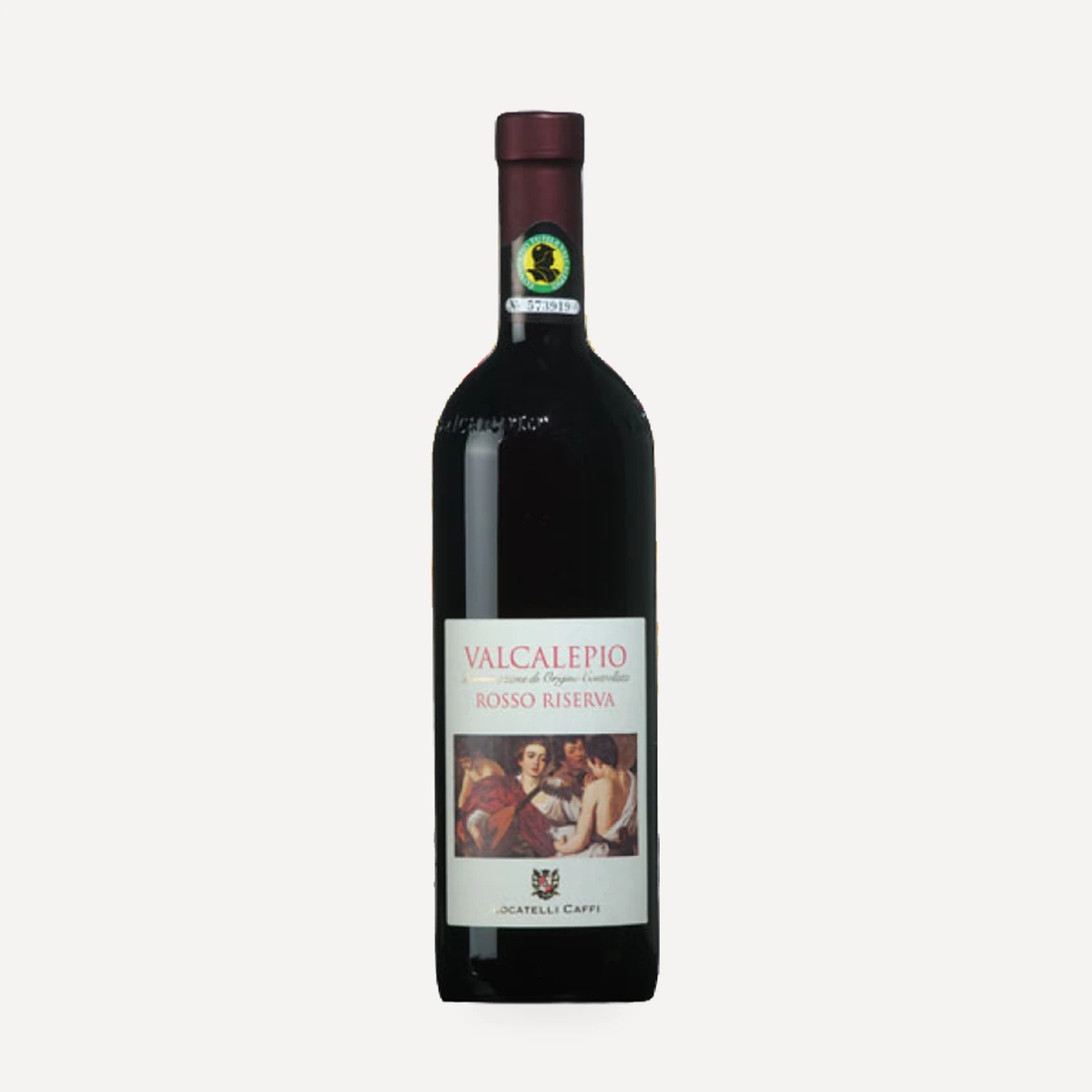
Production is maintained on a limited scale and is centred on Valcalepio. Approximately 80% is allocated to Valcalepio Rosso DOC from Merlot and Cabernet Sauvignon. The balance encompasses Valcalepio Bianco DOC from Pinot Bianco, Chardonnay and Pinot Grigio, together with passito made from pure Moscato di Scanzo after the grapes have been dried.
The estate combines an artisanal and traditional outlook with contemporary production techniques. Its process begins with manual harvesting into small containers and continues through to estate bottling.
Filosofia
The estate frames its work around four linked principles: tradition, innovation, culture and the winegrowing vocation of its territory. Its objective is to produce wines recognizable as expressions of their place while keeping production limited in volume and focused on quality.
Family continuity is central to this outlook. The commitment to wine has been transmitted through successive generations, while long-standing artisanal practices—especially manual harvesting—are combined with contemporary techniques. The approach to quality begins in the vineyard, where sunlight, altitude, microclimate and soil are treated as a connected foundation for grape cultivation and winemaking.
Vini
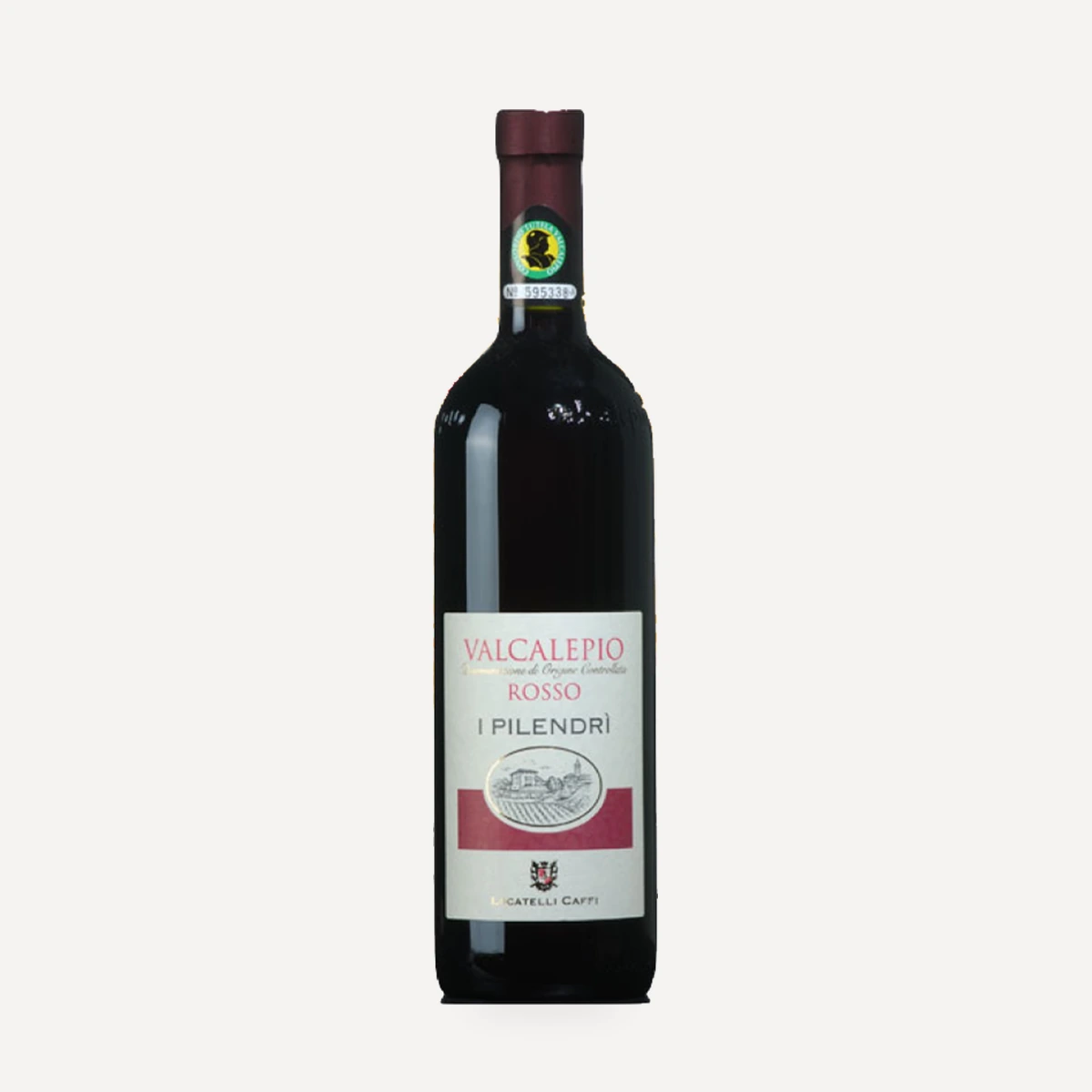
Valcalepio Rosso DOC “I Pilendri'”
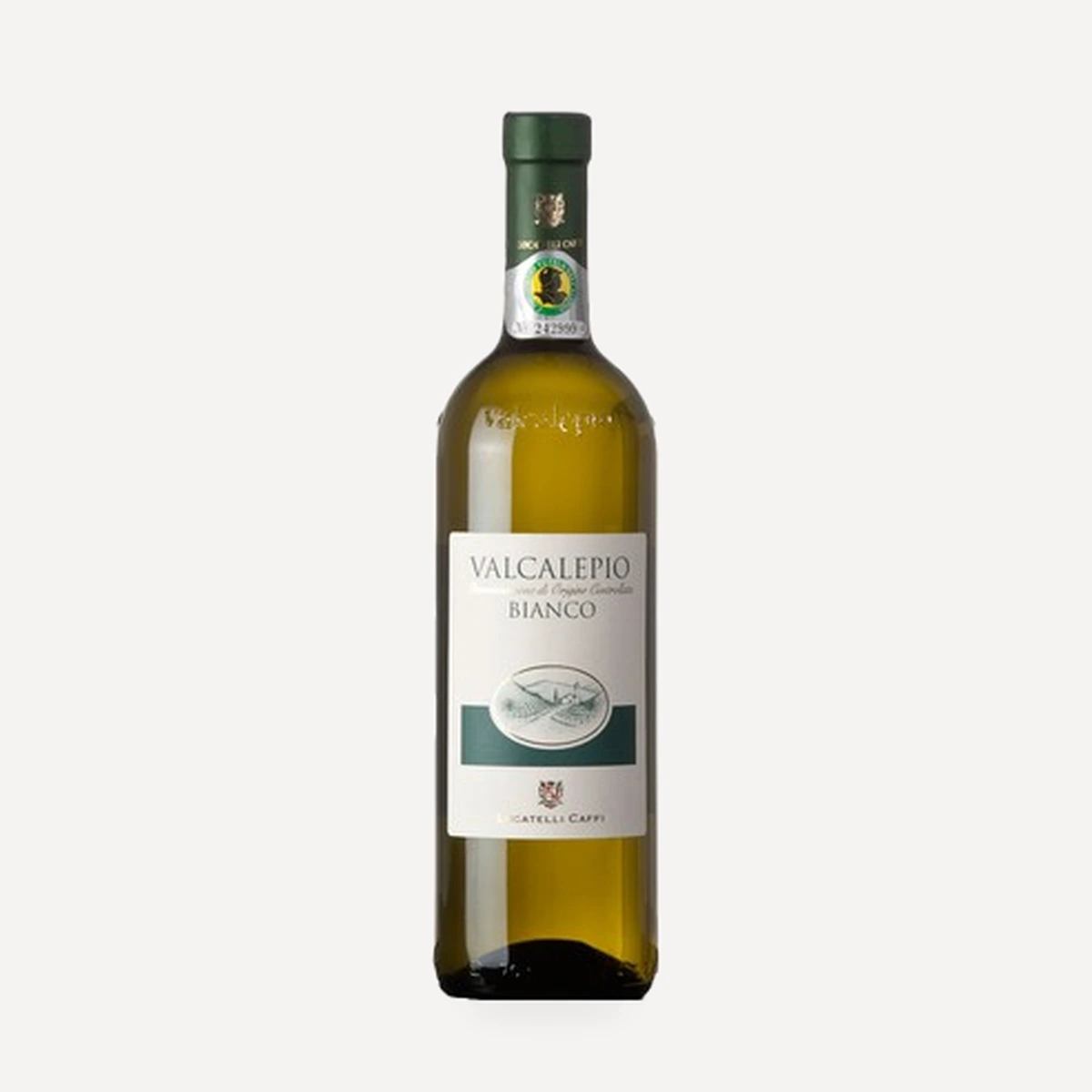
Valcalepio Bianco DOC
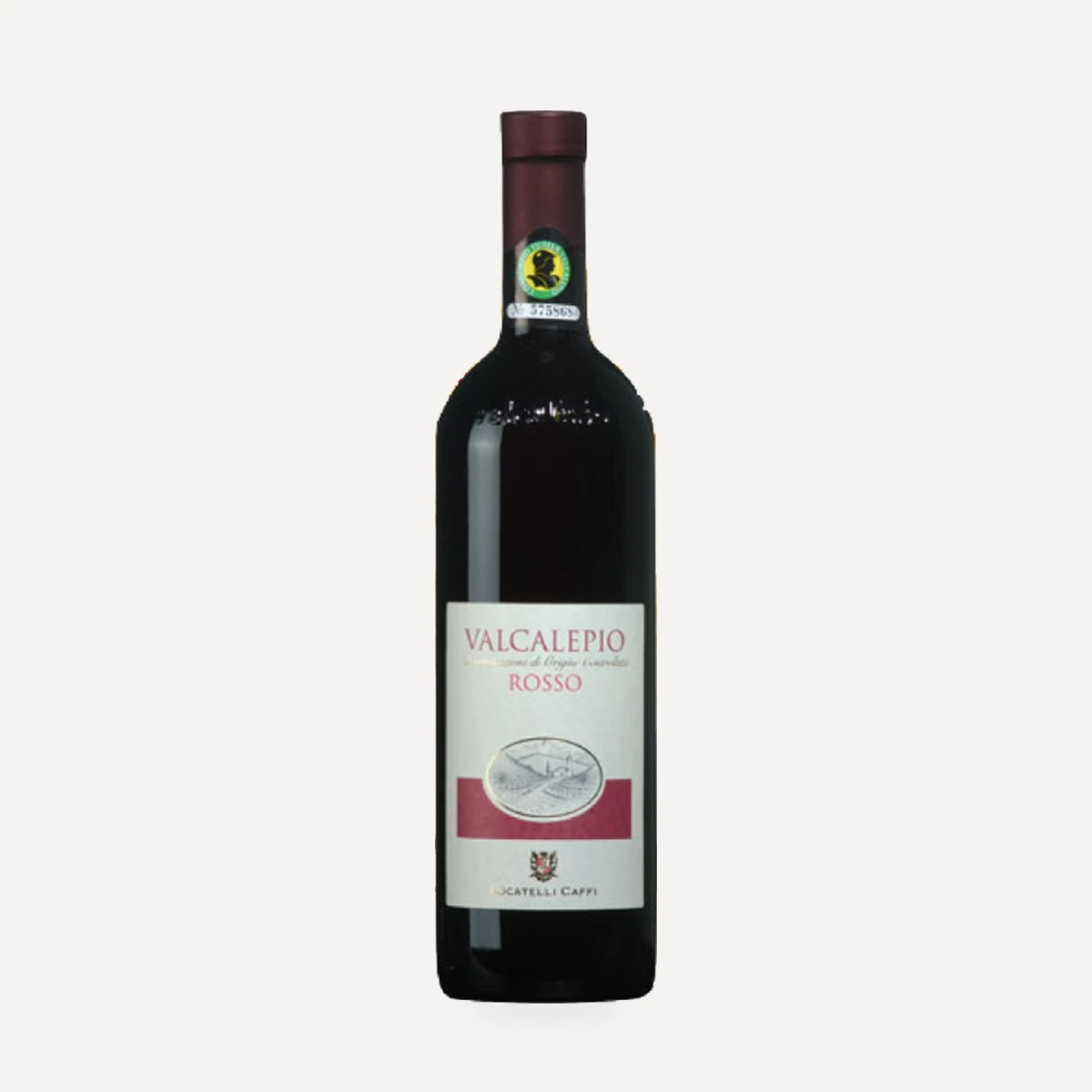
Valcalepio Rosso DOC
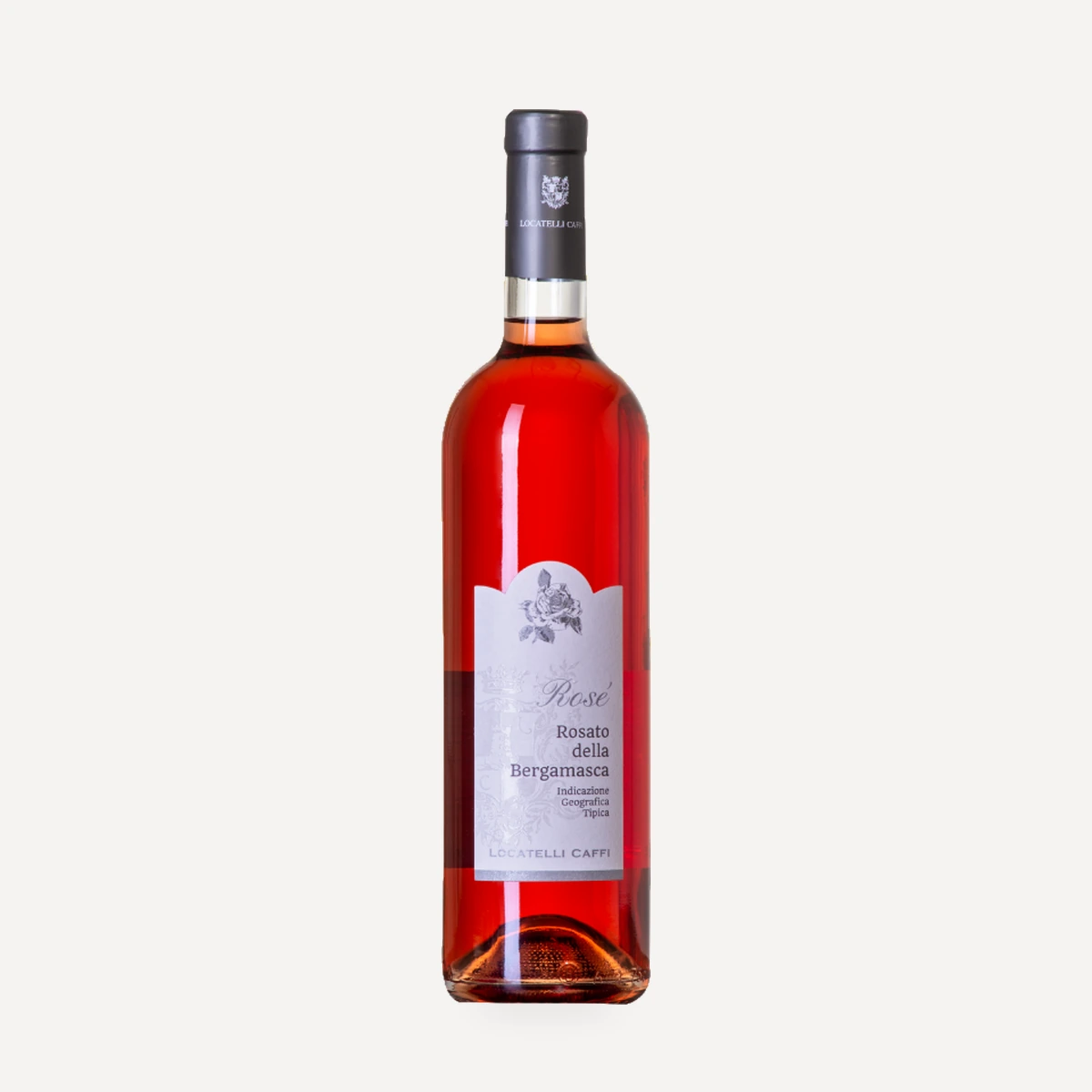
Rosè – Bergamasca Rosato IGT