Storia
From the Middle Ages to the first vineyard record
The Malabaila are a noble family from Asti whose presence in Canale can be traced to the 13th century. Their connection with wine is preserved in the family’s historical archive. The earliest known reference to a vineyard intended for wine production dates to 1362. The Castelletto vineyard, acquired by the family in that year, was the first vineyard to enter the Malabaila holdings.
A written reference from 1478 links Arneis with the hill of Renesio above Canale d’Alba, an area counted among the early properties of the Counts Malabaila di Canale.
Expansion of the holdings in the 16th century
In 1508, Count Daniele Malabaila di Canale, acting also for his brothers, bought Cascina Pradvaj. The purchase comprised a meadow and a vine-planted hillside extending over 40 giornate and cost 1,949 gold florins. The Mezzavilla vineyard has likewise belonged to the estate since 1508; its name reflects its position between two local settlements.
The Aja name appears in local documents from the 16th century. It derives from the farmyard of the cascina on Bricco della Volta, traditionally used for agricultural work.
A 1583 register of Count Daniele Malabaila’s possessions records the Masseria della Volta as arable land with vines, uncultivated ground and a farmhouse, extending between the boundaries of San Damiano and Priocca and from the Gardesana to the meadow called Giardino. Another entry from 1583, preserved in bundle 69 of the archive, records Count Malabaila’s holding of the Masseria delli Merli.
Wines for the Savoy court
Beginning in 1598, the Dukes of Savoy and the Prince of Piedmont requested Count Malabaila’s wines for court use. Nine handwritten letters preserved in the archive associate these requests with major celebrations and the marriages of their children.
European exports and the historic cellar
From the beginning of the 18th century, Luigi Gerolamo Malabaila, Italian ambassador to the Austrian court, exported the family’s wines to leading European capitals.
A hand-excavated tuff cave dating from the 19th century survives within the winery. It was retained during the later renovation and continues to provide conditions suited to ageing and bottle storage.
Vineyards and the contemporary estate
The Barbera vines at Mezzavilla were planted from 1963 onward. Their age is associated with greater concentration in the must.
The cellar has since been renovated while preserving the historic fabric and 19th-century cave. Modern tanks and winemaking equipment were introduced, and the partially underground structure was designed to provide stable temperature and humidity conditions.
Since 2021, every bottle has carried an original work by Lucrezia Carrega Malabaila, the estate’s commercial manager and a painter. Each composition interprets the identity, character and history of its wine through an immediate, slightly dreamlike visual language.
The family story now continues under Lucrezia Carrega Malabaila, a direct descendant, and Valerio Alfredo Falletti. Their collaboration combines accumulated experience with new perspectives while maintaining a focus on the land and quality. The Aja parcel has also been replanted recently with young Nebbiolo vines.
Terroir
The estate lies around Canale in the Roero and covers approximately 65 hectares, including 22 hectares of vineyards. Hazelnut groves and woods of oak and chestnut occupy the remaining land, forming a varied environment around the vines.
The hills are composed of Pliocene marine sands, marls and clays, deposited when the area was covered by the sea. Fossils and marine sediments remain visible in the ground. The resulting soils are soft, permeable and mineral-rich.
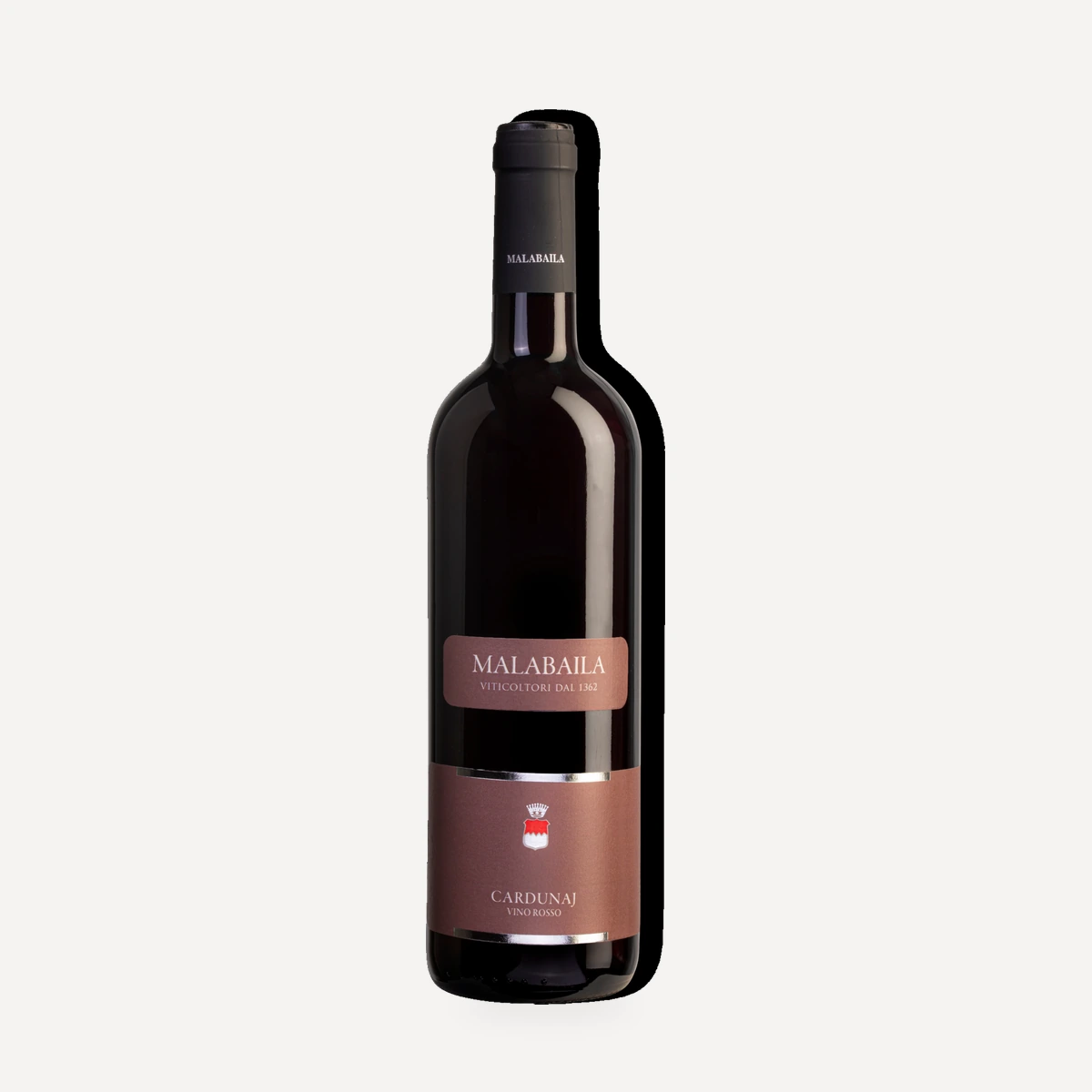
Conditions differ from parcel to parcel according to soil, exposure and slope. Castelletto contains layers of clay and sand. Pradvaj is distinguished by fossil-rich soil. Aja has loose marine sands, while the inclined Bric Volta vineyards also stand on loose sandy soils. Sandy, sunny ground elsewhere in the estate supports wild thistles, a characteristic feature referenced by the name Cardunaj.
Vinificazione
Vineyard zoning is central to the estate’s work. Individual parcels are considered separately according to soil, exposure and slope, supporting the guiding principle of “one vineyard, one wine.”
Herbicides have been eliminated and natural fertilization is used as part of an increasingly nature-aligned approach focused on soil health, the environment and biodiversity. Beyond the 22 hectares of vines, hazelnut groves and woods of oak and chestnut help maintain a varied ecosystem across the approximately 65-hectare property. Wild thistles grow naturally in its sandy, sunny ground, and wildlife includes the barn owls long resident at Cascina Bric Merli and swallowtail butterflies observed among the vines.
The Aja vineyard has recently been replanted with Nebbiolo. At Mezzavilla, Barbera plantings date from 1963, while Pradvaj retains mature Arneis vines.
The winery provides large working areas and stands directly against the ground on several sides, helping stabilize internal humidity. Part of the building is embedded in and protected by the hill, maintaining relatively constant temperatures throughout the year.
Modern tanks and new cellar equipment have been installed to refine vinification. The winery’s proximity to the vineyards, tighter control of environmental conditions and continued technological investment allow the grapes to be processed with greater precision.
Steel, concrete and wooden vessels of different capacities are used across vinification and maturation. The renovated structure preserves a hand-hewn 19th-century tuff cave whose naturally stable conditions are used for ageing and bottle storage.
Filosofia
The estate’s vision begins with the conviction that every vineyard has its own identity and should be allowed to express it: “one vineyard, one wine.” Zoning is therefore fundamental, with each parcel interpreted through its particular combination of soil, exposure and gradient.
Tradition, environmental responsibility and biodiversity are presented as interconnected priorities. The move away from herbicides and toward natural fertilization reflects increasing attention to the health of the soil and the surrounding environment.
The contemporary family project combines inherited experience with new sensibilities. Its stated aim is to pursue quality and express the land while finding new ways to communicate the Roero. Identity, balance and character provide the common thread across interpretations ranging from traditional Roero wines to sparkling wines.
Art is treated as part of the estate’s identity rather than as a separate decoration. Since 2021, Lucrezia Carrega Malabaila’s original paintings have interpreted the essence, character and story of each wine through a visual language that is immediate and slightly dreamlike.
Vini
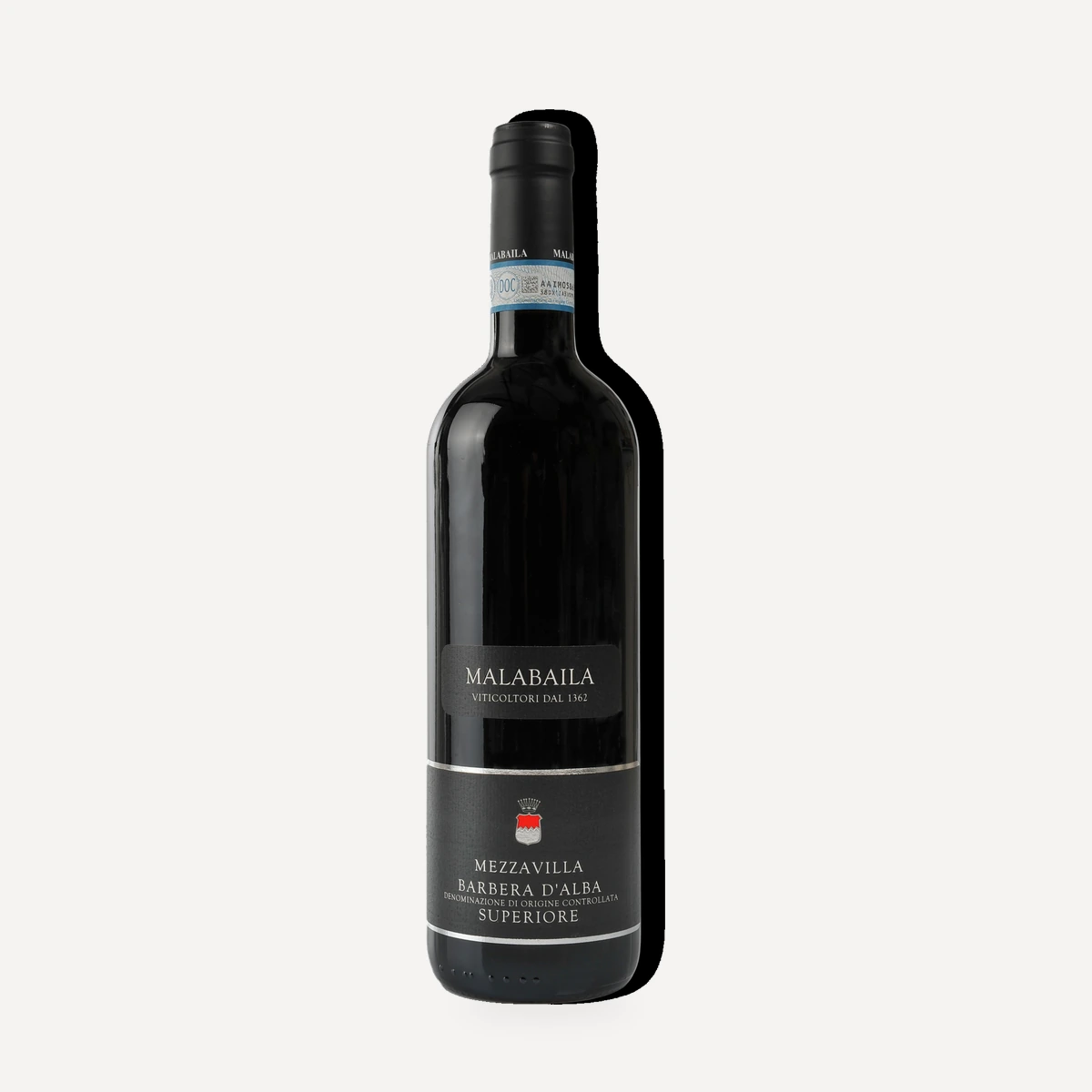
Barbera d’Alba DOC Superiore “Mezzavilla”
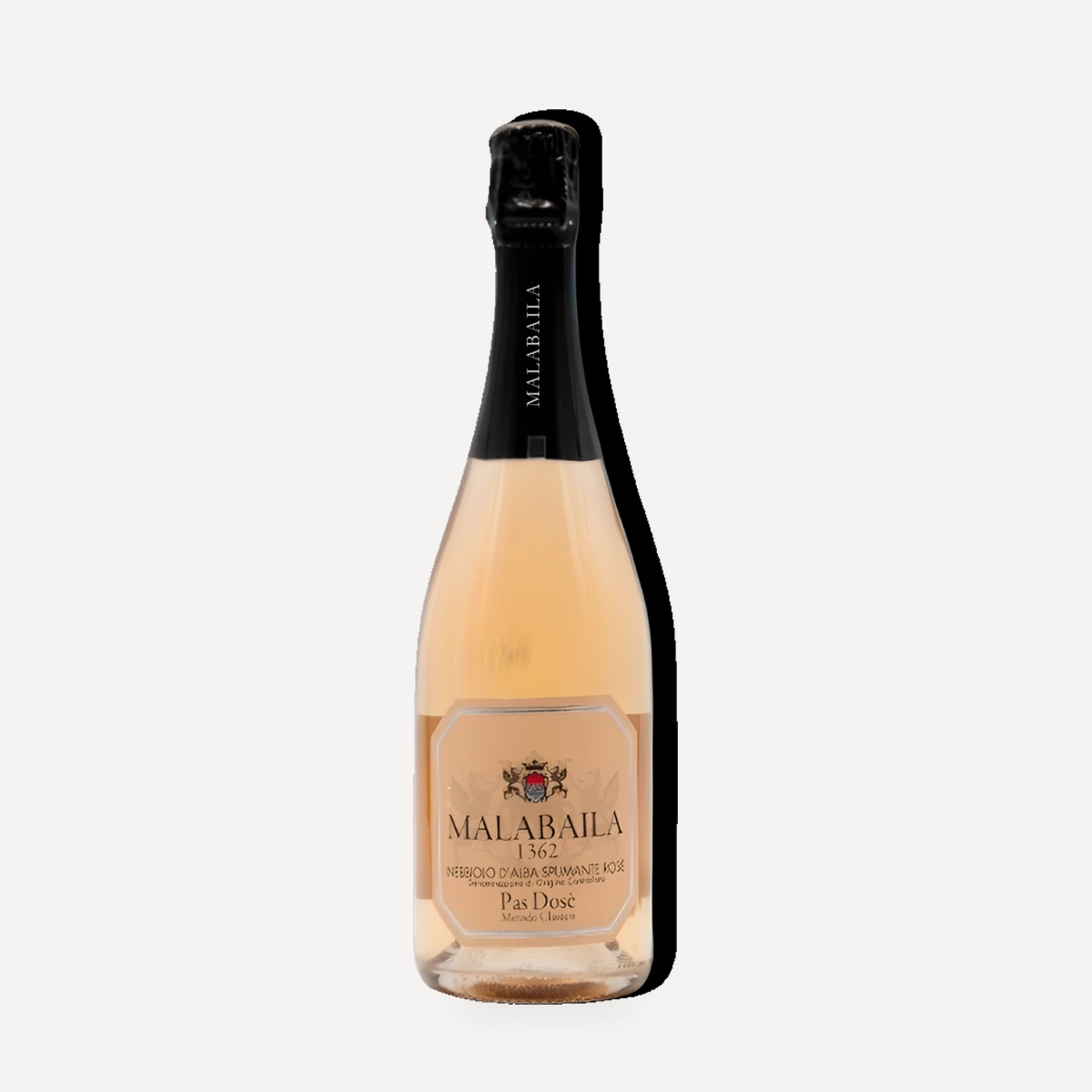
Nebbiolo d’Alba DOC Spumante Rosé
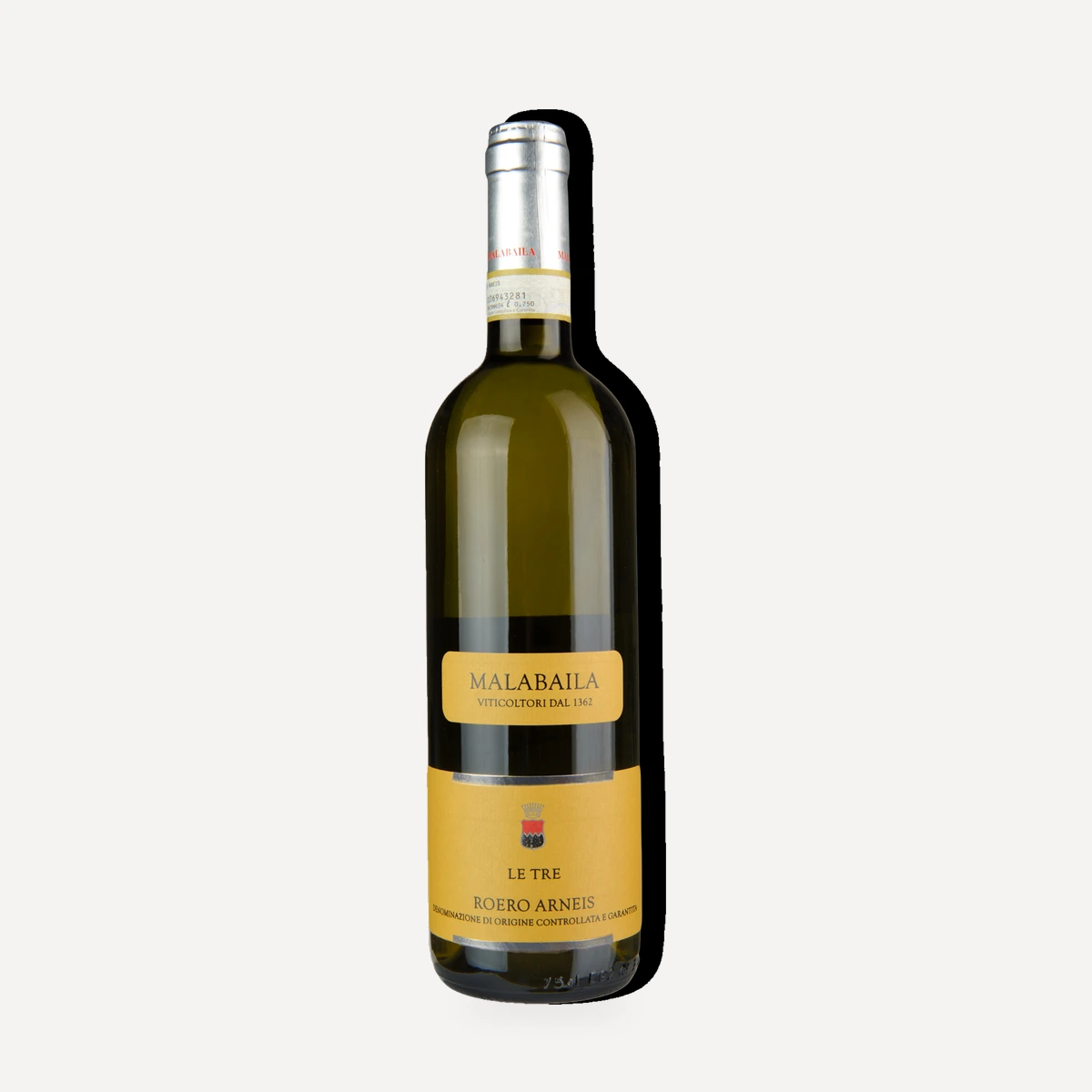
Roero Arneis DOCG “Le Tre”
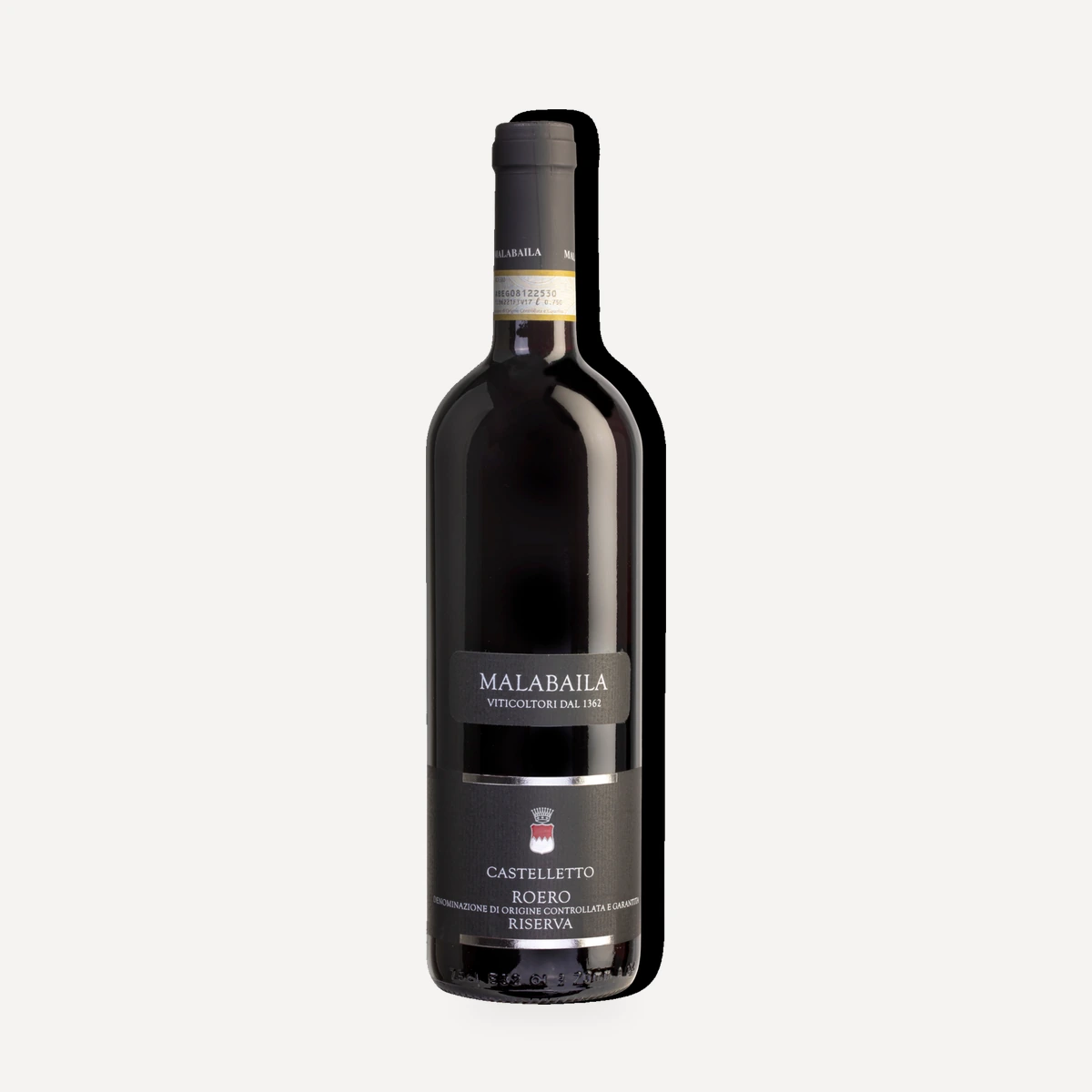
Roero DOCG Riserva “Castelletto”
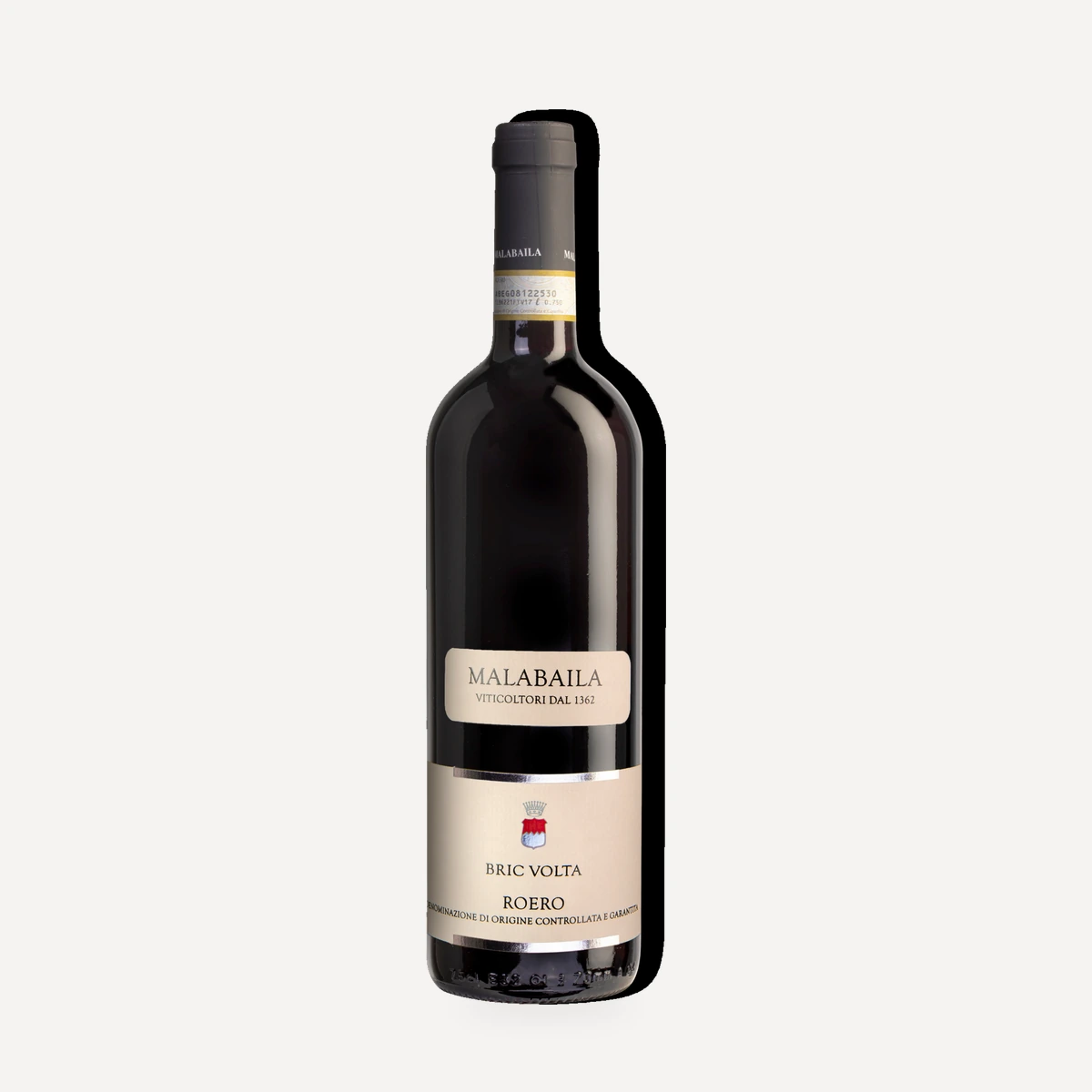
Roero DOCG “Bric Volta”