Storia
Origins in Canale
Giuseppe Damonte began producing wine during the 1950s in his family-run business. His aim was to bottle an expression of the land he loved. The property inherited by the next generation was modest—2.5 hectares of vineyards—but it provided the foundation for the present estate.
The family’s early Arneis production was rooted in Saglietto, its oldest vineyard. Arneis was initially vinified as a sweet wine and only later as a dry white. Roberto Damonte played a formative part in that change: at the age of 15, against his father’s wishes, he made 378 litres of dry Arneis in nine 54-litre demijohns. He worked in the garage because it was cooler than the cellar. After studying at the Oenological School in Alba, Roberto joined his father, with his younger brother Massimo following several years later.
The Malvirà name and identity
In the mid-1970s the business was renamed Malvirà. The name came from the old late-19th-century building in central Canale that housed the family cellar. Its unusual name referred to its courtyard facing north rather than south, contrary to local rural custom.
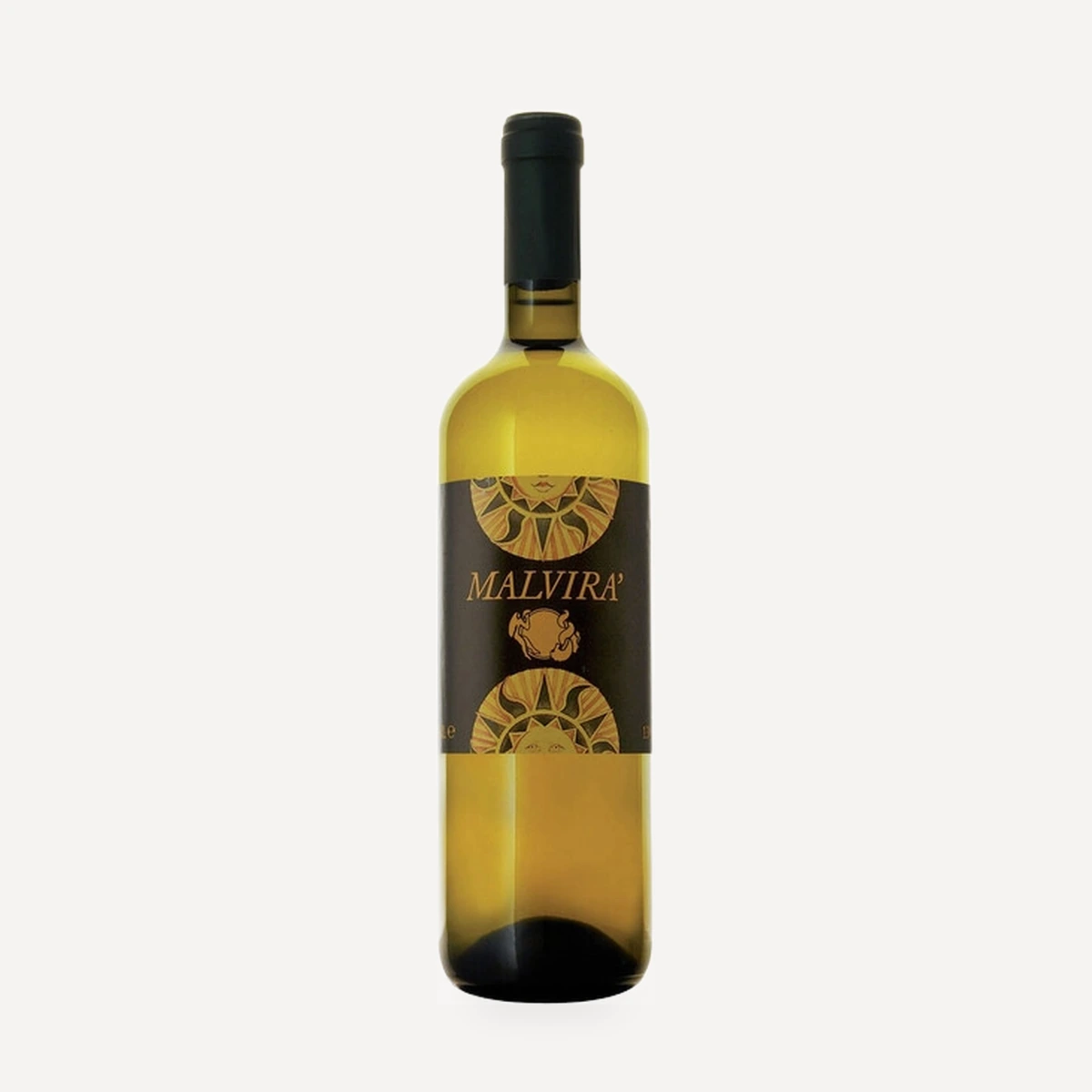
Giuseppe also began a gradual redesign of the labels. Simple graphic designs gave way to colourful tarot imagery: the King of Cups for Nebbiolo, the Queen of Cups for Barbera and the Page of Cups for Arneis. The Wheel of Fortune—incorporating a wheel, angel and dragon—subsequently became both the emblem of the Roero wines and the company logo.
Expansion under the second generation
At the end of the 1980s Giuseppe entrusted vineyard management to Massimo. Together, Massimo and Roberto expanded the inherited 2.5-hectare property to 43 hectares of vineyards. In 1989 the winery moved from central Canale to its present position at the foot of S.S. Trinità. Successive additions enlarged the facility to meet the developing estate’s needs.
The brothers retained their father’s focus on Roero while dividing responsibilities: Roberto became cellar and export manager, and Massimo took charge of the vineyards and Italian market. Their work consolidated production around Arneis, Nebbiolo and the estate’s other varieties and vineyards.
A collection spanning more than 20 vintages was assembled in the cellar to demonstrate the ageing potential of Roero wines and allow the estate’s history to be tasted across time.
Villa Tiboldi
The family bought Villa Tiboldi in 1995. Originally an 18th-century farmhouse, it had become the holiday home of a wealthy Genoese family in the early 20th century before falling into complete abandonment. The Damonte family undertook a four-year restoration, completed in 2003. The property reopened beside the winery as a ten-room wine resort with a restaurant, garden and swimming pool.
Barolo project
Malvirà’s Barolo project began in 2007 through a family connection. Gianna, the older sister of Roberto and Massimo, married Gianni Oberto of La Morra, and land previously belonging to him in Boiolo passed to the Damonte family. The site lies beside the boundary with Brunate, on the route from La Morra towards the chapel decorated by Sol LeWitt and David Tremlett.
The family replanted Boiolo with Nebbiolo, and the vineyard produced its first Barolo with the 2009 harvest. A second neighbouring plot was added in 2018. Barolo is vinified and aged in a separate cellar beneath the bastions of La Morra. Boiolo achieved organic certification beginning with the 2021 harvest.
Organic conversion and the third generation
A three-year conversion led to certified-organic grapes from the 2017 harvest. The change formalized an approach based on organic fertilization, permanent or seasonal vegetation between rows, low-input disease control, avoidance of chemical herbicides and fertilizers, and cultivation without irrigation.
The third generation now works alongside Roberto and Massimo. Giacomo, an oenology graduate, assists Roberto and holds responsibility for technical oenological direction. Francesco, trained at the Oenological School of Alba, works with Massimo and is moving towards responsibility for the agricultural sector. Lucia and Pietro also form part of the third generation carrying the family enterprise forward. Their shared objective is to produce wines that express Roero in a pure and elegant form while preserving its minor varieties as well as Arneis and Nebbiolo.
Terroir
Roero
The core vineyards lie in Roero, a 420 km² area on the left bank of the Tanaro, north of Alba in Piedmont. The landscape alternates hills, woods and orchards before reaching the steep formations known as the Rocche.
The territory emerged from the sea approximately 2–3 million years ago, from the Tortonian to the Piacenzian age. Its soils may be calcareous, with sandy veins containing shells and marine fossils. Across the estate, changes in elevation, exposure and the relative proportions of sand, clay and limestone create distinct conditions for Arneis, Nebbiolo and the other varieties.
The Canale vineyards range from 190 metres at Santa Margherita to 320 metres at S.S. Trinità and Renesio. S.S. Trinità forms a broad amphitheatre around the winery, family homes and Villa Tiboldi. Renesio has calcareous clay and the estate’s oldest Nebbiolo vines; Saglietto combines medium-textured calcareous ground with two particularly sandy areas; San Michele is calcareous and clayey; Santa Margherita is medium-textured and sandy; and Mombeltramo is calcareous.
La Morra
Boiolo lies in La Morra beside the boundary with Brunate. The main vineyard faces east at 370–400 metres, while the second Nebbiolo parcel reaches 460 metres. Its calcareous-clay soil is described as rich in water. A road along the watershed between Boiolo and Brunate climbs from La Morra towards the chapel decorated by Sol LeWitt and David Tremlett.
Vinificazione
Certified-organic farming
Malvirà completed a three-year conversion and began harvesting certified-organic grapes with the 2017 vintage. The authorized control body is identified by code IT-BIO-015, with Agricoltura Italia operator number 2427. Boiolo followed separately, with organic certification beginning in the 2021 harvest.
Organic fertilizers and manure matured in piles supply vineyard fertility. Chemical fertilizers and herbicides are excluded. Fungal diseases are managed with minimum quantities of copper, sulphur and orange essential oil, while natural pyrethrum is used against insects.
Mixtures of grasses and legumes are sown between the rows and incorporated into the soil at the beginning of summer to increase biodiversity and improve structure and fertility. During summer, all rows remain grassed to limit surface erosion, support beneficial insects that suppress harmful populations and assist pollination of developing flower clusters.
The vineyards are cultivated without irrigation. This conserves water and is intended to strengthen the vines’ ability to defend themselves naturally. Across the named sites, farming is adapted to widely differing exposures, elevations and soil compositions while maintaining respect for land inherited from earlier generations.
Cellars and environmental design
Vinification at the Canale estate takes place in an underground cellar, where temperature and humidity are maintained naturally. This design reduces energy use and land consumption while integrating the facility with the surrounding landscape. The tour route includes a 1,500 m² underground barrel room. Lightweight bottles are used to reduce impacts during manufacture and transport.
Nature and technology are combined with the aim of preserving grape quality. Sulphite use has been reduced substantially, while reliance on indigenous yeasts has increased. A cellar collection spanning more than 20 vintages is maintained to demonstrate the development and ageing capacity of Roero wines.
Barolo production
Barolo is produced in the separate cellar beneath the bastions of La Morra. The traditional approach uses medium-to-long maceration in stainless-steel tanks, followed by 24–36 months in French and Austrian wooden barrels. The wine then develops for at least one year in bottle before release.
Filosofia
Malvirà’s production philosophy treats Roero as its central inspiration. The family’s stated objective is to make wines that reflect the territory in a pure and elegant form, expressing the distinctions created by vineyard exposure and soil rather than suppressing them.
Family tradition, accumulated experience and deep respect for the land guide the work. The second generation frames its task as preserving and continuing what it inherited while also innovating and developing the estate without abandoning tradition. The third generation is expected to extend that work with the experience of Roberto and Massimo behind it.
Environmental policy begins with the protection of the families and employees who live and work in the vineyards. Organic and sustainable agriculture is intended to avoid excessive exploitation of soil, grapes, water and other natural resources and to establish a model capable of lasting over time. In the cellar, natural conditions and modern technology are combined to lower energy use and sulphite additions while increasing the use of indigenous yeasts.
Arneis and Nebbiolo remain central, but the family also emphasizes preserving and interpreting lesser local varieties. Vintage development is treated as an essential part of quality: the cellar archive of more than 20 vintages and the emphasis on extended ageing are intended to reveal the long-term potential of Roero wines.
Vini
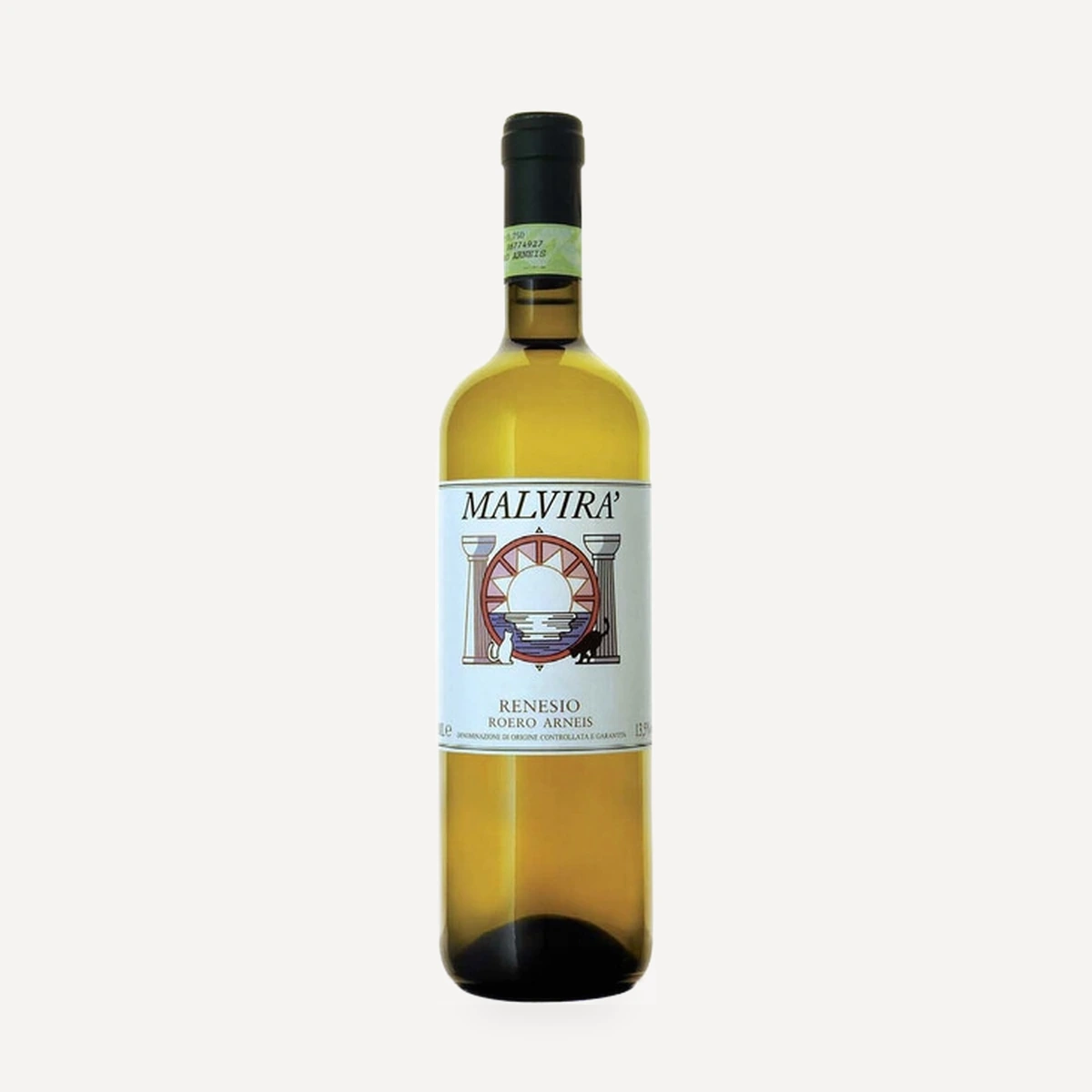
Roero Arneis Renesio DOCG
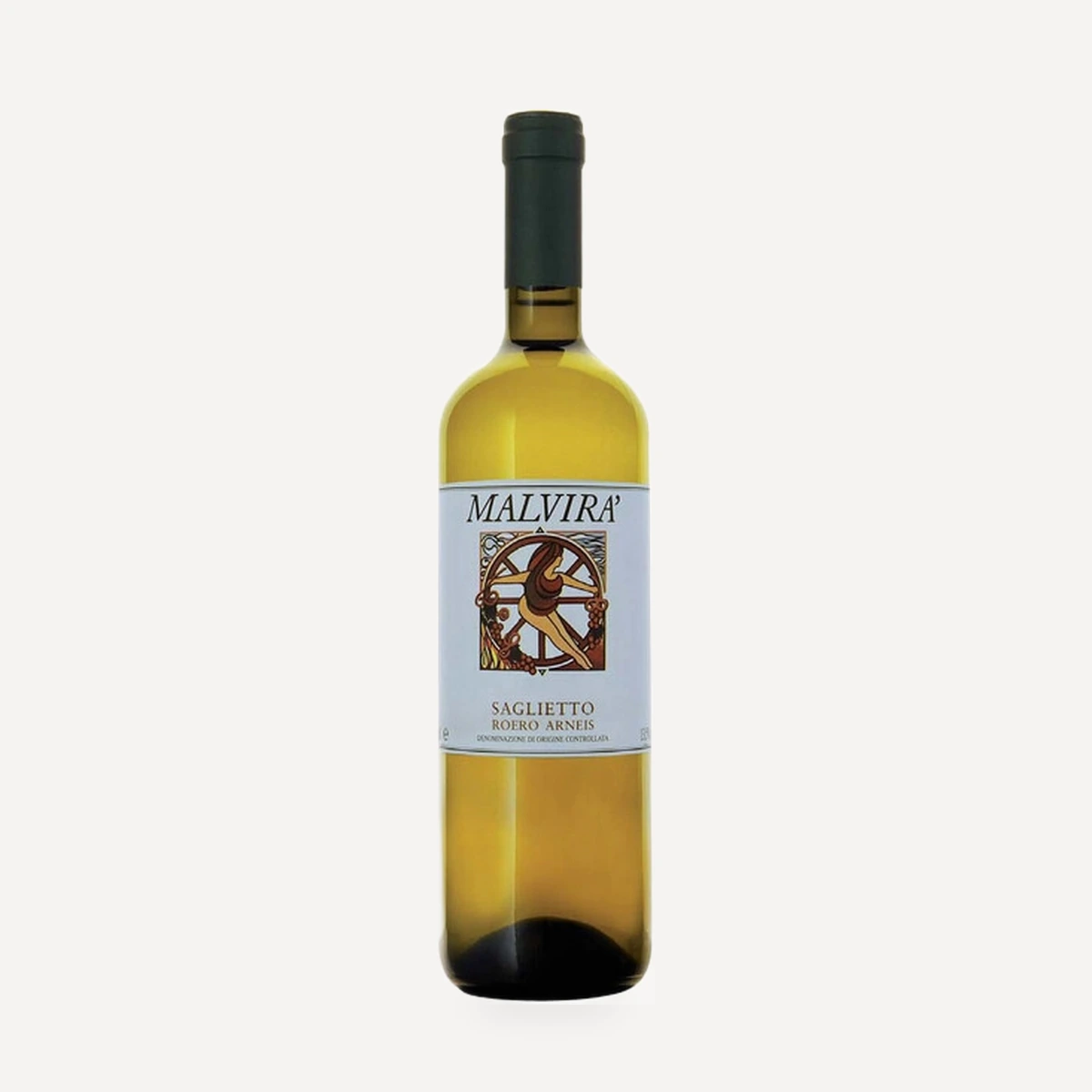
Roero Arneis Riserva Vigna Saglietto DOCG
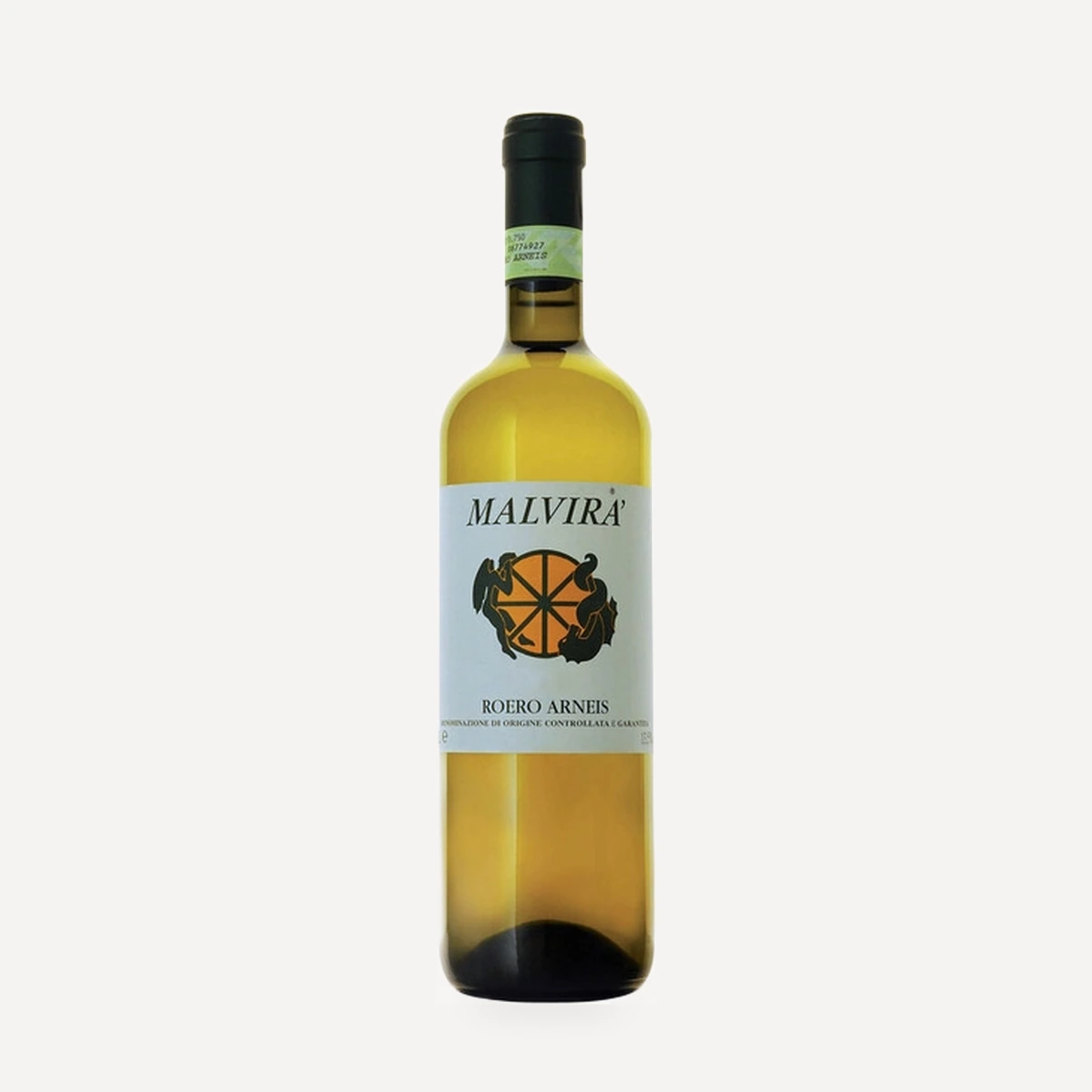
Roero Arneis DOCG
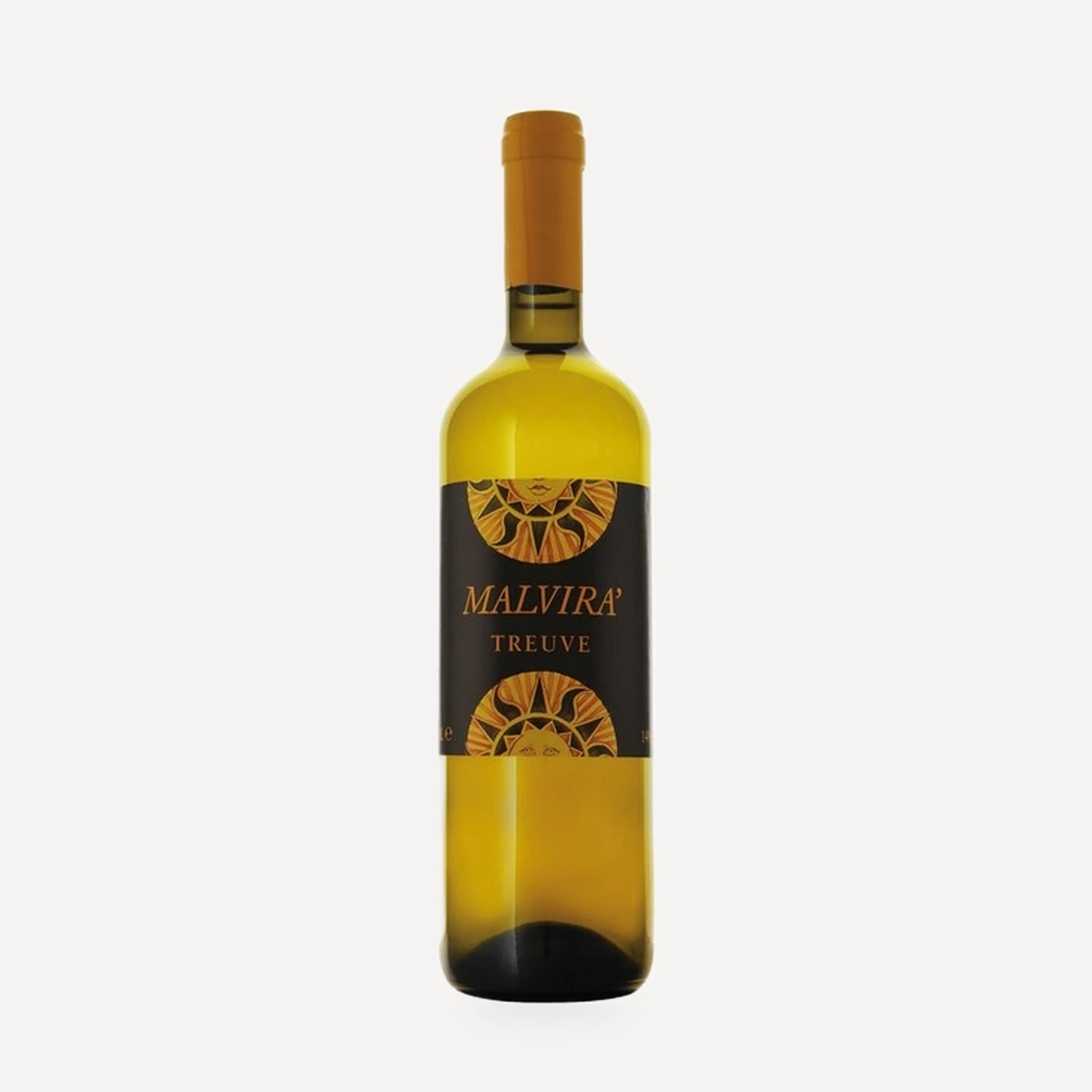
Langhe Bianco Treuve DOC