Storia
2002: foundation and first wine
Marabino was founded in 2002 in Contrada Buonivini, within the territory of Noto. Archimede was the first wine produced that year, drawn from the only vineyard not planted by the estate. Later research dated that vineyard to the 1950s, making it a repository of old Nero d’Avola material and the estate’s oldest surviving parcel.
2008: Pierpaolo Messina and the biodynamic transition
Pierpaolo Messina’s work at Marabino began in 2008. He introduced biodynamic farming and natural vinification, adapting both the estate team and its existing production structure to this approach while developing a commercial organization capable of selling the wines already being made. Older vineyard workers recalled that sowing and pruning had once followed lunar rhythms; Messina encouraged a return to those practices through biodynamic lunar and planetary calendars.
His early study of Contrada Buonivini focused on the marked differences among its calcareous and clay-rich soils. Each parcel was initially vinified separately, especially the Nero d’Avola vineyards. The experiments eventually produced as many as eight separate Nero d’Avola labels from eight sites. The project clarified the behavior of individual soils and exposures, although it proved demanding in production, communication and sales.
2012–2020: stylistic development and experimentation
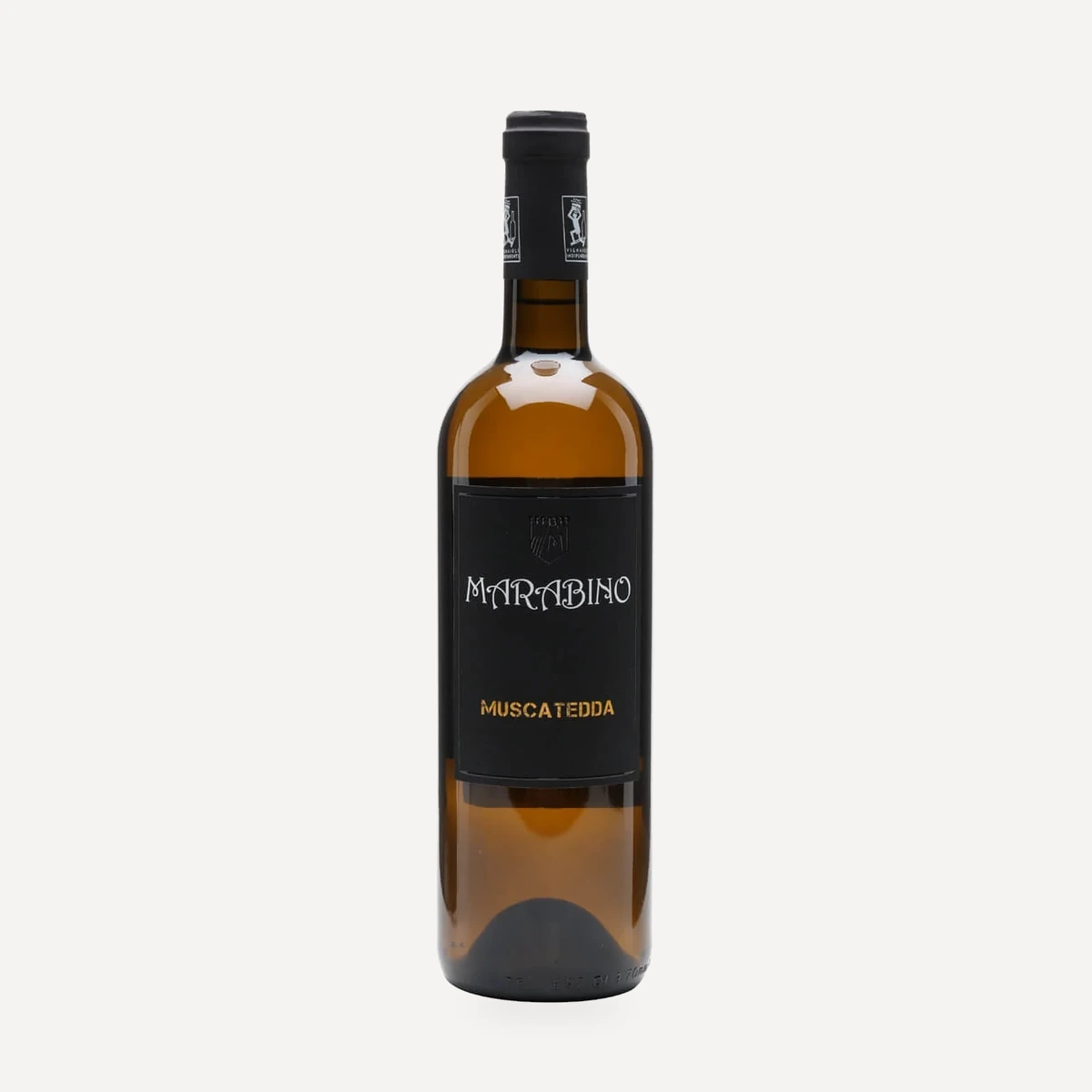
Muscatedda was first made in 2012 and retained its original concept: mature Moscato Bianco from white calcareous soils, fermented on the skins and matured in steel. Messina’s wider cellar work moved progressively toward spontaneous fermentation, minimal additions and a clearer comparison of parcels through increasingly uniform vinification. Wood was eventually abandoned for most parcel comparisons in favor of steel, allowing soil differences to emerge more clearly.
Visits to Champagne beginning in 2009, including a 2014 trip that encompassed 22 producers, informed Messina’s thinking about sparkling wine and the relationship between wine style and climate. He ultimately decided that a Mediterranean estate rich in naturally aromatic grapes should not make sparkling wine merely to answer commercial demand.
During the pandemic, unsold dry and sweet Moscato provided material for oxidative experiments. Wines were matured in partially filled barrels of mulberry, oak and chestnut, then consolidated into a perpetual steel reserve. Portions were exposed to the sun in glass demijohns for as long as 12 months, with temperatures reaching 54.4°C, leading to the creation of Soleggiato.
2021: new plantings and cellar changes
In 2021 the estate comprised 35 ha, including 29.5 ha then reported under vine and divided into 18 parcels. Six parcels held white grapes—two Chardonnay and four Moscato Bianco—while ten were devoted to Nero d’Avola. New Moscato vineyards were planted to expand production and create opportunities for additional projects; barrels and tanks in several materials were also acquired.
The 2021 vintage was the least productive in the estate’s history at that point, with yields 35% below the preceding average after a dry winter and extreme summer heat. Biodynamic management was credited with helping the vines maintain balance. The rosé parcels were vinified separately for the first time, with spontaneous fermentation and malolactic conversion in wild-cherry and ash barriques rather than only steel.
2022: pest pressure and a gentler red-wine style
The 2022 season began with replenished soils and vigorous green manure, but an outbreak of the African leafhopper Jacobiasca lybica followed light August rain and rising humidity. Three neem-oil treatments were used to contain it. Ripening slowed, though the harvested grapes remained healthy. Archimede yielded the equivalent of only about 2,000 bottles from 1.5 ha, while most other parcels remained near their normal output.
The 2018 vintage marked the end of a red-wine phase centered on extraction, power and freshness. Subsequent vintages adopted a gentler, less extractive approach aimed at lightness and depth without losing the material character of Contrada Buonivini.
2023: simplification, new identity and new projects
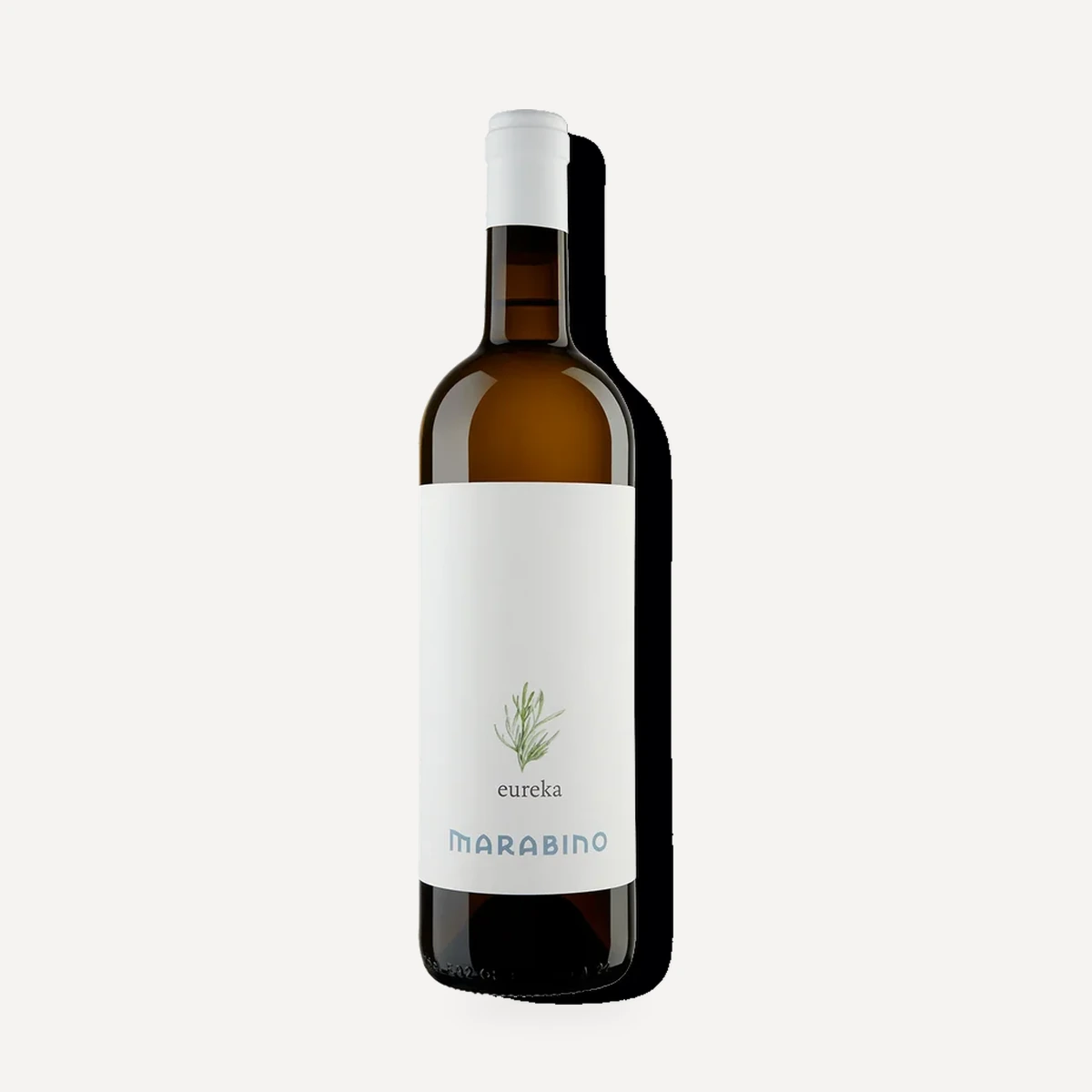
A new visual identity covering the Marabino logo and labels followed more than a year of development. Its white space referred to the intense local light between the Ionian Sea and the Strait of Sicily, while imagery drew on biodynamic ideas, the four elements and the estate’s history. The layout also took inspiration from Caravaggio’s Burial of Saint Lucy in Siracusa.
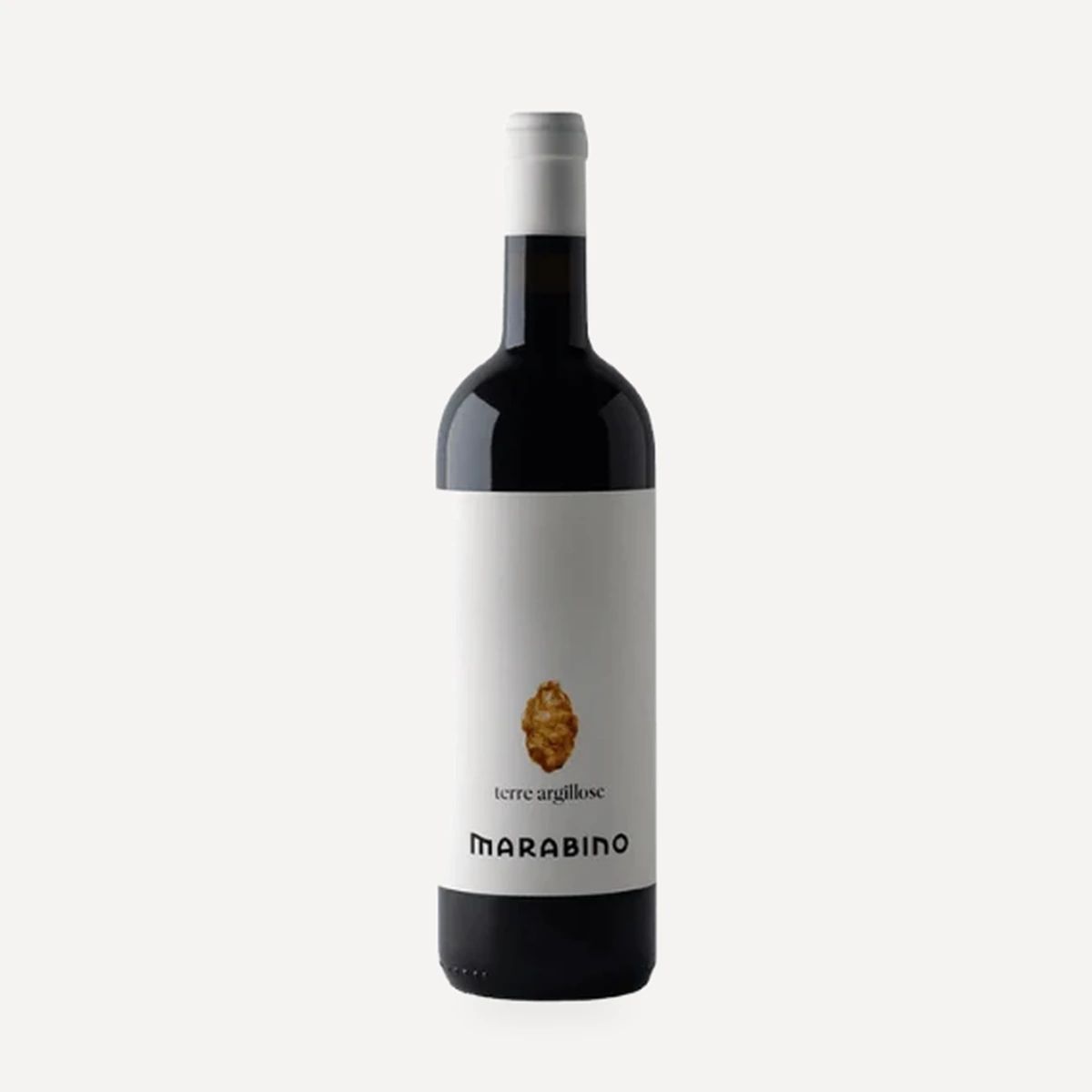
The parcel project was simplified. With the 2021 vintage, Terre Calcaree and Terre Argillose were created to synthesize the estate’s calcareous and clay-rich expressions rather than continuing every individual parcel bottling. Selected superior single-parcel wines remained, while these two wines presented broader soil families.
A small portion of Moscato Bianco Passito 2022 refermented after release. Every bottle was withdrawn and sales stopped. Rather than increasing sulfur or employing tighter filtration, the wine was opened and distilled. Its spirit was used to fortify the 2023 sweet Moscato, creating Uvalsole and beginning a perpetual reserve of estate spirit for future editions. Soleggiato, the dry perpetual oxidative Moscato developed from the pandemic-era experiments, also entered the range.
Research completed in 2023 established that Archimede dated from the 1950s and was therefore more than 70 years old. During the same harvest, Marabino received the Slow Food Snail in the Slow Wine guide, becoming the first estate in the Noto territory and one of 16 Sicilian wineries then holding the distinction.
2024: restructuring Conca and responding to drought
Before the 2024 pruning season, the old cordon-trained Conca Nero d’Avola vineyard was removed because of damage originating with the 2022 leafhopper outbreak. Wheat was planned for two years before replanting to accelerate soil recovery. Recovered vineyard posts were reused along the estate boundary to support new hedges of mastic, oleander, carob, bay and strawberry tree. The replacement vineyard was planned as alberello.
The 2024 harvest followed almost a year without sustained rain and was among the estate’s smallest. Yields fell to approximately 2,500 kg/ha—about 2,000 bottles per hectare—and total production was roughly half the usual annual level. Harvest began exceptionally early on 25 July and ended on 26 August.
2025–2026: disease pressure, new parcels and climatic extremes
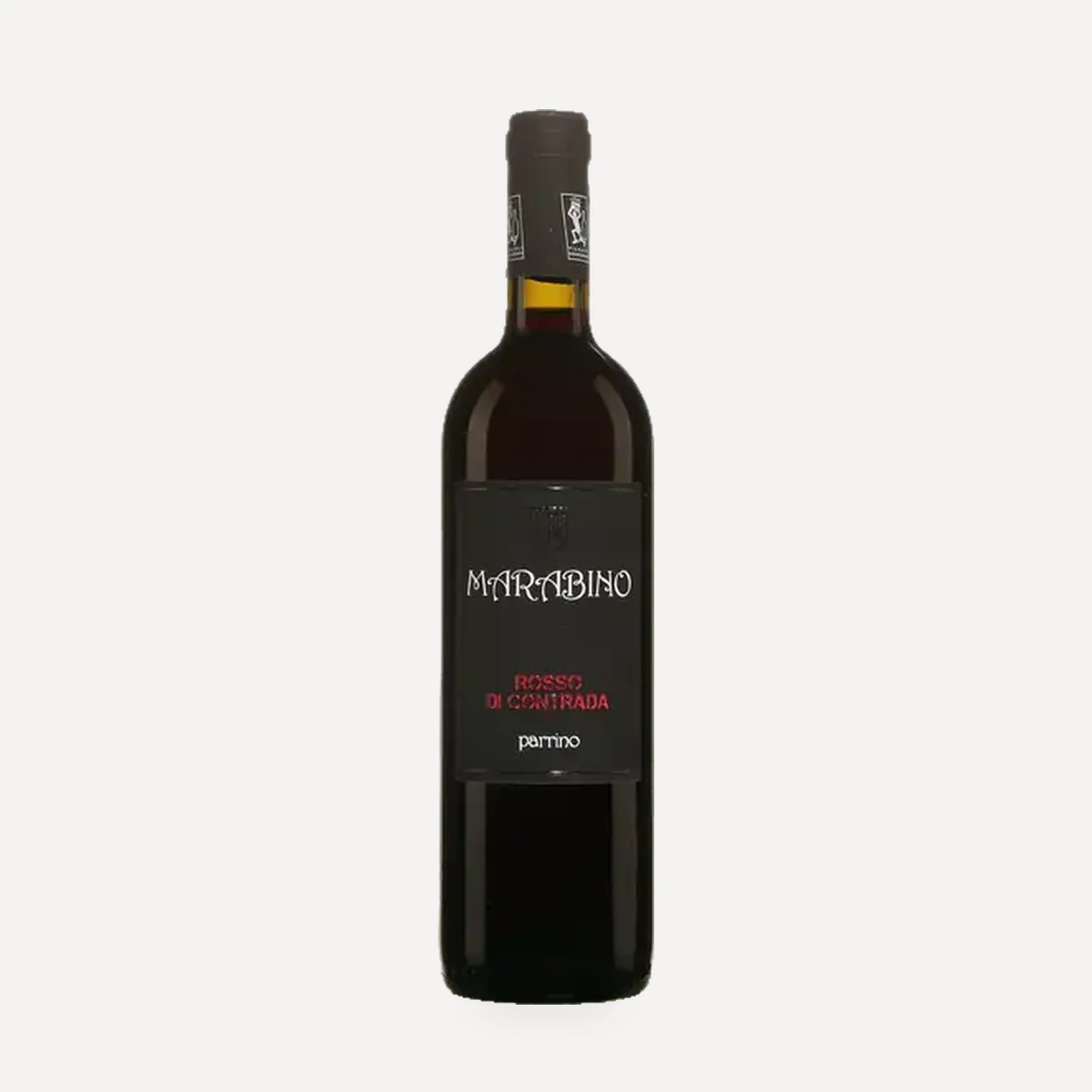
The wet 2024–2025 autumn and winter restored water reserves and supported vigorous green manure. An unusually humid spring in 2025 required copper as well as sulfur against downy mildew. Parrino was the most severely affected parcel, losing around 60% of its usual crop, although a generous Moscato harvest partly compensated for the Nero d’Avola losses.
From autumn 2025 through spring 2026, rainfall exceeded 400 mm. Delayed pruning and field grafting were followed by estate-wide applications of preparations 500 and 501. Horsetail decoction, coppered sulfur, chamomile tea and kaolin were used preventively or protectively. The 2026 harvest began on 27 July. New Nero d’Avola vineyards—Conca alto, Saia and Don Paolo—were harvested alongside the established rosé parcels. Despite temperatures above 40°C and very early picking, the fruit retained balanced sugars, acidity and physiological and phenolic maturity.
Terroir
Marabino’s vineyards and winery occupy a single rural district, Contrada Buonivini in the territory of Noto. The low hills lie a few kilometres from the sea at 30–80 m above sea level. The estate associates the site with strong summer heat, abundant light, consistently clear skies and the luminous influence of its position between the Ionian Sea and the Strait of Sicily.
The vineyards sit on the African Plate across four geological zones: three Pliocene formations, whose origins extend back more than five million years, and a younger area of Holocene alluvium. Calcareous material, marl and clay form a heterogeneous mosaic that can change substantially over only a few dozen metres.
Four locally named soil families define Contrada Buonivini:
- Terra niura: deep, dark alluvial clay. Nero d’Avola tends toward fruit and lighter structure; Moscato is less overtly aromatic and fuller-bodied.
- Terra palomina: grey calcareous soil with approximately 0.5 m of skeletal topsoil above a rocky subsoil. Only Nero d’Avola is grown here; the wines tend toward spice, freshness and tension.
- Terra a crita: yellowish calcareous marl with a strong clay component. It cracks under drought and requires more frequent cultivation. Nero d’Avola tends toward body, density and complexity, while Moscato is broader, less fresh and more structured.
- Terra ianca: very fine, white calcareous soil. Although poor, it retains water well. Nero d’Avola tends toward mineral character, fruit and freshness; Moscato combines structure, aromatic intensity and saline freshness.
Pale calcareous soils are loose and exceptionally fine-textured. Their surface can form a cap that keeps roots cool, while high water retention permits reduced cultivation. Yellow clay soils become compact when wet and open rapidly in heat; they must be worked more frequently to prevent fissures from exposing roots to high summer temperatures. Clay parcels generally ripen earlier, whereas calcareous parcels may remain on the vine into October.
The hot Saharan Scirocco arrives from the south and can accelerate sugar accumulation before phenolic maturity while creating cooked-fruit character. Nero d’Avola parcels were therefore planted mainly on east- and north-facing slopes: eastern sites receive the first morning sun after the cooler night, while northern sites are cooler and more protected from the Scirocco. Moscato commonly faces west for warm late-day light that increases aromatic development without the stronger heat of a southern exposure; some north-west-facing Moscato provides a fresher component.
The landscape includes more than 2 km of Mediterranean-scrub hedges, aromatic and medicinal plants, old fruit varieties, carob trees and thousands of olive trees. The surrounding vegetation and proximity to the Vendicari oasis support birds, raptors, herons, wild rabbits, foxes, reptiles and insects.
Vinificazione
Marabino has farmed biodynamically since 2008 and treats the estate as a living agricultural organism in which soil, plants, animals and the wider landscape support one another. Grapes and wine are not purchased from third parties. Synthetic herbicides, fertilizers and vineyard treatments are excluded.
Preparation 500, or horn manure, is made from high-quality manure from organically raised cows, fermented for about six months in cow horns buried at least 1 m deep during autumn. It is stored in glass or ceramic vessels insulated in a peat-filled wooden box and used within approximately one year. About 100 g/ha is gradually warmed to 36°C, mixed for exactly one hour in preferably acidic, non-chlorinated water, and sprayed in coarse droplets during the late afternoon. Marabino uses softened deep-well water and a 250-litre copper dynamizer, sufficient for roughly 5 ha per batch. Applications follow sowing in autumn and the mowing and incorporation of green manure in spring; further applications may follow soil cultivation.
Preparation 501, or horn silica, consists of finely powdered quartz matured in cow horns from spring to autumn. After dynamization, approximately 3 g/ha is misted onto the leaves at dawn. It supports photosynthesis and the aerial parts of the vine and may be used during spring growth, fruit set, véraison or close to harvest. Because it can increase transpiration and scorch or weaken stressed vines, it is applied only after adequate rainfall and never to weak, diseased or drought-stressed plants. In the estate’s arid conditions it is often practical on early-ripening Moscato in spring and Nero d’Avola in autumn.
Green manure, estate compost, pruning residues, grasses and legumes build organic matter and humus. Horsetail decoction, nettle and chamomile macerates, yarrow and chamomile teas, oils and other plant preparations fertilize, stimulate or protect the vines. Sulfur, low doses of copper when pressure demands it, clay, kaolin, propolis and rock dust serve as phytosanitary regulators. Neem oil was used three times during the 2022 African-leafhopper outbreak. Lunar and planetary calendars guide pruning, sowing, harvesting and mowing whenever working conditions permit.
Vines are planted by hand. Field grafting and massal selection draw scion wood from older, pre-clonal vineyards, preserving multiple biotypes within each variety. This requires specialist grafters and more time than nursery planting but supports genetic diversity and site expression.
The alberello impupato pachinese system is central to the estate. Historic spacing progressed from 0.9 m, suited to mule cultivation, to 1.25 × 1.25 m with rotary tillers; modern plantings use approximately 2.30 × 0.90 m so tractors can cultivate more precisely. Field-grafted vines need two or three years before production pruning. Three short arms, each pruned to two buds, form a six-shoot vase that limits crop, encourages longevity and helps the vine withstand extreme summer heat. Soil work around each trunk is finished manually with a hoe.
Shoots are tied to iron stakes with rush leaves collected at full moon, sun-dried and rehydrated for flexibility. The biodegradable ties return organic matter to the soil after winter pruning. Following fruit set, the tender shoot tips are wrapped around the support in the local mazzunatura technique, constricting sap flow without cutting the shoot. The vine then receives no leaf removal or topping: its vase canopy shades the grapes, limits sunburn and exposes the plant evenly to sun and wind. Alberello vineyards can be harvested only by hand.
All grapes are hand-picked. Biodiversity is reinforced through Mediterranean hedges, dry-stone walls, an orchard, vegetable garden, aromatic plants, olive trees and naturally occurring fauna. When the old Conca vineyard was removed, its posts were reused for new hedges of mastic, oleander, carob, bay and strawberry tree. Wheat was introduced as a two-year restorative crop before replanting.
All fruit comes from Marabino’s own vineyards, and the complete chain from growing through bottling remains at the estate. Parcels are harvested and fermented separately, including sites lying close together, so that each can reach its own maturity and retain its soil expression. Blending takes place after malolactic conversion, when the differences among the lots are easier to evaluate.
Fermentations begin spontaneously without selected yeast. No routine oenological additives are used; the cellar works with grapes and very low doses of metabisulfite. Sulfur totals are disclosed on labels. White grapes may be fermented on their skins like red grapes, with maceration adjusted to vintage conditions; in the warm 2023 vintage, skin contact was shortened to limit extraction. Red macerations averaged about 20 days in 2022. Most parcel comparisons and the principal soil-based red wines rely on steel rather than wood so that vessel character does not obscure soil differences.
Rosé is made by direct pressing of fully ripe Nero d’Avola. Since 2021, the parcels have fermented separately in barriques of different woods, initially wild cherry and ash and later also mulberry and oak, with occasional terracotta amphorae. Malolactic conversion and part of the maturation take place in these vessels before the lots are assembled in steel.
The estate’s oxidative work with Moscato began with partially filled barrels. During the pandemic, dry and sweet Moscato were matured without topping in mulberry, oak and chestnut barriques. After about 30 months in different woods, the lots were combined in a perpetual steel reserve. A portion is transferred to glass demijohns and exposed to the sun for one year; experimental temperatures reached 54.4°C, and development stabilized after approximately 12 months.
Sweet Moscato is hand-picked into small boxes, laid on racks in the white Modica-stone courtyard and dried in direct sun for roughly 9–10 days. Covers are used only if rain threatens. The dried grapes rest for a day and night in the cool cellar, then ferment spontaneously with their skins in steel for about 20 days. After gentle pressing, the 2023 wine rested for five months in steel and was fortified above 16% alcohol with spirit distilled from the estate’s 2022 Passito. The method replaced tight filtration and added sulfur. Surplus spirit entered a perpetual reserve refreshed with new estate spirit for subsequent editions.
A 2022 bottle refermentation prompted the withdrawal of the entire Passito release. Investigation suggested that traces of yeast may have remained in parts of the bottling line. The episode led to the fortified, unfiltered, no-added-sulfur method for Uvalsole. The estate otherwise uses restrained filtration where stability requires it and seeks to avoid manipulative techniques or high sulfur additions.
Filosofia
Marabino’s guiding objective is to make wines with a precise identity of place rather than follow fashion or market demand. The estate places Contrada Buonivini and the wider Val di Noto before grape variety: Nero d’Avola and Moscato Bianco are understood as components of a territory, not as brands that can be reproduced anywhere.
Pierpaolo Messina considers character and identity more fundamental than an abstract idea of quality. Biodynamic farming, spontaneous fermentation, low additions and consistent vinification are intended to let soil, season and parcel remain legible. Vintage differences are accepted as an essential part of wine’s agricultural and cultural nature rather than corrected toward a standardized product.
The estate’s concept of sustainability extends beyond substituting natural inputs for synthetic ones. Its stated goal is a self-supporting agricultural organism in which soil, crops, animals, hedges, orchards, water and human work remain in balance. Biodynamics is therefore treated as both an agricultural method and a way of living in relationship with nature.
Messina also frames wine around an equilibrium between ethics and aesthetics. Avoiding synthetic chemistry and unnecessary cellar products entails greater technical risk, but aesthetic defects are not accepted as an inevitable consequence. The withdrawal of the unstable 2022 Passito exemplified this position: consumer trust and product integrity took precedence over the immediate economic loss.
Transparency forms part of the same philosophy. Labels disclose total sulfur, ingredients, caloric content and access to nutritional information. Marabino avoids prescriptive tasting notes, leaving sensory interpretation to the drinker, and uses 100% fruit from the stated vintage rather than blending across years for its vintage-dated wines.
Vini
Muscatedda
Parrino
Terre Argillose
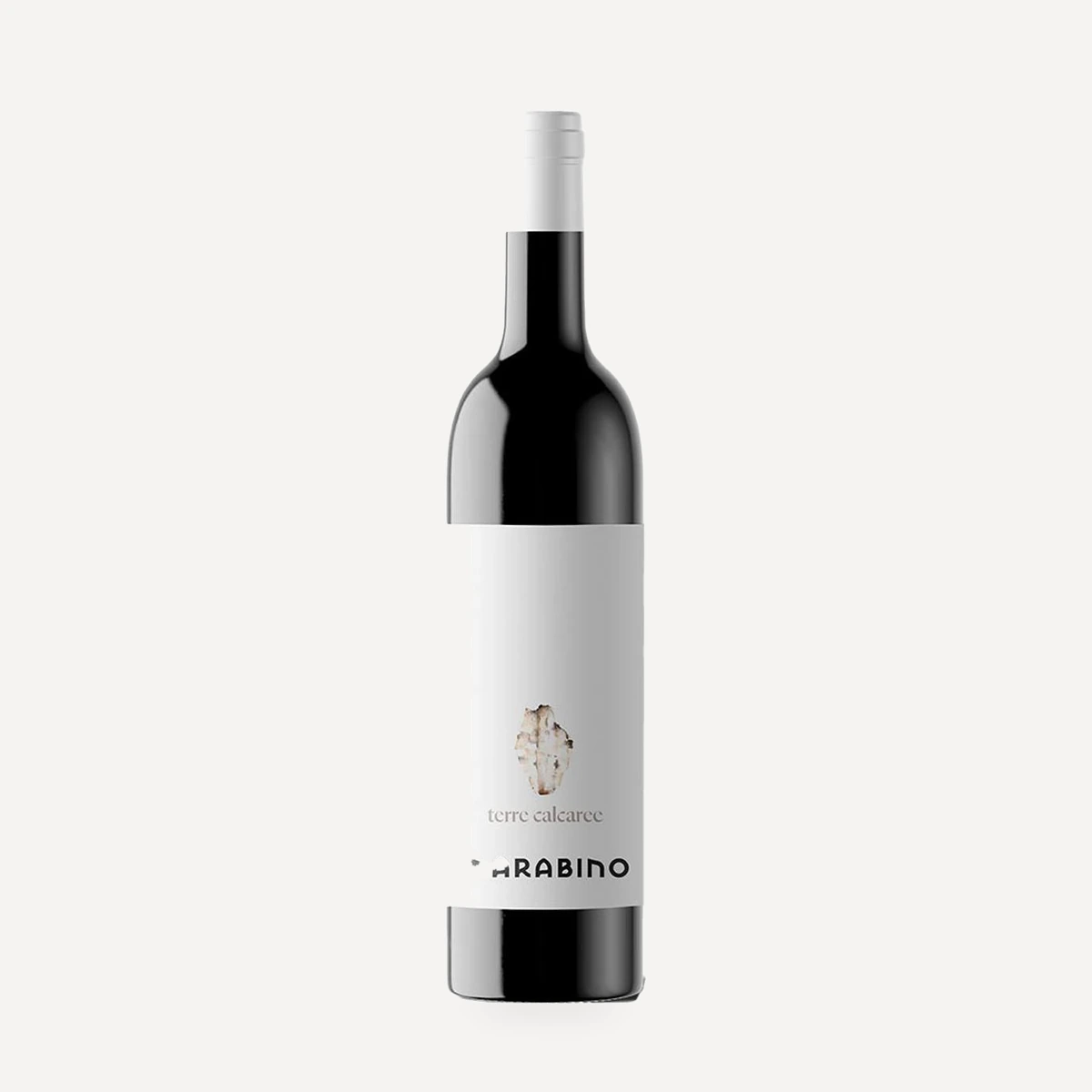
Terre Calcaree