Storia
The historic estate
Gump Hof stands on the medieval north–south route across the Alps. Its history is linked to nearby Schloss Prösels / Castel Presule, whose courtyard frescoes depict knights, princes, nobles and minstrels arriving through the Eisack gorge. The cultural narrative surrounding the castle includes the Minnesinger Oswald von Wolkenstein and songs about women, the estate’s wine and birds—symbols associated with art, lightness and freshness.
The wine estate is documented as early as 1546. The Prackwieser family has owned it for more than two centuries, preserving its connection to the surrounding landscape, traditional grape varieties and manual vineyard work.
Markus Prackwieser takes responsibility
Markus Prackwieser discovered his enthusiasm for wine in the mid-1990s. In 2000, his father, Johann Prackwieser, entrusted the historic family property to him. Markus subsequently developed the estate through experimentation, exchanges with fellow winegrowers and specialist journeys to reference regions including Wachau, Burgundy and the Loire Valley. Didier Dagueneau is specifically recalled among the formative encounters associated with those journeys.
The approach combines knowledge accumulated by preceding generations with Markus’s own experience, patience and continued refinement of an individual taste profile. Modern cellar technology became part of this development without displacing the estate’s traditional cultivation and extensive manual work.
Cellar and range development
A new cellar was created inside the mountain’s bedrock. Its construction integrated the production space into the landscape while providing suitable natural conditions for élevage.
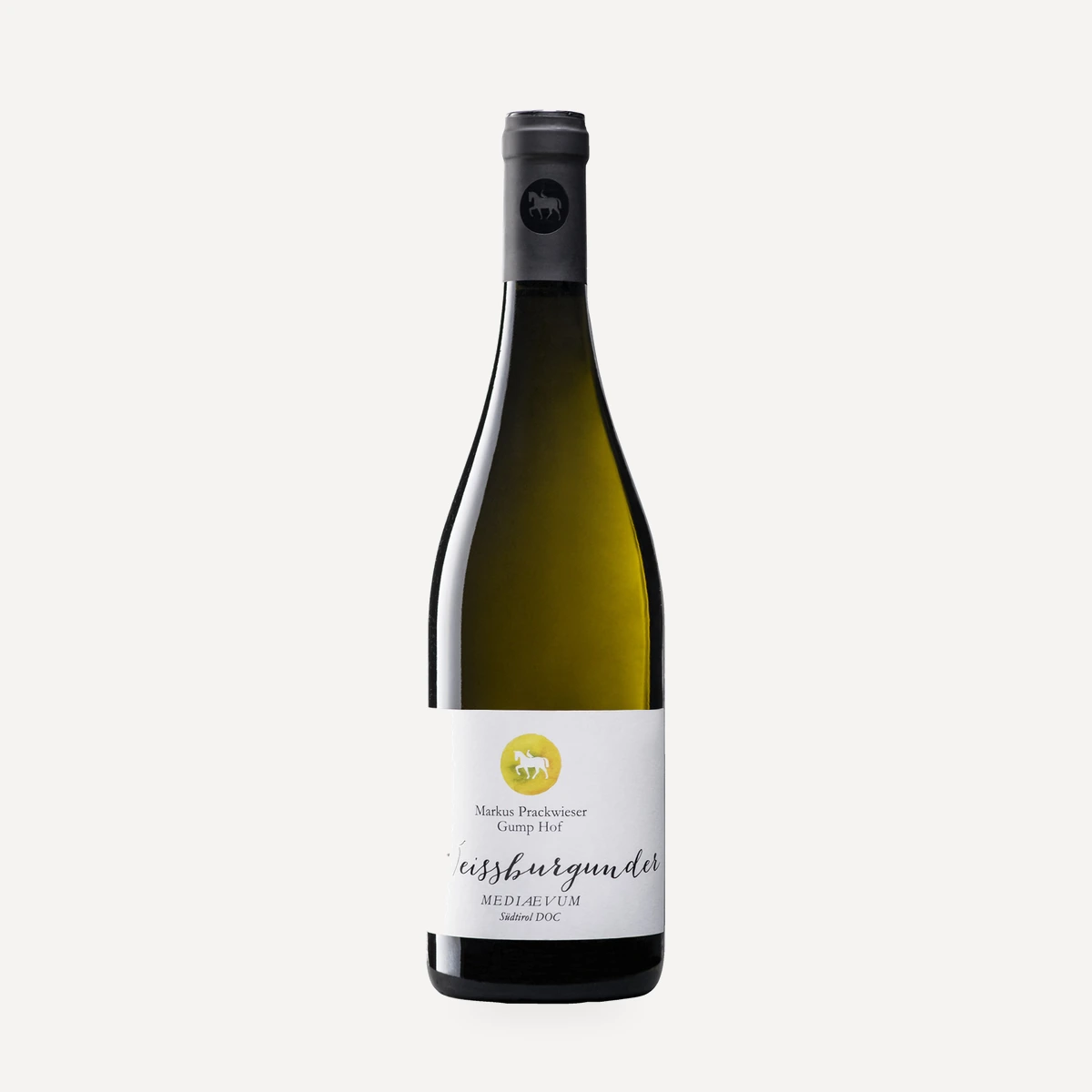
In 2012, Markus conceived a long-lived Pinot Bianco Riserva made from an old vineyard and released only from particularly successful harvests. This became part of the Renaissance range. The portfolio now comprises the Mediaevum, Praesulis and Renaissance families, together with the Tandaradei passito.
In 2024, Gault & Millau gave the estate its special editorial distinction, “Collection of the Year Alto Adige.”
Terroir
Gump Hof occupies steep, southwest-facing vineyards in the southern Valle Isarco / Eisacktal, at the foot of the Sciliar / Schlern massif. The vines extend from approximately 400 to 800 metres above sea level, with inclines generally described as 50–70%. The southwest orientation exposes the slopes to sunlight from morning until late afternoon.
The soils combine fluvial gravel with calcareous morainic material resting on solid Bolzano quartz porphyry, the porphyry formation extending northward from Bolzano into Valle Isarco.
Alternating air currents are central to the site’s microclimate. During the day, the warm Ora moves north from Lake Garda and brings a Mediterranean influence into the southern valley. At night, descending winds from the Dolomites cool the rows. This diurnal alternation combines daytime warmth and exposure with nocturnal cooling, conditions associated with complexity and freshness.
Within the estate’s production zones, elevations range from roughly 400–480 metres for Schiava, 400–500 metres for Gewürztraminer and part of the Pinot Bianco, 450–550 metres for Sauvignon Blanc and other Pinot Bianco sites, and 500–550 metres for Pinot Noir. Individual slopes range from approximately 45% to 70%, while sharing the calcareous moraine and quartz-porphyry geological profile.
Vinificazione
Viticulture is based on grape varieties identified with the estate and on classical cultivation methods. The steepness of the southwest-facing slopes makes manual work central to vineyard maintenance; each vine is tended by hand.
The vineyard layout includes both pergola and wire-trained systems. Schiava is associated with pergola training, Gewürztraminer and Pinot Noir with wire training, and Pinot Bianco and Sauvignon Blanc with one or both systems according to site. Planting densities represented across these production zones extend from approximately 4,000 to 8,000 vines per hectare.
The viticultural philosophy emphasizes respectful treatment of the entire environment, preservation of the vineyards and attentive manual care. No organic or biodynamic certification is claimed.
The cellar is excavated directly into the mountain’s original bedrock. This embeds the production area in the landscape and provides naturally suitable conditions for maturation. Its creation is presented as a meeting of the estate’s historical continuity and contemporary winemaking.
Markus Prackwieser combines experience inherited over generations with personal experimentation, patience and modern cellar technology. The production philosophy is directed toward an individual sensory profile capable of reflecting both the landscape and the winegrower. Detailed cellar protocols vary by wine and range rather than forming a single estate-wide recipe.
Filosofia
Gump Hof presents respect for the complete environmental and historical setting as the foundation of its work. This encompasses the cultivation of characteristic grape varieties, classical growing methods, the preservation of labor-intensive manual vineyard care and the integration of the cellar into the rock and landscape.
Markus Prackwieser’s approach is deliberately open and experimental. Dialogue with fellow winegrowers and experience gathered in Wachau, Burgundy and the Loire Valley inform his work, while the estate remains rooted in knowledge transmitted through the Prackwieser family.
The declared objective is a distinctive sensory identity shaped through accumulated knowledge, individual experience, time, patience and continuous refinement. The wines are intended to reflect both the character of the landscape and that of the winegrower. The estate links this philosophy to the interplay of cool Dolomite winds and Mediterranean influence, seeking savor, freshness and elegance rather than imposing a uniform style on every vintage.
Vini
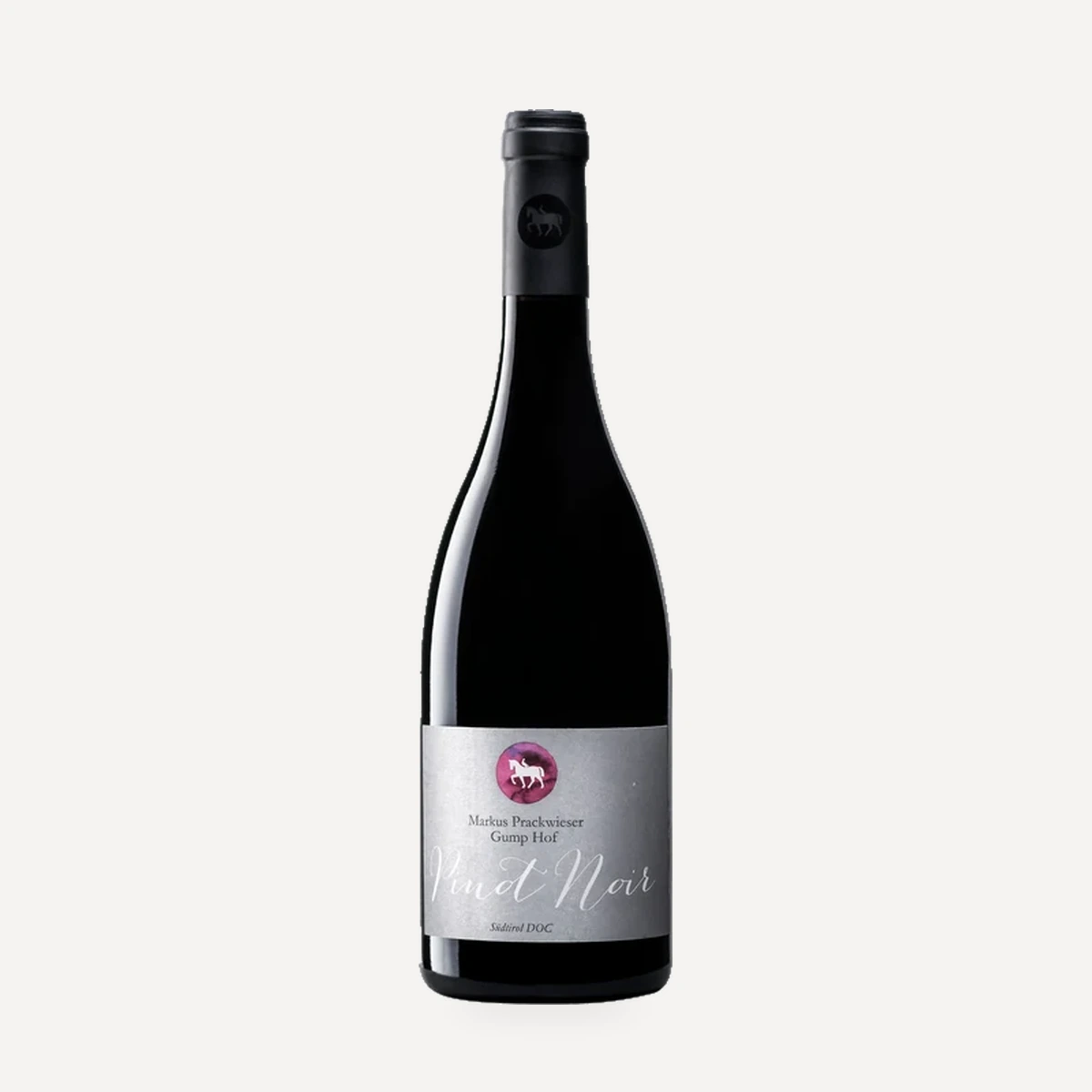
Blauburgunder
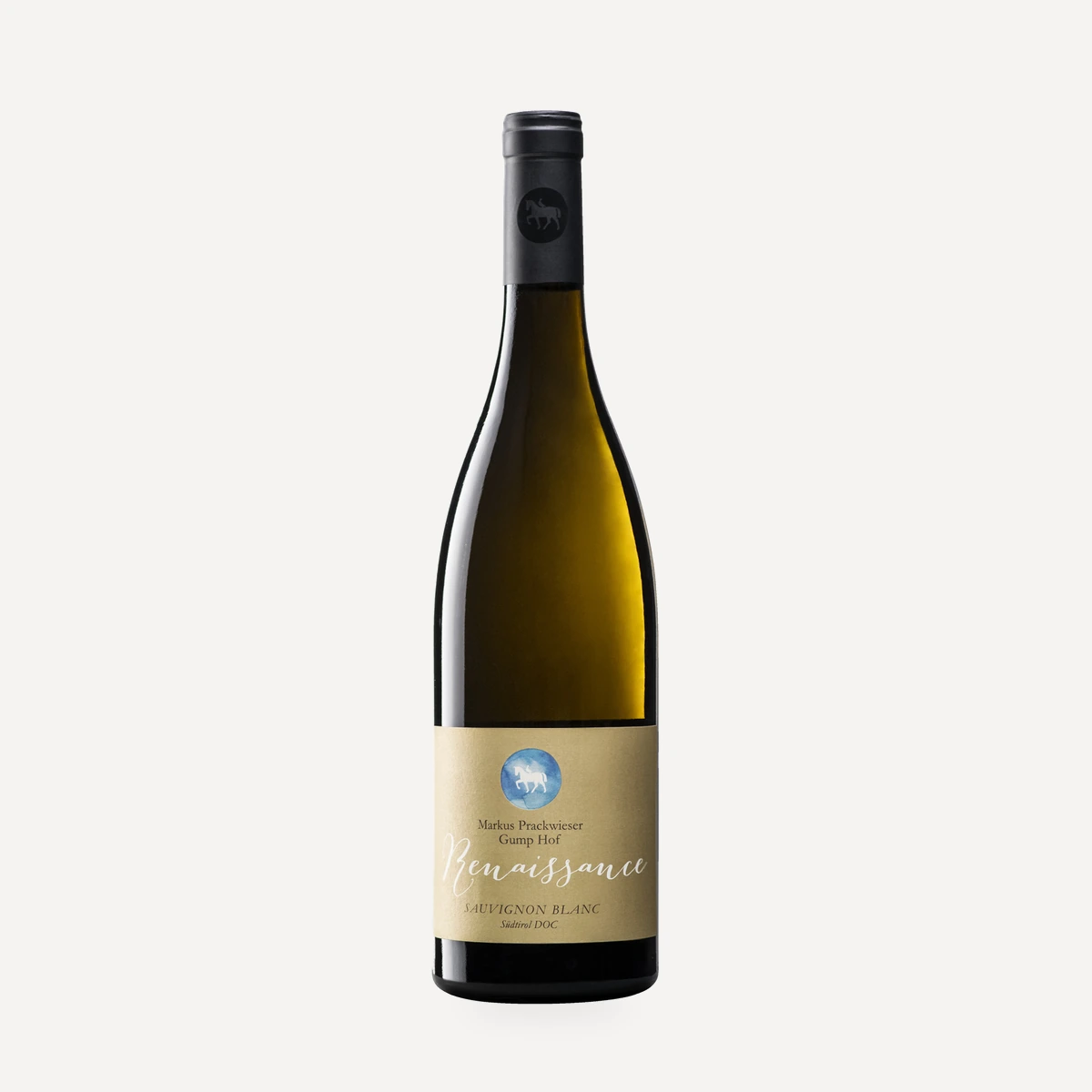
Renaissance Sauvignon Blanc
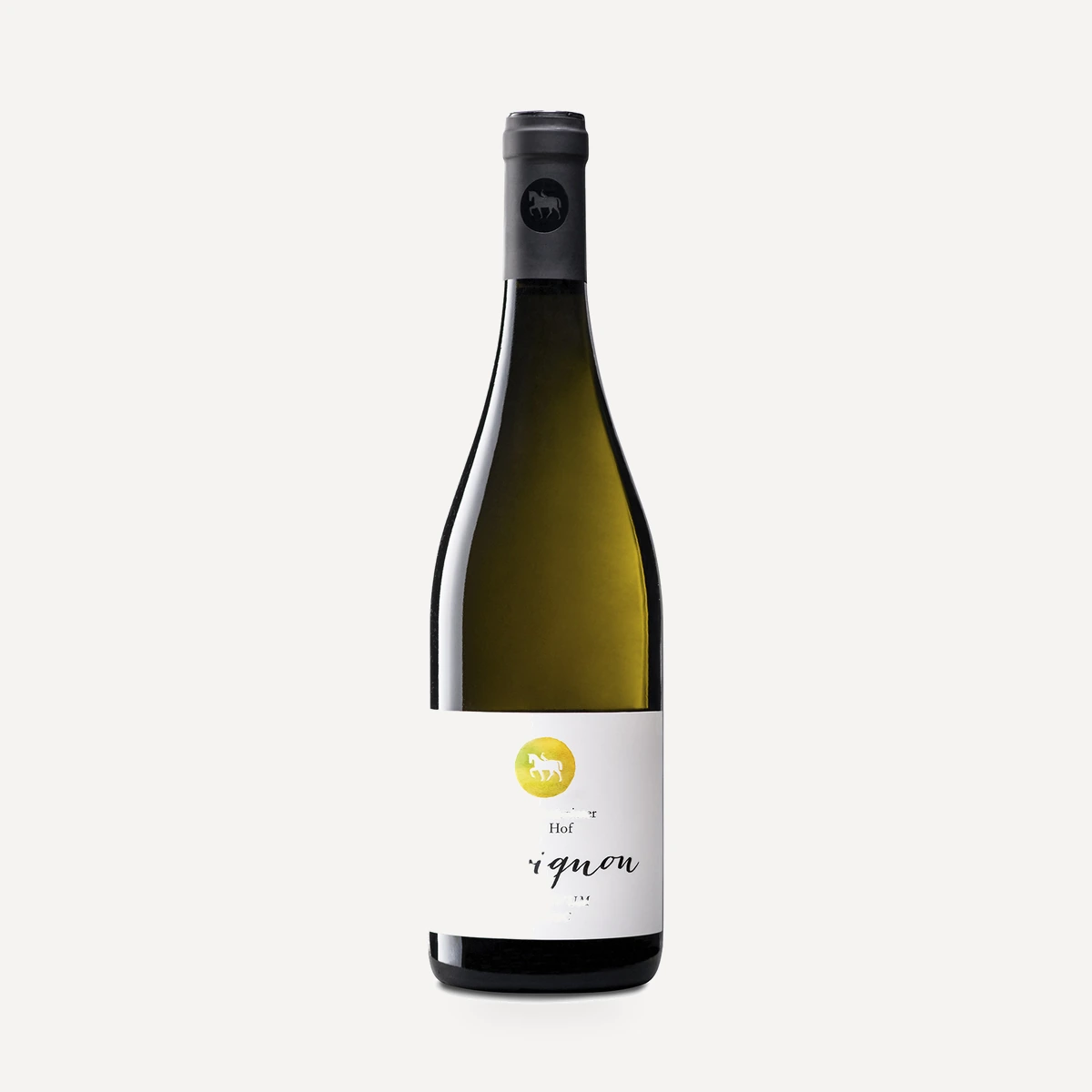
Sauvignon Blanc
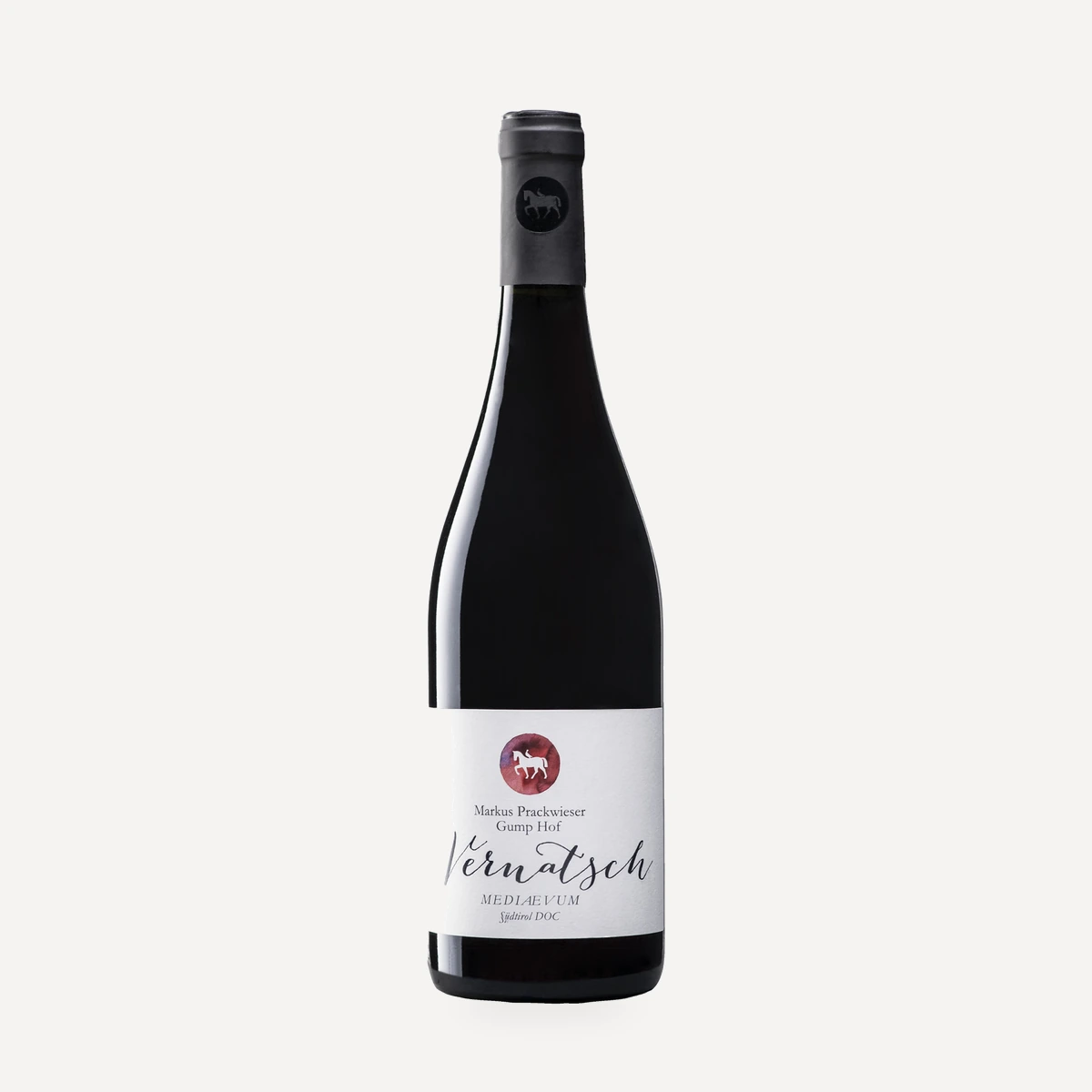
Vernatsch