Storia
From Dante’s exile to Pietro Alighieri
Dante Alighieri lived in Verona for several years after his exile. His son Pietro chose to remain in the area and, in 1353, acquired Casal dei Ronchi and the family’s first lands at Gargagnago, in the heart of Valpolicella Classica. The property had already acquired a reputation for the quality of its vineyards before Pietro’s purchase.
The estate subsequently passed through the poet’s direct descendants. The current estate presentation counts twenty-two generations of the family at the Possessioni, maintaining an association with Gargagnago that extends across almost seven centuries.
The sixteenth century: wine production and transformation of the residence
Winemaking began during the 1500s and has continued as an uninterrupted estate tradition. The original residence resembled a large farmhouse rather than a villa. Beginning in the mid-sixteenth century, it was gradually transformed into the mansion that stands today and remains a residence of Dante’s descendants.
The historic Molinara vine
An ungrafted Molinara vine was planted within the estate in 1875. It survived the phylloxera epidemic, protected by the historic walls enclosing the vineyard. This vine became the historical basis of the Molinara Serego Alighieri clone, a distinctive component of the estate’s viticultural identity.
Partnership with Masi
In 1973, the Conti Serego Alighieri entered into a collaboration with the Boscaini family and the Masi Technical Group. The alliance joined the estate’s inherited traditions to Masi’s technical and entrepreneurial contribution and brought the historic property into the Masi group of estates.
The 1979 Vaio Armaron vintage was the first to reflect Masi’s technical contribution. The 1988 vintage represented a stylistic transition during the 1980s, while the 1997 vintage was remembered for its exceptional concentration and body. The 2008 vintage later gained international prominence through its inclusion among Wine Spectator’s ten leading wines of the year.
Commemorating 650 years at Gargagnago
In 2003, the family marked 650 years of uninterrupted association with its Gargagnago lands by creating a limited Valpolicella production incorporating a proportion of semi-dried grapes.
Corporate and trademark structure
Possessioni di Serego Alighieri S.r.l. owns the Serego Alighieri and Possessioni di Serego Alighieri trademarks. A licensing agreement authorizing Masi to use and develop those marks was signed on 30 June 2001; its financial terms were subsequently amended on 2 January 2005 and 1 April 2011. As of 31 December 2025, Masi Agricola S.p.A. held a 60% controlling interest in Possessioni di Serego Alighieri S.r.l.
The estate today
The family residence, vineyards, enclosed park, historic cellars and ancient grape-drying loft remain at the centre of the estate. Traditional cherrywood casks continue to be used beside oak barrels. Masi supports production through its winemaking expertise, while the estate retains the family identity developed through centuries of residence and winegrowing at Gargagnago.
In 2026, more than fifty years of collaboration were celebrated at the 36th Masi Seminar. A masterclass devoted to Vaio Armaron examined the estate’s hillside cru, the Molinara Serego Alighieri clone, traditional cherrywood maturation and five representative vintages spanning 1979 to 2017.
Terroir
Possessioni Serego Alighieri lies at Gargagnago in the heart of Valpolicella Classica, among green hills a few kilometres from Verona’s historic centre and Lake Garda. The estate is organized around its historic residence, enclosed park and family vineyards.
Vaio Armaron is a hillside vineyard whose soil and climatic conditions are presented as central to the cru’s identity. Its name is also associated with a possible origin for the word Amarone. Casal dei Ronchi is an ancient and historically important estate vineyard, acquired by Pietro Alighieri in 1353.
Vinificazione
The estate preserves a rare Molinara selection known as the Molinara Serego Alighieri clone. Its historical reference vine was planted ungrafted in 1875 and survived the phylloxera epidemic within the protection of the estate’s old walls.
The clone remains part of the estate’s red-wine vineyards alongside Corvina and Rondinella. Its retention is intended to preserve biodiversity and a recognizable estate identity; its contribution is valued for acidity and salinity. Garganega and Sauvignon are also represented in the estate range.
Winemaking at the Possessioni dates from the 1500s and continues through the estate’s historic cellars and ancient fruttaio.
Appassimento grapes rest through the winter on bamboo racks, or arele, in drying lofts. The process concentrates the fruit before vinification and remains part of the production of the estate’s traditional Amarone and Recioto styles. A proportion of semi-dried fruit has also been used in Valpolicella production, including the limited release created in 2003 to mark the family’s 650th anniversary at Gargagnago.
Cherrywood maturation is a defining cellar practice. Traditional cherrywood casks are used alongside more usual oak barrels, contributing distinctive aromatic characteristics. For Vaio Armaron, maturation takes place in traditional 600-litre Veronese cherrywood casks in the historic cellars, with the wood ageing intended to enhance Corvina’s characteristic aromas.
The estate also completes the production cycle by distilling pomace from semi-dried Amarone grapes. Grappa di Vaio is direct-steam distilled through an ancient discontinuous system, using the remaining pomace rather than discarding it.
The premises at Via Stazione Vecchia 472 include an ageing cellar. The historic visitor route also encompasses the cellar and old grape-drying loft.
Filosofia
The estate’s identity combines the inherited traditions of the Conti Serego Alighieri with the technical and entrepreneurial expertise introduced through the Masi partnership. Longstanding practices—Appassimento in the historic drying loft, cultivation of the estate’s Molinara clone and maturation in cherrywood—are retained as active production choices rather than purely historical symbols.
Raffaele Boscaini connects the estate’s contemporary direction with the ability to preserve a recognizable identity while responding to climate change and changing preferences. The continued use of Molinara supports freshness, acidity and salinity within a more restrained style.
Sandro Boscaini frames the objective as preserving valuable inherited material and biodiversity while avoiding standardization. In this approach, technical correctness alone does not make a wine enduring: it must also sustain a distinctive style, personality and recognizability across successive vintages.
Vini
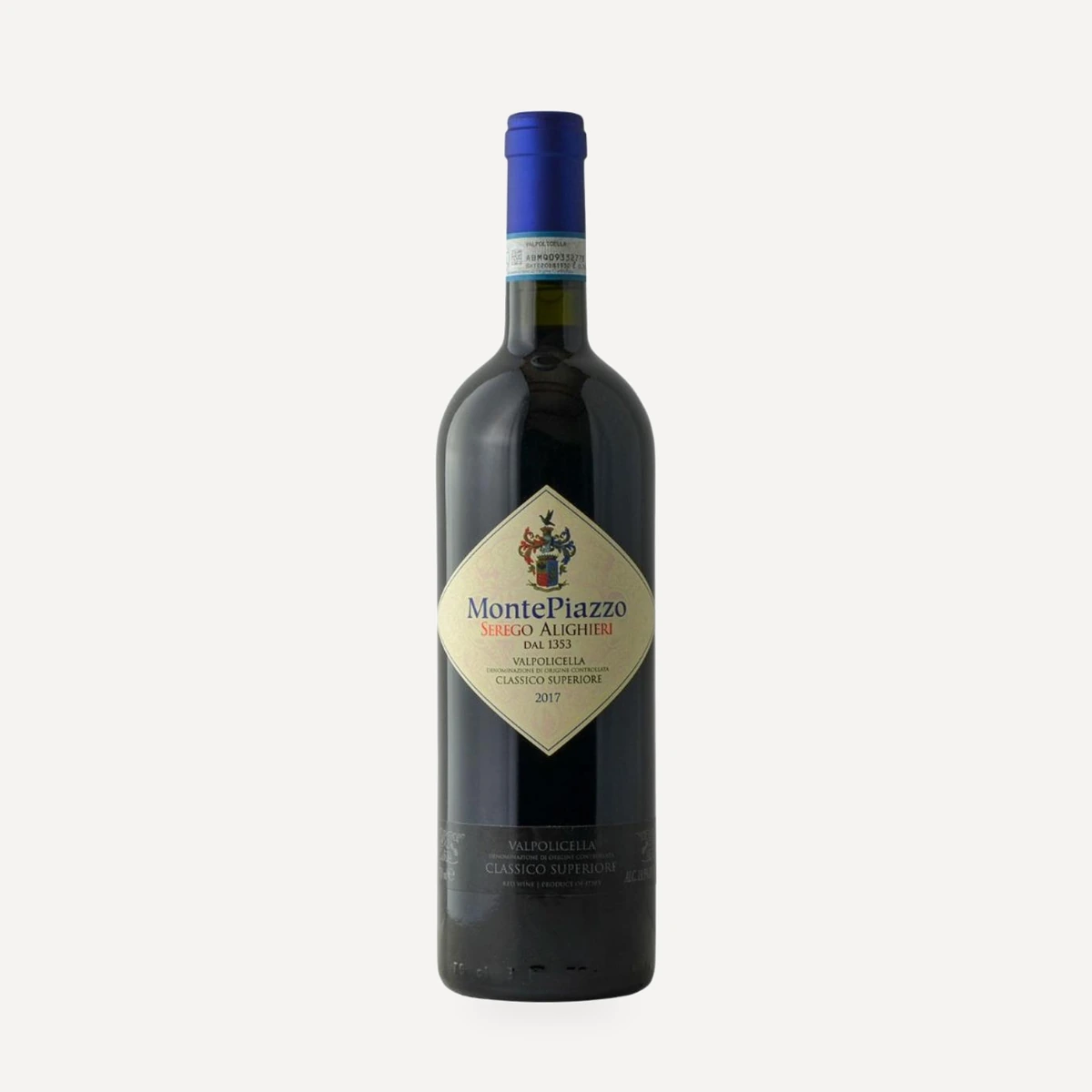
MontePiazzo Valpolicella Classico Superiore DOC
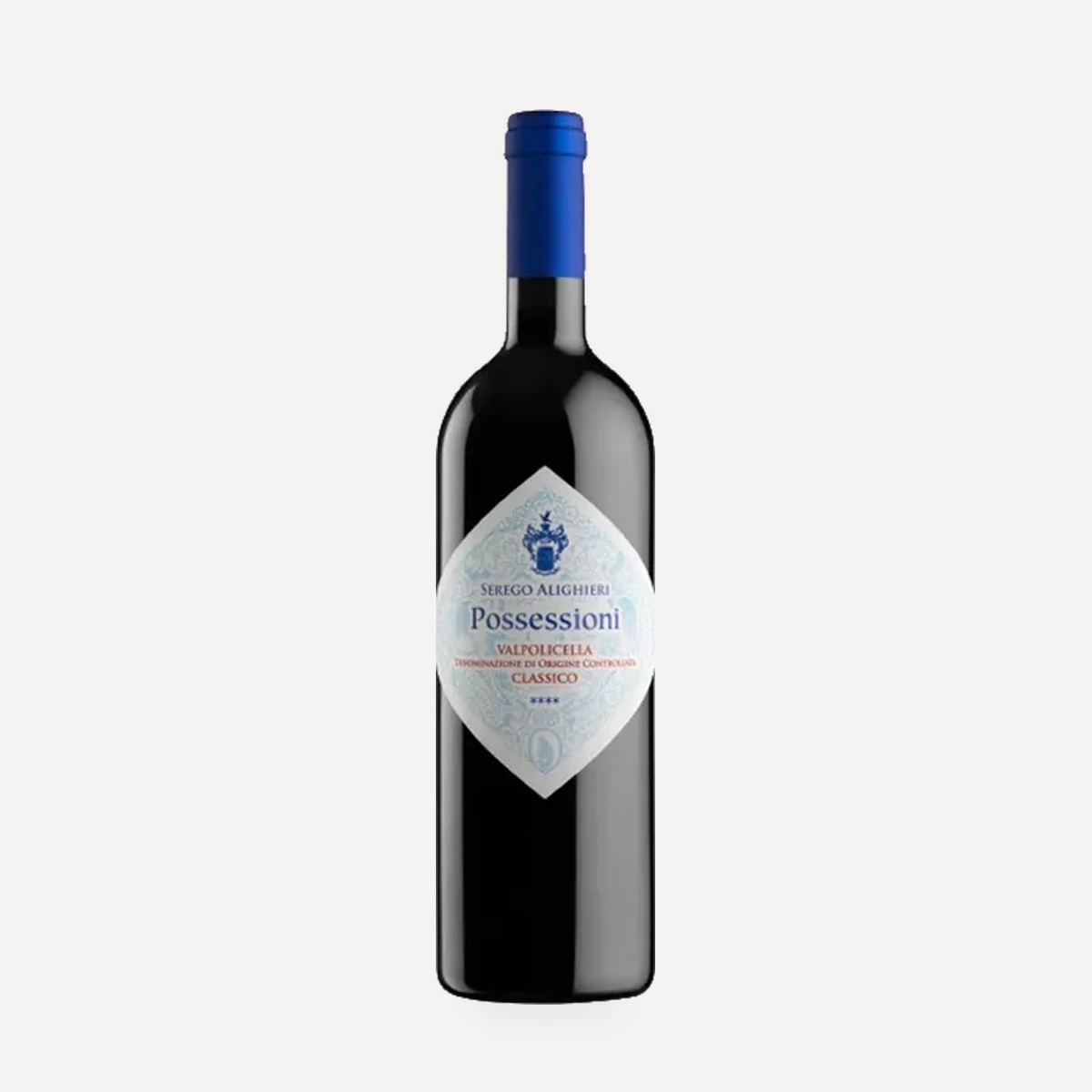
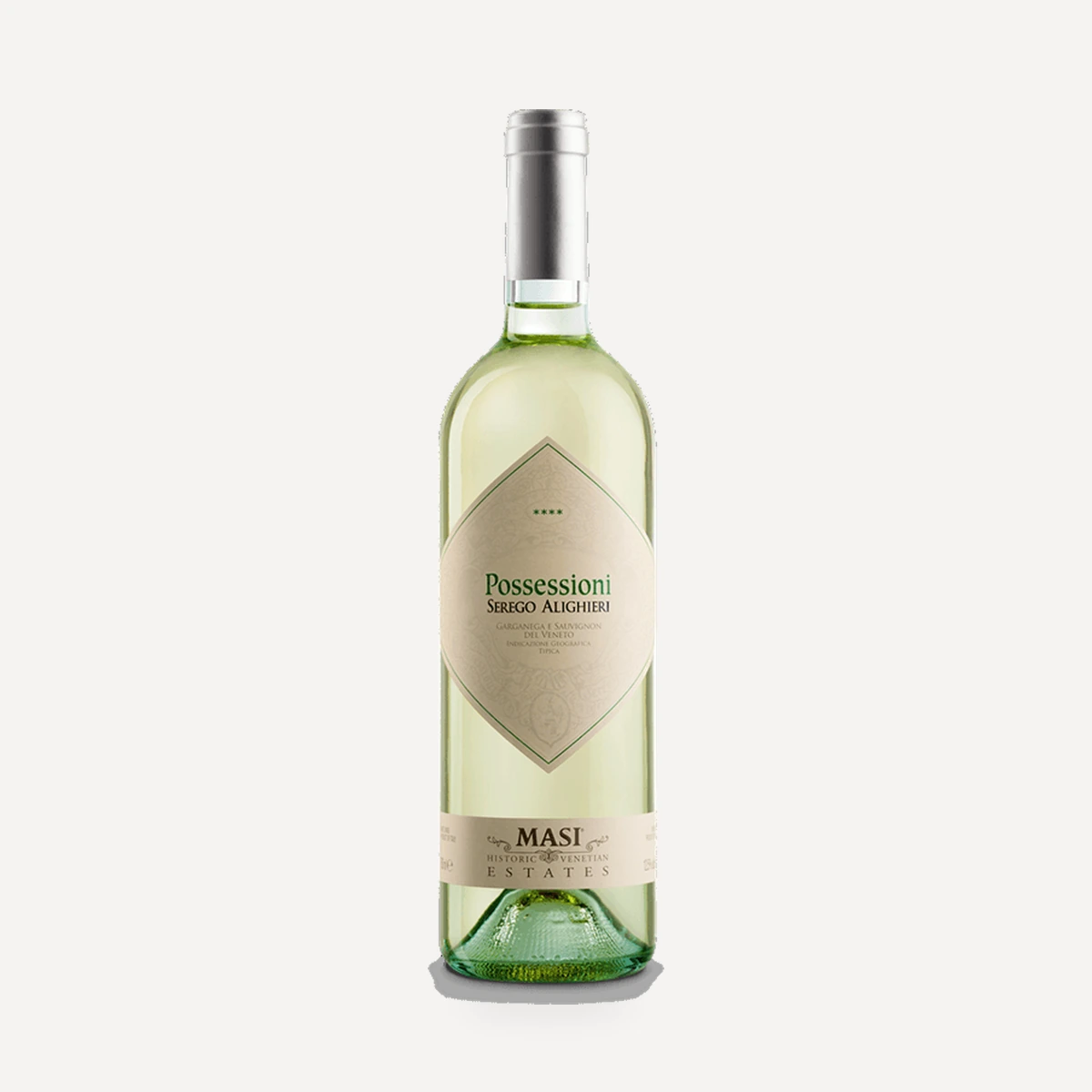
Possessioni Valpolicella Classico DOC
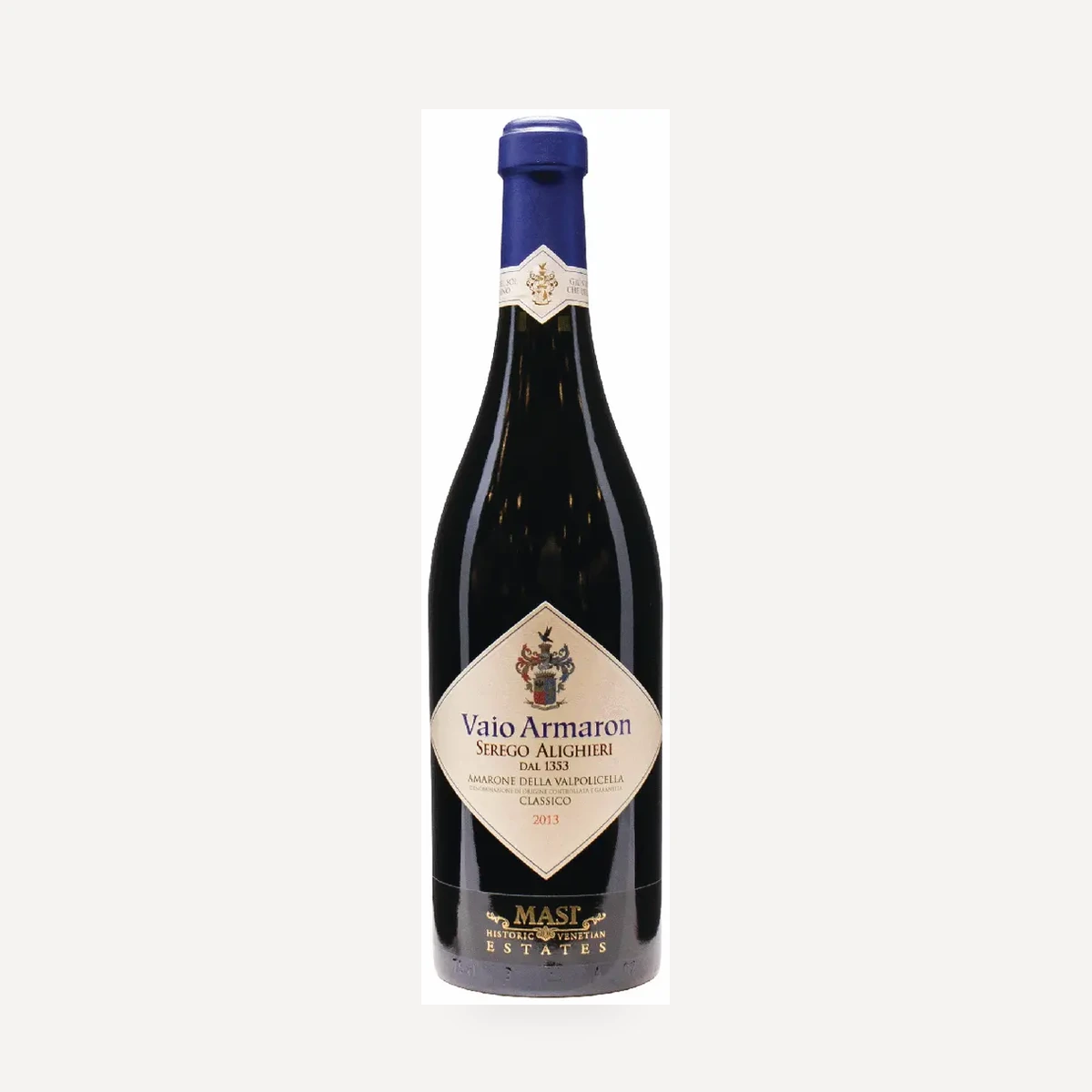
Vaio Armaron Amarone della Valpolicella Classico DOCG