Storia
The historic Maso
The property was known as El Mas de Martignan when Leonardo dal Monte became its first recorded owner in 1675. His granddaughter subsequently brought the Maso as her dowry when she married Felice Marsilio Mersi. After their son died in 1855, the property passed to the three Bassetti brothers.
The Bassetti family retained it until 1876, when it was transferred to Baron Oreste de Menghin Brezburg. Following Oreste's death, the Maso passed in 1890 to his only son, Baron Giuseppe Menghin. Giuseppe's daughter, Baroness Anna Maria Menghin, married Baron Pasio Alessandro Taxis de Bordogna e Valnigra in 1919. Their son, Baron Alessandro, later inherited the property; following his death in 1977, it passed to his sons Paolo and Lorenzo, Barons Taxis.
In 1981 Paolo and Lorenzo retained the manor house, chapel and park but sold the agricultural portion to Vito Vender. Vender subsequently transferred the farm to Giuseppe Stelzer of Pergine, Antonio Stelzer's father. Antonio and Roberta later named it Maso Martis, adapting the name from Martisfanum, or “Temple of Mars,” an ancient Latin name associated with Martignano.
From vineyard to winery, 1986–1998
The first harvest at the Maso took place in 1986. Until 1990, however, all the grapes were delivered elsewhere. In 1990, after equipping a cellar with the essentials, the young Antonio Stelzer and Roberta Giuriali decided to vinify a small portion of their own fruit and founded Maso Martis.
They committed the new enterprise almost exclusively to traditional-method sparkling wine. At the time, this was considered a challenge because Trentino sparkling wine had not yet acquired the reputation subsequently associated with Trentodoc. Their choice arose from their enthusiasm for the style and their conviction that it could represent Trentino's terroir.
Matteo Ferrari joined the team as oenotechnician in 1994 and became a central figure in the cellar.
A house style takes shape, 1999–2009
With the 1999 harvest, Antonio, Roberta and Matteo created the project that became Madame Martis. The blend combined Pinot Nero, wood-fermented Chardonnay and an unusual component of Meunier. This also marked the first full use of Meunier as a distinctive part of the estate's top reserve, although Antonio had chosen to cultivate the variety from the estate's beginnings.
Only 500 bottles of the inaugural 1999 vintage were made. After eight years on the lees, the first bottle was opened and the wine was formally presented at the 2008 Merano Wine Festival.
Organic conversion and estate development, 2010–2019
Maso Martis began moving toward organic agriculture in 2010. The change reflected the family's decision to protect the land surrounding their home as carefully as the vines themselves. From the 2013 harvest, both vineyards and cellar were certified organic by ICEA.
In 2014, a collaboration began with entrepreneur Luca Bondioli and his 1177 design brand, leading to insulating bottle covers made from recyclable Dryarn. The estate celebrated 25 years of activity in 2015.
The winery underwent substantial work during 2017: doors were replaced, new machinery was installed, the vinification cellar was renewed and the room used for visits and tastings was improved. A new storage building followed in 2018. It was designed to provide more space for bottles undergoing the long maturation required by traditional-method sparkling wine and to permit gradual production growth. After the 2018 harvest, part of the vineyard was uprooted; in keeping with the estate's organic practice, the ground was left to rest for a full year before replanting.
Thirtieth anniversary and succession, 2020–2022
Maso Martis marked its 30th anniversary in 2020 with a complete redesign of its visual identity, logo and labels. The original shield was retained, while the two initial “M” characters were emphasized and a double-M die-cut motif was devised to evoke both the winery's name and the peaks of the Dolomites. The anniversary was also marked by the presentation of Monsieur Martis, a pure-Meunier rosé project based on the 2015 vintage.
The formal generational transition took place on 1 October 2021. Alessandra and Maddalena took over from their parents as the winery's second generation. The change was structured as a period of collaboration rather than an immediate replacement of roles, allowing them to work beside Antonio and Roberta and learn the experience accumulated since 1990.
At the beginning of 2022, following that transition, the family acquired 2 ha at Pragrande in Montevaccino, at 800 m. The vineyard had been planted to Müller Thurgau in 2010. Its first Maso Martis harvest in 2022 initiated the Al+Ma 800 project, whose name refers to Alessandra and Maddalena.
The current team and 35th anniversary
Edoardo joined the cellar team as oenologist in 2024 after completing several earlier internships at Maso Martis. He works alongside Matteo Ferrari. Antonio continues to supervise work in the vineyards and cellar, while Roberta remains involved in commercial and administrative activity. Alessandra leads marketing and communication, and Maddalena oversees hospitality.
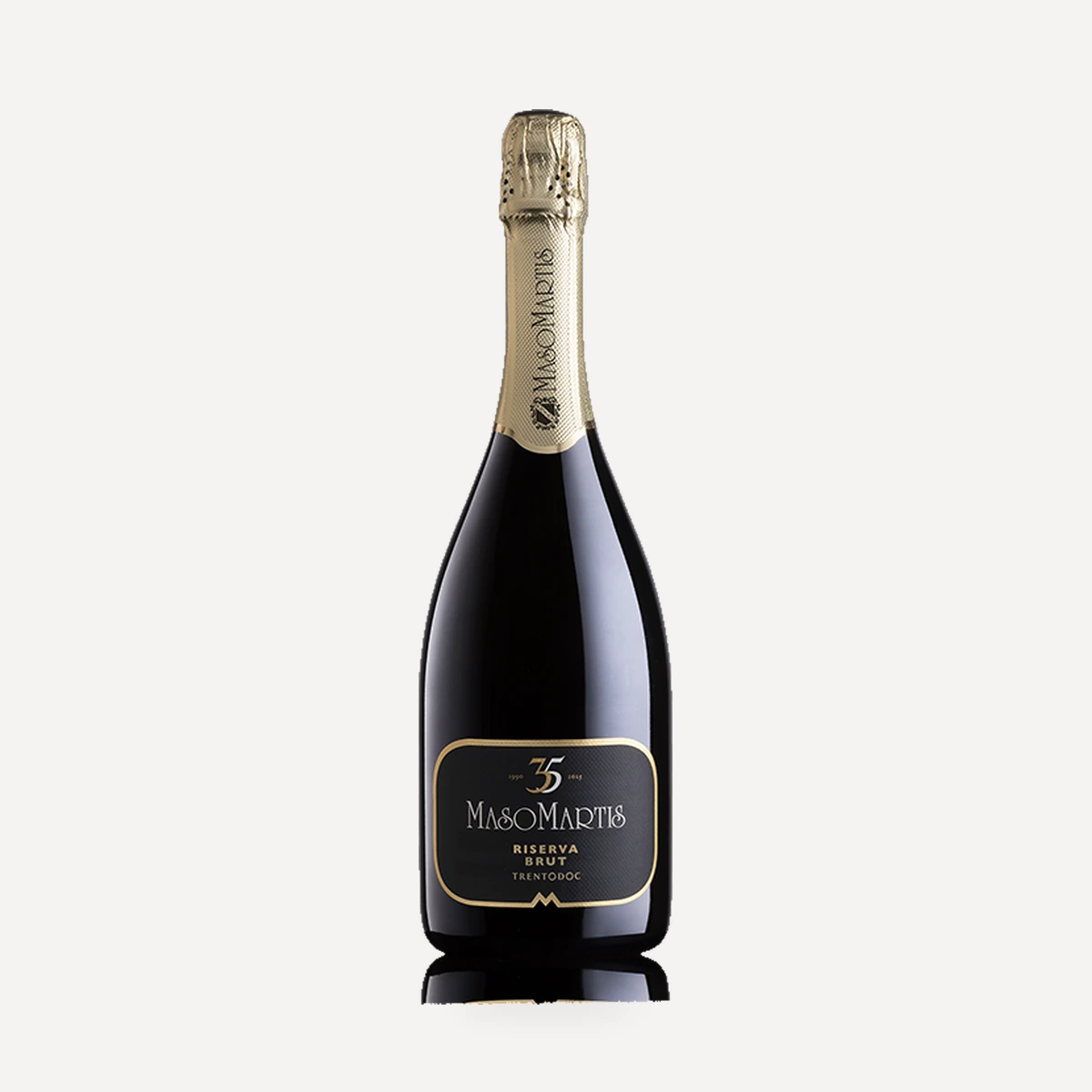
In 2025, the estate marked its 35th anniversary with a further restyling associated with the Riserva “35” project.
Terroir
Maso Martis stands at Martignano above Trento, at the foot of Monte Calisio, also known as Argentario. The home vineyards lie at approximately 450 m on well-exposed mountain terrain that has been cultivated since the late 19th century.
The soils are predominantly silty and calcareous, with abundant stones over Trentino's characteristic red rock. The combination is associated with the mineral character sought in the estate's fruit. The site is cooled by mountain air and by the consistent Ora del Garda breeze.
The broader Dolomite environment provides the setting for the estate's sparkling-wine production. Fresh aromas and mineral expression are linked to the interaction of altitude, calcareous mountain soil and air movement.
A second and distinctly higher site lies at Pragrande, near Montevaccino, at 800 m. Its soil consists of mixed glacial material with a substantial porphyry component. The vineyard's altitude is central to the fresh profile sought from its Müller Thurgau grapes.
Vinificazione
Maso Martis began approaching organic agriculture in 2010 and obtained ICEA organic certification for both vineyard and cellar from the 2013 harvest. The family regards the conversion as an extension of living in a house surrounded by its vineyards and of protecting the health of that everyday environment.
Organic management is based on supporting the soil's natural fertility through limited intervention, encouraging biodiversity, and excluding synthetic products and genetically modified organisms. Documented vineyard practices include short pruning, organic fertilisation on a biennial or triennial cycle, alternate-row soil cultivation or cover cropping, and drip irrigation only when required. When part of a vineyard was removed in 2018, the soil was rested for a full year before replanting.
Harvesting is carried out by hand. For several production programmes, bunches are selected and collected into small boxes before prompt whole-bunch pressing. The estate's own organic fruit is supplemented by grapes from small certified-organic growers on the hills of Trento.
Biodiversity is treated as part of vineyard management. Beehives are distributed beside the vineyards and close to the woodland, supporting a small production of organic millefiori honey. A synergistic vegetable garden was created by Maddalena with help from Stefano Delugan, following an approach intended to return more vitality to the soil than the crops remove.
In 2020 Maso Martis joined Terra Aria Acqua, a project studying and protecting biodiversity in and around Trento. MUSE researchers monitored birds, amphibians, reptiles and pollinating insects on the estate. Methods included listening-point surveys of breeding birds, monitoring nocturnal raptors and other species, inspecting mature trees for nesting cavities, surveying dry-stone walls, ditches and rocky outcrops for amphibians and reptiles, and counting insects active on flowers. The research highlighted the ecological value of mature trees, wetlands, ditches, hedges and other marginal habitats. The results were also intended to guide the placement of nesting boxes made by Cooperativa Sociale Progetto 92. An agronomist was subsequently scheduled to characterise the soils and their organisms.
Maso Martis has concentrated primarily on traditional-method sparkling wine since its foundation. Current annual production is approximately 100,000 bottles, almost entirely devoted to Trentodoc.
Base wines and cuvée preparation
Base wines begin with the gentle pressing of Chardonnay, Pinot Nero, Pinot Bianco or Meunier, the varieties admitted in the production description. Estate practice documented across the range includes immediate gentle pressing of whole bunches, separate processing of varieties, stainless-steel fermentation and maturation for Pinot Nero and Meunier, and the fermentation and maturation of selected Chardonnay lots in barriques. Cultured yeasts are used in the documented fermentations.
After the first fermentation, the wines are separated from the gross lees and assembled into cuvées. Stainless steel is the principal vessel for many base wines, while selected Chardonnay may ferment and mature in small barrels. The L’Incanto programme documents fermentation in small barrels, approximately 15 months of maturation before blending and, in an earlier description, repeated bâtonnage on the lees.
Tirage and bottle fermentation
At tirage, yeasts and sugar are added to initiate the second fermentation in bottle. Organic cane sugar, riddling aids and yeast nutrients have been used in this phase. Bottling for the second fermentation normally takes place in the spring following harvest.
The resulting carbon dioxide remains in the bottle and forms the perlage. The stated Trentodoc minimum periods on the lees are 15 months for Brut, 24 months for a vintage wine and 36 months for a Riserva. Maso Martis also keeps selected wines on their lees for substantially longer periods. Magnum tirage has been performed entirely by hand, after which the bottles are laid horizontally in ordered stacks.
Remuage, disgorgement and finishing
Remuage takes place either on wooden pupitres, where bottles are turned and shaken by hand each day, or more rapidly in mechanical gyropalettes. This movement brings the spent yeast into the bottle neck.
Disgorgement may be performed à la glace or à la volée. After the sediment is removed, bottles can be topped with a house liqueur d’expédition; DosaggioZero wines are topped with the same wine and receive no liqueur d’expédition. Brut Nature production is finished without sugar in the liqueur. Bottles are then closed, packaged and prepared for release.
Still-wine work
Documented still-wine production includes gentle pressing, controlled fermentation at 18–20°C with cultured yeasts, storage in stainless steel and bottling in the following spring. Müller Thurgau receives approximately seven hours of maceration in the press at 10–12°C before fermentation at 18–20°C. Selected Chardonnay is fermented and matured in small barrels before blending and bottling.
Filosofia
Maso Martis defines its work through a direct connection between family, vineyard and bottle. The family wants every bottle to reflect its particular growing season, rather than erase vintage differences. Care for the health of the vines is intended to equal the care given to the environment in which the family lives.
Traditional-method sparkling wine was chosen through passion and through the conviction that it could express Trentino's terroir. Producing it demands substantial manual work, patience and long periods of maturation. Detailed vineyard selection, precise cellar work and attention to each individual bottle form the practical basis of the estate's signature.
Organic farming is both a production principle and a family choice. Its purpose is to preserve natural soil fertility, encourage biodiversity and avoid synthetic inputs and GMOs. The health of the environment and of the finished wine is treated as a central production value.
Teamwork is another stated principle. Family members and employees are presented as participants in a shared project, while the 2021 generational transition was conceived as collaboration between generations. Friendship, hospitality and participation in the cultural and agricultural life of Trentino are likewise recurring parts of the estate's identity.
The family's understanding of wine also emphasises conviviality: festivals, shared meals, special occasions and informal gatherings are treated as part of the meaning of sparkling wine.
Vini
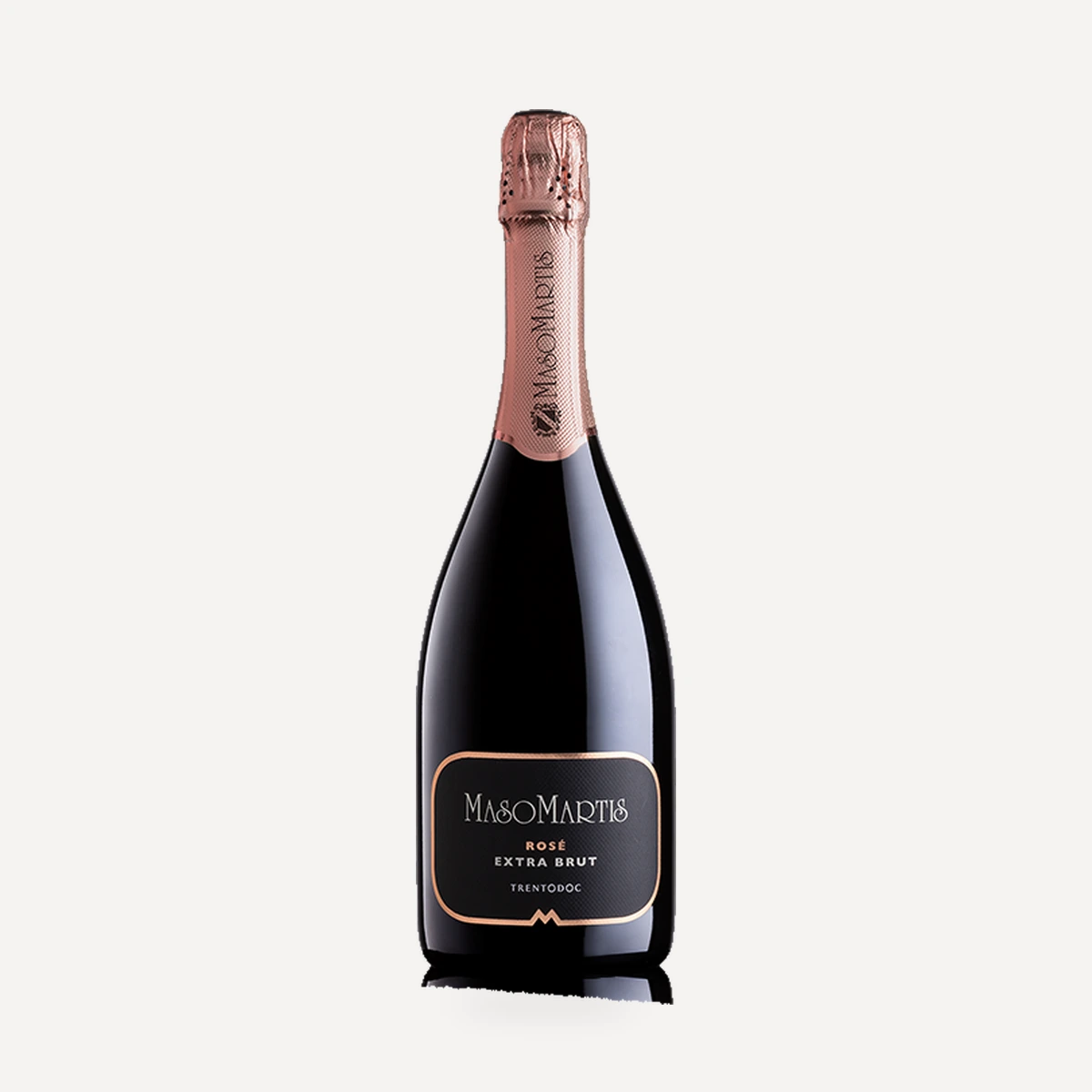
Extra Brut Rosé Millesimato
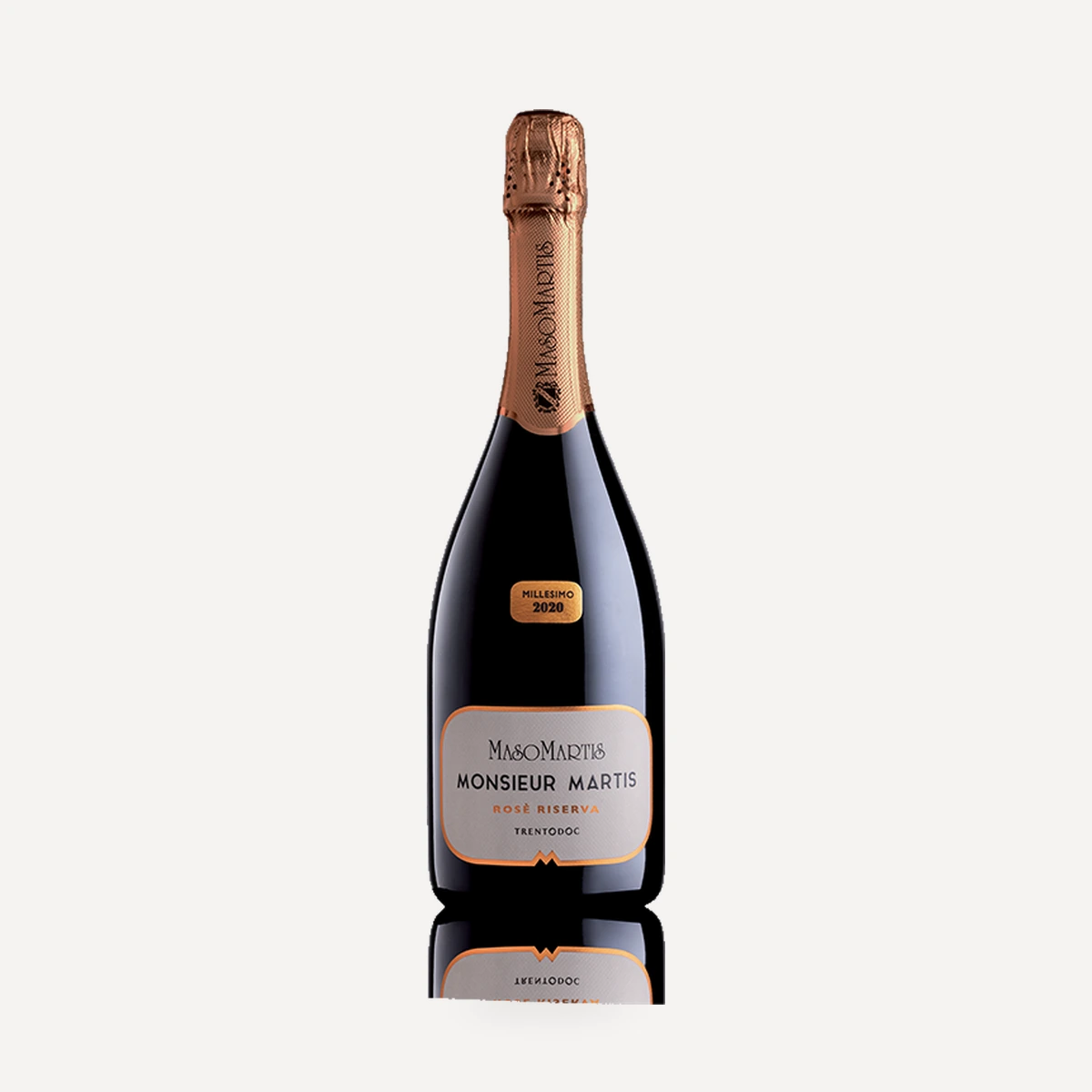
Monsieur Martis Rosé Riserva Brut Millesimato
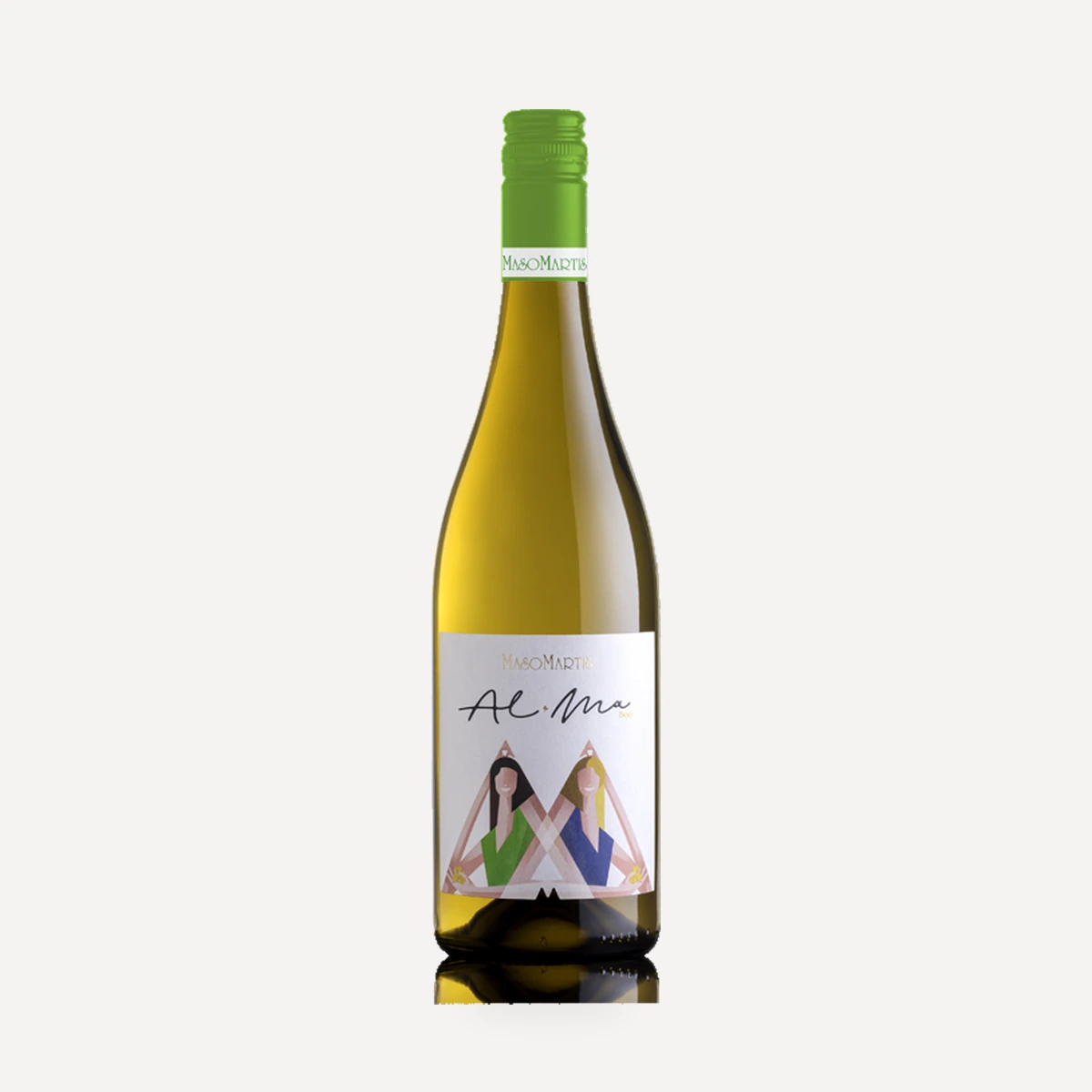
Müller Thurgau IGT Vigneti delle Dolomiti
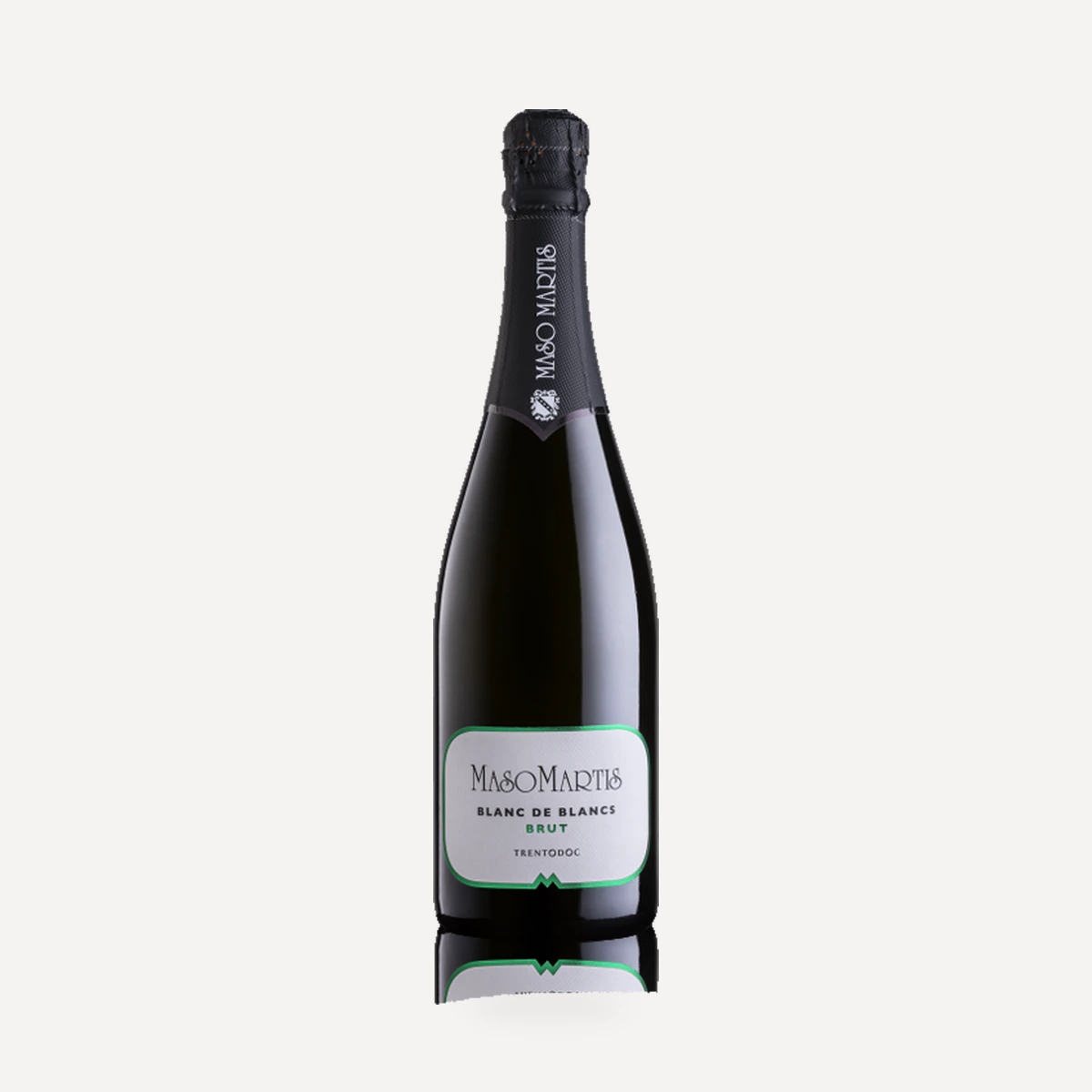
Blanc de Blancs Brut
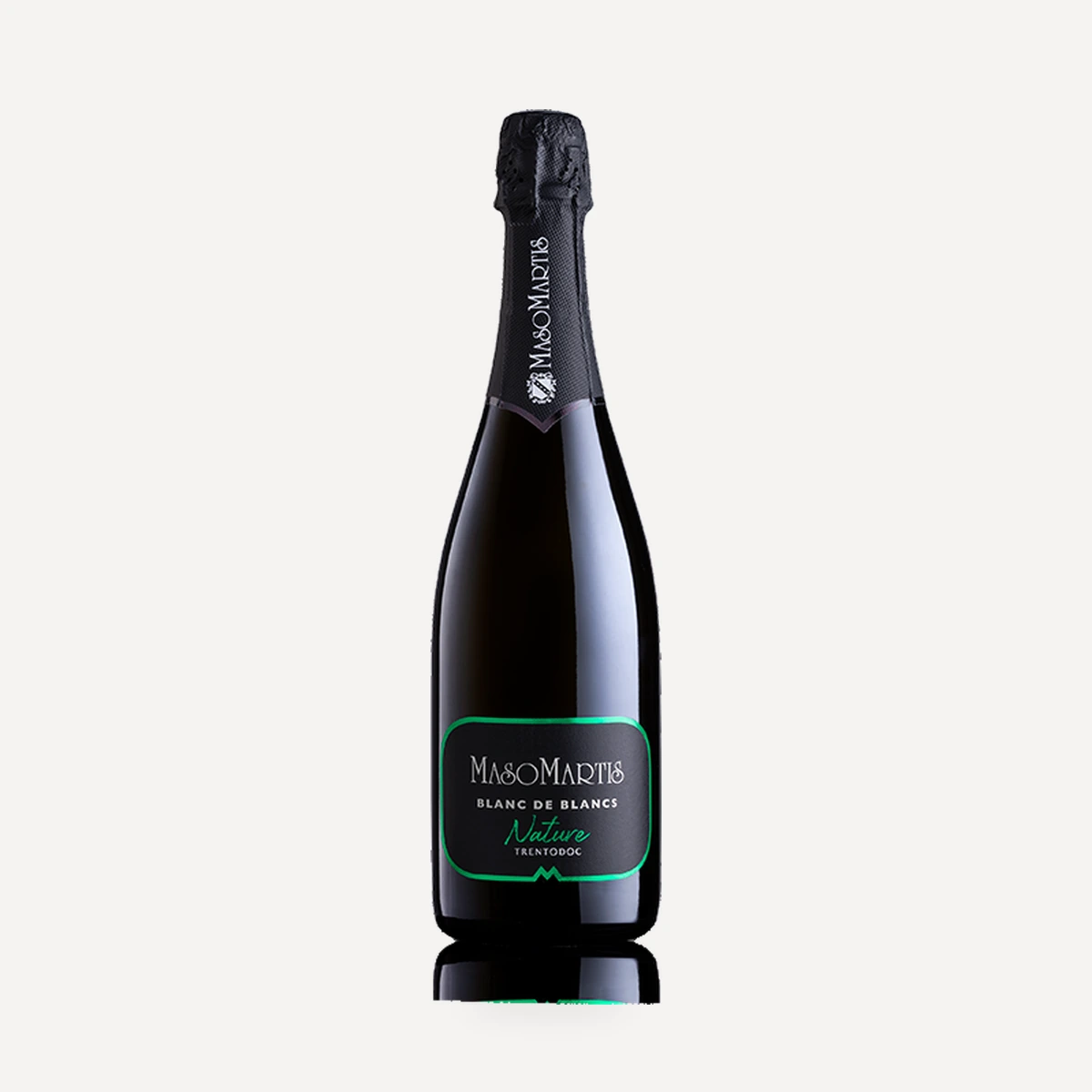
Blanc de Blancs Brut Nature Millesimato
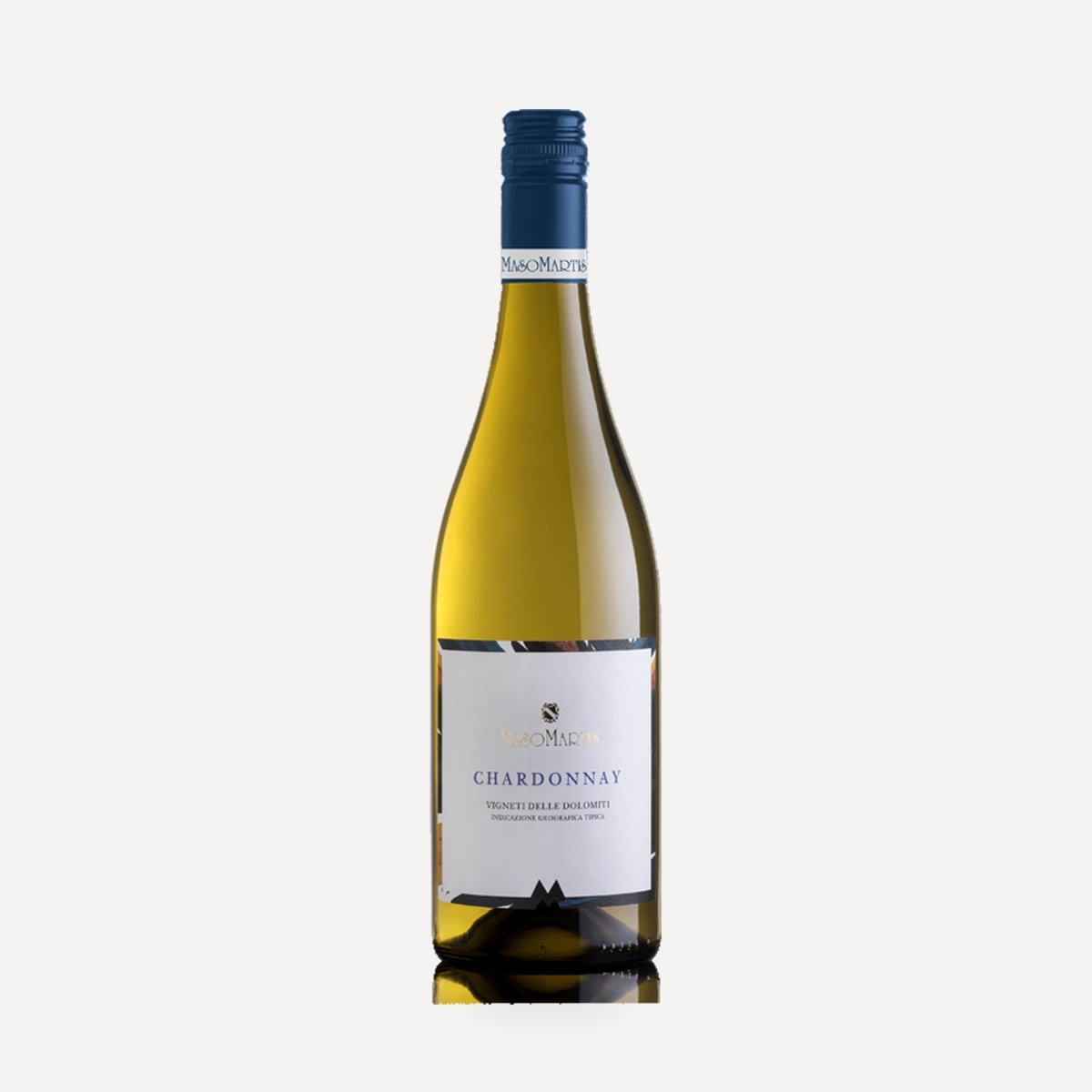
Chardonnay IGT Vigneti delle Dolomiti
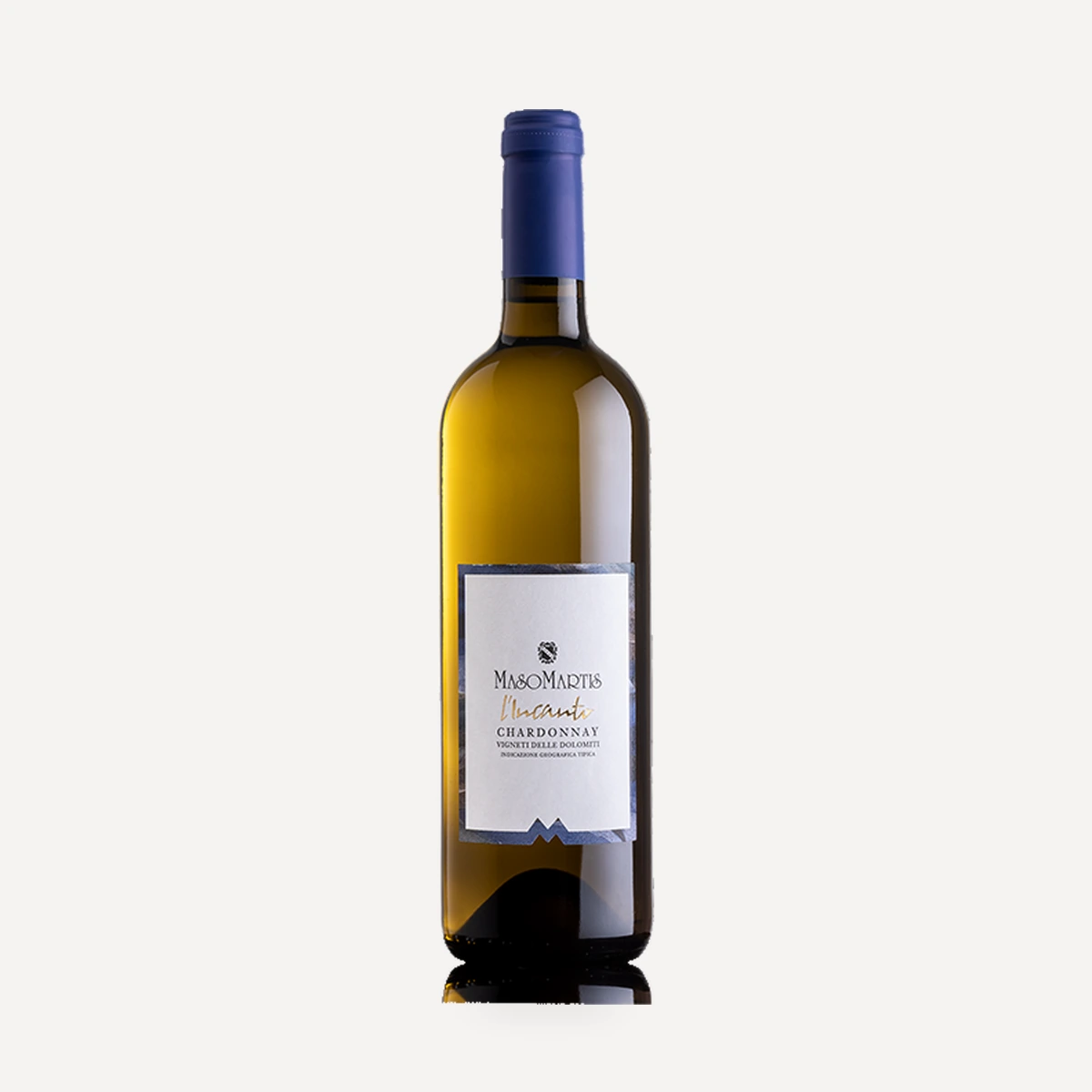
Chardonnay L’Incanto IGT Vigneti delle Dolomiti