Storia
The first generation: 1928–1938
In 1928, Mattia Vezzola senior began producing and selling wine in Moniga del Garda. In 1936, driven by the local tradition of rosé production, he established himself independently as a winegrower and cellar worker and acquired the family’s first vineyards in the Costa locality. The present Costaripa winery would later be built on this land.
The first family rosé, then known as Chiaretto di Moniga, was produced in 1938 using submerged-cap vinification.
Bruno and Franco Vezzola: 1954–1959
In 1954, Mattia senior’s sons Bruno and Franco—the second generation—continued the family’s work, concentrating on both viticultural and oenological quality in Chiaretto di Moniga.
Bruno began experimenting with rootstocks in 1957. He retained a pruning principle introduced to the area by Bordeaux oenologists in 1896: deliberately limiting the quantity of grapes in pursuit of higher quality.
In 1959, the family began working the shallow soils of the Costa, Magher and Cap Grant vineyards with Masker, an Avellinese-breed horse. Horse cultivation was intended to respect the limited depth of these soils.
Mattia Vezzola enters the cellar: 1972–1973
Mattia Vezzola completed his oenology studies in Conegliano in 1972 and began working in the family cellar. With his father Bruno and his brother, he reassessed the family’s original viticultural and winemaking ideas, which had been altered during the Second World War for economic reasons.
A first journey to Champagne in the same year shaped his approach to sparkling wine. He became interested in producing sparkling wines with complexity, refinement, elegance and longevity, while joining contemporary technology to established practice. In 1973, Costaripa made its first Metodo Classico from Lake Garda Chardonnay—the beginning of a project that marked its fiftieth anniversary in 2023.
Independent vinification and new projects: 1983–1994
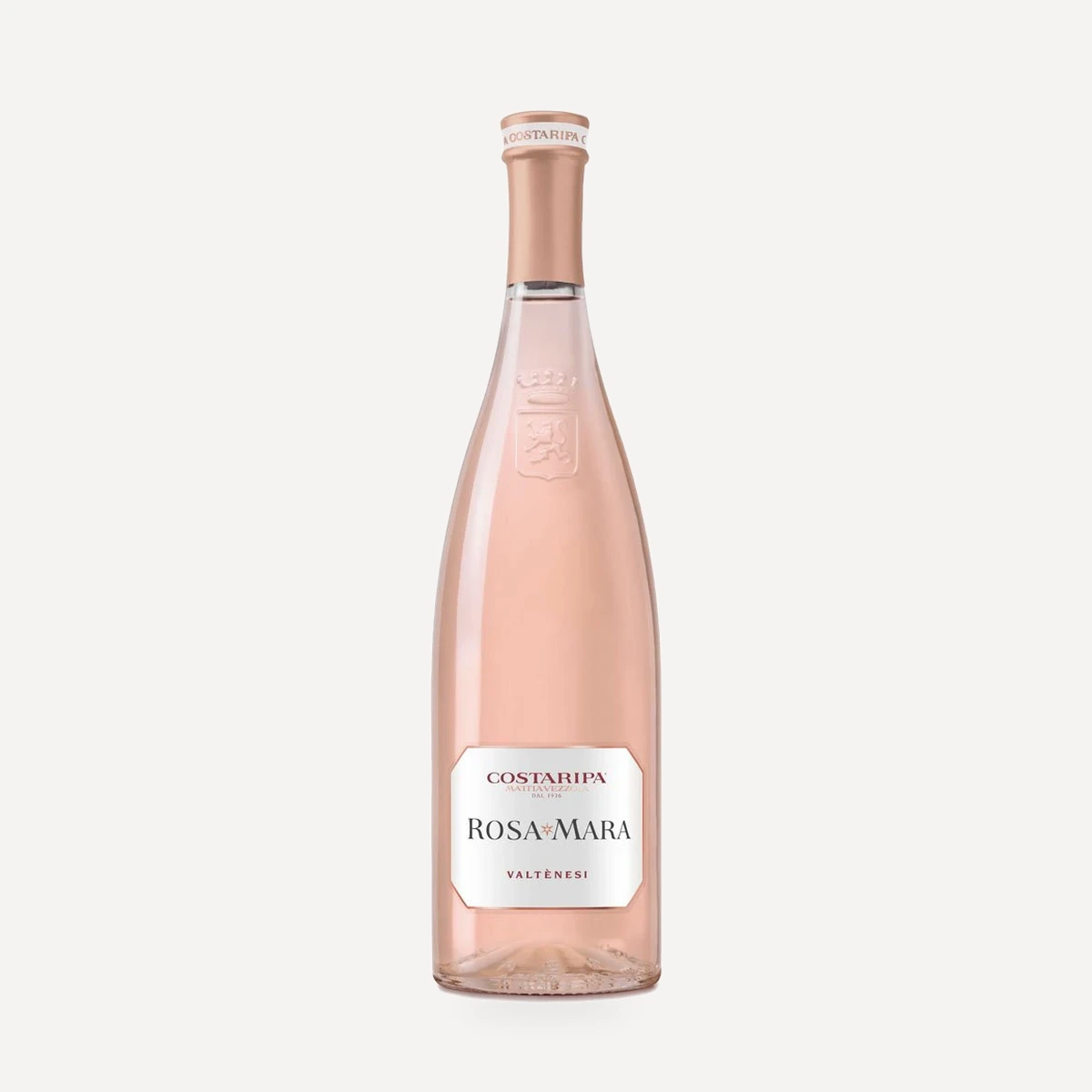
The 1983 vintage was the first vinified in complete autonomy, allowing inherited experience to be combined with early-1980s technology. RosaMara was created in that year.
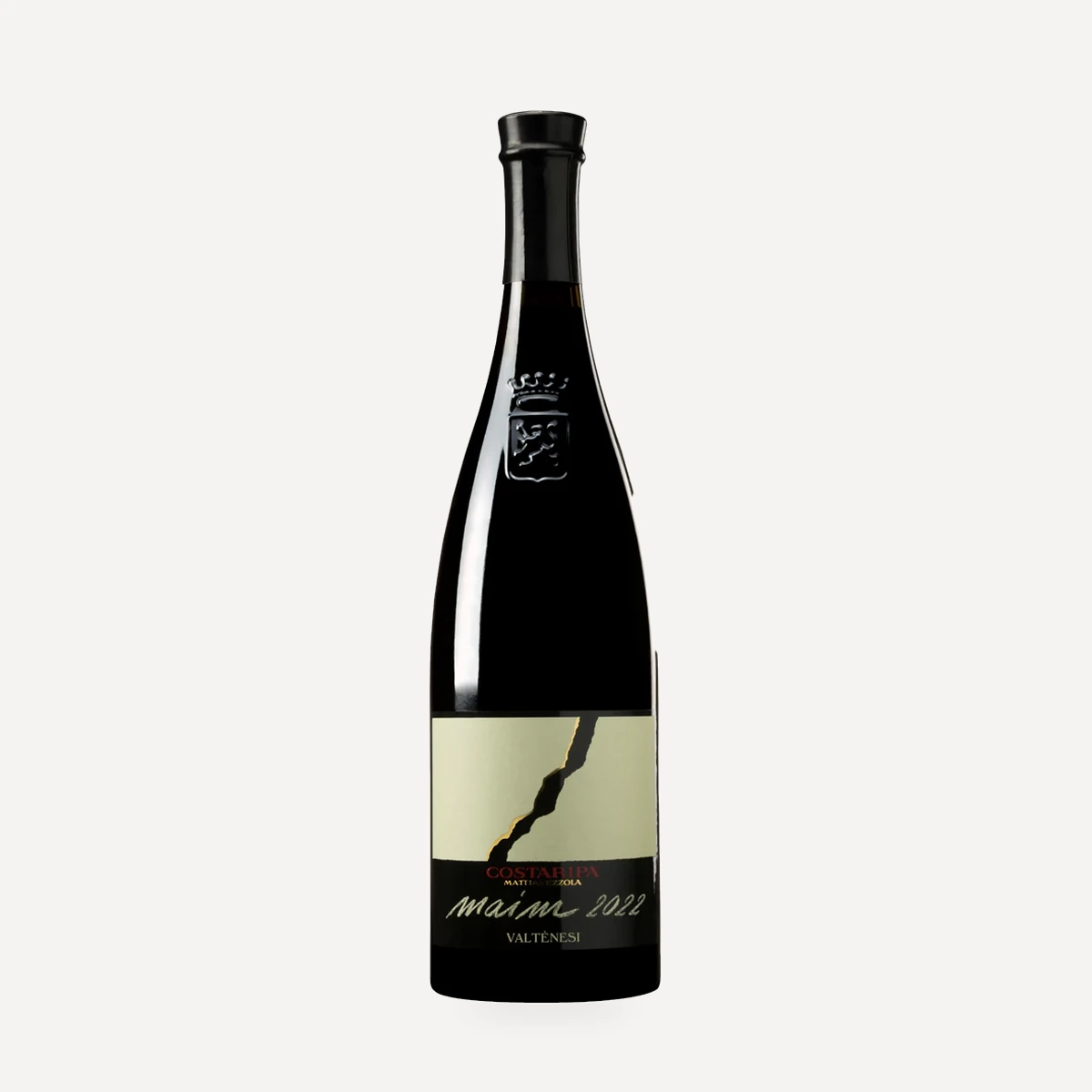
In 1984, one Groppello Gentile vineyard was subjected to particularly rigorous pruning and bunch selection. The aim was to make a red wine capable of expressing the variety’s finesse and silky texture. A single pièce arrived from Burgundy for the first edition of Maim. This project began Costaripa’s exploration of the ageing potential of Groppello Gentile.
In 1992, Mattia Vezzola began developing an ageworthy rosé dedicated to Senator Pompeo Gherardo Molmenti, associated in the estate chronology with Italy’s first rosé from dedicated viticulture at Moniga. The resulting Molmenti project linked extended ageing with the traditions of Valtènesi.
The Christiaan Barnard Foundation project: 1999–2000
In 1999, Costaripa became involved with the humanitarian foundation associated with heart-transplant pioneer Christiaan Barnard and Princess Diana, created to help children with serious heart conditions. A red wine combining local tradition with the influence of Lake Garda was dedicated to the initiative.
The Christiaan Barnard Foundation wine was released in 2000. Its proceeds helped two children under three receive heart transplants. The wine was subsequently renamed Campostarne.
A new winery and visual identity: 2004–2015
Construction of a new 2,800 m² winery was completed in 2004. The building was integrated into the winegrowing landscape and equipped primarily for Costaripa’s specialist rosé production.
A renewal of the estate’s visual identity began in 2010. Working with creative graphic designer Giacomo Bersanetti, Costaripa developed the profile of its new proprietary bottle.
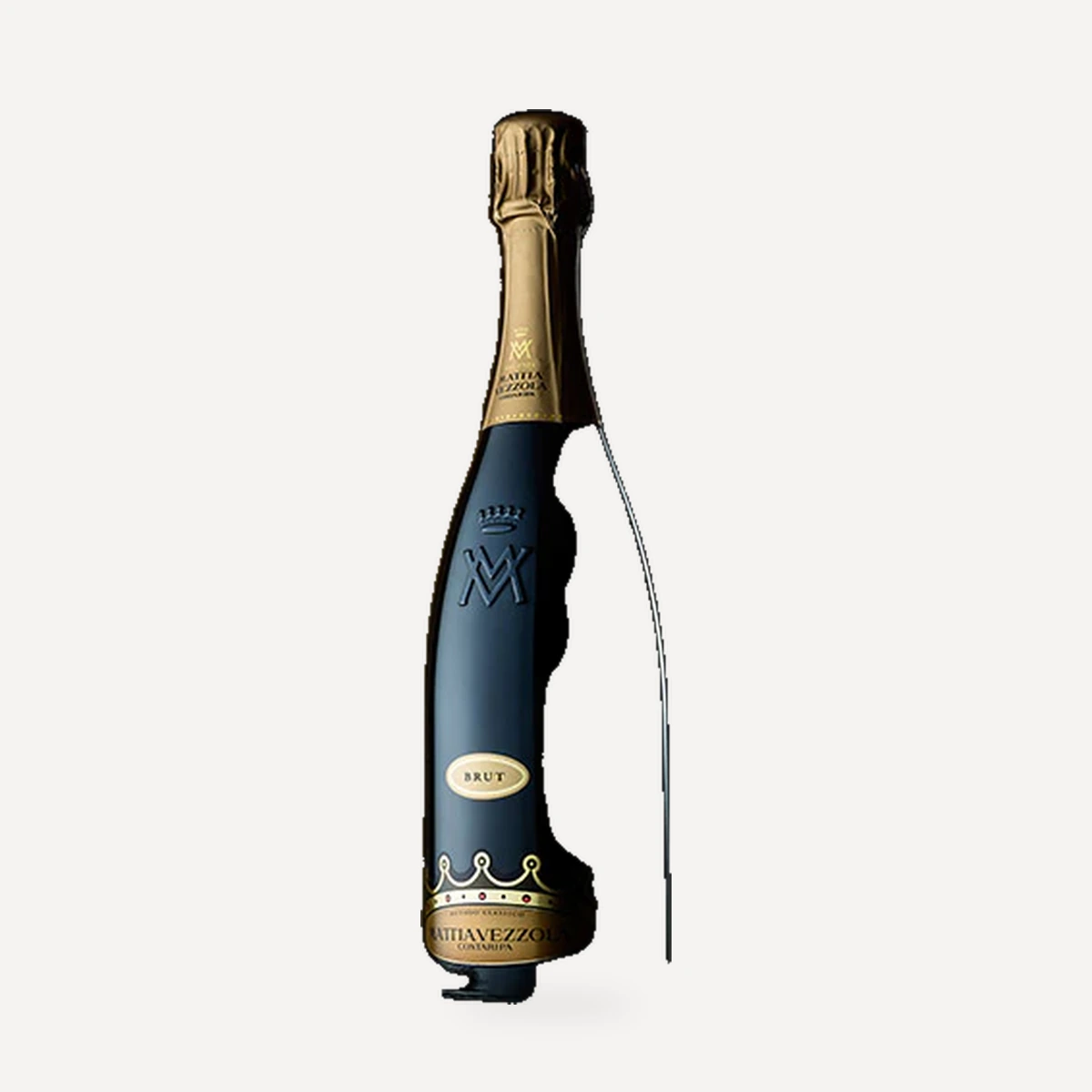
In 2015, the family name was placed at the centre of a new sparkling-wine identity with the creation of the Mattia Vezzola Metodo Classico range. The project was presented as a return to the family’s history, origins and long-term aspirations.
Recognition and expansion: 2019–2023
In 2019, after four years of ageing, Molmenti 2015 was named Italy’s best rosé by Gambero Rosso. In 2020, the winery expanded with an area devoted exclusively to production of Mattia Vezzola Metodo Classico and a new shop designed to receive visitors.
RosaMara received Gambero Rosso’s highest Tre Bicchieri rating in 2022. In 2023, Mattia Vezzola celebrated fifty years of Metodo Classico production, tracing the project back to the first sparkling wine made in 1973.
Terroir
Valtènesi and Lake Garda
Costaripa stands at Moniga del Garda in the heart of Valtènesi, surrounded by vineyards. Valtènesi extends between Desenzano and Salò within the morainic amphitheatre on the Brescia shore of Lake Garda. Its historical subareas were known as the Riviera dei Castelli and Riviera dei Limoni, names connected respectively with seven medieval castles and the northernmost area considered suitable for citrus cultivation.
The area has 20 km of shoreline facing the sunrise and 370 km² of lake water. Lake Garda’s winter water temperature remains at a minimum of 7°C, while its complete water renewal takes approximately 28 years. The lake moderates the local climate, which is described as sub-Mediterranean.
Approximately 3,000 hours of annual sunshine and morning and evening breezes cool the vineyards and help balance local conditions. Groppello Gentile benefits from the ventilated east- and south-facing exposures beside the lake because its tightly packed bunches have limited resistance to cold.
Soils and relief
The vineyards occupy foothill and morainic settings. The local soils are light and glacial in origin, with approximately 67 identified soil types across Valtènesi. The estate links this geological diversity with salinity, harmony and aromatic complexity in its wines.
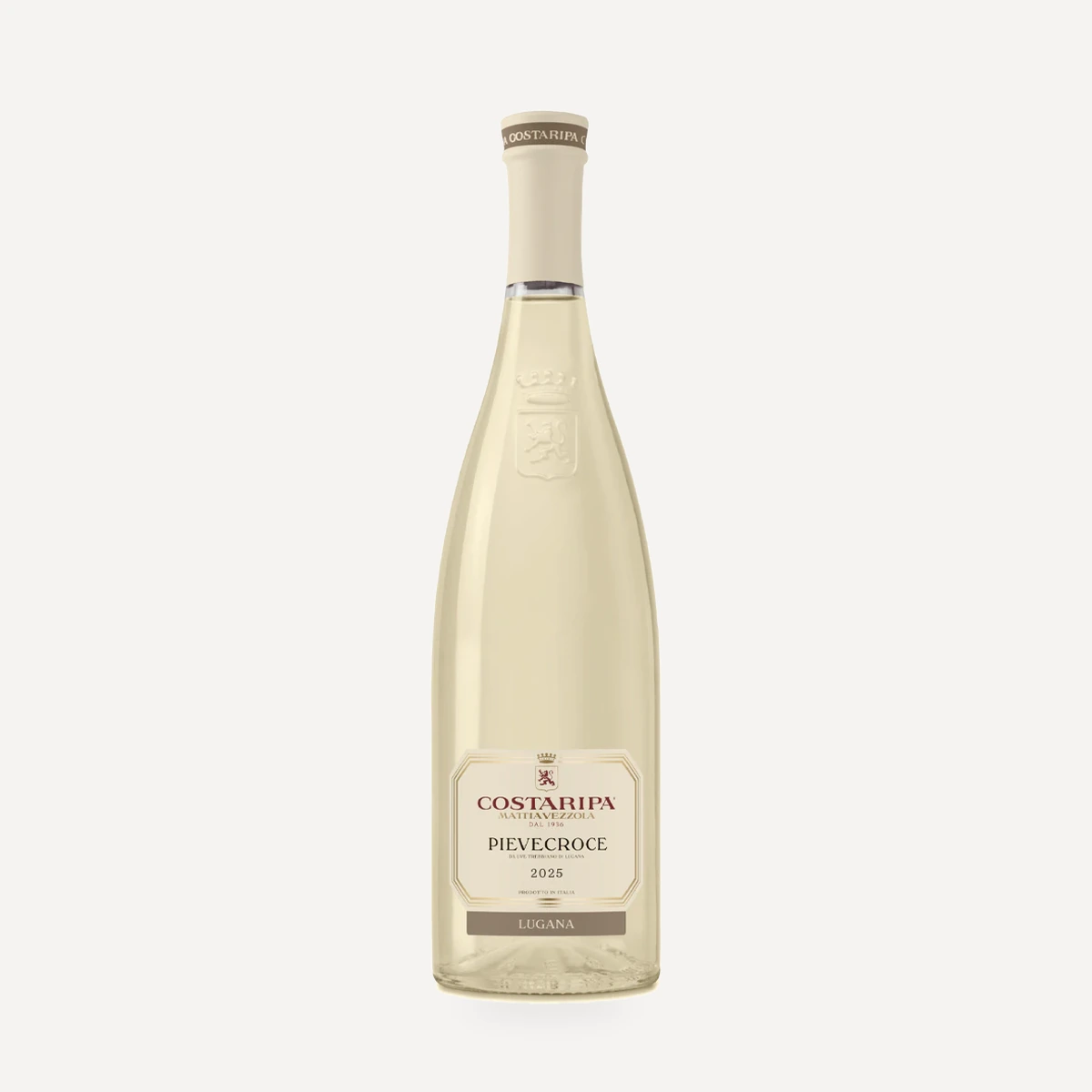
Groppello Gentile favours light, loose foothill soils. The historic Costa, Magher and Cap Grant sites have shallow soils. Sites used for rosé are selected in foothill positions exposed to sunrise, while Chardonnay and Pinot Nero for Metodo Classico grow in Valtènesi and on the outer Lake Garda moraines. Trebbiano di Lugana is grown on the lake’s southern side, south of Sirmione, in deep, fertile morainic-clay soil.
Vinificazione
Vineyard management is entirely manual and incorporates what Costaripa calls a biodynamic view of the soil. Pruning follows inherited practices, including the low-yield principle introduced by Bordeaux oenologists in 1896 and retained by Bruno Vezzola. The estate connects reduced crop levels with grape quality.
The vineyard system is described as 5,500 vines trained to Guyot. Average vine age exceeds 35 years, and massal selection was reintroduced in 2005 to preserve and reproduce the existing plant material. Irrigation is strictly prohibited.
Groppello Gentile is central to this work. Its compact, conical bunches ripen after mid-September and are sensitive to cold. The variety is therefore grown in ventilated positions facing east or south, on light, loose foothill soils beside Lake Garda.
Harvesting is strictly by hand. Selection takes place on the vine, and grapes for rosé and Metodo Classico are collected at full maturity in the cool first hours of the morning to protect berry and skin integrity. Rosé vineyards are restricted to foothill sites exposed to the rising sun. For the PalmArgentina project, fruit is partly concentrated on the vine after the fruiting cane is cut.
Winery and production spaces
The 2,800 m² winery completed in 2004 was designed to sit within the surrounding vineyard landscape. Natural materials allow the building to follow the land’s morphology and colours. Its technology was planned principally around rosé production, while the estate’s broader principle is to place new technology at the service of tradition and quality.
A separate area devoted exclusively to Mattia Vezzola Metodo Classico was created in 2020.
Rosé production
Rosé grapes are harvested manually at full maturity during the cool first hours of morning. In the cellar they are destemmed, and the must remains with the skins only for the time required to extract aromatic and flavour precursors and mineral components.
The must is then separated from the skins by gravity. This traditional vinificazione a lacrima, or “tear-drop” method, concentrates production on the free-run fraction considered the noblest part of the grape. Small white-oak barrels are used for both fermentation and maturation of the rosés, with the aim of increasing their ability to age.
Metodo Classico
Chardonnay and Pinot Nero are selected on the vine and harvested entirely by hand. Whole bunches are pressed, and only free-run must is used. Part of the must ferments in small white-oak barrels, some more than 35 years old, to contribute length, persistence and ageing capacity.
Each cuvée combines at least 40 separate wines to preserve both quality consistency and a recognisable sensory profile across releases. Secondary fermentation takes place in bottle, and remuage is performed entirely by hand.
Groppello Gentile
The estate’s work with Groppello Gentile intensified in 1984. Rigorous pruning and bunch selection were used to obtain a red wine focused on the variety’s finesse and silky texture. Traditional vinification is followed by approximately 12 months in pièces. The first Maim edition was associated with a single pièce brought from Burgundy.
Filosofia
Costaripa presents craftsmanship as a bond between human sensitivity and the land. Manual work is treated as an exercise in humility inherited from earlier generations, and the slow pace of work is valued because it leaves time for observation and judgement. Mattia Vezzola argues that technology should support human intuition and sensitivity rather than overwhelm them.
The estate calls the relationship between subsoil, topsoil and vine “origin” rather than simply terroir. Its farming philosophy combines manual vineyard work, a biodynamic view of soils, inherited pruning practices, massal selection and an absolute ban on irrigation.
For Mattia Vezzola, the lesson of his 1972 Champagne journey was that innovation and tradition could form a single method. Technology would serve intuition and the specific sparkling-wine vocation of Lake Garda. His objective is an “old classic method” defined by elegance, harmony, persistence, refinement and extremely fine effervescence.
Costaripa’s rosé philosophy rejects formality and seeks elegance without conventionalism. Pale powder-and-pearl colours, savoury persistence and the ability to mature are central to the intended style. Small white-oak barrels are used to expand aromatic and textural range while supporting longevity.
Family continuity is equally prominent. The estate frames its work as a responsibility to pass respect, patience, practical wisdom and the value of craftsmanship to those who follow. Hands and heart are considered complementary to analytical thought in every quality-oriented action.
Vini
Garda Classico DOC Groppello "Maim"
Lugana DOC “Pievecroce”
Metodo Classico Brut "Mattia Vezzola"
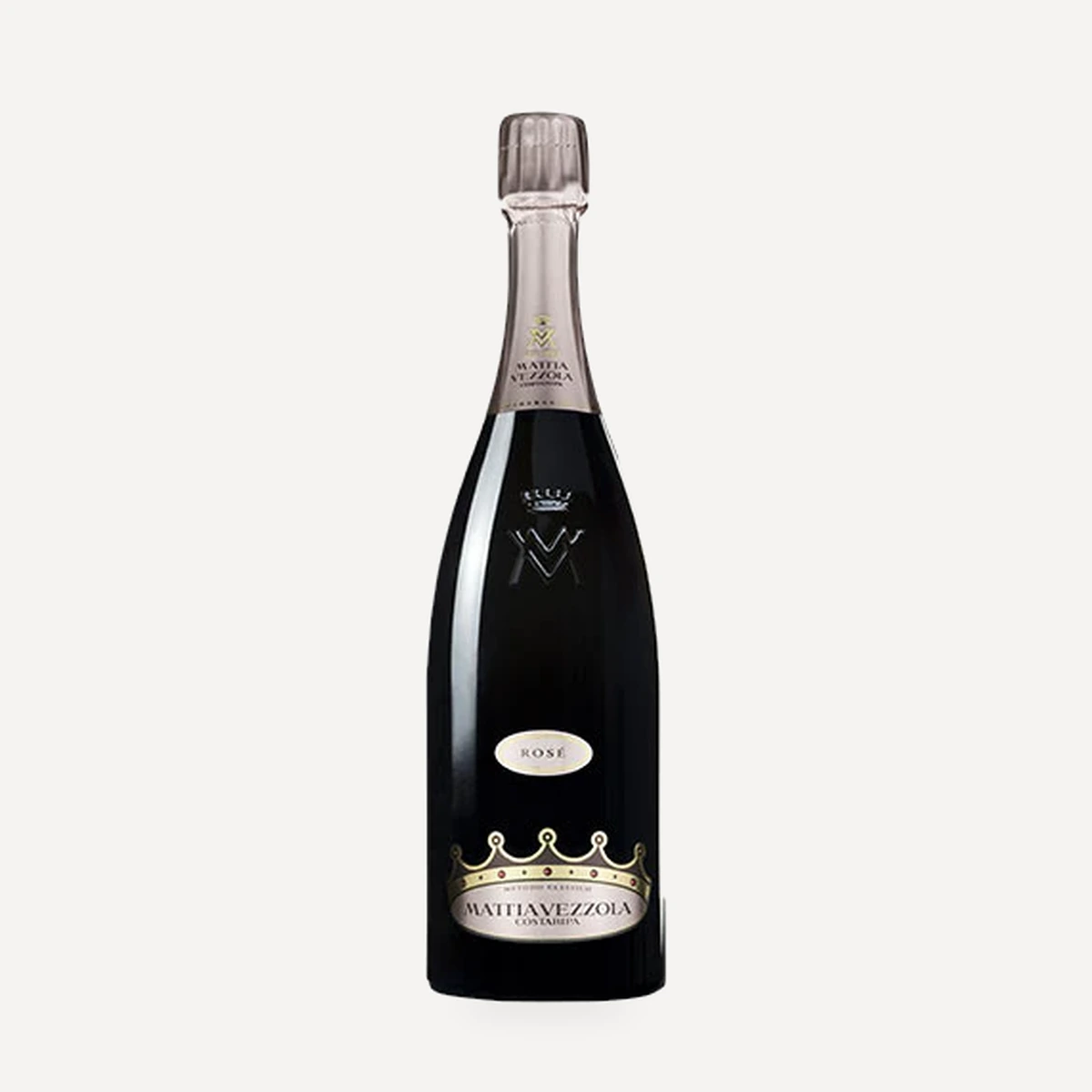
Metodo Classico Brut Rosé "Mattia Vezzola"
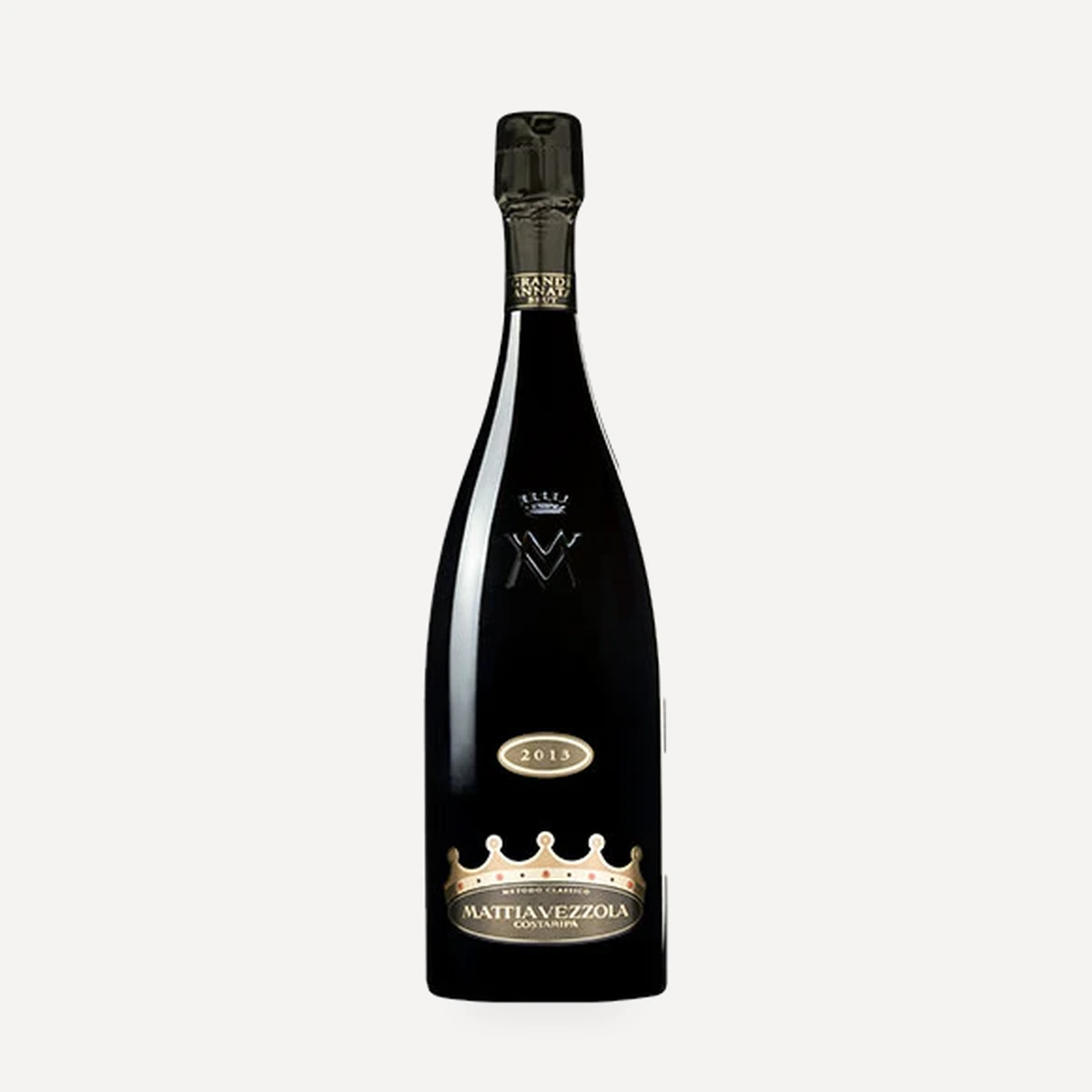
Spumante Metodo Classico Brut "Grande Annata"
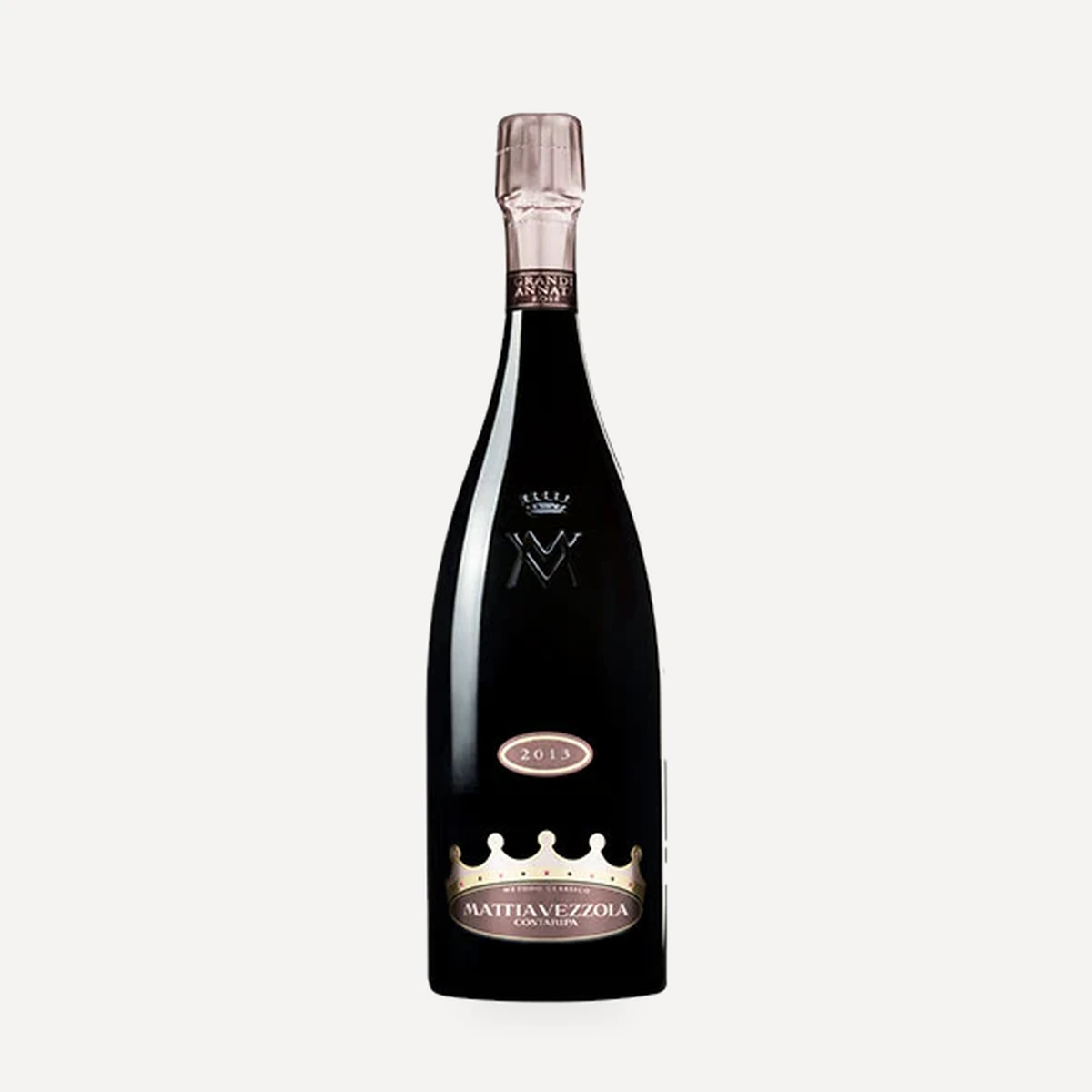
Spumante Metodo Classico Brut Rosé “Grande Annata”
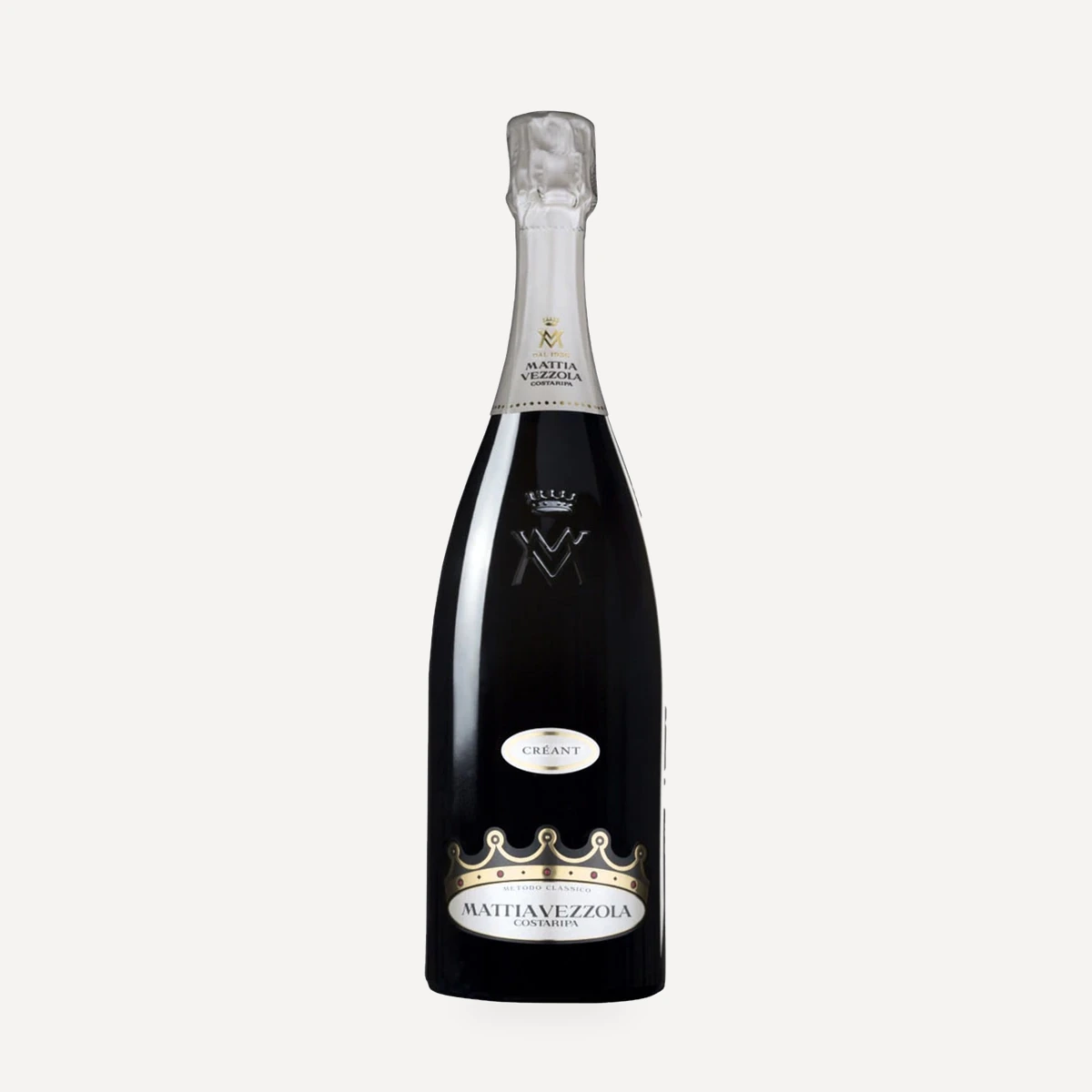
Spumante Metodo Classico Créant