Storia
A family of winegrowers since 1819
The Ferraro family’s winegrowing history dates to 1819. Its motto, “Ne foeder moriar,” is interpreted by the family as a refusal to compromise. The agricultural estate now comprises approximately 7 hectares of vineyards, all within the territory of Montemagno in Monferrato astigiano.
2016: the 196th harvest
The family identified 2016 as its 196th harvest. The growing season was exceptionally favourable, producing grapes considered to be in excellent condition. Fermentations initially began well, but an unusually prolonged cold spell at the end of September brought a sudden fall in temperature and stopped them. Production reached approximately 30 quintals of grapes per hectare, equivalent to 3,000 kg/ha, with a reported grape-to-wine yield of 70%.
The interrupted fermentation had a later consequence in the cellar. The resulting red wine, Due Pazzi, came to embody two vintages: the estate returned the wine to grape skins harvested two years later, in 2018. It required time and several cellar passages before bottling.
2017: frost, drought, hail and an early harvest
The 197th family harvest unfolded under unusually difficult conditions. Spring frost was followed by summer drought. The vines were neither topped nor leaf-plucked, preserving foliage around the clusters and protecting both the grapes and the shoots intended for pruning the following year.
On 24 July, a severe hailstorm struck the vineyards. The hailstones were described as being as large as apricots and fell unusually vertically. Leaves and lateral shoots shielded the clusters, although the vines were left almost entirely defoliated. When intense heat and aridity returned, the exposed fruit faced a heightened risk of sun damage, prompting a substantially earlier harvest. Production fell to approximately 24 quintals per hectare, or 2,400 kg/ha, with a grape-to-wine yield of 67%.
2018: soil-conscious vineyard work and the first tonneaux
The family’s 198th harvest was considered successful in both quantity and quality. Production amounted to approximately 28 quintals of grapes per hectare, or 2,800 kg/ha, with a 70% grape-to-wine yield.
For the first time, winter-pruning residues were not shredded. Growing weeds drew the cuttings down against the soil, helping to mitigate surface compaction from tractor traffic. Tractor work was limited to a single shredding operation before harvest.
The larger quantity of wine encouraged the first trial of tonneaux in the cellar. The result opened the way to using vessels made from different materials according to each wine’s stage of maturation.
2019: the 199th harvest
The 199th harvest achieved a high overall quality level, although powdery mildew affected the aromatic grapes and reduced the quantity of white wine. Fermentations proceeded regularly. Maturation in tonneaux continued the approach introduced during the preceding vintage. Average production was approximately 22 quintals per hectare, or 2,200 kg/ha, while the grape-to-wine yield reached about 73%.
Terroir
All approximately 7 hectares of vineyard lie within the territory of Montemagno, in Monferrato astigiano.
The harvest accounts record substantial year-to-year climatic variation. The favourable 2016 season ended with an unusually prolonged cold spell and a sharp late-September temperature decline. In 2017, spring frost was followed by summer drought, a destructive hailstorm on 24 July, and renewed heat and aridity that forced an early harvest. In 2019, powdery mildew affected the aromatic grapes and reduced the volume available for white-wine production.
Vinificazione
The vineyard practices recorded for the difficult 2017 season centred on canopy retention. The vines were not topped or leaf-plucked, allowing leaves and lateral shoots to shade the clusters during heat and drought. This vegetation also protected the shoots intended for the following year’s pruning. During the severe hailstorm of 24 July, the same canopy helped shelter the grapes, although the vines themselves were left almost completely defoliated. Renewed heat and aridity then exposed the fruit to potential sun damage, so the harvest was brought forward substantially.
A new approach to pruning residues was adopted in 2018. Rather than shredding the cuttings, the estate allowed growing weeds to pull them down toward the soil. This layer helped mitigate the surface compaction associated with tractor passages. Mechanised intervention was limited to one shredding before harvest.
Powdery mildew affected the aromatic grapes in 2019, reducing the quantity available for white-wine production.
The cellar approach is based on accepting wine as it develops, without additives or technical and technological shortcuts. Wines are produced exclusively from grapes grown in the estate’s own vineyards. Time is treated as an essential part of resolving wines and bringing them into balance rather than forcing rapid technical correction.
Vintage conditions can directly shape the cellar process. In 2016, an unusually long cold spell at the end of September caused a sudden temperature drop and stopped otherwise promising fermentations. The affected wine required additional time and several passages before it was ready for bottling; its evolution ultimately extended into the 2018 vintage.
Tonneaux were tested for the first time following the more abundant 2018 harvest. That experiment established a broader maturation approach in which containers of different materials could be selected according to the wine’s stage of development. The 2019 wines underwent regular fermentations followed by passage through tonneaux.
Filosofia
The family motto, “Ne foeder moriar,” expresses an unwillingness to compromise. The estate presents its work with vines and wine as independent of market logic: the vineyards evolve toward a renewed equilibrium each year, and the winegrowers understand themselves as evolving alongside them.
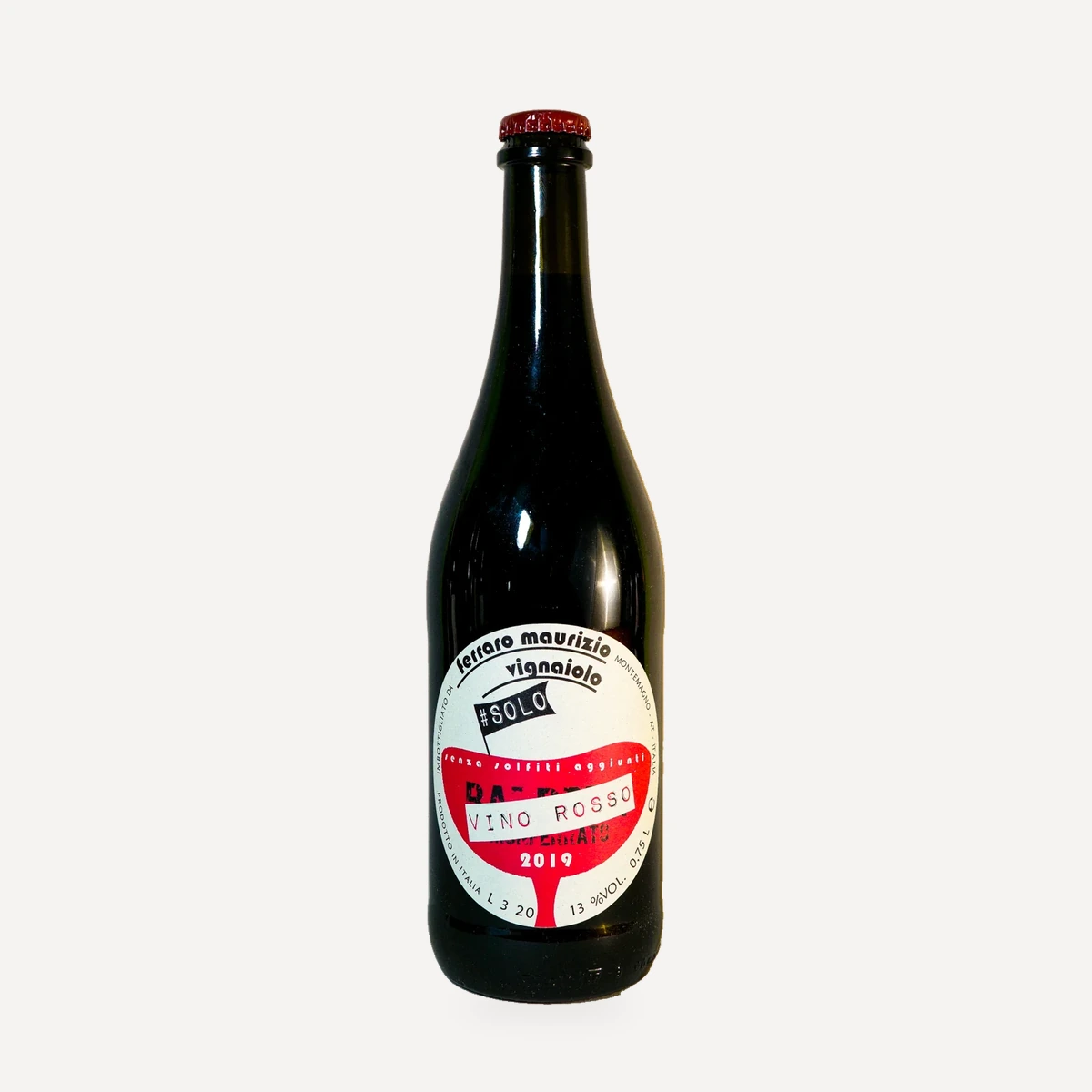
Its wines are intended as direct expressions of this outlook and are aligned with the philosophy of the S.A.I.N.S. winegrowers. This involves accepting a wine “as it comes,” without additives and without technical or technological shortcuts. Patience is central: a wine that initially appears unresolved is expected to find balance with time. Remaining angular or lively traits are valued as elements of character, particularly in the context of food.
Vini
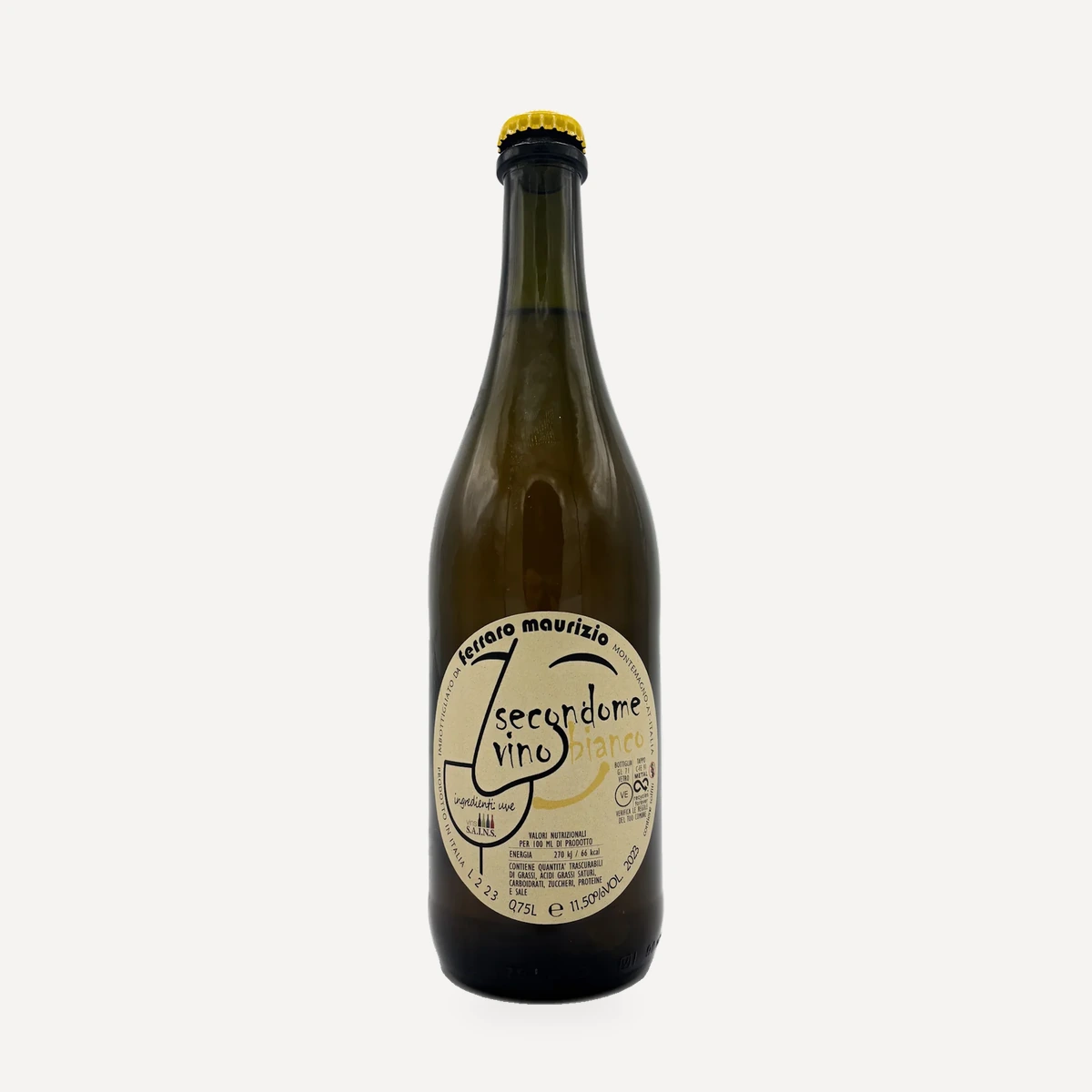
SecondoMe Bianco
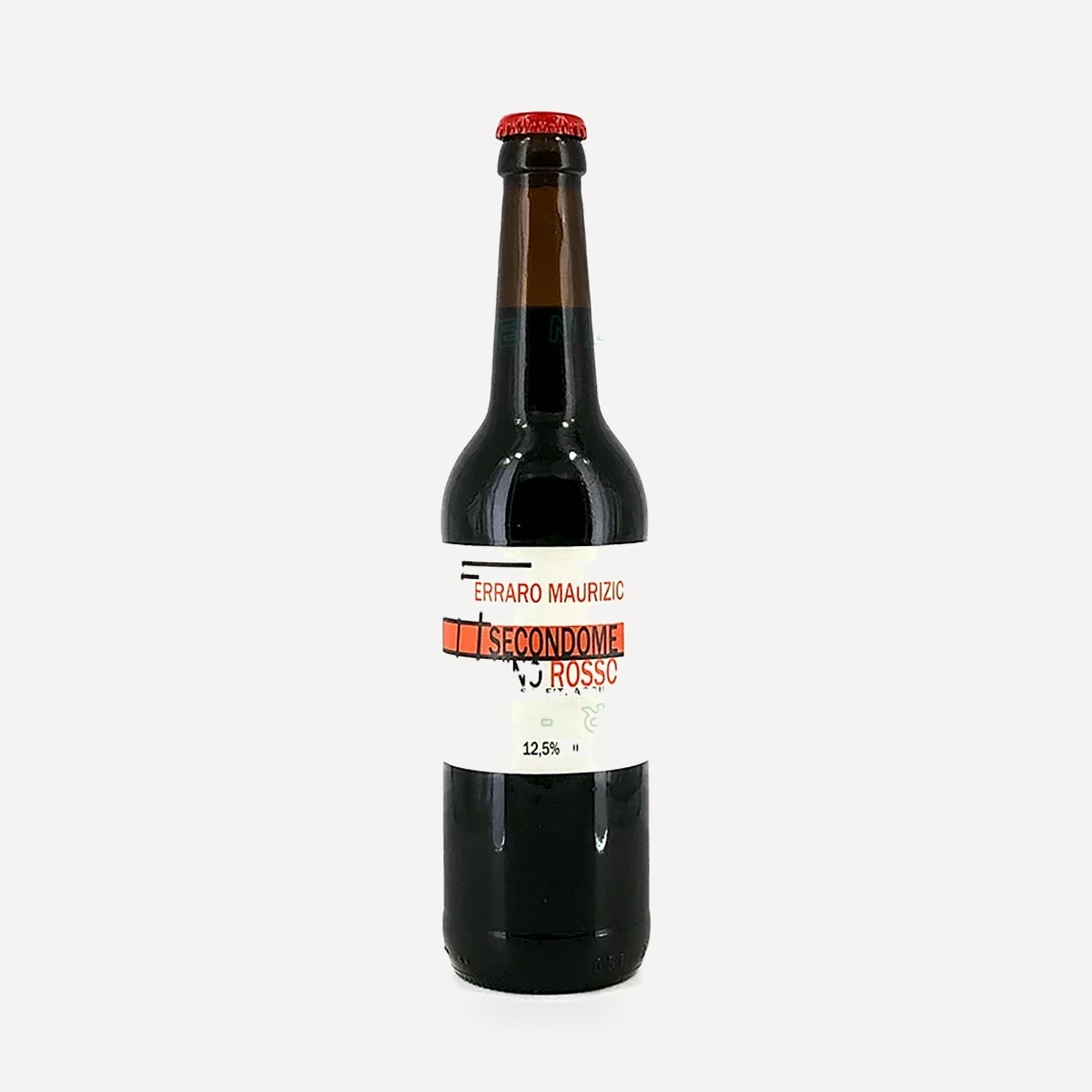
SecondoMe Rosso