Storia
The Sanperetto beginnings — 1900
The Mazzi family's winegrowing tradition dates to 1900. The original business was called Cantina Sanperetto, taking its name from the hamlet in which its premises stood. The historical account associates this beginning with both vine cultivation and wine production; the winery account more specifically identifies bottling as an activity begun by the family at that time.
A family connection with the Cantina Sociale — 1933
On 23 August 1933, Gaetano Dall’ora, the brother of the family's grandmother, joined six other gentlemen in founding the Cantina Sociale della Valpolicella di Negrar. He became the cooperative winery's first president.
The dry Recioto episode — 1936
In 1936, Gaetano and Adelino drew a glass of Recioto from a barrel in which the wine had remained for a long time. They discovered that it had become dry and almost bitter. The episode is preserved in the family chronology under the heading “Recioto della Valpolicella Amarone.”
Roberto Mazzi renews production — 1958
After completing agricultural studies, Roberto Mazzi entered the business in 1958. He revitalized the family's wine production and began producing, bottling and packaging wines in accordance with its established traditions.
Stefano and Antonio join — 1990
After completing their studies, Roberto's sons Stefano Mazzi and Antonio Mazzi joined the family enterprise in 1990. They also created the Antica Corte al Molino agriturismo, conceived as a way to introduce wine enthusiasts to the family's working estate and traditions.
Cellar renewal — 2007
In 2007, the production and maturation cellars were renovated and enlarged. The project brought new vinification vessels and oak barrels into the winery while retaining its historic ageing spaces.
A new fruttaio and underground bottle storage — 2018
A new warehouse was completed in 2018. It was designed to improve the appassimento of harvested grapes and to provide underground, temperature-controlled storage for bottles during refinement.
The estate today — 2024 onward
By 2024, the family enterprise had grown to more than seven hectares. Stefano and Antonio continue to manage the vineyards and winery, combining inherited practices with modern enological knowledge. As an independent FIVI grower, Mazzi controls the chain from cultivation of its vineyards and vinification of its grapes through bottling and direct commercialization.
Terroir
Mazzi's vineyards lie in the hills around Negrar di Valpolicella, in the province of Verona and within the historic area now identified as Valpolicella Classica. The estate landscape is characterized by vineyards and rolling hills.
The production sites represented across the estate range from approximately 204 to 325 m above sea level. One 204 m site has a south-western exposure. Soils vary by location: some are described simply as calcareous, while others combine limestone, silt and clay. The estate associates Negrar's climate and soils with conditions suited to cultivating its vines, without publishing more detailed climatic measurements.
Vinificazione
Mazzi cultivates its own vineyards and vinifies its own grapes as part of a fully controlled, independent production chain. For Amarone production, ripe bunches are selected and harvested by hand into boxes between September and October. Grapes destined for appassimento are then kept in well-ventilated rooms, with their condition checked periodically throughout the natural drying period.
The estate identifies Corvina, Corvinone, Rondinella and Molinara as its native varieties. Its own production also includes non-native grapes such as Nebbiolo, Sangiovese, Cabernet Sauvignon and Cabernet Franc.
Cellar structure
The winery comprises a historic ageing cellar, a production cellar and a more recent refinement cellar. Its production and maturation areas were renovated and enlarged in 2007, when new vinification vessels and oak barrels were introduced. A new fruttaio and warehouse followed in 2018, improving the conditions for drying grapes and adding underground, temperature-controlled bottle storage. The historic barrel cellar is estimated to be about 200 years old.
Grape reception and appassimento
Freshly harvested grapes arrive at the production cellar for vinification. Amarone grapes are selected, picked by hand into boxes between September and October and subjected to slow, natural appassimento. The bunches remain in well-ventilated rooms, are checked periodically for soundness and gradually concentrate sugars and aromas. Destemming and crushing take place in January, after the drying period.
Fermentation and extraction
After destemming removes stalks and leaves, the grapes are crushed to release the must. The must is transferred to vinification vessels, where the Amarone process is described as beginning with the grapes' naturally present yeasts. During fermentation, pump-overs return must over the cap, while punch-downs aid the extraction of colour and tannins.
Maturation and bottle refinement
Following fermentation, the wines mature in oak vessels. Mazzi presents this stage as the means by which they acquire additional aromatic complexity. Bottle refinement follows for a predetermined period, with part of the stock held underground at controlled temperature. The estate combines these inherited cellar practices with modern enological knowledge and directly bottles and markets its production.
Filosofia
Mazzi frames its work around continuity between family tradition, origin and careful production. Stefano and Antonio preserve values passed from one generation to the next while combining traditional techniques with modern enological knowledge. Quality is pursued through attention to each stage, from cultivation and grape reception to maturation and bottling.
The estate's independent-winegrower model is central to this approach: it cultivates its vineyards, vinifies its own grapes, bottles the wines and markets them directly. Its declared aim is for each bottle to retain a clear connection with its place of origin. The range is presented as an expression of Valpolicella achieved through traditional winemaking and respect for the territory.
Vini
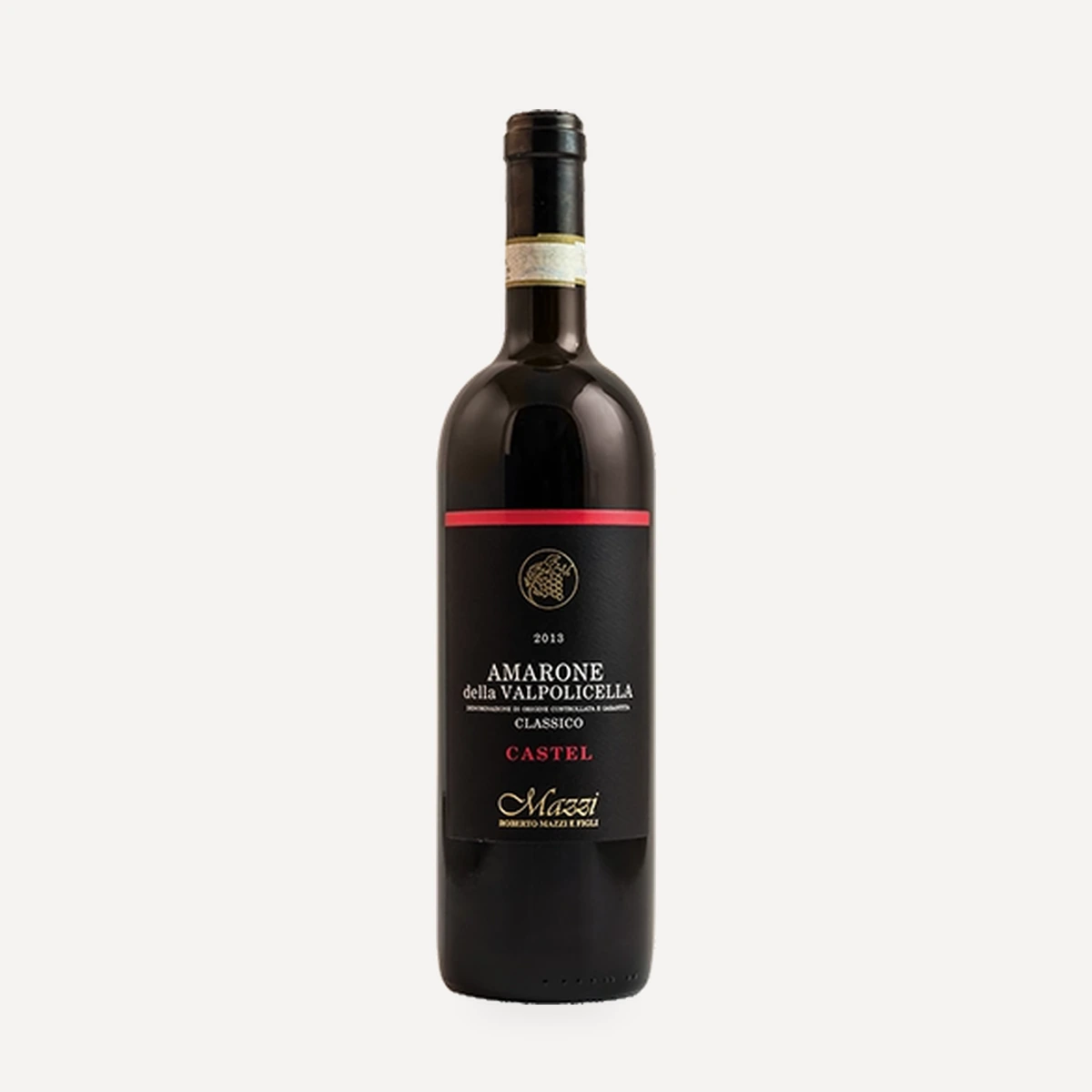
Castel Amarone della Valpolicella Classico DOCG
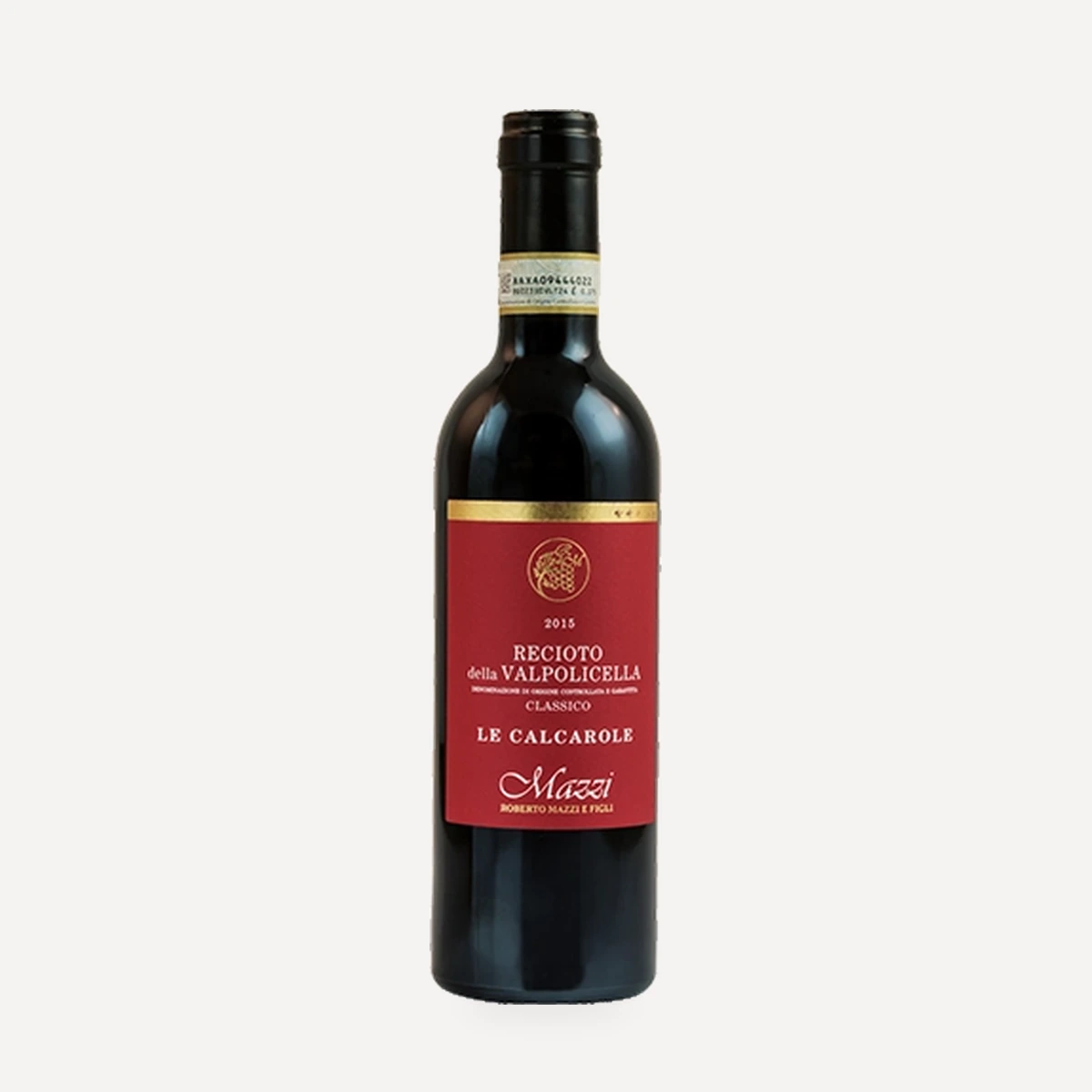
Le Calcarole Recioto della Valpolicella DOCG
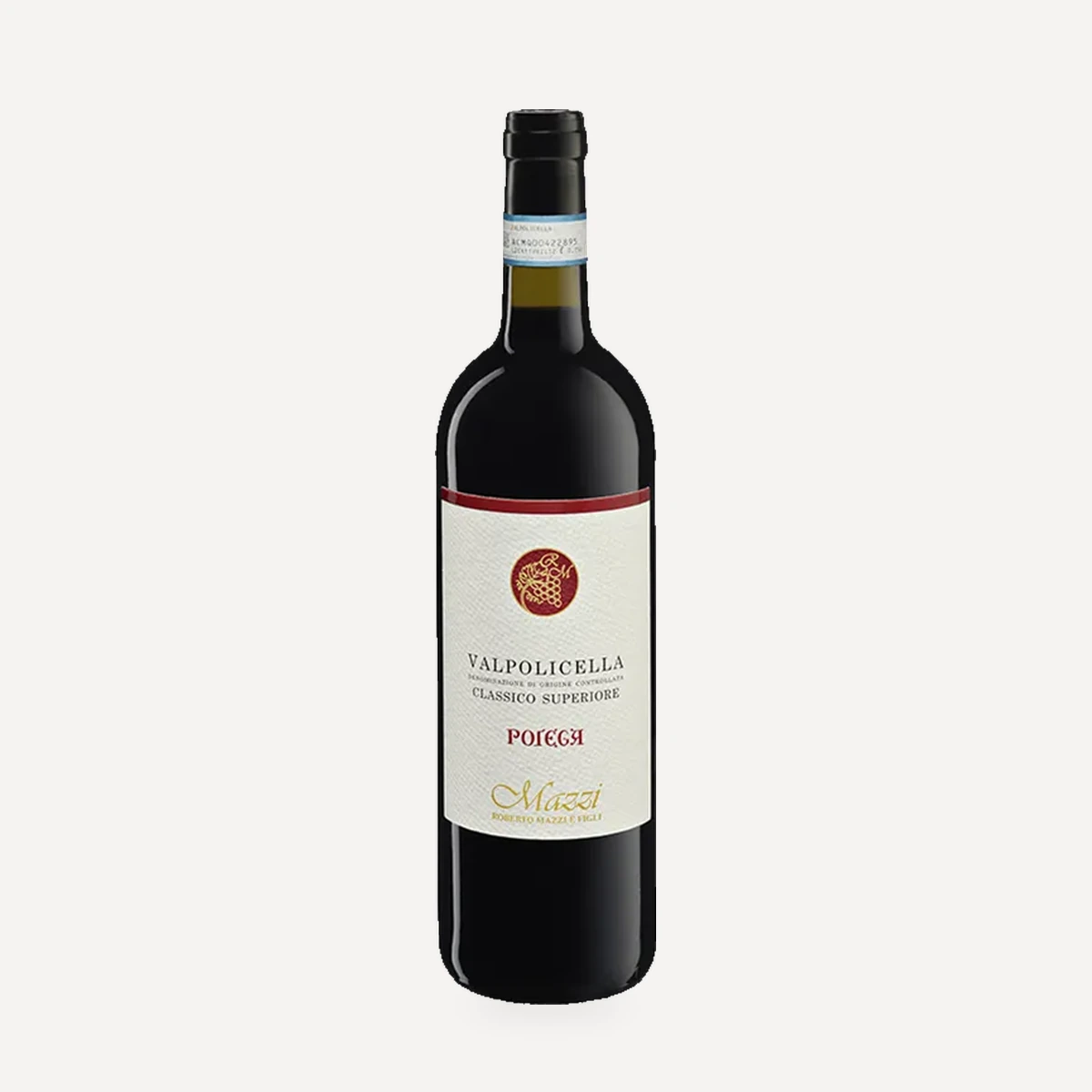
Poiega Valpolicella Classico Superiore DOC
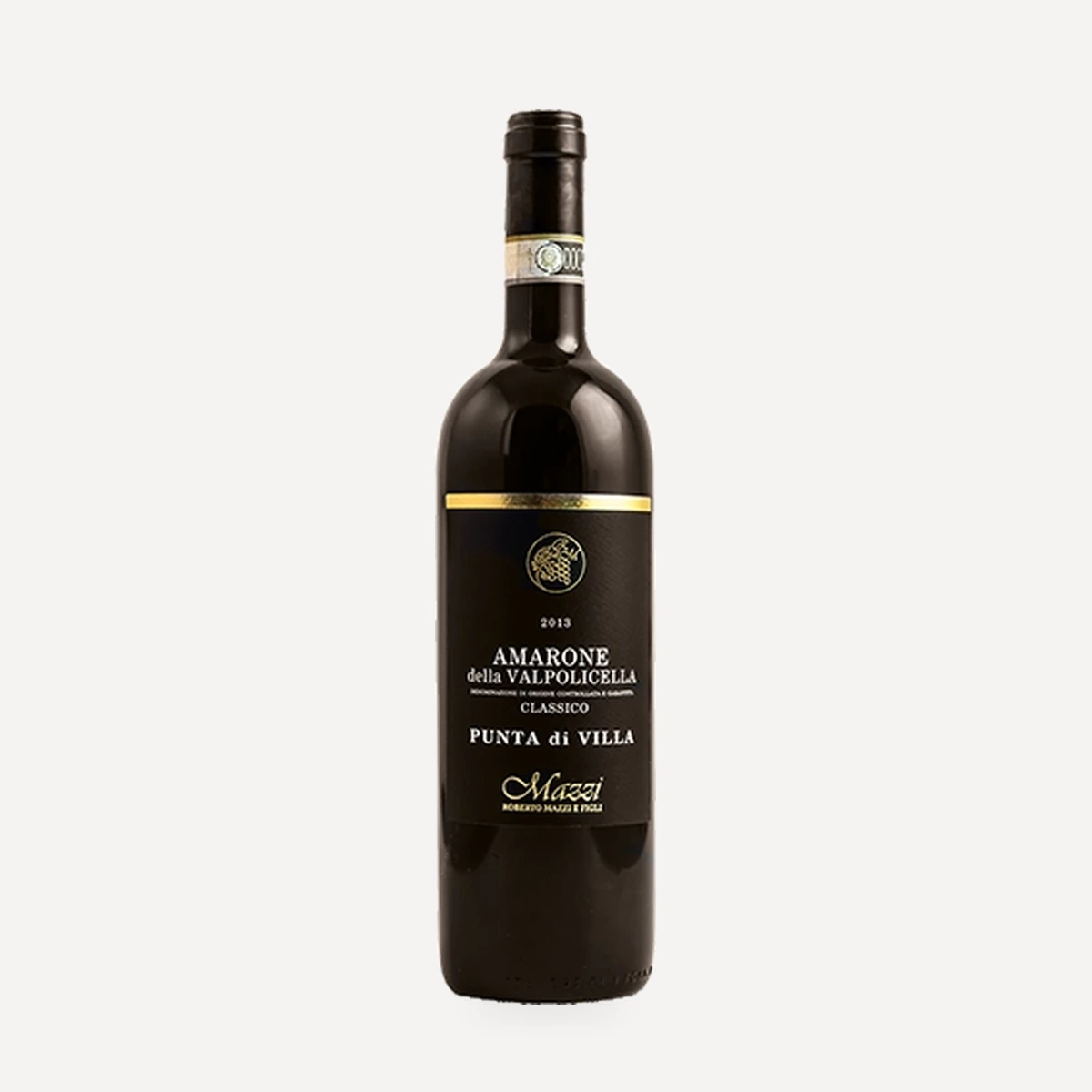
Punta di Villa Amarone della Valpolicella DOCG
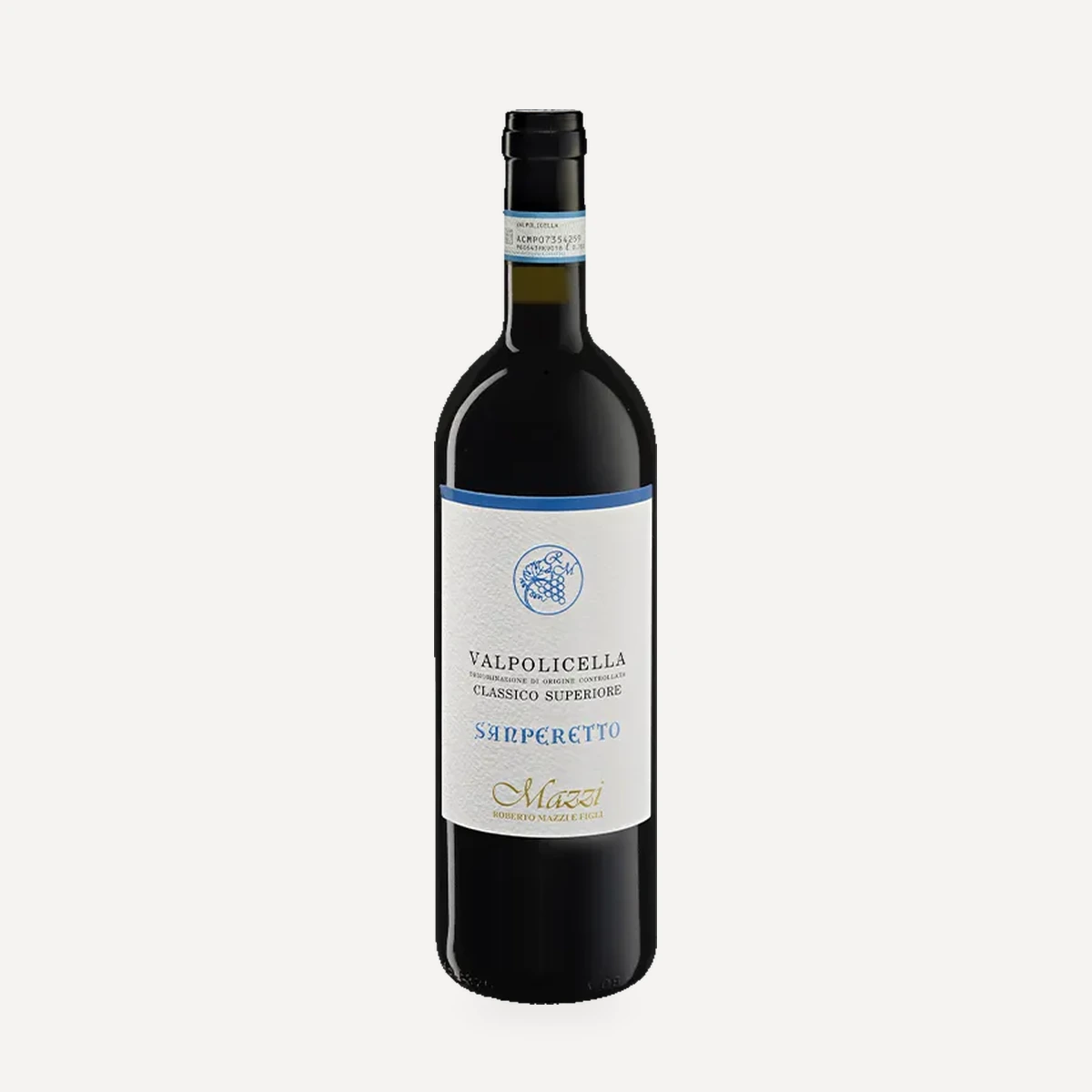
Sanperetto Valpolicella Classico Superiore
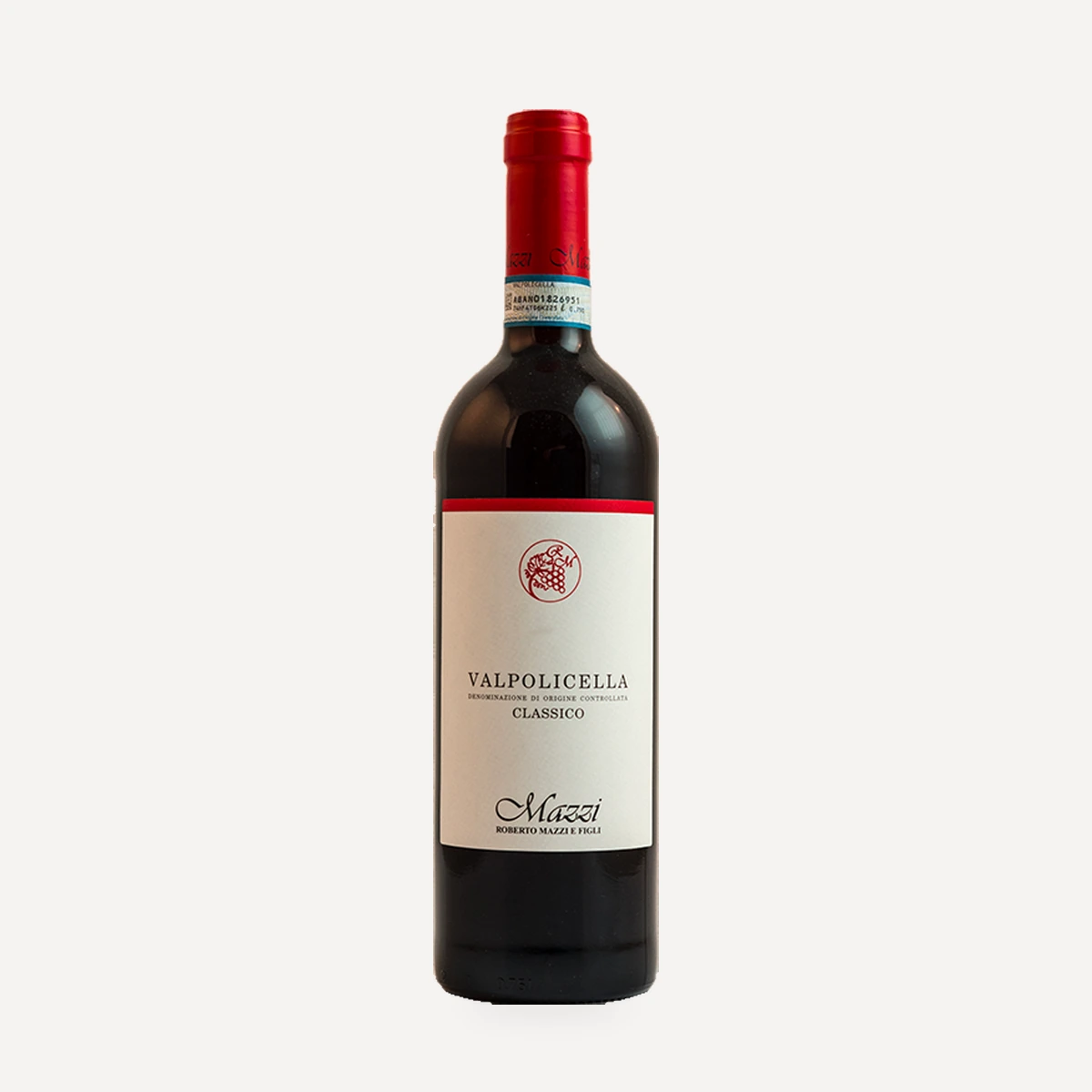
Valpolicella Classico DOC