Storia
1890: the winery begins
Remigio Medici already owned three successful taverns on the Via Emilia when, in 1890, he founded a winery to give greater value to the family's vineyards between the Via Emilia and the first hills of the Enza valley. His son Ermete enlarged the business and consolidated its reputation. The following generation, Valter and Giorgio, began exporting the wines and widened the reach of the Medici name.
The 1970s: the Lambrusco boom
Lambrusco enjoyed a major boom in the United States during the 1970s. Together with Chianti, it was among the first Italian wines exported there. Rapid growth, however, encouraged an industry-wide emphasis on quantity rather than quality.
1988–1993: crisis and a quality reset
By 1988, sales across the Emilian sector had collapsed. Inexpensive industrial sweet Lambrusco had damaged the category's reputation. The fourth generation—Alberto and Pierluigi Medici, joined soon afterwards by Alessandra—entered the family business in the same period and began the rehabilitation of Lambrusco. Under the leadership of third-generation Giorgio Medici, the family replanted vineyards, changed training systems, adopted cordon-spur pruning, selected grapes more rigorously and lowered yields. One account quantifies the initial cut at 35% below the regulatory ceiling; the broader policy has kept yields as much as 30–40% below DOC limits.
This new philosophy produced Concerto in 1993, a single-vineyard Lambrusco Salamino cru from Tenuta La Rampata. It combined reduced yields with renewed cellar equipment and became the estate's principal vehicle for presenting a quality-focused interpretation of Lambrusco. Early distribution began with a small importer in the United States, followed by awards and wider international expansion.
2010–2020: hospitality, direct sales and organic conversion
A physical wine shop opened beside the Gaida production facility in 2010. Alberto Medici became CEO in 2014. Organic management of the vineyards began in 2017. The conversion of all five estates lasted three years, replacing non-certified integrated pest management with organic farming. More than 7,000 people attended visits, conferences, events and tastings at Tenuta La Rampata in 2019. In 2020 the company created its e-commerce operation to complement the wine shop, and all vineyards obtained organic certification. The 2020 Concerto harvest was the first estate wine released with organic certification.
2021–2023: Generation 2031 and certified sustainability
Generation 2031 was launched at the beginning of 2021 as a ten-year sustainability manifesto covering environmental, ethical-social and economic responsibilities. The commercial launch of the first certified-organic Concerto took place in March 2021. At the end of the same year, Medici Ermete obtained Equalitas certification as a sustainable organization and issued its first annual sustainability report.
The estate subsequently calculated its organizational carbon and water footprints and began formal biodiversity assessment. In 2023, the first sampling and calculation of biodiversity indicators was carried out in the organically managed vineyards in Reggio Emilia, covering soil, water and lichen-based air-quality indices. An activated-sludge plant for biological wastewater treatment was also installed in 2023, with monthly monitoring of treated-water quality.
2024: Concerto at thirty and a generational transition
The family marked the thirtieth anniversary of Concerto at the opening of Vinitaly 2024, reviewing the vineyard replanting, changed training systems and yield reductions that had led to its creation. By this stage, the wine continued to come from the single vineyard at Tenuta La Rampata, while both the vineyard area and cellar technology used for it had evolved.
Giorgio Medici died on 12 September 2024 after leading the company for many decades as president. The family announced that the presidency would pass to his son Alberto, CEO since 2014. Alessandra, Pierluigi and fifth-generation Alessandro remained involved, with Alessandro entering the board of directors. The family and management committed to operational continuity and to preserving Giorgio's emphasis on integrity, transparency and service to business partners and stakeholders.
The company today
The fifth generation is represented by Alessandro Medici. The family controls about 80 hectares divided among five estates—four in Reggio Emilia and one in Modena—all under organic management. The production site is in Gaida on the Via Emilia, a few kilometres from the vineyards, while Tenuta La Rampata in Montecchio Emilia serves as the hospitality, vinegar and museum centre. The wines are exported to more than 70 countries.
Terroir
Medici Ermete is based in Reggio Emilia in the centre of Emilia-Romagna. Its vineyards extend across five estates in areas selected for Lambrusco: four estates in the province of Reggio Emilia and one in Modena. The directly managed Reggio Emilia holdings are distributed around Gaida, Montecchio nell’Emilia, Barco di Bibbiano and Cavriago. The original family vineyards lay between the Via Emilia and the first hills of the Enza valley, and Tenuta La Rampata stands among vineyards in that river valley.
The high plain and the Emilian foothills provide the estate's principal growing environments. The soils are described as clay-rich. Summers are warm and sunny; winters are severe, with fog over the plains and frequent snow on the hills. The combination of local microclimates, high-plain and foothill positions and clay soils underpins the distribution of the five estates.
Vinificazione
All five estates completed a three-year conversion from non-certified integrated pest management to organic farming, with organic management beginning in 2017 and certification obtained for all vineyards in 2020. The first certified wine from the estate was released from the 2020 harvest in March 2021. Organic practice excludes synthetic fertilizers, herbicides, insecticides and pesticides. Copper, sulfur and other resistance inducers permitted in organic farming are used to support the vines' natural self-regulation and resistance; plant-protection inputs are kept to the minimum quantity needed for efficacy.
Treatment timing and product choice are based on direct monitoring of pests and diseases, supported by forecasts and bulletins from the Plant Protection Consortium and the Plant Production Research Centre. Lower yields reduce pressure on soil and water resources. Cordon-spur pruning was adopted during the quality transformation that began in the late 1980s, and yields were initially cut by 35% against regulatory limits; depending on the vineyard and wine, the broader selection policy can place yields 30–40% below DOC ceilings.
Soil analyses underpin fertilization planning, and samples and analyses have been carried out across the four directly managed Reggio Emilia estates. For a new planting, the soil is analysed and a preliminary study assesses fertility and composition before cultivation and site-preparation work is planned. The irrigation plan is prepared by the company agronomist using soil analysis, rainfall from rain gauges, weather-station and official meteorological data, with irrigation dates, volumes and meteorological events recorded.
Harvest dates are chosen by the winemaker and team once minimum ripeness-index values have been reached. Regular grape sampling begins at veraison to track ripening indices.
Semi-natural areas on the properties are surveyed, maintained and protected with conservation or improvement measures and vegetated buffer strips. Maintenance extends to non-vineyard habitats such as woods, roadsides and meadows. At least 1% of the managed area is sown as wildflower meadow to support insect-mediated pollination and the establishment of pollinating insects.
Biodiversity is monitored through the Biodiversity Friend method incorporated into the Equalitas framework. It measures soil biodiversity on vineyard surfaces, aquatic biodiversity across the farm area and lichen biodiversity as an indicator of air quality. The first sampling and calculation took place in 2023 in the directly managed organic vineyards in Reggio Emilia; monitoring is designed for homogeneous soil and cultivation zones and is repeated at least every two years.
The production facility is in Villa Gaida on the Via Emilia, only a few kilometres from the vineyards. The family combines strict grape selection with modern processing technology and completely renewed equipment. Its Lambrusco program spans intense red and rosé wines made through ancestral, Charmat and traditional-method approaches; the range has expanded beyond conventional Lambrusco to include bottle-refermented and traditional-method sparkling wines.
Cellar activities are managed and recorded under an updated management and quality system. Logistics and production processes are continually reviewed for efficiency and for a more circular supply chain. Cleaning is planned to reduce water consumption and chemical use. The bottling line has an automatic bottle-washing and cleaning system that meters microfiltered water and detergents to avoid waste.
An activated-sludge plant installed in 2023 provides biological treatment of wastewater; its performance is continuously monitored and wastewater quality is analysed monthly. Recyclable waste is directed to municipal or private recycling operators. Winery residues including pomace, skins and lees enter circular-economy channels: part is processed into natural organic fertilizer that can return to vineyards and help maintain fertility, while winery processing waste is also handled through Caviro Extra.
Packaging choices favour recyclable or reusable materials when performance, market segment, channel and product type permit. Glass suppliers use 40–75% post-consumer recycled glass depending on bottle colour and technical requirements, and lighter bottles are preferred. All carton suppliers are FSC certified; cartons contain 70–100% post-consumer recycled cellulose. Label selection considers recycled-paper content and weight, while self-adhesive or water-based-glue labels are used. Cork micro-agglomerate or assembled cork and recyclable bonded closures are preferred. Silicone-coated label backing is collected with Cycle4green for cellulose-fibre recovery, and pallet shrink film is managed with Aliplast for conversion into regenerated polymers such as rPET and rLDPE.
The Quercioli redesign applies this approach through a lighter bottle, no capsule, more sustainable label paper, neutral brown cartons and neutral black wire cages. Its full production footprint—from wine production through bottling and packaging energy—was calculated with ClimatePartner and offset to certify the line Carbon Neutral. The line represents about 6% of total production.
Filosofia
Medici Ermete defines its work through a close relationship between Lambrusco, its territory and the family's continuity across generations. The central quality decision is to favour rigorously selected grapes and lower yields over the maximum volumes permitted by production rules, supported by renewed technology and vineyard practices respectful of nature. Tradition and innovation are treated as complementary: the range preserves Lambrusco's identity while exploring ancestral, Charmat, bottle-refermented and traditional-method expressions for contemporary consumers and international markets.
The family describes sustainability as a long-term responsibility to leave both the company and its land in better condition for future generations. Generation 2031 translates that responsibility into objectives across three connected pillars: environmental, ethical-social and economic. Environmental work includes organic farming, biodiversity protection, lower resource use, carbon and water accounting, waste reduction and circular material flows. Ethical-social sustainability focuses on safe and healthy work, dialogue, professional growth and the well-being of employees, collaborators, suppliers and customers. Economic sustainability means maintaining the capacity to invest in greener operations while developing markets and adapting to digital change.
The estate also treats proximity as a value: between producer and vineyard, company and consumer, and the winery and its region. Its wider cultural program uses wine as a point of connection with agriculture, tourism, economics, art and contemporary social questions.
Vini
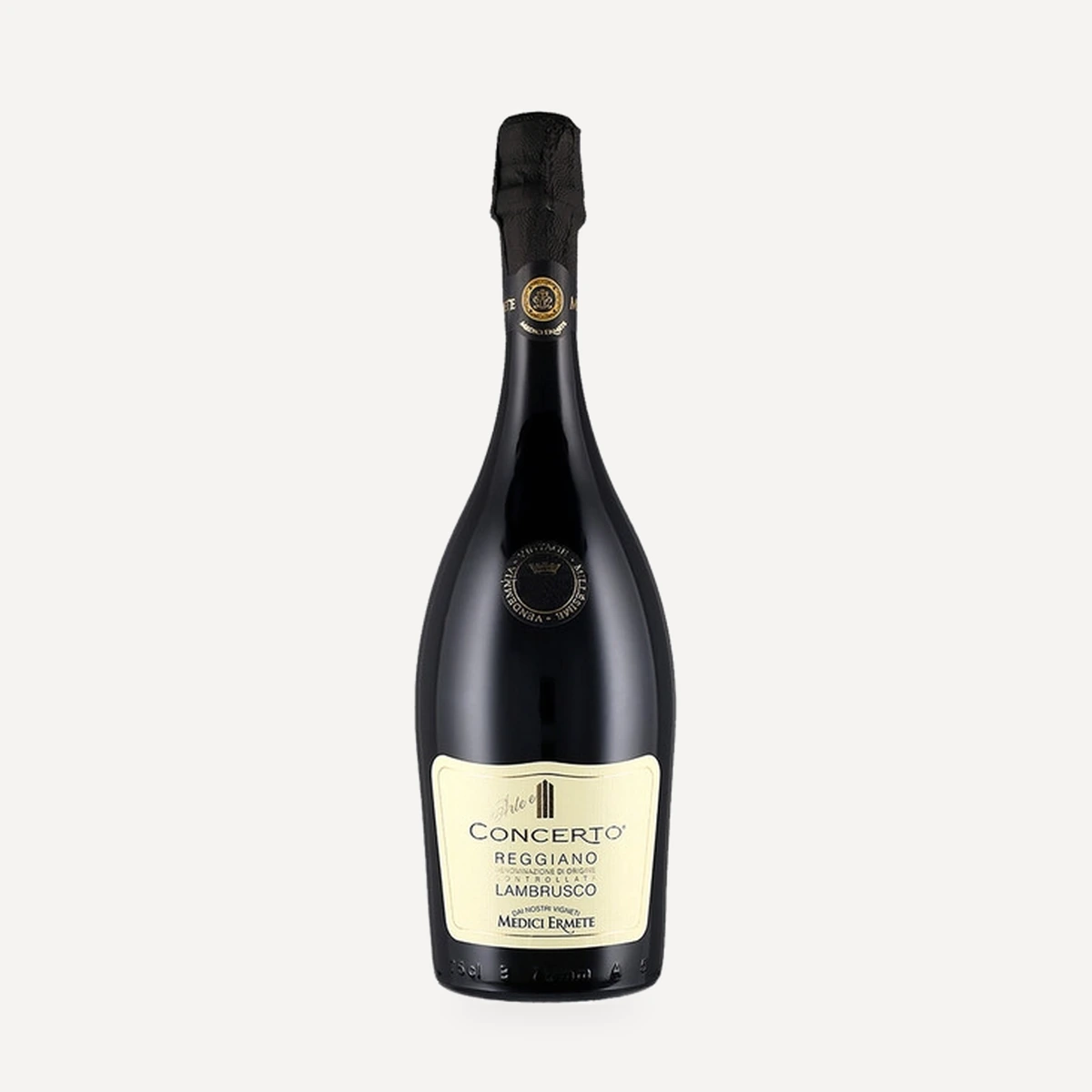
Concerto Organic Lambrusco Reggiano DOC
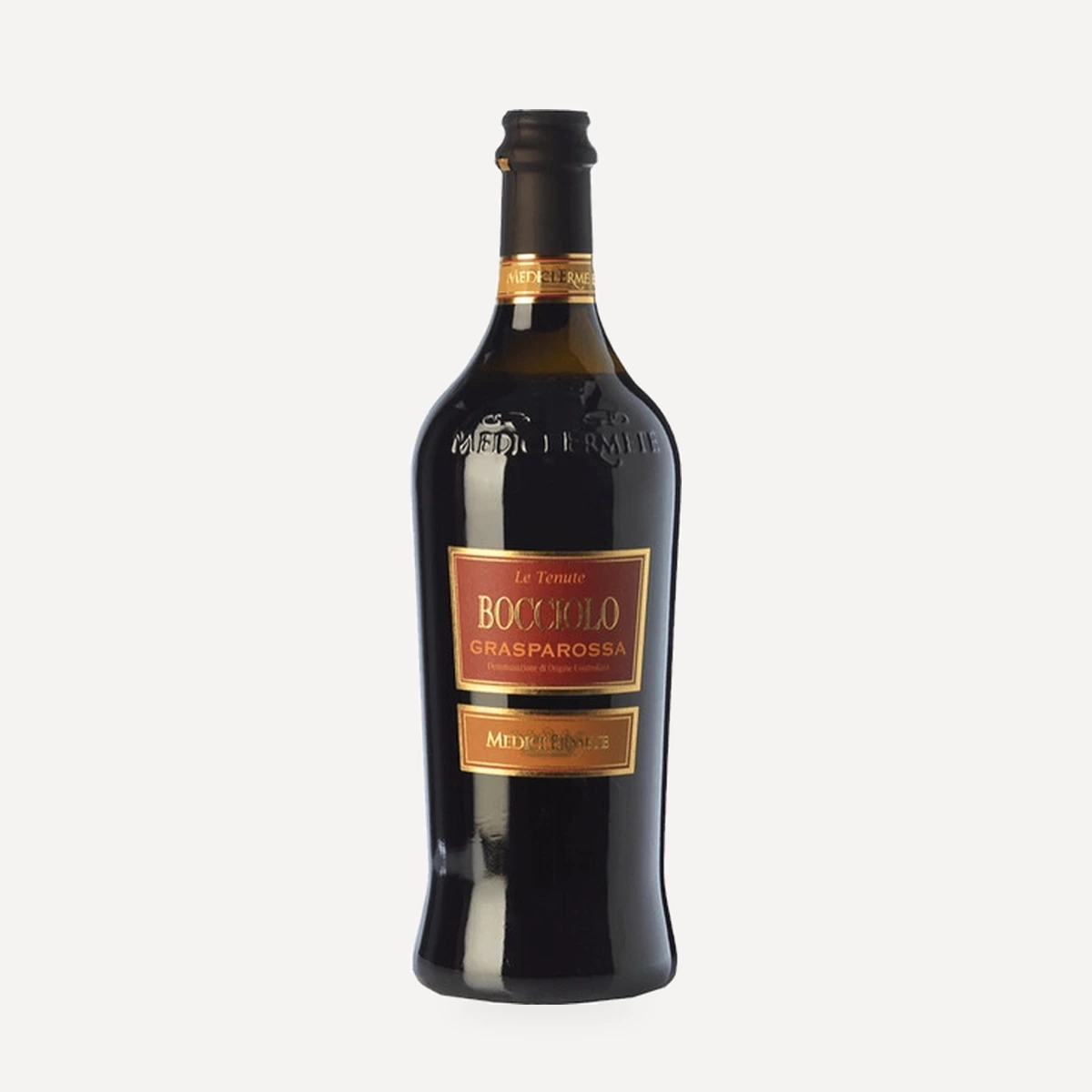
Bocciolo Lambrusco Grasparossa Sweet DOC
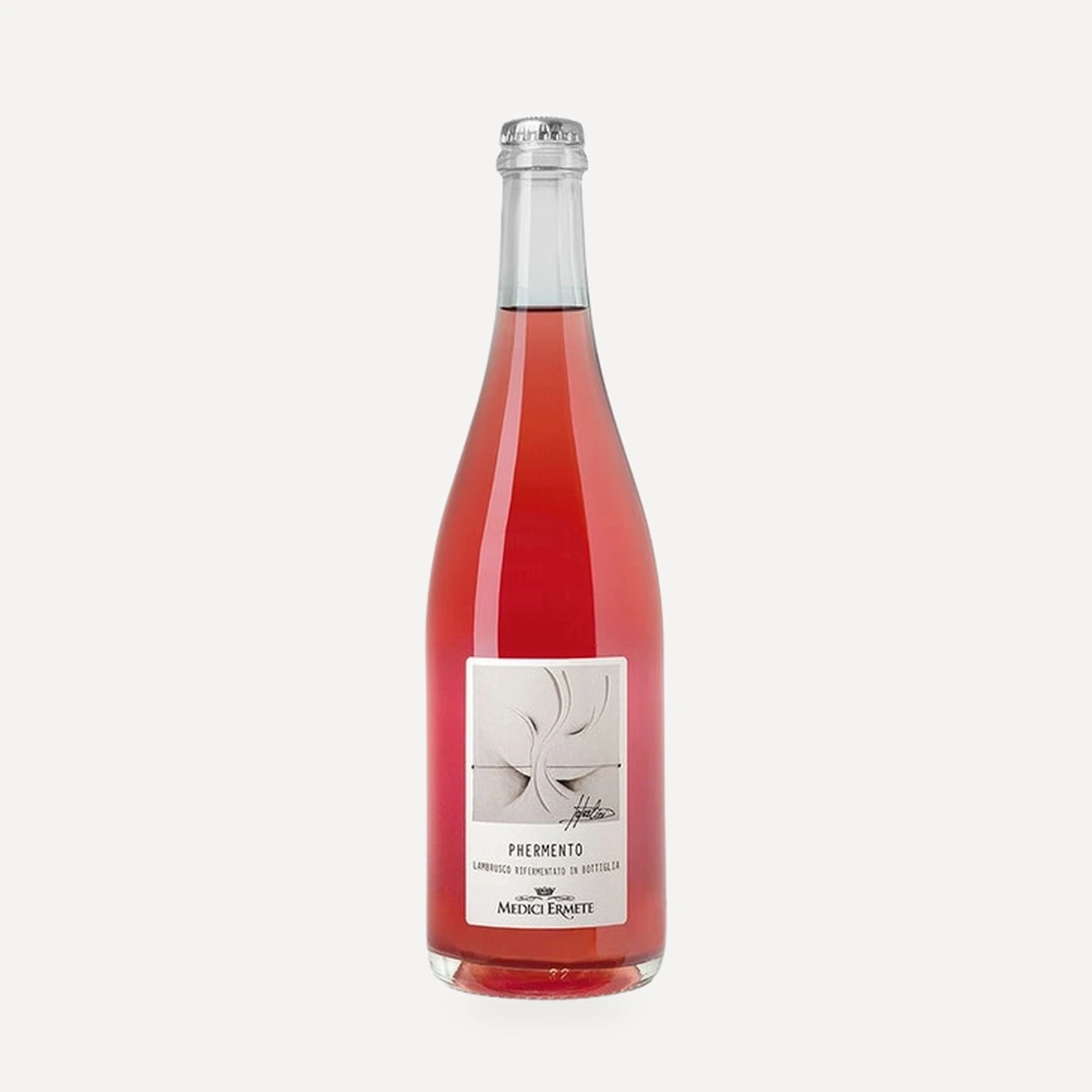
Phermento Lambrusco di Sorbara Dry (Refermented in the bottle) DOC
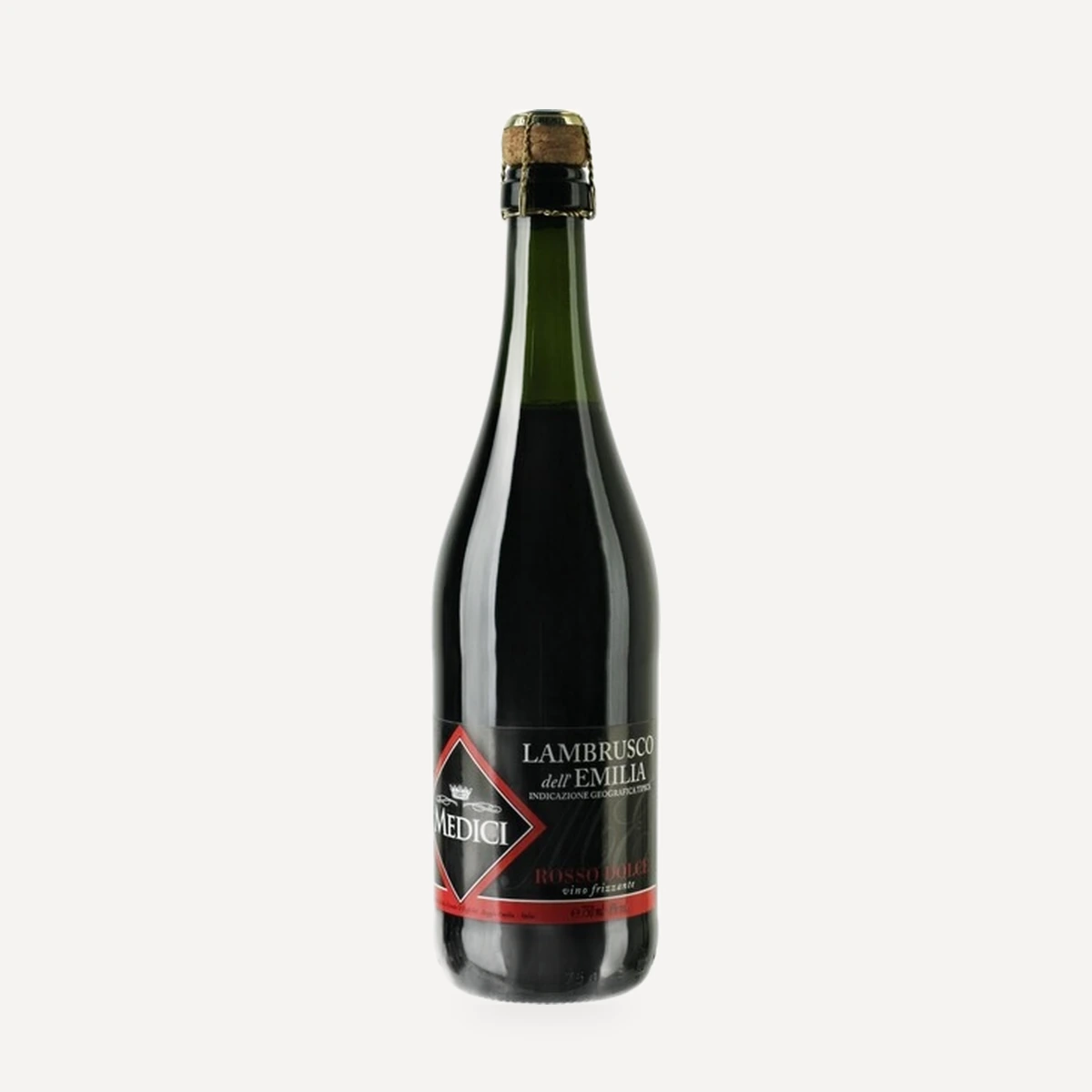
Lambrusco Emilia Sweet Rosso Sweet IGT
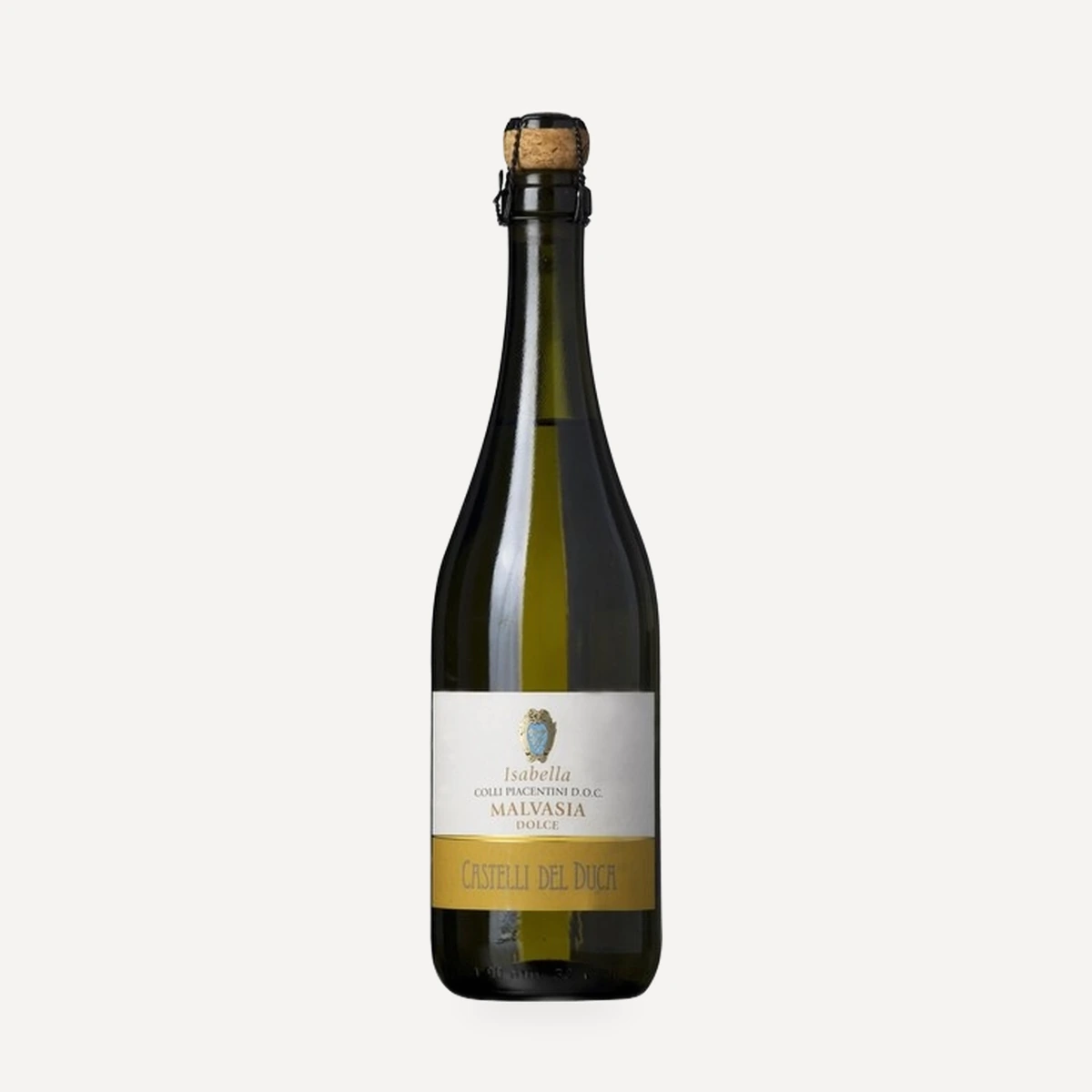
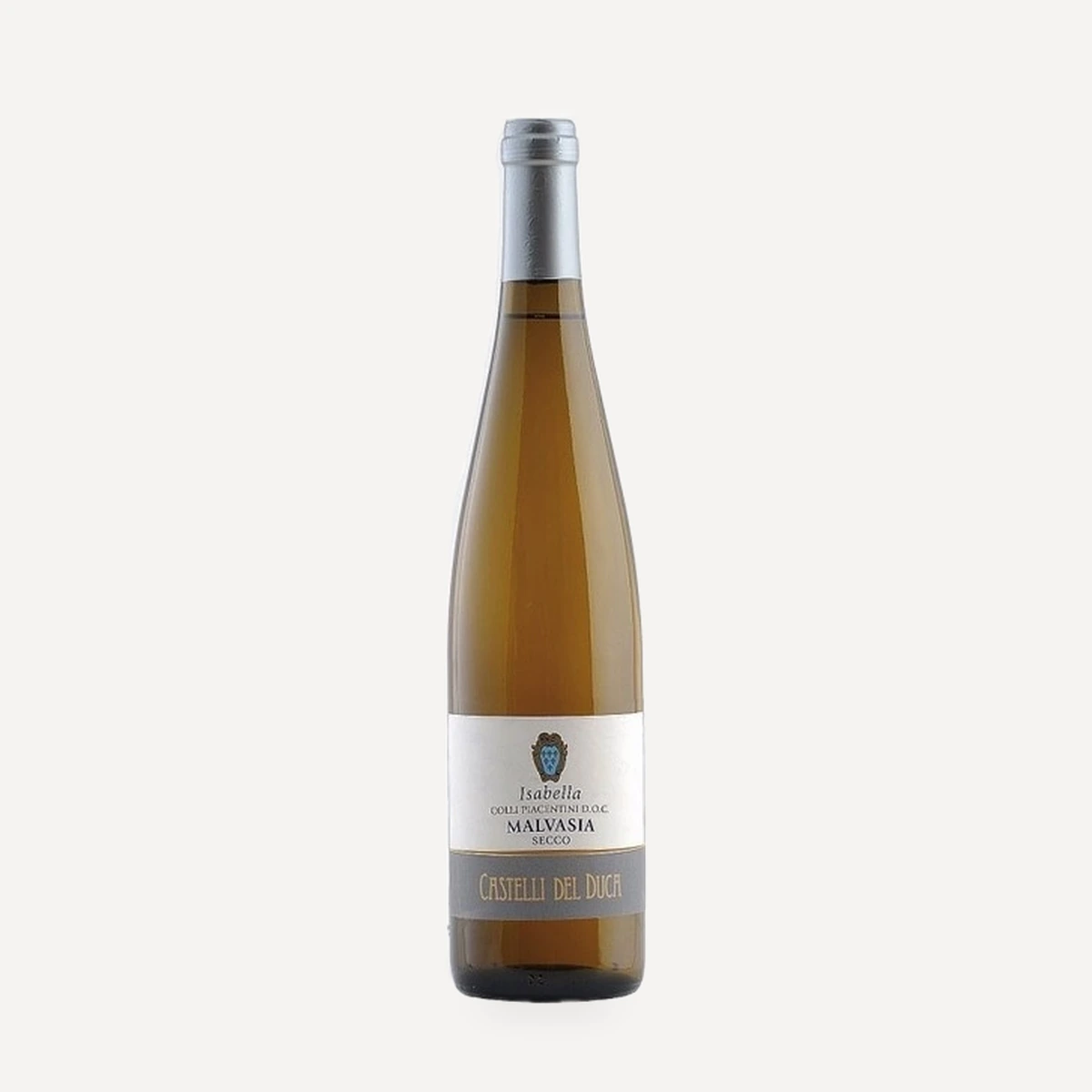
Isabella Dolce Colli Piacentini DOC
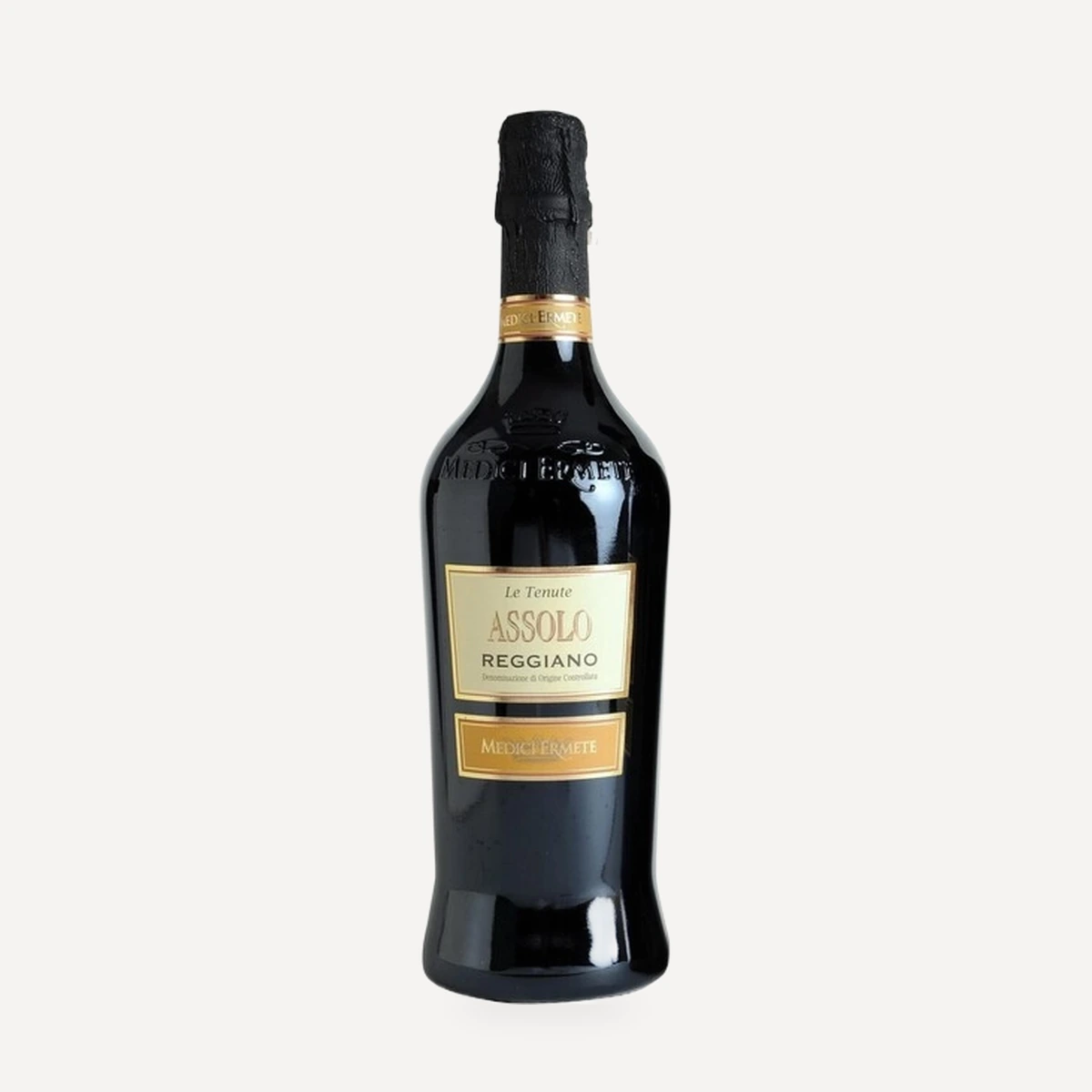
Assolo Reggiano Dry DOC
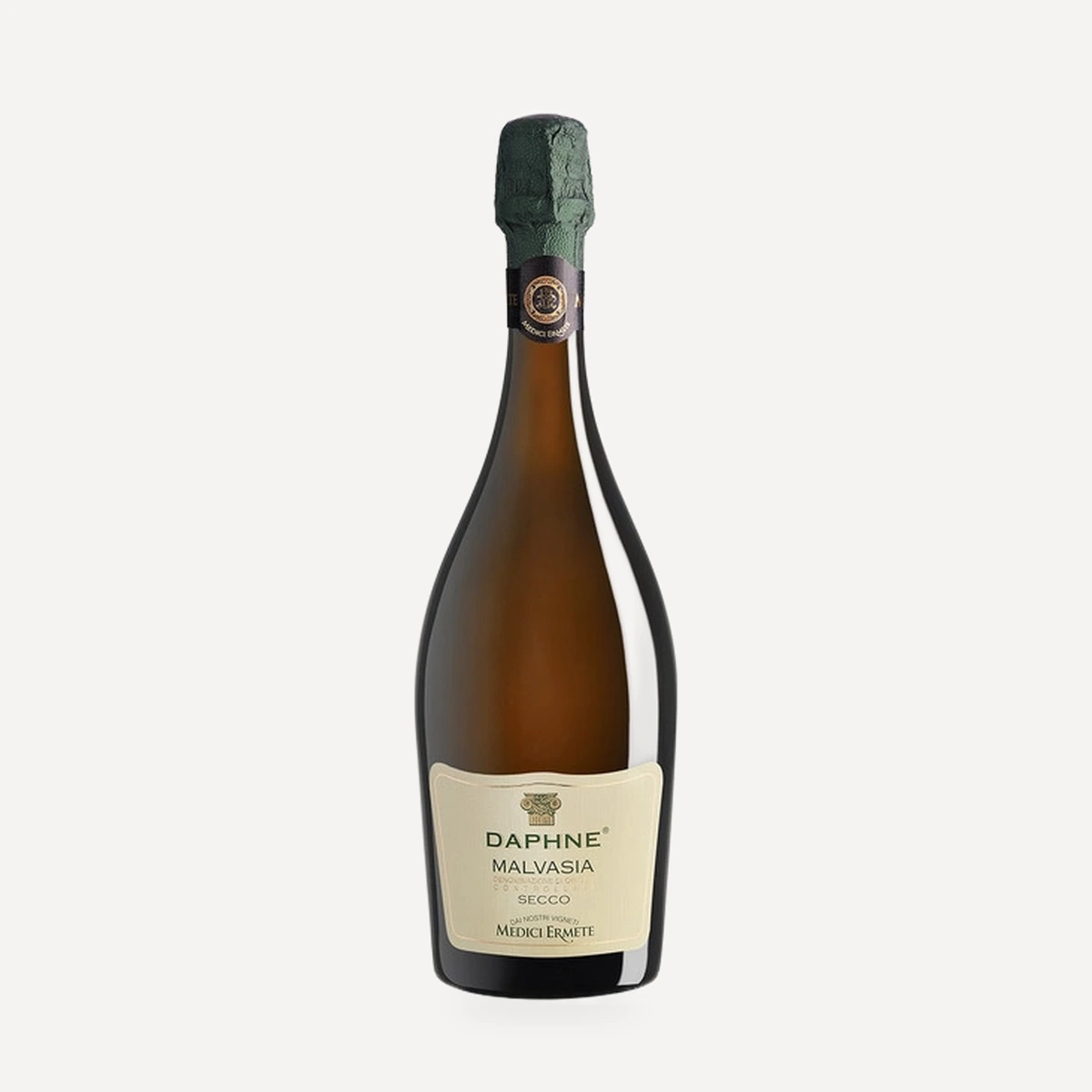
Daphne Malvasia Dry DOC
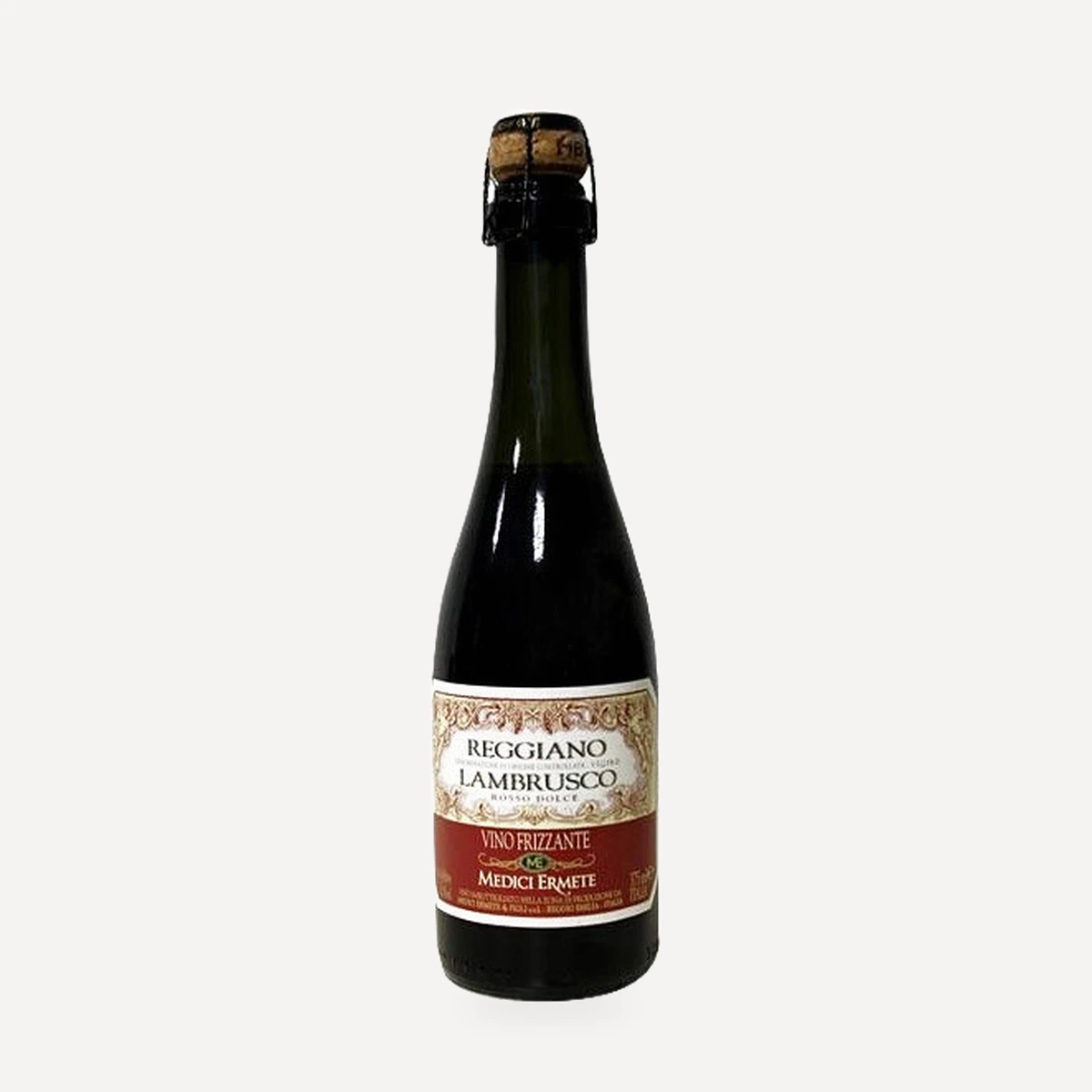
Reggiano Medici Sweet Lambrusco Sweet DOC
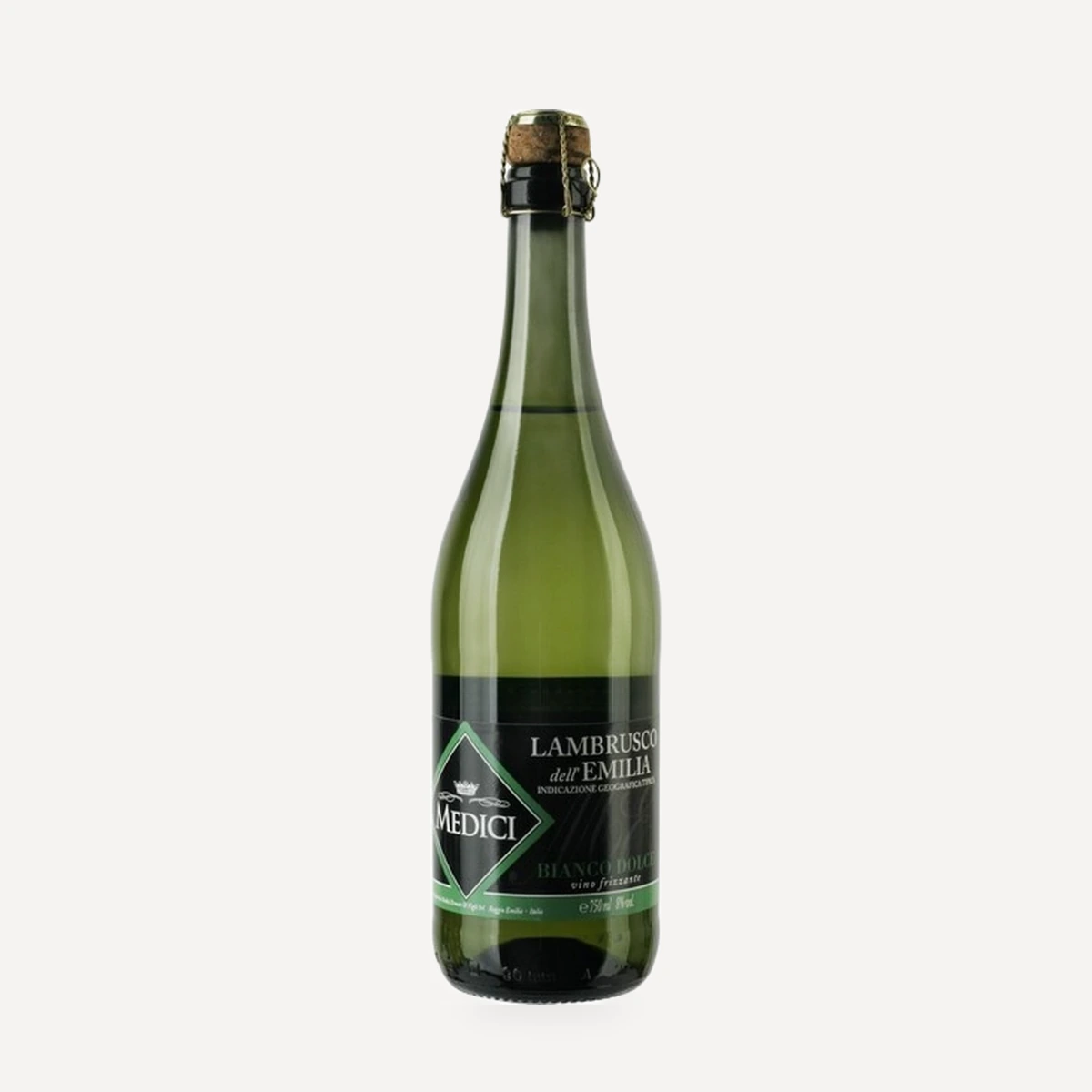
Lambrusco Emilia White Sweet Bianco Sweet IGT
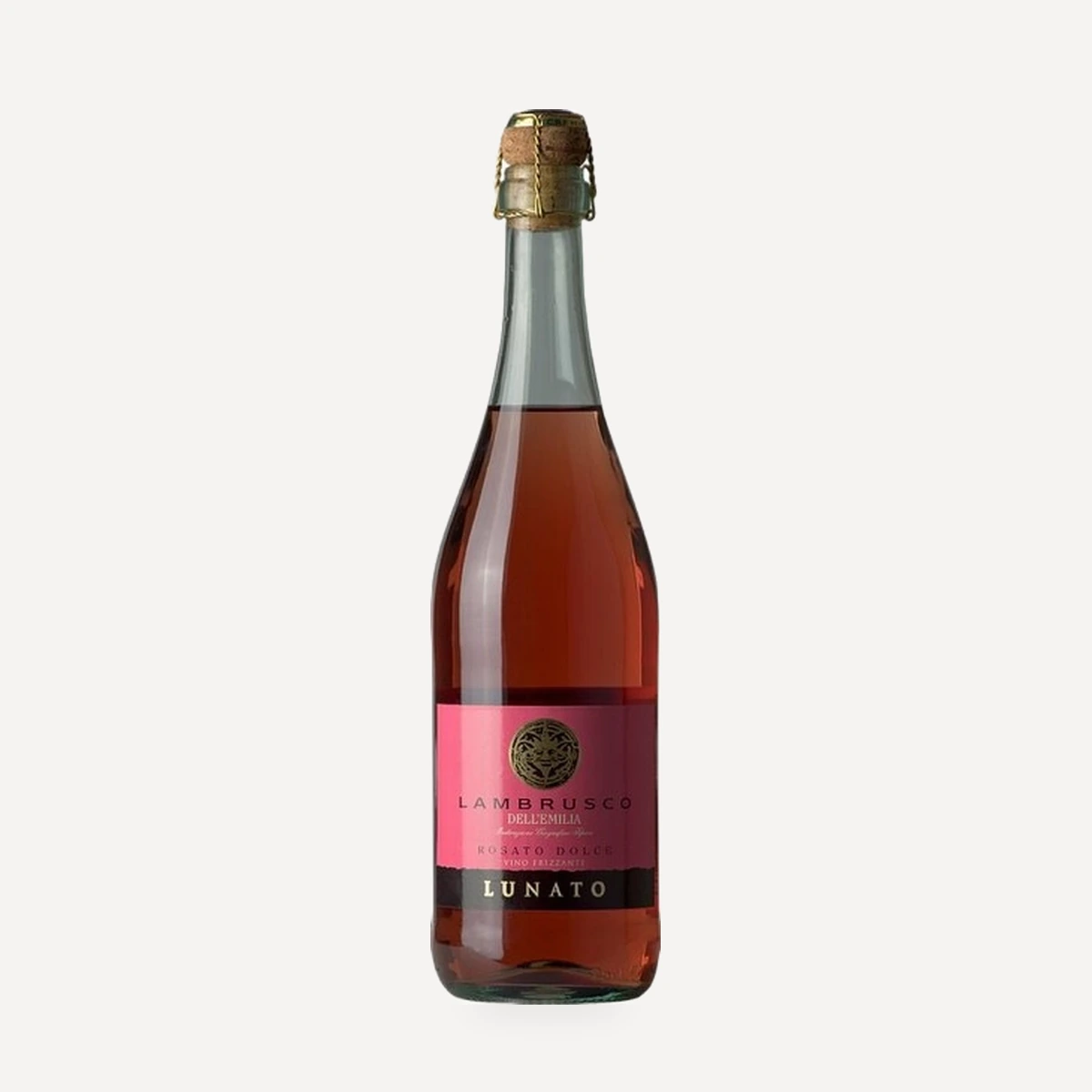
Lambrusco Emilia Rosé Sweet Rosato Sweet IGT