Storia
The family roots: 1860–1898
Cleto Chiarli moved to Modena with his wife, Lucia, and their children in 1860. In the historic centre they opened the Trattoria dell’Artigliere, which combined guest rooms, a shop and a restaurant. Cleto produced Lambrusco in an adjoining cellar, initially for the trattoria’s customers. Growing demand led him to obtain authorization for a purpose-built cellar that same year.
Cleto regarded consistent quality, glass bottling and a label identifying the producer as essential to a wine’s value. He adopted a costly, pressure-resistant glass bottle derived from the English Bottle and introduced a mushroom-shaped cork to retain the wine’s natural liveliness. These choices allowed the fragile sparkling wine to travel and established the commercial foundations of the family business.
Between 1880 and 1885, Cleto’s son Anselmo, the second generation, expanded and organized the company. The family began working with the first cooperative wineries in the province. Chiarli Lambrusco began travelling beyond Italy in 1885 with emigrants from Modena and elsewhere in the country. Rising demand prompted construction of a larger winery in Via Poletti in 1888.
In 1898 the family acquired Villa Cialdini, the former residence of Risorgimento general and statesman Enrico Cialdini, together with its land. The purchase created the foundation for a major Grasparossa estate at Castelvetro and, a century later, the Cleto Chiarli Tenute Agricole project.
International recognition and expansion: 1900–1947
Cleto travelled to the 1900 Exposition Universelle in Paris with the historic Vecchia Modena bottle, whose 1890 label is the oldest surviving evidence of a labelled bottled Lambrusco in the family archive. The wine received a Mention Honorable. Annual production had passed 100,000 bottles, and the company had begun exporting. Chiarli also introduced early machinery for securing corks, making bottling safer and more modern.
A new, advanced winery opened in Via Manin, Modena, in 1924 and remained the group’s principal production centre for generations. Around 1930 the family introduced rare equipment capable of closing bottles with mushroom corks, continuing its emphasis on presentation and secure packaging.
The Via Manin facility suffered severe damage during the 1944 bombing of Modena. Operations were interrupted, and some young employees who had left for the front did not return. Giovanni and Giorgio Chiarli, the third generation, relaunched the business after the war. Reconstruction and modernization were completed in 1947, preparing the company for the post-war market and subsequent growth.
Technology and vineyard research: 1950–1980
In 1950 the family began an advanced research programme in its vineyards to identify superior Lambrusco clones and match individual varieties to suitable soils. In 1952 Chiarli became the first company in Emilia-Romagna to introduce autoclaves, adopting the Martinotti-Charmat method for controlled sparkling-wine production. The family continued refining this technique and eventually developed a direct, single-fermentation adaptation for selected wines.
Mauro and Anselmo Chiarli, sons of Giorgio and members of the fourth generation, became involved in management from 1964. Between 1968 and 1975 they led a new phase of renewal. Mauro concentrated on the agricultural estates, relocating vineyards to more highly regarded sites and selecting historic Sorbara and Grasparossa material. Anselmo modernized the winery and its equipment for increasingly international markets.
A formal programme of massal selection began in 1970 to recover and propagate historic Sorbara and Grasparossa clones. New vineyards trained to GDC, or Geneva Double Curtain, followed in 1972, with the aim of producing healthier fruit and more balanced ripening. During the 1970s the number of bottles sold doubled. Even as the market became crowded with inconsistent Lambrusco, the family maintained the principle that its wines should remain recognizable expressions of their territory.
Vecchia Modena Brut was reintroduced at the National Assoenologi Congress in 1980. Its dry Sorbara style deliberately opposed the prevailing fashion for sweet, low-alcohol Lambrusco and initiated a programme of qualitative renewal based on vineyard modernization, clonal work and renewed attention to Sorbara and Grasparossa.
Creation of Cleto Chiarli: 2000–2002
In 2000 the family created Cleto Chiarli as a distinct project for premium wines made from its own grapes and intended principally for restaurants and specialist wine shops. A modern winery was built within Tenuta Cialdini at Castelvetro di Modena to vinify selected Sorbara and Grasparossa from the family estates without pressure for volume or speed. Vecchia Modena Premium inaugurated the project, using a rigorous selection of Sorbara from Sozzigalli and direct prise de mousse from must.
The Tenuta Cialdini winery was formally inaugurated in 2002. It was dedicated to premium production from the family’s three estates, and the new brand was named for founder Cleto Chiarli. Premium, Lambrusco del Fondatore and Vigneto Cialdini became central expressions of the project.
Fifth generation and cultural heritage: 2000–2025
Carlo and Tommaso Chiarli represent the fifth generation associated with the family’s newer projects. Between 2000 and 2017 this generation advanced both Cleto Chiarli Tenute Agricole and the separate Quintopasso Metodo Classico initiative.
In 2025 the Chiarli Archive and Galleria Chiarli opened at Villa Cialdini. The gallery presents a curated selection from an archive recognized as being of national historical importance, documenting the family, Lambrusco and the development of wine culture through historic bottles, rare glass, nineteenth-century objects, cellar equipment, labels, books, medals and original documents.
Terroir
Cleto Chiarli works with estate vineyards across the Modena area and the Colli Bolognesi. The principal winery stands at Tenuta Cialdini in Castelvetro di Modena, in the heart of Lambrusco Grasparossa country near the first hills of the Modena Apennines.
Tenuta Cialdini’s vineyards occupy gently undulating ground at the foot of the hills. Their form reflects repeated cycles of erosion and deposition associated with the Guerro stream. Ancient alluvial deposits underlie a surface layer approximately 50–60 cm deep, with a silt-loam texture and gravel. The local climate is predominantly dry and ventilated.
Sozzigalli provides a contrasting Sorbara environment. Its sandy, salt-rich soil supports rare indigenous Sorbara material characterized by loose bunches and pronounced millerandage. These conditions are associated with pale colour, marked acidity, freshness and vivid aromatics.
Tenuta Belvedere lies on flat countryside in the commune of Spilamberto, close to the Modena Apennine foothills. Its soils are described as fresh and fertile. High planting density and detailed canopy and pruning work are used there to obtain deeply coloured, vinous and tannic Grasparossa.
Within Tenuta Cialdini, eight hectares selected from 2014 are planted to Pignoletto, also called Grechetto Gentile. Chardonnay is also grown on family-owned land in the Colli Bolognesi for white sparkling-wine production.
Vinificazione
Vineyard work has centred on site selection and the conservation of historic plant material since the mid-twentieth century. Research begun in 1950 sought to identify the best Lambrusco clones and plant each variety in the soils most suited to it. From the late 1960s Mauro Chiarli relocated vineyards into more highly regarded zones and intensified clonal selection.
A formal massal-selection programme for Sorbara and Grasparossa began in 1970. Old vines were evaluated, descendants of the strongest material were propagated, and historic local characteristics were preserved in new plantings. The programme remains particularly important at Sozzigalli and Vigneto Cialdini.
GDC, or Geneva Double Curtain, training was adopted for new vineyards in 1972 to promote healthier fruit and more even ripening. Tenuta Belvedere combines high planting density with close attention to pruning and general canopy management. Across the estates, vineyard operations are intended to keep soils balanced while becoming progressively more attentive to environmental impact.
Organic grapes are used for Cleto Chiarli’s Lambrusco Grasparossa di Castelvetro DOC Biologico. The broader portfolio is not presented under a single estate-wide organic or biodynamic designation.
The Cleto Chiarli winery was created at Tenuta Cialdini to process selected grapes from the family estates in a modern facility dedicated to premium production. Sorbara and Grasparossa selections have been vinified there since 2000, with technology used to preserve freshness, fruit and varietal identity rather than to accelerate output.
A distinctive adaptation of the Martinotti-Charmat method is used for selected sparkling Lambrusco. After soft pressing, the must is chilled immediately, statically settled and held at approximately 0°C to prevent premature fermentation. Instead of completing one alcoholic fermentation and then inducing a second fermentation for the prise de mousse, the unfermented must proceeds directly to sparkling wine in pressure tanks. Alcoholic fermentation and carbon-dioxide production therefore occur in a single, slow fermentation.
This process requires longer times, substantially lower temperatures and continuous control of the carbon dioxide so that pressure develops gradually and the mousse remains fine. Its purpose is to preserve the grape’s fresh-fruit aromas, acidity and aromatic harmony as intact as possible. The method is applied to selected Sorbara and Grasparossa wines.
Other wines retain distinct traditional approaches. Lambrusco del Fondatore undergoes natural prise de mousse in bottle, without dosage, followed by six months of ageing and no removal of the fine fermentation deposit. Other estate wines use cold maceration, low-temperature fermentation of settled must with selected yeasts and prise de mousse in closed pressure tanks. Pignoletto production includes soft pressing at controlled temperature; one approach macerates 20% of the fruit for 12 hours while the remaining 80% is softly pressed as whole or destemmed grapes before fermentation with selected yeasts.
Filosofia
Cleto Chiarli was conceived as a quality-focused project in which estate grapes could express their full potential without pressure for speed or volume. Its stated ambition combines modern facilities and appropriate technology with family history and regional tradition.
The family defines terroir as more than climate, soil and grape variety: it also encompasses culture and changes as generations refine vineyards, soils, technology and taste. Continuous selection of vine material, increasingly attentive soil management and technical progress are therefore treated as part of terroir rather than as forces opposed to it.
The project’s guiding principles are passion, attachment to the land, family identity, respect for wine and continued pursuit of improvement. Its wines are intended to remain enjoyable and accessible while retaining a clear connection to their place and varieties. Innovation is accepted when it protects or clarifies the authentic character of Lambrusco; the return to dry Vecchia Modena in 1980 and the later development of direct single-fermentation sparkling production exemplify that approach.
The preservation of historic Sorbara and Grasparossa clones is central to this philosophy. Clonal and massal selection seek greater depth and authenticity without severing the connection to older local vines. The family also treats consistent quality, clear producer identity and appropriate packaging as principles inherited from Cleto’s original nineteenth-century enterprise.
Vini
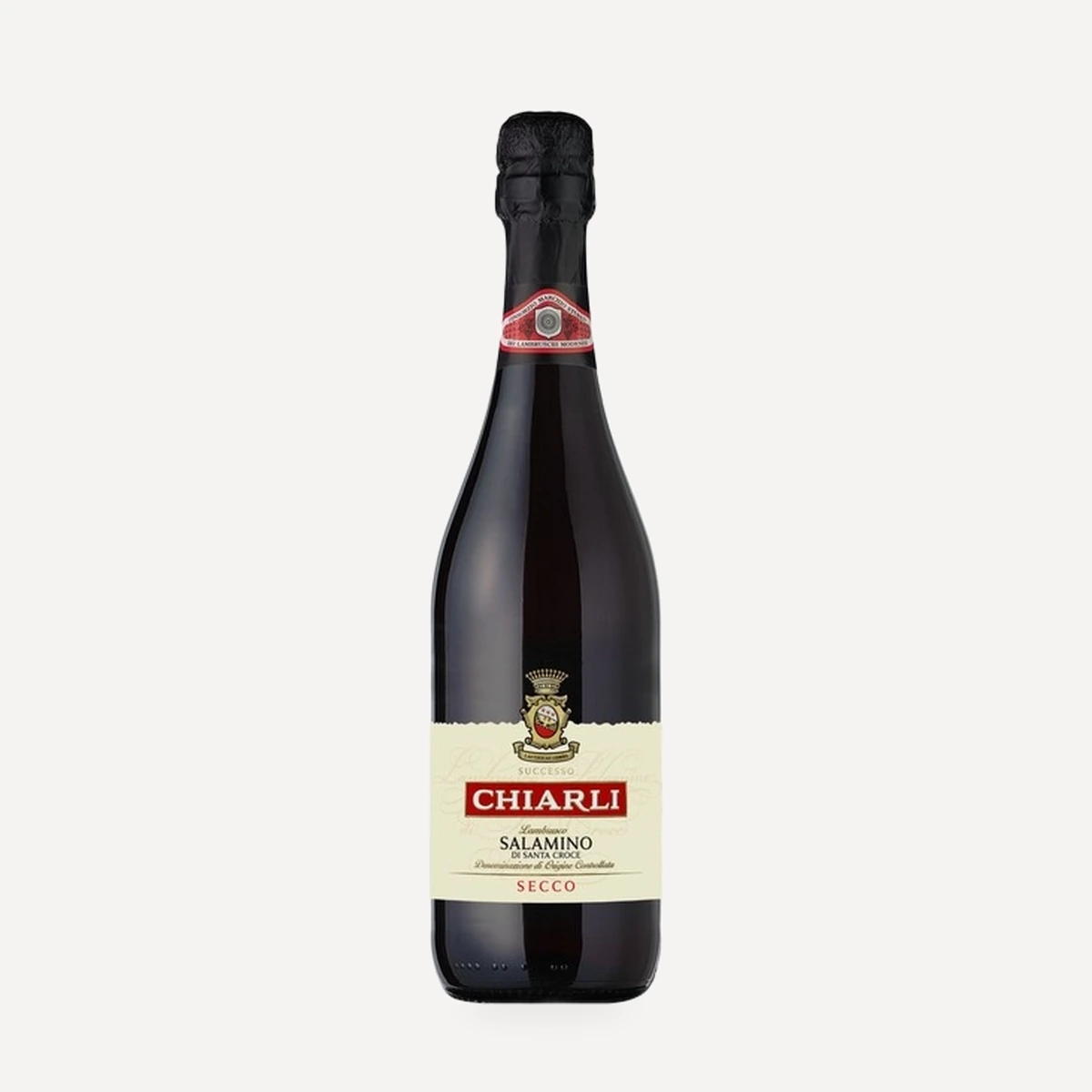
Lambrusco Salamino di Santa Croce Secco DOC
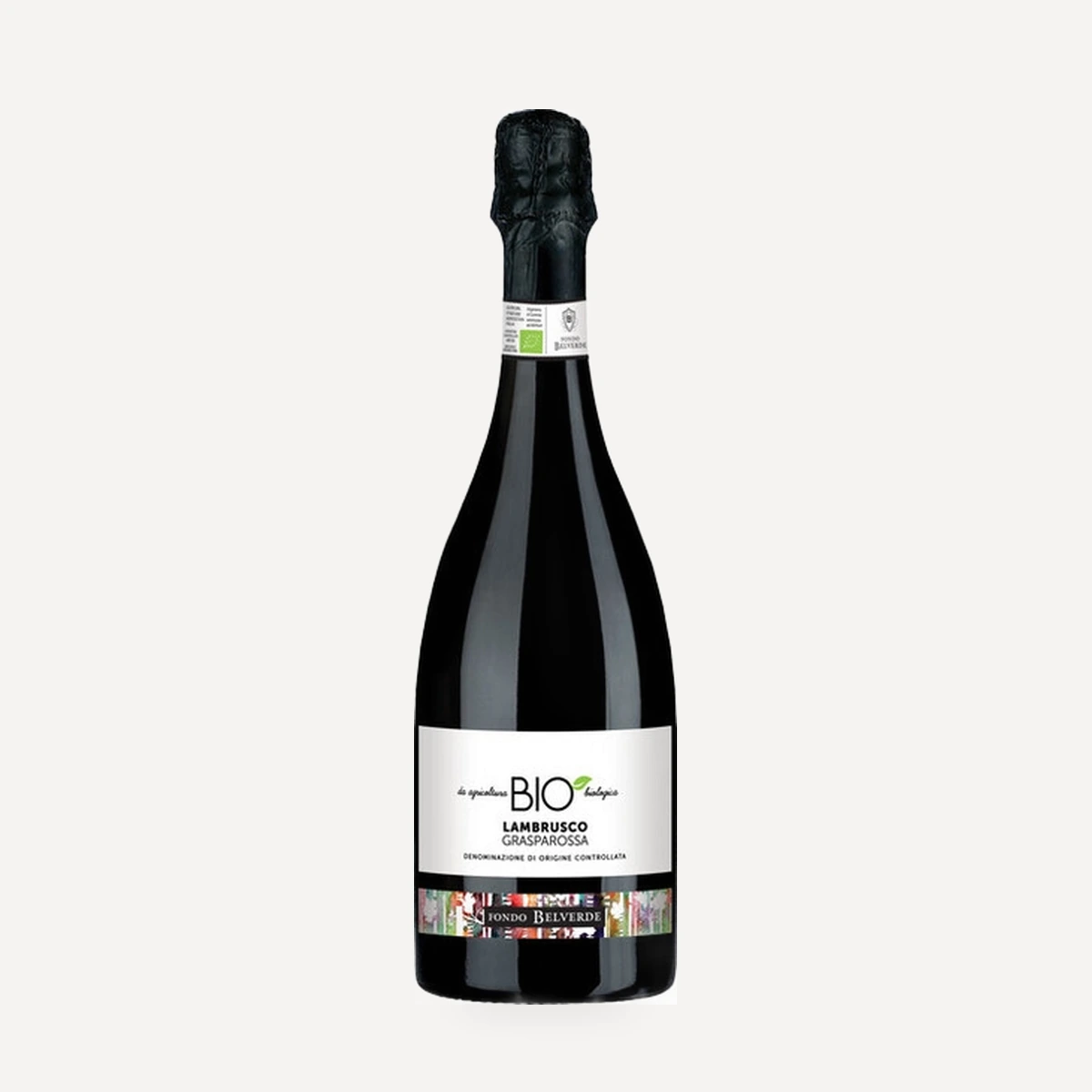
Fondo Belverde Bio Lambrusco Grasparossa di Castelvetro DOC
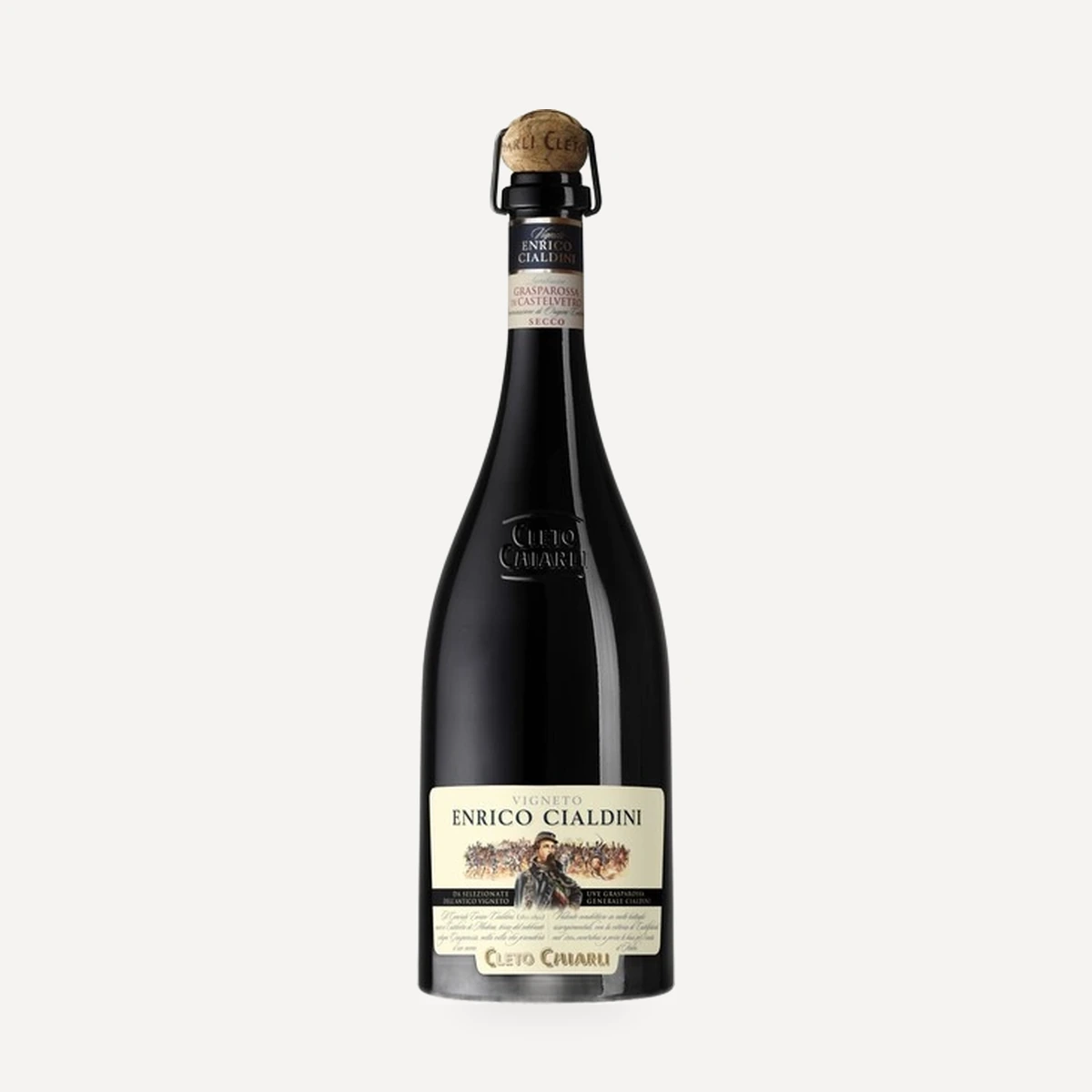
Vigneto Enrico Cialdini Lambrusco Grasparossa di Castelvetro Modena DOC
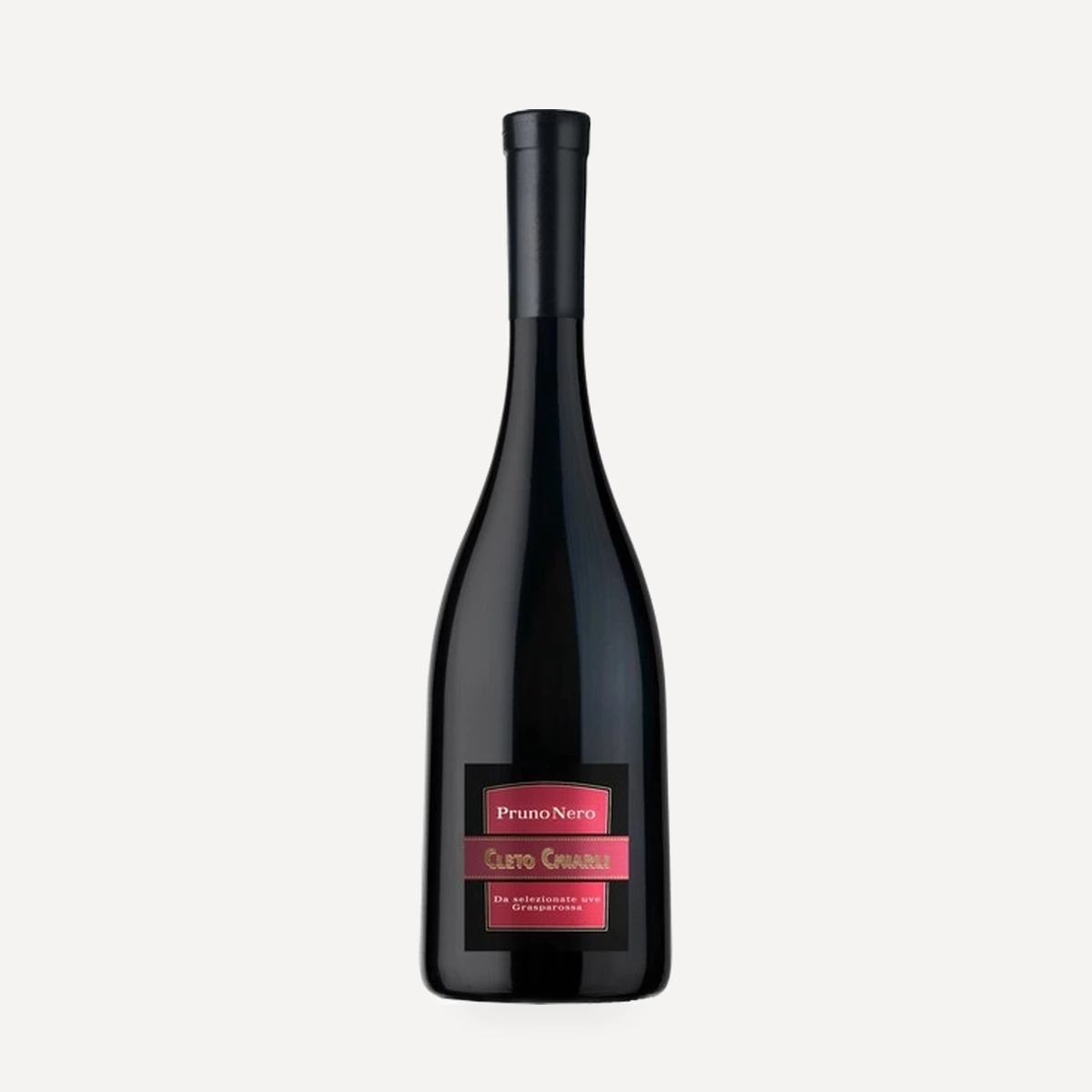
Pruno Nero Lambrusco Grasparossa di Castelvetro DOC
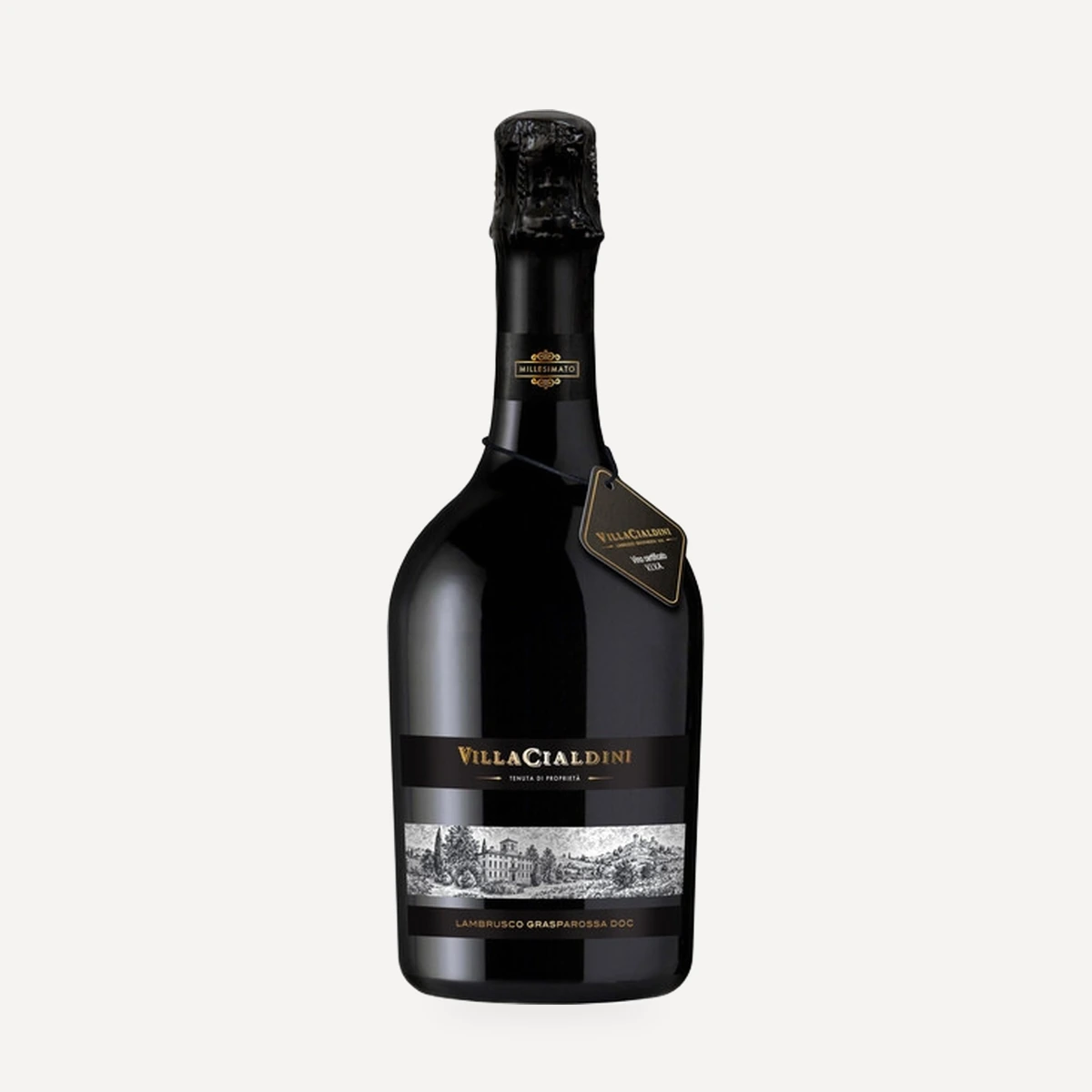
Villa Cialdini Lambrusco Grasparossa di Castelvetro DOC
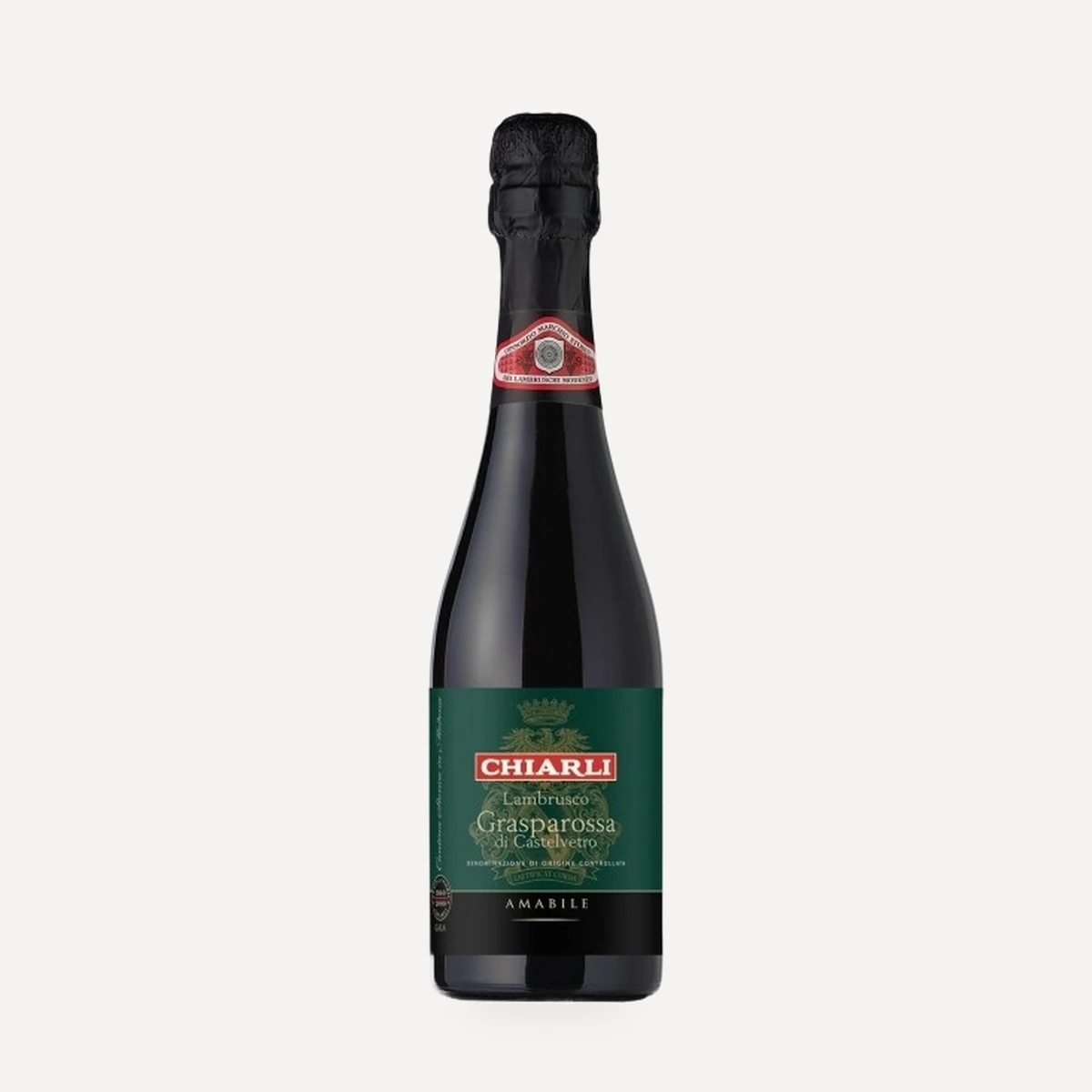
Lambrusco Grasparossa di Castelvetro DOC
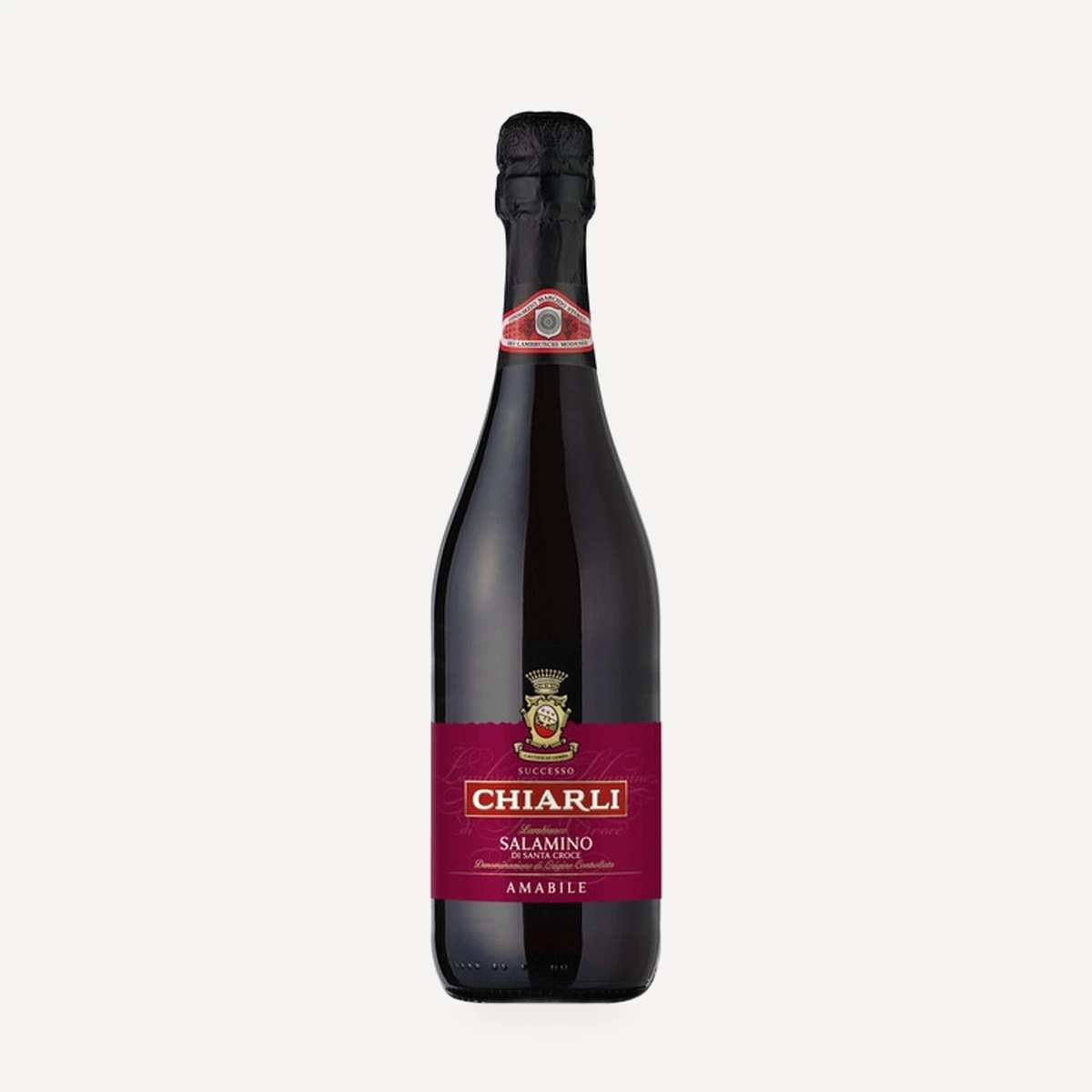
Lambrusco Salamino di Santa Croce DOC
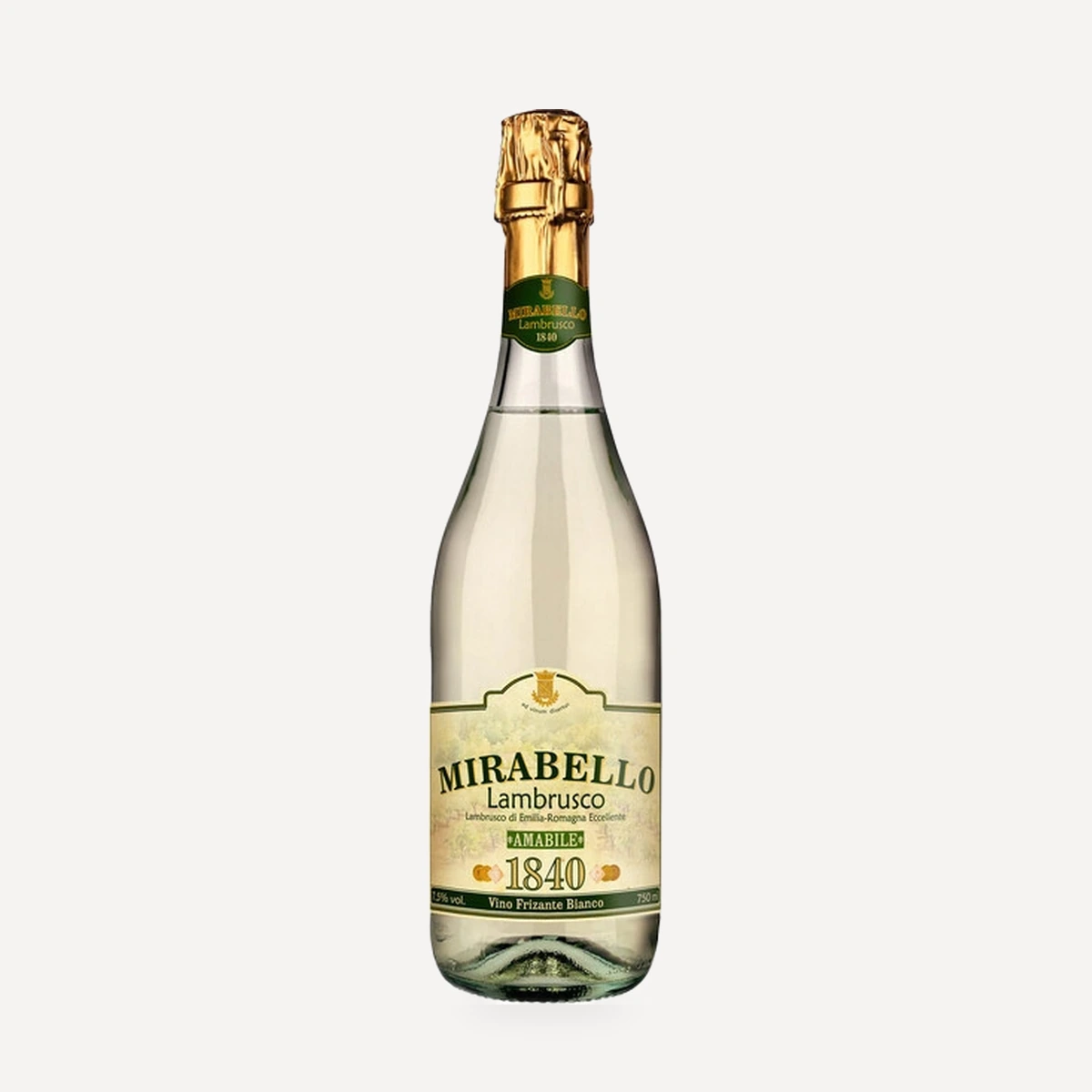
Mirabello Bianco Lambrusco di Emilia-Romagna IGT
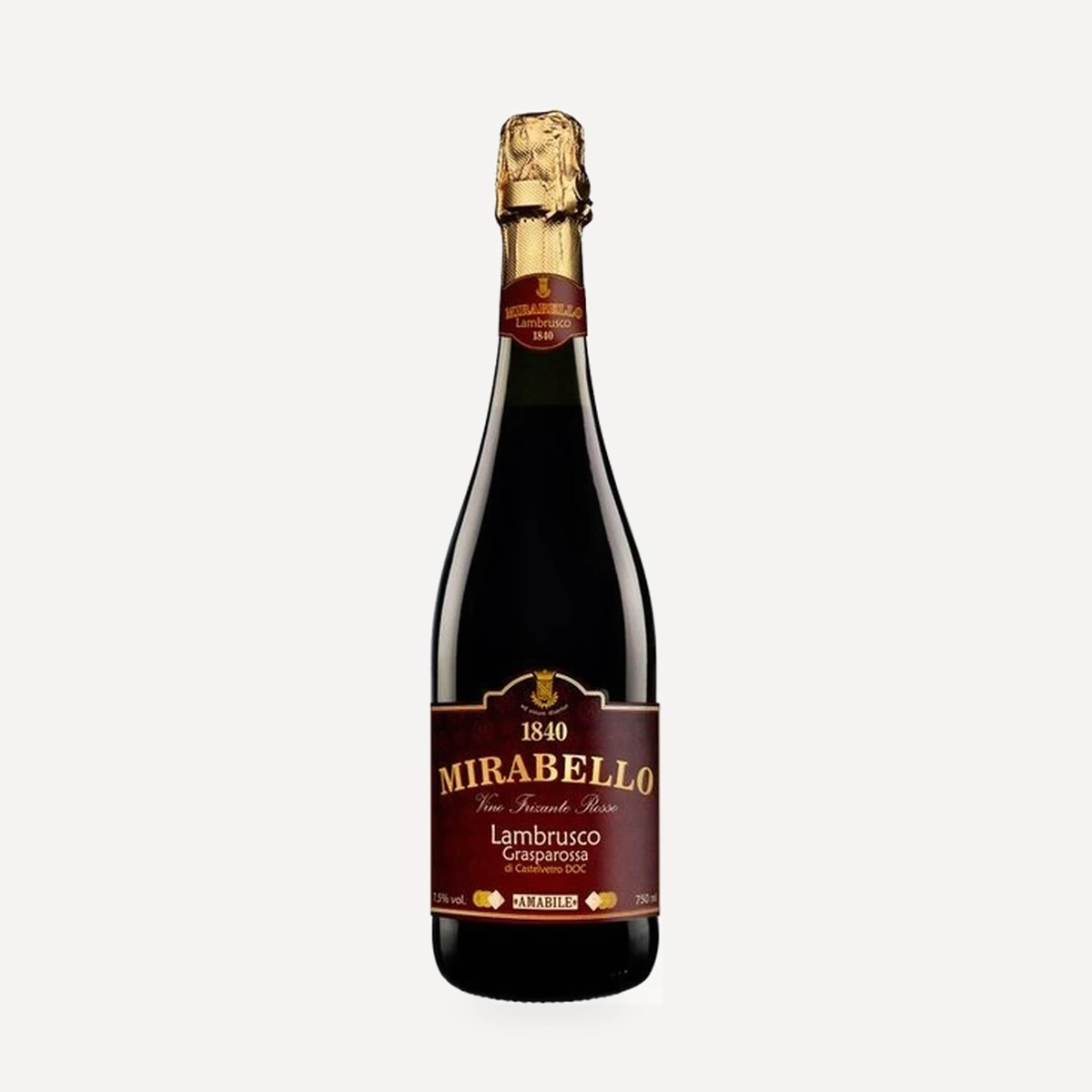
Mirabello Lambrusco Grasparossa di Castelvetro DOC
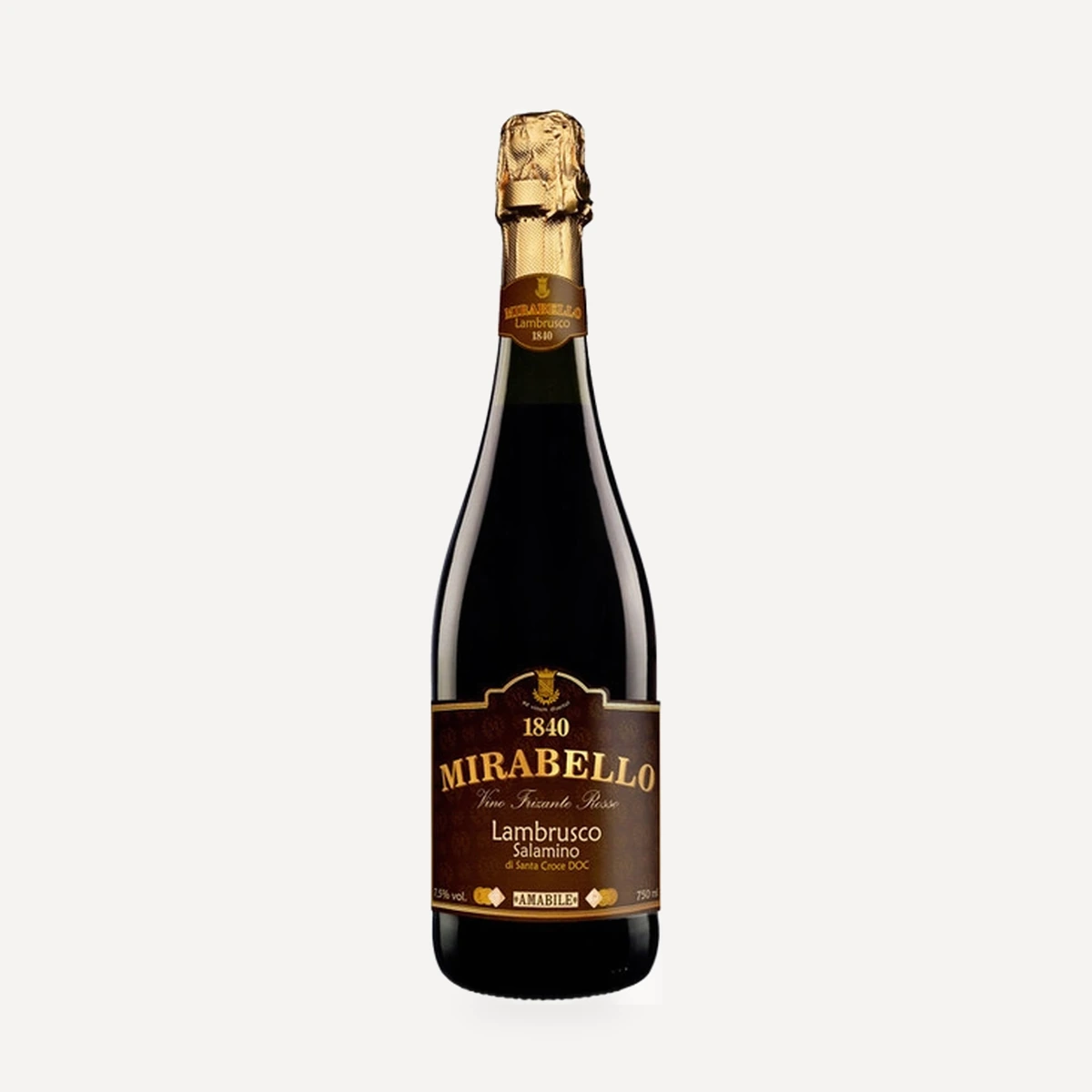
Mirabello Lambrusco Salamino di Santa Croce DOC
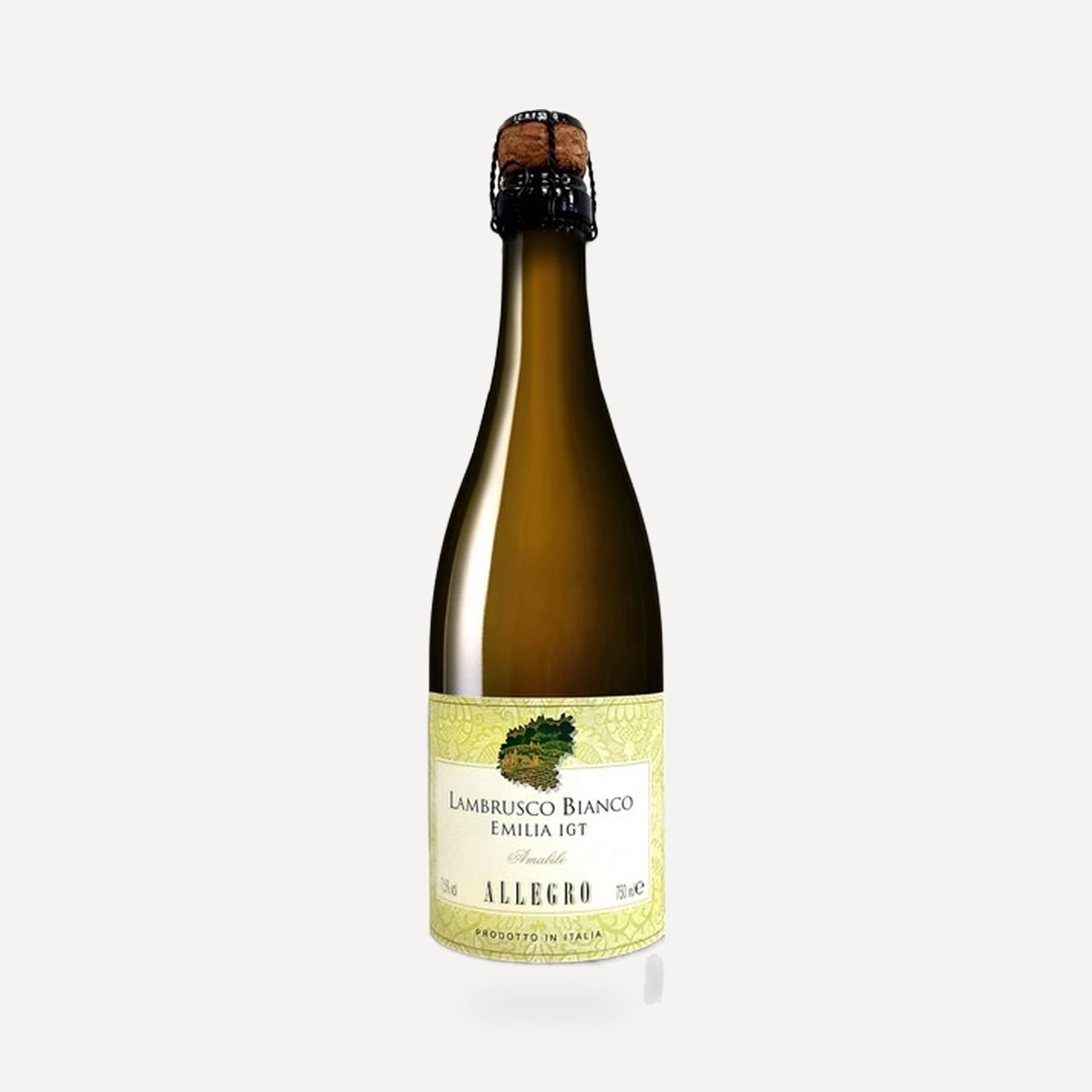
Allegro Lambrusco dell'Emilia Bianco Amabile Frizzante IGT
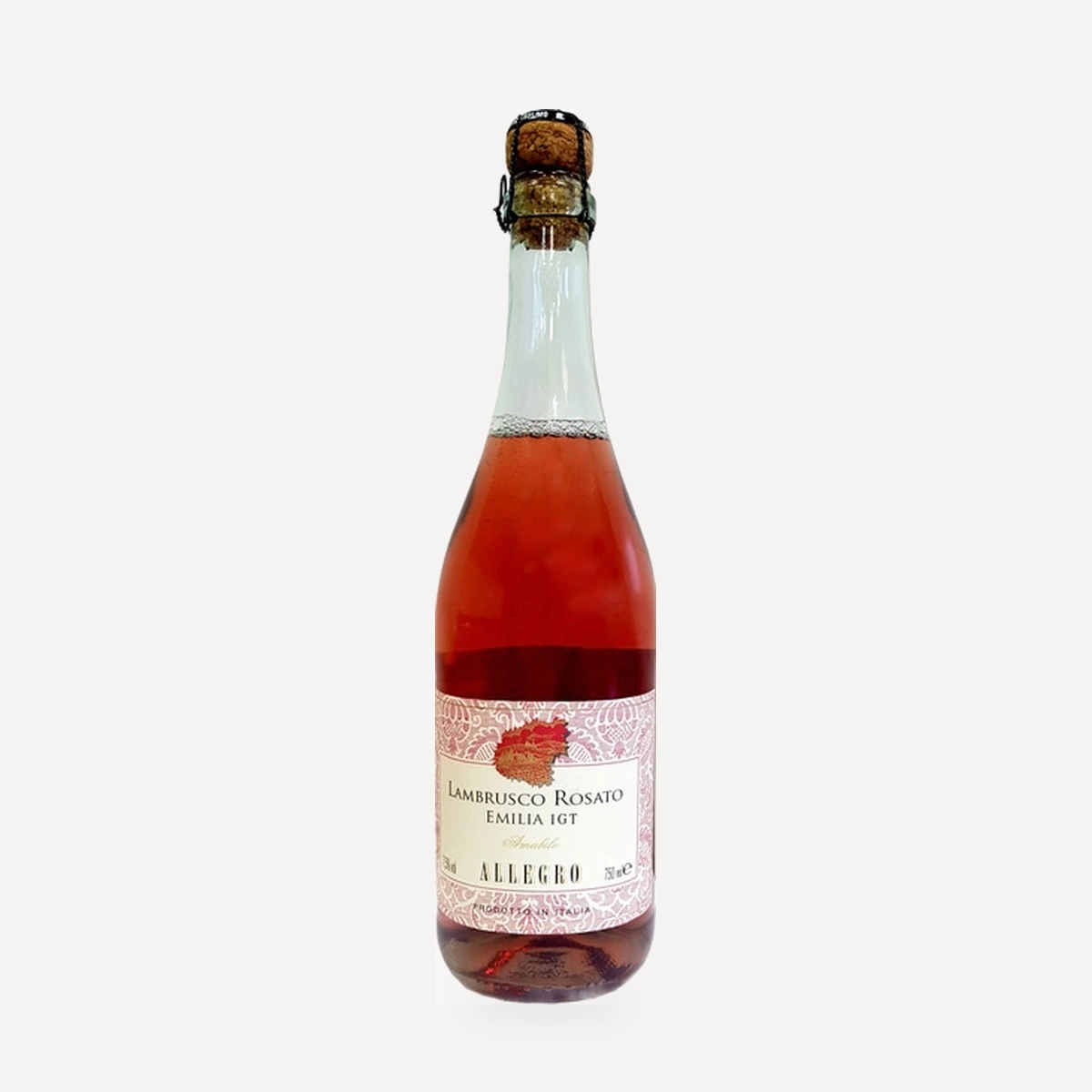
Allegro Lambrusco dell'Emilia Rose Amabile Frizzante IGT
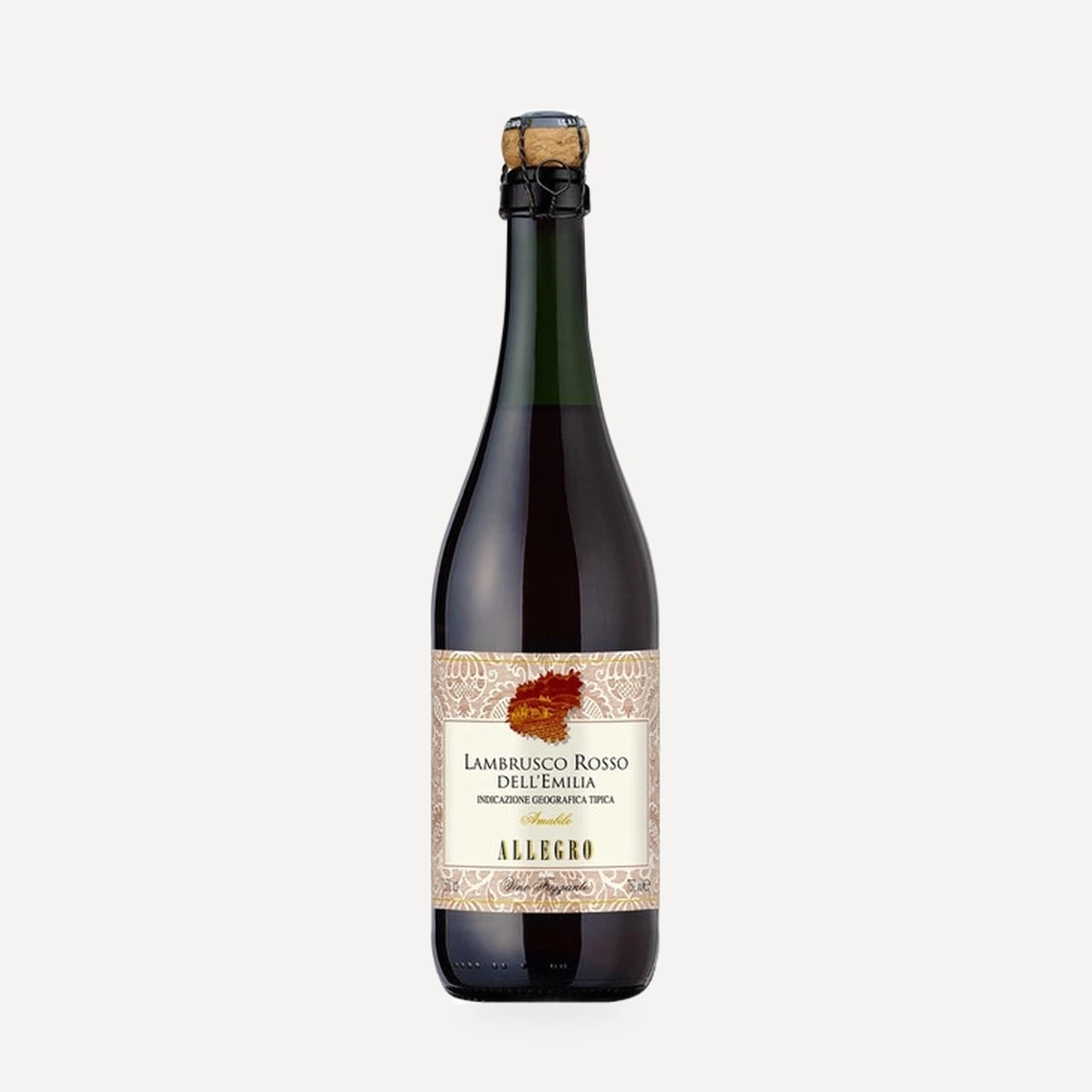
Allegro Lambrusco dell'Emilia Rosso Amabile Frizzante IGT
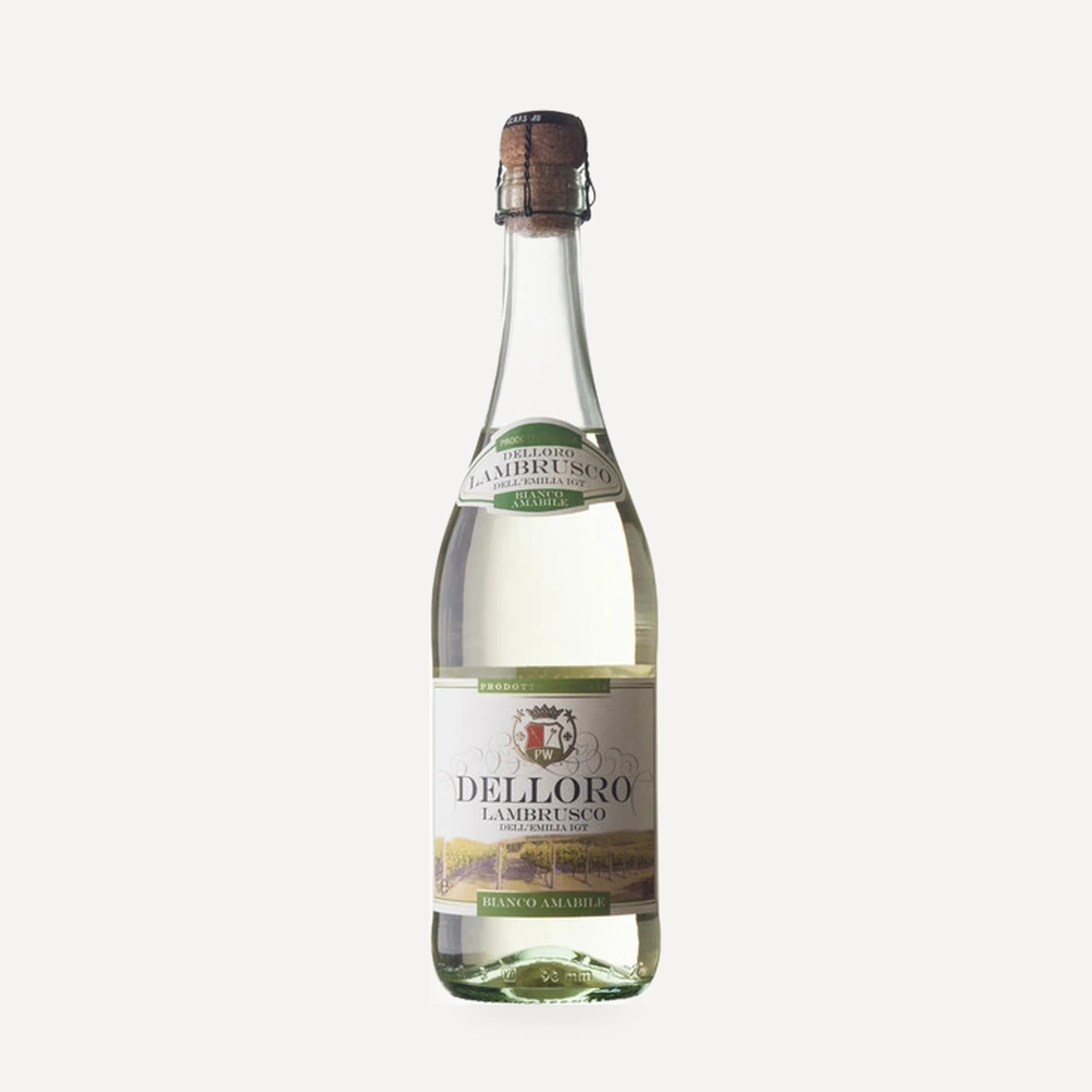
Delloro Lambrusco Bianco Amabile Emilia IGT
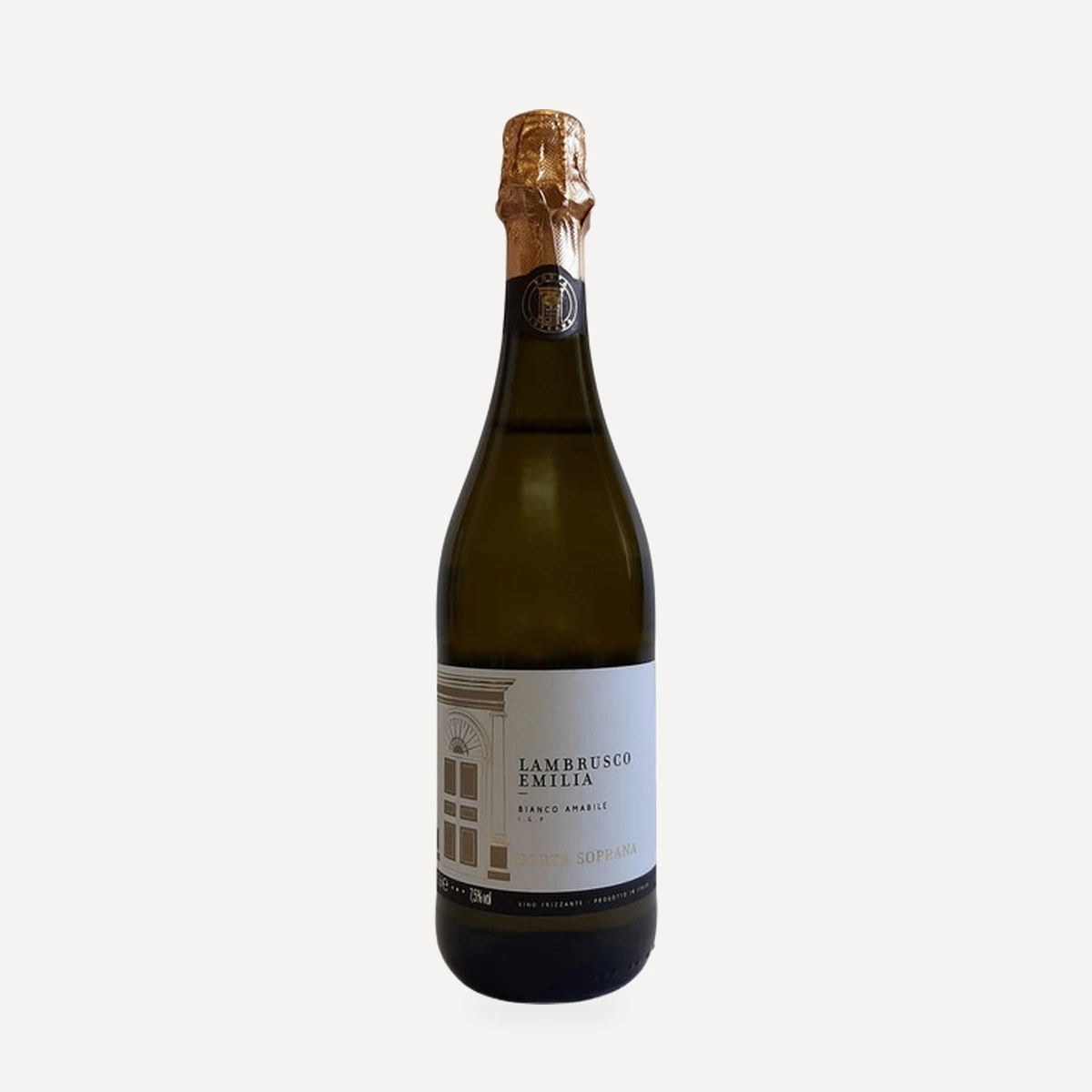
Porta Soprana Lambrusco Emilia Bianco Amabile IGP
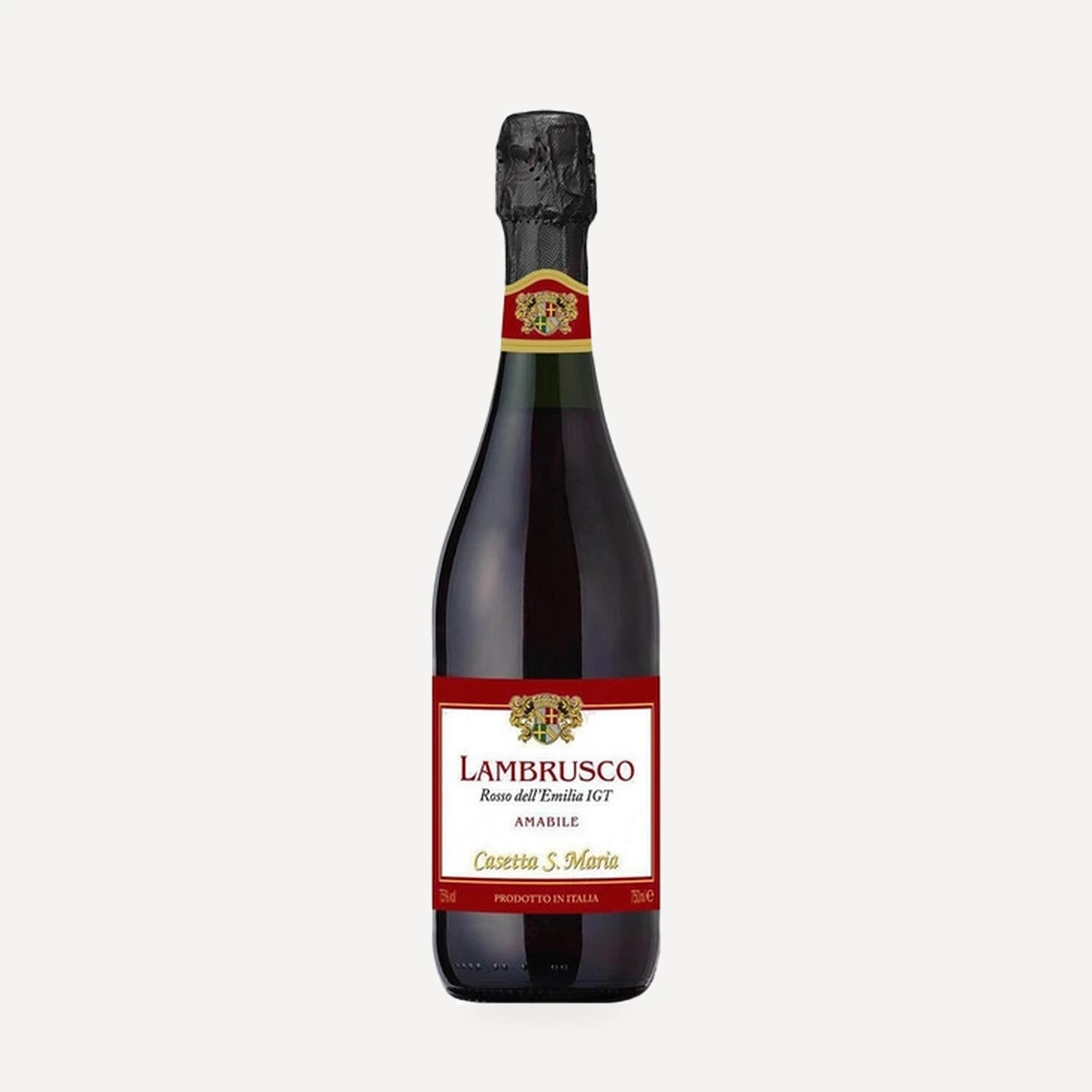
Casetta S. Maria Lambrusco Rosso dell'Emilia Amabile IGT
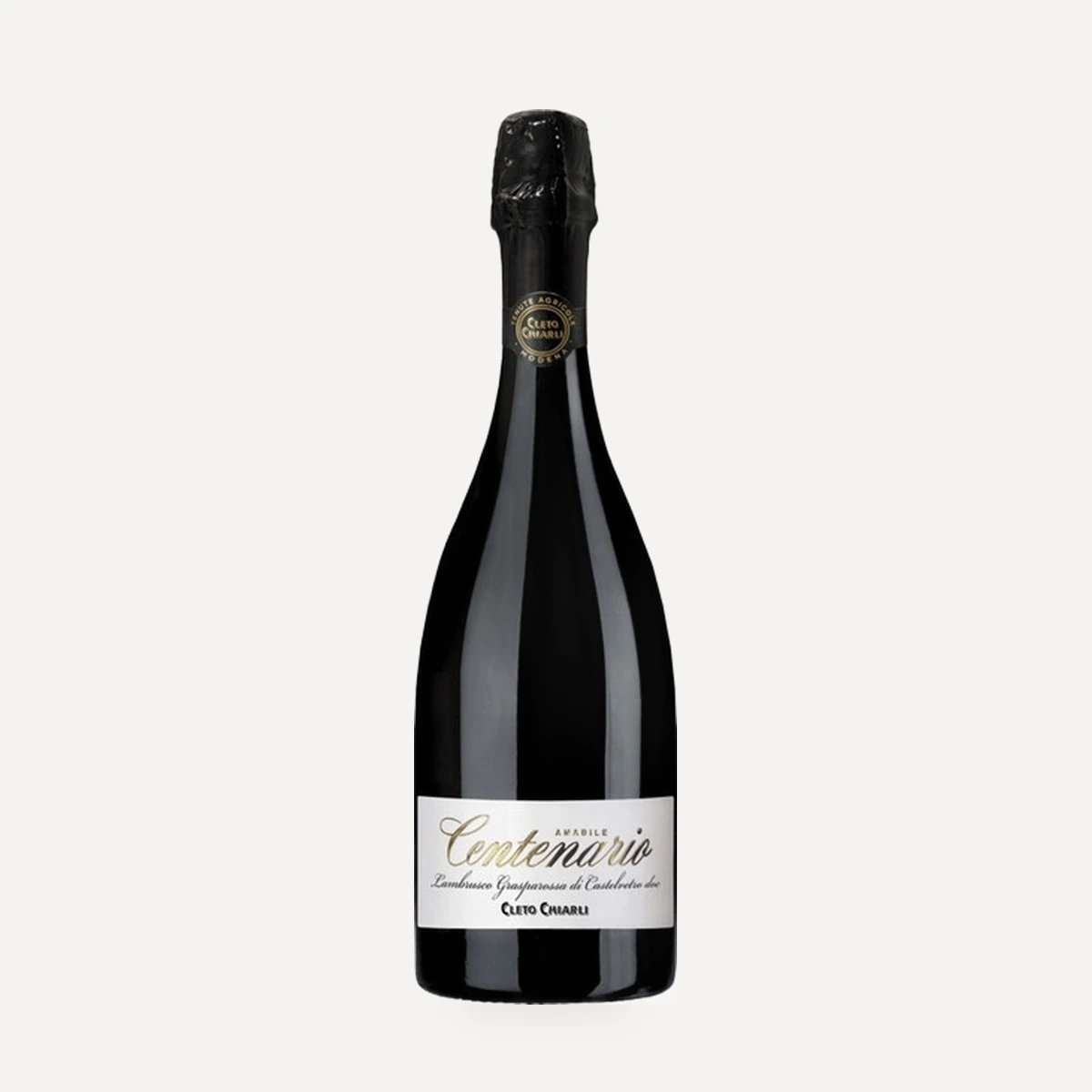
Centenario Lambrusco Grasparossa di Castelvetro Amabile DOC
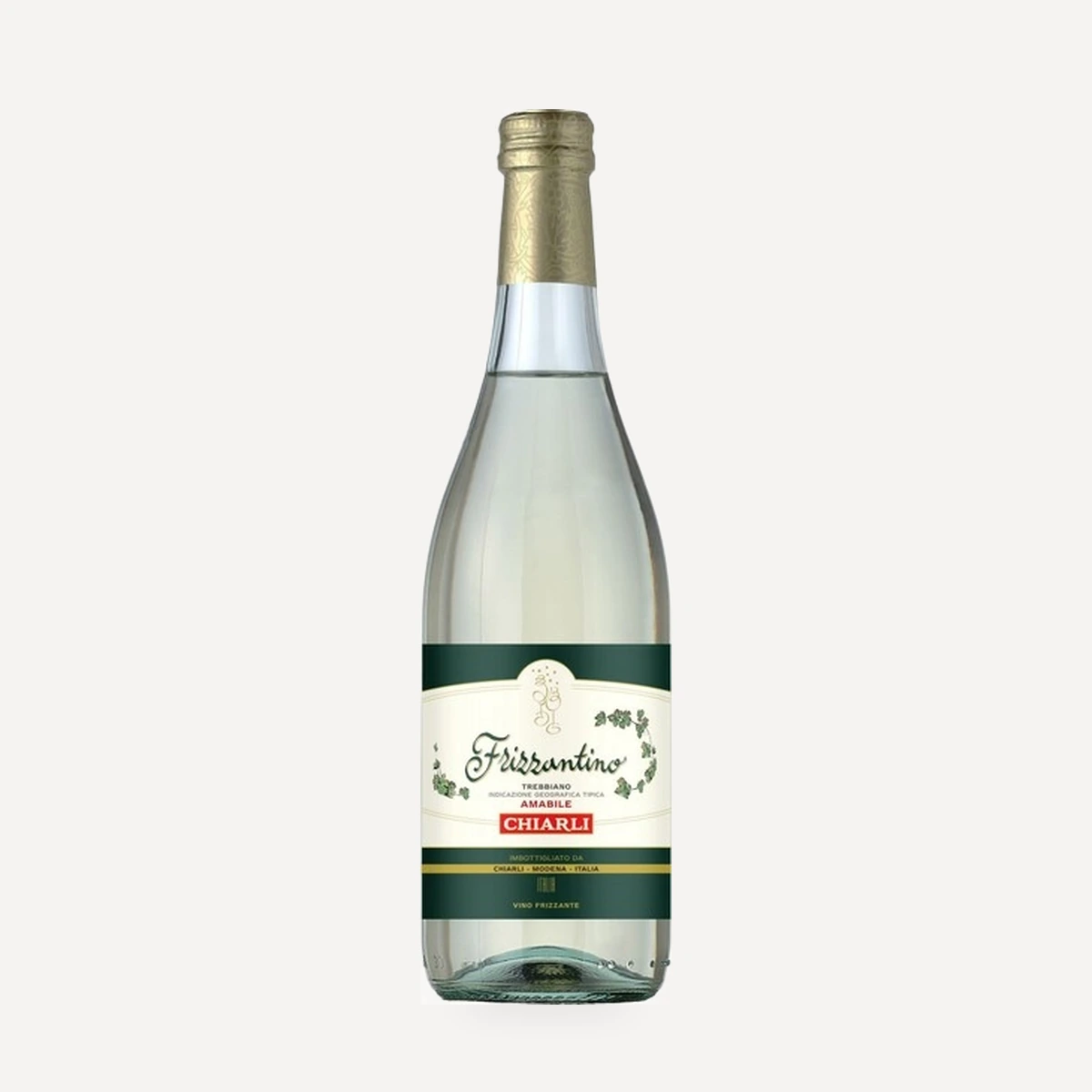
Frizzantino Trebbiano Amabile Rubicone IGT
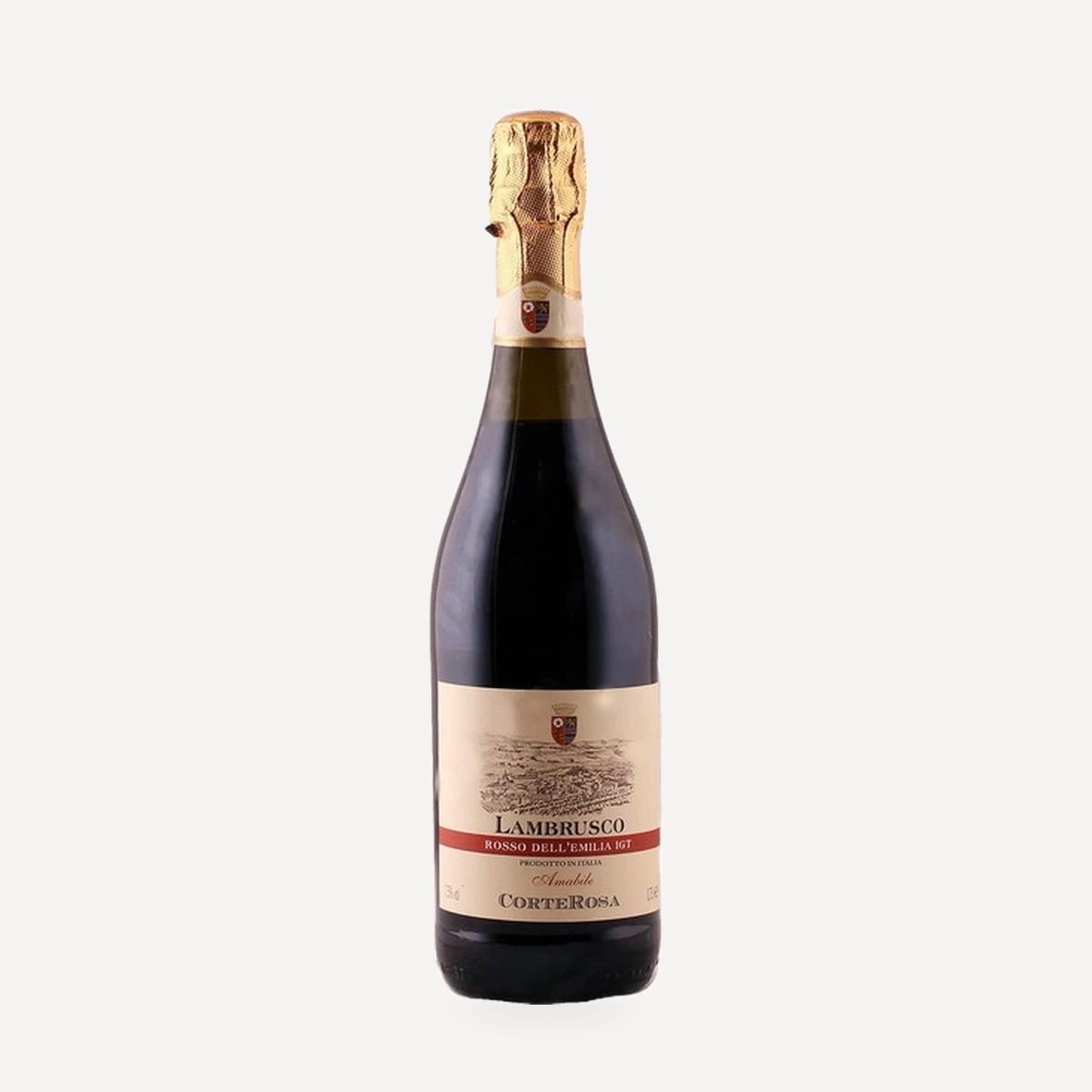
Corte Rosa Lambrusco Rosso Amabile Dell'Emilia IGT
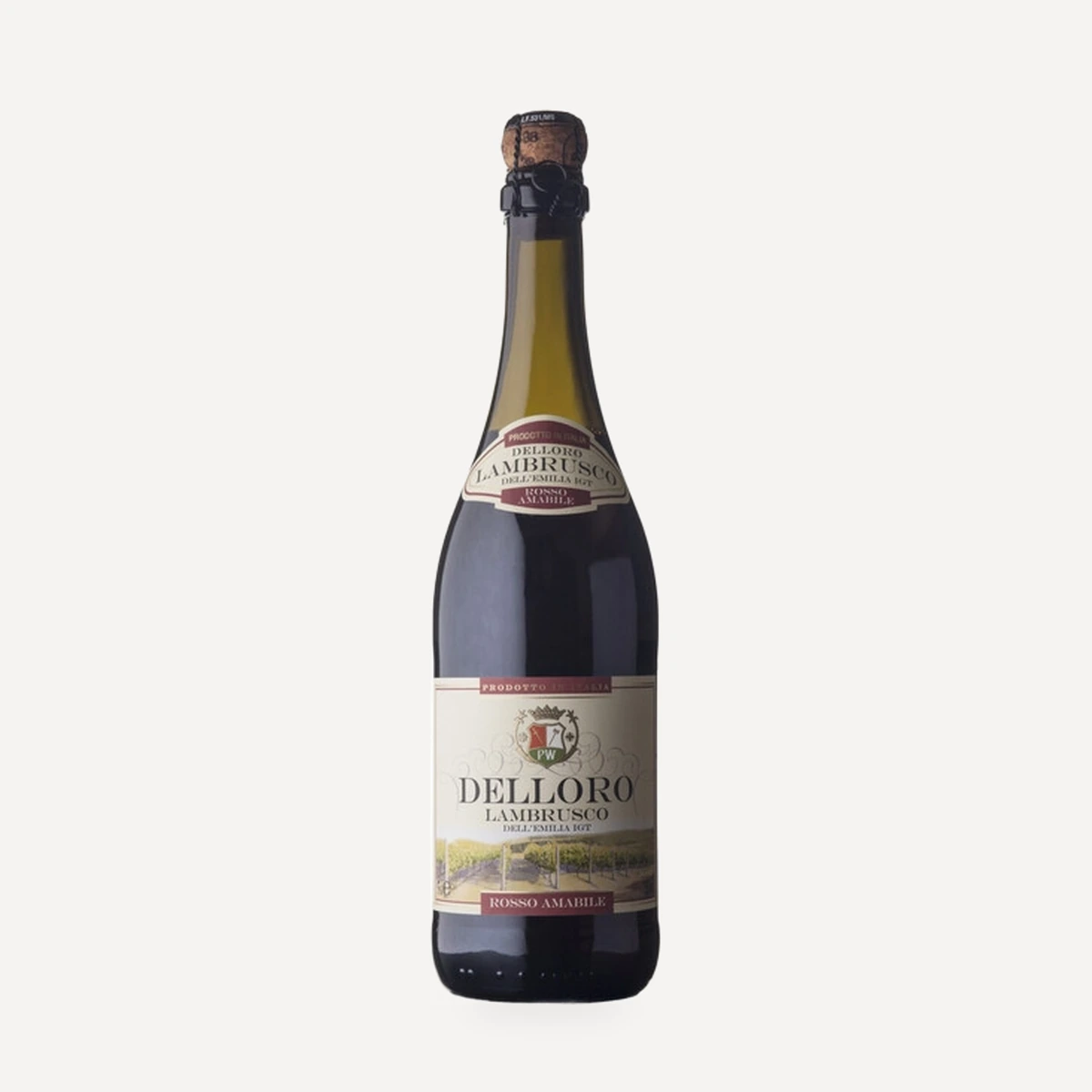
Delloro Lambrusco Rosso Amabile Emilia IGT
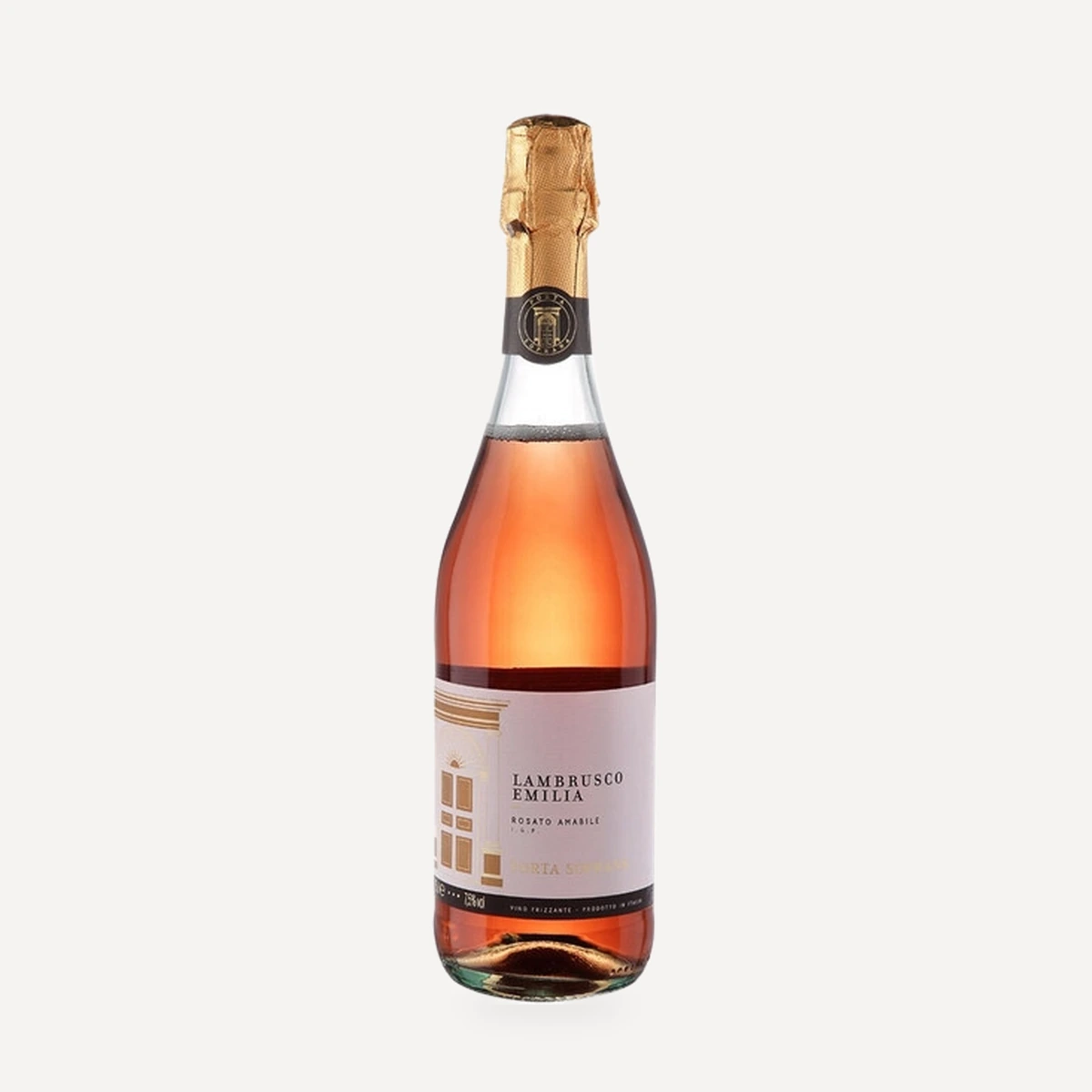
Porta Soprana Lambrusco Emilia Rosato Amabile IGP
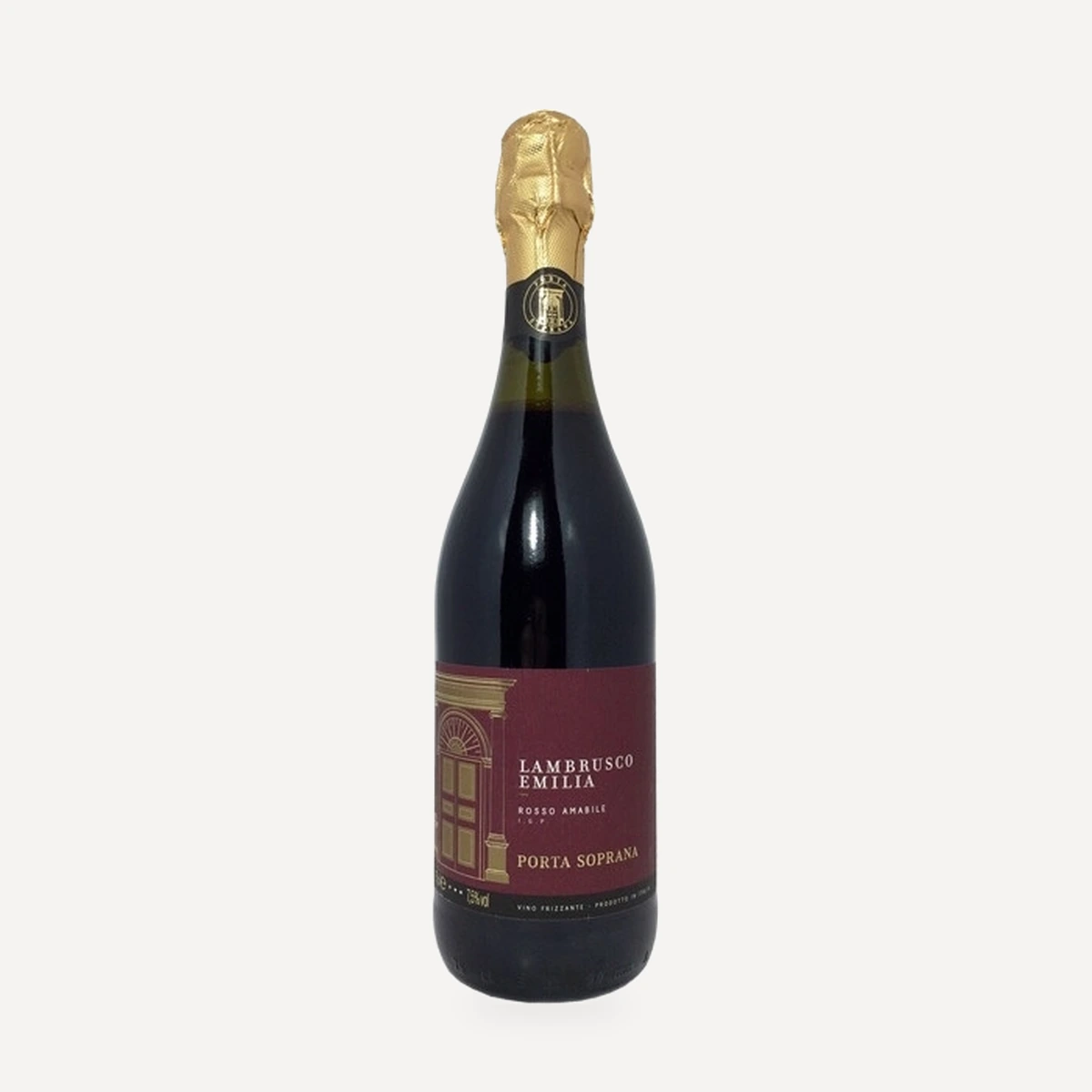
Porta Soprana Lambrusco Emilia Rosso Amabile IGP
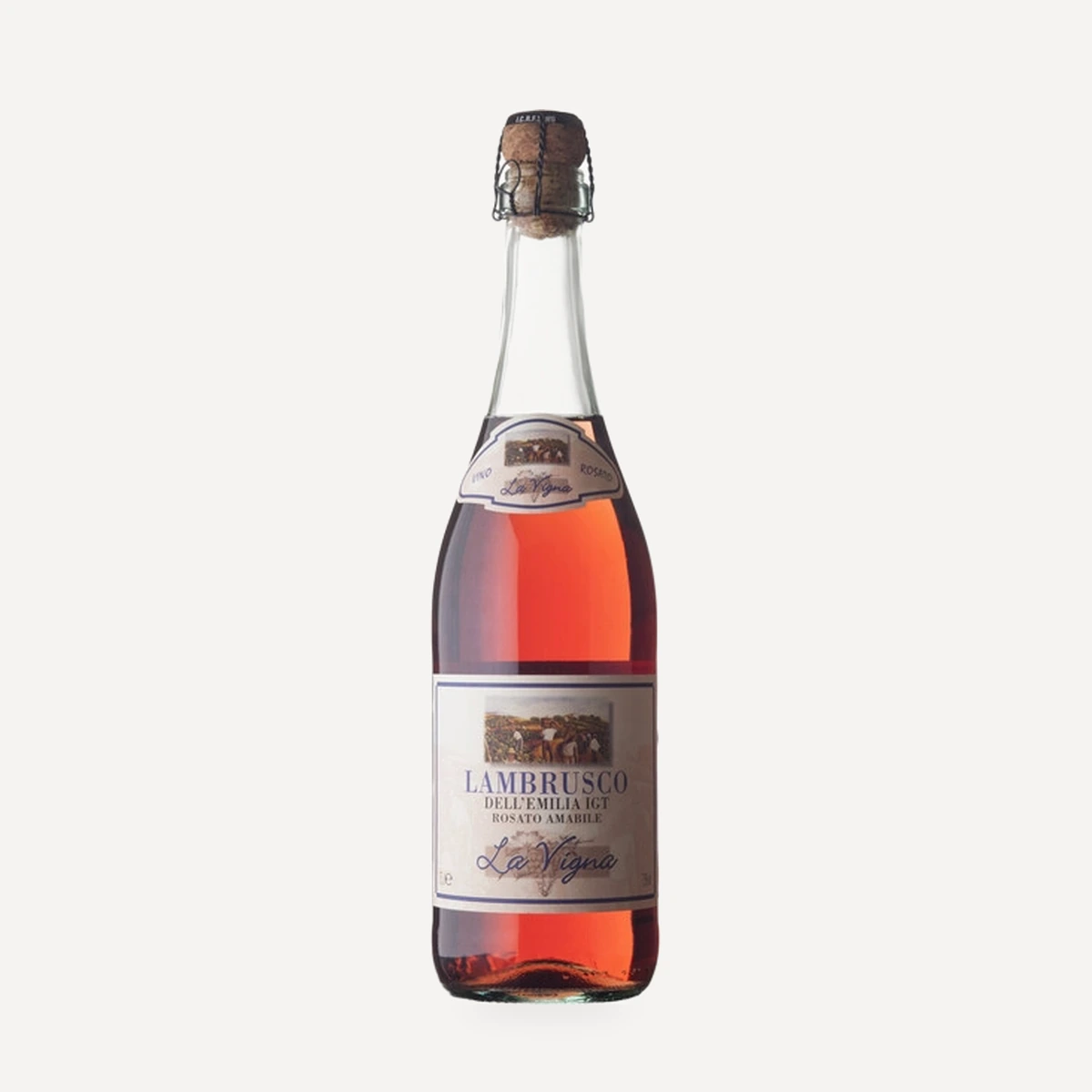
La Vigna Lambrusco Rosato Amabile Emilia IGT
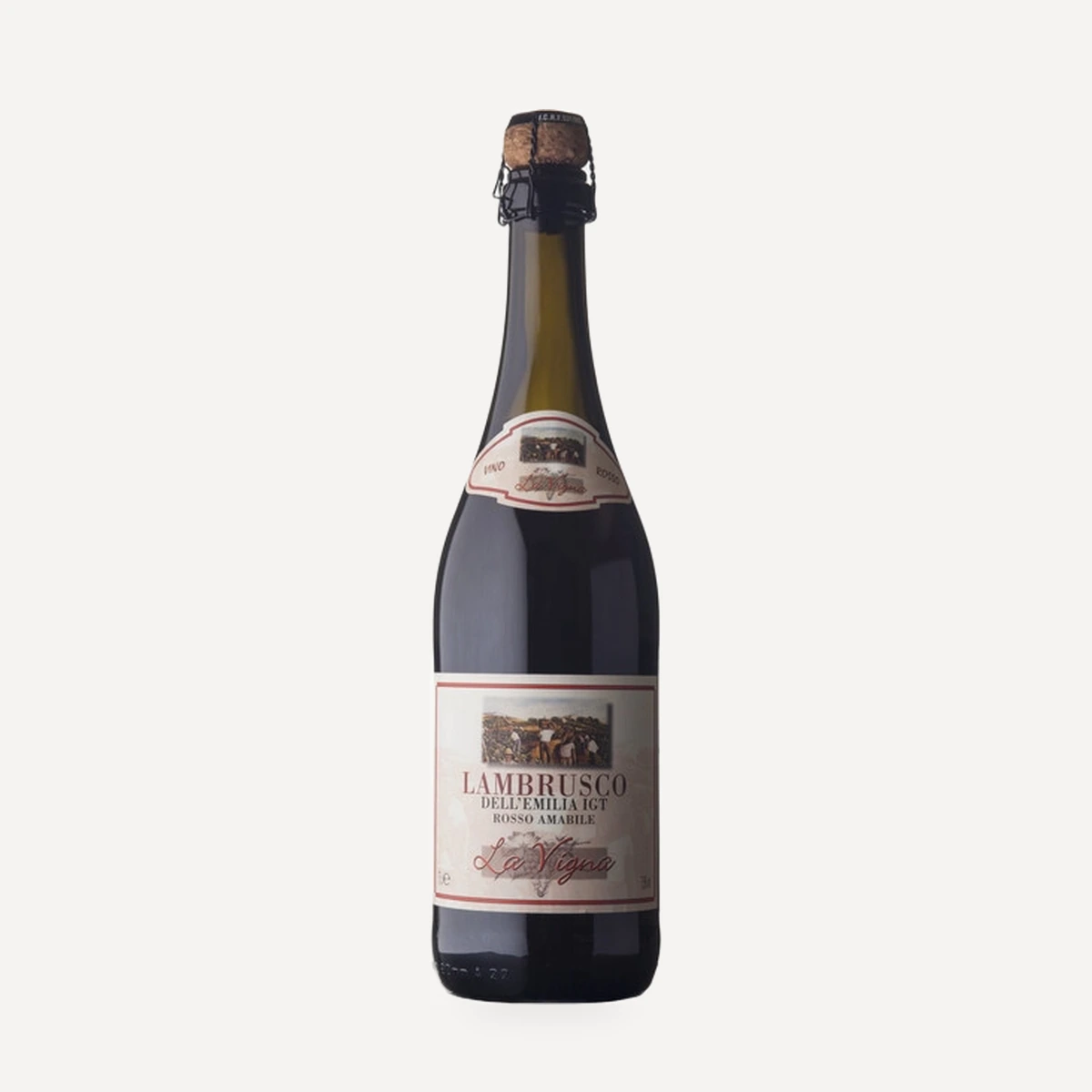
La Vigna Lambrusco Rosso Amabile Emilia IGT
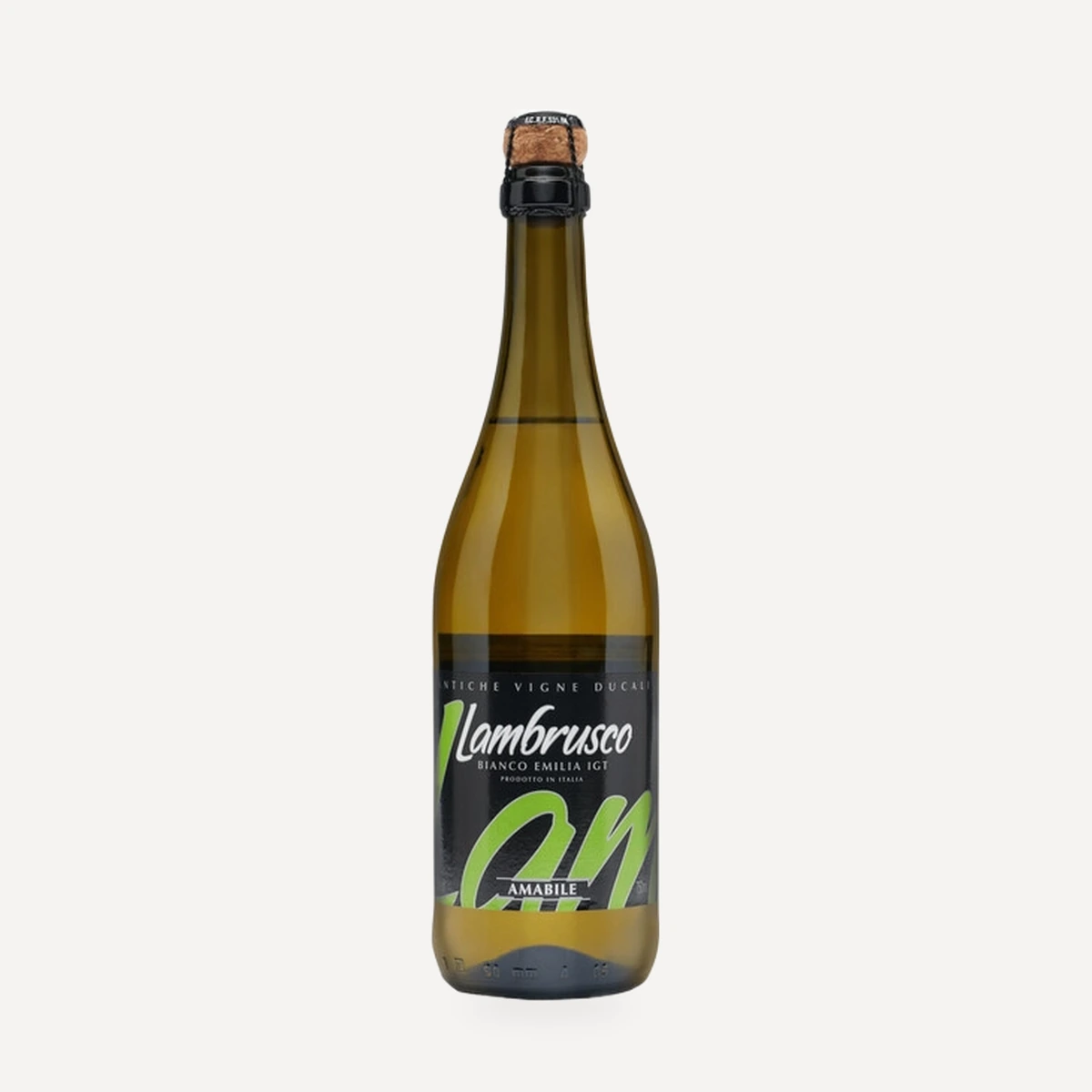
Antiche Vigne Ducali Lambrusco Bianco Emilia IGT
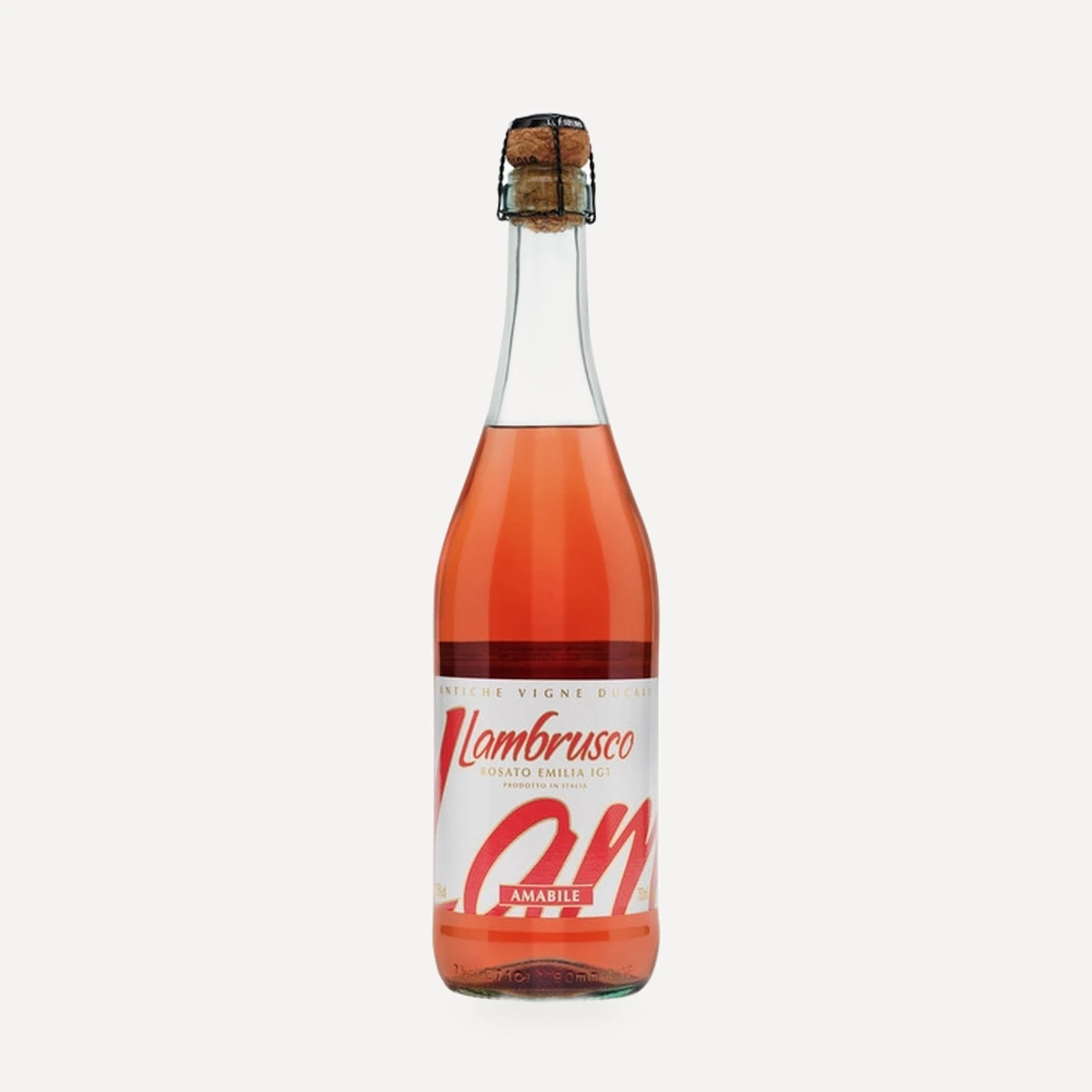
Antiche Vigne Ducali Lambrusco Rosato Emilia IGT
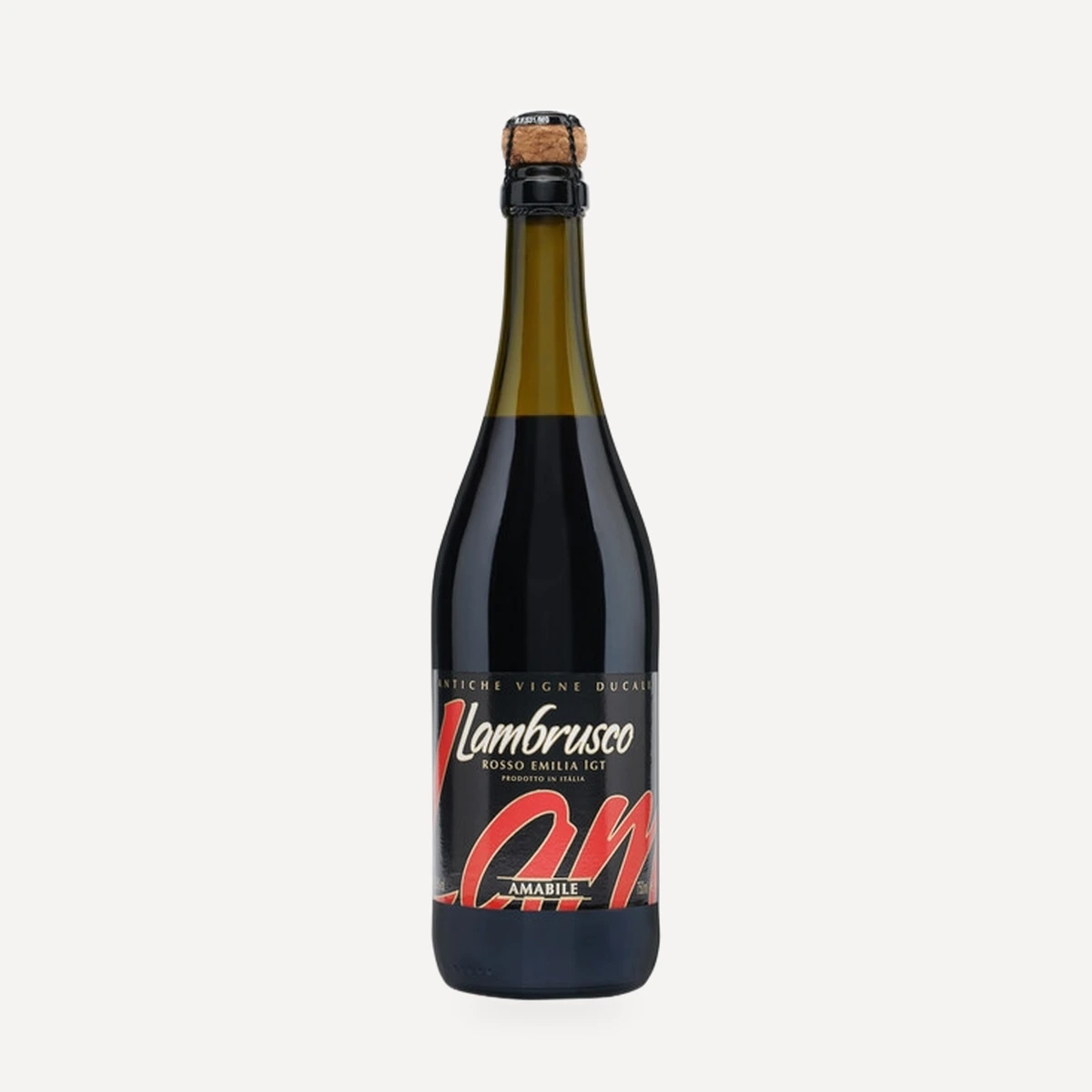
Antiche Vigne Ducali Lambrusco Rosso Emilia IGT
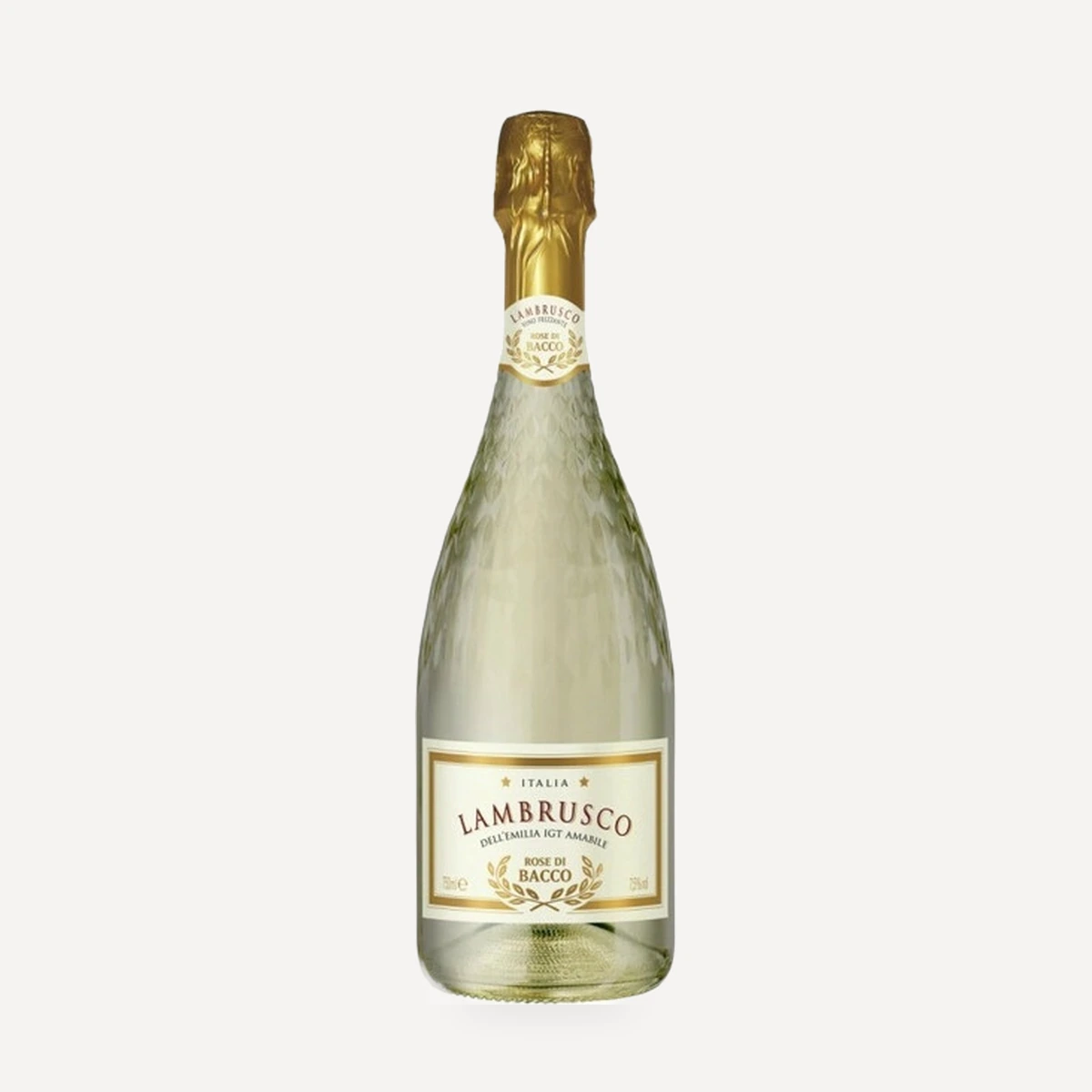
Rose di Bacco Lambrusco dell'Emilia Bianco IGT
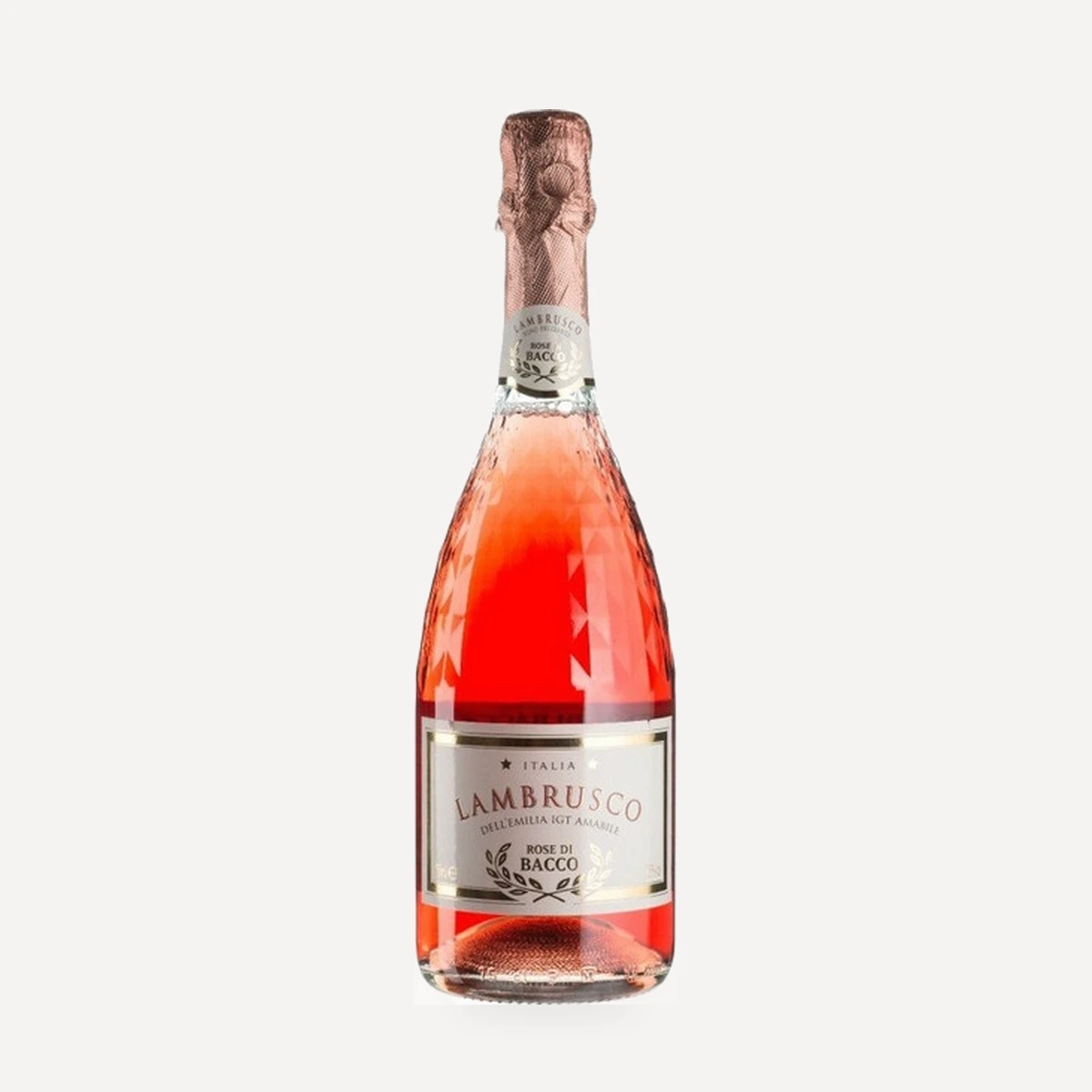
Rose di Bacco Lambrusco dell'Emilia Rosato IGT
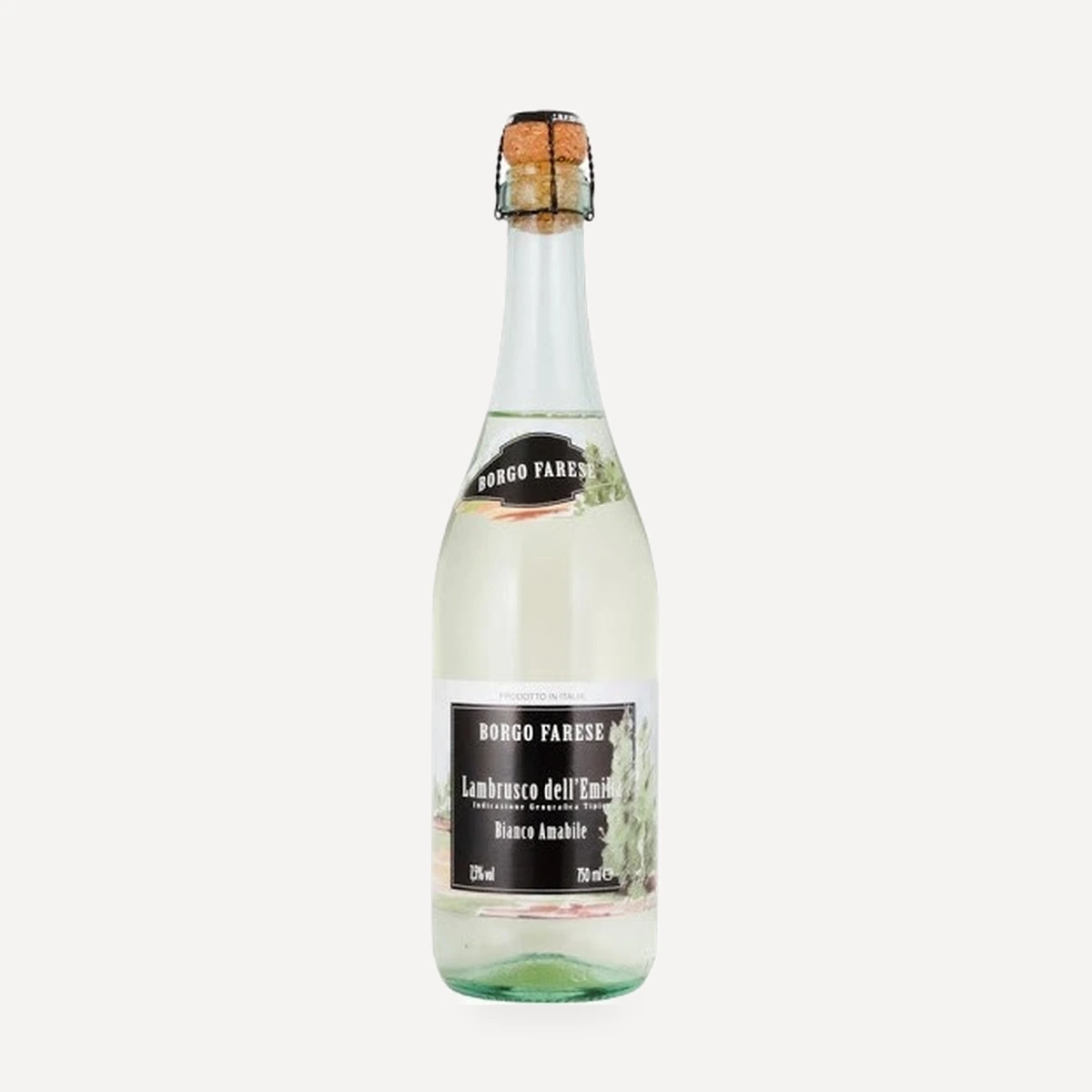
Borgo Farese Lambrusco dell'Emilia Bianco IGT
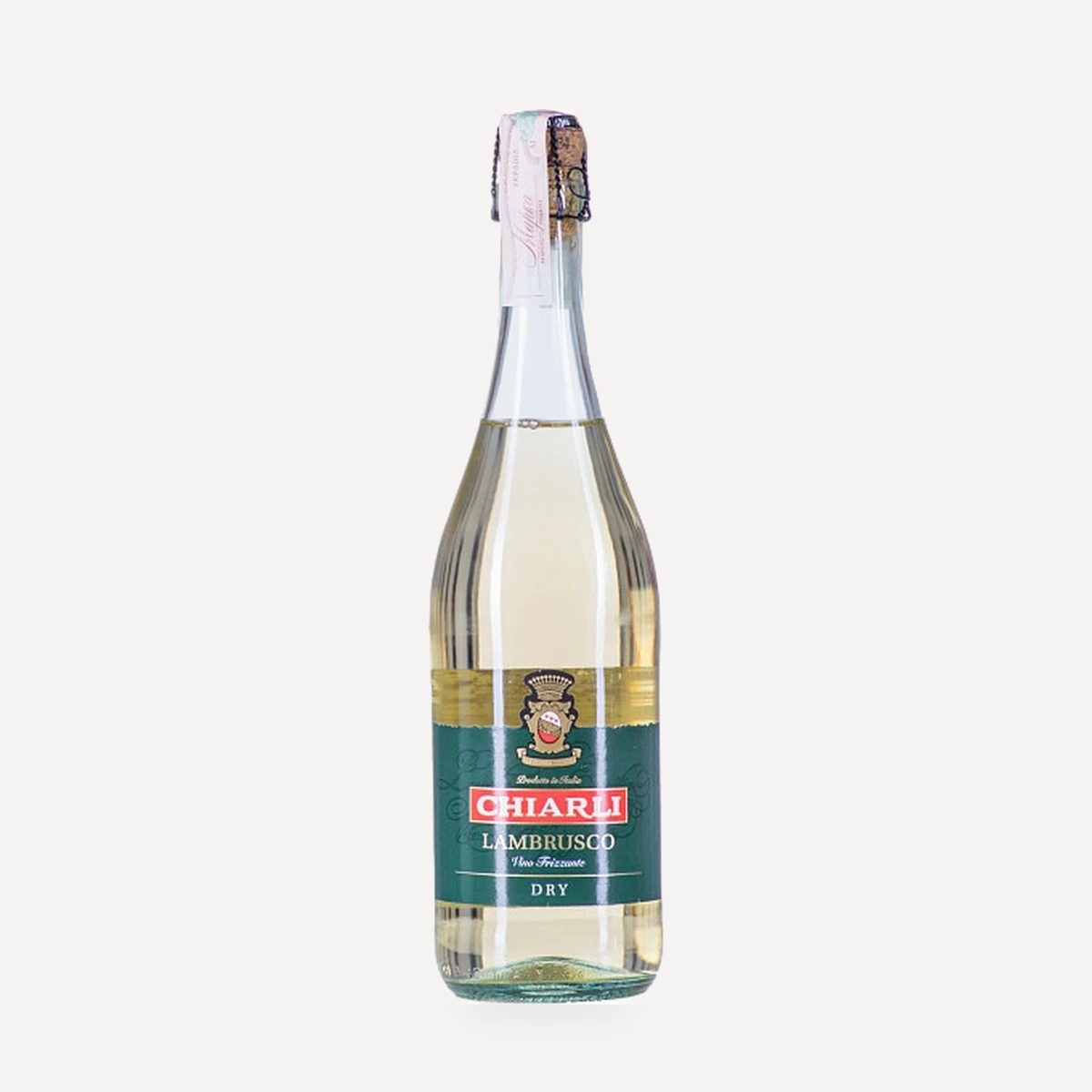
Lambrusco dell'Emilia Bianco Dry
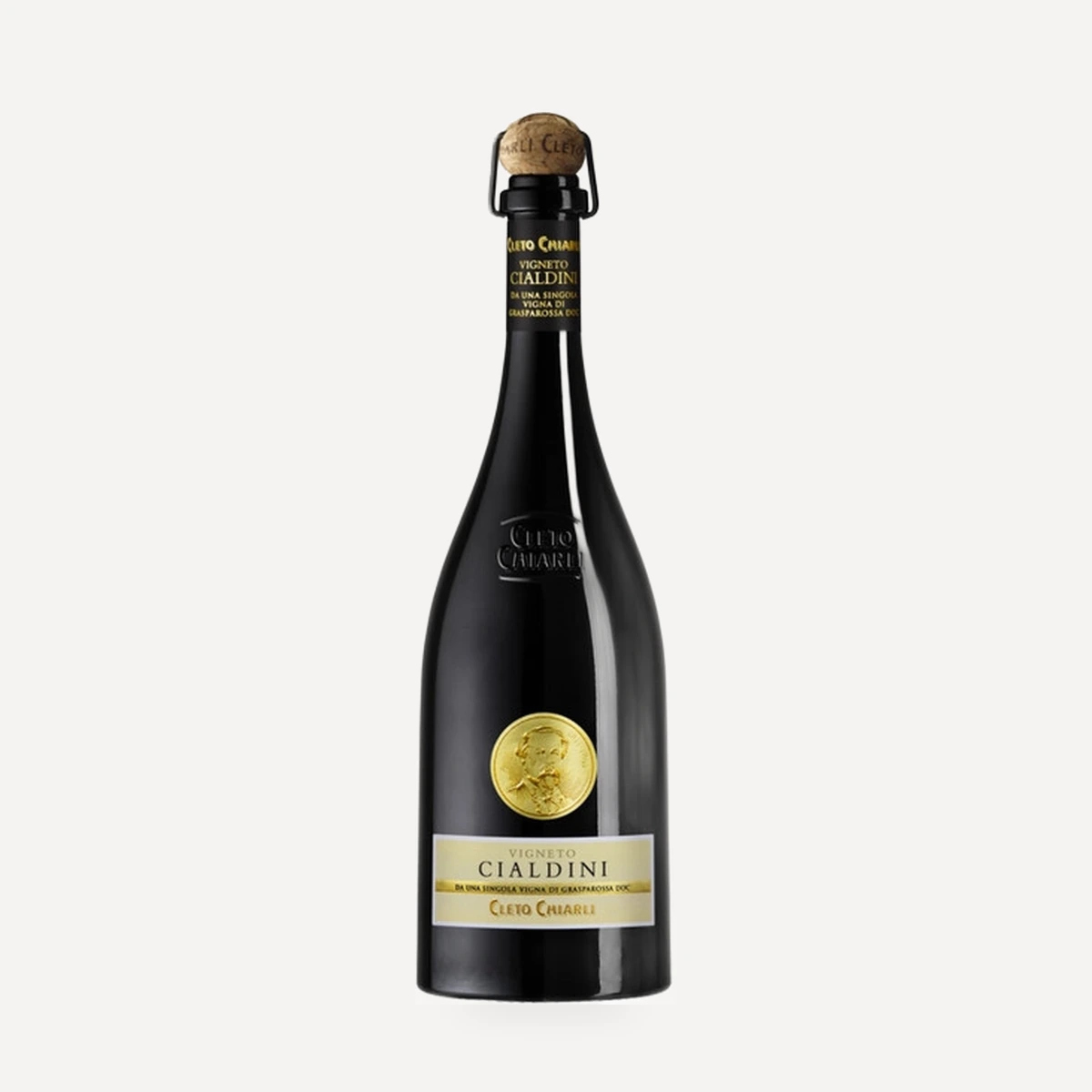
Vigneto Cialdini Lambrusco Grasparossa di Castelvetro Brut DOC
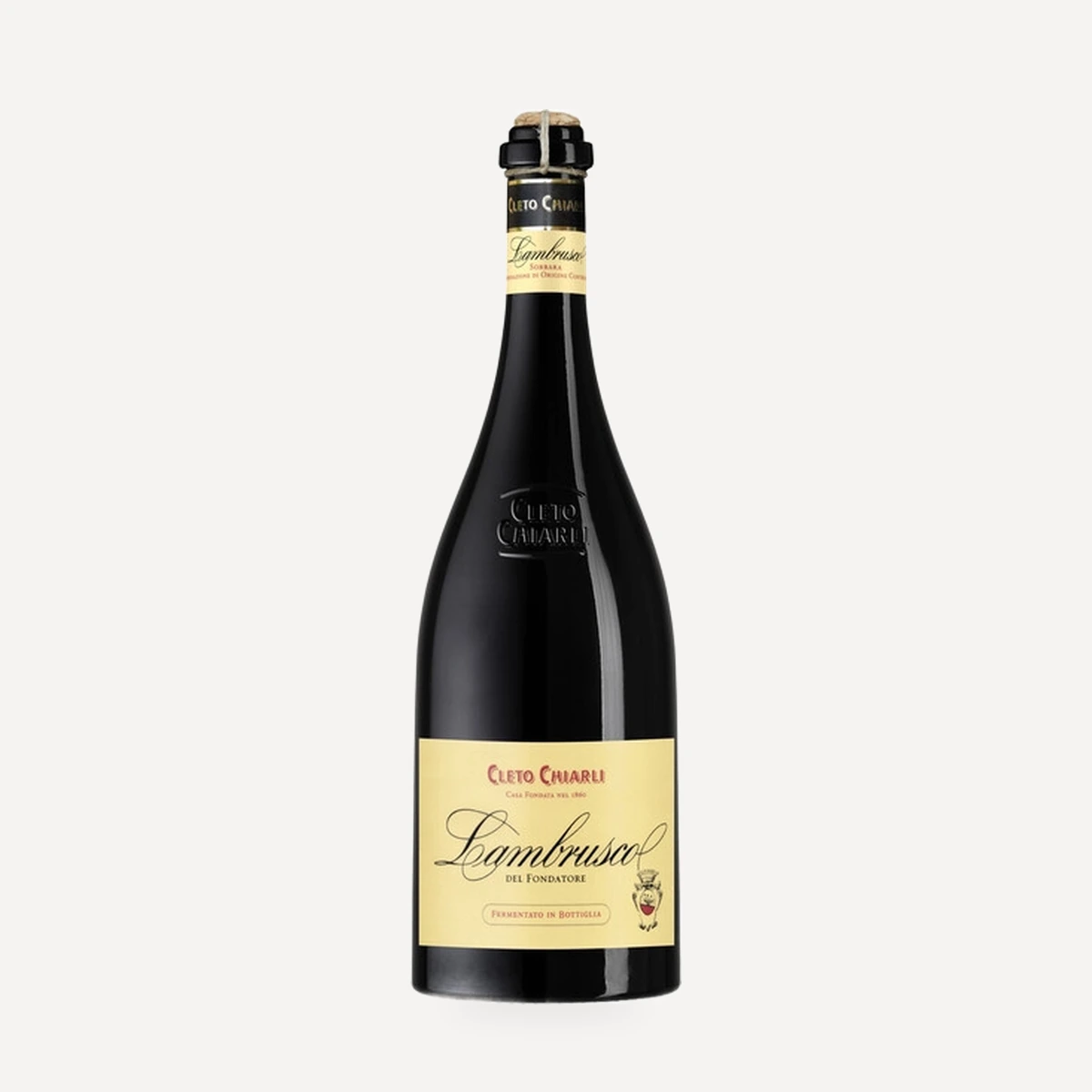
del Fondatore Lambrusco di Sorbara Modena DOC
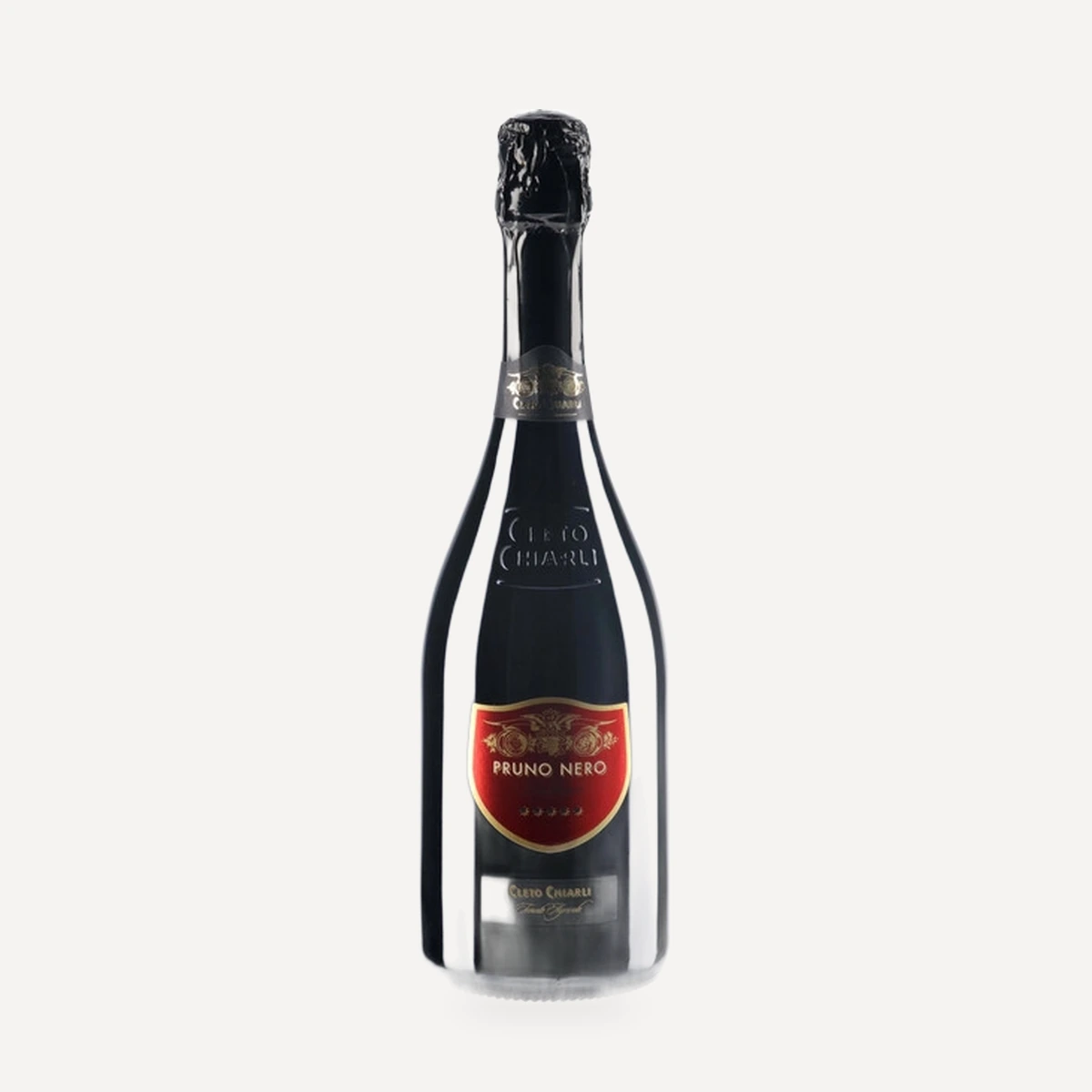
Pruno Nero Lambrusco di Modena DOC
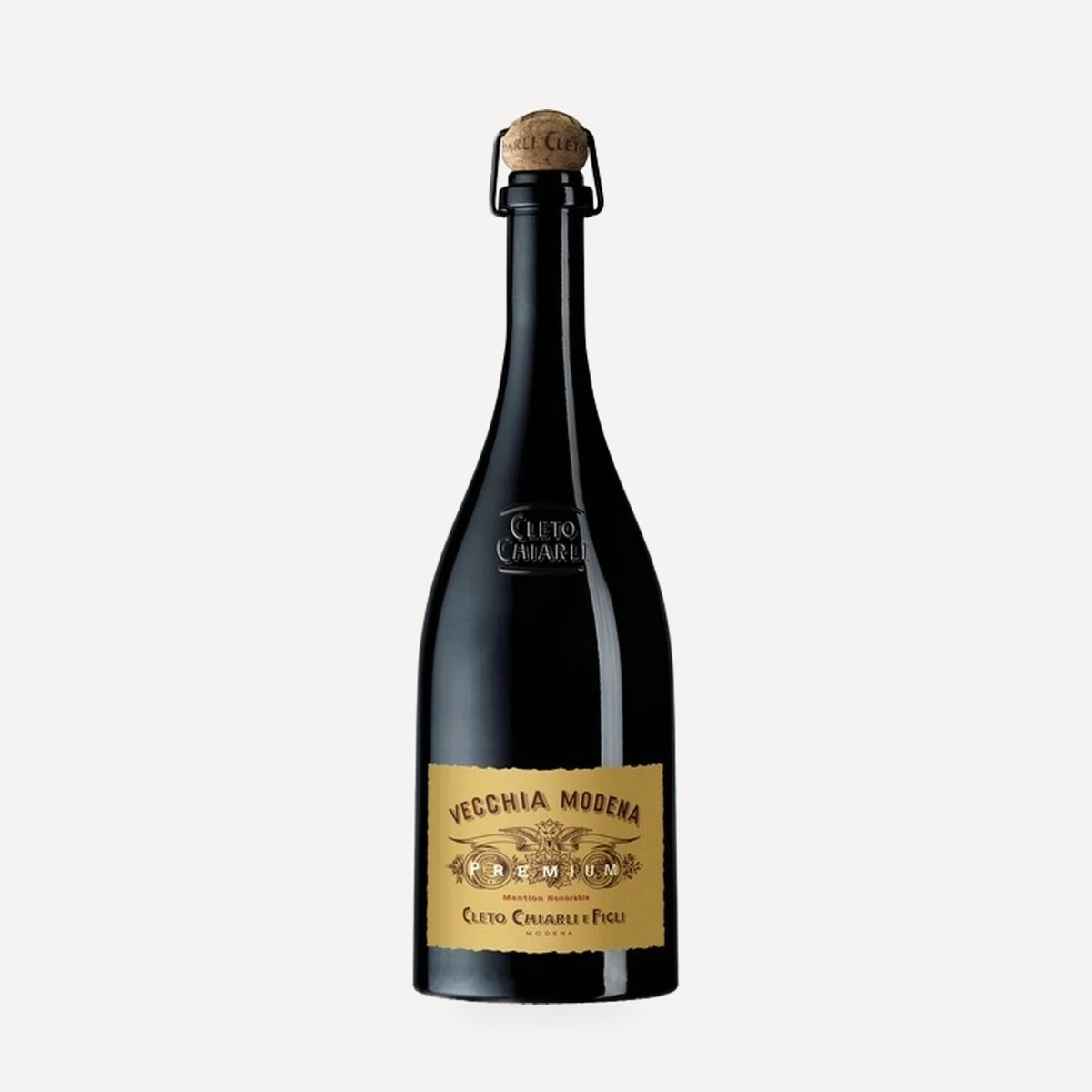
Premium Lambrusco di Sorbara Modena DOC
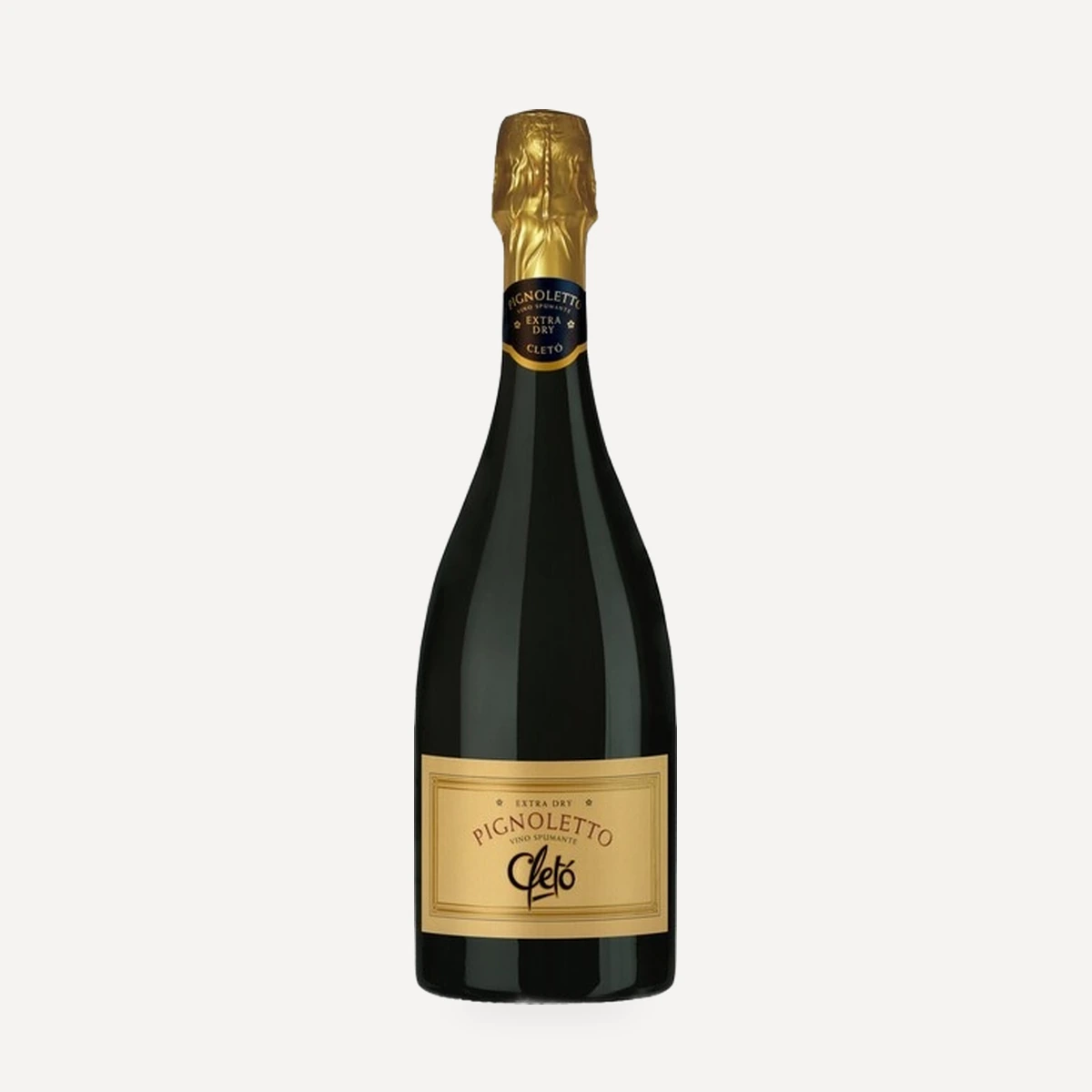
Cleto Pignoletto di Modena VSQ
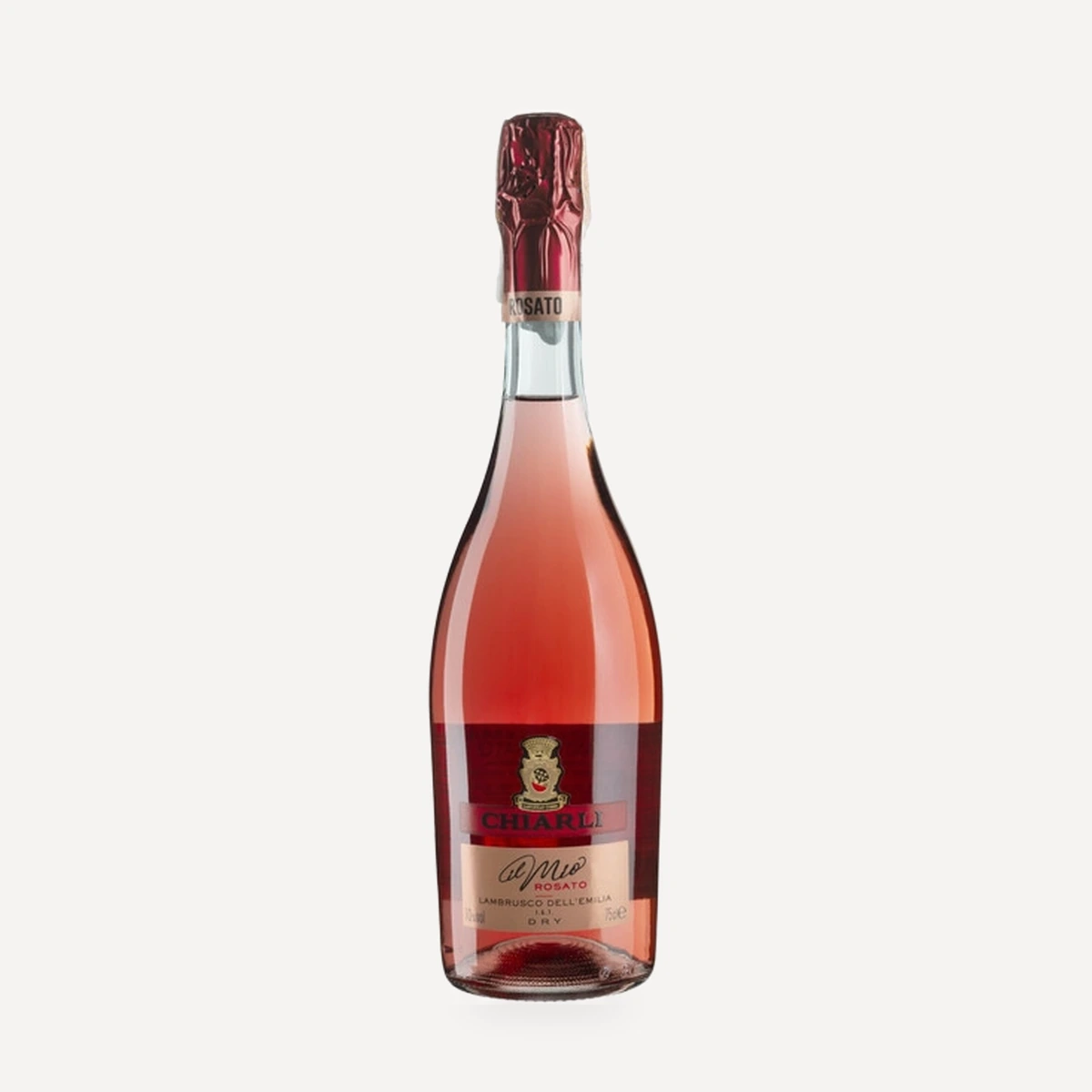
il Mio Lambrusco dell 'Emilia Rosato Dry IGT
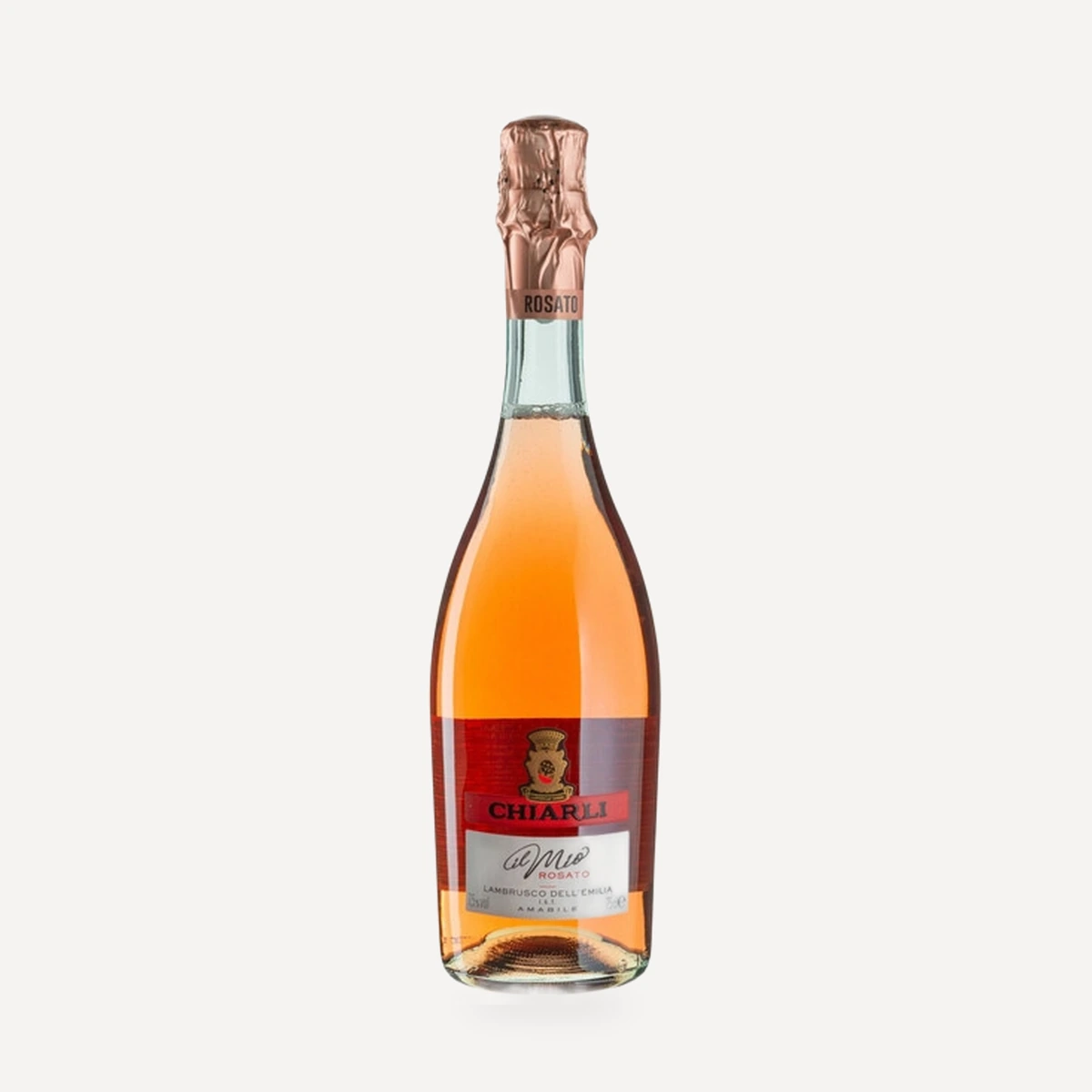
Lambrusco dell 'Emilia Rosato IGT
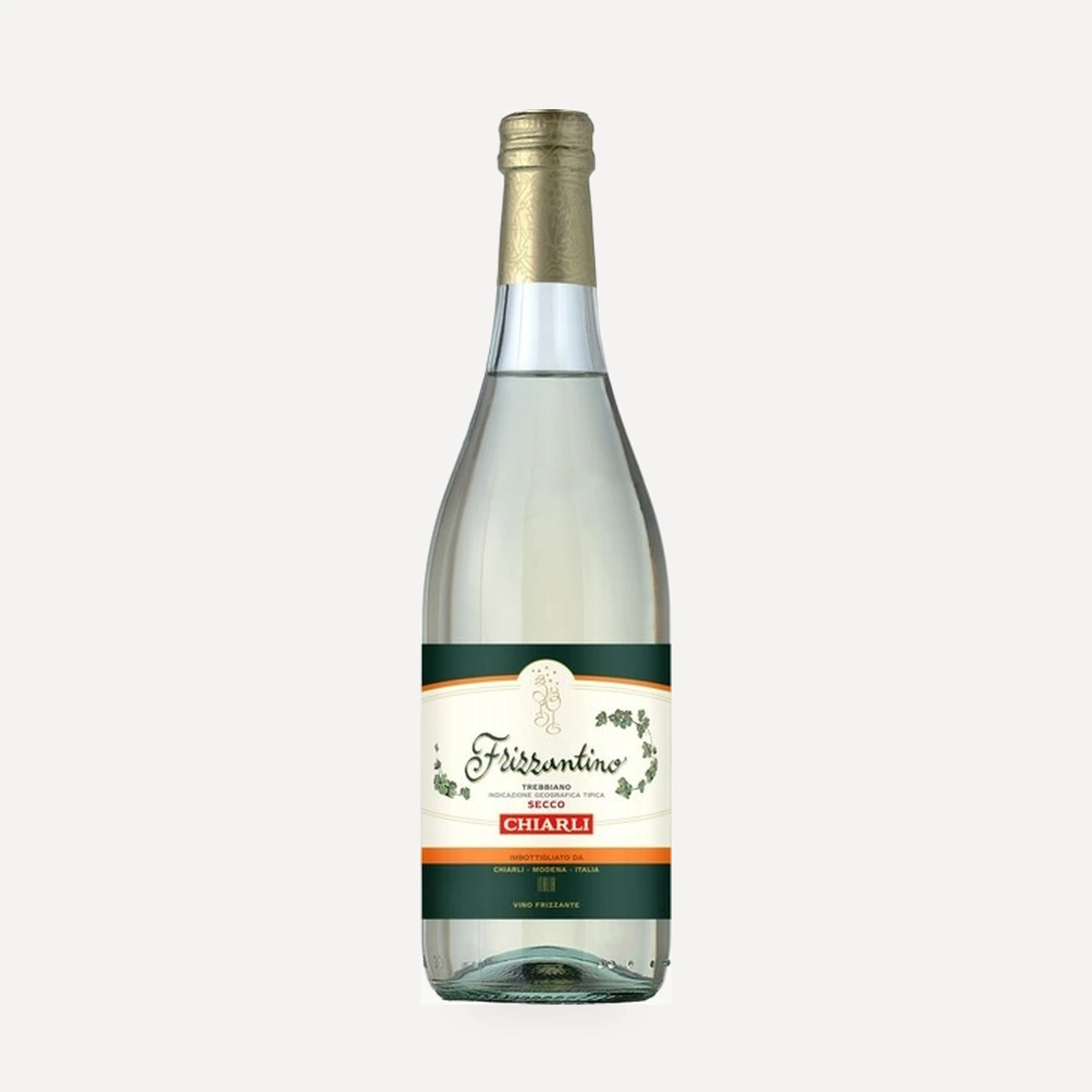
Frizzantino Trebbiano Secco Rubicone IGT
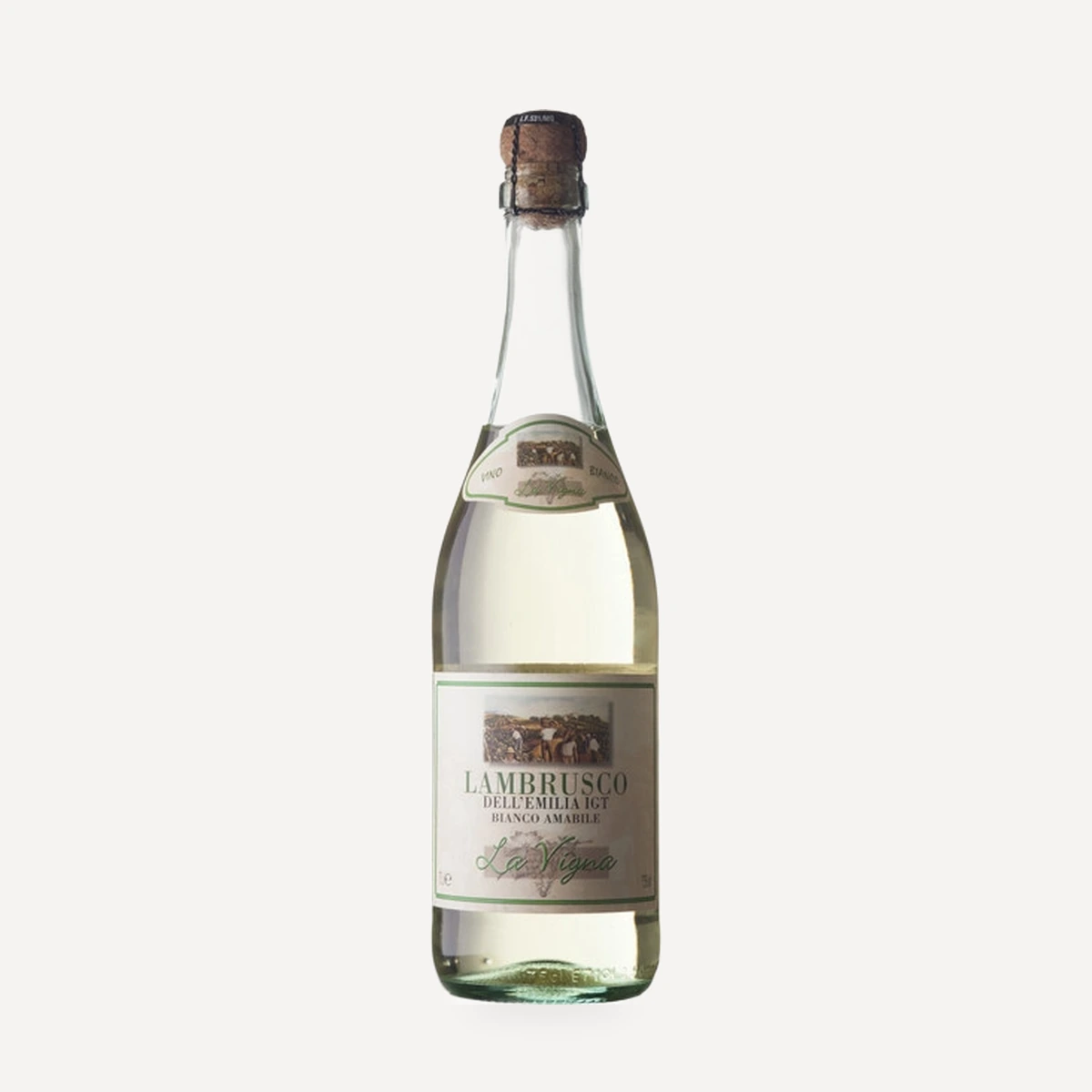
Lambrusco La Vigna Emilia IGT
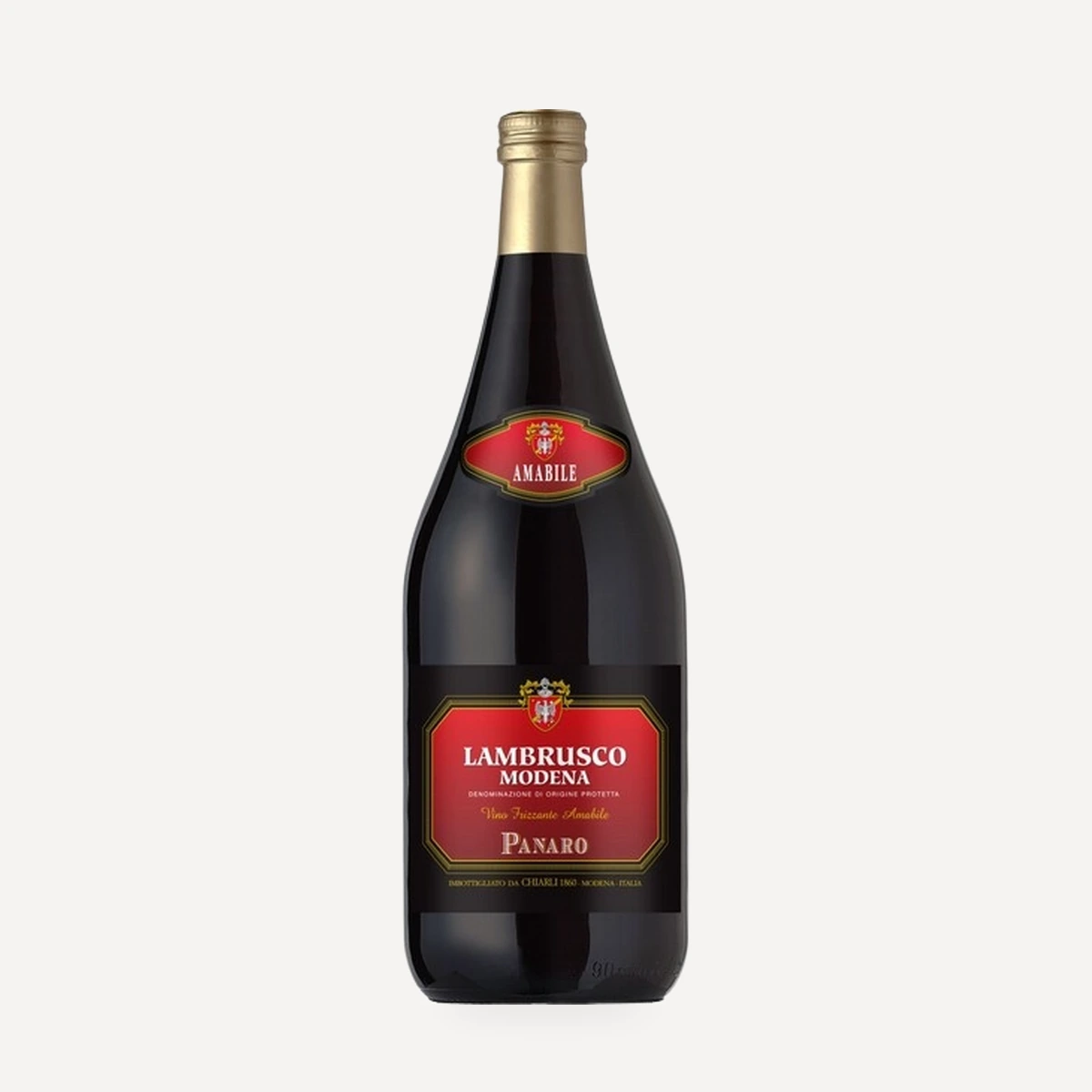
Lambrusco Panaro Modena DOP
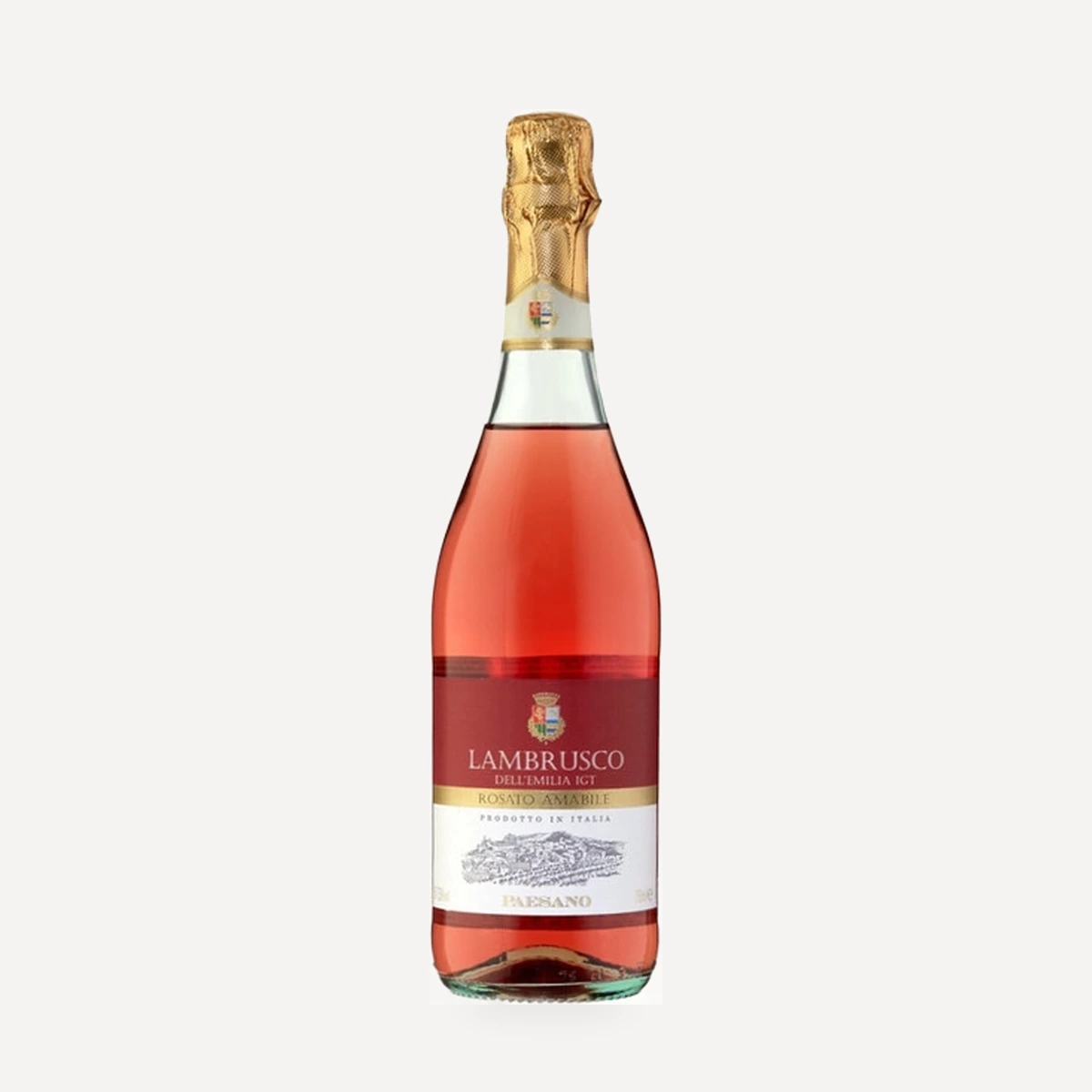
Paesano Lambrusco Rosato Amabile Emilia IGT
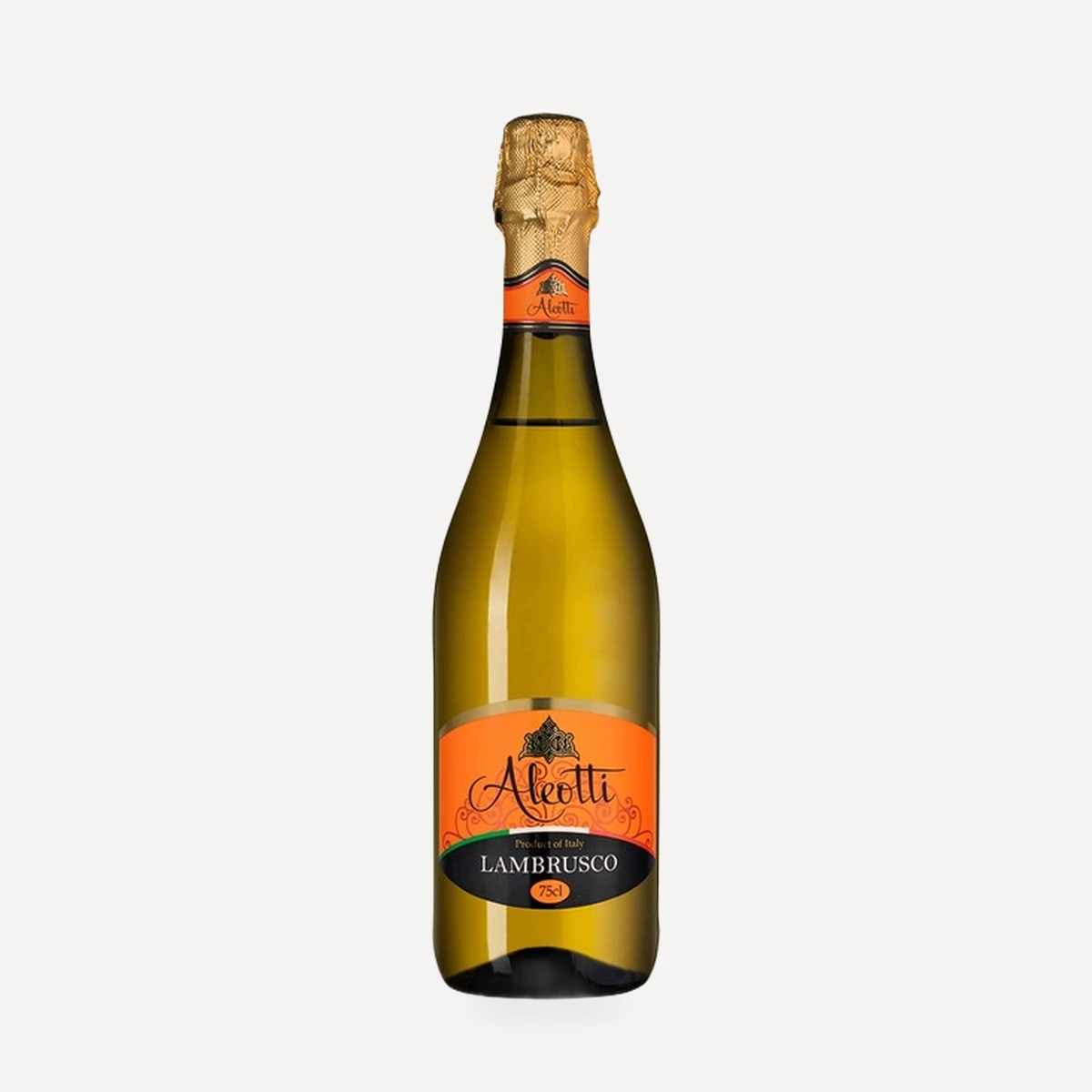
Aleotti Lambrusco dell'Emilia Bianco IGT
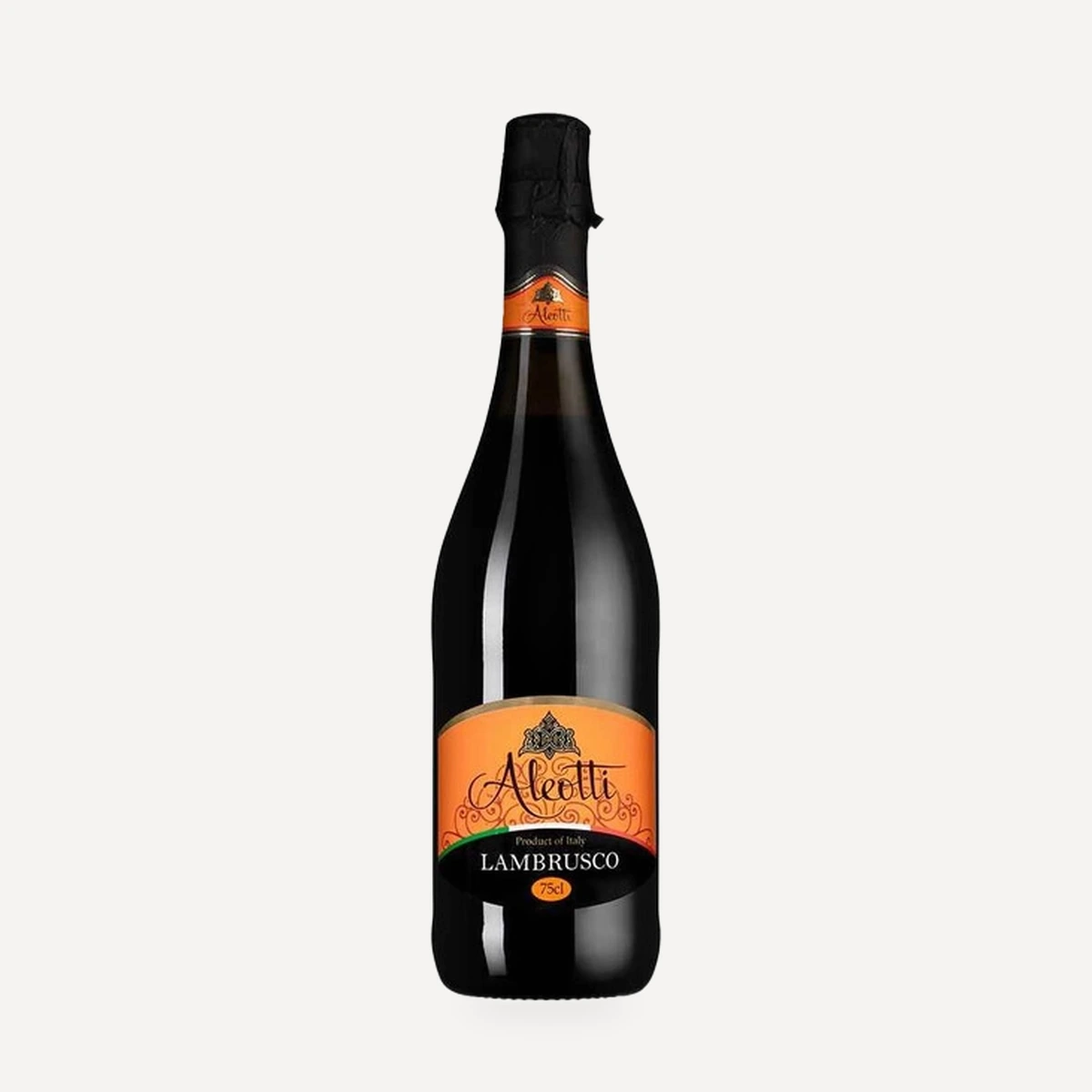
Aleotti Lambrusco dell'Emilia Rosso IGT
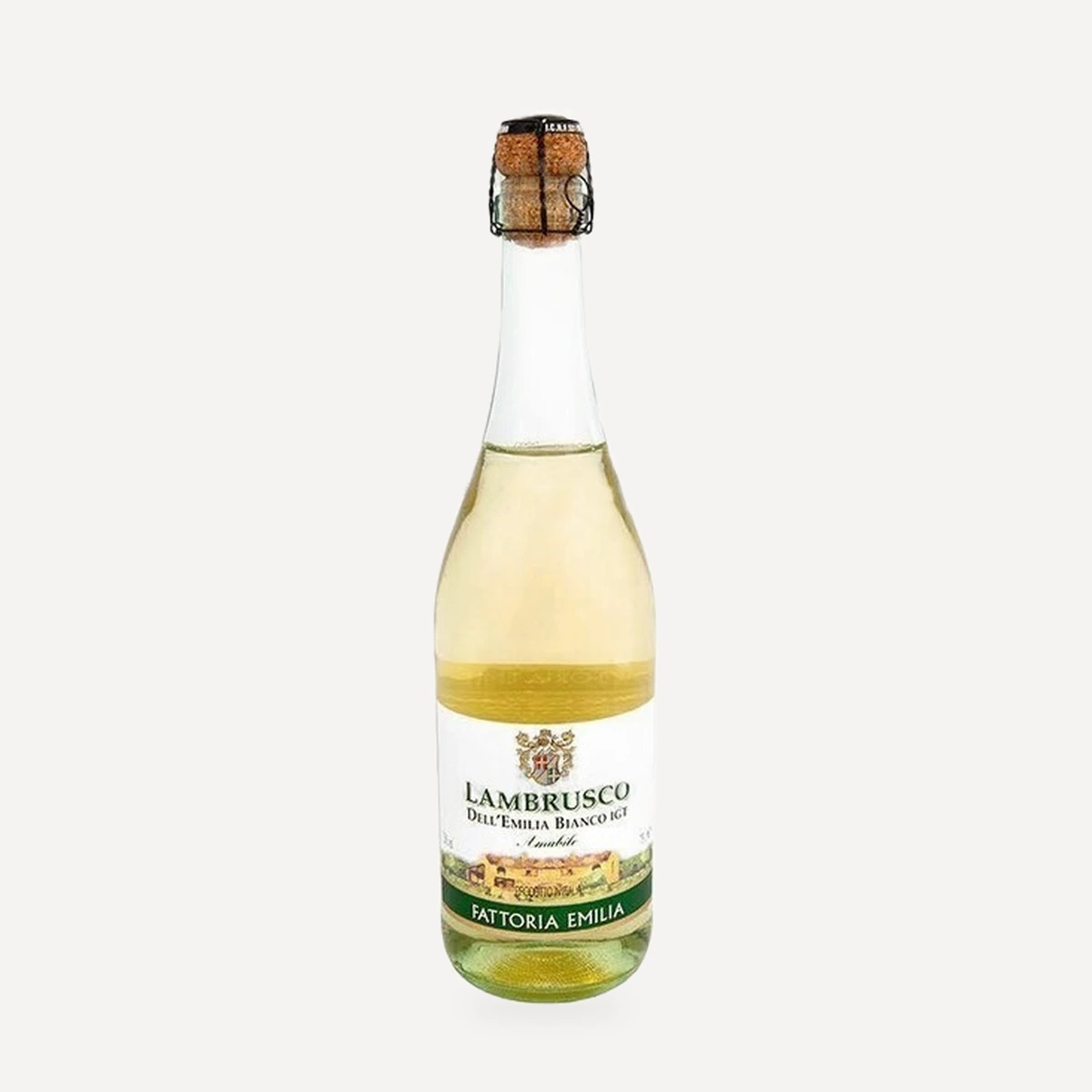
Fattoria Emilia Bianco Amabile Lambrusco dell'Emilia IGT
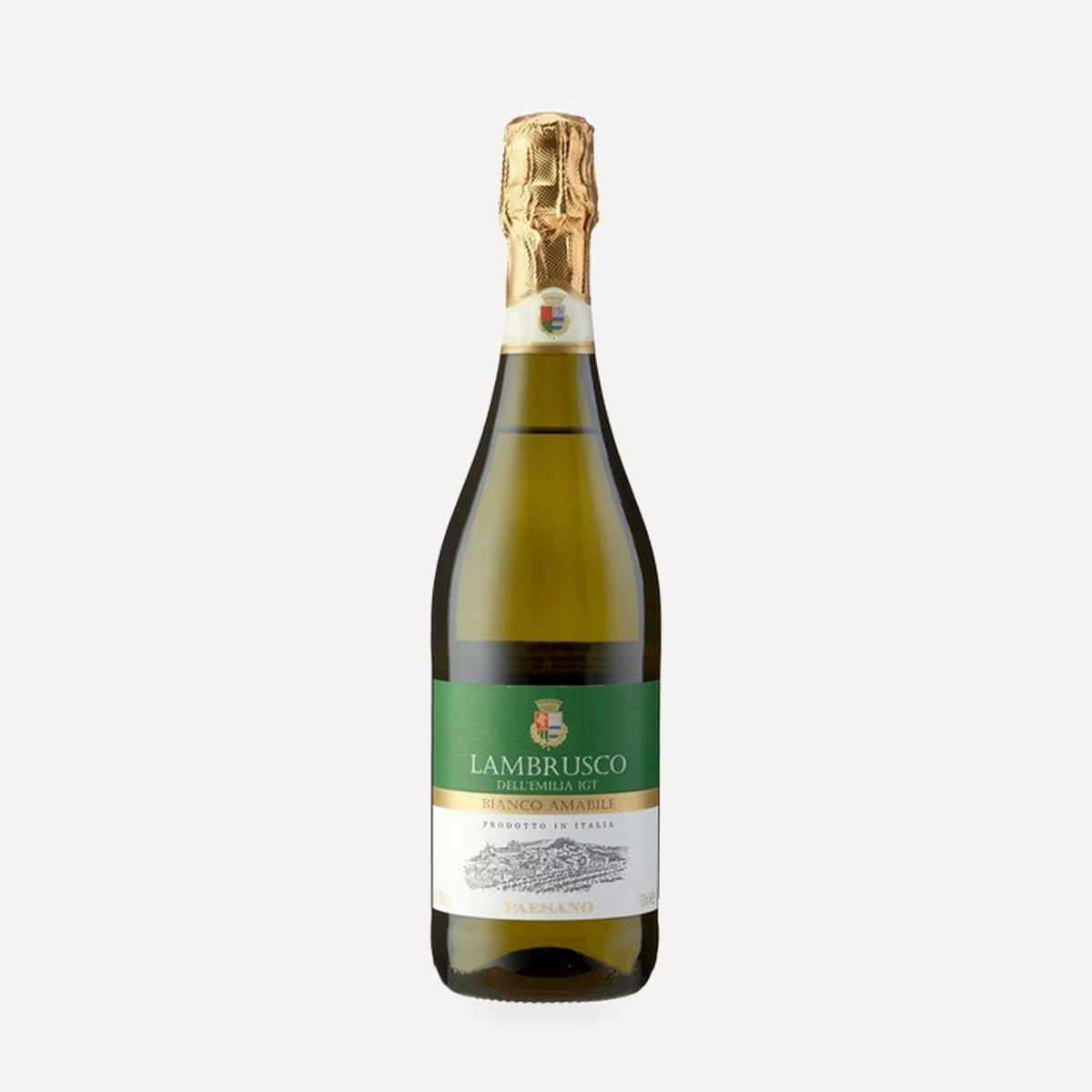
Paesano Lambrusco Bianco Amabile Emilia IGT
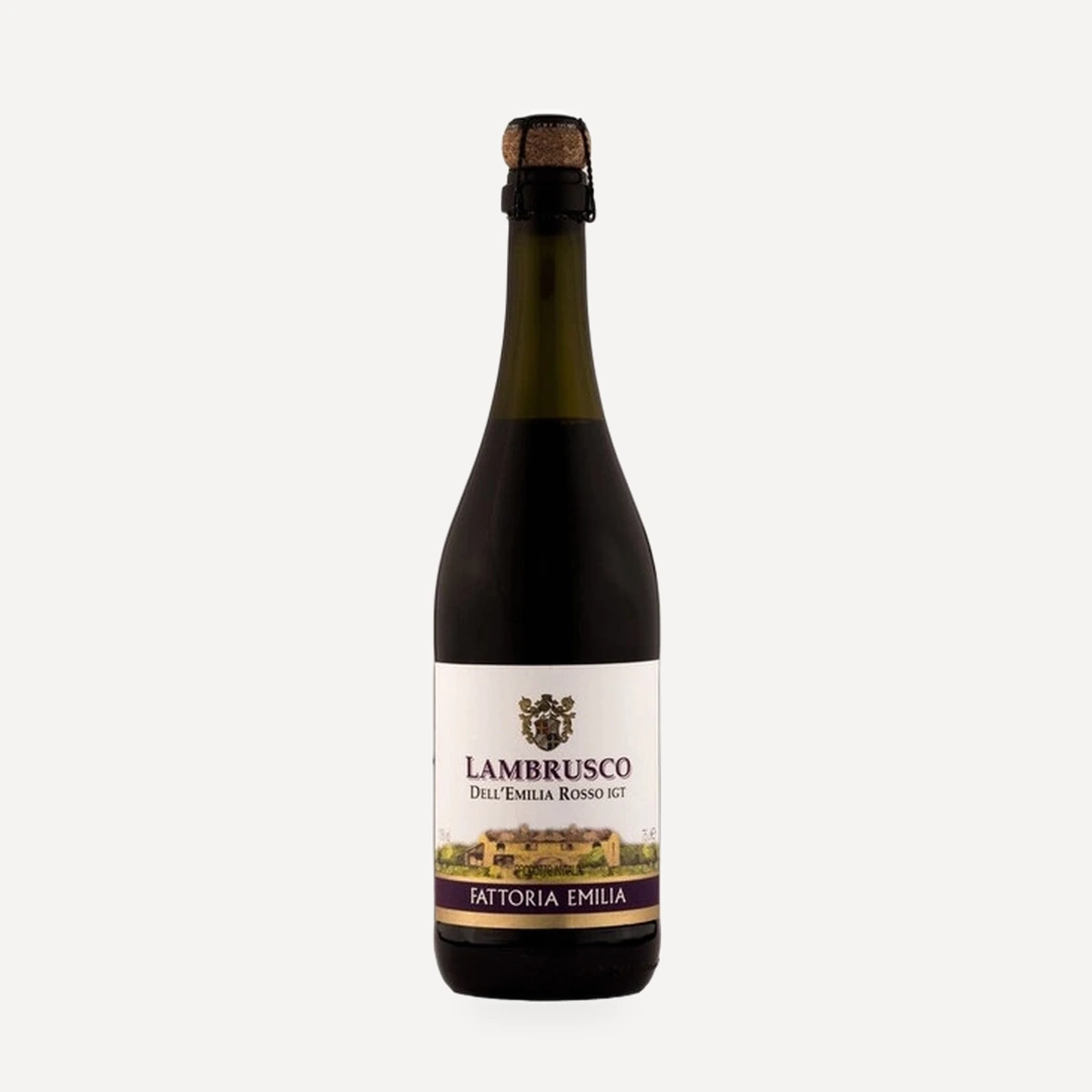
Fattoria Emilia Rosso Amabile Lambrusco dell'Emilia IGT
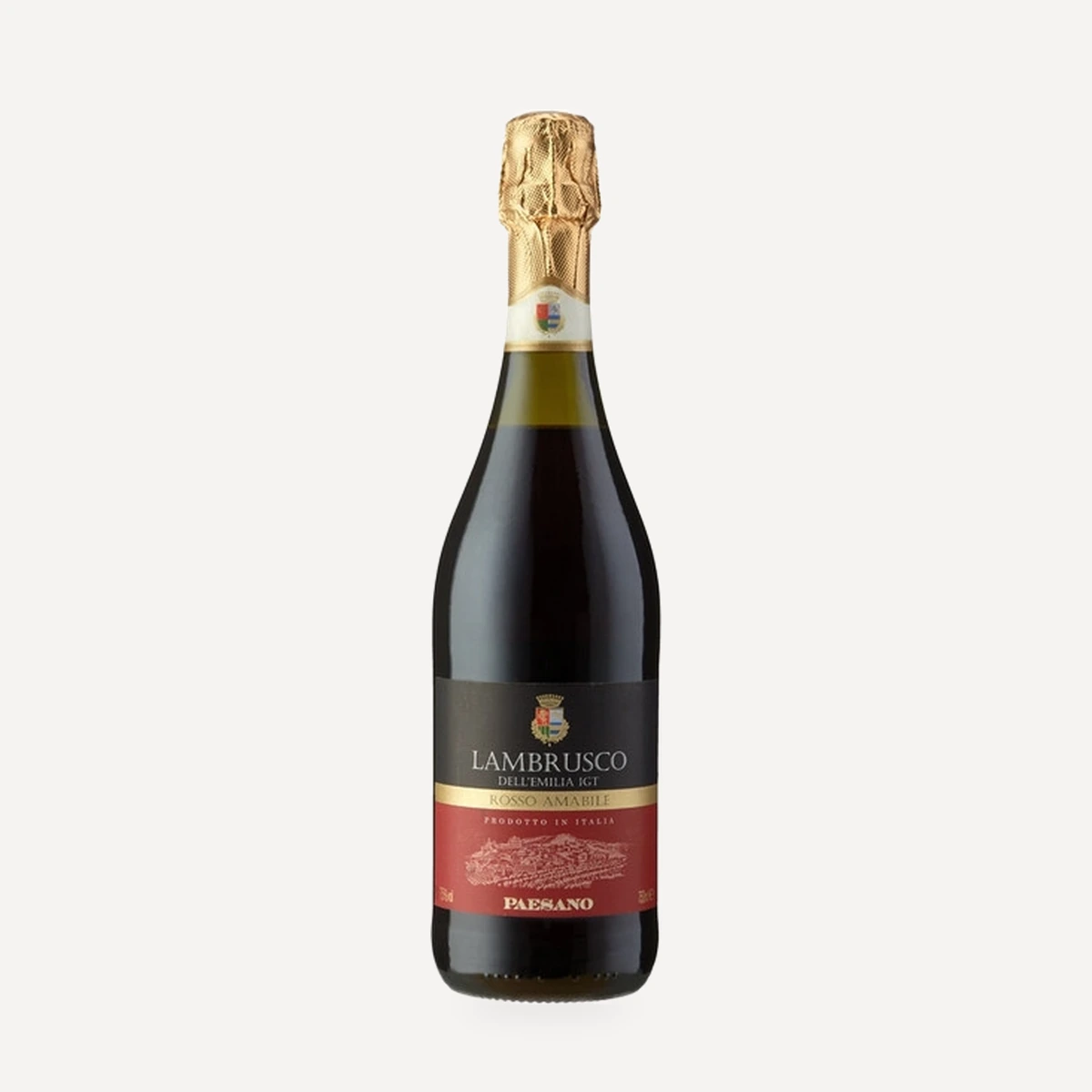
Paesano Lambrusco Rosso Amabile Emilia IGT
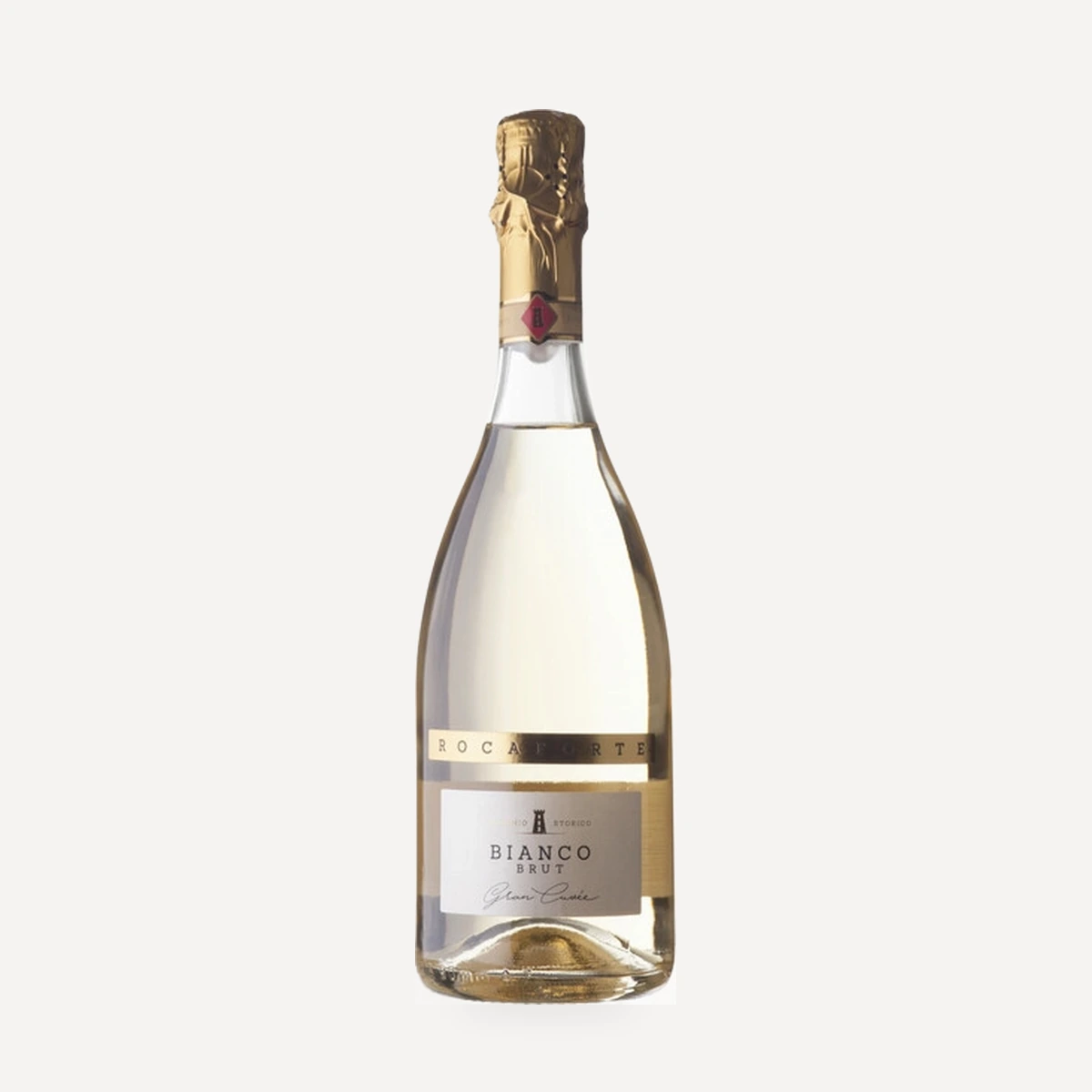
Rocaforte Bianco Brut
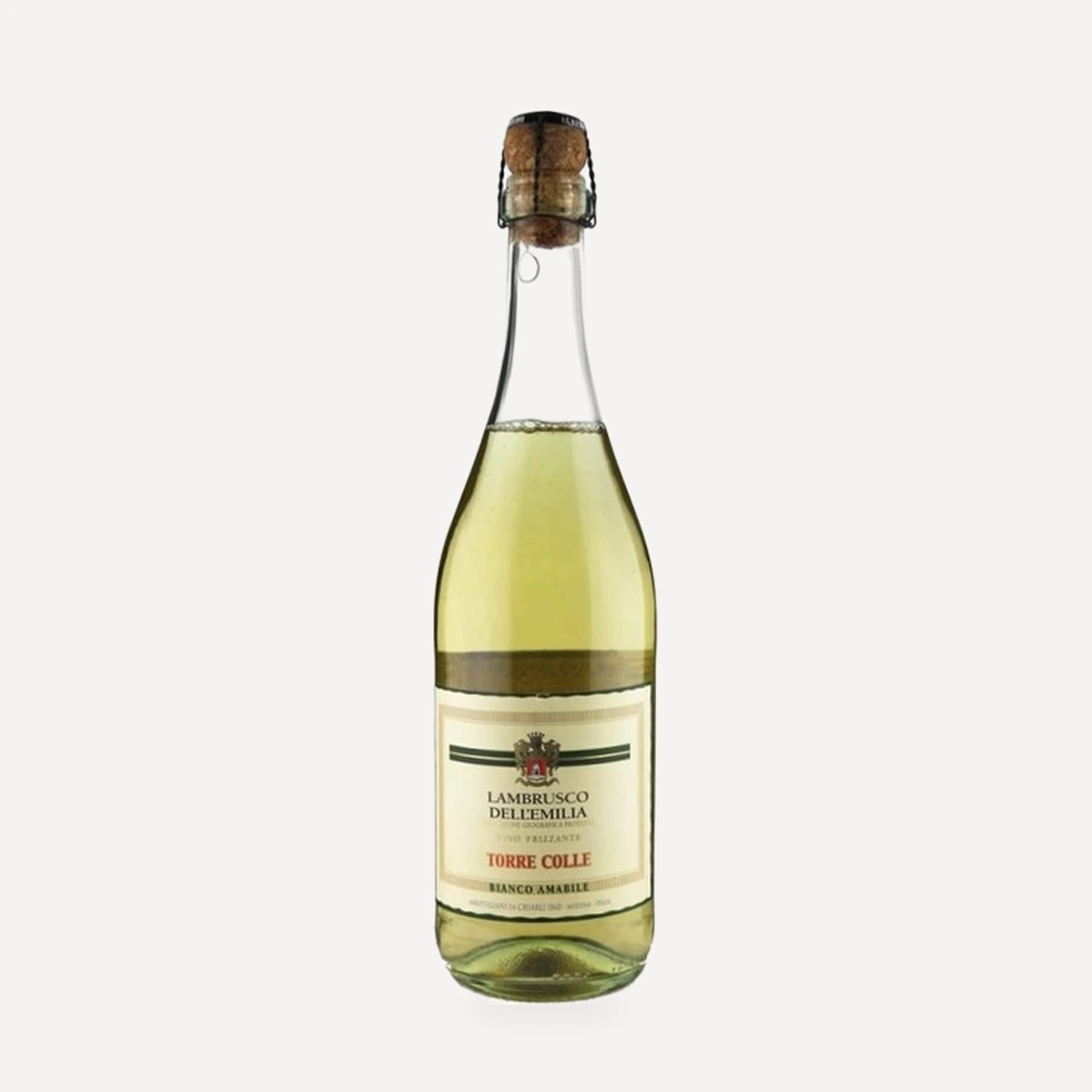
Torre Colle Lambrusco dell'Emilia Bianco IGT
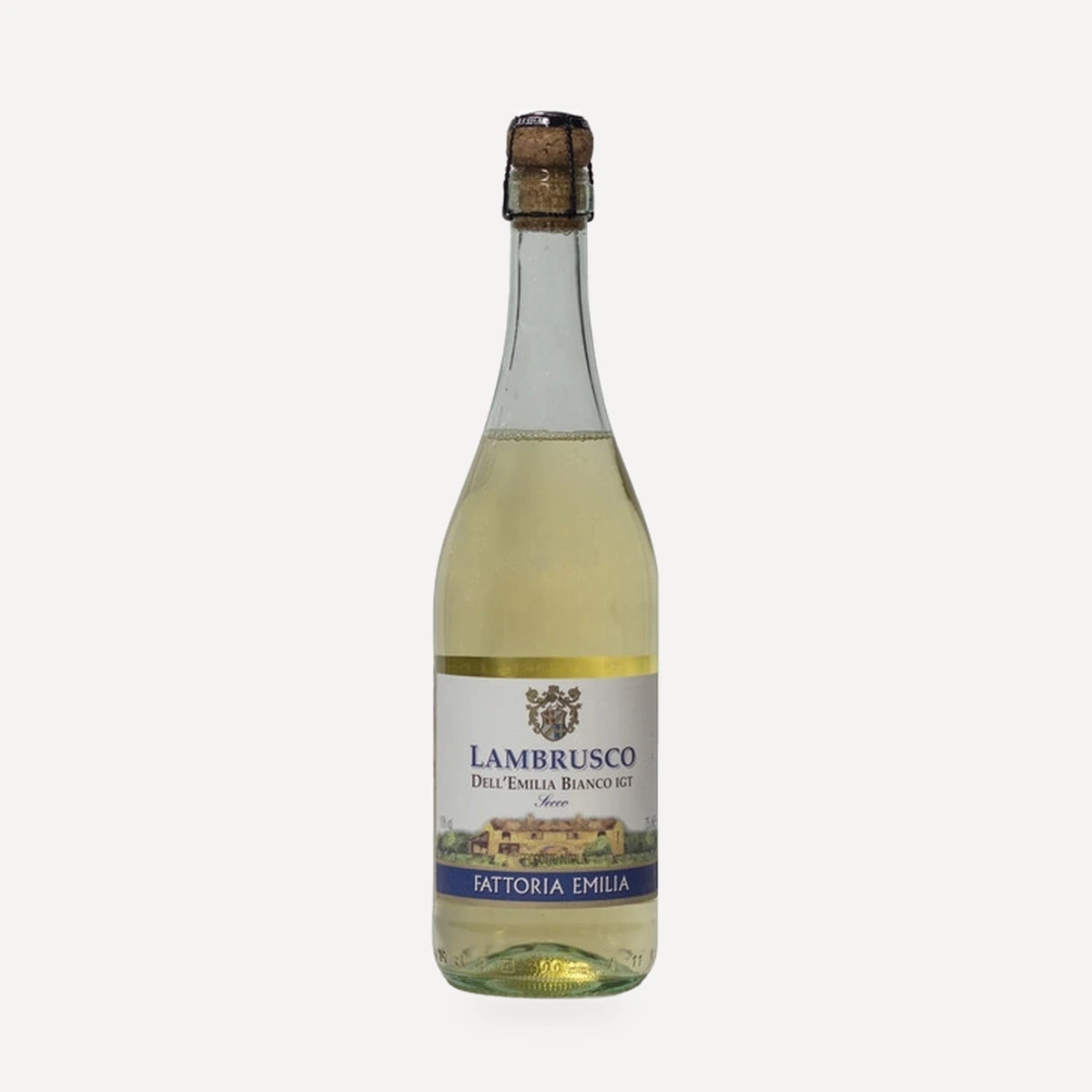
Fattoria Emilia Bianco Secco Lambrusco dell'Emilia IGT
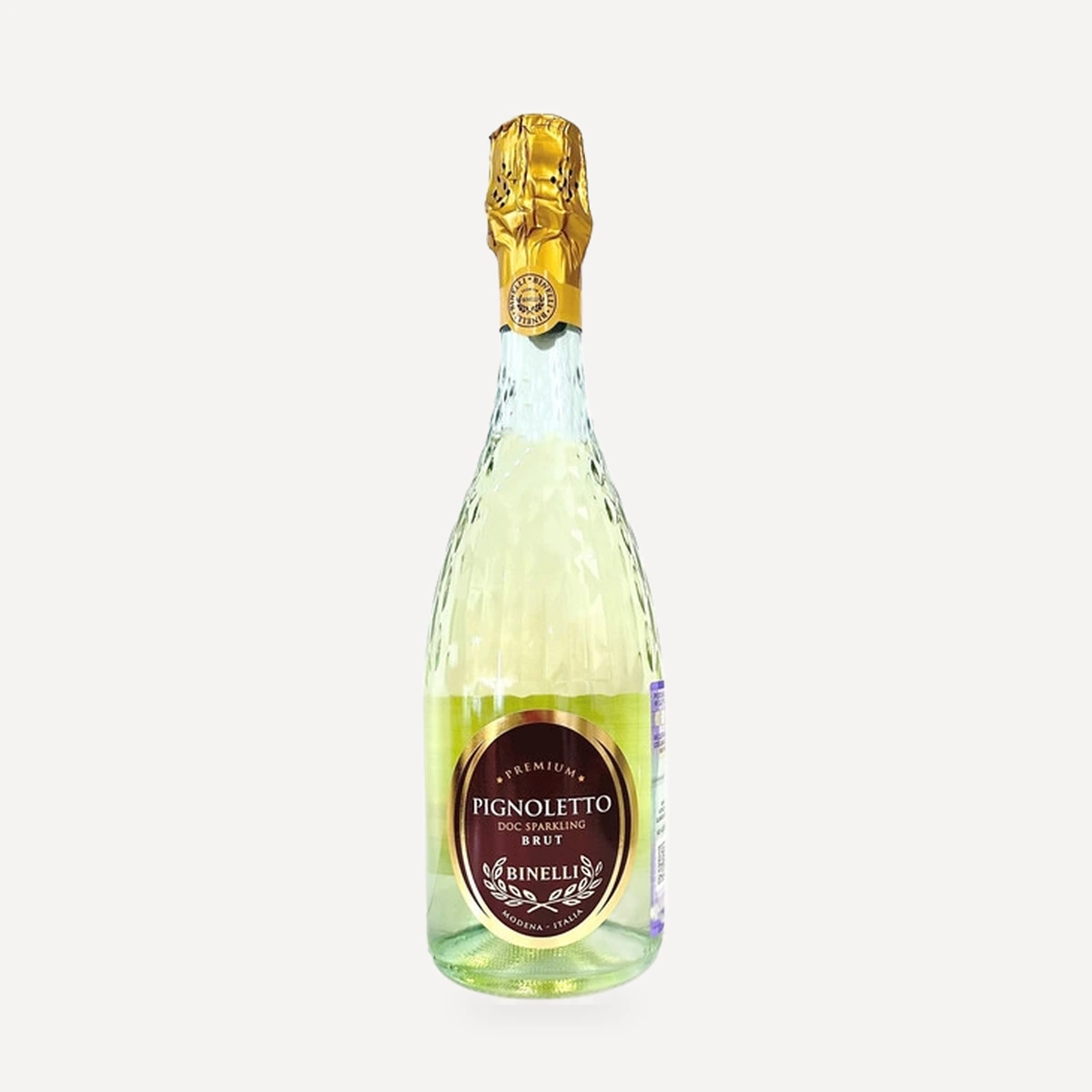
Binelli Premium Pignoletto Brut DOC
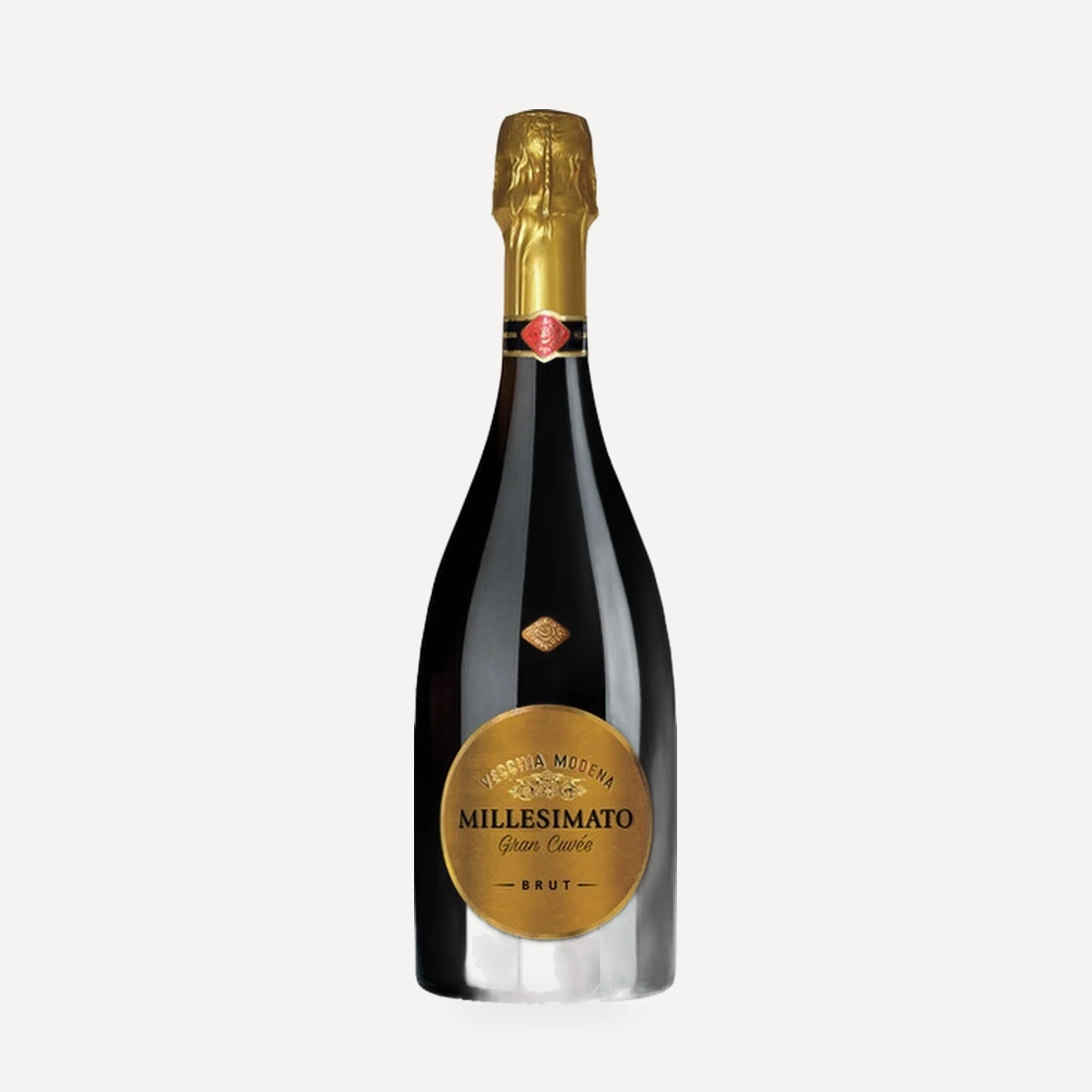
Vecchia Modena Millesimato Gran Cuvee Brut
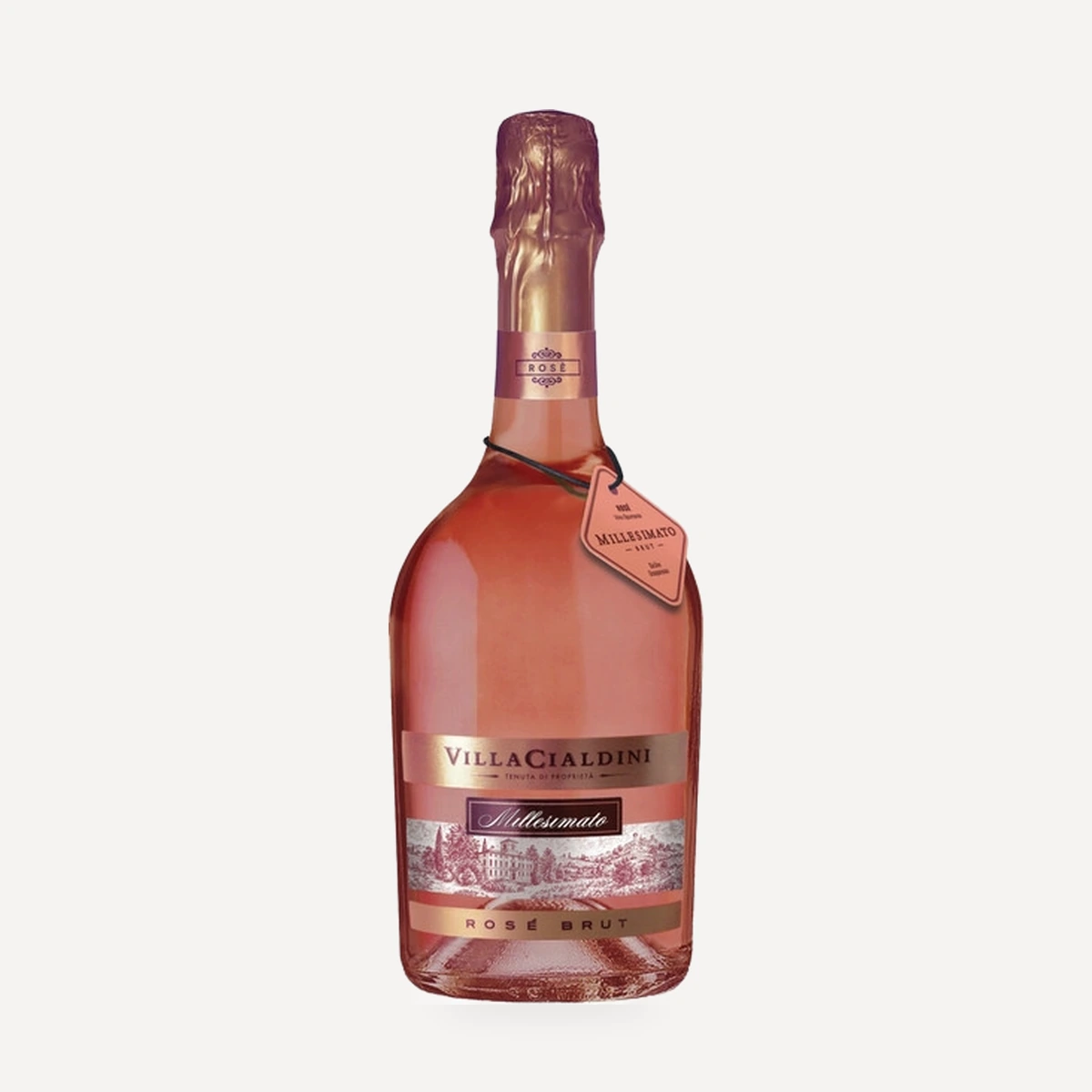
Villa Cialdini Rose Brut
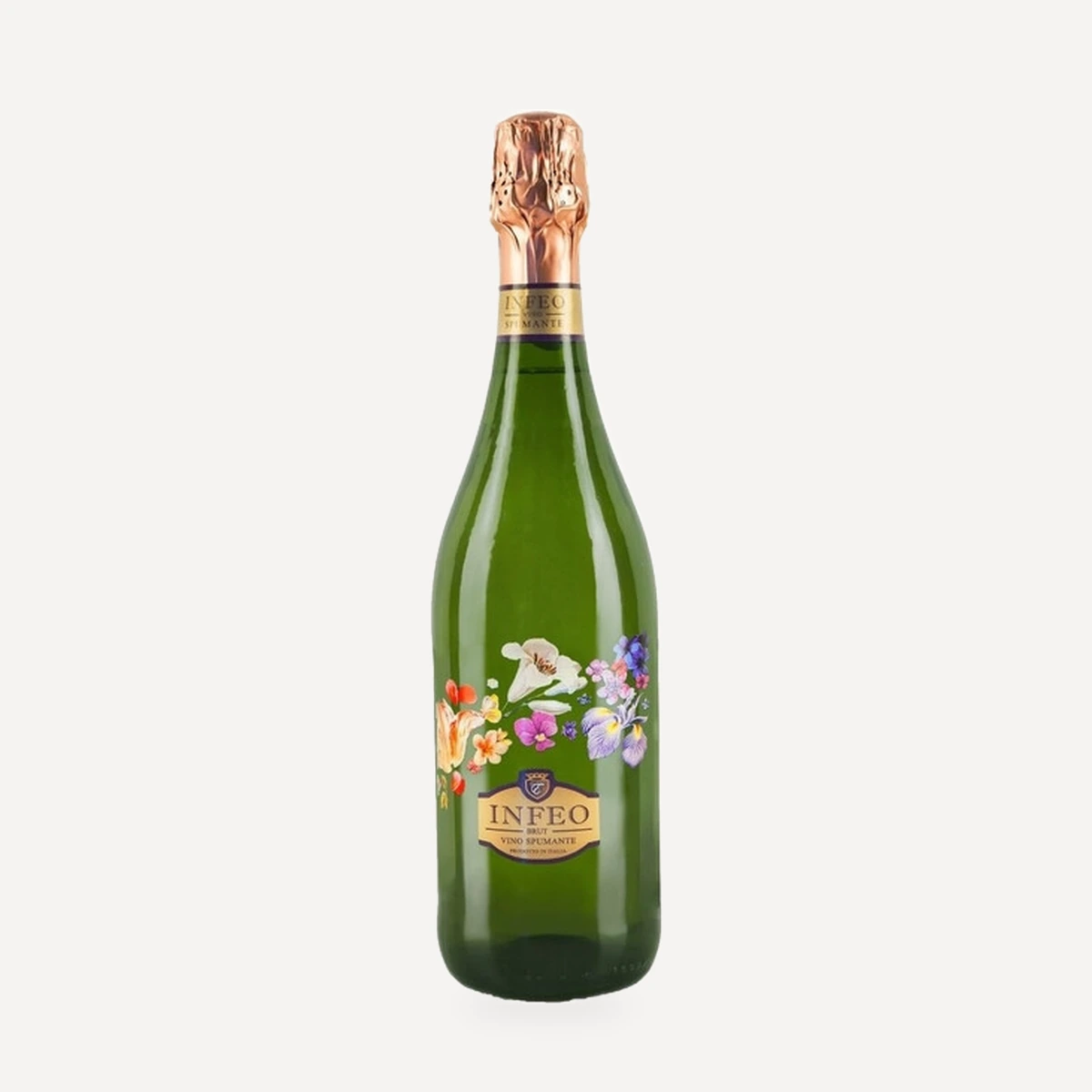
Infeo Brut
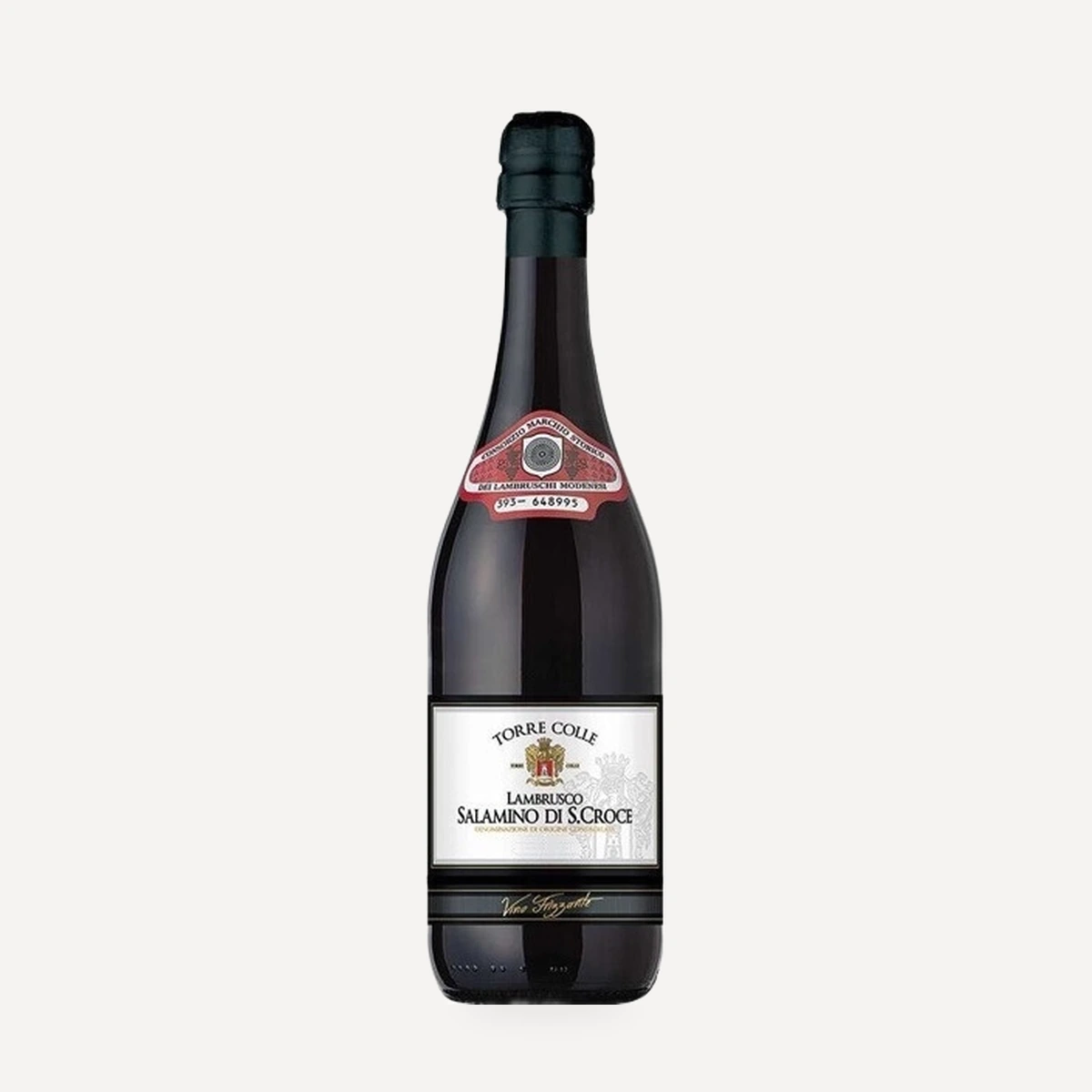
Torre Colle Lambrusco Salamino di Santa Croce Rosso Secco IGT
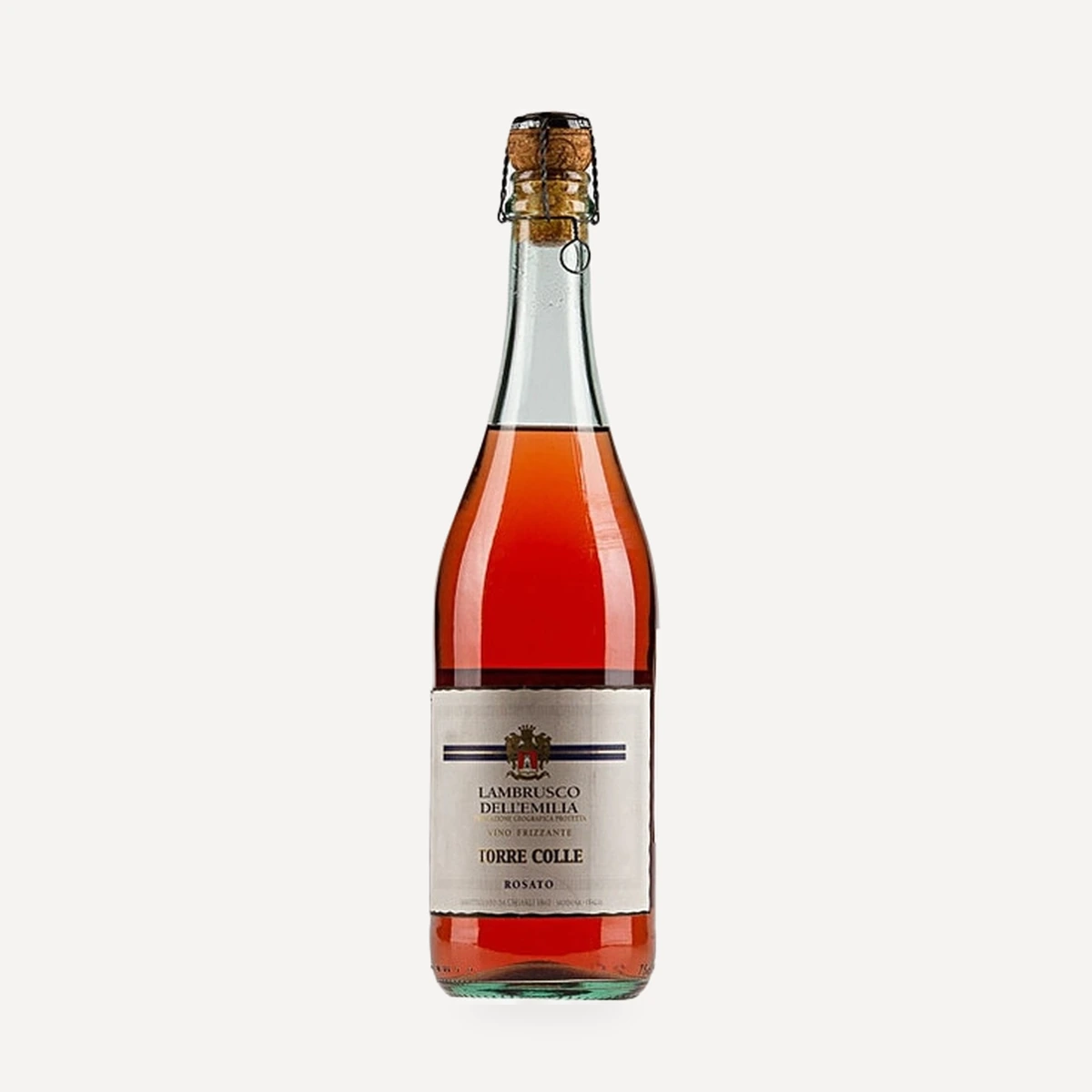
Torre Colle Lambrusco dell'Emilia Rosato IGT
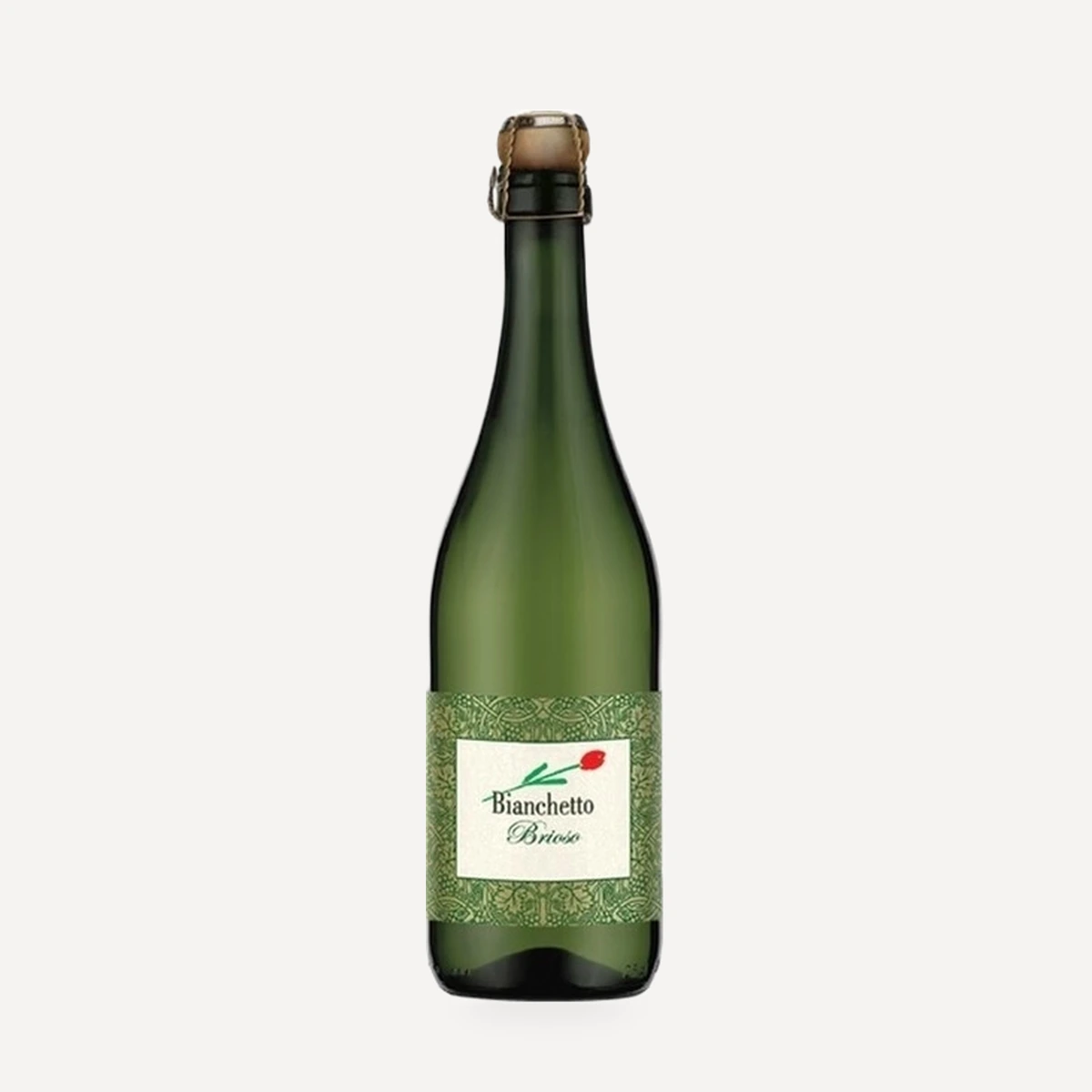
Bianchetto Brioso Emilia IGT
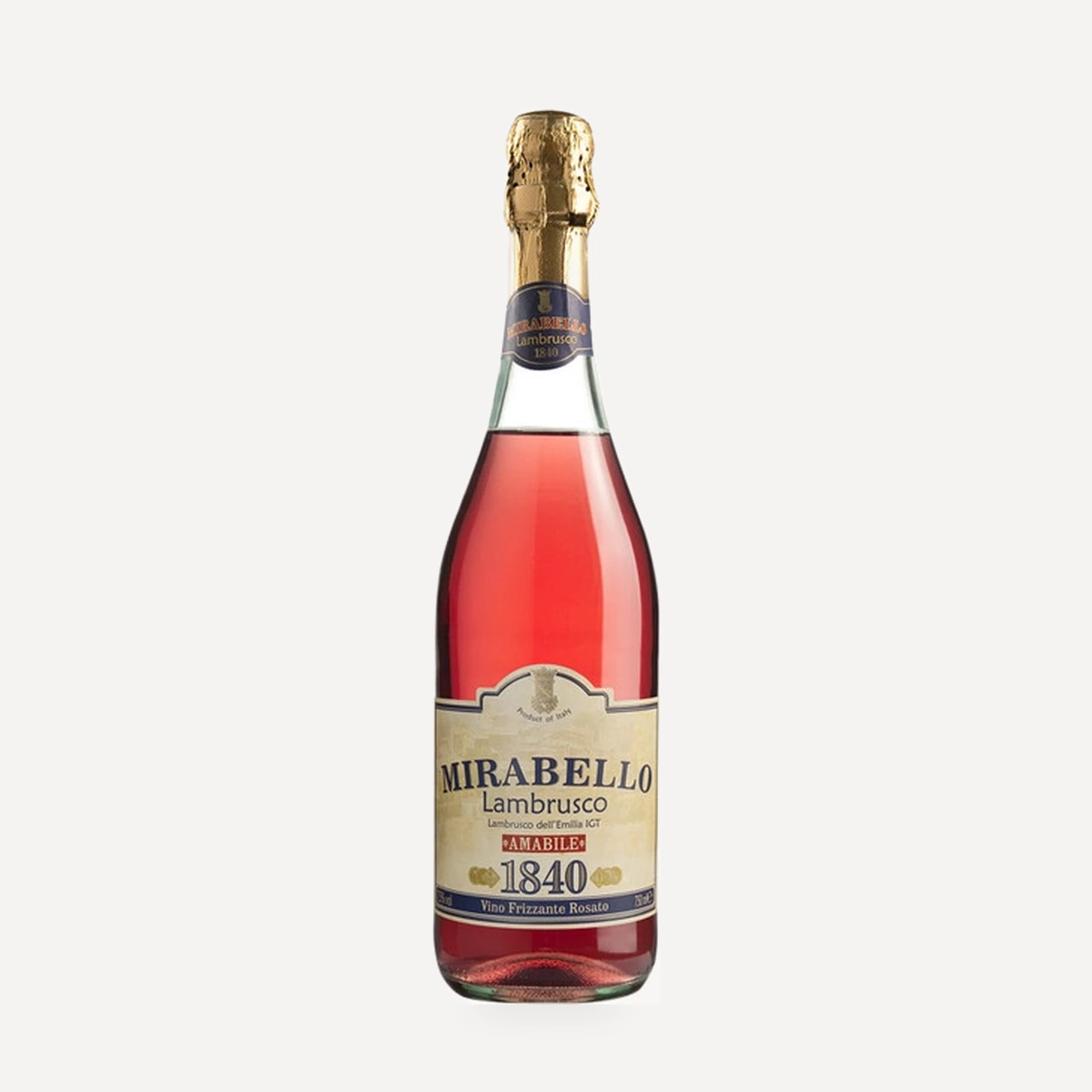
Mirabello Rosato Lambrusco dell'Emilia IGT
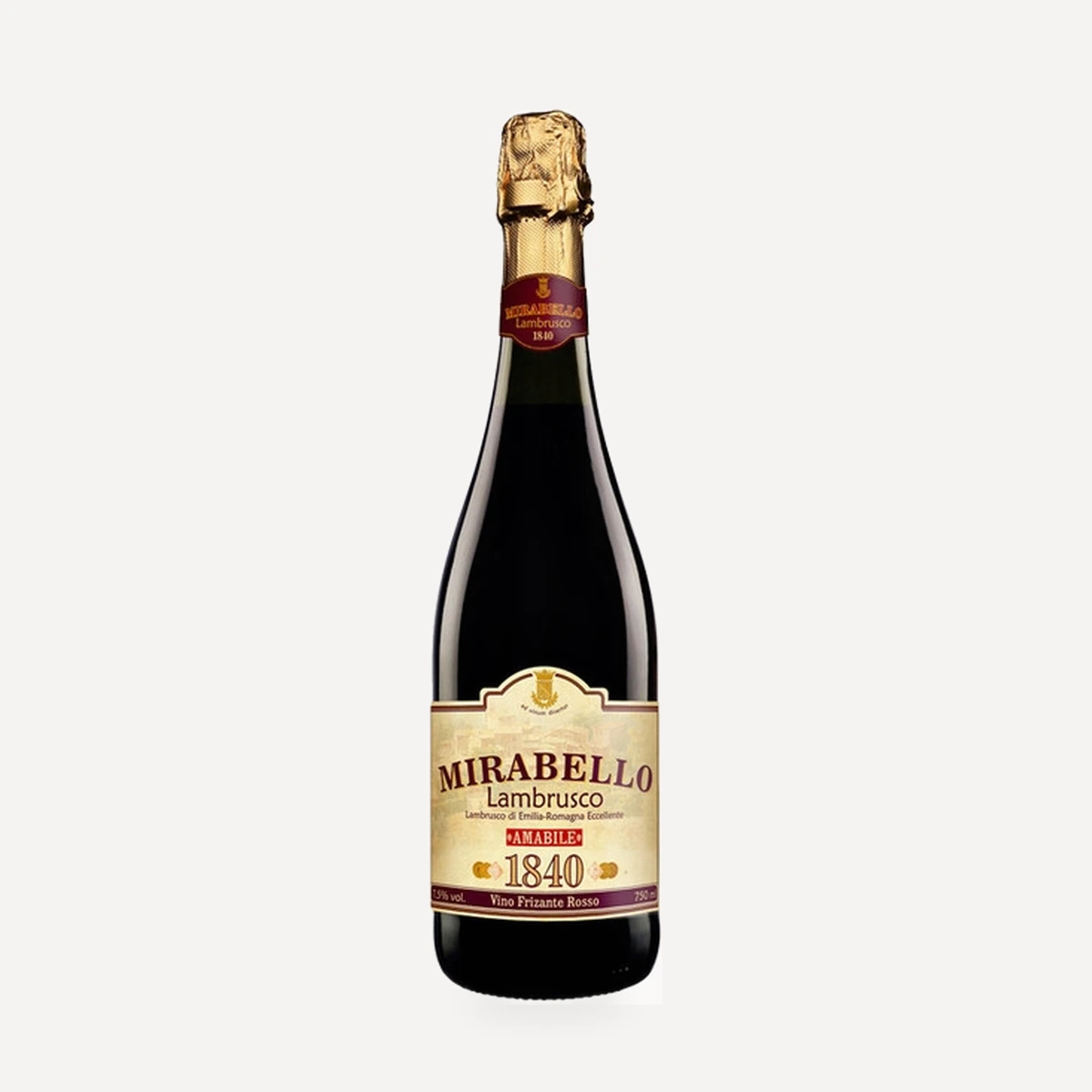
Mirabello Rosso Lambrusco di Emilia-Romagna IGT
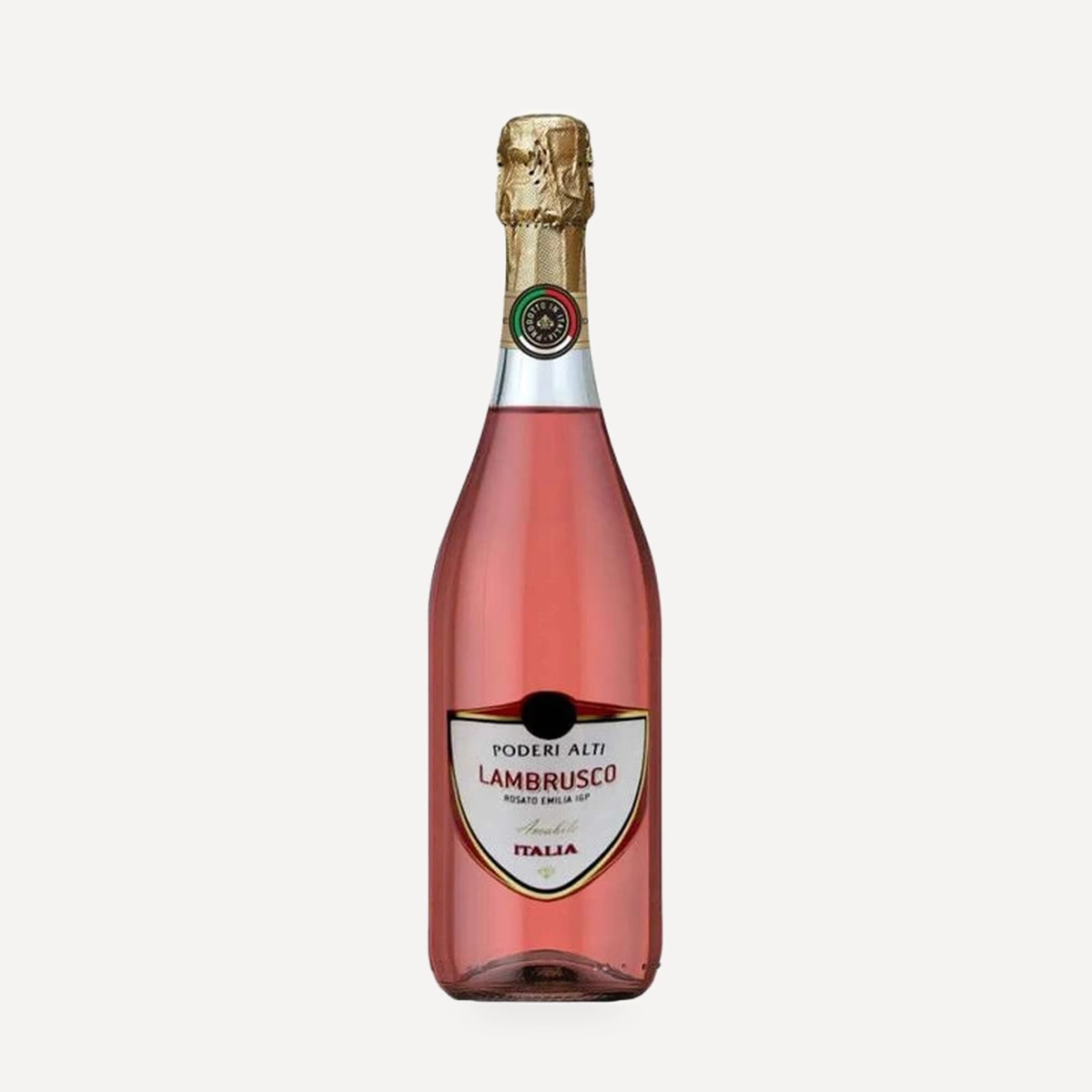
Poderi Alti Lambrusco Dell'Emilia Rosato IGT
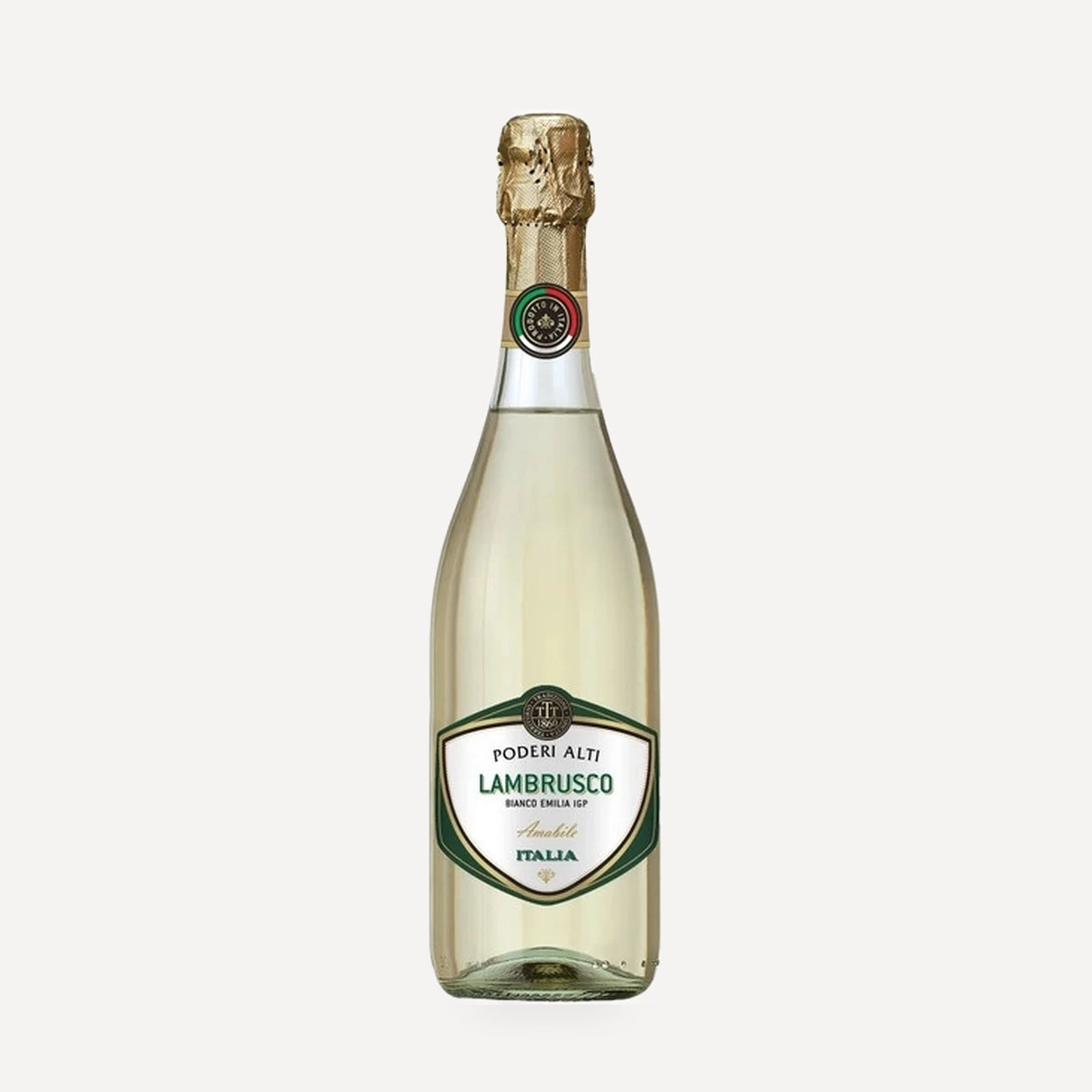
Lambrusco Dell'Emilia Poderi Alti IGT
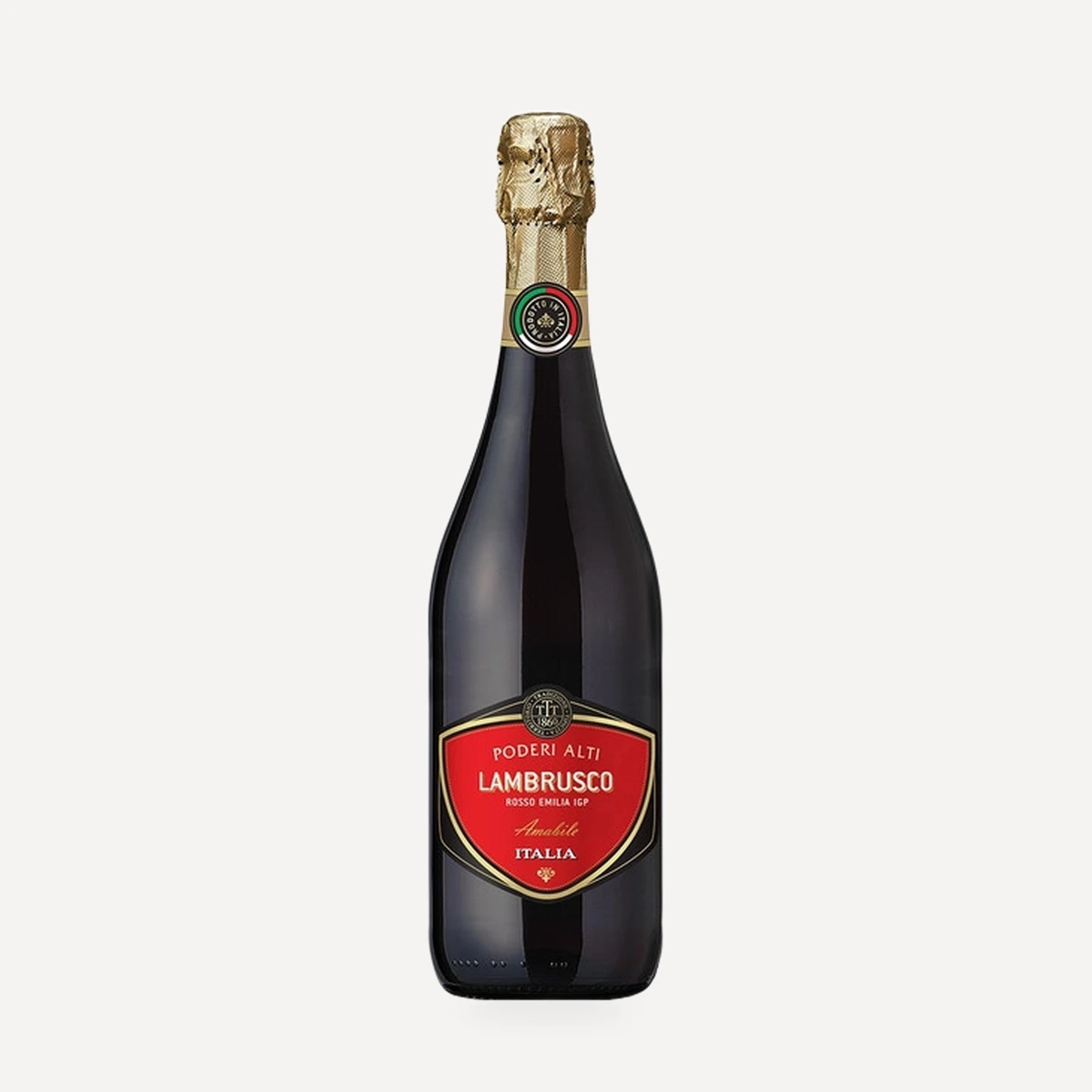
Lambrusco dell'Emilia Rosso Poderi Alti IGT
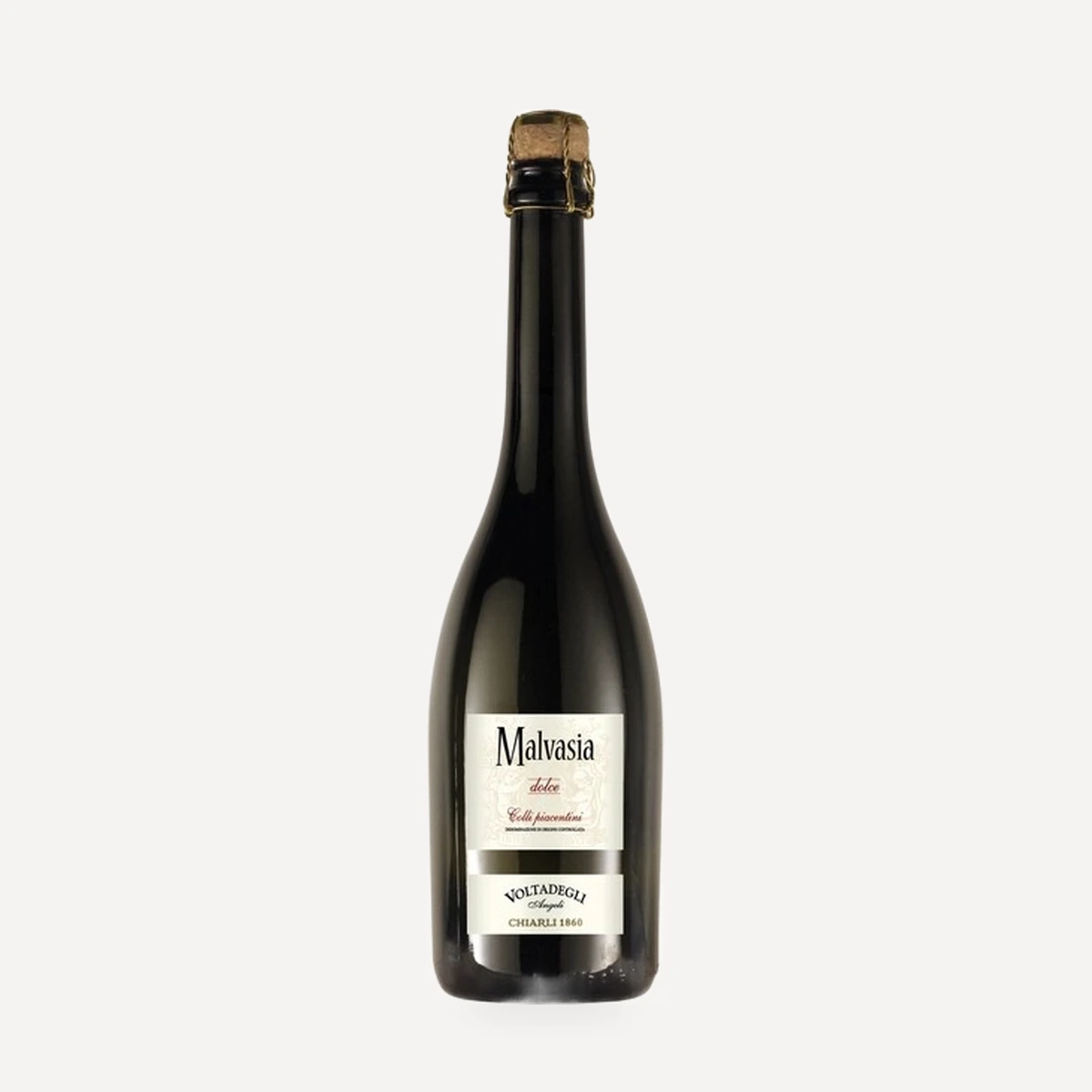
Volta degli Angeli Malvasia Amabile Colli Piacentini DOC
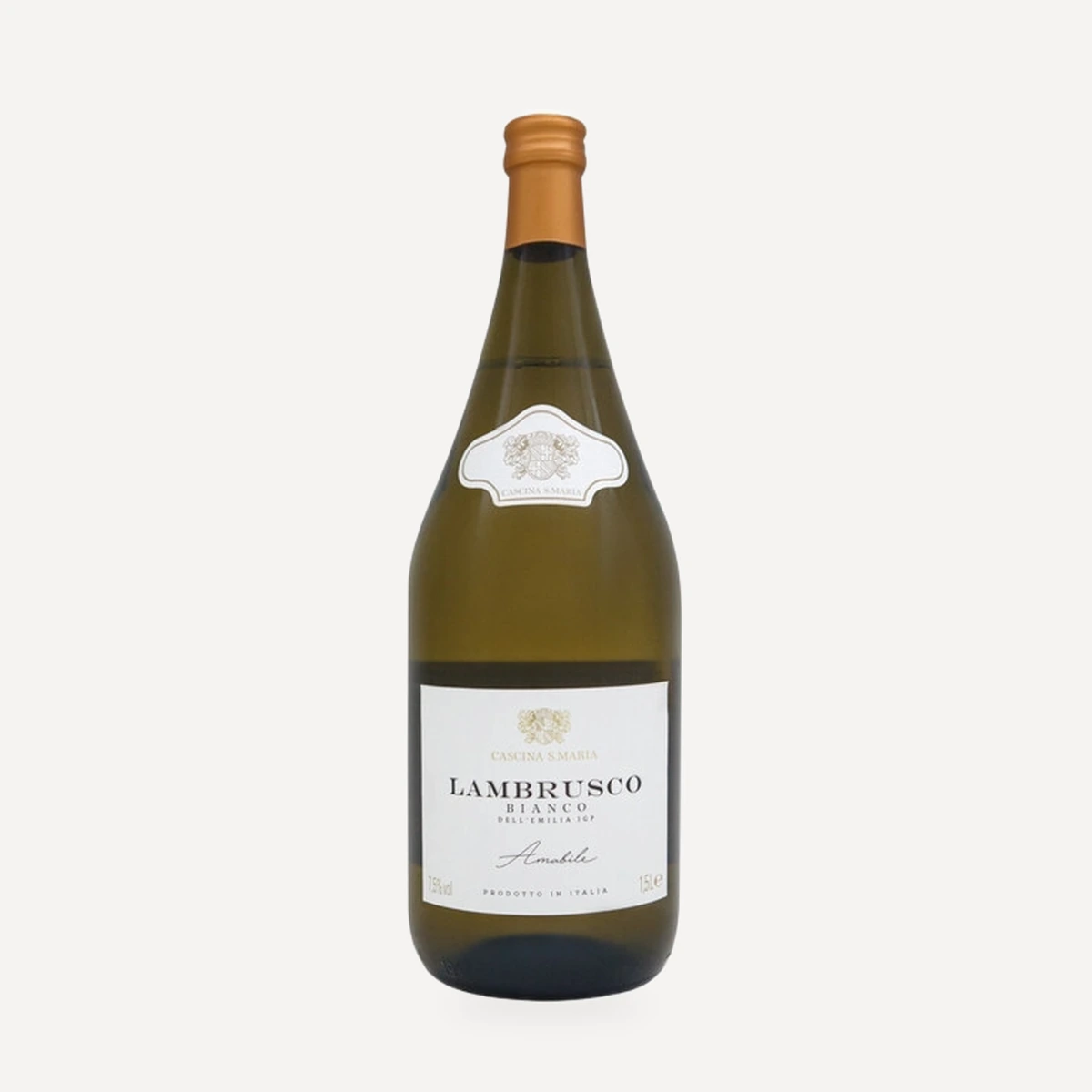
Cascina S. Maria Bianco Amabile Lambrusco dell'Emilia IGT
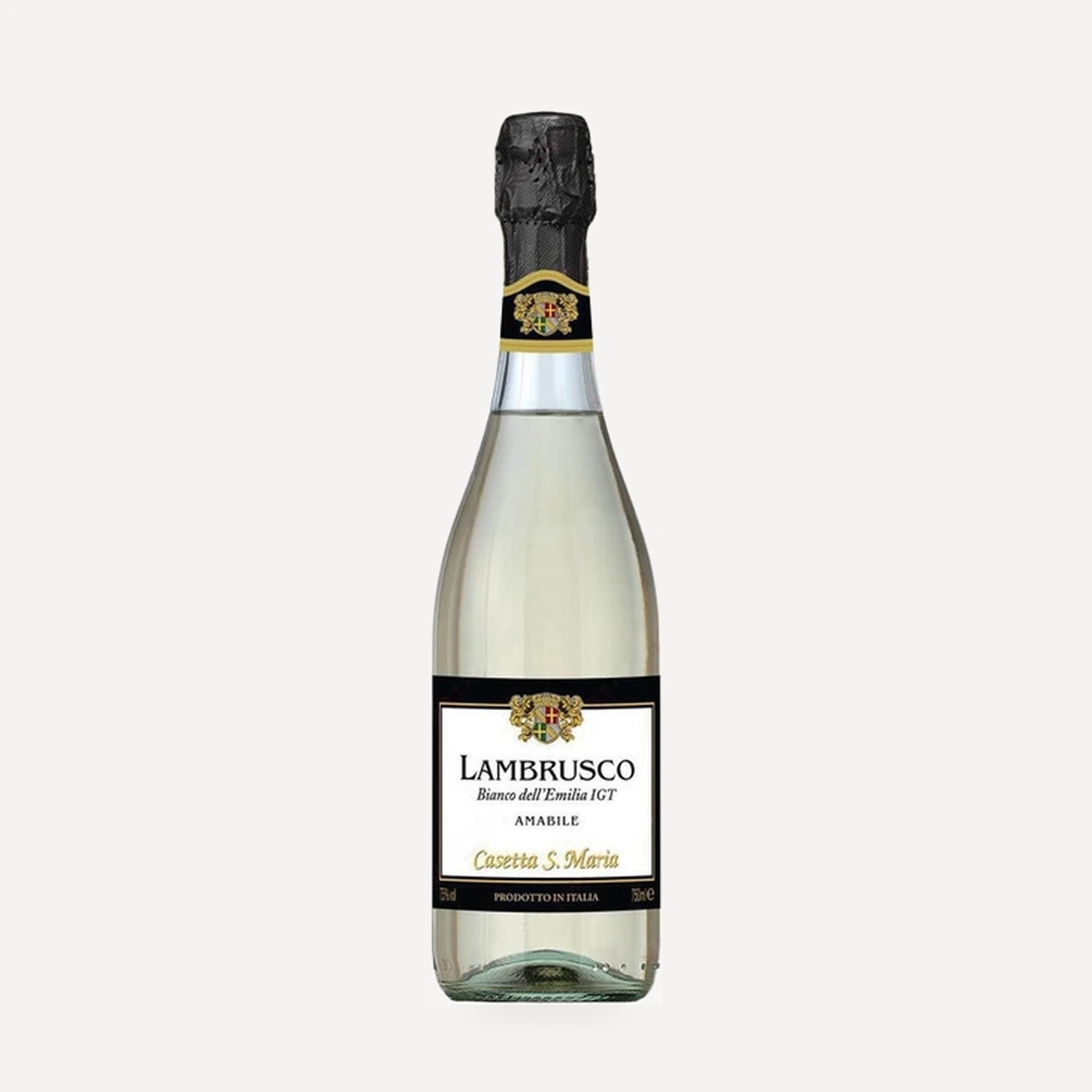
Casetta S. Maria Lambrusco Bianco dell'Emilia Amabile IGT
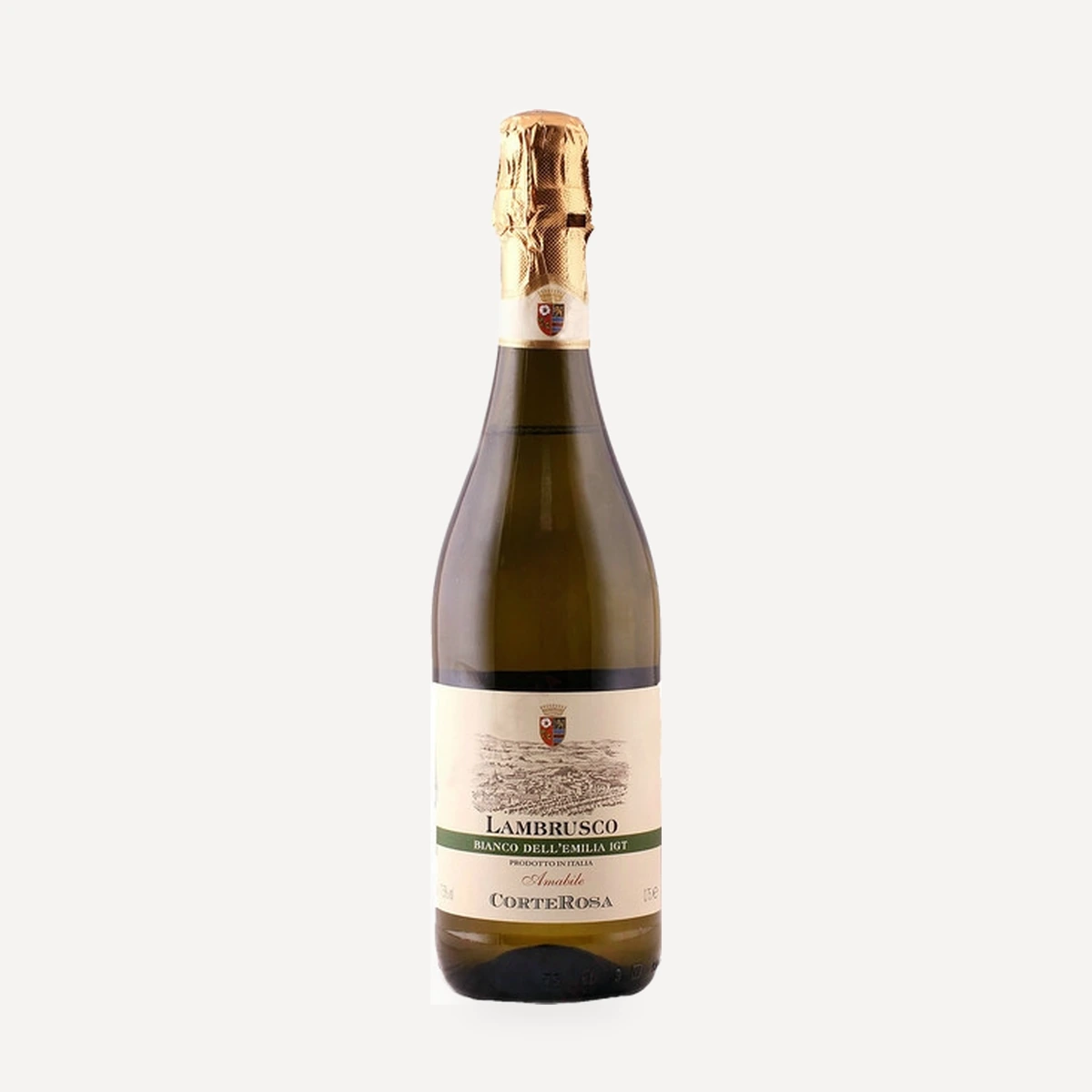
Corte Rosa Lambrusco Bianco Amabile Dell'Emilia IGT
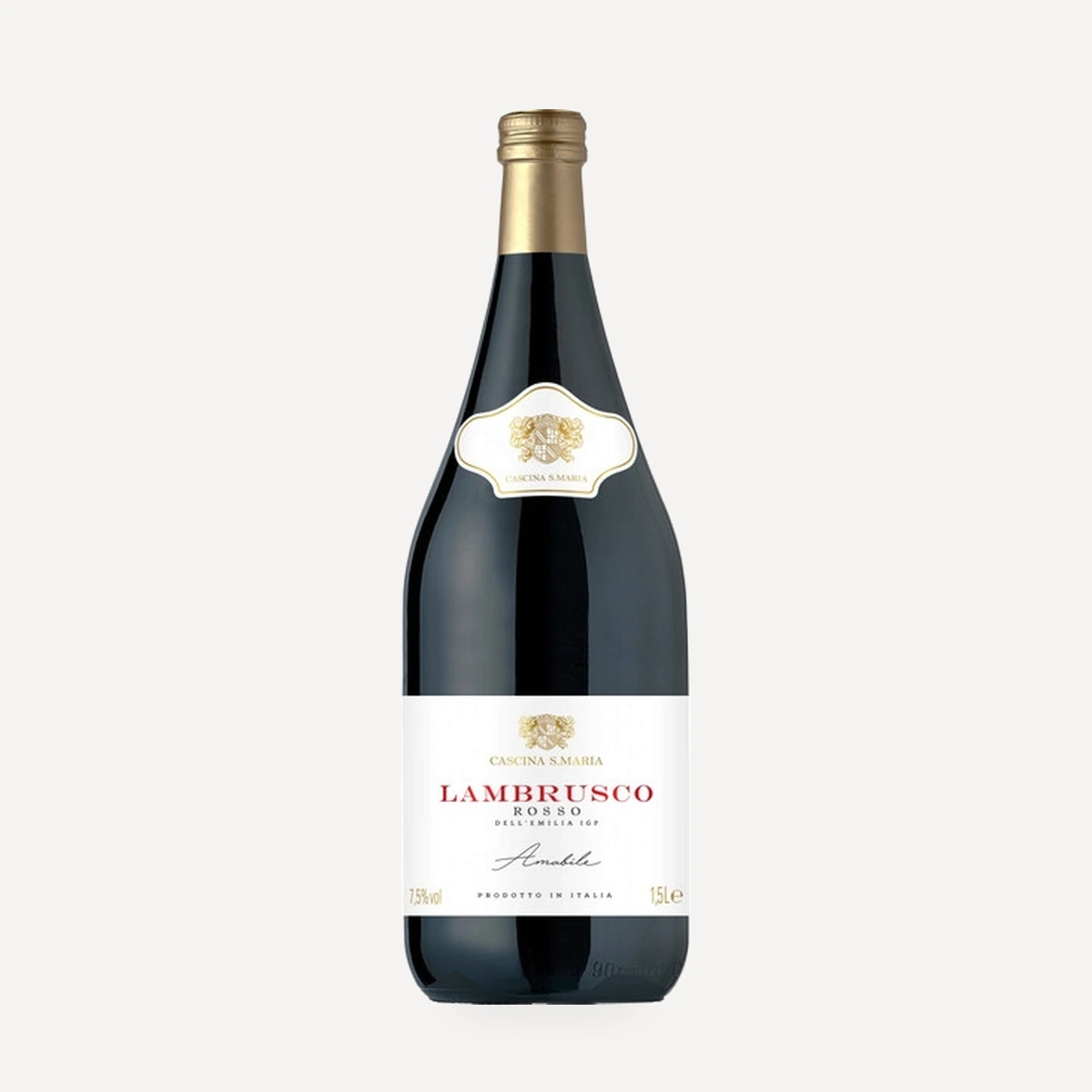
Cascina S. Maria Rosso Amabile Lambrusco dell'Emilia IGT
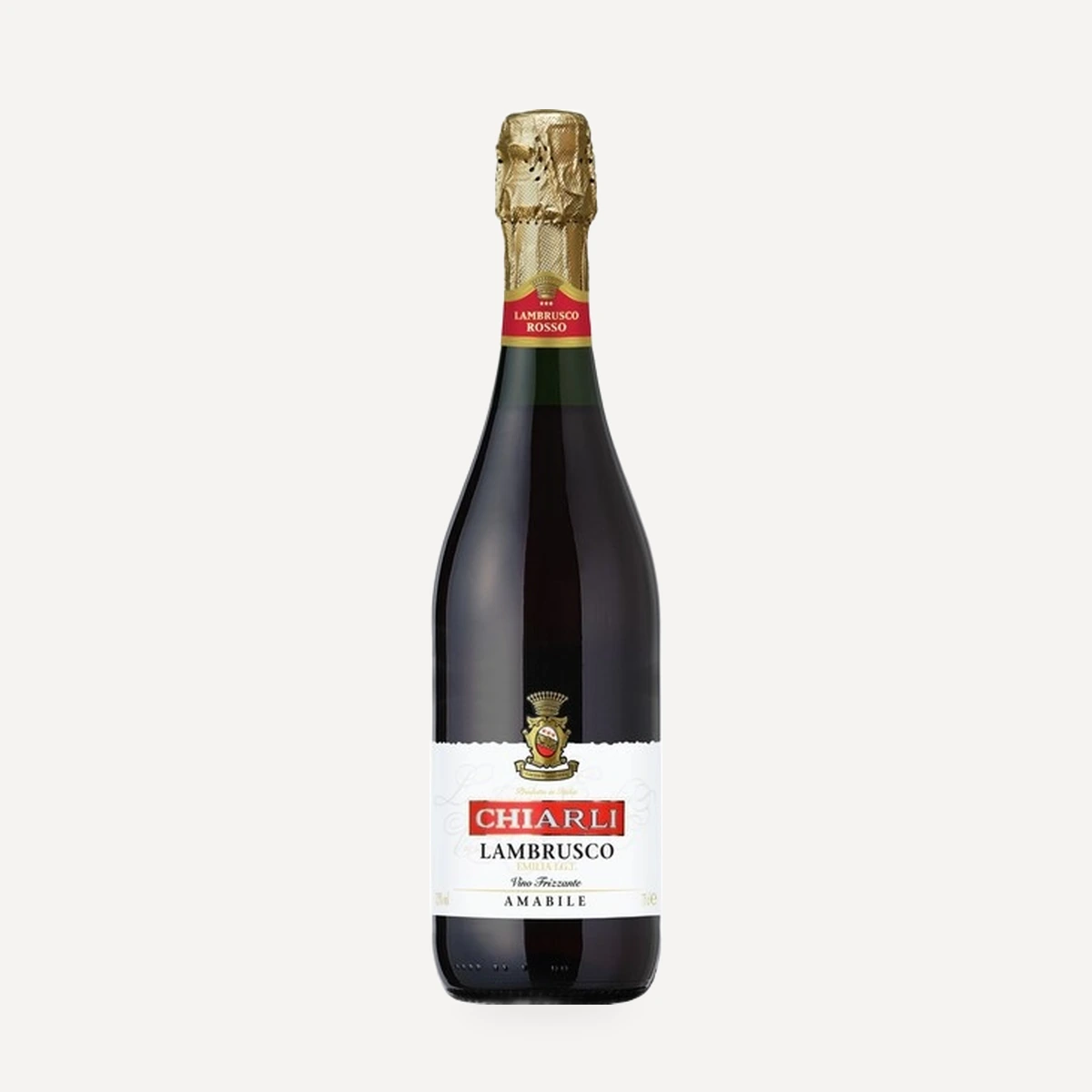
Lambrusco Dell'Emilia Rosso Amabile IGT
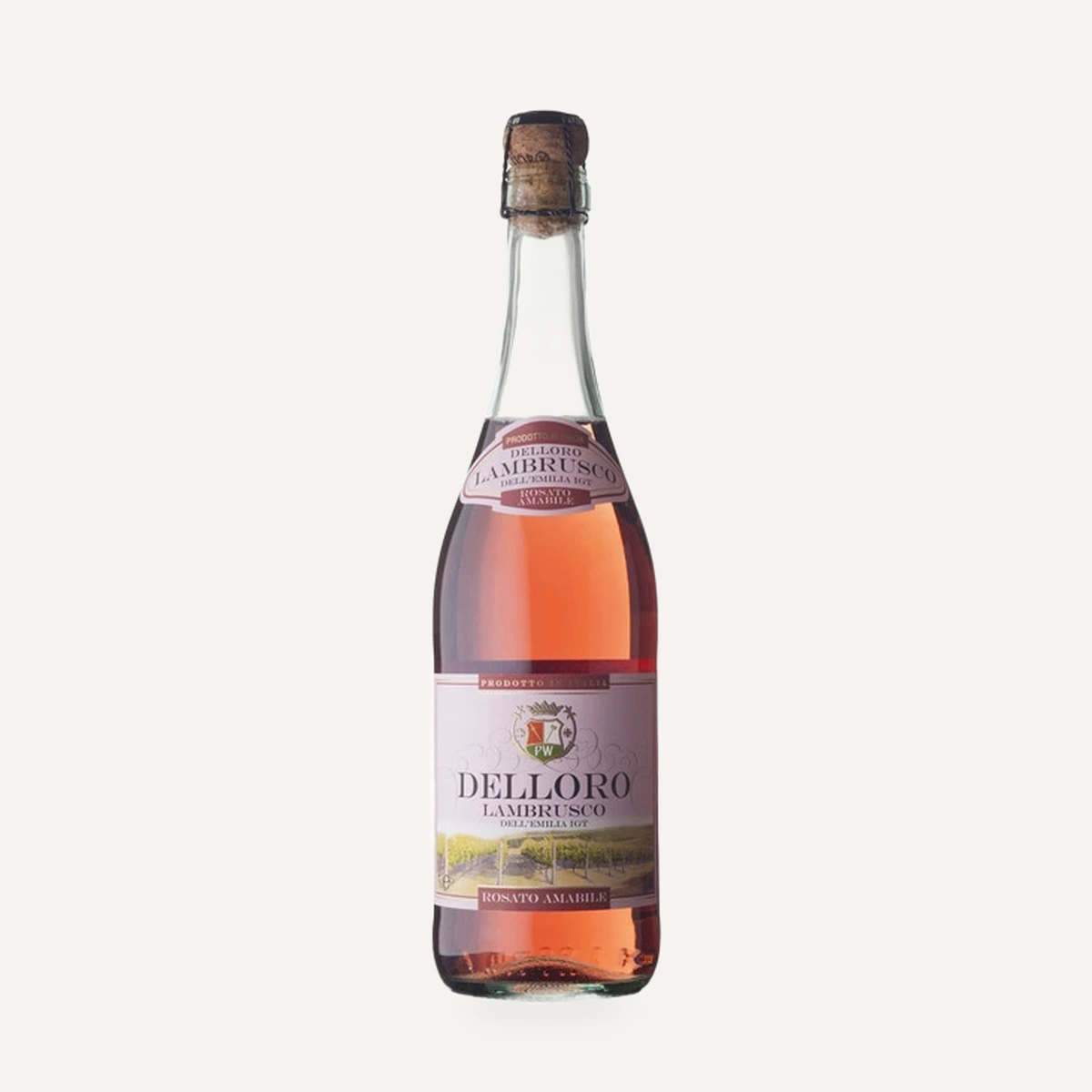
Delloro Lambrusco Rosato Amabile Emilia IGT
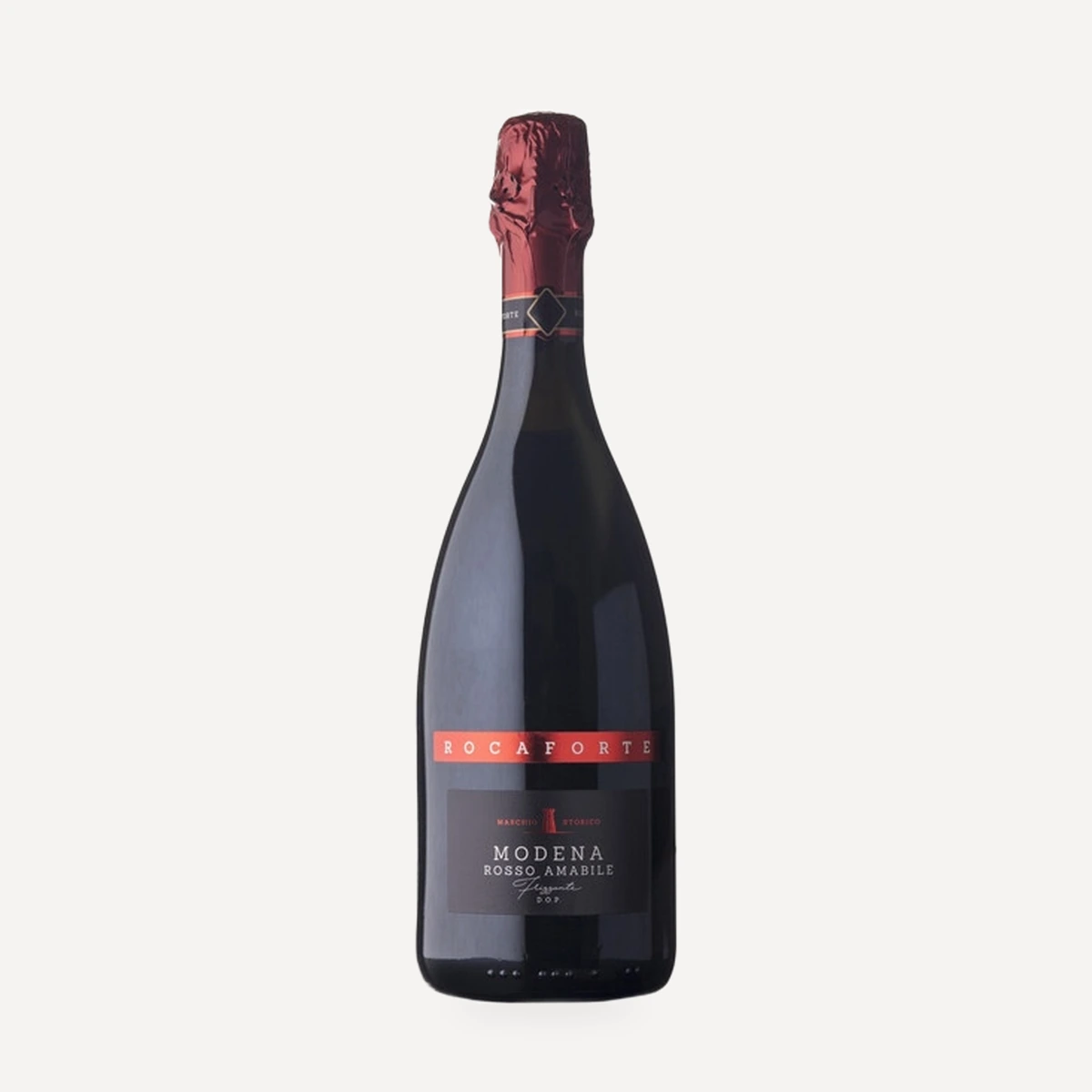
Rocaforte Modena Rosso Amabile DOP
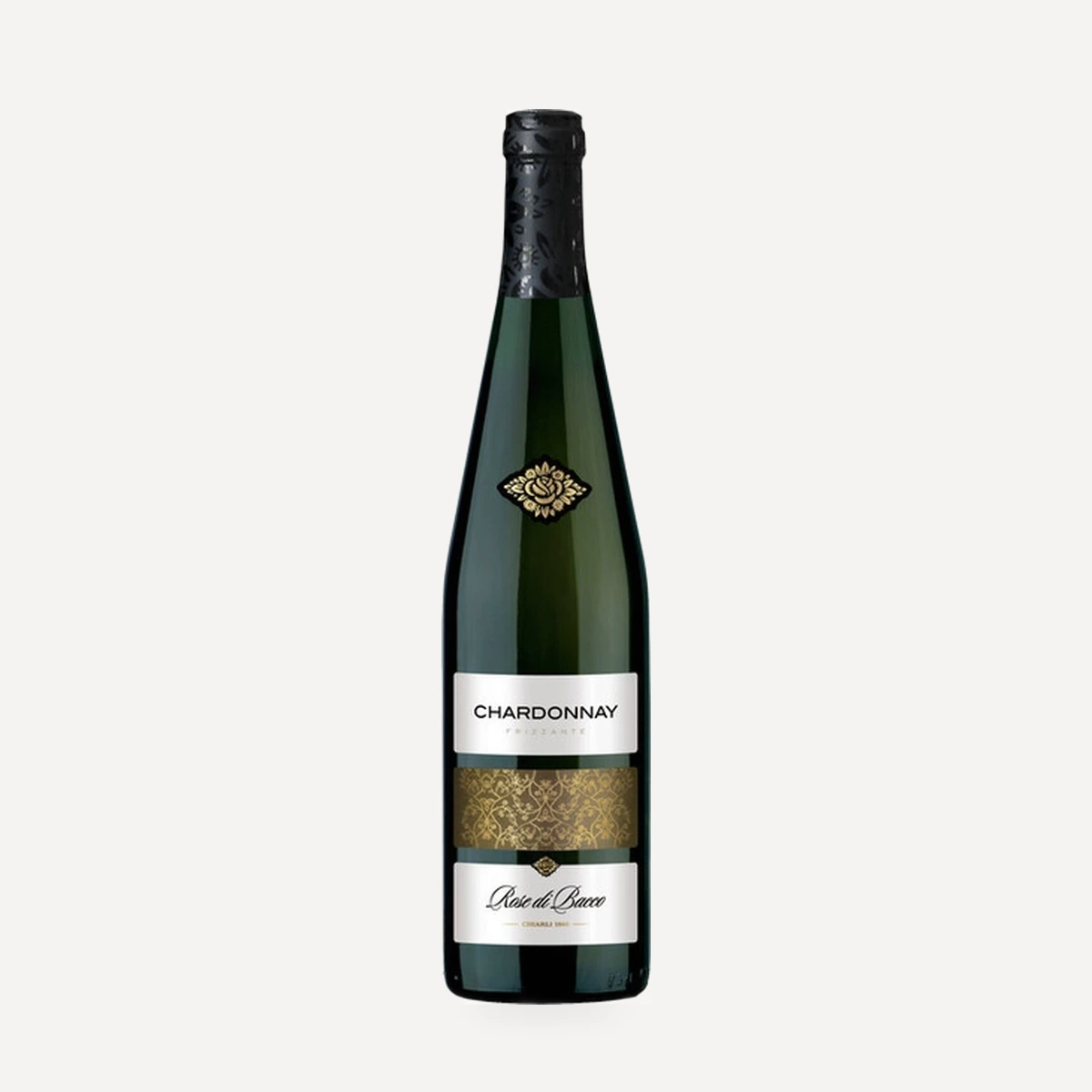
Rose di Bacco Chardonnay Frizzante Rubicone IGT
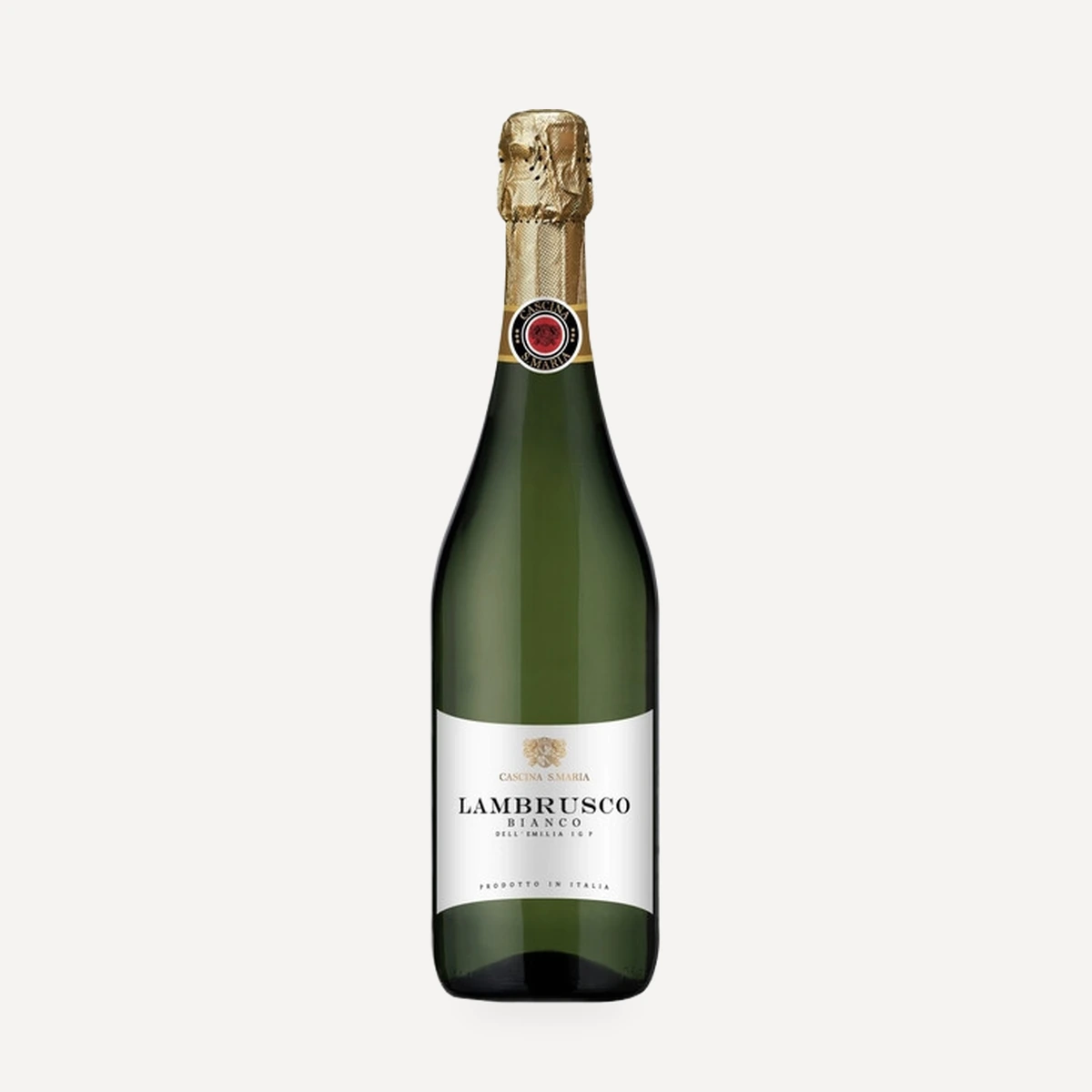
Cascina S. Maria Bianco Secco Lambrusco dell'Emilia IGT
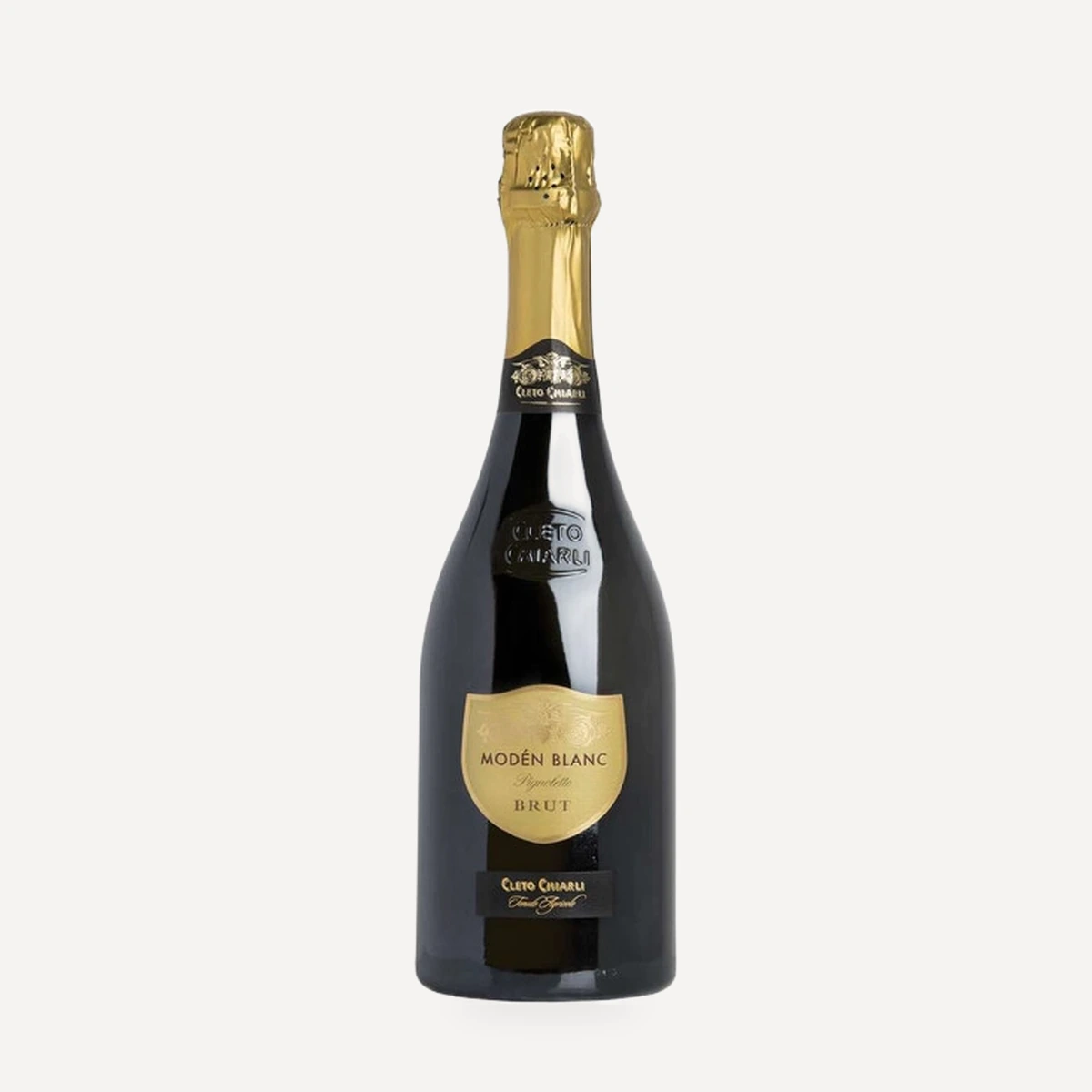
Moden Blanc Pignoletto Brut
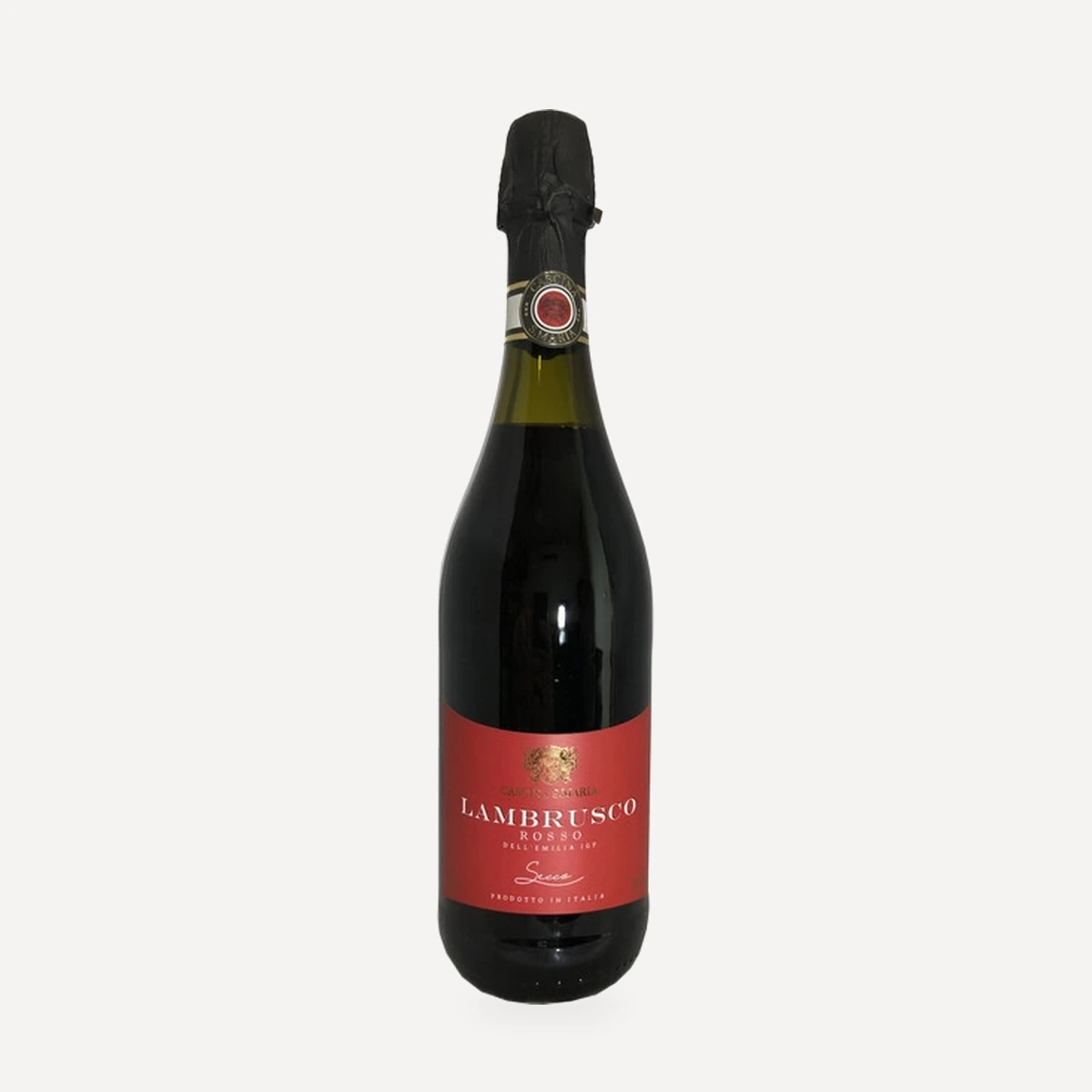
Cascina S. Maria Rosso Secco Lambrusco dell'Emilia IGT
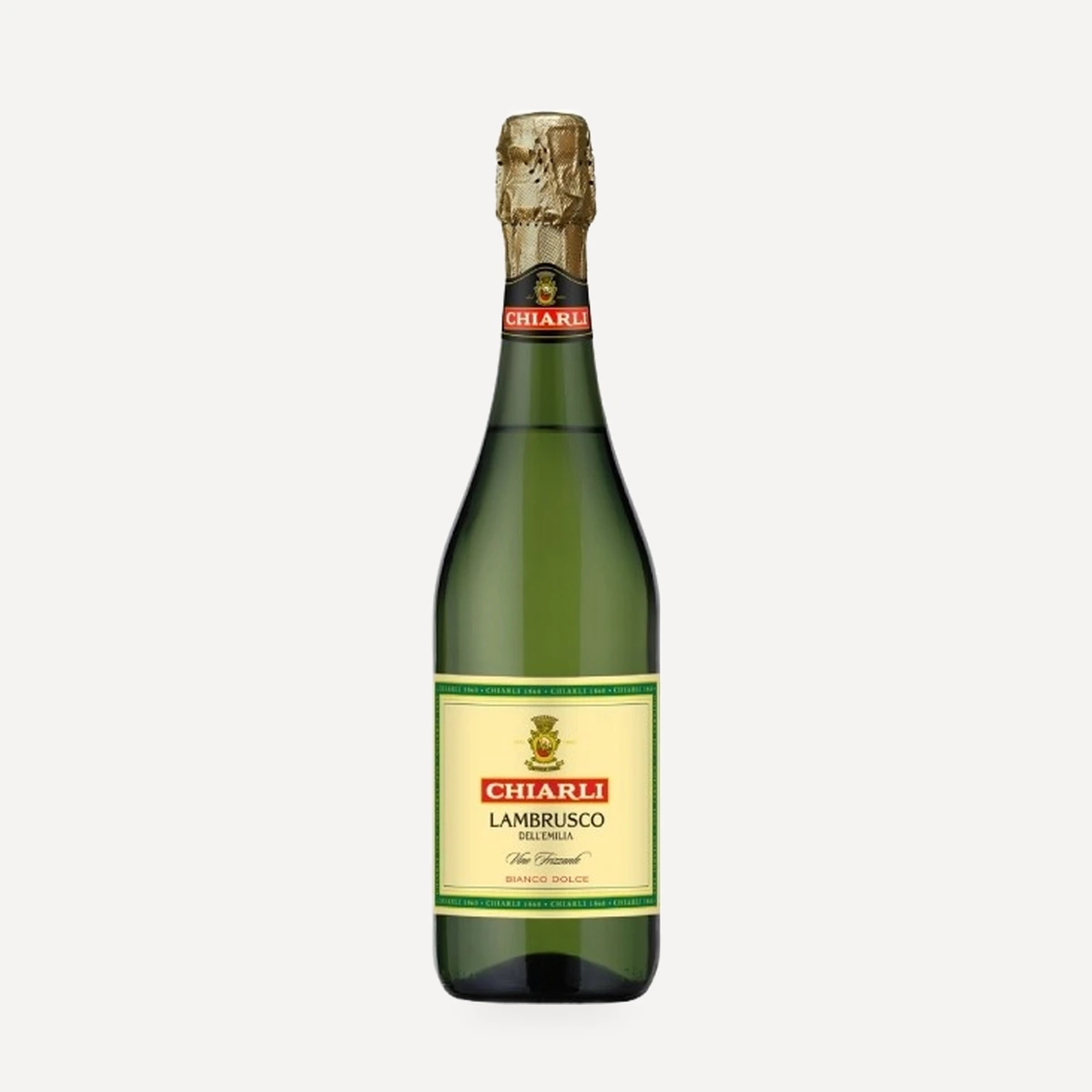
Lambrusco dell'Emilia IGT
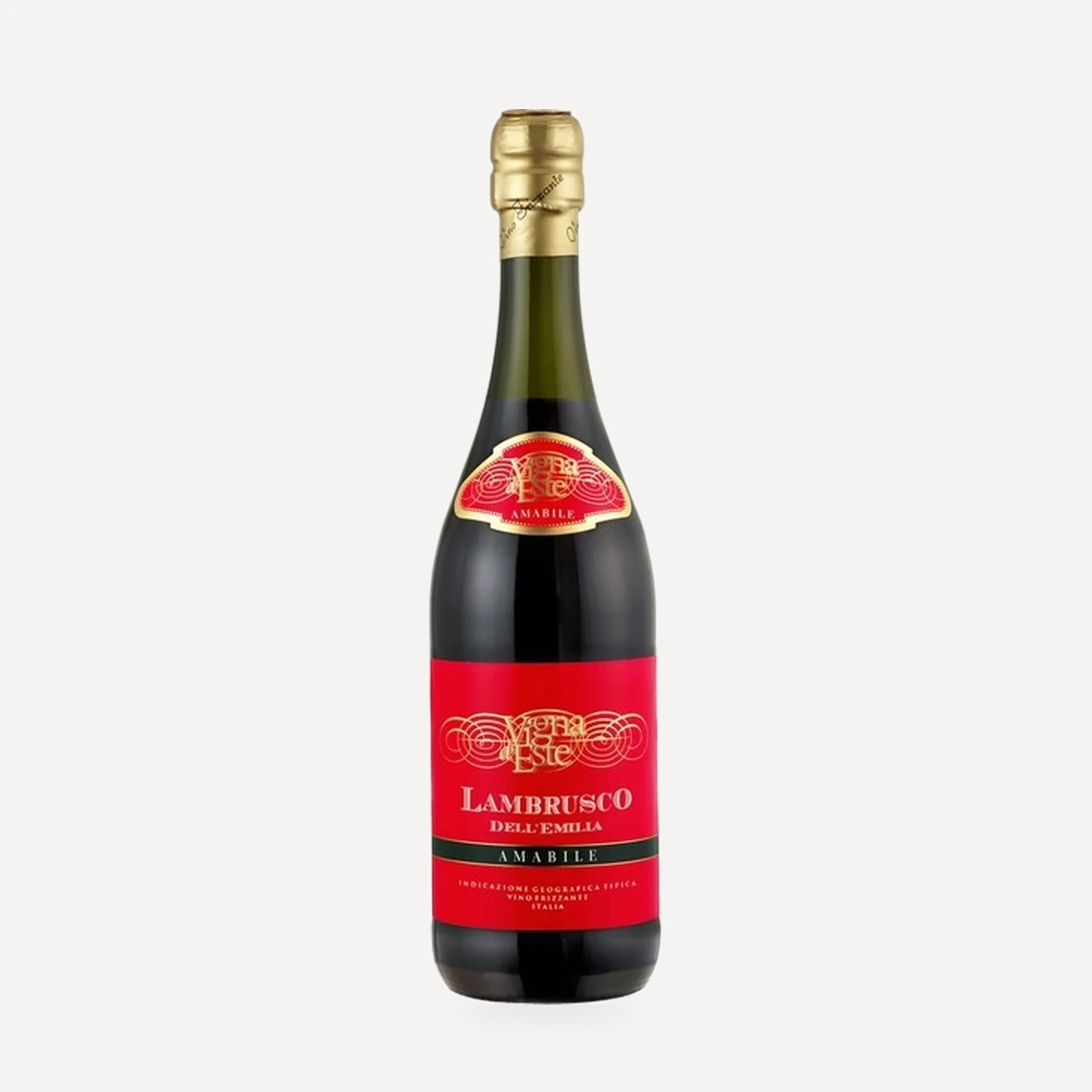
Lambrusco Vigna d'Este Rosso Emilia IGT
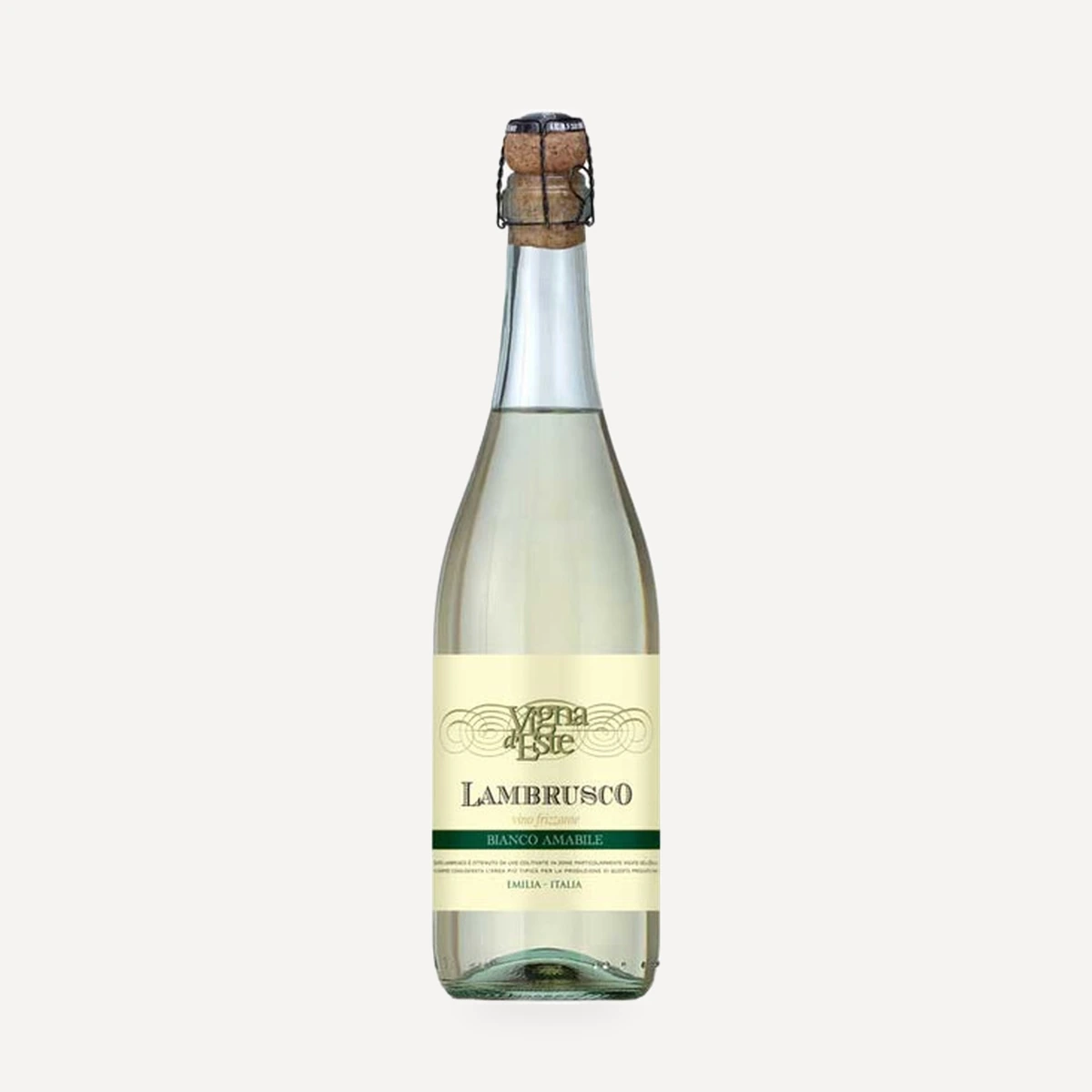
Lambrusco Emilia Vigna d'Este IGT
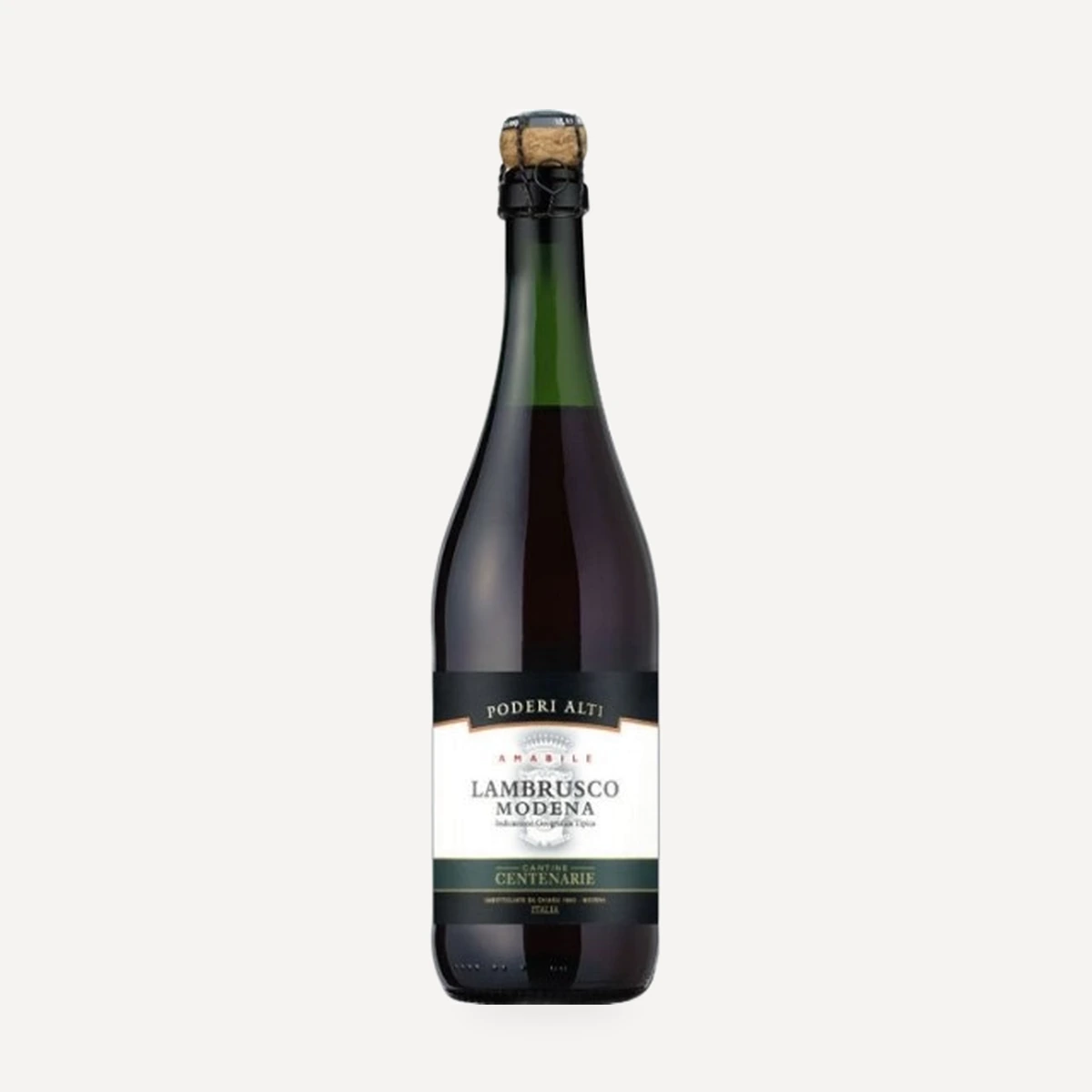
Lambrusco Modena IGT
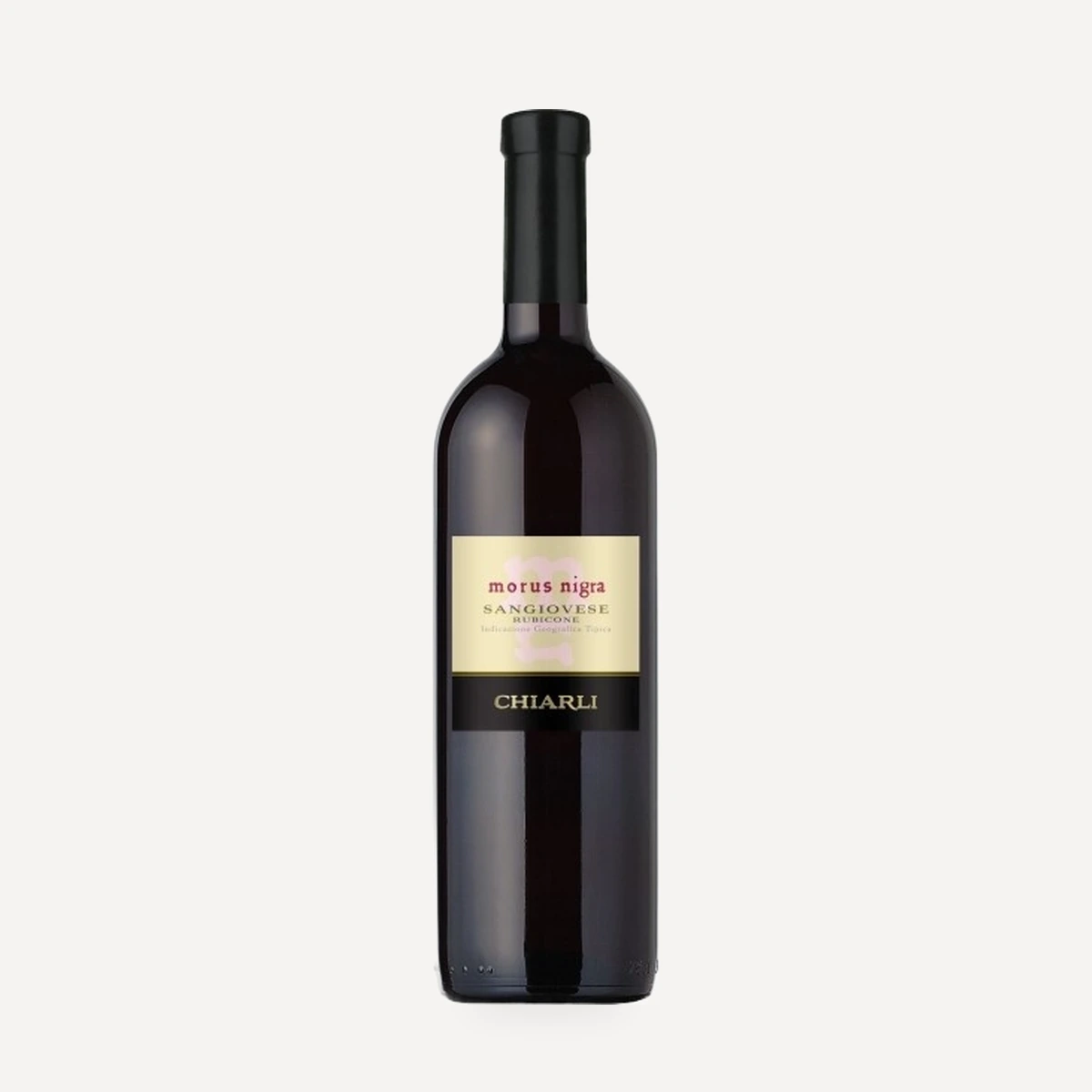
Morus Nigra Sangiovese Rubicone IGT
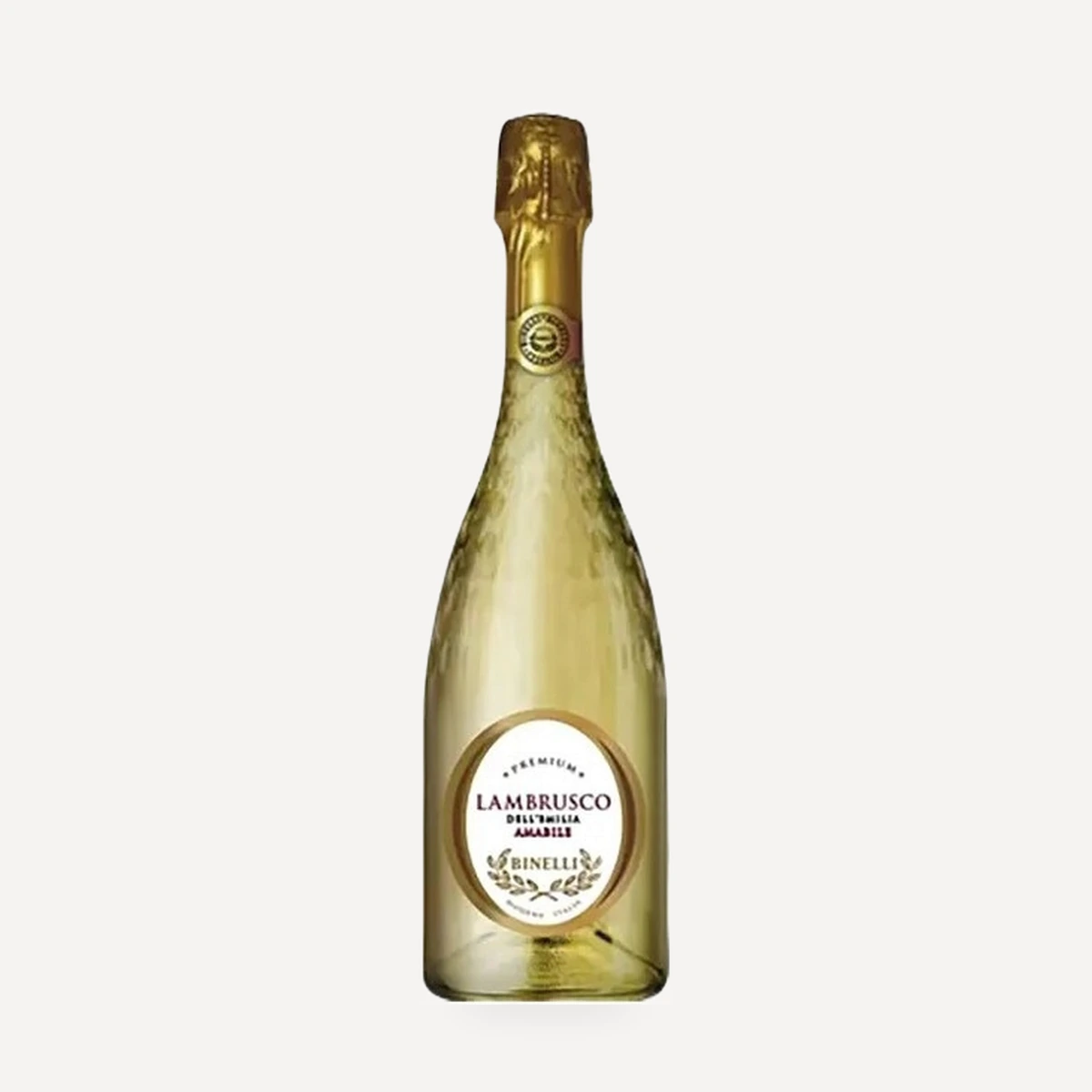
Binelli Premium Lambrusco Bianco Amabile Dell'Emilia IGT
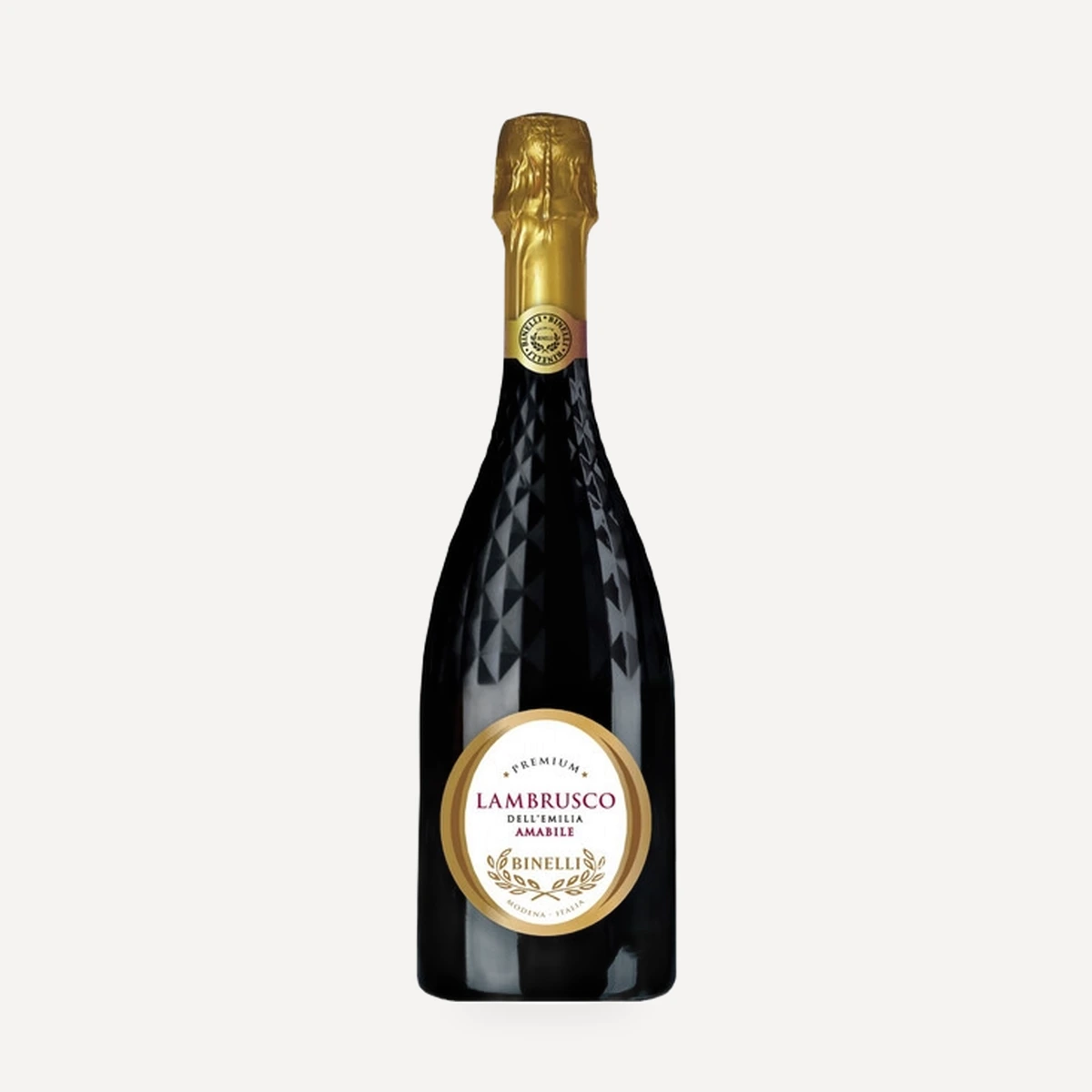
Binelli Premium Lambrusco Rosso Amabile Dell'Emilia IGT
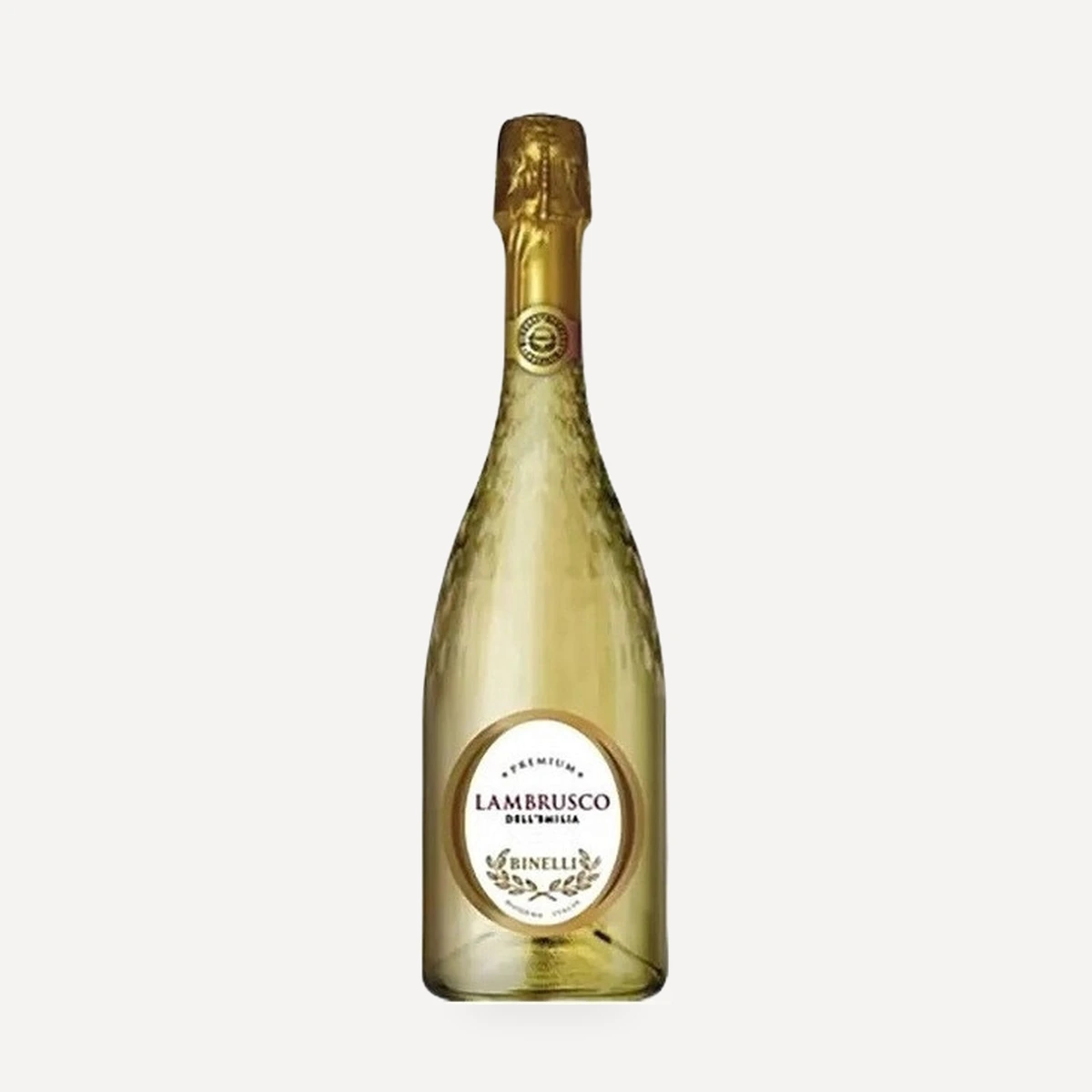
Binelli Premium Lambrusco Bianco Secco Dell'Emilia IGT
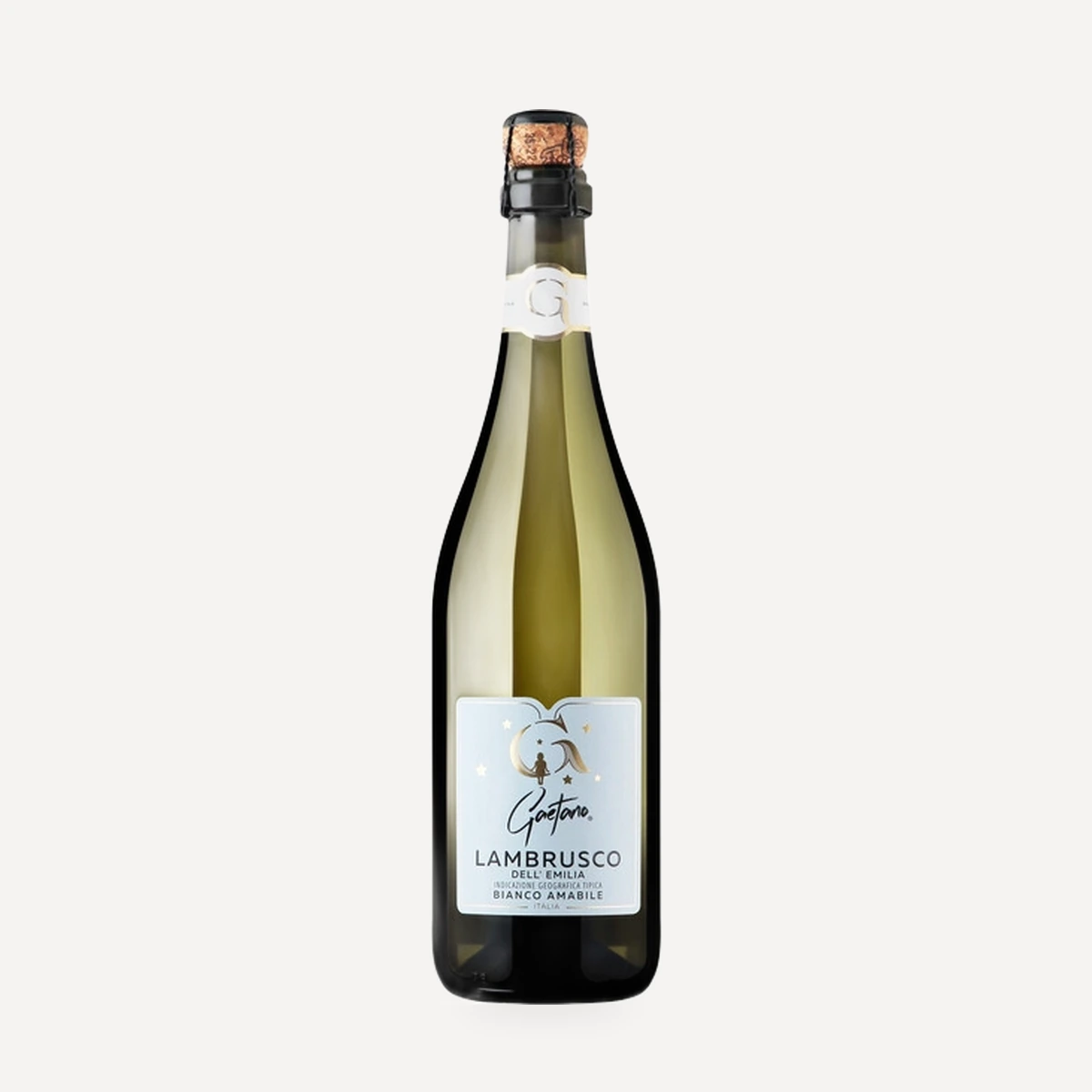
Gaetano Lambrusco dell'Emilia Bianco IGT
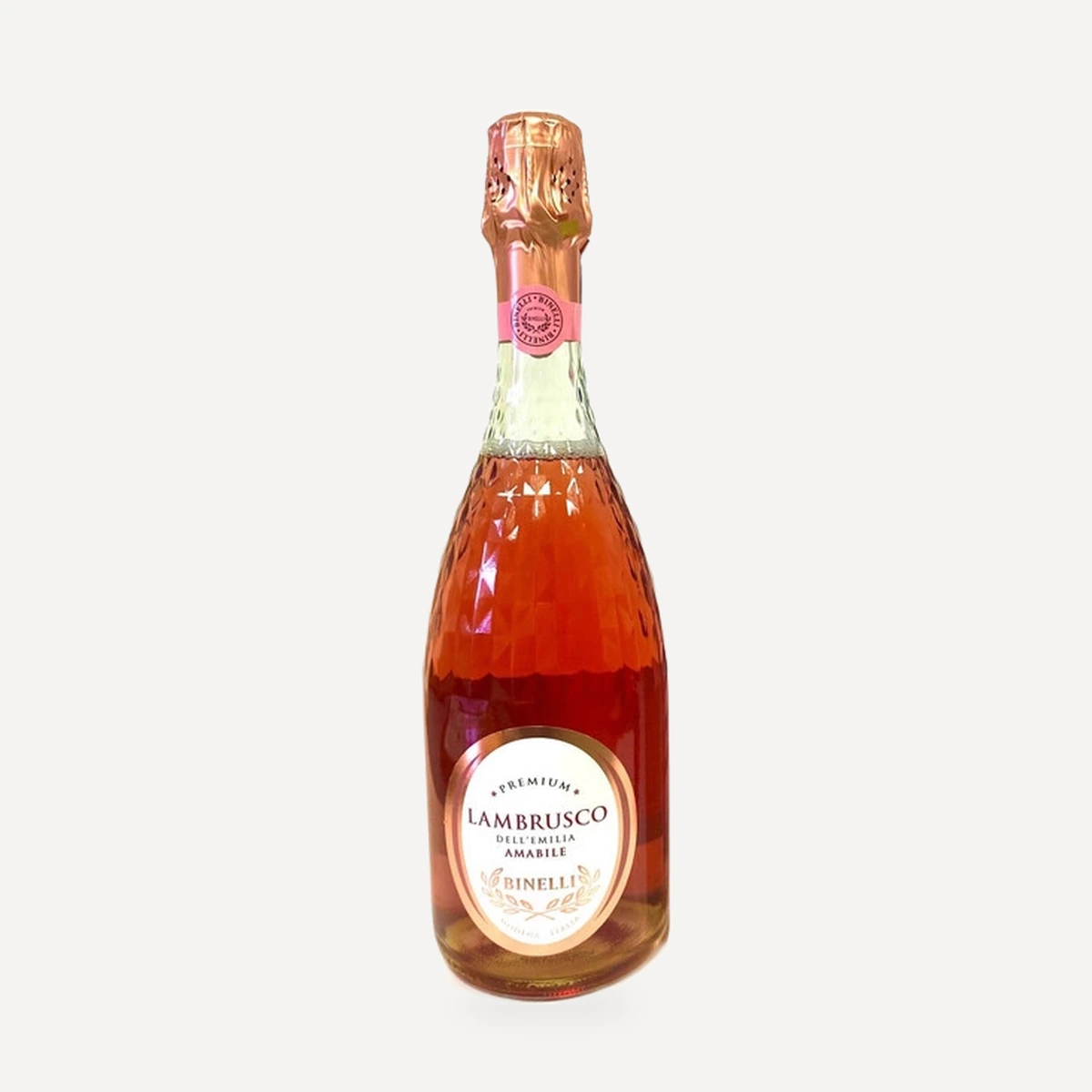
Binelli Premium Lambrusco Rosato Dell'Emilia IGT
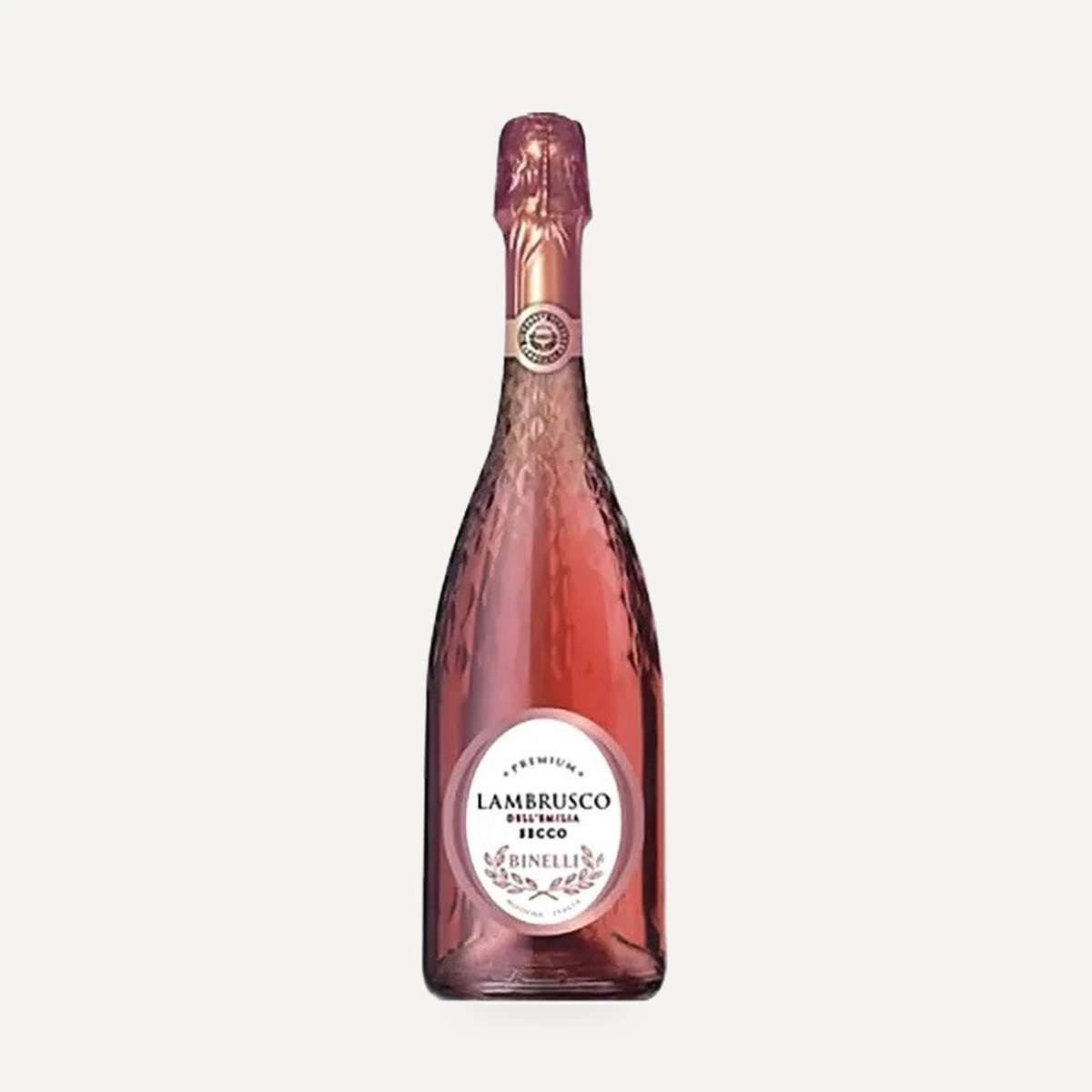
Binelli Premium Lambrusco Rosato Secco Dell'Emilia IGT
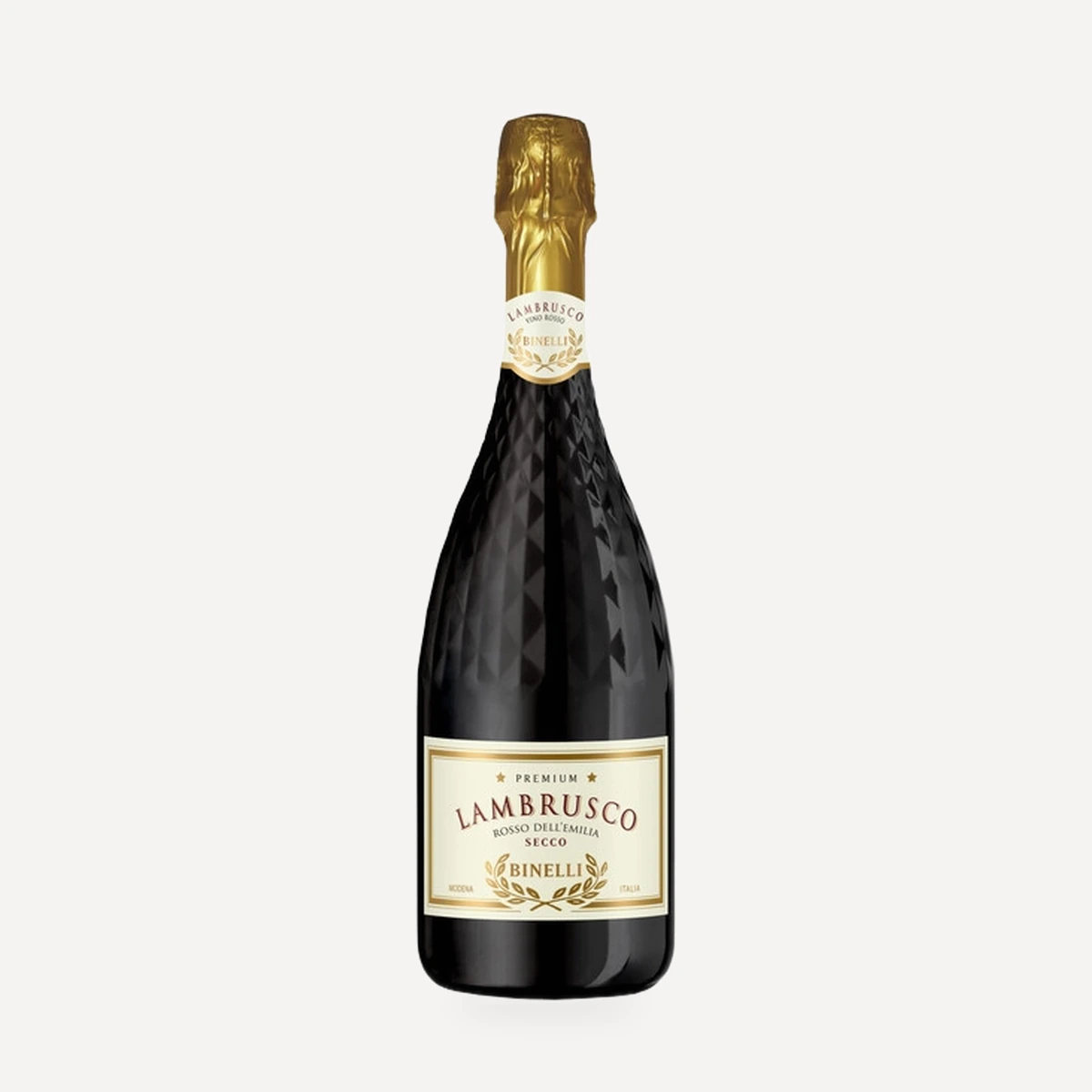
Binelli Premium Lambrusco Rosso Secco Dell'Emilia IGT
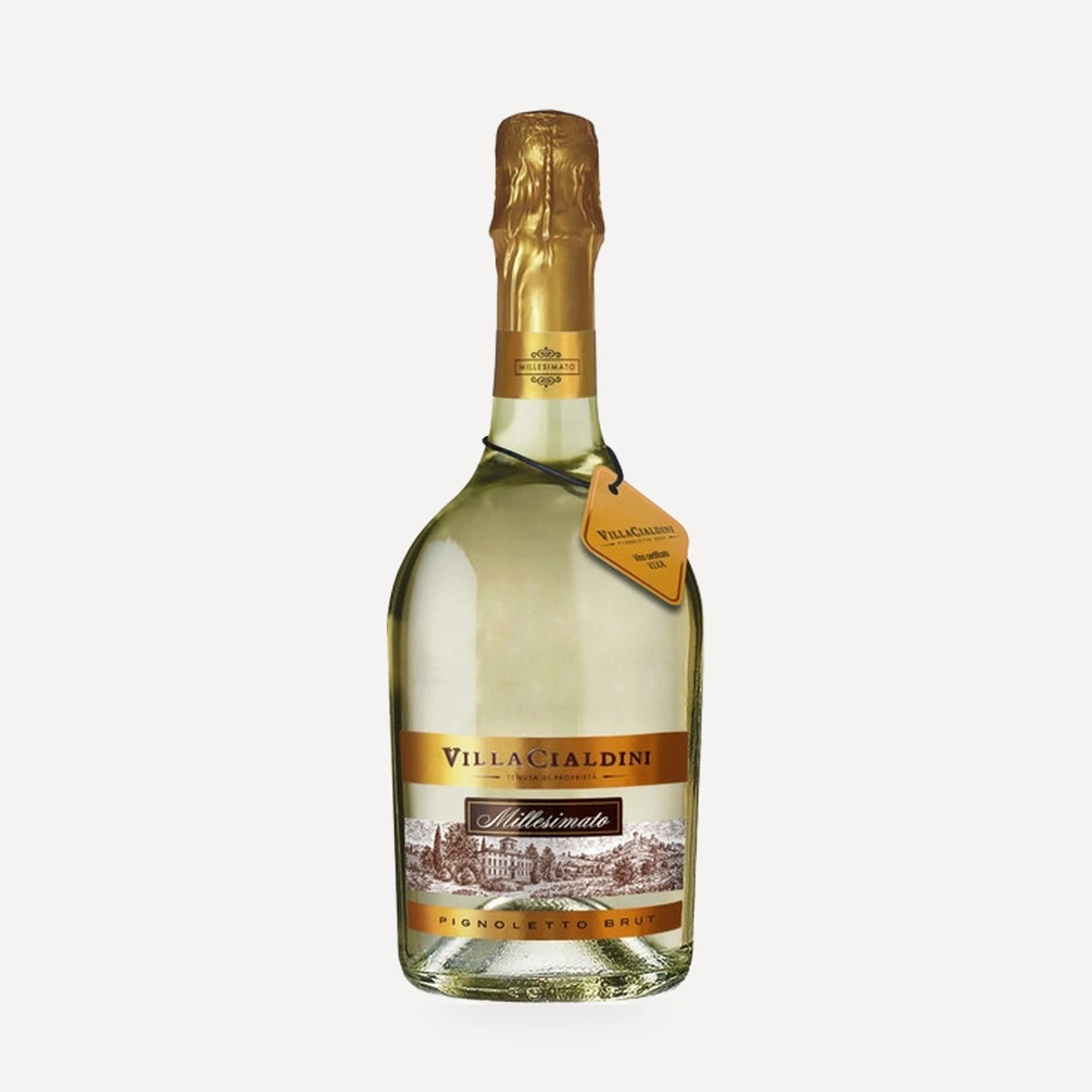
Villa Cialdini Pignoletto Brut DOC
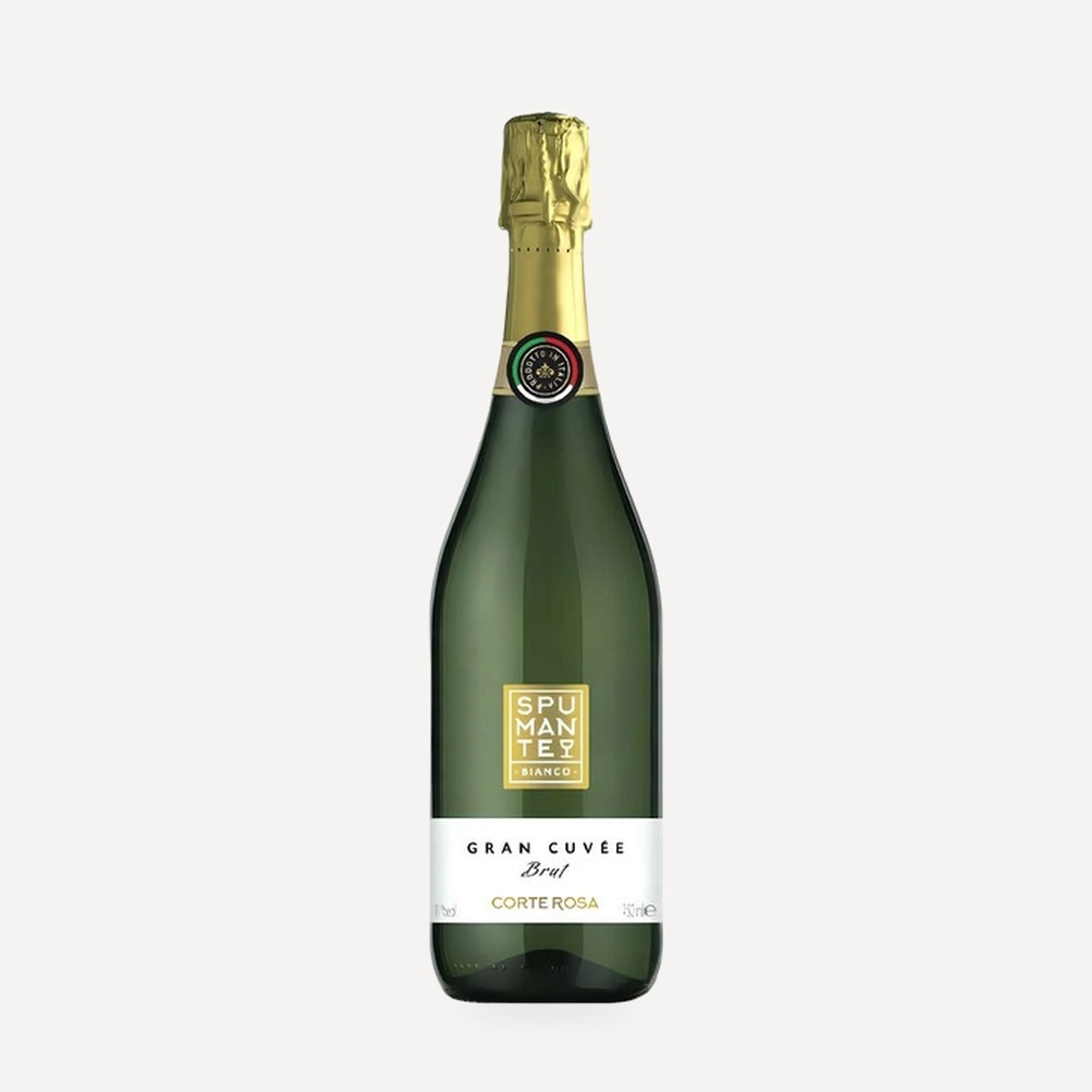
Corte Rosa Gran Cuvee Brut
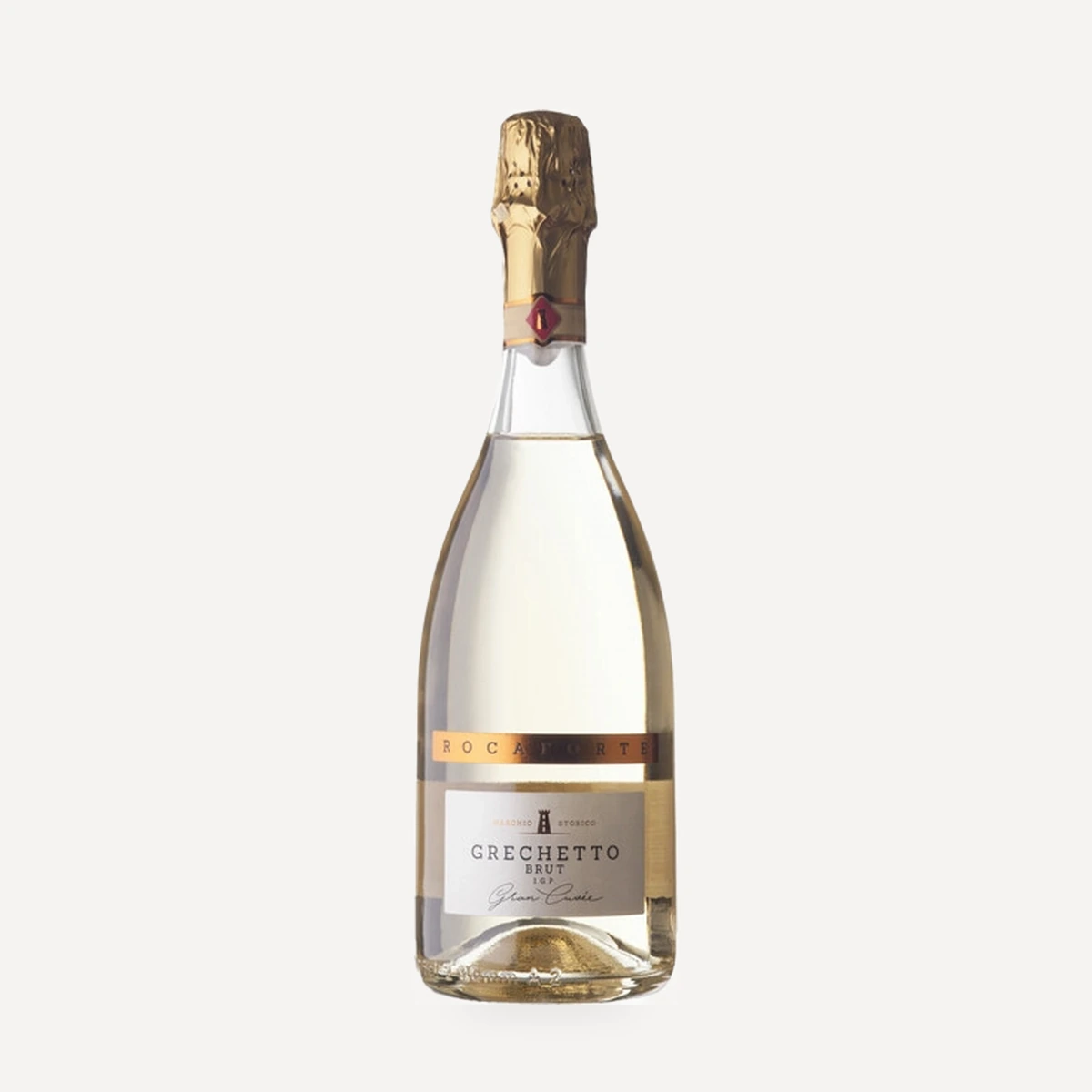
Rocaforte Grechetto Brut
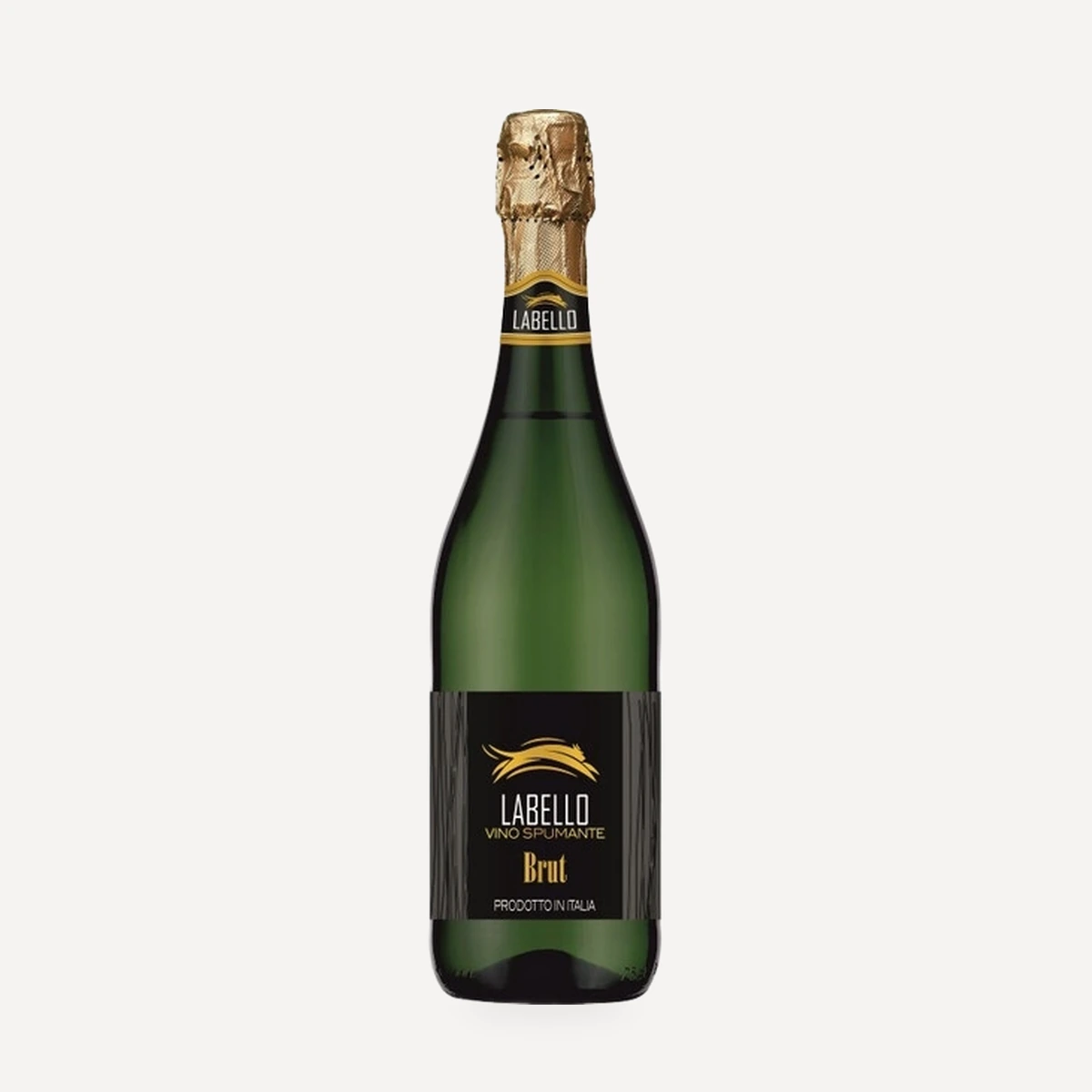
Labello Spumante Brut
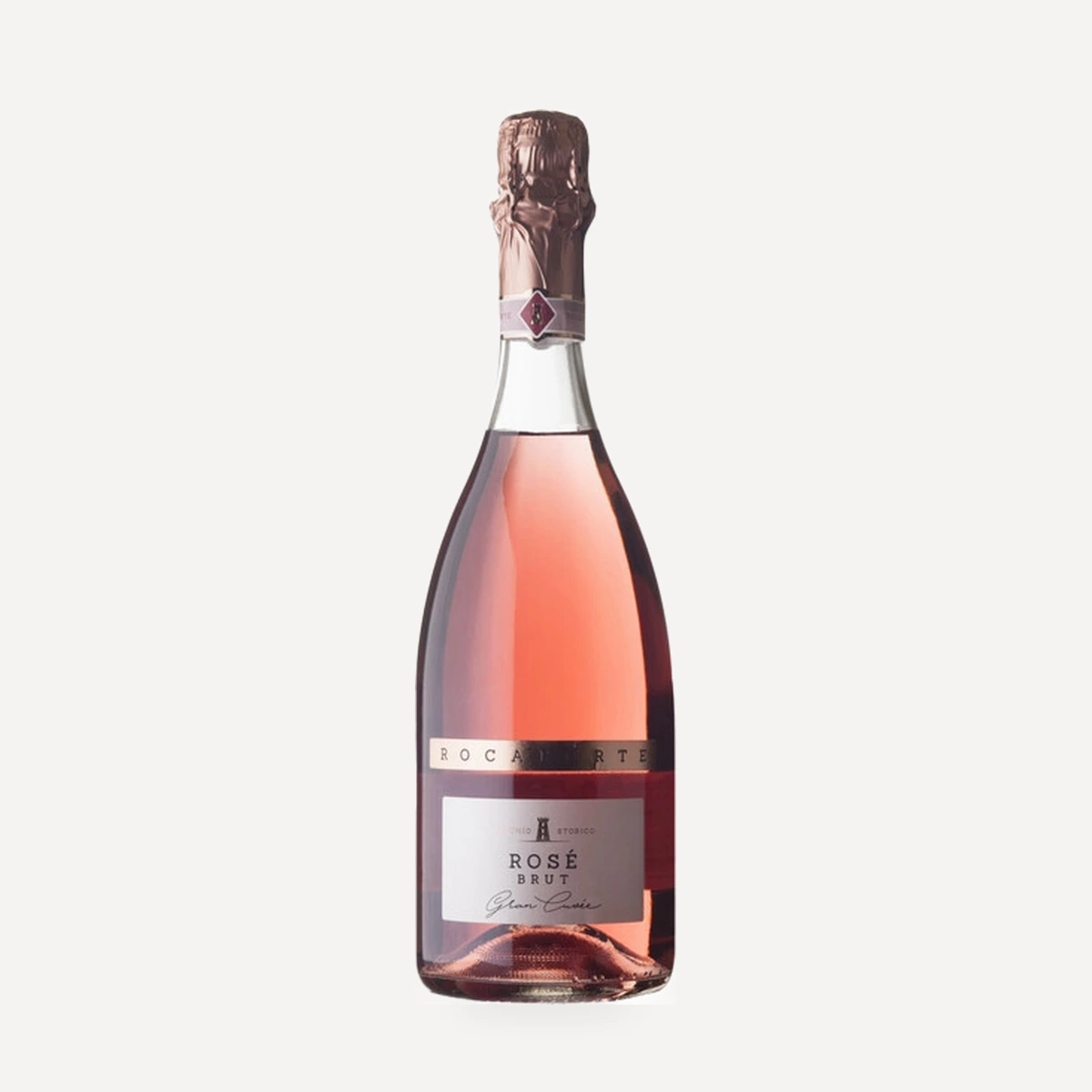
Rocaforte Rose Brut
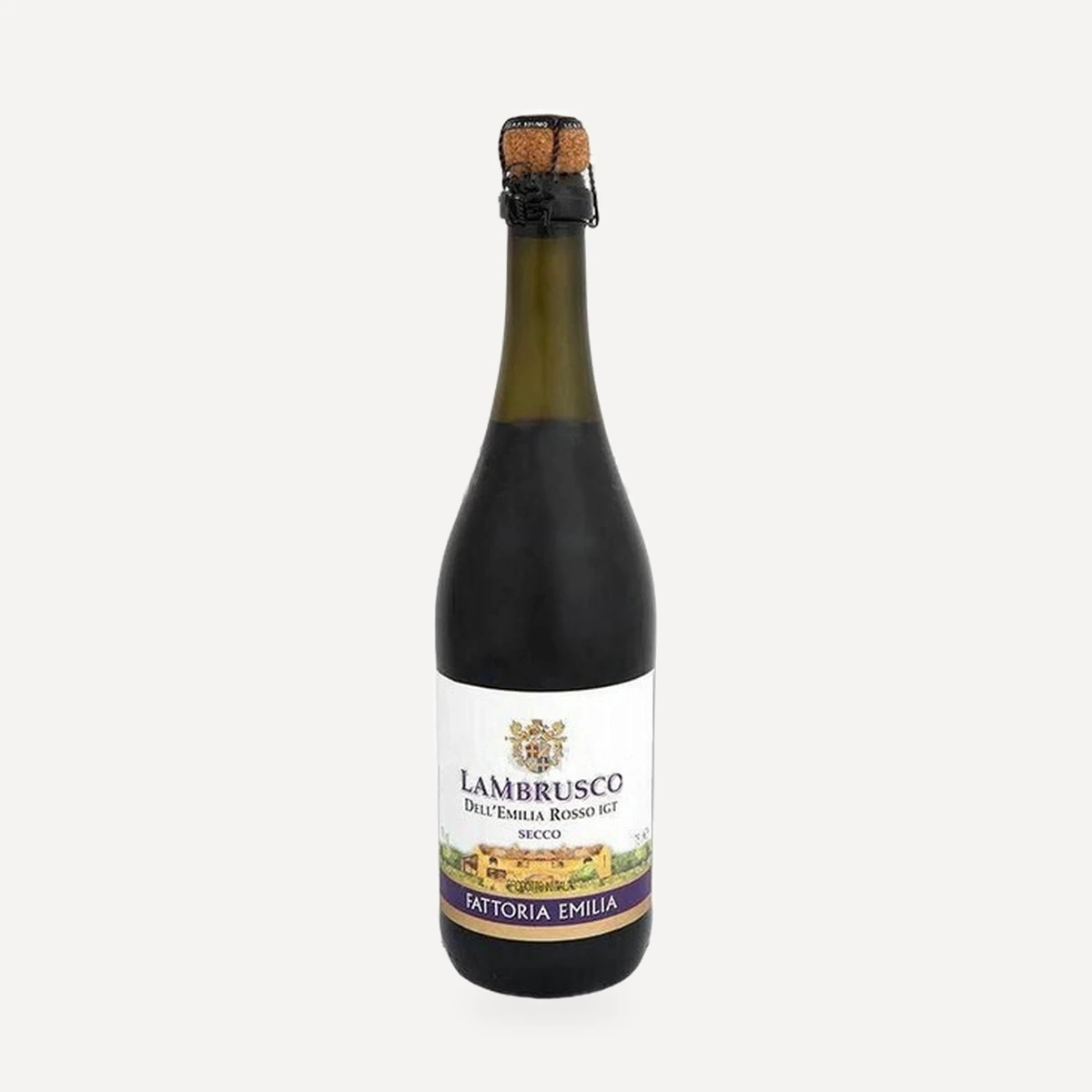
Fattoria Emilia Rosso Secco Lambrusco dell'Emilia IGT
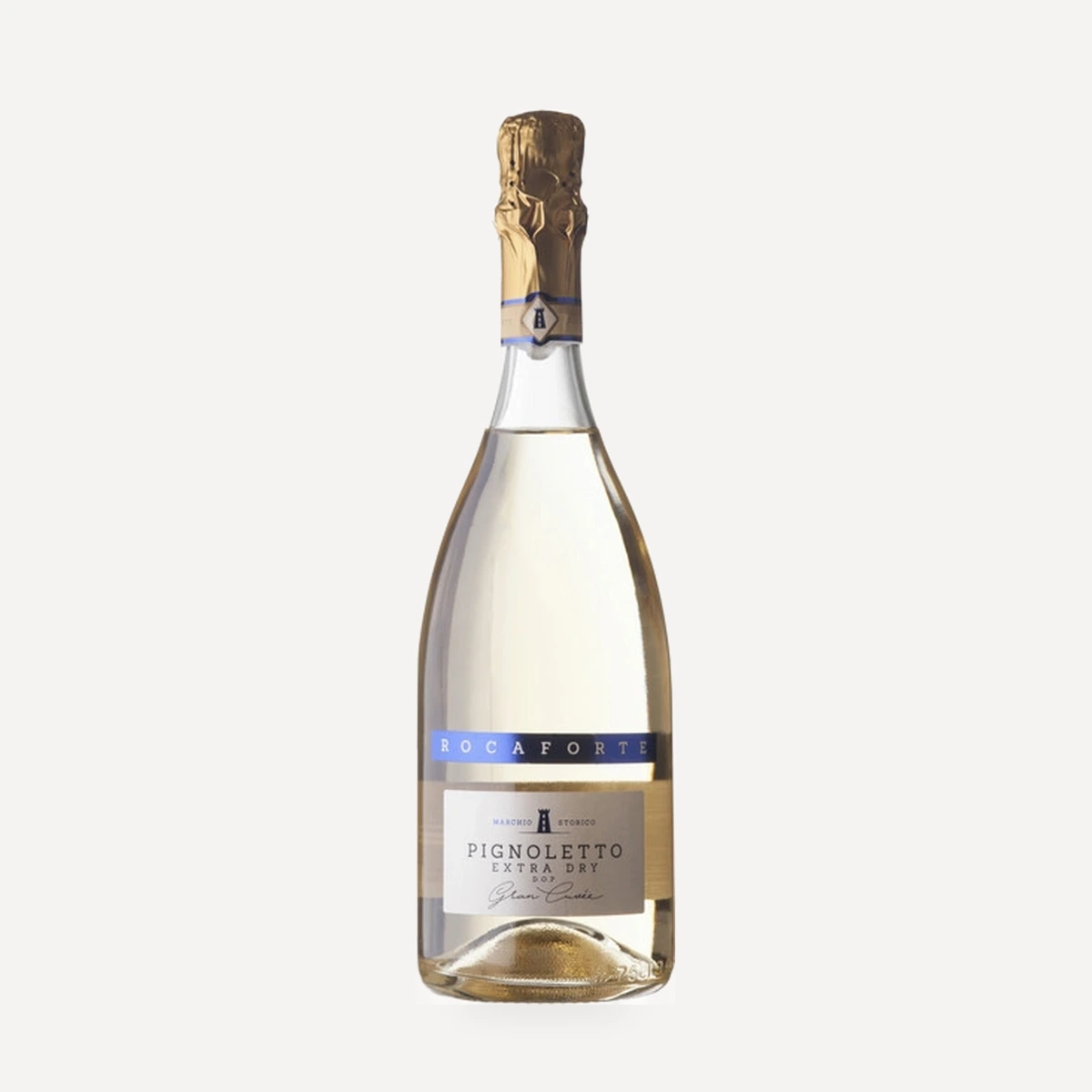
Rocaforte Pignoletto Extra Dry
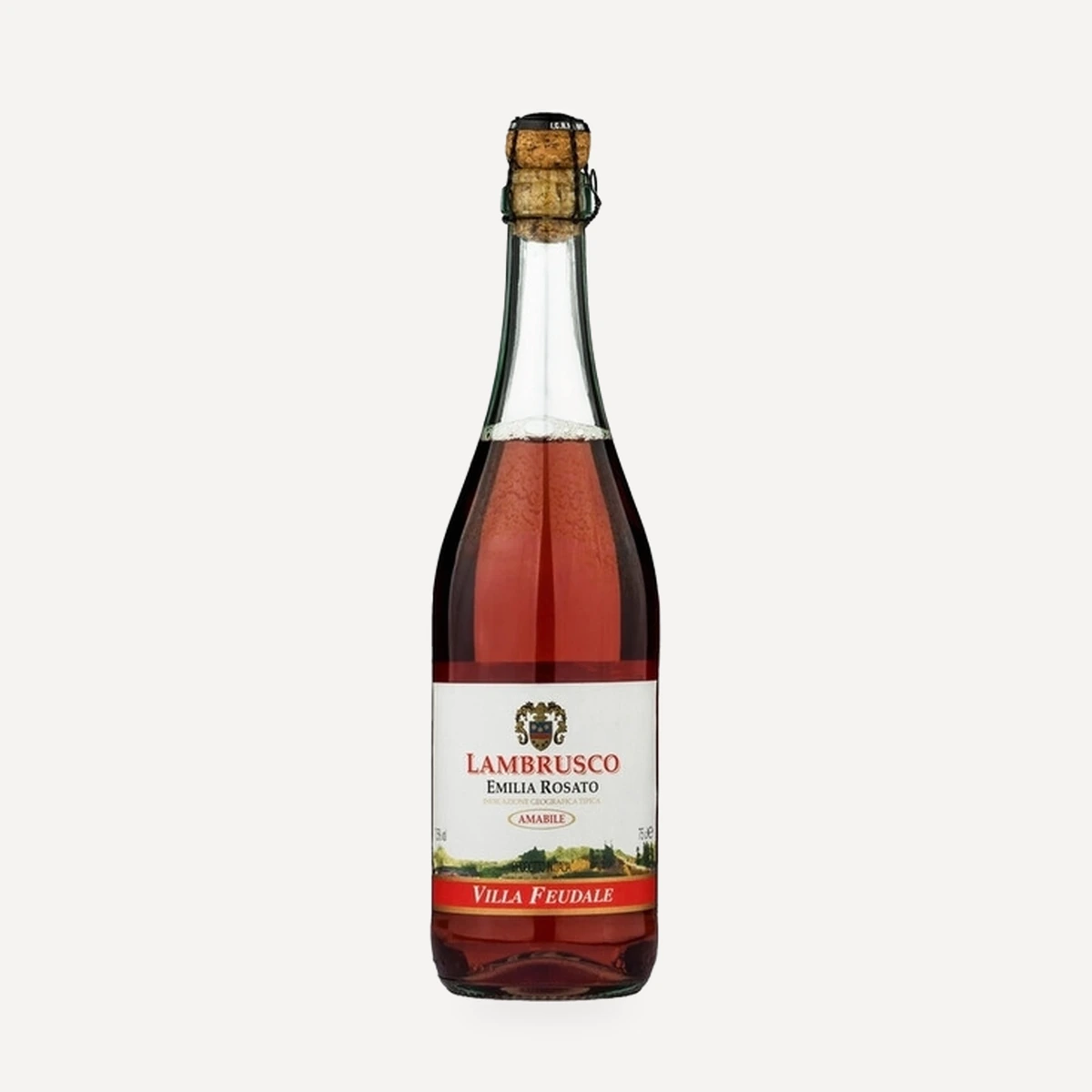
Villa Feudale Lambrusco Emilia Rosato IGT
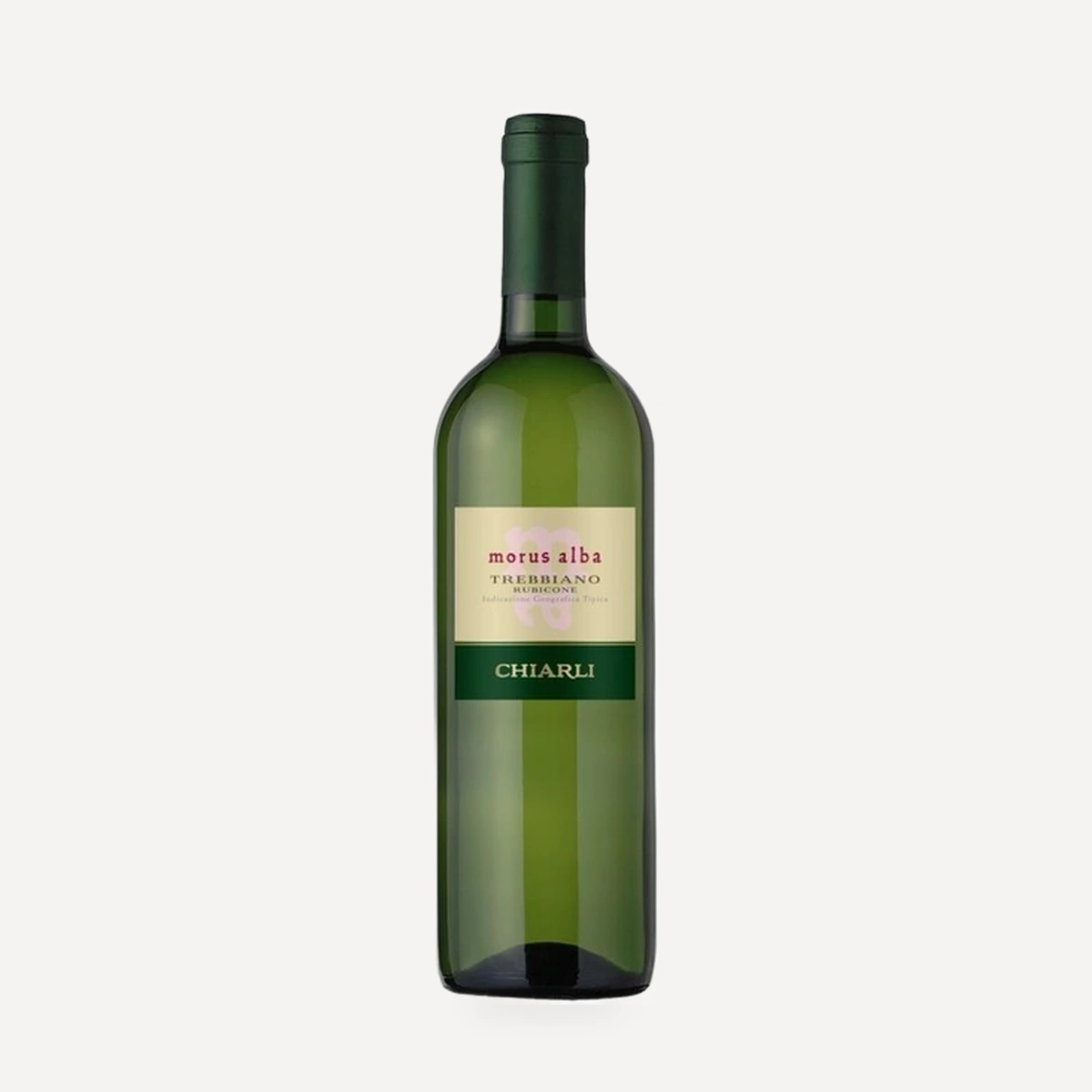
Morus Alba Trebbiano Rubicone IGT
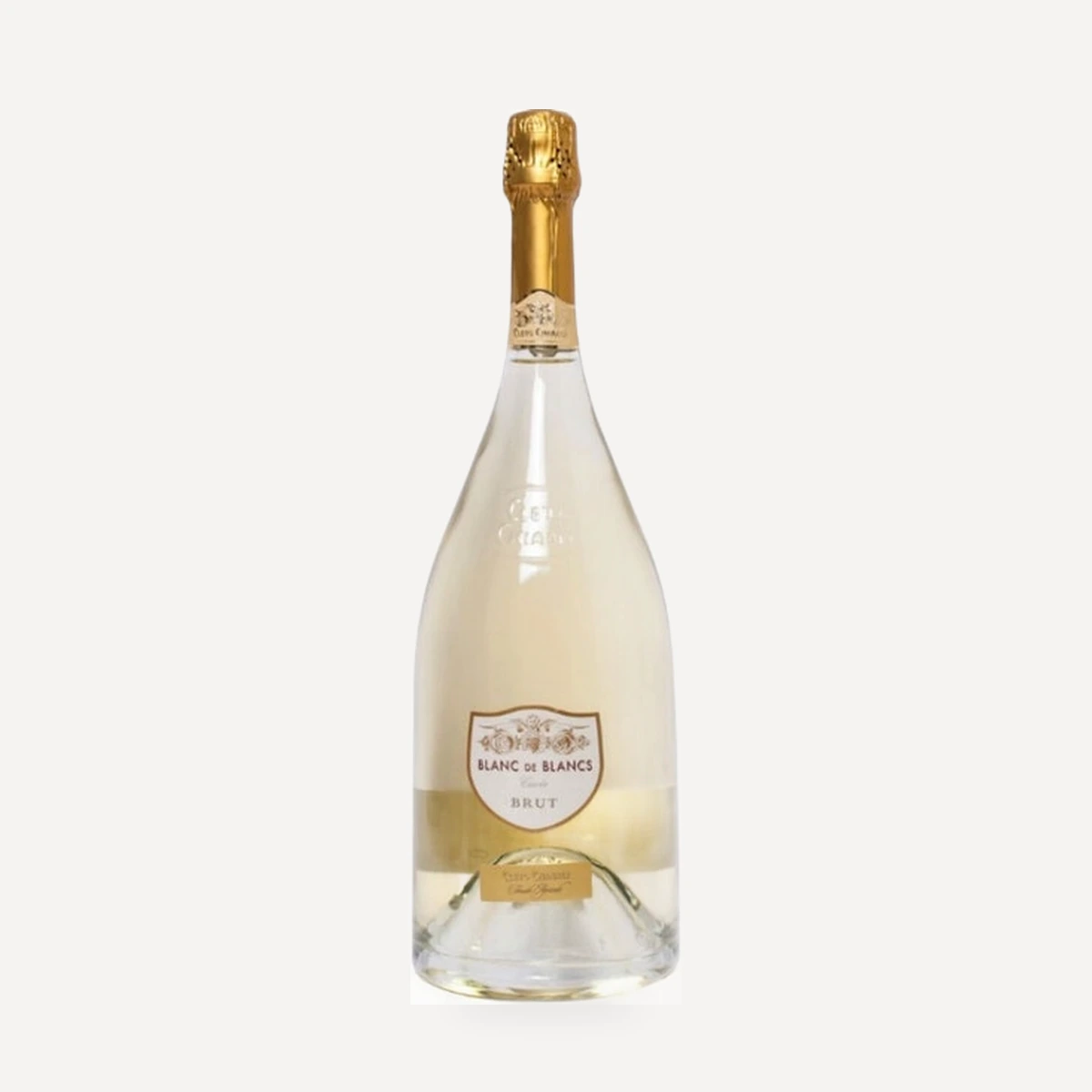
Blanc de Blancs Brut