Storia
Deep agricultural roots
Viticulture on the hill of Castelrotto is documented as a local activity from the 5th century. The landscape also preserves a long quarrying history: beginning in Roman times, galleries were cut beneath the hill of Sausto to extract the golden-yellow building stone locally called maton. Although sometimes mistaken for tuff, it is a calcareous-sandstone rock formed from sand and fossil marine remains. Extraction declined sharply after the First World War as concrete products progressively replaced local limestone. During the Second World War, the quarries served as military storage areas.
The land later associated with the Vigna Giardino lies behind Villa Betteloni, one of the oldest country residences around Verona. The villa’s central nucleus dates to 1381. Known as the Villa dei Poeti, it was used as a summer residence by the humanist Guarino and later became the home of the Betteloni family, which received prominent 19th-century poets there.
The family project
Monte Dall’Ora grew from the meeting of two people raised in the countryside and from a shared desire to interpret nature without forcing it. Their point of departure was the wider environment rather than the vineyard alone. The estate developed as a family undertaking centred on farming, small-scale production, native varieties, individually interpreted vineyards and patience in both vineyard and cellar.
1987–2017: the land behind Villa Betteloni
The last vineyard on the future Vigna Giardino property dated to 1987. The ground subsequently remained uncultivated for approximately two decades. A previous owner intended to convert it into a residential development of roads, apartments and villas, a plan that would have substantially altered this corner of Valpolicella.
Monte Dall’Ora learned that the parcel was for sale and chose to return it to agriculture. In summer 2017 it was still covered by spontaneous vegetation. The initial work removed brambles and rubbish, restored light and space around centuries-old cypresses, olive trees and oaks, reopened the spring and recovered usable firewood. The intervention preserved the land from building development while retaining mature vegetation.
2018–2019: public projects and Vigna Giardino
A redesigned digital identity was launched on 3 September 2018 around the themes of quality, territory, history and family.
On 28 January 2019, Monte Dall’Ora was presented among the winners of the Gran Premio internazionale della Ristorazione 2019 at the Grand Hotel in Rimini. The award recognised its territorial, personal and ageworthy wines and its protection of local biodiversity.
The Vigna Giardino project was presented in detail on 22 July 2019 as a “vineyard of maturity”: a productive vineyard, biodiverse garden and place for encounters, reflection and renewed contact with local history and traditions. Its geometry drew inspiration from medieval gardens, with paths and vine rows converging on a central point associated with a spring, well or open space. The design was developed by the family’s friend Marco. Celtis australis trees were chosen for the centre, symbolising the family and the connection between terrestrial and cosmic forces.
In August, poles were installed for the new vineyard. Native Valpolicella varieties were planted together with an unnamed variety that originated at Monte Dall’Ora and was propagated to reinforce the identity of the place. This variety ripens comparatively early and supplies good tannin. Fruit trees representing local diversity and a vegetable-and-herb garden were added among oaks, olive trees and other trees more than 50 years old.
2026
Monte Dall’Ora scheduled a major edition of Il Vino degli Amici at the estate for 23 March 2026, with two arrival sessions and a shuttle connection to Verona Porta Nuova station.
Terroir
Monte Dall’Ora works within Valpolicella Classica, principally around Castelrotto and San Pietro in Cariano, with additional high-elevation vineyards at San Giorgio in Sant’Ambrogio di Valpolicella.
Castelrotto, Monte Dall’Ora and Camporenzo
The Monte Dall’Ora and Camporenzo vineyards occupy southeast-facing terraces oriented toward Verona and are trained to pergola veronese. Individual vineyard descriptions place these sites between 70 and 200 m above sea level: Camporenzo lies at 70–100 m, while the Castelrotto vineyards associated with Stropa and Sant’Ulderico lie at 150–200 m.
The ground has approximately 0.5 m of soil over an Eocene limestone and calcarenite base. The comparatively friable rock drains surplus water while retaining the moisture required by deep vine roots, which penetrate the substrate for water and mineral components. Strong winter winds cross the Castelrotto hill.
San Giorgio
San Giorgio lies at 400–500 m above sea level in Sant’Ambrogio di Valpolicella. It faces southwest and has limestone and white marl soils containing flint sediments. Its higher position is associated with wines sought for finesse and verticality.
Sausto and the Vigna Giardino
Sausto contains outcrops of nummulitic limestone from the Lower and Middle Eocene. Rock strata range from 20 cm to 5–6 m in thickness and extend to a depth of approximately 70 cm. The fossil-rich rock is friable in some layers, allowing vine roots to penetrate deeply for moisture and minerals.
The ground is rich in humus derived from leaves, branches, seeds, insects and other organic remains transformed by soil microorganisms. Burrowing insects and earthworms aerate it, help rain enter gradually, protect it against erosion and support transformations associated with stronger plants. The family’s inherited assessment of the site links good grape ripeness with sufficient acidity for prolonged maturation.
Across the estate, vines coexist with aromatic plants, cherry trees, olive trees, woodland vegetation and numerous spontaneous species. The different vineyards are treated as distinct crus, and grapes are selected in accordance with the differing ripening rhythms of their varieties and sites.
Vinificazione
Organic and biodynamic agriculture governs the estate vineyards. The approach rejects chemical fertilisers, herbicides and pesticides and gives priority to soil fertility, microorganisms, resilient plants and balance among soil, vine, people and wine.
The vineyards are conceived as gardens rather than monocultures. Fields that had been uncultivated for decades retained a wide range of spontaneous vegetation and insects. Monte Dall’Ora encourages this microcosm with flowering aromatic plants that attract bees and with cereals whose roots loosen and aerate the ground. Aromatic plants, cherry trees, olives, fruit trees, vegetables, woodland species and mature trees remain integrated with the vines.
Traditional plant preparations are made from dried flowers and leaves of nettle, dandelion, yarrow, sage and peppermint. These herbal infusions are sprayed on vine leaves and bunches during summer. Humus formation, earthworms, burrowing insects and microbial activity are treated as parts of a living fertility cycle that improves aeration, gradual water infiltration, resistance to erosion and plant strength.
Pergola veronese is the principal training system on the Castelrotto and Camporenzo terraces. San Giorgio combines pergola trentina and Guyot. Some Castelrotto rows preserve vite maritata, with mulberry, almond, ash and field maple serving as living supports, while willow shoots are used to tie the canes.
Harvesting is manual. Depending on site and purpose, grapes are collected from early or mid-September through the end of September, in 10 kg or 15 kg boxes. Grapes intended for Amarone and Recioto are selected into wooden trays and dry naturally in the fruttaio. Other fruit is crushed on the day of picking where specified. No certification organisation or certification date is identified.
The cellar is excavated into limestone and built with natural materials from the surrounding area. Its design incorporates energy-saving measures and seeks to fit into the landscape.
The fruttaio has two large windows that allow winter air to circulate freely. Selected bunches for Amarone and Recioto dry naturally without forced ventilation: approximately three months for Amarone and more than three months for Recioto.
Fermentations begin spontaneously with indigenous yeasts carried on the grape skins. Small stainless-steel vats are used for Valpolicella, while wooden vats are used for Amarone. Several red lots ferment in stainless steel or unlined cement with manual movement of the fermenting mass. Valpolicella fermentations run for approximately 6–10 days depending on the vineyard. Dried grapes are destemmed and undergo maceration and spontaneous fermentation in open vats, with manual punch-downs: approximately 30 days for Amarone and 15 days for Recioto.
Ripasso is made through a natural second fermentation of Valpolicella with the sweet pomace remaining after Recioto has been drawn off. The sparkling white is gently pressed to obtain free-run must, fermented spontaneously for 8–10 days and refermented in bottle after the addition of must from dried grapes; the yeasts remain in bottle.
Ageing vessels include stainless steel, unlined cement, 25 hl oak casks, 5 hl Slavonian oak casks and barriques. Valpolicella may rest for several months in steel and cement before bottling. Camporenzo ages in 25 hl oak followed by bottle maturation. San Giorgio Alto spends 12 months in 25 hl oak and at least 36 months in bottle. Amarone matures for four years in 25 hl oak and at least 36 months in bottle. Recioto matures in 5 hl Slavonian oak and barriques followed by at least 36 months in bottle. Ripasso ages in 25 hl oak and bottle for two to three years.
Filosofia
Monte Dall’Ora defines itself first as a family of farmers and only then as a producer of Valpolicella wines. Its founding idea is to interpret nature without forcing it, beginning with the health and complexity of the entire environment rather than treating the vineyard in isolation.
Naturalness in the vineyard, spontaneity in the cellar, time and patience form the central working principles. Agriculture is understood as an act of faith in the land, the seasons and human effort, with spiritual as well as practical consequences. The family seeks to make small quantities that express its own relationship with the land rather than merely producing wine as a generic commodity.
Each wine is conceived through knowledge of an individual vineyard and its natural character. The intended result is recognisable identity without standardisation: wines should remain linked to place while changing with every season. This involves observation and accompaniment from bunch to bottle, with restraint in place of manipulation.
Biodiversity is also a family and intergenerational responsibility. The inhabited landscape is the place where the family’s children eat, play and grow; protecting its fertility and biological richness is therefore treated as a way of life. The land is considered a living inheritance received from earlier generations and entrusted to those who follow.
The Vigna Giardino extends these ideas into a literal polycultural garden. Its geometry, mature trees, spring, native grapes, fruit, vegetables and herbs are intended to unite agricultural work, reflection, human welcome and the continuing cycle between plant, animal, soil and people.
Vini
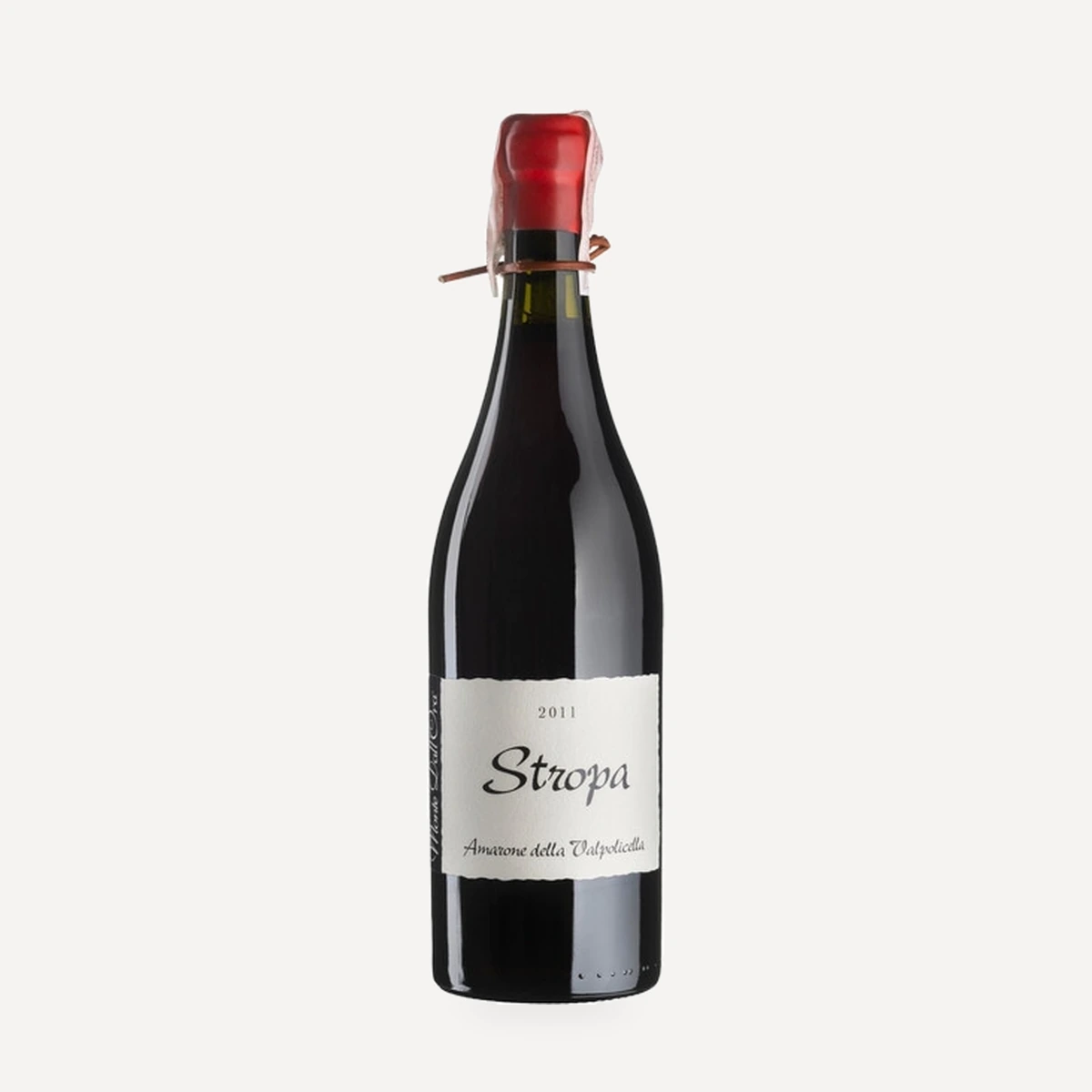
Amarone della Valpolicella Classico Stropa DOCG
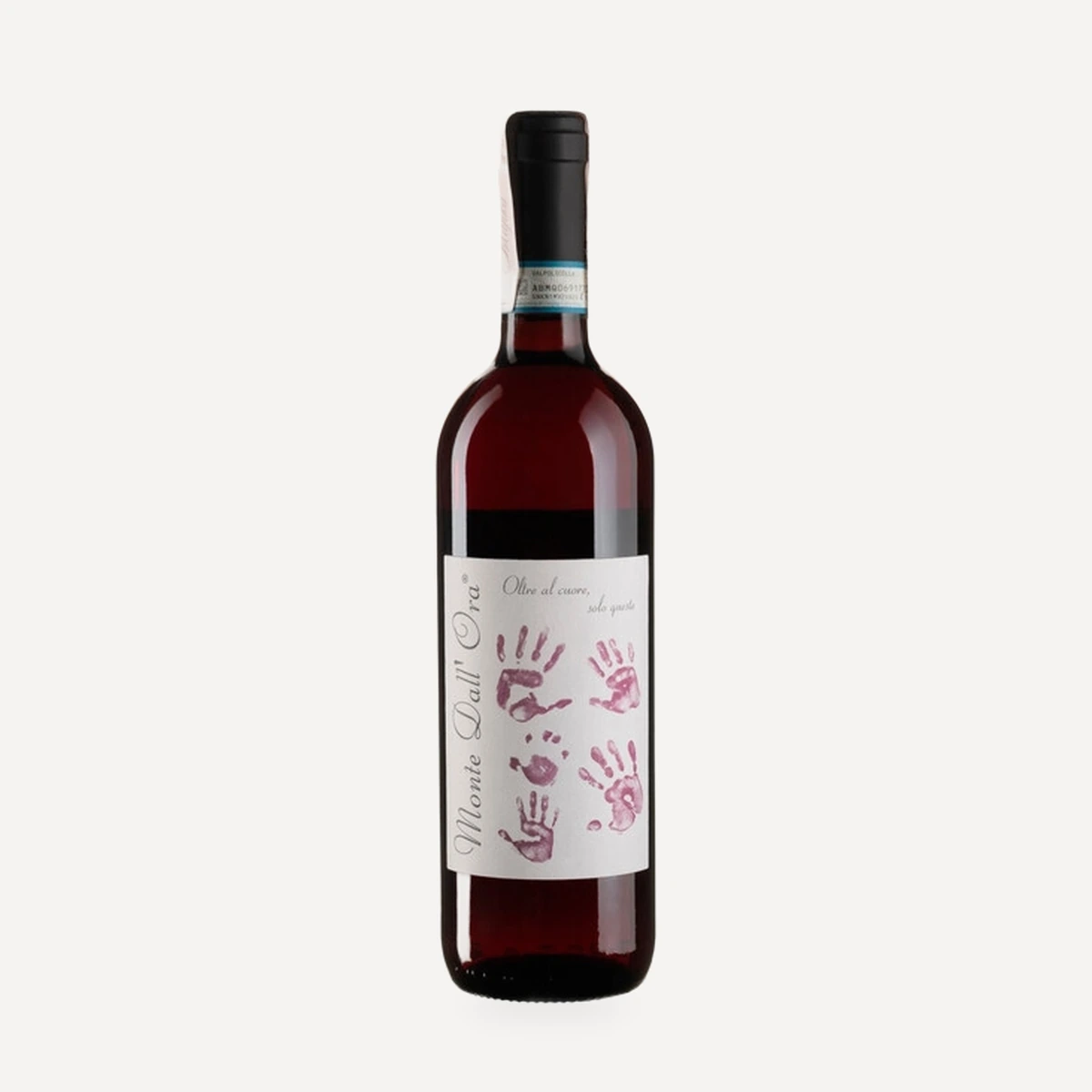
Valpolicella Classico Saseti DOC
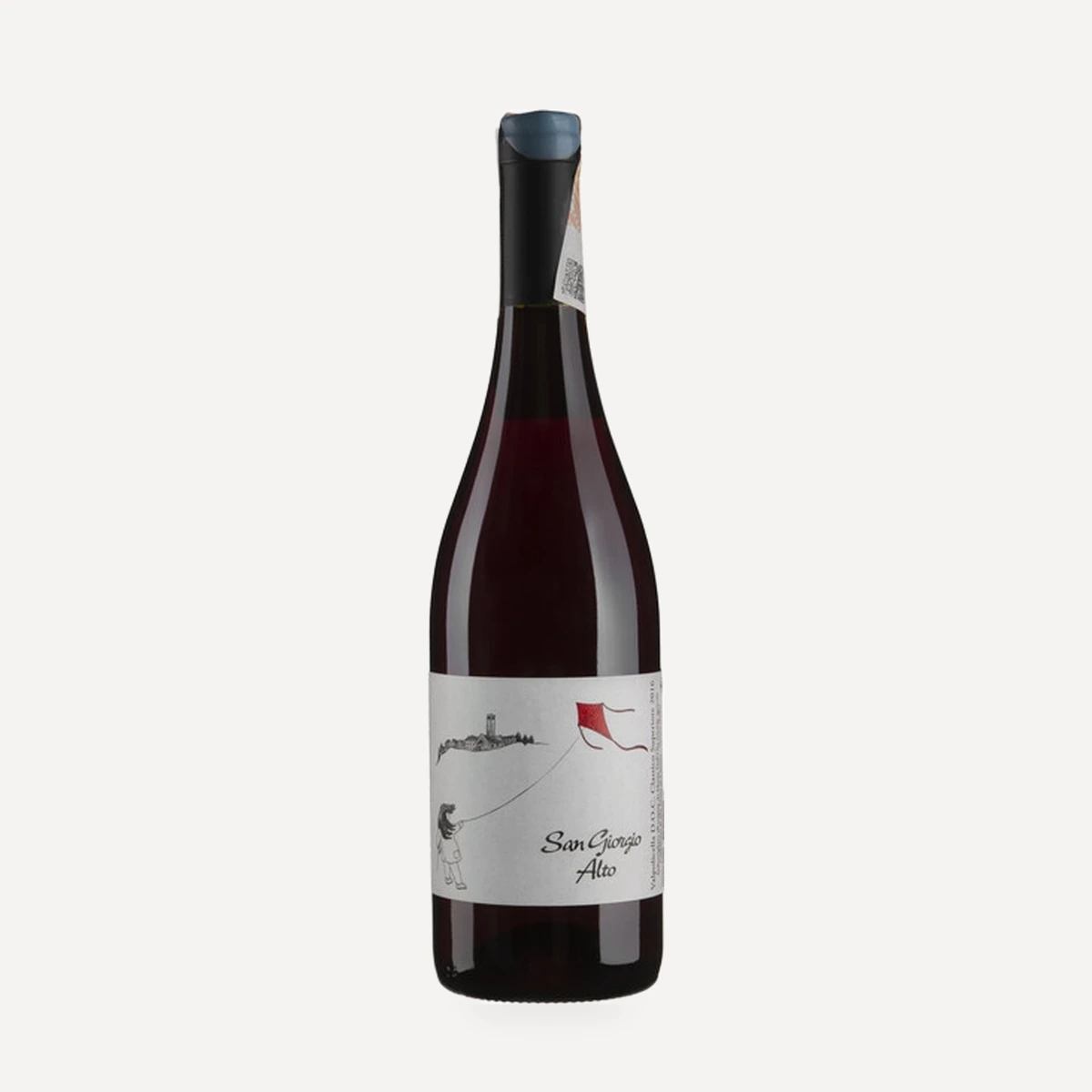
Valpolicella Classico Superiore San Giorgio Alto DOC
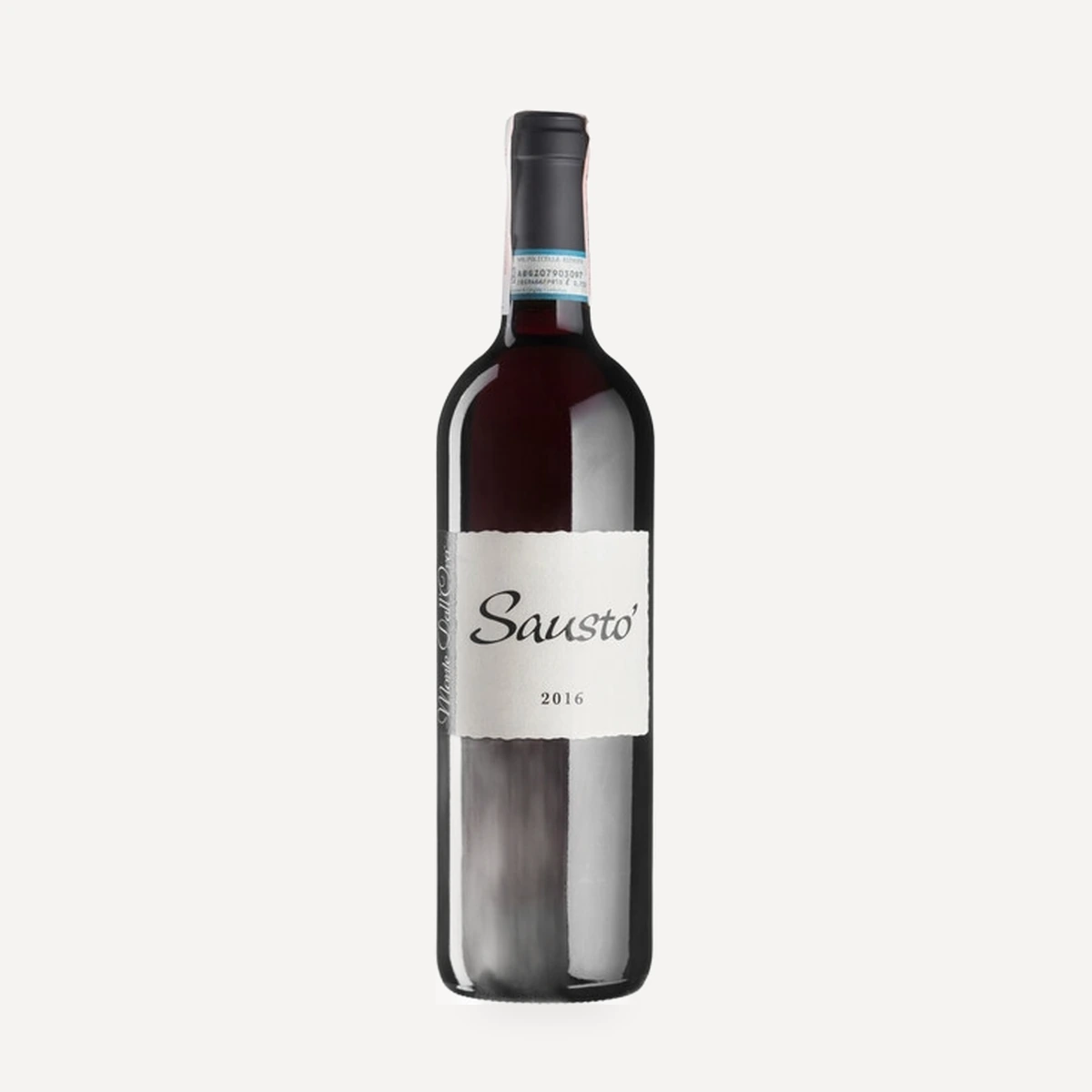
Valpolicella Ripasso Classico Superiore Saustò DOC