Storia
Ancient traces
Montecariano stands in San Pietro in Cariano, in the heart of Valpolicella Classica. Roman remains came to light during agricultural work undertaken to establish new vineyards, evidence of the long history of these lands.
The Monga period
During the nineteenth century, the land belonged to Andrea Monga, an archaeologist, philanthropist and collector who discovered the Roman Theatre of Verona and lived in the area.
Monga also acquired a polychrome sculptural group of the Madonna della Misericordia. The work dates to the fourteenth century and is thought to have been commissioned by Gaiferio, a grammar teacher and generous benefactor. Gaiferio donated much of his property to build the church and hospital of Santa Maria della Misericordia in the Tombetta district; the institution primarily received poor people and pilgrims rather than the sick. The sculpture was created to decorate the church’s high altar. After buying it in the nineteenth century, Monga placed it in a small chapel in San Pietro in Cariano. It subsequently changed hands and is now owned by Montecariano.
1992: the Montecariano project takes shape
In 1992, Mariella Gini assumed responsibility for her family’s land in San Pietro in Cariano. The property comprised 27 hectares, some already planted with old vines. Trained in classical studies with an archaeological specialization, she approached the estate through the relationship she perceived between lost civilizations and the modern history of Valpolicella.
Repeated walks and inspections through the property helped her define the direction of the project. Those family vineyards became the heart of Montecariano. Mariella later worked with her sons Matteo and Marco to protect the land, resist standardization and retain less-common varieties—Pelara, Oseleta, Molinara, Teroldego and Croatina—alongside Corvina, Corvinone and Rondinella.
Family continuity and winemaking
Montecariano remains a family enterprise owned by Mariella Gini with Matteo and Marco. Its wines are shaped by the work of enologists Pietro Babini and Marco Galtarossa. The cellar approach gives each wine the time required for slow maturation, with the aim of developing elegance, a recognizable territorial character and the structure needed for evolution in bottle.
The estate subsequently adopted integrated production as a whole-farm management system, coordinating vineyard renewal, nutrition, pruning, under-vine work, plant protection and harvest while seeking to safeguard and improve both the agricultural landscape and its human environment.
Terroir
Position and relief
The vineyards occupy the ridge separating the Fumane and Marano valleys and descend across south-facing hillsides. They form part of the southern extension of the hills between the two valleys. San Pietro in Cariano lies within Valpolicella Classica, between the Lessinia foothills and the bends of the Adige.
Soils
The hillsides combine earthy, clay-rich limestone with Quaternary alluvial material. The soils contain abundant organic matter and macroelements. Limestone is particularly important at Puntara Monga, where it is associated with greater aromatic expression and wines suited to extended aging.
Climate and landscape
The Lessini Mountains shelter Valpolicella, while the valley’s natural southern exposure provides sunlight and a particularly mild climate. At the estate, sunny sites are protected from the wind, and grapes normally reach maturity in September. The wider vineyard landscape retains olive trees, cypresses, cherry trees and large oaks.
Traditional marogne—dry-stone retaining walls characteristic of old rural architecture—remain visible in the vineyards. They are part of a cultivated landscape whose history also includes Roman remains uncovered during preparation for new plantings.
Puntara Monga microclimate
Puntara Monga forms a natural amphitheatre influenced by breezes from Lake Garda. Its particular microclimate and landform support varied birdlife. Limestone in the vineyard’s soil contributes aromatic definition and aging potential.
Vinificazione
Montecariano follows integrated production, treating vineyard establishment, nutrition, pruning, under-vine management, crop protection and harvest as parts of one interdependent system. The objective is to combine product quality with protection and improvement of the surrounding agricultural and human environment.
Nutritional requirements are reviewed annually through soil analysis, yield assessment and observation of vegetative development. Fertilization uses organic inputs together with mineral products based on potassium and magnesium.
Grass is maintained in the vineyard. Weeds beneath the rows are controlled mechanically, oxygenating the soil and avoiding herbicides. Winter pruning supports orderly development of the permanent and annual woody growth. During spring and summer, suckers and unwanted shoots are removed manually, and shoots close to the bunches are thinned to improve air circulation. Timely pre-harvest canopy pruning encourages regular ripening.
Drip irrigation is reserved for emergency support during dry conditions. Plant-protection products are selected according to a precautionary principle, excluding options carrying the most serious hazard classifications and giving substantial space to biotechnological products. Downy mildew and powdery mildew are controlled principally with copper and sulfur.
Mariella Gini, Matteo and Marco seek to preserve varietal diversity rather than standardize the vineyards. Pelara, Oseleta, Molinara, Teroldego and Croatina are maintained alongside Corvina, Corvinone and Rondinella. Technical material for several wines identifies integrated-farming certification and documents hand harvesting and individual bunch selection for the Amarone bottlings.
Cellar work is led by enologists Pietro Babini and Marco Galtarossa. The central principle is to leave each wine in the cellar for as long as it needs to develop elegance, a refined territorial character and a tannic structure capable of extended evolution. Maturation is deliberately slow and tailored to the individual wine rather than governed by a single uniform schedule.
Across the portfolio, the cellar works with stainless-steel fermentation tanks, steel maturation with bâtonnage, large wooden casks, smaller barrels and next-generation amphorae. Grapes are generally destemmed and gently pressed. The Amarone process includes hand selection, drying in ventilated rooms, long controlled-temperature fermentation with repeated punch-downs and extended maturation in casks and barrels. The Ripasso method introduces a second fermentation on still-fermenting skins used for dried-grape wine. The white wine is clarified by static settling before controlled-temperature fermentation in steel.
Individual élevage programs range from short steel maturation to prolonged aging in large casks, French or Slavonian oak, mixed barrel formats and amphora, followed by bottle refinement. Amarone grape skins are also used for grappa, distilled through a traditional discontinuous process in steam-fired copper kettles.
Filosofia
Mariella Gini’s guiding maxim is that some encounters open the mind while the encounters she values most open the heart. Her approach to Montecariano grew from a classical and archaeological education and from walking the family land after taking responsibility for it in 1992.
She sees a continuous relationship between the roots of past civilizations and modern Valpolicella, where vine growing remains central to cultural and agricultural life. Wine, in her view, cannot be separated from the territory’s identity, natural character and individuality. The return of agricultural entrepreneurs to the land represents a practical route toward the future through recovery of local roots.
This outlook also shapes the preservation of grape diversity. Mariella, Matteo and Marco deliberately resist standardization, keeping Pelara, Oseleta, Molinara, Teroldego and Croatina beside Corvina, Corvinone and Rondinella. Wine is intended to carry the memory of the land rather than erase its differences.
In the cellar, patience connects the work of Pietro Babini and Marco Galtarossa with the annual cycle of nature. The wines are conceived as expressions of the place’s sensations, emotions and memories, with slow maturation used to build elegance and longevity.
Vini
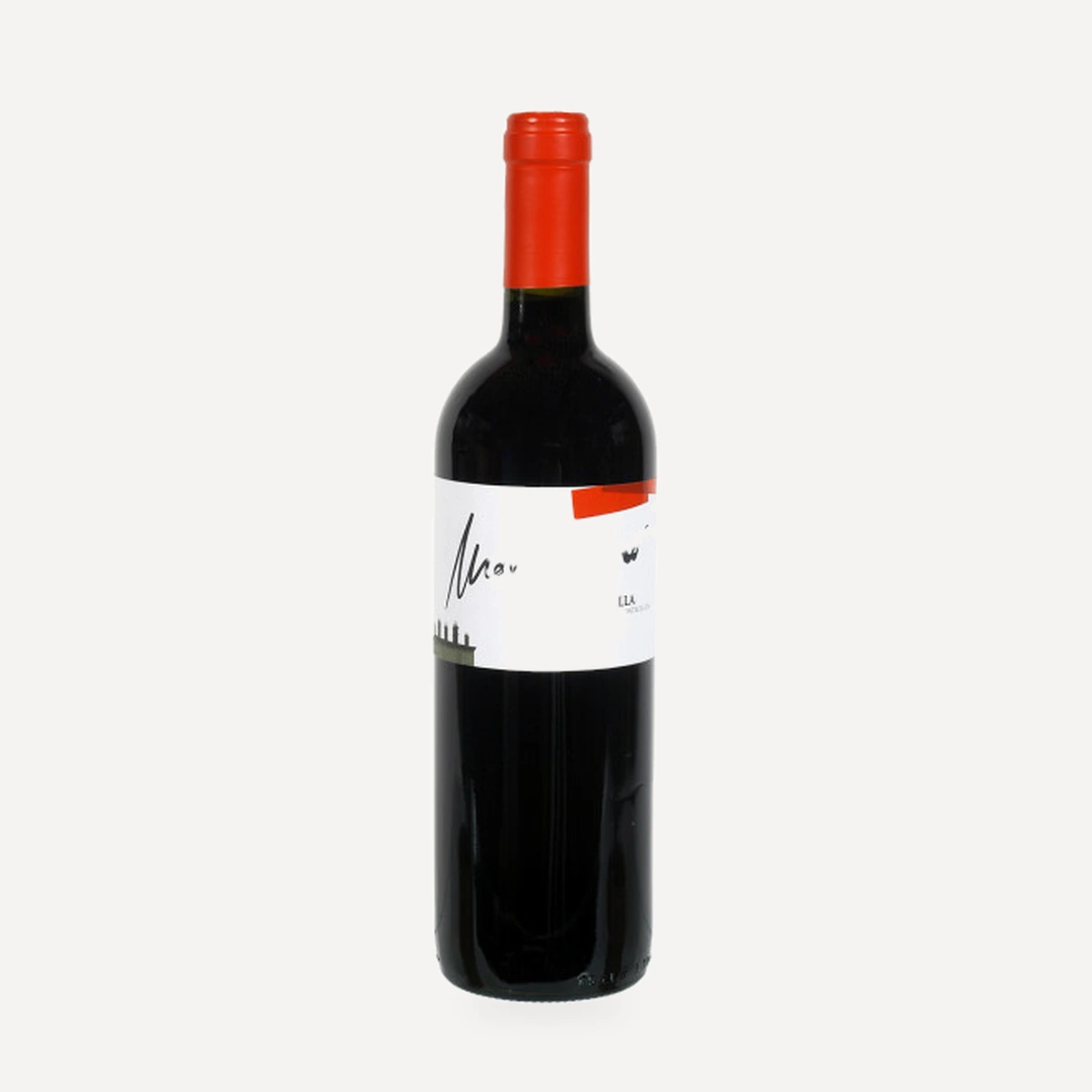
Valpolicella Classico DOC
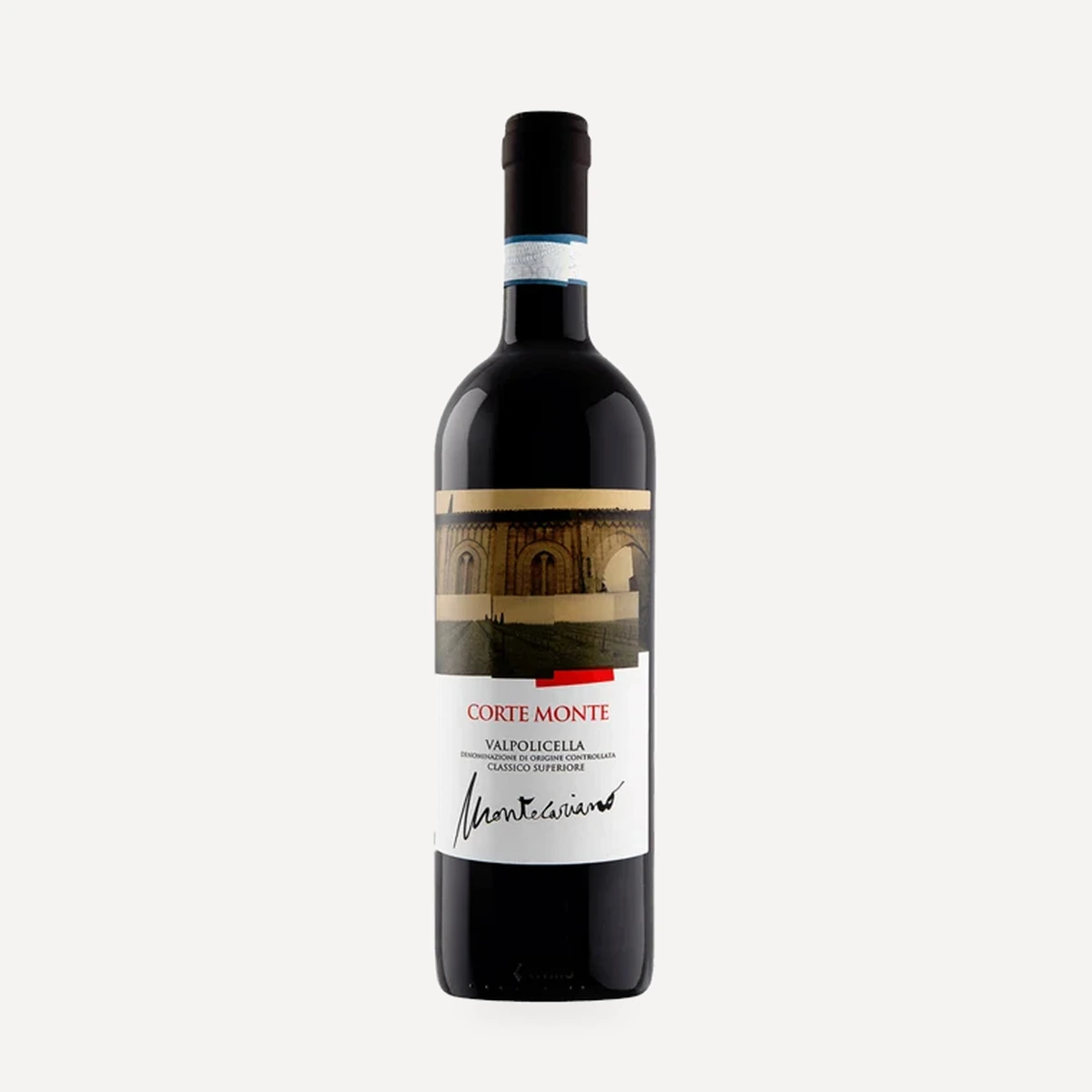
Valpolicella Classico Superiore DOC
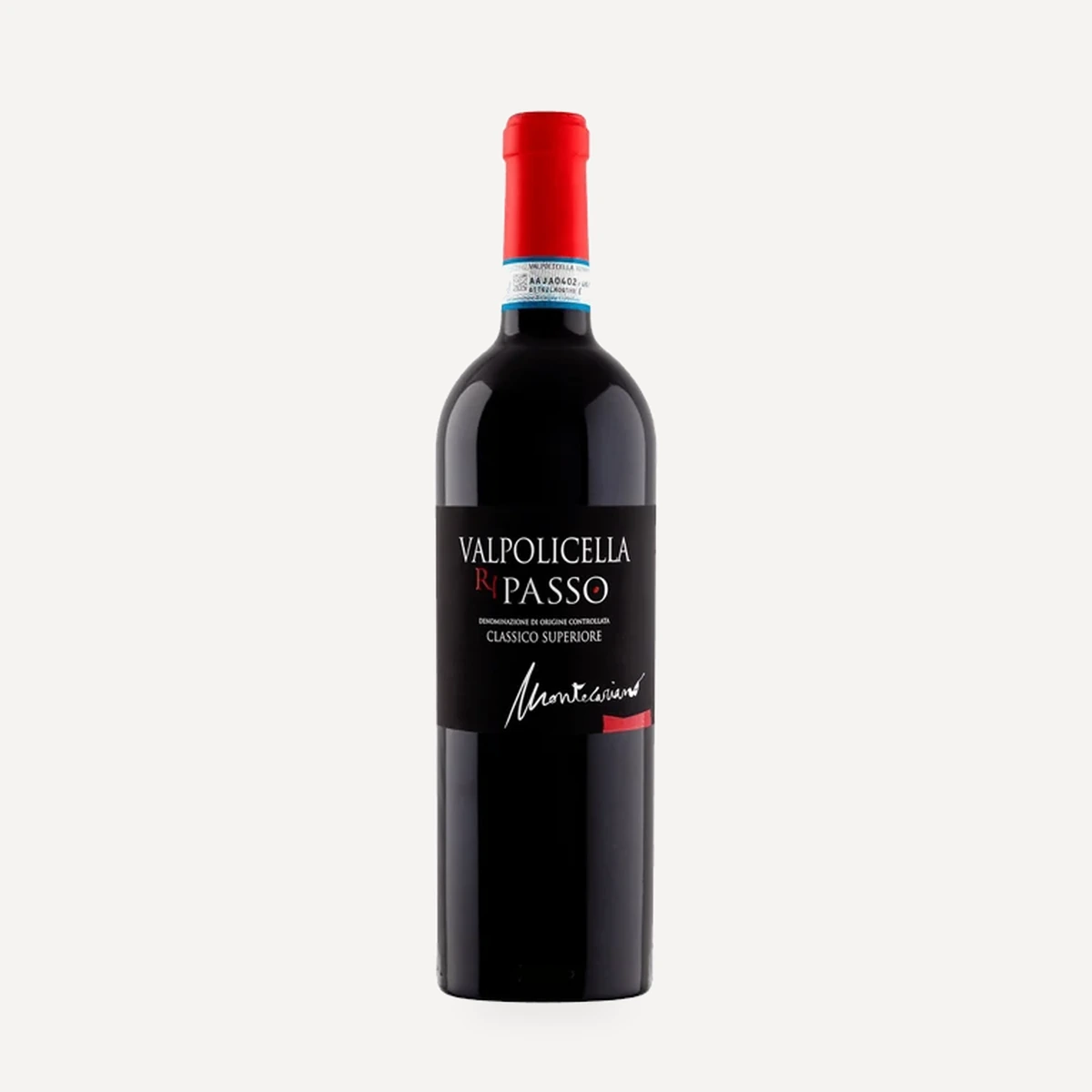
Valpolicella Ripasso Classico Superiore DOC
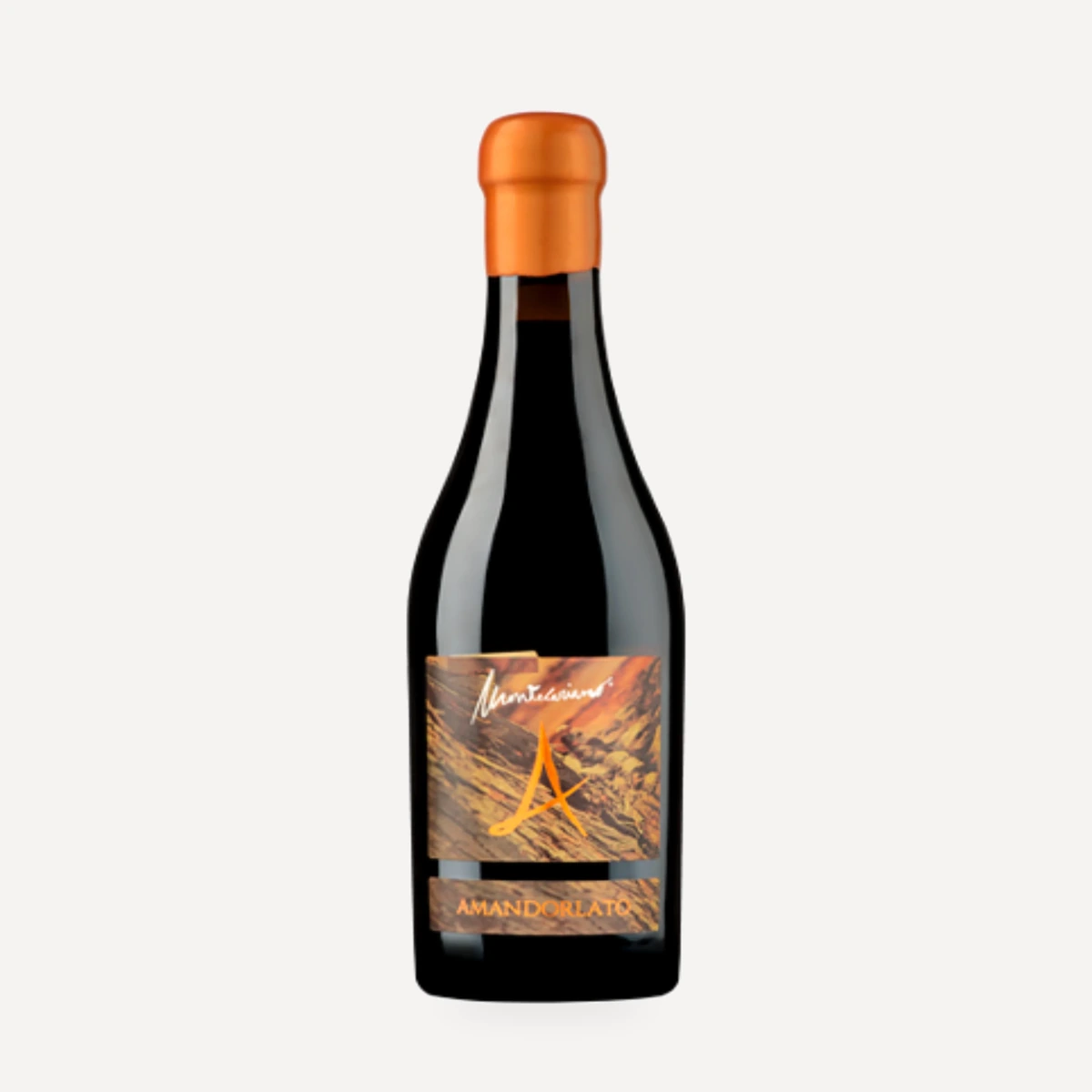
Amandorlato
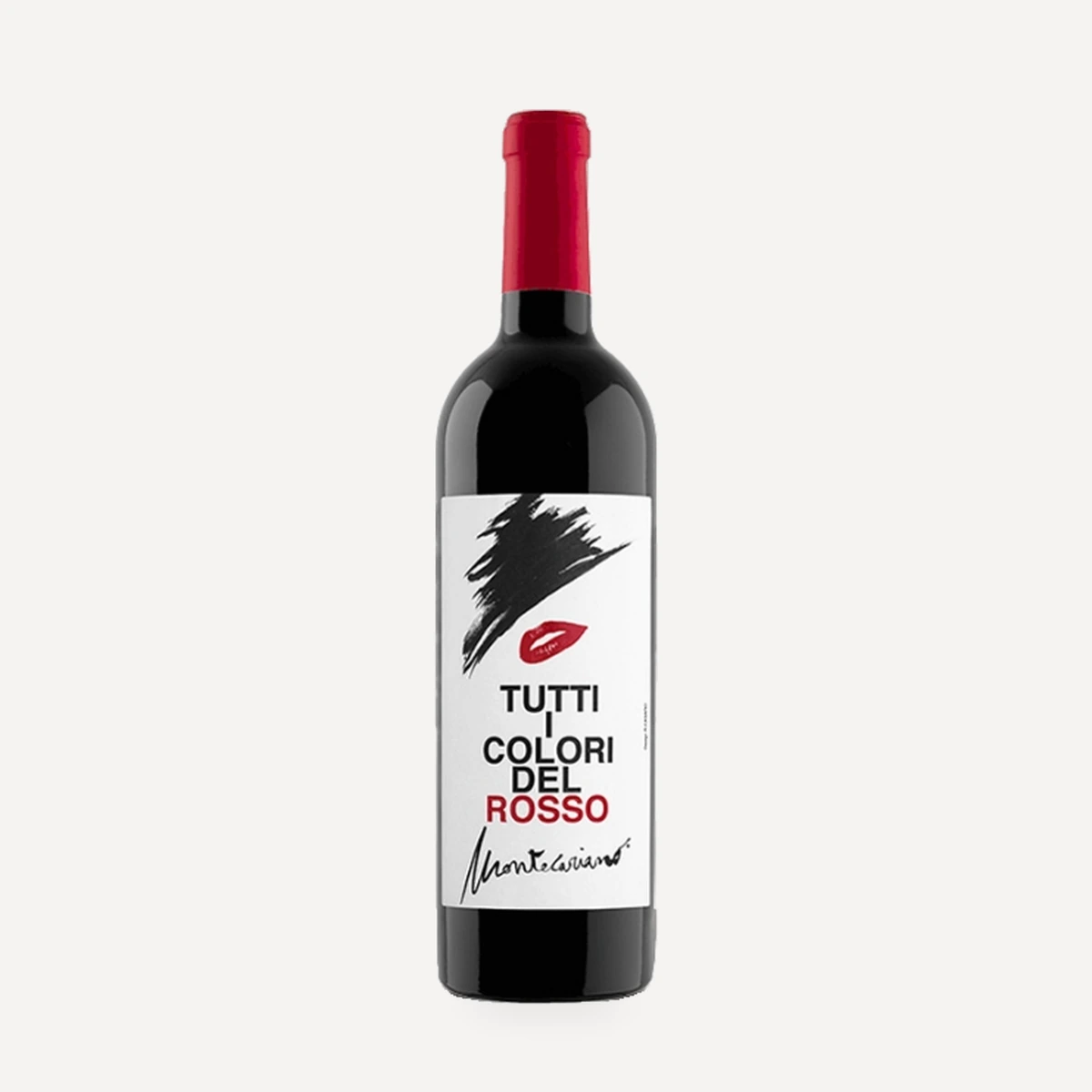
Tutti i colori del rosso 2019
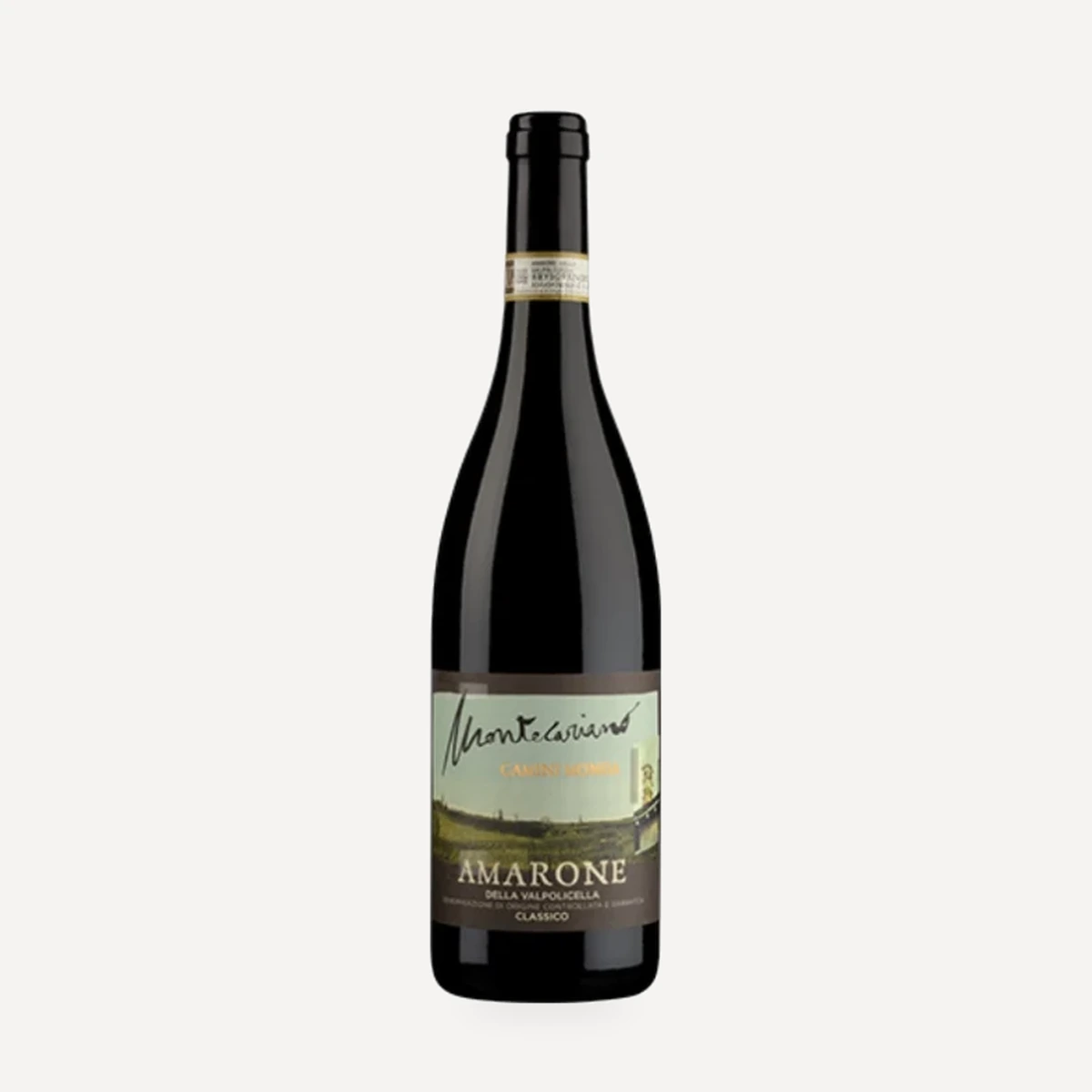
Camini Monga - Amarone della Valpolicella DOCG Classico