Storia
1925 — The foundation
The agricultural business that would eventually become Monteci was established in 1925. Its original activities were fruit growing and livestock farming; viticulture in Valpolicella was still at an early stage of development.
1964 — Giovanni and Dalia move the family business
Grandparents Giovanni and Dalia purchased the family’s first land at Sion in Arcè di Pescantina and transferred the business there. This site, surrounded by vineyards and hills and influenced by the waters of the Adige, became the foundation of the present winery.
1995 — Expansion into Valpolicella Classica
The Righetti family acquired 10 ha of vineyards in Valpolicella Classica. The purchase allowed it to expand the production of Amarone and Ripasso. A new family generation simultaneously began creating additional production and business departments, laying the groundwork for further growth.
1999 — Costa delle Corone
Further land was acquired in the nearby Costa delle Corone area. The steep, high-hill vineyard was intended for the future selection bearing the same name and marked a new qualitative phase for Monteci.
2000 — The first exported Amarone
The year 2000 became a turning point for the Righetti family. Monteci released its first bottle of Amarone from the 1997 vintage for export. The Monteci brand consolidated its identity and began expanding internationally.
2012 — Winery expansion and the event hall
The winery increased in size and inaugurated a large event hall. This opened a new hospitality chapter, providing a purpose-built setting for celebrations and corporate functions connected with the surrounding landscape.
2013 — Photovoltaic energy
New photovoltaic installations began producing more than 50% of the company’s energy requirements. The project initiated a broader environmental redevelopment of the agricultural and winery operations and advanced the goal of balancing production with the vineyard ecosystem.
2014 — Lugana vineyards and commercial development
Monteci acquired vineyards in Lugana, adding the white wine of the same name to its range. Marketing and export departments were also expanded, strengthening the company’s international activity.
2015 — Hospitality and organic conversion
Private and corporate hospitality became a continuing part of the business, with weddings and conventions joining wine as central elements of the Monteci identity. The same year marked the beginning of the conversion of all family vineyards to organic agriculture and the start of the sustainability programme later formalised across the estate.
2018 — Organic completion and zoning
The conversion of the vineyards to organic production was completed in 2018. A detailed zoning programme covering the family’s vineyard holdings examined variations in soil conductivity, water content, structure, chemistry and microbiota so that vineyard interventions could be adapted to individual areas. Monteci presents this work as the beginning of a new phase based on protecting the distinct ecosystems of its terroirs.
2019 — Vegan production standards
Vegan certification followed in 2019. Vegan wines are clarified without animal components, and the associated cellar technologies also operate without substances of animal origin. Natural fertilisation includes plant humus derived from vegetable and agricultural food residues.
2020 — RRR certification
Grapes from the 2020 vintage grown within the Valpolicella DOC area received RRR certification from the Consorzio Tutela Vini Valpolicella. The programme’s initials stand for Reduce, Retrench and Respect and identify compliance with its sustainable-production protocol.
2025 — The centenary
Monteci reached its first 100 years in 2025. The fifth generation framed the anniversary as a new beginning centred on further projects, continuous study and the continuation of the family’s work as winegrowers.
Terroir
Geographic range
Monteci manages vineyards from Pescantina and Valpolicella Classica to Lugana. The Valpolicella holdings include sites between the hills of San Pietro in Cariano and the Fumane valley, while the Lugana vineyards lie south of Lake Garda. The four principal environments are Pescantina beside the Adige, the foothills of Valpolicella Classica, the high hills around Cavalo and Fumane, and the Lugana plain near Sirmione.
Pescantina and the Adige
The Pescantina vineyards occupy ancient river bars beside the Adige. A relatively thin upper layer of earthy, predominantly siliceous-clay debris alternates between compact and sandy textures. Beneath it are gravel and pebbles deposited by the river, with deeper Mesozoic formations of tuff and compact basalt. Monteci’s soils here are sandy loams containing 50–70% sand, becoming very gravelly below 80–90 cm. Calcium carbonate is moderate at 2–5%, drainage is good and the gravel limits deep root penetration.
The dominant climate is continental. The milder influence of Lake Garda is slight, while the Lessini Mountains protect the area from cold northerly winds. The Adige moderates the immediate microclimate, and cool breezes descend from Monte Baldo. Strong day–night temperature variation supports aromatic development. The area is associated with Pinot Grigio, Merlot and Cabernet.
Valpolicella Classica foothills
The lower valley has alluvial origins and contains calcareous material carried from the Pre-Alpine valleys. Textures vary from clay-silt to loam with abundant stones. The climate is moderately continental, formed by interaction between the Po Valley’s transitional subcontinental climate and Lake Garda’s more Mediterranean influence.
Monteci’s foothill soils are brown, porous and more than 1 m deep. Their clay-loam texture contains approximately 30% clay and 30% sand, with 5–10% calcium carbonate. Roots can penetrate beyond 1 m, while water-retention capacity reaches 130–150 mm/m. Fertility supports large, loose clusters with good sugar levels and acidity, well suited to appassimento. This transitional area has a temperate climate, good sunlight and moderate temperature variation.
Valpolicella Classica high hills
The high-hill landscape consists mainly of calcareous ridges separated by narrow valleys that broaden southward. Vines occupy gentler sections and terraced mid-slopes. Soils are loose and red over Eocene limestone, with compact red material over basalt and abundant stones.
Monteci’s high vineyards lie at approximately 450–500 m, principally on south- and southeast-facing terraced slopes. Their calcareous-marly lithology derives from Rosso Ammonitico limestone. The soils are thin, very stony and pinkish, with clay-loam texture, 27–30% clay, 28–30% sand and 10–15% calcium carbonate. Most roots occupy the upper 20–60 cm but can follow fractures beyond 80–90 cm. Cooler conditions and reduced heat stress favour sugar and anthocyanin accumulation while preserving malic acid. Constant ventilation, marked day–night variation and slower ripening support acidity, concentration and medium- to long-term ageing potential.
Lugana
The Lugana zone extends south of Lake Garda between Desenzano and Lonato in the west and Peschiera and Pozzolengo in the east. Monteci’s vineyards occupy the flat portion near Sirmione. The moraine-derived soils were formed by ancient glaciations and are rich in clay, limestone and mineral material. Their physical and chemical characteristics support body and warmth while maintaining acidity and savoury character.
Lake Garda acts as a thermal regulator, producing relatively mild winters, ventilated summers and strong luminosity. The resulting whites retain freshness and mineral character, with floral, citrus and almond-like aromatic profiles.
Vinificazione
Organic conversion and certification
Conversion of all family vineyards to organic agriculture began in 2015 and was completed in 2018. The holdings subsequently operated under organic production rules. SQNPI certification covers the entire grape crop under the national integrated-production quality system. RRR certification applied to the 2020 Valpolicella harvest intended for Valpolicella DOC, Amarone della Valpolicella DOCG and Recioto della Valpolicella DOCG.
Soil fertility and cover crops
Monteci uses green manure both to protect and improve the soil. A mixture of 20 plant types is incorporated while still green or shortly after flowering. Legumes fix atmospheric nitrogen; mustard helps control nematodes; decomposing biomass returns nitrogen, potassium, phosphorus, calcium, magnesium and sulphur; organic matter improves water infiltration, retention and aeration; deep-rooted non-legumes suppress weeds; and flowering covers provide forage and habitat for pollinators and beneficial predators such as ladybirds.
Natural fertilisation also includes vegetable humus made from plant and agricultural food residues. Stalks separated during crushing are returned to the vineyards as fertiliser, forming part of a circular nutrient cycle.
Biodiversity
Bushes and flowers are established to shelter insects that prey on harmful species, while selected grasses and rooted plants contribute to soil health. Oak, cypress, acacia and other tall trees are planted around vineyards each year to form ecological boundaries and attract beneficial insects, birds and small rodents. The return of fireflies is treated as an indicator of this biodiversity programme.
Plant protection
Vineyard products are chosen from certified-organic treatments. Practices include copper at 1.5 kg/ha and sulphur at 0.1 kg/ha. Preparations based on algae, alginates or lees reinforce vine defences against downy and powdery mildew. Mating disruption is used against grapevine moths.
Training, ground cover and erosion
Guyot training and permanent or managed inter-row grassing are used in the Valpolicella vineyards. On the high, frequently terraced slopes, these measures also limit erosion.
Zoning and precision management
Detailed mapping measures soil electrical conductivity and divides vineyard soils into three categories linked to conductivity and volumetric water content. Soil structure, chemical composition and microbiota are then analysed for each group. The information is integrated into mapping software to guide highly localised interventions and reduce unnecessary inputs.
Harvest and grape selection
Harvesting extends from mid-August to October. Grapes intended for appassimento are picked by hand, selecting loose, healthy, fully ripe clusters. Pinot Grigio opened the 2025 harvest in the second half of August and was picked at night, when lower temperatures kept clusters cool and intact, reduced oxidative stress and helped preserve acidity and delicate aromas.
Experimental work
Ducks and geese have been trialled in some vineyards to reduce tractor use for mowing ground vegetation. Hybrid tractors have also been tested as alternatives to diesel- and petrol-powered vehicles.
Grape reception and initial processing
Harvest runs from mid-August through October. Grapes arriving at the winery are destemmed and crushed before following red- or white-winemaking routes.
Appassimento
For appassimento, loose, healthy and fully ripe clusters are selected by hand and placed in large plateaux. They rest in spacious, highly ventilated drying rooms for 100–120 days, depending on their initial water content. The clusters lose 30–40% of their weight as water evaporates, concentrating juice and sugars. Dried grapes are normally crushed in January, followed by fermentation and ageing in oak. The technique underpins Monteci’s Amarone, Recioto and Ripasso production.
Red winemaking
During red-wine maceration, skins and other solid material remain in contact with the must to release polyphenols and tannins. Once the desired colour is reached, the wine is drained from the solids. Malolactic fermentation follows, then maturation in stainless steel or oak. The general sequence continues through filtration and bottling.
White winemaking
Skins and seeds are separated from the must immediately after crushing. The must is filtered and settled, then transferred to stainless-steel tanks for temperature-controlled fermentation. Ageing in steel provides final stabilisation. For Lugana, whole-process details also include gentle pressing, manual grape selection, ageing on fine lees in stainless steel and several months of bottle rest. The Riserva approach combines 70% temperature-controlled stainless-steel fermentation with 30% fermentation in lightly toasted barriques or tonneaux, followed by at least 12 months of bâtonnage on fine lees and at least six months in bottle.
The barricaia
The barrel cellar holds more than 300 vessels ranging from barriques and tonneaux to large casks. Total capacity exceeds 4,000 hl, approximately equivalent to 500,000 bottles. Oak’s porosity enables gradual oxygen exchange, while prolonged maturation develops aromatic and structural complexity.
The centrepiece is Arcis, a 200 hl master cask holding the equivalent of about 27,000 bottles and described as one of the largest wooden casks still in use. Its name derives from the Latin arx, arcis, evoking a fortress that protects the wine within.
Traditional-method sparkling wine
For Metodo Classico, the base wine may be a blend of vintages, or cuvée, or come from a single vintage, or millesimato. Liqueur de tirage initiates a second fermentation in each bottle. Bottles rest horizontally and are turned during remuage to collect spent yeast sediment. The sediment plug is frozen and removed at disgorgement. Lost volume is replaced with liqueur d’expédition, while pas dosé wines are topped with the same sparkling wine.
Charmat sparkling wine
For the Charmat or Martinotti method, the base wine enters a pressurised tank with sugar and selected yeasts. The controlled second fermentation produces the bubbles. The sparkling wine is subsequently filtered, dosed and bottled.
Vegan production
Vegan-certified wines use no animal components during clarification, and the related cellar technologies operate without substances of animal origin.
Filosofia
Monteci defines its work as an evolving balance between inherited practices and modern instruments, authenticity and research, regional typicity and innovation. Its daily objective is to translate the distinctions among Pescantina, Valpolicella Classica and Lugana into wine rather than impose a uniform style.
The environmental philosophy rests on two connected priorities: producing high-quality grapes through attentive vineyard management and crop selection, and combining traditional cellar protocols with appropriate contemporary technology. Organic agriculture is treated not merely as compliance with rules but as a different relationship with the land and cellar work.
The family also connects ecological responsibility with broader social responsibility. Biodiversity, renewable energy, water treatment, recyclable packaging, low-impact architecture and precision zoning are treated as parts of a single production system. At family level, continuity is expressed through five generations, while the centenary is framed as a starting point for further study and projects rather than an endpoint.
Vini
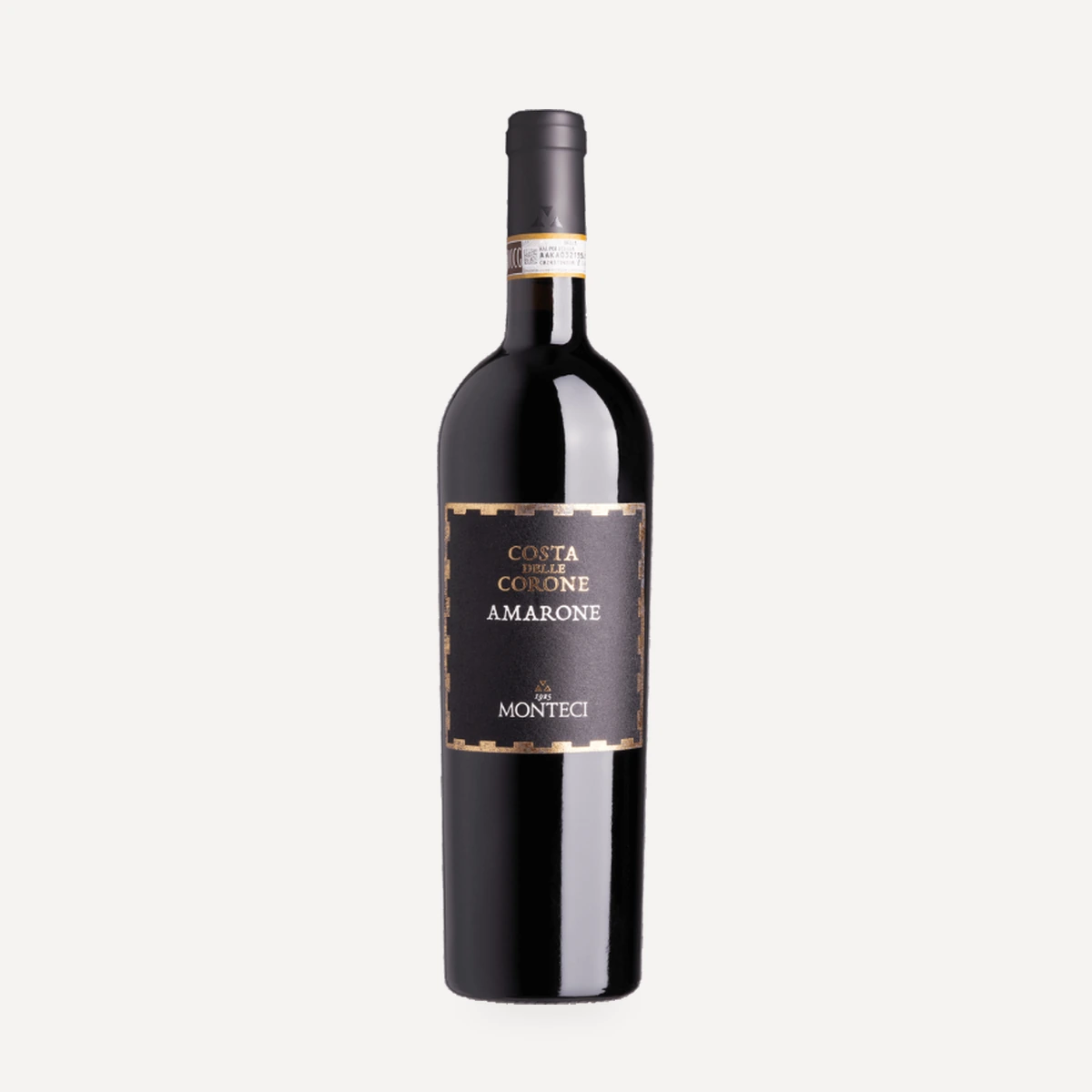
Costa delle Corone Amarone Classico della Valpolicella DOCG
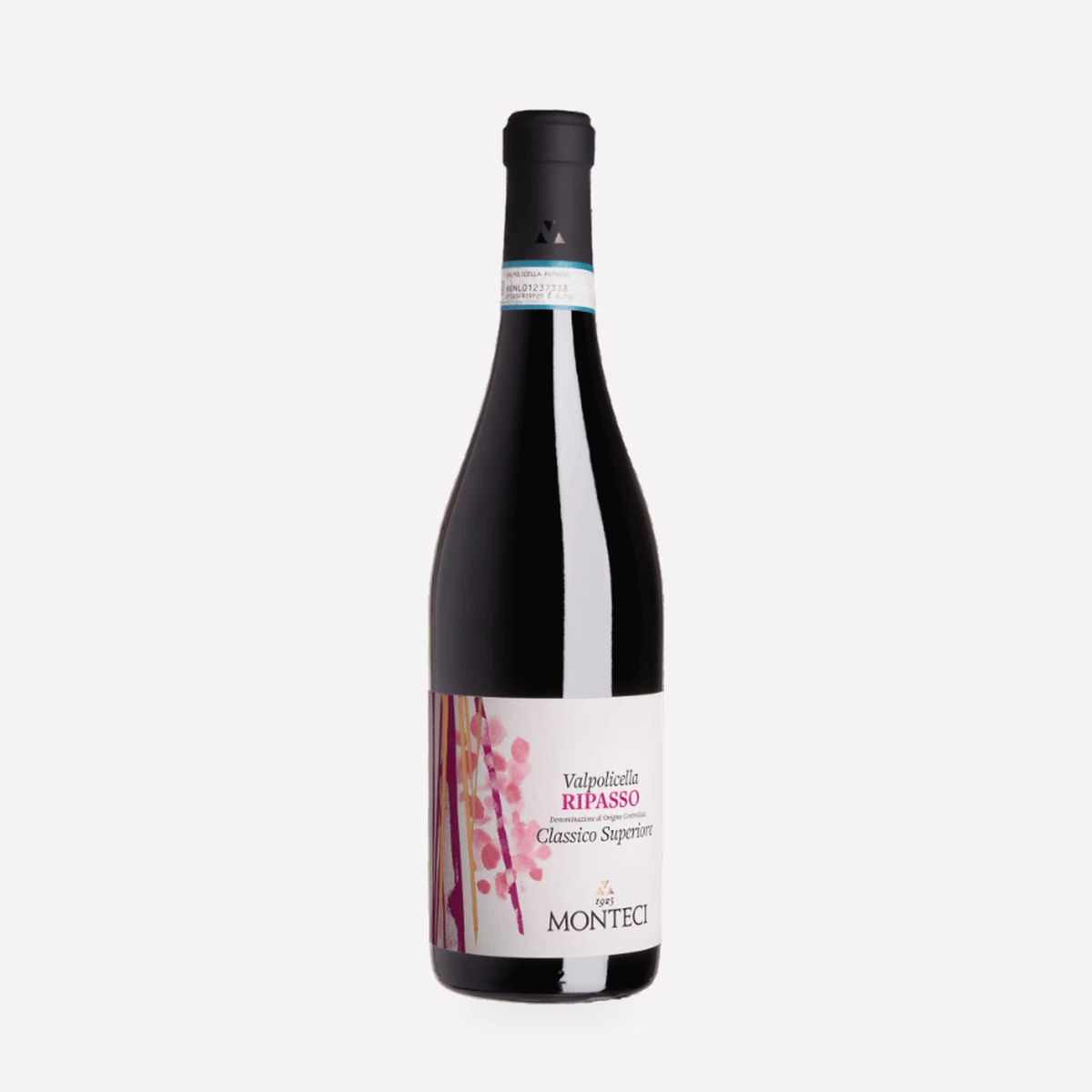
Ripasso Valpolicella Classico Superiore DOC
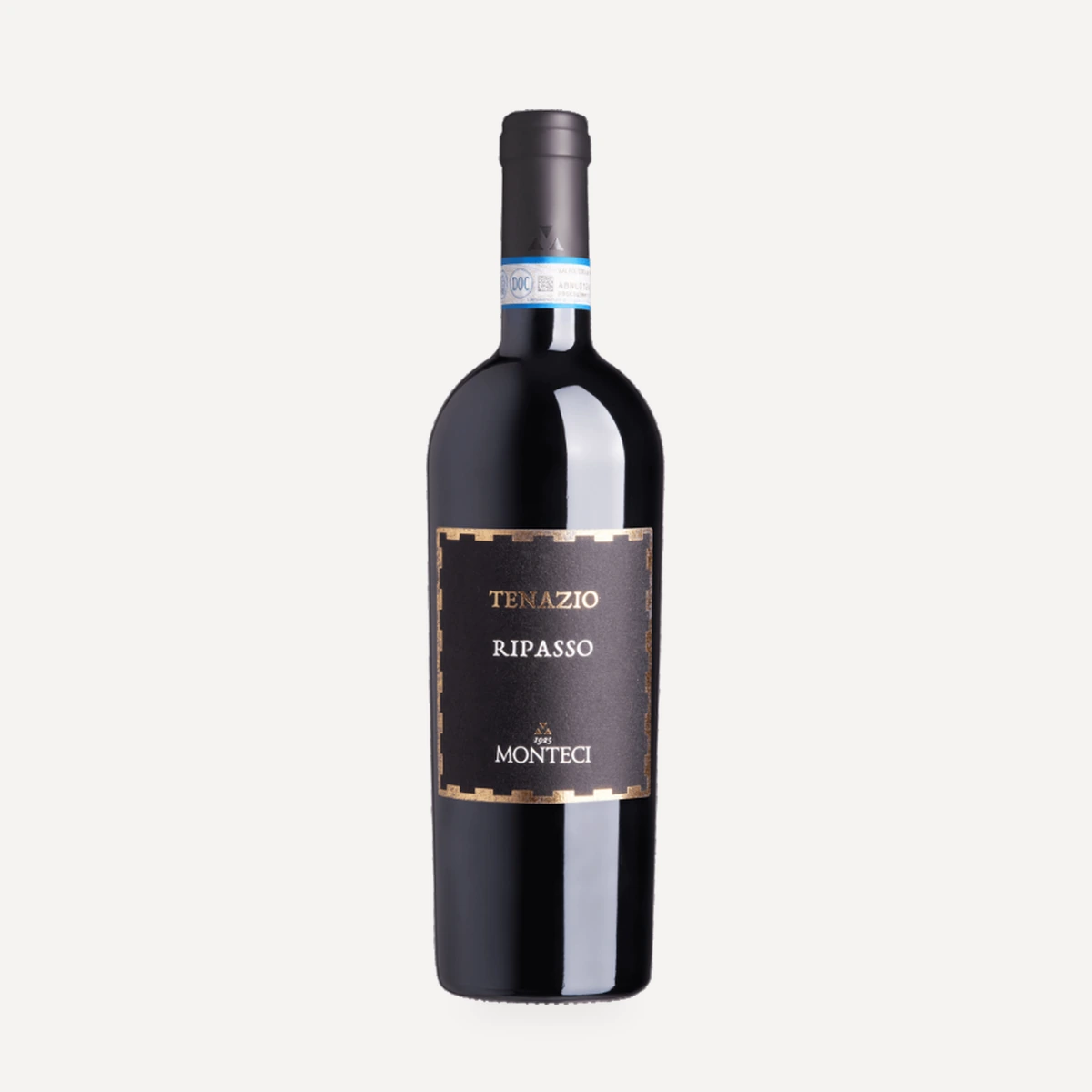
Tenazio Ripasso Valpolicella Classico Superiore DOC
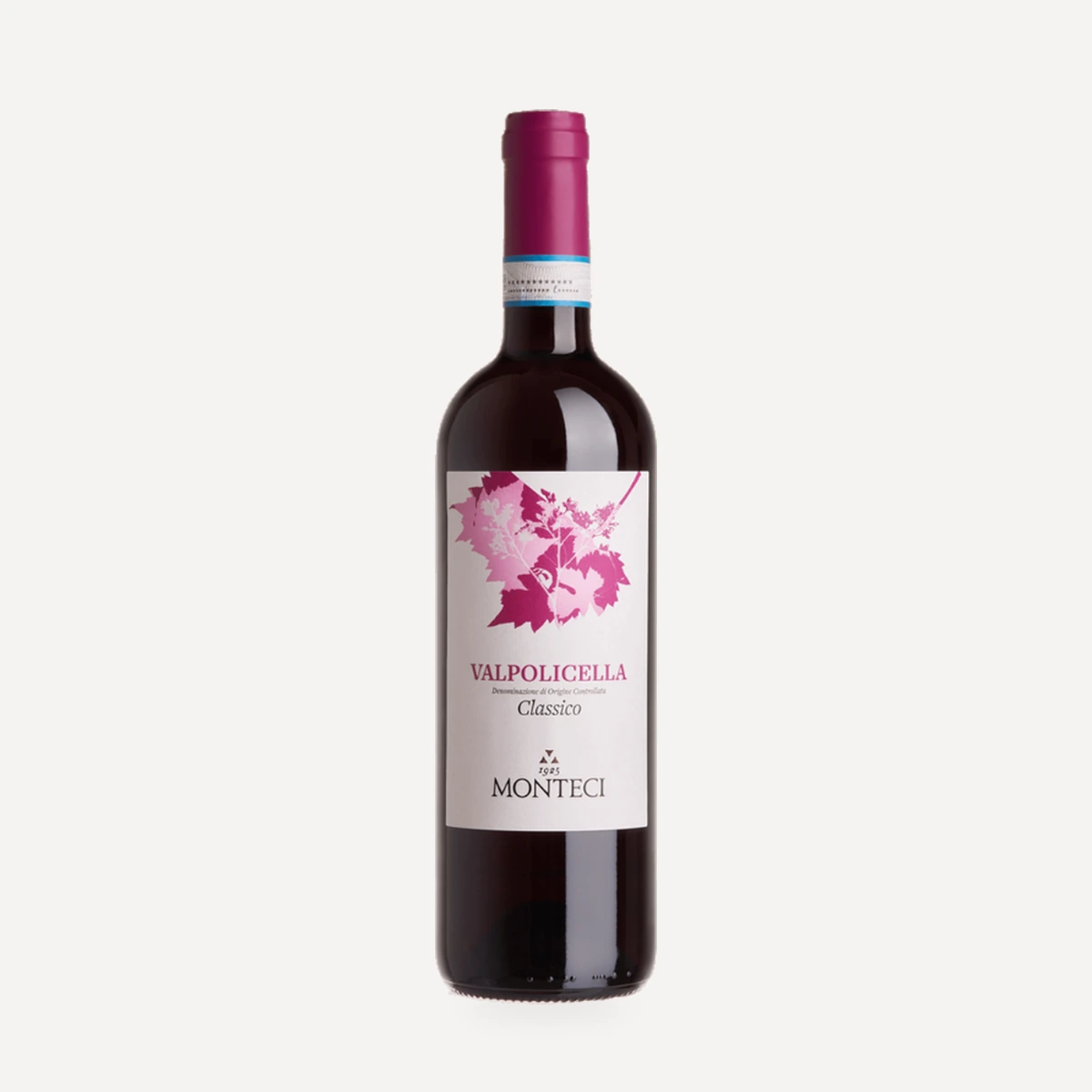
Valpolicella Classico DOC
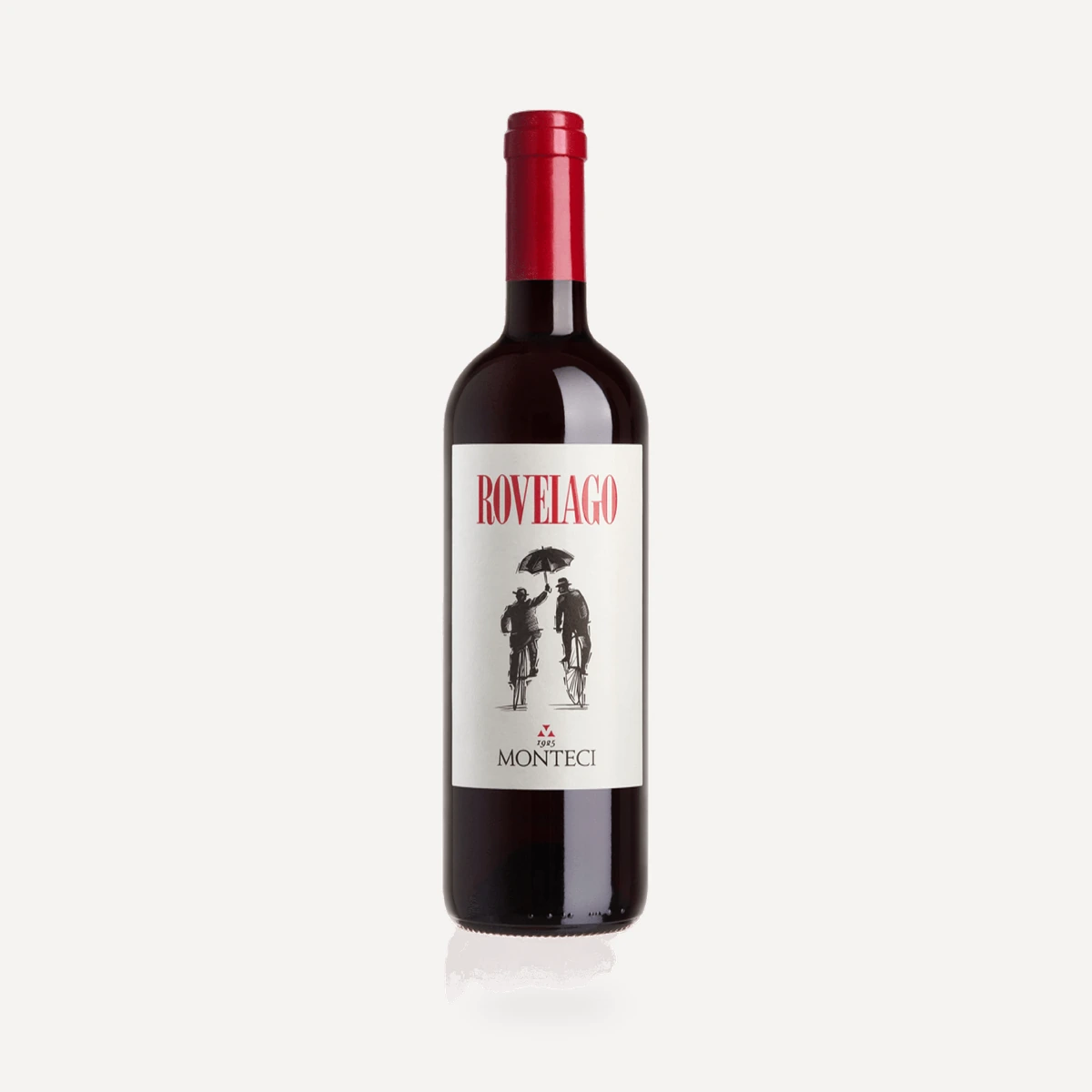
Roveiago Rosso Verona IGT
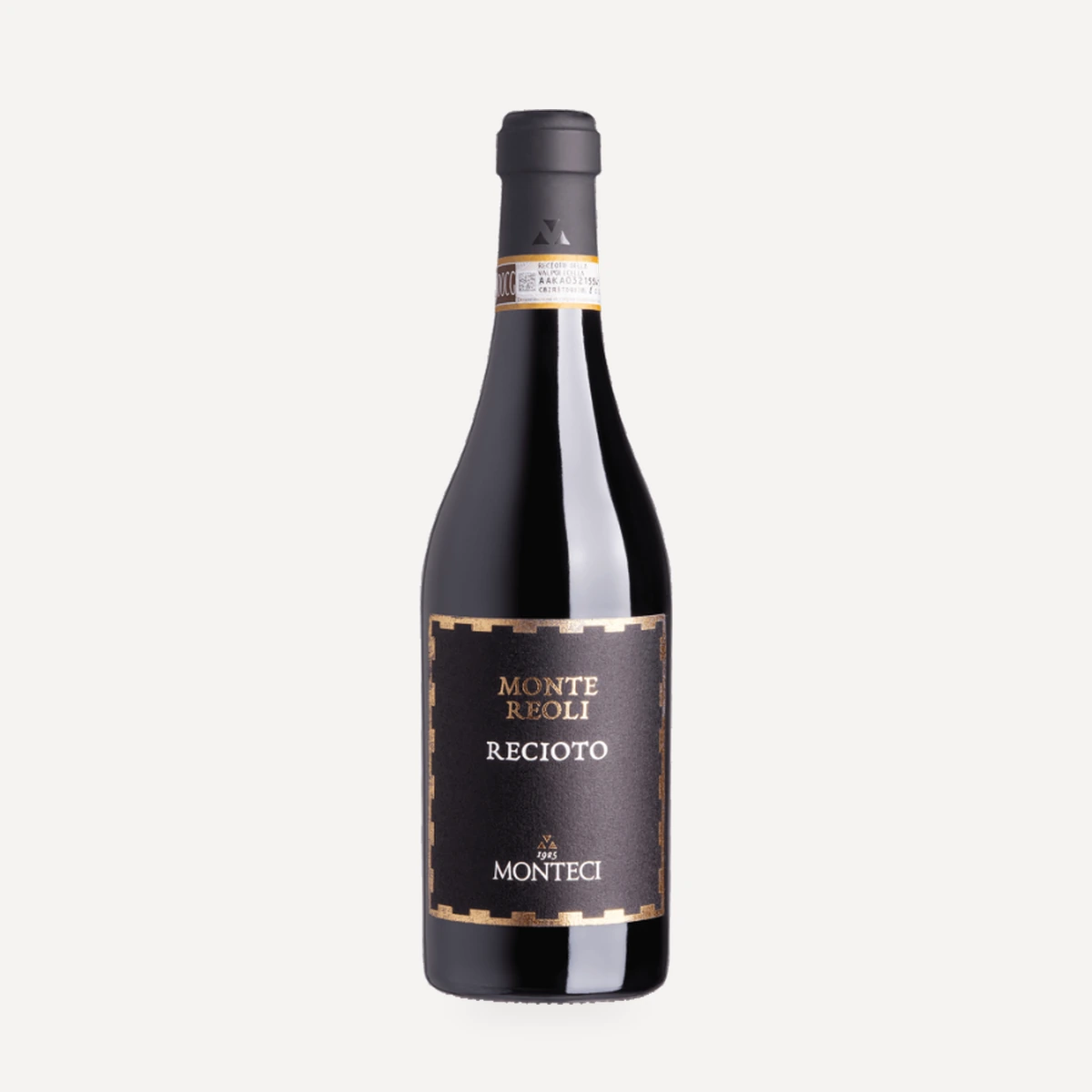
Monte Reoli Recioto Classico della Valpolicella DOCG
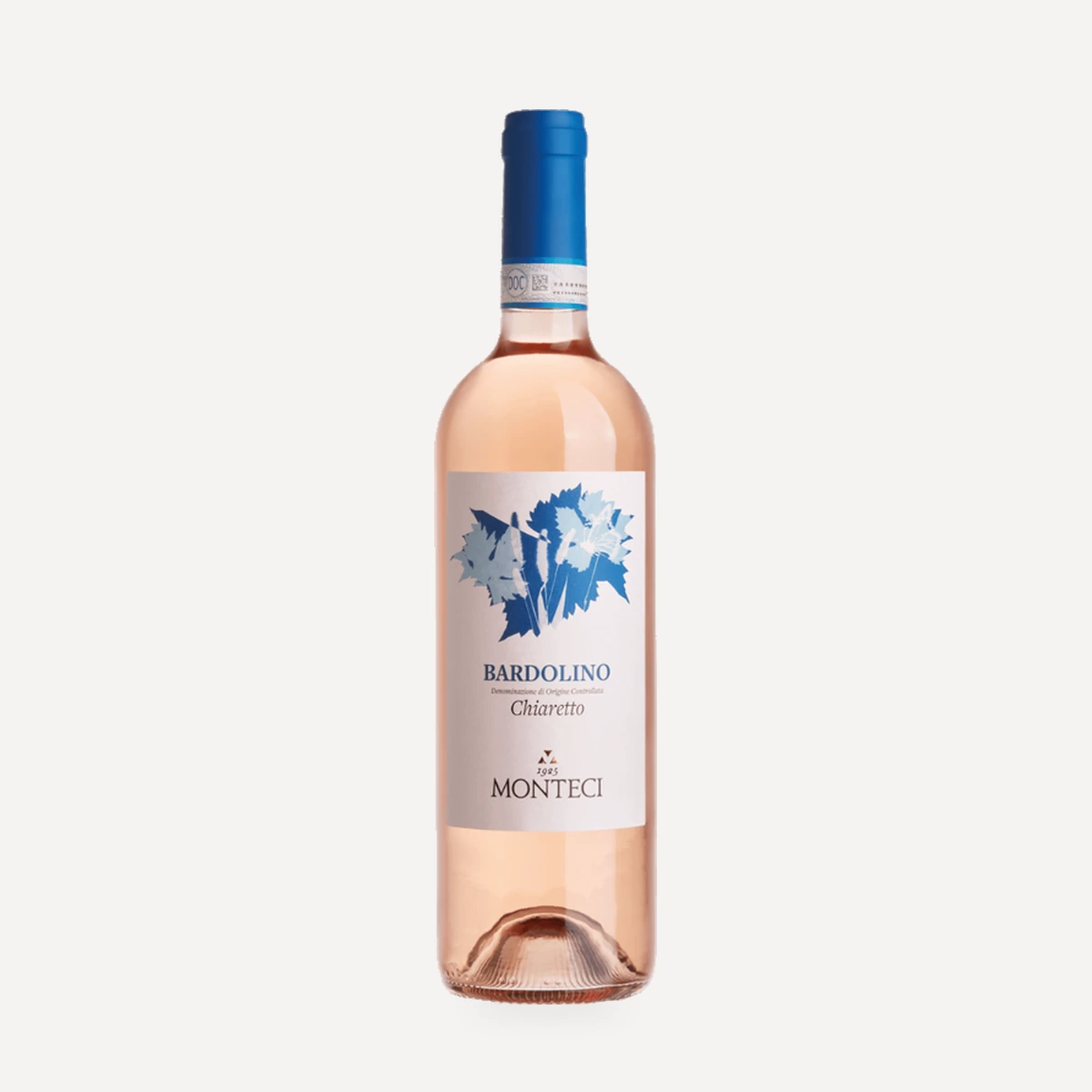
Bardolino Chiaretto DOC
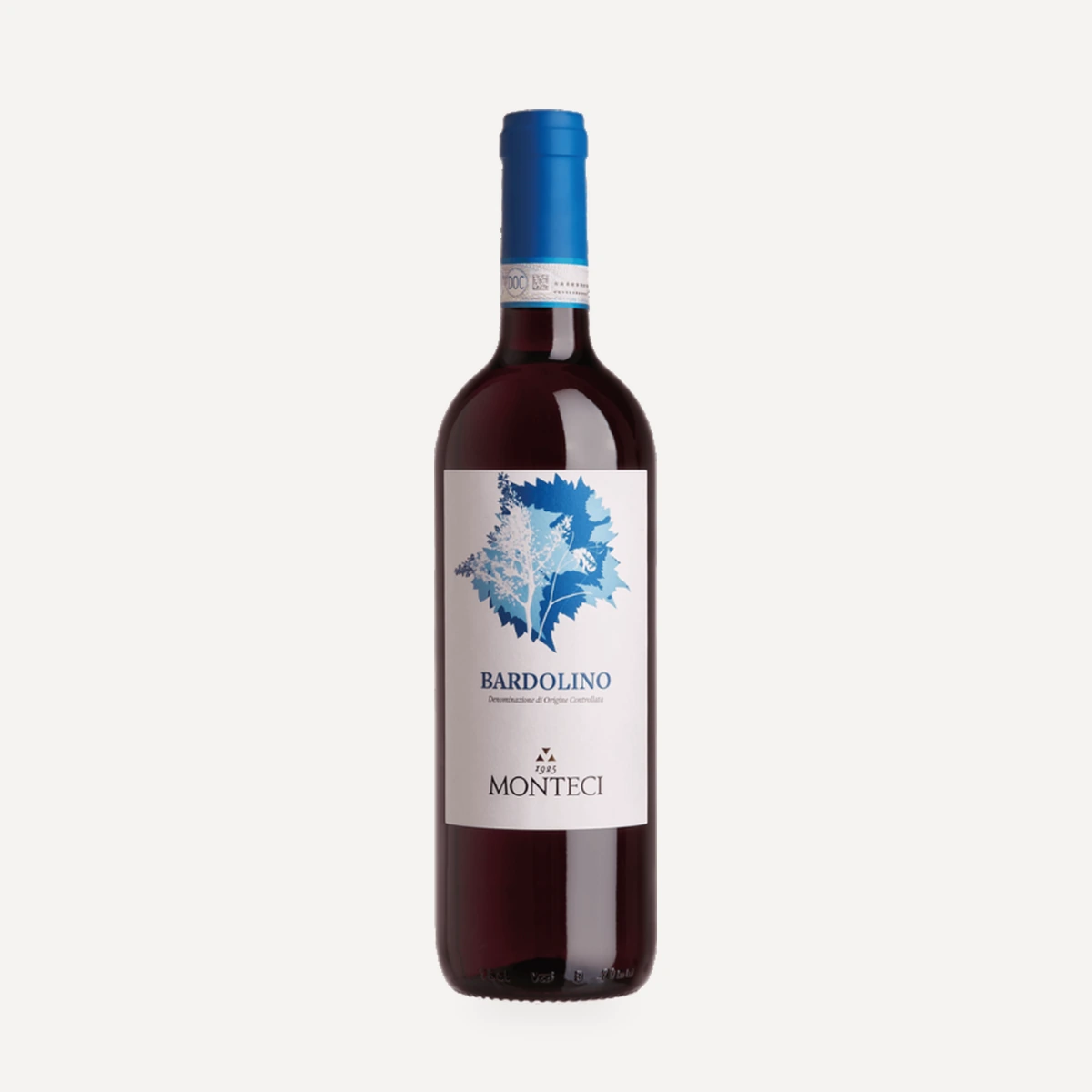
Bardolino DOC
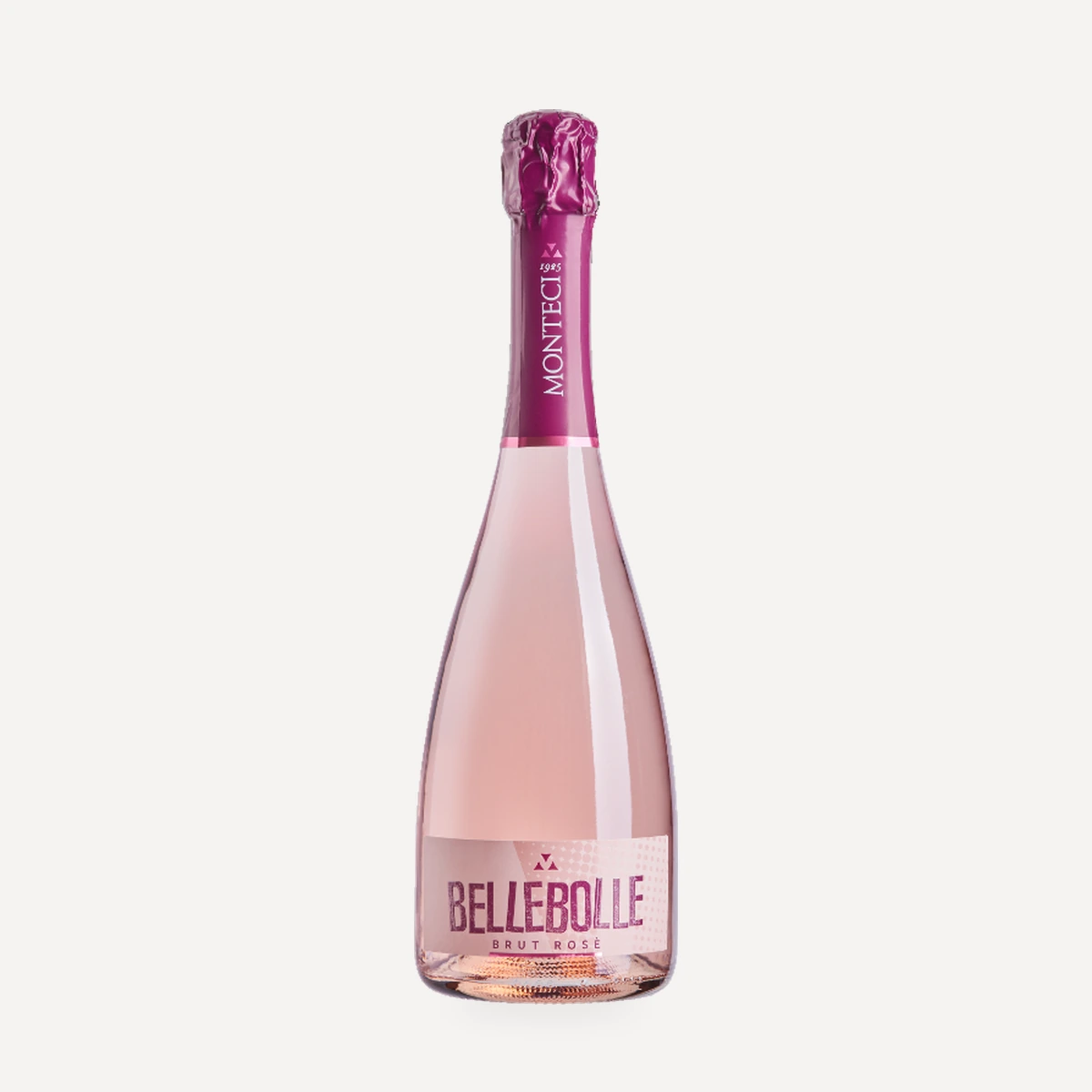
Bellebolle Rosé Spumante Brut Garda DOC
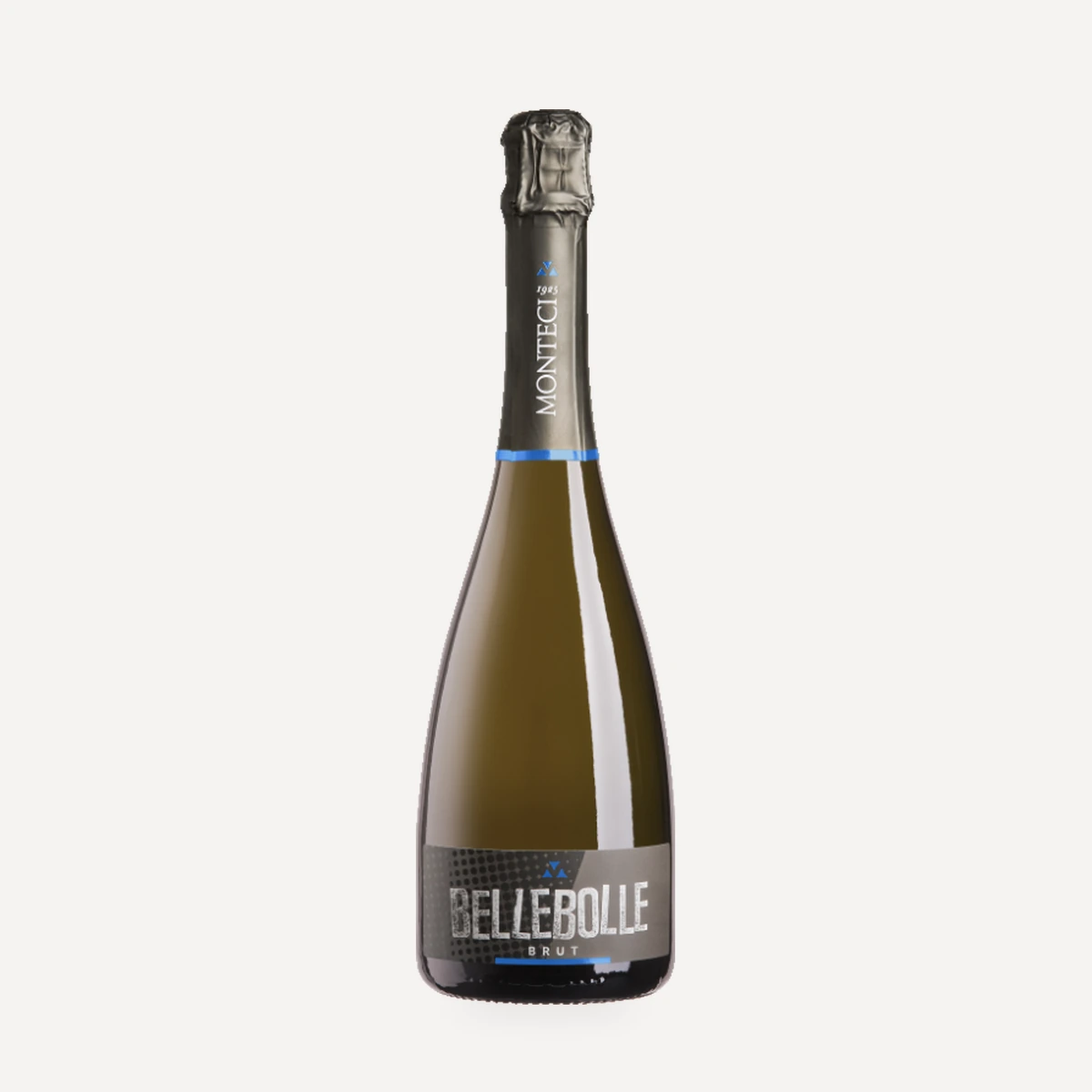
Bellebolle Spumante Brut Garda DOC
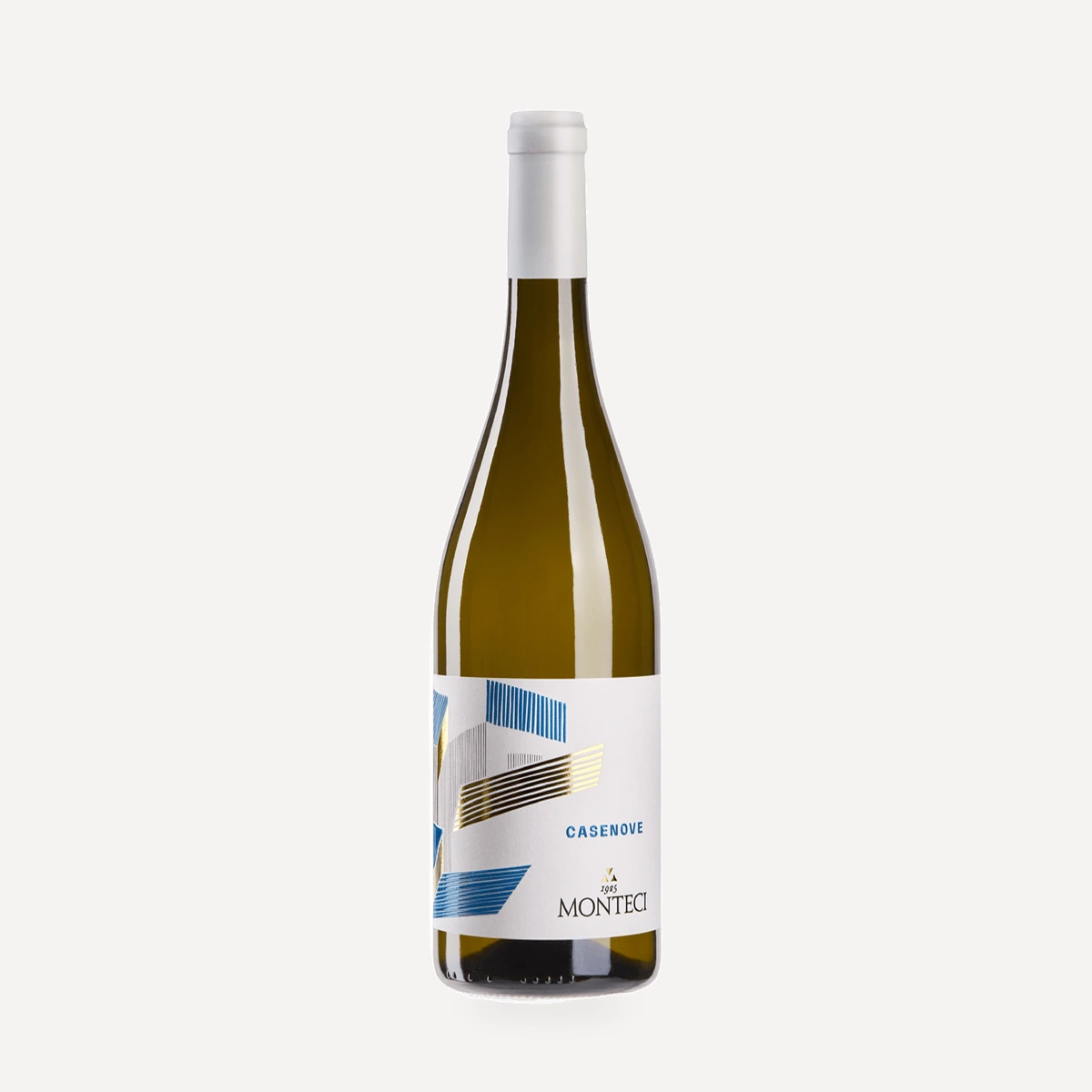
Casenove Bianco Veneto IGT
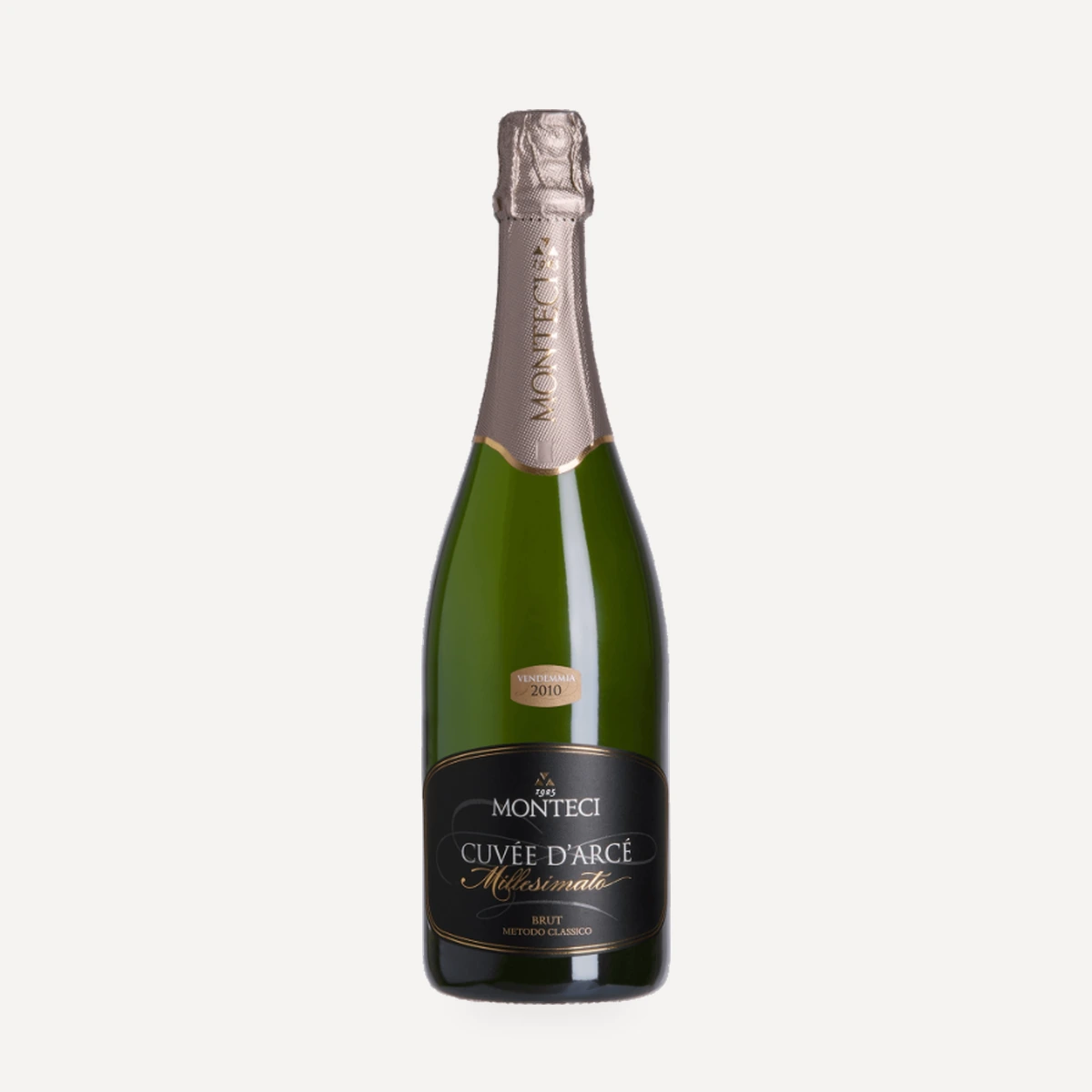
Cuvée d’Arcé Millesimato Spumante Metodo Classico
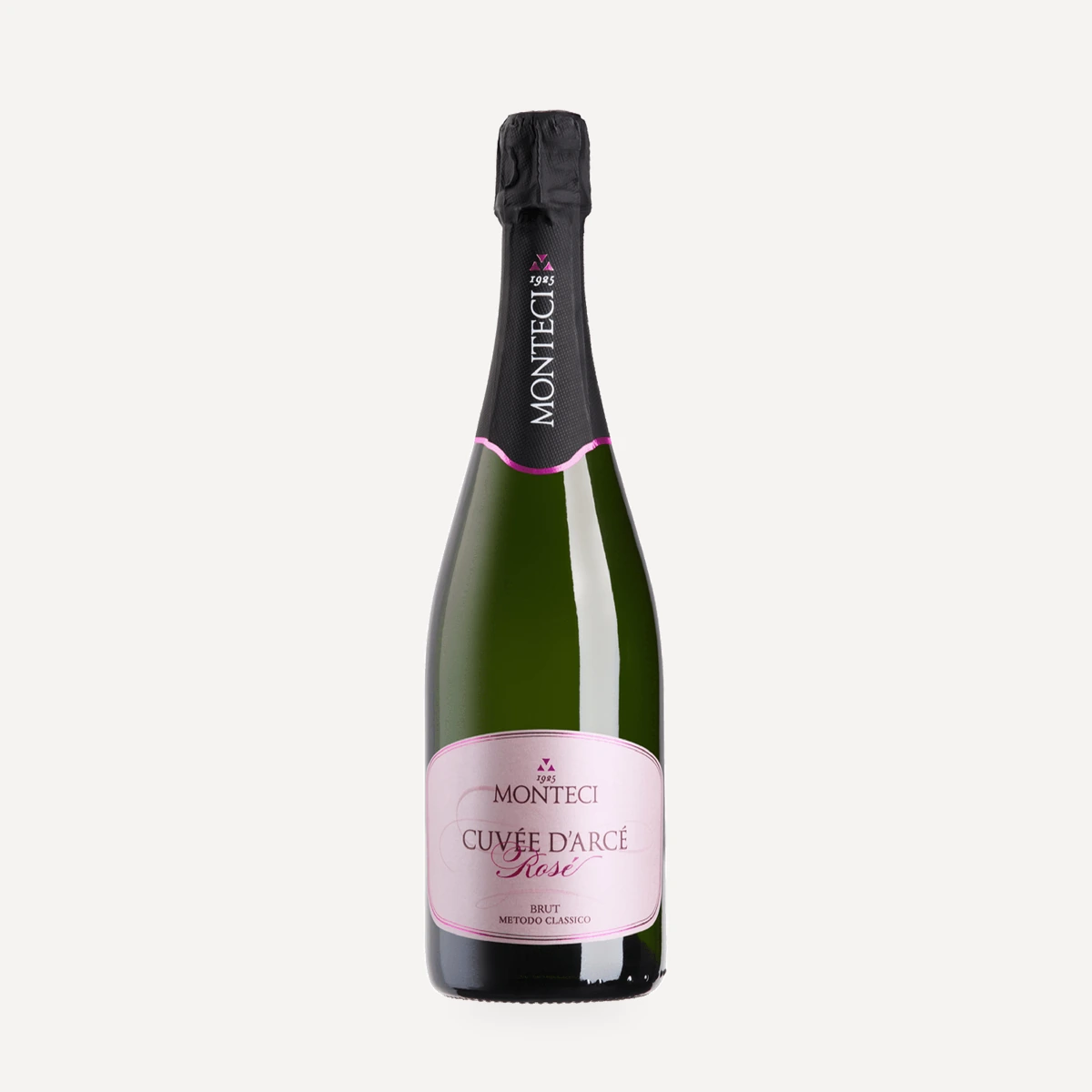
Cuvée d’Arcé Rosè Spumante Metodo Classico
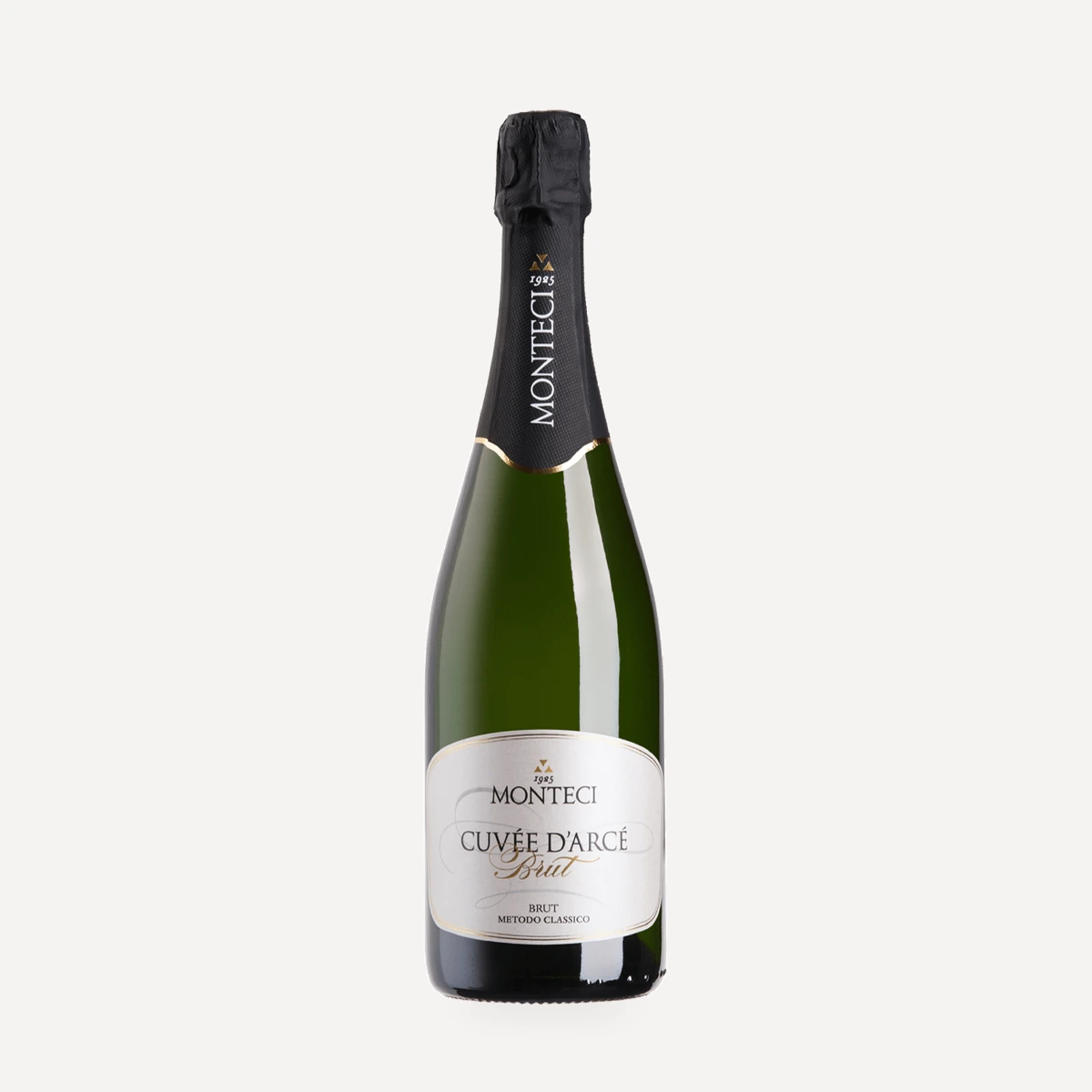
Cuvée d’Arcé Spumante Metodo Classico
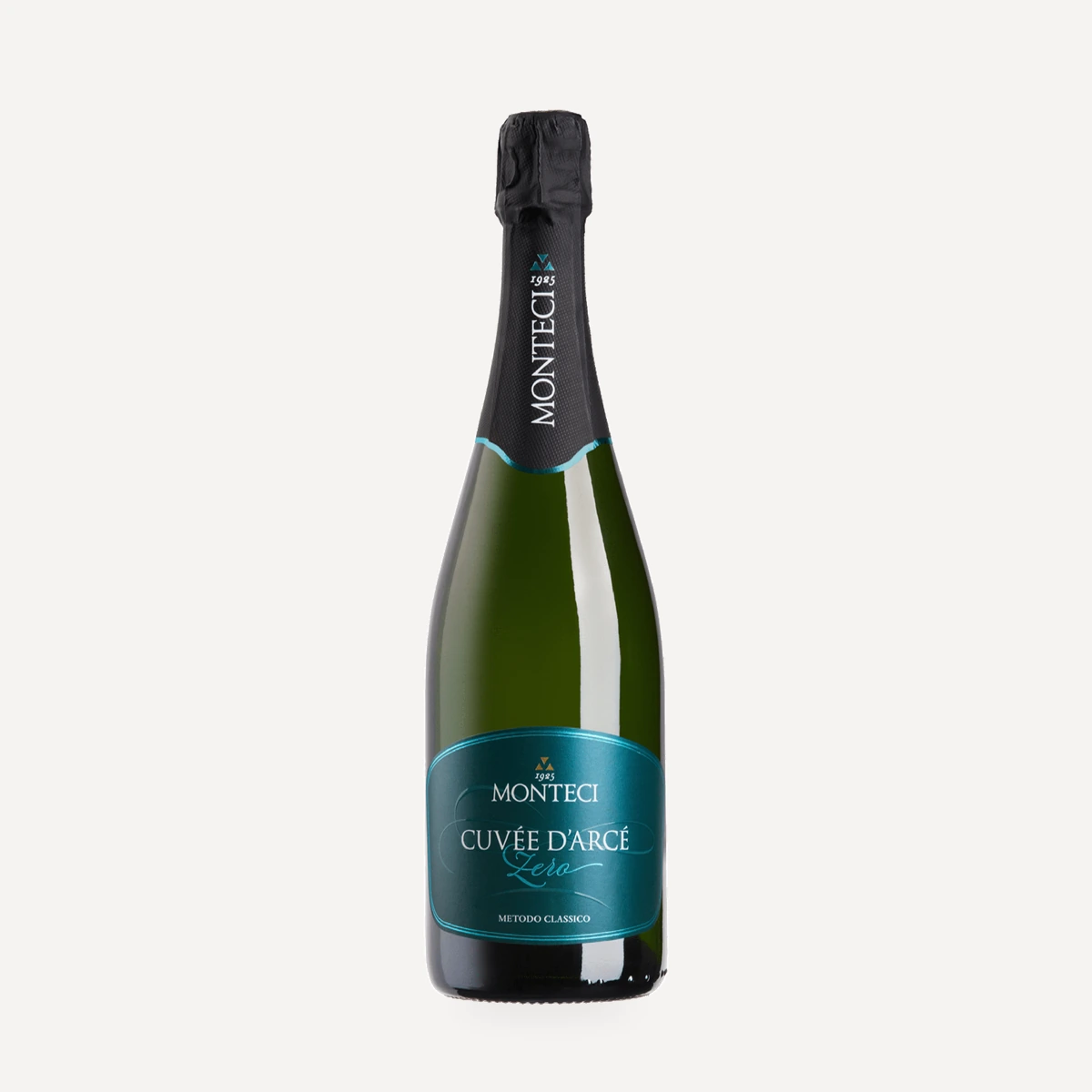
Cuvée d’Arcé Zero Spumante Metodo Classico Pas Dosé
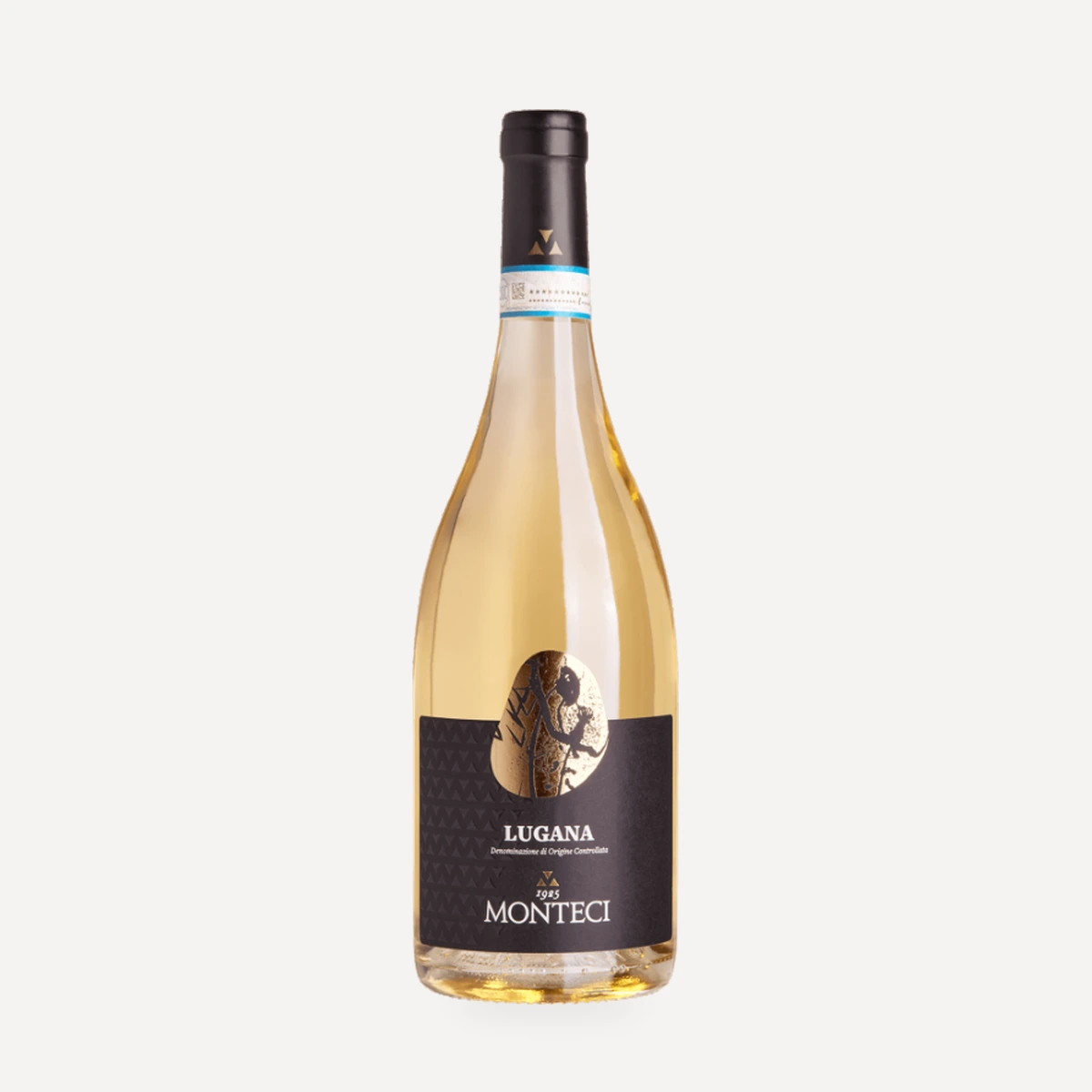
Lugana DOC
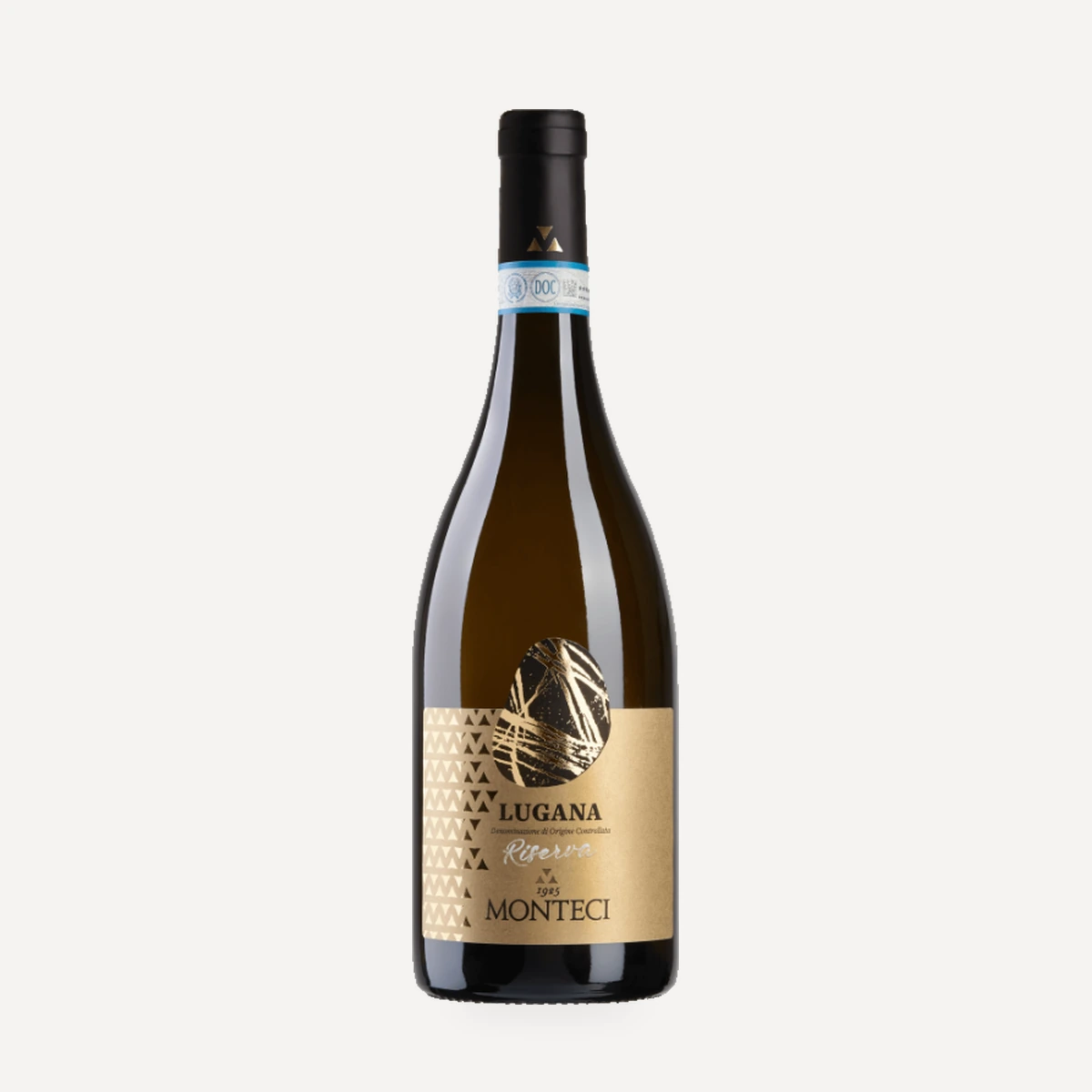
Lugana DOC Riserva
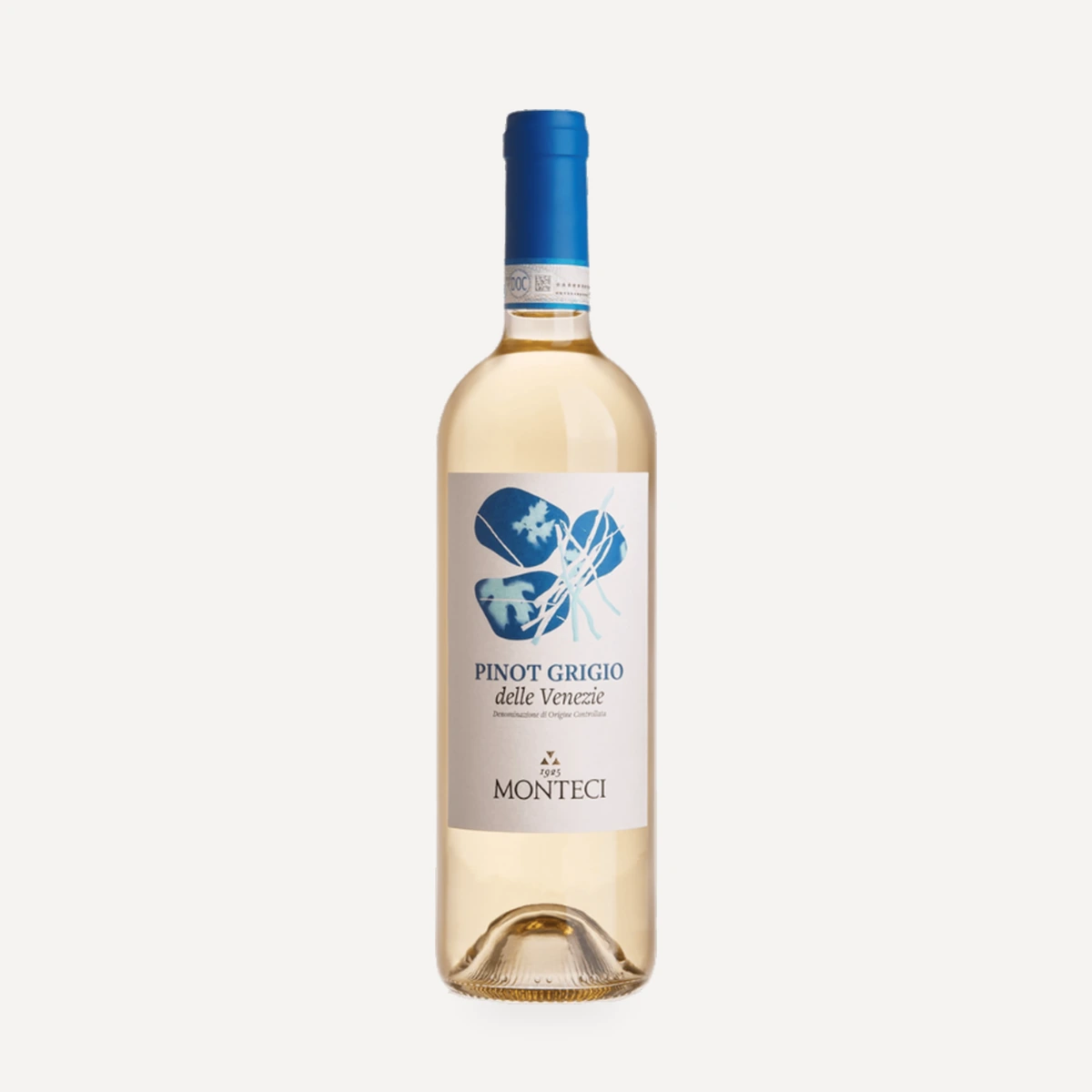
Pinot Grigio delle Venezie DOC
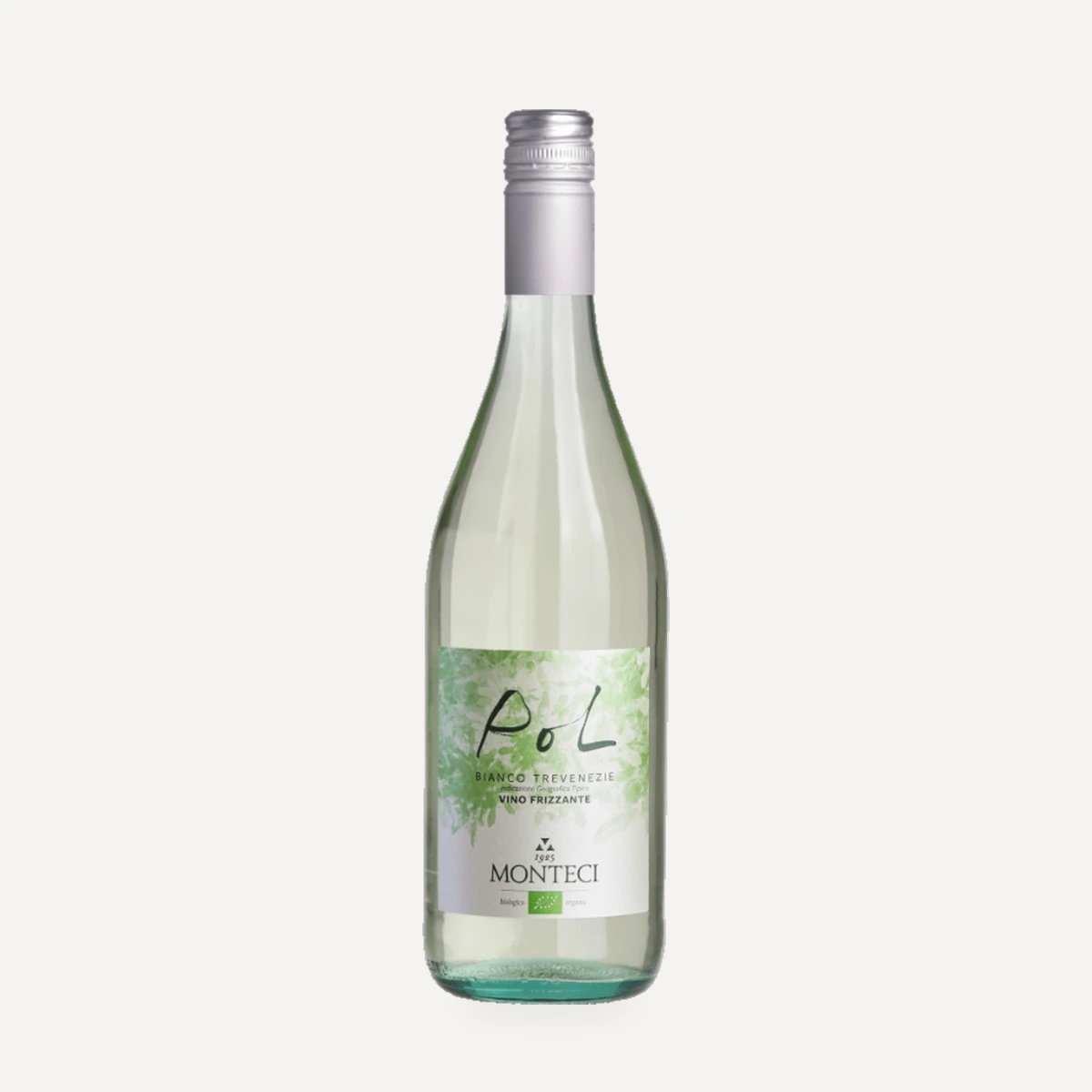
Pol Bianco TreVenezie IGT Vino Frizzante