Storia
The family vineyard and olive grove
Montenigo began in 2013 on a hill in Montorio, a small community in the province of Verona. Rudi and his wife Laura took responsibility for a family holding comprising approximately 300 olive trees and 1.4 hectares of vines. At that point, their agricultural production was limited to extra-virgin olive oil, and making wine had not formed part of their plans.
September 2013: the decision to make wine
The idea of producing wine had nevertheless been developing in Rudi's mind. After a hot harvest day in September 2013, he returned home and shared the project with Laura, whose participation he regarded as essential. This conversation marked the family's decision to begin making wine from its vineyard.
The biodynamic direction was adopted from the beginning. Rudi and Laura connected this choice with their belief that a healthy environment and wholesome food can benefit both physical well-being and everyday life. Their wines were consequently conceived around spontaneous fermentation and either low additions of sulphites or no added sulphites.
Giovanni and Elisa join the estate
Rudi and Laura were later joined by their son Giovanni. He developed a strong interest in cultivating vines and producing wine, embracing the family's natural-wine approach from the outset. Elisa subsequently entered the business to manage cellar hospitality and organize events.
The original 1.4-hectare family vineyard has developed into a 15-hectare vineyard holding. Most of the vines now grow on hillsides in Val Squaranto, while the family continues to cultivate olives and produce organic extra-virgin olive oil alongside its wines.
Terroir
Montenigo lies in Val Squaranto, one of the valleys of Valpolicella, close to Verona. The valley has a long, narrow form and is crossed by several watercourses. Constant ventilation and soils of limestone origin shape the conditions for vine cultivation.
Construction in the valley has remained limited, allowing extensive woodland to survive around the vineyards. Most of Montenigo's 15 hectares of vines occupy hillside sites surrounded by woods and olive groves. This mosaic supports the estate's emphasis on biodiversity.
Vineyard information for the estate's wines identifies limestone-and-clay soils at approximately 180 metres above sea level. The combination of wooded margins, olive groves, flowing water and regular air movement defines the immediate growing environment.
Vinificazione
Biodynamic cultivation
Healthy soil is the first objective of Montenigo's biodynamic work. Soil vitality and fertility are treated as inseparable from the winegrower's activity and as fundamental to the health of the vines and the quality of wine and olive oil. Regeneration of the land is therefore a central principle.
The approach seeks to keep plants healthy, spontaneous in their development and in balance with the surrounding ecosystem. Biodynamic growers create biotopes for living organisms, avoid chemical and synthetic pesticides and dedicate at least 10% of agricultural land to biodiversity so that crops benefit from a more balanced environment.
Montenigo's vineyards are bordered by woods and olive groves, while the limited development of Val Squaranto has preserved further wooded habitat. Most vines are hillside-grown and trained to Guyot. Grapes are selected and picked manually.
Some current bottlings carry both BIO and DEMETER designations, while others are identified as organic. The olive groves are cultivated organically rather than presented as biodynamic-certified.
Montenigo follows a natural-wine approach founded on biodynamically cultivated fruit, manual grape selection and traditional cellar work. Fermentations begin spontaneously rather than through a stated inoculation regime. The wines are produced with low sulphite levels or without added sulphites, depending on the cuvée.
The working cellar includes oak vats, smaller oak barrels and terracotta amphorae; concrete tanks also form part of the production methods used across the range. Current protocols demonstrate gentle but regular work with the skins, including pumping over and punching down where appropriate. Spontaneous malolactic fermentation is employed for relevant wines.
Maturation may take place in oak vats, small oak barrels, concrete or terracotta according to the intended wine. The estate also uses a fruit-drying room for appassimento production. Unfiltered bottling is a recurring practice, and certain wines are bottled without added sulphites. The traditional-method sparkling wine is whole-bunch pressed in a small press, fermented in terracotta and refermented with must from dried Corvina grapes before extended bottle ageing and disgorgement.
Filosofia
Montenigo's philosophy begins with the conviction that a healthy environment and wholesome food can contribute to human health and well-being. This belief led the family to embrace biodynamic cultivation from the beginning of its winemaking project.
The estate treats soil regeneration, fertility and biodiversity as foundations of quality rather than as separate environmental measures. Healthy vines are understood as plants living in balance with their ecosystem while retaining their spontaneous character. Wine should consequently express both the authenticity of the place and the living systems from which it comes.
Montenigo describes the winegrower's role as one of accompaniment: the grower does not impose a wine but guides it from living soil, surrounding ecosystems, sunlight and lunar cycles into the cellar. Spontaneous fermentation, traditional vinification, low or absent added sulphites and limited processing follow from that position.
Family work is equally central. Rudi and Laura established the project together, Giovanni became involved in vineyard and cellar work, and Elisa developed the hospitality and events side of the estate. Tradition and experimentation coexist in the portfolio through classic Valpolicella wines, creative IGT bottlings and traditional-method sparkling wine.
Vini
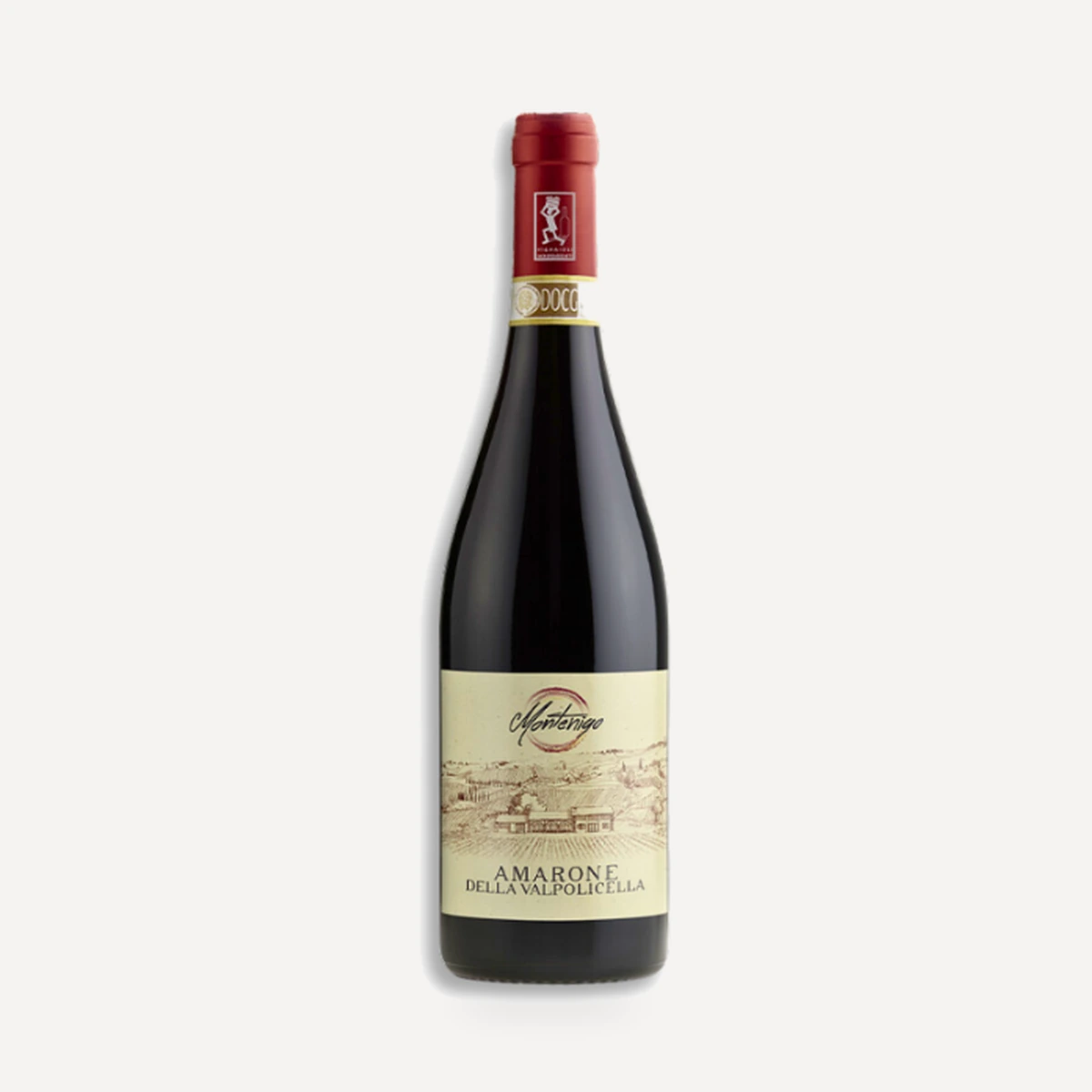
Amarone della Valpolicella
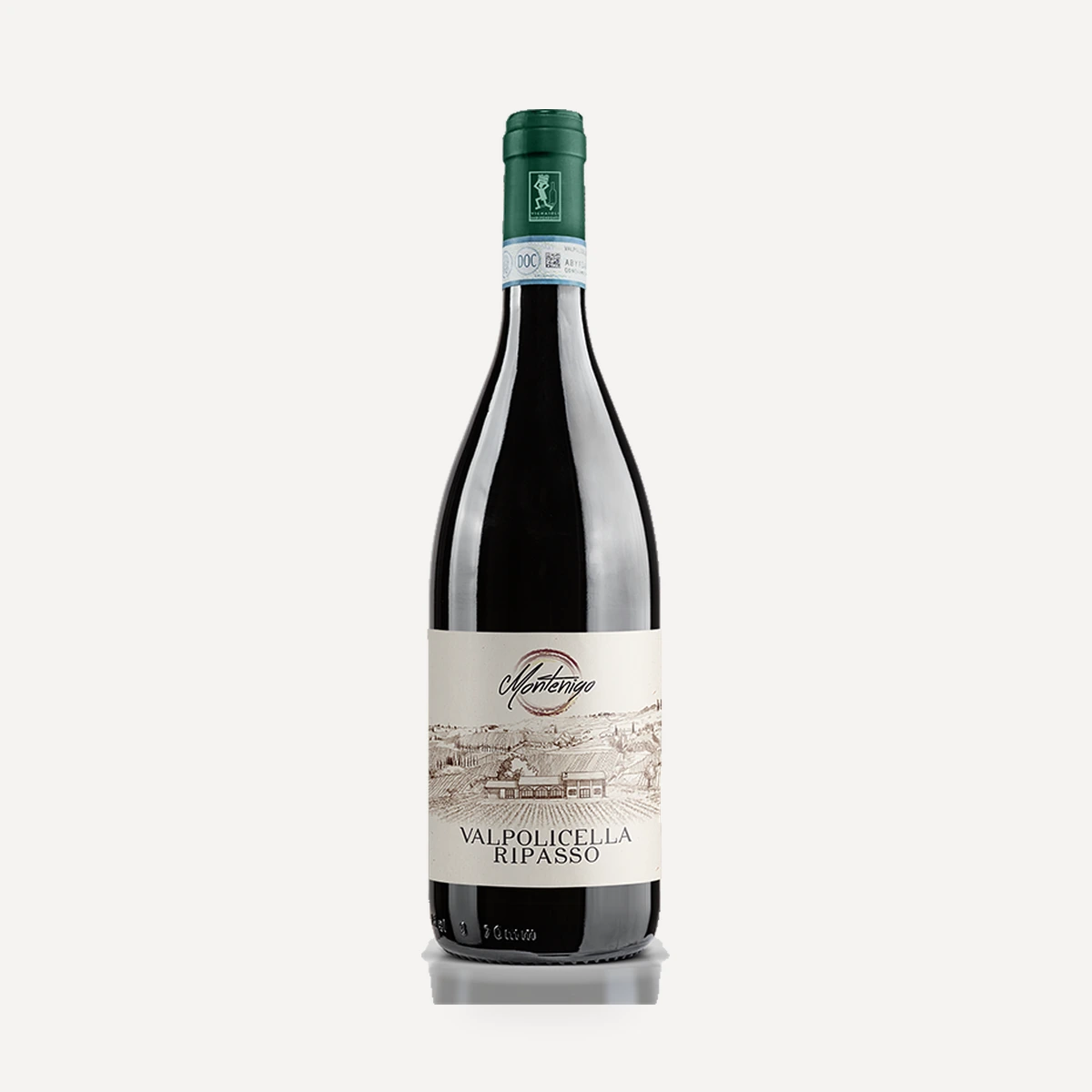
Valpolicella Ripasso Superiore
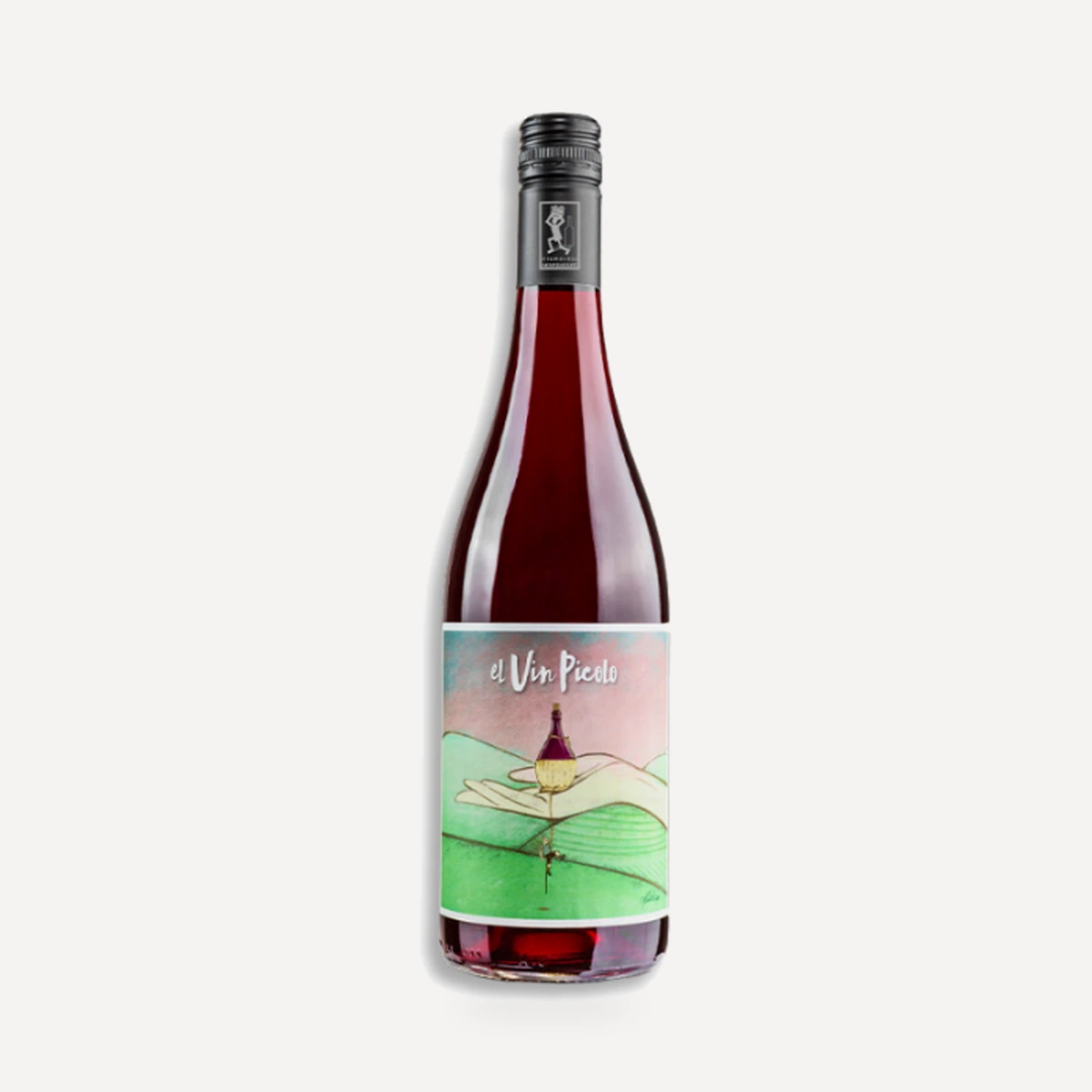
El Vin Picolo
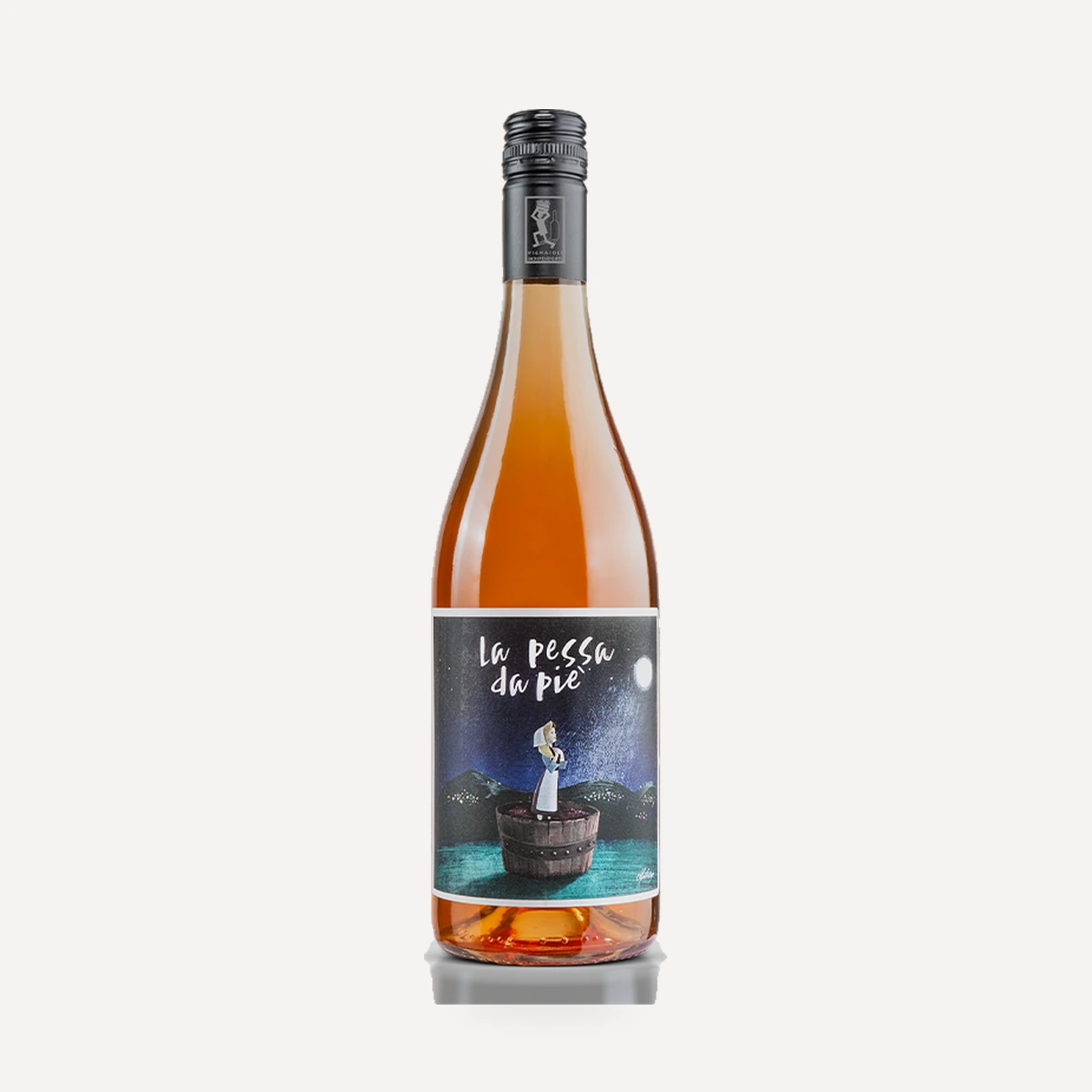
La Pessa da Piè
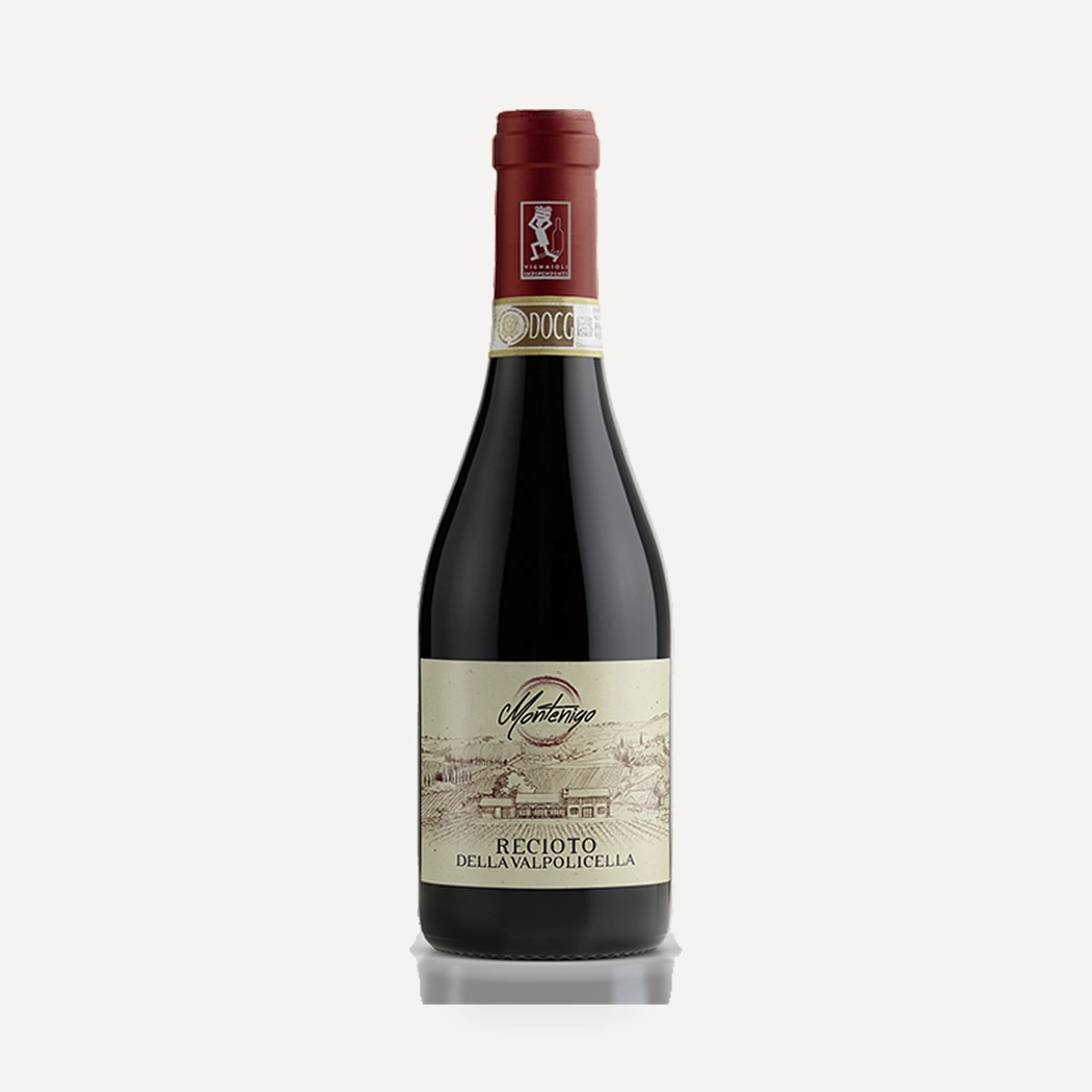
Recioto della Valpolicella