Storia
Origins in Pautasso Vini
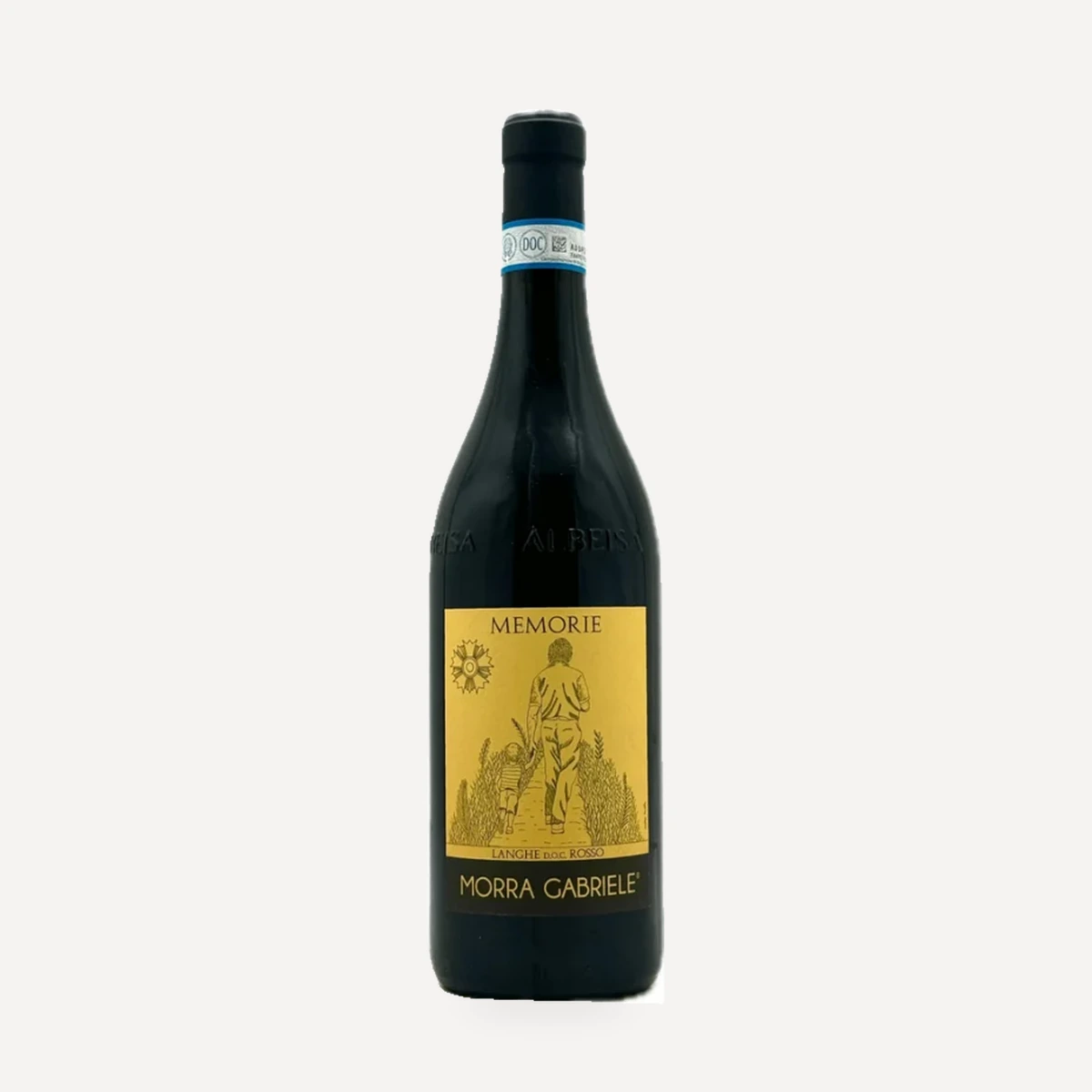
The historical point of departure is Pautasso Vini, created in 1880. At an unspecified later date, Gabriele Morra—grandfather of the present partner Gabriele Testa—took over an old, traditional Piedmontese cellar. His name was subsequently retained as the identity of the business and its labels: Morra Gabriele, già Pautasso Vini dal 1880.
The future partners
Gabriele Testa was born in 1981 and grew up as a Piedmontese farmer, spending much of his life among the vines. Stefano Campaniello, born in 1983, followed a different route through hospitality and wine. He became a sommelier, worked in fine-dining restaurants in France, Spain, London and Italy, and travelled through European wine regions to deepen his understanding of wine.
The two met when Stefano was managing the dining room of a restaurant frequented by Gabriele. Their shared interest in land, vineyards and wine developed into a friendship and, eventually, a working partnership.
2013: Morra Gabriele begins its present chapter
In 2013, Gabriele Testa and Stefano Campaniello joined forces under the Morra Gabriele name. They continued the activity associated with Gabriele’s grandfather while combining distinct responsibilities: Gabriele concentrated on the vineyards and the balance of the soil, while Stefano directed work in the cellar.
The business has remained centred on the two partners. Its cellar practice developed around long, spontaneous fermentations, concrete tanks and oak barrels, with territorial expression as the objective. Their stated direction for the future is to continue this course while making room for research and new projects.
Terroir
The winery and cellar are located on Strada Ovello in the commune of Barbaresco, Piemonte. Its vineyard material includes Nebbiolo grown within the commune of Barbaresco and Barbera, including an old Barbera vineyard.
The land is approached as a living system whose vitality and natural rhythms are integral to grape quality. Vineyard work is directed toward maintaining balance in the soil and helping the vines withstand the pressures associated with a changing climate.
Vinificazione
Agriculture is treated as the foundation of the wines. Gabriele Testa works the land with the objective of preserving equilibrium between vines and soil. The vineyards are managed without forcing the land, with attention to its life and natural rhythms and to protecting it from the effects of a changing climate. Green manure forms part of this soil-focused approach.
The commitment to ethical, clean and mindful farming arose partly from Stefano Campaniello’s personal experience of adverse health effects associated with vineyard treatments and pesticides. This made reduced reliance on such treatments a practical and ethical necessity rather than a response to fashion. Vineyard quality is consequently linked to soil vitality, careful husbandry and a light human touch.
Cellar work follows an essential, low-intervention approach. Fermentations are spontaneous and are allowed to proceed for extended periods, giving the living fruit and must a central role in determining the wine’s development. Concrete tanks and oak barrels are the principal vessels identified for fermentation and élevage.
Stefano Campaniello directs this work with the objective of producing wines connected to their territory. The intended balance combines fruit, freshness, elegance and energy, supported by close artisanal attention while limiting cellar manipulation.
Filosofia
The estate’s guiding maxim is “less is more.” Wine is conceived as an act of freedom rather than a response to fashion. Each vintage should take shape first in the vineyard and become a finished wine only when it conveys the partners’ own intentions.
Agriculture is the centre of this philosophy. The land is treated as a form of living memory: it is worked without coercion, protected against climatic pressures and allowed to retain its own life and rhythms. Ethical and mindful cultivation is regarded as the source of grape quality.
The same principle carries into the cellar through spontaneous fermentation, limited intervention and close artisanal care. The partners seek territorial wines in which fruit, freshness, elegance and energy coexist in a natural but contemporary balance. Authenticity, shareability and the desire for a second sip are valued above fashion or the prestige of a label.
Gabriele Testa and Stefano Campaniello intend to continue along this path while leaving space for research and new projects.
Vini
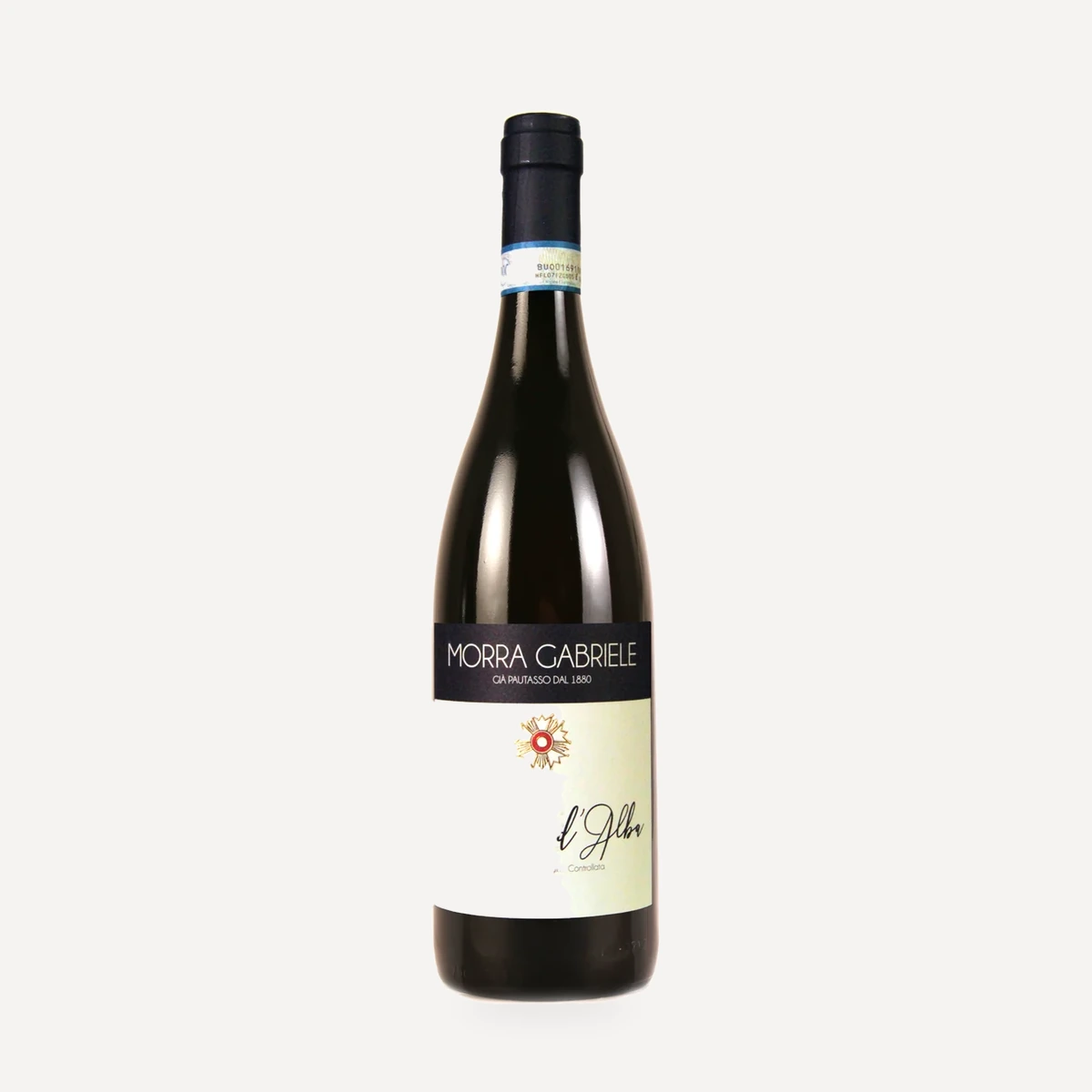
Barbera d’Alba
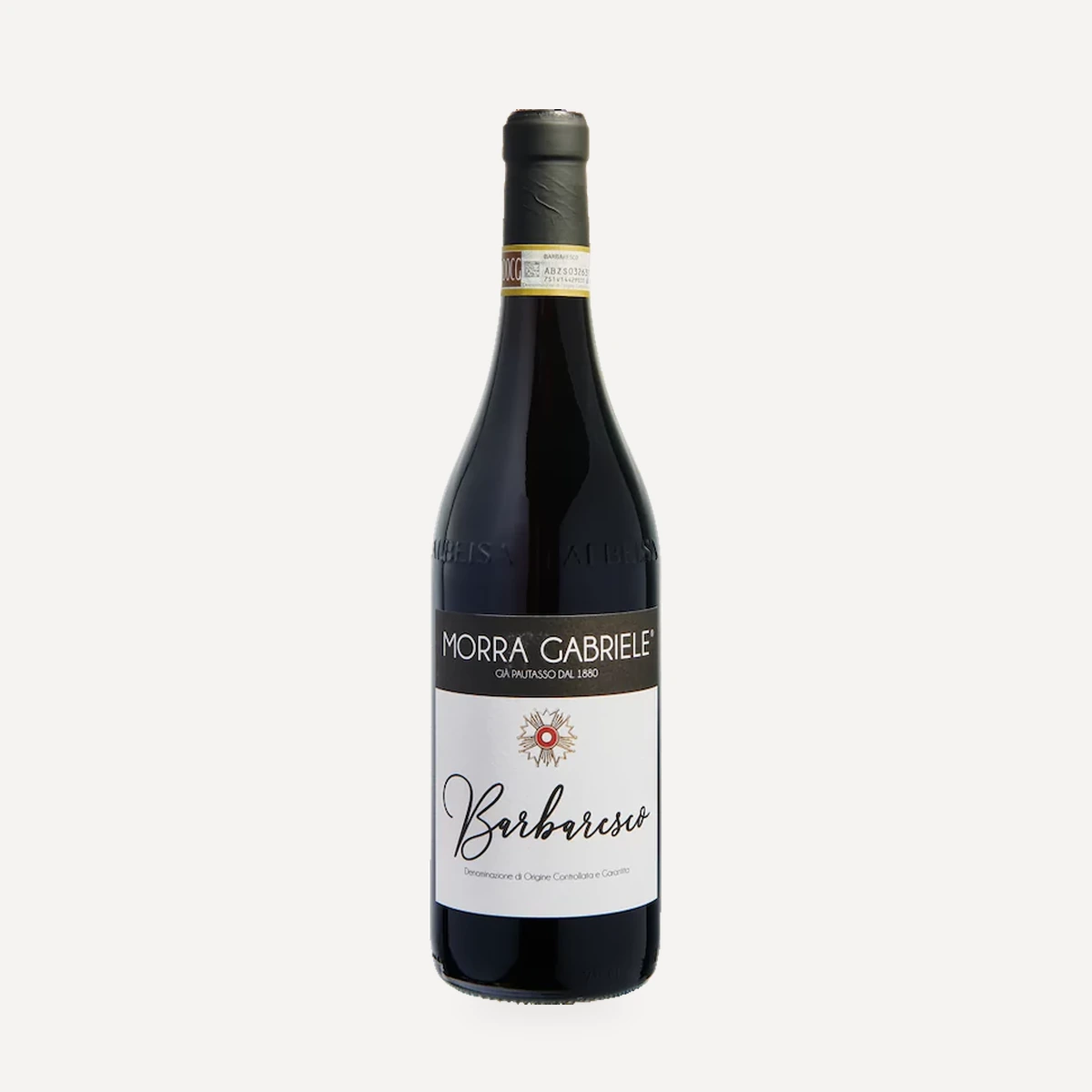
Barbaresco
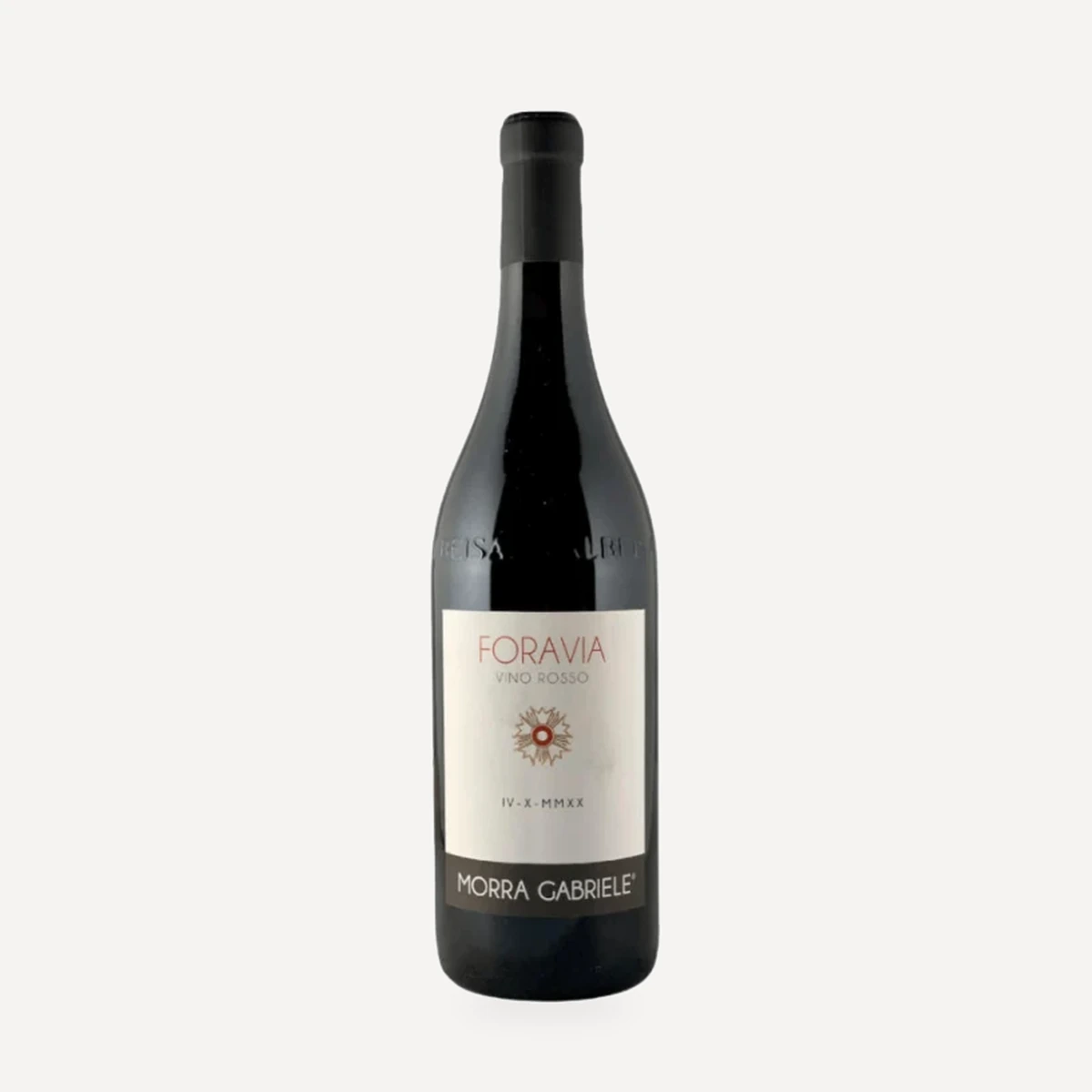
Foravia
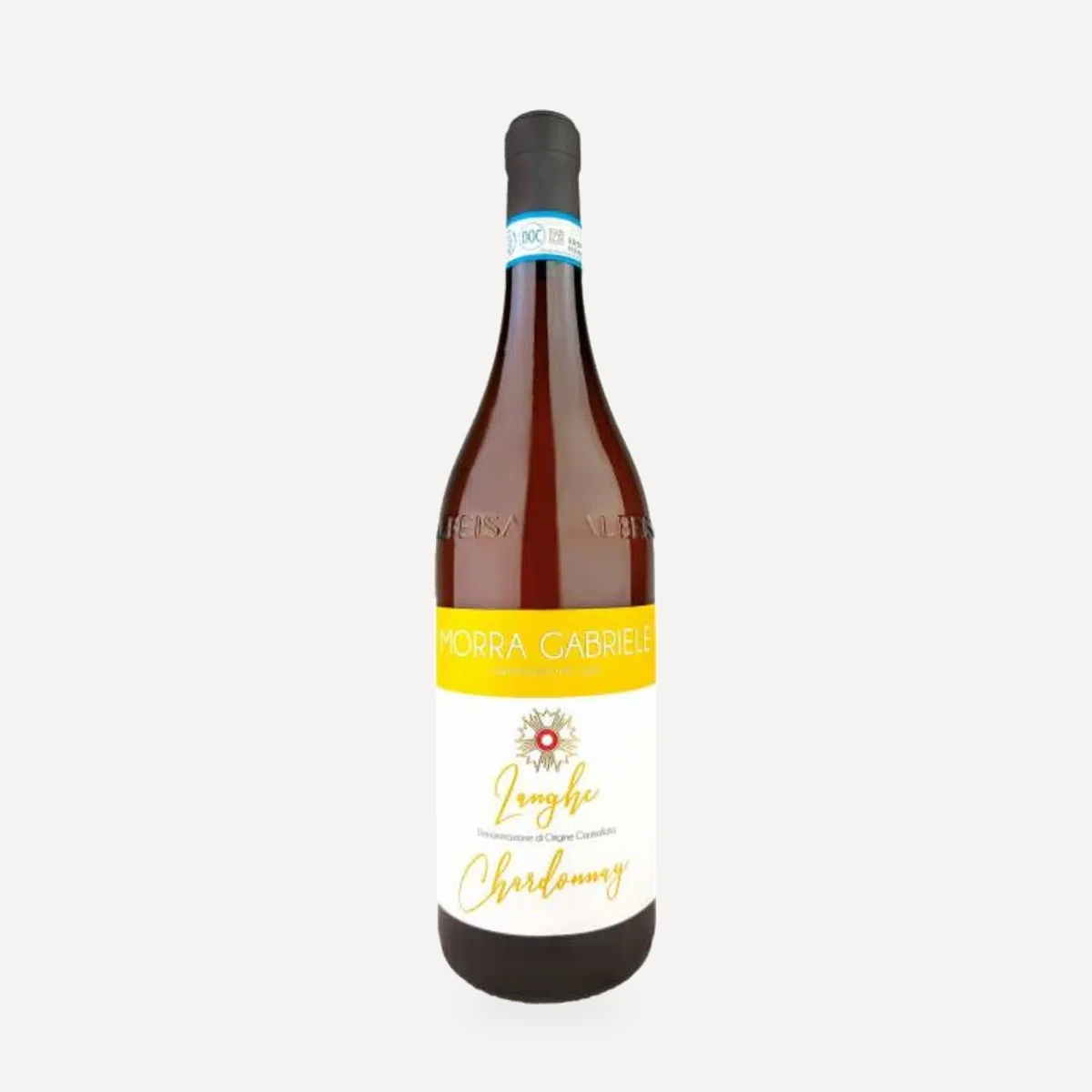
Langhe Chardonnay
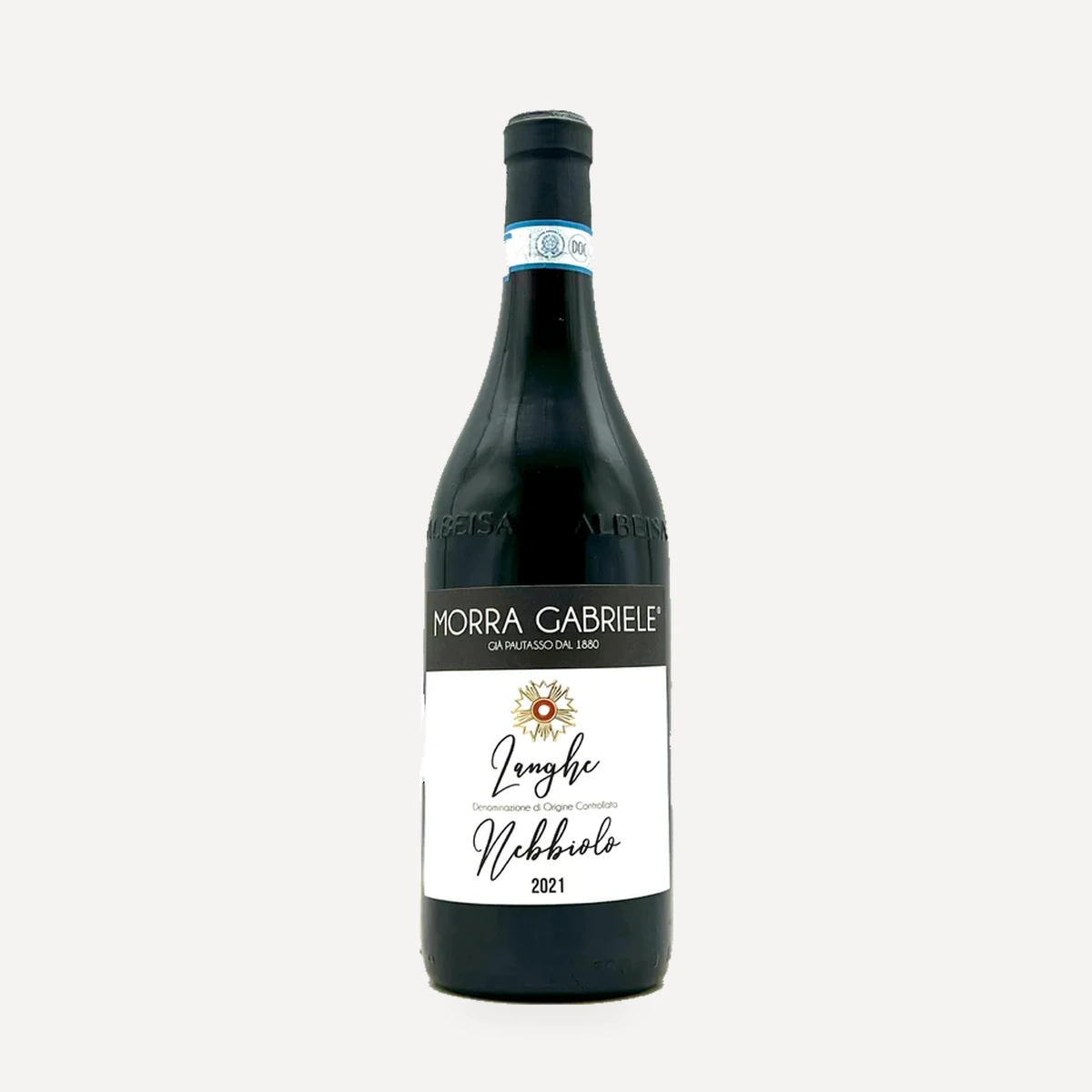
Langhe Nebbiolo