Storia
From wine ambition to fruit farming
Guido Martinetti’s original professional ambition was wine. Born in Turin in 1974, he studied agronomy and completed a master’s degree in viticulture and oenology. His practical training included harvest work in Bordeaux and Piedmont, followed by wine consulting. In 2001 he spent five months driving for—and learning alongside—agronomist and oenologist Federico Curtaz.
On 10 August 2002, while studying green-harvest practices, Martinetti encountered an article by Slow Food founder Carlo Petrini about the decline of traditional gelato. He conceived the idea of applying a fine-wine approach to ice cream: exceptional raw materials, careful farming and close attention to individual varieties. He shared the plan with Federico Grom, a friend from military service. Grom prepared the business plan, and their first Grom gelato shop opened in Turin in 2003. Martinetti directed production and relationships with growers and suppliers, while Grom oversaw finance.
2008: the Costigliole farm
In 2008, Martinetti and Grom invested proceeds from the gelato business in approximately 20 acres of farmland at Costigliole d’Asti. The initial purpose was to grow high-quality organic fruit for Grom sorbets. The plantings included apricots, peaches, pears and figs, alongside experiments with different melon and strawberry varieties. This farm became the foundation of Mura Mura.
2014–2015: a return to wine
A cool summer in 2014 depressed gelato sales in Turin and other important markets. An acquisition proposal from Unilever offered Martinetti a route back to his original ambition. The partners sold Grom in 2015 and remained its co-chief executives for another four years while beginning their wine project.
They named the Costigliole farm Mura Mura, a Malagasy expression associated with a slow, patient way of living. The partners began acquiring old vineyards and land on the marl hillsides above the farm, carrying into wine the same emphasis on raw materials, study, patience and sensory precision that had shaped their work with fruit.
2016–2020: expansion into the Langhe
Beginning in 2016, a five-year programme extended the holding beyond Costigliole d’Asti into the Langhe. The acquisitions encompassed approximately 8.5 acres in the Barbaresco crus of Serragrilli, Starderi, Currà and Roncaglie, together with approximately 3 acres in Sorano at Serralunga d’Alba in the Barolo denomination. The enlarged estate brought the project’s Monferrato vineyards together with distinct Nebbiolo sites in Barbaresco and Barolo.
2019: the new winery
The winery opened in 2019. Built largely into the hillside, it was designed to preserve the landscape and opens toward it through large windows that bring natural light into both working and maturation areas. Mura Mura also obtained authorization to vinify its Barolo and Barbaresco grapes at the estate outside those two appellations.
The production system developed around spontaneous fermentations, French-oak vessels and a second maturation phase in ceramic amphorae. The ceramic vessels provide slow oxygen exchange without adding an aromatic signature. This sequence became a defining element across the range.
The estate today
Mura Mura now covers 30 hectares of vineyards, orchard, woodland, apiaries and a pond. Approximately 11 hectares are under vine: some surround Le Marne Relais in Monferrato, four holdings lie in Barbaresco, one hectare lies in Sorano at Serralunga d’Alba, and a Timorasso vineyard is located at Monleale in the Colli Tortonesi. The contemporary portfolio is organized around two identities: Rigore, devoted to Nebbiolo from the Langhe, and Fantasia, a freer interpretation of Piedmontese varieties from Monferrato and the Colli Tortonesi. Hospitality has grown alongside wine through Le Marne Relais, Radici Ristorante in Vigna and the elevated Casa Sospesa among the estate vineyards.
Terroir
A dispersed Piedmont estate
Mura Mura lies between Monferrato and the Langhe within a UNESCO-listed landscape. The 30-hectare estate combines vineyards with orchard, woodland, apiaries and a pond. Its winegrowing holdings extend from Costigliole d’Asti to Barbaresco, Neive and Serralunga d’Alba, with an additional Timorasso site at Monleale in the Colli Tortonesi.
Marine marls
The estate identifies marine-origin marl as the geological thread connecting its vineyards. These soils are rich in clay and calcium carbonate. The presented soil profile moves from vineyard topsoil through broken rock and sand, gravel and pebbles, layered clay and finally bedrock.
Langhe
The four Barbaresco crus occupy hillsides dominated by calcareous marl, with differing proportions of clay and sand. Exposures include south, south-east, south-west and west, creating distinct conditions for Nebbiolo. Roncaglie and Starderi are associated with aromatic finesse and elegance; Serragrilli with structure and depth; and Currà with balance and restraint.
Sorano at Serralunga d’Alba has denser, more structured soils. Its calcareous clay marl contains smaller proportions of silt and sand. The site contributes the estate’s most powerful and complex expression of Nebbiolo.
Monferrato and Colli Tortonesi
The Costigliole vineyards lie across gentler Monferrato hills. Their soils are principally silty-clayey, with varying quantities of sand and marl. Individual sites range from strongly calcareous soils at the Moscato vineyard to the silty, calcareous Miolera and Garibaldi sites and the clay-limestone soils of Mortisio.
At Monleale, the south- and south-west-facing Timorasso site stands at 184 metres on clay and silt. Across the holdings, vineyard elevations range from about 160 metres at the Moscato site to 280 metres at Roncaglie and Sorano.
Vinificazione
Mura Mura’s vineyards are managed according to SQNPI agricultural guidelines. The estate describes the work as predominantly manual and directed toward balance within each plant.
Gentle pruning is used to limit large wounds and preserve vine structure. Hedging is kept to a minimum; where growth is excessive, shoots may be rolled around the support wires instead of being cut. Shoot removal is selective rather than routine, and fertilization uses locally sourced organic manure.
Yield is adapted to each parcel and variety. Reported levels range from 24–28 hl/ha in old-vine Roncaglie and no more than 15 hl/ha of wine in the Moscato vineyard to 70 quintals/ha for Freisa, Grignolino and Ruché. The cellar team also uses pre-fermentation saignée in varying proportions to adjust the relationship between juice and skins according to site, variety and vintage.
Biodiversity is treated as a functional part of the farm rather than a decorative feature. Vines coexist with an orchard, woodland, bees and a pond across the 30-hectare holding. Work follows the pace of natural cycles, with patience and avoidance of unnecessary forcing as stated principles.
Winery and fermentation
Opened in 2019, the winery is largely built into the hillside. Large windows bring natural light to the production and maturation rooms while visually connecting the building with the surrounding landscape.
Fermentations are spontaneous, using indigenous yeasts. Red grapes are generally fermented in 50 hl French-oak vats at temperatures no higher than 26°C. Macerations typically last 10–16 days according to the parcel and variety, with gentle pump-overs intended to extract colour and ripe tannin without harshness. Several red cuvées receive a pre-fermentation saignée: approximately 5–10% for Starderi, 5–15% for Currà, Giulietta and Orlando, as much as 20% for Barbera destined for Romeo, and as much as 25% for Miolera. Currà also completes malolactic fermentation in 50 hl French-oak vats.
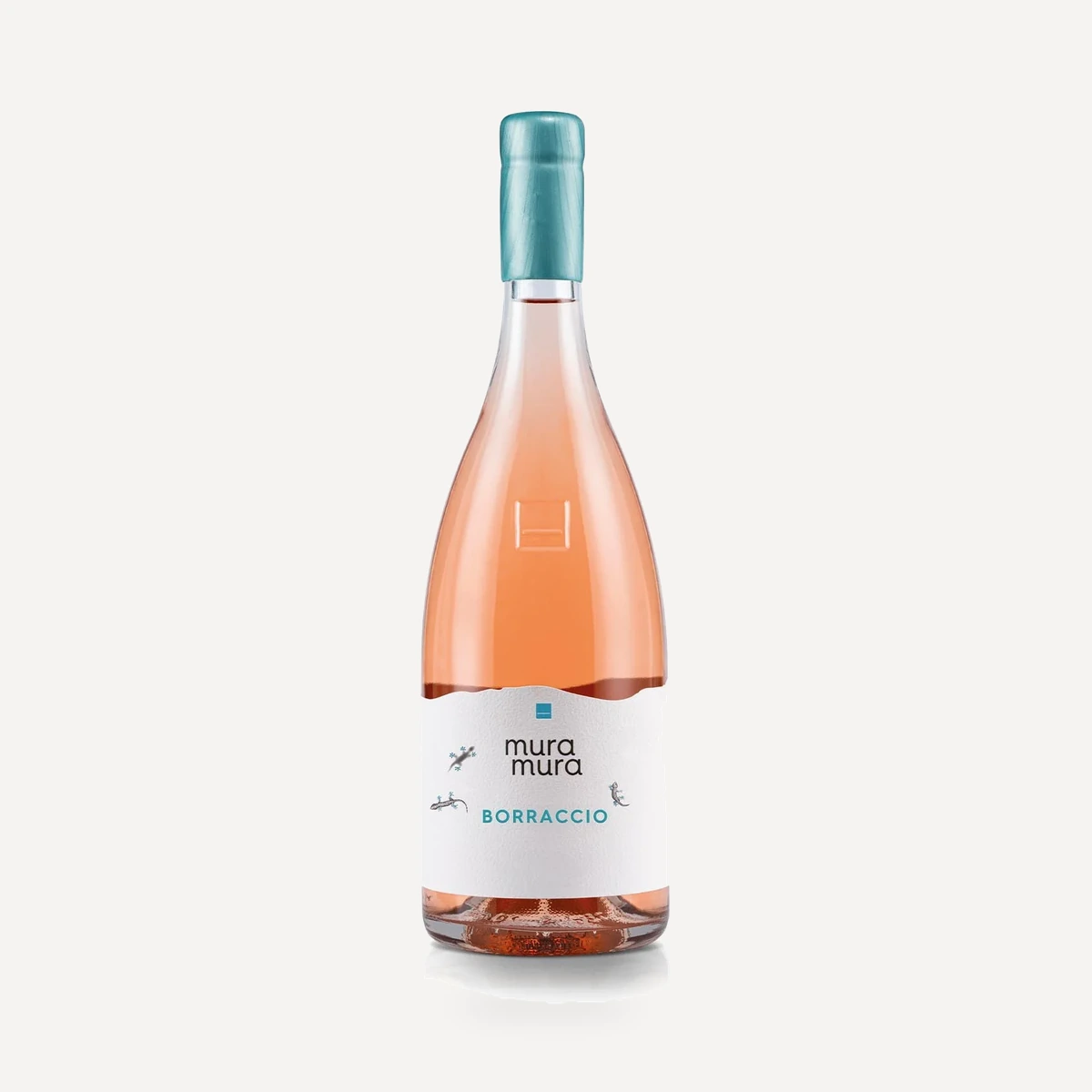
The white-wine approach combines 500-litre French-oak tonneaux with 400-litre ceramic amphorae and includes lees stirring. Bianca ferments at 18°C in approximately 25% oak and 75% ceramic; Beatrice uses approximately 33% oak and 66% ceramic at the same temperature. Ofelia ferments at 24°C in equal proportions of 500-litre French oak and 400-litre ceramic. Borraccio ferments at controlled temperature in stainless steel.
French oak followed by ceramic
The principal maturation sequence begins in French oak and continues in ceramic. Ceramic is made from fired clay enriched principally with quartz and feldspar. Its higher firing temperature creates an aromatically neutral, readily cleanable vessel with slow oxygen exchange of approximately 10 mg/L/year. Mura Mura uses this lower-oxygen environment in the second year, when the wines are clearer and require gentler oxygenation without additional oak-derived flavour or tannin.
The exact regime varies by site. Barbaresco parcels generally spend 12 months in French-oak casks followed by 12–14 months in 400-litre ceramic amphorae. Sorano and Orlando spend 18 months in French oak and a further 12 months in ceramic. Monferrato reds use combinations of large casks, 500-litre tonneaux and 400-litre ceramic; Giulietta matures for 18 months in 60% ceramic and 40% French-oak tonneaux. Bianca and Beatrice remain for 14–18 months in their fermentation vessels with lees work. Ofelia matures for 18 months in equal parts French oak and ceramic, while Borraccio remains in stainless steel for six months.
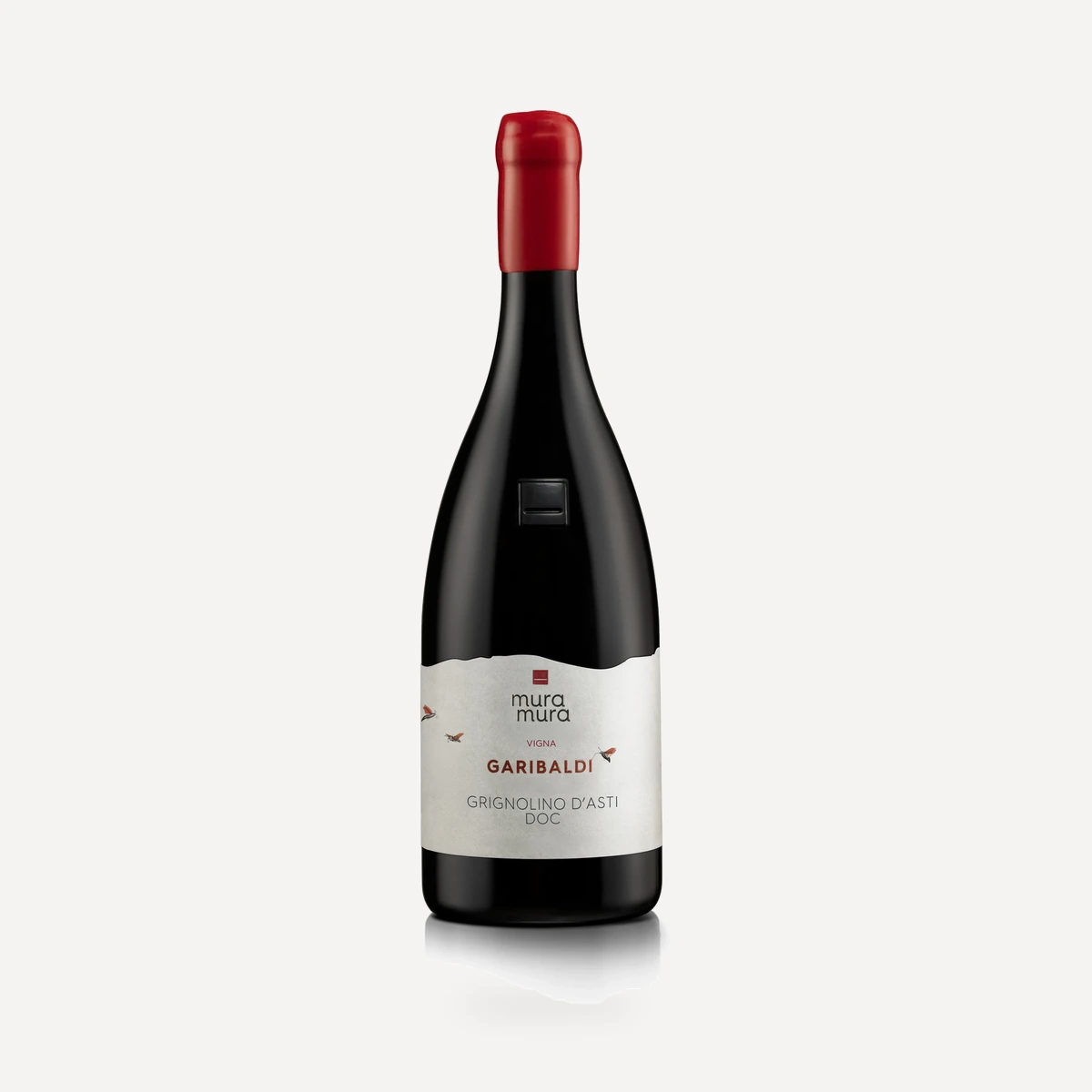
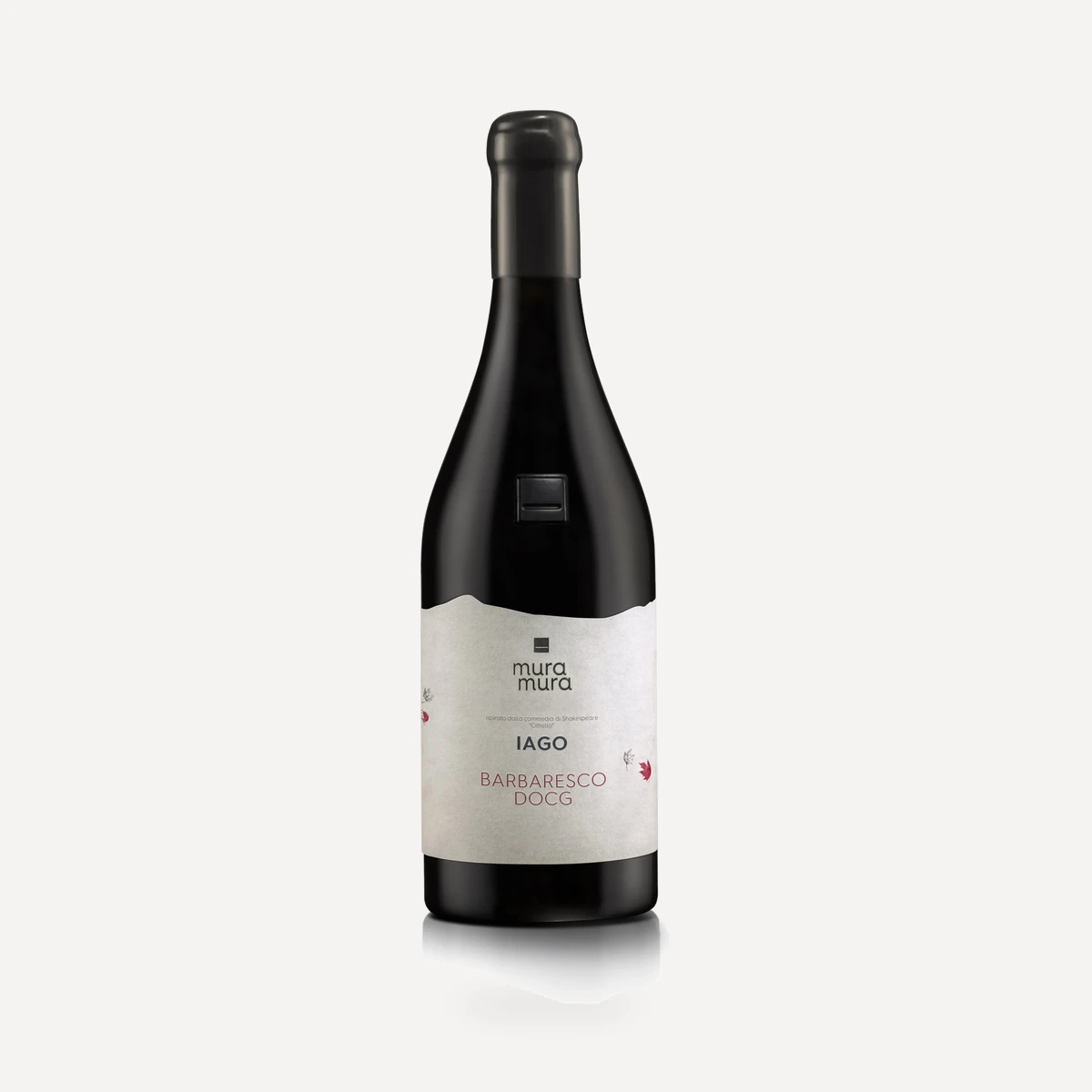
Bottle maturation follows, ranging from three to four months for Mercuzio and Bianca, four to six months for Garibaldi, at least six months for most red wines, eight months for Starderi and nine months for Sorano. Blended wines are assembled after their components have matured separately: Iago combines Currà, Starderi and Serragrilli after separate vinification, while Romeo’s Barbera, Nebbiolo, Grignolino and Ruché components are selected after ageing to reflect the character of the vintage.
Filosofia
Mura Mura presents slowness, patience and attention as the core of its identity. Its name evokes a Malagasy idea of living unhurriedly and appreciating small gestures, relationships and details. The project grew from the friendship between Guido Martinetti and Federico Grom and from their shared belief that exceptional results begin with exceptional agricultural raw materials.
The estate’s philosophy is organized around three ideas: terroir, allowing each place, plant and vine to express its own story; harmony, treating biodiversity as a continuously interacting balance; and rhythm, following natural cycles without forcing them. Elegance is framed as ambition, depth as memory and precision as a form of respect.
In wine, the stated objective is harmony between power and elegance, with ripe, resilient skins regarded as fundamental to Nebbiolo and Grignolino. Extraction is designed to avoid bitterness and angular tannins. French oak provides the first stage of maturation, while ceramic permits slow oxygenation without obscuring varietal or site character.
The range gives local and less-celebrated grapes full status. Grignolino and Freisa are treated as integral expressions of Monferrato rather than secondary varieties. Rigore reflects the disciplined, single-variety framework of Barolo and Barbaresco; Fantasia allows greater freedom in varieties, blends and interpretation. Both are intended to convey distinct places through detailed, parcel-conscious work.
Vini
Borraccio
Garibaldi
Iago
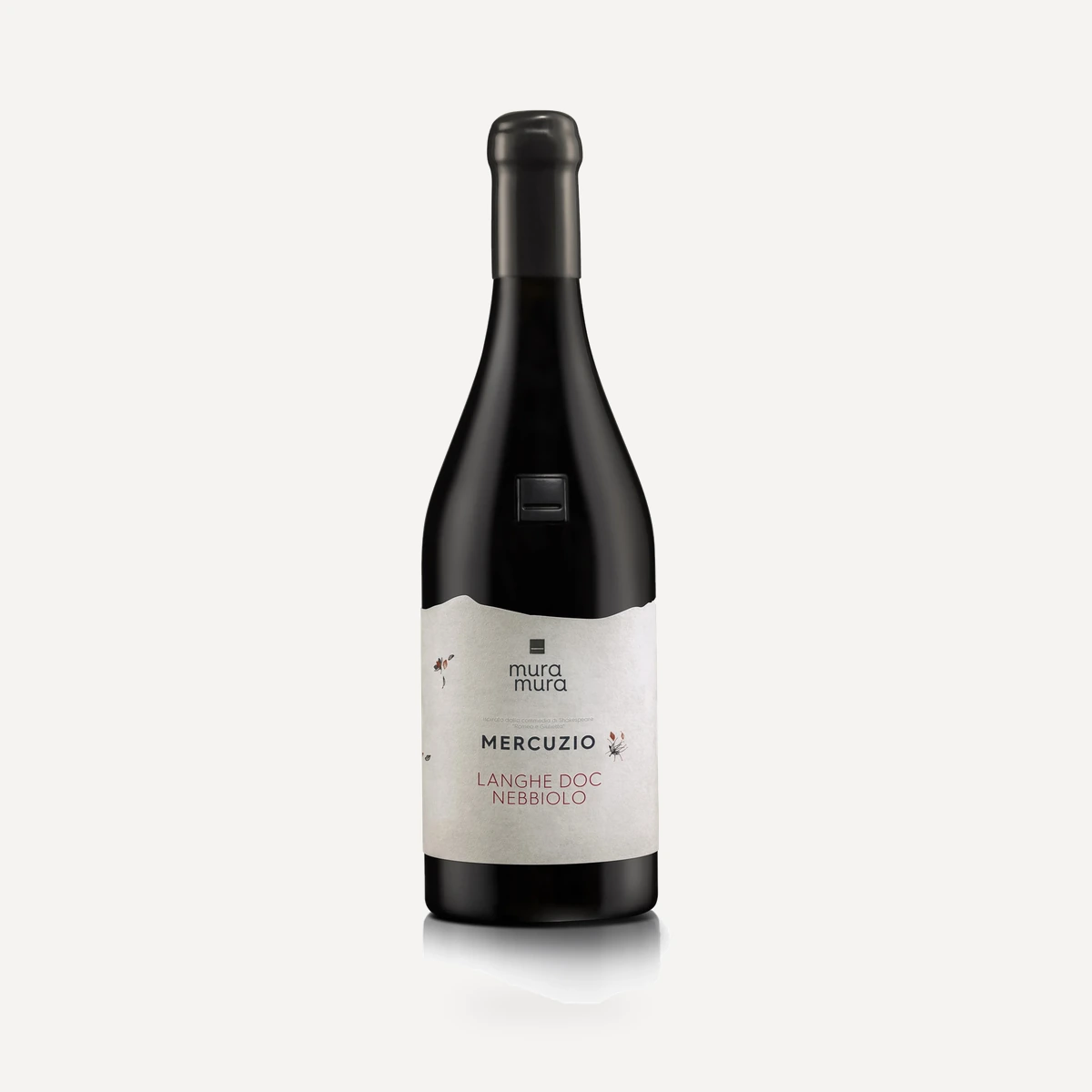
Mercuzio
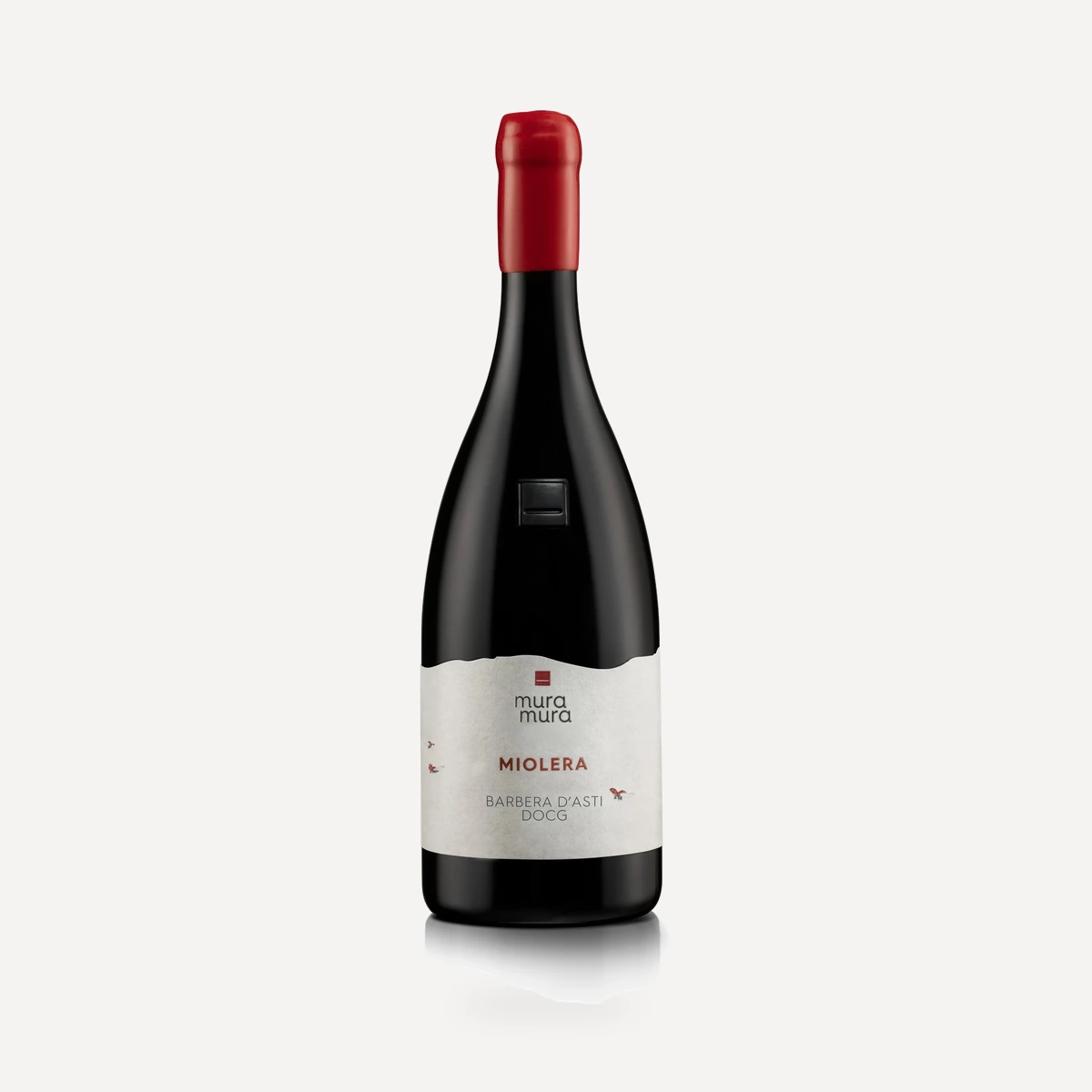
Miolera
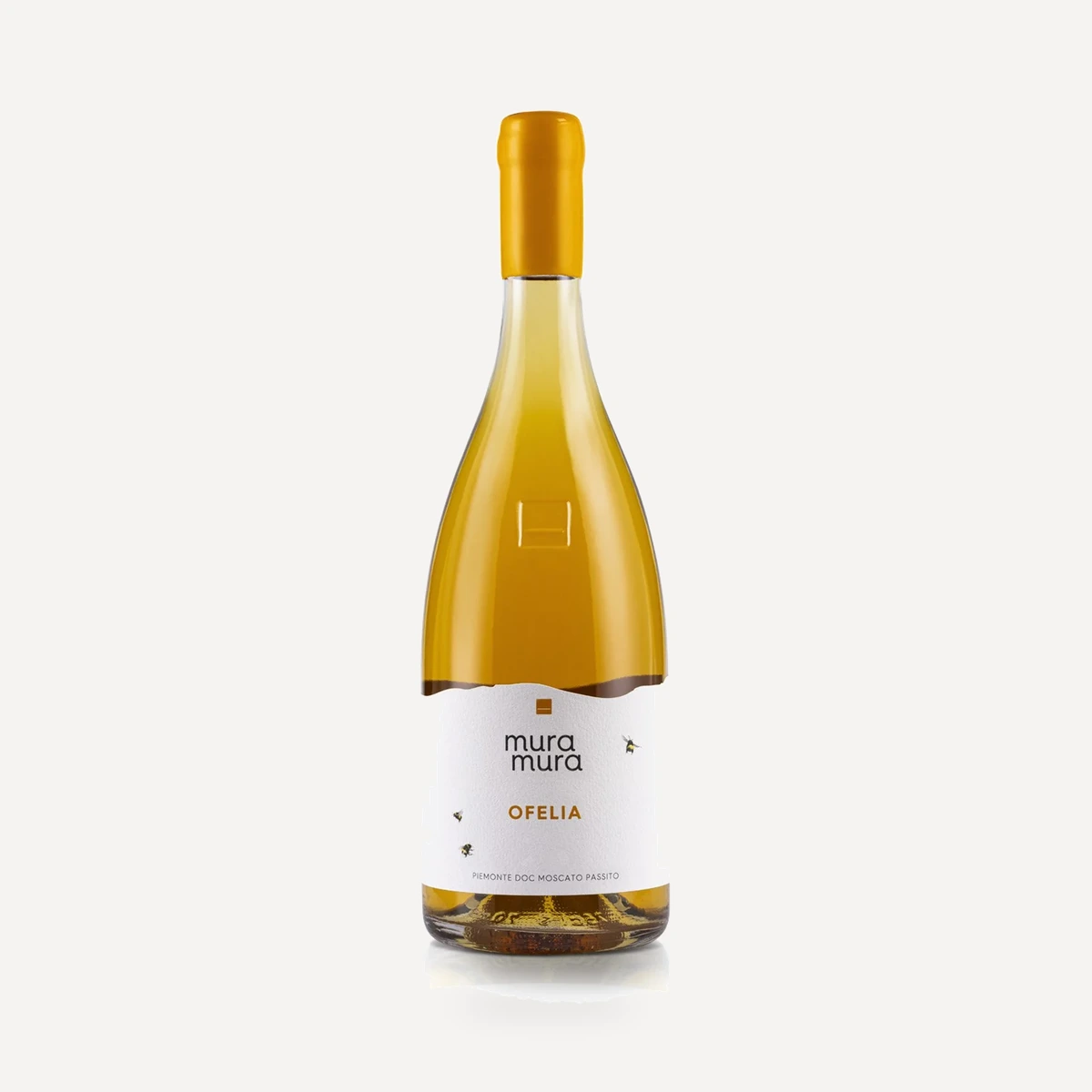
Ofelia
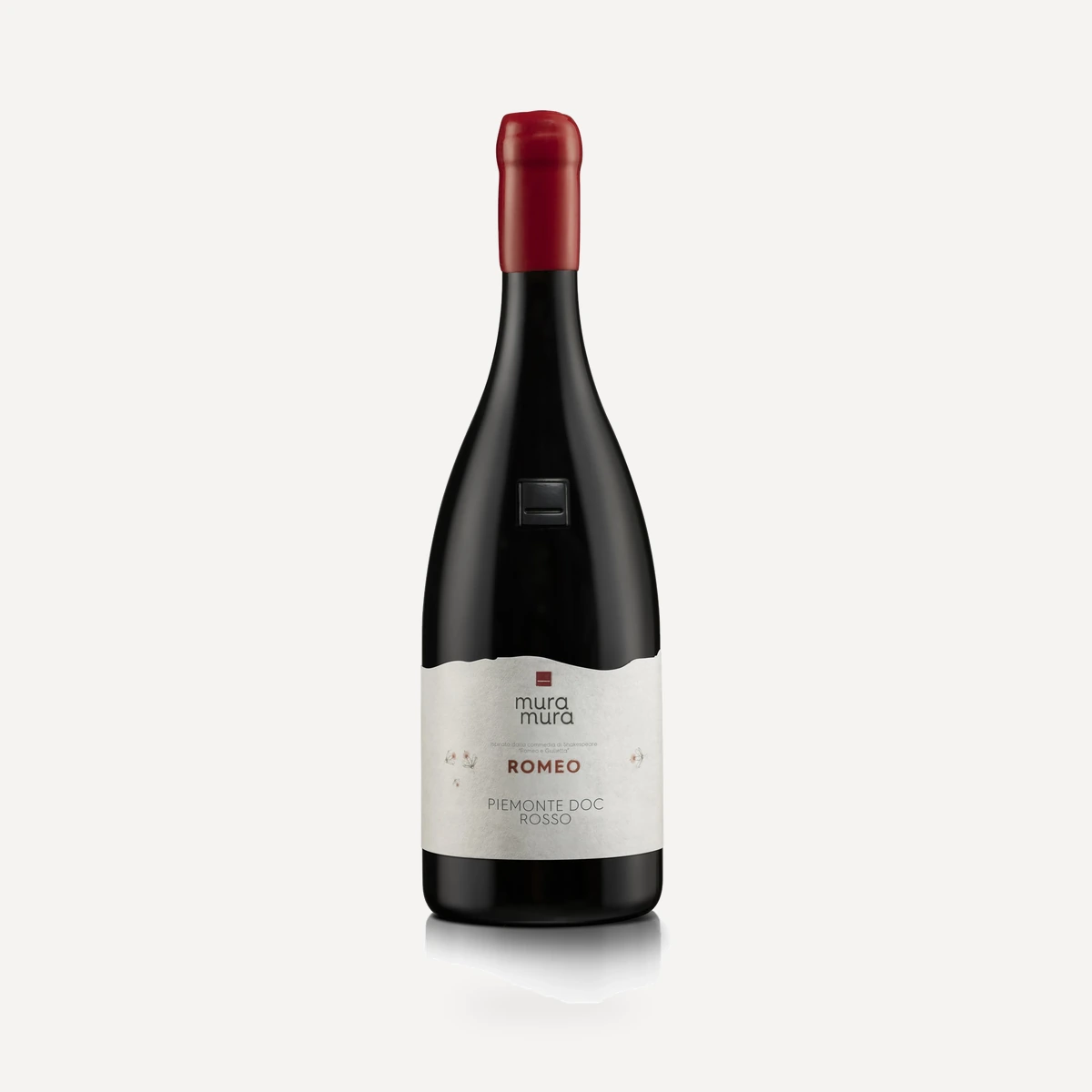
Romeo
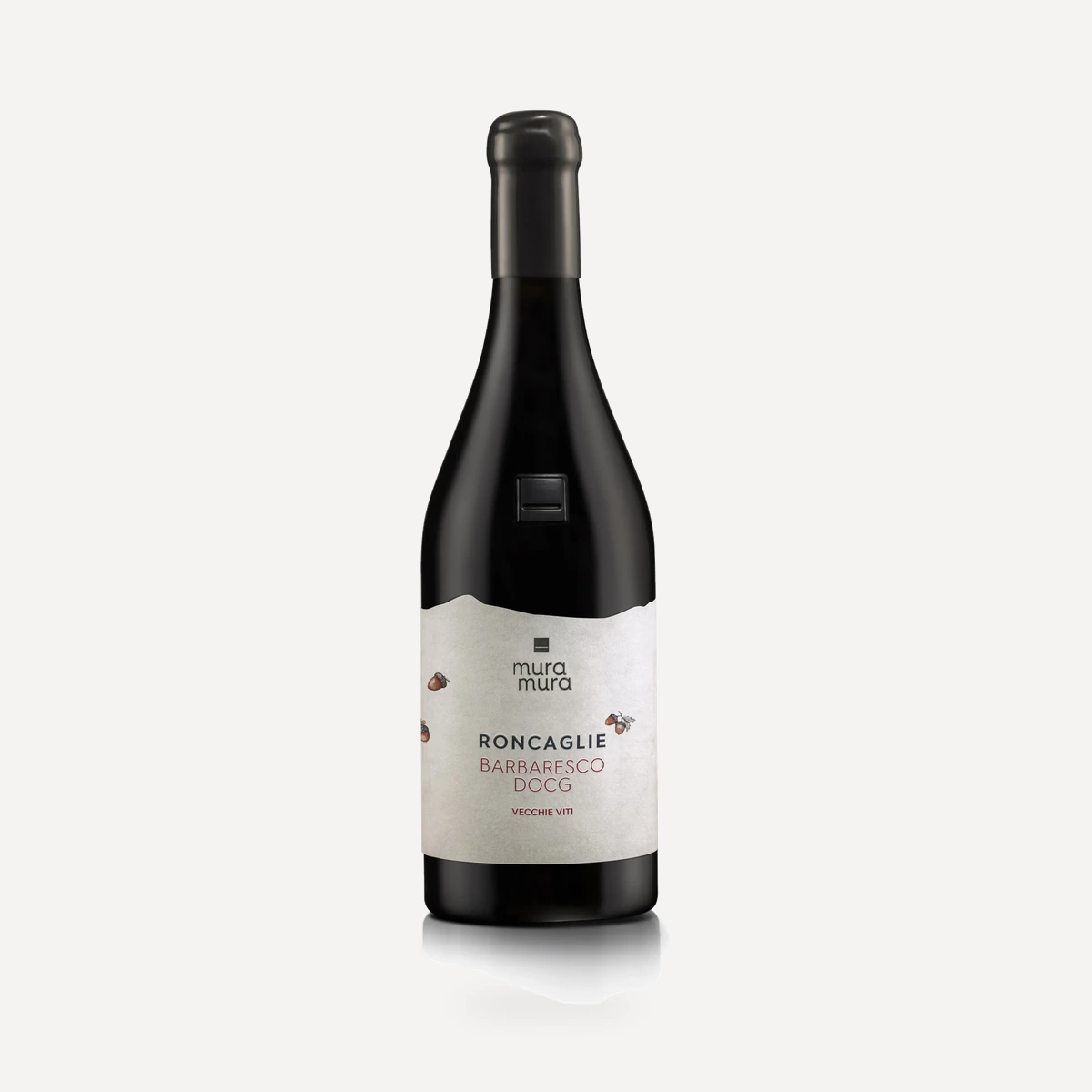
Roncaglie
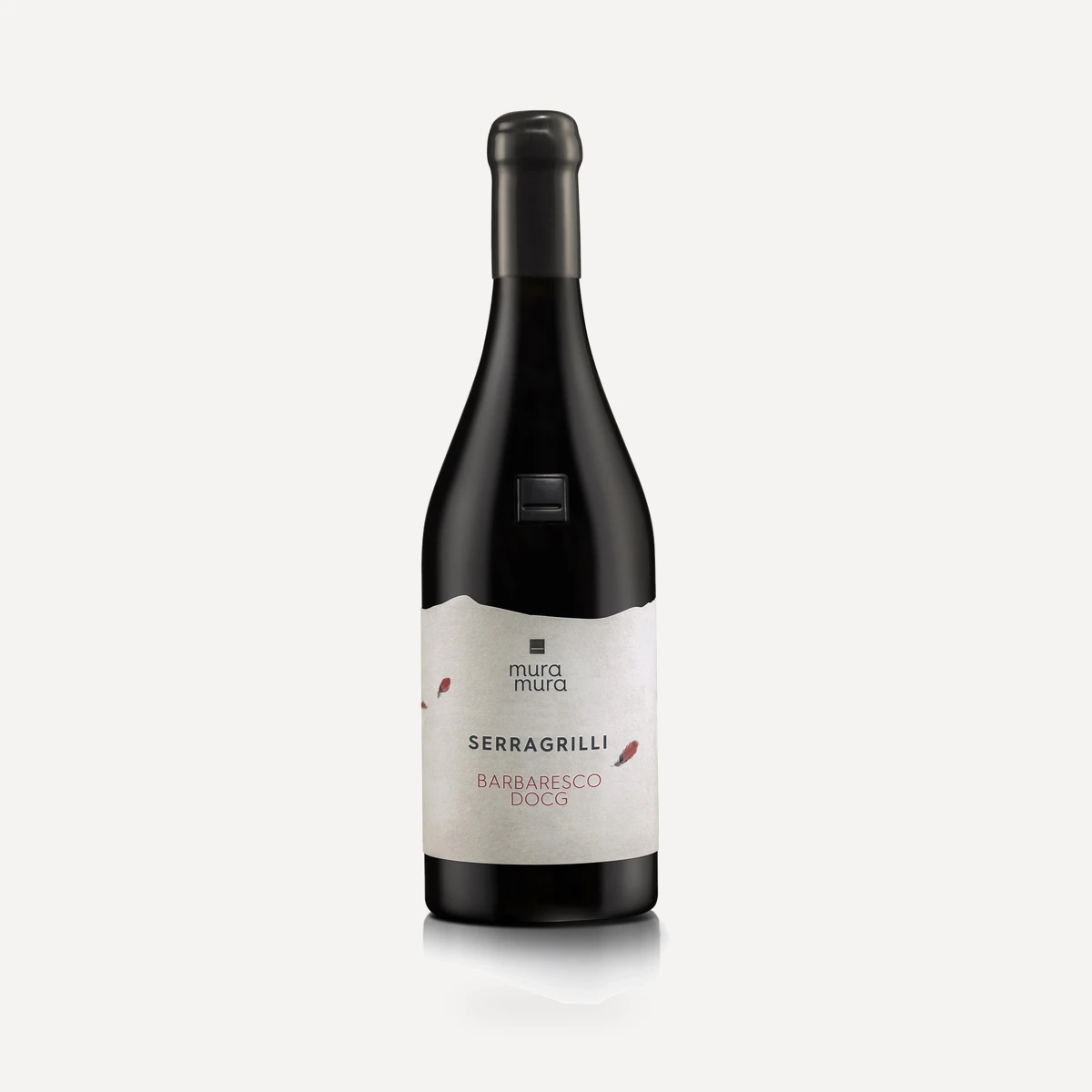
Serragrilli
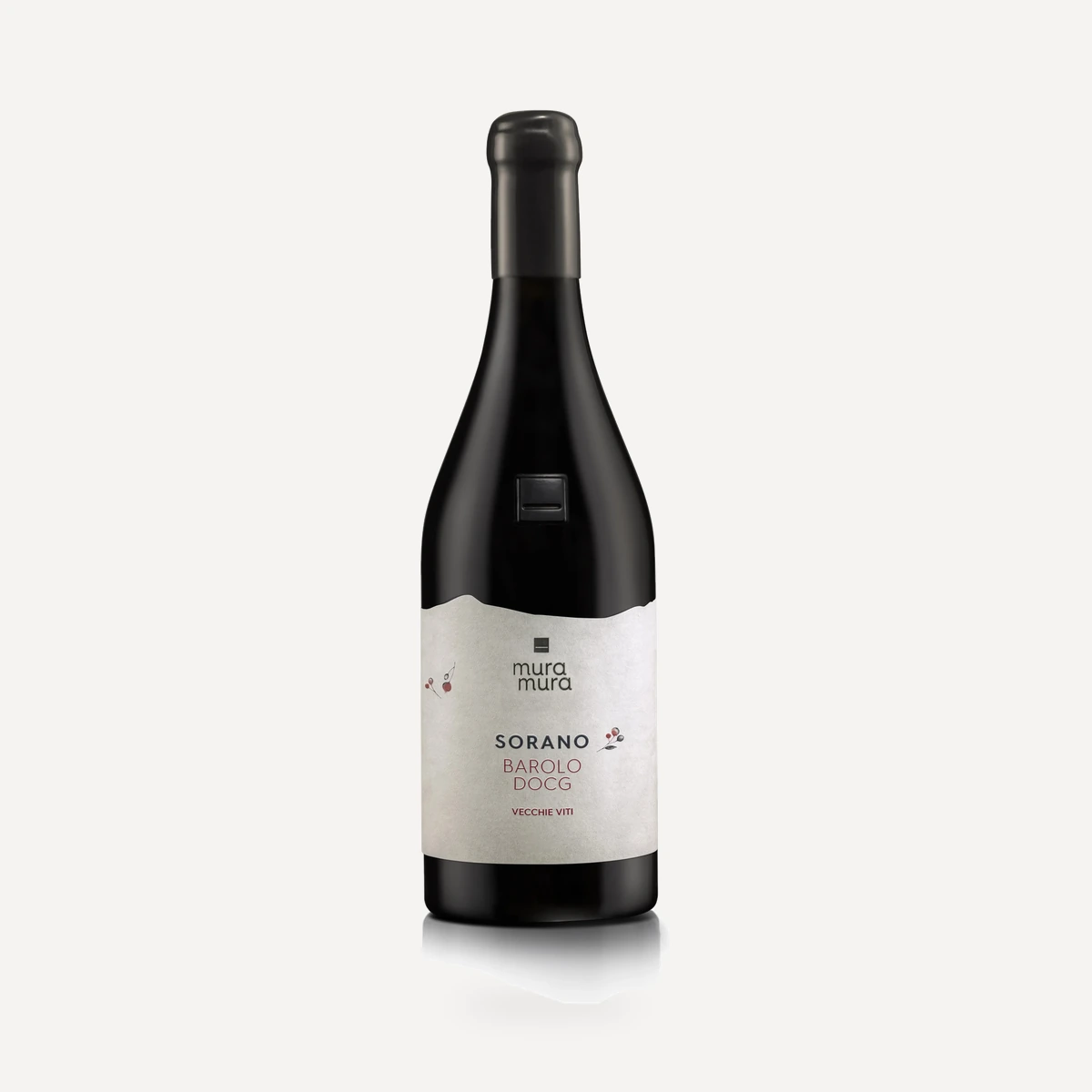
Sorano
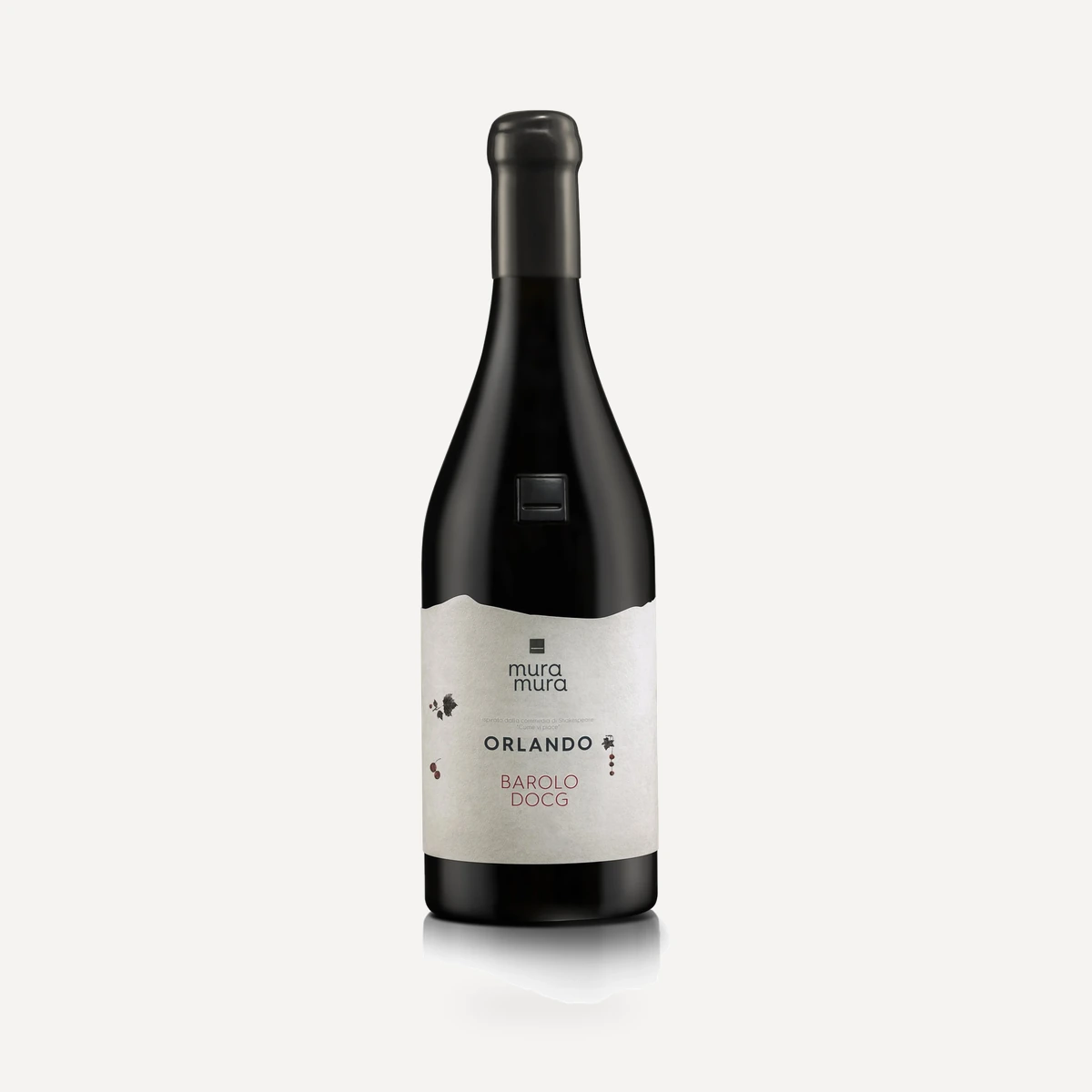
Orlando
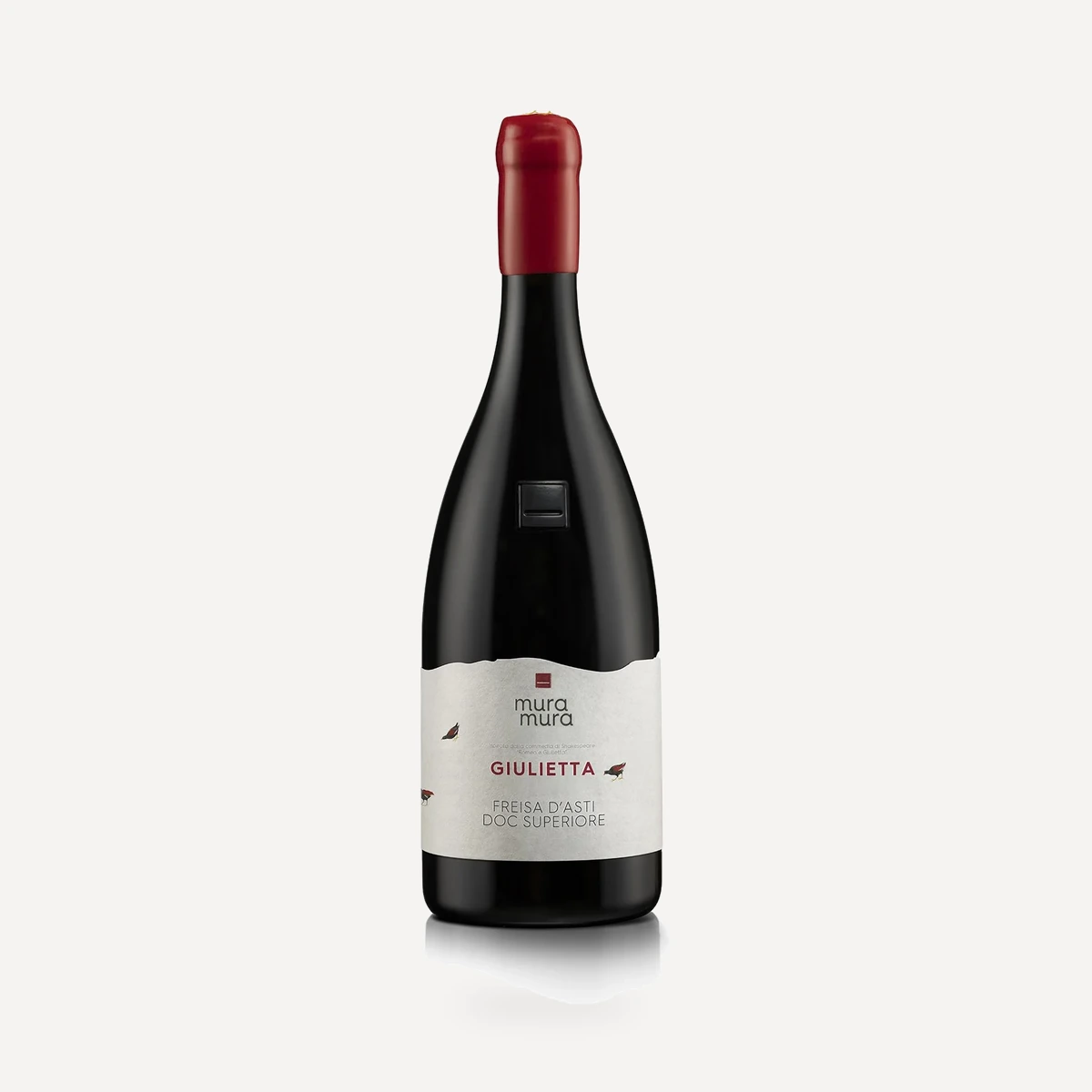
Giulietta