Storia
The historic estate
The oldest records concerning the Counts Muselli, regarded as the probable first proprietors of the estate, date to the 16th century. The rural court that now accommodates the winery and its offices also dates from the 1500s. It originally served as the stables of the estate’s noble residence.
The Villa d’Acquarone complex was built on the Musella hill in the 17th century. Its historic fabric includes formal halls, residential rooms, a library, parkland and a noted aviary.
The beginnings of winegrowing
Documented winegrowing tradition emerges in the second half of the 19th century through Cesare Trezza di Musella, who initiated viticultural activity on the property.
The estate’s woodland was heavily cut during both world wars to supply timber. The relatively shallow soils also limited the eventual height of the regenerated woodland, while a diverse understorey continued to shelter young trees from browsing roe deer and hares.
The present winery and vineyards
Emilio Pasqua Di Bisceglie founded the present Musella enterprise and remains its owner and supervisor. The historic rural court underwent a conservation-led restoration: the former stable became the barrel room and a winery equipped with modern technology, while former dwellings were converted into the Country Relais.
The principal modern vineyard programme began during the 1990s. Corvina-family vines were planted at Monte del Drago in 1996, 1997 and 1998, followed by Merlot in 1999. The trellised sections of Perlar and Palazzina were established between 1996 and 2006. Garganega was planted at Monte del Drago in 2007 and Pinot Bianco in 2012. More recent estate-wide planting information extends the planting period through 2022.
Biodynamics and low-intervention commitments
Musella began following biodynamic agriculture in 2009 as a deliberate expression of respect for the land. Demeter certification followed in 2014. In 2018, Musella joined Triple “A”, the association whose principles centre on environmentally respectful farming, spontaneous fermentation, minimal cellar manipulation and wines that express their terroir. BD Farmers certification followed in 2020 and is presented as the estate’s current biodynamic certification.
Alexander Podolinsky visited Musella in connection with its biodynamic work. His approach translated Rudolf Steiner’s theories into practical, methodical farming applications.
Recent estate investment
Through Veneto’s 2014–2020 European Regional Development Fund programme, Musella acquired a new fleet of bicycles and associated equipment to strengthen its visitor offering. A later rural-development project renovated and modernised estate buildings through new heating and electrical systems. That project received €28,294.96 and was intended to improve guest stays, competitiveness and agricultural-business income.
Terroir
Musella lies in Veneto, northeast of Verona, on the hills of San Martino Buon Albergo and on the hill system separating Montorio from Valle d’Illasi. The nearly 400-hectare estate forms a single, completely enclosed body of land containing vineyards, woodland, waterways, natural refuges, historic courts, small churches, agricultural buildings and residences. The Fibbio stream runs through the green meadows around the winery court.
The three principal vineyards occupy three separate hills surrounded by woodland and natural oases. Exposures are predominantly western: Monte del Drago and Perlar face southwest, while Palazzina faces west.
Soil composition changes materially across the property. Monte del Drago combines tuffaceous or calcareous material with clay; individual sections include white clay and abundant tuff. Perlar is dominated by iron-rich red clay, while Palazzina combines tuffaceous material with red clay. Estate-wide descriptions distinguish the limestone and red clay of Perlar and Palazzina from the medium-textured, clay-rich tuff of Monte del Drago. This variation allows the estate to compare contrasting growing conditions within one property.
Vinificazione
Musella has followed biodynamic agriculture since 2009. It obtained Demeter certification in 2014 and subsequently BD Farmers certification in 2020.
The approach seeks to treat the farm as a living unit in balance with nature, the soil, people, cultivated plants and animals. Soil fertility and biological vitality are prioritised so that vines are nourished through the soil ecosystem rather than synthetic inputs. Synthetic mineral fertilisers and chemical pesticides are excluded, and vineyard work is aligned with cosmic and lunar cycles.
Natural fertility measures include compost made from solid farmyard manure, plant material used as fertiliser and crop rotation. Plant protection combines mechanical pest control with products based on mineral and plant-derived substances. Composting is intended to increase soil vitality and biological activity. Within the biodynamic model, livestock is regarded as an important part of the farm organism because it supplies manure for composting.
The vineyards use both Guyot-trained vertical trellises and traditional Pergola Veronese. The dedicated parcels are generally planted at 6,500 vines per hectare; broader estate information distinguishes approximately 6,000 vines per hectare under trellis from 4,500 vines per hectare under pergola. The hills’ surrounding woods and natural oases form part of the estate’s biodiversity context.
The cellar and estate offices occupy a rural court dating from the 1500s, beside meadows crossed by the Fibbio stream. The building was formerly the stable of the estate’s noble residence. A conservation-led restoration transformed it into the barrel room and a working cellar equipped with modern technology.
All products originate exclusively from the Musella estate. The estate’s membership of Triple “A” connects its production philosophy with clean, soil-respecting agriculture, spontaneous fermentation, avoidance of cellar manipulation and a direct expression of terroir. Beyond these principles and the architecture of the cellar, a single standardised production sequence for the complete range is not defined.
Filosofia
Musella presents biodynamics as both a working method and a way of experiencing the land: farming should remain in harmony with nature, human activity and the succession of seasons. The objective is not simply production, but the preservation and development of soil fertility, biological vitality and the characteristic qualities of plants and animals.
The estate’s adoption of biodynamics in 2009 is framed as a conscious choice motivated by love and respect for the land. Its practical focus is a self-sustaining farm organism in which soil care, composting, crop rotation and biological activity replace dependence on synthetic chemical inputs.
In wine, Musella seeks to release the broader potential of Valpolicella without allowing market conventions to dictate expression. Traditional varieties and their inherent elegance form the conceptual centre of the wines. The aim is to communicate the territory’s nuances and complexity with clarity, balance and purity.
Membership of Triple “A” since 2018 reinforces an agricultural and artisanal identity based on clean farming, respect for soil and environment, spontaneous fermentation, an absence of cellar tricks and faithful expression of terroir. Historic buildings are preserved through conservation-minded restoration while the working cellar incorporates modern technology.
Vini
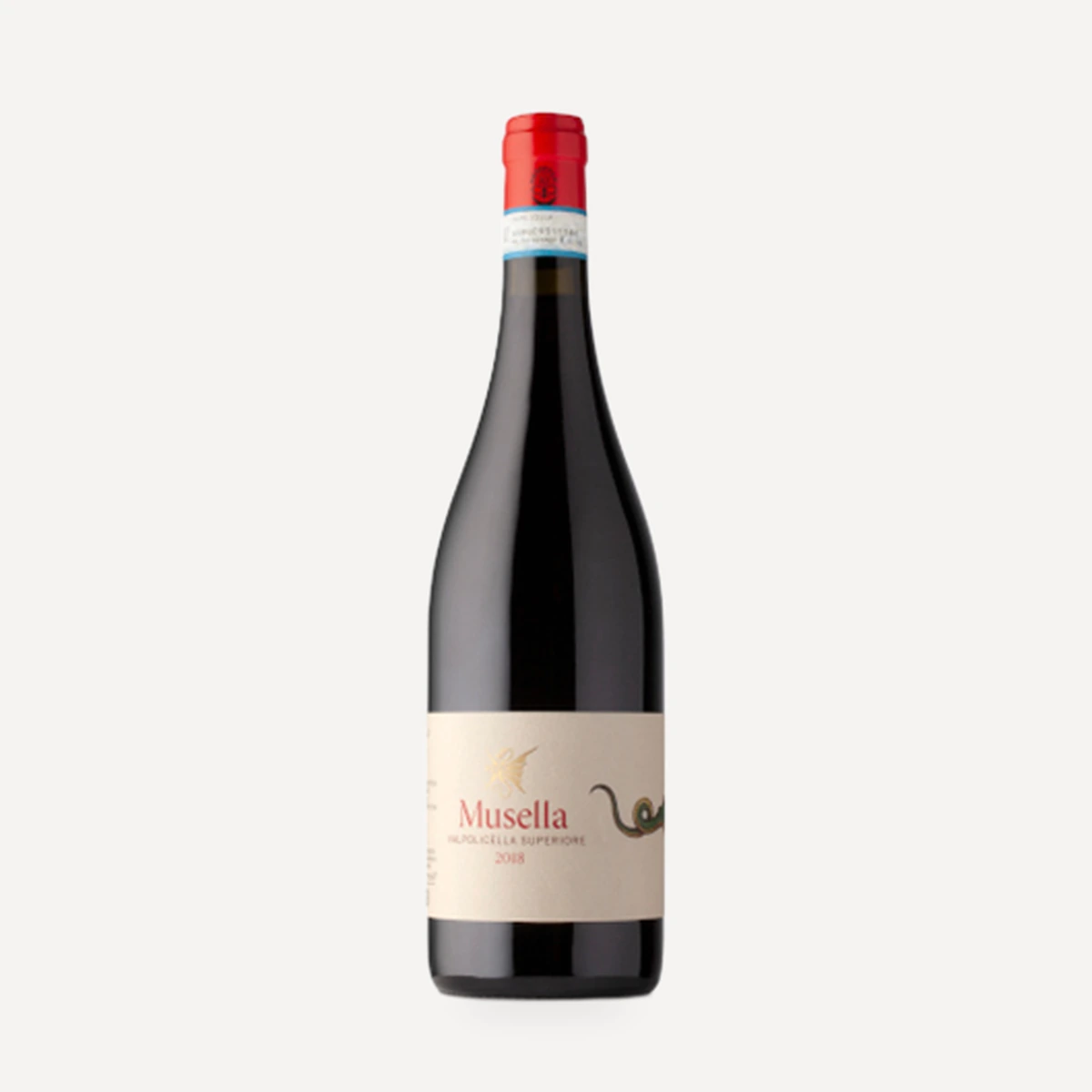
Valpolicella Superiore 2022 DOC
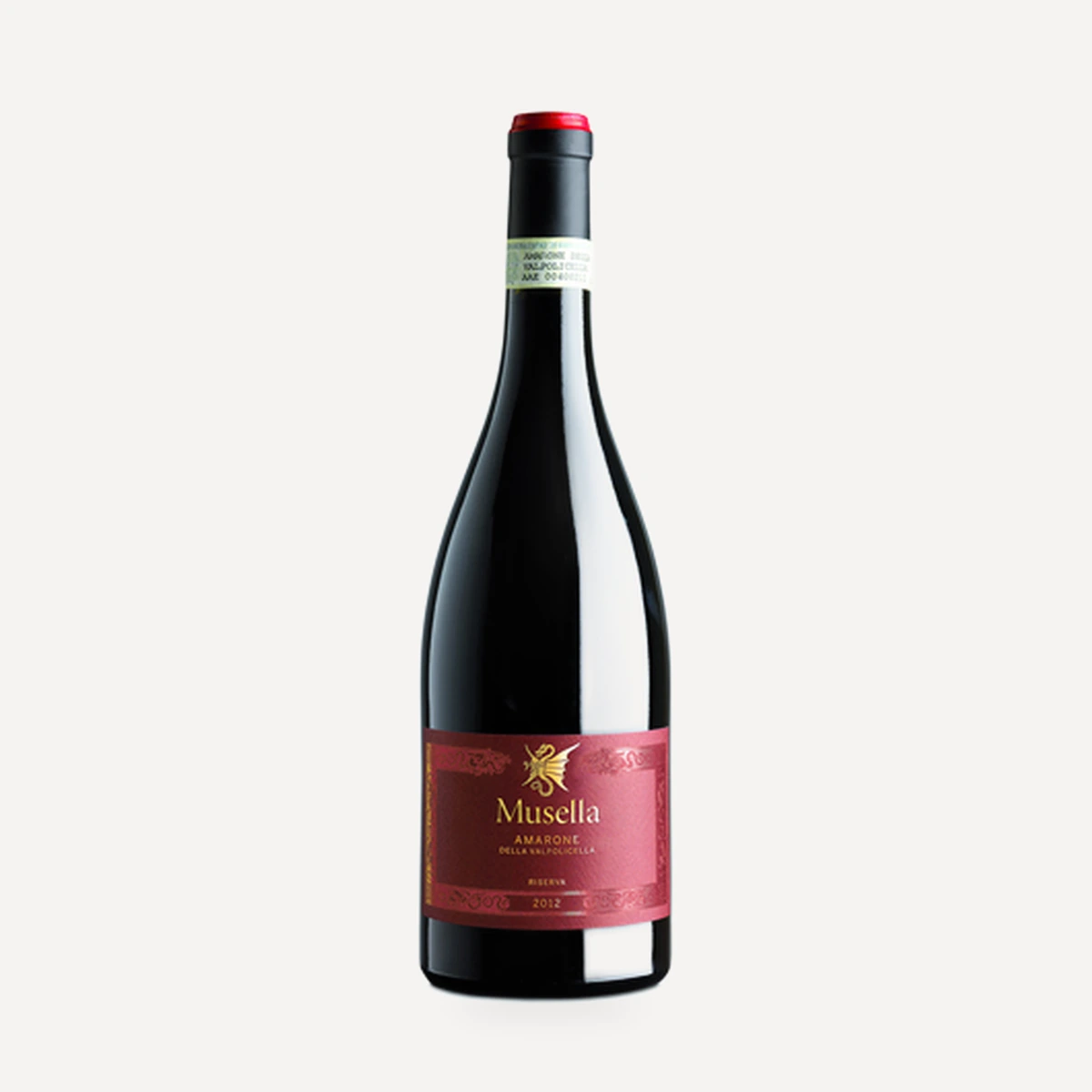
Amarone della Valpolicella Riserva 2018 DOCG
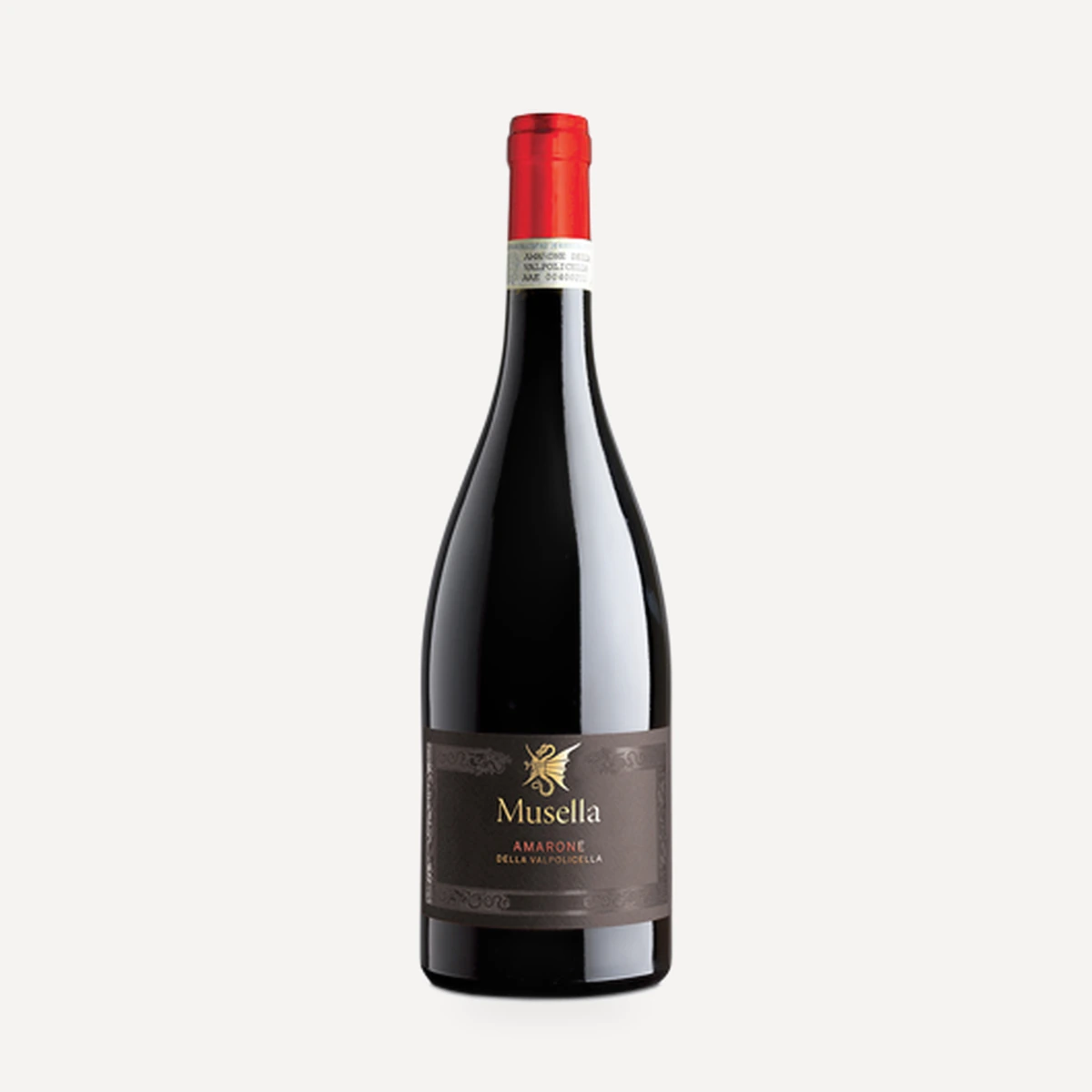
Amarone della Valpolicella 2021 DOCG
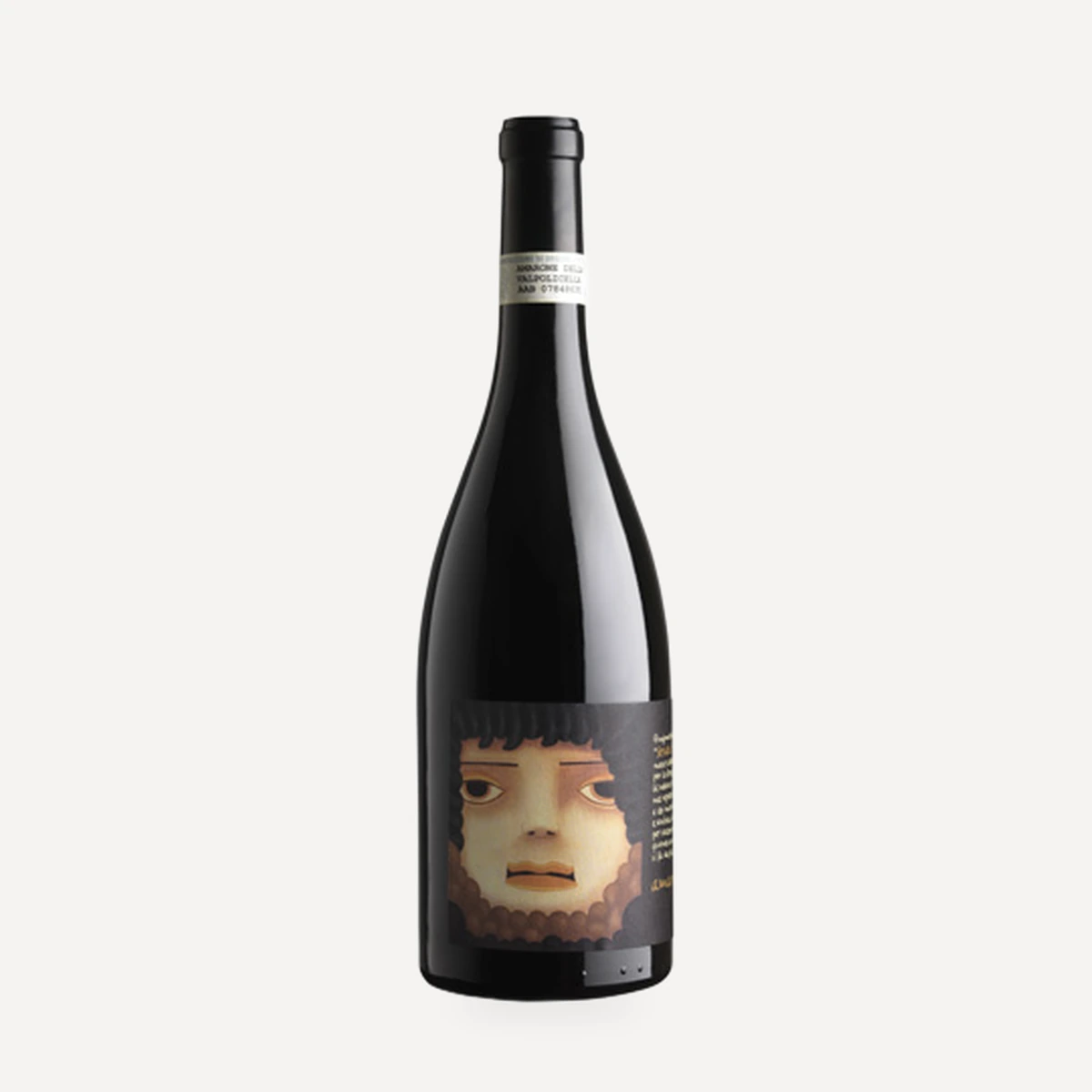
Amarone della Valpolicella 2016 – Senza Titolo DOCG
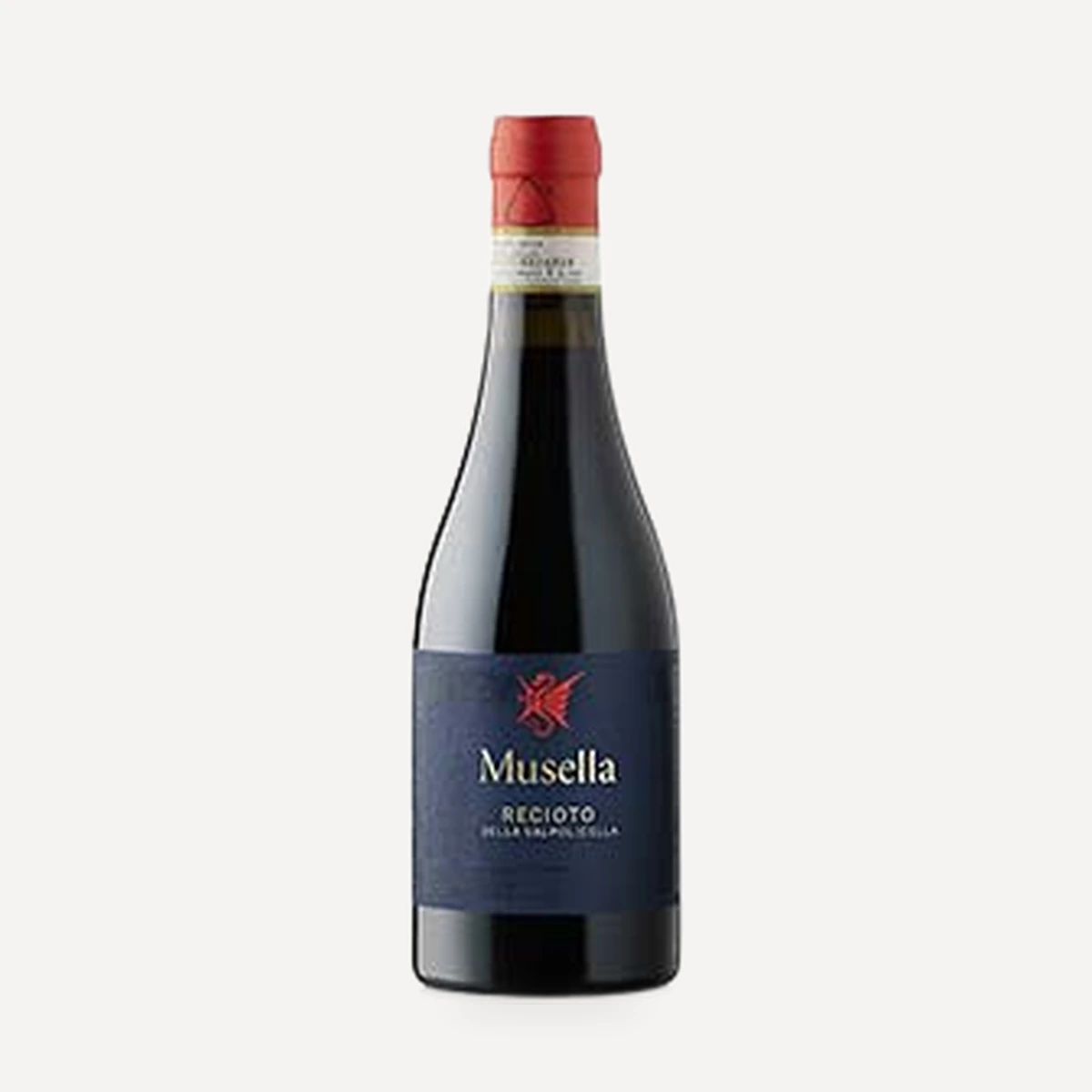
Recioto della Valpolicella 2018 DOCG
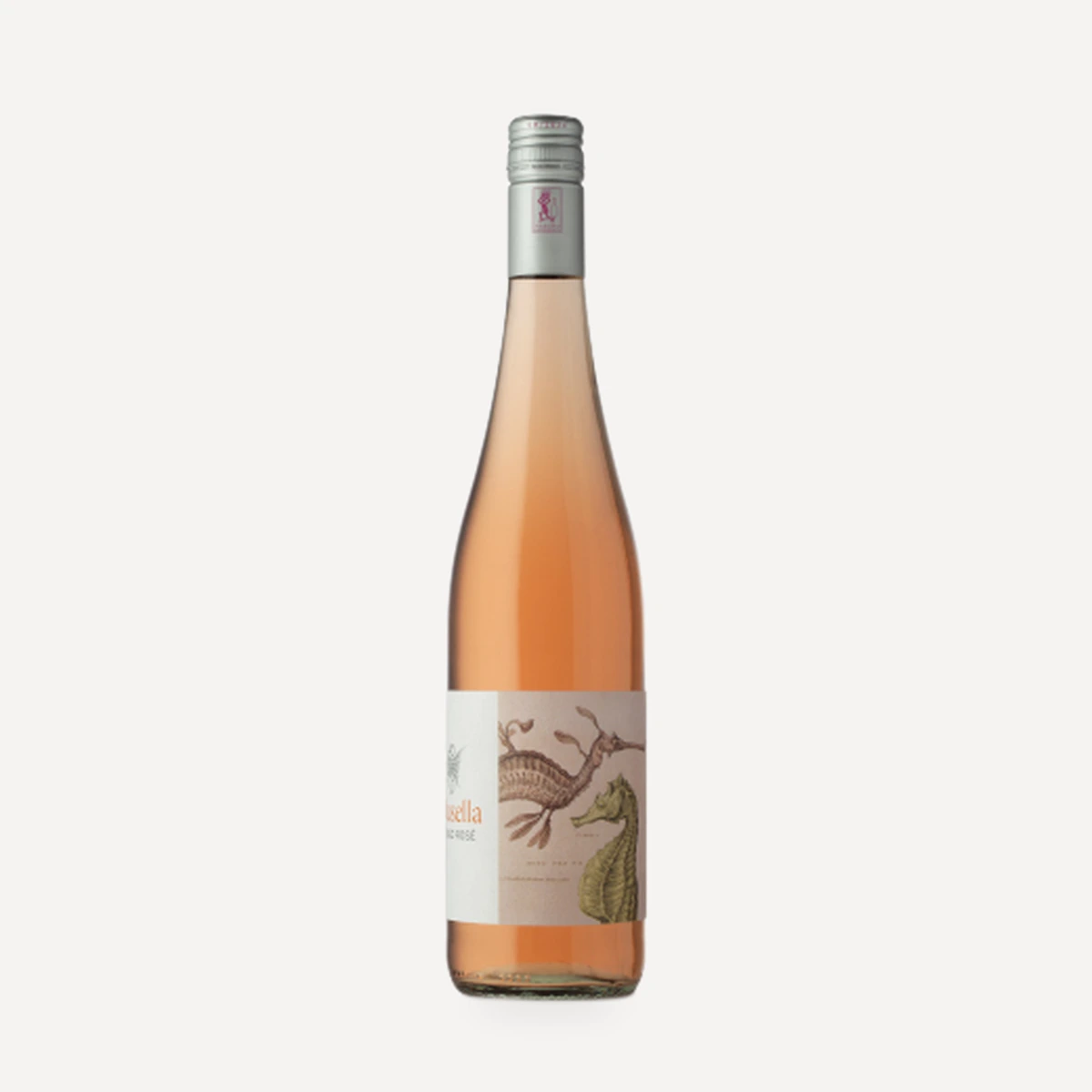
Drago Rosa 2024 IGT
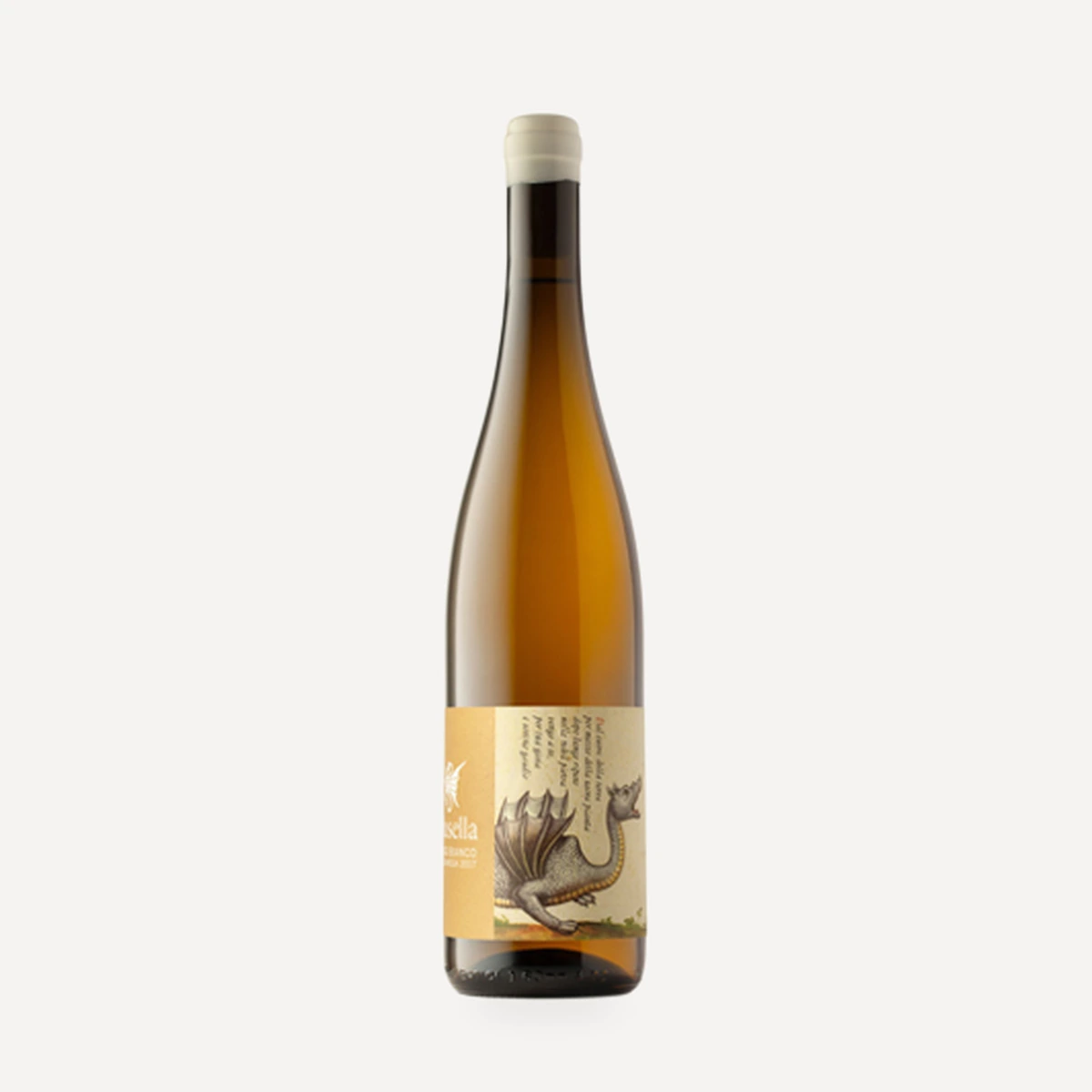
Drago Bianco 2024 IGT
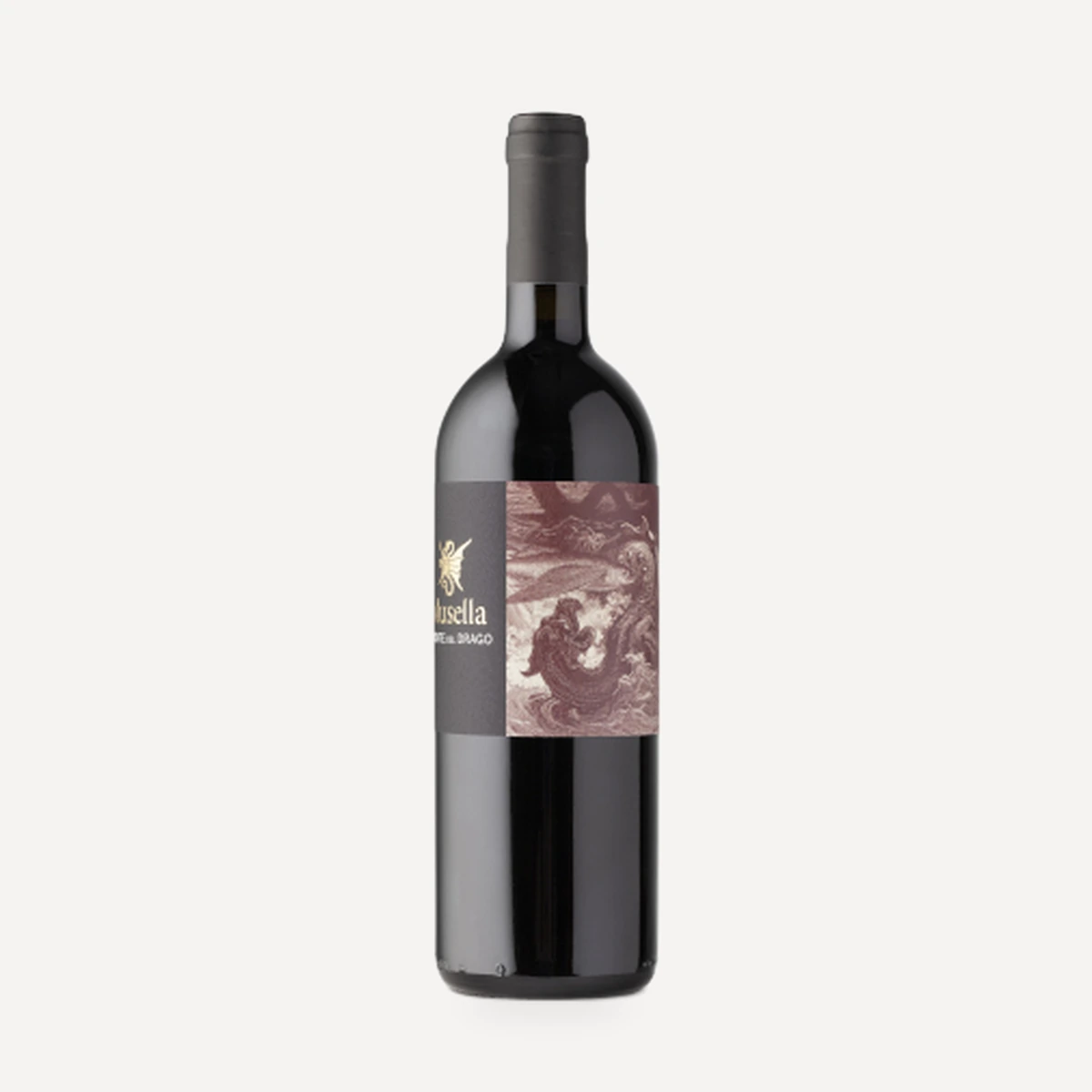
Monte del Drago 2018 IGT
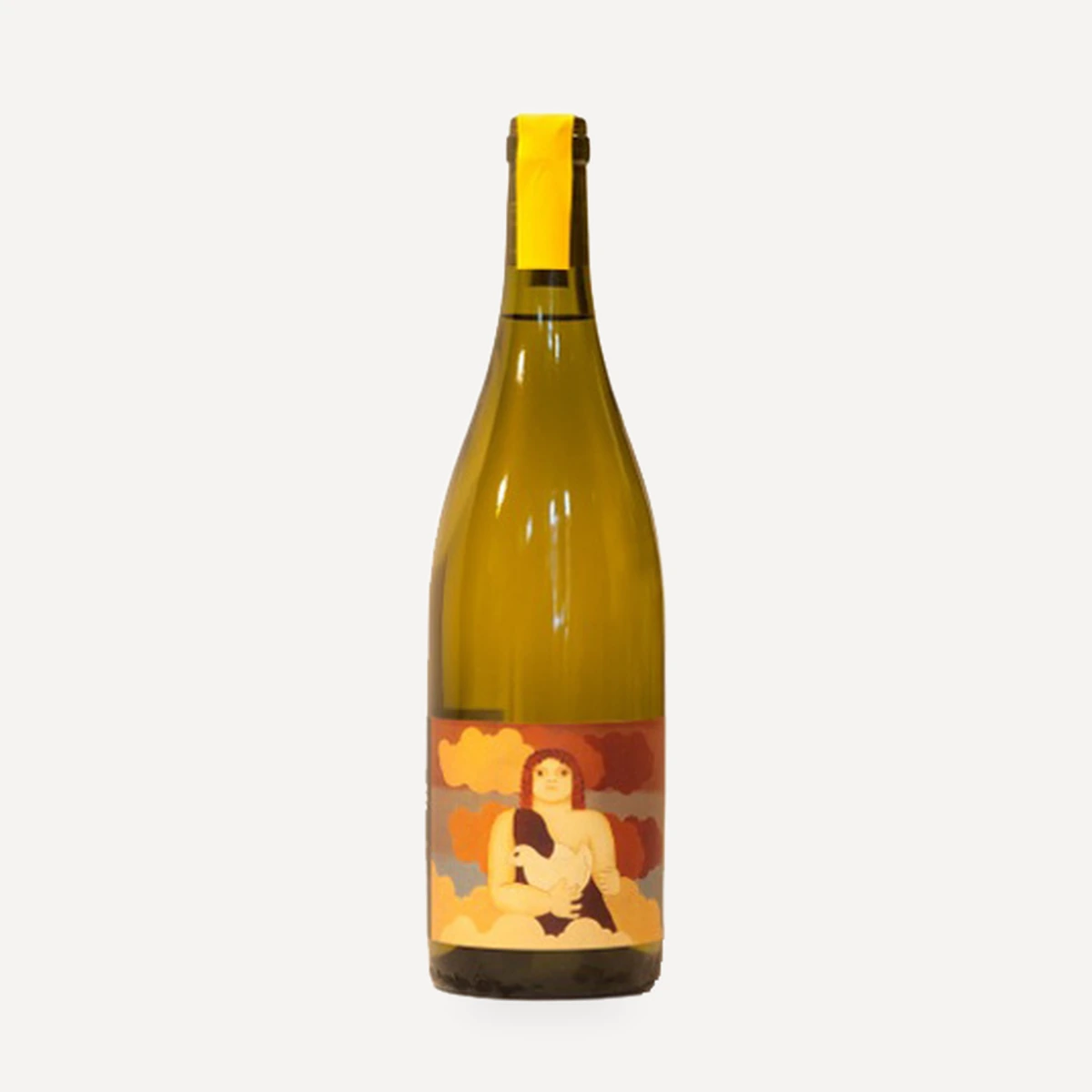
Fibio – Pinot Bianco 2024 IGT
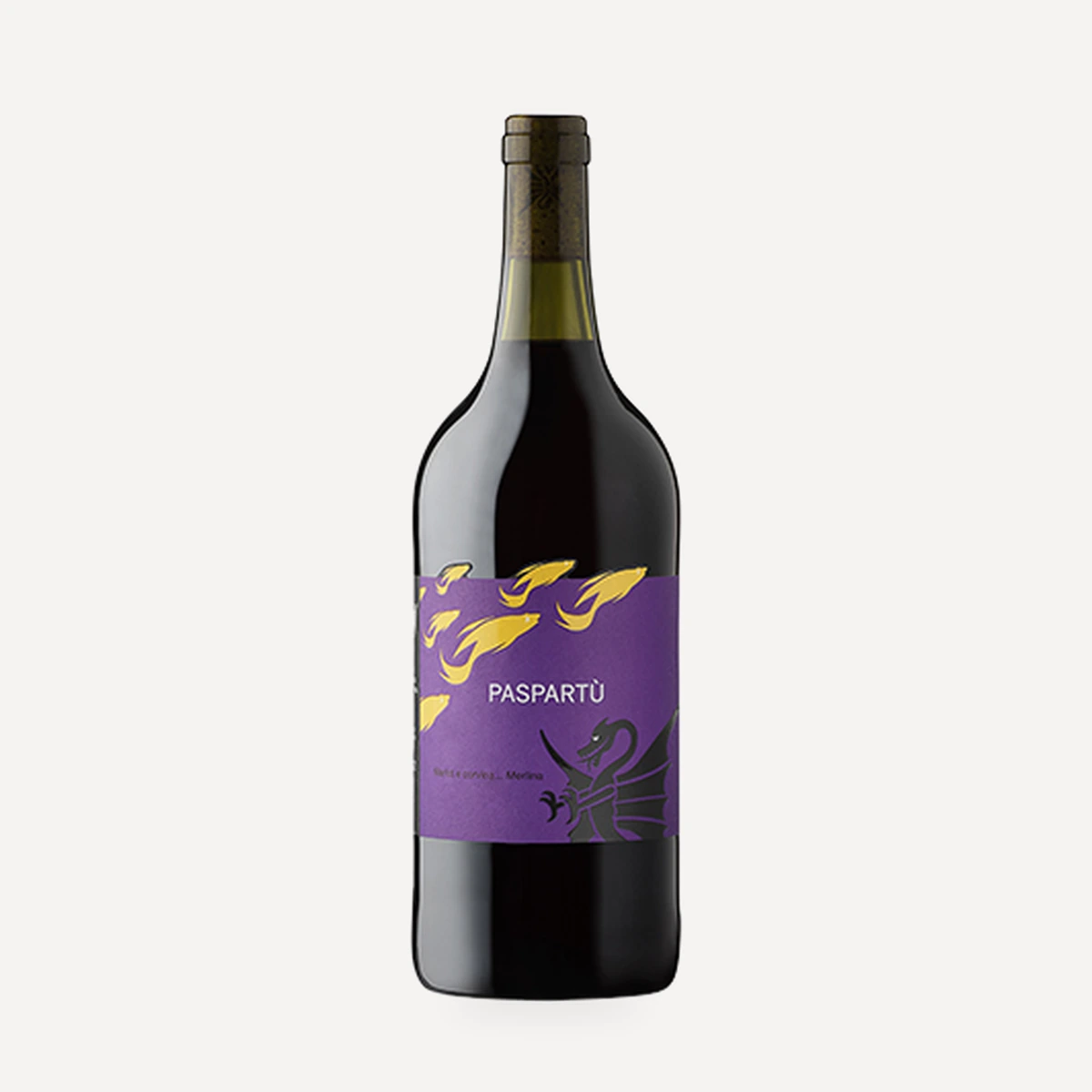
Paspartu’ Rosso – Merlina IGT