Storia
Origins
The Nada family made wine for generations on their land between Treiso and Alba, supplying local restaurants. Bruno Nada was born to Fiorenzo Nada in Treiso in 1951, when Treiso was still part of Barbaresco. His father inherited one quarter of an estate that had been divided among 4 sons. From then on the family made wine only for close friends and relatives and sold their best grapes to other producers.
Bruno's departure and return
As a teenager, in the booming 1960s, Bruno left Treiso for city life. After graduating from a technical university in Turin and Asti, he became a schoolteacher in Alba at 22. He later studied the hotel business in Barolo and took a Food and Wine course. He says his connection with Treiso was never broken.
A new start (1982)
As Bruno became more involved in wine, he met well-known people and joined discussions on terroir, winemaking and low yields. He suggested that the family stop selling grapes, build a modern cellar, bottle their own wine and reduce the yield per vine to focus on ageing. His father answered "Pruvuma" ("let's do it"). The work began in 1982: the vines were thinned and the excess grapes hidden in the ditches so no one would see them. Bruno had his father's full support and soils well suited to grape growing.
First wines
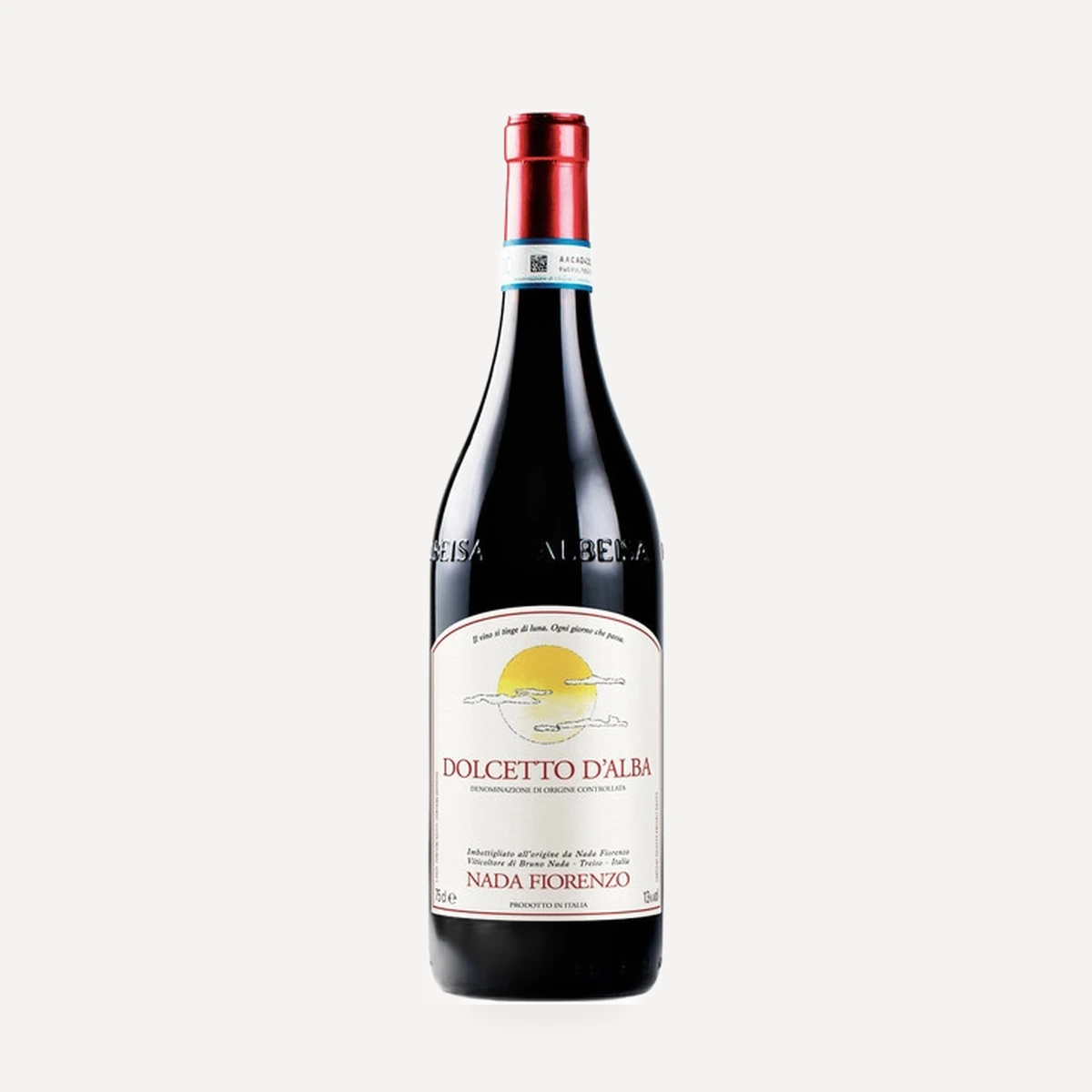
In 1987 Carlin Petrini, founder of Slow Food (then Arcigola), wrote the first reviews of Fiorenzo Nada wines. Dolcetto d'Alba and Barbaresco were made first. In 1988 came Seifile, Langhe Nebbiolo, Barbera d'Alba and Barbaresco Rombone. The vineyard area was later expanded, making Barbaresco Manzola possible.
Today
Visitors from all over the world travel to Rombone, Bruno's home, where the family welcomes guests over a bottle of wine. Bruno's children, Monica and Danilo, work in the vineyards and at the winery.
Terroir
The estate lies in Treiso in the Langhe, Piedmont, between Treiso and Alba. Treiso was once part of Barbaresco. The soils are described as very well suited to growing grapes.
Vinificazione
From 1982 the family reduced the yield per vine, thinning the vines by hand and hiding the excess grapes in the ditches. Bruno and the family work in the vineyards, as do his children.
The family stopped selling grapes, built a modern cellar and began bottling its own wine, with lower yields so as to focus on ageing. Wines: Dolcetto d'Alba, Barbaresco, Seifile, Langhe Nebbiolo, Barbera d'Alba, Barbaresco Rombone and Barbaresco Manzola.
Filosofia
Bruno proposed that the family stop selling grapes, bottle its own wine, keep yields low and focus on ageing; these ideas were considered revolutionary at the time. The family welcomes guests to share a bottle of wine, and Bruno's children hold the same passion for winemaking and will decide the winery's future direction.
Vini
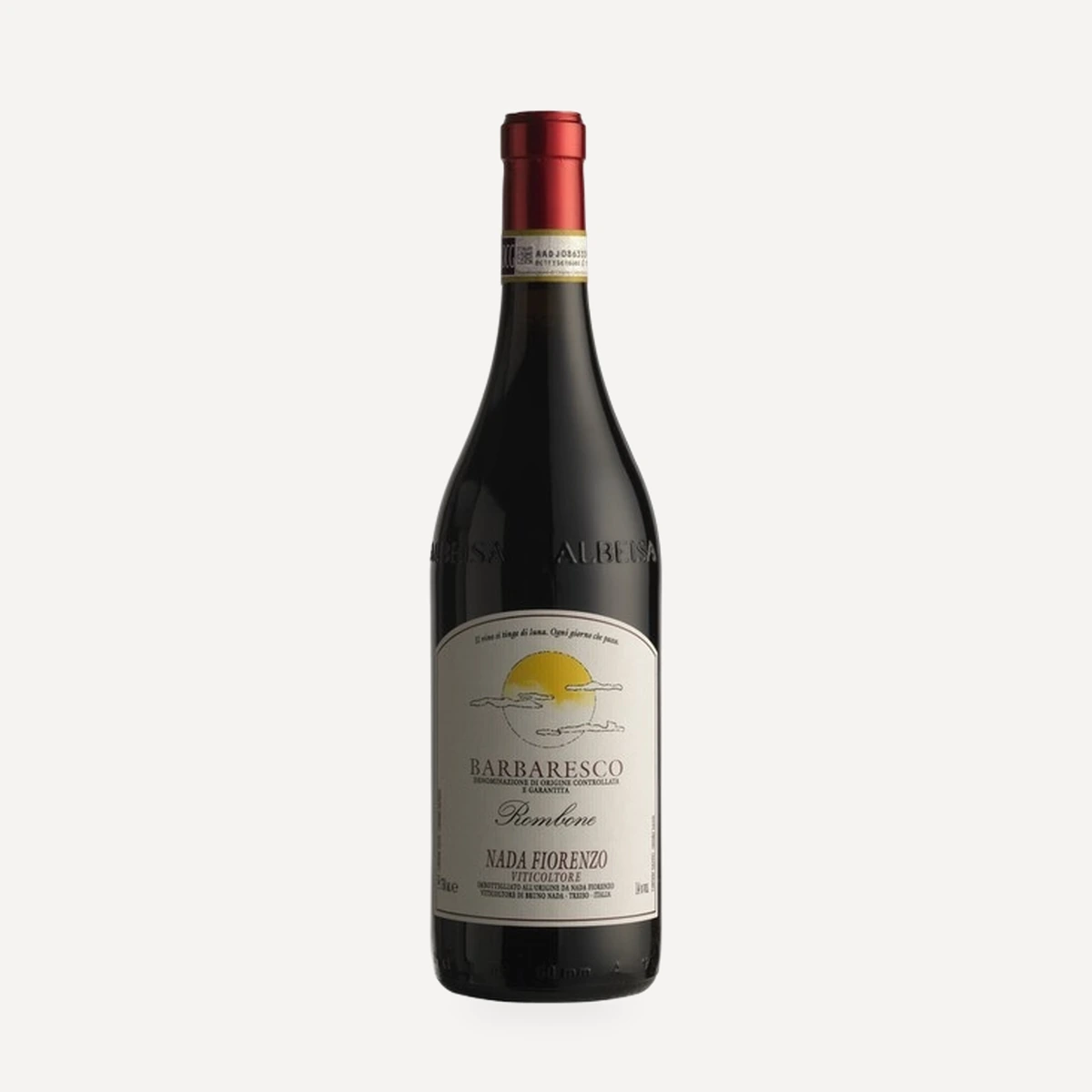
Barbaresco Rombone
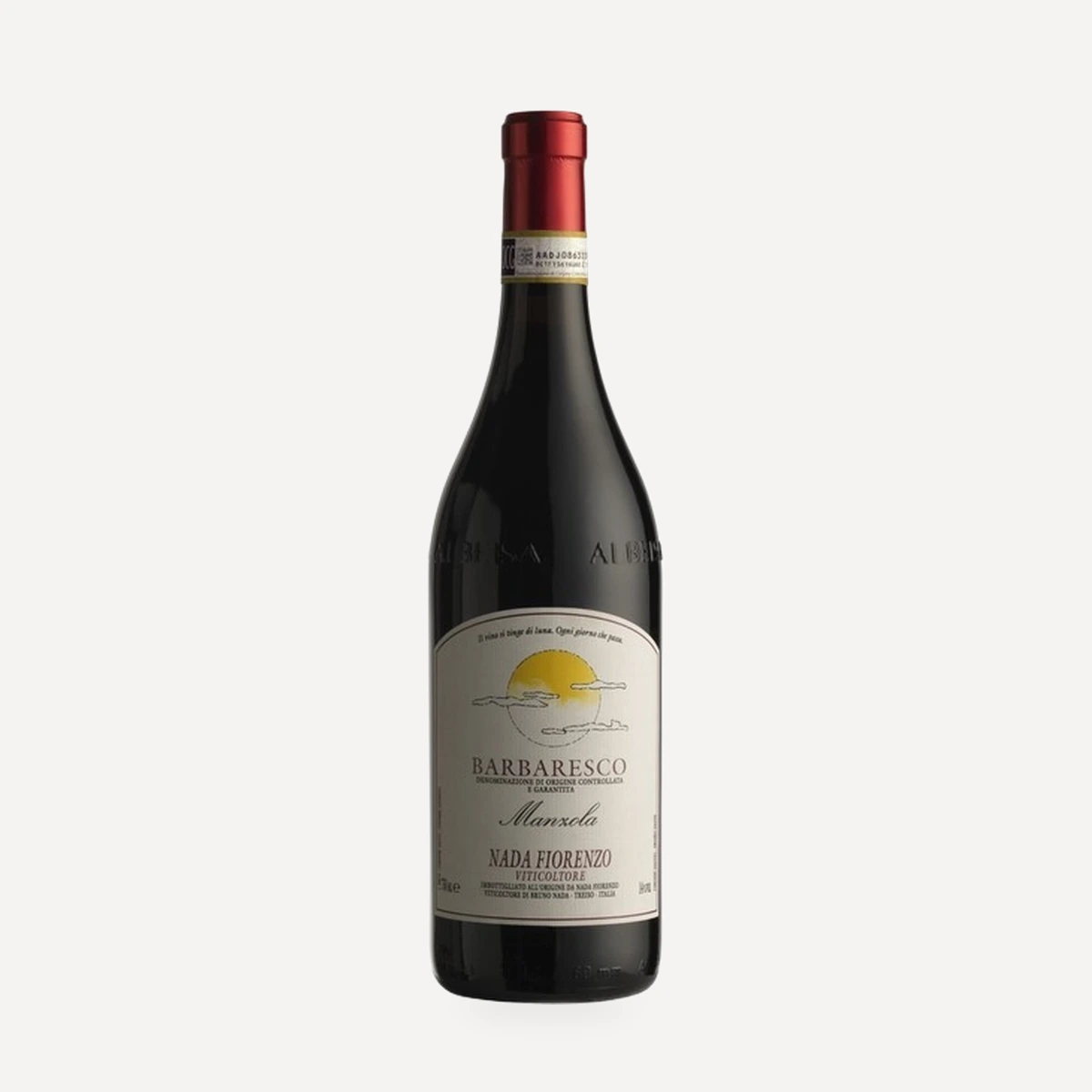
Barbaresco Manzola
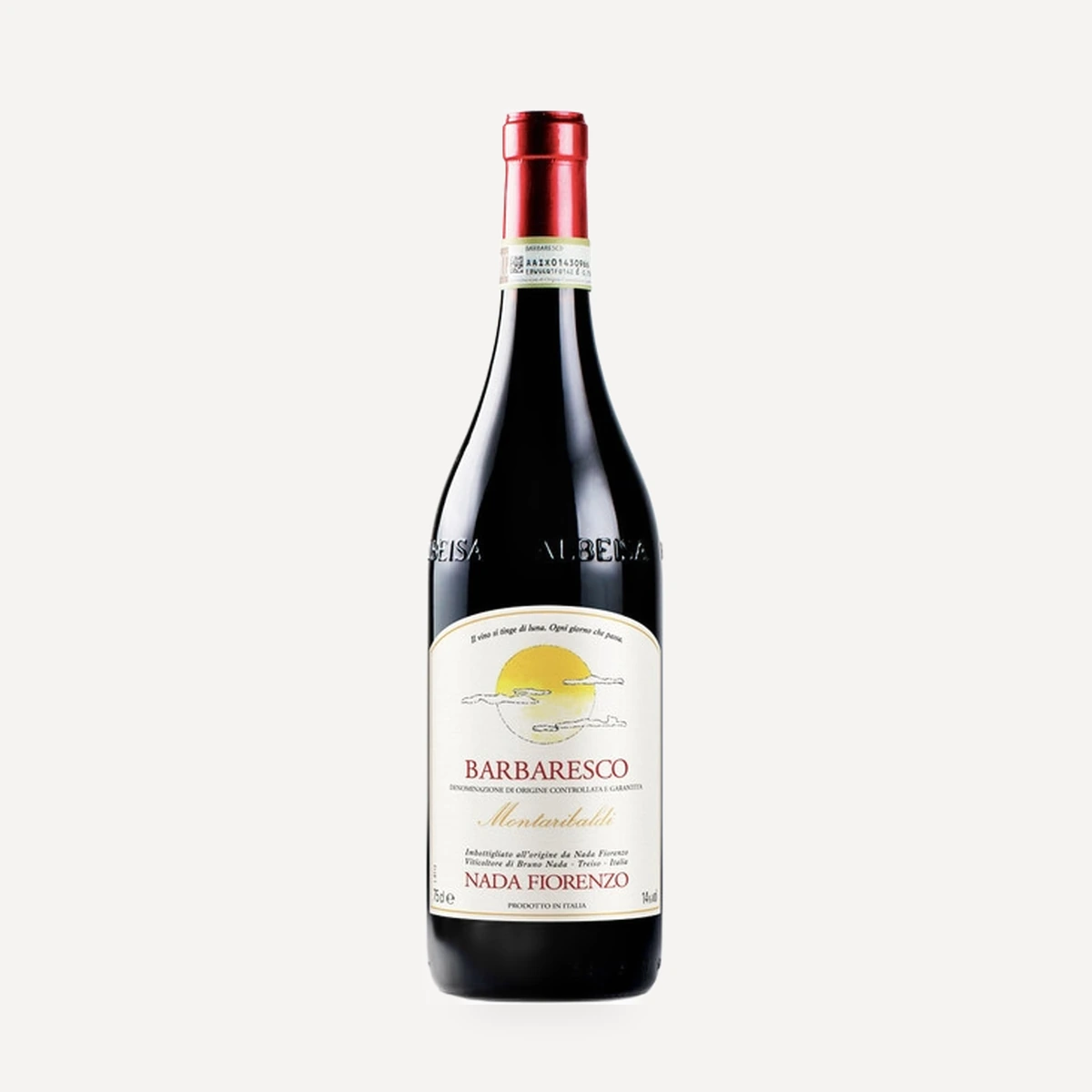
Barbaresco Montaribaldi
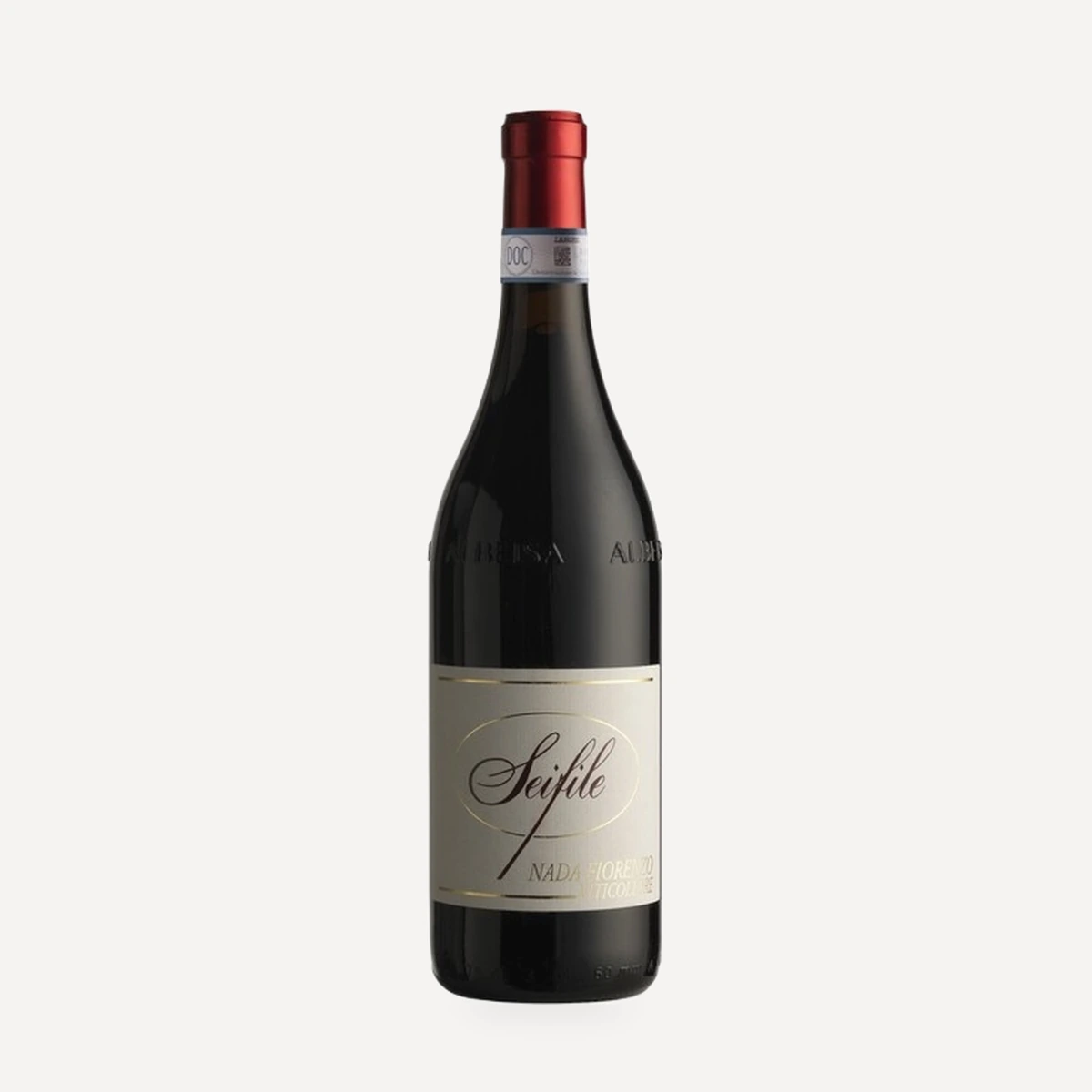
Seifile
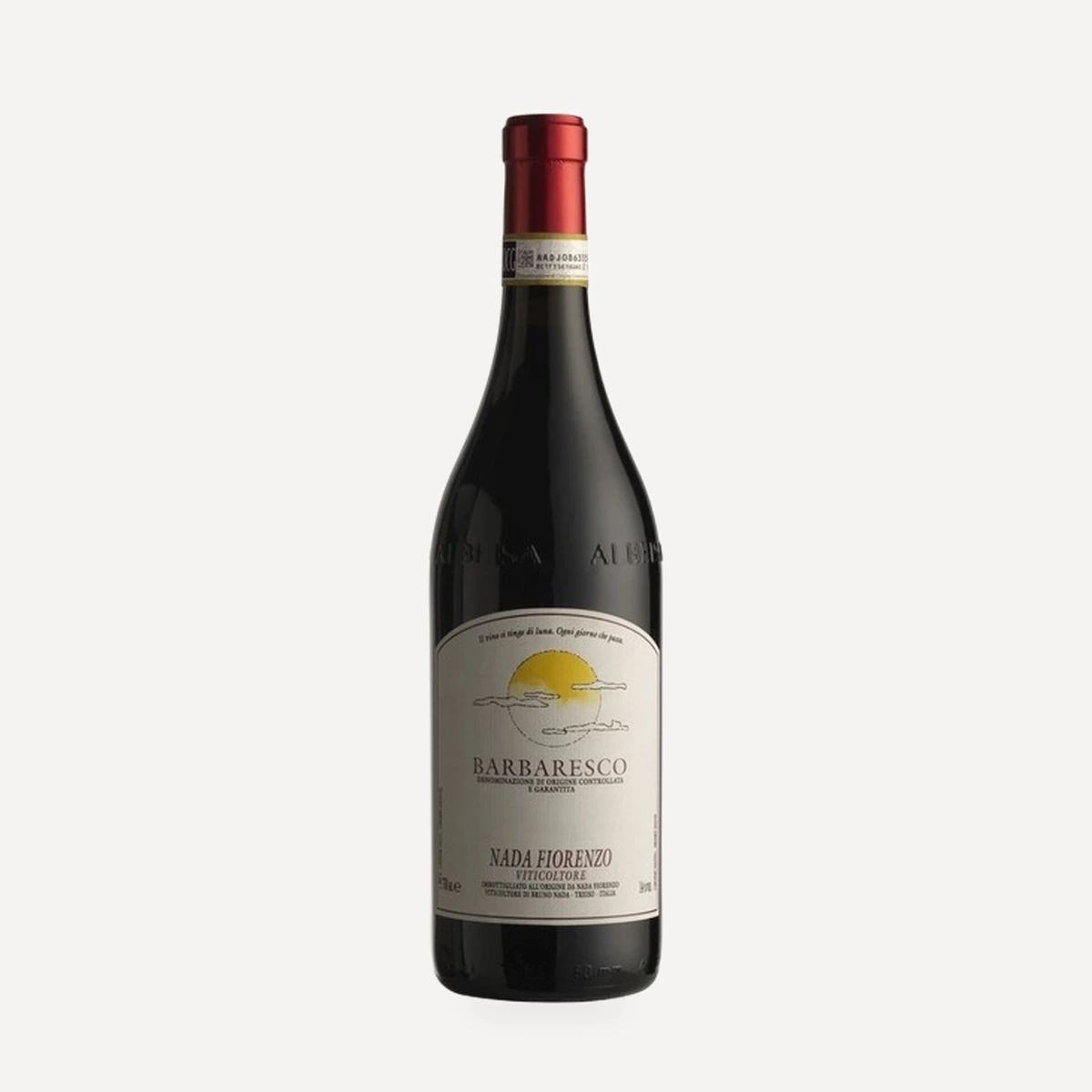
Barbaresco
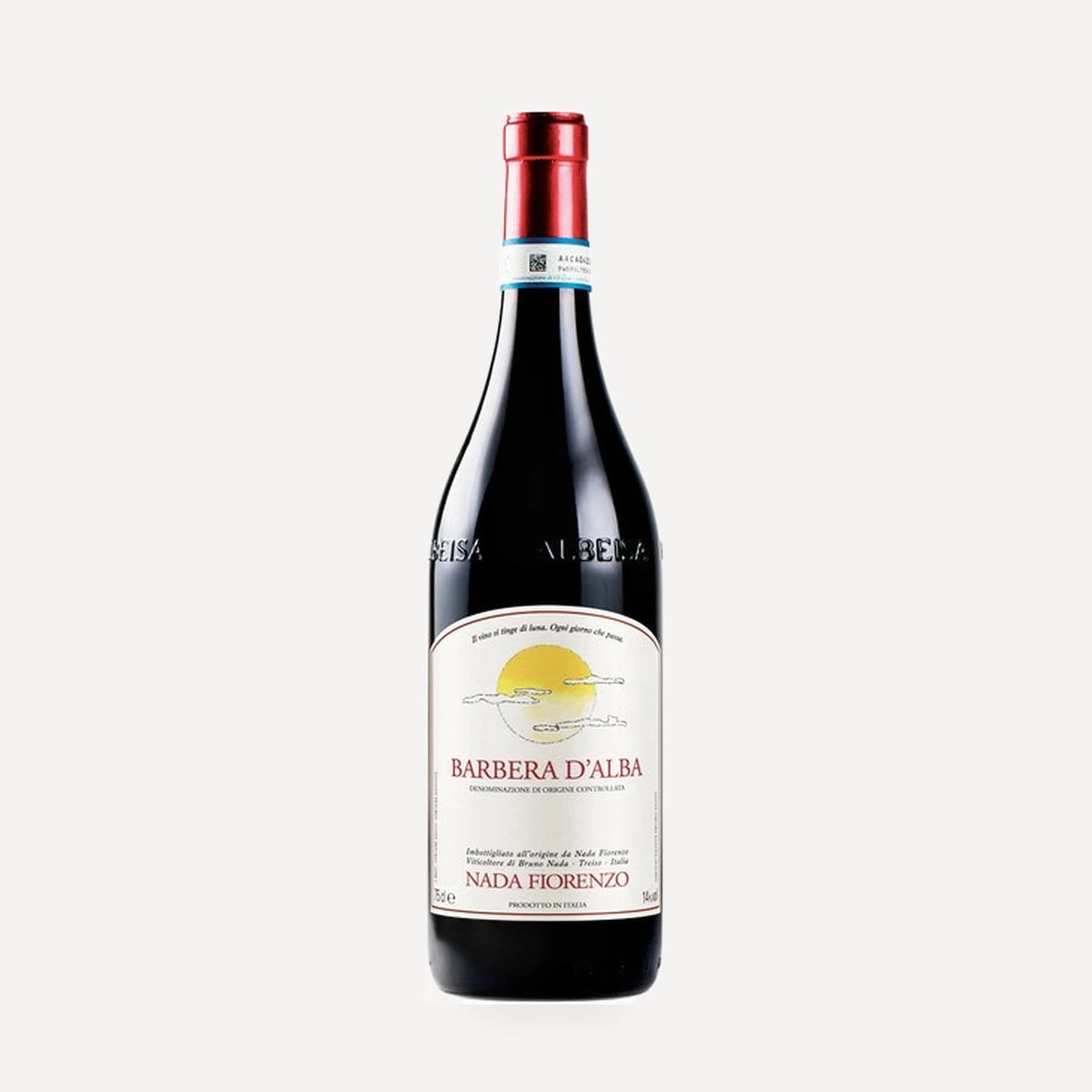
Barbera d'Alba