Storia
The land before the winery
The estate entered the family through the dowry of Elena and Alessandro Nicodemi’s grandmother. Their grandfather Ezio, a potter from Castelli, developed a deep attachment to the property, establishing the family connection with the land before it became a modern wine business.
Bruno Nicodemi and the transformation of the farm
In the early 1970s, Bruno Nicodemi left both Rome and his job there to transform his grandmother’s old farm into a modern winery. His children remember him as an aesthete whose renovation respected the needs of his own era while anticipating the future. The oldest surviving estate vineyards date from this period and were planted in the traditional Abruzzo pergola system.
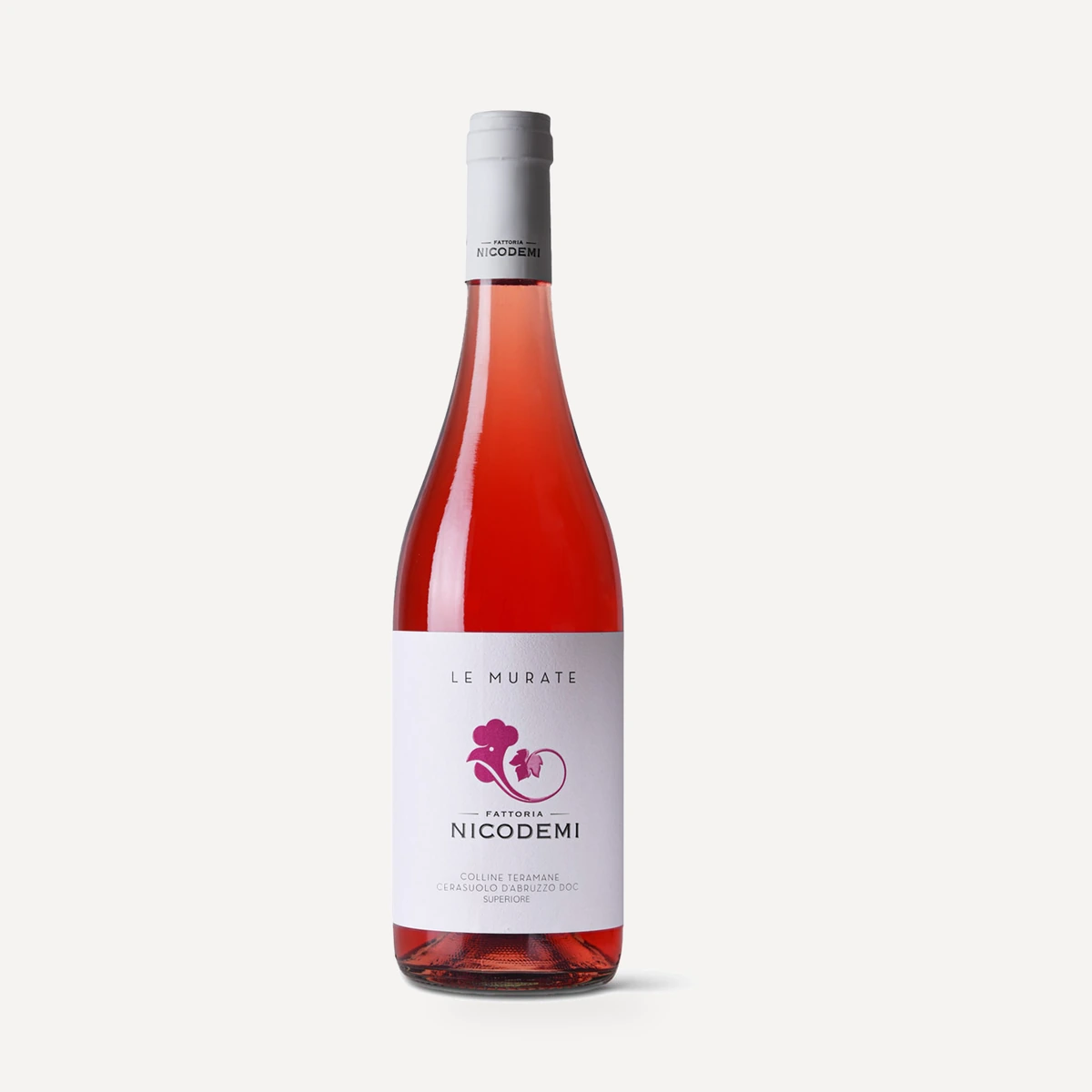
Wine under the Le Murate name has been produced since 1977. The name comes from an old district of Notaresco, and the range became the estate’s enduring classical expression, drawing on both the pergola vineyards planted in the 1970s and younger vines.
Elena and Alessandro take responsibility
Bruno’s children Elena and Alessandro assumed control of the business in 2000. Although they had grown up spending long summers in the vineyards, they had initially lived urban lives and did not expect the winery to become their responsibility. Once it did, they divided management according to their respective strengths.
Elena took charge of sales and international development. Her work around the world increased exports to 80% of production. At the estate she also works with a young team and oversees every stage of the production cycle. Alessandro concentrated on administration and accounts, while remaining closely involved in day-to-day problem-solving and serving as a principal point of reference for the workforce.
Appellations, organic farming and new projects
With the 2014 vintage, the estate chose to release its long-established Le Murate Montepulciano under the Colline Teramane Montepulciano d’Abruzzo DOCG designation, reinforcing the connection between the local territory and Montepulciano.
The family subsequently committed the farm to organic management and renewable energy. The vineyards are cultivated under an organic protocol, and the entire winery operates on solar power. New vineyards are propagated through massal selection from the estate’s old vines, linking new plantings to its inherited genetic material.
A separate cocciopesto project began with the 2017 harvest, initially to vinify Trebbiano in vessels made from the ancient composite material. The project later encompassed both Trebbiano and Montepulciano from old pergola-trained vines more than 50 years of age. It joined an ancient vessel concept with spontaneous fermentation and an unfiltered production method.
The later tasting room continued Bruno’s architectural approach. A wooden staircase descends to vineyard level, while stone, wood, iron and glass connect the room visually and materially with the surrounding estate.
Terroir
Fattoria Nicodemi occupies a single, contiguous 38-hectare hilly property in Notaresco, in the heart of the Colline Teramane; 30 hectares are planted with vines. The vineyards lie at approximately 300 metres above sea level and face southeast.
The Gran Sasso massif rises behind the estate, while the Adriatic Sea is about 10 kilometres away. Sea breezes cool summer evenings, and the combination of ventilation and day-to-night temperature variation supports the healthy ripening of the grapes.
The vines root in medium-textured soils rich in limestone and clay. The family treats the site as an inseparable combination of soil, climate and distance from the sea, with vineyard decisions determining the work subsequently carried out in the cellar.
Vinificazione
The vineyards are managed organically, with certified-organic wines identified across the current portfolio. The farming protocol avoids chemical herbicides, pesticides and fertilizers. Permanent spontaneous vegetation is maintained between the rows, where wild plants help aerate and enrich the soil.
Biodiversity is treated as a practical element of vineyard continuity. New blocks are replanted from massal selections taken from the old estate vines, preserving material that has already adapted to the site. Traditional pergola vineyards from the early 1970s remain in use alongside more recent espalier-trained plantings.
The oldest pergolas are more than 50 years old. For the Cocciopesto project, Trebbiano and Montepulciano are selected from these vines at full phenolic maturity. The estate also limits its use of non-renewable resources: the winery is powered entirely by solar energy.
The production philosophy begins in the vineyard and favours attentive handling, limited intervention and the removal of cellar procedures driven primarily by fashion or market taste. Annual production is about 200,000 bottles, made from estate-grown grapes, while exports account for 80% of production.
Different wines are assigned different maturation materials—stainless steel, wood or amphora—according to an individual project. The intended role of each material and ageing path is to develop complexity while preserving the identity of the grape and site.
Cocciopesto production
The cocciopesto project began with the 2017 vintage. Its vessels are made from an uncooked mixture of brick, fragments of stone, sand, binder and water. The form draws on the Roman dolium: its egg-shaped interior encourages convective movement and recirculation of the must.
Trebbiano and Montepulciano are selected from Abruzzo pergola vines more than 50 years old. The grapes are destemmed but not crushed, then fermented in the cocciopesto vessels with indigenous yeasts. The wines remain in the same vessels until bottling and are bottled without filtration.
Cocciopesto is microporous and permits gradual micro-oxygenation without contributing its own flavour. It air-dries for at least 30 days. Food-contact certification confirms the purity of the constituent materials, allowing the vessels to be used without the internal vitrification required for materials such as concrete.
Filosofia
Nicodemi places the territory before technique and regards human work as an added value rather than the dominant force in wine. Its stated goal is for wine to express land, vineyard and culture, with Montepulciano and Trebbiano retaining their own character.
The family’s approach combines patience and respect for tradition with a readiness to innovate. It seeks to remove manipulations adopted merely to satisfy changing tastes, using careful work and minimal intervention to recover what it considers the essential identity of the grapes.
Organic farming is framed as both a quality decision and an environmental responsibility. The land is treated as a living resource that must be protected for later generations. This outlook extends to biodiversity, the propagation of new vines from old estate material, renewable energy and the preservation of historic pergolas.
Vintage variation remains central to the family’s outlook. Each growing cycle brings a renewed search for an ideal harvest, while the unattainability of a final “perfect wine” keeps the work open to observation, dissatisfaction and improvement.
Vini
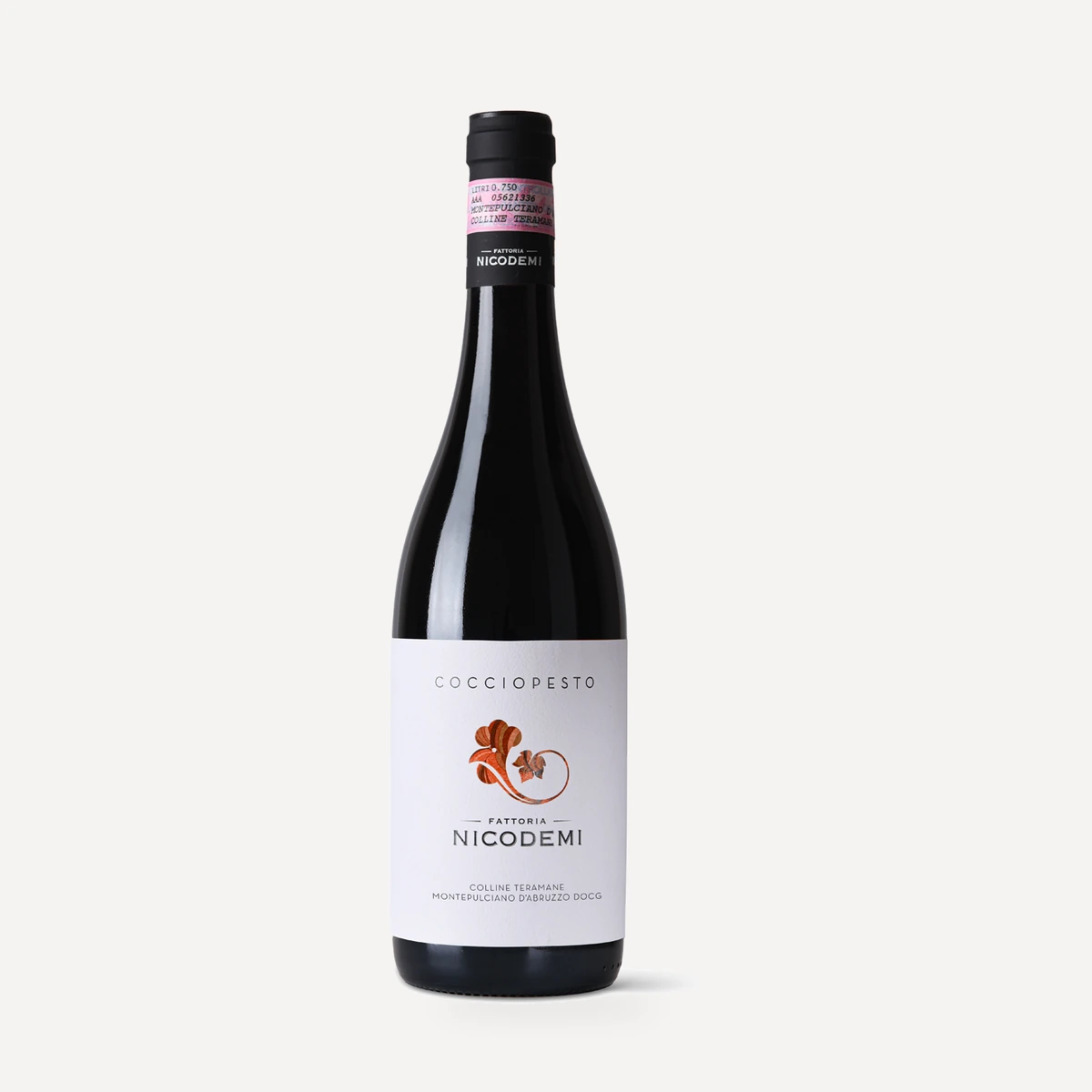
Cocciopesto Colline Teramane Montepulciano d’Abruzzo DOCG
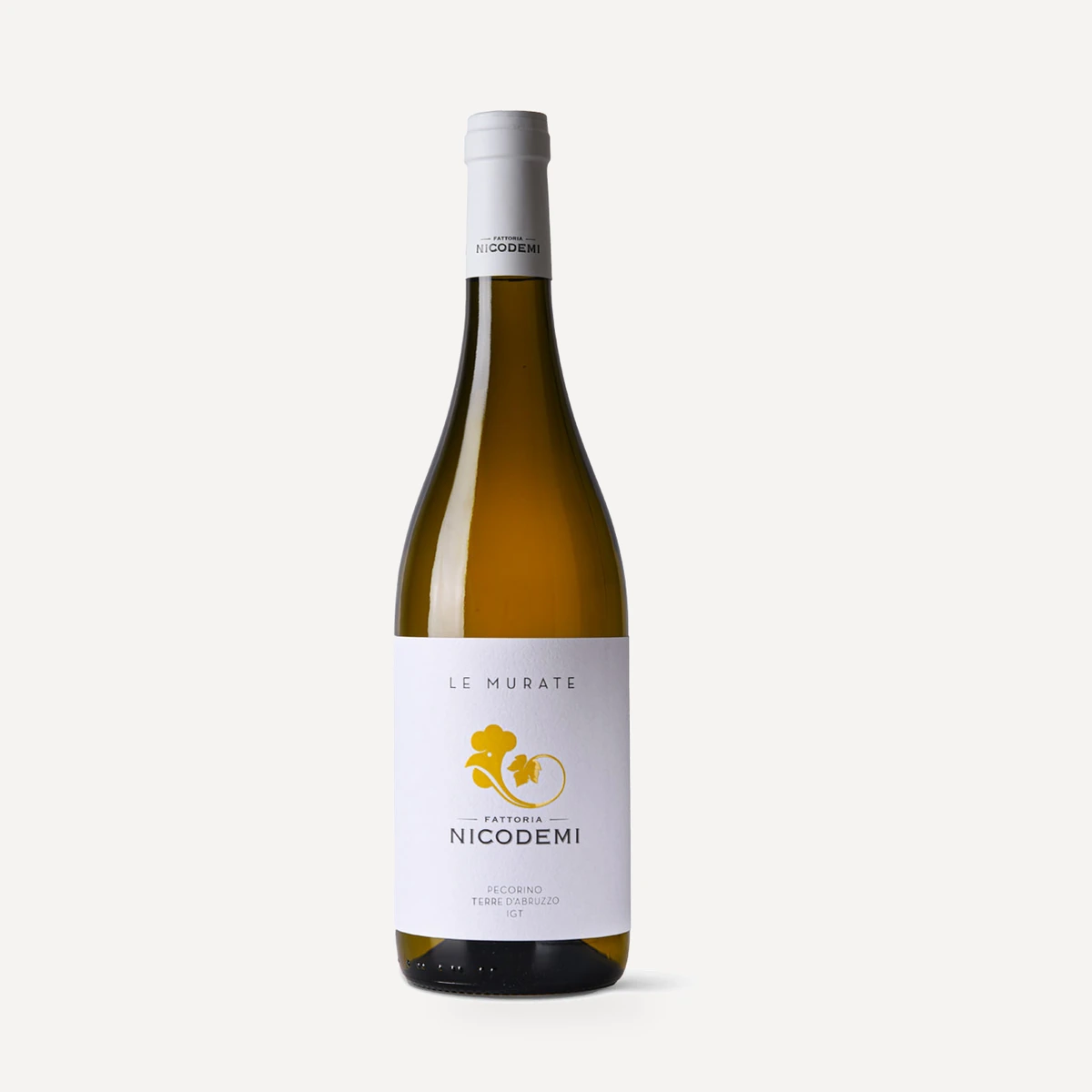
Le Murate Pecorino Terre d’Abruzzo IGT
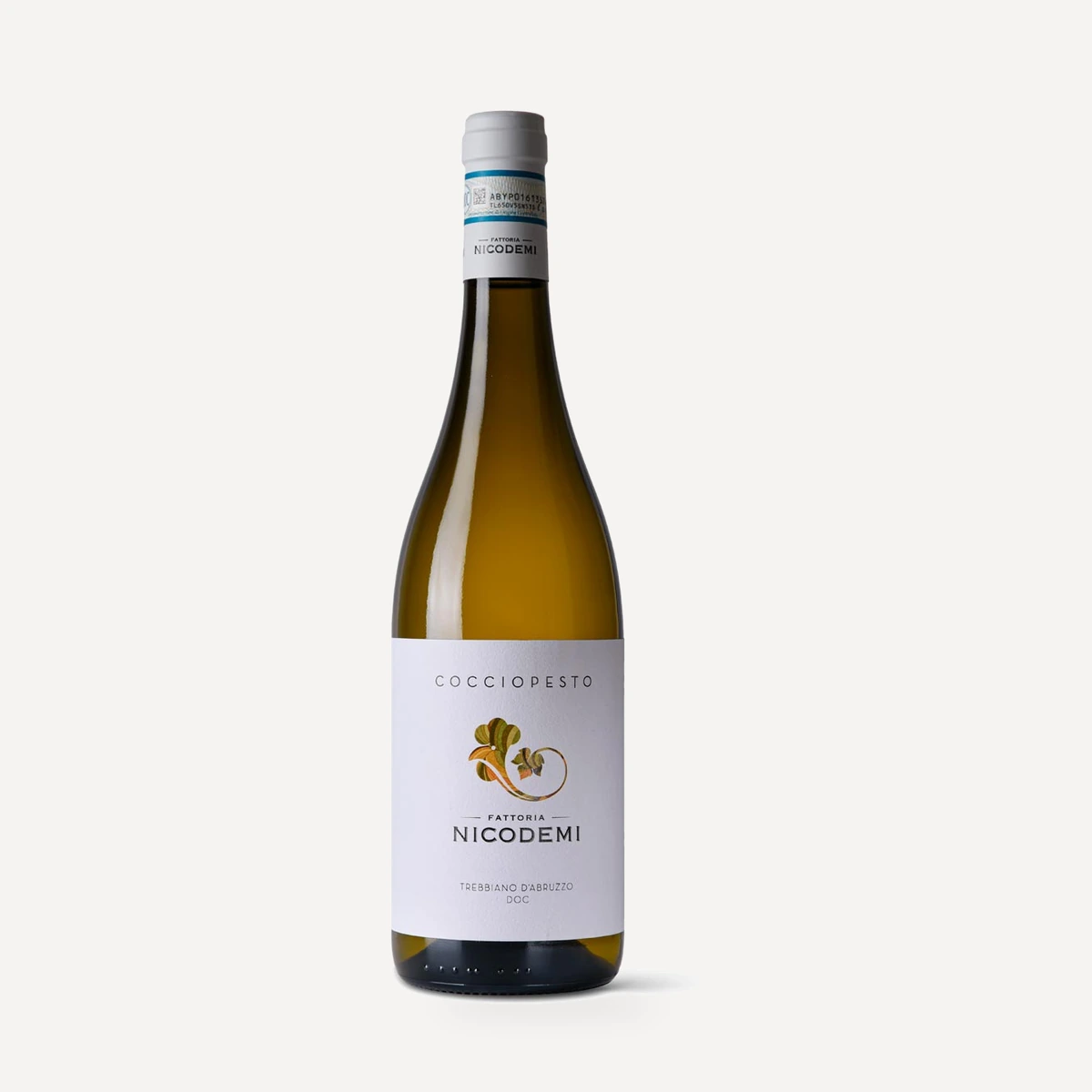
Cocciopesto Trebbiano d’Abruzzo DOC
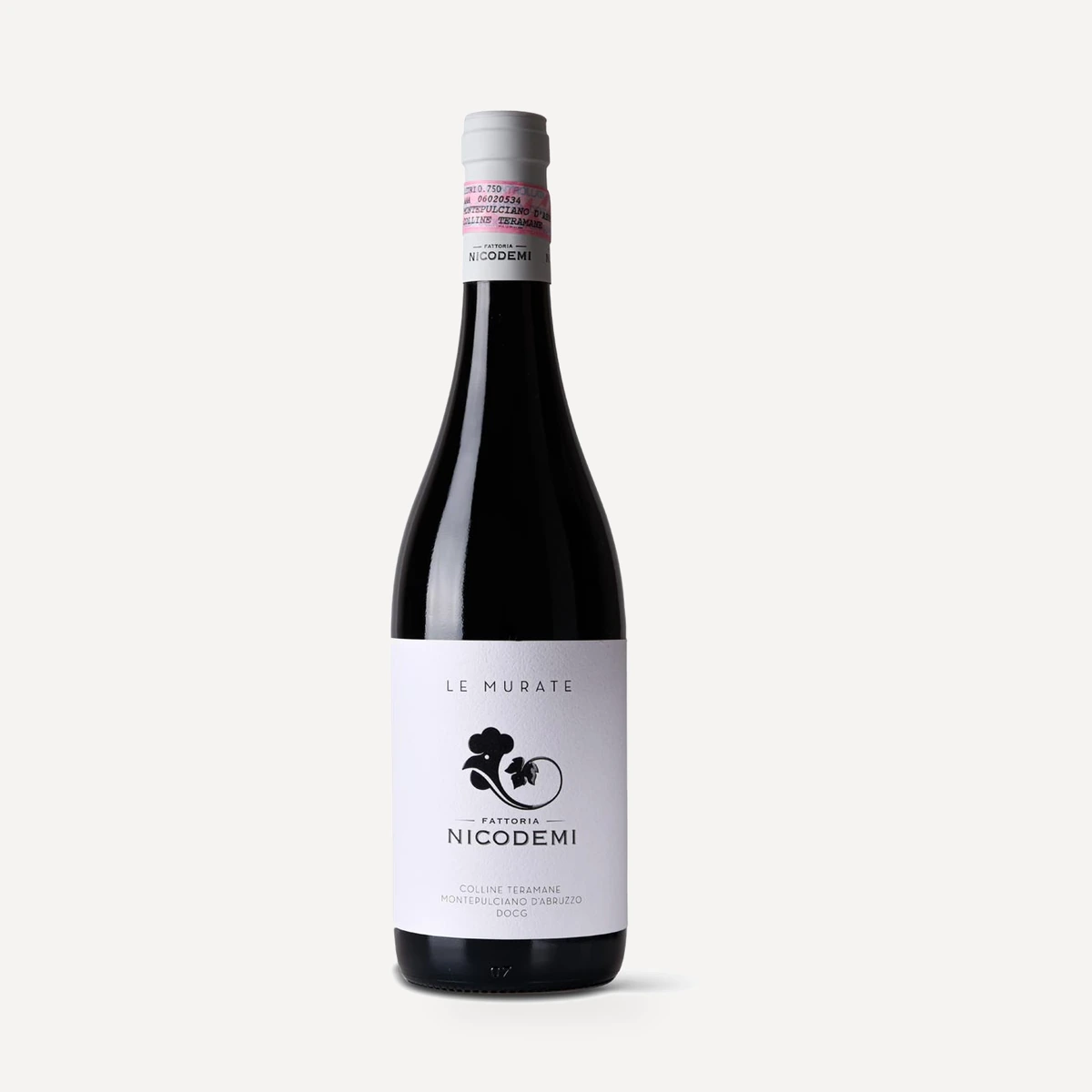
Le Murate Colline Teramane Montepulciano d’Abruzzo DOCG
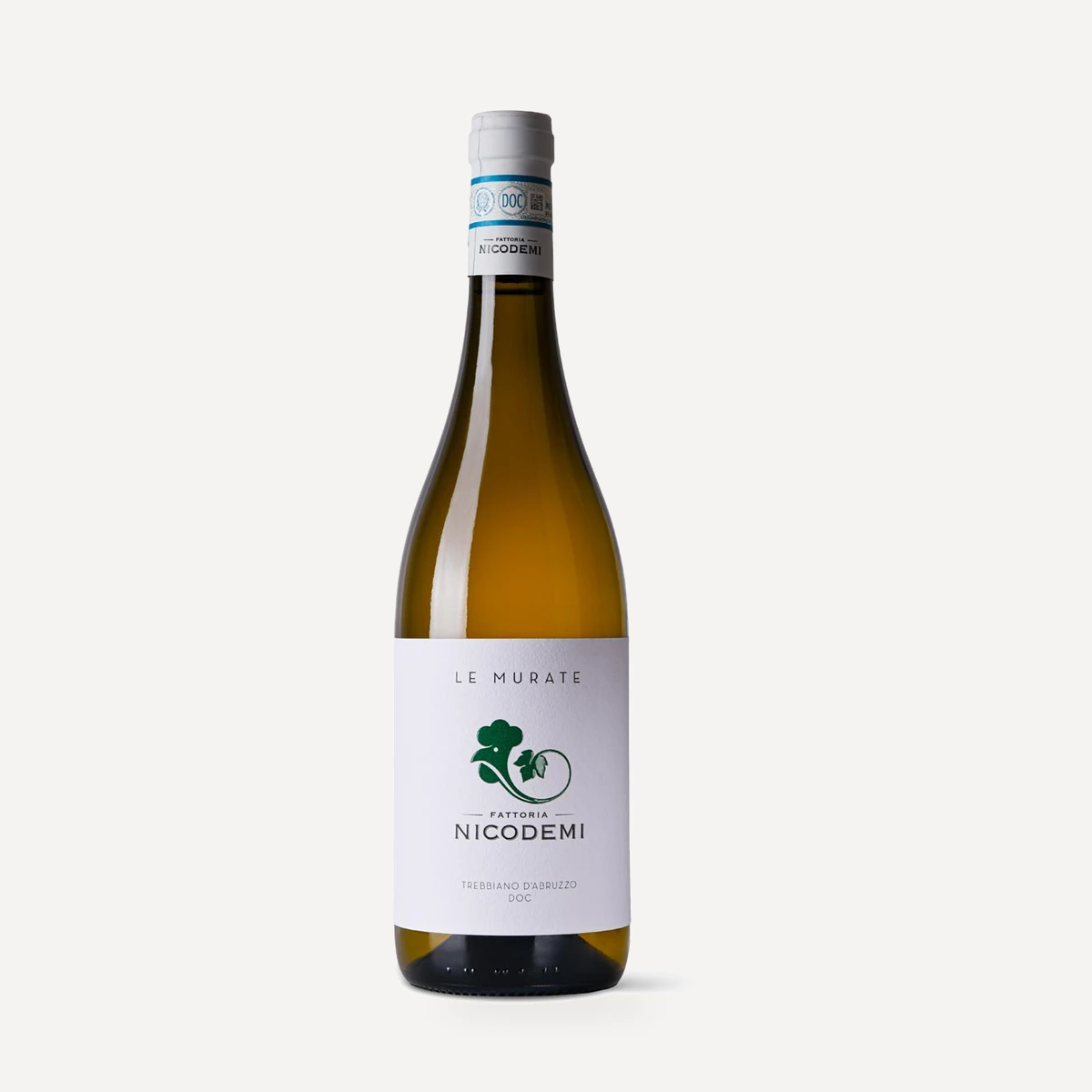
Le Murate Colline Teramane Trebbiano d’Abruzzo DOC Superiore
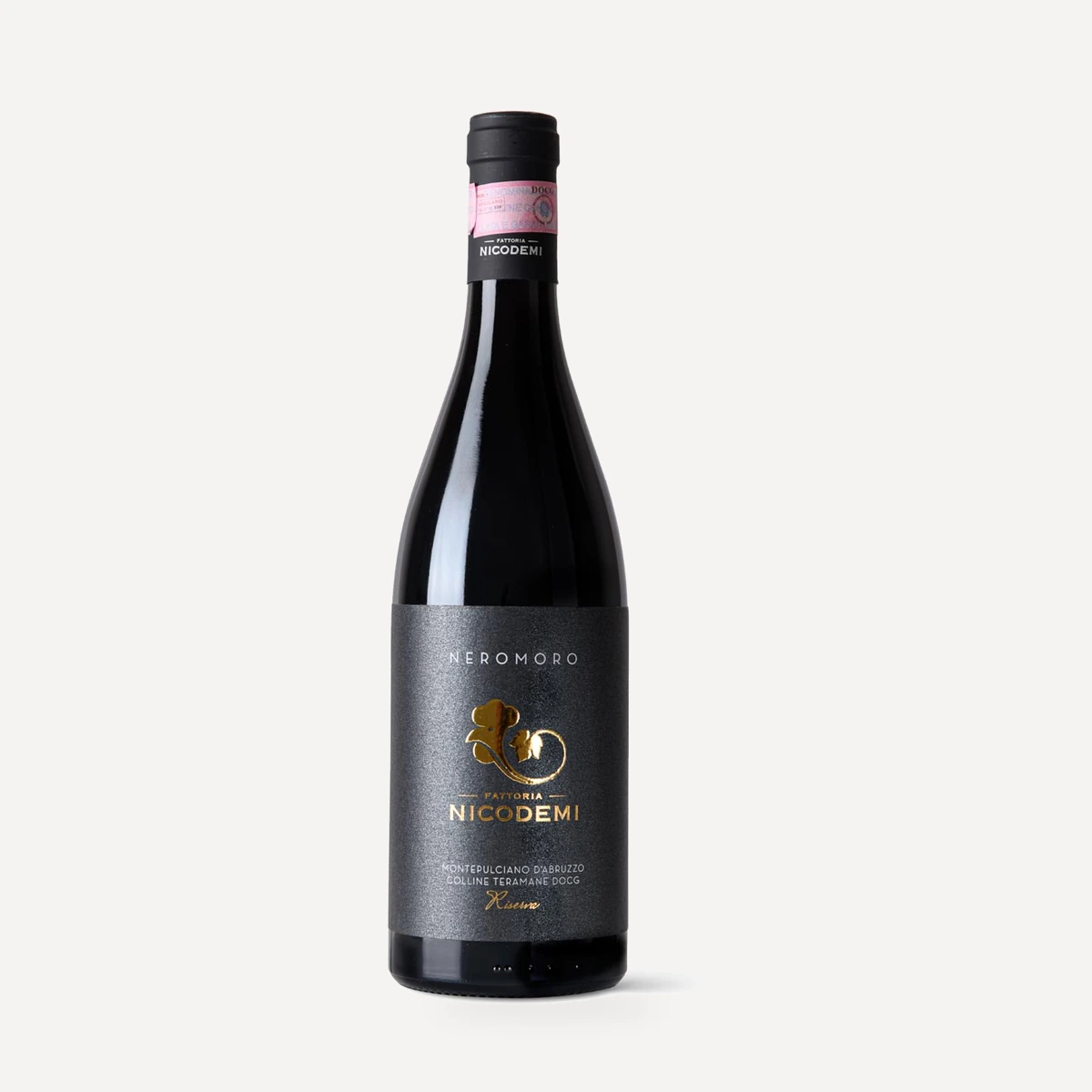
Neromoro Colline Teramane Montepulciano d’Abruzzo DOCG Riserva
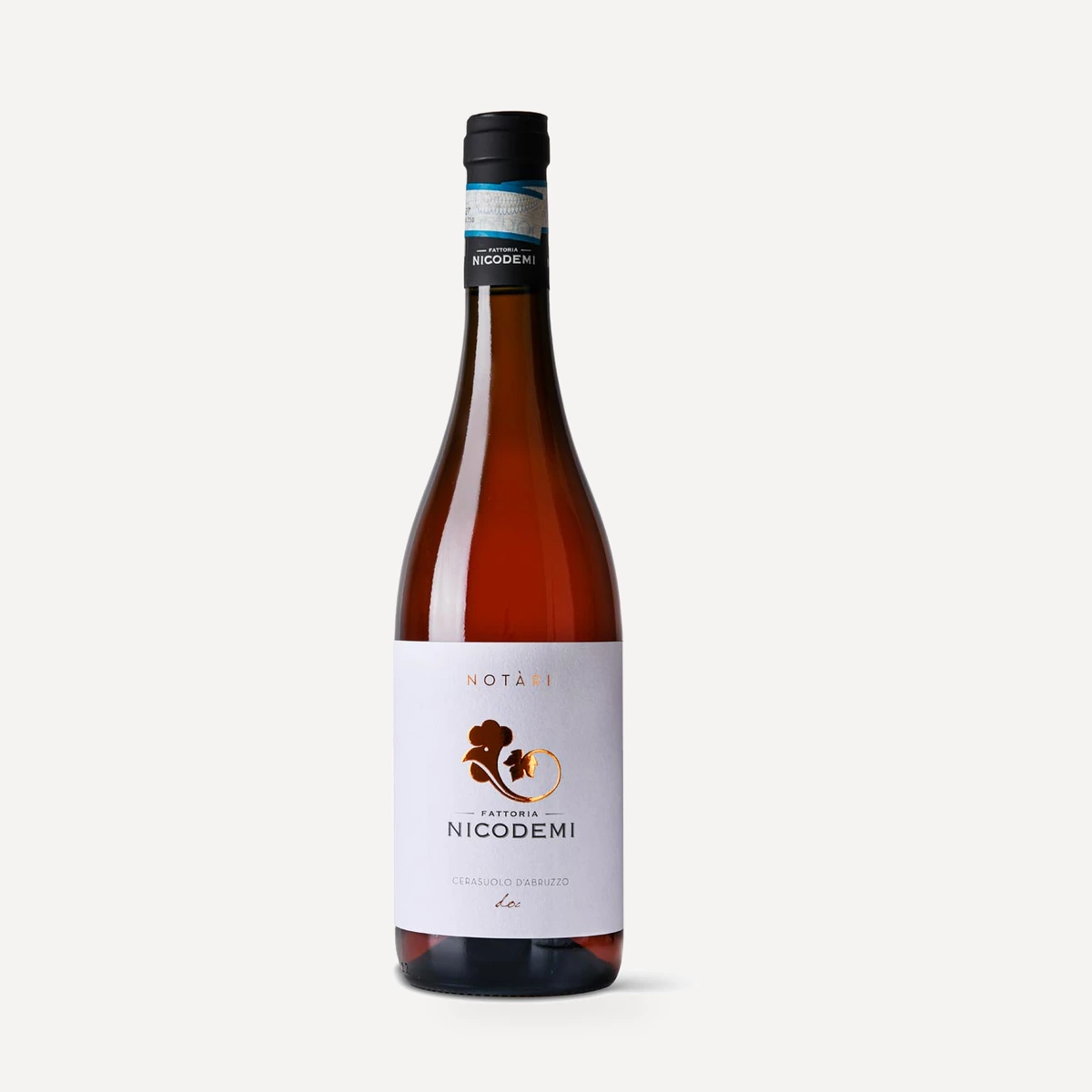
Notàri Cerasuolo d’Abruzzo DOC Superiore
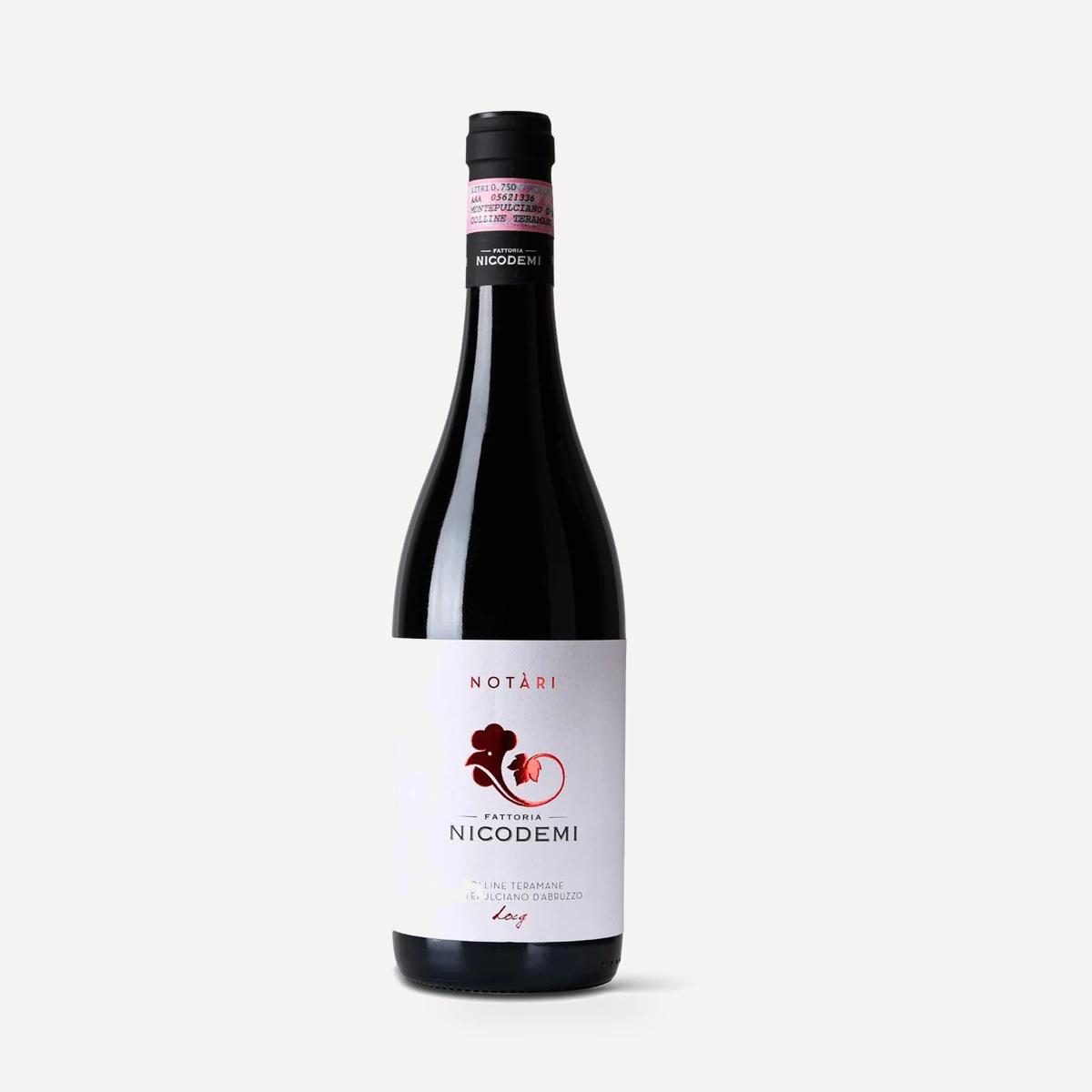
Notàri Colline Teramane Montepulciano d’Abruzzo DOCG
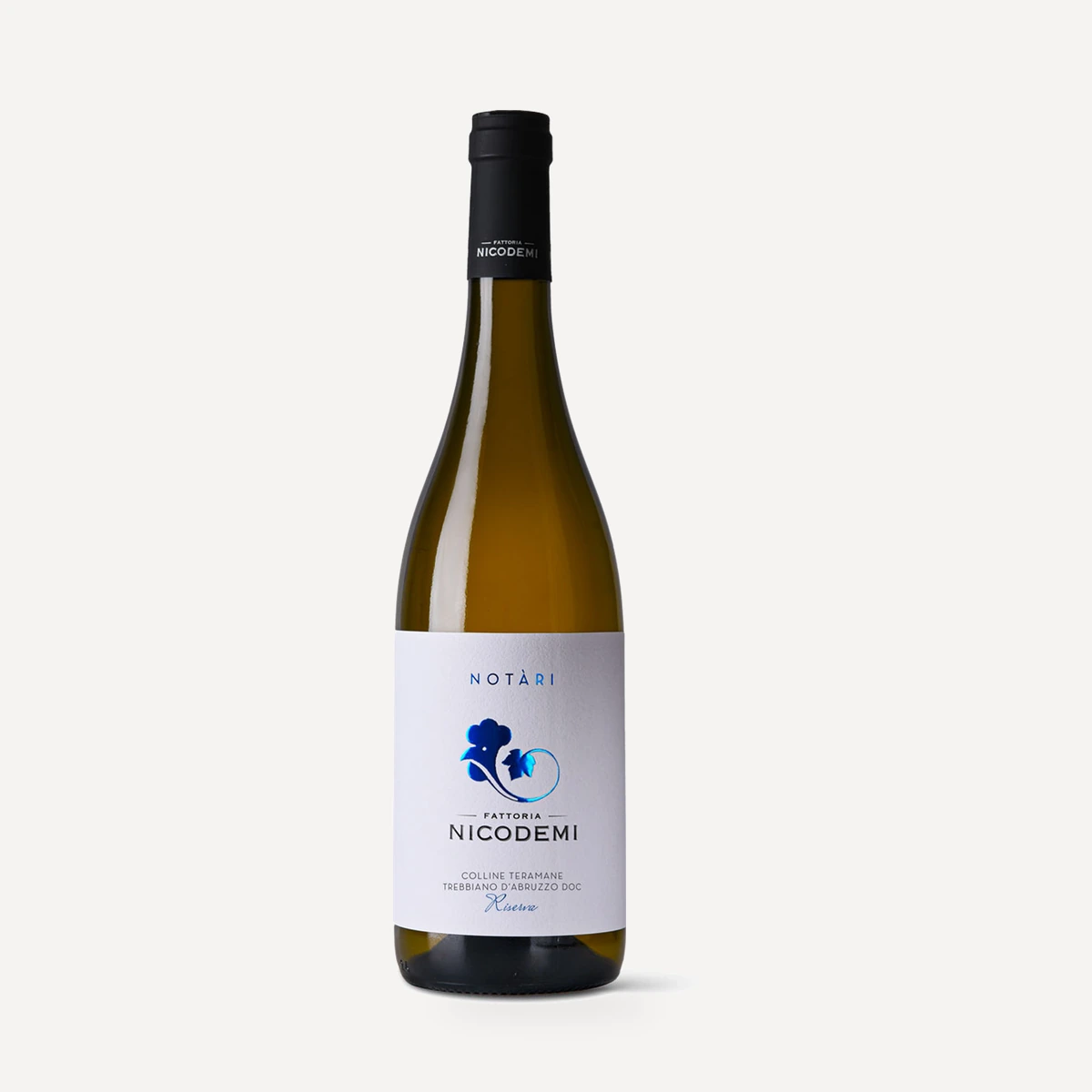
Notàri Trebbiano d’Abruzzo DOC Riserva