Storia
A cellar rooted in a family building
The working heart of Nicola Gatta’s cellar occupies his grandfather’s former hay barn in Gussago. The building was subsequently adapted to make its operational spaces more functional and its veranda more welcoming, while retaining its connection to the family property. Nicola’s child later joined him for a first shared harvest, adding another family chapter to the life of the cellar.
The project developed around artisanal Metodo Classico wines made exclusively from estate-grown fruit. Its identity rests on the calcareous hills of Gussago and Cellatica, spontaneous fermentation, indigenous yeasts and an explicit objective of representing a territory considered distinct in nature and origin.
Community and direct hospitality
The Bevitori ME.GA. club became an important part of the project’s development. It marked its fifth anniversary in 2025 and had reached 750 members by 2024. The club grew around direct encounters with the producer, limited bottles, educational sessions, tastings and shared events rather than conventional membership benefits alone.
Cellar hospitality expanded through several formats, including conventional visits, Gatta’s Privé, Vigna’s Privé, Nature Limited, Rarity and Gussago 4x4. The first Gussago 4x4 excursion took visitors into the vineyards in a historic Campagnola vehicle on 2 July. MEGAFRIENDS and Gatta’s Première subsequently became annual gatherings centred on wine, food and discussion.
New vineyards and parcel research
In 2022, an experimental vineyard was planted at Civine at 600 metres above sea level. Its 2,000 vines comprised Pinot Noir and Chardonnay, testing the potential of a cooler, high-altitude site with pronounced day–night temperature differences as the climate changed.
By 2023, the cellar was separately following Cudula, Campiani Est and Civine through their differing spring development. Tirage for the Ombra and 400 cuvées combined wines from different years, reinforcing a preference for multi-vintage cuvées over millesimato production.
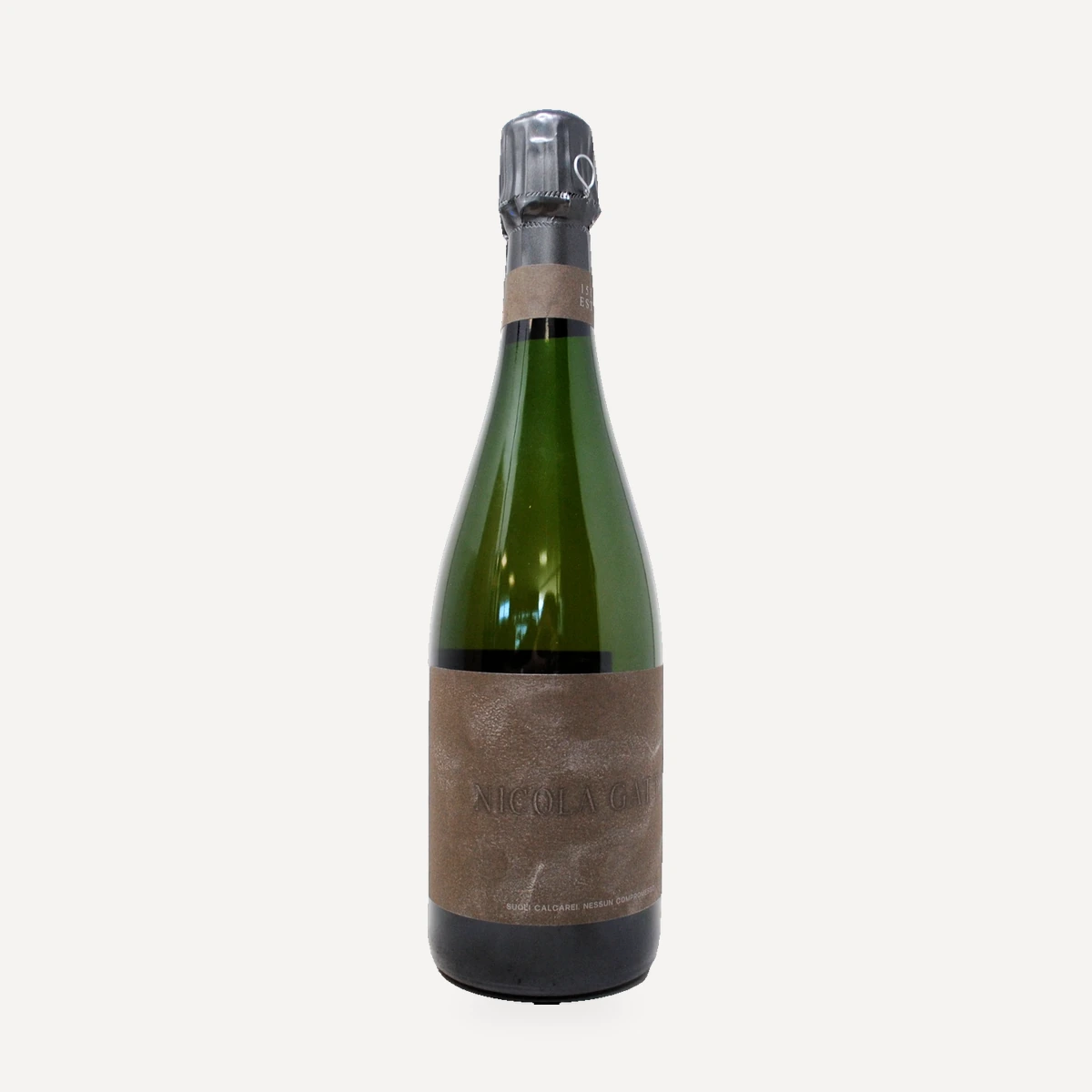
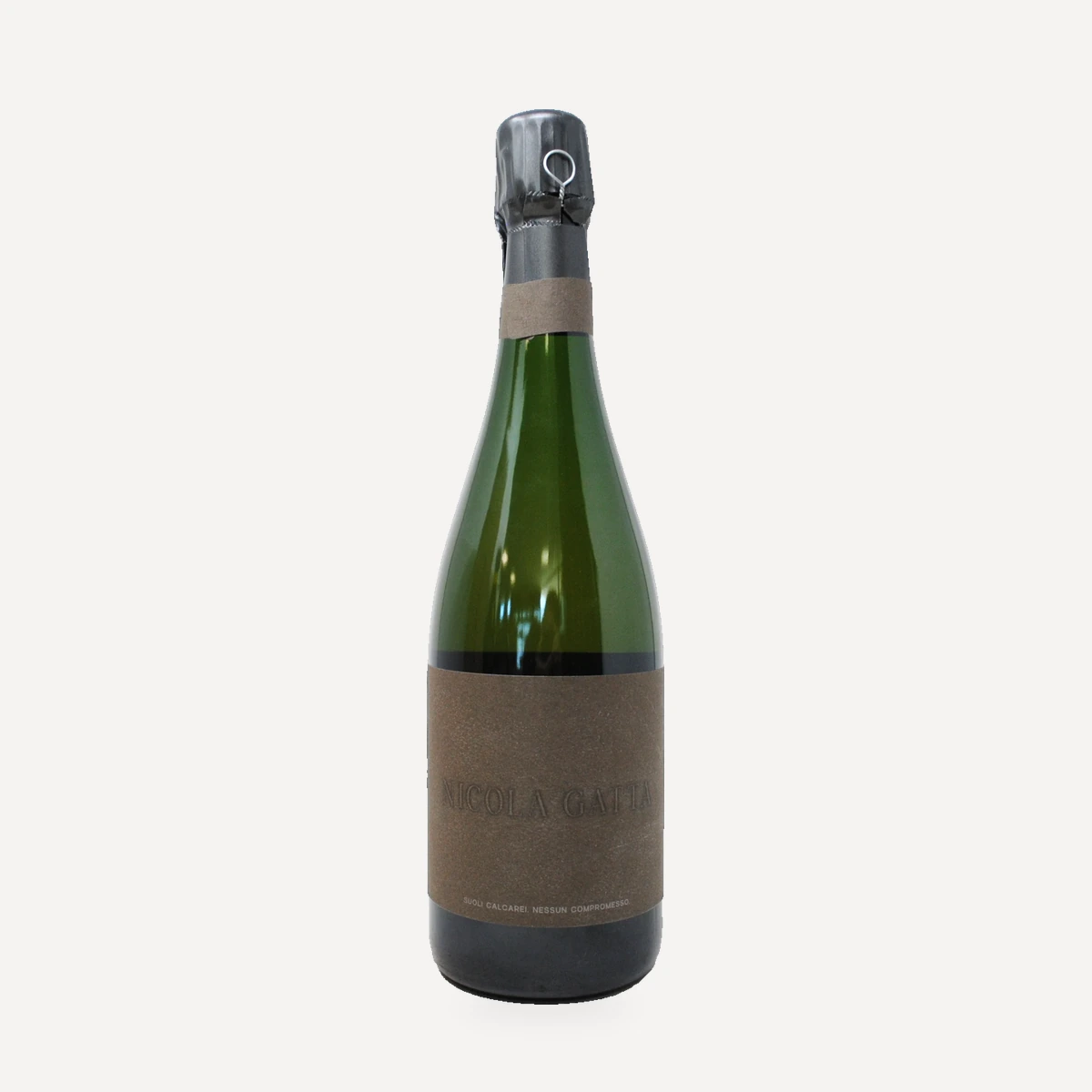
During 2024, vineyard work expanded across Campiani Est, Campiani Ovest, Cudula, Civine and Sabadina. A Campiani Est extension planted the previous year was trained through selection of a single developing shoot. Two additional terraces were planted, and a new Pinot Blanc vineyard close to the cellar was under development. Campiani Est and Campiani Ovest were also prepared as separate parcel expressions: Parcellare 151 from Pinot Noir at Campiani Est and Parcellare 479 from Chardonnay at Campiani Ovest.
The 2024 season brought an early, relatively small but high-quality sparkling-wine harvest after a hot, dry summer. Later rain and cooler conditions prolonged the ripening of Barbera and Marzemino in the approximately 60-year-old pergola-trained vineyard. Work also began on Santissima, where abandoned historic terraces were recovered as part of a broader effort to represent Gussago through distinct sites.
Cudula and Santissima
An abandoned terraced plot on the western side of Cudula, within the Cellatica amphitheatre, was identified three years before its redevelopment. The former vineyard’s calcareous, chalky soil prompted a plan to return the difficult hillside to cultivation while preserving its historic terraced form.
In early 2025, two plantings were completed. On the east-facing side of Cudula, 1,500 Chardonnay vines were planted across 14 terraces of pale clay rich in limestone and gypsum. At Santissima, approximately 750 Pinot Noir vines were planted on three west-facing terraces in a cooler, less sun-exposed position. The work revived terraces that had long been abandoned.
The 2025 growing season culminated in a generous harvest. Intense heat at the beginning of August brought the start forward by roughly ten days, with the youngest vines picked from 17 August. By October and November, Nicola had begun exploring a new microzone at Navezze for a future vineyard.
Continuing parcel development
The third Gatta’s Première, held on 15 December 2024, presented Campiani Est and Campiani Ovest as individual parcel projects. The fourth edition, held on 20 December 2025, returned to those sites through releases identified as Parcellari 151 and 479. The parcel programme is conceived as a close examination of Gussago’s soils, with collective tasting and discussion used to follow the wines’ evolution and refine the project’s direction.
Terroir
The vineyards lie on the calcareous hills of Gussago and Cellatica, in the easternmost part of Franciacorta. The general elevation is approximately 400 metres above sea level, while the experimental Civine vineyard reaches 600 metres.
The underlying soil matrix is limestone, with iron infiltrations and clay strata. Individual sites introduce further variation: western Cudula has calcareous, chalky soils on restored terraces, while the east-facing Cudula planting occupies pale clay rich in limestone and gypsum. Santissima combines calcareous soil, slope and a west-facing position; its Pinot Noir terraces occupy a comparatively cool, less sun-exposed corner.
The Gussago and Cellatica amphitheatres provide natural ventilation. This airflow helps keep grapes dry and healthy during wet periods and can reduce the need for plant-protection treatments. Civine’s altitude and northern exposure delay its spring development relative to Cudula and Campiani Est, while its cooler temperatures and pronounced day–night variation motivated its use as an experimental response to climate change.
Vintage conditions can vary sharply. In 2024, a hot, dry summer accelerated ripening and advanced the sparkling-wine harvest, followed by markedly cooler and wetter September weather. In late June 2025, approximately 50–60 mm of rain restored water balance after intense heat, particularly benefiting young vines. Later that season, strong day–night temperature differences accompanied the final ripening of Pinot Noir and Chardonnay.
Vinificazione
Herbicides and synthetic chemical products are excluded. Disease management relies on timely, targeted contact treatments rather than systemic products or heavy chemical intervention. During the wet 2024 flowering period, five treatments had been completed with approximately 700 g of metallic copper per hectare in total. Natural ventilation across the Gussago amphitheatre helped manage humidity and downy-mildew pressure while keeping treatment rates low.
Canopy work includes early shoot thinning, removal of unproductive shoots beneath the fruiting wire, suckering and relevage. New shoots are combed into double pairs of wires to maintain an orderly, symmetrical canopy. Green pruning selects the buds and shoots that will carry the current crop and form the basis of the following season, balancing leaves and bunches and reducing excessive production. In rainy conditions, reducing excess vegetation also improves airflow and helps keep grapes dry.
The under-row is worked to prevent excessive grass growth and moisture retention and to introduce air into the soil. Winter pruning on Guyot-trained vines renews the fruiting cane annually. It is carried out gradually through the dormant season, preferably on sunny days when canes can be bent with less risk of breakage. The historic Barbera and Marzemino vineyard retains its pergola bresciana training, original chestnut posts and original iron wires.
Young plantings are trained by selecting a single strong shoot. Water availability is treated as especially important during establishment: the abundant soil moisture of 2024 accelerated young-vine development, although the same wet conditions increased disease pressure in mature vines.
Harvest timing is adapted to variety, site, vine age and seasonal conditions. Pinot Noir and Chardonnay for sparkling bases are collected earlier than the late-ripening Barbera and Marzemino. Heat and drought prompted early picking in 2024, while intense heat in early August 2025 brought the first harvest date forward by approximately ten days. Grapes come from the producer’s own vineyards.
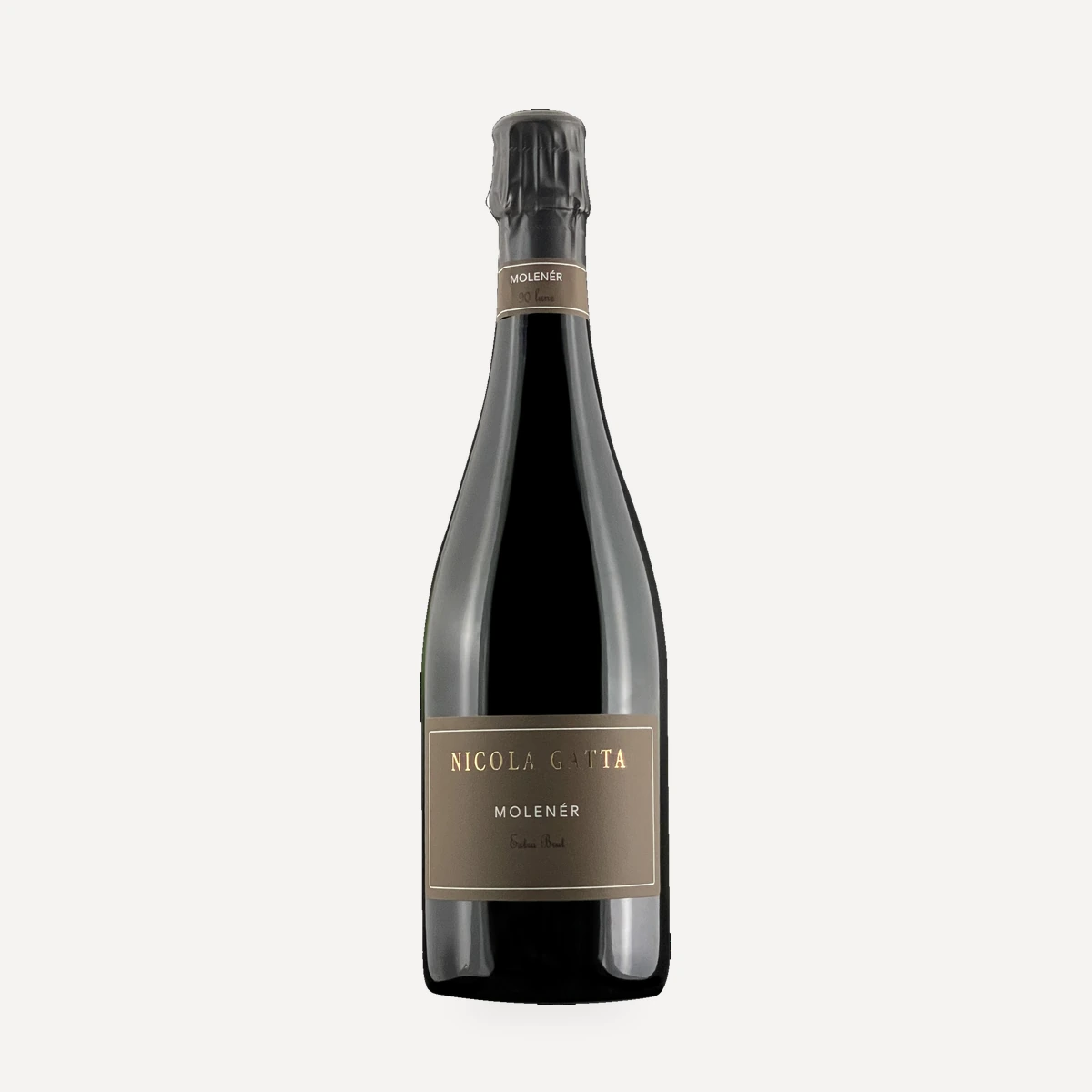
The wines are made as Metodo Classico in the cellar created from Nicola Gatta’s grandfather’s former hay barn. Fermentations begin spontaneously with indigenous yeasts naturally present on the grape skins. No fining agents or stabilising agents are used, and no sulphites are added.
After harvest, the young vins clairs are tasted to assess the concentration, qualities and character of the vintage. During winter, wines from the latest harvest are balanced with perpetual reserve wines and components from other years. Nicola favours cuvées over millesimato production, using multi-vintage blending to build continuity while retaining identity. Base wines and reserve components are also handled in tonneaux; French tonneaux from Tonnellerie Cavin have been introduced into the cellar.
Tirage takes place after the cuvées have been defined. Wine moving from tonneau to bottle is blended with components from other vintages. Indigenous yeasts and organic raw cane sugar, at no more than 24 g/L, are added to initiate the second fermentation in bottle. Special sentinel bottles fitted with an aphrometer are used to monitor pressure. At approximately 6 bar, the sugar is considered consumed and the prise de mousse complete.
The core Metodo Classico range uses extended bottle ageing expressed in lunar months, from 30 to 90 moons depending on the cuvée. Disgorgement, sugar and total sulphur-dioxide information is recorded on the back label. Ageing decisions are made vintage by vintage with the stated objective of adding and removing as little as possible and giving priority to the character of the incoming grapes.
Filosofia
Nicola Gatta’s guiding principle is to give value to a territory he considers different in both nature and origin and to obtain wines that represent it without compromise. Metodo Classico provides the framework, but the declared objective is diversity rather than standardisation.
Decisions are made incrementally and can be reconsidered: moving forward or stepping back is treated as part of the method. In the cellar, the objective is to add and remove as little as possible. Ageing and blending are interpreted afresh each year according to the grapes and vintage rather than imposed through an unchanging recipe.
The same approach extends to the land. High-altitude experimentation at Civine, the revival of abandoned terraces at Cudula and Santissima and exploration at Navezze are intended to use the diversity and dynamism of Gussago rather than compensate for climatic change through artificial expedients.
Wine is also understood as a medium for exchange. Direct knowledge of the vigneron, asking questions, tasting together and circulating artisanal bottles are central to the project. The Bevitori ME.GA. community is built around discussion rather than persuasion, support for small producers and respect for terroir. Its recurring maxim is that the drinkers themselves constitute the cellar.
Vini
Parcellare 151 Pinot Nero "Campiani Est"
Negus
Parcellare 479 Chardonnay "Campiani Ovest"
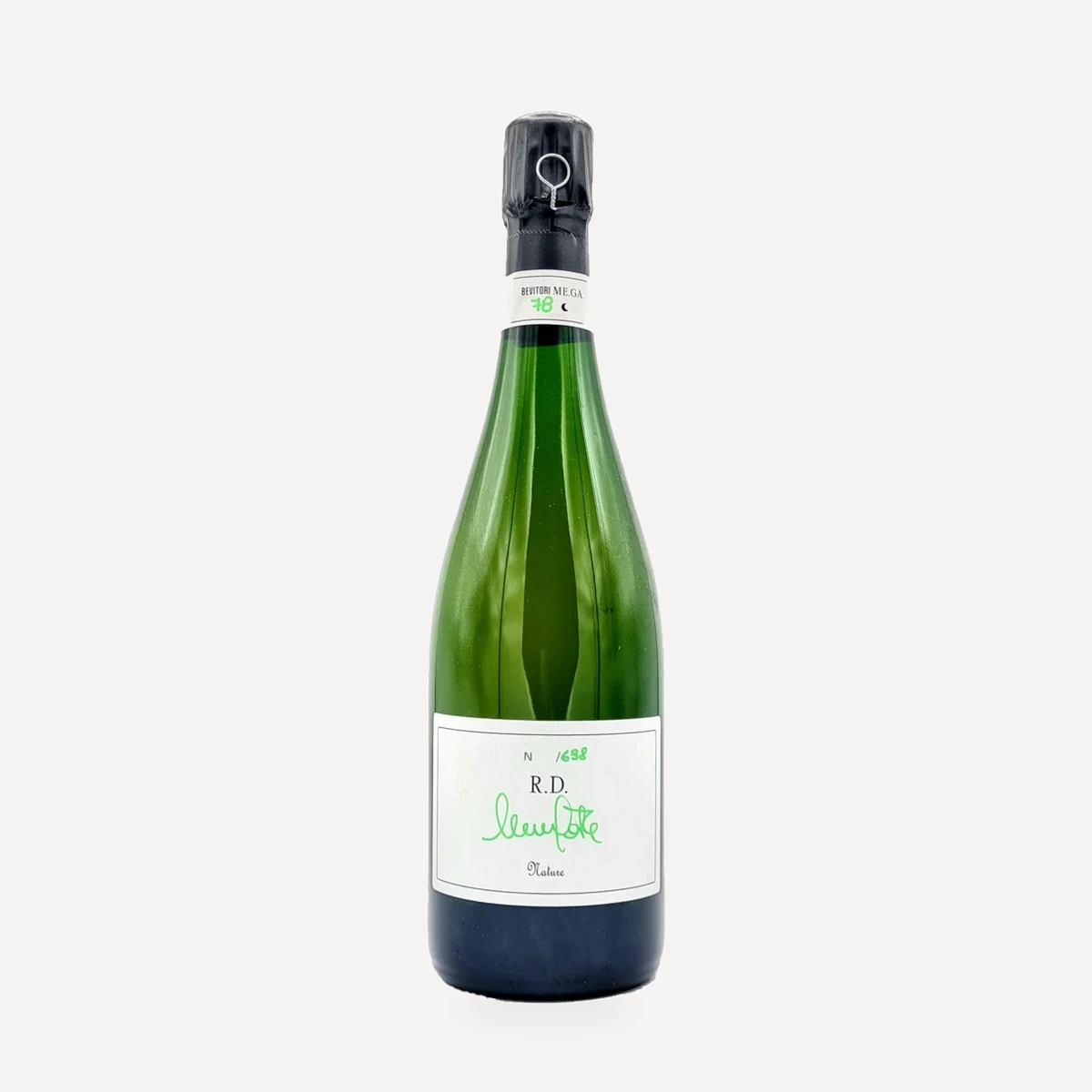
R.D. Blanc de Blancs
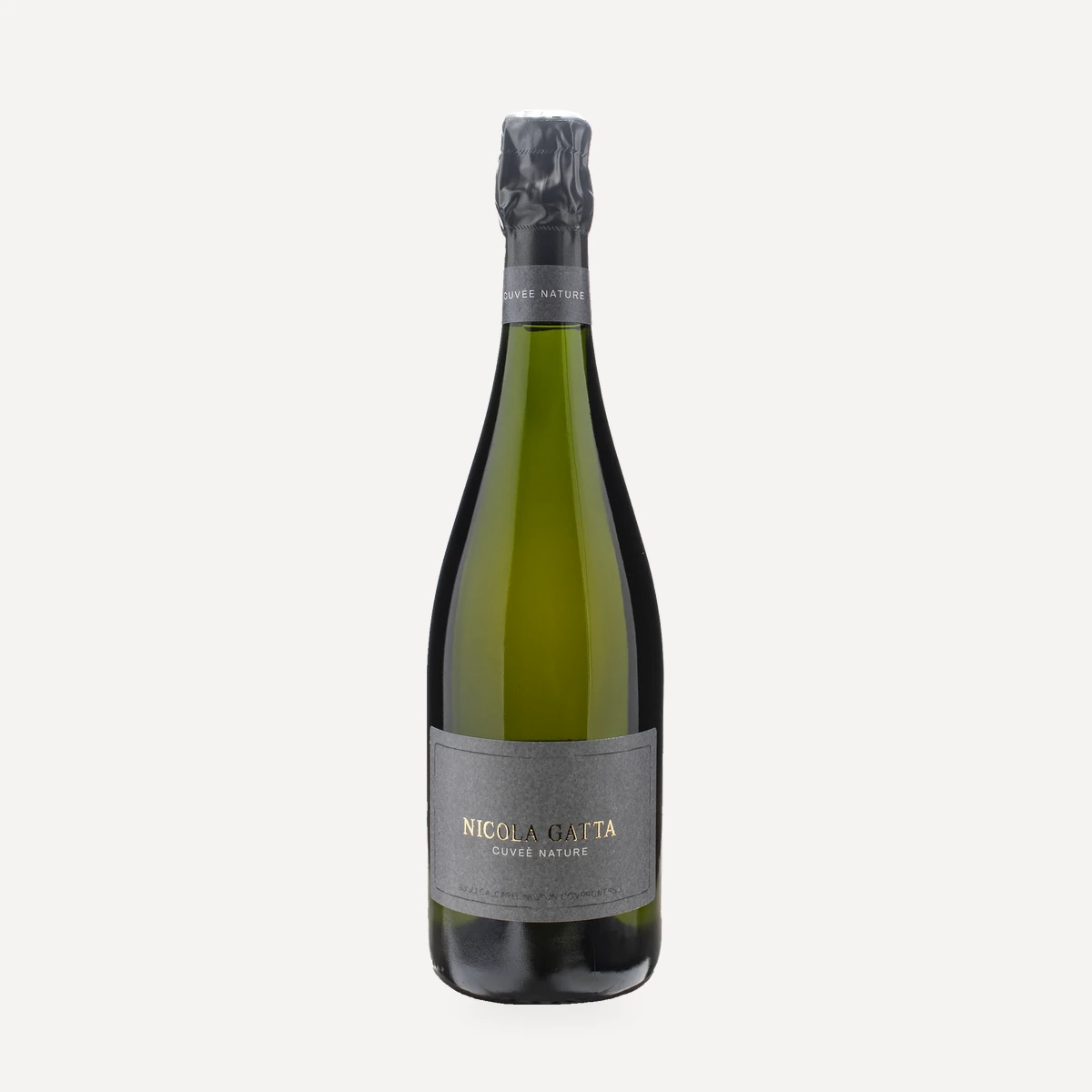
Cuvée Nature