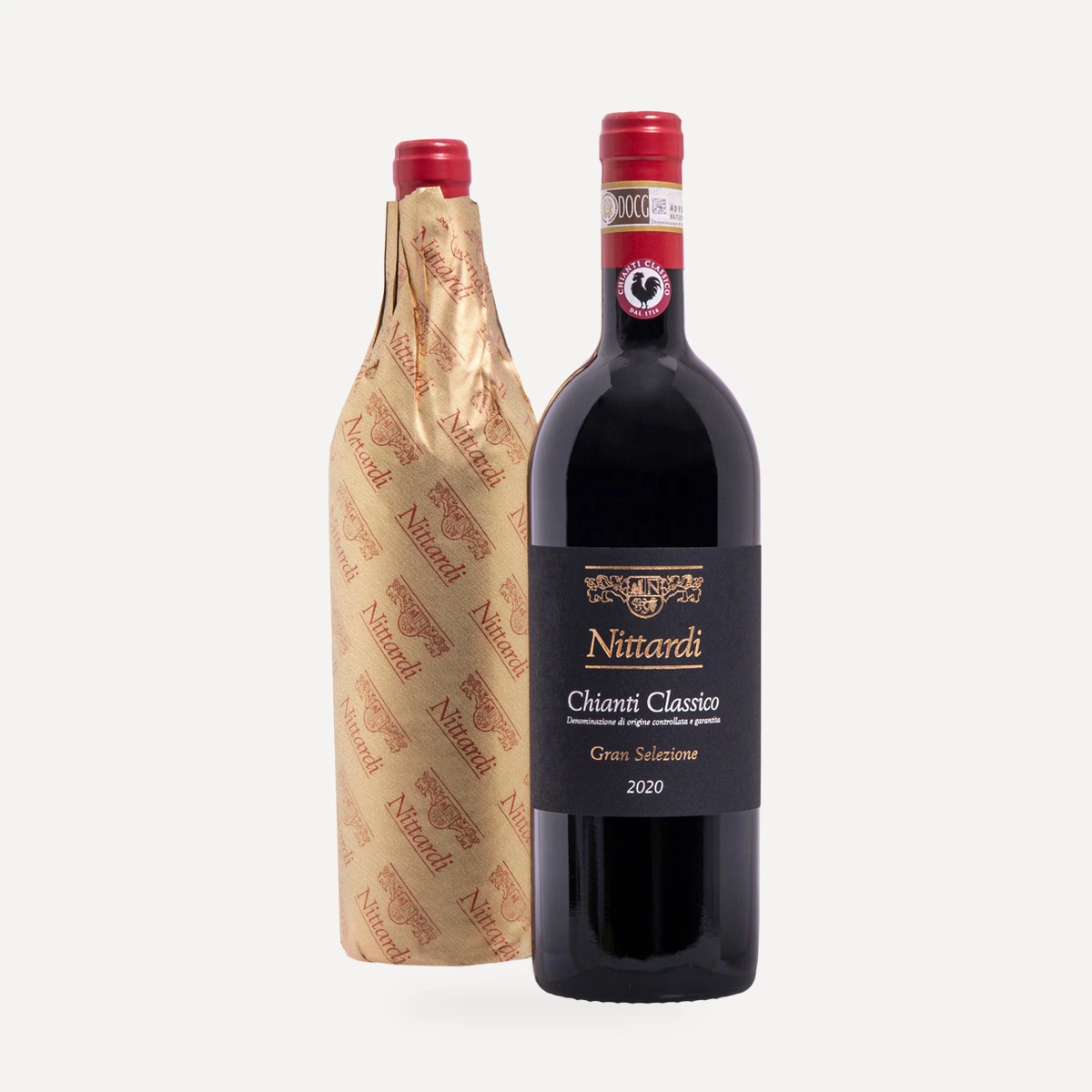
Storia
Medieval origins
Nittardi began as a defensive tower on the boundary between the provinces of Siena and Florence. The property was recorded as early as 1183 under the name “Nectar Dei”, meaning “The Nectar of the God.” This historical name was later revived for one of the wines produced from the estate’s Maremma vineyards.
Michelangelo Buonarroti
In the 16th century, the extensive property belonged to Michelangelo Buonarroti. A surviving episode from 1549 connects Nittardi’s wine directly with the artist: Michelangelo wrote to his nephew Lionardo that he would prefer two casks of wine to eight shirts and sent Nittardi wine to Rome as a gift to Pope Paul III. The custom is commemorated by presenting the first bottles of Nectar Dei to the Pope.
The Canali-Femfert restoration
After passing through numerous owners over the centuries, Nittardi was acquired in 1981 by Frankfurt publisher and art gallerist Peter Femfert and his wife Stefania Canali, a Venetian historian. They progressively restored the property, replanted its vineyards and assembled a specialist team. The renewal also established the estate’s modern relationship between wine and contemporary art: beginning with the 1981 vintage, an international artist was invited each year to design both a label and a sheet of tissue wrapping for Casanuova di Nittardi Vigna Doghessa.
Carlo Ferrini joined the team as consultant oenologist in 1991, supervising vineyard and cellar work. In 1992, the old vat room was replaced by a modern winery. The new structure was positioned and designed to respect the architectural character of the Chianti landscape while permitting gentler grape handling and controlled vinification.
Expansion into Maremma
In 1999, the family acquired Mongibello delle Mandorlaie, a property in southern Maremma between Scansano and Magliano in Toscana, close to Montiano and 8 km from the sea. The project was conceived to interpret Maremma’s Mediterranean, relatively wild environment through both local and international varieties. The Maremma holding has since developed to 25 ha of the estate’s total 40 ha of vineyards.
In 2012, Maremma became the source of Nittardi’s first white wine, BEN, initially made entirely from Vermentino.
Second generation and organic conversion
Léon Femfert, the elder son of Stefania Canali and Peter Femfert, began taking over management in 2013. After studying philosophy in Germany and Italy, wine business in Burgundy and gaining winery experience in the United States, France, Germany and Chile—including a period at the biodynamic Casa Lapostolle—he assumed responsibility for both winemaking and the business.
Conversion of all the Chianti Classico and Maremma vineyards to organic farming began in 2014. The 2017 vintage was the first for which every vineyard was certified organic.
New classifications and sustainability certification
The 2020 vintage marked Nittardi’s first Chianti Classico Gran Selezione. It evolved from the estate’s Riserva, which had included a small proportion of Merlot since 1997. Following several years of research and trials, the new Gran Selezione returned to pure Sangiovese.
On 30 July 2024, Nittardi obtained Equalitas certification under the Sustainable Organization module. The sustainability-management system covers vineyard management, production, maturation, refinement and bottling of still white and red wines. A renewed certificate, aligned with revision 05 of the standard, was issued on 20 August 2025 and remains valid until 29 July 2027, subject to periodic surveillance and triennial renewal.
The artistic program reached its 40th vintage with Casanuova di Nittardi 2020. An international Premio Nittardi competition attracted hundreds of submissions and selected six artists for the bottles in a six-bottle case, plus an honorary artist for the magnum. By the 2023 vintage, the continuing series had reached its 43rd artist label.
Terroir
Two Tuscan environments
Nittardi farms 40 ha in two distinct parts of Tuscany: 15 ha in Chianti Classico and 25 ha in Maremma. The Chianti properties occupy wooded hills in the province of Siena, while the Maremma vineyards stand in a flatter landscape surrounded by pasture in the province of Grosseto. Across the wider property, 100 ha of protected woodland and Mediterranean scrub help moderate cold winters and dry summers and surround the vineyards with aromatic vegetation.
Nittardi and Vigna Doghessa
The historic Nittardi vineyards lie between Castellina in Chianti and Panzano, generally at 400–500 m. Their predominantly southern exposures and altitude create substantial differences between day and night temperatures. Vigna Doghessa occupies a southeast-facing slope at 450 m, protected by forest. Its limestone-rich Alberese and schistose Galestro soils have a markedly stony structure.
The soils of the Nittardi parcels share a limestone-and-clay matrix. Steeper sites contain abundant shingle and stones, especially Galestro, while gentler slopes have deeper, less skeletal soil. Winters are cold and frequently fall below 0°C; summers are warm and dry, often exceeding 30°C. Annual rainfall is approximately 800 mm and is concentrated between late autumn and spring. These conditions prolong and balance ripening.
Villa Rosa
Villa Rosa lies near the hamlet of San Quirico, south of Castellina in Chianti, at approximately 270 m. Its lower altitude generally makes it warmer than the main Nittardi property. The limestone-clay soils contain abundant shingle and Galestro, fine clay, little organic matter and effective drainage. The climate is continental, with winter temperatures around 0°C, dry summers often exceeding 33°C, pronounced diurnal variation and about 800 mm of annual rainfall, primarily from late autumn to spring.
Mongibello delle Mandorlaie
The Maremma property lies south of Scansano, between Scansano and Magliano in Toscana, close to Montiano and only 8 km from the sea. The vineyards stand at approximately 250 m within the Morellino di Scansano area. Their geology is dominated by sandstone, with granite, schist and volcanic strata beneath. Erosion of the sandstone created a deep sandy layer with a reddish-ocher colour. The soils are poor in both nutrients and water, encouraging deep root systems.
Mongibello has a Mediterranean climate with mild winters, dry summers, an average annual temperature of about 16°C and historically about 500 mm of annual rainfall, chiefly in late autumn, winter and spring. The open terrain, scarcity of mountains, low rainfall and limited cloud cover give the area abundant sunshine.
Vinificazione
All vineyards are managed under certified-organic rules. Conversion of the complete vineyard holding began in 2014, and the 2017 vintage was the first in which the Chianti Classico and Maremma vineyards were all certified. Synthetic crop-protection products and chemical herbicides are excluded, including along ditches and boundaries.
Vineyard work is principally manual. Harvesting is carried out by hand, separately for each vineyard and variety, selecting only ripe, healthy bunches and placing them in 20 kg cases. Harvest dates are determined through tasting, assessment of grape health and chemical maturity analysis. Under normal historical conditions, Merlot at Nittardi was picked in early September and Sangiovese from late September into early October; the Maremma sequence extends from early-ripening Merlot and white varieties to Petit Verdot in early October.
Alternate rows are grassed either with spontaneous vegetation or certified-organic field beans. Green manure is grown, cut and incorporated into the soil to raise organic matter. Fertility inputs are organic, including cattle manure generally applied after harvest in autumn to build humus. Winter pruning is adapted to vine vigour and productivity, using spur-pruned cordon or Guyot and retaining approximately 8–10 buds and 8–12 productive shoots as appropriate. Yield is further controlled through short winter pruning, careful spring shoot selection and green harvesting in early summer when required.
Agronomist Sauro Provvedi periodically monitors water stress. Emergency irrigation is used where necessary, and the Magliano vineyards have drip irrigation to target water use efficiently. Two weather stations—one in Chianti Classico and one in Maremma—feed the NetSense decision-support platform. Disease protection follows the organic protocol; low-volume sprayers reduce water use, and wash water is applied to the first vineyard rows so that residues do not enter unrelated soil areas. Copper- and sulphur-based treatments and continuous monitoring were particularly important during the high downy-mildew pressure of 2025.
Biodiversity measures include maintaining vineyard, field, olive-grove, Mediterranean-scrub, conifer and woodland habitats. Spontaneous spring and summer vegetation and deliberately planted species near the two hospitality properties provide staggered flowering for pollinating insects. Heather, broom, ivy and wild orchids in the woods extend forage through spring and summer. Wildlife recorded across the land includes wild boar, foxes, fallow deer, roe deer, badgers, hares, pheasants, porcupines and dormice; dormice sheltering beneath building roofs are left protected from predators and weather.
The estate collaborated with biologist Isolde Hagemann on Alla scoperta del mondo botanico di Nittardi, a photographic inventory and description of local flora accompanied by four walking itineraries. Vineyard management also aims to preserve soil structure while reducing fertilizer and fungicide inputs.
Cellar and grape reception
The principal cellar replaced the old vat room in 1992. It is a modern facility designed in the architectural language of the Chianti landscape and conceived for gentle handling. Grapes are harvested by hand in separate passes for each parcel and variety, transported in 20 kg cases, destemmed and selected with modern sorting equipment.
Fermentation
Fermentation takes place naturally, without added yeast, in temperature-controlled stainless-steel tanks. The fermentation room includes tanks with capacities up to 105 hl; red-wine fermentations are normally kept at or below approximately 28°C to preserve varietal aromas. Open-topped, truncated-conical tanks permit precise manual punch-downs across the full cap. Processing protocols are defined for each wine, and continuous external laboratory analyses accompany every production stage.
Maturation and blending
After malolactic fermentation, wines are transferred to vessels selected for the variety, parcel and intended wine. The cellar uses French and Austrian oak, including 225 l barriques, 500 l tonneaux and 3,500 l botti, as well as concrete vessels. The 2025 sustainability program also describes fermentation and maturation in differently sized French-oak vessels and concrete. Oak maturation generally lasts between 12 and 24 months.
The internal oenologists Sauro Provvedi and Alessio Sandrucci supervise production with consultant Carlo Ferrini. Ferrini and the estate team decide when and how individual parcels and varieties should be blended and bottled. Organoleptic assessment and laboratory testing continue throughout maturation.
Bottling and bottle maturation
After bottling, maturation continues in a temperature-controlled warehouse for a period determined by the wine, ranging from at least three months to approximately one year.
Traceability, sanitation and circular practices
An HACCP manual, processing protocols and the sustainability-management system cover grape reception through bottling and dispatch, with controls for hygiene, food safety, workplace safety and traceability. Defined sanitation procedures govern the cleaning of rooms and equipment. Lees, pomace and stems are returned to the fields; the stems are composted beforehand. Healthy pruning wood was incorporated into the soil in December 2024.
Packaging changes include reducing selected 750 ml bottles from 700 g to 600 g and from 450 g to 410 g, while bottles for white wines were reduced to 395 g. Natural-cork dimensions were reduced from 24 × 49 mm to 24 × 45 mm. Shipping cartons contain 74% recycled raw material, and empty cartons from the shop and tastings are recovered for reuse during bottling.
Filosofia
Nittardi presents wine as a cultural practice joining skilled agricultural work, technical knowledge and creative interpretation. Nature supplies the raw material of each vintage; the winegrower’s task is to interpret it with precision rather than impose a fixed formula. Parcel and varietal maturity are therefore respected individually, and blending decisions are made only after following each component’s development.
The estate’s artistic philosophy derives from Michelangelo’s ownership. Casanuova di Nittardi is conceived as carrying two signatures: the internal signature of the vineyard and cellar team and the external signature of the artist responsible for the label and tissue wrapping. Wine is treated as culture alongside art, film and poetry—a professional process shaped by both meditative attention and creative impulses.
Environmental policy focuses on keeping the natural context intact so that the vineyards can express their different Tuscan settings. Organic farming, biodiversity protection, reduced inputs, careful water management and lighter packaging form part of this approach. Under Equalitas, the concept extends beyond environmental measures to social and economic responsibility: fair labour practices, community engagement, resilient local economic activity, transparent conduct and measurable improvement.
The family describes Equalitas certification as a starting point rather than an endpoint. Continuing objectives include better consumption-data collection, maintaining certification, further employee education and installing photovoltaic panels as a canopy over the parking area serving the cellar and hospitality operation.
Vini
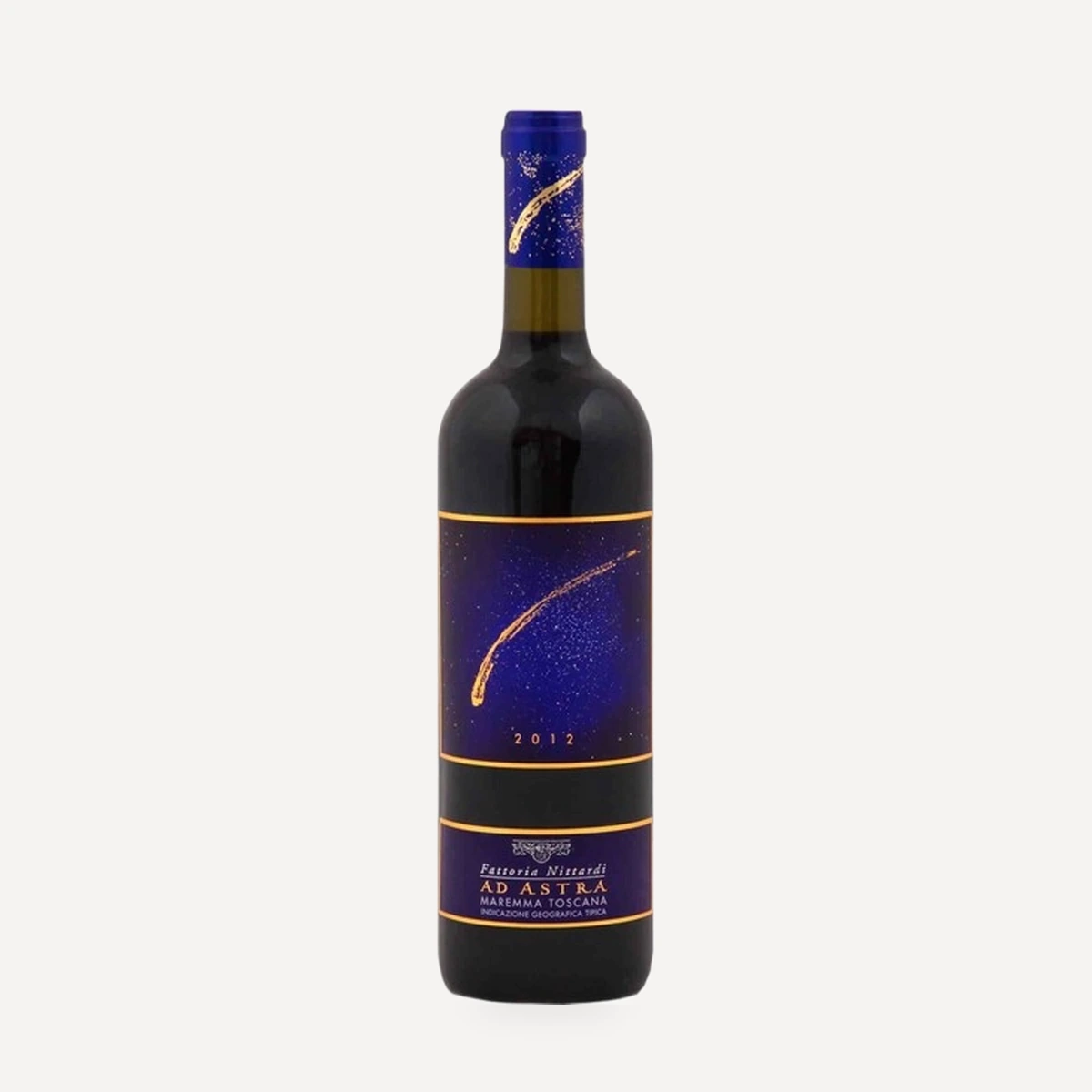
Ad Astra Maremma Toscana DOC
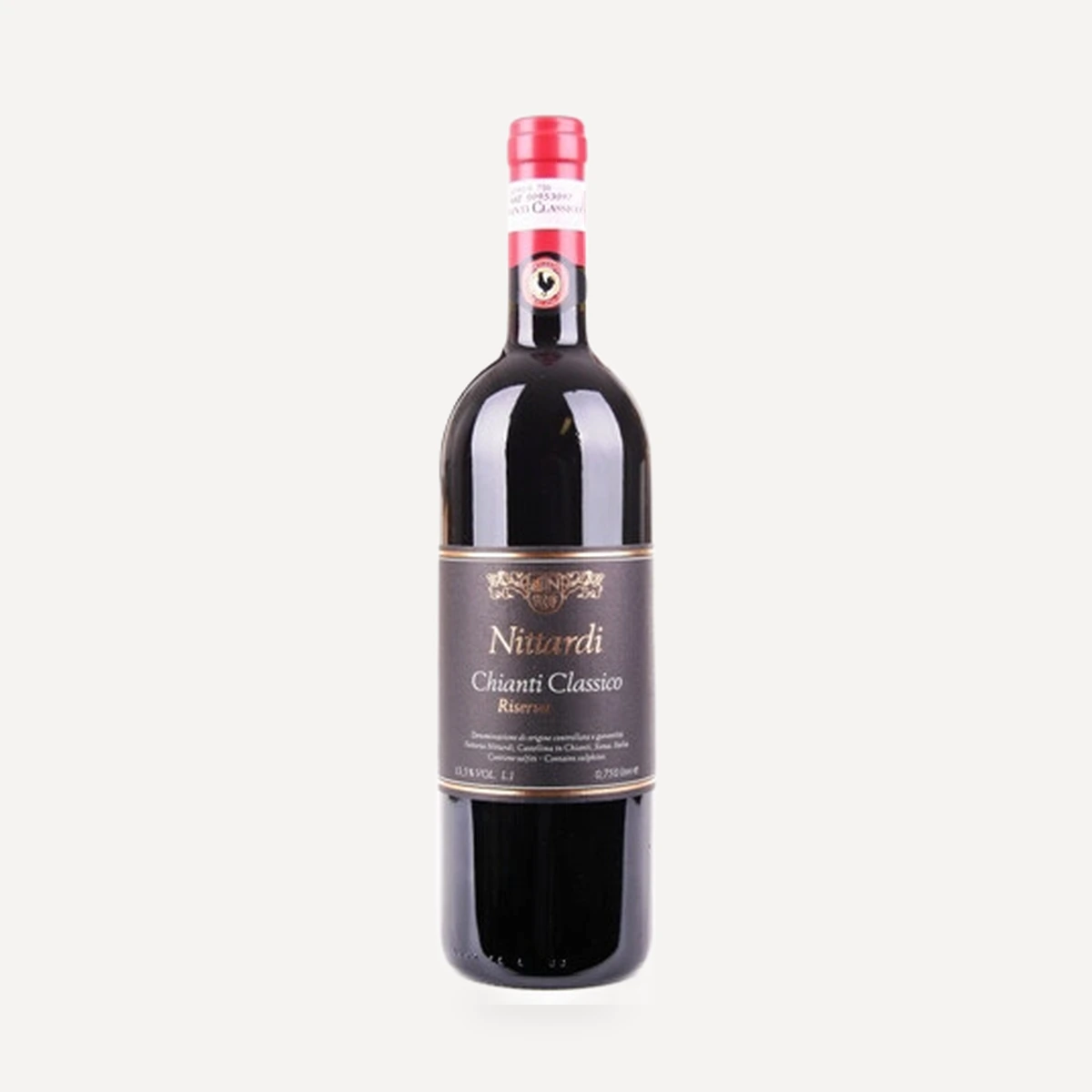
Nittardi Riserva Selezionata Chianti Classico DOCG
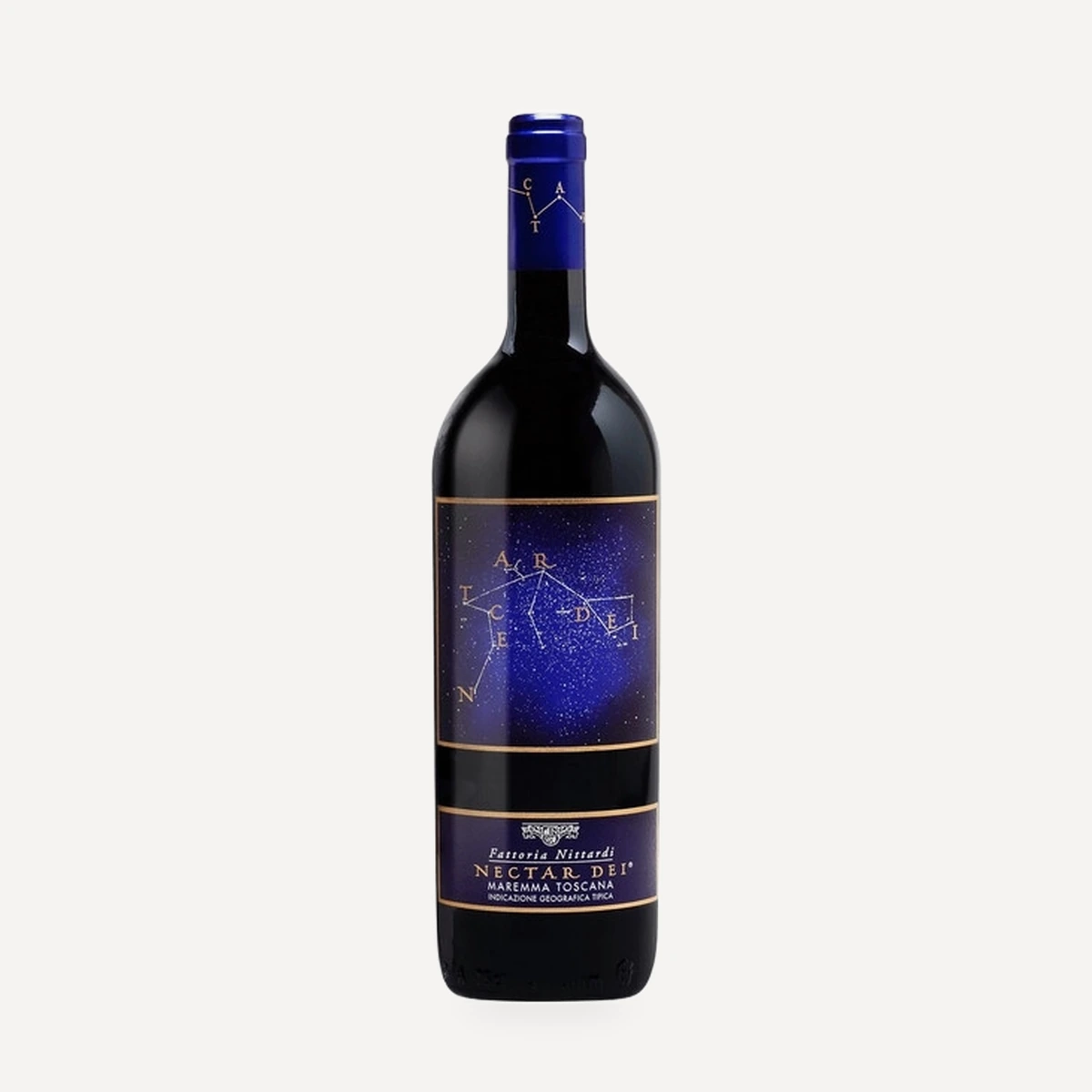
Nectar Dei Maremma Toscana DOC
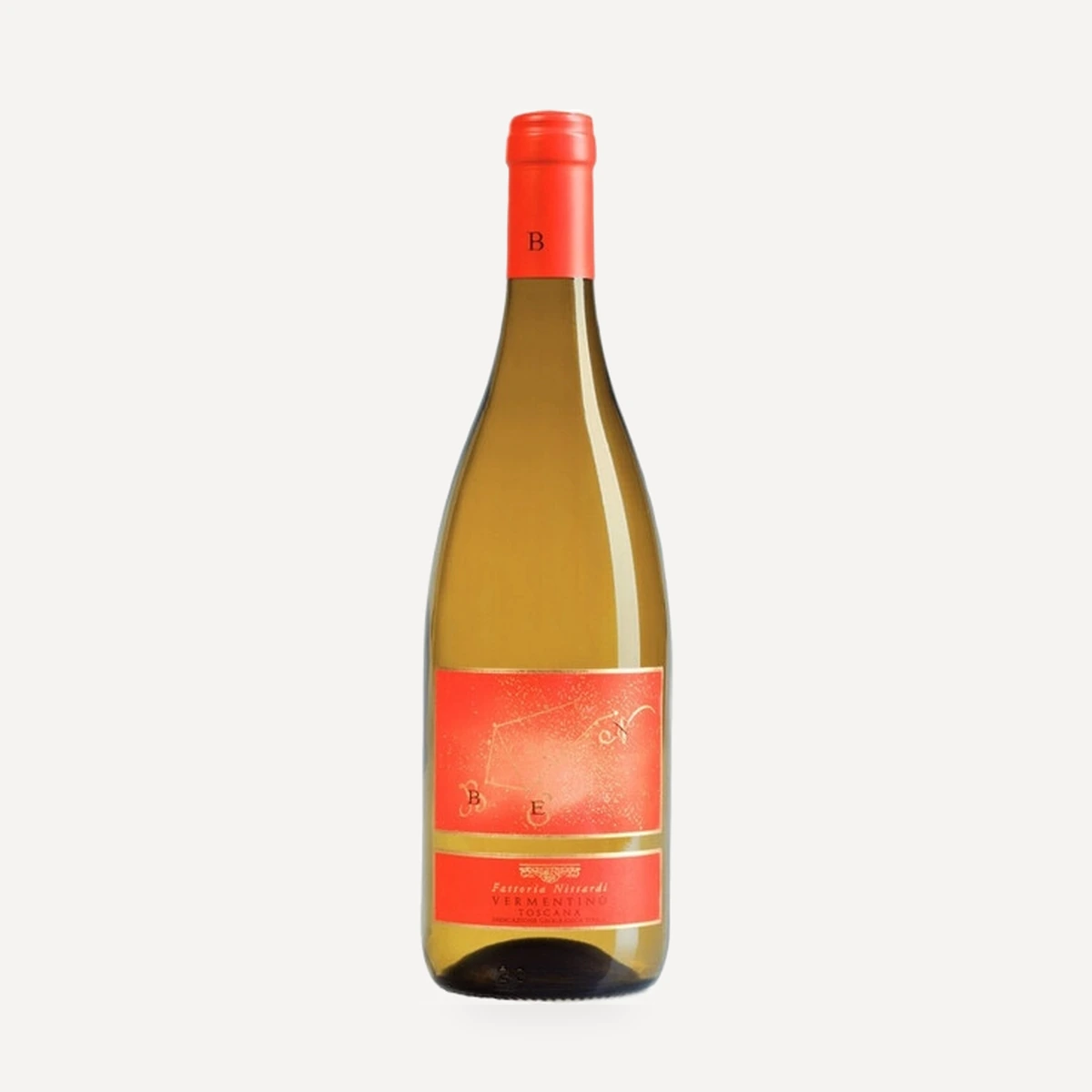
BEN Maremma Toscana DOC