Storia
The villa and the Vaona family
Novaia occupies a hilltop estate overlooking the Marano Valley and the plain towards Verona. Its large manor house was built in the 15th century. The name Novaia is explained as a “new court” or “new farmyard” and, by extension, a new family in the Marano Valley.
The Vaona family moved to the property from the city in 1700. It subsequently acquired the surrounding farms and soon assumed a prominent position in the local community.
Nineteenth-century expansion
During the 19th century, the Vaona landholding expanded further and the family became one of the area’s important landowners. The mixed estate produced grapes, wine, olive oil, cherries and maize and also raised silkworms.
Paolo Vaona and the development of bottled wine
Between the late 19th and early 20th centuries, Paolo Vaona guided a period of rapid commercial growth. Motivated by an attachment to the land and an innovative outlook, he was among the region’s first producers to bottle his own wine and sell it outside the province. The wines reached national markets and received numerous distinctions in national wine competitions.
During the 1930s Paolo was joined by his sons Renato and Bruno. Bruno became particularly associated with both the family enterprise and music. Following Paolo’s death and the early death of Bruno, Bruno’s sons Cesare and GiamPaolo succeeded them. They continued the family activity under the Novaia name, combining inherited experience with newer enological knowledge and technology.
Fourth generation and organic conversion
Cristina and Marcello entered the business in 2005 as the fourth generation. Their arrival coincided with the beginning of the estate’s conversion to organic production. Cesare and GiamPaolo also reserved vineyard land for the recovery and protection of the historic Oseleta and Turchetta varieties, while retaining Molinara in the oldest vineyards.
A new production cellar a few hundred metres from the historic manor was inaugurated for the 2011 harvest. It accommodated the tinaia and the drying room used for Amarone and Recioto grapes, while the old stone cellar continued to serve as the ageing cellar.
The 2014 harvest became Novaia’s first officially certified organic vintage. It was also an unusually difficult season: fungal pressure compromised part of the crop, only 20% of the selected drying grapes was assigned to Amarone, approximately 15% of production was rejected in the vineyard, and average yield fell to 8,000 kg/ha—20% below 2013. Novaia consequently produced only its basic range, omitting reserve and selection wines. Drying proceeded normally, with air conditioning used minimally for approximately two weeks in November.
The first certified-organic Valpolicella Classico was released in 2015. That year Novaia also recorded a vineyard-specific green-manure mixture and introduced 1,000-litre Marsalbotti and 1,500-litre Garbellotto casks alongside its French barriques.
The estate remains under the direction of Cesare and GiamPaolo Vaona together with Cristina and Marcello, linking the third and fourth generations of the family.
Terroir
Setting
Novaia lies on a gentle hill in the Marano Valley, in the upper part of Valpolicella Classica. The estate overlooks the valley and the plain extending towards Verona. Its vineyards occupy slopes between 250 and 400 metres above sea level and predominantly face south and south-east.
The Marano landscape brings together two environments. The valley itself has rolling hills planted with vineyards and punctuated by olive and cherry trees, terraces and old dry-stone walls. North of the valley rises Lessinia, characterized by broad meadows, pastures, sinkholes and monoliths.
Climate and mesoclimate
The valley has a mild, temperate climate with mild winters and mild, windy summers. Strong day–night temperature differences and the near-total absence of fog throughout the year help create a distinct ecological niche. These conditions also favour both vine cultivation and the subsequent natural drying of grapes.
Soils
Across the estate, soils are described as low-fertility marl and limestone interspersed with basaltic and tuffaceous layers. Individual crus vary: Le Balze is clay-limestone; I Cantoni is volcanic with limestone layers; and Le Novaie is marl with thin layers of clay and limestone.
Vinificazione
Novaia describes its cultivation as certified organic, biological and regenerative. Conversion began when Cristina and Marcello entered the estate in 2005, and the 2014 vintage was the first to receive official organic certification. All estate products are presented as certified organic.
Synthetic chemical products are excluded. The stated objective is to maintain natural cycles, balanced living soils and a habitat capable of supporting diverse plants, animals and insects. Green manure is used to improve soil fertility and structure: legumes, grasses and crucifers are sown between the vines, with mixtures tailored to the estate’s soils. A 2015 vineyard entry records mowing beginning on 6 May for that season’s purpose-designed mixture.
Pest management includes mating disruption against grape moths, inhibiting butterfly reproduction without broad-spectrum intervention. Beehives are kept to support and protect pollinating insects. In the hot summer of 2015, Novaia trialled an old local trunk-cutting method known as the gap in response to esca and the sudden vine death associated with the disease.
The estate seeks to recover and defend historic Valpolicella grapes. Alongside Corvina, Corvinone and Rondinella, Cesare and GiamPaolo allocated land to Oseleta and Turchetta, valued for intense aromas, colour and acidity. Molinara is retained only in older vineyards. Cherry and olive trees have also been preserved beside the vines.
Harvesting is exclusively manual and takes place in several passes so that bunches can reach suitable maturity on the vine. Grapes intended for Amarone and Recioto undergo strict selection in the vineyard. The chosen bunches are carefully placed in crates and transferred to a naturally ventilated hillside fruttaio at 400 metres for natural dehydration.
The difficult 2014 season illustrates the estate’s selective approach. Fungal attack meant that only 20% of the best drying grapes went to Amarone, while 80% went to Valpolicella; a further 15% of production was discarded in the vineyard. Average yield was 8,000 kg/ha, 20% below the previous vintage.
Historic and modern cellars
The winery occupies a 15th-century manor house entered through a broad tuff doorway. The Vaona courtyard has a three-arched colonnade, a dovecote, the adjoining residential complex and old orangeries beneath the boundary wall. The manor remains the estate headquarters and contains the tasting room, wine shop and historic bottaia—an old cellar carved in stone.
The historic cellar is used for ageing Valpolicella Ripasso, Valpolicella Superiore, Amarone and Recioto. Wood ageing takes place in medium-toasted barrels sourced from French and Slavonian forests. In July 2015, Novaia added 1,000-litre Marsalbotti and 1,500-litre Garbellotto casks alongside its traditional French barriques.
A second cellar, located a few hundred metres from the manor, was inaugurated with the 2011 harvest. It contains the tinaia for production and wine storage and the fruttaio used to dry grapes for Amarone and Recioto.
Grape reception and drying
Harvesting is manual and conducted in repeated passes. Bunches intended for drying are selected rigorously in the vineyard, placed carefully in crates and moved to the well-ventilated hillside fruttaio at 400 metres. Natural dehydration concentrates the grapes and promotes the formation of aromatic compounds associated with body, softness and ageing capacity.
Vintage records show that pressing dates have sometimes been coordinated with lunar fruit days: the 2014 Recioto was crushed on 23 February 2015 during the waxing moon; Le Novaje Recioto was pressed on 22 February 2016 under a full moon; and Amarone Classico grapes were pressed on 11 December 2016 during a waxing-moon fruit day.
During the difficult 2014 vintage, drying proceeded regularly and air conditioning was used only minimally for approximately two weeks in November.
Annual production is approximately 50,000 bottles, about 70% of which is destined for export markets.
Filosofia
For the Vaona family, organic production is a cultural, ethical and environmental responsibility rather than only a technical protocol. The family describes itself as the custodian of inherited land and aims to pass balanced, living soils to future generations. Respect for natural cycles, avoidance of synthetic chemicals, biodiversity and soil vitality are treated as foundations of both the estate and its wines.
The vineyard approach combines the recovery of historic Valpolicella varieties with organic and regenerative practices. The cellar philosophy similarly connects inherited spaces and methods—the stone bottaia, appassimento and wood ageing—with newer facilities and enological knowledge.
Vintage identity is also central. During the difficult 2014 season, the estate chose to express the conditions and decisions of the year rather than force its normal hierarchy, producing only the basic range and omitting reserve and selection wines.
Novaia’s FIVI membership reflects its commitment to direct control: the family cultivates its own vines, vinifies its grapes, bottles its wines and personally follows the entire production chain. The estate also supports Terra Viva Verona in promoting knowledge and practice of sustainable agriculture.
Vini
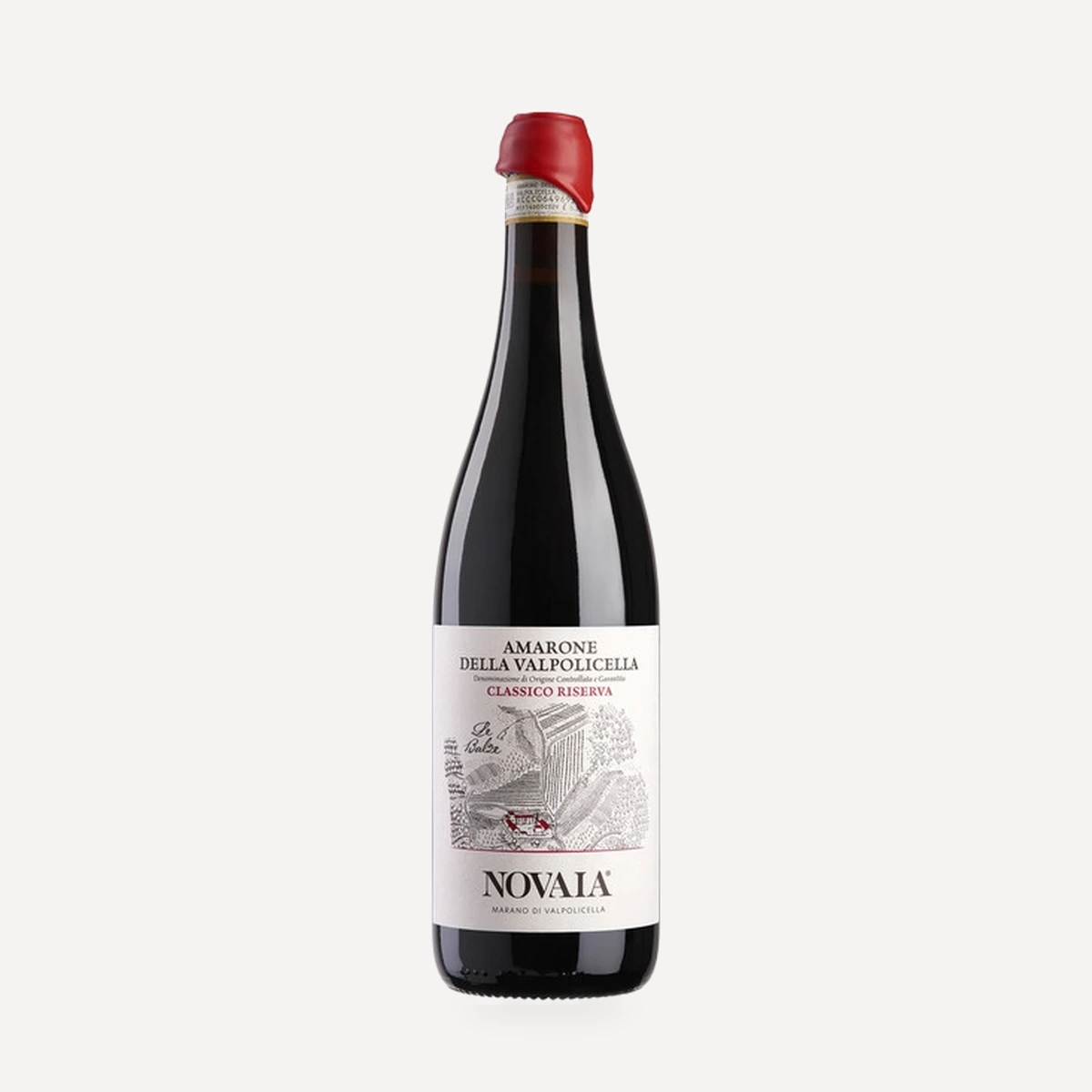
Amarone della Valpolicella Classico Riserva Le Balze DOCG
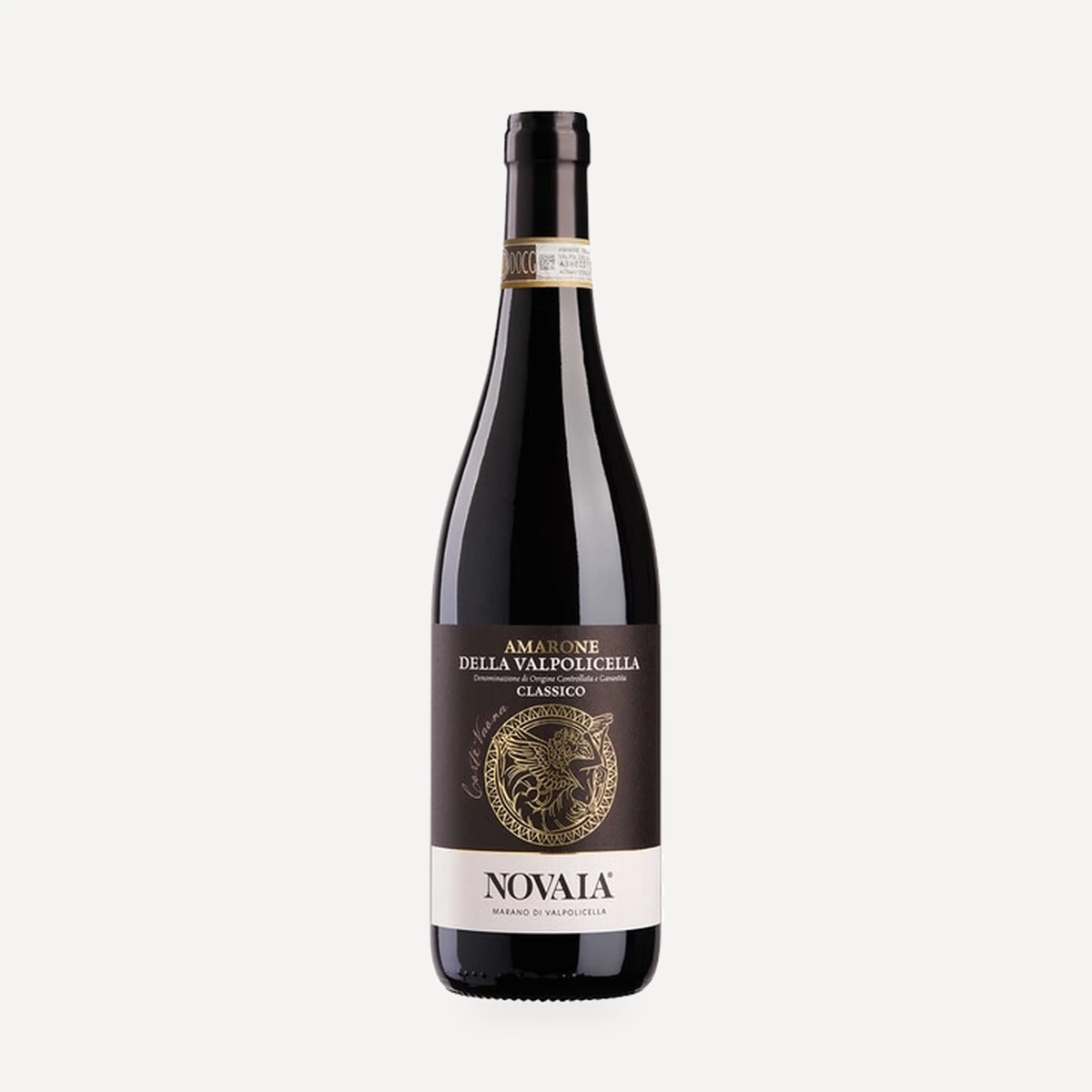
Amarone della Valpolicella Classico Corte Vaona DOCG
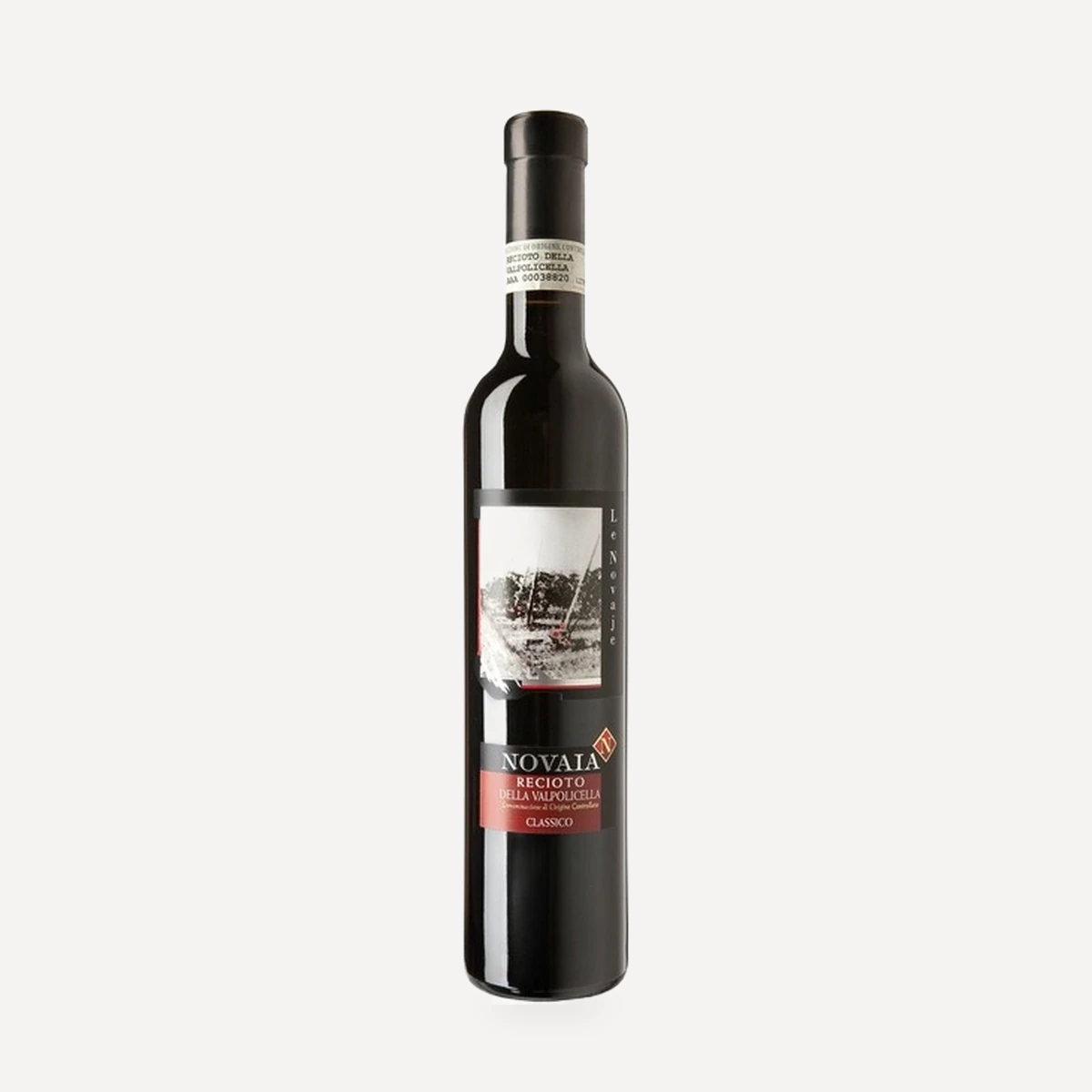
Recioto della Valpolicella Classico Le Novaje DOCG
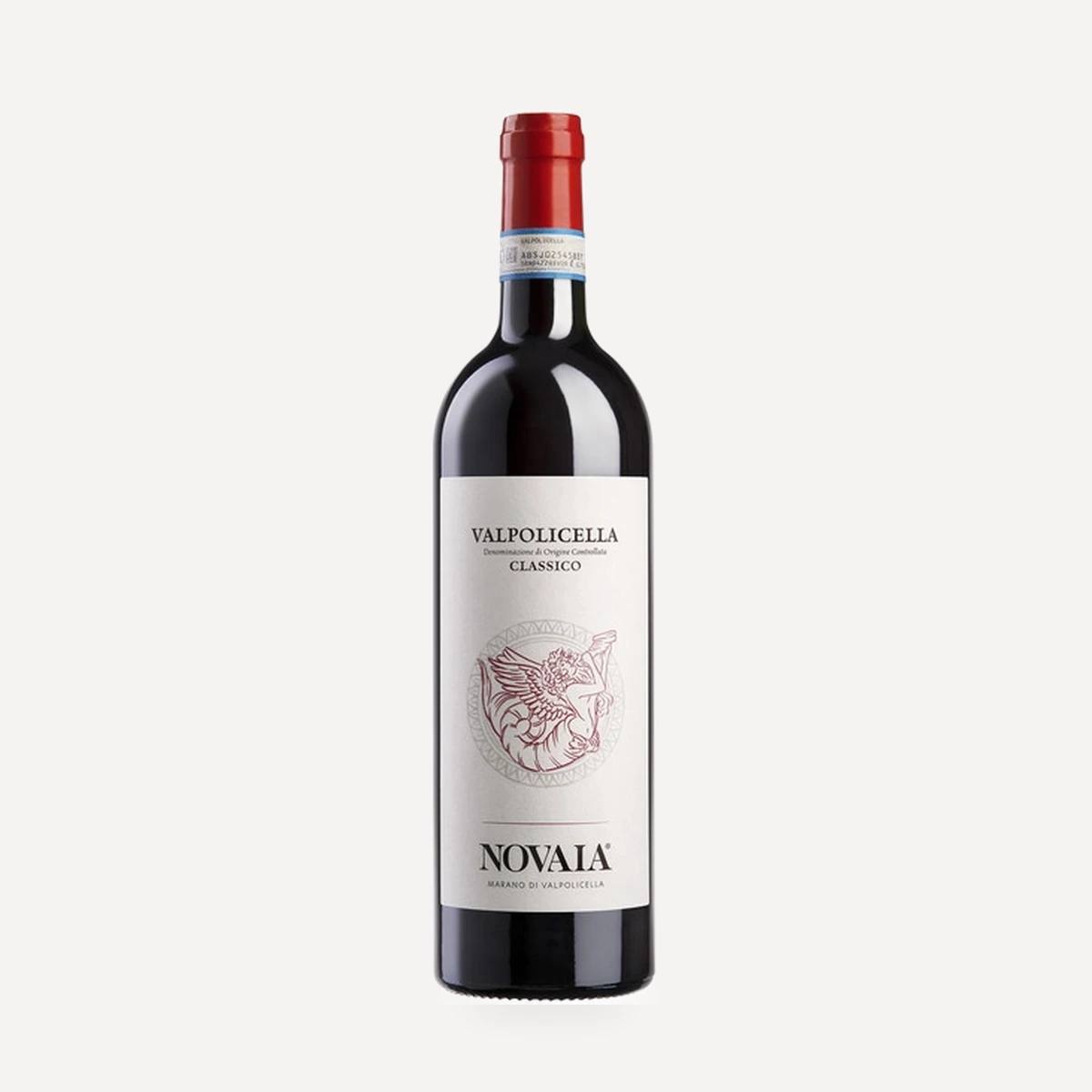
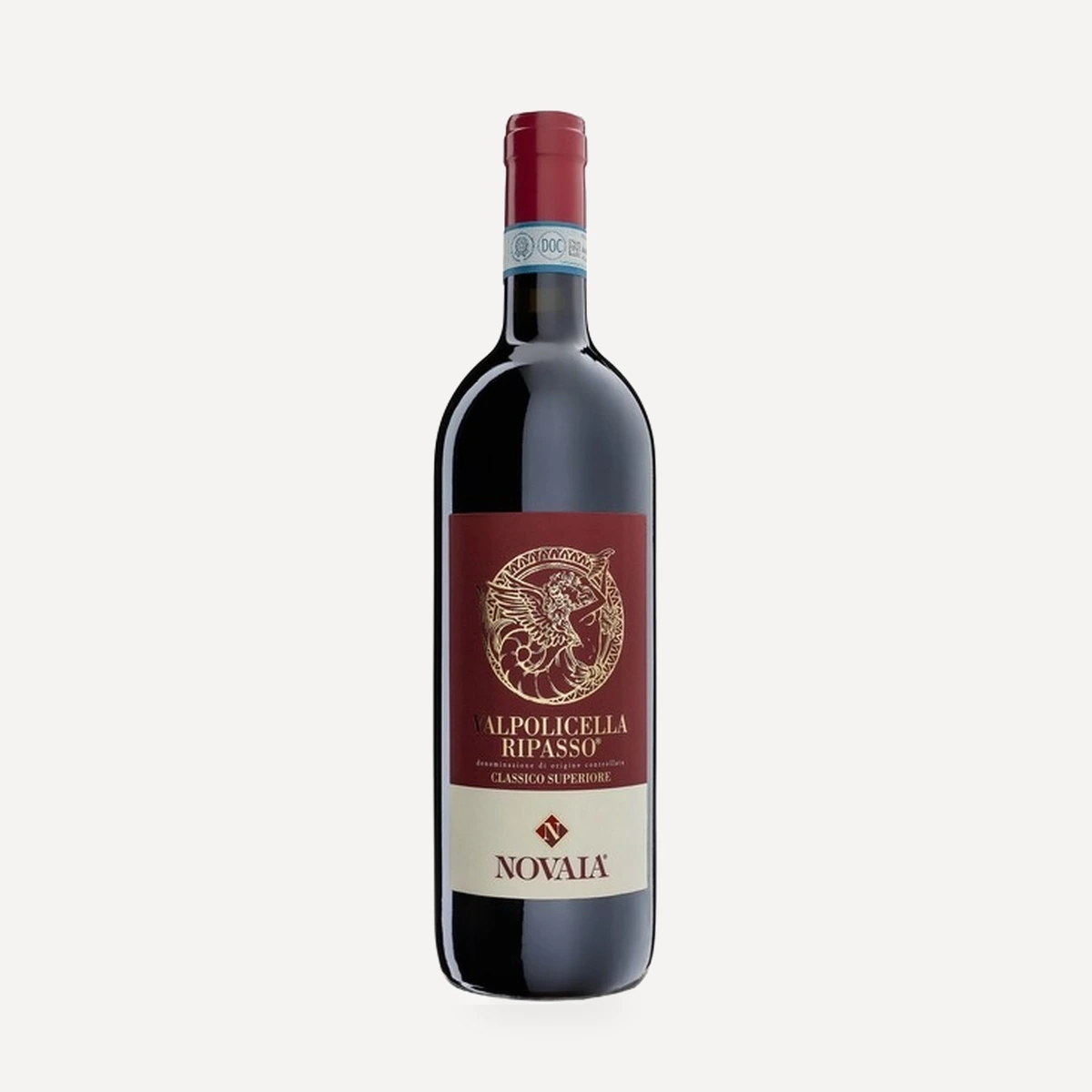
Valpolicella Classico DOC