Storia
Agricultural beginnings in Mirano
The family's agricultural history begins with Angelo Novello, identified as its first generation. He farmed around Mirano, concentrating principally on wheat, corn and soybeans. Wine was made only for the family's own table, where it formed part of shared meals rather than a commercial activity.
1968: establishment in Prepotto
In 1968, Vito Novello acquired vineyards and other land in Prepotto from Count Rieppi. This purchase, in the Colli Orientali del Friuli, established the present wine-growing business and continued a local agricultural story previously associated with the Rieppi counts.
Claudio and Giuseppe Novello
The following generation, represented by Claudio and Giuseppe Novello, consolidated the winery's production identity. Their contribution included the adoption of manual harvesting and careful grape selection, intended to protect fruit quality and give greater expression to the territory.
Francesco and Pietro Novello
Francesco and Pietro Novello represent the new generation. They are joining the current management to continue the family enterprise and preserve the agricultural and winemaking heritage accumulated over the preceding generations.
Contemporary development
The business now manages approximately 20 hectares of owned and rented vineyards, located predominantly within the municipality of Prepotto. Production is organized into three ranges—Terre di Ponca, Ronco dei Pini and Ronco di Prepotto—ranging from approachable varietal wines to limited, single-vineyard bottlings from old hillside vines.
The contemporary approach combines family experience and agricultural tradition with experimentation. A 2023 discussion of terracotta described the oenologist's previous experience with amphorae in Bordeaux and presented micro-oxygenation without wood-derived aromas as a possible route for wines intended to retain varietal and territorial identity.
Terroir
Location and vineyard distribution
The vineyards lie almost entirely within the municipality of Prepotto, in the Colli Orientali del Friuli. They occupy a range of altitudes and exposures so that individual varieties can be matched to the conditions of each site. The resulting variation in grape profiles contributes to balance and complexity.
The most distinguished old-vine sites used for the Ronco di Prepotto collection occupy south- to south-west-facing slopes at approximately 290 metres above sea level.
Ponca
Prepotto's defining soil is Ponca, a formation of alternating marl and sandstone. The two components perform complementary hydrological functions: sandstone drains surplus water, while marl retains moisture needed during dry periods. Vines are encouraged to root more deeply and reach the underlying bedrock.
These conditions naturally restrain vigour, limit production and support more complete ripening. The resulting territorial profile is associated with balance, structure and a recognizable mineral character.
Microclimate
Constant natural ventilation helps keep the grapes healthy. The hilly topography produces substantial day-to-night temperature changes during ripening, helping preserve freshness and aromatic intensity. The Julian Alps protect the area from Atlantic disturbances, limiting rainfall and favouring gradual, regular ripening.
Vinificazione
Approximately 20 hectares of owned and rented vineyards are trained to Guyot and lie mainly around Prepotto. Agricultural management is based on daily measures rather than certification. Chemical herbicides and weedkillers are excluded, treatments are kept to the minimum considered necessary for healthy grapes and harvest quality, and soil management is directed toward maintaining the balance of both the ground and the surrounding agricultural ecosystem.
Harvesting is strictly manual. Selection takes place twice: first among the vines and again when the grapes are unloaded at the cellar, allowing only the preferred bunches to proceed to vinification. The old-vine parcels reserved for Ronco di Prepotto are cropped at very low yields.
The response to the difficult 2022 season illustrates the adaptive vineyard approach. Rainfall during the vegetative cycle was extremely scarce or absent, while harvest began approximately one week earlier than in preceding years. The old, naturally low-yielding hillside vines endured the drought comparatively well. Canopy topping was avoided so that the foliage could protect aromas from uninterrupted heat. Overall yields were approximately 15–20% below preceding years, but the surviving fruit was considered naturally selected by water scarcity and showed strong aromatic, chemical and ripeness qualities.
Environmental measures extend beyond the vines. Photovoltaic panels supply renewable energy, attention is given to reducing waste of resources and raw materials, and lighter glass bottles are used to reduce carbon emissions throughout production and logistics.
Grapes are harvested by hand and selected first in the vineyard and again as they enter the cellar. This two-stage process is intended to admit only the preferred bunches to vinification. The guiding production model is balanced winemaking without unnecessary superstructure, supported by careful agricultural work.
The cellar is underground and therefore maintains a naturally stable temperature, reducing the need for artificial cooling. Renewable electricity is generated through photovoltaic panels, while packaging work includes lowering bottle weight to reduce emissions across the production and distribution chain.
The winery also pursues experimentation. Its oenologist gained experience with amphora vinification in Bordeaux, including the use of terracotta for red and white wines. Terracotta is valued for micro-oxygenation without the aromatic contribution of oak, helping preserve varietal identity and territorial expression. Its porosity can assist the evolution of wines that require prolonged maturation, while its insulating and sealing properties help maintain the wine's physical and chemical characteristics. The material is also presented as durable, reusable and resistant to the proliferation of undesirable skin-associated microorganisms.
The human element remains central to this experimental approach: fermentation and maceration management, temperature decisions and other cellar choices are treated as decisive in determining a wine's aroma, appearance and final palate.
Filosofia
Novello Wines defines itself through the relationship between wine, territory and people. A bottle is intended to represent a place, a history and an identity rather than function solely as a product. Wine is also understood as an instrument of sharing that can create joy and dialogue.
The production philosophy seeks territorial expression without superstructure. Careful farming, balanced vinification, manual work and rigorous grape selection are combined with a contemporary willingness to experiment. Tradition and family experience are therefore treated as foundations for development rather than fixed formulas.
Environmental responsibility is pursued through practical choices instead of certification: avoiding chemical herbicides, limiting treatments, conserving soil balance, using photovoltaic energy, reducing waste, benefiting from the underground cellar's stable temperature and lowering glass weight.
The Ronco di Prepotto project expresses the most selective end of this philosophy. Its single-vineyard wines come from old, low-yielding hillside vines and are made in deliberately limited quantities, with cellar work focused on depth, elegance, longevity and precise territorial expression.
Vini
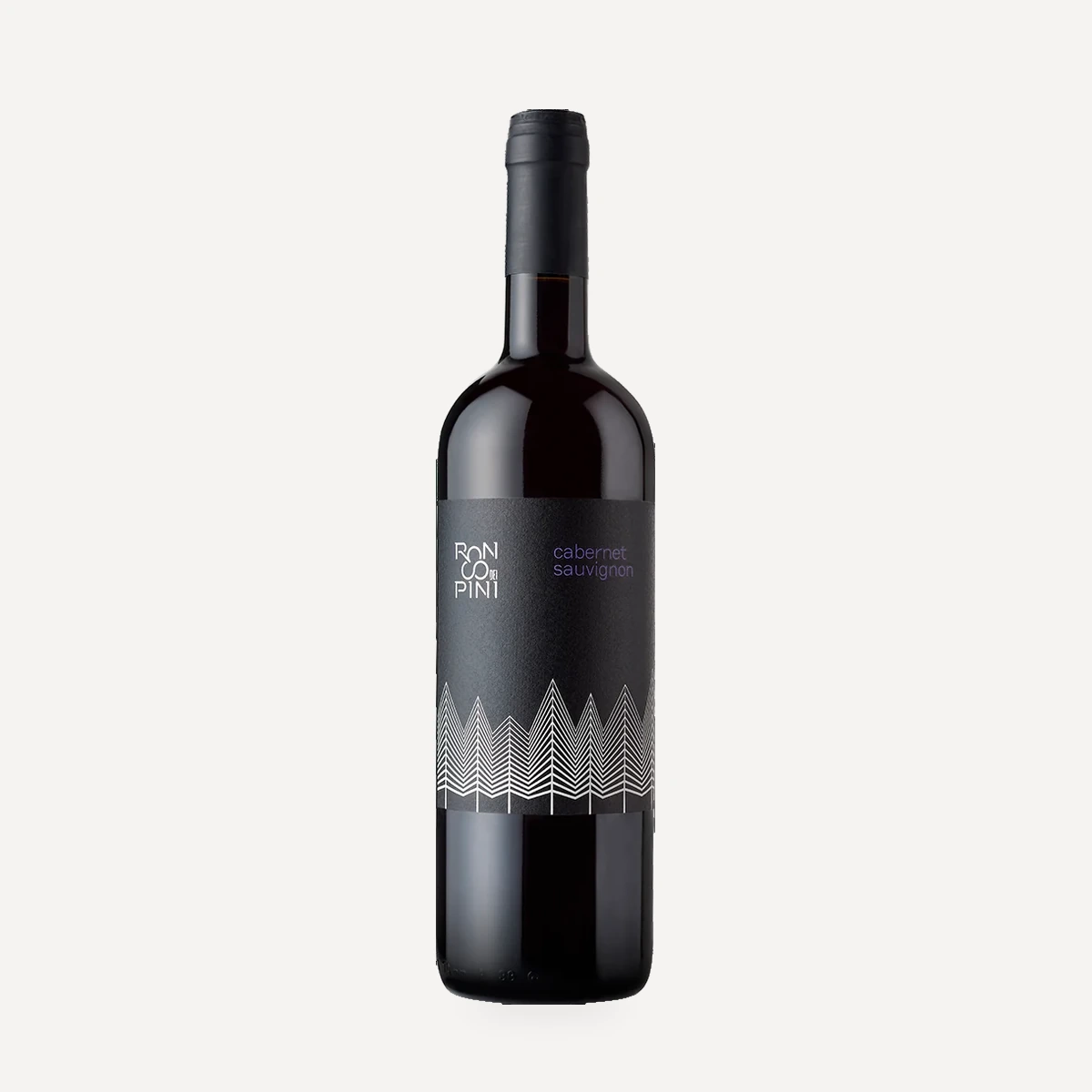
Cabernet Sauvignon
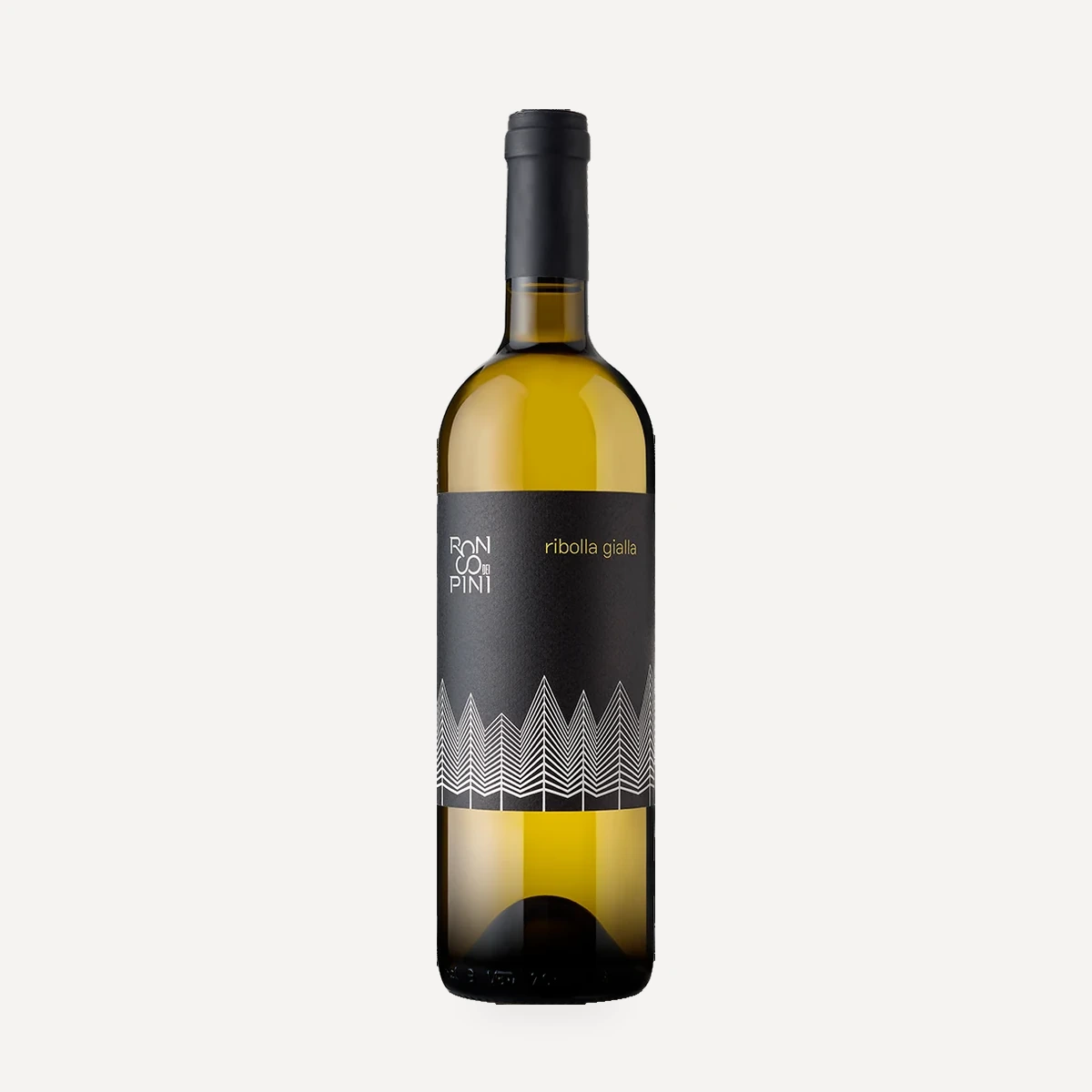
Ribolla Gialla
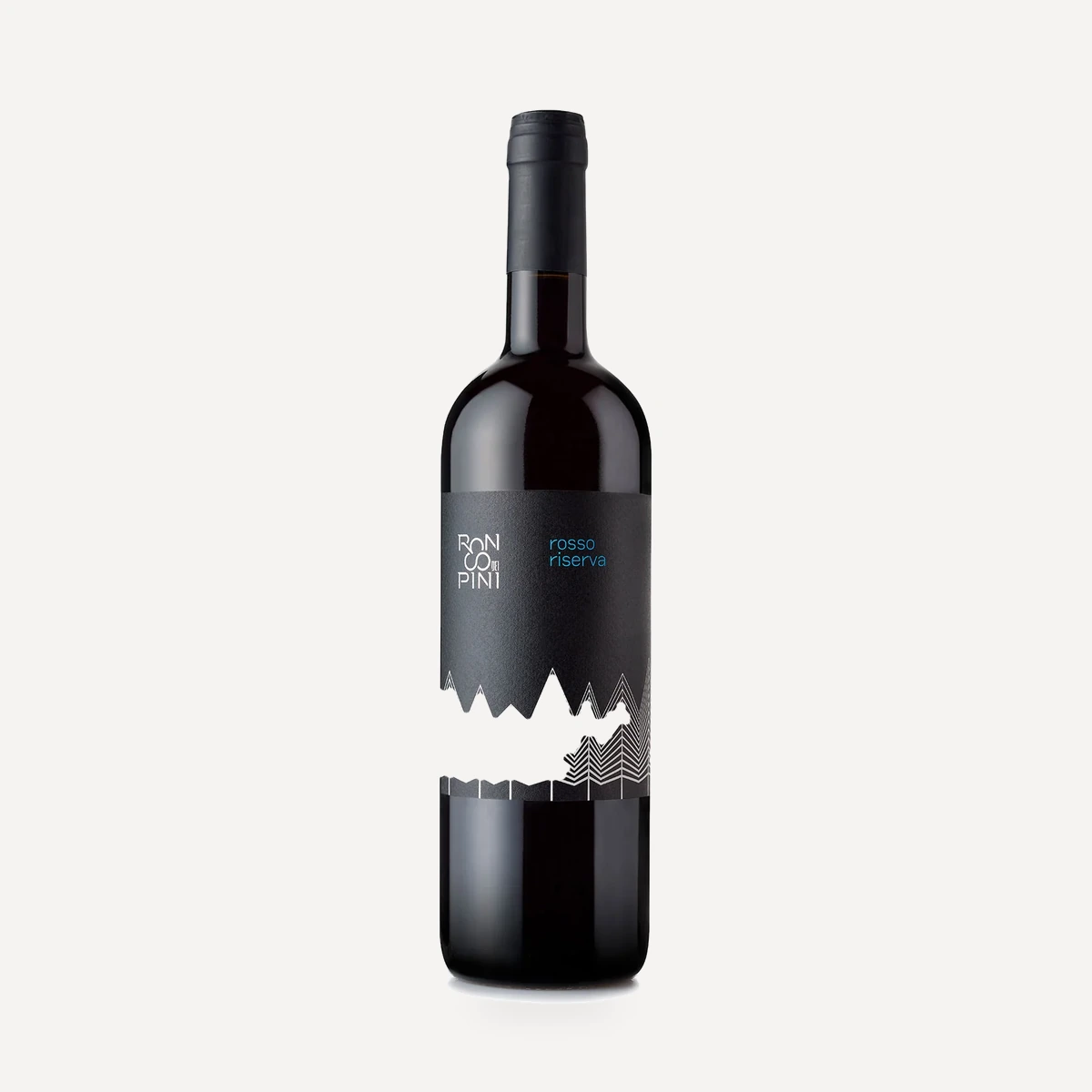
Rosso Riserva
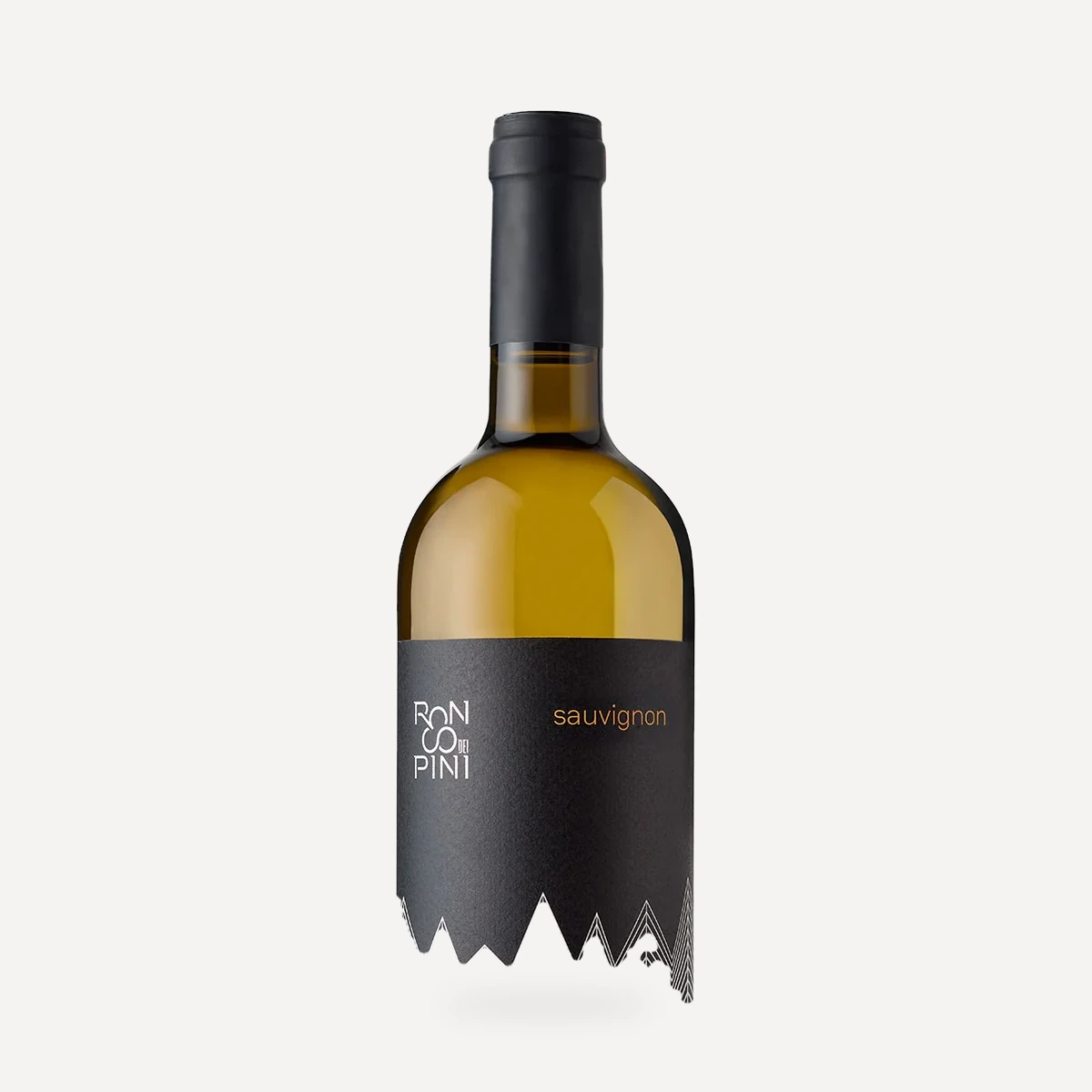
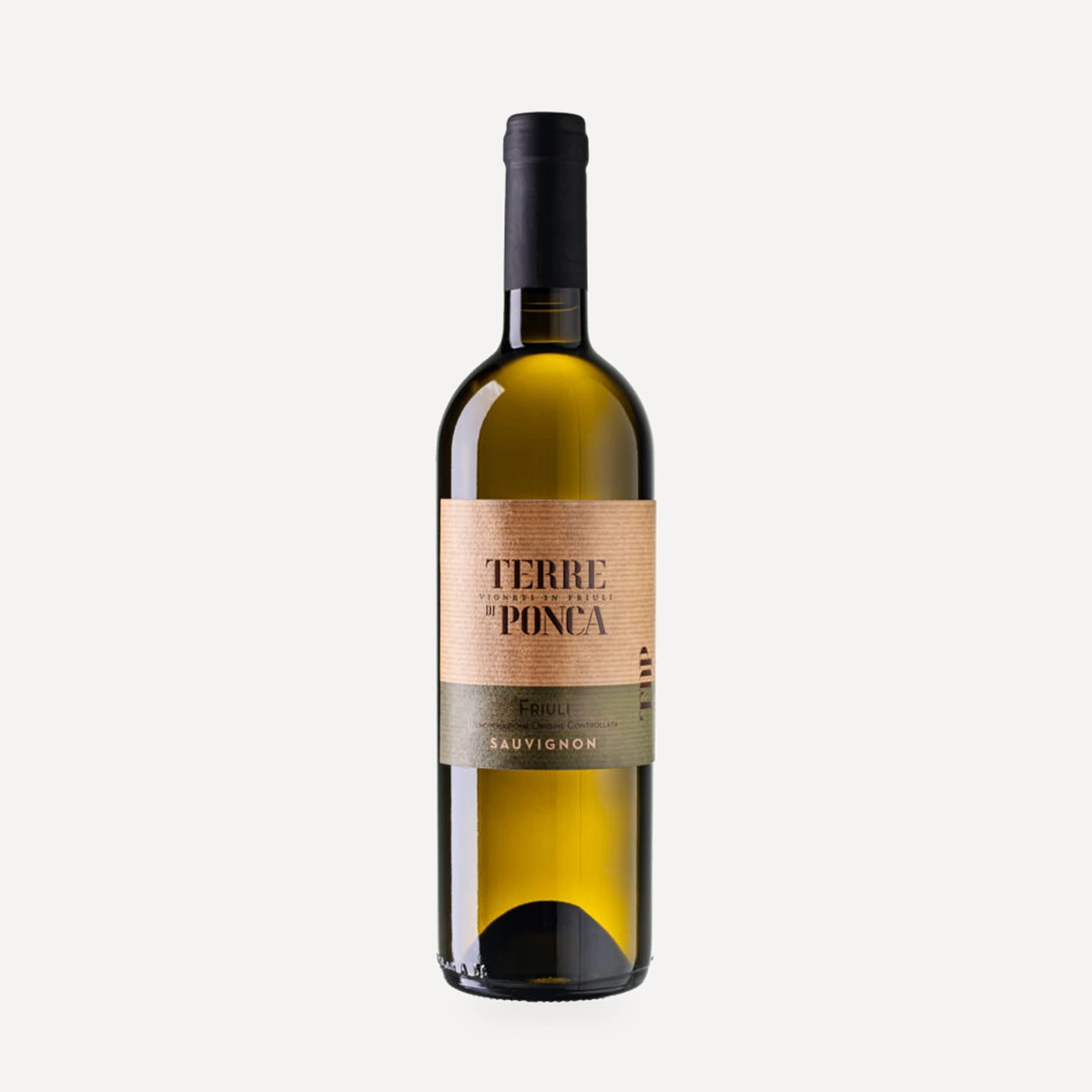
Sauvignon
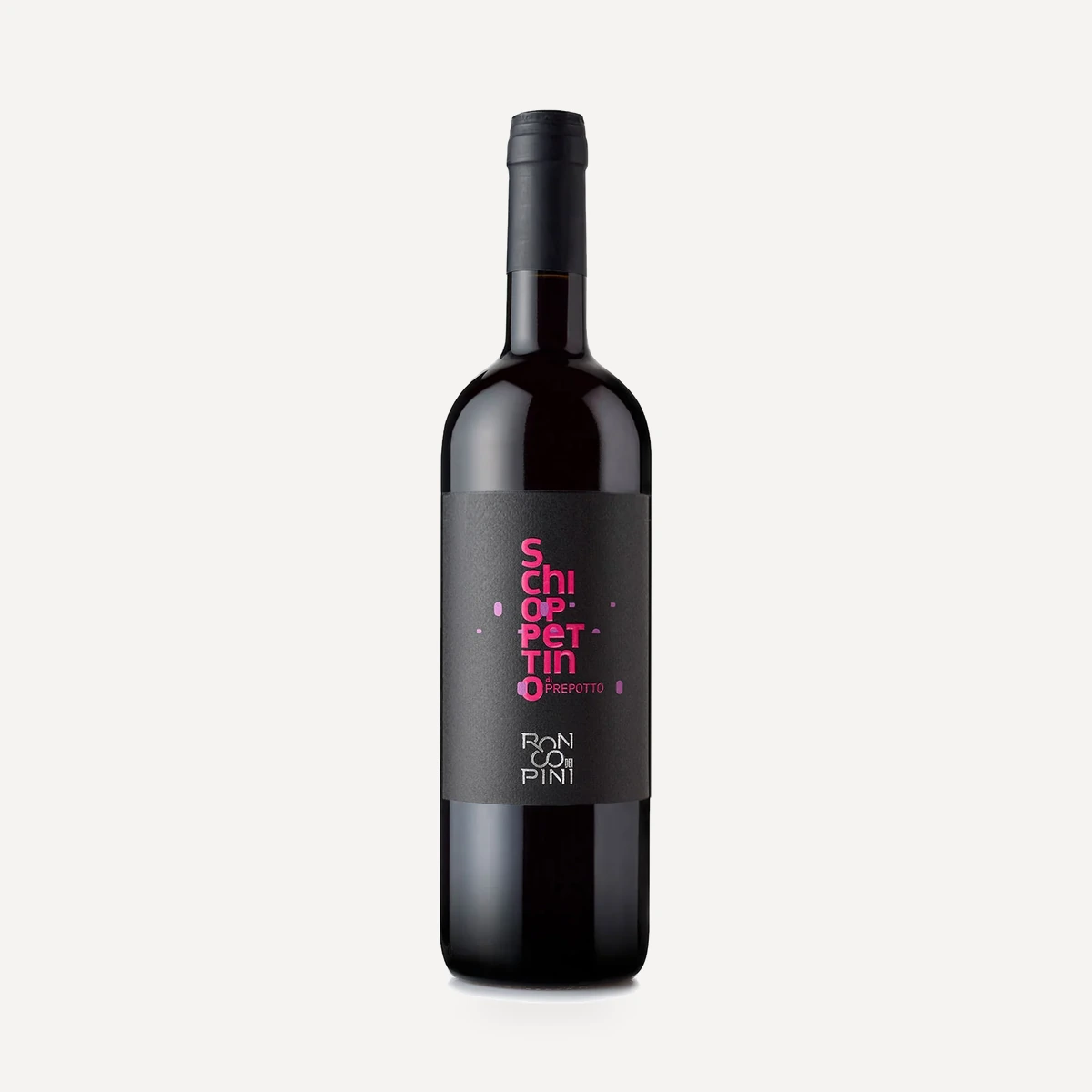
Schioppettino di Prepotto
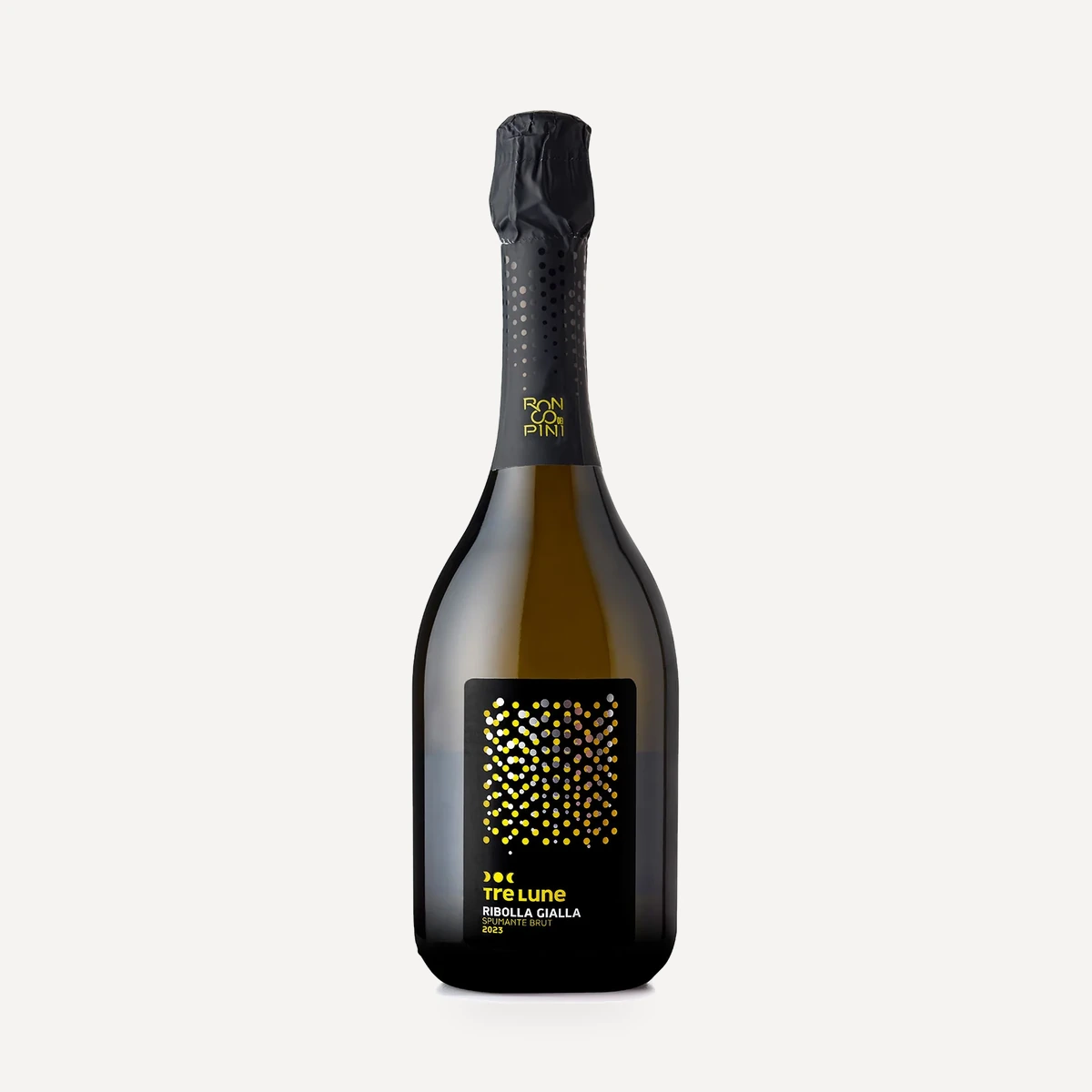
TRE LUNE Ribolla Gialla