Storia
1890: the family estate takes shape
In 1890, Thomas Rottensteiner’s great-great-grandfather acquired the Obermoser house, its cellar and several vines in St. Magdalena, northeast of Bozen/Bolzano. Winegrowing extended across both sides of Thomas’s ancestry: all four of his great-grandfathers owned vineyards in the St. Magdalena district. Obermoser subsequently developed from a small holding with a few vines into an established estate bottler.
The estate remains in family hands after five generations. Its historic cellar, hillside vineyards and direct control of work from vine to bottle underpin its identity as an independent winegrower.
1923: protection of the historic growing area
The St. Magdalener terroir in which Obermoser is rooted has been protected since 1923. The estate’s present holdings include three principal sites within the St. Magdalener Classico area and a fourth in the Kalterer See Classico area.
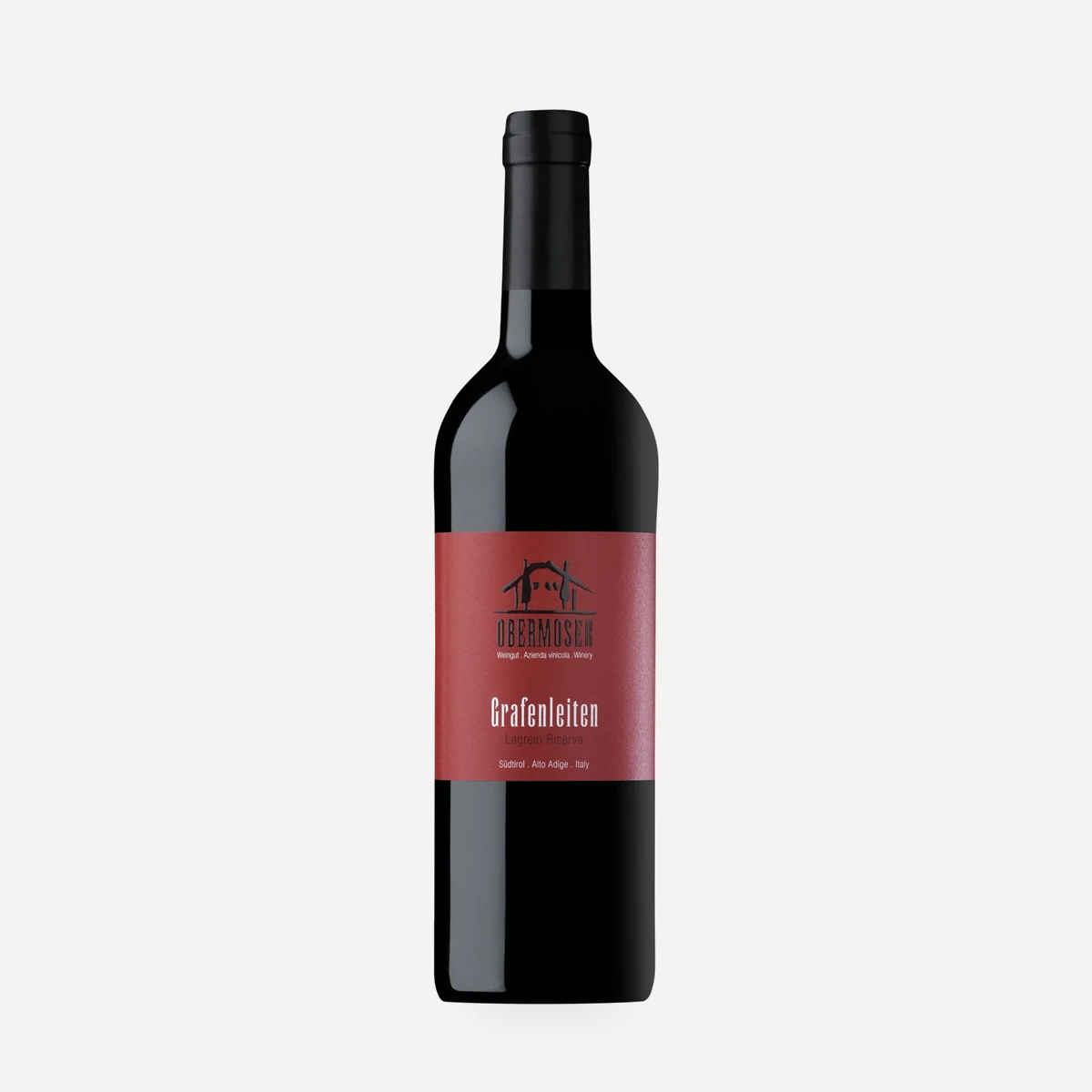
The Grafenleiten inheritance
A Rottensteiner great-grandfather initially leased the Grafenleiten site from the Counts of Toggenburg and later purchased it. The name preserves this connection with the counts. Heinrich Rottensteiner subsequently had the parcel registered as the historic Vigna Grafenleiten.
Late 1980s–1993: separate bottlings from selected sites
At the end of the 1980s, Heinrich Rottensteiner decided that the old vines in the family’s best Lagrein site should be vinified separately. The first Grafenleiten was produced in 1993. The estate allows this selection more maturation time than the legal minimum, making it the longest-aged red in the range.
Heinrich also chose to plant and bottle Sauvignon Blanc at Obermoser. The estate has vinified Sauvignon since 1990. Its early years involved experimentation in both vineyard and cellar while the family sought a distinct house interpretation. Thomas credits this work with contributing substantially to his development as a winegrower and cellar master.
The new millennium: renewed emphasis on native varieties
Obermoser experimented on a small scale with cultivating and vinifying Cabernet, Merlot and Pinot Noir. Although useful as experience, these varieties did not feel natural to the family’s sites. In the new millennium, the estate redirected its focus towards indigenous Vernatsch/Schiava varieties and Lagrein, including selected interpretations from its Classico and cru holdings. Traditional Tyrolean élevage in wooden casks—described by the family as a practice with pre-Roman, Rhaetian roots—remained central.
2012: Thomas Rottensteiner assumes ownership
Thomas Rottensteiner became owner in 2012 and represents the fifth generation. He works as an independent winegrower and cellar master, supported by his parents Heinrich Rottensteiner and Margareth Pechlaner Rottensteiner, Christian Rottensteiner in English-language and office work, and other family members and friends when needed.
Organic conversion and the 2024 vintages
By 2022, Thomas identified conversion to organic viticulture as one of the most rewarding parts of his work. The 2024 vintage brought Obermoser’s first certified-organic wines, certified under IT BIO 013 by ABCERT. At Vinitaly 2026, the estate presented organically certified vintages for the second consecutive year, alongside revised labels intended to emphasize the identity of each wine.
Terroir
Obermoser’s approximately 4 ha of vineyards are divided principally between three sites in the St. Magdalener Classico area northeast of Bozen/Bolzano and one site in the Kalterer See Classico area. The vineyards occupy hills and steep slopes, generally between about 310 and 550 m above sea level, with gradients reaching and in places exceeding 60%. Most exposures face south; individual parcels also include southeast- and southwest-facing slopes. The hillside vineyards look towards the Dolomites.
The St. Magdalena holdings combine predominantly glacial moraine deposits with sand and gravel, areas of gravelly alluvium, and rocky volcanic Bozen porphyry with sparse Ice Age deposits. Obermoser, Hörtenberg and Bichl-Leiten lie within this group of generally south-facing sites. Hörtenberg reaches approximately 550 m and is characterized by rocky porphyry with limited glacial deposits. Bichl, including the selected ground near Grafenleiten, occupies an airy moraine hill with sand and gravel.
Vigna Grafenleiten is parcel 478 on the small St. Magdalena hill, at 310–350 m. Its southwest-facing slope has gravelly alluvial soil and is considered a warm site. Putz Mauer, above Kalterer See, lies at approximately 365–405 m and is predominantly based on Überetsch alluvial soil, with south and southeast exposures.
The family presents the combination of Mediterranean warmth and Alpine freshness as a defining feature of its vineyards. In the Bozen valley basin, air moving from the Eisack/Isarco valley can bring a light evening breeze. The Classico sector is associated with the oldest St. Magdalener growing sites and a particularly mild climate.
Vinificazione
Obermoser directly manages its family-owned vineyards and carries out most operations by hand. The estate is certified organic under IT BIO 013 by ABCERT, with 2024 representing the first certified-organic wine vintage. Thomas Rottensteiner had already described conversion to organic viticulture as part of his work by 2022.
Traditional pergola remains the dominant training system for the indigenous Vernatsch/Schiava family and Lagrein. Sauvignon Blanc is trained principally on Guyot, and parts of the Lagrein holdings at Putz Mauer also use Guyot. Average planting density is approximately 6,500 vines/ha. Vine ages span roughly 1–60 years, including old Tschaggelevernatsch of 45 years or more and Grafenleiten Lagrein aged 40–60 years.
Harvesting is manual and selective. Rosé fruit is picked early, generally in mid-September. Sauvignon is normally selected by hand at the end of September; the principal St. Magdalener harvest generally begins in early October; old-vine and Lagrein selections are picked with particular care around mid-October. Vineyard selections are differentiated through harvest timing and intensity: fruit for Nobilis is chosen especially carefully from about 3,000 m² of old vines, while Grafenleiten receives a separate selective harvest from parcel 478.
During the vegetation period, shoots and leaves are removed from the pergola canopy to open the vines. The steep terrain—up to and above 60% inclination—makes manual vineyard work a defining part of the estate’s approach.
Obermoser is an estate bottler controlling the progression from vine to finished bottle. Its historic cellar is centered on large and medium-sized oak casks, mainly made by the Mittelberger cooperage. Traditional Tyrolean wooden-cask maturation remains the reference point for the red wines, while stainless steel and tonneaux are used for Sauvignon and stainless steel for rosé.
Vernatsch/Schiava and Lagrein reds are fermented on their skins. The principal St. Magdalener and vintage Lagrein ferment for approximately 8–10 days, undergo malolactic fermentation and mature in large oak casks for about 6–10 months. The selected Nobilis receives about 14 days on the skins, malolactic fermentation and eight months in large oak, followed by six months in bottle. Grafenleiten ferments on its skins for 8–10 days, completes malolactic fermentation and ages for approximately 18 months in oak casks and barriques; the estate deliberately gives it more time than the statutory minimum.
Sauvignon ferments for approximately 14 days and matures for six months, principally in stainless steel with about one fifth in tonneaux. The rosé receives a short maceration before pressing, followed by a cool fermentation of approximately ten days in stainless steel and about five months of maturation.
The estate relies on selective hand harvesting throughout. Typical picking progresses from early-picked rosé fruit in mid-September, through Sauvignon at the end of September and St. Magdalener at the start of October, to later old-vine and Lagrein selections around mid-October. Bottles are closed with cork, including high-quality natural cork for Grafenleiten and Diam cork for the rosé.
Filosofia
Obermoser’s guiding idea is to remain small, focused and closely involved in every stage from vine to glass. The family treats direct work in the vineyards and cellar as the basis of its connection to each bottle, with predominantly traditional handcraft adapted to the conditions of steep Alpine slopes.
Native varieties define the present direction. Experience with Cabernet, Merlot and Pinot Noir was considered educational, but the family concluded that these grapes did not feel natural to its terroirs. The estate therefore concentrates on Vernatsch/Schiava and Lagrein, using its Classico and cru sites for traditional wines and more exacting selections. Sauvignon Blanc is retained as an interpretation of the estate’s high, south-facing Alpine slopes.
Traditional pergola cultivation and Tyrolean wooden-cask vinification are maintained alongside organic farming, stainless steel and smaller oak vessels where they suit the intended result. The family’s stated goal is not expansion, but precise, memorable wines rooted in local varieties, vintage conditions and individual sites. Organic conversion extends this effort to work in balance with the natural cycle of the vineyards.
The estate uses the idea of “EnjoyVino” to express the pleasure shared by the family in growing, making and drinking wine. Family continuity, independent production and the living wine culture of St. Magdalena are presented as inseparable from quality.
Vini
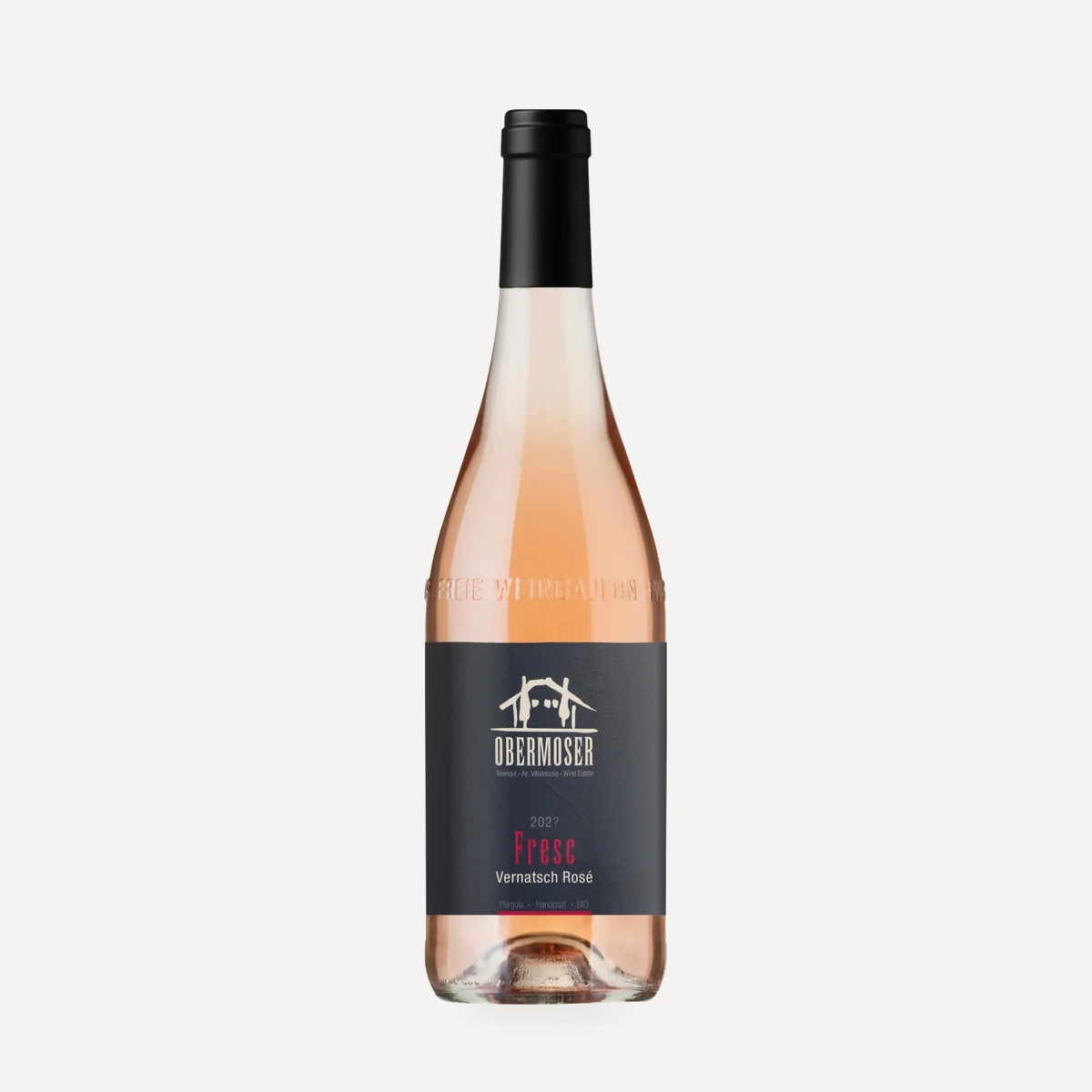
Obermoser "Fresc" Rosé Vernatsch Mitterberg IGT Bio
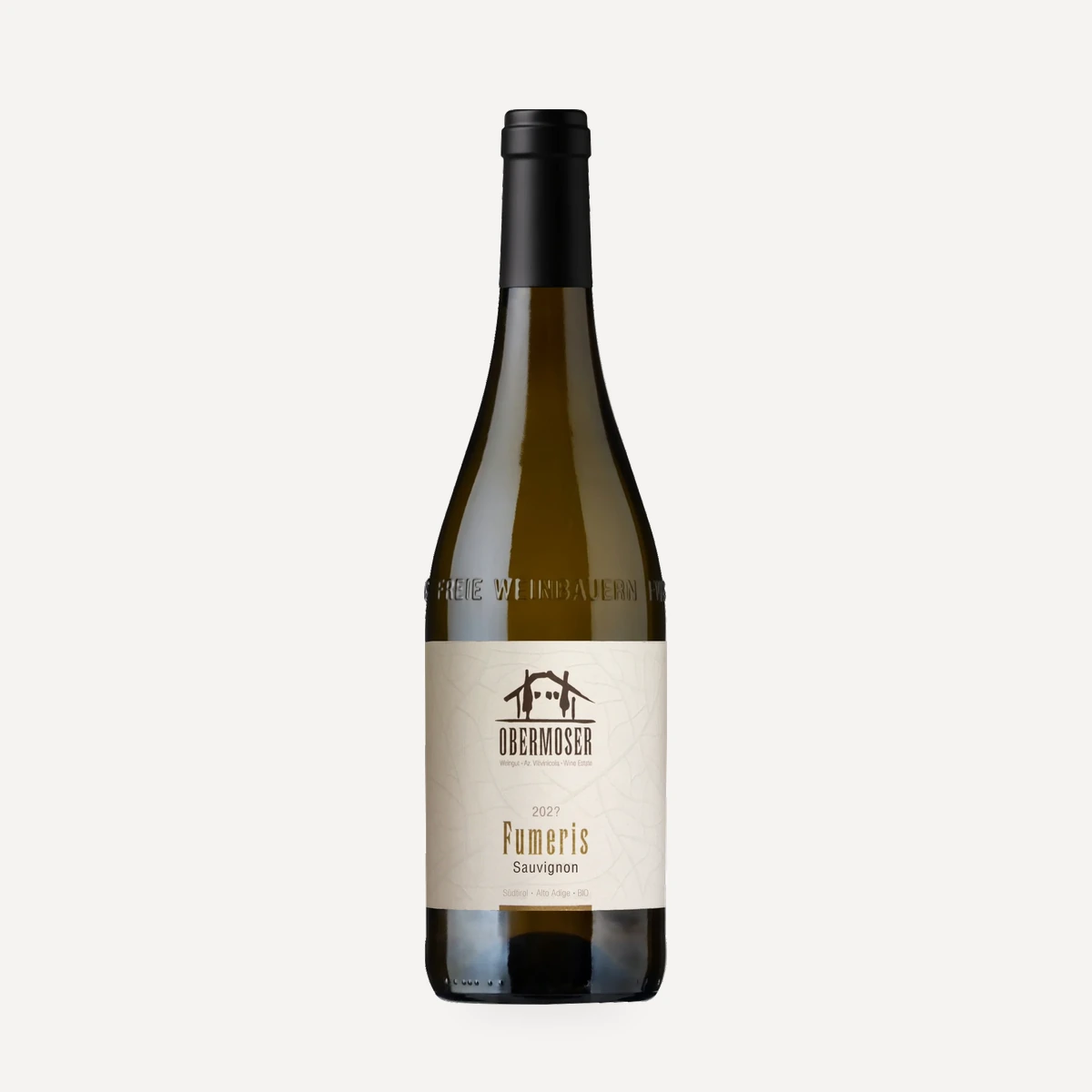
Obermoser "Fumeris" Sauvignon Südtirol DOC Bio
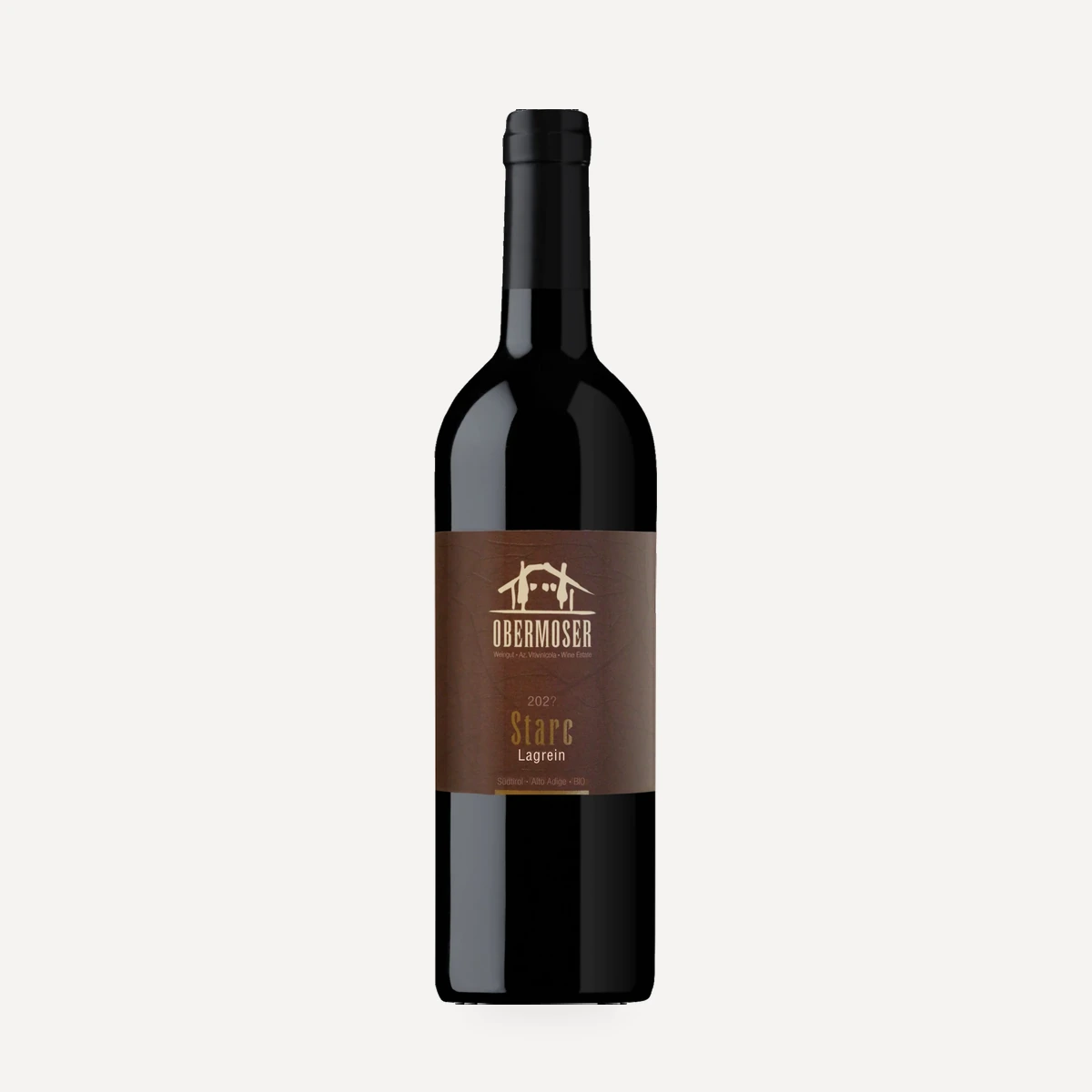
Obermoser "Starc" Lagrein Südtirol DOC Bio
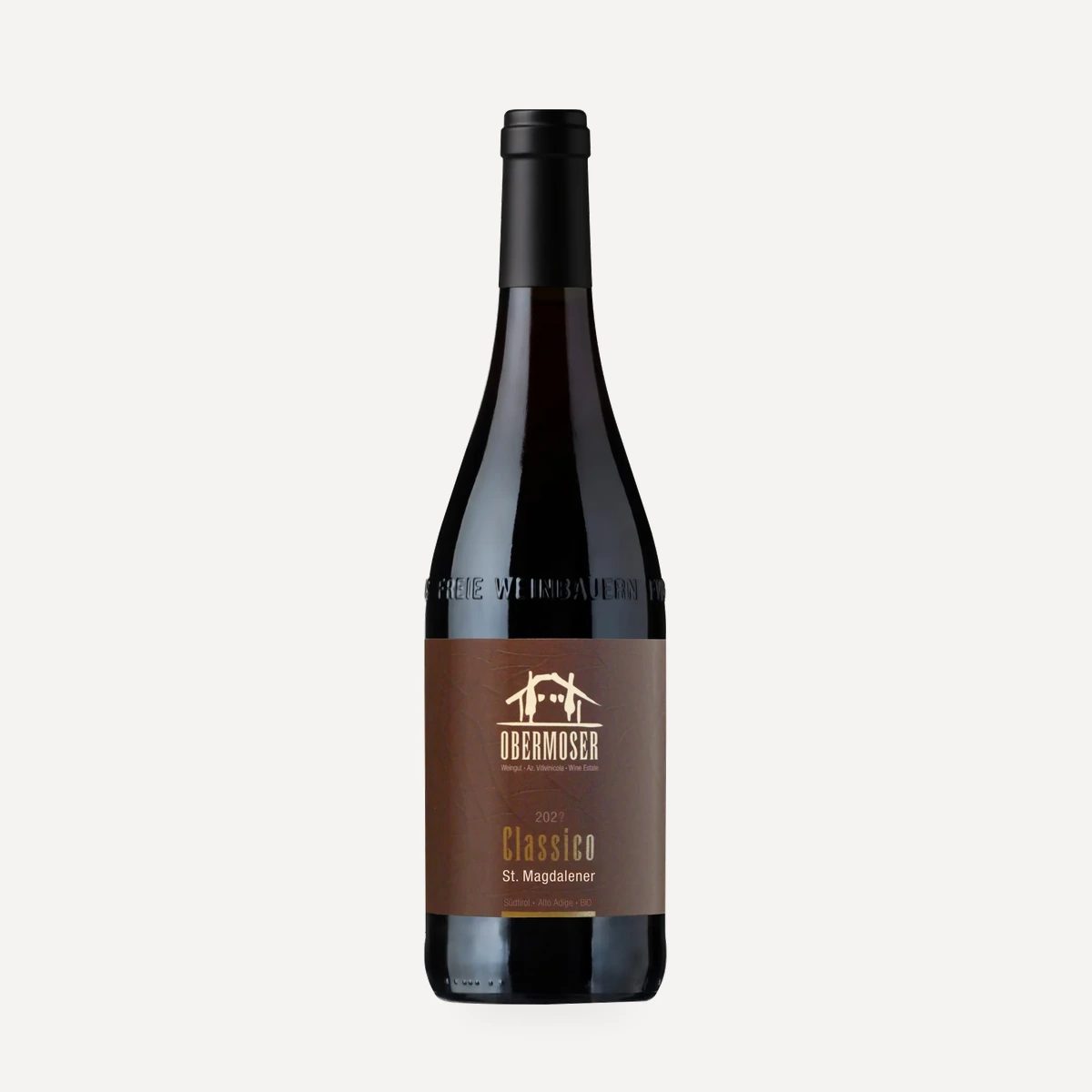
Obermoser Classico St. Magdalener Südtirol DOC Bio
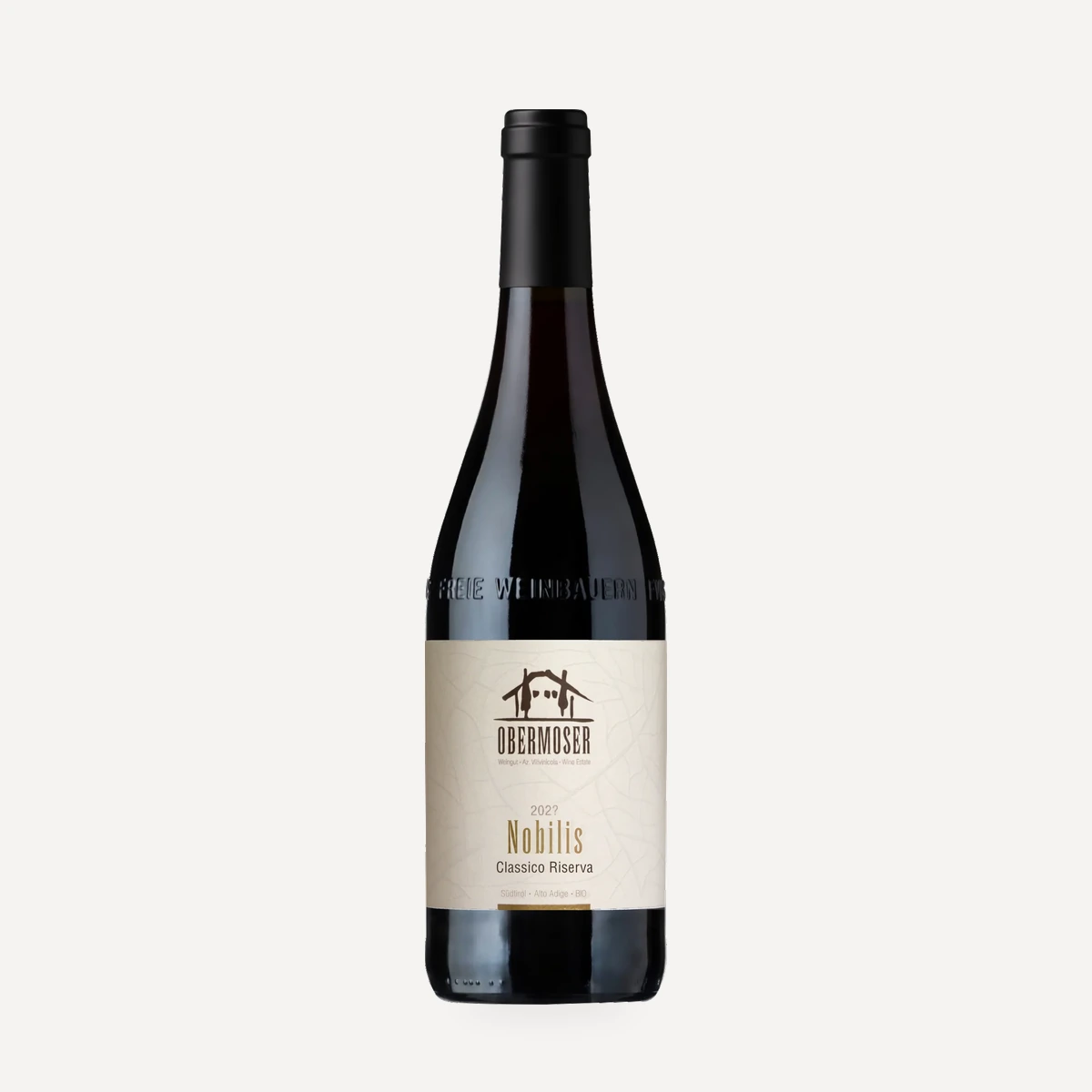
Obermoser Nobilis Classico St. Magdalener Südtirol DOC