Storia
Evangelos Paraschos arrives in San Floriano
Greek-born Evangelos Paraschos began working as a winegrower in San Floriano del Collio in 1979. His approach developed within the winemaking traditions of Collio and the Vipava Valley, with particular attention to the health of the vines, the surrounding environment, and the preservation of mature plants.
Foundation in 1998
Evangelos founded Paraschos in 1998. The winery developed as a family enterprise, with the family working together in both the vineyards and cellar. Its guiding objective became the production of wine from grapes alone, combining environmentally respectful farming with traditional skin-contact and spontaneous-fermentation methods.
New vineyards and the 2003 cellar
A Merlot vineyard was planted at Sant’Andrea in 2001. Its grafting material came from canes taken from old Merlot vines growing in the same locality, some already more than 80 years old. The first harvest from this planting was bottled in 2004.
A new cellar was constructed in 2003. Industrial yeast cultures have never been introduced into it. The resident indigenous-yeast population was allowed to establish itself and became an integral part of the family’s spontaneous-fermentation practice. From the same year, chemical treatments ceased to be used in the cellar.
Expansion of the vineyard work
In 2005 the family began cultivating a small Pinot Nero vineyard at the foot of Monte Sabotino, on blue marl and under a perceptible Alpine influence. Alongside newer plantings, the estate continued to work older material, including Merlot vines reaching 90 years of age and the Gradiscutta Friulano vineyard planted in 1936 on the slopes of Monte Calvario.
Over successive vintages, the family refined pruning, canopy management, thinning, harvest selection, spontaneous fermentation, skin contact, lees ageing, and gravity handling. This work also included research into and recovery of older local cultivation and vinification practices associated with Gorizia, Collio, and the Vipava Valley.
Agriturismo
Four agriturismo rooms were completed in 2013, overlooking the vineyards and woodland of San Floriano del Collio.
Terroir
Regional setting
Paraschos is based at Bucuie in San Floriano del Collio, in Friuli Venezia Giulia. The wider setting brings the Adriatic Sea, the Karst cliffs near Trieste, the lagoons of Grado and Marano, the Friulian plain, the Collio hills, and the first Alpine peaks into close geographical proximity. Mediterranean, Central European, and Balkan influences meet in this border landscape.
Hills, mountains, and mesoclimates
The vineyards occupy several distinct positions around San Floriano del Collio, Oslavia, Gorizia, Lucinico, Sant’Andrea, and Podsabotin. Elevations documented for individual sites range from approximately 50 to 250 metres. Exposures include the north-east-facing slopes of Slatnik, the south-east-facing Gradiscutta site on Monte Calvario, and a south-facing parcel at Podsabotin.
At the foot of Monte Sabotino, the Pinot Nero site lies at the outer edge of local viticulture and receives a cooling influence from its immediate proximity to the Alps. This small vineyard is distinguished by blue marl.
Soils
The vineyard descriptions encompass marl and clay, clay with softer silt identified as Flysch, marl with sandstone, sandstone and clay, and the clay-silt-gravel soils of Sant’Andrea. Slatnik is described principally through marl-clay or clay-and-silt Flysch. Gradiscutta on Monte Calvario has sandstone and clay. Sant’Andrea combines clay, silt, and gravel, while Lucinico and Oslavia include marl-clay soils. These variations are treated as individual climats when pruning, canopy work, thinning, and variety selection are planned.
Vinificazione
Personal, family cultivation
The Paraschos family works the vineyards directly, framing its farming around respect for consumers, the environment, and the vines themselves. Chemical fertilizers, herbicides, and harmful pesticide treatments are excluded.
Soil and vine longevity
All vineyard rows are grassed. The soil is disturbed only in winter and only when necessary. Fertilization is occasional and limited to appropriately aged animal manure. Particular importance is attached to vine age: plants are allowed to develop according to their natural biological rhythms so that they can live longer and establish deeper root systems.
Site-specific pruning and canopy work
Viticultural methods have been refined through experimentation over successive years. Pruning is adapted to the grape variety, vine age, and individual climat. Shoot cleaning and crop thinning respond to the vigour of the plants on each soil and to the ventilation of the site. Canopy management is directed toward balanced ripening rather than a uniform prescription for every parcel.
The choice of which variety to plant in a given position is treated as part of the ripening strategy. Fruit-bearing cane length and the pruning method are recalibrated from vintage to vintage using experience from previous seasons, with the desired yield set at the level of the individual vine.
Harvest and selection
Harvesting is manual, with meticulous selection of the bunches. This is considered especially important for wines fermented spontaneously or in contact with their skins, because sound fruit must carry a healthy indigenous-yeast population into the cellar. Grapes are generally gathered during the cooler morning hours and arranged carefully in crates to avoid damage or crushing. They are transported immediately to the cellar and may rest at ambient temperature until the evening or the following day. Mixed vineyards and selected old-vine parcels can be picked in several passes as their different components reach full maturity.
Cellar and indigenous microbiology
The present cellar was built in 2003. Industrial yeast cultures have never been introduced into it, allowing a resident indigenous-yeast population to establish itself. Fermentations proceed spontaneously without inoculation with selected external yeasts. The family regards these native yeasts as one of the elements that differentiates the wines from vintage to vintage while preserving a recognizable identity. Chemical cellar treatments have not been used since 2003.
Reception, pressing, and skin contact
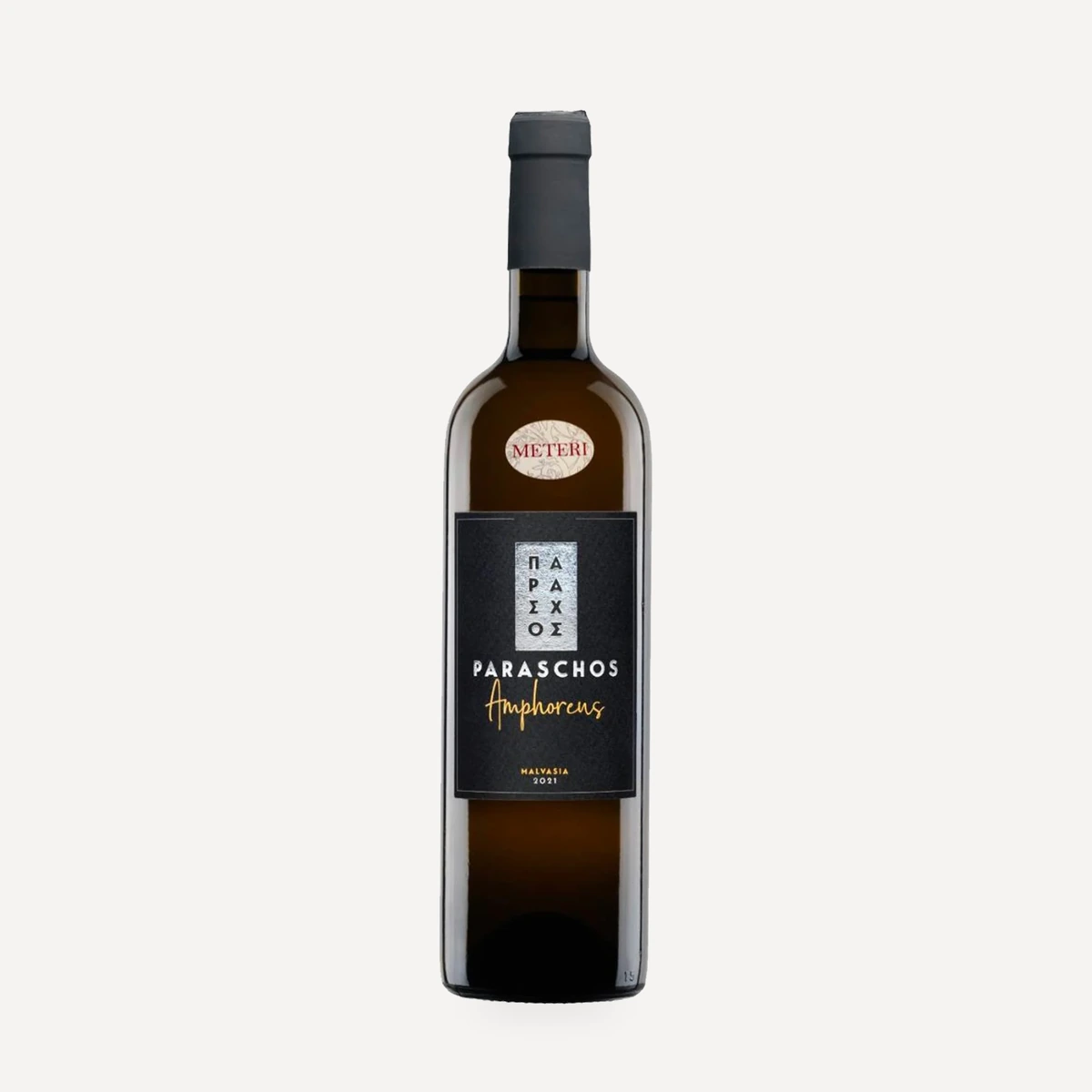
Healthy, mature grapes are handled according to their vineyard of origin. Some lots are pressed directly after harvest; others are destemmed and placed with their skins in open-topped vats or terracotta amphorae. Documented macerations range from several days to approximately 30 days. Fermentation takes place at cellar temperature without forced cooling. Some skin-contact lots receive continuous manual punching down.
Pressing is light and, for certain lots, prolonged and gentle in a pneumatic bladder press. Wine is then racked or transferred by gravity to the lower ageing cellar.
Fermentation and élevage
The cellar uses oak vats for skin fermentation as well as amphorae. Ageing is principally long and on the wines’ own fine lees. Vessels include large Slavonian-oak casks of approximately 15–25 hectolitres, 500-litre French-oak tonneaux, barriques, and other French- and Slavonian-oak formats. Depending on the lot, maturation documented across the range extends from roughly 18 months to five years. Some wines undergo bâtonnage during the first months, and certain red lots may pass through stainless steel in particular vintages.
Bottling
Bottling is performed by gravity. The technical protocols consistently exclude filtration and the addition of sulfur dioxide at bottling. The broader philosophy defines wine as a product made without exogenous ingredients other than sound, selected grapes.
Filosofia
The Paraschos family summarizes its relationship with wine through the proposition that territory is the constant, the vintage is the variable, and people are the intermediary. The aim is not to eliminate vintage variation but to transmit the interaction of place and season through careful human work.
“Purity” is defined as producing high-quality wine exclusively from grapes. In this conception, the grapes must be healthy and selected, and they must come from farming that respects the environment and the vineyard’s natural equilibrium. Climate, soil, geographical position, altitude, and vine age are all treated as formative elements rather than variables to be corrected away.
The family’s approach joins experimentation with older regional practice. Pruning and canopy techniques are adjusted through observation, while skin fermentation, open vats, spontaneous fermentation, and extended ageing draw on the historic traditions of Collio and the Vipava Valley. Eighteenth-century bibliographical records describing the fermentation of grape must with its skins for several days before pressing provide a historical precedent for this method in the region.
Time is treated as an active part of production. Ripeness is pursued through multiple harvest passes where necessary, fermentation follows the resident microbiology of the fruit and cellar, and ageing continues on the fine lees for extended periods. The objective is to safeguard the vineyard’s natural balance and allow each site and vintage to retain its differences.
Vini
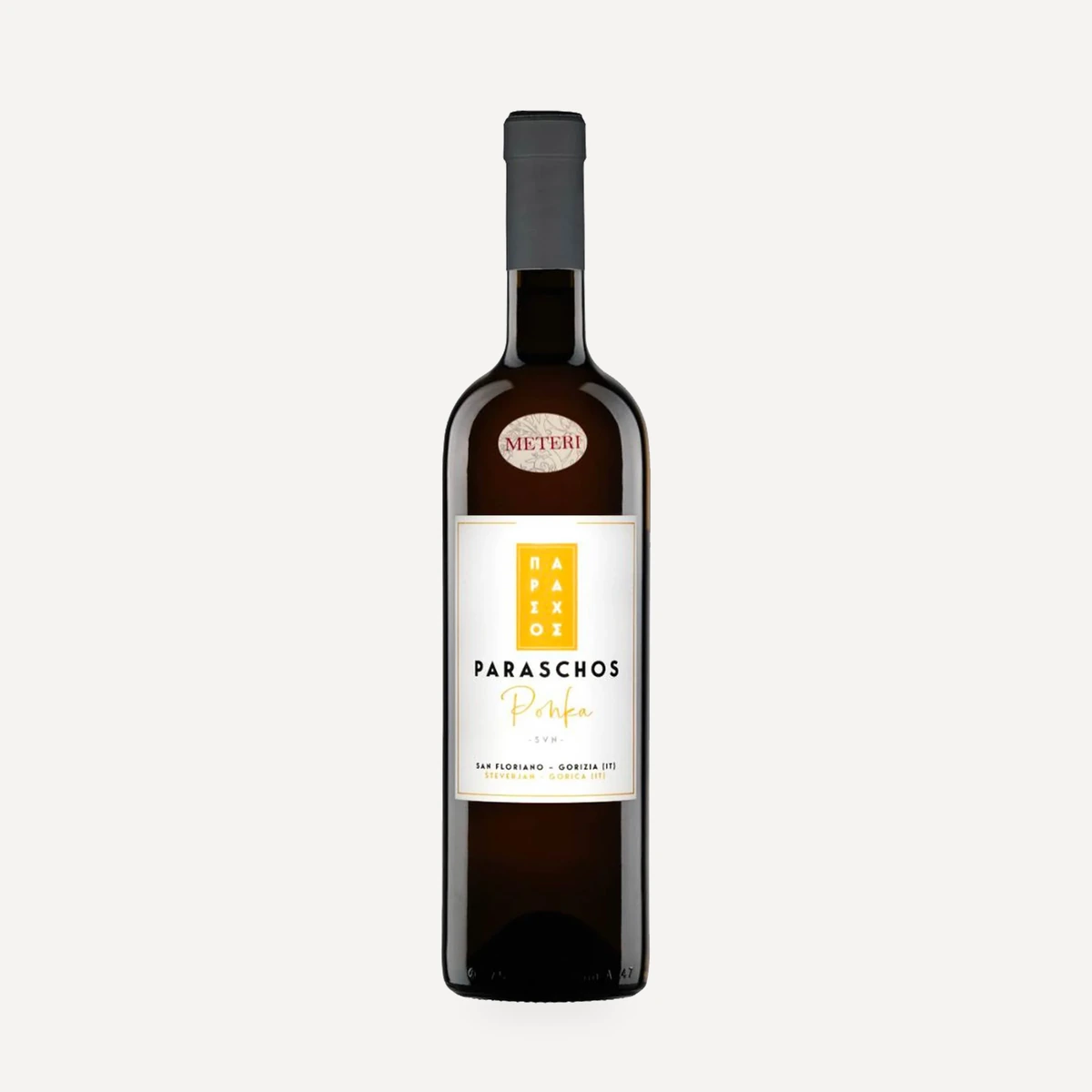
DOC Collio Bianco Riserva Ponka SVN
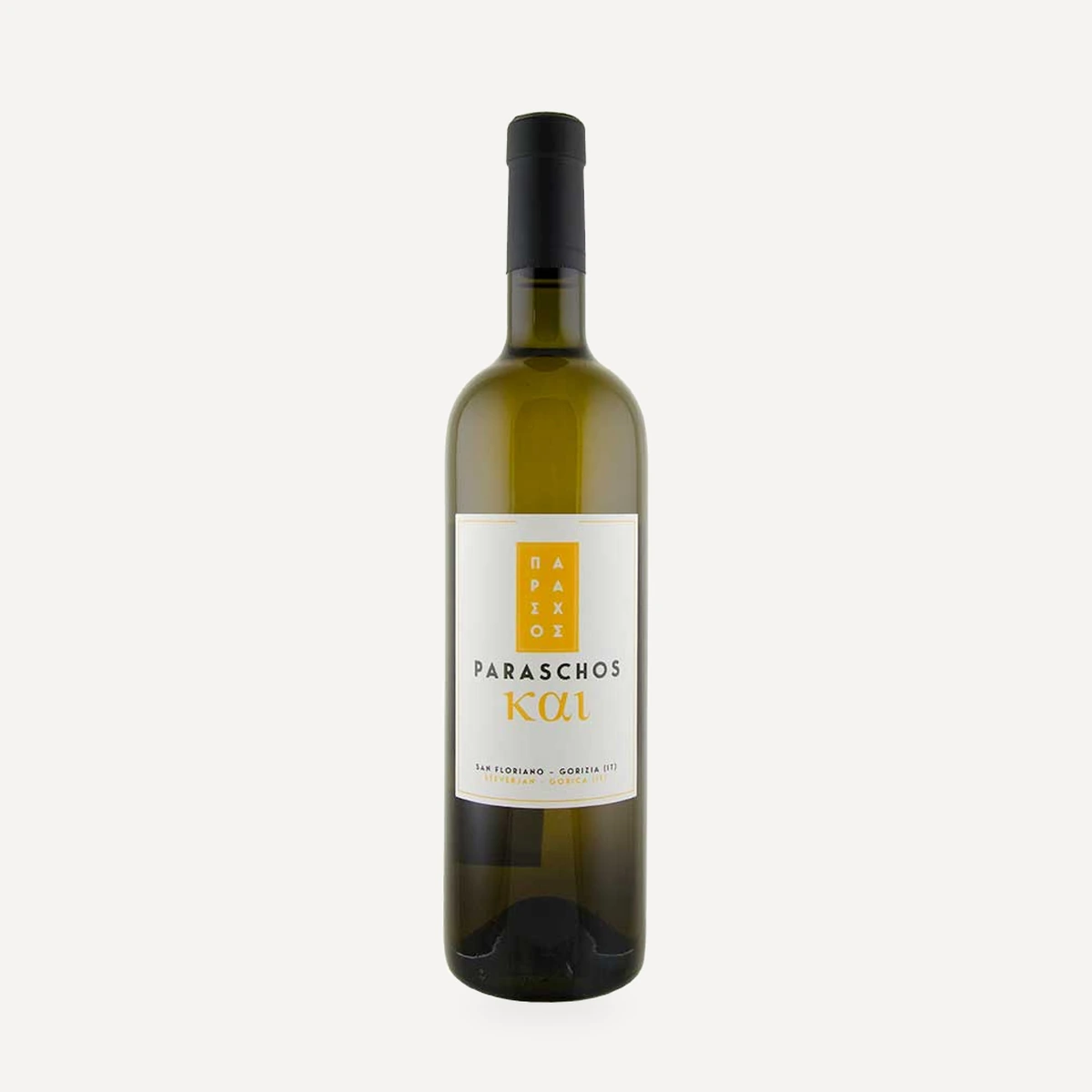
DOC Collio Friulano Riserva Kai MCL
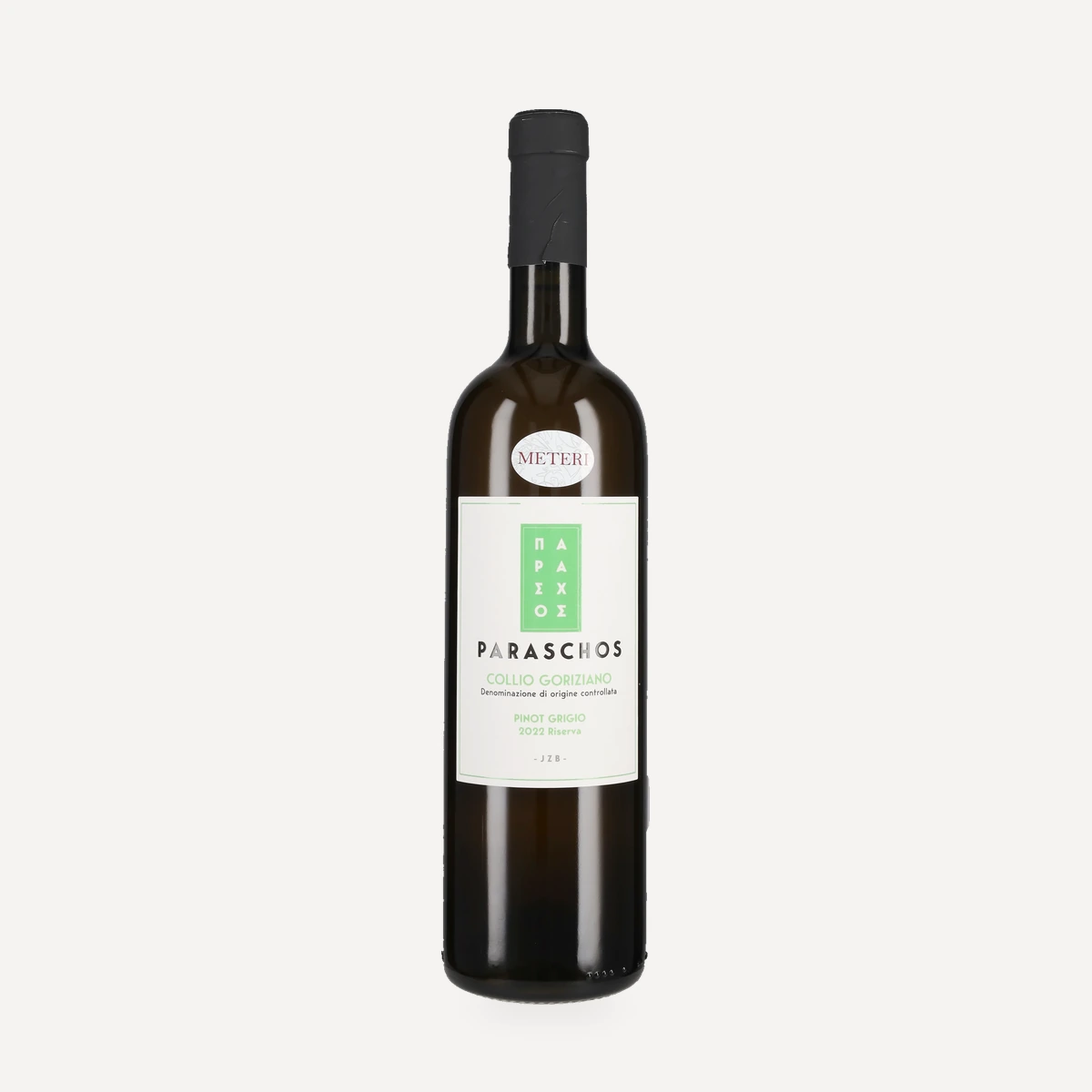
DOC Collio Pinot Grigio Riserva JZB
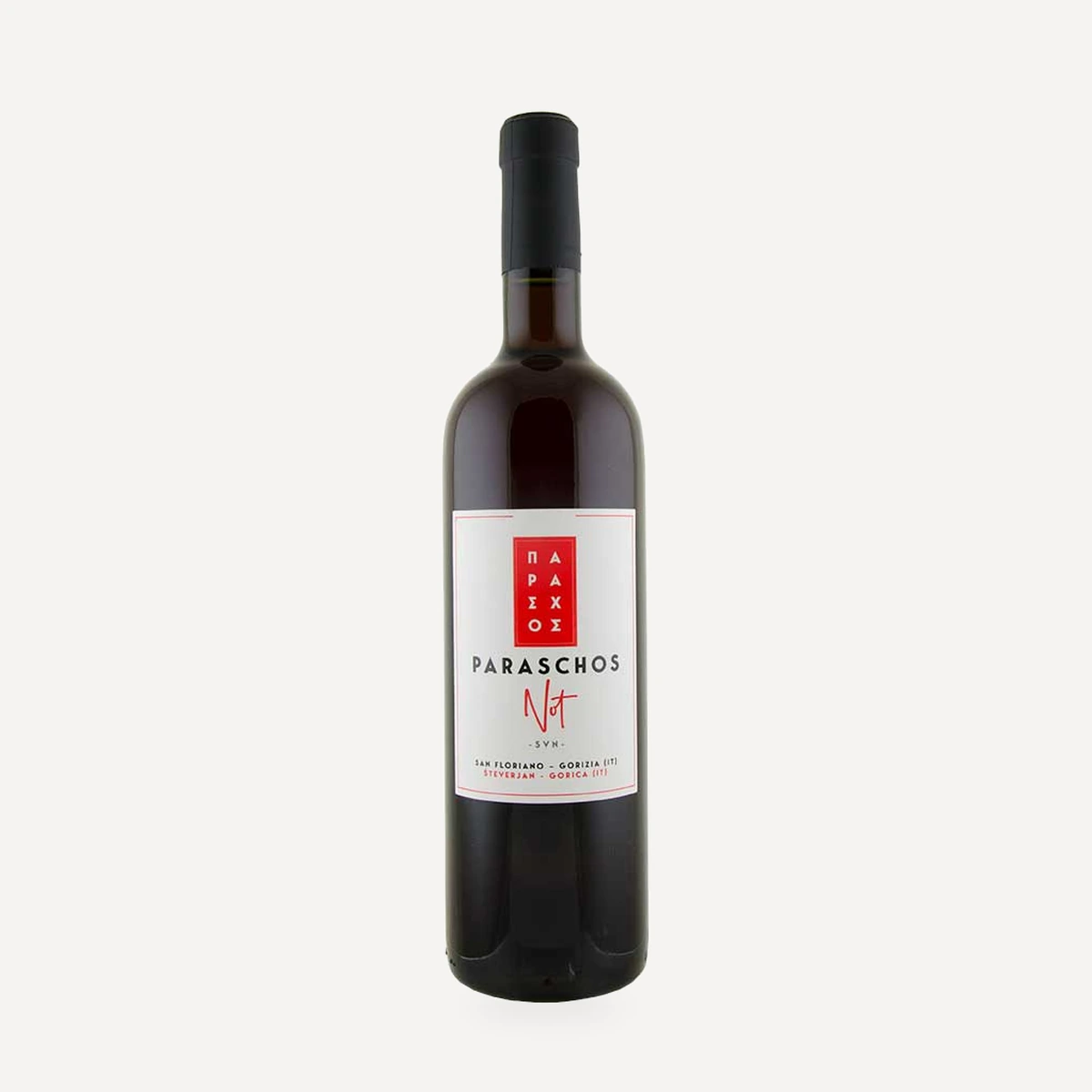
DOC Collio Pinot Grigio Riserva Not SVN
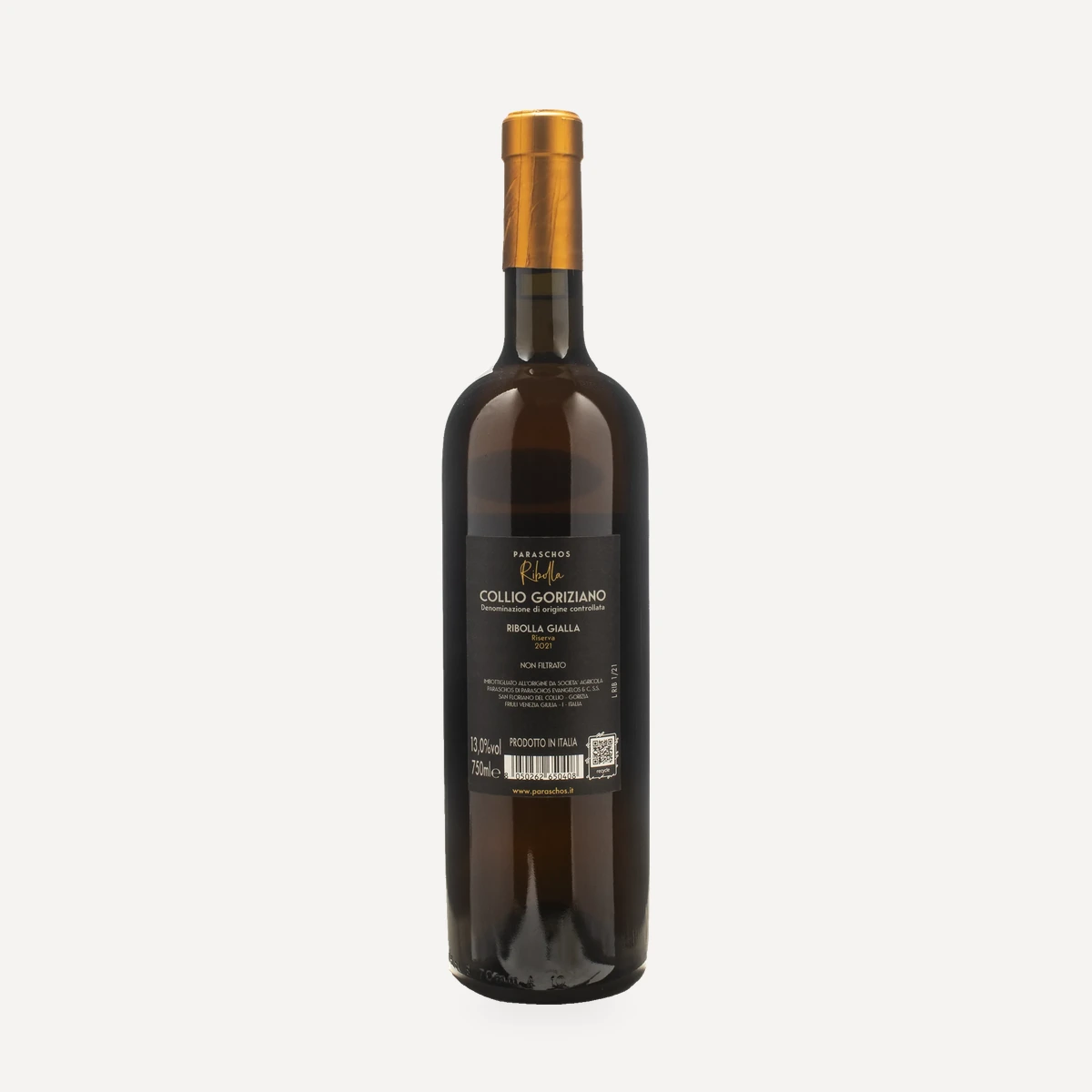
DOC Collio Ribolla Gialla Riserva
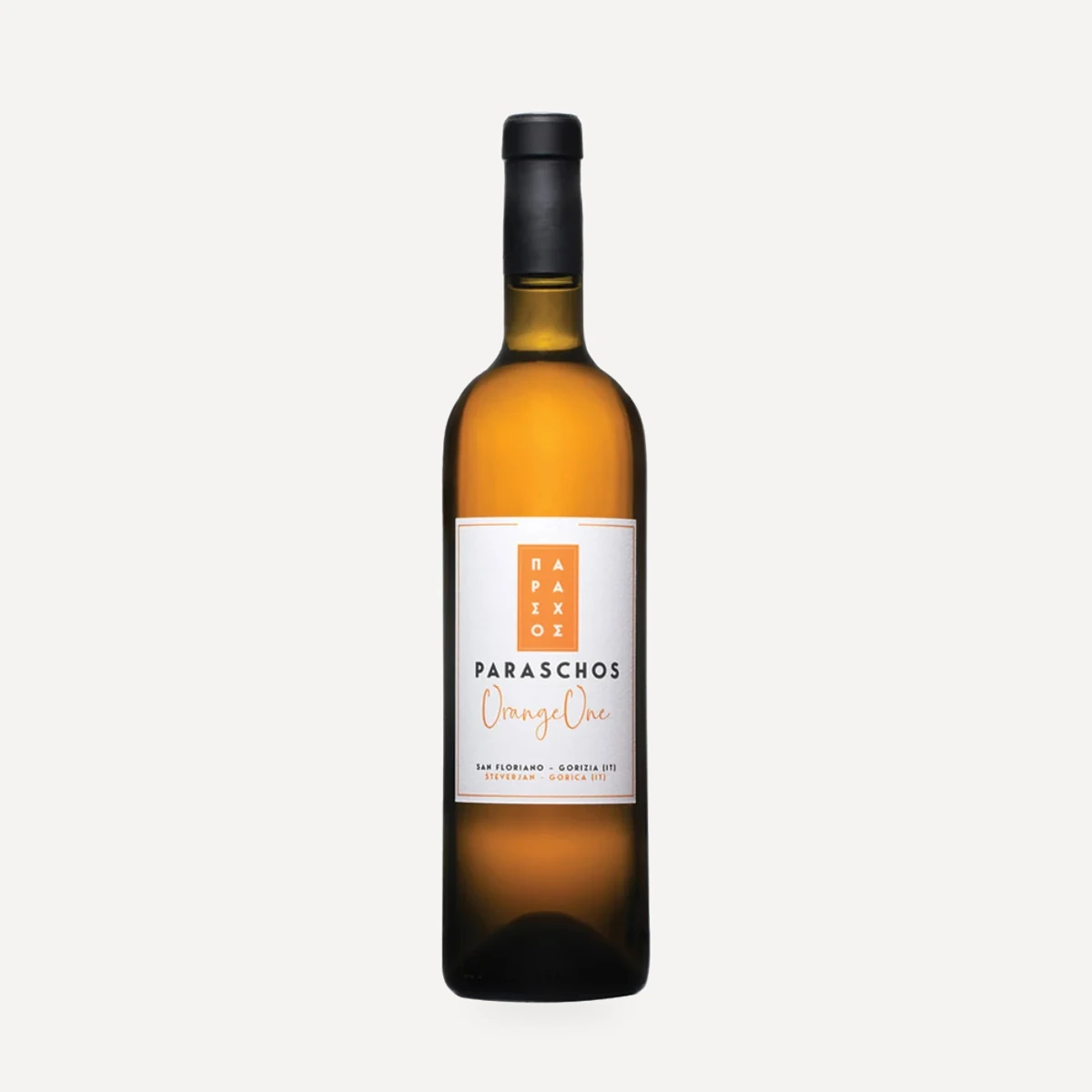
IGT Venezia Giulia Bianco Orange One
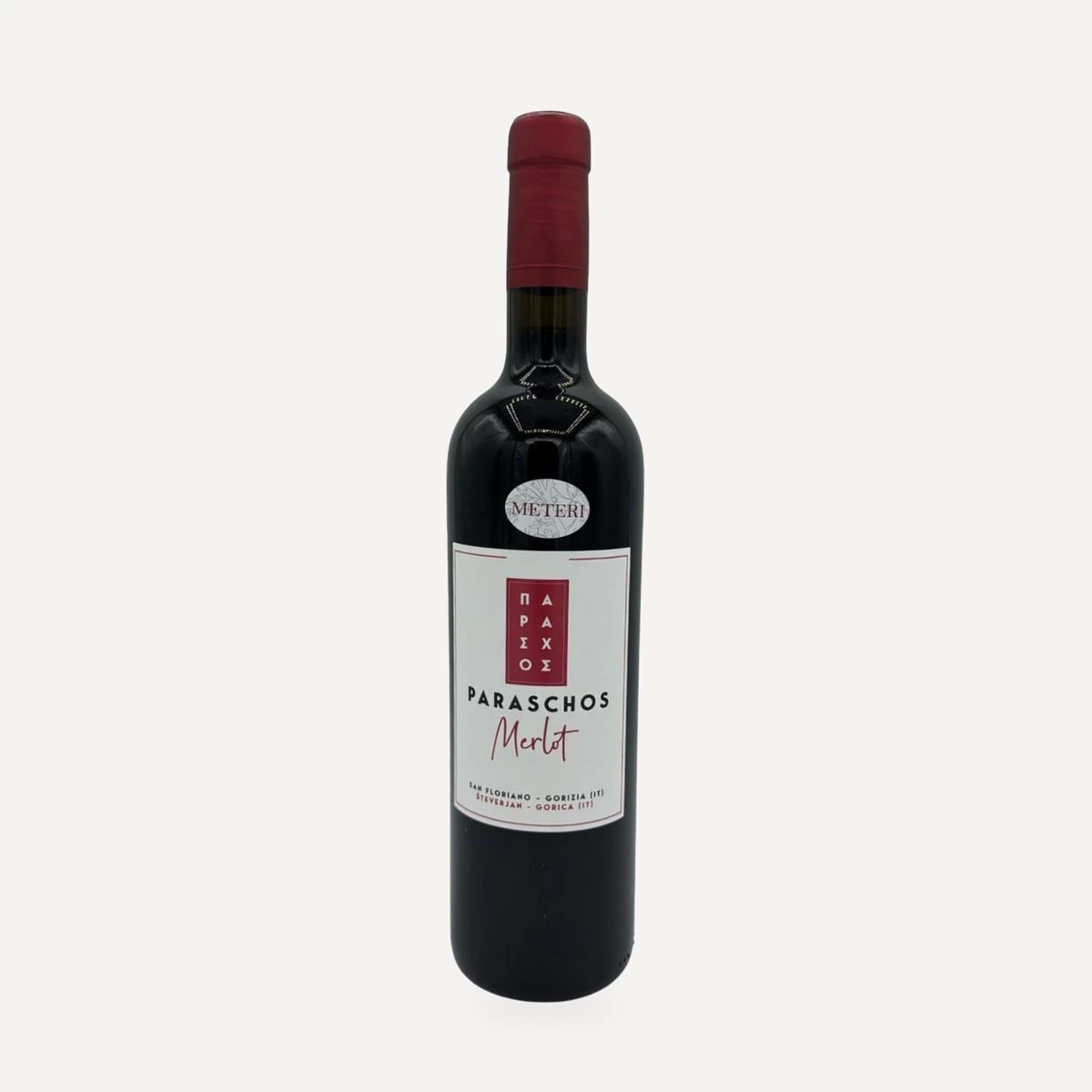
IGT Venezia Giulia Merlot
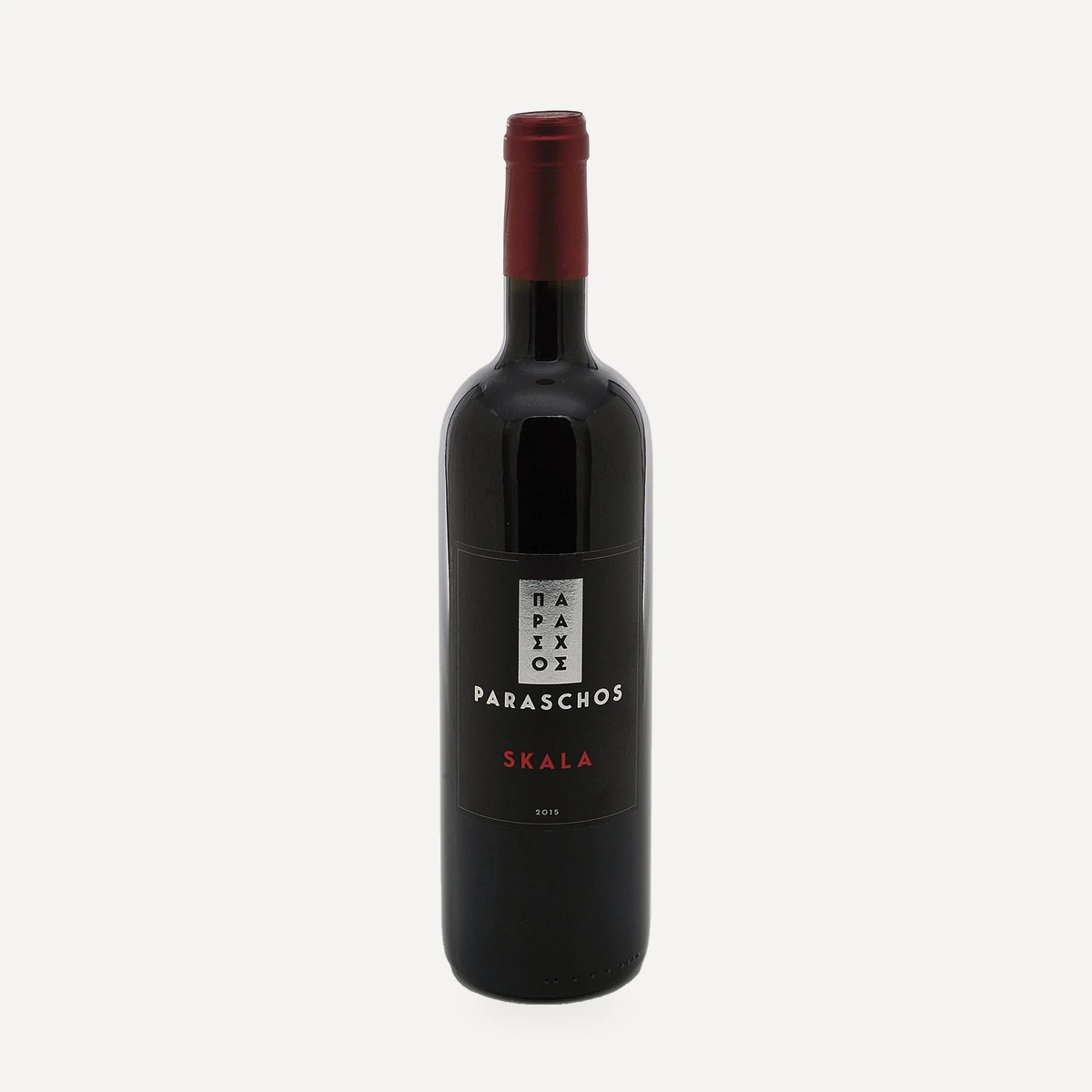
IGT Venezia Giulia Merlot Skala