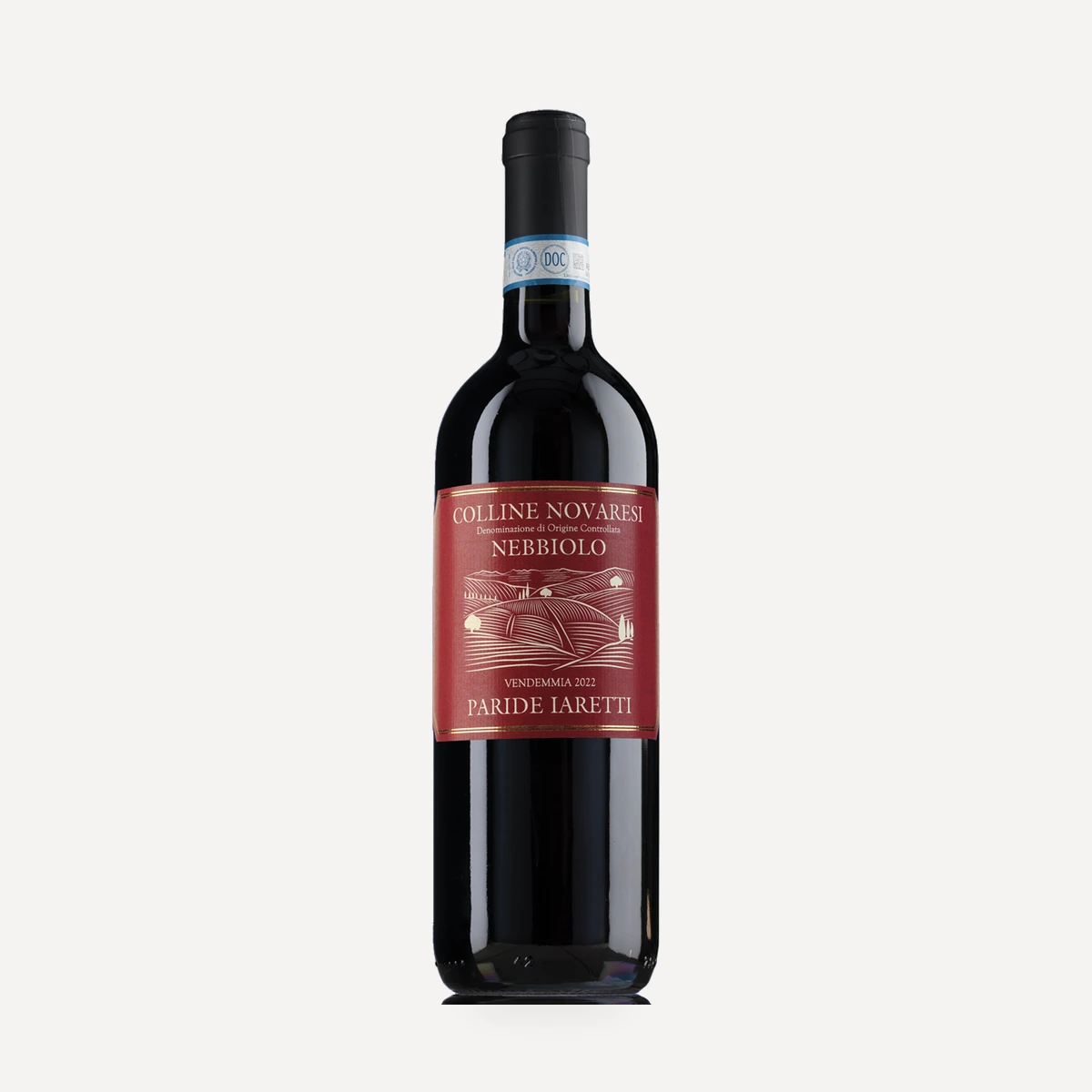
Storia
Foundation at the beginning of the new millennium
Paride Iaretti founded the business in Gattinara at the beginning of the new millennium. Its base lies at the edge of the town, near the River Sesia, while its fragmented vineyards occupy approximately 4.5 hectares on the hills descending towards the settlement. Paride had already spent much of his life tending these hills and vines, work he describes in terms of the attention given to children.
Nebbiolo became the almost exclusive focus of the holdings. Vineyard care and vinification remained under Paride’s direct responsibility, with an emphasis on detailed manual work and on developing quality in the vineyard before the grapes reached the cellar.
2015: expansion of the shareholder group
From 2015, new shareholders with varied professional backgrounds joined the company. Paride continued as founding shareholder and remained responsible for the vineyards and vinification, assisted by Mattia. Fabrizio, another shareholder, took a role in welcoming visitors at the cellar.
The enlarged group established the objective of growing the business gradually towards annual production of approximately 30,000 bottles while maintaining its quality standards.
2016: completion of the new winery
Construction of a new winery was completed in 2016. The building stands at the edge of the woods, just outside the urban centre of Gattinara. It was designed to make daily cellar work more efficient and to support continued improvements in quality.
The facility also created a dedicated place for direct contact with visitors. Its exposed brickwork and barrel areas form the setting for guided cellar visits and tastings, supported by a reception room and direct-purchase shop.
Terroir
The vineyards occupy fragmented sites on the hills overlooking Gattinara, descending towards the town near the River Sesia. Their slopes and small valleys are generally sunny and well exposed. Monte Rosa dominates the landscape behind the hills and is described by Paride as a protective barrier for the vines. The vineyards look towards the Piedmont plain and the large dome of Gattinara.
The Alto Piemonte climate is cool. Nebbiolo’s long growing cycle benefits from prolonged exposure: it is the first variety to bud and the last to ripen, with harvest normally beginning in early October.
The soils are volcanic and porphyritic, formed approximately 270 million years ago. Quartz porphyry, iron and other minerals are prominent, and the soils possess marked acidity. Mineral composition varies between sites. Valferana combines volcanic porphyry with abundant iron crystals, including cubic crystals that can reach notable dimensions. Bogianetta is also volcanic but has a lower mineral presence.
Vinificazione
Nebbiolo occupies the holdings almost exclusively. The variety buds first and ripens last, and its grapes normally reach the cellar in early October.
Steep, difficult ground and narrow planting layouts prevent machinery from entering some parcels. Work in these vineyards therefore remains manual. The seasonal programme includes dry pruning, green pruning, shoot topping and bunch selection in late spring. Old vineyards used for the Gattinara wines have stated average ages of approximately 40 years in the Riserva selection and approximately 50 years in the eastern vineyards used for Pietro.
Guyot is the identified training system. Grapes are picked by hand into 20 kg boxes. Technical specifications for the Gattinara selections give an approximate yield of 60 quintals per hectare. The emphasis throughout the growing season is on detailed vine care and controlling quantity in accordance with Gattinara’s production rules.
Nebbiolo is harvested by hand, normally in early October, and delivered in 20 kg boxes. Vinification takes place in large stainless-steel tanks. Skin contact varies with the intended wine: the cellar’s general range is 20–30 days, while shorter-macerated DOC selections receive approximately 10 days and certain Gattinara selections approximately 30 days.
Extraction includes daily pump-overs. The technical processes also use délestage and punch-downs, with manual punch-downs specified for the longer-macerated Gattinara selections. Malolactic fermentation completes naturally in stainless steel.
During winter, the wines move to the lower cellar, where they are protected from climatic and seasonal fluctuations. Maturation vessels are selected according to the wine and the characteristics of its vineyard source. The cellar uses French-oak barriques and tonneaux as well as large Slavonian-oak barrels. Published maturation programmes range from 12 months in French barriques for shorter-aged selections to 36 months in tonneaux, or combinations of 12 months in tonneaux and 24 months in large oak. One Riserva specification also includes a subsequent 12 months in stainless steel. The Gattinara wines may spend roughly four years in the cellar before release.
Filosofia
Paride describes the vineyards as something he has cared for like children throughout his life. His approach places the origin of wine character in daily vineyard work: continuous observation, exacting attention to the vines, manual operations where the terrain demands them and respect for rules that restrict production per hectare.
The company’s stated objective is to pursue growth without weakening quality. Cellar efficiency and carefully selected technology support this aim, but time remains central: maturation proceeds slowly with the seasons, and vessels and ageing periods are adapted to the characteristics of the individual vineyards.
The business also presents wine as an expression of conviviality that should be enjoyed with moderation and awareness.
Vini
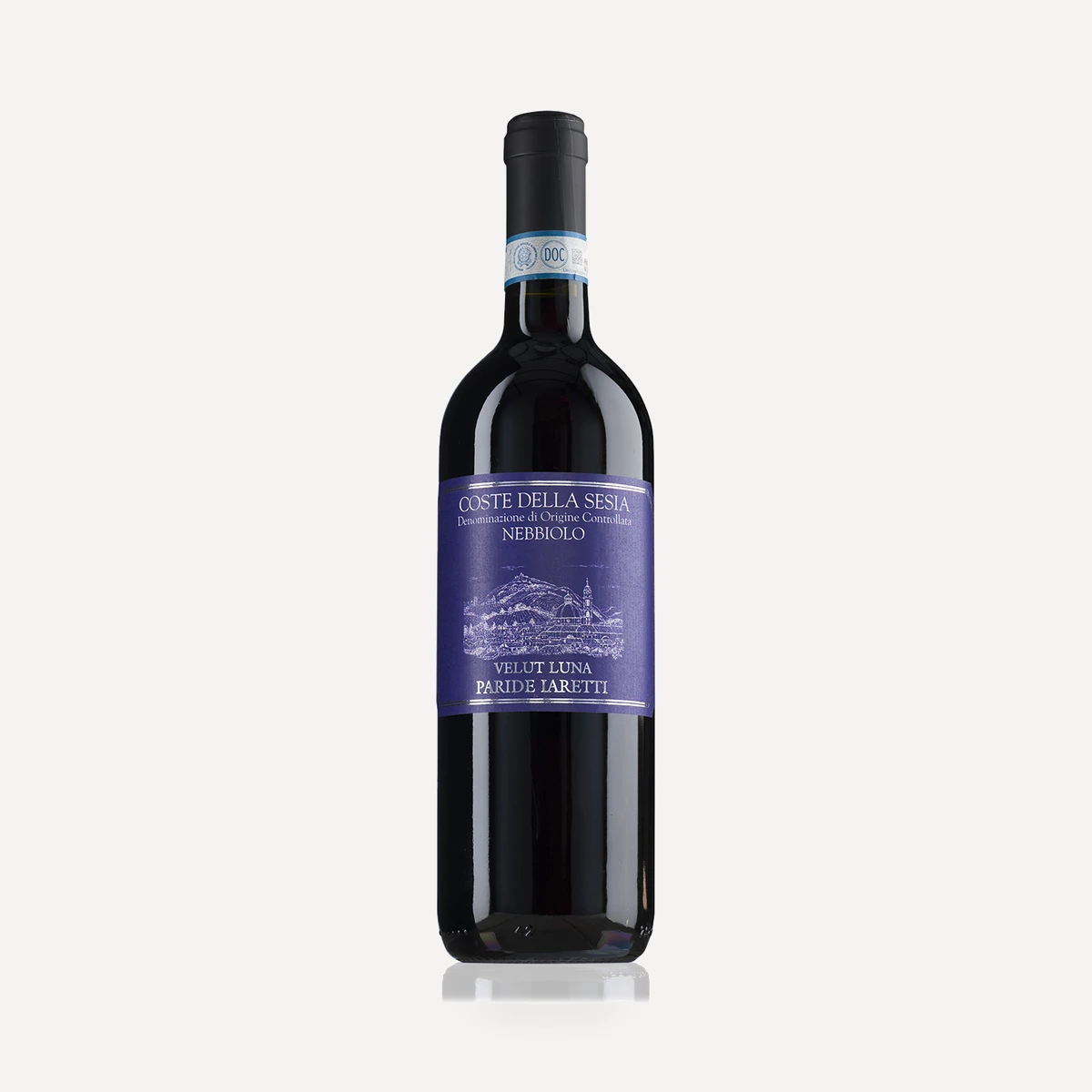
Coste della Sesia Nebbiolo DOC Velut Luna
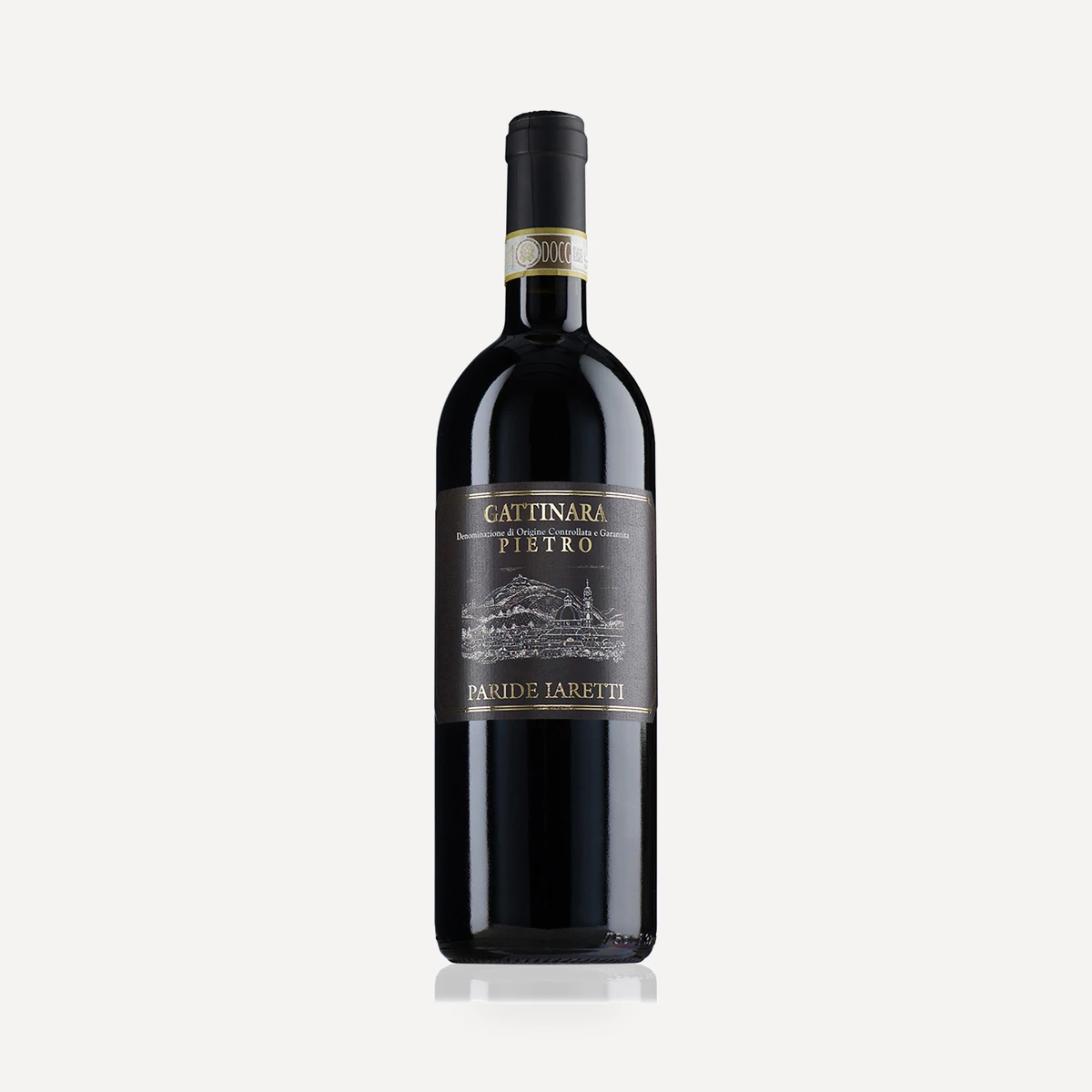
Gattinara DOCG Pietro
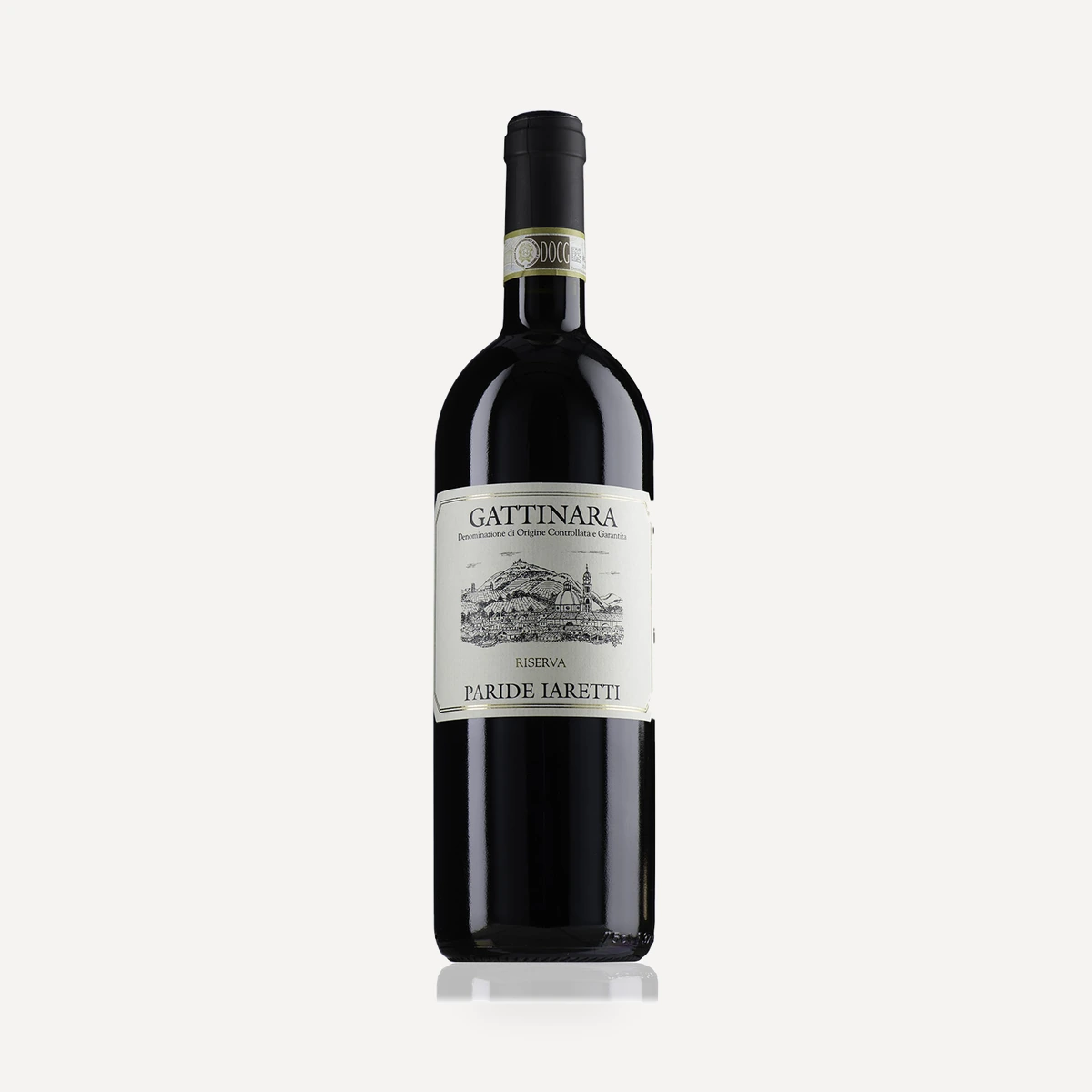
Gattinara DOCG Riserva
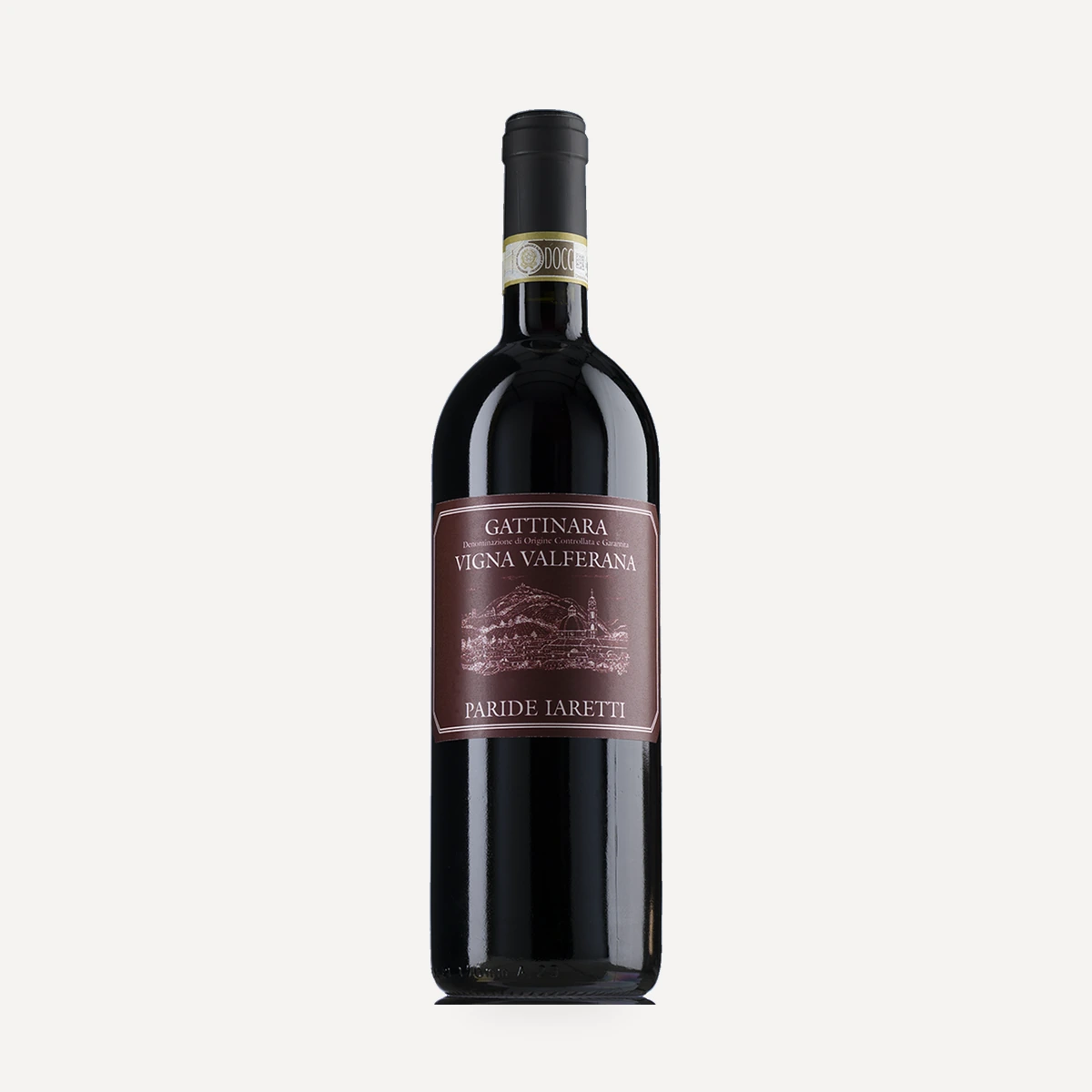
Gattinara DOCG Vigna Valferana