Storia
Before the family takeover
Piccolo Bacco dei Quaroni was already an established local name when Laura and Mario encountered the property, with a particular reputation in the area for red Pinot Nero.
2001 — Laura and Mario take over
Laura and Mario, both agronomists, took over the estate in 2001 in pursuit of a shared project. They developed it as a family enterprise, with Mario working particularly closely with the vineyards and cellar and Laura taking a leading role in the kitchen and hospitality activities.
During his university years, their son Tommaso worked alongside his father Mario in both vineyard and cellar management, gaining practical experience while training as an oenologist.
2008 — the agritourism opens
A family-run agritourism began operating in 2008. It was conceived around food that complements the estate’s wines and developed with approximately 40 dining places. The hospitality operation also introduced a regular Sunday lunch and weekend dining.
2017 — Tommaso becomes owner
Tommaso became the owner of Piccolo Bacco dei Quaroni in 2017. The transition placed management in the hands of the family’s new generation while Laura and Mario continued to support the enterprise: Mario in the cellar and Laura in the kitchen.
2020 — renovation begins
In 2020 Tommaso and the entire family began a major renovation of both the winery and the agritourism.
2023 — winery and hospitality renewal
The renovation was completed in 2023. The cellar was fully insulated and brought into energy class A, with dedicated areas for grape reception, fermentation and storage in steel, maturation in cement and wood, and bottle stacks for traditional-method sparkling wine.
The agritourism interiors were renewed, a large terrace overlooking the surrounding hills was added, and three ground-floor guest rooms made overnight stays possible.
The family today
Tommaso and Sara are the estate’s oenologists. Tommaso combines ownership with winegrowing and cellar work; Sara manages hospitality and communications while progressively increasing her cellar involvement. Laura and Mario remain active as agronomists and support the new generation, while Giulia contributes an international perspective and works as an all-round member of the family team.
Terroir
Piccolo Bacco dei Quaroni lies on the first hills of Oltrepò Pavese at Montù Beccaria. Its approximately 10 hectares are distributed among vineyard areas in Montù Beccaria, Bosnasco and Castana.
The holdings encompass markedly different situations. La Fiocca is an enclosed, north-facing valley surrounded by woodland. It experiences a pronounced difference between daytime and nighttime temperatures and contains a strongly calcareous vein. Its soils are also described as clay-limestone in the Pinot Nero sections.
Fornacione is an open, warm valley. One side of its hill faces east and carries Croatina, while the opposite, west-facing side is planted with Barbera. Campasso occupies a warmer position along the hillside road, suited to the late-ripening Moradella.
The more distant Casa Padrone vineyard lies in Castana within the Buttafuoco DOC production area. Across the estate’s vineyard descriptions, soils include calcareous, clay, clay-limestone and clay-sandy types.
Vinificazione
The approximately 10 ha holding is cultivated organically, and the wines are presented as originating from organically farmed estate vineyards. Piccolo Bacco dei Quaroni has participated in the natural-wine circuit for more than a decade and was among the founders of FIVI, the Italian Federation of Independent Winegrowers. It is also associated with VinNatur and the Club del Buttafuoco Storico.
Guyot and spur-pruned cordon are the named training systems. Permanent natural grass cover is maintained across the individually documented vineyard sections. Organic fertilization is widely used, sometimes only occasionally; one Barbera vineyard description also mentions inorganic fertilization.
Harvesting is manual into crates. Depending on variety and site, picking extends from mid-August for Pinot Nero through the second half of September for Moradella and the Buttafuoco varieties. Stated maximum yields in the documented vineyard sections range from 60 to 100 q/ha.
The cellar was comprehensively renewed in 2023. It is fully insulated, meets energy class A, and is divided into a grape-reception zone, a steel fermentation and storage area, a cement-and-wood maturation area, and a section for stacks of traditional-method bottles.
Across the range, grapes are harvested manually into crates. Whole-cluster gentle pressing is used for some Pinot Nero preparations, while other lots are crushed, destemmed or both. Fermentations are spontaneous. Steel tanks, autoclaves, cement vessels and wood are all used according to the intended style, with macerations ranging from short to long. The wood inventory described for maturation includes large 13 hl and 30 hl casks and used barriques.
The estate works with several sparkling-wine approaches. Its traditional method includes tirage with must from the following vintage, extended lees ageing, manual remuage and disgorgement without liqueur. An ancestral method completes fermentation in bottle, while other sparkling wines undergo a single fermentation in autoclave and remain on their lees before bottling. Still wines may mature in cement, large wood or a combination of cement and used barriques, followed where appropriate by further bottle ageing.
Filosofia
The family defines respect for nature and alignment with the vine’s natural cycles as non-negotiable principles. These priorities are expressed through careful vineyard work, slow maturation, continuity with tradition and an effort to limit environmental impact.
The team presents itself as a family of wine artisans who treat every bottle with individual attention. Their approach links respect for the land with direct control of vineyard and cellar work, reflected in the estate’s founding involvement with FIVI and its long participation in the natural-wine circuit.
Vini
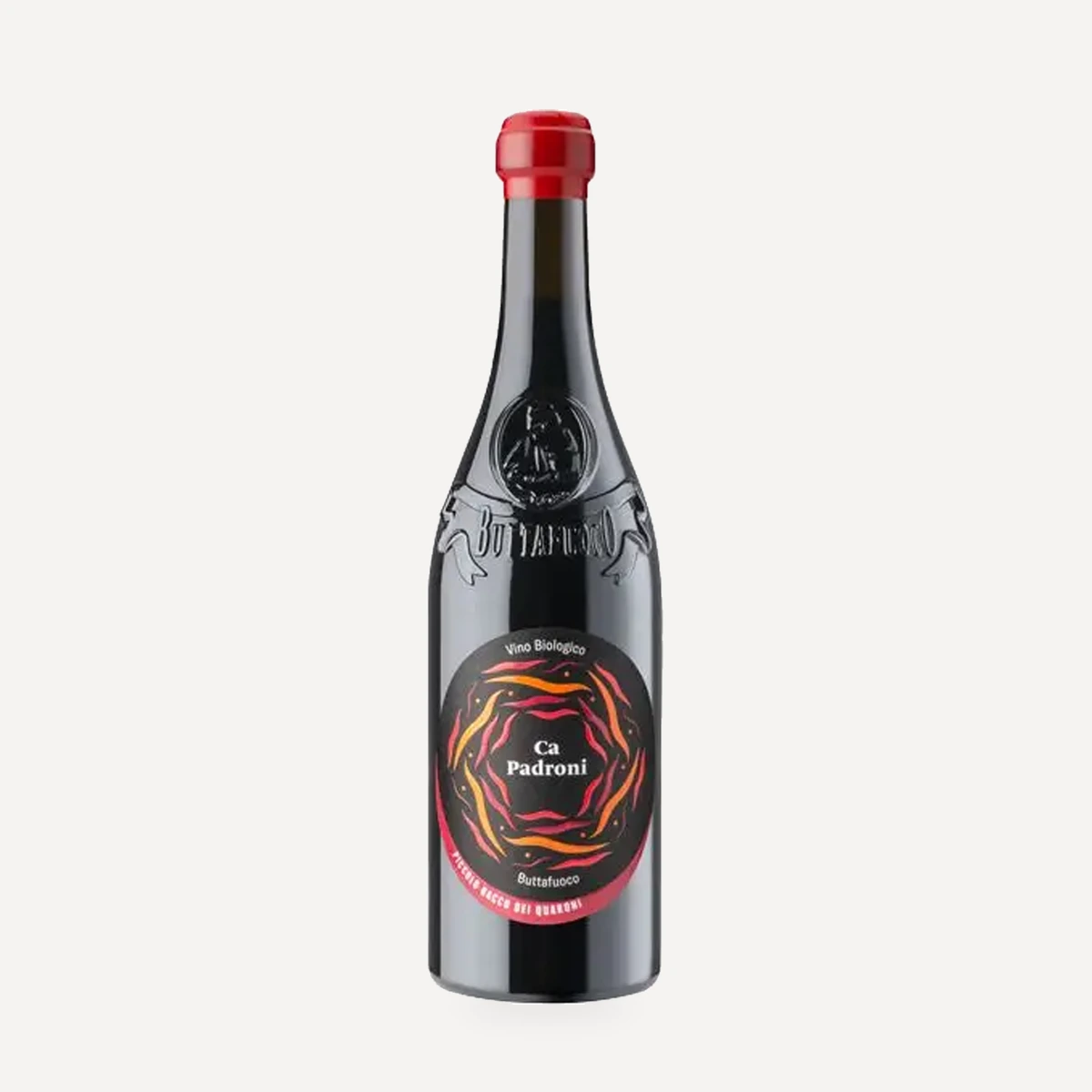
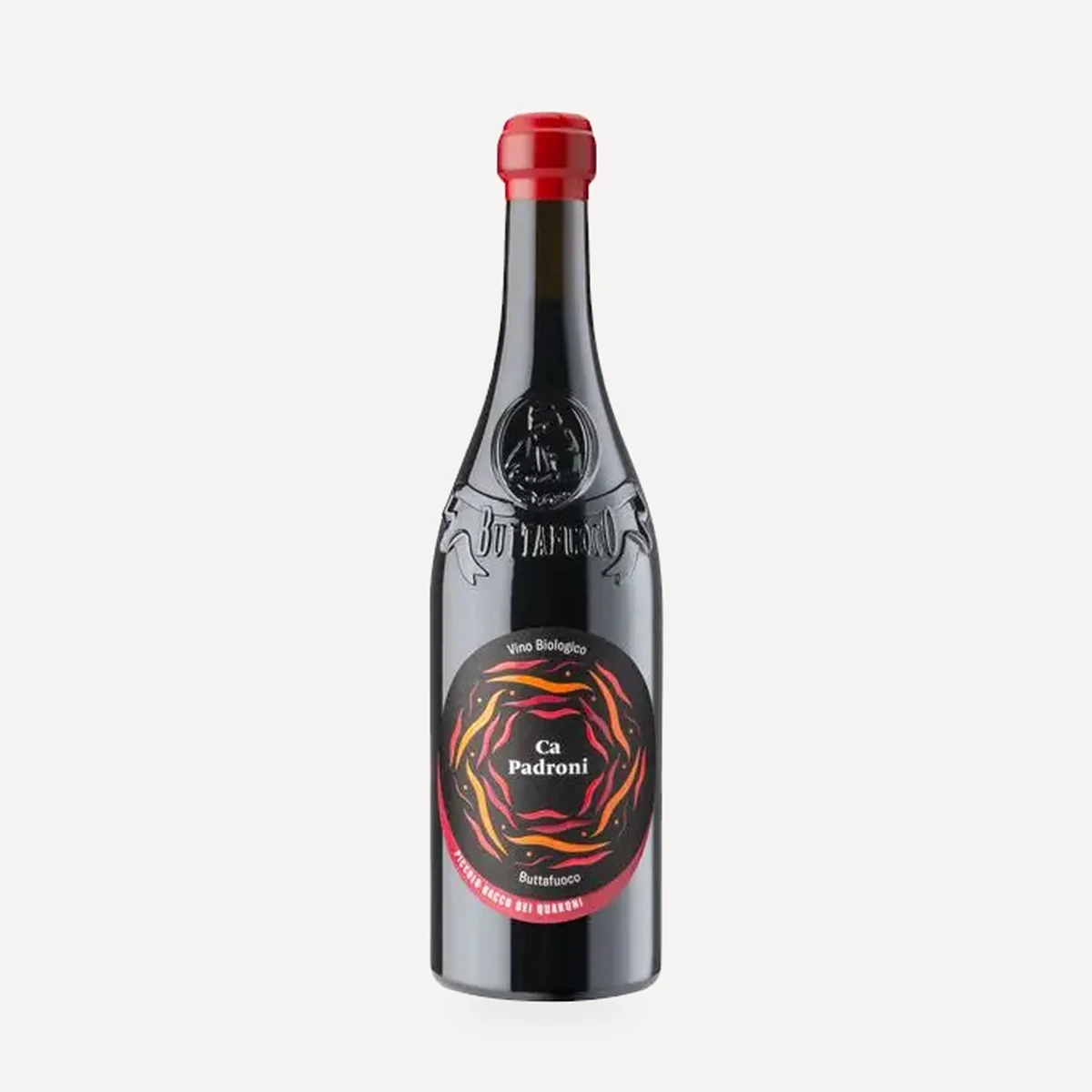
Ca Padroni
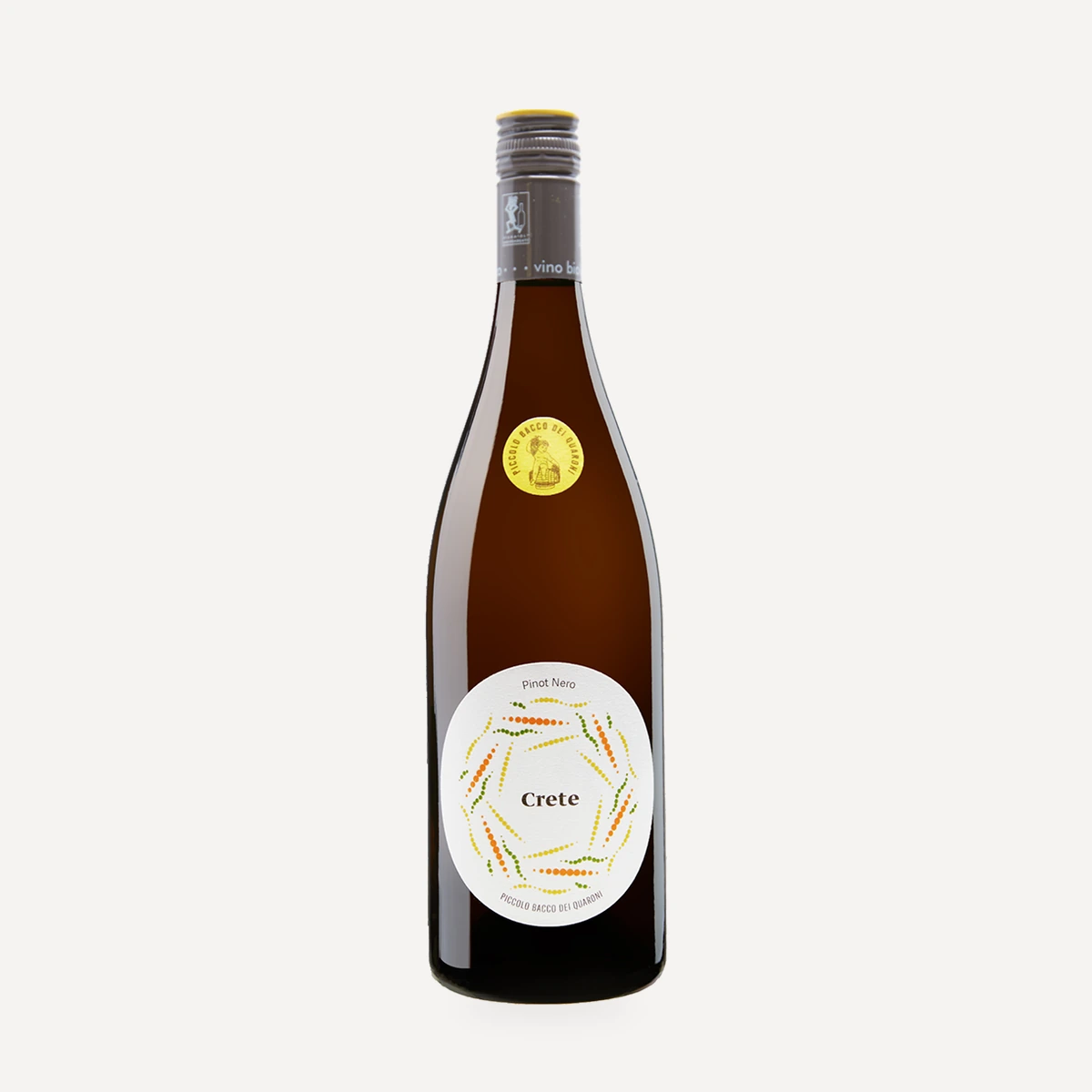
Crete
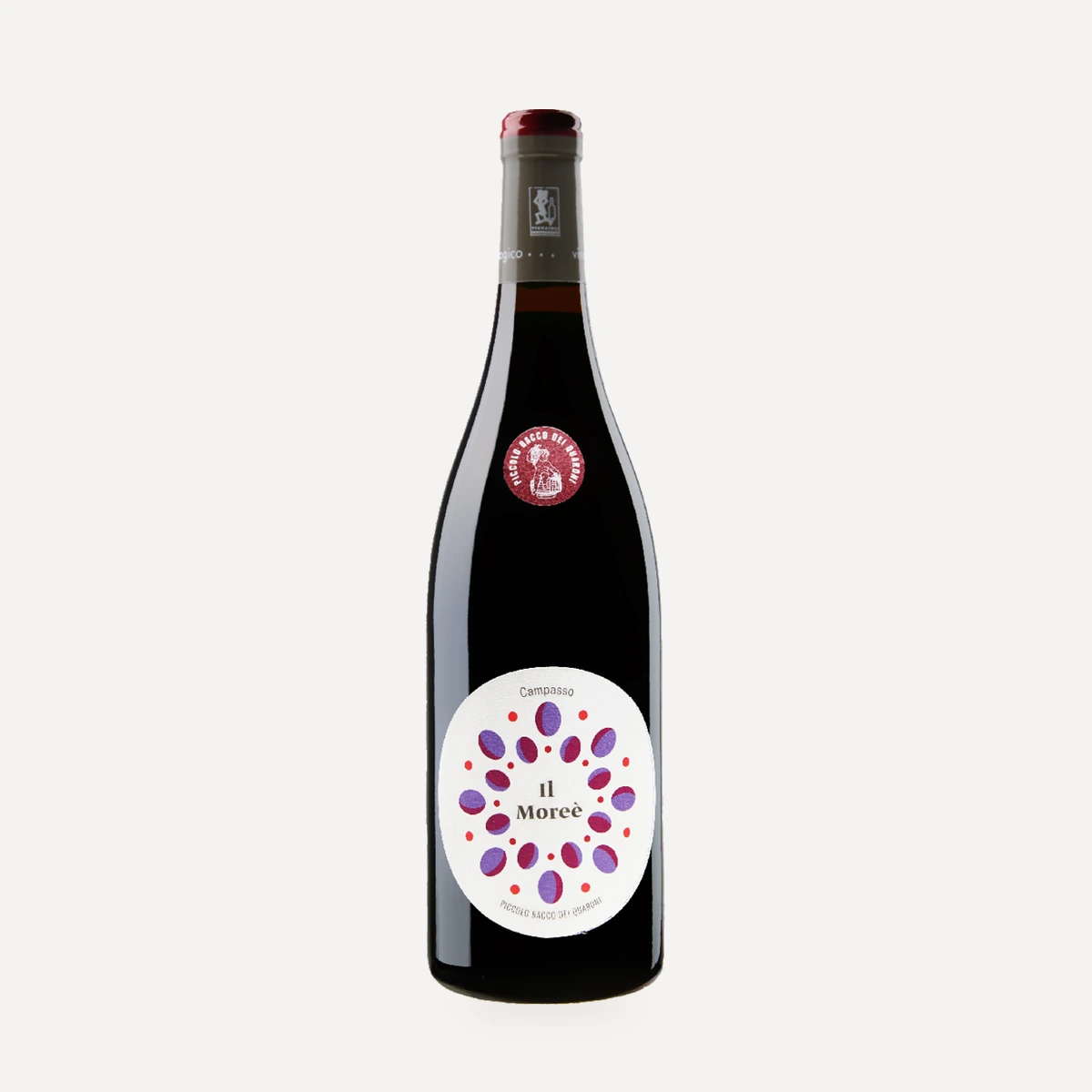
Il Moreè
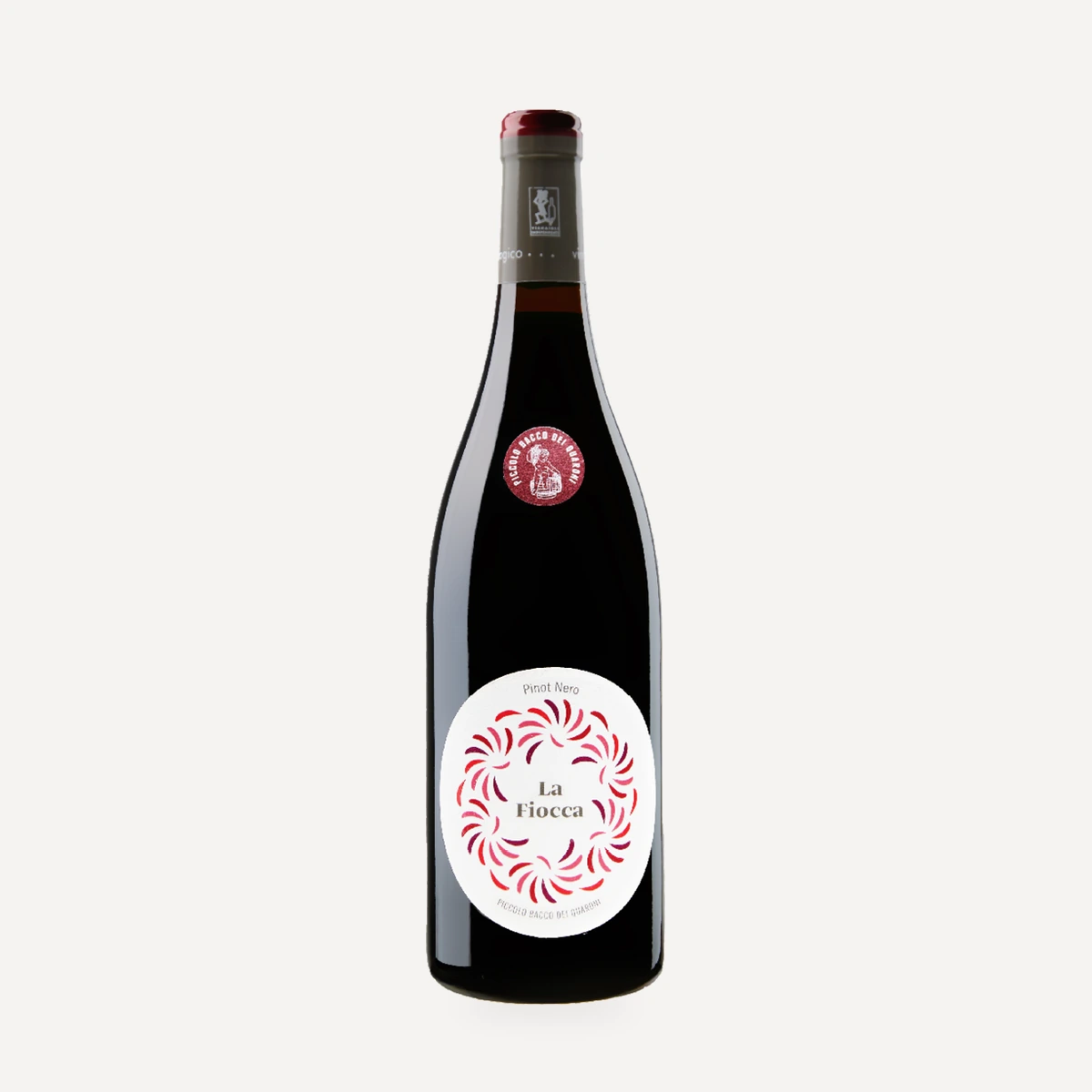
La Fiocca
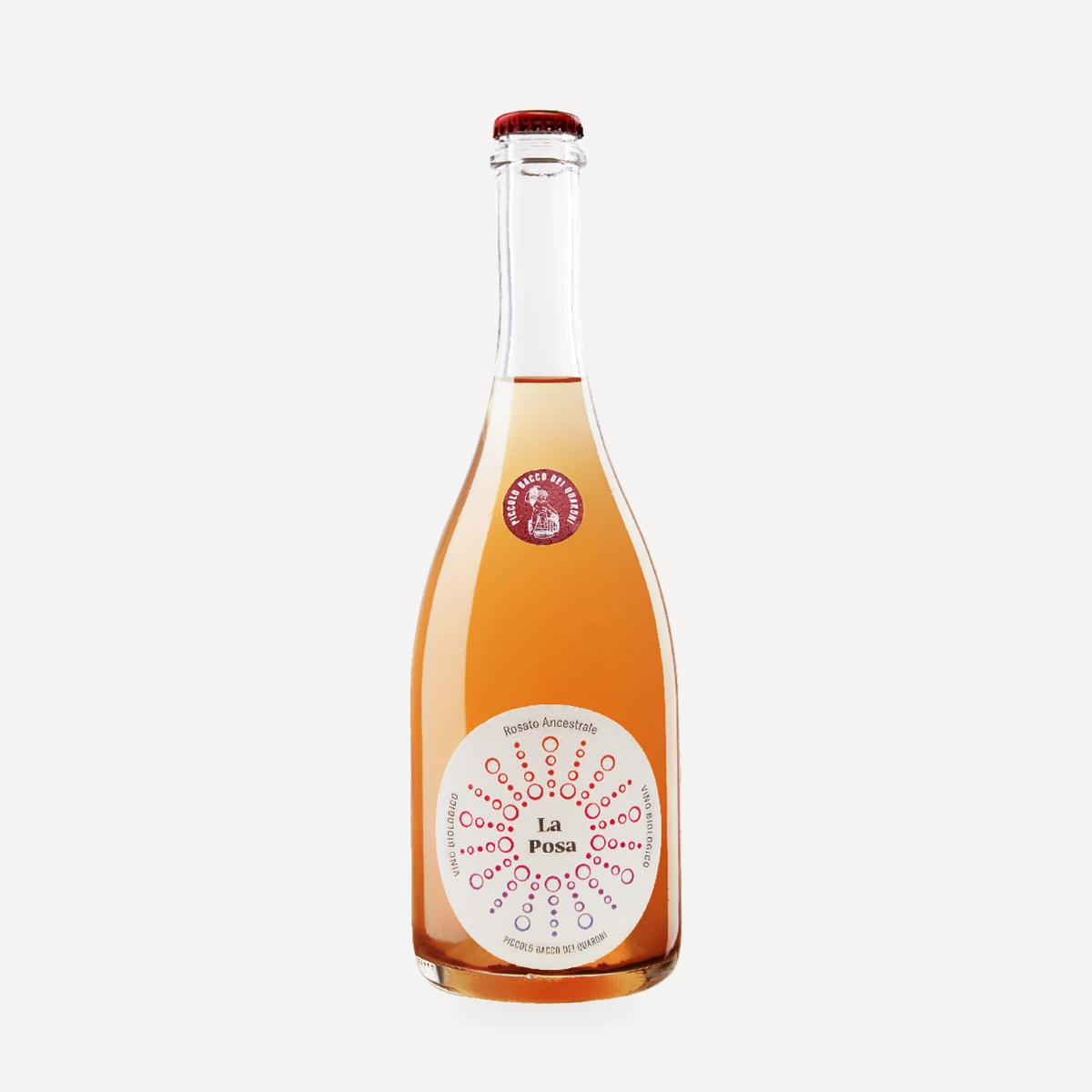
La Posa
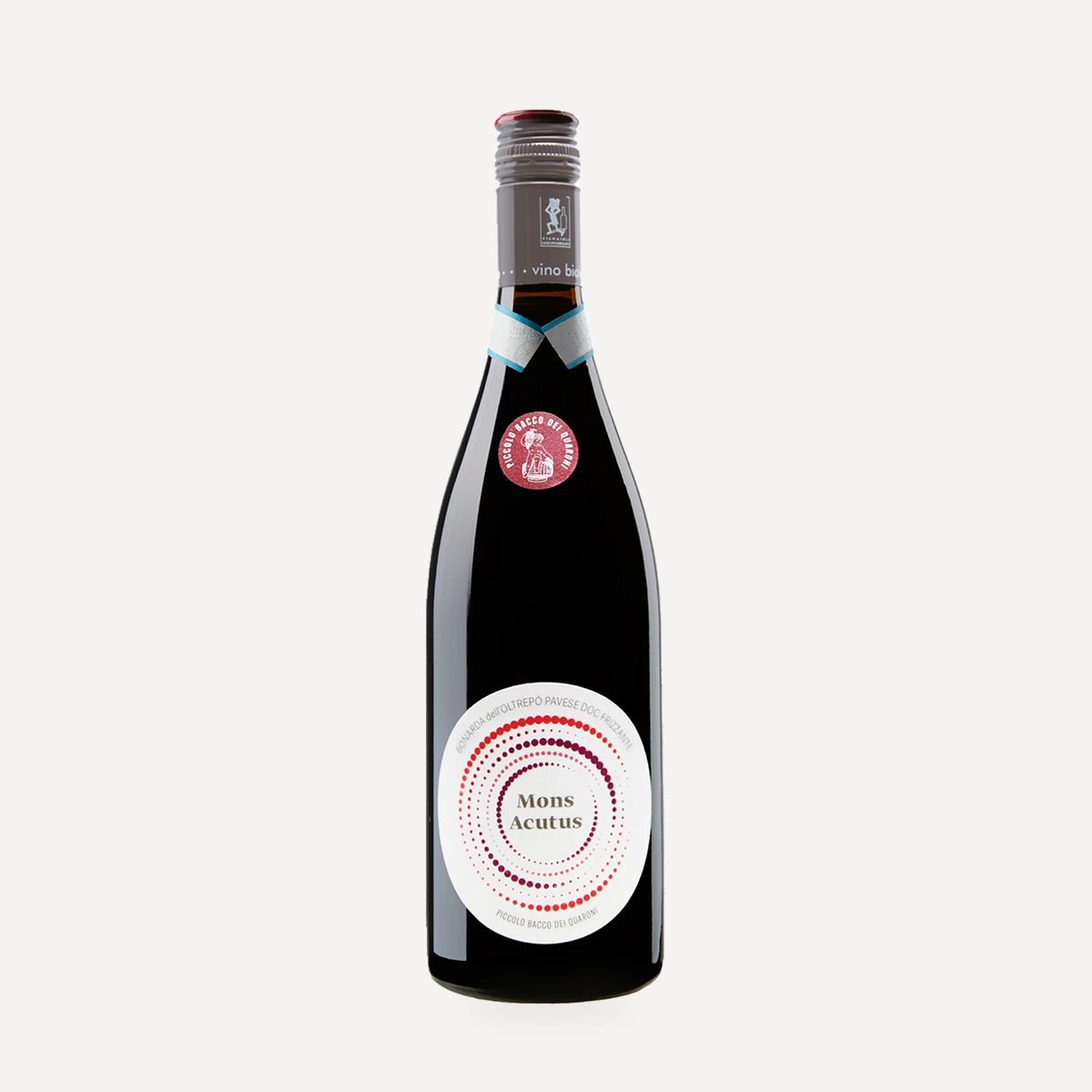
Mons Acutus
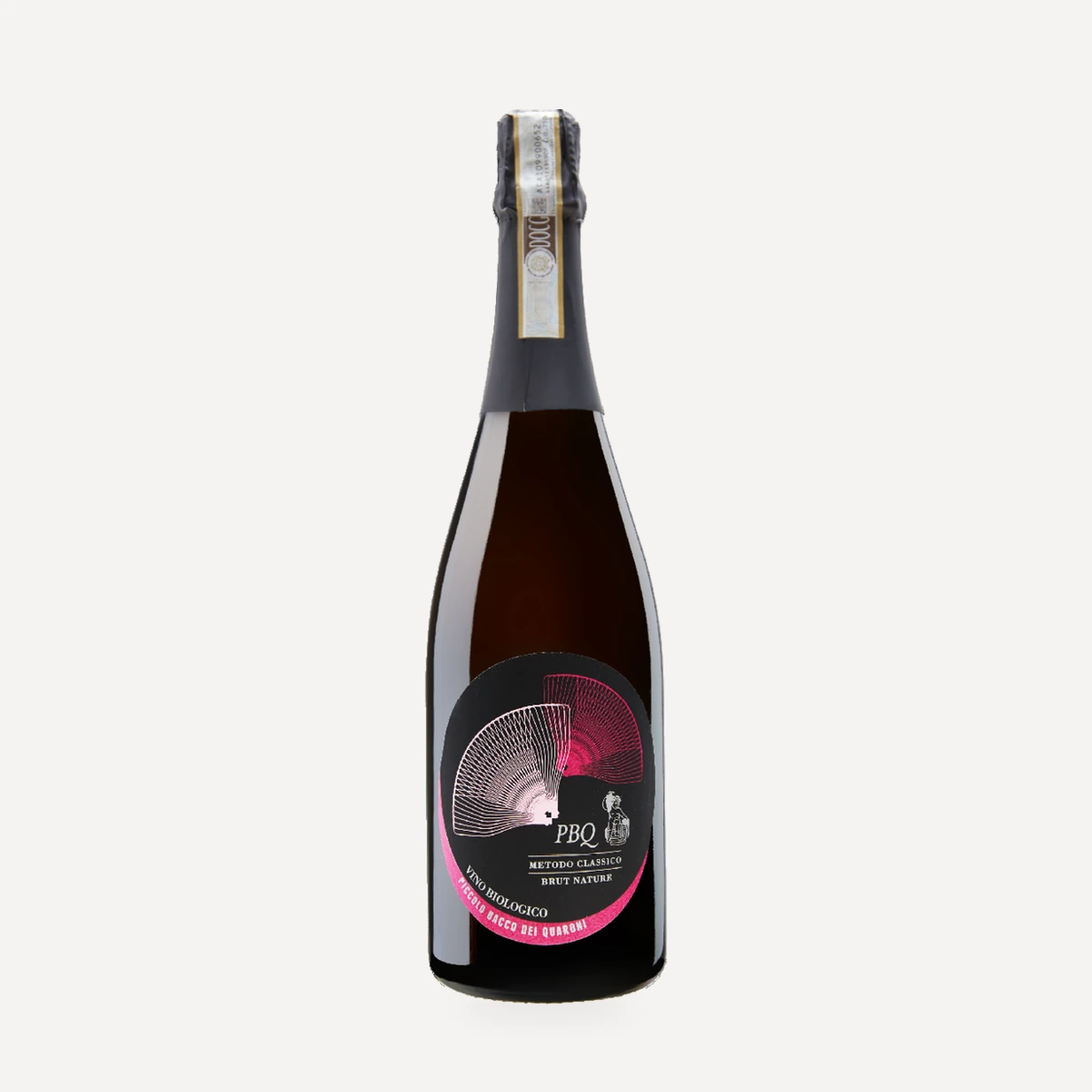
PBQ
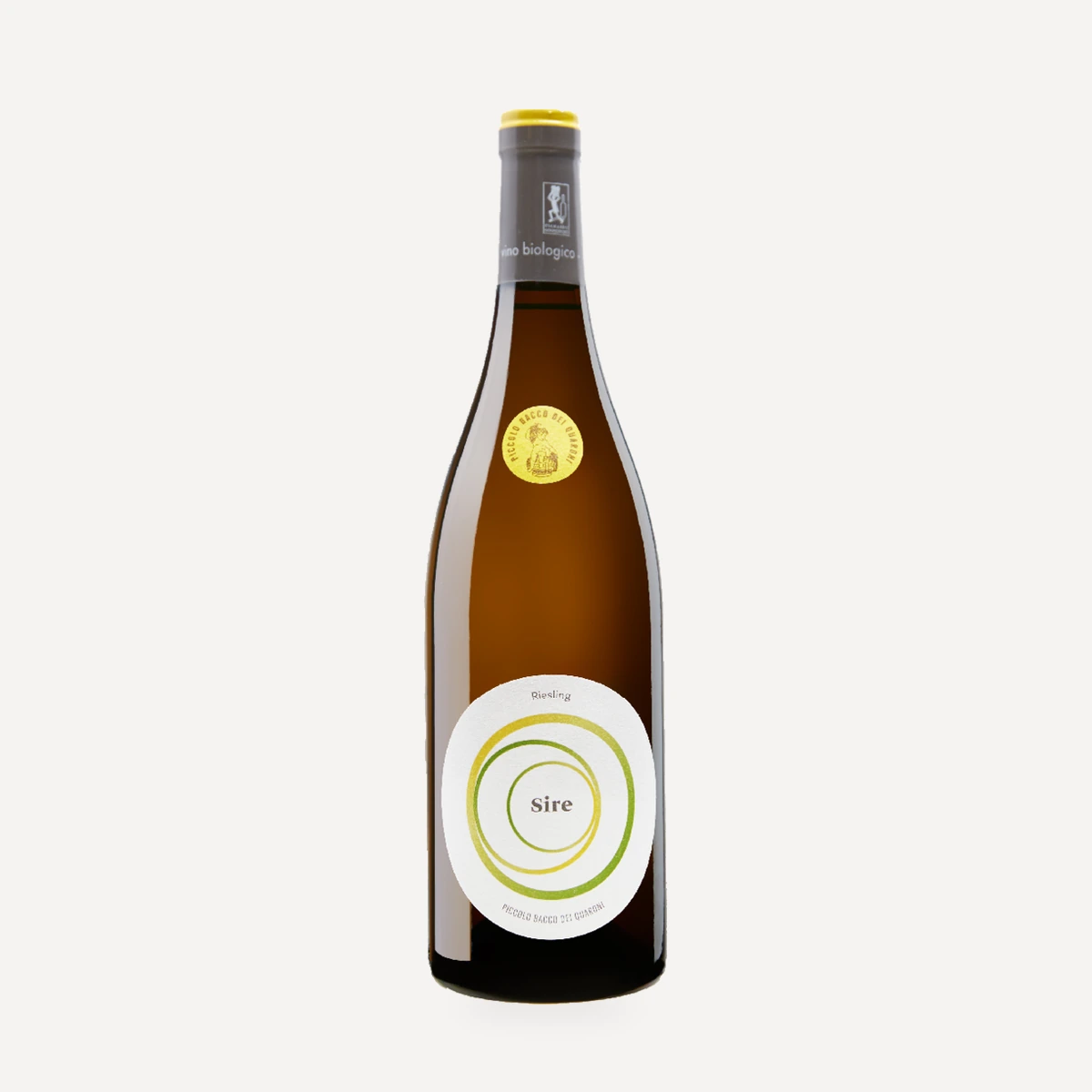
Sire