Storia
Family vineyards and foundation
Pico Maccario grew from vineyards belonging to Carlo, the grandfather of brothers Pico and Vitaliano Maccario. United by an attachment to their home territory, the brothers used those family holdings as the foundation for a new estate and subsequently expanded them.
The winery was established at Mombaruzzo in 1997. Pico and Vitaliano chose a modern approach from the outset, applying it both to vineyard management and to production. Expansion soon brought the contiguous vineyard property surrounding the winery to 100 hectares. Its compact layout shortened the interval between picking and processing and was intended to preserve the physical condition of the harvested grapes.
Development of the estate and identity
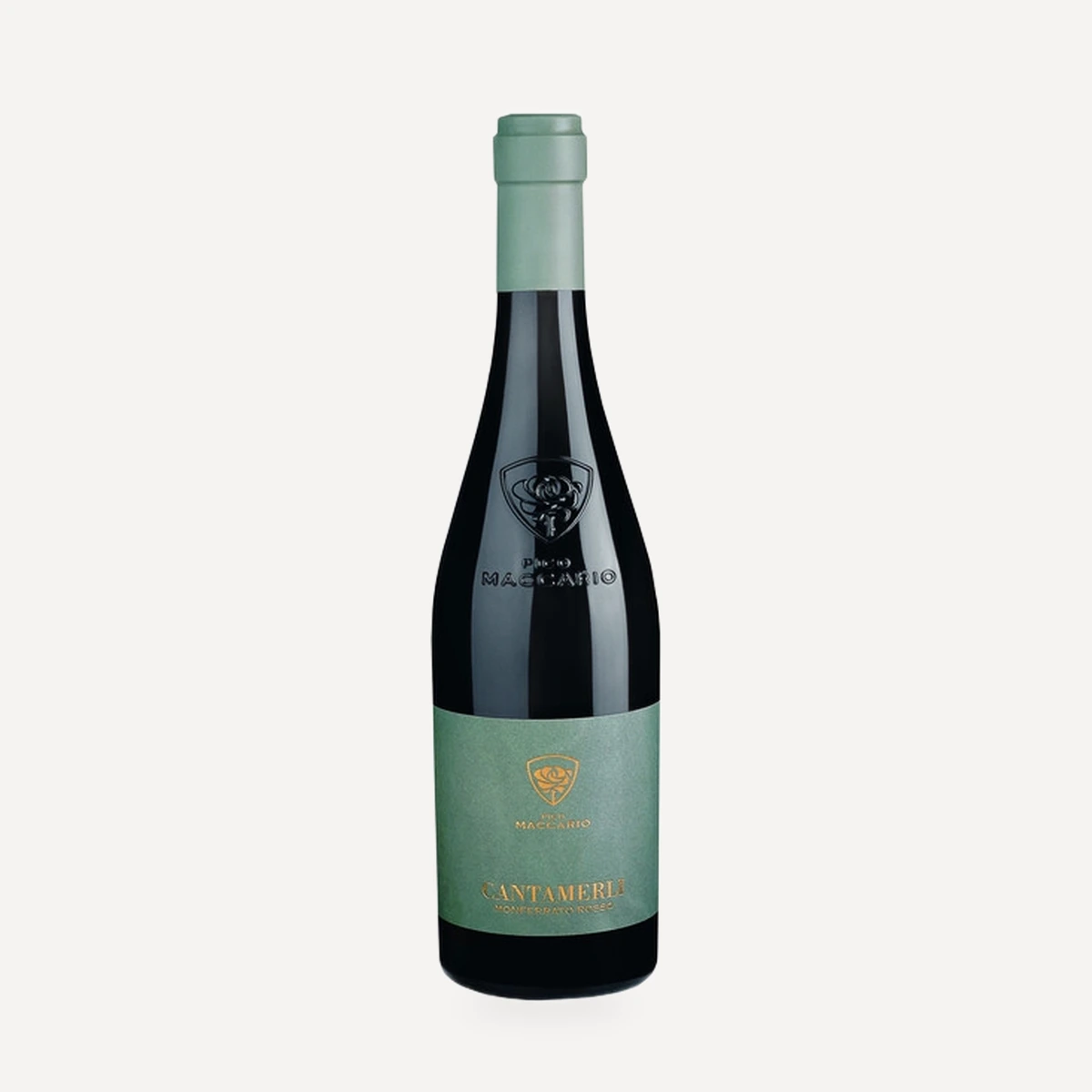
The rose became the estate emblem. Designer Sergio Bianco created a logo in which a rose sits within a shield shaped like an equilateral triangle with curved sides, evoking the upper part of a wine glass. The name is arranged over two lines beneath the shield to form the visual base of the glass, while the traditional typeface recalls rose thorns.
Roses were also planted at the beginnings of the vineyard rows. They marked the rows and served the traditional practical purpose of showing symptoms of diseases that might subsequently threaten the vines. Colored pencil-shaped posts were later introduced along the vineyards and became another defining element of the estate’s visual identity.
2010: development of rosé production
In 2010, the team began considering Barbera as the basis for a fresh, aromatic rosé retaining the variety’s acidity. The initial trials produced a deeper color than desired because there was hesitation about shortening skin contact. The estate’s oenologist experimented with reducing contact to only a few minutes, obtaining a paler pink color together with greater aromatic intensity and freshness. By the 2018 vintage, Lavignone Rosato had become the winery’s second-best-selling label.
Territorial expansion
The estate subsequently extended its activity beyond the original Mombaruzzo property. Its present holdings exceed 100 hectares and encompass vineyards in Monferrato, while Nebbiolo is cultivated in the Langhe communes of Neive, Serralunga d’Alba and Barolo. The Barolo holdings include Cannubi. The current range also incorporates fruit from the Gavi area.
2014–2025
A responsive digital platform designed for mobile devices went online in November 2014. In the same year, the winery participated in Collisioni and the 23rd Merano WineFestival, and its wines were selected for international Alitalia services and Frecciarossa trains.
In 2025, Pico Maccario became part of ONIWINES, the wine project controlled by the Veronesi family. The change placed the winery within a broader group while its identity continued to be associated with the Maccario brothers, its Mombaruzzo production site and its vineyard-led approach.
Terroir
Monferrato and Mombaruzzo
The winery stands at Mombaruzzo in the province of Asti, in southeastern Piedmont. Its principal Monferrato vineyards form a contiguous holding around the cellar. The landscape is characterized by gentle, elevated hills and clay-rich, medium-textured soils.
The interaction of climate and landform is presented as central to the area’s suitability for vines. Barbera is particularly associated with these soft Monferrato hills and withstands both winter cold and summer heat. The clay and medium texture of the soils underpin the estate’s objective of producing balanced wines while retaining the original character of the fruit and its place of origin.
Langhe
Nebbiolo vineyards are cultivated in Neive, Serralunga d’Alba and Barolo. The Barolo holdings include Cannubi, whose documented name dates to 1752. The Langhe soils associated with the estate’s Barolo and Barbaresco production originated during the Miocene. They are compact and finely textured, characteristics linked with elegance and an extended capacity for evolution.
Vinificazione
The principal Monferrato vineyards are arranged in one contiguous property around the winery. This configuration minimizes the time required to move harvested fruit to production and is intended to preserve grape condition.
More than 5,000 roses grow around the estate. Roses mark the beginnings of rows and continue a farming practice in which their early susceptibility can warn of diseases that may later affect vines. Approximately 1,000 colored pencil-shaped vineyard posts supplement the row markers.
Vineyard work is framed around research, technological innovation and careful supervision of every operation, while retaining practices grounded in tradition. No organic, biodynamic or other farming certification is identified.
Production combines modern equipment and research with close control of individual processes. The stated objective is to protect the fruit’s original characteristics while pursuing the highest attainable quality.
Depending on the intended result, maturation takes place in stainless steel, large wooden casks, tonneaux or barriques. The choice of vessel is treated as a means of preserving fruit identity rather than imposing a uniform cellar style.
Rosé development provides the clearest account of experimental cellar work. Beginning in 2010, Barbera was tested as the basis of a fresh, aromatic wine with pronounced acidity. Initial concern about drastically shortening maceration gave way to trials by the oenologist. Reducing contact between juice and skins to only a few minutes produced the desired pale pink color and maintained aromatic intensity and freshness.
No estate-wide specifications are given for crushing, fermentation temperatures, yeast regime, malolactic fermentation, clarification, filtration, sulfur use or bottling.
Filosofia
Pico Maccario presents modernity as a working principle in both vineyard and cellar. Its quality objective depends on coordinated work from the vines through production, supported by research and appropriately calibrated technology.
At the same time, the estate treats innovation as compatible with tradition rather than its replacement. Every procedure is to be studied, followed professionally and adapted to the material at hand. Maturation vessels are selected with the aim of respecting the fruit’s original traits, and the finished wines are intended to retain the characteristics of their grapes and vineyard origins.
The brothers’ shared attachment to their home territory underpins the family narrative. Color, contemporary design and unconventional packaging add a separate communicative layer: the pencil posts, multicolored cases and reusable pencil-shaped containers translate the vineyard identity into objects designed to be retained and displayed.
Vini
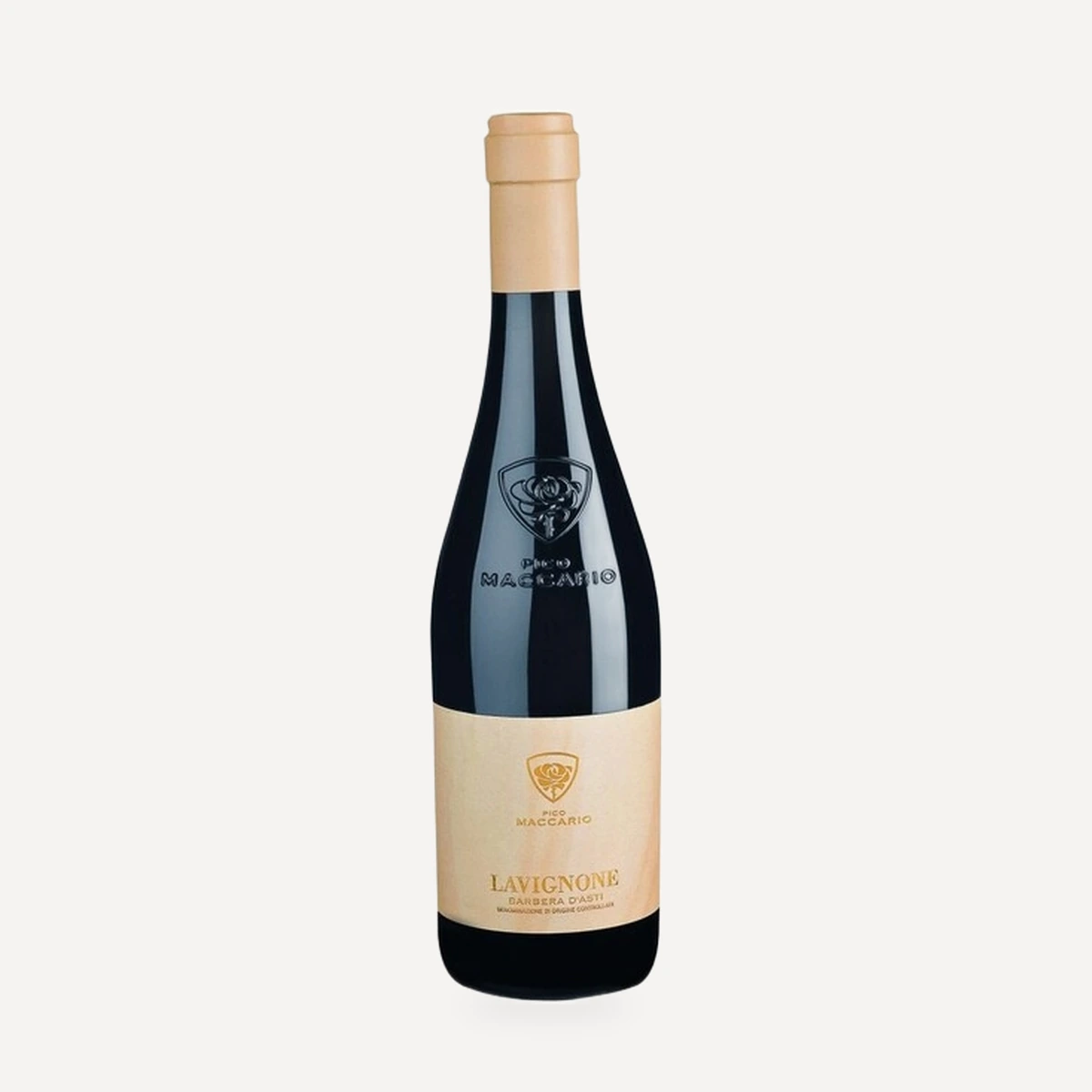
Barbera d’Asti Lavignone DOCG
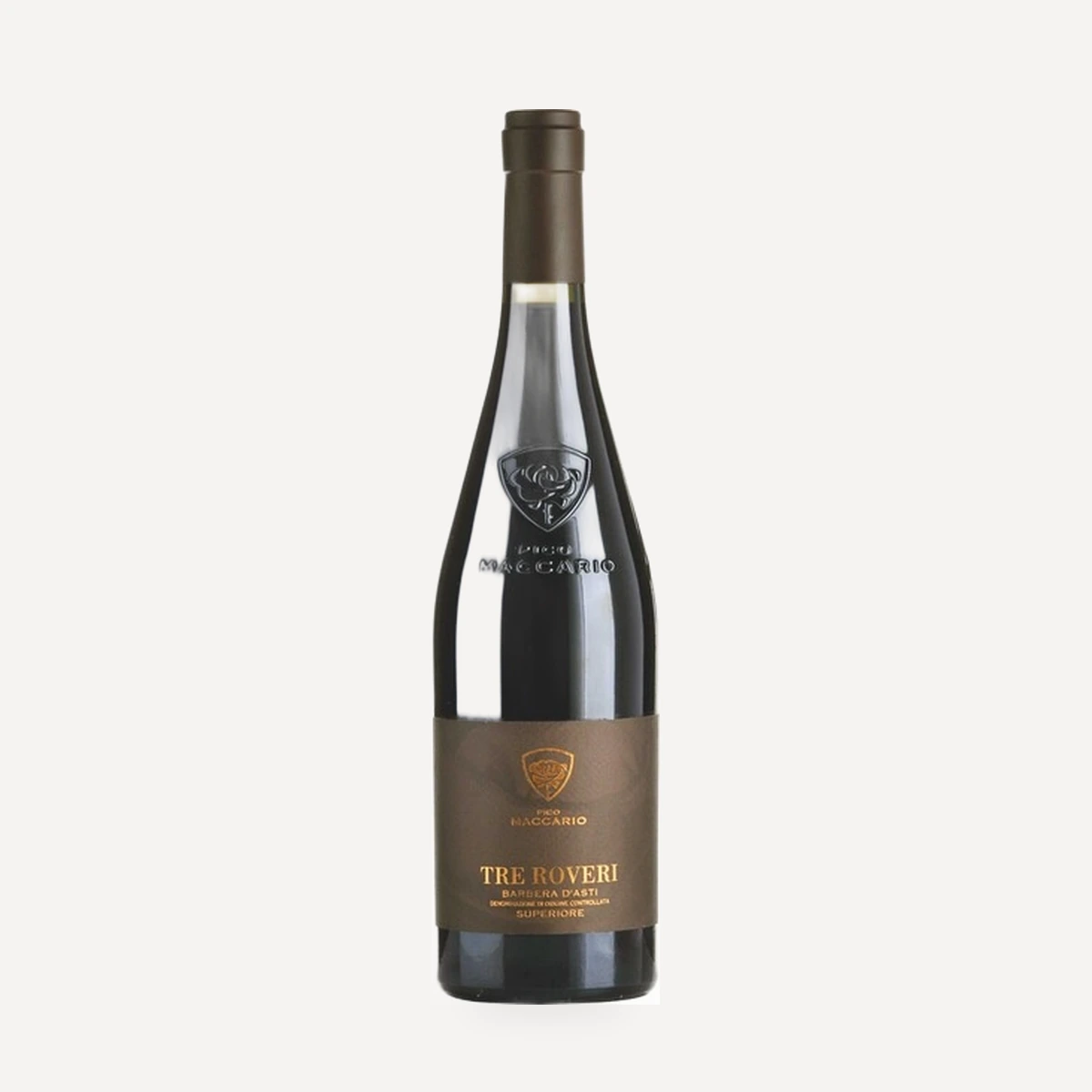
Barbera d’Asti Superiore Tre Roveri DOCG
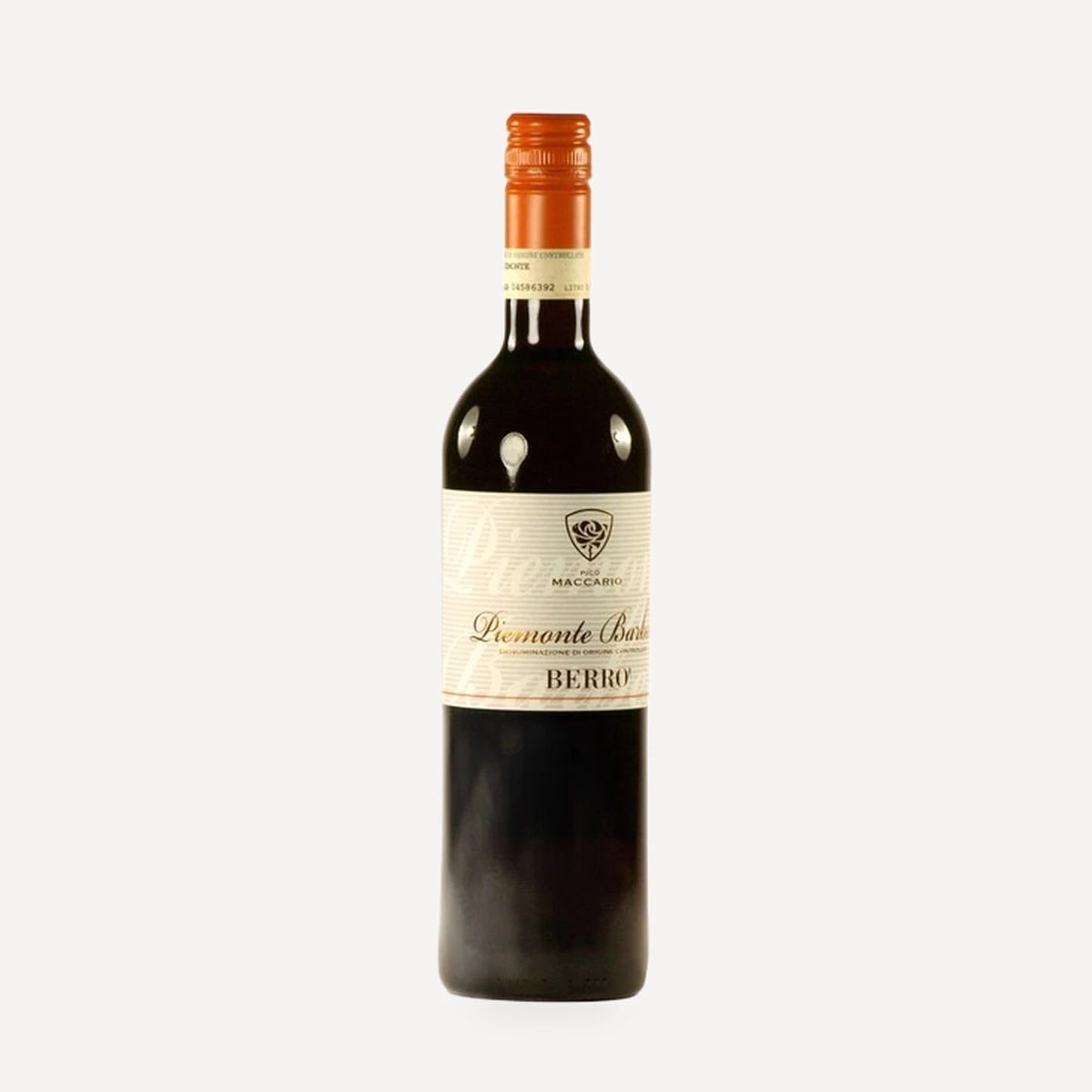
Berro Barbera Piemonte DOC
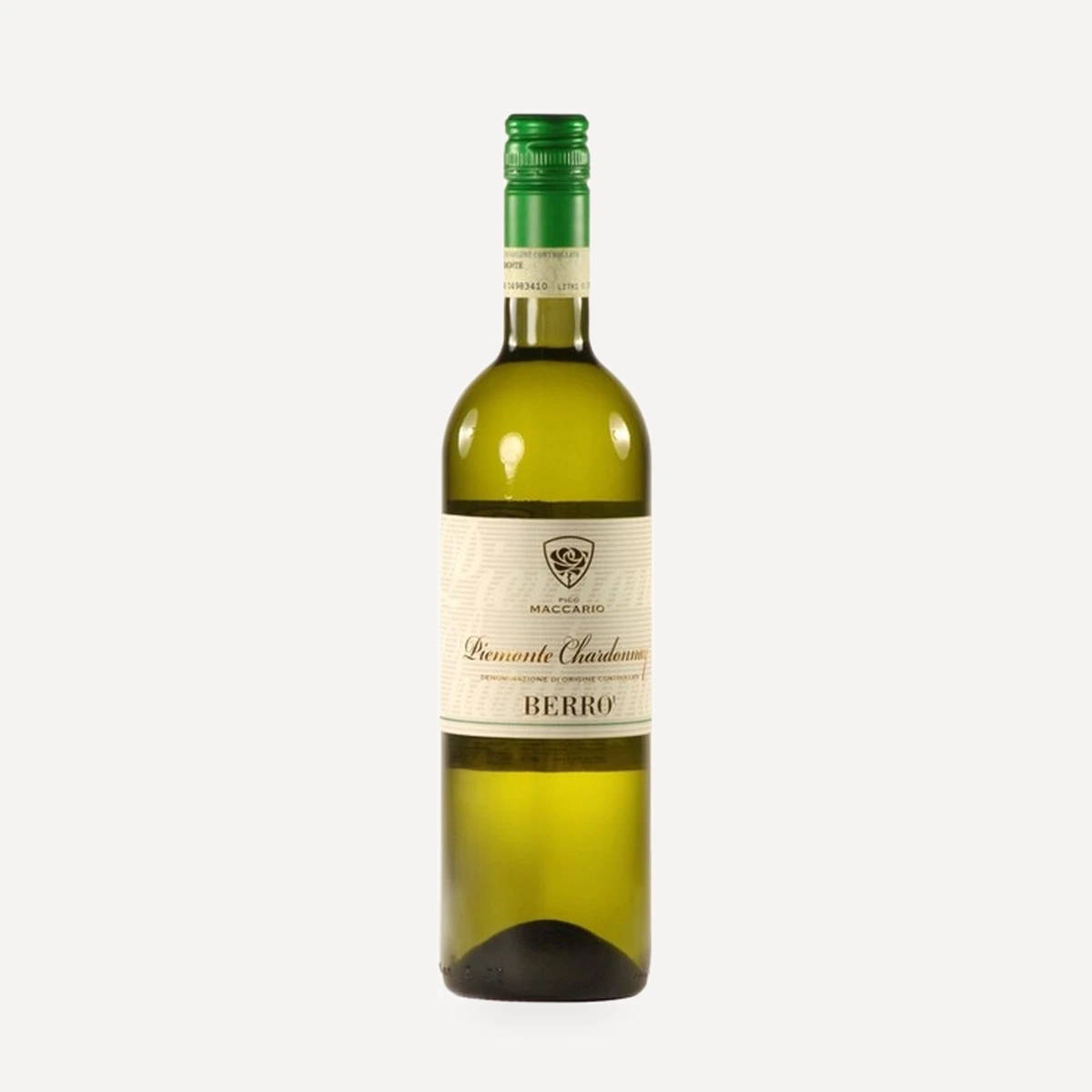
Berro Chardonnay Piemonte DOC
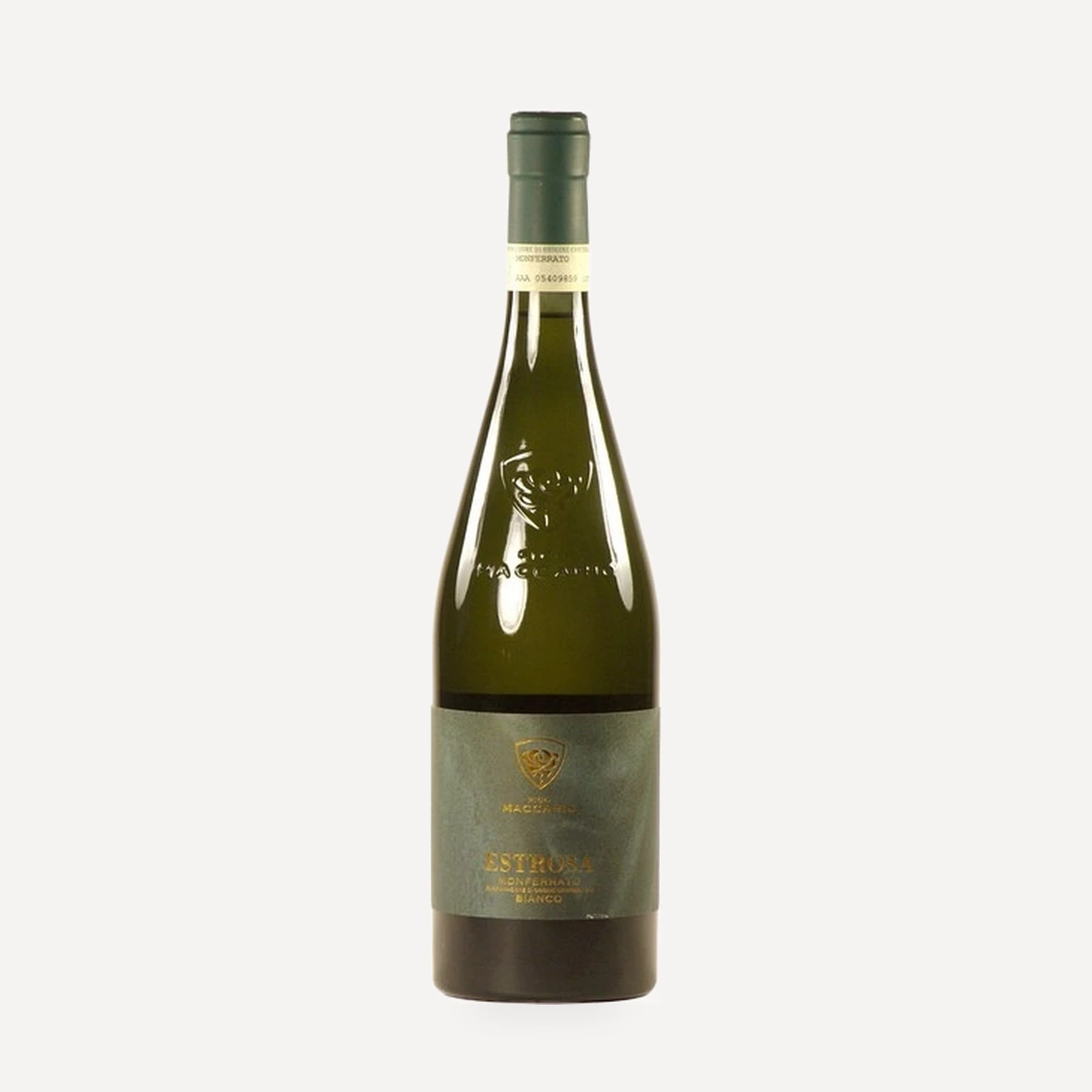
Estrosa Bianco Monferrato DOC