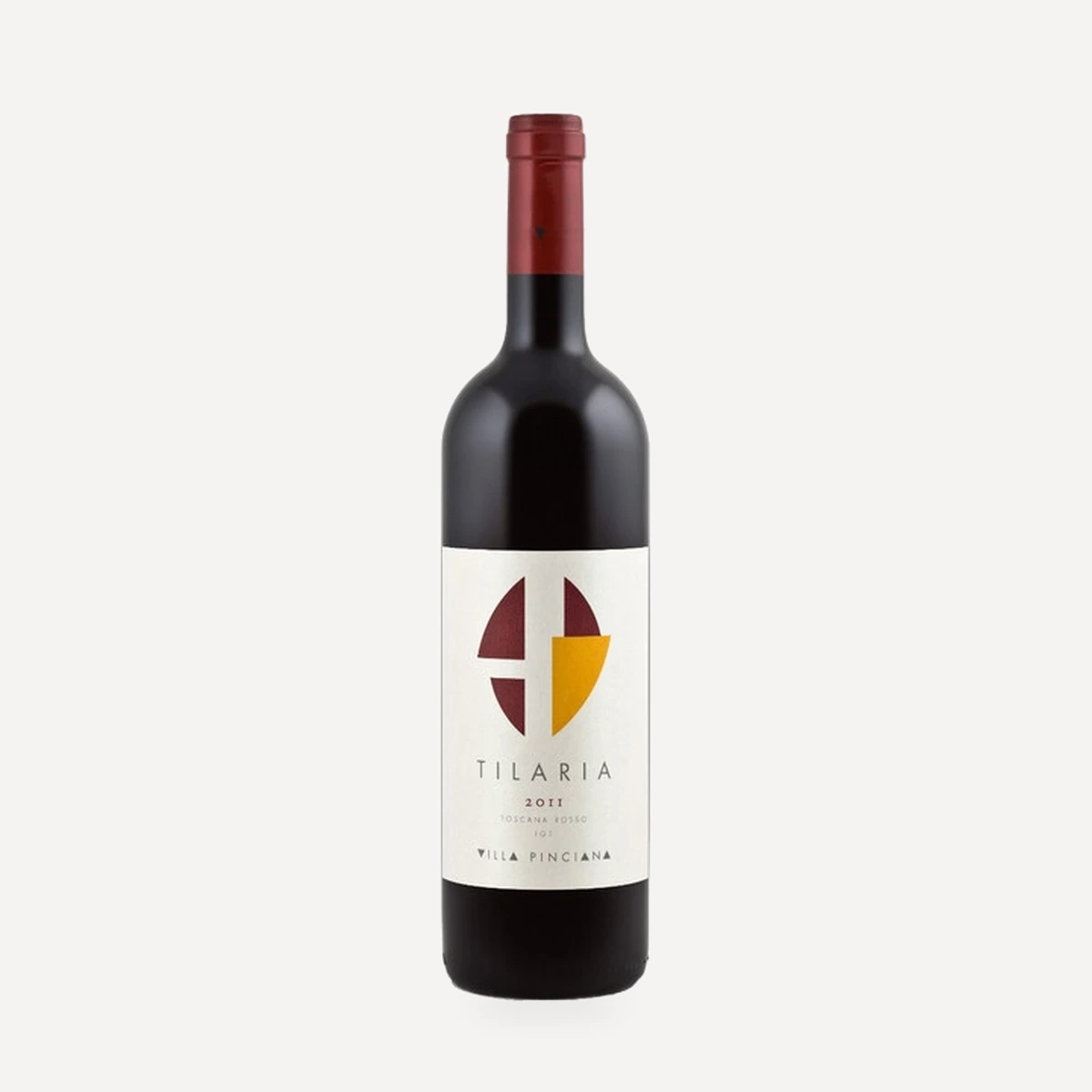
Storia
Ilaria Pietromarchi’s roots and the estate project
Ilaria Pietromarchi grew up between Rome and the familiar landscapes of the Maremma, marked by holm-oak woods, myrtle scrub and pine forests. She graduated in Statistics in Rome, continued her studies in Economics in the United States and subsequently moved to London.
After marrying Massimo Tosato, Pietromarchi developed the project that became Villa Pinciana. Their ambition was to establish a wine-growing estate in a place tied to family affections and memories, producing quality wines with an international outlook. The enterprise brought Pietromarchi back to the Maremma landscape that had formed part of her childhood.
2003: establishment of the vineyards
Planting began in 2003. Nine hectares of vineyard took shape under the guidance of oenologist Paolo Caciorgna and agronomist Edoardo Pastorelli. The plantings combined Tuscan varieties—Sangiovese, Pugnitello and Vermentino—with Cabernet Sauvignon, Cabernet Franc, Petit Verdot and Syrah. Viognier is also grown among the estate’s white varieties. Sangiovese and Cabernet Sauvignon form the principal plantings.
Construction of the winery
A purpose-built winery was subsequently completed with modern technology intended to permit continuous control of production. Its barrique cellar and maturation rooms were constructed inside the hill, providing temperature and humidity conditions suited to the evolution of the wines. The estate characterizes its output as deliberately limited in quantity and directed toward quality.
Terroir
Villa Pinciana lies on the hills of Capalbio at the southern edge of Tuscany. Its vineyards and olive groves descend toward the Tyrrhenian coast from a small hill below the castle of Capalbio. The vines face the sea while the hills of the Maremma provide protection behind them. The estate landscape looks toward the profile of Monte Argentario, with the walls of Capalbio and the Torre di Burano also visible.
Elevation, relief and light
The vineyards stand at approximately 100 metres above sea level and occupy pronounced slopes. All of the vines grow on the estate’s small hill, which receives intense light from early morning until late evening. Each variety is assigned a sector of the hill whose exposure is considered best suited to it.
Maritime and summer conditions
The hilly climate is influenced by cool winds that moderate summer heat, while the vineyards’ orientation toward the Tyrrhenian coast ensures persistent maritime ventilation. Summers can nevertheless be very hot and dry, with peaks reaching 40°C and an absence of rain during August and September.
Soils
The soils have a medium texture and a significant clay component, together with a good supply of calcium-bearing material. Their abundant stony skeleton has a sandy-silty texture. Organic matter is scarce, while potassium is well represented. This combination produces a loose, well-oxygenated soil structure rather than a compact one.
Vinificazione
A regularly maintained grass cover extends throughout the vineyards. In addition to protecting the appearance of the landscape, it serves as an agronomic tool for controlling production. Varieties are positioned on different sectors of the hill according to the exposure judged most appropriate for their characteristics.
Vineyard work includes meticulous pruning. Harvesting is performed exclusively by hand, followed by grape selection both in the vineyard and again at the winery. The estate’s stated development objective is to improve quality from year to year while eventually extending the planted vineyard surface to 15 hectares.
The purpose-built winery uses modern technology for continuous monitoring of production. A barrique cellar and maturation rooms are embedded within the hill, where temperature and humidity provide suitable conditions for the evolution of the wines. The equipment and cellar design are intended to handle the grapes with care.
Grapes are harvested manually and selected first in the vineyard and then at the winery. Small barriques selected in Bordeaux form part of the cellar program. The overall approach calls for limited intervention during vinification rather than unnecessary manipulation.
Production decisions are treated as a connected sequence: soil management and microclimatic conditions are considered in relation to vine growth; these observations inform harvest timing and the harvesting system; cellar technology and blending decisions complete the process. Coordination among the winegrower, cellar worker, oenologist and owners is intended to preserve continuity from grape to wine and allow the distinguishing characteristics of the terrain to emerge.
Filosofia
Villa Pinciana was conceived around three connected ideas: quality wine, international ambition and an enduring personal relationship with the Maremma. For Ilaria Pietromarchi and Massimo Tosato, the location belongs to the landscape of family affection and memory rather than functioning merely as a production site.
The production philosophy seeks balance among terrain, microclimate, vine growth, harvest timing, cellar technology and blending. It also emphasizes close understanding among the owners, winegrower, cellar worker and oenologist so that decisions remain coherent from vineyard to finished wine.
The estate pursues incremental improvement from one year to the next and favors limited intervention in vinification. Its interpretation of Maremma is expressed through the combination of locally rooted varieties with international grapes. Traditional and modern approaches are presented as complementary: the project draws upon the older cultural identity of the territory while relying on contemporary winery technology and precise production monitoring. Quantity is intentionally limited in favor of the estate’s quality objectives.
Vini
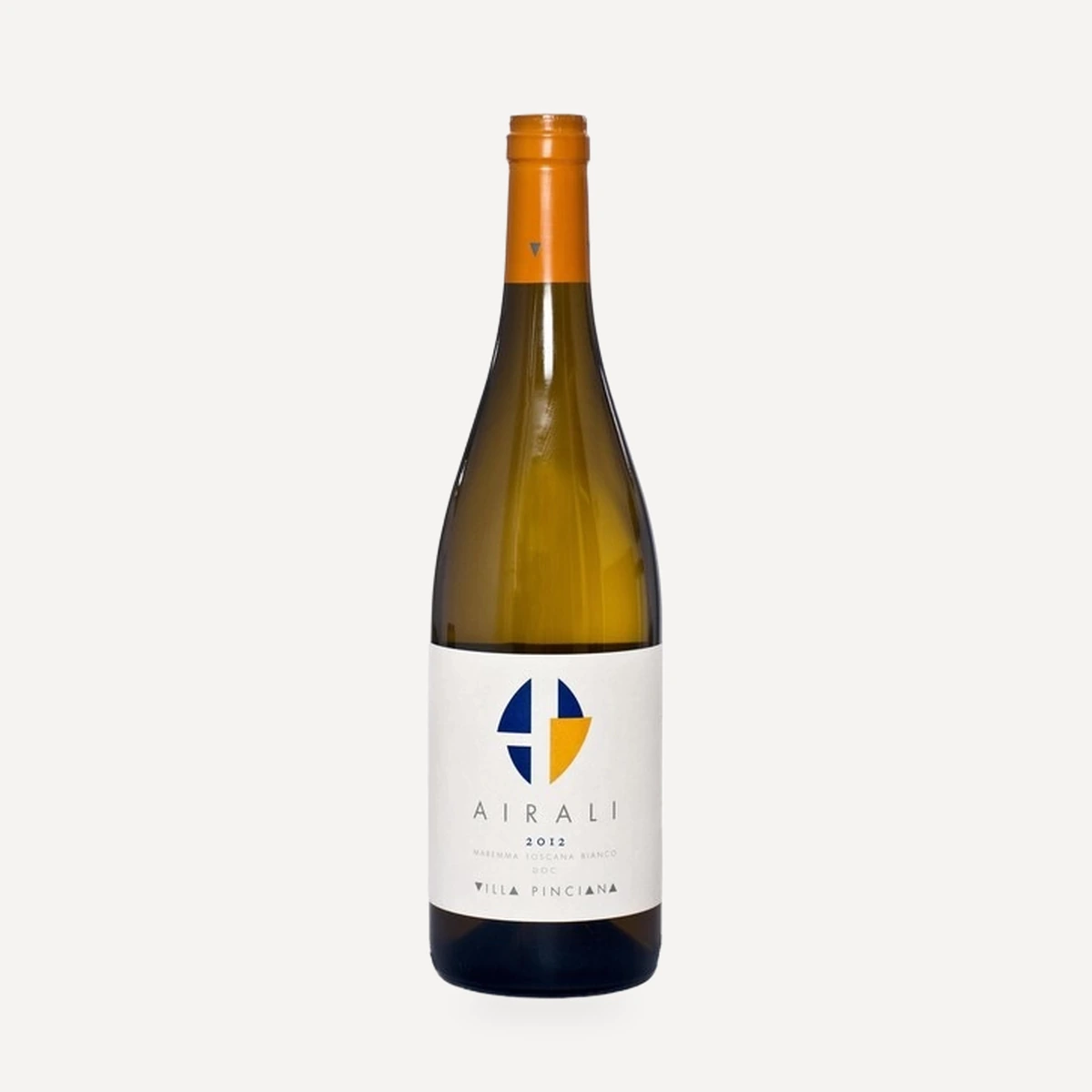
Airali