Storia
Since 1956
Tenute Bruni has operated as a family winery since 1956. Its work developed around two Maremma properties, Tenuta del Grillese at Poggio La Mozza in the municipality of Grosseto and Tenuta di Sticcianese in the municipality of Campagnatico.
Over the ensuing decades, the family accumulated experience in both vineyard cultivation and cellar management. Its approach joined inherited local teachings with modern agronomic and oenological practices, supporting production for the Italian and international markets.
The contemporary range draws on the two estates and encompasses Morellino di Scansano DOCG, Montecucco Rosso DOC and Maremma Toscana DOC. The estate identifies Vermentino and Montecucco wines as central elements of its production, alongside Sangiovese-based reds.
Terroir
Tenute Bruni lies in the Maremma Toscana, between the territory associated with Morellino di Scansano and that of Montecucco. Its vineyards are distributed between the Grosseto area, including Poggio La Mozza and Grillese, and the Campagnatico area, including Sticcianese and Arcille.
The vineyards receive abundant sunlight and are influenced by maritime winds arriving from the Tyrrhenian Sea. This combination of sun and coastal air is presented as a defining environmental influence on the estate's grapes.
The two principal properties occupy distinct production areas. Tenuta del Grillese supplies grapes from Poggio La Mozza and Grillese in the municipality of Grosseto, while Tenuta di Sticcianese supplies fruit from the Campagnatico side of the operation.
Vinificazione
Fruit for the range is selected from the best grapes grown in the estate vineyards. All vineyard specifications identify cordone speronato, or spur-pruned cordon, as the training system.
In the Grillese Vermentino vineyards, a lower-yielding clone was chosen for its more clearly expressed varietal character. Short pruning limits vigour and controls crop quantity. Harvest dates are determined by ripeness and, across the documented range, extend from late August through the final week of September.
The estate couples inherited cultivation knowledge with modern agronomic practices. No named organic, biodynamic or other environmental farming certification is attached to the vineyards.
Tenute Bruni bases production on selections of the best fruit from its estate vineyards, joining inherited cellar practices with modern oenological technology.
Red-wine production
Red grapes undergo crushing and destemming followed by temperature-controlled maceration. The documented protocols use daily pump-overs: gentle crushing-destemming is specified for some lots, while others receive pump-overs with and without aeration through the end of fermentation. One Sangiovese protocol extends maceration for approximately 15 days to favour the extraction of colour and aromatic compounds.
The red wines mature in stainless-steel tanks before bottling. Documented total maturation periods in steel and bottle range from six to eight months. Some wines are bottled during the year following harvest and then stored horizontally in steel baskets. Horizontal bottle ageing allows controlled evolution through the cork's limited exchange with the surrounding environment.
White-wine production
Vermentino is vinified as a white wine, with fermentation in stainless-steel tanks at a controlled temperature of approximately 18°C. Maturation continues in temperature-controlled stainless steel before bottling.
Across the range, stainless steel is the sole maturation vessel identified; no barrel, amphora or concrete ageing is specified.
Filosofia
Tenute Bruni frames wine as the meeting of land and human work. Its stated objective is to express the Maremma and its viticultural inheritance while producing wines suited to contemporary and international markets.
Equal attention is given to vineyard cultivation and cellar management. Tradition is not treated as an alternative to technology: inherited teachings are combined with modern agronomic and oenological practices. The family connects its present work with the dedication of earlier generations and describes continued improvement and the pursuit of quality as guiding aims.
The wines are intended to convey their place of origin, particularly the sun and Tyrrhenian maritime influence of the Maremma. Seasonal variation is acknowledged in the Vermentino vineyards, where rainfall and the course of the growing season can alter ripeness, aromatic expression and certain sensory characteristics.
Vini

TerraDei Montecucco DOC

Morellino di Scansano

Pian del Vasco Maremma Toscana Rosso

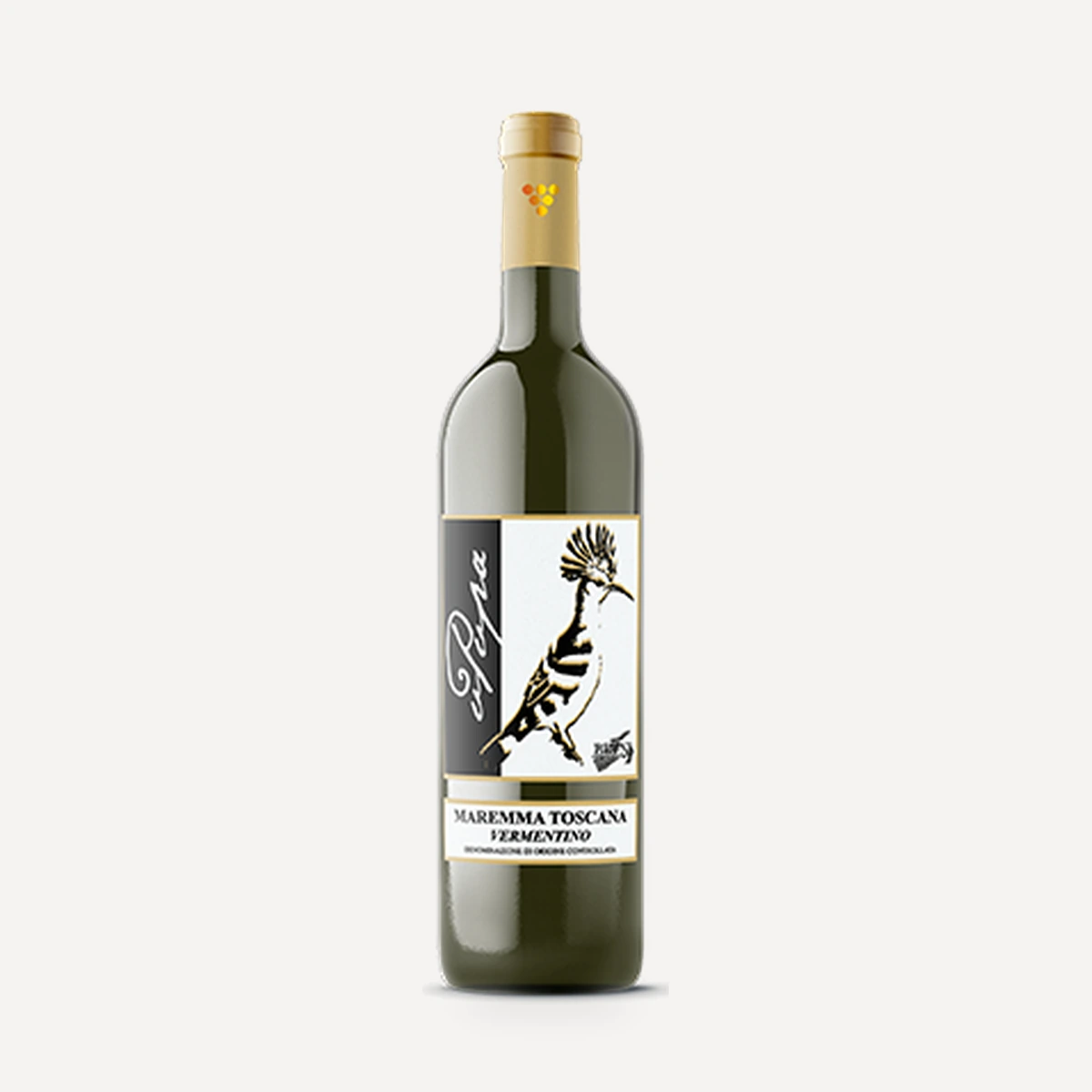
Grisella Maremma Toscana Vermentino DOC