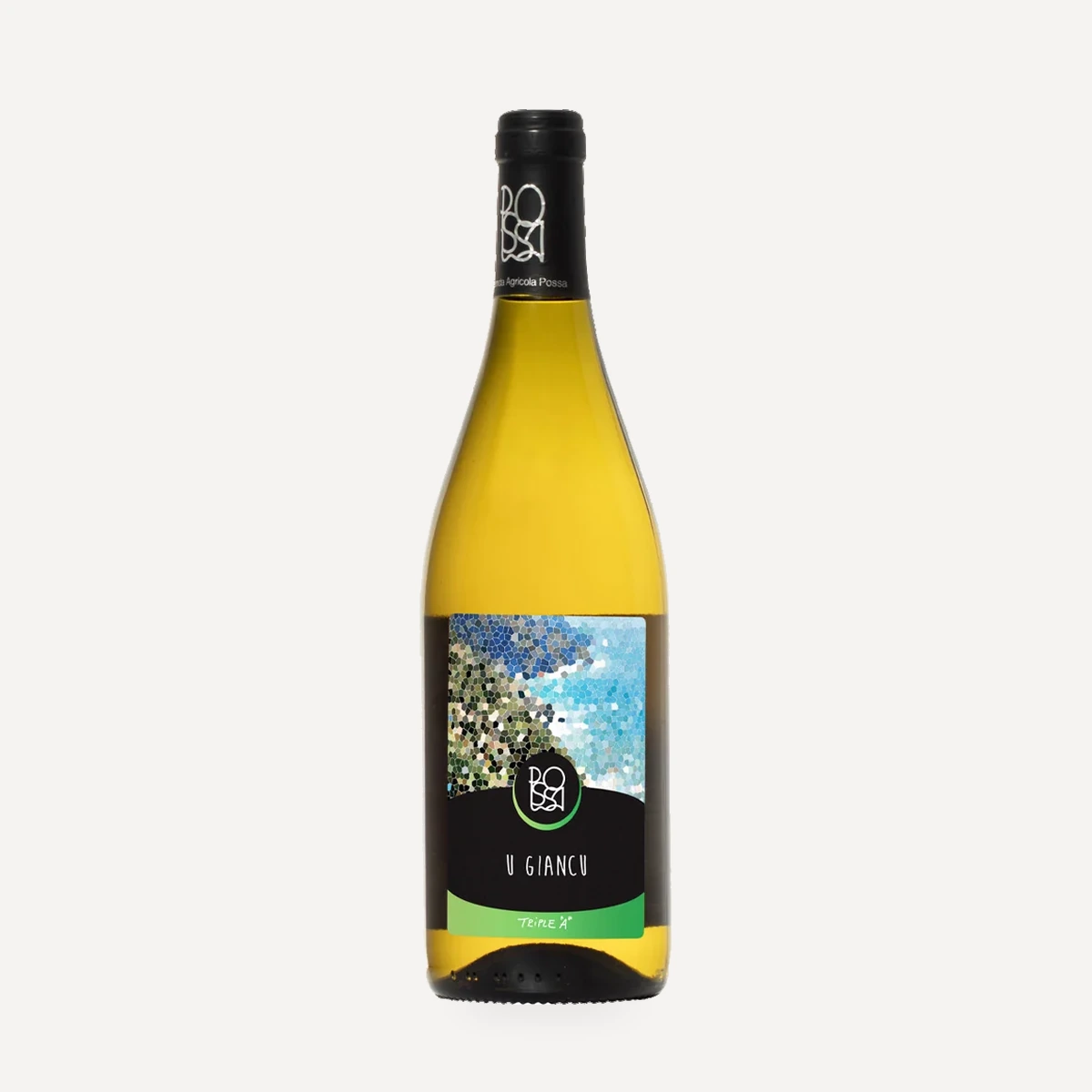
Storia
Founding in 2004
Azienda Agricola Possa was officially established in 2004, when Samuele Heydi Bonanini began recovering abandoned or endangered vineyard terraces around Riomaggiore. He also started vinifying the grapes independently, choosing an approach rooted in local farming traditions rather than standardized winemaking fashions.
The project began with only a few hundred bottles. Its founding purpose was broader than wine production: neglected rows were brought back into cultivation, dry-stone walls were repaired, and old terraces were given a viable future. Wine became a means of preserving both the agricultural landscape and its connection with the Cinque Terre.
Gradual development
Possa expanded step by step while retaining small-scale production. Its vineyards came to include parcels with different elevations and exposures elsewhere in the Cinque Terre Park, as well as a small, isolated vineyard on Palmaria Island. The Palmaria grapes are harvested manually and transported by boat to the winery in Riomaggiore.
The continuing recovery and maintenance of the terraces became an integral part of the estate's work. Winter rains and recurrent landslides require walls to be rebuilt, stones moved and soil returned to places from which erosion has removed it. This work helps keep the slopes cultivated while addressing abandonment, degradation and hydrogeological risk.
Development of the cellar approach
Possa revived the use of wood for both fermentation and maturation, including not only oak but other traditional species. Stainless steel and amphorae were introduced alongside wooden vessels, with the choice determined by the wine and vintage. Spontaneous fermentation with indigenous yeasts became a recurring practice, while sulfur dioxide and filtration were kept measured.
Steam sanitation, careful hygiene and restrained cellar intervention became central to the production model. The estate also adopted renewable energy and sober energy choices, seeking to reduce intrusive treatments and preserve the character developed in the vineyards.
Terroir
Cinque Terre terraces
Possa is based in Riomaggiore, with vineyards extending into other parts of the Cinque Terre Park. The landscape consists of steep terraces descending from woodland toward the sea, supported by kilometres of dry-stone walls. Parcels vary in both elevation and exposure.
The climate is Mediterranean, with mild winters and ventilated summers. The sea moderates temperature extremes and carries saline aerosol into the vineyards. Dry-stone walls retain the soil, slow the movement of water and store daytime heat before releasing it gradually at night.
The Cinque Terre soils are generally loose, rocky and low in organic matter, with substantial sandstone and debris components. Their rapid drainage encourages deep rooting and contributes to balanced vine growth and concentration.
Possàitara
The Possa vineyard, also called Possàitara, forms a steep, terraced amphitheatre above the sea at Riomaggiore. It begins at approximately 150 m above sea level and descends to the shoreline. Its principal exposures are south and southwest, providing intense light for much of the day. Lean, rocky, sandstone-rich soils drain quickly, while constant marine ventilation reduces humidity and the pressure of some fungal diseases.
Palmaria Island
Palmaria lies opposite Portovenere, closing the Gulf of La Spezia. Its vineyard occupies about 3,000 m² among white stone and Mediterranean vegetation. The crumbly white-stone soil differs markedly from the sandstone-based Cinque Terre sites, and its exposure is opposite to that of the coastal vineyards. Sea surrounds the site, wind moves freely across it and salt spray is constant. These conditions slow ripening while helping the grapes retain freshness and delicate aromas.
Vinificazione
Possa describes its work as heroic viticulture because steep slopes, difficult access and narrow terraces make mechanization largely impractical. Rows are reached on foot, by stairs or with small monorails, and baskets are carried on workers' shoulders. Pruning, tying, leaf removal, crop thinning and harvest are all performed manually. The estate also uses mowing, limits yields and undertakes its vineyard work by hand.
The terraces require year-round maintenance. Dry-stone walls are reconstructed manually to retain soil, slow runoff and protect slopes. After winter rain and landslides, displaced stones are moved, walls adjusted and lost soil replaced. Vineyard cultivation therefore also functions as landscape maintenance, countering abandonment, degradation and hydrogeological instability.
Synthetic chemicals have been avoided from the beginning in both vineyard and cellar. Agronomic choices emphasize low impact and restrained treatments. At Possàitara, rapid soil drainage and marine ventilation reduce humidity and the pressure of certain fungal diseases, allowing treatment use to remain very limited.
Harvest logistics are entirely manual. Grapes from the mainland terraces are carried through steep rows, paths, stairways and monorail-served sectors. On Palmaria, the grapes are hand-harvested, loaded onto boats and transported by sea to Riomaggiore. Possa connects this work with the preservation of vineyard soils, biodiversity and dry-stone walls.
Small-volume cellar
The Riomaggiore winery is a compact working cellar organized for close attention to small volumes. Stainless-steel tanks are used for direct, tension-focused vinifications. Casks and barriques made from different woods serve for selected fermentations and maturation, while amphorae provide texture without adding the aromatic imprint of wood. Oak is not the only wood employed; other traditional species are also used. Vessel selection changes according to the wine and vintage.
Fermentation and intervention
Fermentations are often spontaneous and rely on yeasts present on the grapes and in the cellar. Some native white varieties are vinified with light skin contact to build structure and depth while retaining freshness. For Sciacchetrà production, selected grapes are dried slowly, followed by long fermentations and patient maturation.
Intervention is reduced to essential measures. Forceful clarification is avoided, filtration—when used—is restrained, and sulfur dioxide is applied cautiously where required. Each tank, cask or amphora is followed individually rather than subjected to a uniform schedule.
Hygiene, energy and bottling
Steam is used to sanitize tanks, pipes and surfaces, reducing dependence on aggressive cleaning chemicals. Careful hygiene is intended to provide a neutral working environment and lessen the need for subsequent corrections. Renewable energy and restrained energy choices form part of the cellar approach.
Bottling takes place without haste, after each lot has reached the required technical balance. Bottles then rest horizontally in the cellar until release.
Filosofia
Possa's guiding idea is to return life to the Cinque Terre terraces and give vulnerable vineyards a future. Wine is understood as the outcome of human work, time and landscape rather than a product constructed to meet a standardized model. Each bottle is intended to remain connected to a particular slope, path and cultivated row.
The estate defines wine as a responsibility toward its territory. Maintaining vineyards, soils and dry-stone walls is inseparable from production because continued cultivation helps resist abandonment, erosion and hydrogeological instability. The long-term aim is to preserve this fragile landscape for future generations.
In the cellar, the principle is to accompany rather than correct. Cleanliness, spontaneous fermentation, carefully measured sulfur dioxide and restrained filtration are used to support transparent wines with minimal intervention. Steel, wood and amphora are treated as functional vessels rather than stylistic devices, with each selected to give a wine the appropriate environment for development.
The wines are not intended to conform to a uniform style. Possa prioritizes freshness, salinity, mineral tension and energetic drinkability, interpreting sea, stone and light through different varieties and cellar vessels. The team combines technical cellar work, intimate knowledge of the terraces, commercial relationships and hospitality around a common objective: preserving the landscape and making wines faithful to the environment outside the cellar.
Vini
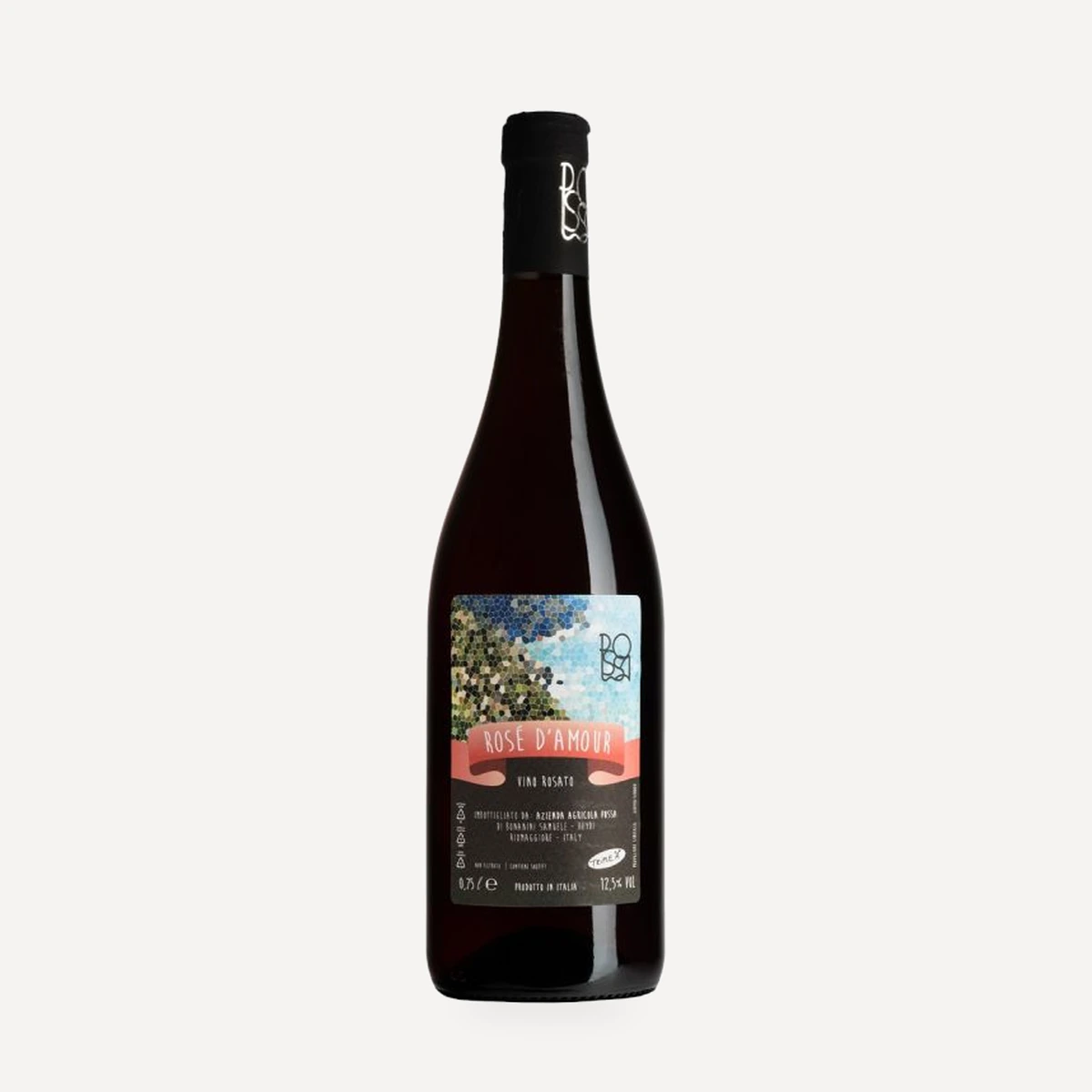
Rosé D’Amour