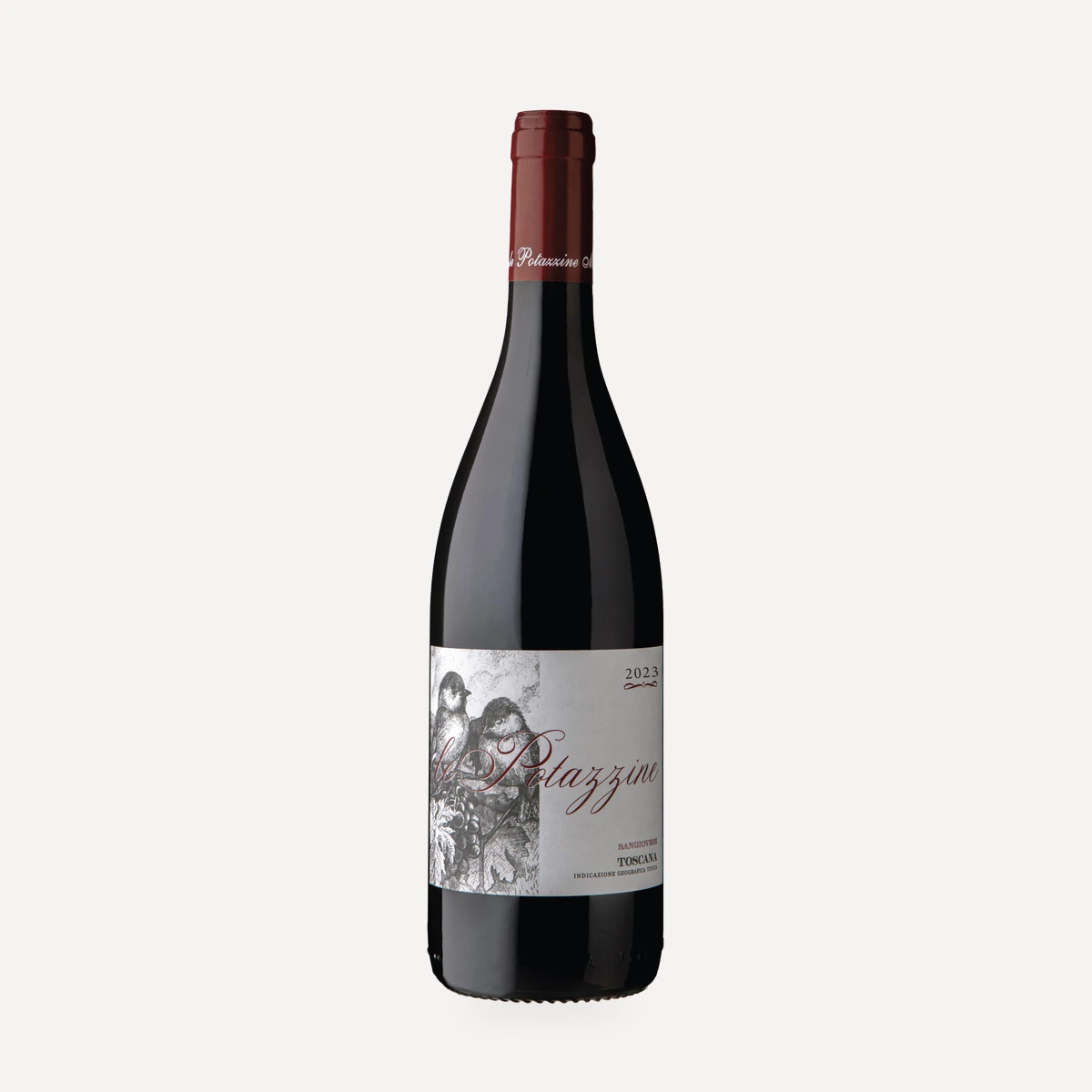
Questo vino
Vineyard and terroir
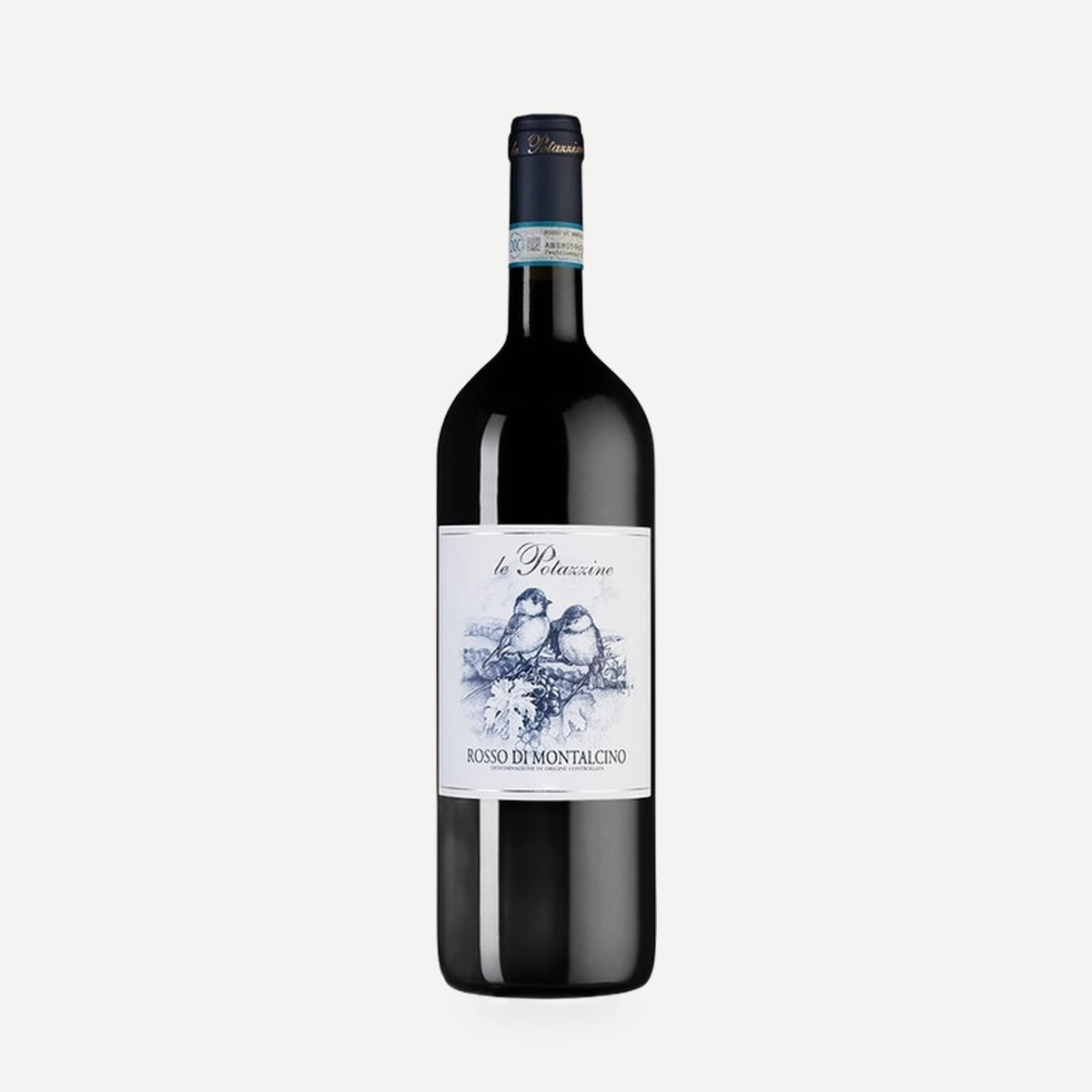
The certified-organic Sangiovese is grown in estate vineyards trained to spur-pruned cordon at a density of 5,952 vines per hectare. Their altitude and highly draining soils proved particularly helpful during the wet 2023 growing season. Yield is 55–60 quintals per hectare, equivalent to 5.5–6 tonnes per hectare.
Grapes
100% certified-organic Sangiovese.
Vinification
The grapes attained optimal phenolic ripeness and underwent rigorous selection on a sorting table so that only sound fruit entered the winery. Fermentation begins spontaneously with indigenous yeasts, proceeds without temperature control and can last 30–40 days.
Ageing
The wine matures exclusively in stainless steel for 12 months, followed by approximately four months in bottle before release.
Technical data
- Alcohol: 13.50%
- Training system: spur-pruned cordon
- Planting density: 5,952 vines/ha
- Yield: 55–60 quintals/ha (5.5–6 t/ha)
- Bottle format: 750 ml
Tasting profile
Intense ruby red in colour. Ripe red-fruit aromas lead into a robust yet balanced palate, supported by soft, well-integrated tannins. Its character reflects both its place of origin and a vinification approach intended to preserve that identity.
Serving and pairing
Presented as a contemplative wine suitable for drinking on its own.
Vintage notes
The 2023 season brought an unusually long, rainy spring and consequent downy-mildew pressure. Targeted, timely organic treatments were used to contain it, while vineyard altitude and free-draining soils provided additional help. Production finished approximately 15% below the normal annual level, but the grapes achieved optimal phenolic maturity.