Storia
Origins of the name
The name Radoar dates to the late Romanesque period, around 1300. It means “disc” or “round field,” an etymology that the family connects with the continuously turning wheel of life and the farm’s circular approach to agriculture.
The Blasbichler family
The farm was established by the family’s great-grandfathers and has been worked by the Blasbichler family since the late 19th century. Over successive generations, grapes ripened on its sunny mountain slopes, fruit and chestnut trees formed part of the mixed farm, and its produce was processed by hand into wine, juice and distillates. Traditional viticulture, regional fruit, chestnuts, livestock and the small Buschenschank remained interconnected parts of the farm.
Organic farming from 1997
In 1997, Radoar adopted organic farming. Grapes from the mountain slopes have been harvested and vinified in the farm’s own cellar since that year. The farming model developed around a closed biological cycle linking soil, plants, animals and the wider natural environment. Its practices came to include preparations made with wild-herb teas, diverse shrubs and plants, sown vegetation, farm-made composted fertilizer and attention to natural rhythms such as lunar phases.
Vineyard development
Some of the estate’s vines have been cultivated for approximately 50 years. The Zweigelt source vines are described as more than 30 years old, while individual Kerner and Pinot Noir blocks were documented at 20 and 15 years of age respectively. A high-altitude Riesling block at 830 metres was planted in 2014 and trained on a wire framework.
Fourth-generation stewardship
Edith and Norbert Blasbichler now operate Radoar as the fourth generation of the family. They maintain the mixed organic farm as a circular system encompassing vineyards, old fruit trees, chestnut groves, meadows, livestock, a cellar, distillery, farm shop and seasonal Buschenschank. Norbert also leads farm tours that trace the wines and distillates back through their raw materials and farming methods.
Terroir
Radoar lies in Feldthurns / Velturno, in South Tyrol’s Eisack Valley, at the heart of the sunny slopes between Feldthurns and Klausen / Chiusa. The farm stands directly beside the Eisacktaler Keschtnweg, the 60-kilometre Chestnut Trail running between Bolzano and Bressanone.
The vineyards occupy sunny mountain slopes between 750 and 900 metres above sea level, placing them among the highest vineyard sites in South Tyrol and among the highest wine estates in the Eisack Valley. The estate characterizes these elevated vineyard surfaces as Mediterranean in aspect.
Where geological details are given, the bedrock is Brixen quartz phyllite, rich in mica, quartz and feldspar. The upper soil consists of sandy clay or a sandy-clay glacial moraine. These conditions are documented at the Riesling, Kerner and Pinot Noir source blocks at 830, 800 and 750 metres respectively.
Vinificazione
Radoar’s vineyards have been farmed organically since 1997. The published organic identification is IT BIO 013, with operator code BZ-42652-AB and Italian-agriculture designation.
The agricultural model is conceived as a closed biological cycle between soil, plants and nature. Biological preparations include teas made from wild herbs. Shrubs, other plants and sown vegetation broaden the farm’s species diversity, while a specially prepared natural compost provides fertilizer. Work is coordinated with natural rhythms and cycles, including the phases of the moon, with the stated aims of improving soil quality and fertility and extending the longevity of the vines.
The estate’s broader philosophy also describes the farm as combining traditional viticulture with biodynamic agriculture. This is presented as part of its working philosophy; the formal identification published for the farm is organic.
Grapes are gathered by hand. The Riesling block is harvested in two passes, while Müller-Thurgau and Zweigelt may be selected through staggered harvests according to ripeness. The handling of fruit throughout the farm is characterized as careful, manual and based on simple methods.
Biodiversity extends beyond the vineyards. Old fruit and chestnut trees, wild shrubs, meadows and livestock form part of the mixed farm. Tiroler Grauvieh oxen are kept in an open barn and fed from the farm’s meadows. Their adaptable, undemanding character, size and weight make them suitable for gentle management of meadows and pastures; at other times they graze on the family’s alpine pasture.
Grapes are processed in Radoar’s own farm cellar. The overall approach emphasizes manual craft, simple methods and patience rather than accelerated release.
Fermentation is generally spontaneous. Artificial additives are avoided, while small quantities of sulfur are used to protect the wine against oxidation. The cellar’s broader range of practices includes fermentation in large oak vessels and stainless steel, with some lots remaining on their full or fine lees. The estate’s general maturation description specifies nine months in large oak vessels or stainless-steel tanks, depending on the variety, followed by bottling and at least two years of cellar storage.
Additional cellar practices represented across production include up to 48 hours of skin contact for white grapes, skin fermentation, gentle pressing, aging in acacia, large oak, used 500-litre barrels, concrete and stainless steel, and lees aging. One documented Riesling lot received very moderate sulfur, no fining and no other additives. The precise vessel and maturation sequence varies by grape and cuvée.
Filosofia
Radoar presents the “wheel of life” as the organizing image for its biological farming system: a continuously turning cycle connecting soil, plants, animals, people and nature. Its guiding principles are sustainable craftsmanship, careful use of resources and circular agriculture.
The Blasbichler family identifies honesty, patience, calmness, attachment to its home landscape, respect for manual work and considerate resource use as enduring values. In viticulture, its motto is that good things take time. The intended result is wine that remains unadorned and individual, carrying mineral, fresh and fruit-driven qualities rather than an imposed profile.
Biodiversity is treated as both an ecological practice and a form of stewardship. Traditional vineyards, regional fruit, chestnut trees, livestock, biodynamic methods, hospitality and family life are maintained as interdependent elements of one farm. The family’s stated objective is to deepen practical understanding of nature and preserve appreciation for environmental, plant and animal diversity.
Vini
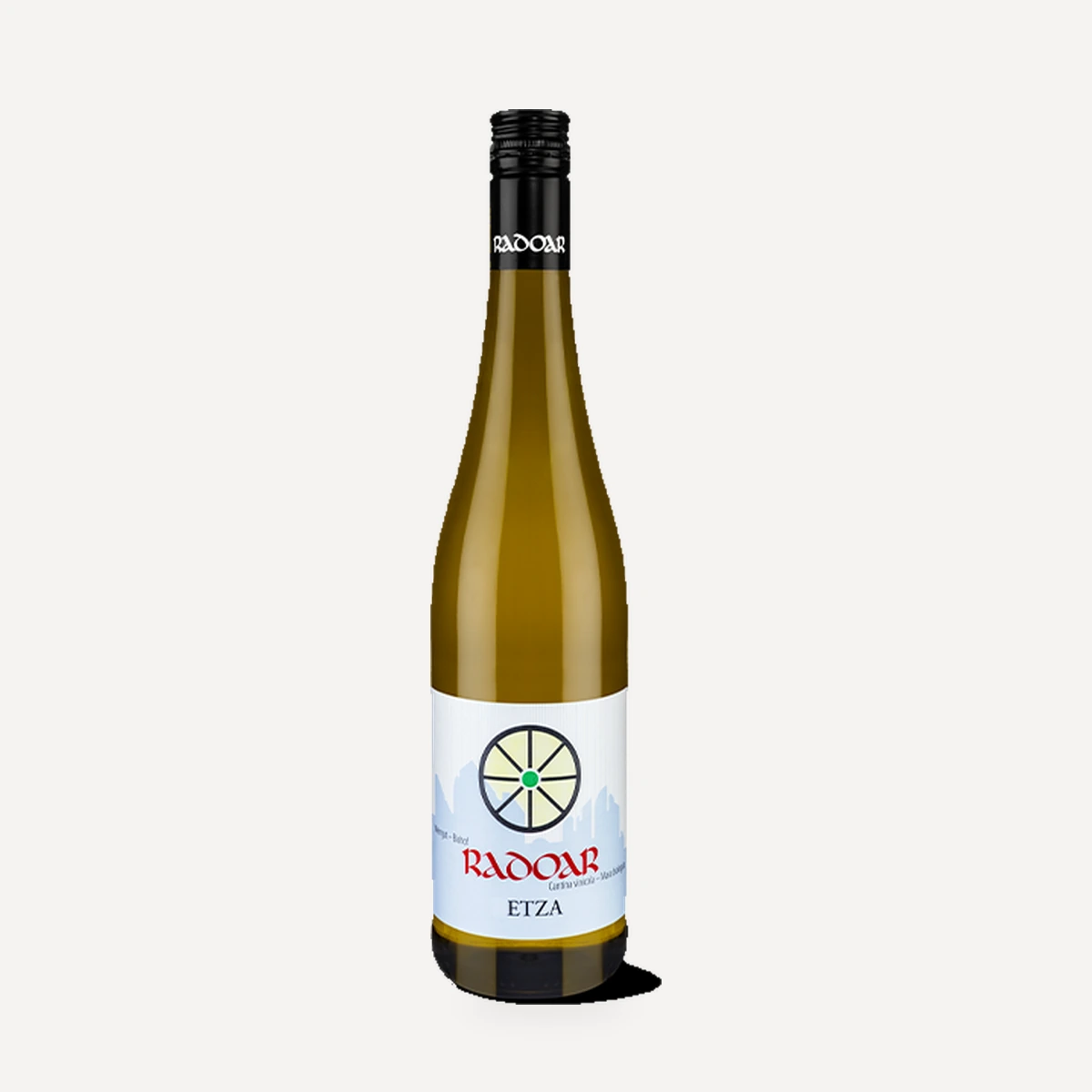
ETZA Müller Thurgau
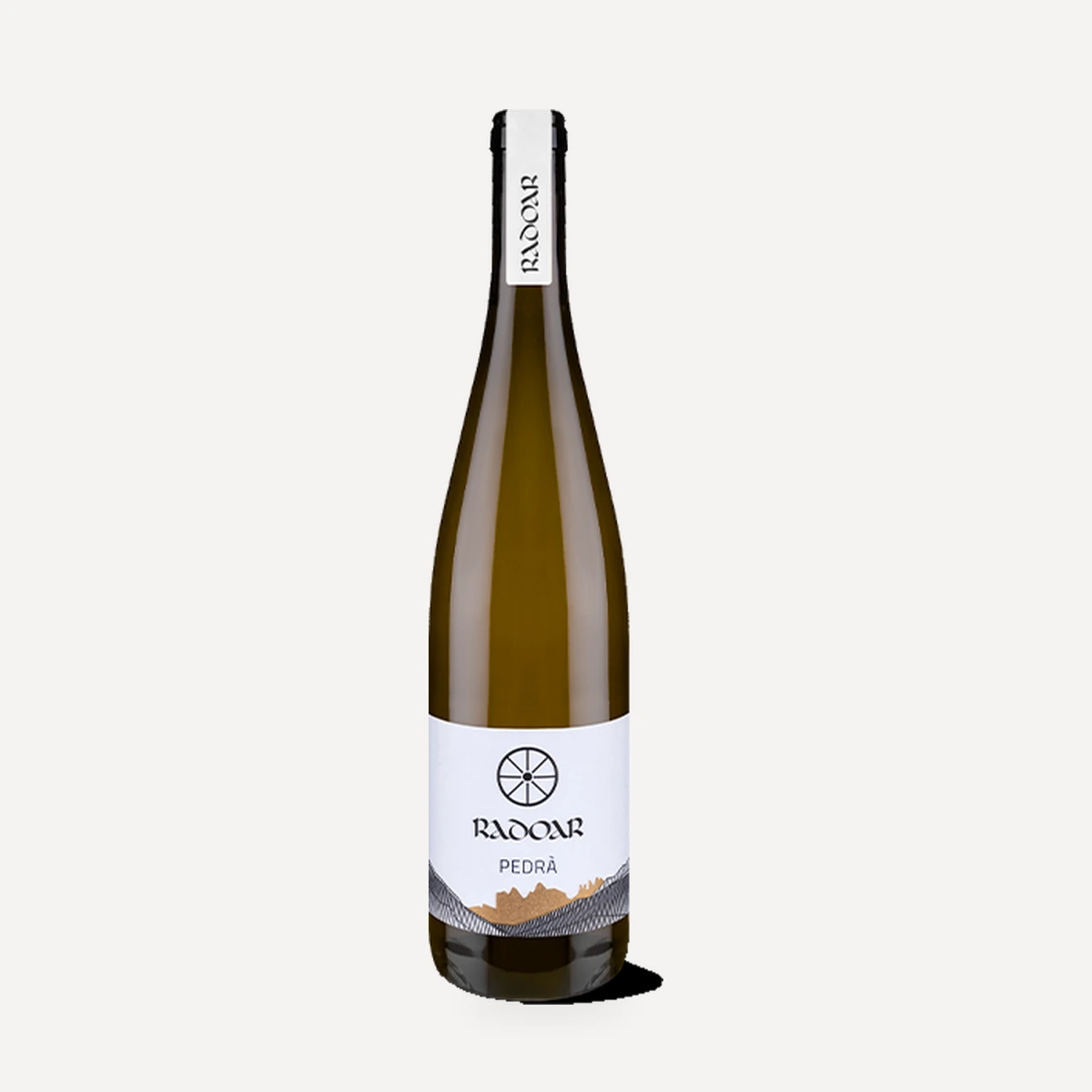
Pedrà
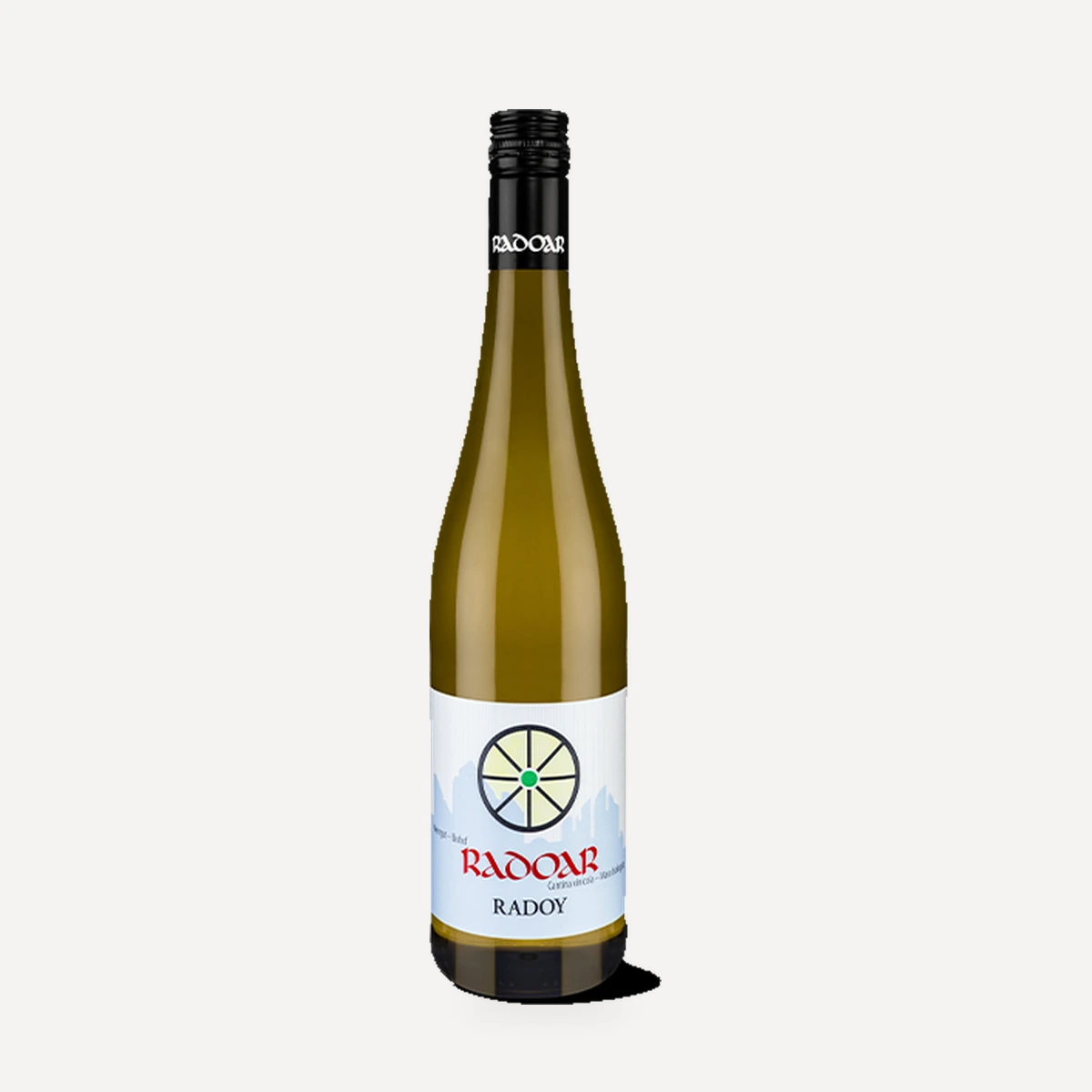
RADOY Kerner
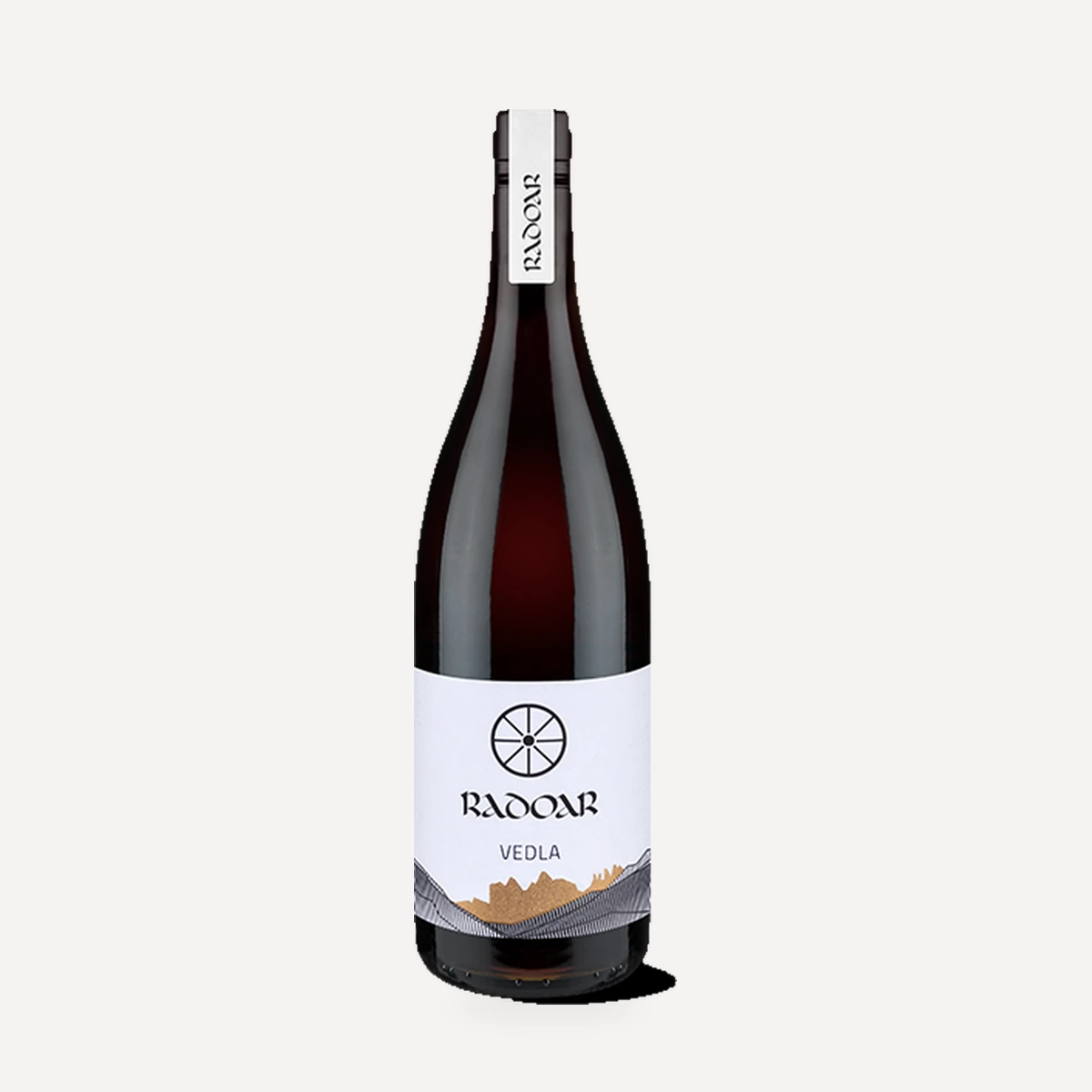
Vedla
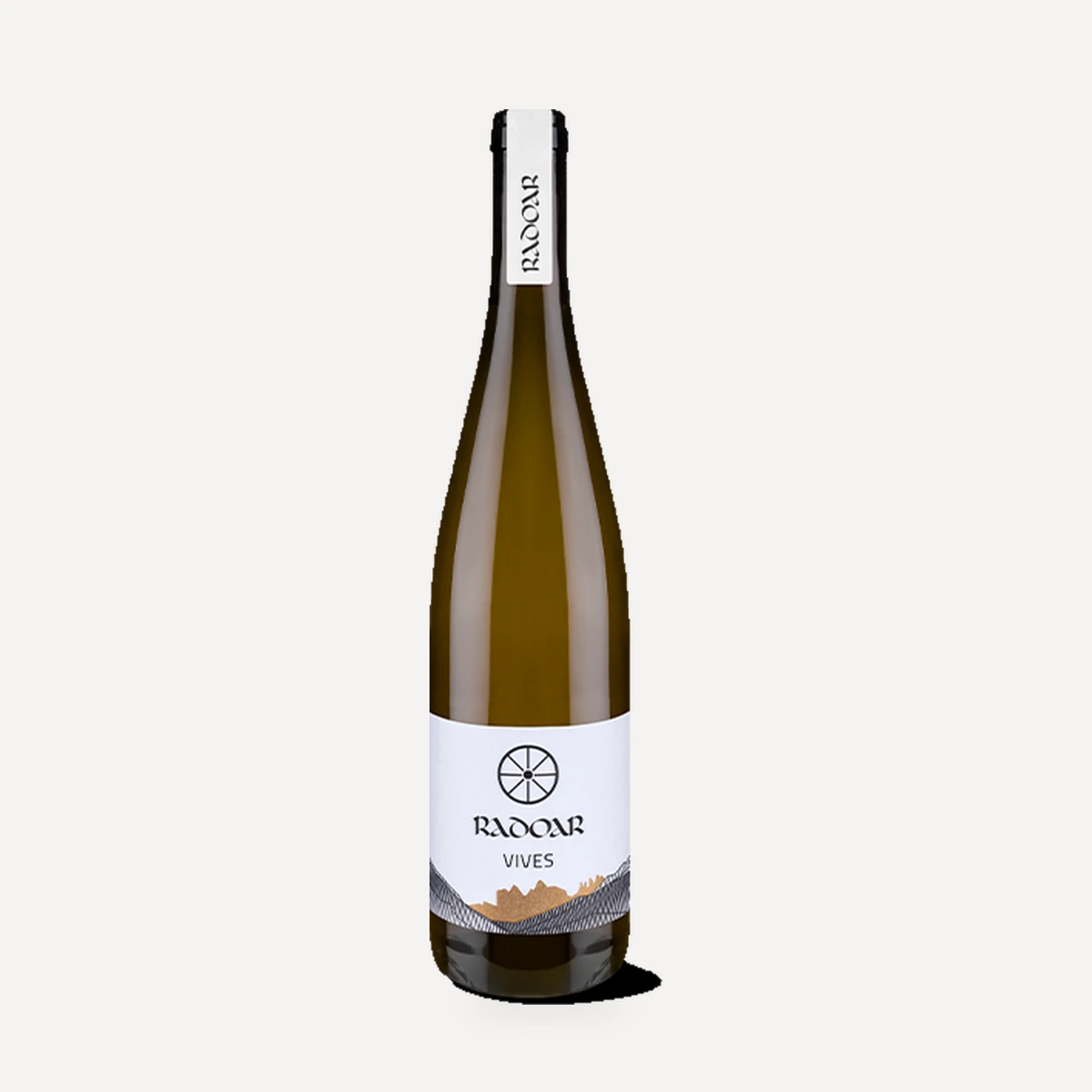
VIVES – Riesling