Storia
The family settles at Zegla
Renato Keber's great-grandfather Franc moved from nearby Vipulzano to Zegla in 1900, when the area was under Austrian rule. The family farmed fruit and grapes and produced hay for the Austrian army. Wine was made in small quantities from terraced vineyards, principally from Ribolla, and sold by the barrel to the Habsburg court in Vienna. Four generations of the Keber family have subsequently lived and made wine at Zegla, with older and younger generations continuing to work alongside one another in the vineyards.
The 1950s
During the 1950s, the family sold its wine to merchants who came to Zegla and set the purchase price. The wine was then supplied to innkeepers and osterie.
A new cellar and the beginning of estate bottling
In 1976, the year in which two earthquakes struck Friuli, the Keber family enlarged its cellar and built a new house. Renato's father first used the enlarged cellar in 1977, working with a newly purchased second-hand press.
Renato developed his knowledge through study and work at leading Collio estates. In 1987 the family began bottling its own wines and reduced vineyard yields. Renato began working Tocai Friulano in wood in 1988, having become convinced of the variety's importance and of the need to harvest it fully mature despite its tendency to over-ripen and shed berries.
Export and the evolution of Renato Keber's style
In the early 1990s Renato met importer Marc De Grazia. Renato Keber consequently became one of the first small Collio producers to export to the United States.
Renato concluded that very ripe grapes were necessary to express the character of Zegla. He rejected a technologically polished, paper-white style and introduced a degree of skin contact. A trip to France with Josko Gravner, during which they tasted mature Montrachet, supplied a benchmark for longevity. Italian critic Luigi Veronelli subsequently drew attention to the wines' perfumes.
The production approach developed around almost a year on the lees, later bottling and avoiding excessive clarification or cleaning. During the mid-1990s Renato began releasing the wines later. The vineyards eventually reached their present 15 ha.
Extended maturation and the present range
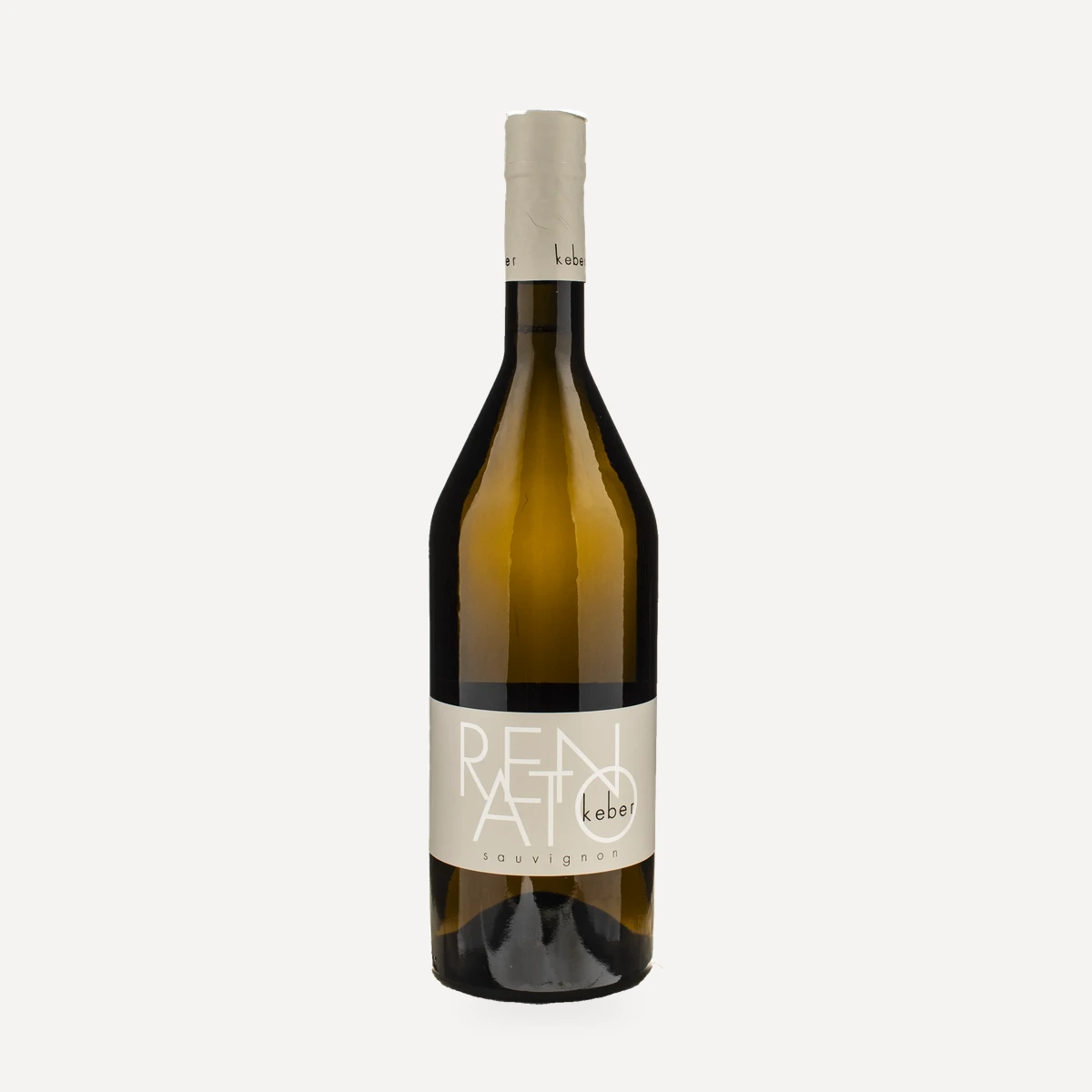
Zegla's soils are considered particularly suitable for Tocai Friulano. Renato developed two interpretations: Zegla, selected from the best grapes and oldest vines, matured in wood and released after three and a half years; and a steel-matured Friulano released after 18 months. Grici Sauvignon is released after four and a half years.
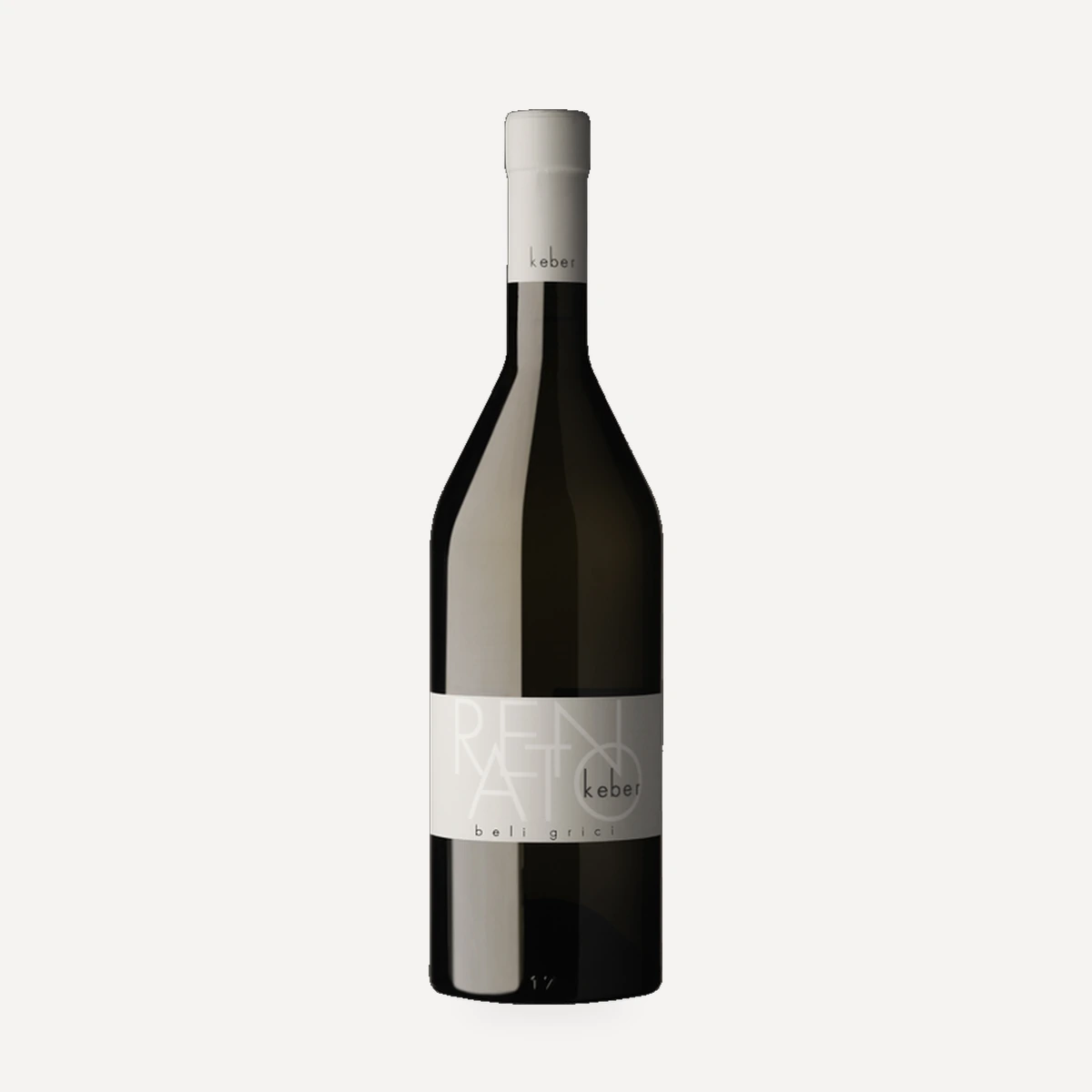
Ribolla Gialla Extreme introduced a more extended maceration regime: the grapes undergo one month in open cement tanks with wild yeasts and no temperature control, followed by maturation in large barrels without racking. It is released after two and a half years. Beli Grici, a Collio white blend based on Pinot Bianco, Ribolla Gialla and other white varieties, is likewise released after two and a half years.
Terroir
The estate lies at Zegla, a gently descending hill near the Slovenian border, within sight of the higher Slovenian hills. The vineyards face southeast and are protected by the Alps from cold northern winds.
The hillside is formed from marl and sandstone dating to the Middle Eocene. This local formation is known as Ponka. Zegla's soils are considered especially well suited to Tocai Friulano, while the combination of exposure, geology and shelter provides the mineral character that Renato Keber seeks in the wines.
The estate comprises 15 ha of densely planted, terraced vineyards. The terracing and hillside setting have remained central to the family's viticulture since Franc Keber settled at Zegla in 1900.
Vinificazione
The 15 ha of Zegla vineyards are arranged on terraces and planted at high density. Vines are trained by the Guyot system, including a particularly dense Guyot planting for Merlot. Yields are deliberately restricted.
Vineyard work and treatments are intended to respect the vines and grapes. Harvesting is manual, with selective picking once the fruit has achieved good maturity. Depending on variety and intended expression, picking extends from early September through the final third of the month. Pinot Bianco and Pinot Grigio are picked early; Chardonnay and Sauvignon follow around the middle of September; Tocai Friulano, Ribolla Gialla, Merlot and the Cabernet-based fruit are harvested toward the end of the month.
Full physiological maturity is particularly important to Renato's approach. Tocai Friulano requires careful timing because it can over-ripen and drop from the vine, yet Renato seeks to pick it as mature as possible to convey the character of Zegla.
The cellar was enlarged in 1976, alongside the construction of a new family house, and entered use in 1977 with a newly acquired second-hand press. Estate bottling began in 1987.
Renato Keber's cellar practice combines modern equipment with limited technological intervention in the finished style. Grapes are generally destemmed gently and pressed softly. Depending on the variety and cuvée, white grapes receive anything from light or 6–18-hour skin contact to a ten-day or one-month maceration. Must may be settled or clarified at low temperature, while several wines ferment at controlled temperature. Fermentation and maturation vessels include stainless steel, tonneaux, barriques, open cement tanks and large wooden barrels.
Lees ageing is a defining practice. Several white wines remain on their lees for approximately 12 months, and Renato associates the estate's personality with nearly a year on the lees, later bottling and avoidance of excessive cleaning. Pinot Bianco and Ribolla Gialla components of Beli Grici ferment in wood, while its Pinot Grigio component ferments in steel. A portion of Pinot Grigio is fermented in barrique. Chardonnay and the longer-aged Sauvignon expression ferment in tonneaux and remain on their lees before further bottle maturation.
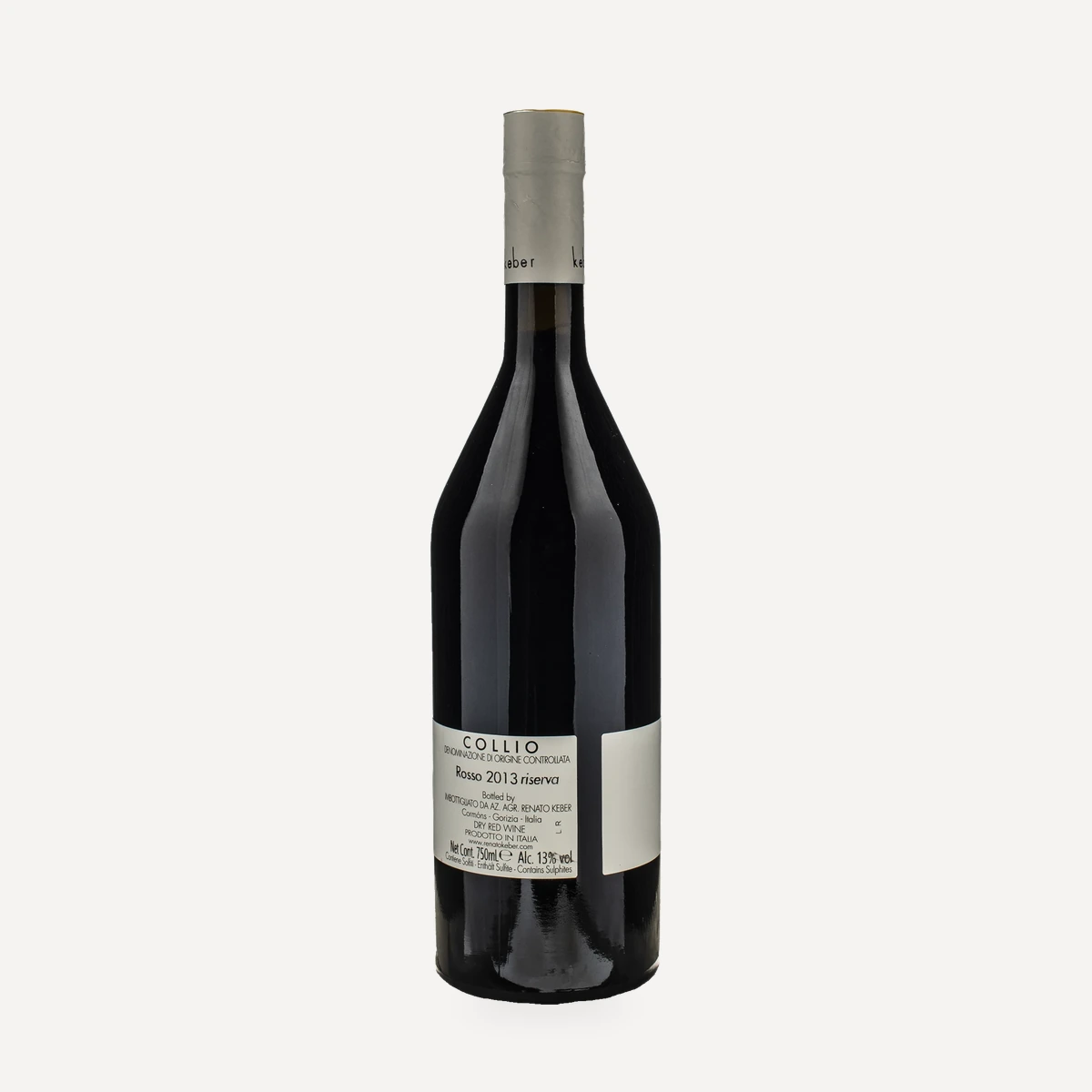
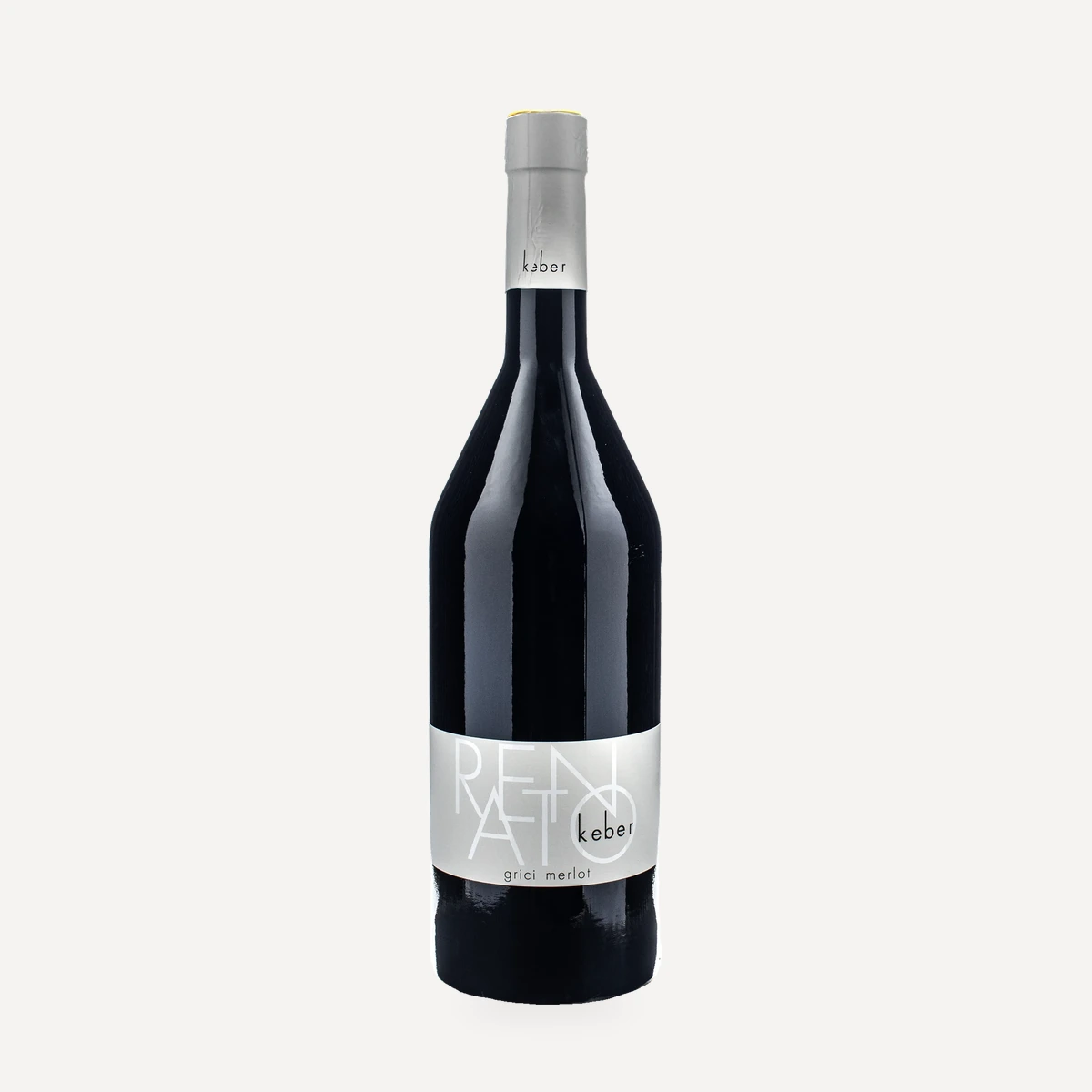
Red grapes are destemmed, and Merlot may also be crushed before a prolonged fermentation and maceration on the skins. The wines are softly pressed, then matured in barrel or barrique; the documented programmes include eight months in barrel for the Cabernet Franc–Cabernet Sauvignon–Merlot blend and 19 months in barrique for Merlot, followed by bottle ageing.
Ribolla Gialla Extreme represents the least controlled fermentation regime: one month of maceration in open cement tanks, wild yeasts and no temperature control, followed by maturation in large barrels without racking. It is released after two and a half years. Beli Grici receives the same overall release interval. The wood-aged Zegla Tocai Friulano is released after three and a half years, the steel-matured Friulano after 18 months, and Grici Sauvignon after four and a half years.
Filosofia
Renato Keber seeks wines with developed secondary and tertiary aromas, expressive character and enough vitality to remain youthful as they age. Minerality derived from Collio and the Ponka soils of Zegla is central to that objective.
His approach begins with fully mature grapes. Renato considers ripeness essential to expressing the site, even for Tocai Friulano, which can over-ripen and shed berries. In the cellar, he avoids an extremely pale, technologically polished style. Measured skin contact, prolonged lees ageing, delayed bottling and restrained clarification give the wines time to develop an individual character.
Longevity is a principal benchmark. Mature Montrachet tasted in France helped define Renato's ambitions, while the production cycle of several estate wines deliberately extends through lengthy wood, lees and bottle maturation before release.
The estate links its wines to the work of earlier generations: the vines grow in soils cultivated by the family's forebears, and older and younger family members continue to work together in the vineyards. This continuity is combined with modern cellar technology where it serves the transformation of carefully grown, hand-harvested fruit.
Vini
Beli Grici Bianco
Collio Rosso
Grici Merlot
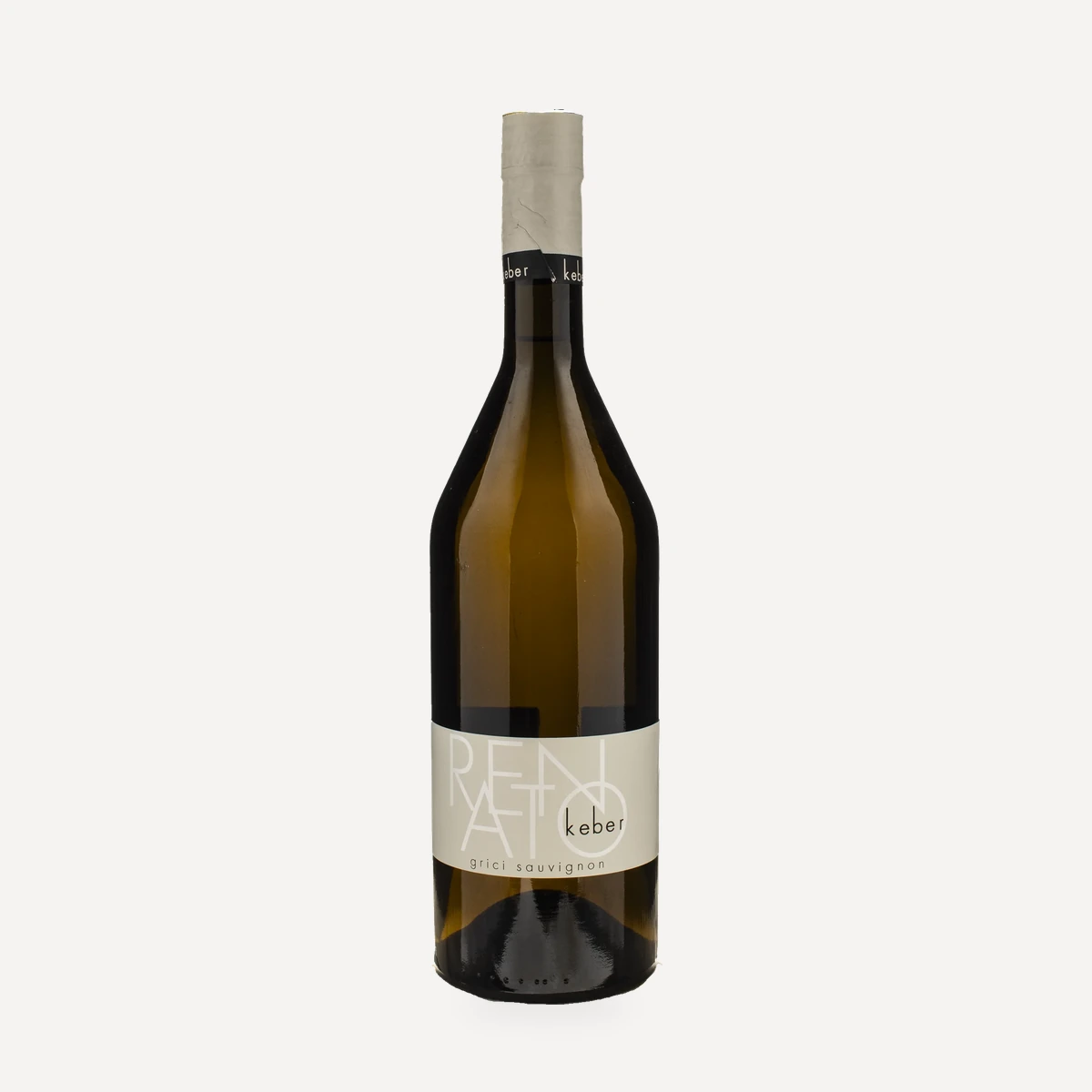
Grici Sauvignon
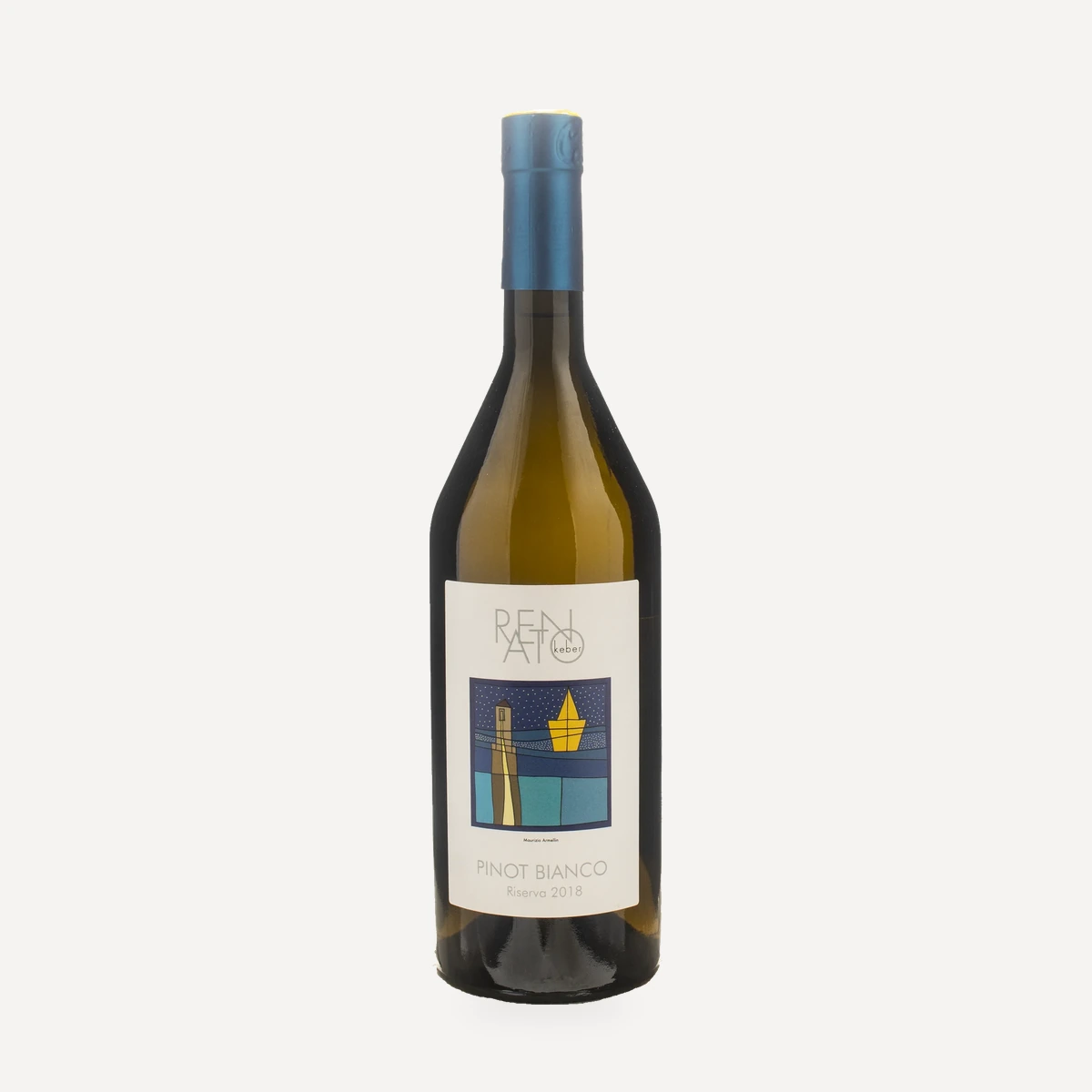
Pinot Bianco
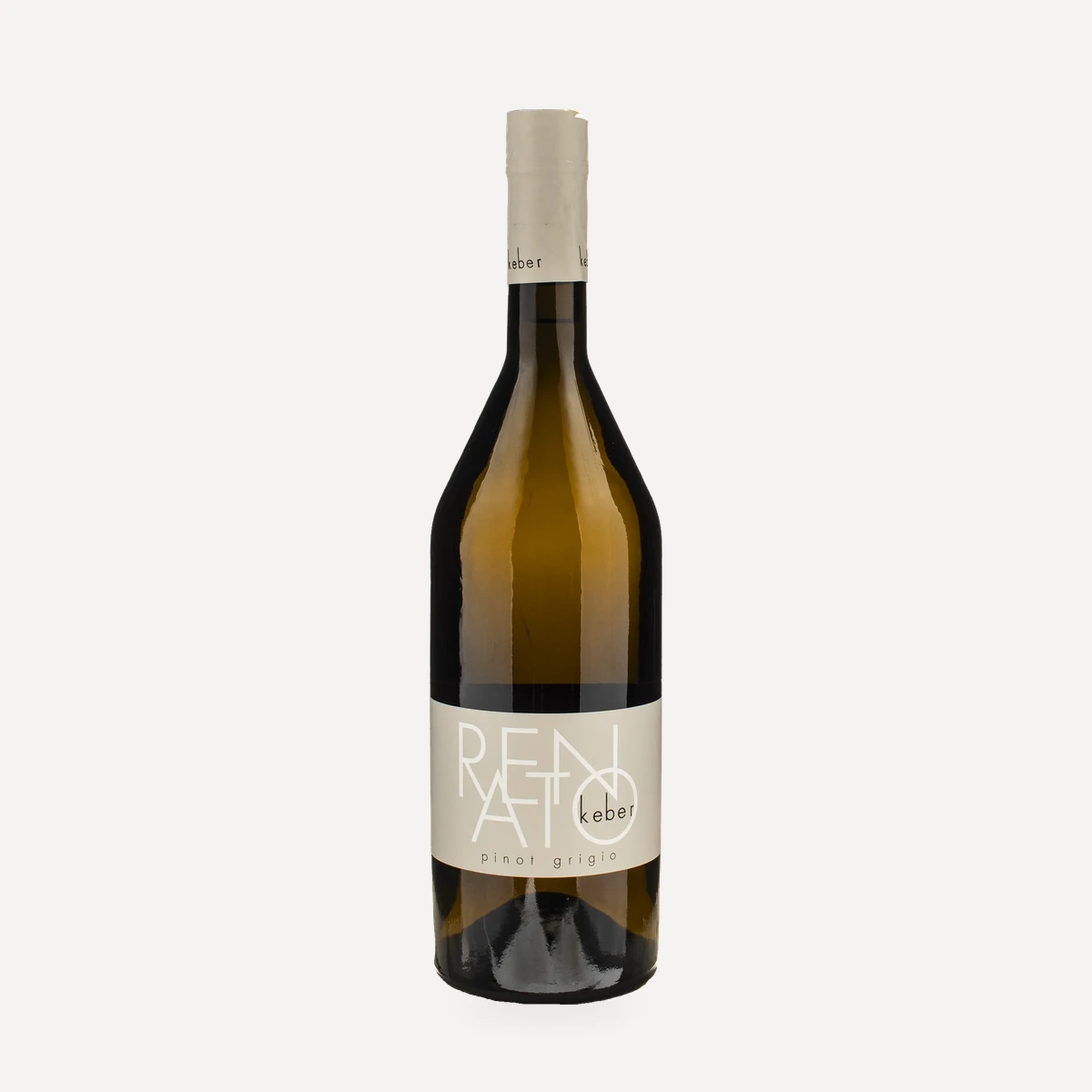
Pinot Grigio
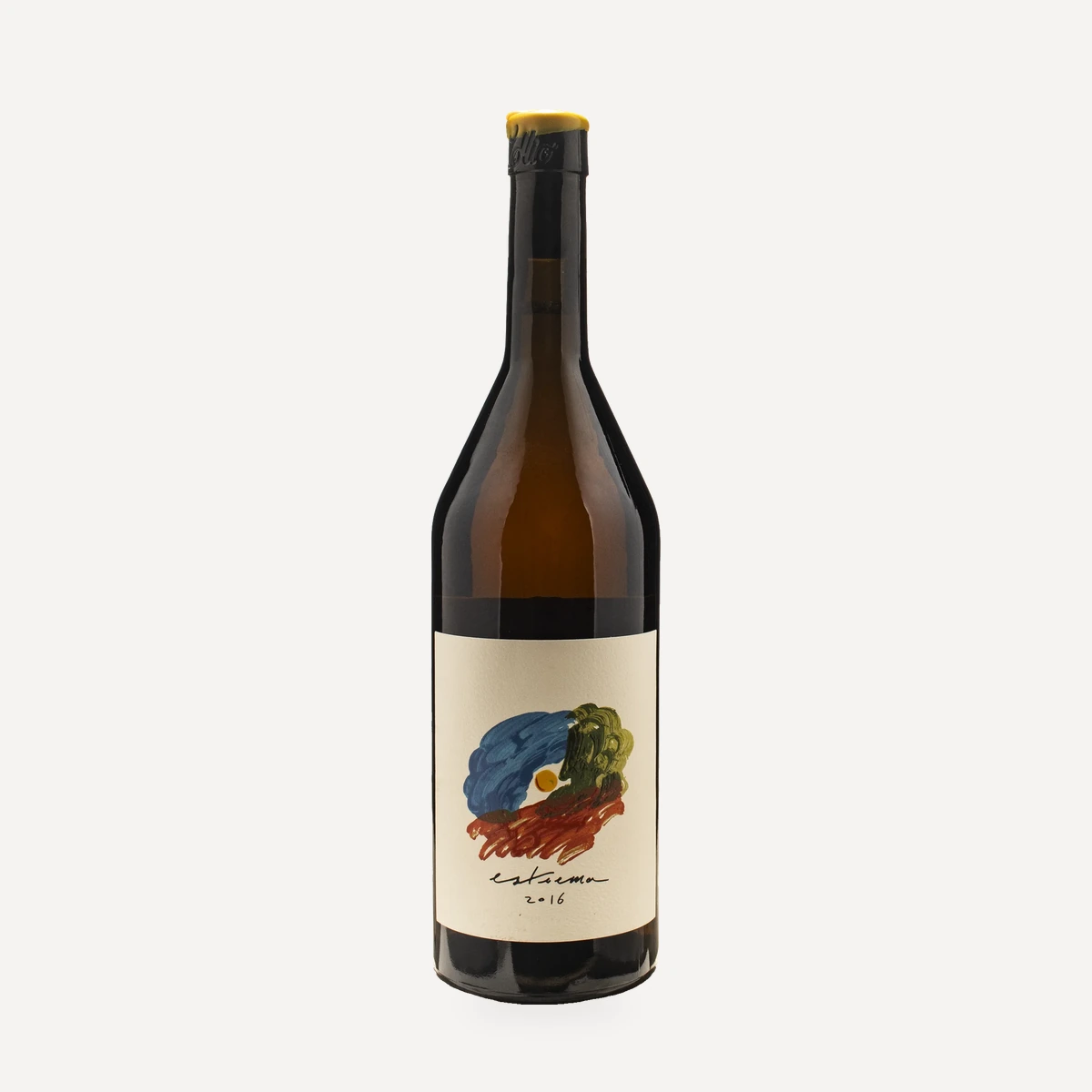
Ribolla Gialla Extreme