Questo vino
Vineyard and terroir
Conca is one of the oldest and most exclusive MGAs in the Barolo zone. The approximately 7,000 m² site lies below the Annunziata cellar in La Morra. Its distinctive bluish soil and particular microclimate allow Anemone coronaria, recognizable by its reddish-purple flowers, to grow here—an occurrence described as unique within the Langhe. The site was already known to the Benedictine monks of the Abbey of the Most Holy Annunciation.
Conca produces Ratti’s most structured Barolo. Beginning with the 2019 vintage, the wine becomes a Riserva, with longer maturation in wood and further refinement.
Grapes
100% Nebbiolo.
Vinification
The grapes are harvested by hand in October, destemmed and pressed. Alcoholic fermentation takes place in temperature-controlled stainless-steel tanks. Skin contact lasts approximately three to four weeks and comprises both fermentation and subsequent post-fermentation maceration, using the traditional submerged-cap method. Malolactic fermentation takes place in stainless steel.
Ageing
The published specification calls for approximately two years of maturation, divided between barriques and 25 hl oak barrels, followed by approximately one year of bottle refinement. From the 2019 vintage, Riserva production entails longer wood ageing and refinement, although exact revised durations are not given.
Technical data
Barolo D.O.C.G. First vintage: 1970.
Tasting profile
Garnet red. The bouquet is delicate and persistent, with characteristic balsamic nuances of liquorice and mint. The palate is full-flavoured and warm, with pleasant tannins and the structure that distinguishes Conca within the Ratti range.
Serving and pairing
Suited to important dishes, spit-roasted or grilled red meats, game, refined preparations of white or red meat, and mature cheeses.
Vintage notes
Beginning with the 2019 vintage, Conca is made as a Riserva, receiving longer wood ageing and refinement.
Label / history
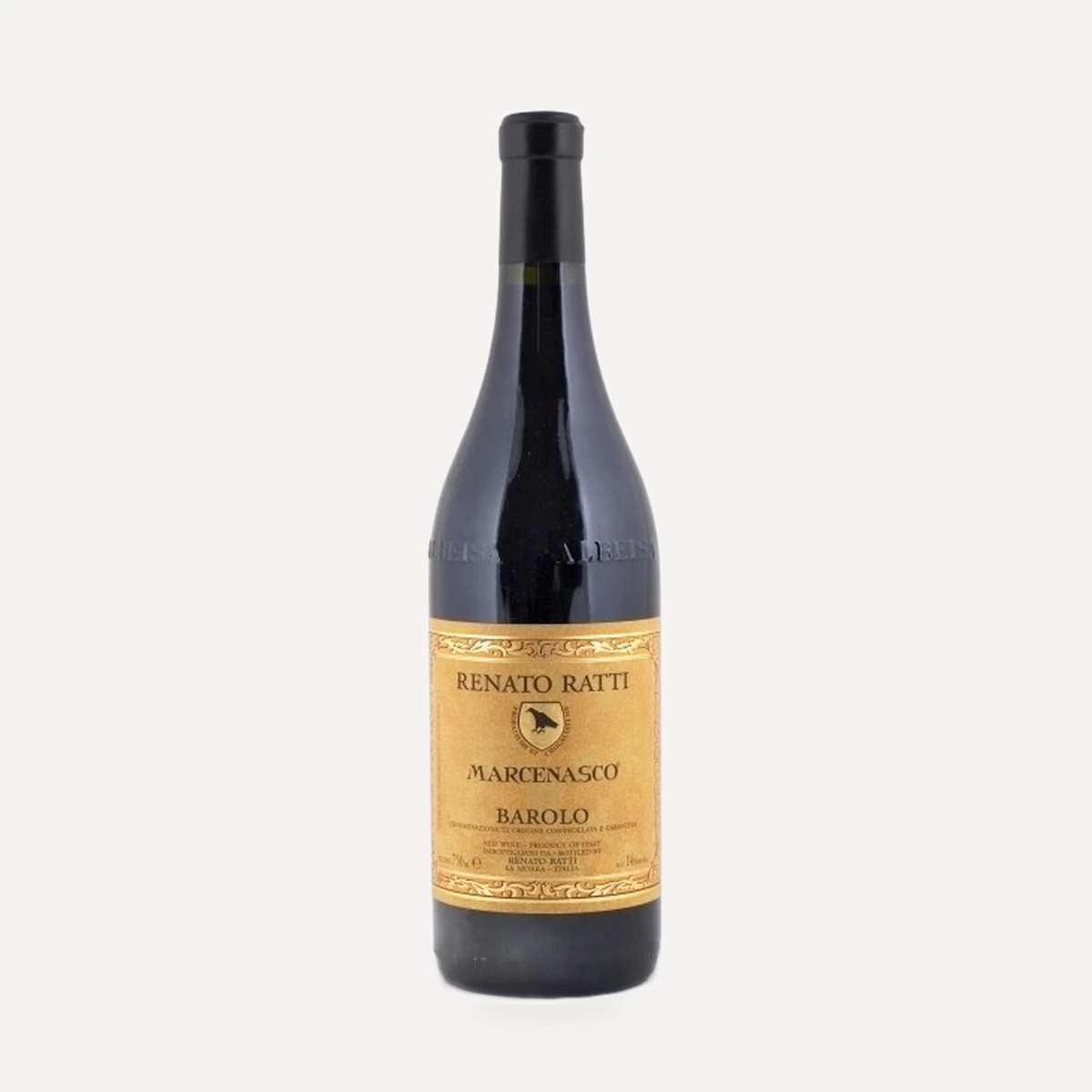
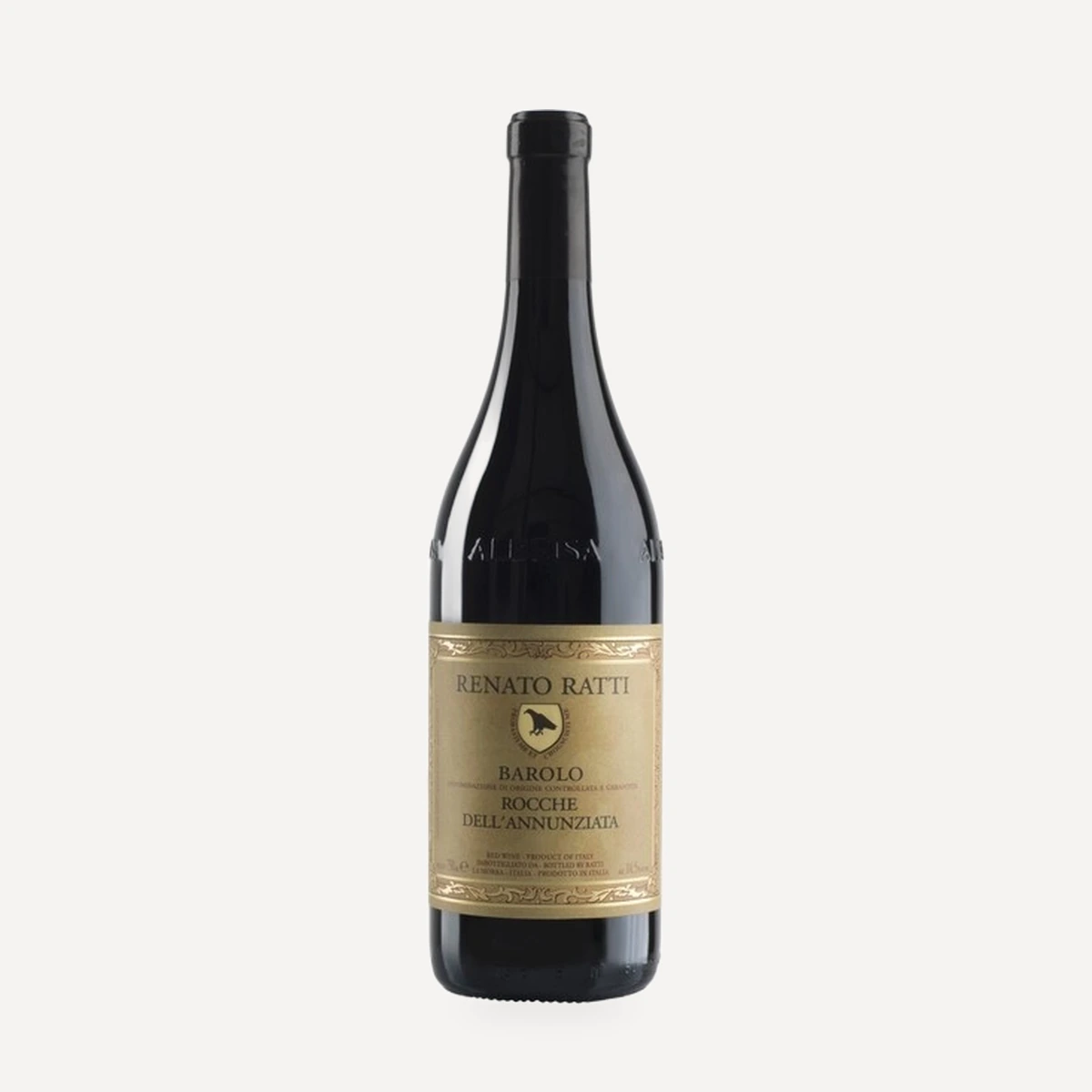
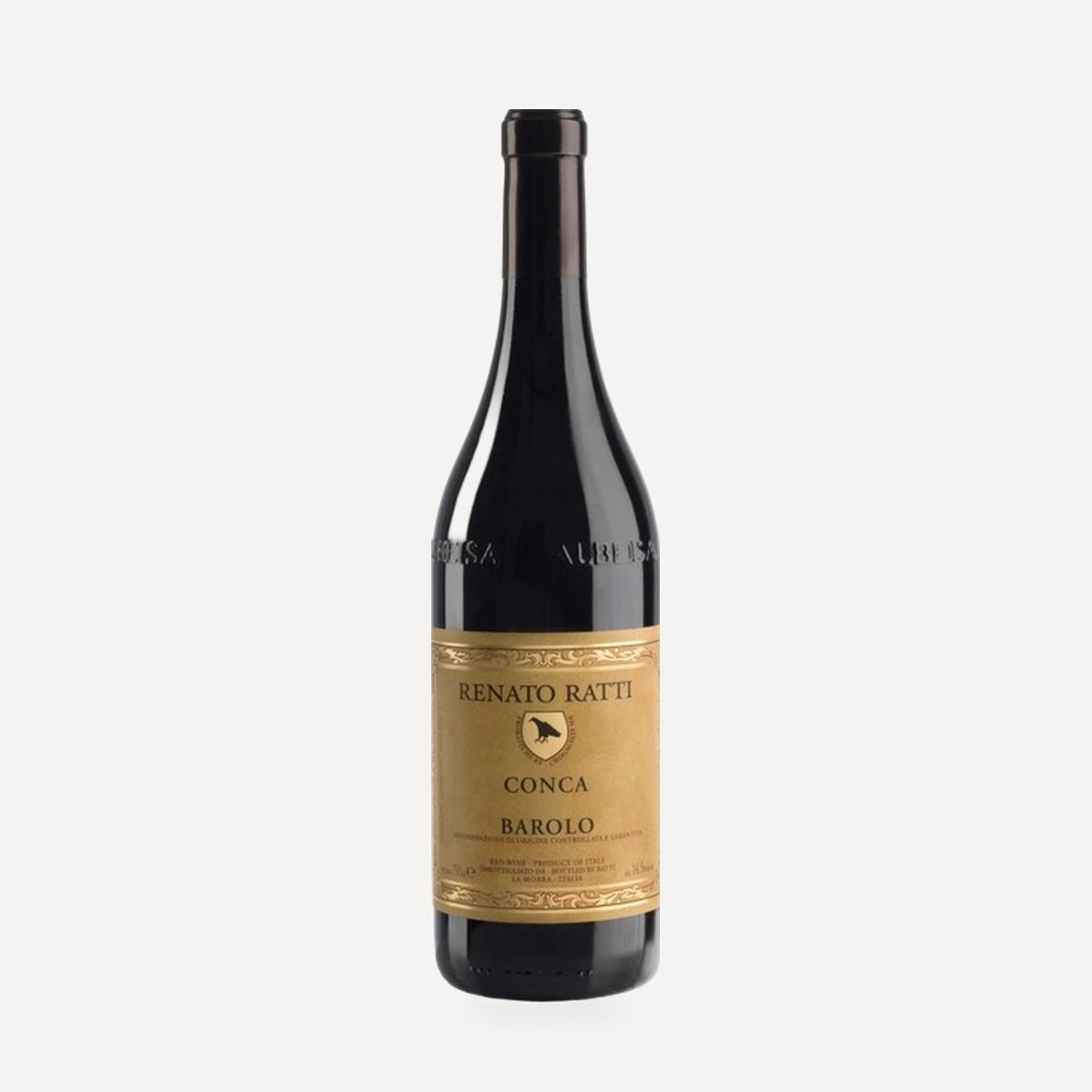
The historic label displays the coat of arms of a local noble family: a black hawk against a gilt background. Its Latin inscription, “Probasti me et cognovisti me,” is rendered as “You tried me, you knew me.”
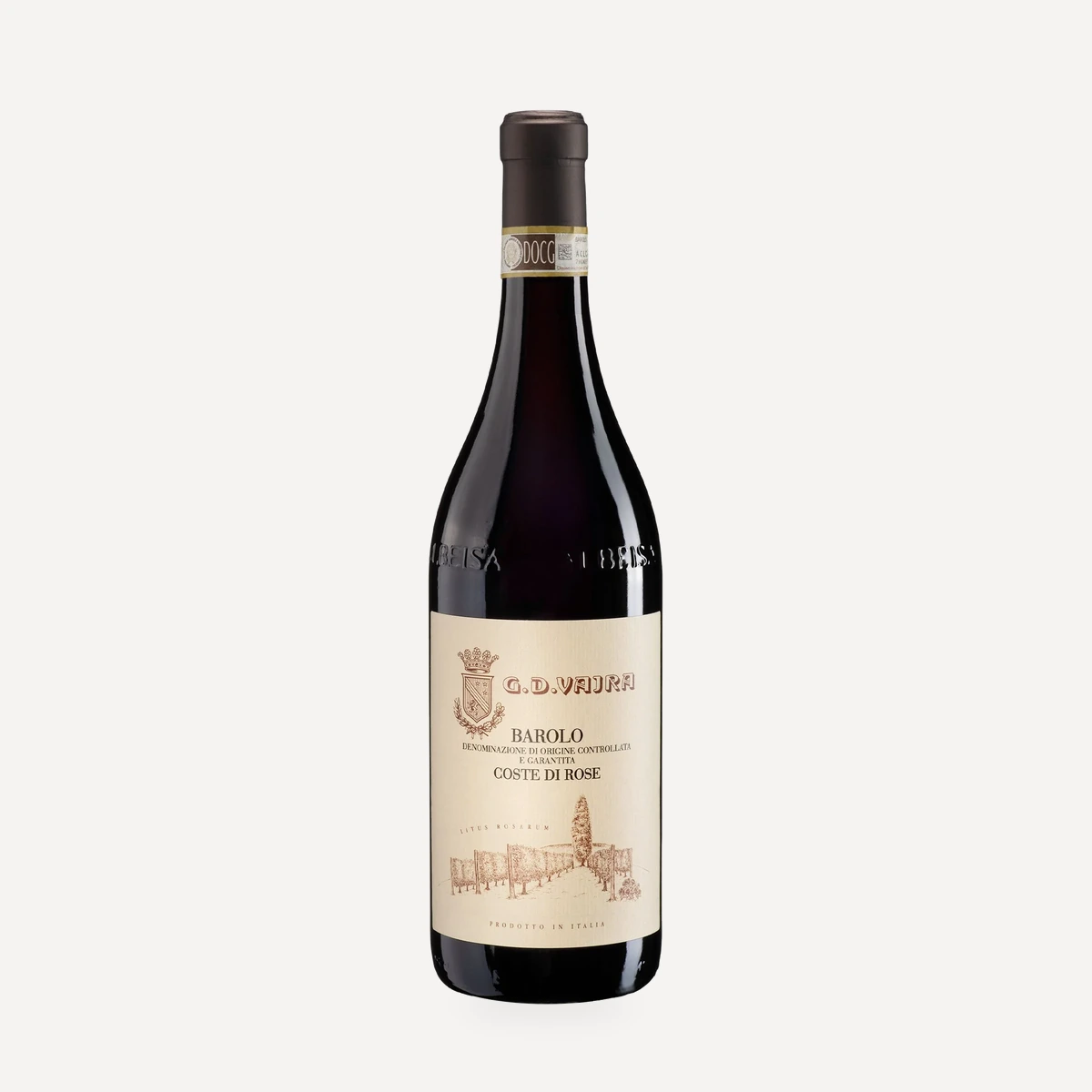
The wine is presented in the Albeisa bottle, named after Alba. Renato Ratti created this distinctive bottle in 1973 to identify the territory and its wines.