Storia
The family’s early-20th-century roots
The Seghesio family’s work with vines in Monforte d’Alba began in the early years of the 20th century. Its activity centered on selecting and cultivating vines for fine wine, establishing a family viticultural tradition that now extends across more than a century.
Renzo Seghesio and the creation of the winery
Renzo Seghesio studied winemaking in Alba and earned a master’s degree in biology from the University of Turin. He returned to Monforte d’Alba during the 1960s and founded his winery, focusing his work on cultivating and selecting the best fruit from the family’s holdings.
In 1968 he made his first wine in the family garage. The operation subsequently developed from that small beginning into an estate producing more than 70,000 bottles annually, entirely from grapes grown on family land extending over more than 14 hectares.
Alongside his work as a farmer and winemaker, Renzo worked as a cartographer and served as mayor of Monforte d’Alba.
Selection of the estates
Renzo personally identified, selected and acquired the sites used for the wines. These holdings came to include Pajana della Ginestra in Monforte d’Alba, Bricco Chiesa and Roggeri in La Morra, and San Bernardino–Sanche in Vezza d’Alba. Their selection reflected a deliberate search for individual crus with distinct conditions and expressions.
Bricco Chiesa–Roggeri had already belonged to the family for generations. In 2016 its vineyards were renewed with new plantings intended to express the freshness, balance, fruit and harmony associated with the estate’s Barolo from La Morra.
The estate today
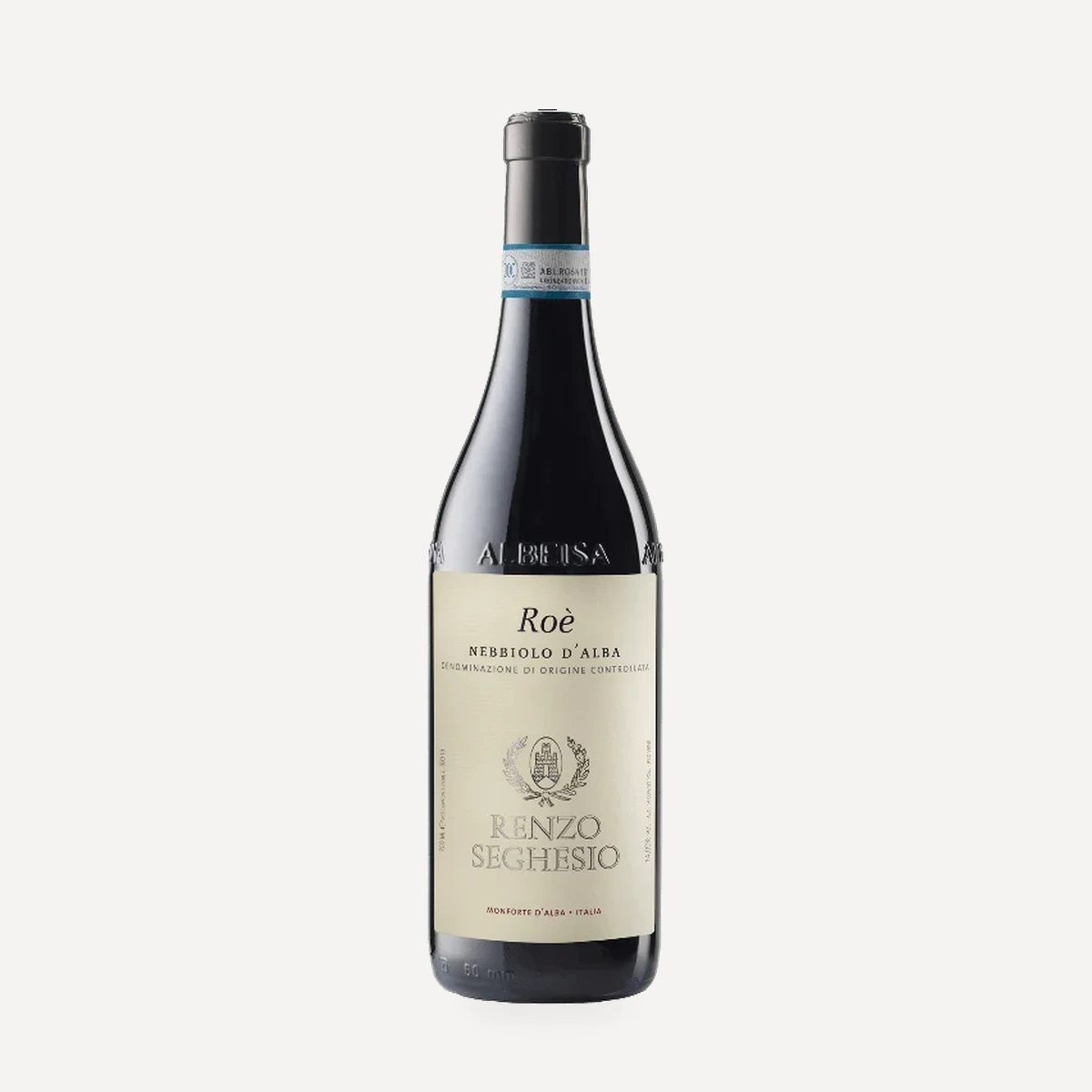
The contemporary estate works across three principal holdings and three communes: Cascina Pajana–Ginestra in Monforte d’Alba, Bricco Chiesa–Roggeri in La Morra and San Bernardino–Sanche in Vezza d’Alba. Its production encompasses Nebbiolo, Barbera and Arneis, including wines under the Barolo, Langhe, Nebbiolo d’Alba, Barbera d’Alba and Roero Arneis denominations.
Terroir
The holdings extend across three communes and three contrasting hill sites.
Monforte d’Alba
Cascina Pajana–Ginestra lies at a bifurcation of the Ginestra ridge, spanning both the south-east- and south-west-facing sides of the hill at approximately 370 metres above sea level. Its composition is given as 25% sand, 55% silt and 20% clay. The upper, Nebbiolo-planted sections supply the Pajana and Ginestra selections, while Barbera occupies lower ground. The site combines the capacity to produce structured, complex wines with a comparatively cool exposure.
La Morra
Bricco Chiesa–Roggeri ranges between 250 and 320 metres above sea level. Its east- and south-east-facing terrain contains 30% sand, 45% silt and 25% clay. The holding is planted to Nebbiolo and underpins the estate’s Barolo from La Morra.
Vezza d’Alba
San Bernardino–Sanche occupies a natural amphitheatre among the steep Sanche slopes at elevations from 240 to 325 metres. The surrounding hills shelter the basin from hail. Its solar exposure is moderated by shade during the early morning and evening. The soils comprise 40% sand, 40% silt and 20% clay, while the slopes face south-east through south-west. Nebbiolo and Arneis are cultivated here.
Vinificazione
Viticulture is centered on close care of the vines and rigorous fruit selection within the family holdings. Renzo Seghesio’s stated objective is to grow and select the best possible grapes from each site rather than source fruit externally.
Planting follows the internal topography of the estates. At Cascina Pajana–Ginestra, Nebbiolo occupies the higher parts of both sides of the ridge, while Barbera is planted lower on the hill. San Bernardino–Sanche carries both Nebbiolo and Arneis. Bricco Chiesa–Roggeri is planted to Nebbiolo and underwent a complete renewal with new vines in 2016.
The estate connects wine quality with four elements: attentive care of the vines, accurate grape selection, meticulous cellar work and careful maturation. Production is based on grapes grown on the family estates. Renzo Seghesio’s approach combines long winemaking experience with a commitment to traditional, site-typical expression.
Filosofia
Renzo Seghesio’s work is founded on the relationship between family tradition and individually selected terroirs. His central objective has been to cultivate and select the best fruit obtainable from the family parcels.
The estate presents its sites as the result of deliberate, uncompromising choices rather than incidental acquisitions. Pajana della Ginestra, Bricco Chiesa–Roggeri and San Bernardino–Sanche were chosen for their distinct potential, and the wines are intended to retain both typicity and a traditional stylistic identity.
Quality is understood as the combined result of the characteristics of the crus, attentive vineyard care, rigorous grape selection, precise cellar work and careful maturation. Tradition is therefore paired with detailed work in both vineyard and cellar rather than treated as an end in itself.
Vini
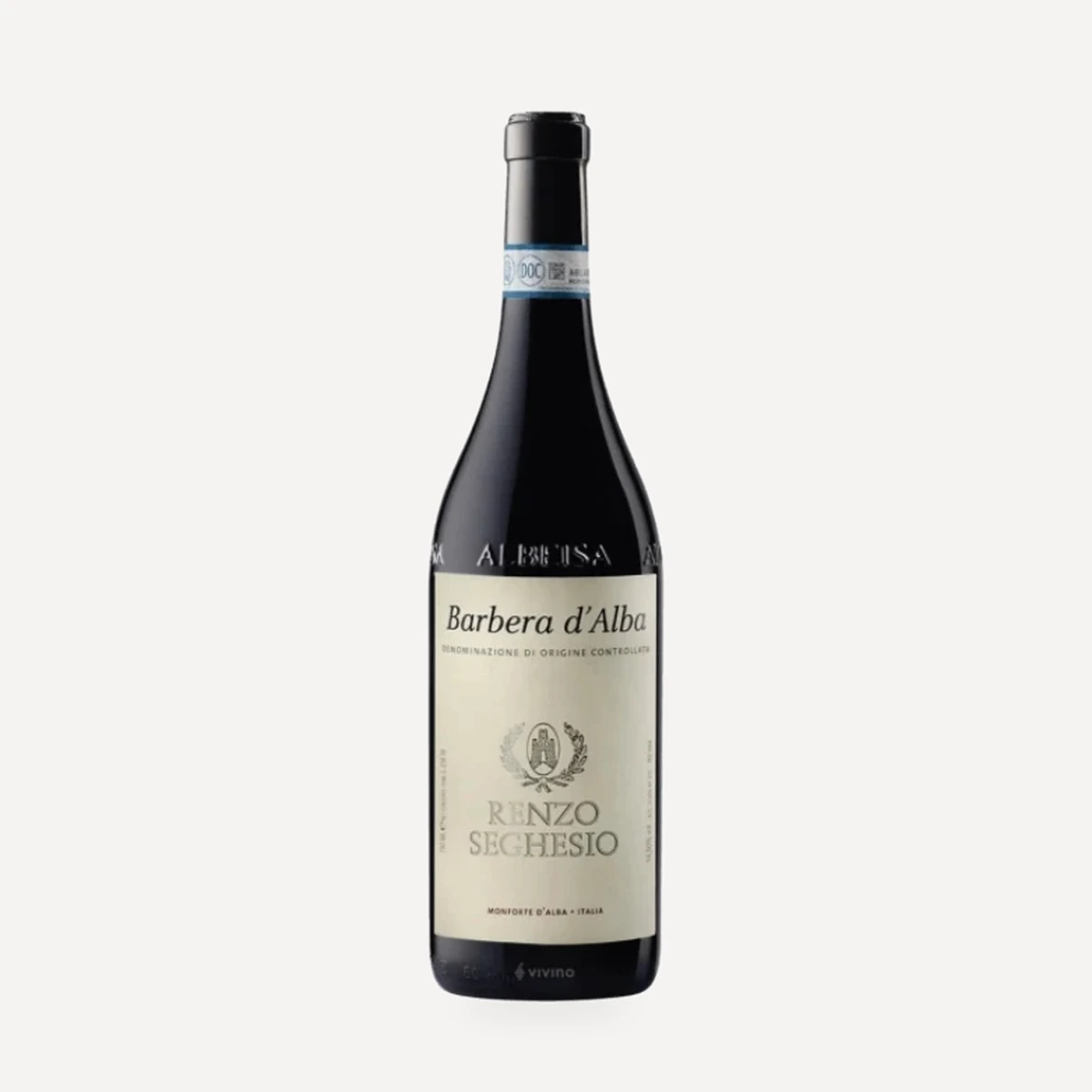
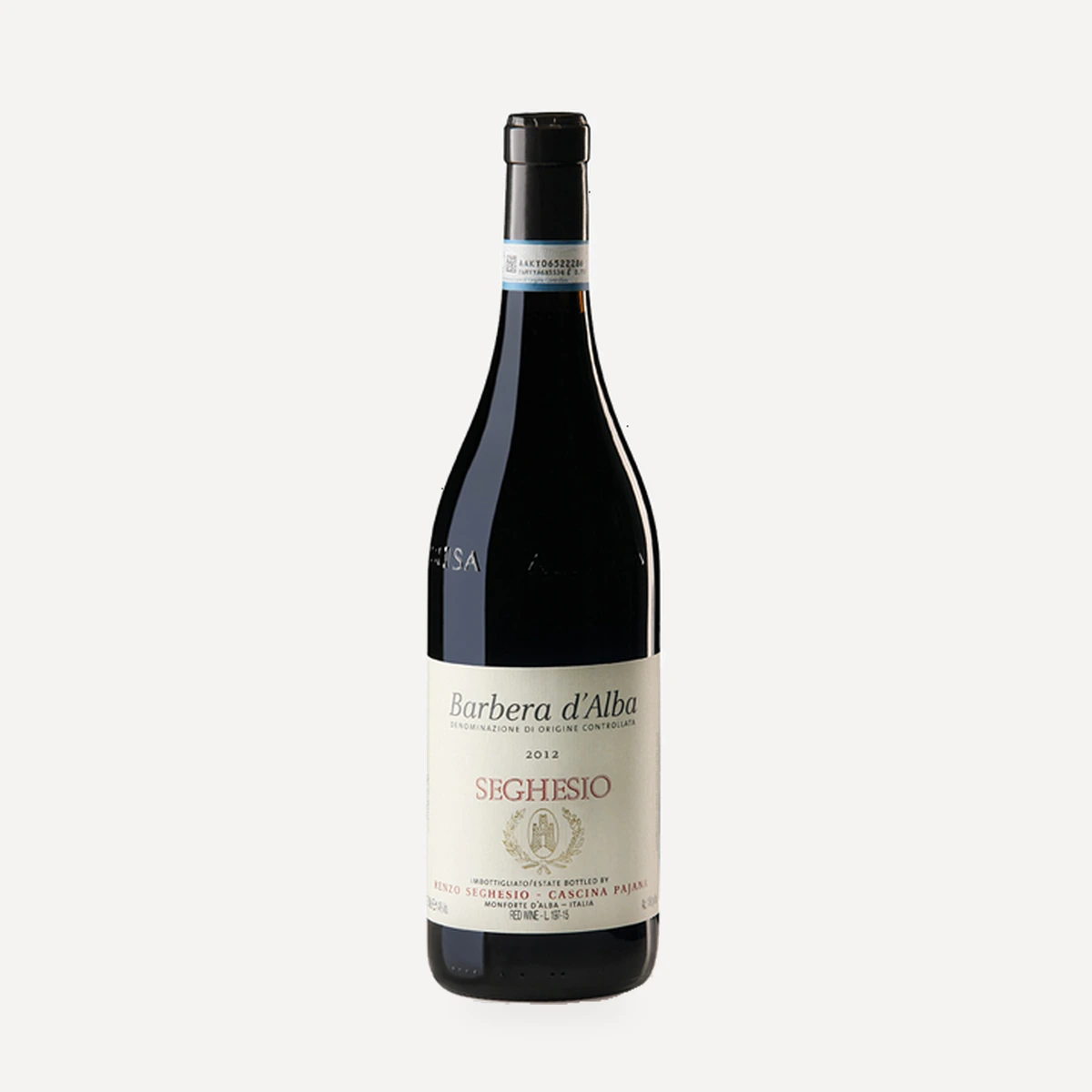
Barbera d'Alba
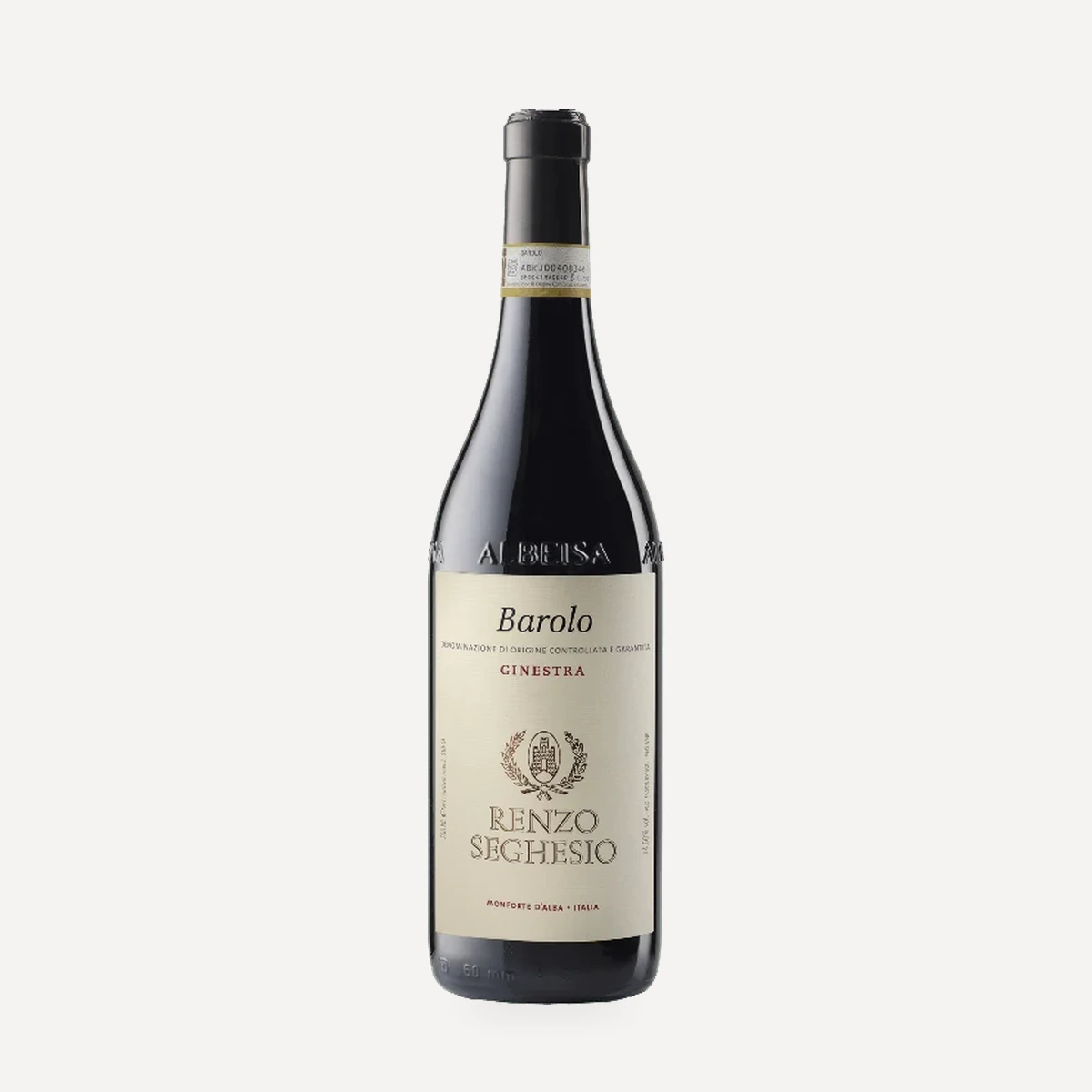
Barolo Ginestra
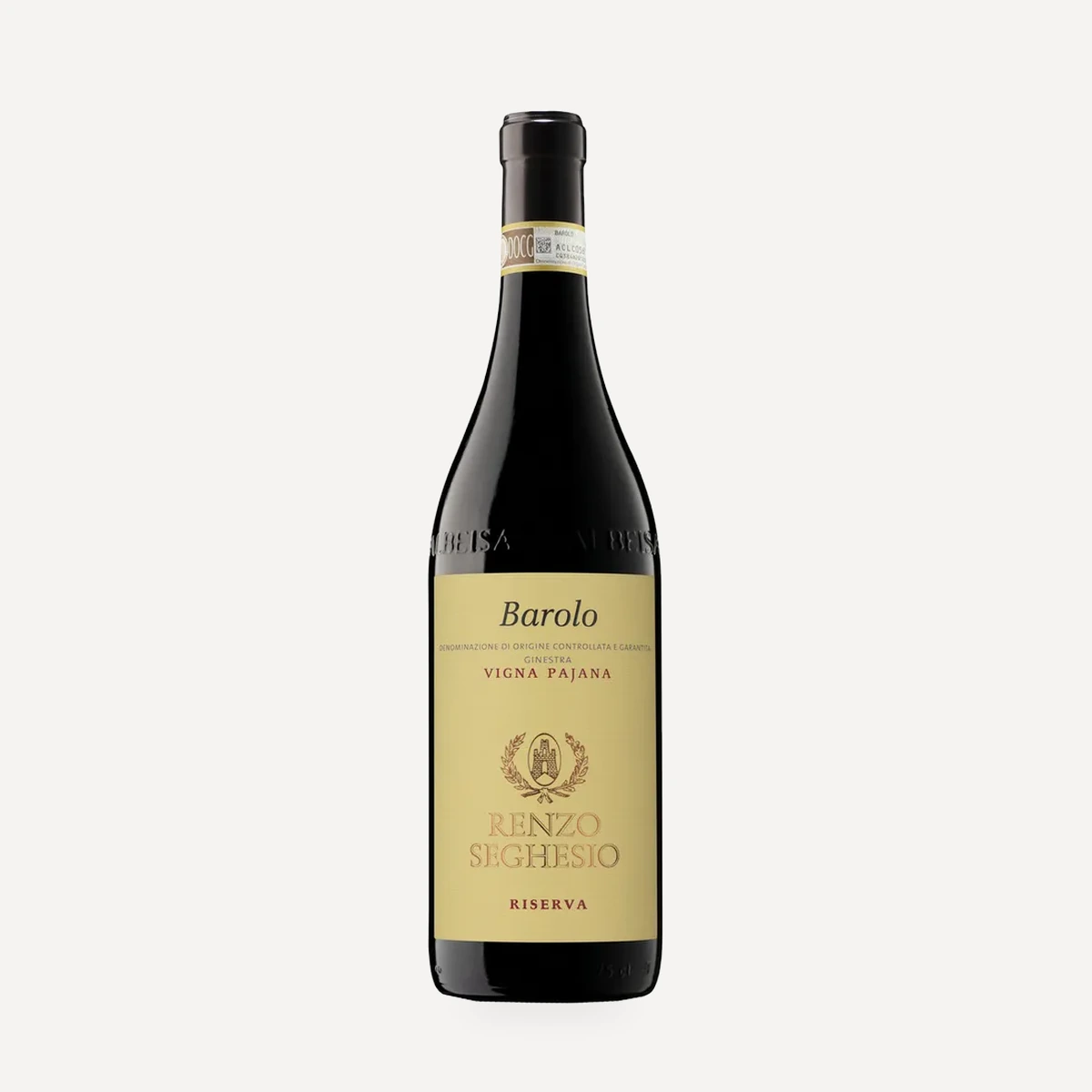
Barolo Vigna Pajana
Pajanella - Barbera d'Alba Superiore