Storia
Ancestral vines
The Unterhofer family's connection with its vines predates the present estate. Ancestors of the family planted many of the surviving vines, some of which have remained in place for decades. The Schiava vines cultivated around Caldaro and Termeno are described more specifically as almost 100 years old, while the Lagrein vines in Gries are approximately 80 years old.
1996 — certified ecological cultivation
In 1996, the family began tending the vines according to certified ecological principles. The approach rejects fertilizers and uses deliberately sown plant cover to build biodiversity and support self-sustaining soils.
The present estate
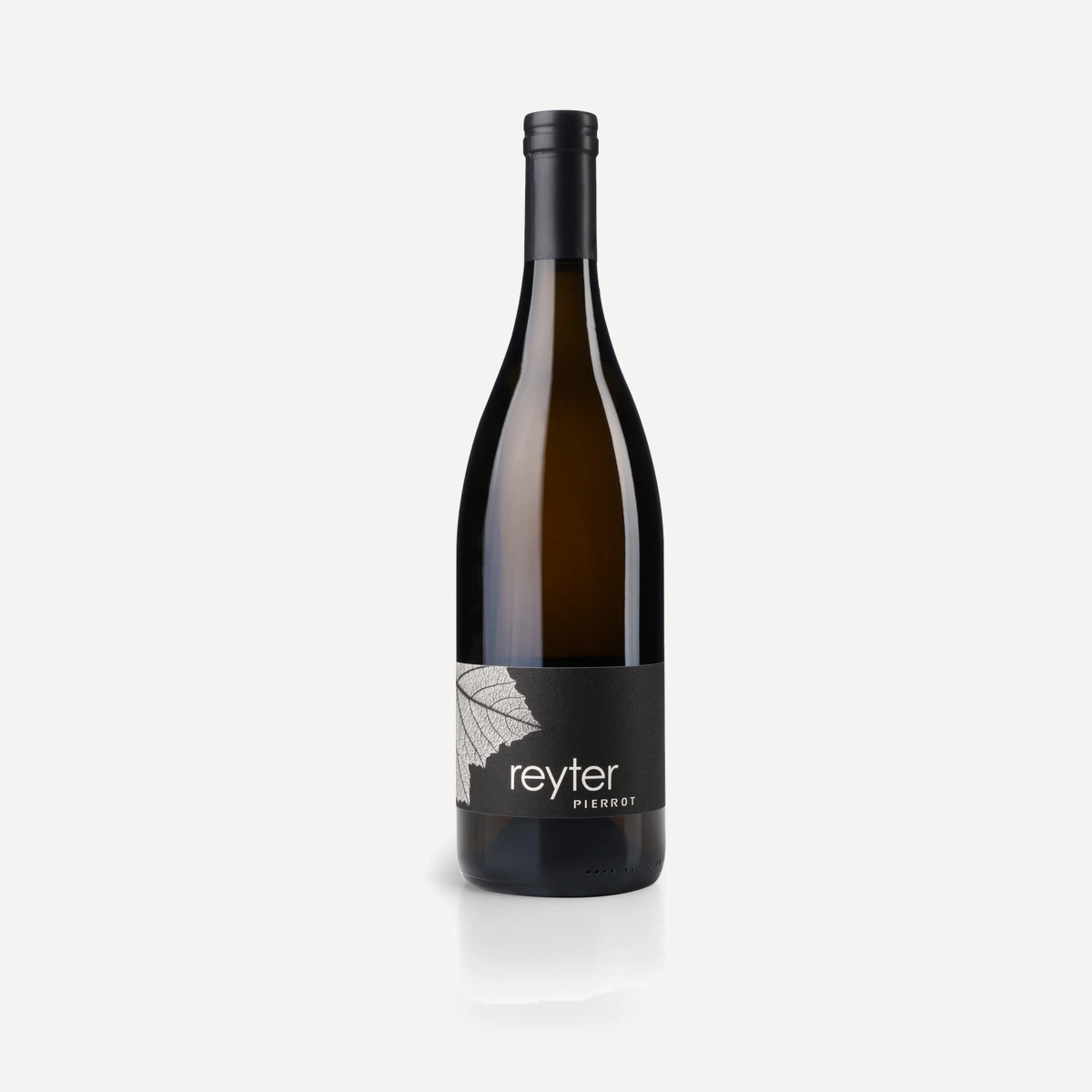
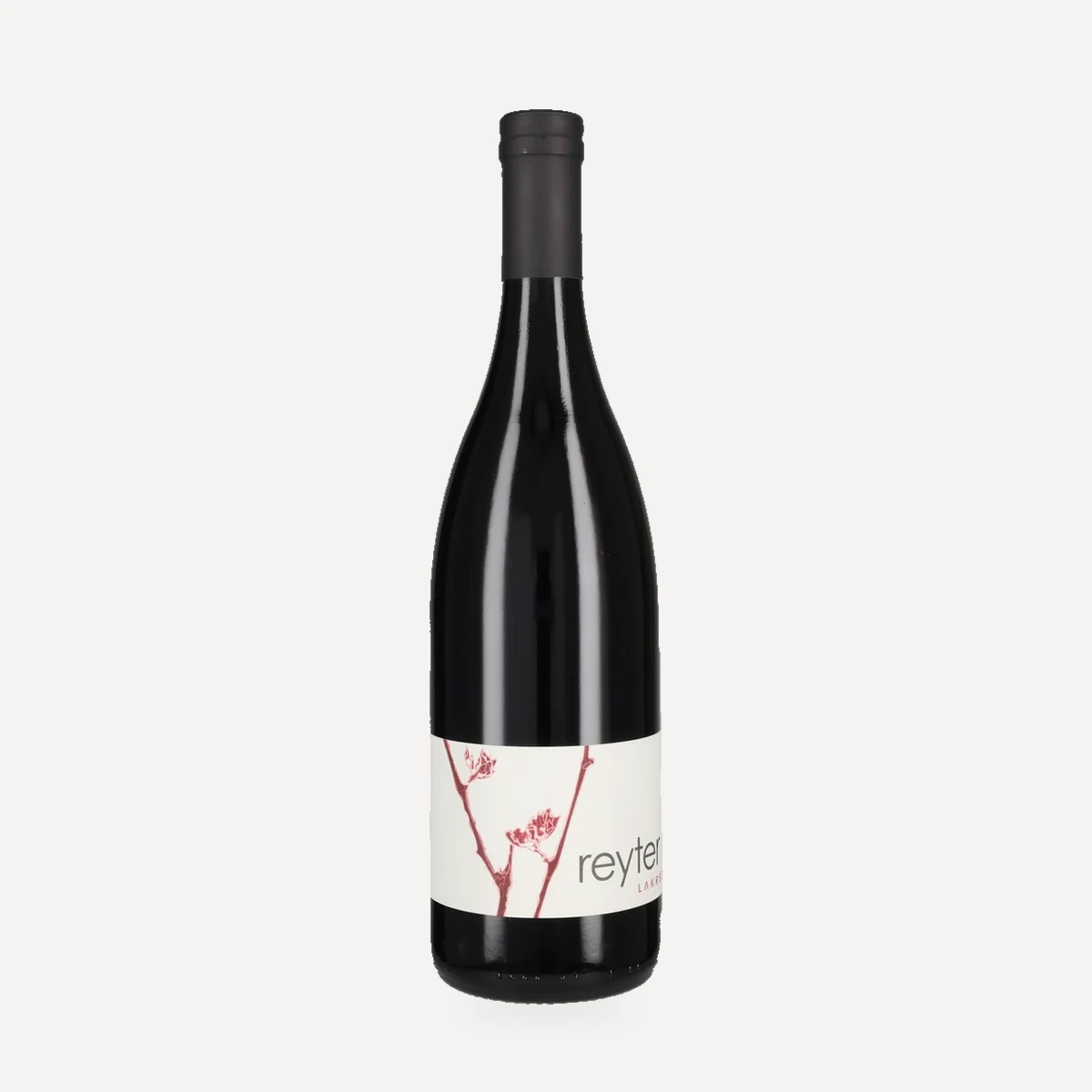
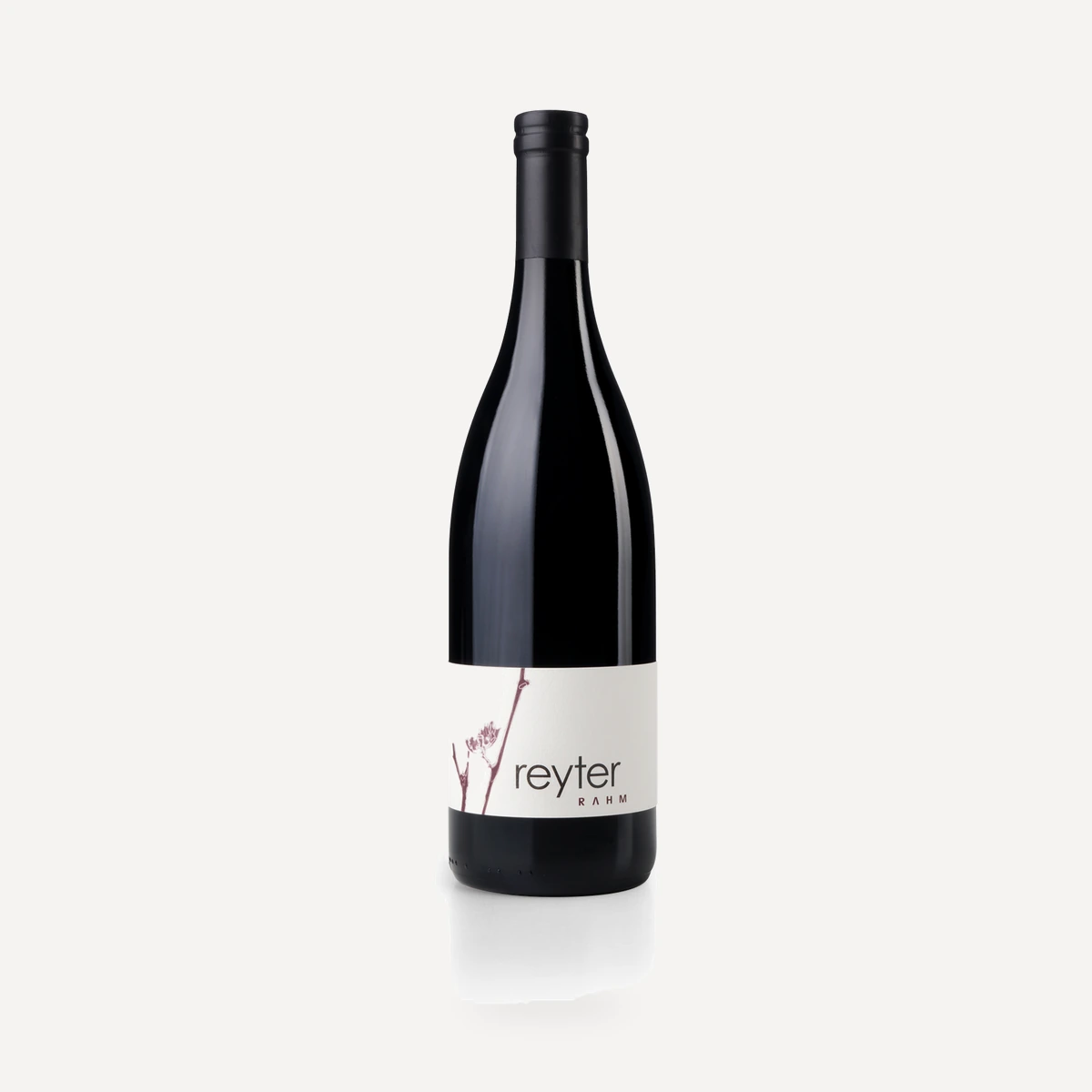
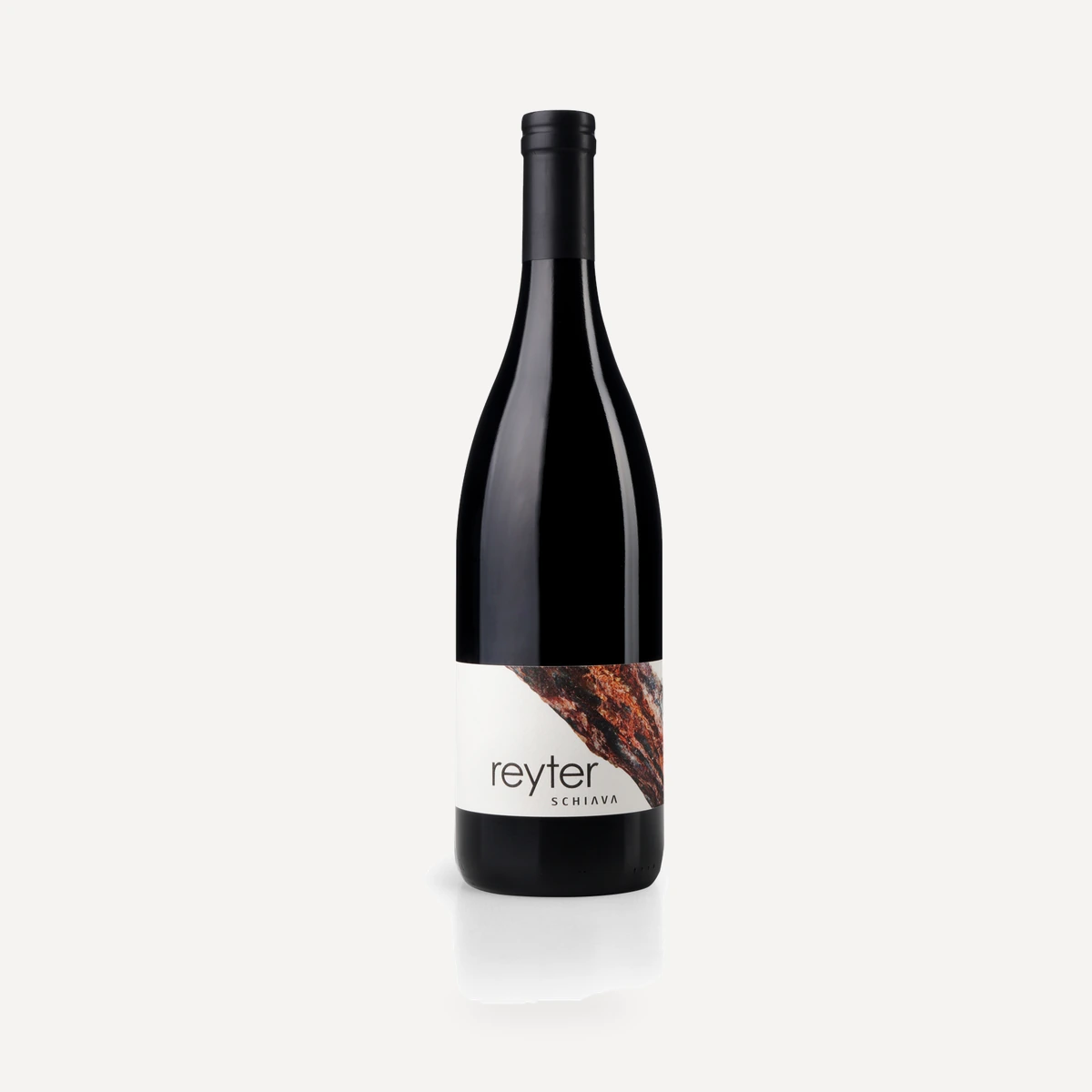
The estate is identified with the Unterhofer family and is owned by Christoph Unterhofer. Its work encompasses the historic Lagrein terrain in Gries, Bolzano, together with old Schiava vines in Caldaro and Termeno. The current range comprises Pierrot, Schiava, Lakrez and Rahm. Vineyard and cellar work is organized around gentle handling, patience and minimal intervention, with the aim of allowing site and vintage conditions to shape each wine.
Terroir
Bolzano climate
The estate is based in Bolzano / Bozen, the capital of Alto Adige / Südtirol. Its growing conditions are characterized by warm summers, mild winters and more than 300 days of sunshine per year. These conditions are particularly associated with Lagrein cultivation.
The Gries Lagrein terrain
The Lagrein vines grow at approximately 260 metres above sea level in the last surviving Lagrein-growing terrain of Gries, a district of Bolzano. The site was formed by alluvial deposits from the Talvera / Talfer and Isarco / Eisack rivers. Its soil is described as sandy and loamy or clayey, enriched with porphyry and containing gravel or rocky sediments; the Italian description also characterizes it as morainic.
The approximately 80-year-old Lagrein vines are trained partly on pergolas and partly on Guyot-pruned espalier. The alluvial soil, porphyry and stony material are treated as defining elements of the fruit and finished wine.
Caldaro and Termeno
Old Schiava vines are cultivated in Caldaro / Kaltern and Termeno / Tramin. They are described as almost 100 years old, with balanced or moderate growth that requires little yield regulation.
Vinificazione
Reyter has cultivated its vines according to certified ecological principles since 1996. The program is presented both as an environmental commitment and as a means of assuring the integrity of the finished wines.
No fertilizers are used. Instead, selected cover crops are sown to create active biodiversity and help the soils function autonomously. Different herbs and cereals grow among the vines, forming what the family regards as a balancing association with the vineyard. Seasonal and vintage conditions are allowed to influence the vines and give each year's wines a distinct character.
The approximately 80-year-old Lagrein vines in Gries are trained partly on pergolas and partly as Guyot-pruned espalier. The old Schiava vines in Caldaro and Termeno show restrained, balanced growth and therefore need only minimal yield adjustment. Selected vines supply fruit for part of the range, while Lagrein intended for the estate's more structured expression is harvested at precise maturity to balance fruit, finesse and elegance.
The certification marks presented for the wines include Bioland, Vino Biologico – Agricoltura Italia and the EU organic logo.
Cellar work is conceived as a craft and is carried out gently, with the objective of preserving varietal character and the imprint of soil and stone while bringing the wine to bottle in as natural a condition as possible. Time and patience are central: the wines are allowed to develop according to their own character rather than being forced into a uniform style.
The disclosed cellar protocols include short skin contact for white fruit, spontaneous fermentation in stainless steel and spontaneous fermentation in a large wooden vat. Red fruit may undergo spontaneous fermentation on the skins in steel. Pressed fruit from selected Lagrein vines is fermented before malolactic conversion in stainless steel.
Malolactic conversion is also conducted in wooden vessels or tonneaux. Maturation options include 500-litre wooden barrels for 12–16 months, 500-litre wooden barrels for 18 months, and tonneaux with total barrel maturation of approximately two years. Wines made through the 500-litre-barrel protocols are bottled without fining or filtration.
Across these methods, the stated objective is to retain the identity of the grape and the influence of the alluvial, porphyry-rich terrain through careful handling and limited intervention.
Filosofia
Reyter treats winemaking as a craft whose purpose is to carry nature and the family's values into the bottle. Its declared values are authenticity, honesty and naturalness, supported by a grounded relationship with the land.
Gentle work in both vineyard and cellar is intended to keep the finished wine as close as possible to its natural state. Rather than seeking uniformity, the family accepts nature's annual rhythm and the different character it gives each vintage. Peace, time and patience are considered necessary throughout the year, allowing the wines to become individual, profound and long-lived.
Certified ecological farming is presented as more than an expression of idealism: it is also intended to provide customers with a visible assurance of purity. In the cellar, careful handling seeks to protect varietal identity and the imprint of soil and rock.
Vini
Lakrez
Rahm
Schiava