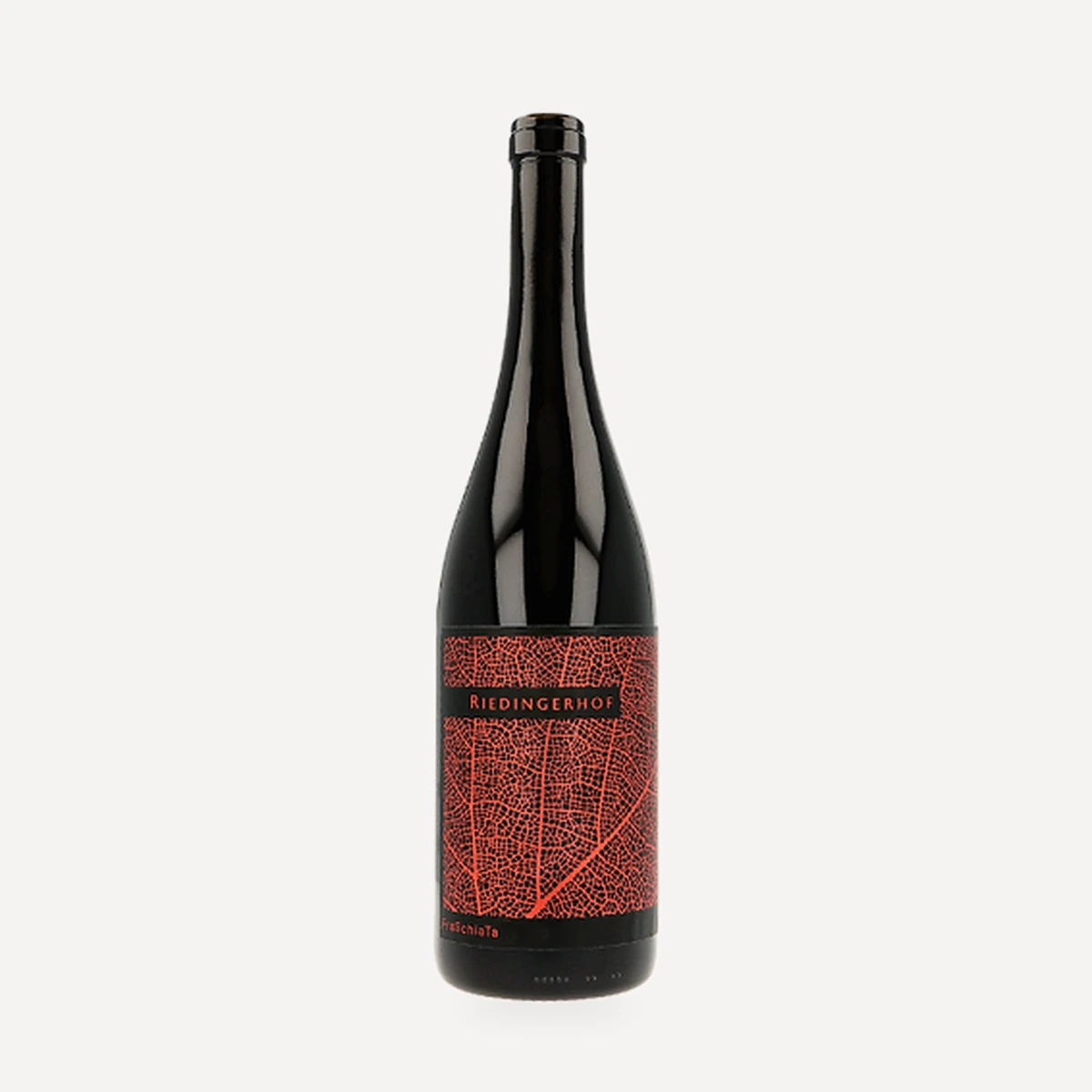
Storia
Centuries-old winegrowing roots
Riedingerhof has a centuries-old association with winegrowing, preserved physically in the walls and vaults of its historic cellar. The most recent historical reference cited for this earlier tradition dates to 1782. The cellar remains in use for vinification today.
The interruption after the 1970s
Winegrowing ceased at Riedingerhof during the 1970s and remained dormant for more than 30 years. Hansi Verdorfer’s grandfather had been an enthusiastic winegrower, while his father subsequently concentrated on fruit farming, particularly apples and chestnuts.
Revival under Hansi Verdorfer
Hansi Verdorfer developed an interest in wine from childhood, inspired in part by the old cellar. That interest continued through his professional training as a winegrower and through numerous cellar experiments. With his father’s support, he eventually revived the family’s winegrowing tradition on approximately three hectares of vines, brought wine production back into the historic cellar and began producing organic South Tyrolean wines.
His approach continued to evolve through experimentation and practical experience. Natural wine became the central focus: wines are now made with the aim of preserving the character of the grapes, their vineyard origins and the conditions of each vintage as directly as possible.
Terroir
Riedingerhof works just over three hectares distributed among six named sites, predominantly in and around Merano, with additional vineyards in Schenna and Tisens. Elevations range from 350 to 770 metres, and gradients from 5% to 55%. Several vineyards occupy steep, sunny slopes; some are laid out on transverse terraces, while the Tisens Steinmann vines follow the fall line of the slope.
The sites differ substantially in aspect and geology. South-, southwest-, west- and east-facing exposures are represented. Soils include sandy scree, lime-poor moraine deposits, granite, gneiss, porphyry and slate. The Tisens Steinmann site is described as exceptionally stony, with granite, slate and porphyry boulders and very little lime.
Warm conditions around Merano contribute to ripening, but each site and microclimate is treated as distinct. The estate’s objective is to preserve the individual sensory character that each grape variety acquires from its location and to reflect variations in site, microclimate and vintage.
Vinificazione
The vineyards are cultivated organically according to Bioland ecological guidelines, which impose requirements beyond the statutory criteria of the EU organic standard. The estate supplements those guidelines with additional low-impact measures.
Natural vegetation is maintained to create habitat for beneficial organisms. Natural substances are used to strengthen the grapes and vines, while preparations based on chamomile and field horsetail, together with compost preparations, are applied to support natural resistance. The underlying objective is to maintain healthy, resilient vines rather than treating vineyard work as a fixed annual formula.
Decisions are adapted each year to the vines’ needs and to changing climatic conditions. Much of the work is manual. It includes gentle pruning designed to minimise wounds and promote vitality and longevity, meticulous canopy work to regulate exposure to sunlight, and harvesting by hand in several separate passes.
Vinification takes place in Riedingerhof’s centuries-old cellar. Fermentations are spontaneous: yeasts and microorganisms arriving with the must from the vineyards, together with those naturally present in the cellar, convert the grapes’ sugars without the use of cultured selected yeasts.
Part of the white-wine production follows a method more commonly associated with red wine. Chardonnay and Weißburgunder may ferment on their skins and seeds, including fermentations in clay vessels. This extended contact transfers additional colour and tannin from the solid grape material, producing amber- to orange-coloured wines with a pronounced tannic structure.
Oak and acacia tonneaux are used for maturation alongside clay vessels. The cellar approach avoids fining and filtration and allows the wines sufficient time to develop rather than forcing them into a predetermined schedule. Across the range, the process is intended to retain vintage variation, vineyard character and the natural profile of the grapes.
Filosofia
Riedingerhof’s philosophy joins organic farming with natural, low-intervention cellar work. Hansi Verdorfer aims to make honest wines that retain the character of their grapes and communicate terroir as directly as possible. Working in harmony with nature is treated as a continuous practice extending from vineyard care through harvest and vinification.
Vintage variation is regarded as something to interpret rather than eliminate. The objective is not to make a nominally “better” wine every year, but to capture what the growing season provided and to represent each site and microclimate faithfully. Patience, observation and manual work are therefore central both in the vines and in the cellar.
The historic cellar is also conceived as a place for experimentation. Spontaneous fermentation, skin contact for white grapes, clay vessels, oak and acacia tonneaux, and the rejection of filtration form part of an approach that gives the wines time and freedom to develop. For Hansi Verdorfer, vineyard work, the autumn harvest, cellar work and tastings with guests are interconnected parts of the same vocation.
Vini
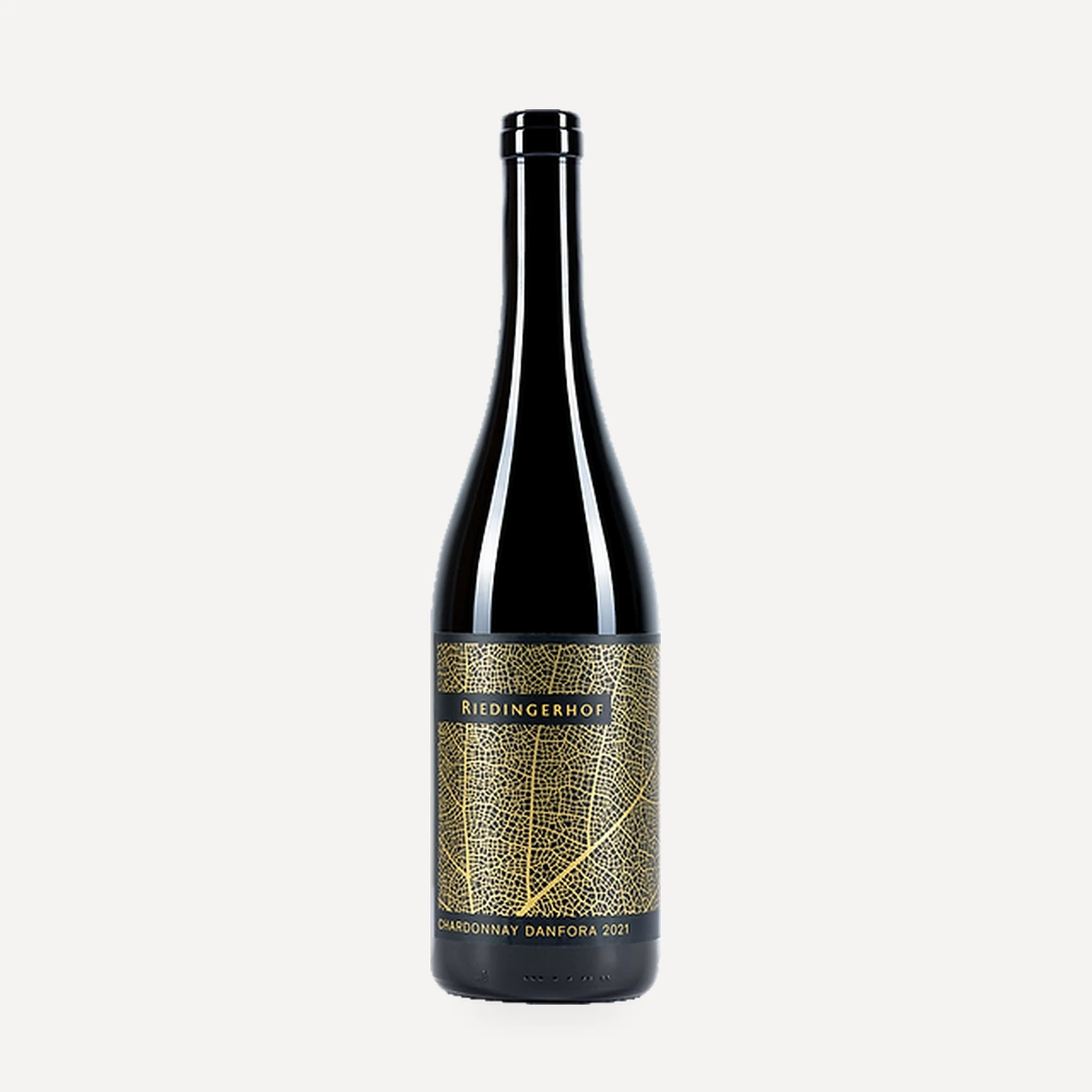
DanFora Chardonnay
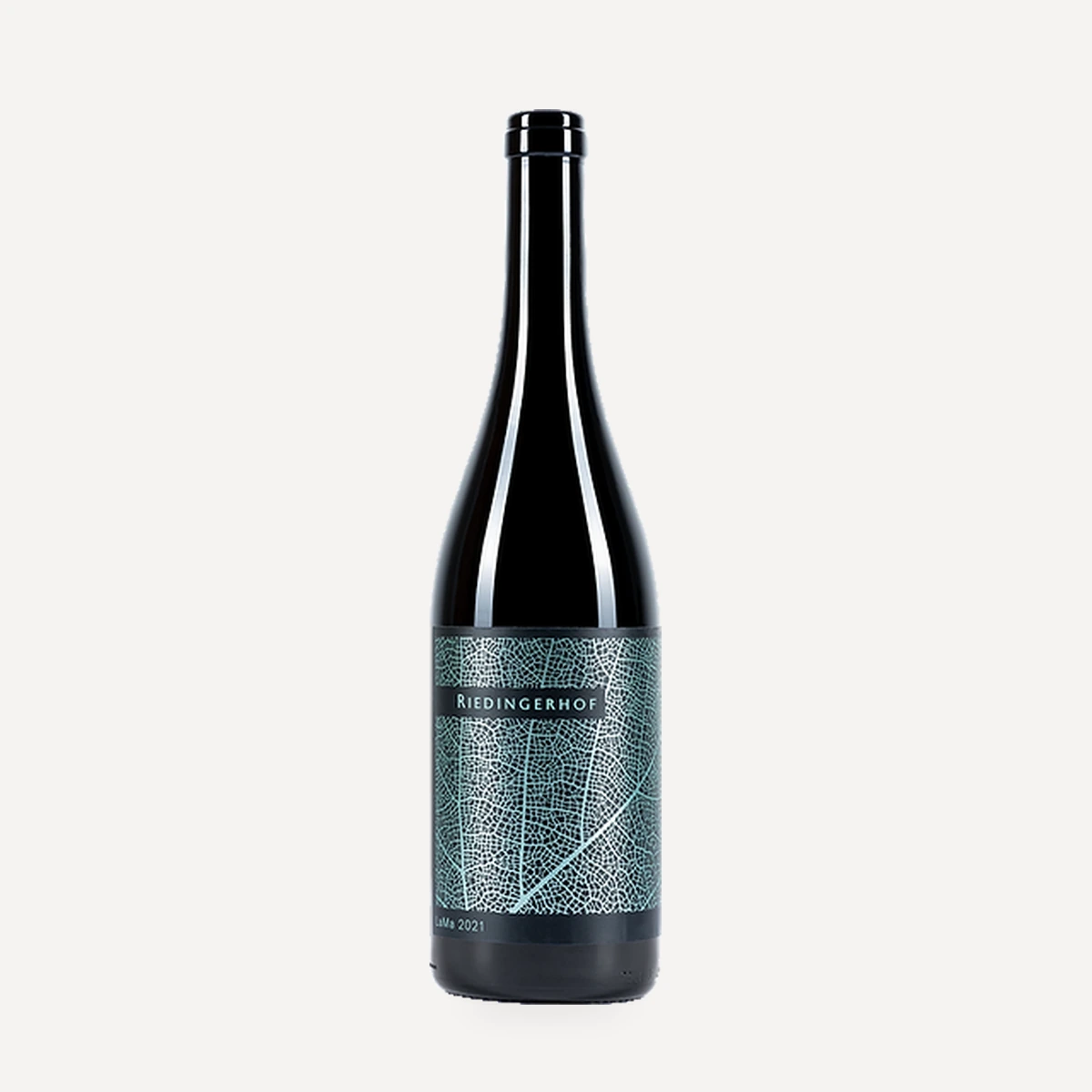
LaMa Manzoni Bianco
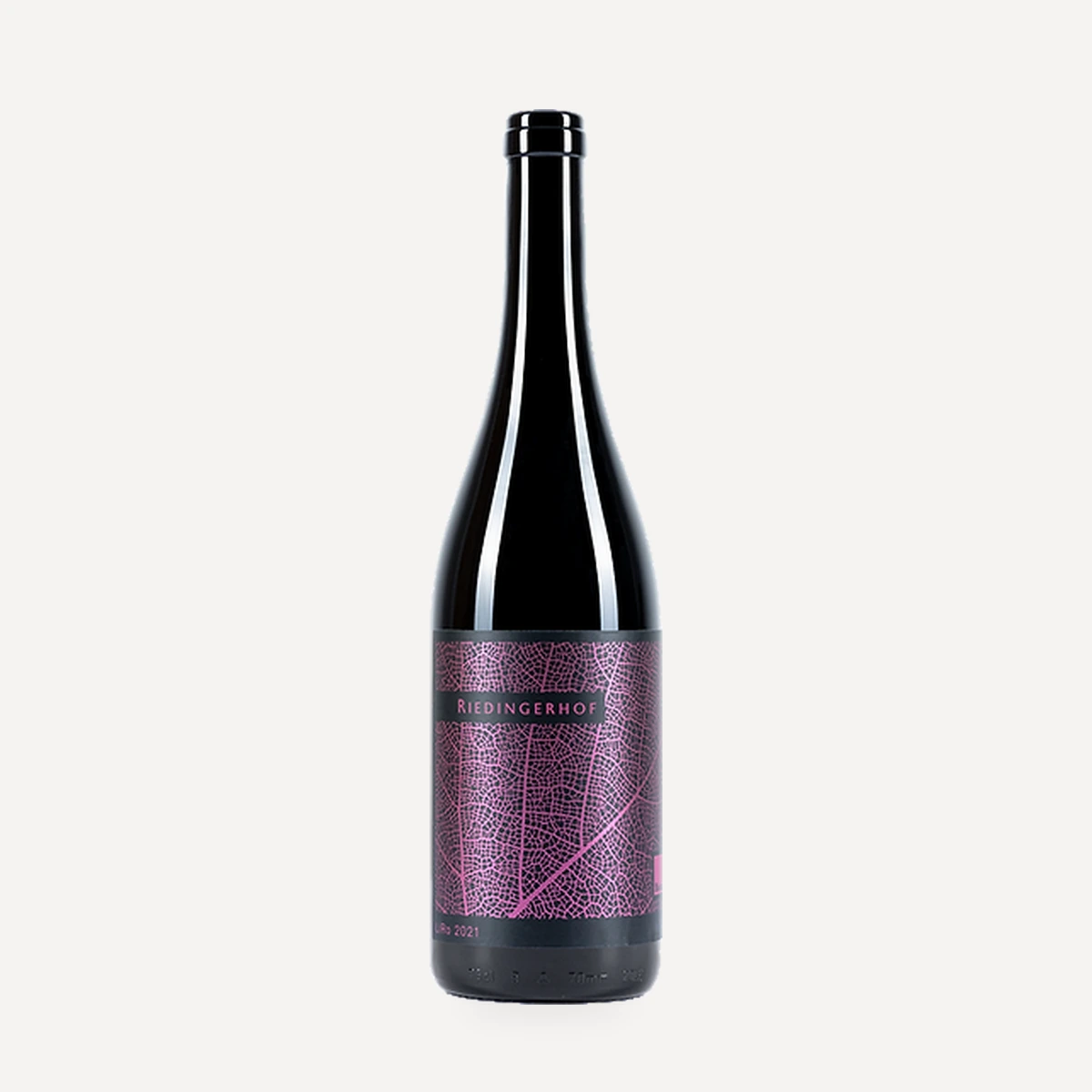
LiRo Lagrein
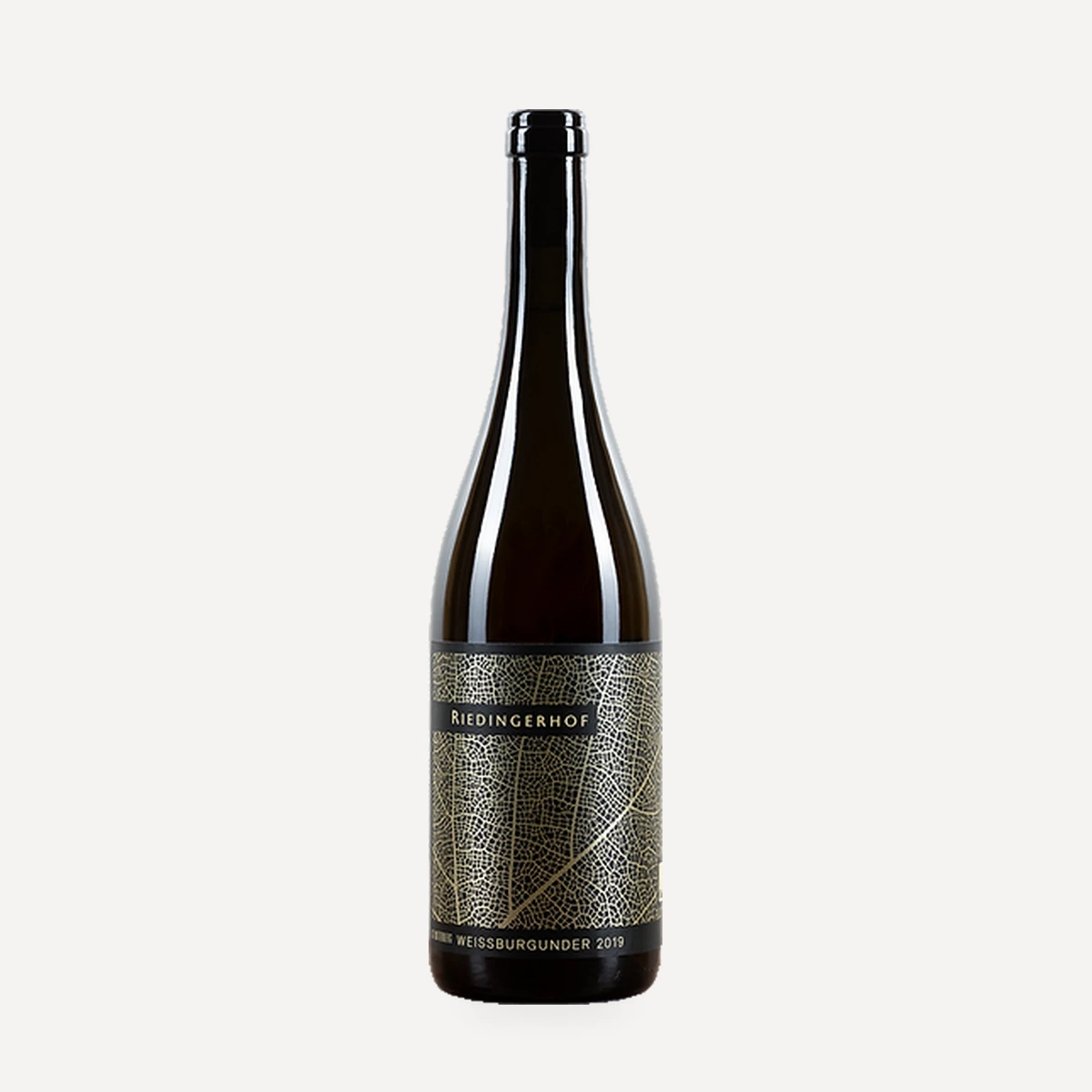
SassPinot Weißburgunder
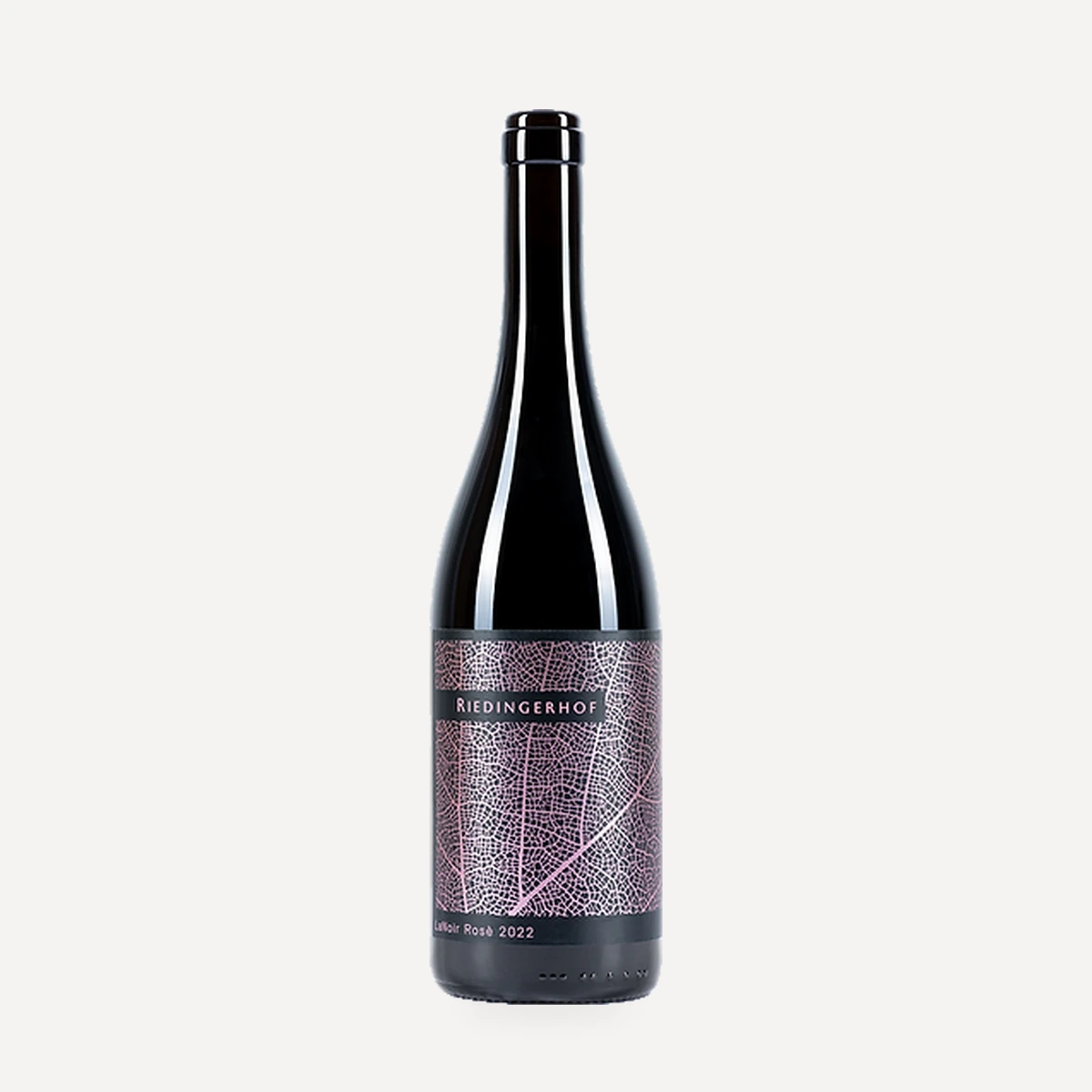
LaNoir Rosé
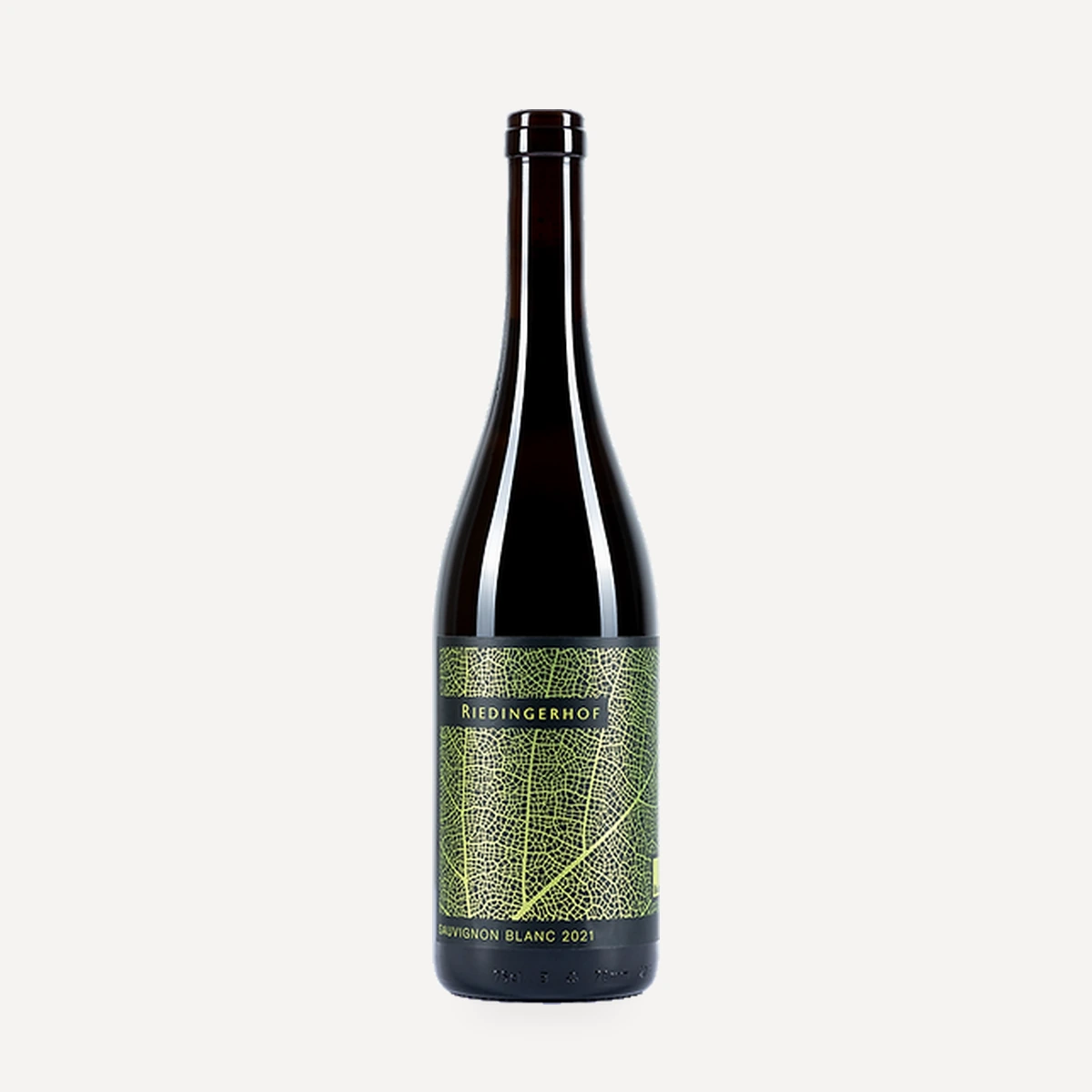
Sauvignon Blanc
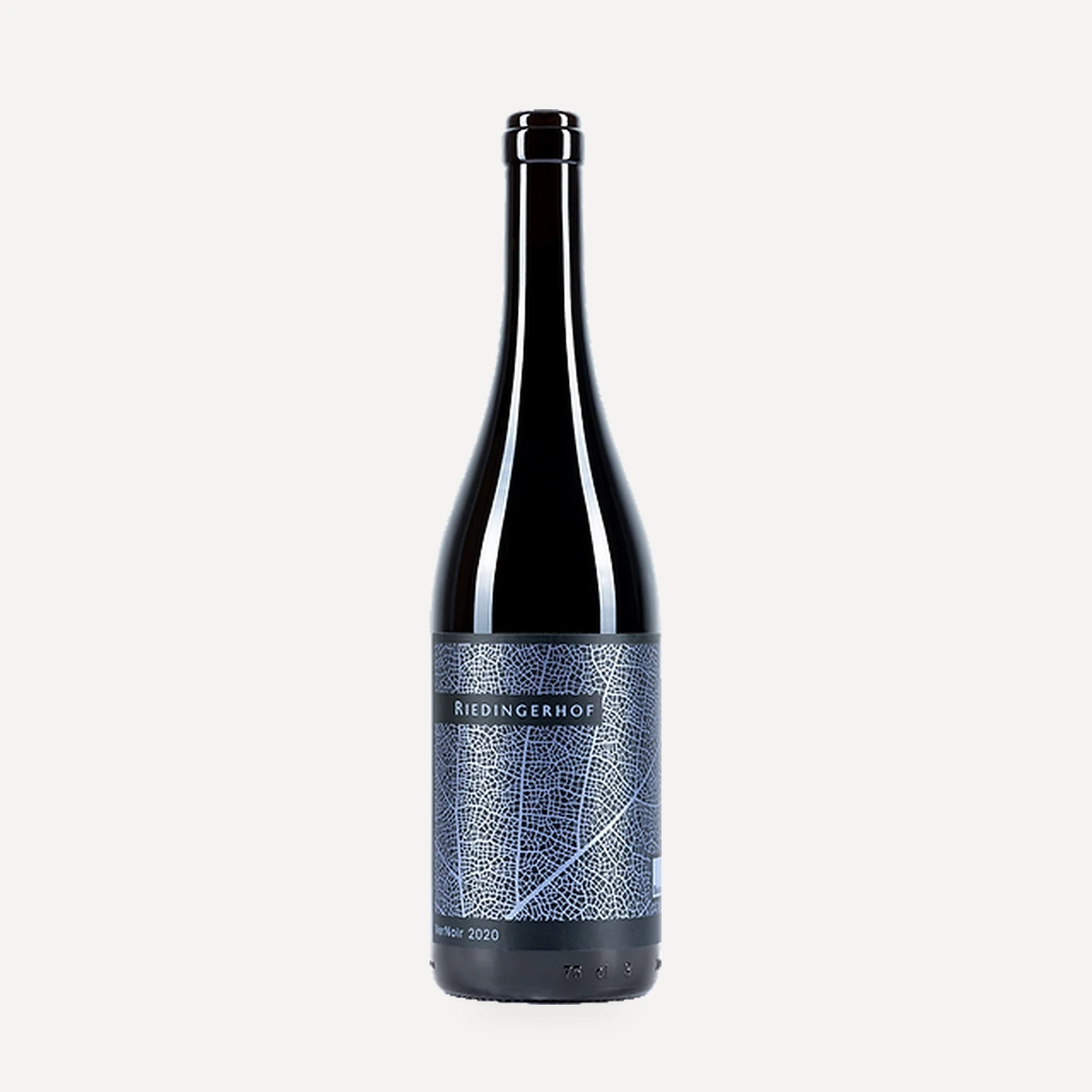
VerNoir Blauburgunder