Storia
Medieval origins
Rielingerhof was first documented together with nearby Ruine Stein in the early 13th century. It was a small farm created to supply the castle’s residents with food, a function shared by several neighbouring farms of the same period. Viticulture was already part of the estate’s activity in the Middle Ages: wine was produced for the lords of the castle represented today by Ruine Stein. Two historic Torggl stones—stone components associated with traditional wine pressing—were later found at the farm. One is preserved in the tasting room, while both can be viewed at the property.
Abandonment and wartime destruction
During the South Tyrolean Option period before the Second World War, the owners at the time emigrated. The farm subsequently remained unoccupied for 16 years. It was looted during the war and damaged so severely that it was in danger of collapsing. A religious figure in the farmhouse parlour and a tabletop were reportedly the only objects left behind.
1956: the Messner family
The Messner family purchased Rielingerhof in 1956. When the grandfather arrived with his wife and children, the building was in extremely poor condition; his recollection was that the front door was the smallest opening in the entire house. The family undertook the extensive work required to restore the buildings and return the farm to productive use.
Viticulture continued through three generations of the family and remained the agricultural centre of the property. The present diversified farm also developed livestock, arable farming, farm-stay accommodation and a Buschenschank, creating several outlets for products grown and processed on the estate.
2010–2011: a new agricultural and winemaking direction
The birth of Simon in 2010 became the catalyst for abandoning conventional agriculture. Following courses in organic viticulture and biodynamic farming, as well as discussions with like-minded growers, the family decided to convert the farm to a more sustainable system.
In 2011, the family decided to cellar and market the entire grape harvest itself, ensuring that the wine would be grown, transformed and matured at Rielingerhof. The estate also joined Freie Weinbauern Südtirol in 2011.
2012: preserving Blatterle
In 2012, propagation material from the estate’s old Blatterle vines was used to produce newly grafted vines. This continued the cultivation of a historic local white variety that had become exceptionally scarce.
2014–2015: organic and biodynamic farming
The farm history dates organic and biodynamic management from 2014. In 2015, after further training and exchanges with other growers, Rielinger joined the Bioland association. Biodynamic ideas became closely connected to the farm’s circular system, in which vineyards, arable crops and livestock form parts of the same agricultural enterprise.
The present farm
Rielinger is now managed by the third Messner generation. Its three principal activities are agriculture—centred on winegrowing and wine production, together with livestock, potatoes and a small quantity of grain—four farm-stay apartments, and a Buschenschank serving estate produce during its spring and autumn seasons. Recent investment in photovoltaic generation has made the wider farm largely energy autonomous and supports charging facilities for electric cars and bicycles.
Terroir
Location and topography
Rielinger lies at Siffianer Leitach near Klobenstein on Ritten, above Bolzano in Südtirol. The vineyards occupy steep, terraced, south-facing slopes at the foot of the Ritten plateau. Documented vine blocks extend from approximately 680 to 800 metres above sea level. The estate belongs to the Eisacktal winegrowing area, specifically the lower Eisacktal sector that includes Atzwang, Siffian, Lengstein and Unterinn.
Altitude gives the site a somewhat cooler, rougher climate. Pronounced day-to-night temperature differences during ripening are particularly important on these slopes. The Zweigelt block benefits from an early start and long ripening period, allowing the fruit to experience the autumn temperature range. The Riesling occupies the estate’s airiest position. The Ritten plateau receives approximately 300 days of sunshine annually.
Soils
The vineyards grow over deep glacial moraine soils composed of sandy loam above the parent material of the Bozner Porphyrplatte. The moraines were deposited by glaciers during the Quaternary and contain an unsorted mixture of rock debris, sand and clay. They combine nutrient availability with good drainage.
The visible porphyry belongs to the Etschtaler Vulkanitgruppe, also known as Bozner Quarzporphyr. It formed approximately 280 million years ago during the Permian, when extensive lava flows and volcanic ash deposits solidified into reddish-to-greenish rock. Local porphyry is used extensively in the dry-stone walls of the vineyards.
Across the valley, the Schlern provides a view of a different geological system: carbonate rock derived from the warm, shallow Triassic sea and its ancient reef structures. The estate landscape therefore sits within sight of both the region’s volcanic and marine geological formations, while the vines themselves are rooted in younger glacial deposits over porphyry-derived parent material.
Vineyard microenvironments
The combination of sunny southern exposure, elevation, a cooler high-slope climate and large diurnal shifts defines the vineyard environment. Dry-stone walls, warm slopes and sheltered crevices also create habitat for the Alpine scorpion, Euscorpius alpha, which is treated as an indicator of biodiversity in the organically farmed vineyards.
Vinificazione
Rielinger has farmed organically and biodynamically since 2014 and joined Bioland in 2015. The transition followed training in organic viticulture and biodynamic farming and exchanges with other growers. The approach is embedded in a wider circular farm rather than being confined to the vines: cattle, pigs and poultry are raised alongside vineyards, potatoes, grain, vegetables, herbs and fruit.
Harvest is manual where specified. Family members, friends, acquaintances and even guests come together for the autumn picking, locally called wimmen. Riesling and Kerner are harvested in two separate passes. Riesling crop load is reduced to approximately 0.8 kg per vine, while Blatterle is limited to 7,000 kg/ha. Kerner is naturally low yielding. The old Vernatsch vines used for Vernatsch 69 are not irrigated.
The porphyry dry-stone walls provide habitat for the Alpine scorpion and other vineyard life. The farm regards the harmless native scorpion as a symbol of biodiversity in its organically managed vineyards. Beyond the vineyard, three Tiroler Grauvieh mother cows and their calves form part of the circular system. The calves remain with the herd and consume the cows’ milk; the cattle spend summer on the alpine pasture, move to a meadow above Klobenstein in autumn and are walked back to the farm for winter.
From winter pruning to harvest
The production cycle begins with winter pruning and continues through maturation, bottling and sale. The most concentrated cellar period falls in September and October, when multiple varieties are processed at once. Harvest is a communal undertaking involving the family, friends, acquaintances and guests.
Reception, crushing and pressing
Harvested grapes are destemmed and crushed. Depending on the variety and intended method, the fruit enters a vat directly or passes first through the press. Juice pressed before fermentation is separated from skins and seeds and pumped into vats. Red grapes enter the vats unpressed so that fermentation can extract colour from the skins. Some white grapes are likewise fermented unpressed and in contact with their skins to develop flavour, structure and individuality.
Fermentation and maturation
Rielinger seeks to avoid added yeast wherever possible, relying on spontaneous fermentation with yeasts already present on the grapes and in the must. Fermentation is not stopped with sulphur. Potential alcohol and final dryness are instead managed through the picking date and the amount of sugar present at harvest; once the available sugar has fermented, alcohol ceases to increase.
Cellar methods vary by lot. Disclosed practices include fermentation in stainless-steel tanks, wooden vats and large acacia casks; slow fermentation at approximately 18°C; cool red-wine skin fermentation in wood at approximately 25°C; spontaneous acid reduction; and maturation on fine lees until mid-March. Some white lots undergo extended skin contact, including a documented 30-day maceration, while another white lot is divided approximately equally between a large acacia cask and stainless steel.
Bottling
Bottling is carried out at the farm with a mobile line owned by the Maschinenring farmers’ association. The line has a capacity of 1,500 bottles per hour and fills, corks, labels and capsules the bottles. Bottles are then packed into cartons by hand, with relatives and farm guests helping each year.
Filosofia
Rielinger’s stated aim is to capture the character of each completed growing season rather than impose a fixed formula. Its guiding description—deeply rooted, clear and honest—connects the wines to the farm, vintage and place. The family seeks the highest attainable quality in both vineyard and cellar while bringing the product to bottle as authentically and naturally as possible and without additions.
The decision to cellar the entire harvest was intended to keep cultivation, transformation, maturation and direct sale together at the farm. In the cellar, this translates into careful handling, spontaneous fermentation and methods chosen to retain the fruit’s intrinsic character. Preserving Blatterle represents a parallel cultural goal: maintaining an old local variety and giving it a distinct place within the range.
Environmental principles extend across the whole mixed farm. Biodynamic ideas are pursued through circular agriculture involving vines, livestock, arable crops and food production. Renewable energy, seasonal ingredients, estate-grown products and collaboration with like-minded local farms form part of the same emphasis on independence, regionality and responsible resource use. The family also presents itself as a mediator of wine culture through tastings and personal introductions to new vintages.
Vini
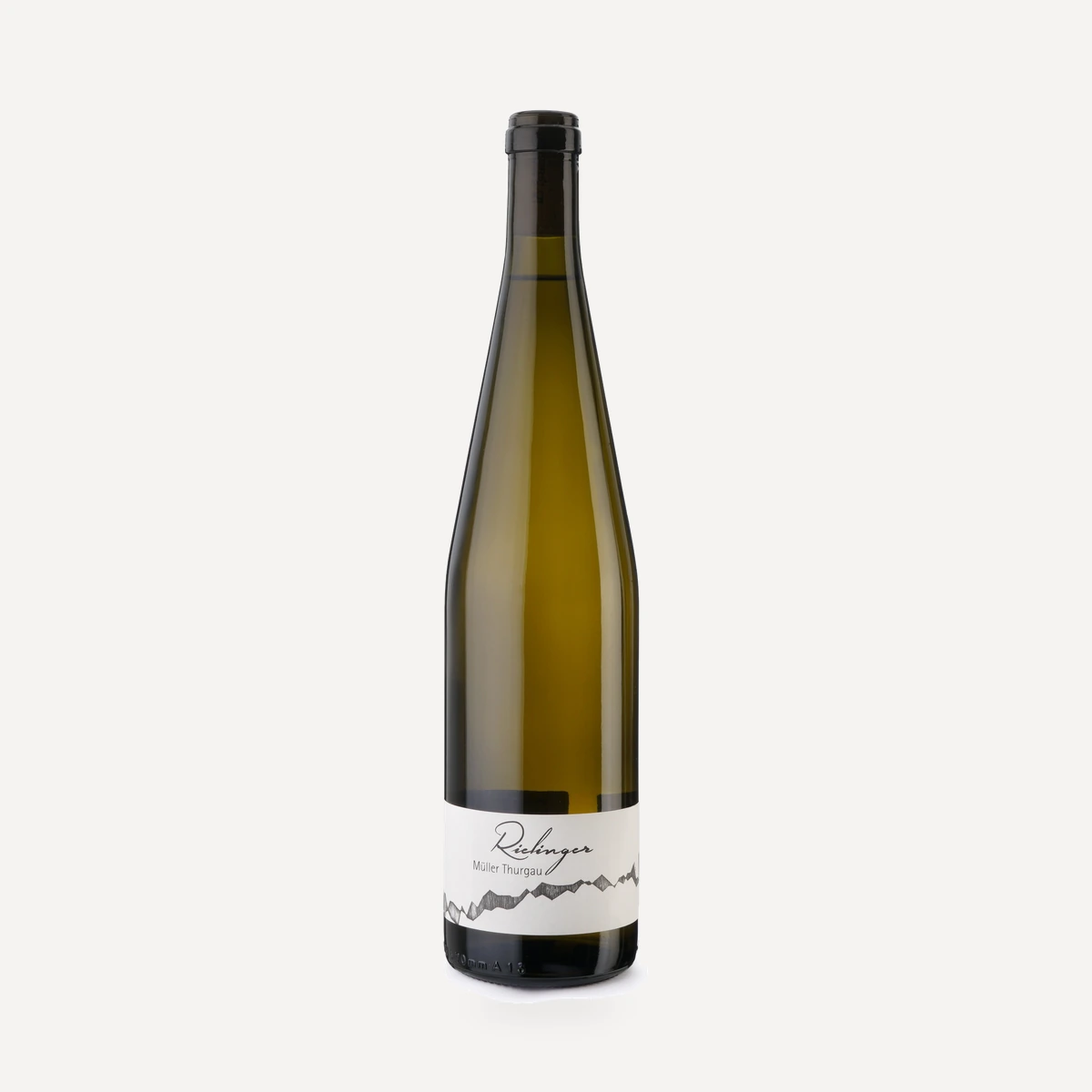
Müller Thurgau
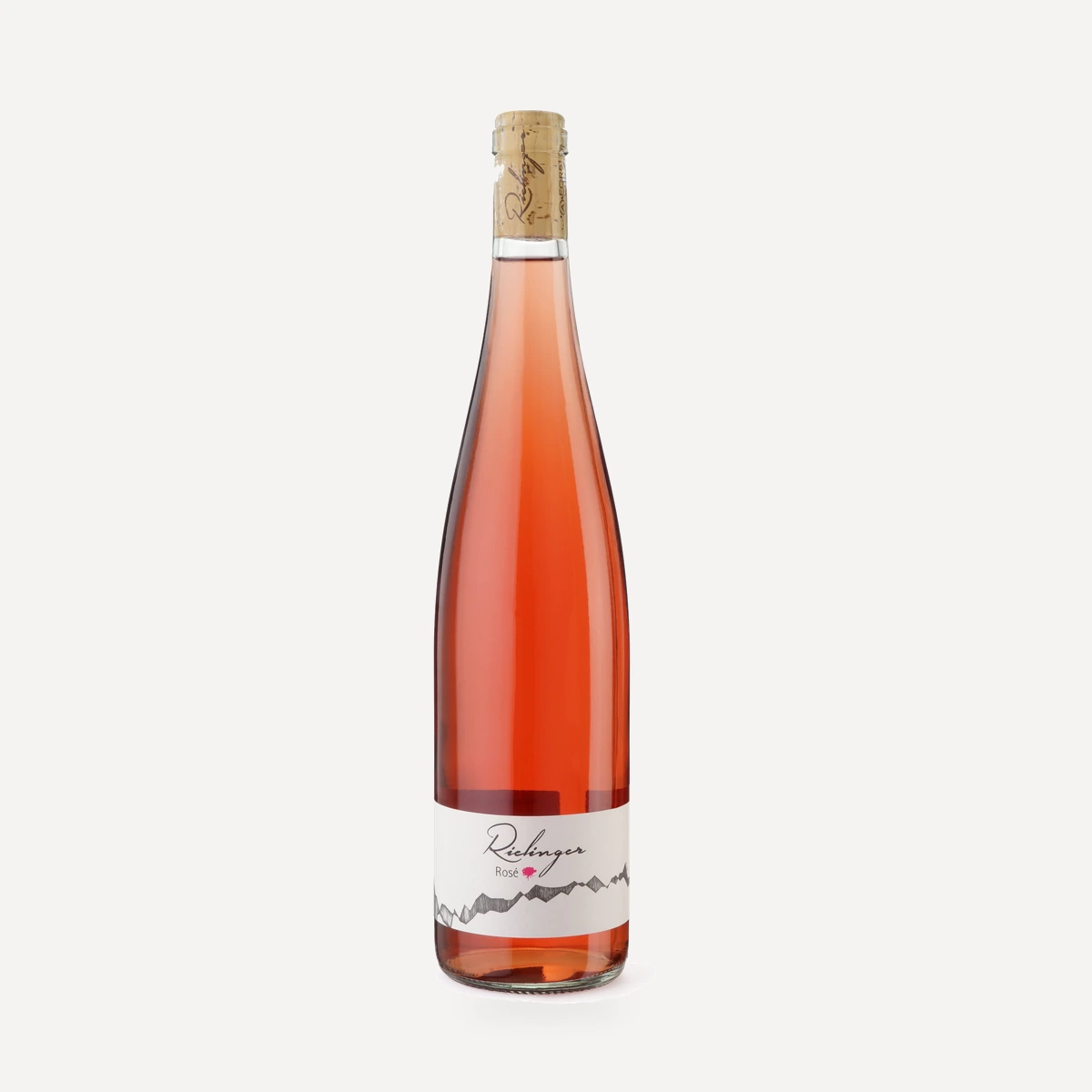
Rosè
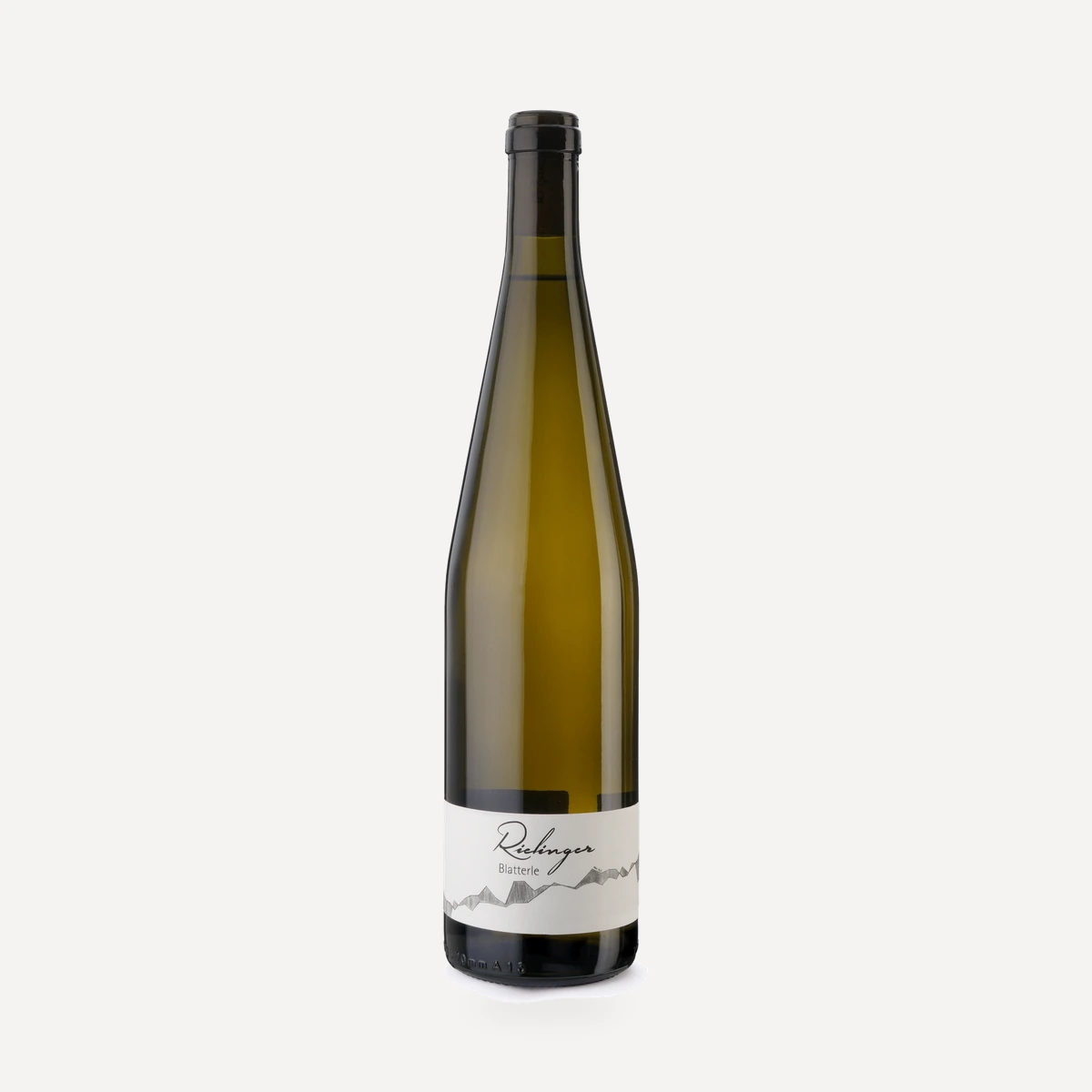
Blatterle
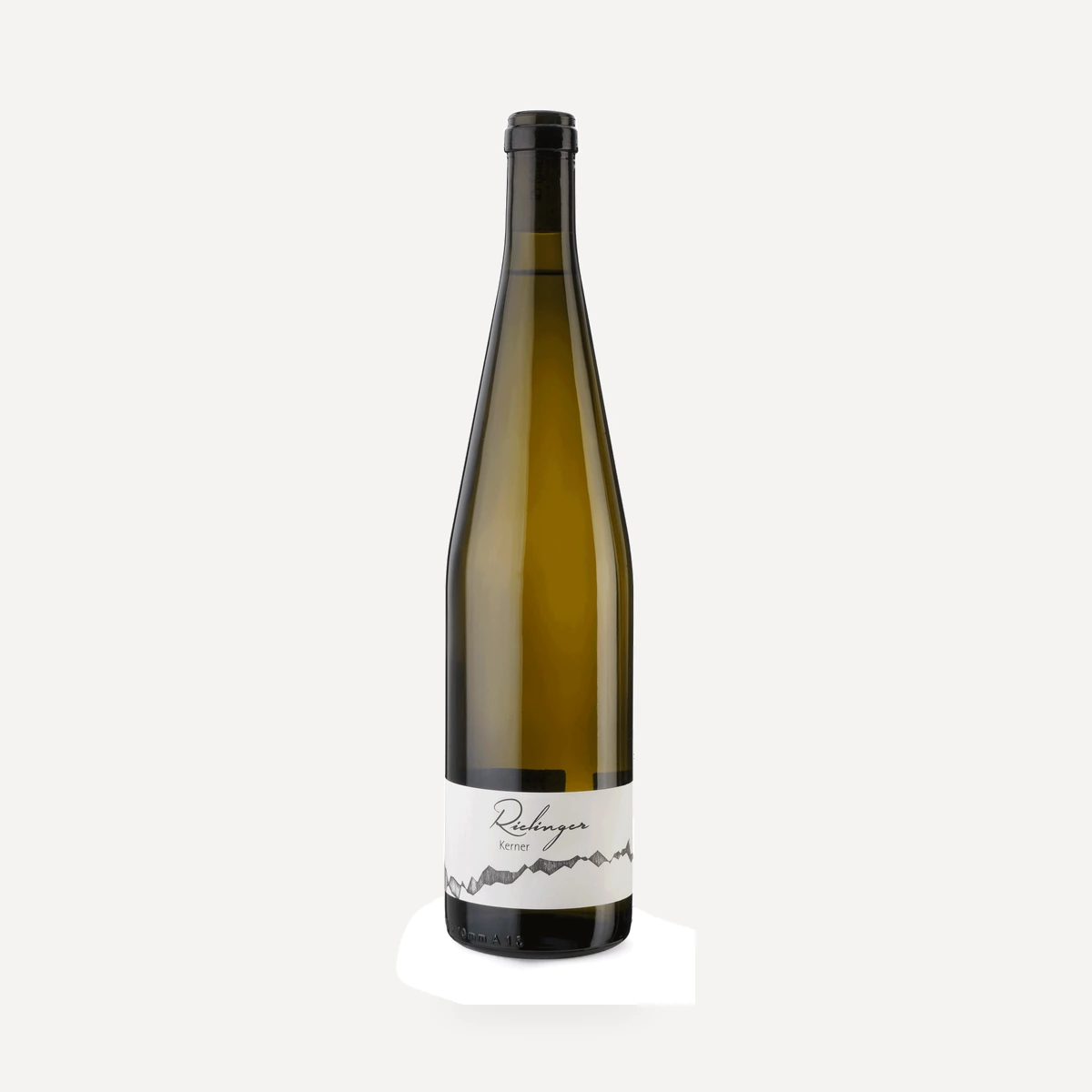
Kerner
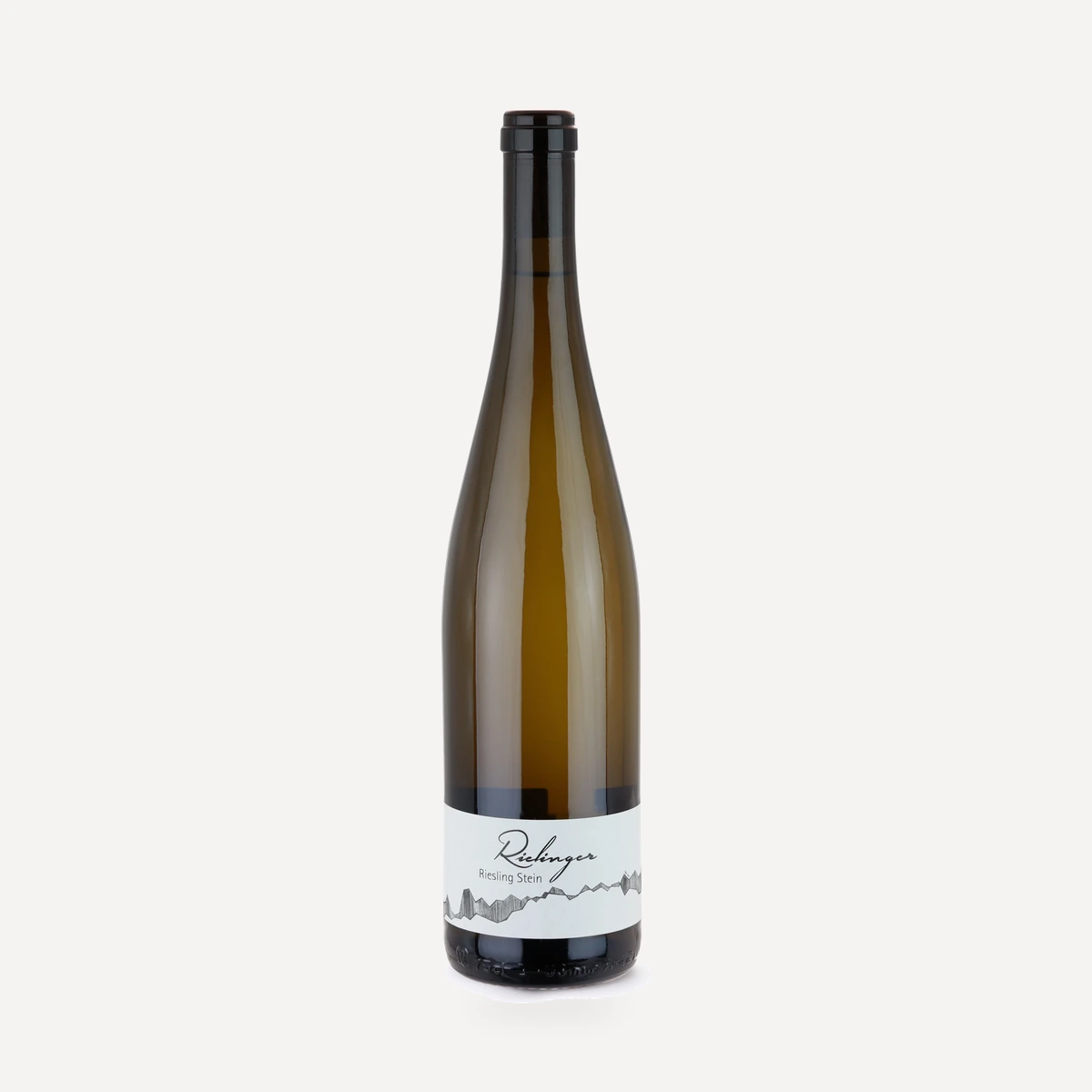
Riesling St.ein