Storia
Foundation and the Nüesch period
Ritterhof was founded in 1967 by Swiss national Emil Nüesch. The Swiss wine company Nüesch Weine remained the winery's owner until the end of the 1990s.
A decisive technical appointment followed in 1993, when Hannes Bernard became Ritterhof's first cellarmaster. He continues to hold that position.
Acquisition by the Roner family
The Roner family acquired Ritterhof in 1999. Ludwig Kaneppele took responsibility for management following the purchase and now oversees viticulture.
Modernisation of the winery
Two major building projects reshaped the facilities during the 2010s. In 2012, the grape-reception area, fermentation cellar, bottling plant and warehouse were renovated. A second project in 2014 expanded the offices, wine shop and barrique cellar.
Fourth-generation management
Eva Kaneppele assumed management in 2021. She represents the fourth generation of the Roner family, whose family business also includes Roner Distilleries. Gudrun Roner serves as Ritterhof's president.
In 2025, Ritterhof marked a stated 25-year anniversary with a Wine Cellar Night featuring cellar tours, wine service, food and music.
A cellar accident becomes DATUS
One of the more unusual episodes in Ritterhof's production history occurred at about 02:00 while the team was processing its best Pinot Noir from the 2018 harvest. The V-belt on the destemmer broke. Rather than halt the work, the team decided to ferment the grapes with their stems. The accidental experiment became DATUS Alto Adige Pinot Noir Riserva DOC 2018, a whole-cluster wine aged in new barriques and released as 650 numbered bottles.
Terroir
Ritterhof is based in Kaltern on the South Tyrolean Wine Road and works with fruit from a broad range of South Tyrolean environments. Its growing areas extend from warm valley-floor sites around 220–240 metres to slopes reaching 900 metres, with additional vineyards described as high as 1,000 metres in the municipality of Montan. This range permits the cultivation of both Mediterranean-influenced red varieties and varieties favoured by cooler, higher sites.
Kaltern
Kaltern's vineyards lie principally between 300 and 450 metres. Permeable, mineral-rich moraine deposits and sandy, calcareous gravel support white varieties, while warm sandy, gravelly and morainic sites above Lake Kaltern are associated with Vernatsch. Southern slopes below the village, at 320–400 metres, contain well-drained, mineral-rich glacial moraine soils. Lake Kaltern and the area's Mediterranean conditions form part of the local setting.
Tramin
Tramin is surrounded by approximately 360 hectares of vineyards. Its lime-and-clay soils are particularly associated with Gewürztraminer. Mediterranean vegetation, including olive trees, also grows on its vine-covered hills. Ritterhof's Gewürztraminer sites include the exposed, sunny Rungg area at 320–400 metres, where the vines grow in clay-loam soil.
Kurtatsch and Graun
Kurtatsch contains approximately 330 hectares of vineyards extending from 200 to 900 metres. Graun, at 800–900 metres, is among the highest wine-growing zones described. Temperature differences between day and night can reach 15°C. Sandy gravel soils with clay components and these large thermal shifts are associated with intense wines, freshness and aromatic definition.
Montan and Glen
Montan occupies the western side of the South Tyrolean Lowlands at elevations of approximately 400–1,000 metres. Sandy, gravel-bearing clay and a distinctive microclimate suit Pinot Noir. Some vines are up to 40 years old and are trellised. The southwest-facing, steep slopes of Glen, at roughly 400–600 metres, combine strong sunlight with gravelly clay soils.
Auer
Auer lies at about 240 metres in the South Tyrolean Lowlands. Lagrein grows on the southern side of the local debris cone. Selected Lagrein sites in Auer and Bozen sit at approximately 220–350 metres on sandy and gravelly soils.
Bozen and the Ritten plateau
Bozen occupies a sun-filled basin between the Adige and Eisack rivers, where temperatures can reach 40°C. The hillsides have well-aerated gravel soils, while alluvial soils occur on the valley floor. Lagrein is associated particularly with Gries. St. Magdalener lies northeast of the city, while the foot of the Ritten plateau provides sunny, south-facing slopes for Cabernet and Merlot at about 450 metres. These sites are steep, rocky and relatively poor, with sandy-clay porphyry soils. Higher above Bozen, Ritten has 144.6 hectares of vineyards and supports Pinot Blanc and Sauvignon.
Vinificazione
Ritterhof combines work in its vineyards with long-term, contract-based relationships with growers. The collaboration is built around experience, trust, qualitative cultivation and sustainable practices. Grapes are harvested by hand, and selected lots are sorted in the vineyard or on arrival according to ripeness and condition.
Training systems vary by site and variety. Guyot and other wire-trellis systems are widespread, while traditional pergolas remain in older Vernatsch and mixed vineyards. Reported planting densities for selected wines range from approximately 6,000 to 8,000 vines per hectare. The vineyard base includes Vernatsch and Lagrein vines more than 50 years old, Pinot Noir vines up to 40 years old and Cabernet Sauvignon vines over 35 years old.
Yields are adjusted by variety and selection. Figures disclosed across the range extend from about 40–50 hl/ha for selected Collis and Rarus vineyards to approximately 60–80 hl/ha for broader selections. Hand picking generally runs from mid-September through October. Late-ripening parcels and individual varieties are harvested when physiological maturity is reached; selected Lagrein may be gathered in several passes. Passito grapes remain on the vine to dry and are selected shortly before Christmas.
Souvignier Gris is cultivated as a PIWI, or fungus-resistant, variety. It has robust foliage and loose bunches and is presented as particularly ecological to cultivate. No named organic, biodynamic or sustainability certification is given.
Vintage conditions have required adaptive vineyard work. Targeted frost protection was necessary in some sites during the cold spell of late March 2020. High fungal-disease pressure followed wet periods in May and June that year. In dry June 2021 conditions, both young and bearing vineyards in affected areas required irrigation. Harvest dates are adjusted to weather and fruit health, including earlier picking where warm, humid conditions increase rot risk.
Ritterhof's production facilities were extensively modernised in two stages. The 2012 work renewed grape reception, the fermentation cellar, bottling equipment and warehouse. In 2014, the barrique cellar was expanded together with the offices and wine shop.
Fruit is harvested manually and transported promptly to the winery; several varieties arrive in 220 kg crates. Depending on variety and wine style, grapes may be gently crushed, destemmed or fermented with stems. White grapes commonly receive a short period of skin contact or several hours of cold maceration before gentle pressing. Must clarification is carried out either directly before fermentation or through natural sedimentation.
Temperature-controlled stainless-steel fermentation is central to white-wine production. Temperatures disclosed across the range include 16°C for rosé, 17°C for selected whites and PIWI Souvignier Gris, and approximately 19–20°C for other aromatic and classic white varieties. Some whites remain on their fine lees until bottling or undergo further lees refinement.
Red grapes are generally crushed and destemmed before traditional maceration and fermentation, commonly at 22°C for Vernatsch-based wines and 28°C for Lagrein, Pinot Noir, Merlot and Cabernet-based wines. Open fermenters are used for Pinot Noir. Extraction may involve gentle punch-downs and pumping over to maintain prolonged contact between juice and skins. Individual components of blends can be fermented separately before assemblage.
Maturation vessels include stainless-steel tanks, large wooden casks and small French oak barriques. Selected Lagrein, Pinot Noir, Cabernet and Merlot wines mature in French barriques; some wines combine barrique and large-cask ageing. The Rarus Lagrein Riserva receives 18 months in French barriques. Some Cabernet-based wines undergo further maturation in bottle.
Special techniques include whole-cluster fermentation for the 2018 DATUS Pinot Noir, followed by ageing in new barriques. Passito production uses fully ripe Gewürztraminer grapes dried on the vine, cold maceration before pressing, fermentation at 20°C and refinement on the lees.
Filosofia
Ritterhof places the vineyard before the cellar: location, climate and temperature are treated as decisive elements in a wine's character. Nature is described as the estate's inspiration and driving force, while craftsmanship, finesse and passion guide the transformation of grapes into wine.
The estate's stated objective is to produce varietally recognisable wines through natural, gentle processing. Its approach joins respect for established South Tyrolean traditions with technical innovation. This balance is also presented as the guiding principle for the team.
Sustainability is framed as a responsibility to treat nature carefully and respectfully and to preserve a liveable environment for future generations. Long-term cooperation with contracted growers is part of this approach, with trust, experience and shared expectations for cultivation and fruit quality.
The three wine lines express different aspects of the same philosophy: Terra is rooted in familiar South Tyrolean styles, Collis is based on fully ripe fruit from selected slopes, and Rarus relies on hand-selected grapes from the best vintages and prolonged, careful maturation. The large stone Vernatsch cluster at the winery entrance serves as a physical symbol of this credo.
Vini
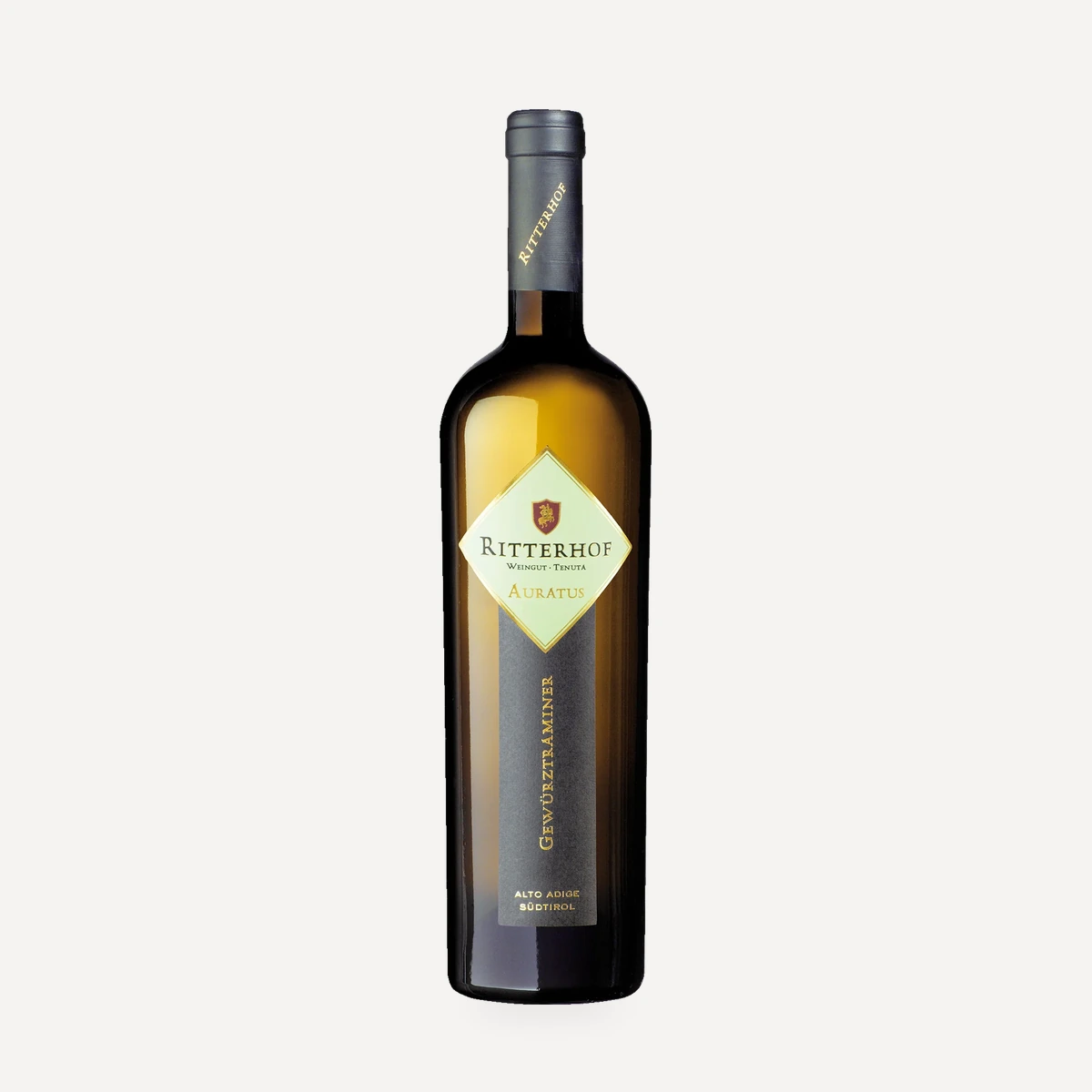
AURATUS Südtiroler Gewürztraminer DOC
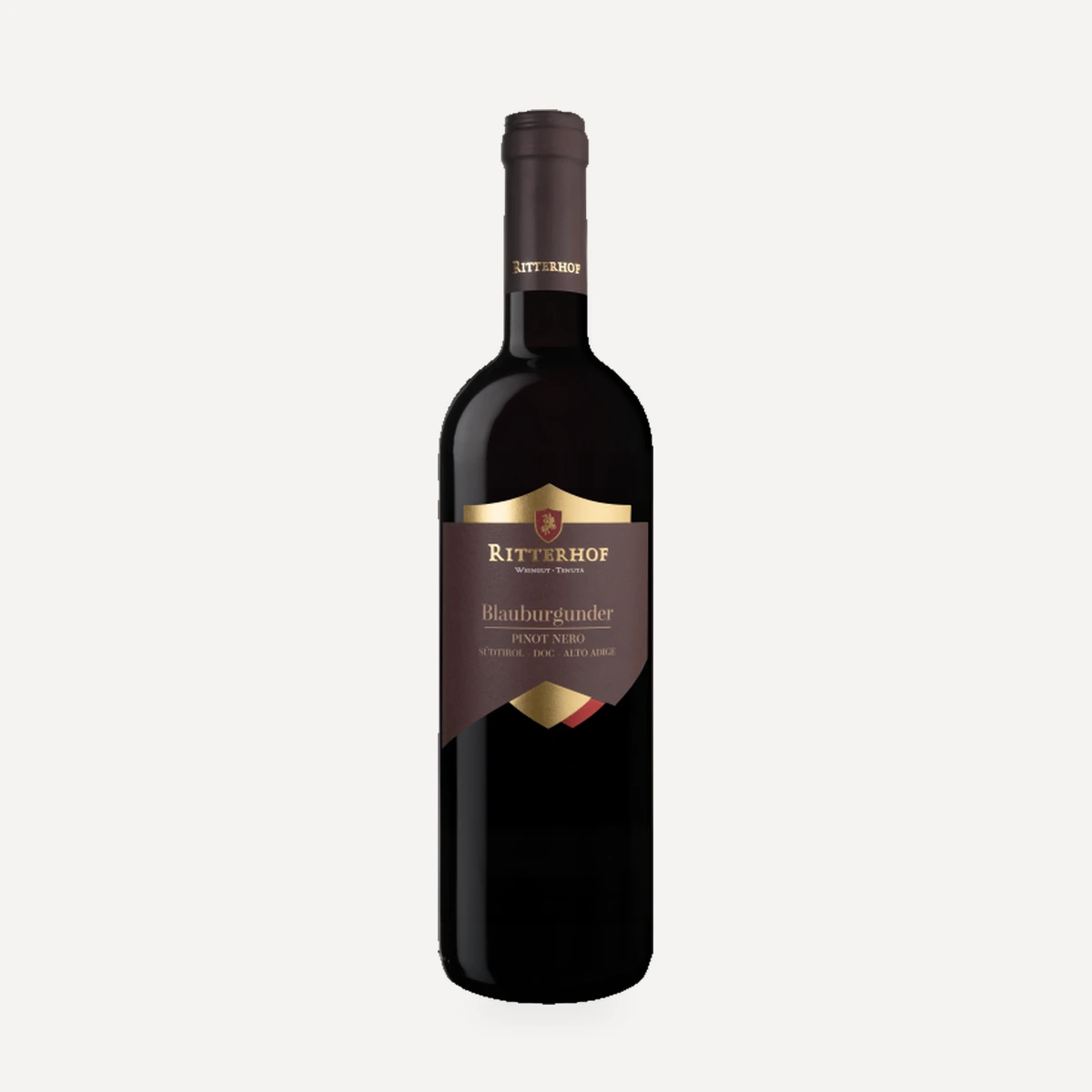
Blauburgunder Alto Adige Blauburgunder DOC
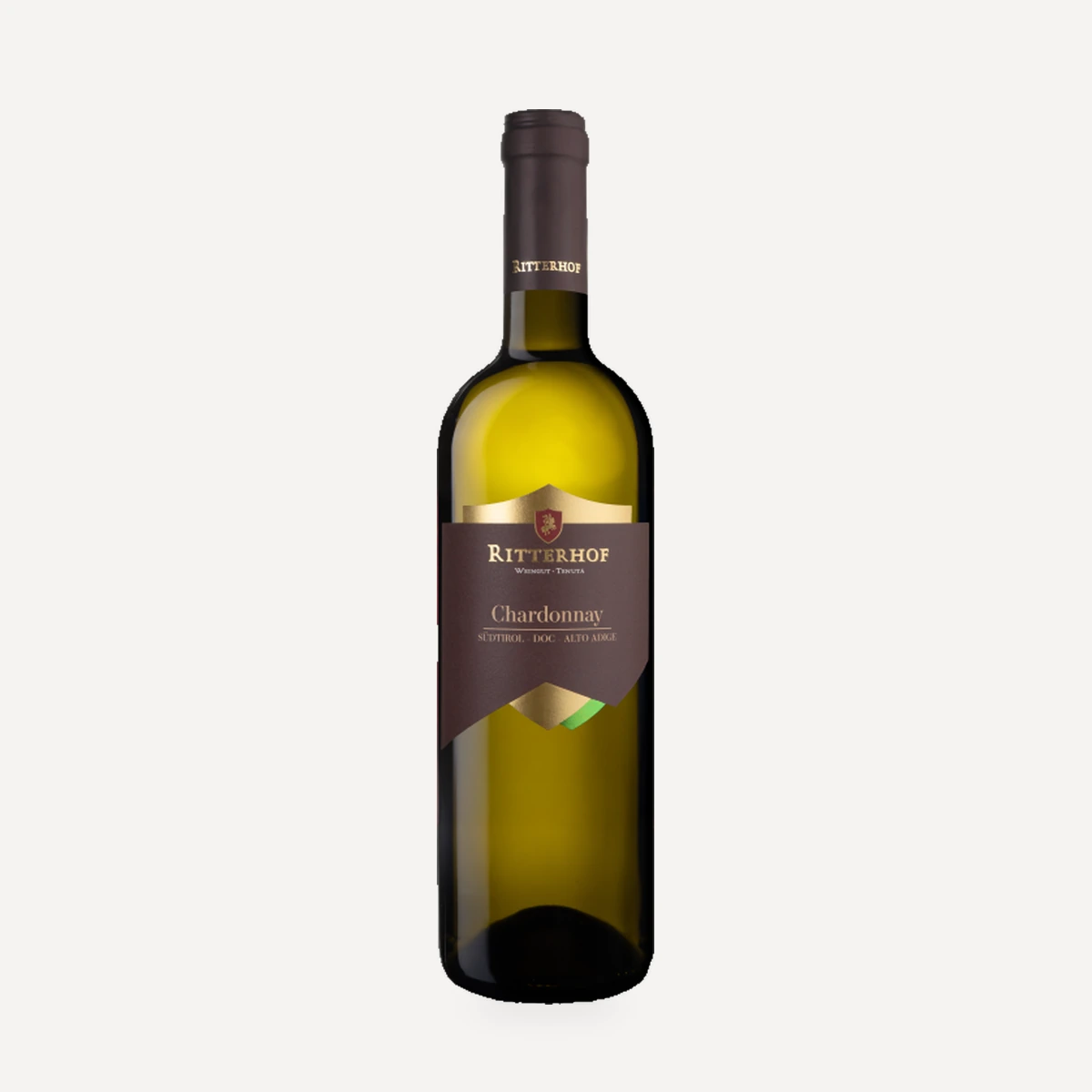
Chardonnay Alto Adige Chardonnay DOC
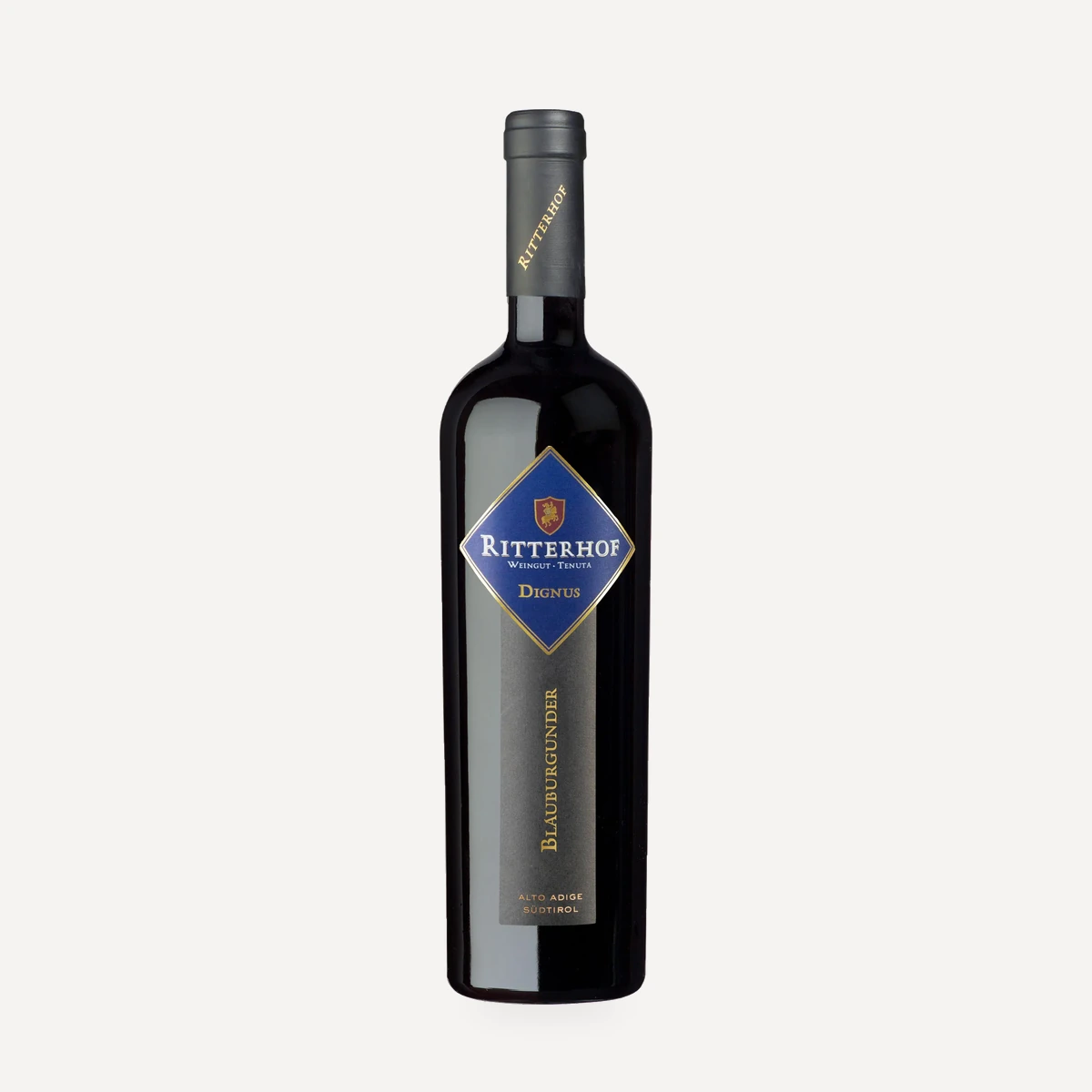
DIGNUS Alto Adige Pinot Noir DOC
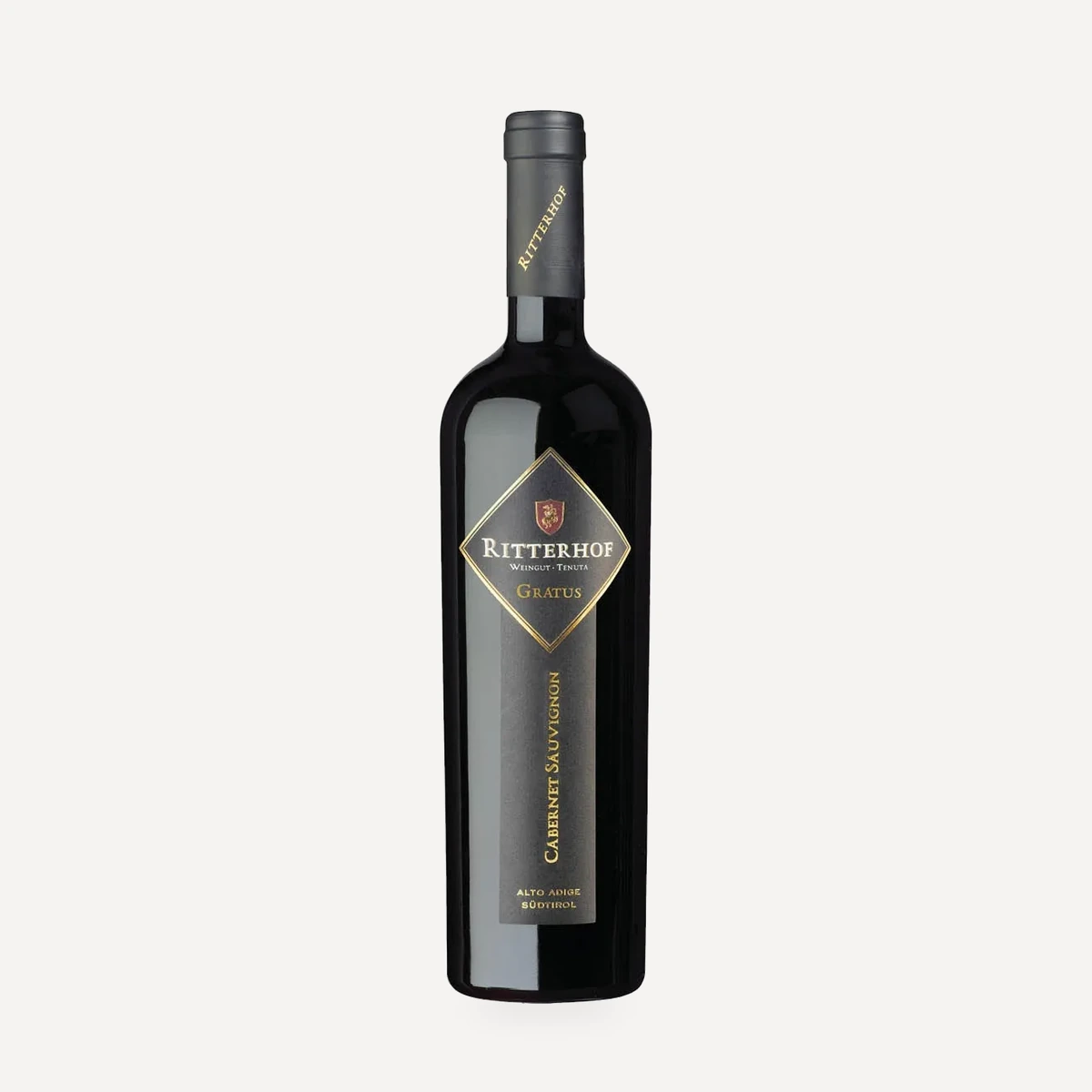
GRATUS Alto Adige Cabernet Sauvignon DOC
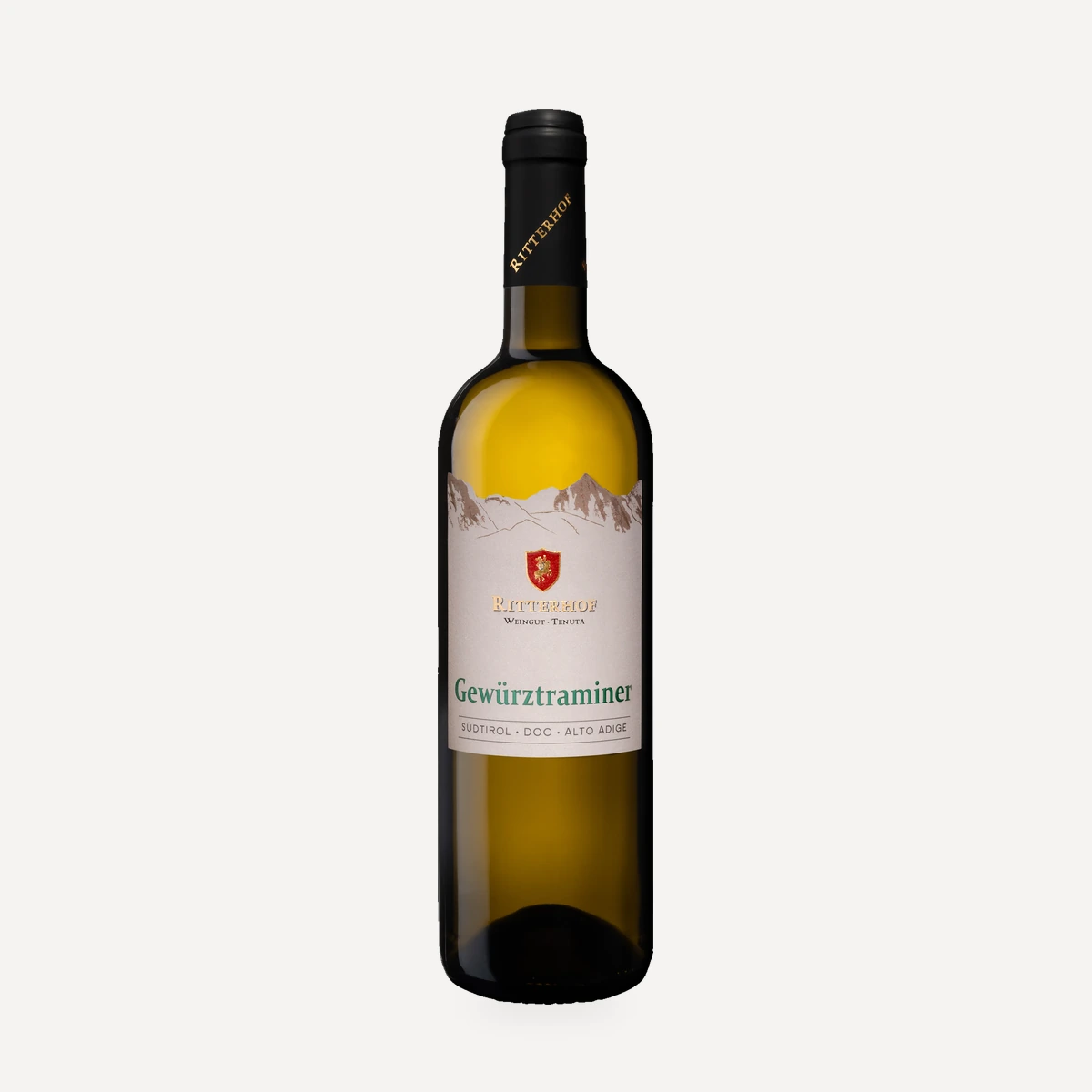
Gewürztraminer Alto Adige Gewürztraminer DOC
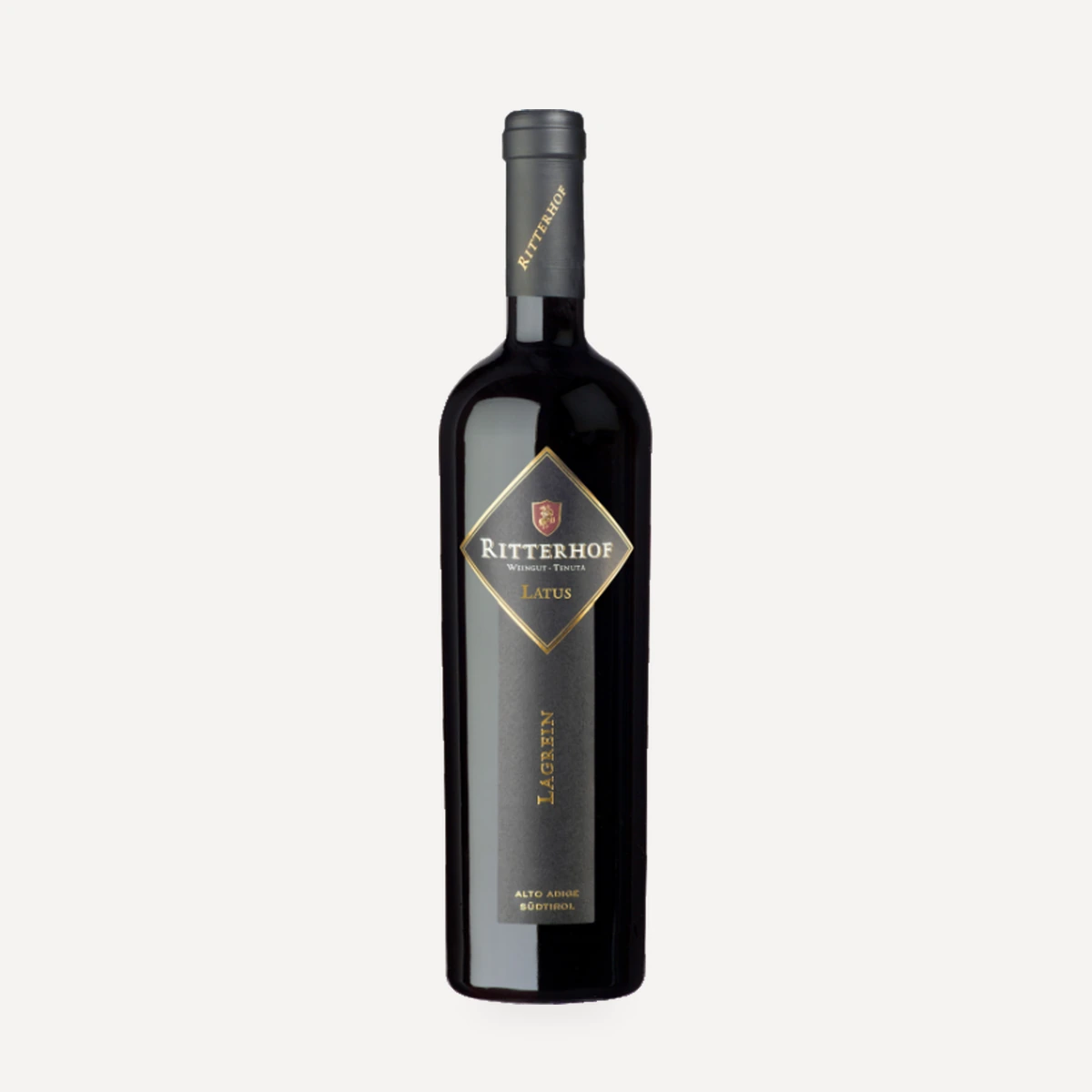
LATUS Alto Adige Lagrein DOC
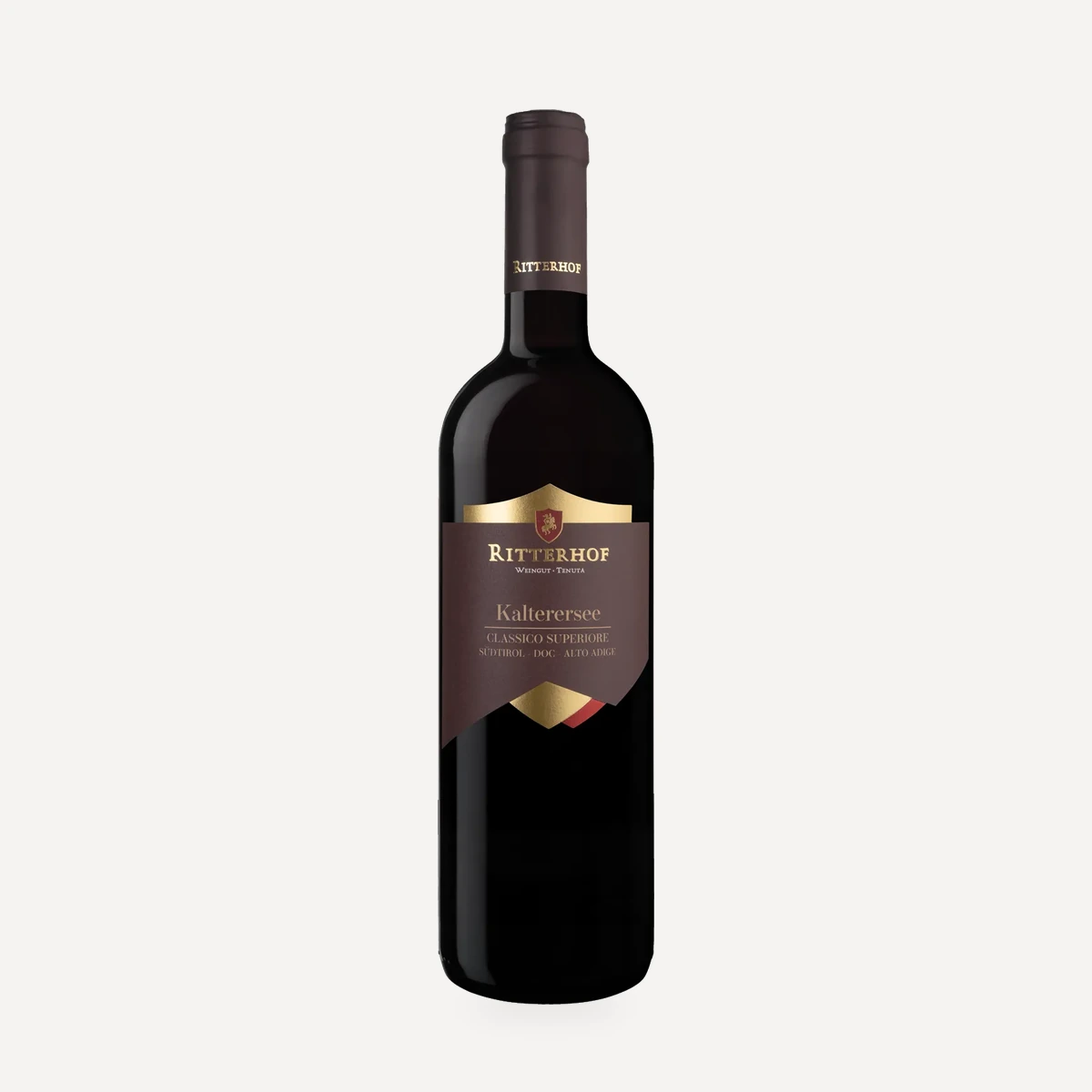
Lago di Caldaro Alto Adige Lago di Caldaro Classico Superiore DOC
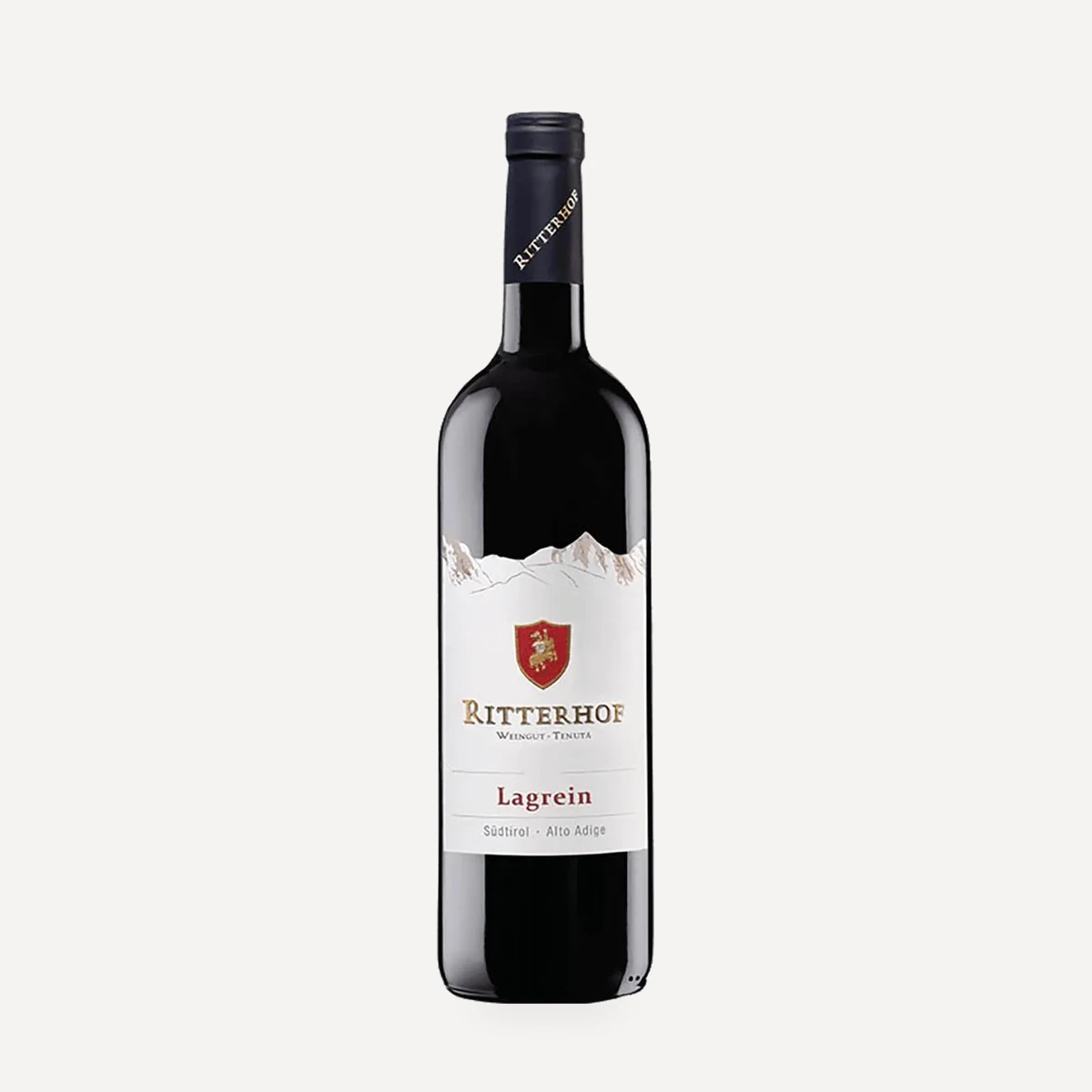
Lagrein Alto Adige Lagrein DOC
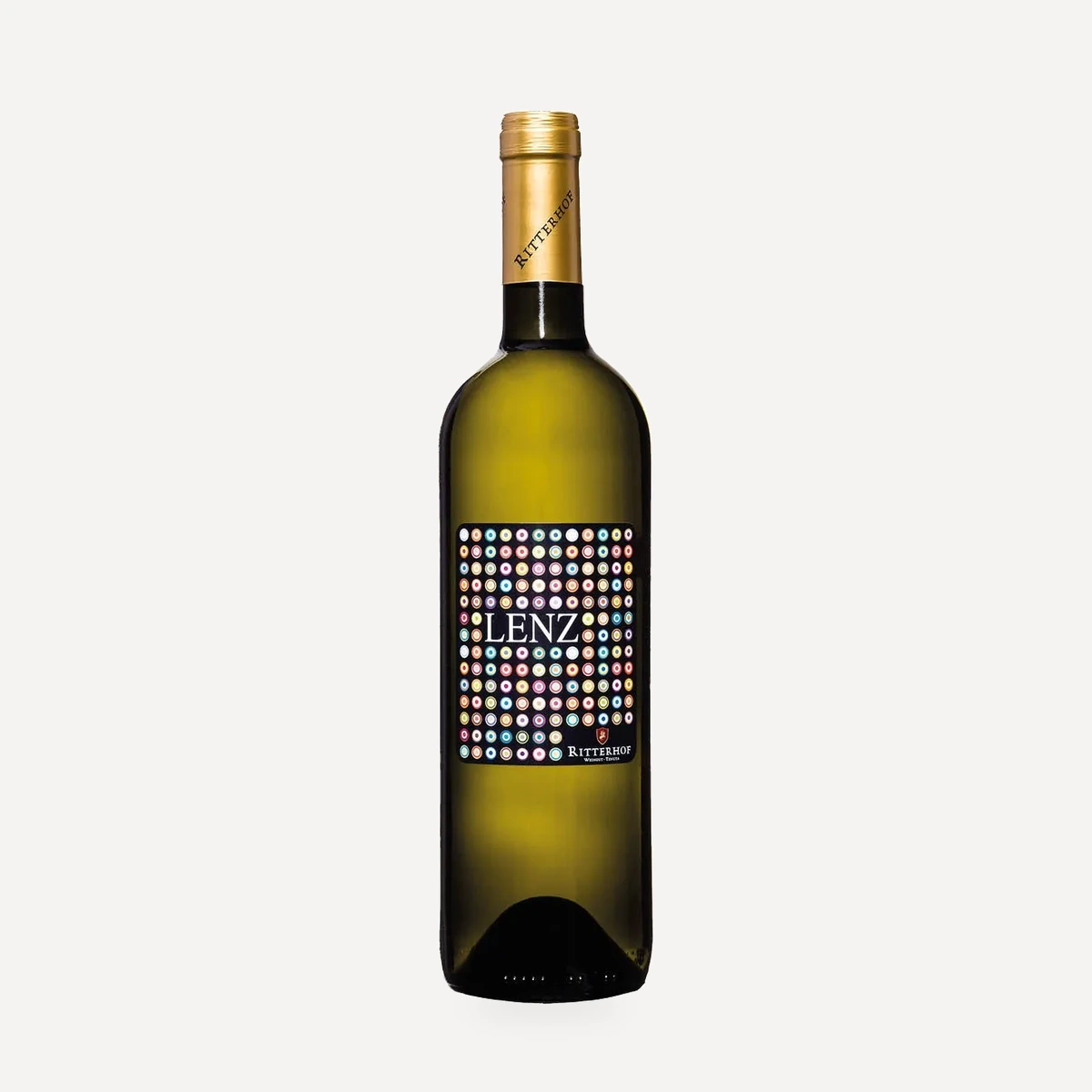
Lenz White wine
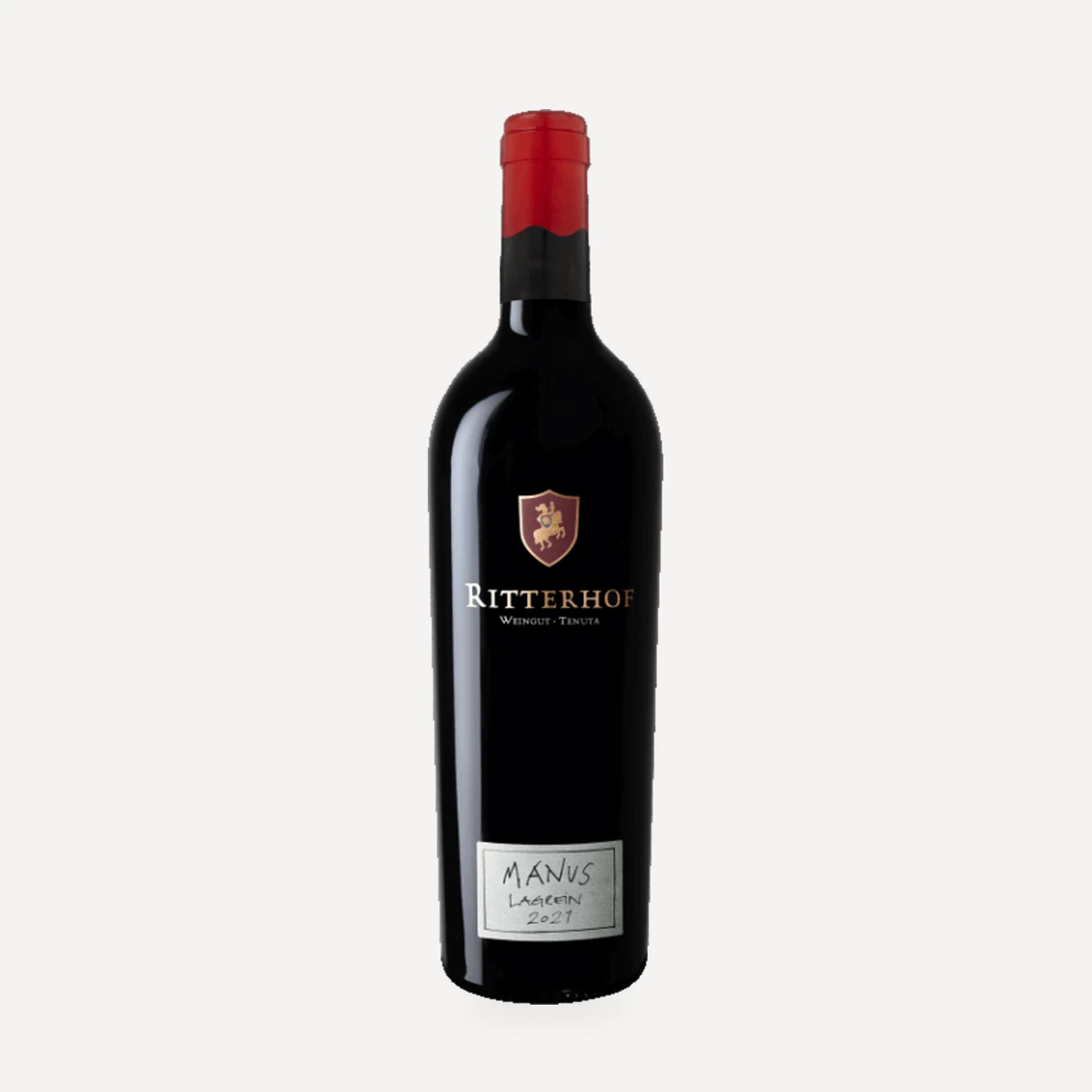
MANUS Südtiroler Lagrein Riserva DOC
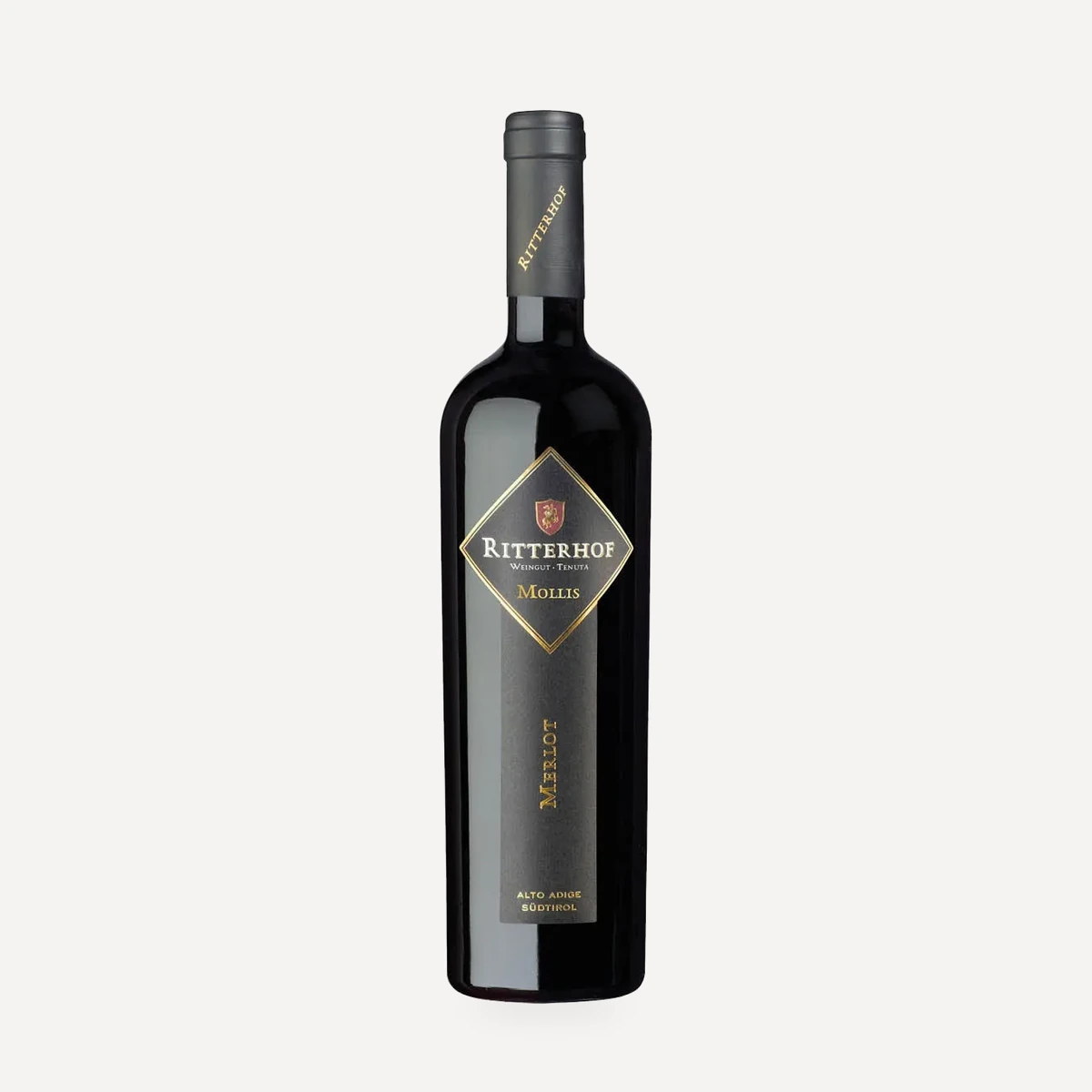
MOLLIS Alto Adige Merlot DOC
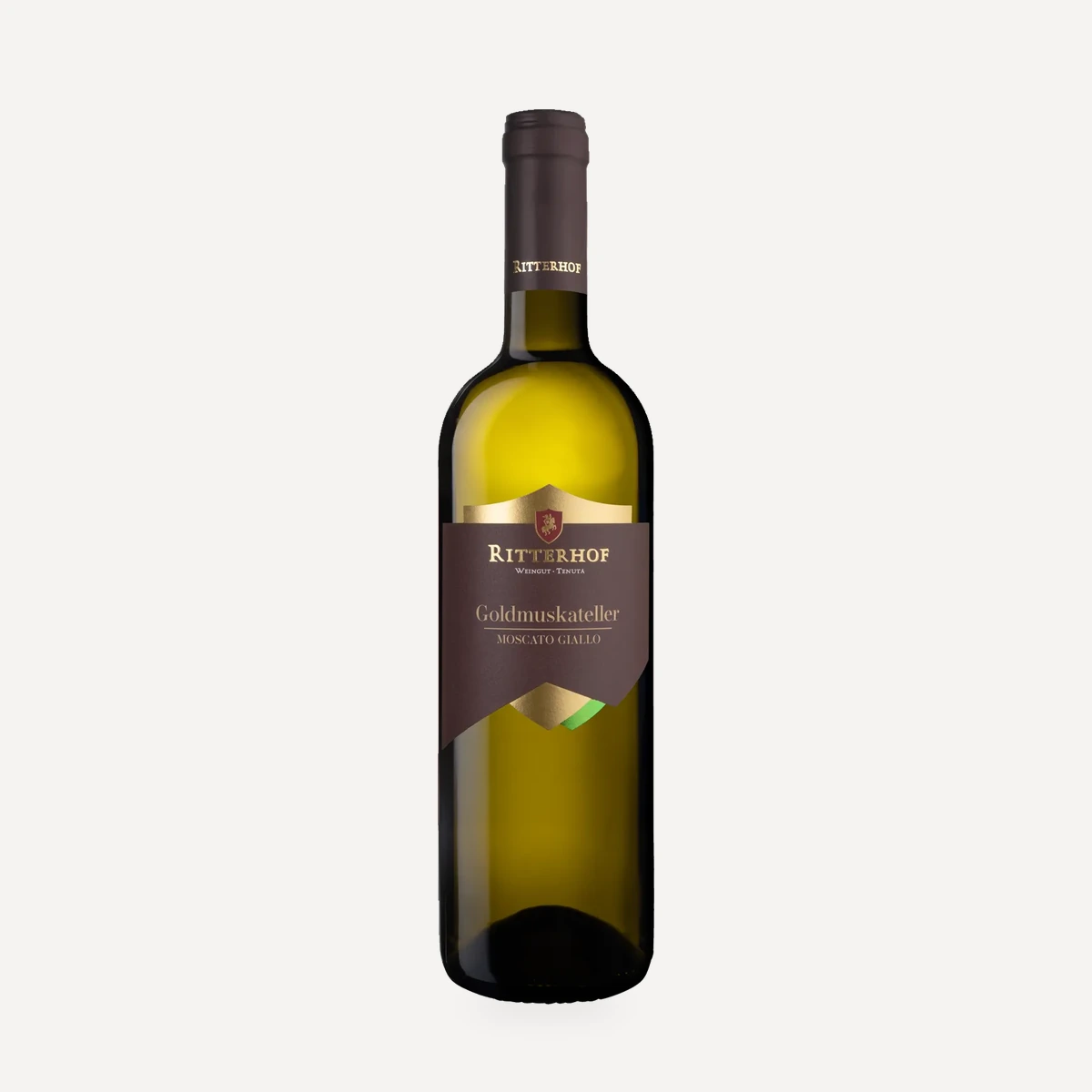
Moscato Giallo Vigneti delle Dolomiti IGT
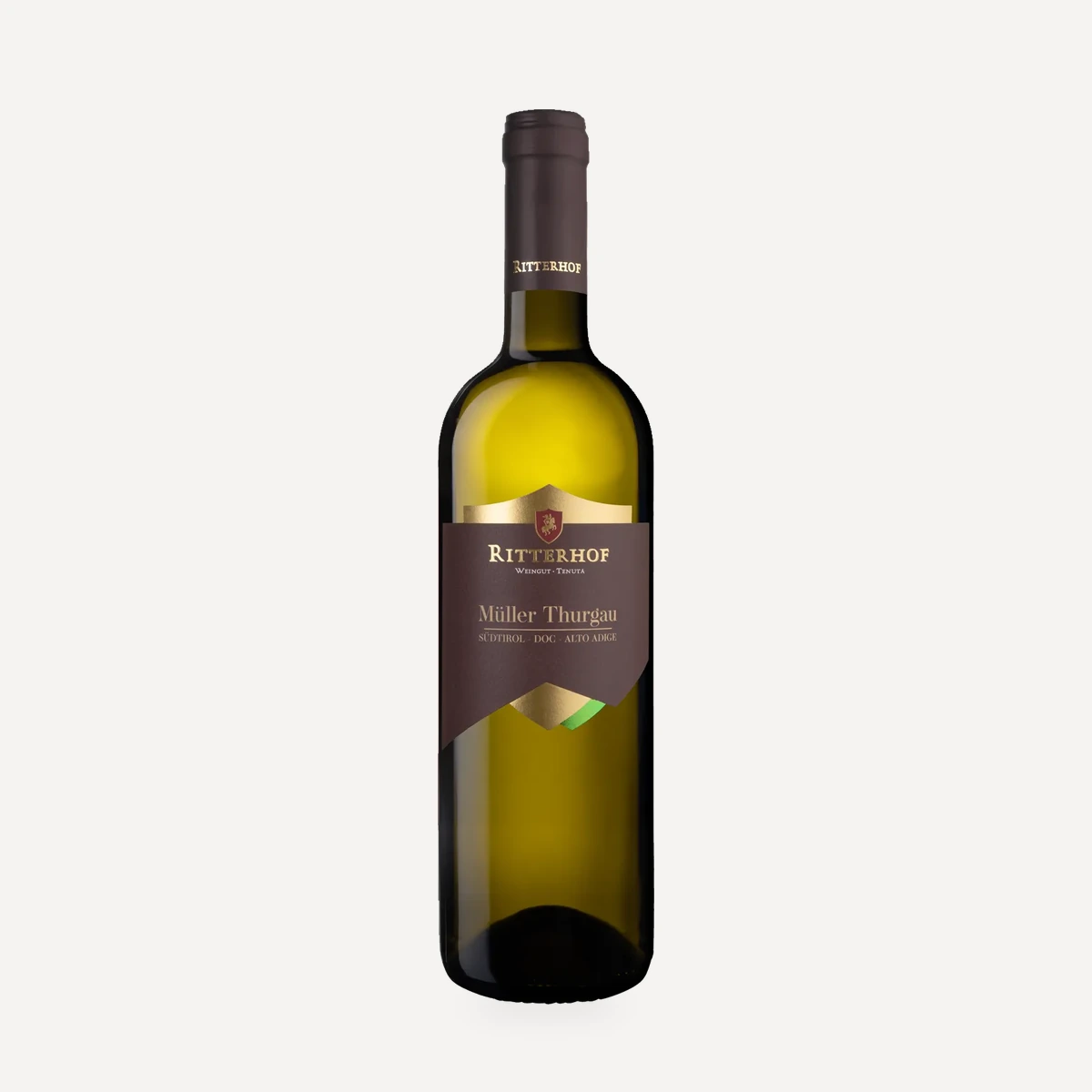
Müller Thurgau Alto Adige Müller Thurgau DOC
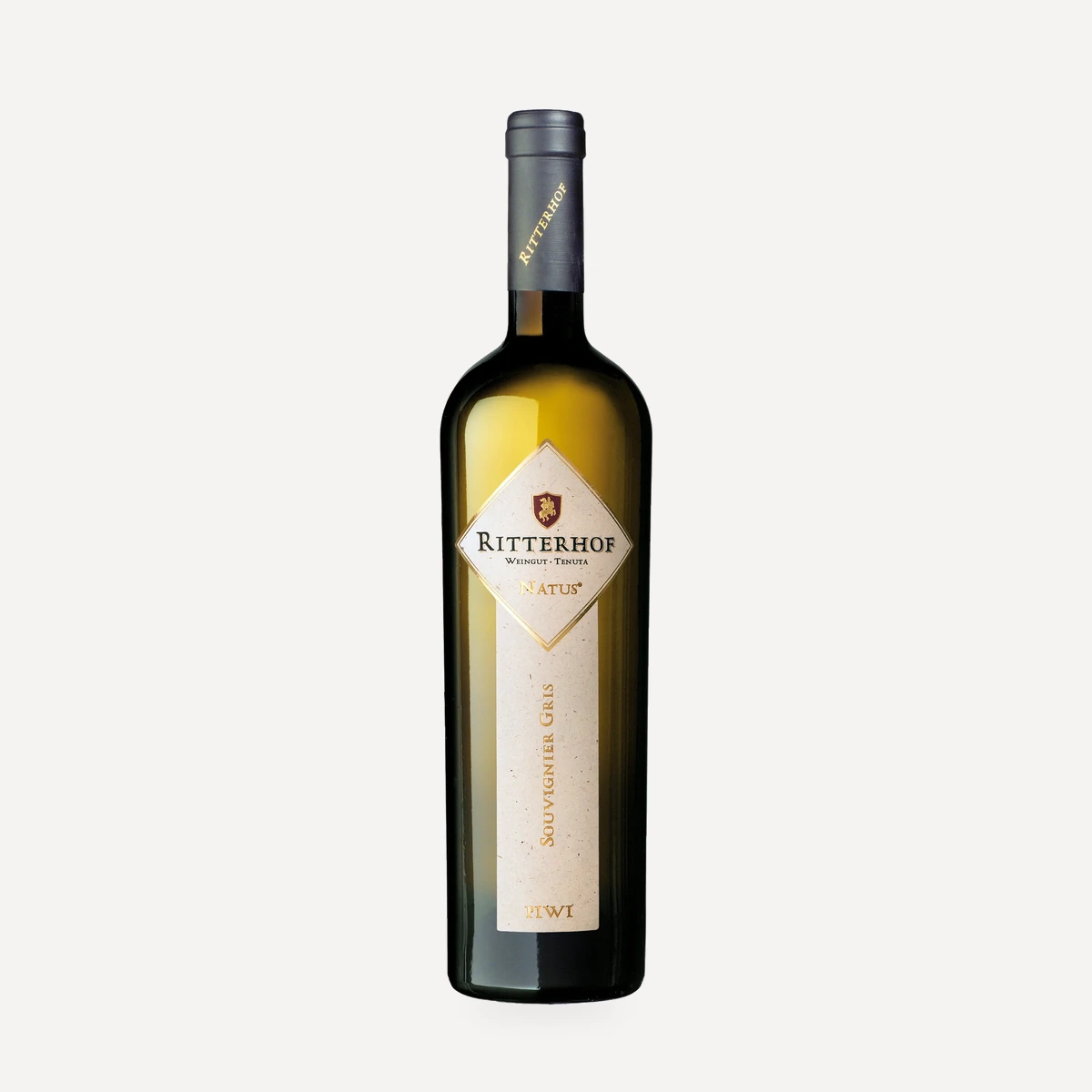
NATUS Souvignier Gris IGP Mitterberg
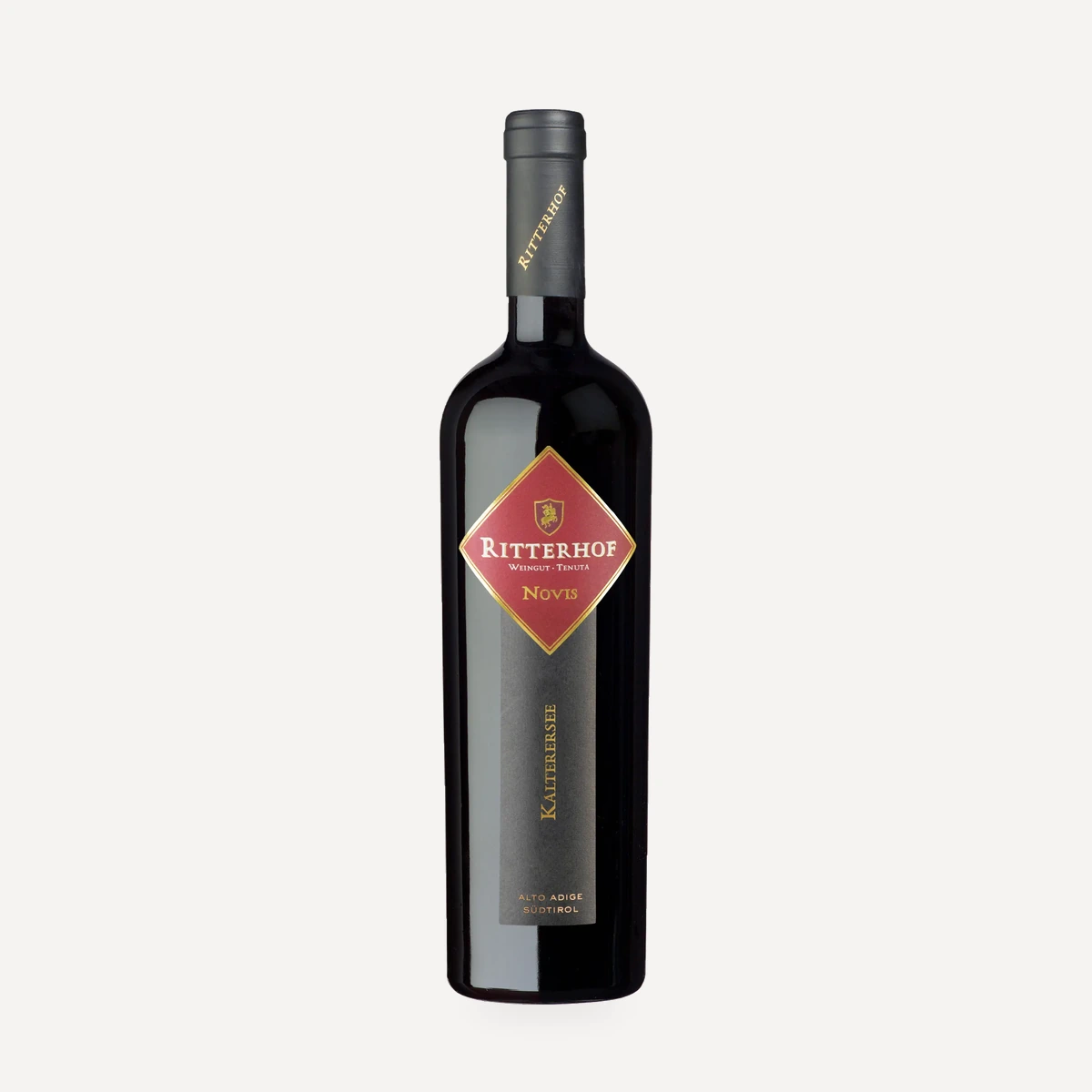
NOVIS Alto Adige Lago di Caldaro Classico Superiore DOC
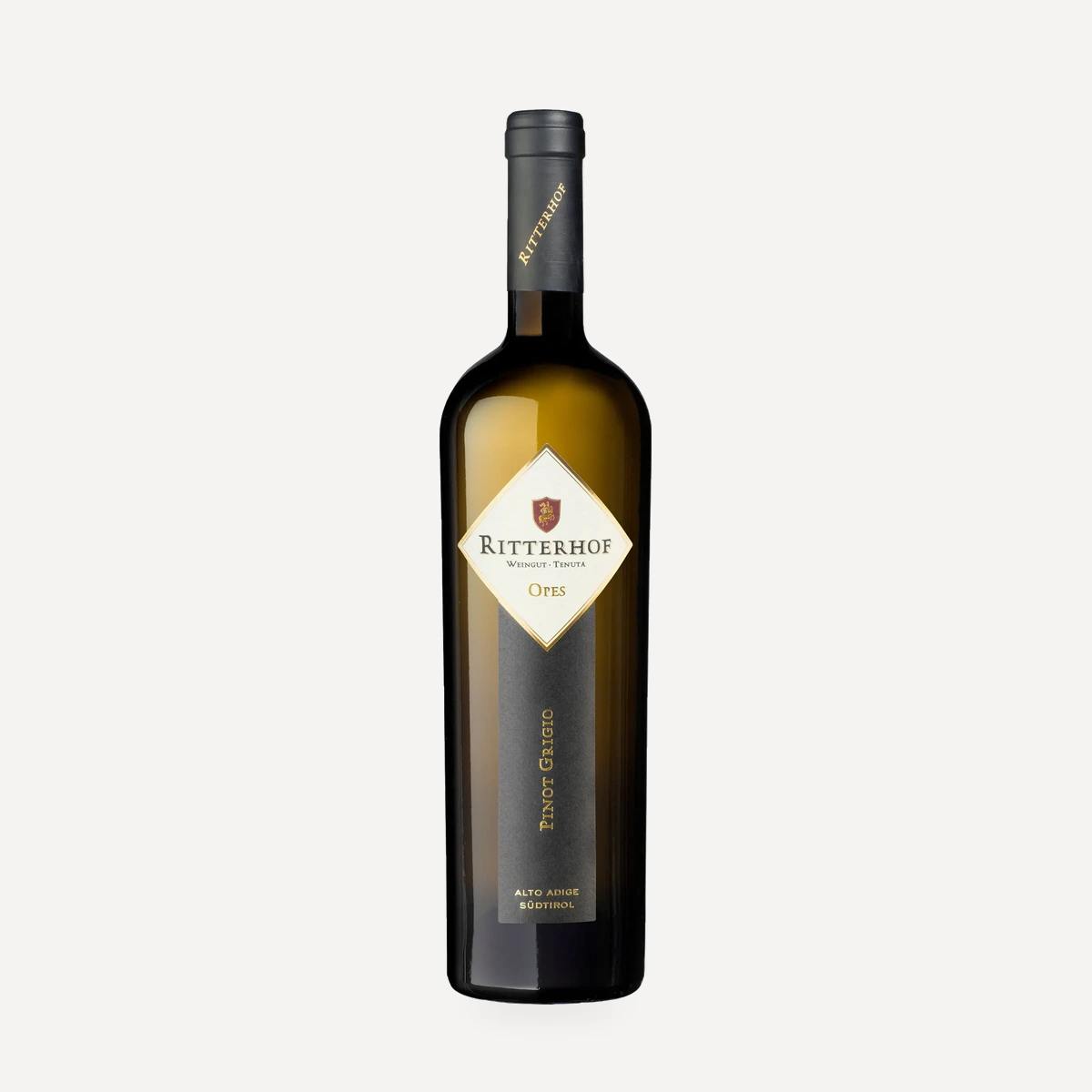
OPES Alto Adige Pinot Grigio DOC
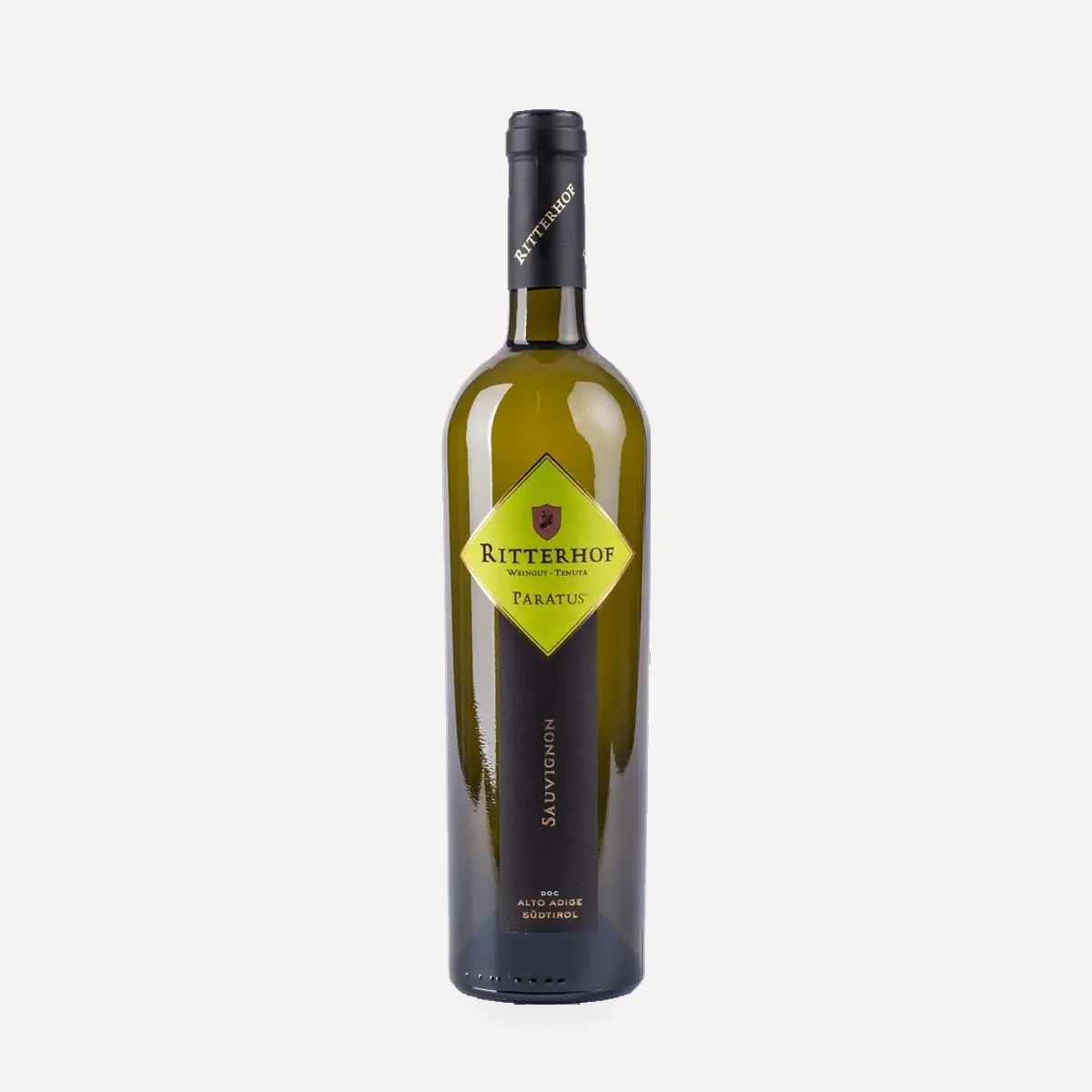
PARATUS Alto Adige Sauvignon DOC
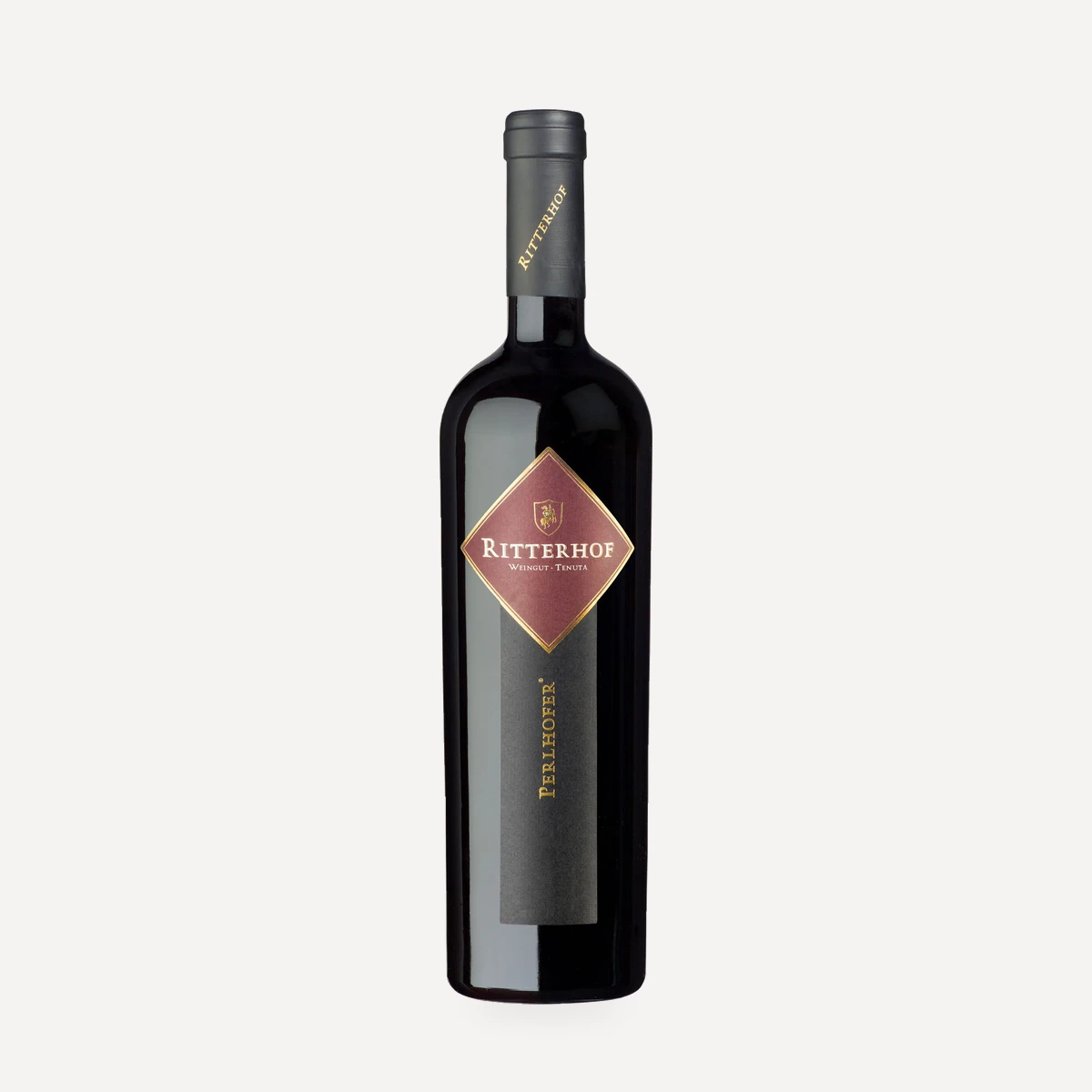
Perlhofer IGT
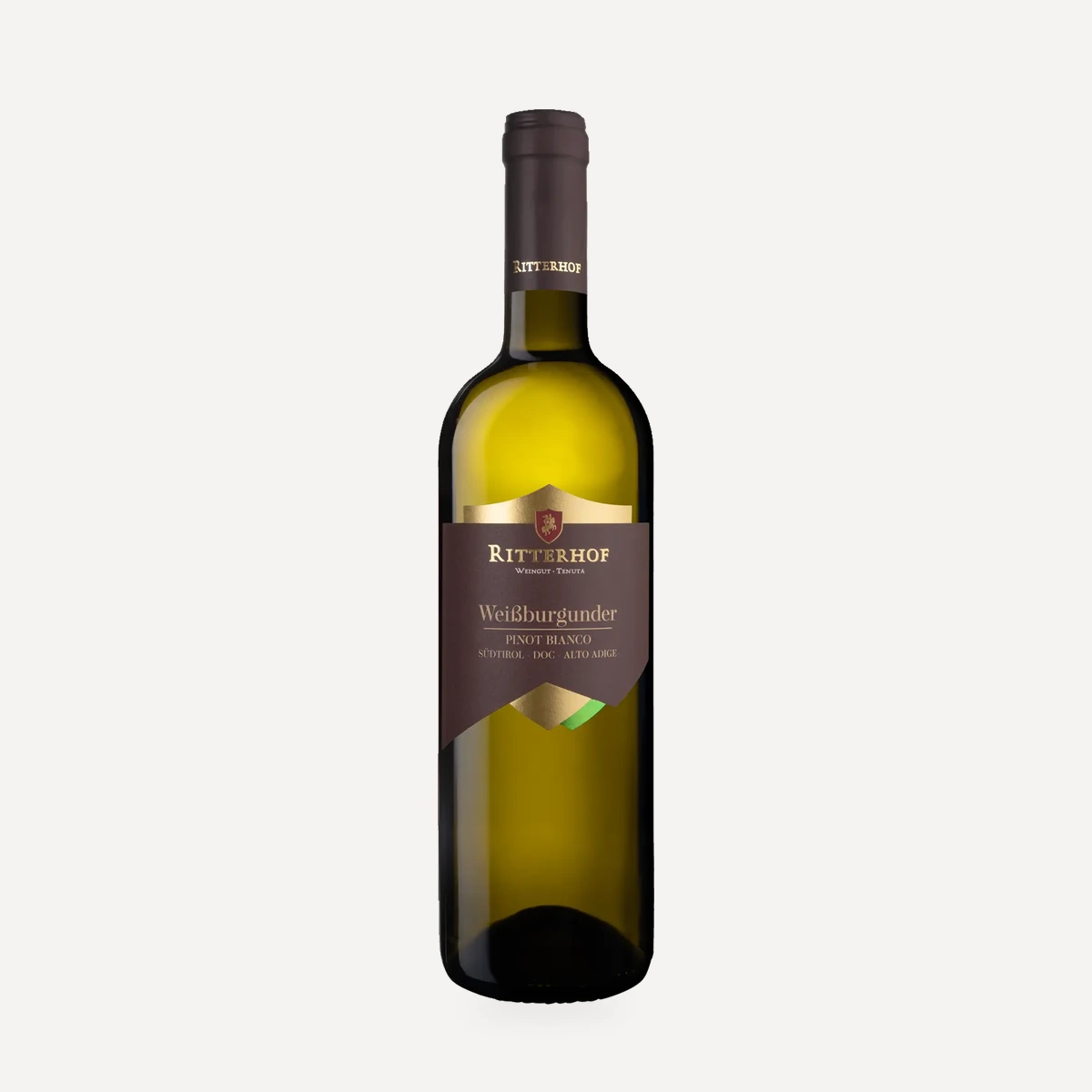
Pinot Blanc Alto Adige Pinot Blanc DOC
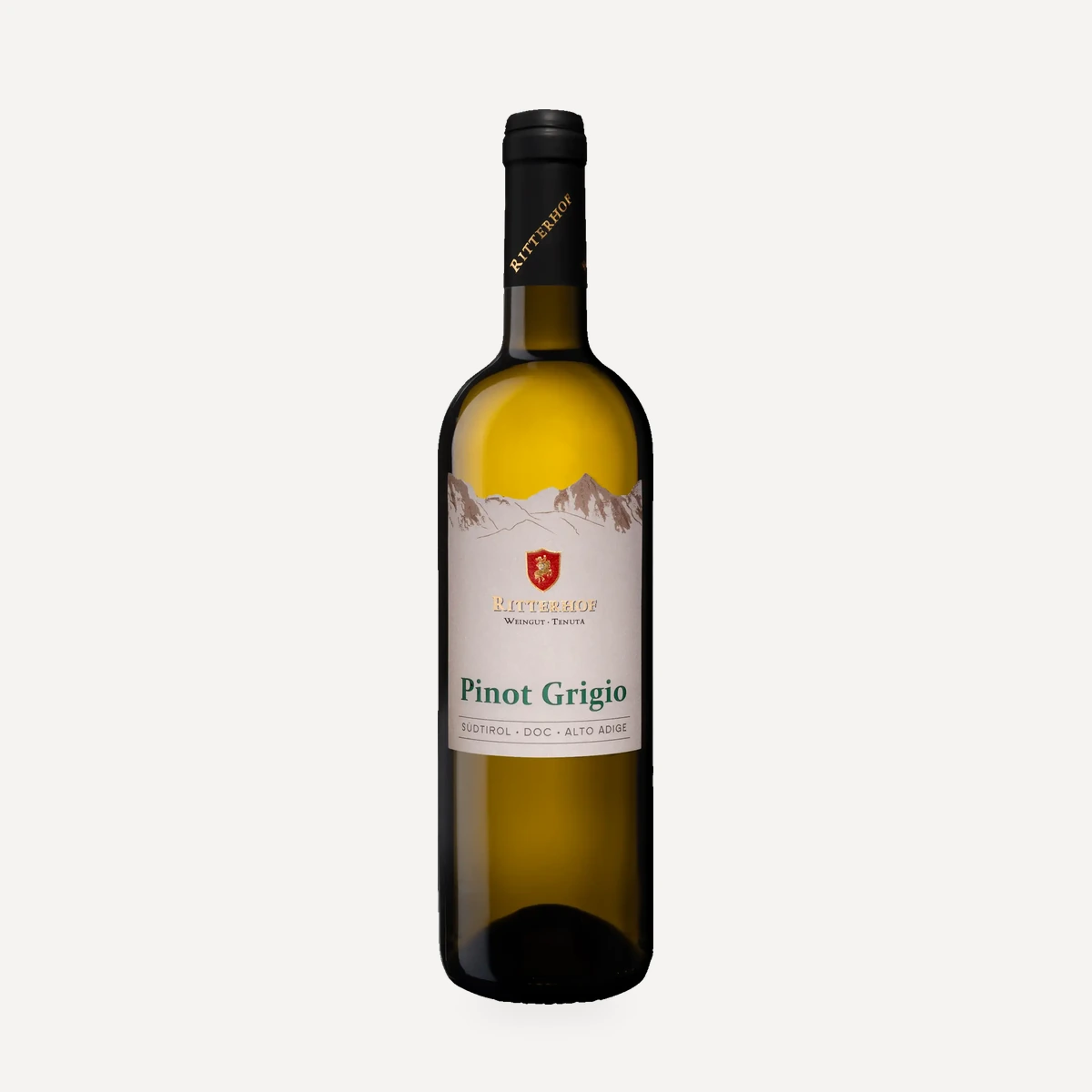
Pinot Grigio Alto Adige Pinot Grigio DOC
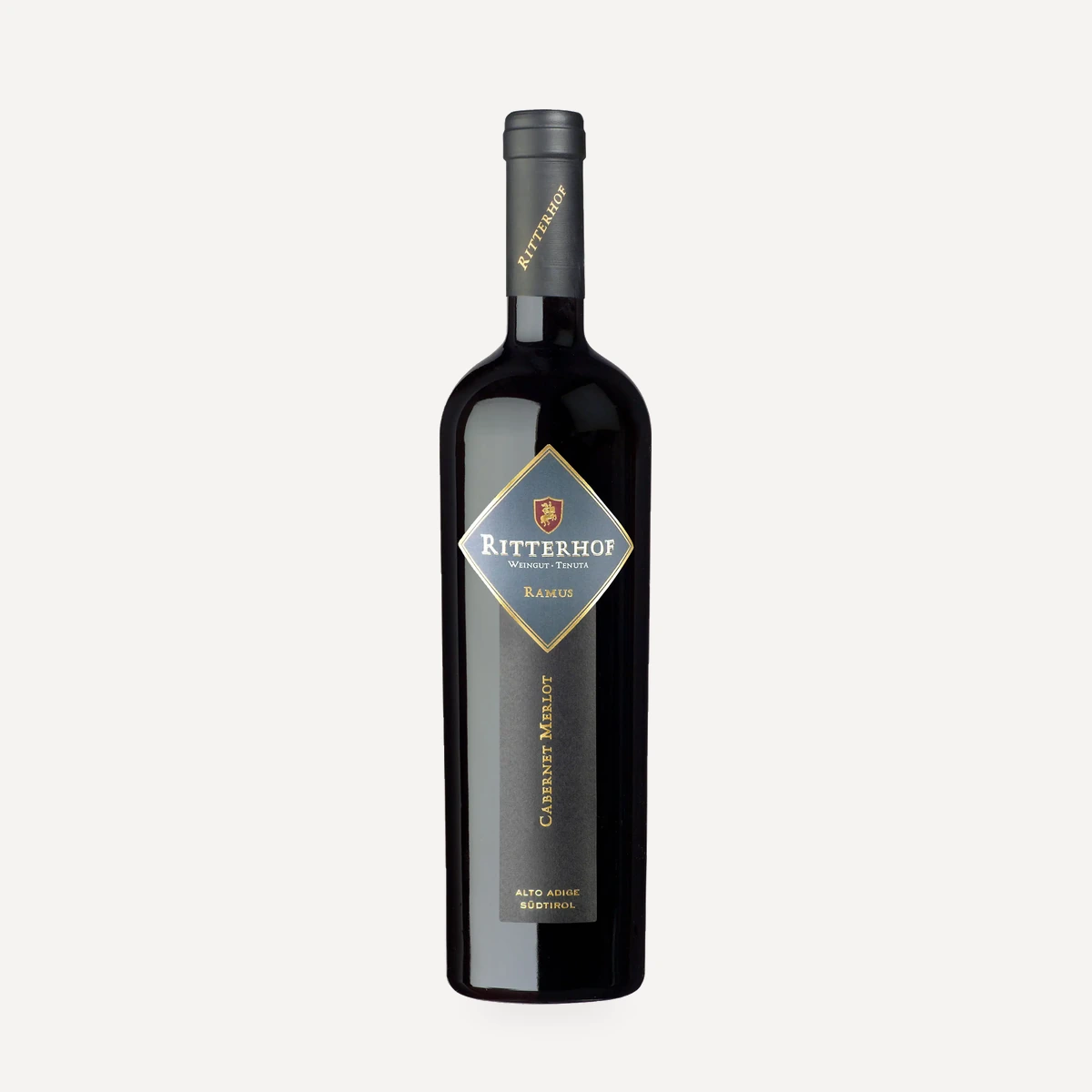
RAMUS Alto Adige Cabernet Merlot DOC
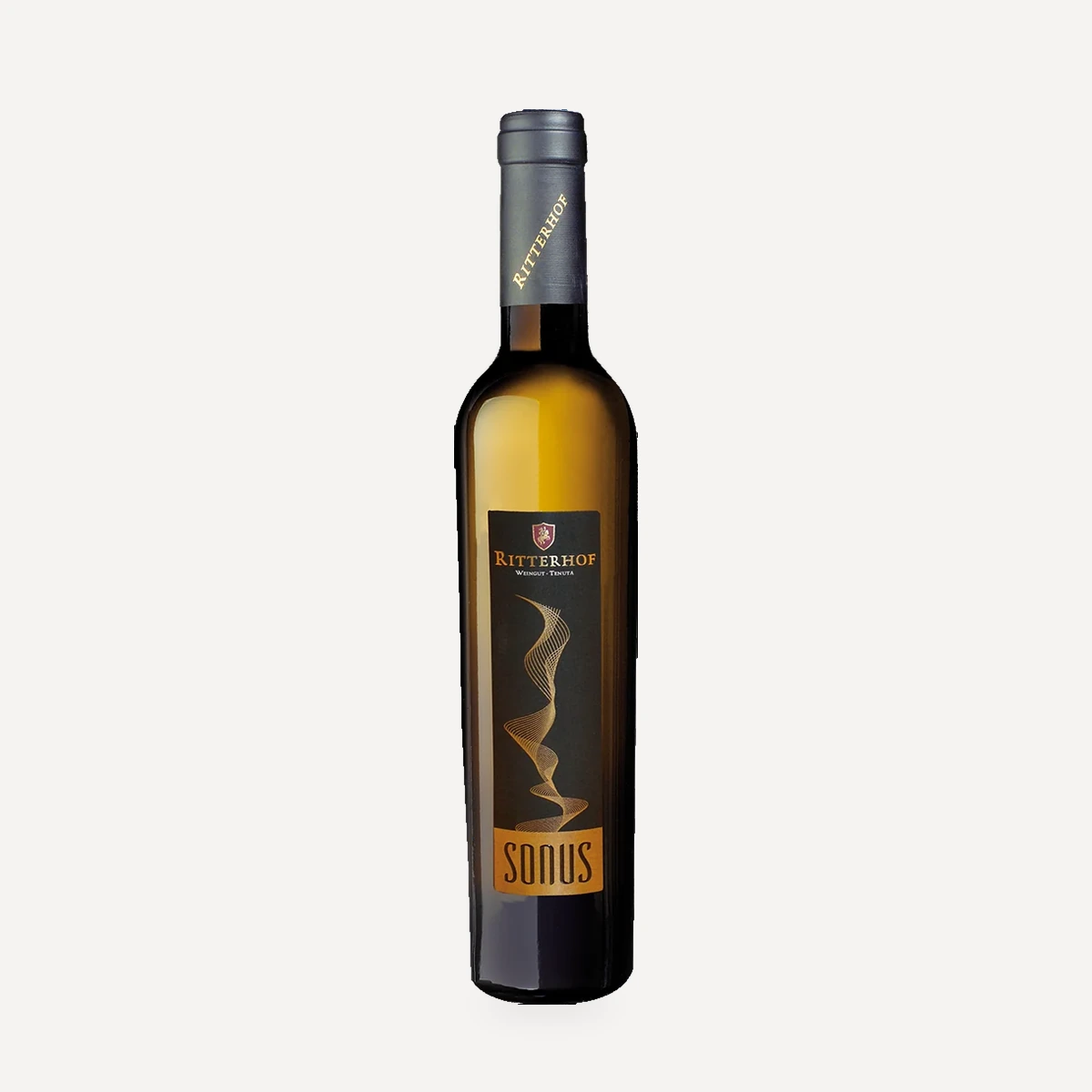
SONUS Gewürztraminer Passito IGT Mitterberg
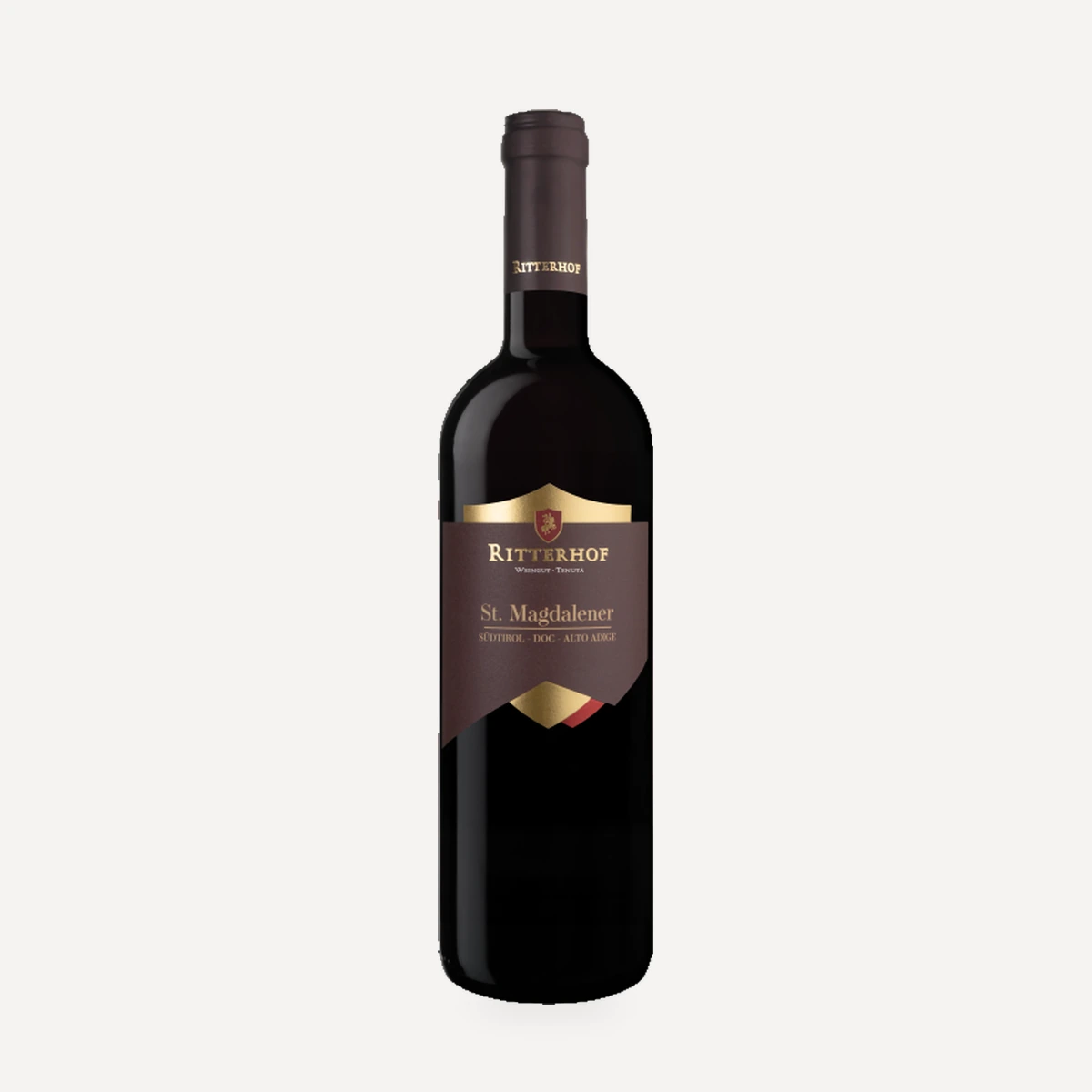
Santa Maddalena Alto Adige St. Maddalena DOC
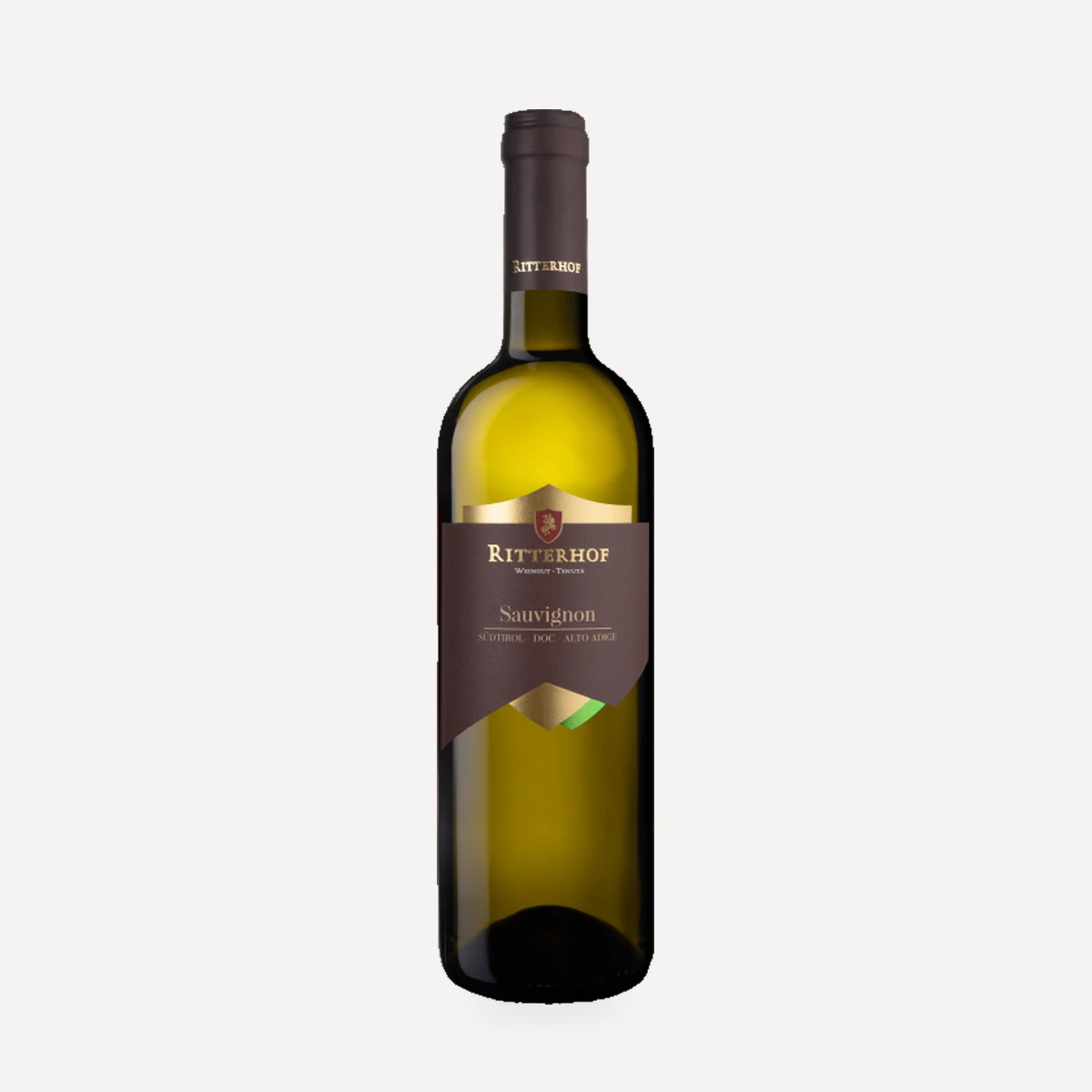
Sauvignon Alto Adige Sauvignon DOC
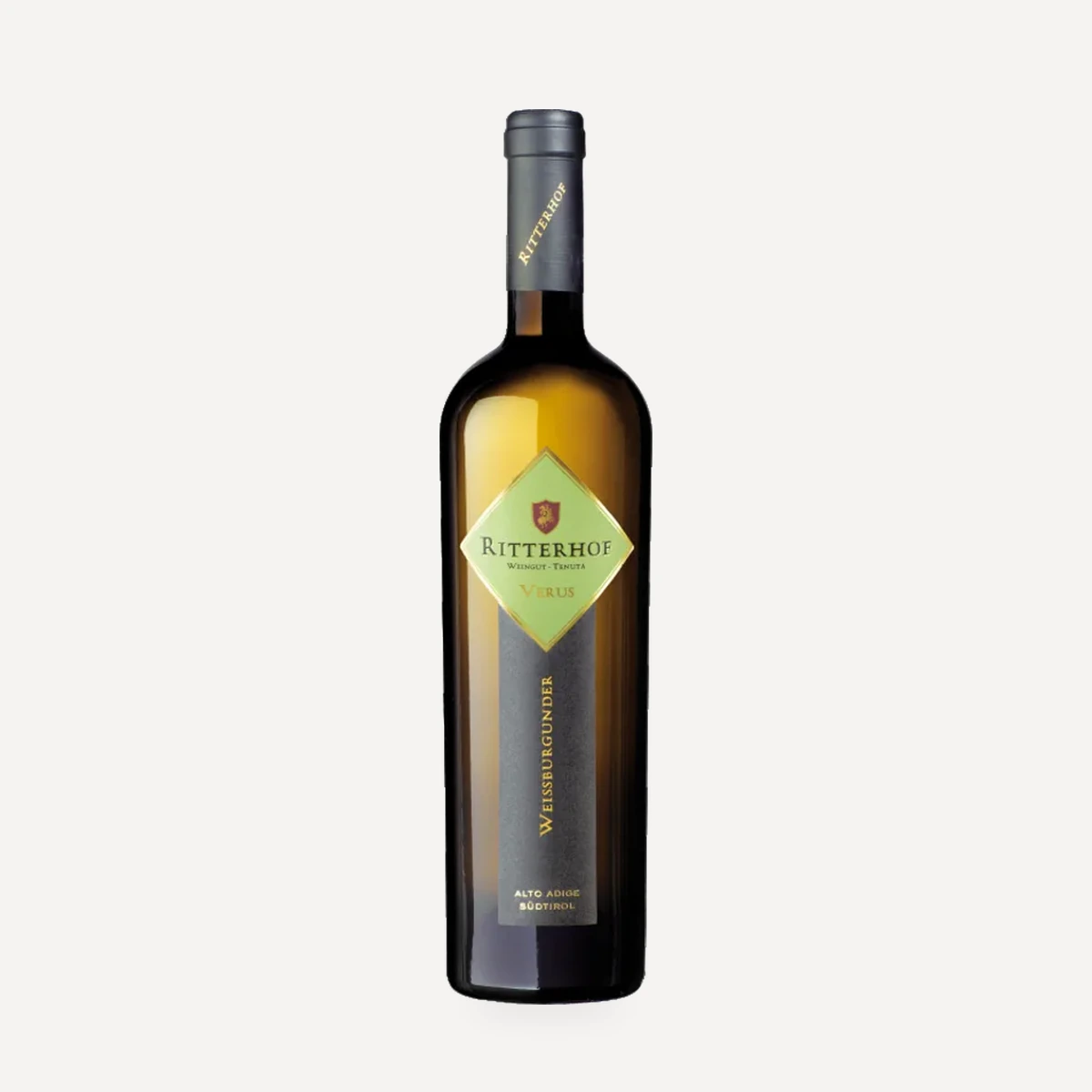
VERUS Alto Adige Weissburgunder DOC
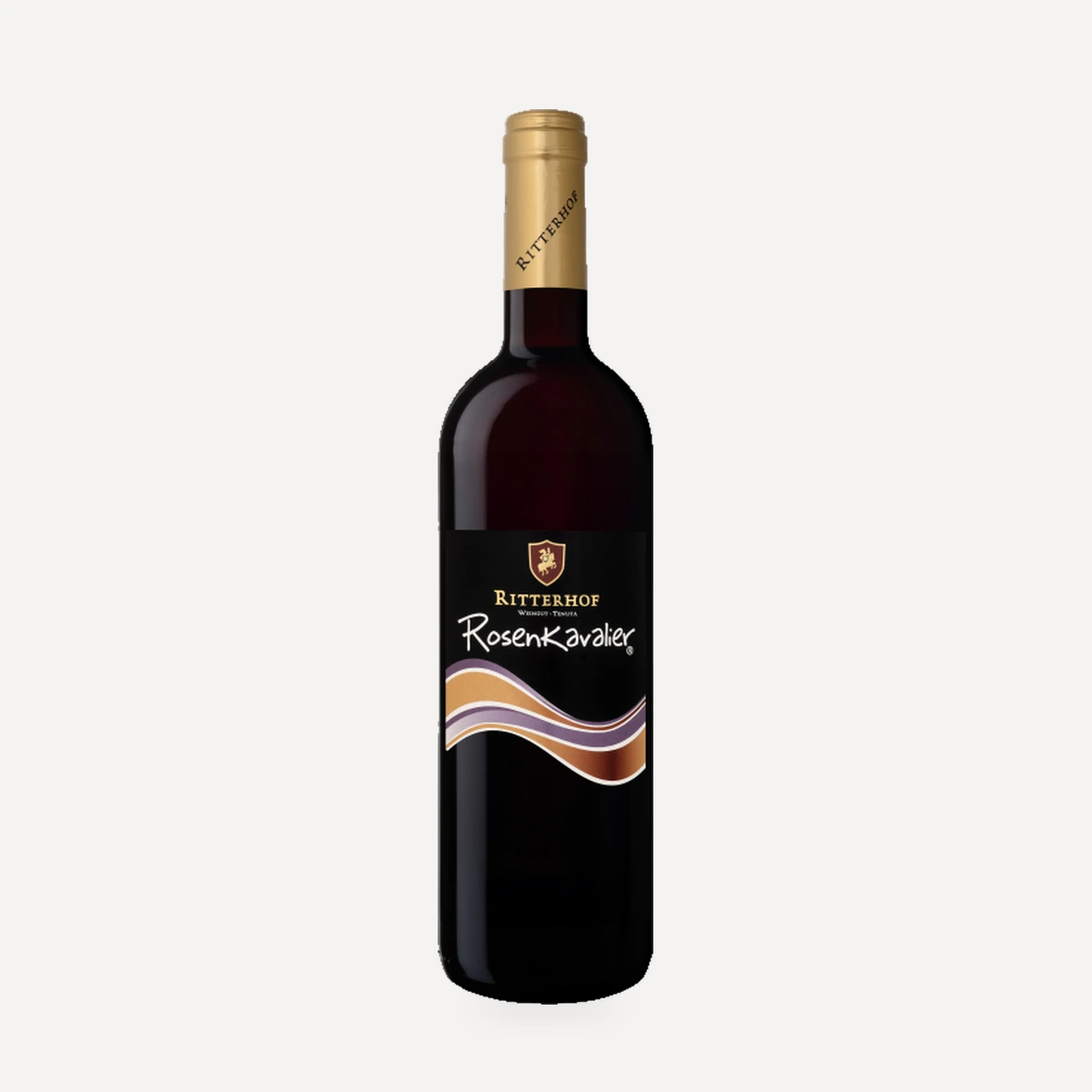
Rosenkavalier